
Let's learn about Database Administration via these 65 free blog posts. They are ordered by HackerNoon reader engagement data. Visit the Learn Repo or LearnRepo.com to find the most read blog posts about any technology.
Database administration involves managing database systems to ensure their availability, performance, security, and integrity. It matters for safeguarding critical data, optimizing access, and ensuring the smooth operation of data-driven applications.
1. How Cassandra Stores Data: An Exploration of Log Structured Merge Trees
 LSM trees, memtables and SSTables working to provide database storage
2. Mastering MongoDB - Introducing multi-document transactions in v4.0
 Photo by Madison Grooms on Unsplash
3. Navigating the Vector Database Landscape
 Learn about the options for vector databases and how each works.
4. Your Guide To Schema-based, Multi-Tenant Systems and PostgreSQL Implementation
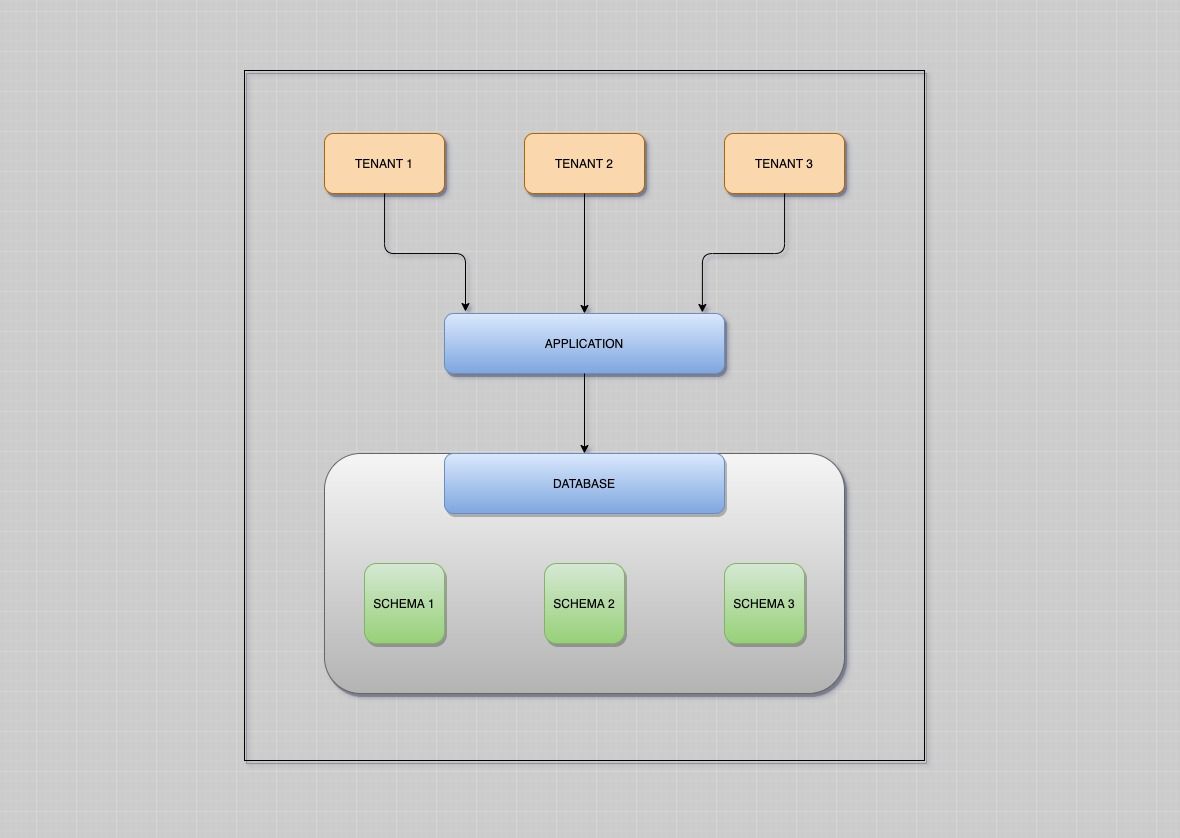 There are several architectures that could be followed to achieve multi-tenancy at the database layer.
5. Setting Up a Dedicated Database Server on Raspberry Pi
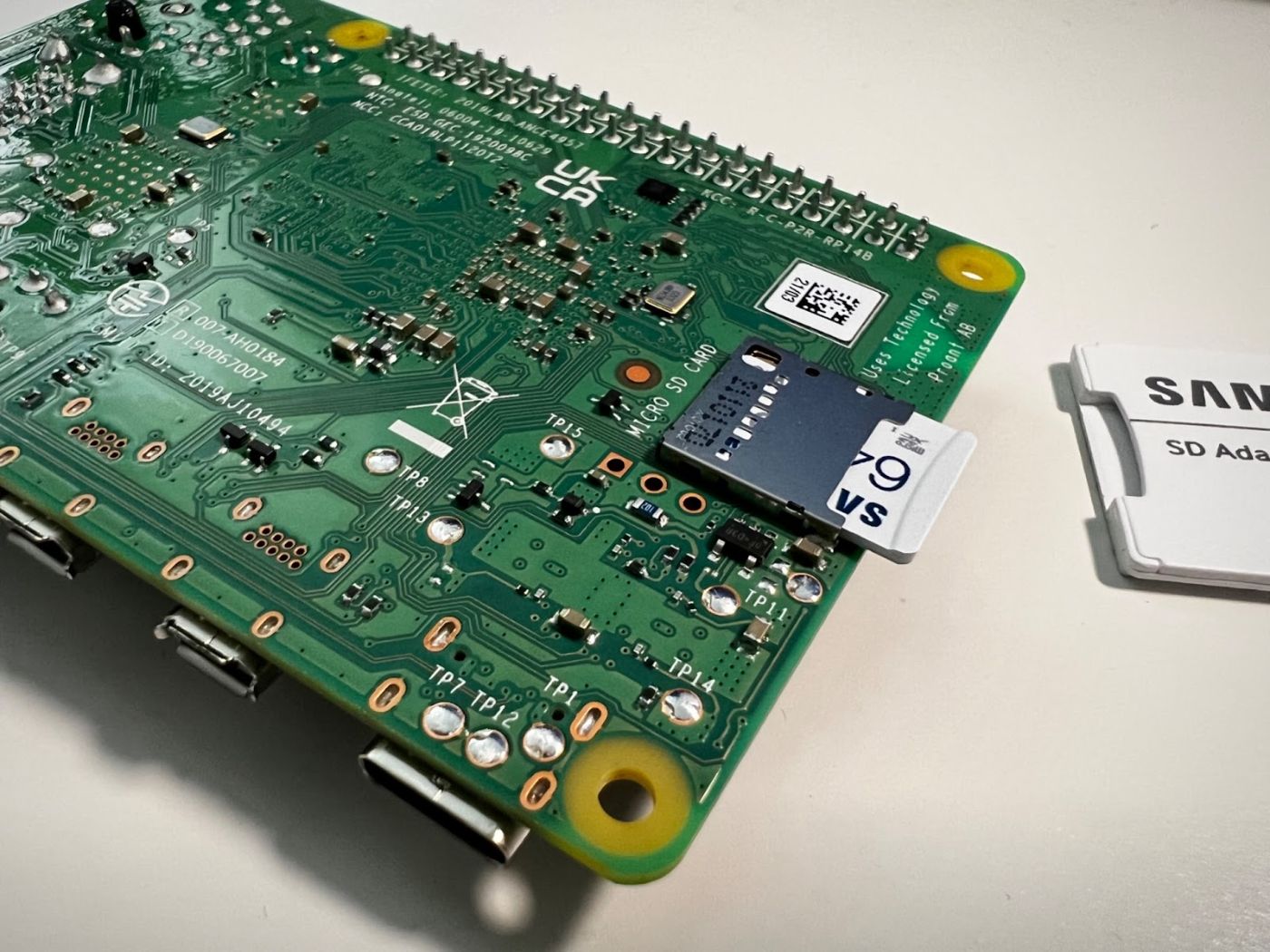 Learn how to set up a MariaDB database server on a Raspberry Pi 4 Model B with 8 GB of RAM that you can connect to your local network through WiFi or Ethernet
6. How to Connect Your Bastion Server to a PostgreSQL Server with an SSH Tunnel
 In this article, you'll learn how to connect to an RDS server through a bastion server in Bash using an SSH tunnel.
7. A Comprehensive Guide for Using DuckDB With Go
 A comprehensive guide how to use popular embedded OLAP database DuckDB with Go.
8. Utilizing External Tables to Store and Query Data on MinIO with SQL Server 2022
 With Microsoft SQL Server 2022, object storage becomes a first class citizen through a technique called external tables.
9. How to Manage Multiple Databases in Rails 6
 With the launch of Rails 6, one of the new features that were announced was of multiple database support.
10. How SQL Database Engine Work
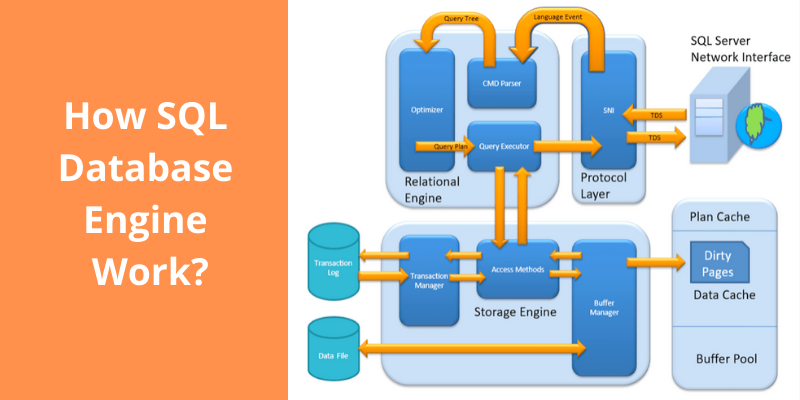 For now, I am assuming that you all know what is SQL or you have some experience with SQL or you are using SQL for many years. I know many people who know so much about SQL and even have created many projects based on SQL and they do not know what is SQL engine or how actually SQL database engine works. It’s obvious no one’s care about the internal working of SQL engine or something because without knowing How SQL works we can still create and access database using any SQL program.
11. Upgrading MySQL 5.5 to MySQL 8: A Step by Step Guide
 It is one of the dogmas that upgrading freeware libraries is a drag - but not anymore especially for MySQL. Check out this article for more information.
12. The Roadmap to Learning SQL in 90 Days
 A Zero to SQL 90 Days Roadmap
13. How to Manage Databases with CI/CD
 If you’re still doing manual migrations on the database you’re doing it wrong. Databases are as much part of the application as the code.
14. Apache Cassandra – An Essentials Guide
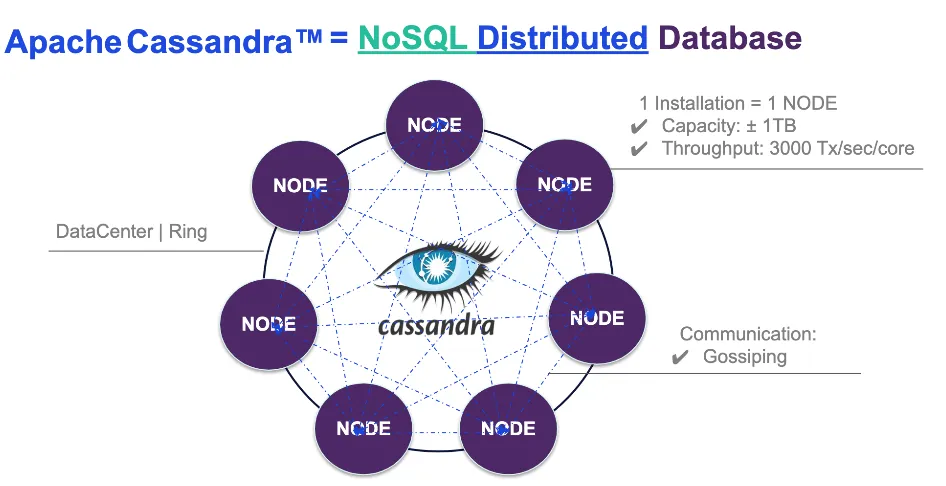 Need to get up to speed on Cassandra and learn how it can benefit your software development practices? These are the essentials that cover the basics.
15. Apache Cassandra Guide: Data Modeling
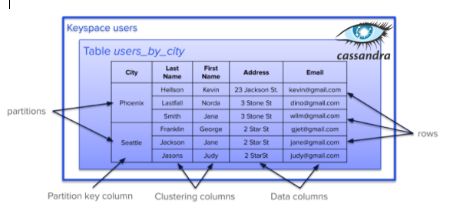 Data modeling is probably one of the most important and potentially challenging aspects of Cassandra. CQL will look familiar if you come from a relational background, but the way you use it can be very different. For our third guide, we will walk you through the process of creating a basic data model. Read part one on Cassandra essentials and part two on bootstrapping.
16. SQL Server to AWS RDS Migration: The Good, the Bad, and Everything in Between
 Migrating our SQL Server databases to AWS RDS saved us about 30% in overall costs and eliminated much of the routine manual maintenance via automation.
17. Optimize Data Migration in MongoDB: Resharding Techniques for Speed and Scalability
 Distribute a MongoDB collection fast, "reshard-to-shard" distributes data quicker than others methods, spreading your workload across multiple shards in hours.
18. Here's What to Know About Apache Cassandra 5.0
 Learn about the new features of the open source Apache Cassandra 5.0 database, including performance, advanced querying, and more.
19. How to Handle Database Versioning on Multiple Environments

20. Decoding MySQL EXPLAIN Query Results for Better Performance
 Understanding MySQL explains query output is essential to optimize the query. EXPLAIN is good tool to analyze your query.
21. What happens inside an Amazon warehouse: A software engineer's guide
 Have you ever wonder what happens inside of an Amazon warehouse? As a software engineer, the supply chain field has plenty of technical challenges.
22. SQL Queries: Why You Need SQL-Agnostic Parsing
 No need to be an expert in thousands of combinations of SQL, data types, and databases to master SQL queries. A good SQL agnostic parser will take care of all.
23. Oracle Autonomous Database Auto-Scaling: A DBA's Guide to Elastic Performance
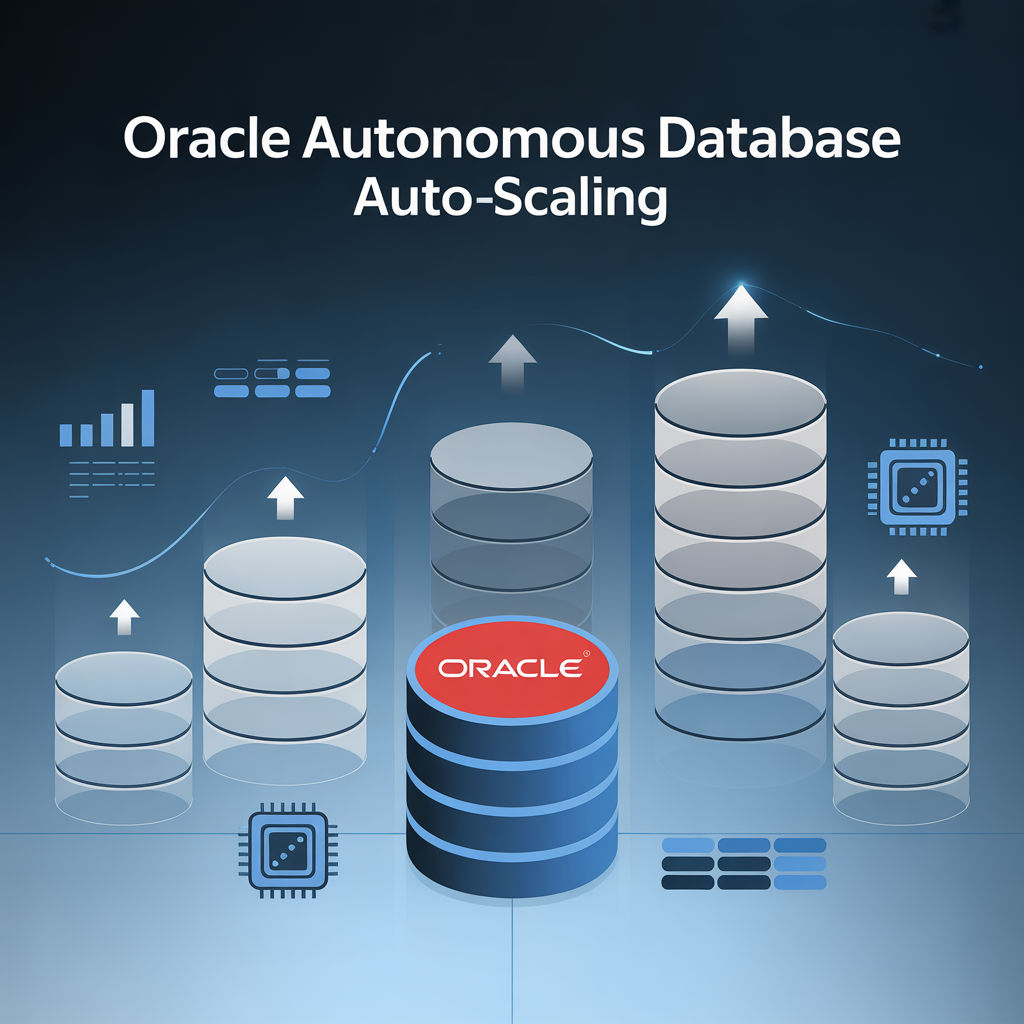 Learn Oracle Autonomous Database auto-scaling from a 15-year DBA veteran. Complete implementation guide with code example, testing scenarios, and best practices
24. CouchDB vs MariaDB- Which is better?
 In simple terms, a database is a collection of information. It is organized to ensure easy accessibility, management, and updates.
25. How to Achieve Schema and Validation in NoSQL Using Ottoman and Couchbase
 Ottoman is an Object Data Modeler (ODM) for Couchbase's Node.js SDK providing JSON schema and validation for a NoSQL database.
26. Should I Use An Embedded Database In My Mobile Application? (Podcast Transcript)
 Amy Tom chats to Jens Alfke about embedded databases in mobile applications and how they live within your application and sync to your server.
27. Different Types of Normal Form
 Understanding the different types of normal forms is essential for anyone involved in designing and optimizing relational databases.
28. The Future of Database Administration Is Evolution, Not Extinction
 Database administration is evolving rapidly as AI technologies mature. This article examines automation shines, human expertise
29. Securely connect a web app to a remote Postgres database
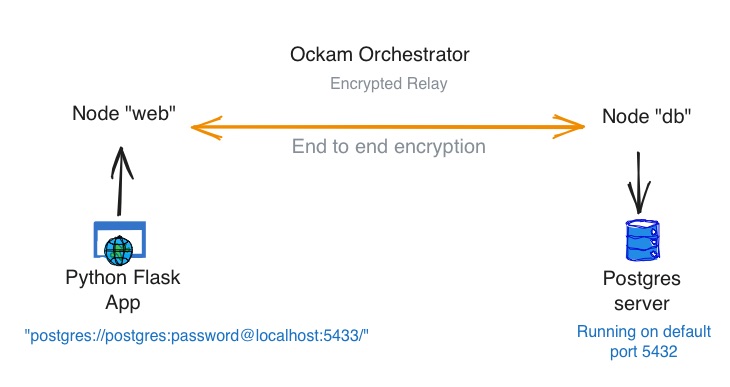 Learn how to connect a traditional web app to a Postgres database, in a way with requires minimal/no code changes and no firewall management
30. MongoDB vs. DocumentDB: Which Is A Better Choice for You?
 Are you trying to decide if you should use MongoDB or DocumentDB? With the recent controversy surrounding licensing with MongoDB, it can be confusing to decide which option is right for your company or project. Amazon decided the core MongoDB code is challenging to scale while remaining highly available. Amazon wrote their implementation, which is compatible with the Apache 2.0 open source MongoDB 3.6 API. MongoDB, Inc. has also recently changed their license to make future imitations more difficult. To do this, they created an entirely new license called the Server Side Public License.
31. Apache Cassandra – Bootstrapping
 Our first article covered Cassandra essentials: the “what” and “why” about the architecture. If you’re ready to try Cassandra, the next few articles will explain the “how.” At the end of these tutorials you should have a database up and running, experienced using Cassandra Query Language (CQL), gained some practical data modeling expertise, and learned best practices for building applications with Cassandra.
32. Efficient Dockerized Database Monitoring with Dockerized PMM
 Learn how to monitor your databases with ease using Docker and Percona Monitoring and Management (PMM). PMM is a free and open-source platform for monitoring an
33. Migration Makes My Skin Crawl: From SQL to NoSQL
 Is database migration as scary as it sounds? Amy Tom talks to Matt Groves, Senior PM Manager at Couchbase, and Curt Gratz, Co-Owner of CKH Consulting.
34. Do Database Administrators Still Matter in the Age of Managed Databases?
 Discover how the database administrator role is evolving with managed services like AWS RDS.
35. Postgres and MySQL: Performance Comparisson
 What workload analysis and running queries can teach us about the performance differences in JSON, indexing, and concurrency.
36. A Brief Introduction to MongoDB
 MongoDB is a document-oriented NoSQL database for storing large amounts of data. MongoDB uses collections and documents instead of tables and rows
37. Integrating Manticore Search with Apache Superset
 In this article, we’ll provide a step-by-step tutorial that will guide you through connecting Manticore to Apache Superset and adding a chart.
38. 10 Principles of Proper Database Benchmarking
 In this article, learn all about how to benchmark your DB tests.
39. Understanding Data Compaction: The Storekeeper's Approach to Efficiency
 Think of your disks as a warehouse: The compaction mechanism is like a team of storekeepers who help put away the incoming data.
40. Getting Started with Kvrocks and Go-redis
 Learn how to use the go-redis client to get started with Apache Kvrocks, a distributed key-value NoSQL database.
41. PHP CRUD Generator – Instantly Build Admin Panels from Your Database
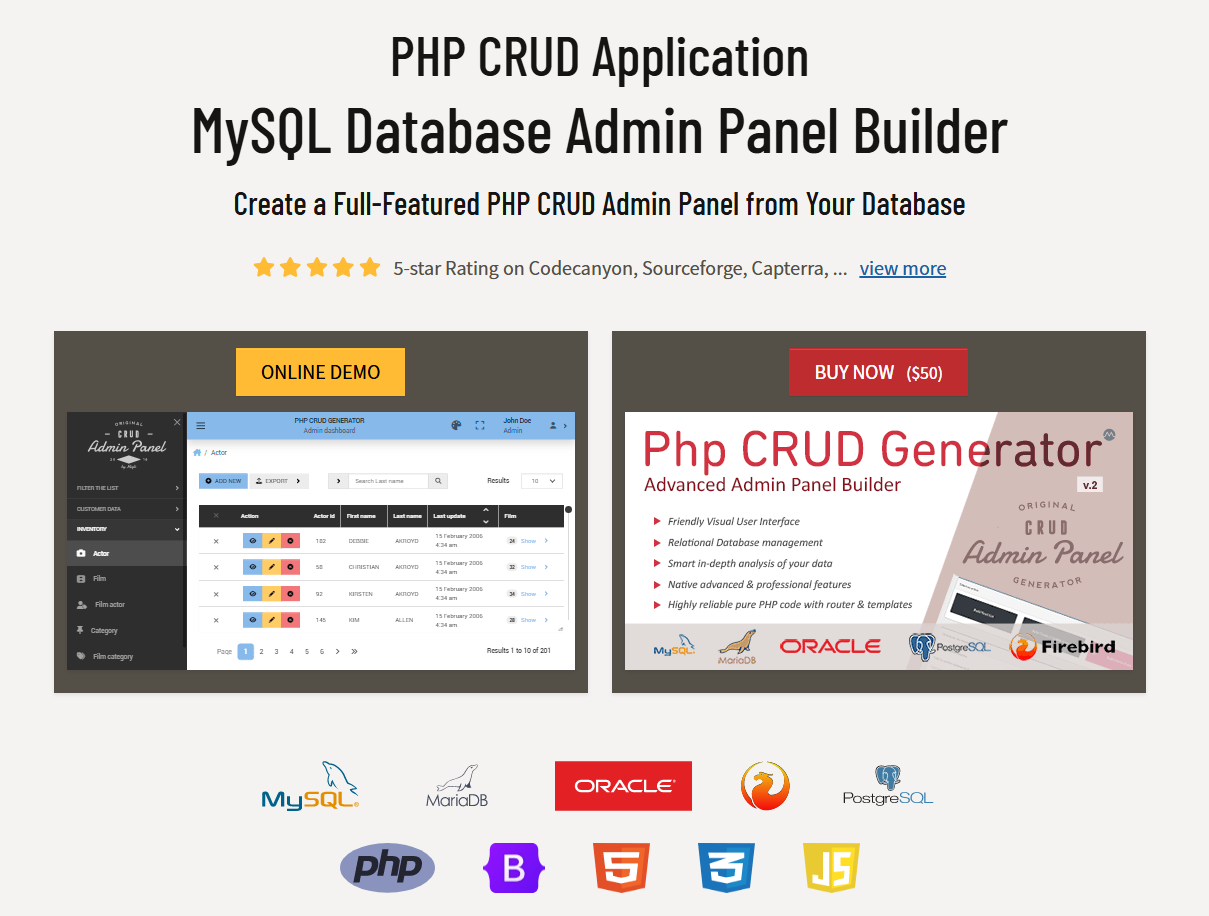 Instantly generate secure, responsive PHP admin panels from your MySQL database. Save development time with automated CRUD operations
42. Automating MongoDB Sharded Cluster Deployment with Ansible
 Master the art of deploying MongoDB sharded clusters with Ansible—a detailed step-by-step guide for seamless automation.
43. The Hyper-V Admins' Guide to VMware Backup
 The Hyper-V and VMware virtual environments may seem similar, but upon closer inspection, a number of important differences between these two platforms.
44. Unveiling a MySQL Bug: Inconsistent Foreign Key Constraints
 In this article, I want to share an interesting bug that I stumbled upon in MySQL.
45. Understanding Normalization: A Guide to Effective Database Design
 In simple terms, normalization is a system that allows you to organize data in a way that prevents repeated data.
46. Knowing Where and When to Enforce the Uniqueness of Your Data
 This article looks at data uniqueness and discusses where it should be enforced. At application level or database level?
47. MySQL Errors Messages And Common Problems
 Errors or mistakes are common in any aspects, especially in development. Using MySQL or any database can't guarantee you an error-free environment.
48. Document Databases vs Relational Databases (Podcast Transcript)
 Amy Tom talks to Eric Bishard and Arun Vijayaraghavan about the differences between a Document Database and a Relational Database.
49. How to Identify Tables Not Used in the Last Month or Three Months in SQL Server
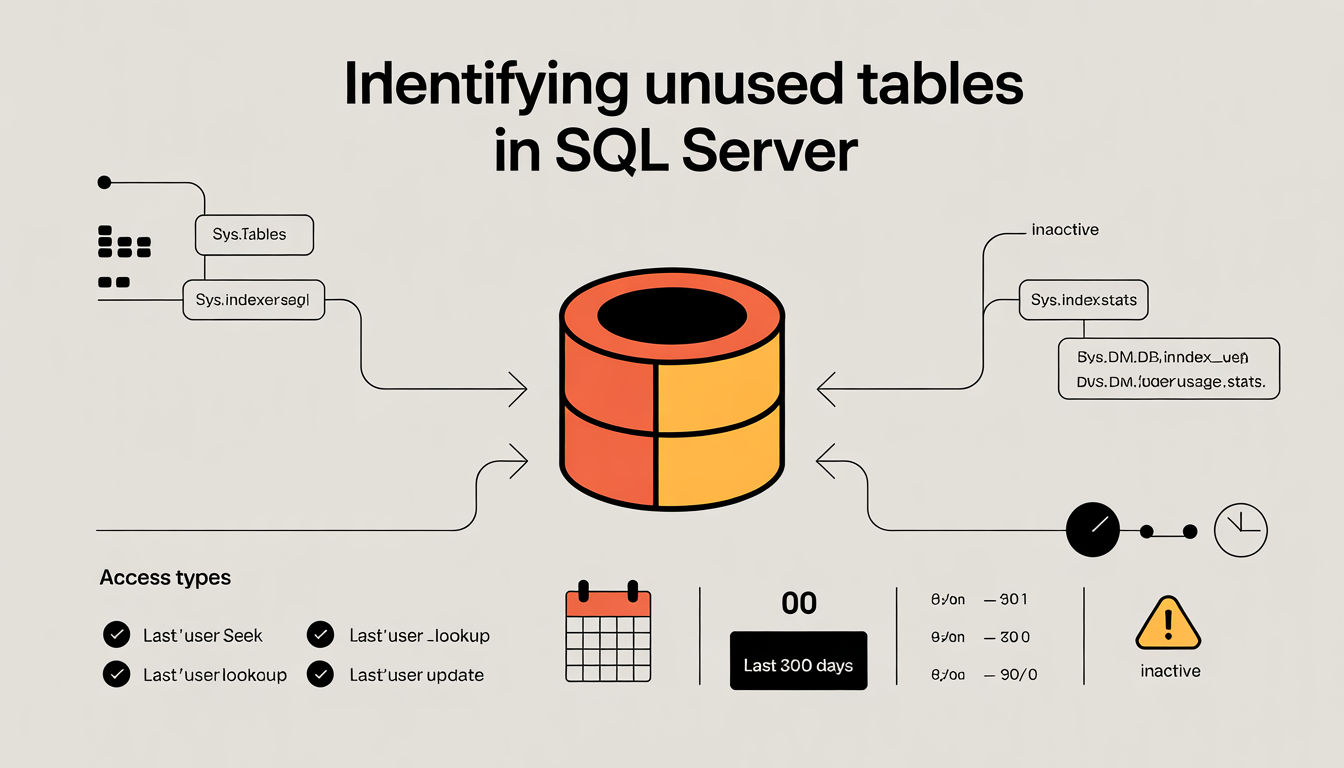 Identify unused tables in SQL Server using index usage statistics, T-SQL scripts, and validation steps to optimize your database performance and storage.
50. Simplifying Object Creation and Cleanup With IF [NOT] EXISTS in Oracle Database 23ai
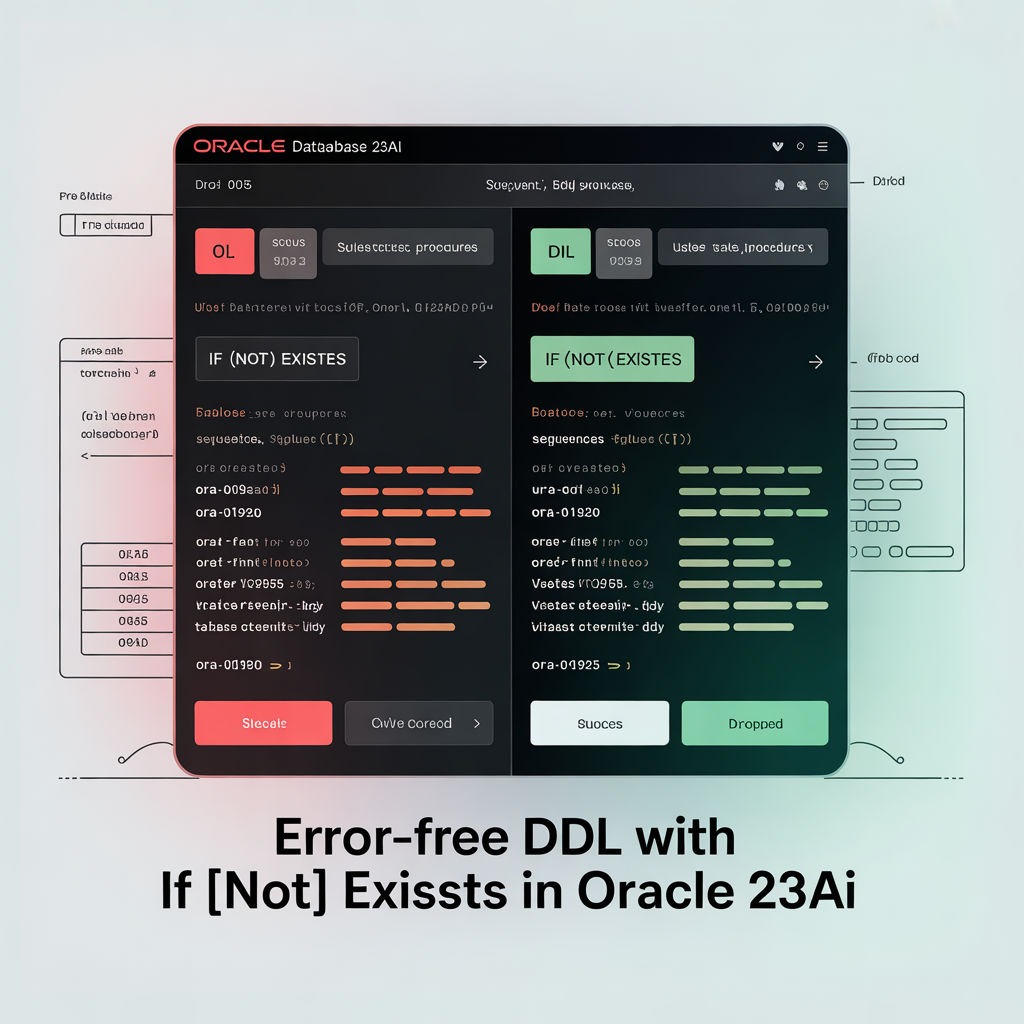 Discover how Oracle Database 23ai simplifies DDL operations with the new IF [NOT] EXISTS clause. Learn to prevent errors during object creation and deletion.
51. What is SQL? And Where is it Used?
 What is SQL? Databases use it, query APIs use it, even energetic big data dashboards use it! Where did it come from and how are developers, DBAs, and app using.
52. Want Everyone Out of the Database? Here’s How the Pros Do It
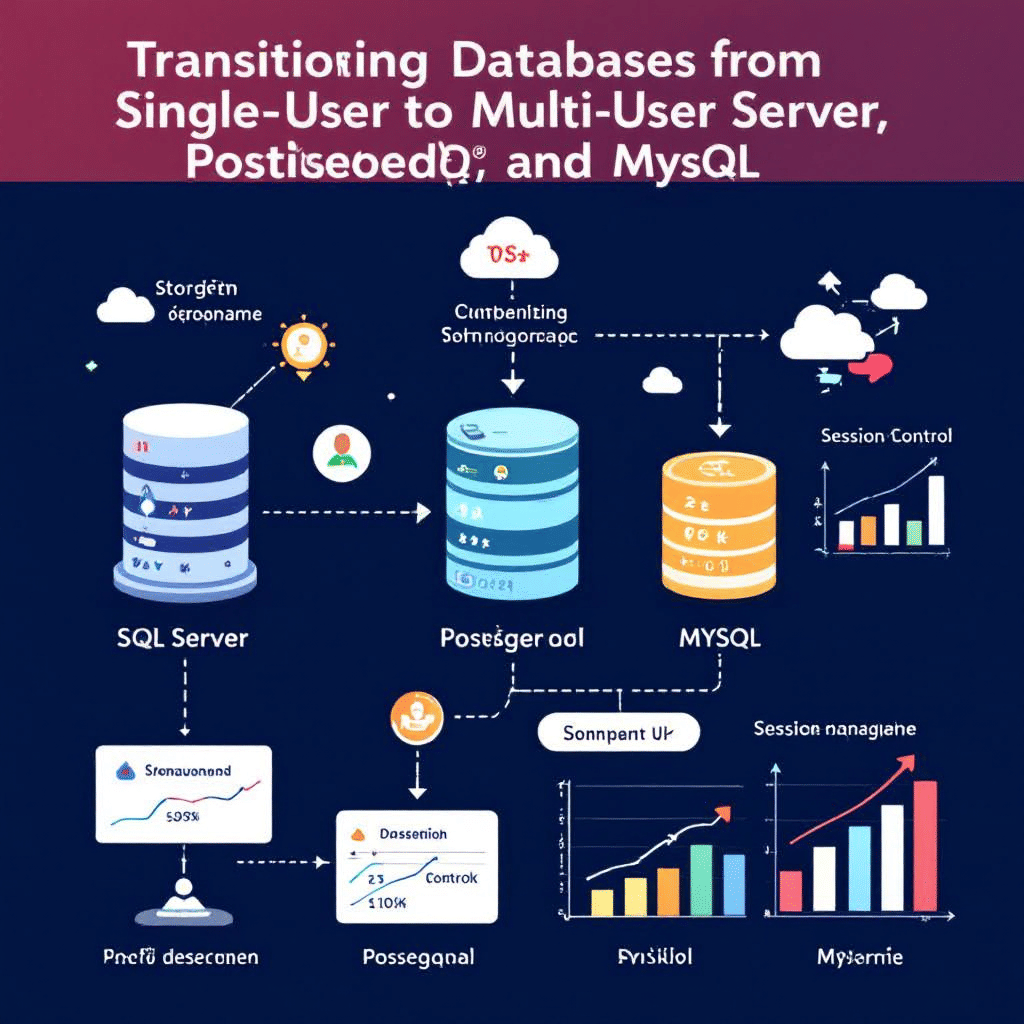 This article explores how to switch from single-user to multi-user mode in SQL Server, PostgreSQL, and MySQL. It compares native features and workarounds for ma
53. Why Normalizing Your Database Is Just Like Organizing Your Closet
 Explore database normalization in an easy-to-understand way using pet store examples. Discover the different levels from 1NF to 3NF and the importance of data
54. Ghost in Your Machine
 What’s more frightening than Halloween? Data migration.
55. Database Management: Why Do Developers Prefer PostgreSQL?
 PostgreSQL development has built-in support for the hash table and regular B-tree indexes. The best database management system has four index access methods.
56. Become a Better Database Administrator [A How-To Guide]
 With cutting-edge technology emerging every year the future of database and cloud technologies look secure. Every organisation whether it big or small need database to store all the relatable data because data is more valuable than money itself.
57. Stop Building Fragile Audit Trails. SQL Server Ledger Is Here
 SQL Server Ledger Tables provide built-in, tamper-evident data integrity.
58. Database Health Check: Understanding and Tuning Core Server Resources
 Boost your database speed by understanding CPU, memory, storage, and latency. Practical tips with real-world examples for DBAs and engineers.
59. Log Slow Postgres Query Plans Automatically: An Introduction to auto-explain
 Automatically log slow query plans with auto_explain and learn how to fix the problematic PostgreSQL queries that are slowing you down.
60. How Database DevOps Makes Life Easy for DB Admins
 Liquibase simplifies database management by automating changes, supporting rollbacks, and enhancing collaboration with CI/CD integration.
61. GitOps, Kubernetes, and Databases (Podcast Transcript)
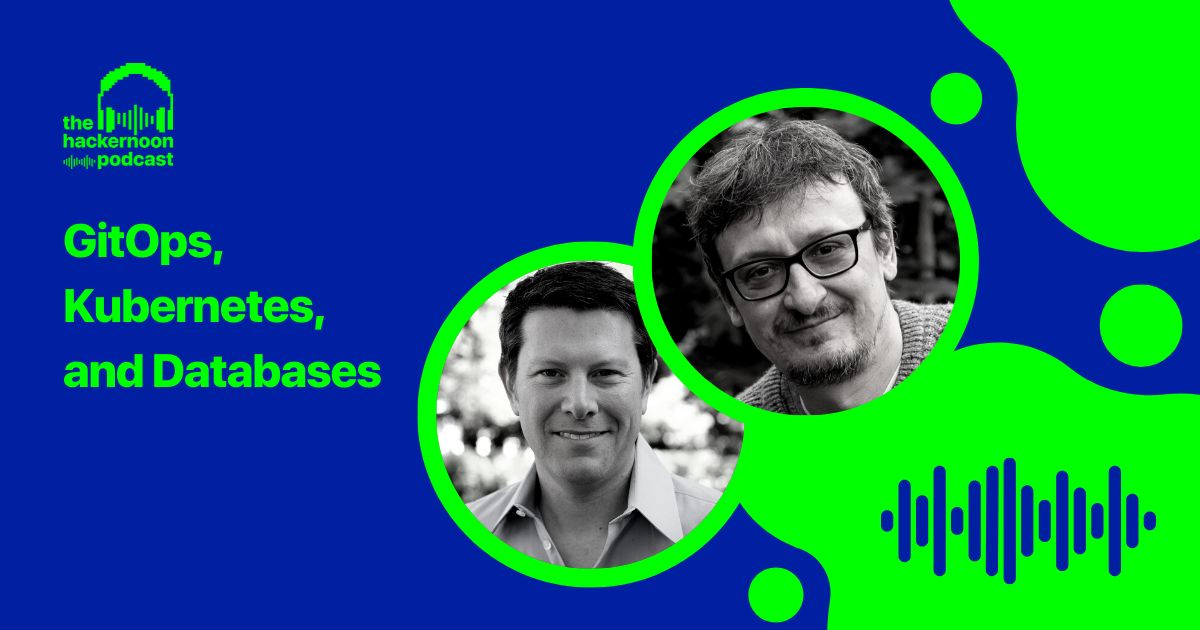 Amy, Matt, and Curt talk about migrating from a SQL database to a NoSQL database, what happens when shit hits the fan, and assessing your database usage.
62. A Snap Is Worth A Thousand Words (Podcast Transcript)
 Is database migration as scary as it sounds? Amy Tom talks to Matt Groves, Senior PM Manager at Couchbase, and Curt Gratz, Co-Owner of CKH Consulting.
63. This One Simple Change Could Make Your Cloud Data Far Safer
 The default AWS-managed KMS key falls short when stringent compliance, auditability, and fine-grained control are paramount.
64. She's At The Edge Of The Cloud (Podcast Transcript)
 Amy Tom chats with Mark Gamble, the Product & Solutions Marketing Director at Couchbase, about Edge Computing and tiered data systems.
65. 5 Most Common Data Quality Issues For Business
 With the advent of data socialization and data democratization, many organizations organize, share and make information available to all employees in an efficient manner. While most organizations benefit from liberal use of such a source of information available to their employees, others struggle with the quality of the data they use.
Thank you for checking out the 65 most read blog posts about Database Administration on HackerNoon.
Visit the /Learn Repo to find the most read blog posts about any technology.