
Let's learn about Database via these 500 free blog posts. They are ordered by HackerNoon reader engagement data. Visit the Learn Repo or LearnRepo.com to find the most read blog posts about any technology.
'A database is an organized collection of data stored and accessed electronically from a computer system'
1. Databases and Blockchains, The Difference Is In Their Purpose And Design
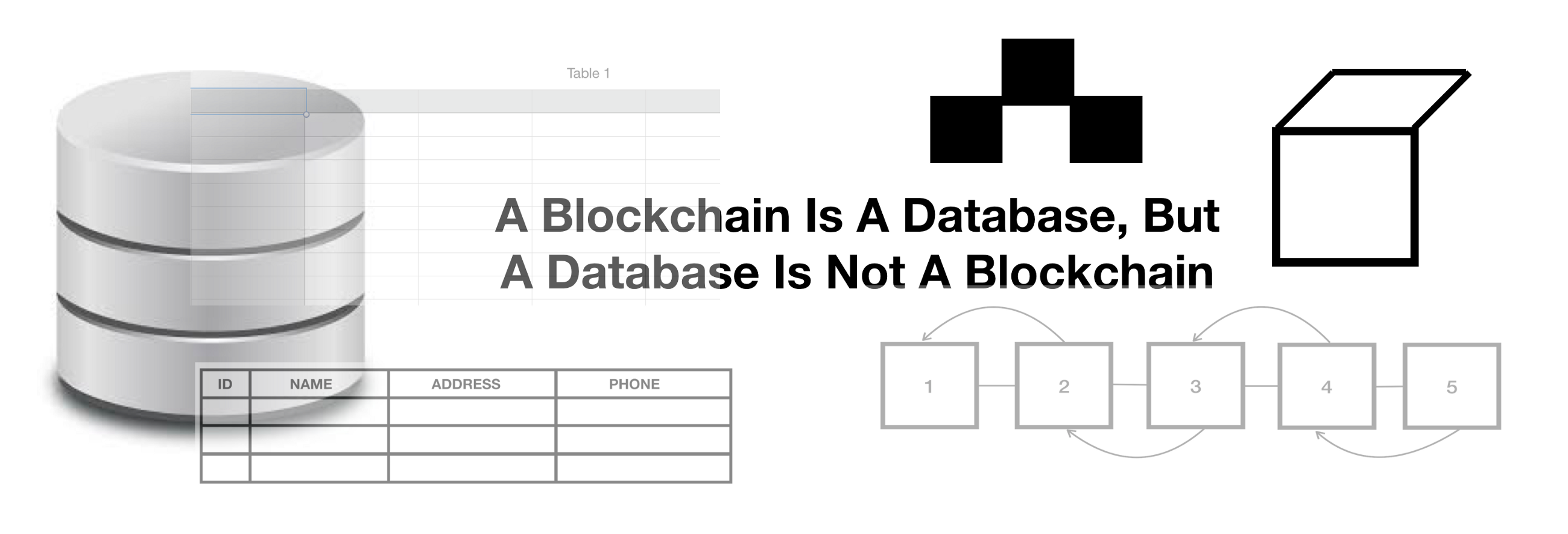 There is much confusion as to what a blockchain is and its dichotomy with a database. A blockchain is actually a database because it is a digital ledger that stores information in data structures called blocks. A database likewise stores information in data structures called tables. However, while a blockchain is a database, a database is not a blockchain. They are not interchangeable in a sense that though they both store information, they differ in design. There is also a difference in purpose between the two, which is perhaps what is not clear to those who want to understand why blockchains are needed and why databases are better suited for storing certain data.
2. What’s the Database Plus Concept and What Challenges Can It Solve?
 Explaining the Database Plus concept, its impact on system architecture design, and its innovations: from Proxyless Service Mesh to microservice backend support
3. How to Install MySQL 8 on macOS Using Homebrew
 A step-by-step guide 📙 on how to install, configure and run MySQL 8 server on macOS using Homebrew 🍺
4. The Difference Between JDBC, JPA, Hibernate, and Spring Data JPA
 Connecting a database to a Java application is not an easy process. You need to consider the connection pool, the data access layer, etc.
5. An Intro to Resiliency, DHT, and Autonomous Economic Agents
 According to the paper published by Lokman Rahmani et al., the S/Kademlia distributed hash table (DHT) used by the ACN is resilient against malicious attacks.
6. How to Build a Data-Driven Product Using Metabase
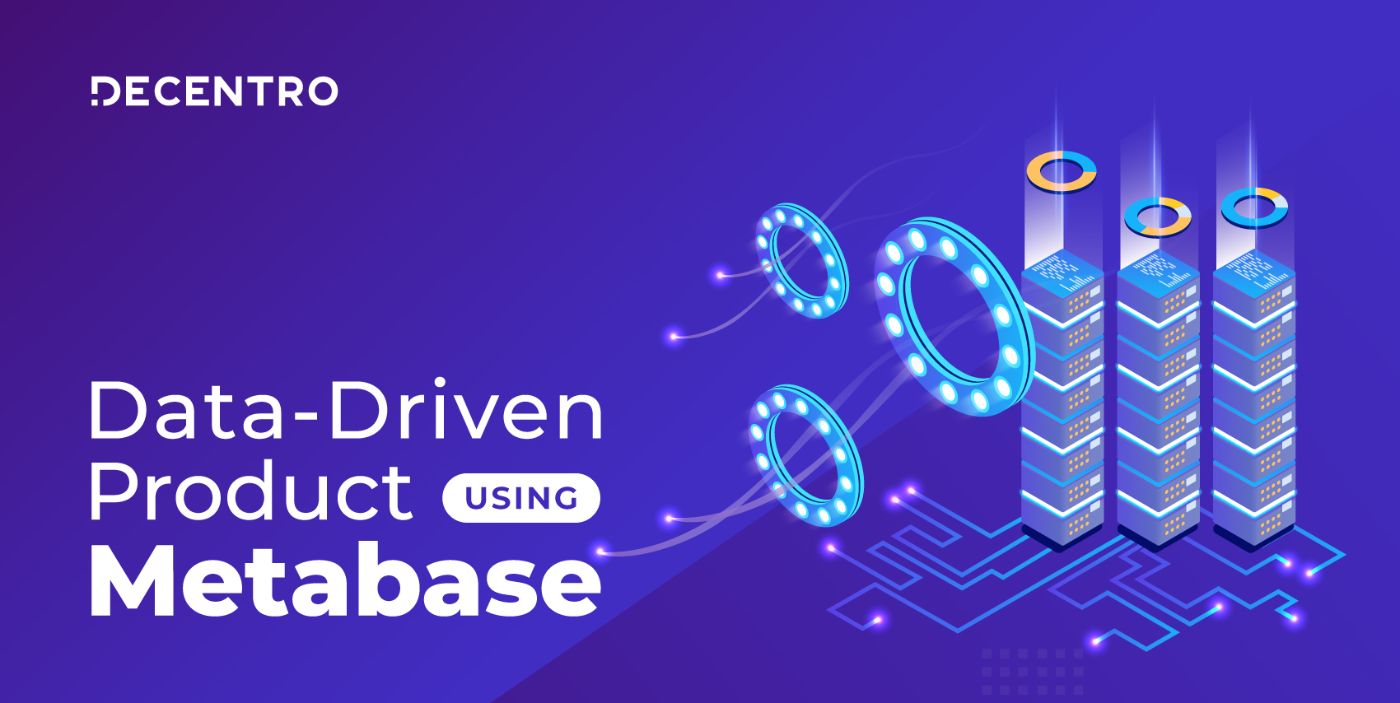 Metabase is a business intelligence tool that lets you access your data in a read-only manner.
7. How to Сompress a mysqldump Backup Using Gzip
 What is mysqldump?
8. Building a MongoDB NoSQL E-Commerce Data Model
 MongoDB supports ACID transactions, and its cloud offering is PCI DSS compliant. It's one of the best NoSQL options for e-commerce.
9. Assessing Your Organization's Customer Data Maturity
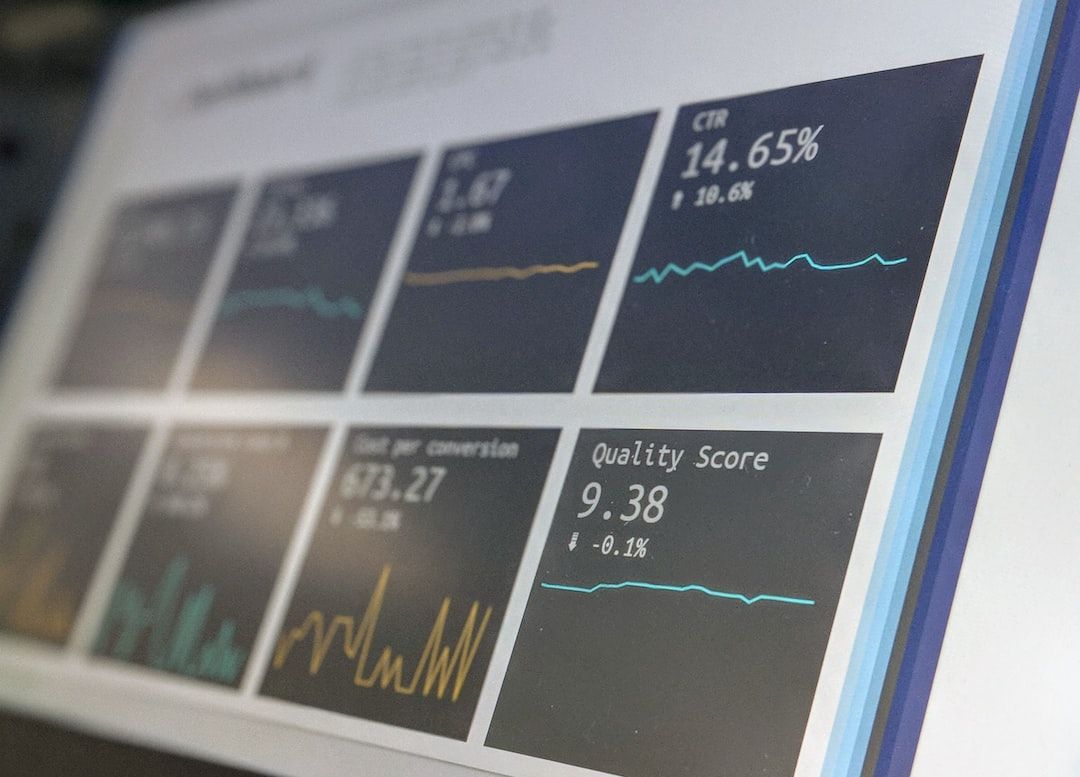 Investing in customer data is a top priority for marketing leaders.
10. Mastering MongoDB - Introducing multi-document transactions in v4.0
 Photo by Madison Grooms on Unsplash
11. How to Migrate from Oracle to PostgreSQL
 This article explores the most important challenges and solutions of the database migration from Oracle to PostgreSQL.
12. How to Erase Expired Docs Automatically with MongoDB (TTL index)
 Recently I needed to delete some documents that I saved in MongoDB after some time. I can think of a few examples of why we would want to delete data after some time:
13. Create and Execute Stored Procedure in PHPMyAdmin

14. Your Guide To Schema-based, Multi-Tenant Systems and PostgreSQL Implementation
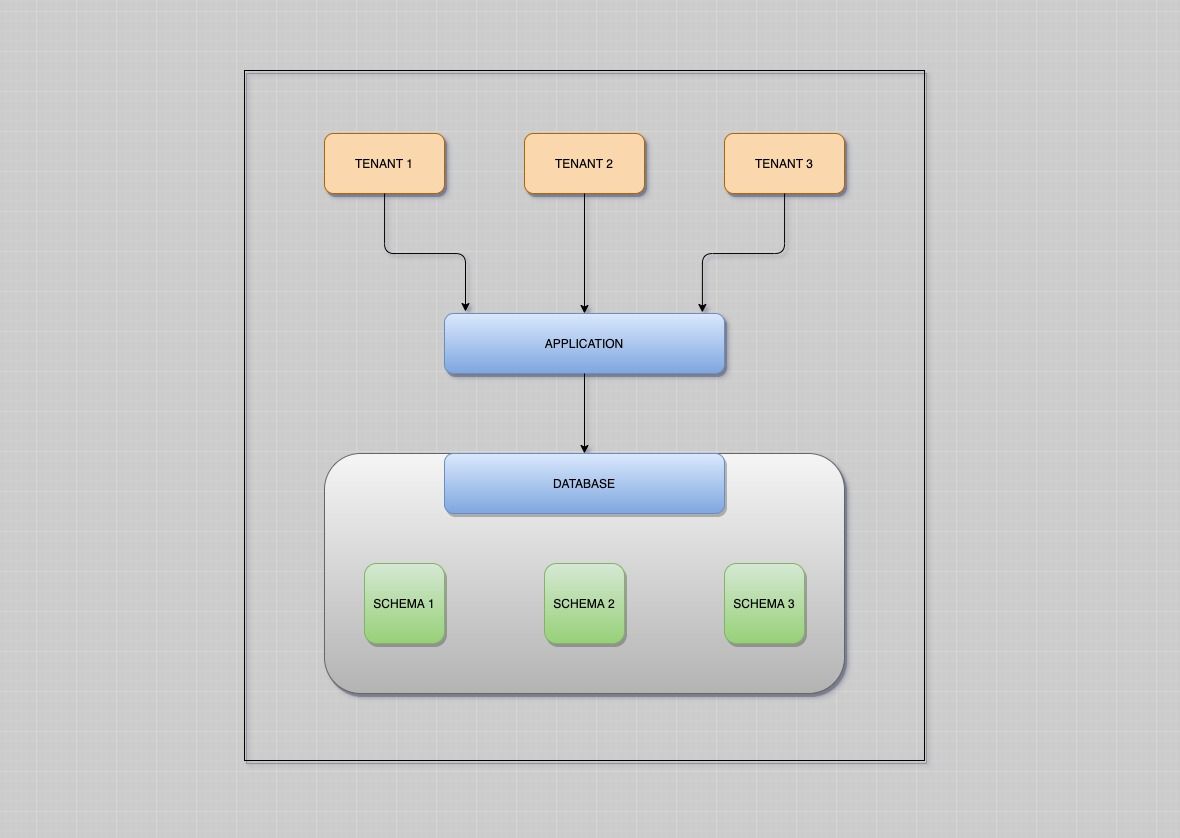 There are several architectures that could be followed to achieve multi-tenancy at the database layer.
15. How to Install WordPress on Linux Server: A Step by Step Guide
 In this guide, you’ll learn the essential steps to get WordPress up and running on your Linux environment...
16. Fetch Data From a JSON File With a React & Redux App
 This guide explains how to use React and Redux to fetch data from JSON files in an easy and lightweight method through a real example and well explained steps.
17. How to Solve Race Conditions in a Booking System
 Race conditions in a database and how you can solve them using techniques such as pessimistic and optimistic concurrency control.
18. My Favorite Resources to Learn SQL in Depth
 Practicing SQL online on sites like SQLZoo or SQLFiddle will help you keep up-to-date and improve your SQL skills.
19. The Most Convenient Ways of Writing Transactions Within the Nest.js + TypeORM Stack
 If you have some troubles with transactions in Nest.js - this article will help you.
20. MySQL Master-Slave Replication using Docker
 In this article I want to share my experience of how to setup MySQL replication locally with using Docker.
21. Setting Up a Dedicated Database Server on Raspberry Pi
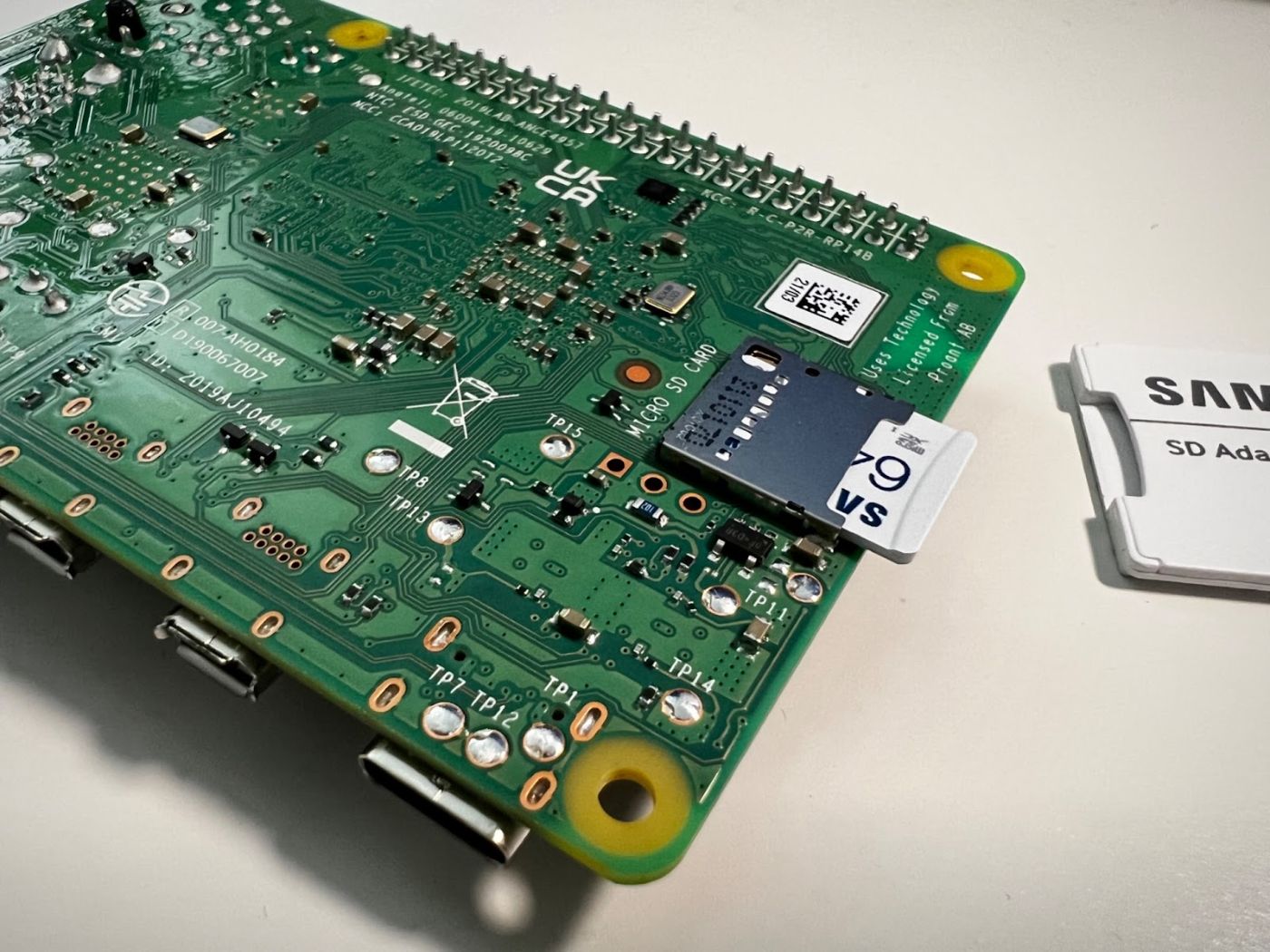 Learn how to set up a MariaDB database server on a Raspberry Pi 4 Model B with 8 GB of RAM that you can connect to your local network through WiFi or Ethernet
22. How to Connect Your Bastion Server to a PostgreSQL Server with an SSH Tunnel
 In this article, you'll learn how to connect to an RDS server through a bastion server in Bash using an SSH tunnel.
23. How to Query Multiple Results with Dapper ORM Efficiently
 Dapper is a powerful and lightweight Object-Relational Mapping (ORM) tool for C#. It is designed to be simple and fast, allowing developers to execute SQL query
24. How to Query Deeply Nested JSON Data in PSQL
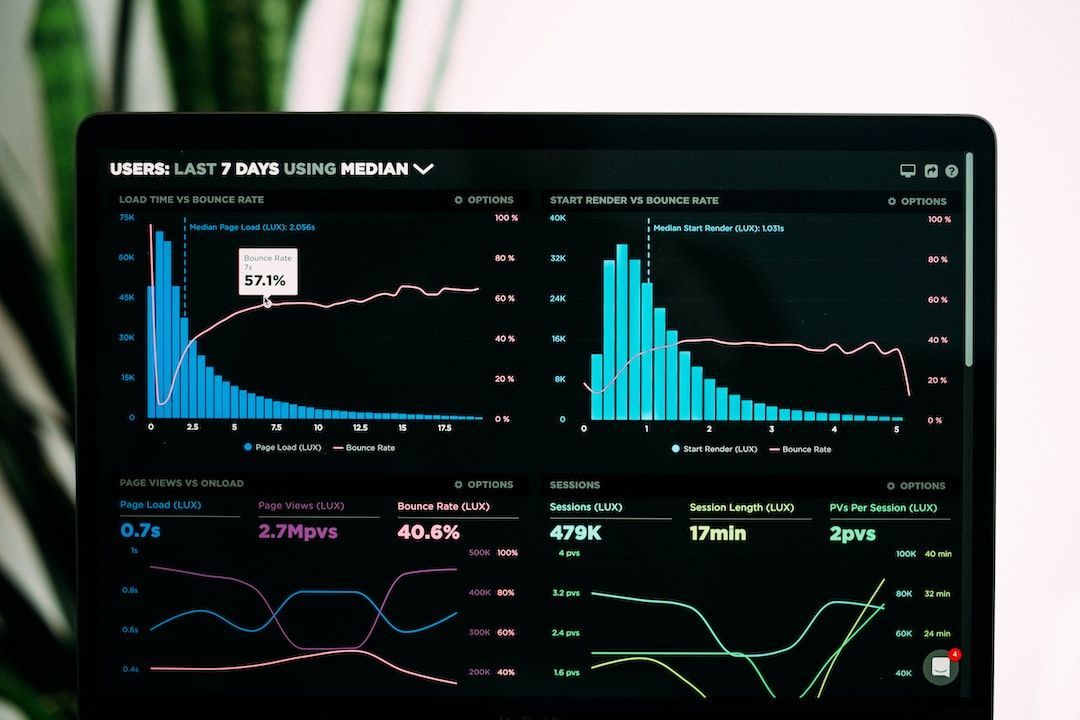 Recently I had to write a script, which should’ve changed some JSON data structure in a PSQL database. Here are some tricks I learned along the way.
25. 10 Best Online Courses to Learn Oracle and PL/SQL for Beginners
26. Blockchains Missing Ledgers - The Myth of DLTs
 Blockchains and DLTs are not the same thing. Here's why.
27. Scanning 2.6 Million Domains for Exposed .Env Files
 A software developer scanned 2.6 million domains for exposed.env files.
28. Object-Oriented Databases And Their Advantages
 Object oriented database is a type of database system that deals with modeling and creation of data as objects. The main advantage of this database is the cons
29. What The Heck Is DuckDB?
 DuckDB is doing for embedded analytic workloads what SQLite did for embedded OLTP workloads.
30. An Overview of SQL Antipatterns
 I was recently going through my notes of SQL Antipatterns and was shocked to realize how actual this book still is.
31. A Comprehensive Guide for Using DuckDB With Go
 A comprehensive guide how to use popular embedded OLAP database DuckDB with Go.
32. Creating a Books Tracker App with .NET MAUI and Supabase
 With Supabase, developers can easily build and scale web and mobile applications.
33. Migrating Away From Query Builders and ORMs in JavaScript or TypeScript
 I spent the better part of a day moving a project completely off of the ORM we were using (TypeORM). Ever since I started doing web development, I’ve been using some kind of heavy abstraction on top of my database. Whether it’s Mongoose when I used MongoDB, or TypeORM when I decided to move to TypeScript and PostgreSQL. However, it turns out that ORMs and query builders aren’t so great. I used to be that person that thought ORMs and query builders did the job for me, and I used it as an excuse to not learn SQL (which is what everyone tells you NOT to do). Given the tools that exist today, I would wholeheartedly recommend doing it the opposite of how I did if you’re starting off new to these things — write your SQL stuff by hand, or with help from the tools I mention later in the post. It’ll feel really slow at first, but you’ll thank yourself later 😄
34. How To Install PostgreSQL With Docker Quickly

35. How To Master Elasticsearch Query DSL
 Photo by Evgeni Tcherkasski on Unsplash
36. Saving Dataframes into Oracle Database with Python
 Here are two common errors that you'll want to watch out for when using the to_sql method to save a data frame into an Oracle database.
37. With JSONB Data in PostgreSQL, You Can Get the Best of Both Worlds
 JSONB in PostgreSQL offers the best of relational and NoSQL. Here are two techniques that we use at AppLand to make JSONB data even more effective.
38. The System Design Cheat Sheet: Relational Databases (Part 1)
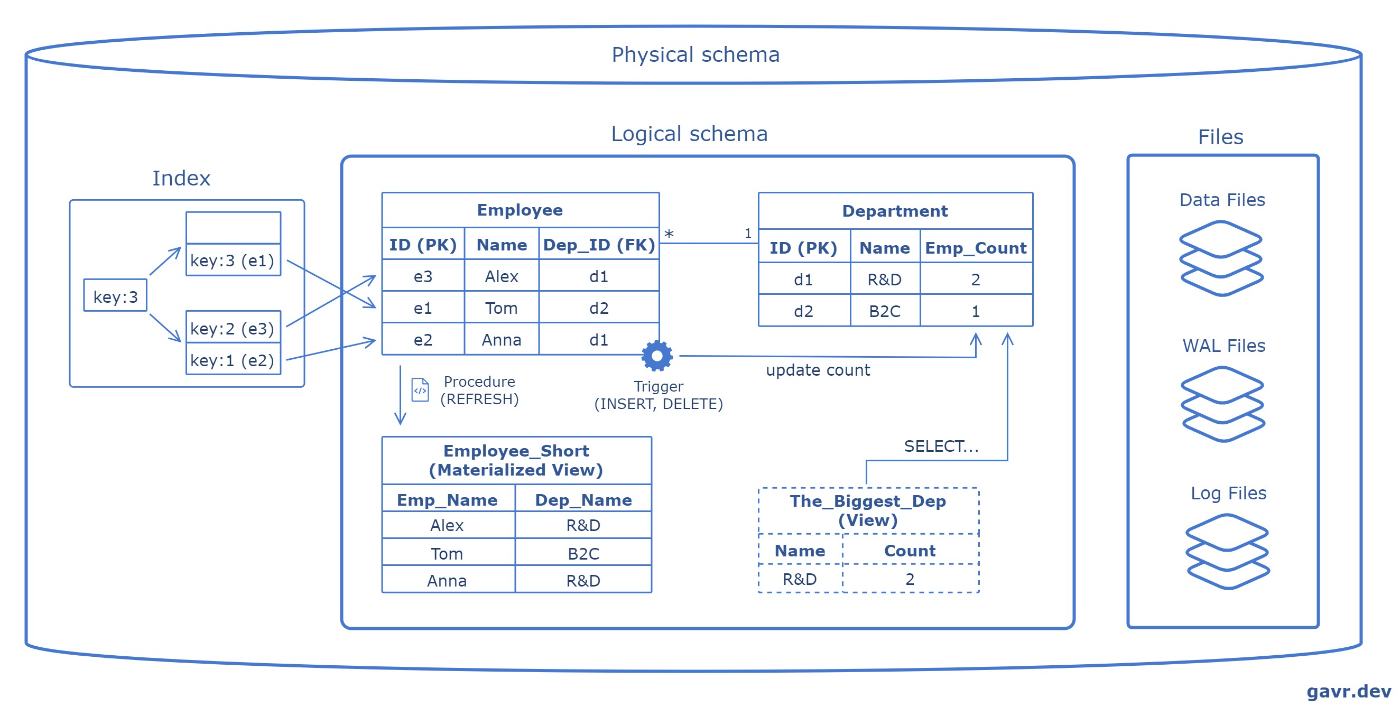 The System Design Cheat Sheet: Relational Databases examines the basic concepts, approaches, and patterns of schema design and scaling relational databases.
39. Catch Your Hacker: Use Honeypot Tools to Capture Hackers Red Handed
 The number of security breaches and cybercrimes is increasing rapidly. With more and more approaches being transferred online, hackers have found their way of hacking into a system and corrupting the information or stealing data to turn it into profits. As the technology keeps on changing, the hacking attempts are also becoming smart and upgraded to ensure hackers are never caught in action.
40. How To Create and Load Test Data in PostgreSQL

41. Introducing Bun: A Golang ORM
 Bun is a SQL-first Golang ORM for PostgreSQL, MySQL/MariaDB, MSSQL, and SQLite. It supports migrations, fixtures, and performance monitoring.
42. Building An In-memory Database in Go
 Building an in-memory database in golang is a basic task that you are likely to have to do. It needs you to make a database and a table before organising.
43. Build your Own ORM from Scratch With Python
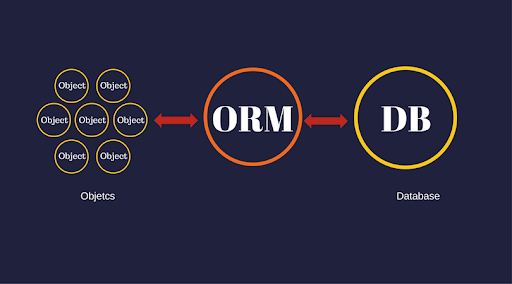 curious about how ORM works! read this tutorial and make one from scratch using python programming language.
44. Python: Setting Data Types When Using 'to_sql'
 The following is a basic code snippet to save a DataFrame to an Oracle database using SQLAlchemy and pandas.
45. How to Manage Multiple Databases in Rails 6
 With the launch of Rails 6, one of the new features that were announced was of multiple database support.
46. What Is the Difference Between Enum, Varchar and Int Data Types in MySQL
 The 'varchar' and 'enum' fields are different types of data types. They are different in terms of performance, easiness to use, and support for feature changes.
47. Setting Up a Backend for React App in 15 Minutes
 Recently I have introduced Directual on Hackernoon (see Low-code for hackers). Now I would like to continue with absolutely practical post. First, I will show the general scheme of combining Directual and React, and then you will find the live-demo of building an app from scratch to production-ready Docker-container.
48. How To Connect MariaDB Docker Containers with Java Spring And JDBC
 Since being forked from MySQL back in 2009, MariaDB has become one of the most popular databases of choice for developers over the past decade. While many technologists have likely gravitated to it as a solution due to its open source roots and that it's rooted in the relational database world, that really only begins to scratch the surface of what MariaDB has to offer.
49. MongoDB: Exploring Data Visualization Tools and Techniques
 Looking for MongoDB data visualization tool? There are plenty of options but firstly its better to explore what kinds of solutions there are on the market.
50. Apache Druid, TiDB, ClickHouse, or Apache Doris? A Comparison of OLAP Tools
 The OLAP experience of an automobile manufacturer.
51. PostgreSQL diff Explained

52. SQLAlchemy is a Better Way to Run Queries
 In college, I discovered a new and even better way to run queries, SQLAlchemy.
53. PostgreSQL Table Partitioning: Boosting Performance and Management
 Partitioning is a powerful way to boost your PostgreSQL performance, but it's not a one-size-fits-all. Learn if PostgreSQL partitioning is a solution for you.
54. How SQL Database Engine Work
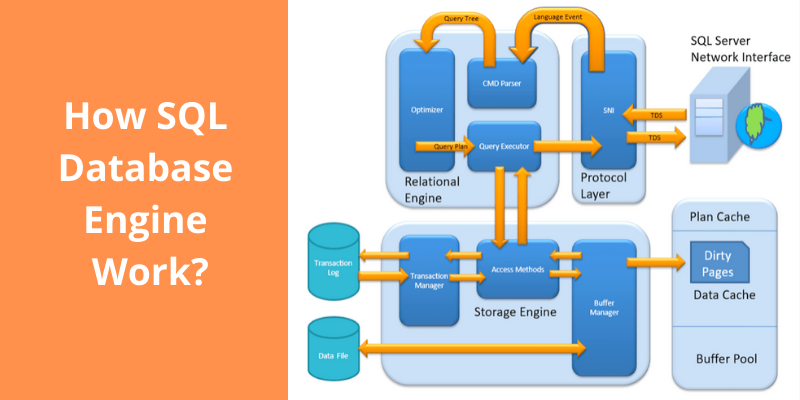 For now, I am assuming that you all know what is SQL or you have some experience with SQL or you are using SQL for many years. I know many people who know so much about SQL and even have created many projects based on SQL and they do not know what is SQL engine or how actually SQL database engine works. It’s obvious no one’s care about the internal working of SQL engine or something because without knowing How SQL works we can still create and access database using any SQL program.
55. Unexpected Discoveries in TypeORM 0.3.11
 TypeORM is an ORM tool for TypeScript, supports popular databases and make it easy to interact with them. Upgrade to v0.3.11 for new features and improvements.
56. How to Deploy Strapi v4 on the DigitalOcean App Platform with MySQL Database
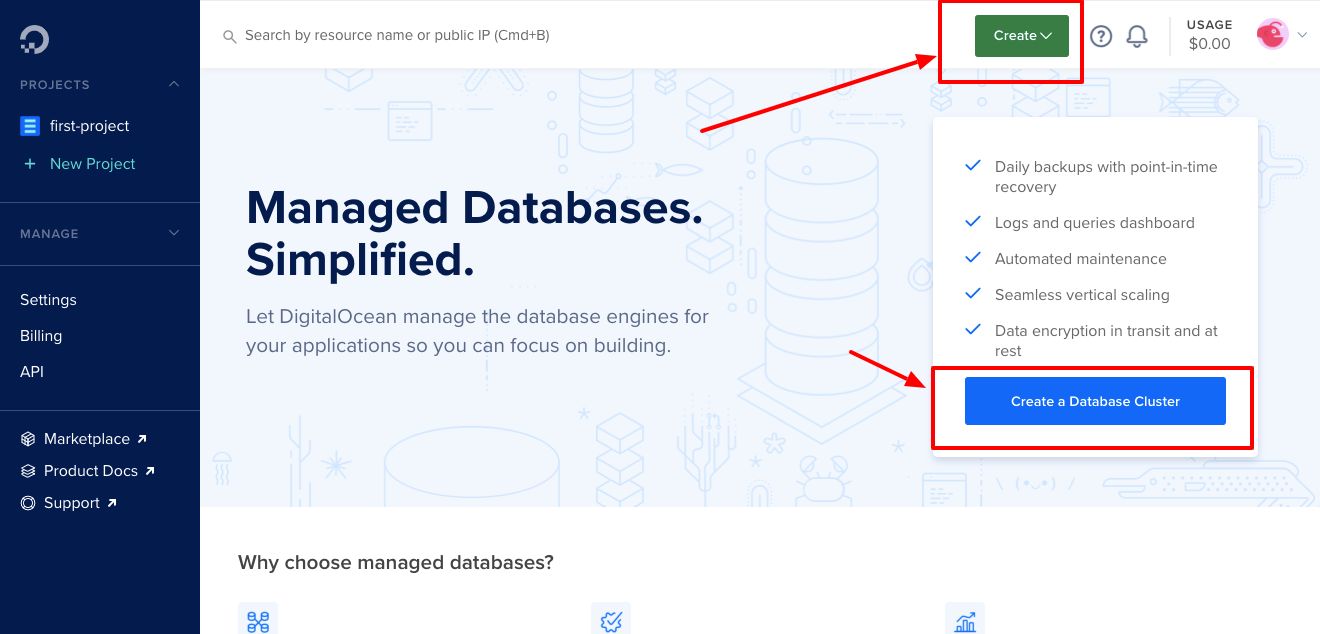 This is a step-by-step guide for deploying a Strapi v4 project to DigitalOcean's App Platform with managed mySql Database.
57. The Two Best Ways to Scan for PII in Your Data Warehouse
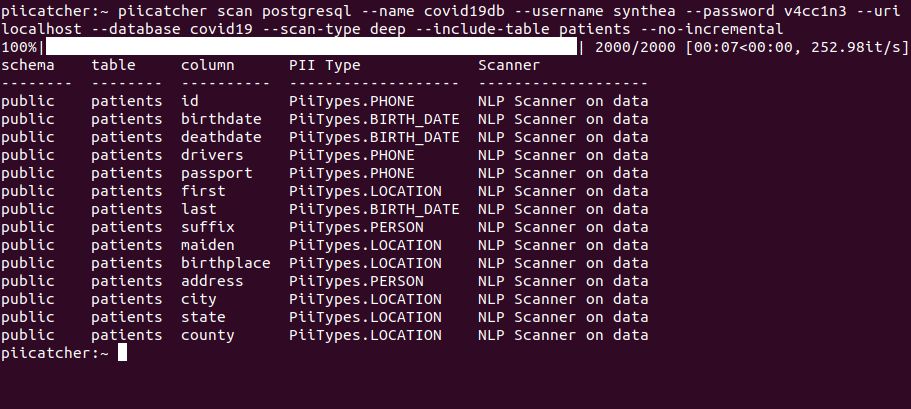 Find PII data by scanning column names and/or data in your data warehouse with these two easy to create methods and a step-by-step guide on how to do it.
58. How to Modify Private Network Information in Oracle Clusterware 19c
 How to Modify Private Network Information in Oracle Clusterware 19c.
59. 5 Best Courses to Learn MySQL Database for Beginners
 If you are interested in learning SQL with MySQL database then you have come to the right place.
60. How Useful is PostgreSQL Full Text Search
 PostgreSQL is the jack of all trades when it comes to databases. It brings you all the features you've come to love about SQL plus a bunch of features from Non-SQL databases. Some of these Non-SQL features like the JSONB data type are wonderful and you don't even have to dare flirt with another database. Others are good but not as robust and featureful as other databases.
61. A Beginner's Guide to Understanding SQL Window Functions and Their Capabilities
 Welcome to the world of SQL and Window functions! If you're just starting out, you're in the right place.
62. How to Convert Rest APIs into Databases: Create a JDBC driver
 A lot of data over the web or internally in an enterprise is available and accessible only through Rest APIs. Rest APIs do provide a secure and authenticated mechanism to access these services, but they are not very intuitive sometimes to query upon the data which is fetched through them.
63. Top 10 Websites to Learn SQL and Database Online
 These are the best places to learn SQL and Database online
64. Exploring PL/SQL Nested Tables in Oracle
 In this tutorial, you will learn how to declare and initialize Oracle PL/SQL collections (Nested Tables).
65. Step-by-Step Guide on How to Use External Database Collections for Better Wix Website Performance
 Integrate your external databases into your Wix sites. Learn more.
66. Upgrading MySQL 5.5 to MySQL 8: A Step by Step Guide
 It is one of the dogmas that upgrading freeware libraries is a drag - but not anymore especially for MySQL. Check out this article for more information.
67. SQLite vs Realm: Which Database to Choose in 2021?
 Image a situation wherein you have just launched your app. But the data of your app is not being properly displayed or you are not able to fetch the data that is being entered by the users. What will be the impression of your app in the user’s mind?
68. How to Deploy MinIO and Trino with Kubernetes
 With the ability to handle significant workloads across AI/ML and analytics, MinIO effortlessly supports Trino queries and beyond.
69. Functional Testing With Your Backend in Go
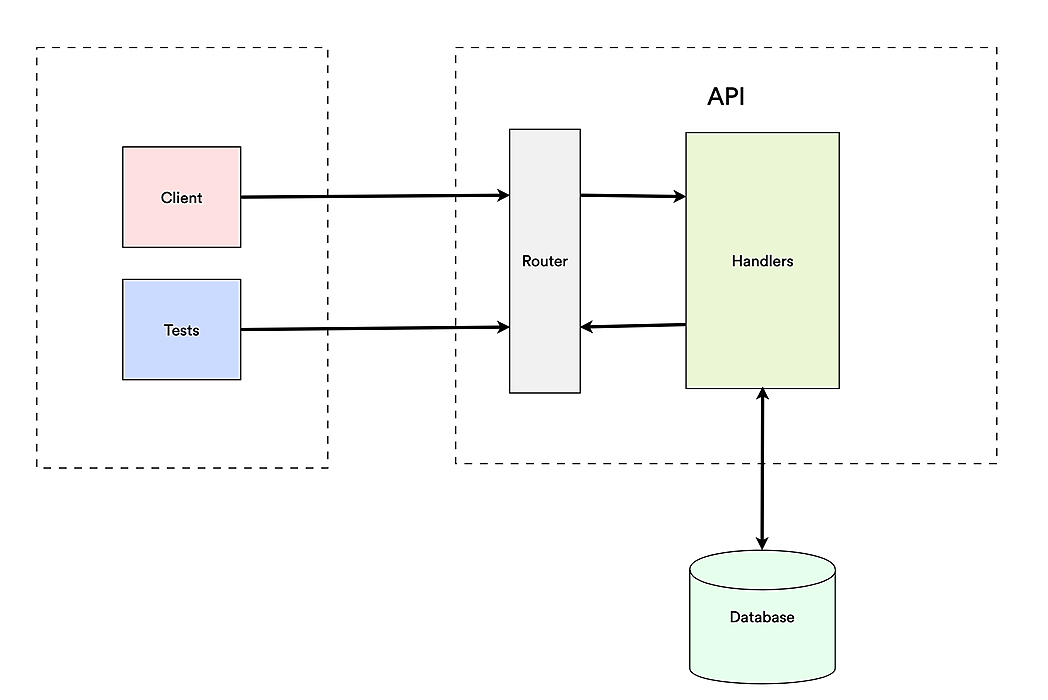 For Terrastruct, which has a little over 50K lines of code as of now, I've only written functional end-to-end tests. This blog post describes a successful setup that took some iterating to get to, and it's one I wish existed when I started with a Go API backend.
70. Architecting a Modern Data Lake in a Post-Hadoop World
 This paper talks to the rise and fall of Hadoop HDFS and why high-performance object storage is a natural successor in the big data world.
71. 6 Database Migration Tools For Complete Data Integrity & More
 Database migrations are driven by benefits like lower costs, better features, and the ability to scale. However, the security of data is essential.
72. Spring and PostgreSQL: Make Your Database Inserts 30 Times Faster
 Unlock superior data efficiency with PostgreSQL Upsert in Spring. Explore the integration, benefits, and how to overcome its limitations. Boost performance now!
73. The Roadmap to Learning SQL in 90 Days
 A Zero to SQL 90 Days Roadmap
74. When to Use DynamoDB Secondary Indexes
 DynamoDB's secondary indexes are a powerful tool for enabling new access patterns for your data.
75. Using Elasticsearch to Offload Search and Analytics from DynamoDB: Pros and Cons
 While Elasticsearch is known for being flexible and highly customizable, it is a complex distributed system that requires cluster and index operations.
76. Why You Want Multi-Region Application Architecture for you Database
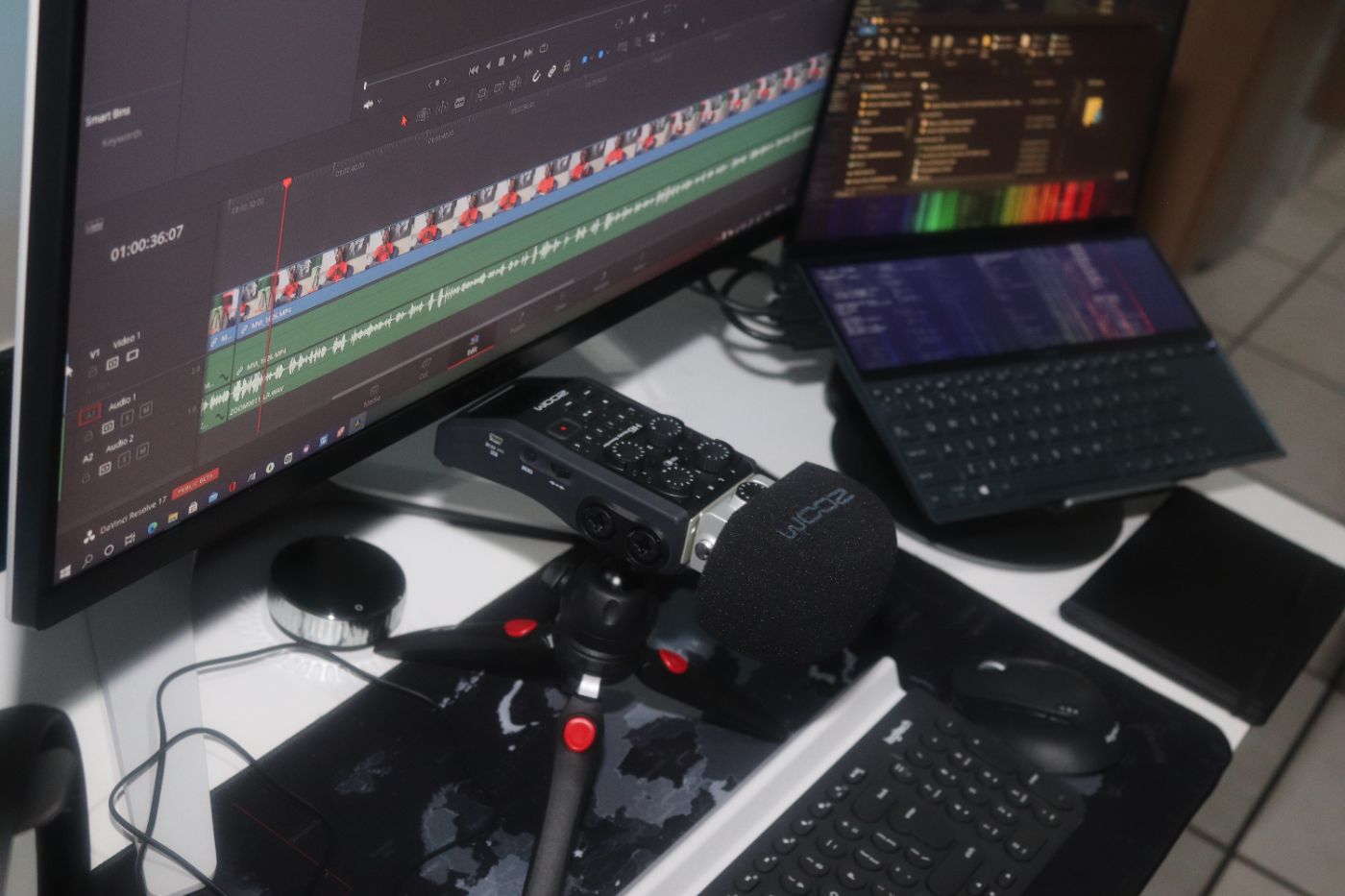 Multi-region application architecture is a key way to solve a lot of potential headaches with globally distributed apps. It makes applications more resilien
77. MySQL Loose Scan Optimization: A Comparative Performance Evaluation Against PostgreSQL and MSSQL
 An extensive performance comparison research for GROUP BY queries in MySQL, PostgreSQL and MS SQL Server.
78. How To Populate Your Database with Fake Data: Ruby On Rails Tutorial
 This is going to be a very straightforward article, no jokes included.
79. Developing Next-Gen Data Solutions: SingleStore, MinIO, and the Modern Datalake Stack
 The integration of SingleStore, a cloud-native database known for its speed and versatility, with MinIO forms an important brick in the modern datalake stack.
80. ACID Transactions Are Coming To Apache Cassandra: Here's Why We're Excited
 An extraordinary computer science breakthrough called Accord is bringing globally available, general-purpose ACID transactions to the next Cassandra release
81. How to Build a Production-Grade Text2SQL Engine
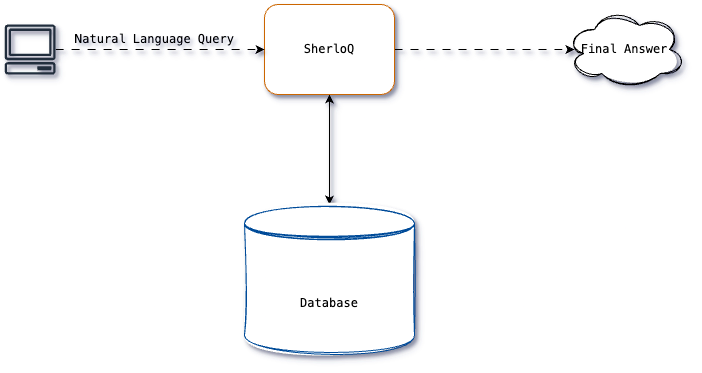 Learn about the role of LLMs in text2SQL, discuss the challenges inherent in this capability, and explore SherloQ, a new text2SQL engine from the Skypoint team.
82. Elasticsearch Updates, Inserts, Deletes: Understanding How They Work and Their Limitations
 For a system like Elasticsearch, engineers need to have in-depth knowledge of the underlying architecture in order to efficiently ingest streaming data.
83. Discord Went From MongoDB to Cassandra Then ScyllaDB - Why?
 So, I’m going to summarize the above blog post for you because I had to read it several times to grasp everything. So, what exactly are MongoDB and Cassandra?
84. How to Manage Databases with CI/CD
 If you’re still doing manual migrations on the database you’re doing it wrong. Databases are as much part of the application as the code.
85. 6 Months Of Using GraphQL

86. How We Increased Database Query Concurrency by 20 Times
 Learn 5 ways to accelerate point queries and 4 methods to further improve concurrency: row storage format, short circuit, prepared statement, and row storage ca
87. Dapper Best Practices: C# Developers' Guide to Database Management
 Dapper is an open-source ORM tool that is easy to use and lightweight, which makes it a popular choice for .NET developers. It is designed to work with various
88. Semantic Search Queries Return More Informed Results

89. Streamlining Data Operations: How a Grocery Chain Optimizes Workloads with Apache Doris
 Cross-cluster replication (CCR) in Apache Doris is proven to be fast, stable, and easy to use. It secures a real-time data synchronization latency of 1 second.
90. Using C# To Update MongoDB Documents
 See code examples for how to update MongoDB documents in C#. This article covers the basics of different methods you can use to update records.
91. 7 Database Optimization Best Practices for Django Developers
 In this article, we will be discussing the ways to optimize the database for speed in Django applications.
92. Integrate Java Database Versioning with Liquibase using MySQL [A Step by Step Guide]
 Versioning database changes is as important as versioning source code. By using a database migration tool we can safely manage how the database evolves, instead of running a bunch of non versioned loose SQL files. In some frameworks like Ruby On Rails, database versioning occurs along the development. But when it comes to Java world, I don't see it happening so often.
93. AWS RDS from a Serverless Perspective
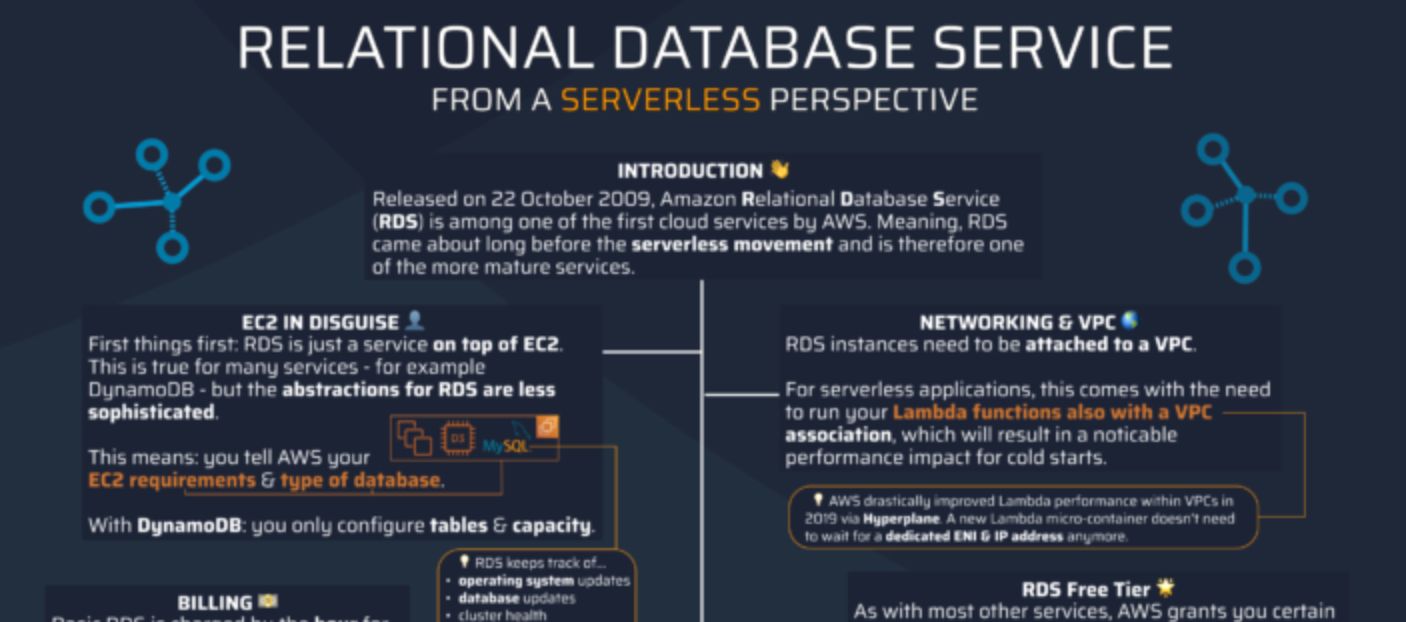 In this article, we'll deep dive into all the basics to help you hit the ground running when it comes to AWS RDS.
94. An Overview of Database Indexing for Beginners
 Database Indexing is the most common way known and utilized by backend developers to optimize database queries.
95. Azure Data Factory: An Amazing Data Migration Tool

96. Homomorphic Encryption: Introduction And Use Cases
 Organizations nowadays are storing and performing computation of the data on the cloud instead of handling themselves. Cloud Service Providers (CSPs) provide these services at an affordable cost and low maintenance. But to ensure compliance and retain privacy, organizations need to transfer the data in an encrypted format, which does ensure the confidentiality of the data. However, once the data reaches the cloud, the CSP has to decrypt the data to perform operation or computation.
97. How to Choose the Right Database for your Requirements
 Imagine — You’re in a system design interview and need to pick a database to store, let’s say, order-related data in an e-commerce system. Your data is structured and needs to be consistent, but your query pattern doesn’t match with a standard relational DB’s. You need your transactions to be isolated, and atomic and all things ACID… But OMG it needs to scale infinitely like Cassandra!! So how would you decide what storage solution to choose? Well, let’s see!
98. Building A Log Analytics Solution 10 Times More Cost-Effective Than Elasticsearch
 There exist two common log processing solutions within the industry, exemplified by Elasticsearch and Grafana Loki, respectively.
99. A Guide to Using MongoDB Database in a ASP NET Core Web API Application
 When you think about database providers for ASP NET Core apps, you probably think about Entity Framework Core (EF Core), which handles interacting with SQL databases. But what about the NoSQL options? A popular option for NoSQL is MongoDB. So in this article we're going to learn how to create a simple ASP NET Core CRUD API using MongoDB as the database provider.
100. Is MariaDB simply a fork of MySQL?
 MariaDB is more than a fork of MySQL and offers transactional, analytical, and write-scale capabilities on-prem and in the cloud
101. Unlock the Power of ACID Properties in Databases: A Comprehensive Guide for Developers
 ACID stands for Atomicity, Consistency, Isolation and Durability and each of these have a specific purpose when it comes to databases.
102. How To Handle Complex User Permissions in GraphQL
 I have been working on a GraphQL workshop, and it’s been a great learning experience. One of the trickiest things I have had to deal with in GraphQL is handling complex user permissions. It used to be a hassle until a friend pulled my attention to Hasura.
103. dbForge Studio vs. PL/SQL developer: Which Oracle IDE to choose?
 Both dbForge Studio and PL/SQL Developer are integrated development environments (IDEs) designed to help with Oracle database developmenttasks and PL/SQL coding productivity. However, just as any two tools,the ones we’re discussing are not exactly the same. Sometimes, it’s very important to know which solution to choose given your specific needs and preferences. In this article, we’ll look at the differences of dbForge Studio and PL/SQL Developer and analyze their strengths and weaknesses in detail.
104. Hibernate 5 and Entities Duplication: Let’s Dive Under the Hood
 Hibernate and the issue of duplicate entities, a well known problem. However do you know the origin of this behaviour? Let's dive under the hood of Hibernate!
105. Top 10 Microsoft SQL Server Tips
 There is a lot of information about different T-SQL features.
I want to tell you about equally useful, but less popular tips for working with this language!
There is a lot of information about different T-SQL features.
I want to tell you about equally useful, but less popular tips for working with this language!
106. #NoBrainers: You Need A High Performing Low Latency Distributed Database

107. When to Use a Relational, Non-Relational, or Graph Database
 Graph databases are anticipated to surpass other types of databases, especially the still-dominant relational database.
108. What the Heck is PRQL?
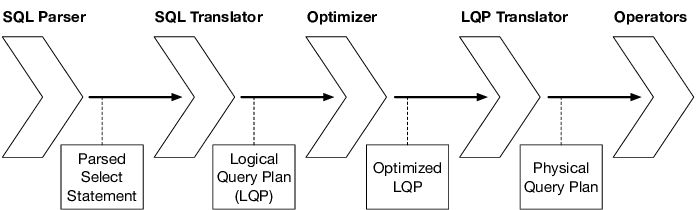 Another clever tool for a powerful SQL pre-processor
109. Database Connection Pooling With pgbouncer
 Introduction: The Postgres Connection Pool Problem
110. An Internal Email to Tim Cook and the State of Business Intelligence
 We get a glimpse into the inner workings of a valuable company and it turns out it's not all sunshine and rainbows.
111. Timescale is now TigerData: Building the Modern PostgreSQL for the Analytical and Agentic Era 🐯 🚀
 Timescale is now TigerData: the fastest PostgreSQL for AI, analytics & real-time apps. Built for speed, scale & the agentic future. Join us. 🐯🚀
112. Vagrant with Oracle Database: For When You Need More Than a Container Image!
 I’ve written about my love for Vagrant a few times already here, today I will show the steps to getting an Oracle Database with Vagrant.
113. Which Database Is Right For You? HarperDB vs. MongoDB vs. PostgreSQL
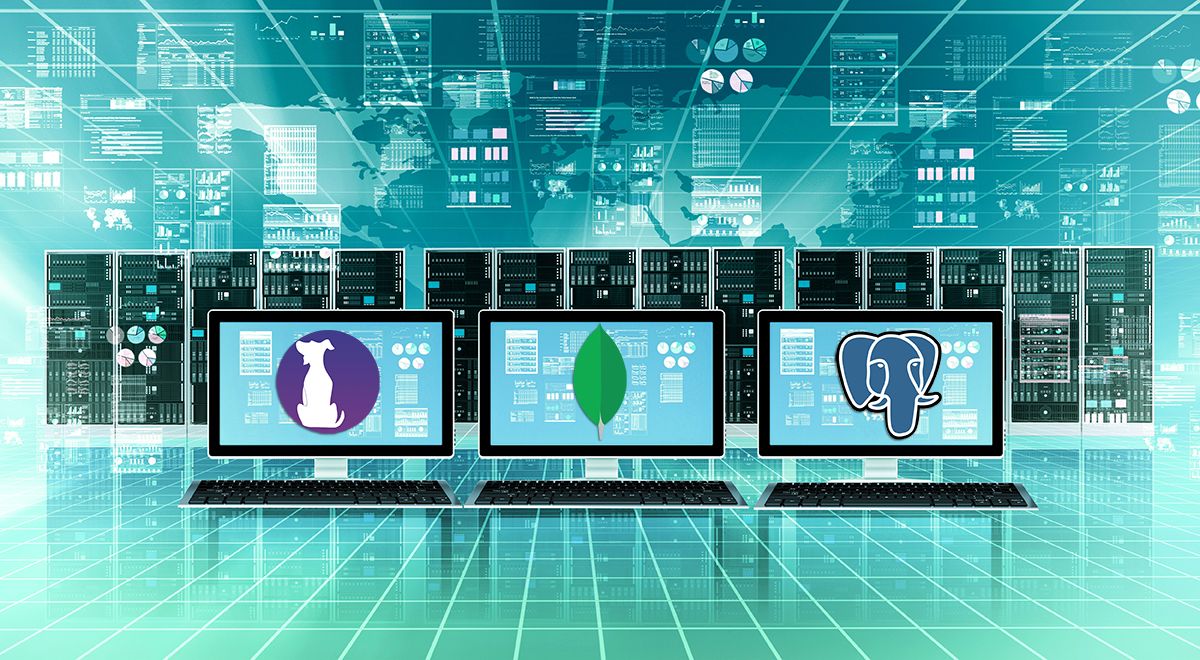 The purpose of this article is not to determine which database is the best but to help determine which is a fit for your specific project.
114. Learning Self JOIN Queries With SQLZOO
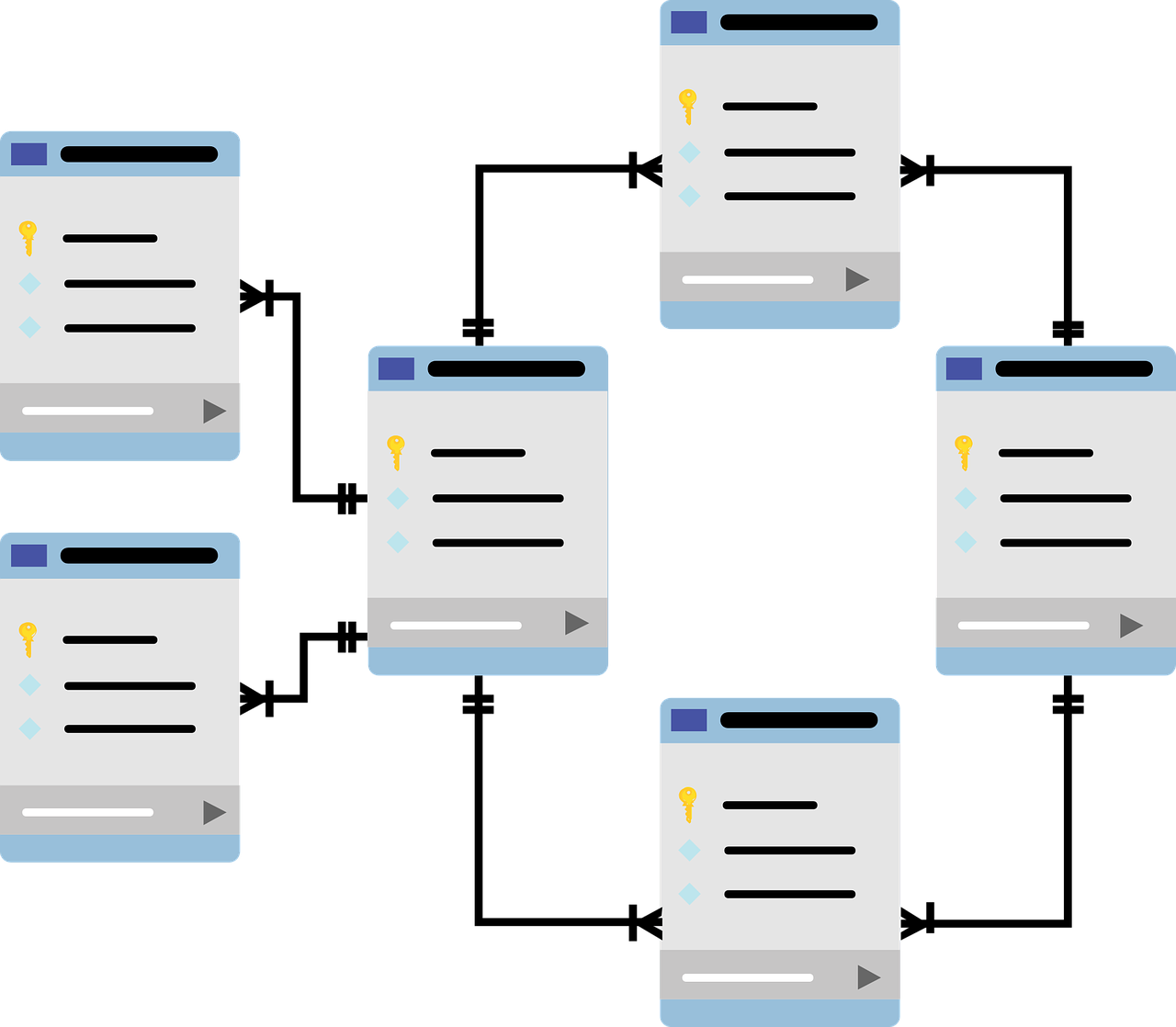 This article uses Exercise number 10 on the Self JOIN SQL ZOO tutorial to teach self JOINs in a beginner-friendly way.
115. Vulnerability Management: Identify, Classify, Remediate, and Mitigate
 1.Vulnerability Management:
116. How to Setup a Better Column-based Habit Tracker in Notion
 Not another Column-based Habit Tracker. Try using Relation Property to Track Habits.
117. PostgreSQL Index Types: Beyond the B-tree
 bad indexing is the main source of bad performance of your database
118. Comparing Different Time-Series Databases
 A comparison of data models used in open-source SQL and NoSQL time-series databases for IoT.
119. Advanced and Efficient MongoDB Pagination
 How to make clean pagination with no additional dependencies. Basically for Node.js but can be used in any other languages and platforms.
120. Introduction to RDS Proxy: Exploring with Benchmarks in Go
 A deep dive into the performance characteristics of RDS Proxy vs RDS
121. Trino: The Open-source Data Query Engine That Split from Facebook
 If you want to accelerate Trino queries with a response time of seconds to minutes, click here to learn how Trino helps engineers.
122. The Easiest Way to Solve N+1 Problem on GraphQL
 GraphQL is awesome! But one of the most annoying parts to implement a GraphQL server is solving N+1 problem.
123. Nontechnical Explanation for Why Relational Databases Don't Work
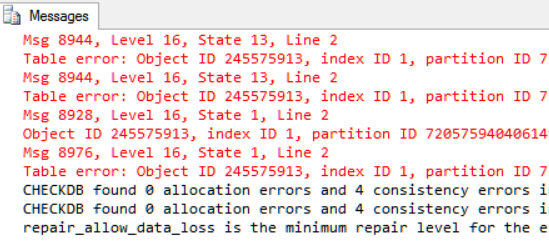 This is What I’m Telling Business People About Why Relational Databases Are So Bad
124. Apache Cassandra – An Essentials Guide
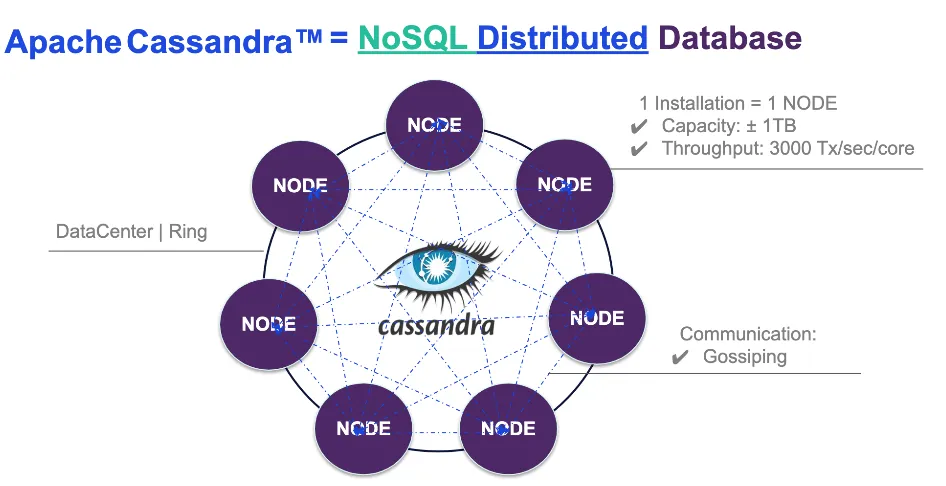 Need to get up to speed on Cassandra and learn how it can benefit your software development practices? These are the essentials that cover the basics.
125. My System Design Interview Checklist in 8 Simple Steps
 That dreaded system design interview. I remember the first system design question I was asked. “Design WhatsApp”, he said. I didn’t know where to start! I was a fresher. Data structures and algorithms were the only things I knew. I am sure you can guess how that interview went. Then after enough research, I made myself a checklist of components, of sorts, to navigate me through my next system design interviews. And I sh*t you not, it works!
126. Customer Data Platform (CDP) Vs Data Warehouse, CRM, and Data Management Platform
 In this post, we highlight some key differences between a Customer Data Platform (CDP) and other tools generally used in a marketing tech stack. We also tackle the all-important question on many companies’ minds: “should I build or buy a CDP?.”
127. When Should You Use a Cache With MongoDB?
 Enterprises and customers are spread worldwide, with everyone wanting to work with the same data. MongoDB stores your data in an efficient and structured way.
128. Pilosa: A Scalable High Performance Bitmap Database Index
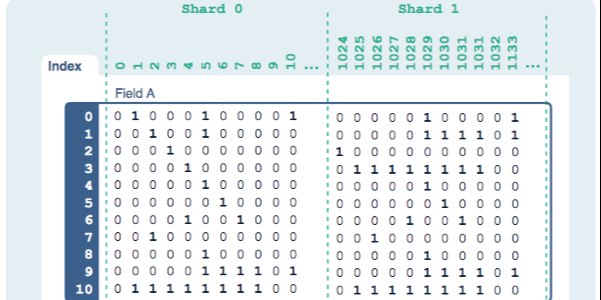 Big data is a big problem, at least getting anything useful out of it. Every day there is about three quintillion (the next step up is sextillion or one zettabyte) bytes of data created and only about 20% of it is structured and available to easily process. Nearly all useful processing that is done relies on a philosophy that is little changed from the green bar reports we were generating during the night shift and handing out up till the turn of the century. The whole map/reduce process is overnight batch processing, you aren’t working on live data, you are working on a snapshot, which might be fine for some companies, but for others, they need to be able to make decisions on high-velocity inbound data in near/real time.
129. Tencent Music Transitions from ClickHouse to Apache Doris
 Evolution of our data processing architecture towards better performance and simpler maintenance at Tencent Music.
130. Apache Cassandra Guide: Data Modeling
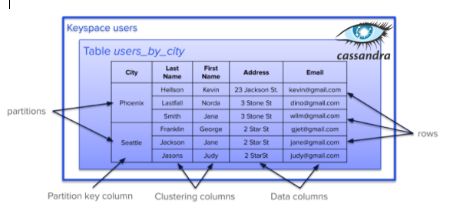 Data modeling is probably one of the most important and potentially challenging aspects of Cassandra. CQL will look familiar if you come from a relational background, but the way you use it can be very different. For our third guide, we will walk you through the process of creating a basic data model. Read part one on Cassandra essentials and part two on bootstrapping.
131. PostgreSQL or MySQL: What Should I Choose for My Full-Stack Project?
 A comprehensive guide comparing PostgreSQL and MySQL for full-stack developers, covering installation, transactional support, performance, security, and more.
132. The Big Bad Guide on Database Testing
 The process of checking data integrity and consistency of the database is called database testing. Ultimately, it aims to create complex queries to check database responsiveness to load/stress putting schema, tables, triggers, stored procedures, etc., under test.
133. 10 Ways to Optimize Your Database
 Take these 10 steps to optimize your database.
134. New Open-Source Tool Lets You Auto-Generate ER-Diagrams for Database Visualization
 Liam ERD is an open-source tool designed to generate beautiful, interactive ER diagrams directly from your database schemas.
135. Principles of a Clean Relational Database
 The article describes how a relational database should be designed to properly work in OLTP mode.
136. What is the Future for SQL Developers in a Machine Learning World?
 Do you know the machine learning global market is estimated to reach $30.6 billion by 2024? This marvellous growth is the outcome of Omni-presence of artificial intelligence and its trending subset; machine learning.
137. Is GraphQL Still a Thing in 2020?
 GraphQL has become the most loved tool for API development in a very short span of time, and developers across the world cannot seem to get enough of it. Today I met with the founder of Windsor.io, Pranay Prakash, who has worked on the team behind GraphQL during his time at Facebook. I chatted with him to find out more about his experience working closely with Lee Byron, the creator of GraphQL, and some of GraphQL’s benefits.
138. AI Bubble and the Free Market
 The dominance of a few large firms exemplifies an oligopolistic market structure. These companies have significant market power, allowing them to set prices
139. What is an API, Simply Explained
 Connectivity is something amazing. Right now, we are used to use our computers or phones to buy, post, watch, etc. We can do lots of things actually. We are connected to the world and to each other.
140. An In-depth Look Into MySQL Vs. PostgreSQL
 PostgreSQL and MySQL are both reliable, secure and scalable databases that have been around for years.
141. An Introduction to Database Testing With an Example of MariaDB
 Here's an example of Database testing with the MariaDB Server, one of the most popular open-source relational databases.
142. I Made ChatGPT Act as a MariaDB Database
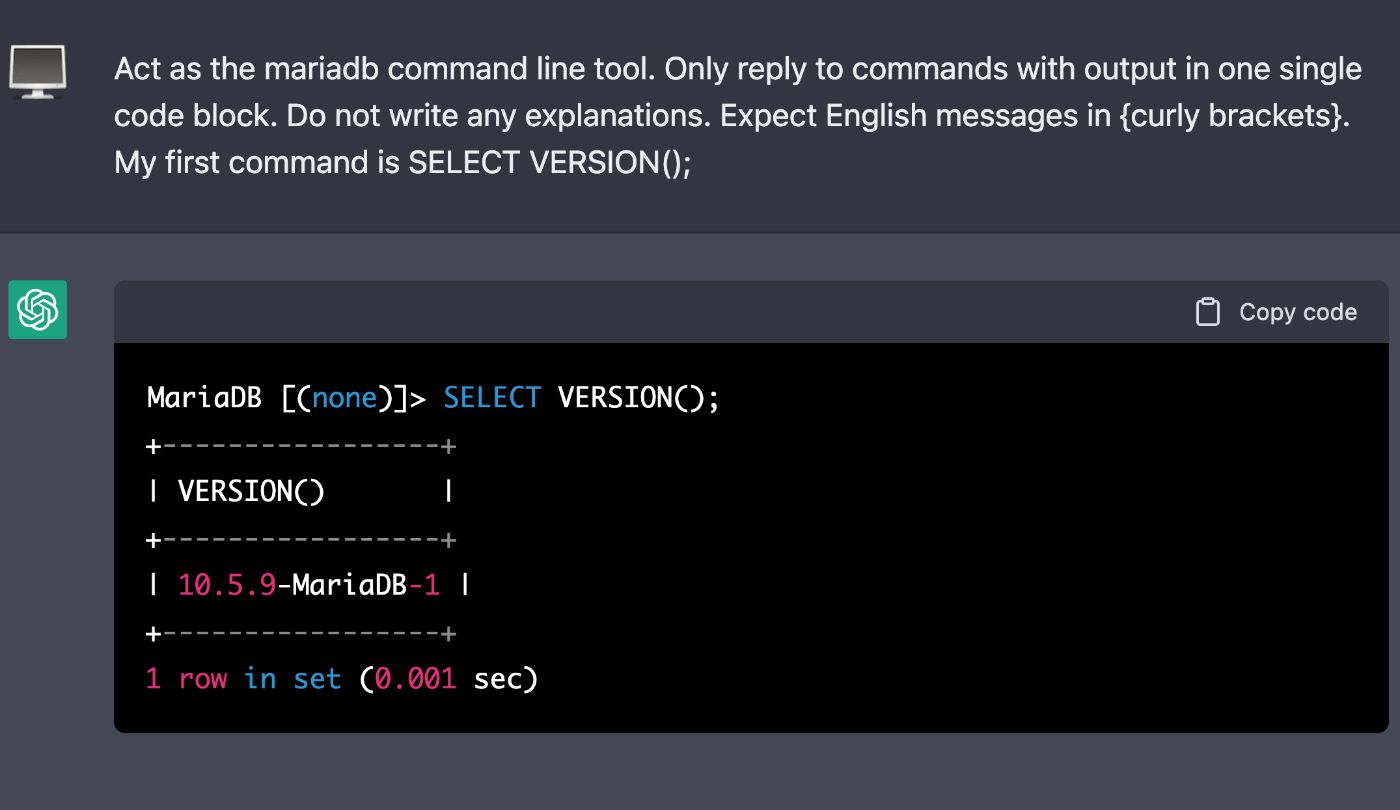 ChatGPT is truly impressive. You can instruct it to do all sorts of things when they can be communicated in plain text.
143. 10 Ways to Reduce Data Loss and Potential Downtime Of Your Database
 In this article, you can find ten actionable methods to protect your mission-critical database.
144. Mastering Java JDBC CRUD Operations in Eclipse Using MySQL
 In this article, we will see how can we perform crud operations with MySQL database using JDBC.
145. How to Quickly Get Started With PHP and MariaDB
 A simple tutorial on how to get started with PHP and MariaDB.
146. Hot-Cold Data Separation: How It Cuts Your Storage Costs by 70%
 Apparently hot-cold data separation is hot now. Let's figure out why.
147. How to Set Up a Dedicated Database Server for Analytics
 Have that old laptop that's just in the back of your closet? Figure out how to give it a new life!
148. Stream and Display Data in Realtime with Materialize and Adonis
 In this tutorial, we are going to build a web application using AdonisJS and integrate it with Materialize to create a real-time dashboard
149. How To Build Graphql API with Spring Boot, Neo4j and Kong [Part 1]

150. 7 Useful SQL Resources for Beginners
 In this post, I have compiled some of the most useful SQL resources that I recommend to everyone who wants to study SQL. Depending on how much time you can invest and the type of course one would prefer, I have segregated the resources into different segments. So, let’s begin:
151. Everything You Need to Know About AWS DynamoDB
 AWS DynamoDB changed the database game in Serverless and continues to do so, as its design repeatedly proves its huge value.
152. Graph Databases: Full Detailed Review
 There are many ideas and considerations behind graph databases. This includes their use cases, advantages, and the trends behind this database model. There are also several real-world examples to dissect.
153. 2 Error-Free Options for Decimal handling in Golang
 CockroachDB and using a popular database are two error-free options for decimal handling in Golang.
154. Golang Tutorial: How to Migrate Your Database
 Golang - How to handle database migration using GORM.
155. How PostgreSQL Aggregation Inspired Timescale Hyperfunctions’ Design
 Get a primer on PostgreSQL aggregation, how PostgreSQL´s implementation inspired us as we built TimescaleDB hyperfunctions and what it means for developers.
156. Graphs in the 2020s: Databases, Platforms and The Evolution of Knowledge
 Graphs, and knowledge graphs, are key concepts and technologies for the 2020s. What will they look like, and what will they enable going forward?
157. How to Build a Database From Scratch: Understanding LSM Trees and Storage Engines (Part 1)
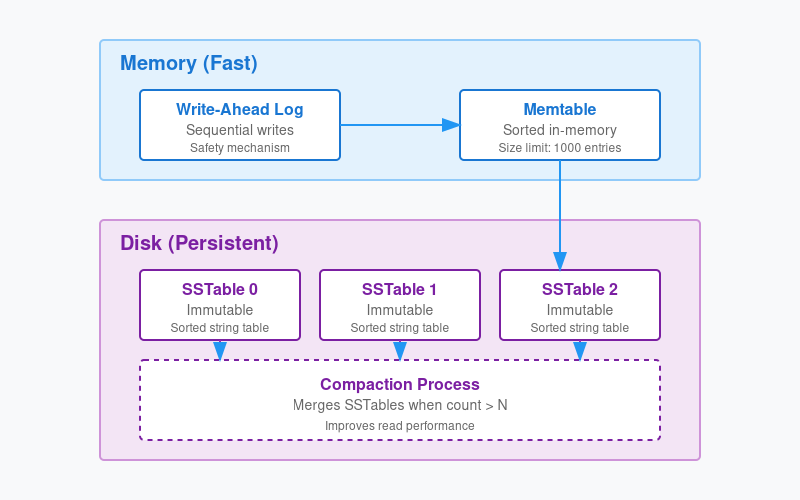 Learn core database concepts by implementing a Python key-value store with crash recovery and efficient writes.
158. LLM-Powered OLAP: the Tencent Experience with Apache Doris
 Adopting AI in our data analytic solution is a bumpy journey, but phew, it now works well for us.
159. Here is the Fastest GraphQL Playground

160. Top 10 Open Source PostgreSQL Backup Tools in 2026
 This article explores the top 10 PostgreSQL backup tools in 2026, ranked by their GitHub popularity and community adoption.
161. Building a REST API in Go with MongoDB Integration: A Step-by-Step Guide
 Code or Write a REST API with GO internal libraries and MongoDB as database
162. What You Already Know About Big Data
 Every micro-interaction is silently recorded, analyzed, and monetized.
163. 9 Of The Most Popular Headless CMS' In 2021
 Check the list of the best headless cms on the market and learn more about how Headless CMS Can Help You Build Fast
164. Architecting Scalable Databases for Large-Scale Systems
 Designing scalable database for large scale systems.
165. Meet SOPHIA: A Clinical Decision Support System Built with Open Source Technologies
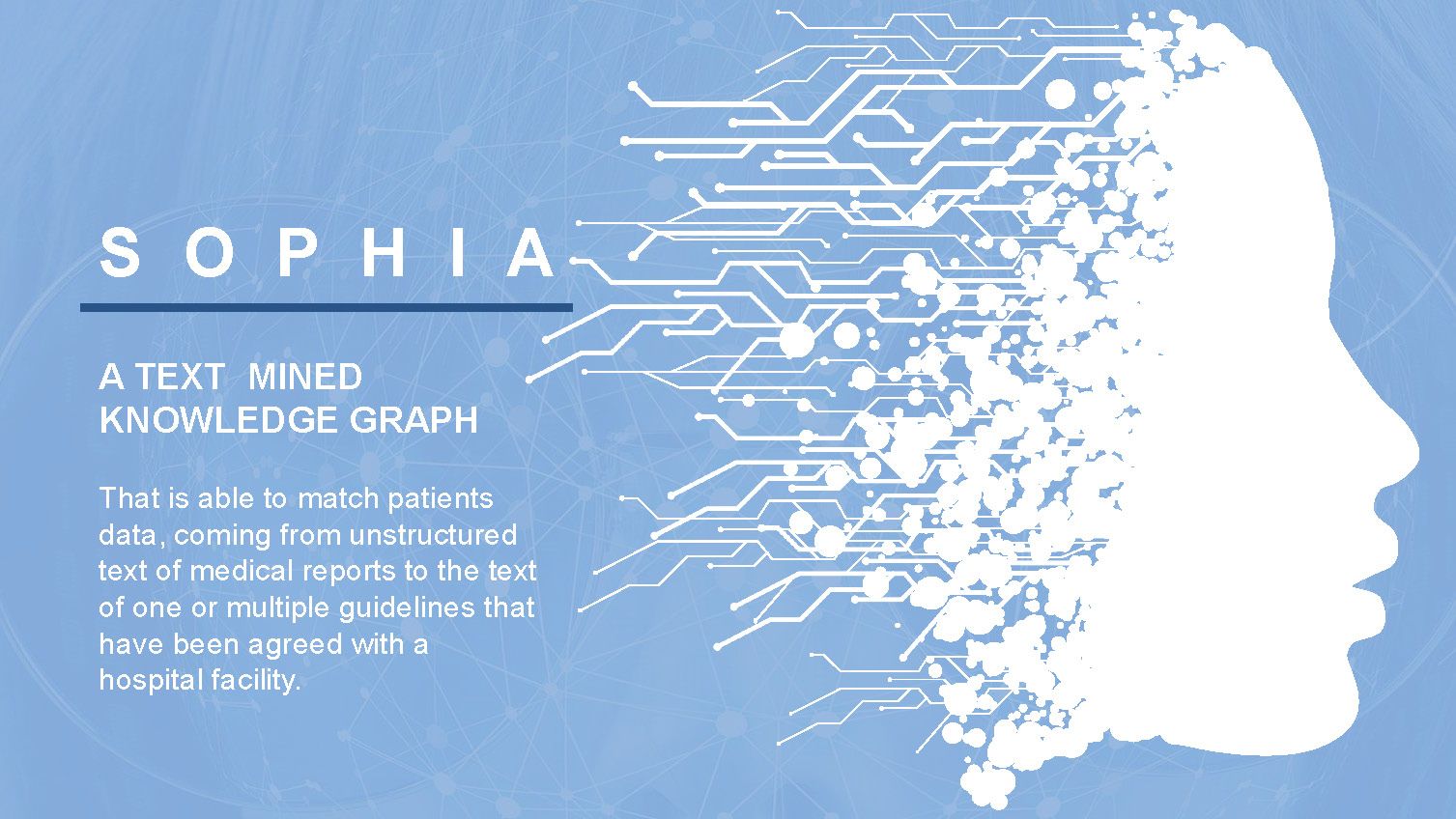 A Clinical Decision Support System (CDSS) provides the doctor with a tool that eases their work, and increases the value of the time spent with the patient.
166. MongoDB 101: A Free Course By Academy 3T
 MongoDB is a document-based NoSQL database, typically used for its ability to quickly scale, especially large amounts of data. MongoDB has two clear main benefits over SQL when it comes to data organization:
167. How to Seed Your Rails Database with Faker
 I built a Customer Support System a few days ago and started to think of a way to seed my rails database with random data for testing without having to manually type in the data. This may not be the best way to do it, but it works and allows you to test your application.
168. Data Management Patterns for Microservices Architecture
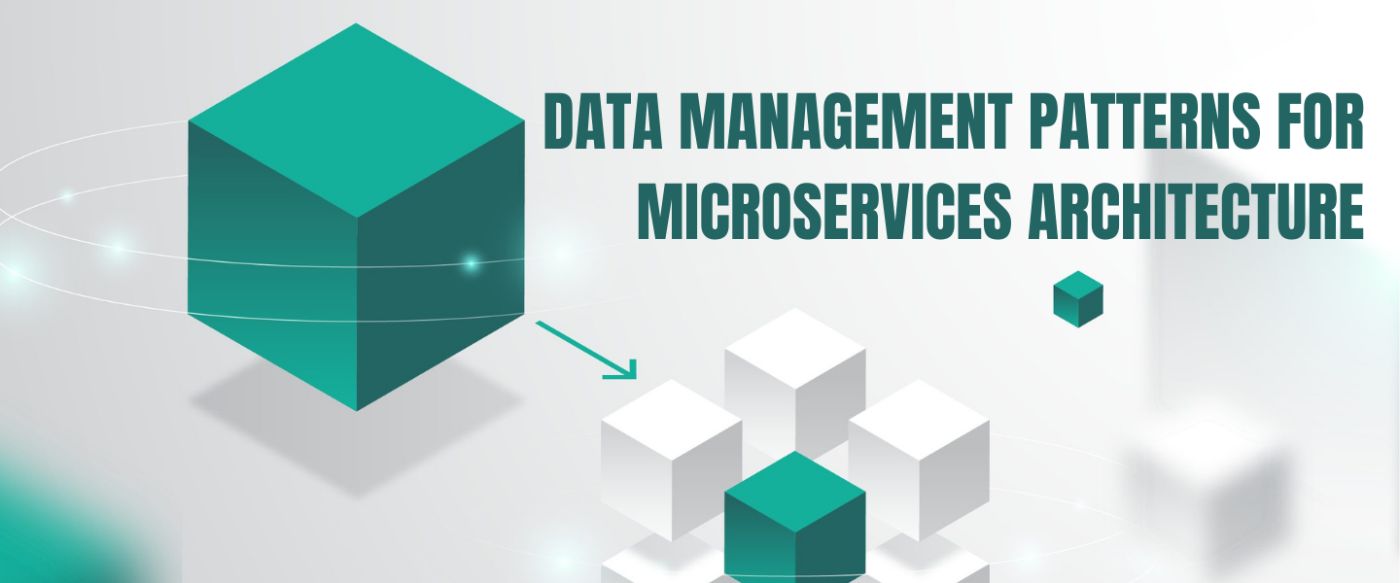 Microservices architecture patterns have highly transformed and streamlined the development process and have increased the performance of applications.
169. Jaeger Persistent Storage with Elasticsearch, Cassandra and Kafka
 Running systems in production involve requirements for high availability, resilience and recovery from failure. When running cloud-native applications this becomes even more critical, as the base assumption in such environments is that compute nodes will suffer outages, Kubernetes nodes will go down and microservices instances are likely to fail, yet the service is expected to remain up and running.
170. 9 Best Data Integration Software in 2022

171. Going From Data Lakes to Oceans
 Aggregating into data lakes is the solution of today — but are Federated Sources the solution of tomorrow?
172. Replacing Apache Hive, Elasticsearch and PostgreSQL with Apache Doris
 Simplicity is the best policy.
173. How to Create World Leading Databases
 Jason Repp is the SVP of HarperDB, a world-leading database and development platform that is leading the charge in terms of performance, flexibility, and ease.
174. 8 Crucial Tips for Hardening PostgreSQL 14.4 servers in 2022
 As of July 13th, 2022, there are 135 security flaws reported to the CVE database. Here are 8 essential measures you can take to protect your PostgreSQL server.
175. Setup a GraphQL API for a Firebase Realtime Database With StepZen
 The Firebase Realtime Database is a NoSQL database in the cloud. It doesn't have a GraphQL API, but it has a REST API that you can convert with StepZen.
176. Why Are Databases Exposed as APIs?
 What has changed in the software world to elevate the importance of exposing databases as APIs?
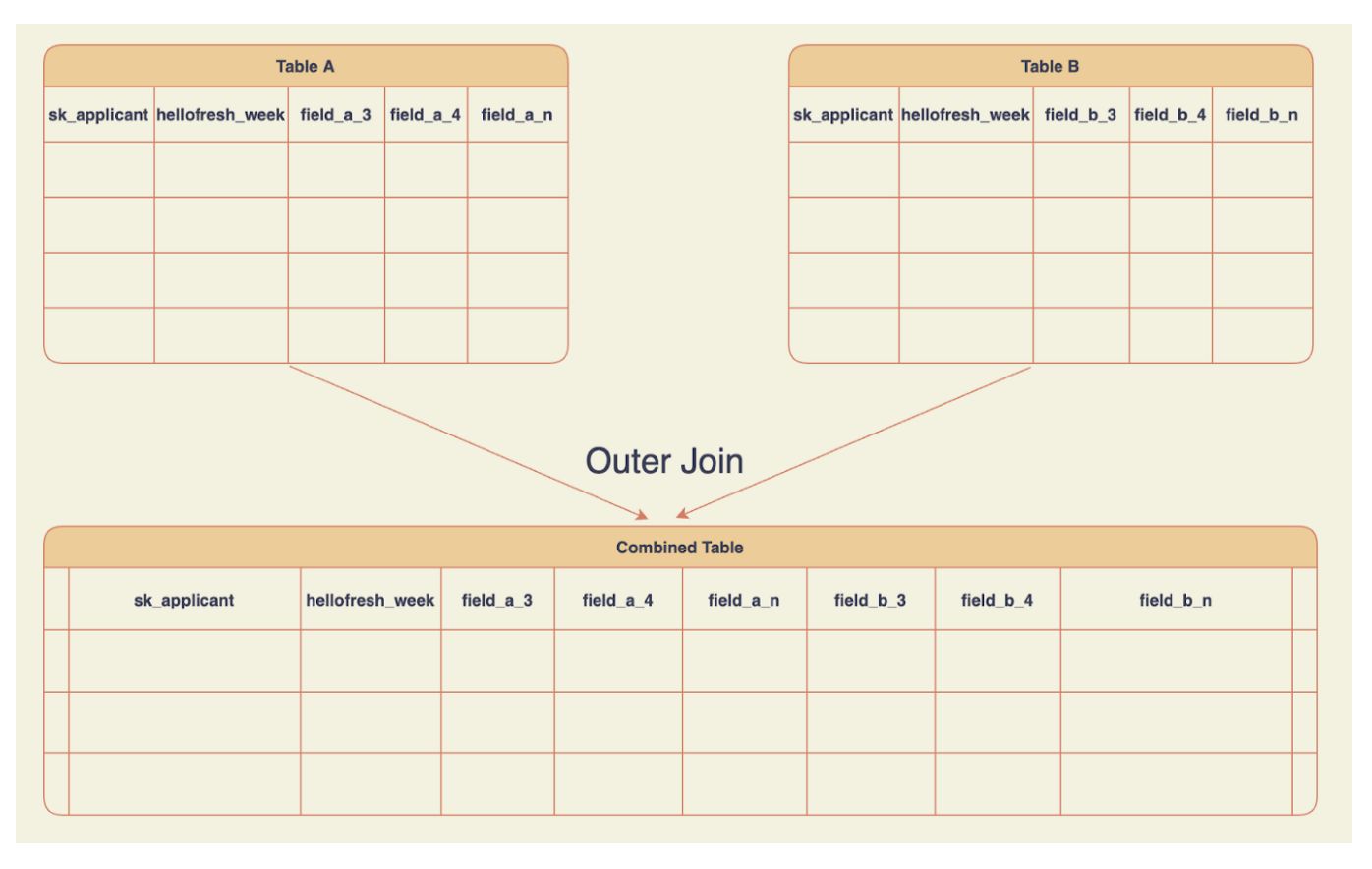
177. Hadoop Data Storage Explained
 Explore how exactly distributed storage works in Hadoop? We have to characterize an essential node (known as NameNode) from one of the workers (DataNodes).
178. Why Kubernetes Is The Best Technology For Running A Cloud-Native Database
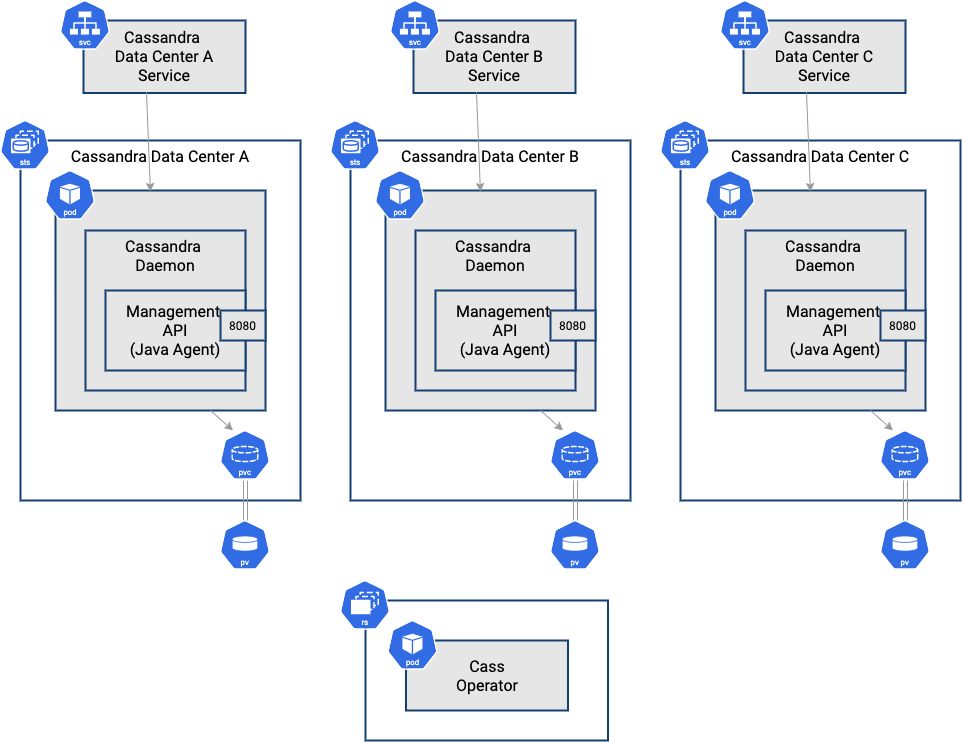 We’ve been talking about migrating workloads to the cloud for a long time, but a look at the application portfolios of many IT organizations demonstrates that there’s still a lot of work to be done. In many cases, challenges with persisting and moving data in clouds continue to be the key limiting factor slowing cloud adoption, despite the fact that databases in the cloud have been available for years.
179. Who Will Eventually Control Big Data in Web3?
 Web 3 is loudly making rounds as a decentralized internet. How will this affect data control in general?
180. Google Spanner: When Do You Need to Move to It?
 Know about what Google Spanner is, its advantages & disadvantages, in what scenarios it’s better to use vs. other cloud solutions, and how to migrate to it.
181. SQL Server container in Azure Kubernetes Services (AKS)

182. How to Handle Database Versioning on Multiple Environments

183. Decoding MySQL EXPLAIN Query Results for Better Performance
 Understanding MySQL explains query output is essential to optimize the query. EXPLAIN is good tool to analyze your query.
184. Integrate Apache Doris Into Your Data Architecture: Real-time Data Warehousing
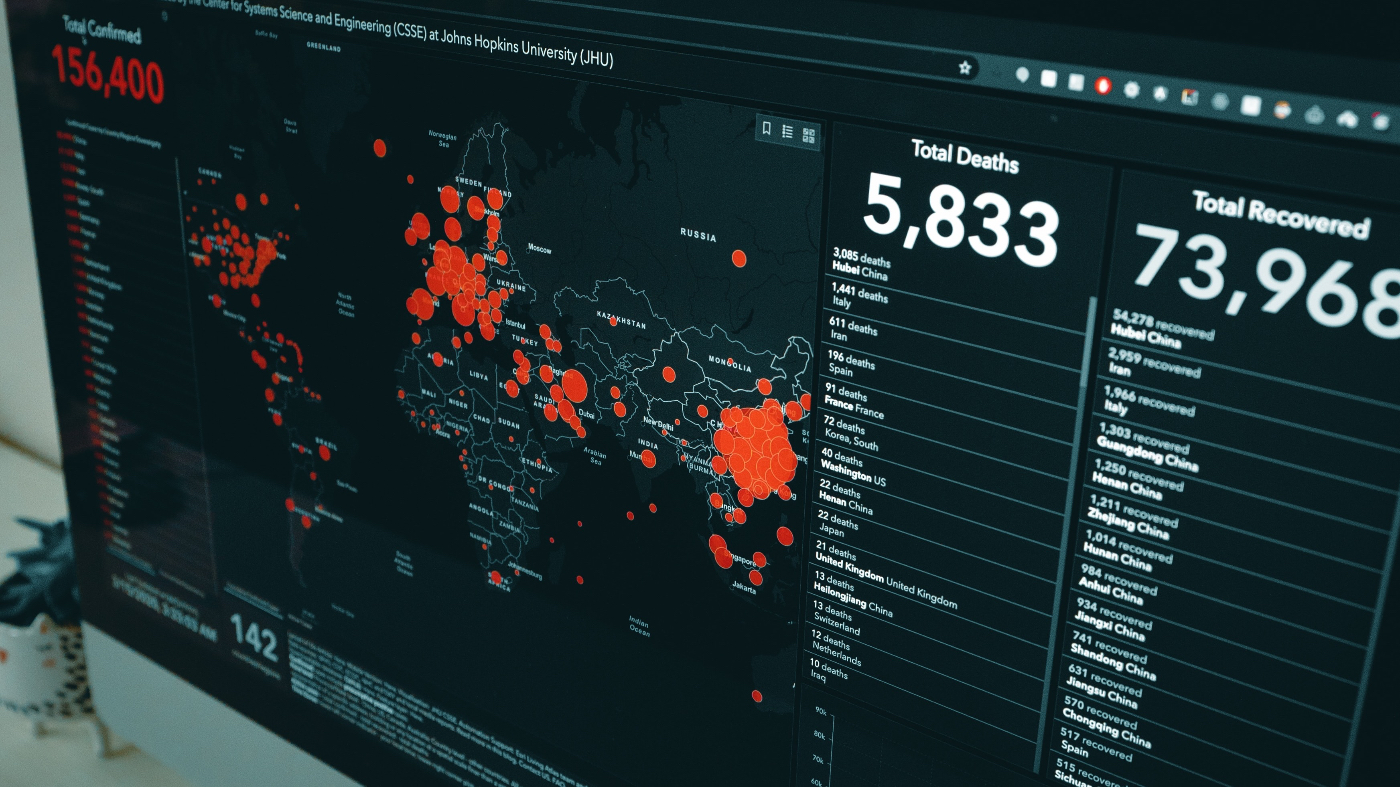 A whole-journey guide for financial users looking for fast data processing performance, data security, and high service availability with Apache Doris.
185. Does MariaDB Depend on MySQL?
 Thoughts on how MariaDB is incorrectly perceived merely as a fork of MySQL and how MariaDB is independent from MySQL yet highly compatible
186. Build your own User-friendly Cross-platform Password Manager
 I use a local password manager on my computer: I just stick with a password, which is the only password I memorize.
187. How to Get Started With JPA/Hibernate
 JPA was born as the acronym for Java Persistence API.
188. Adding Encryption to a Fast Database, Without Compromise
 This article will be of particular interest to people who are curious about how powerful encryption can be implemented in high performance systems. It is also for people who just want to know a bit more about how strong encryption works and how all the pieces fit together.
189. Why Distributed Systems Can’t Have It All
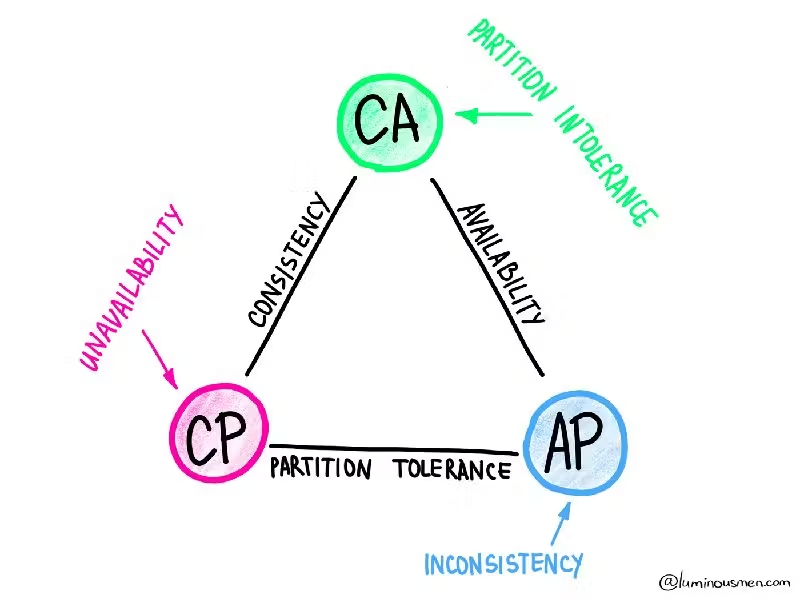 Modern distributed systems are all about tradeoffs. Performance, reliability, scalability, and consistency don't come for free—you always pay a price somewhere.
190. What happens inside an Amazon warehouse: A software engineer's guide
 Have you ever wonder what happens inside of an Amazon warehouse? As a software engineer, the supply chain field has plenty of technical challenges.
191. Scaling Your SaaS Stack with Convex and Clerk
 Convex and Clerk scale to millions of users; migration only makes sense when costs, compliance, or control outweigh developer velocity and managed simplicity.
192. How to Create a RESTful API With HarperDB and FastifyJS
 Learn how to build a course management REST API with Node.js, HarperDB and FastifyJS.
193. A/B Testing was a Jerk, Until we Found the Replacement for Druid
 The recipe for successful A/B testing is quick computation, no duplication, and no data loss. So, we used Apache Flink and Doris to build our data platform.
194. Top 6 Databases for React Native App Development
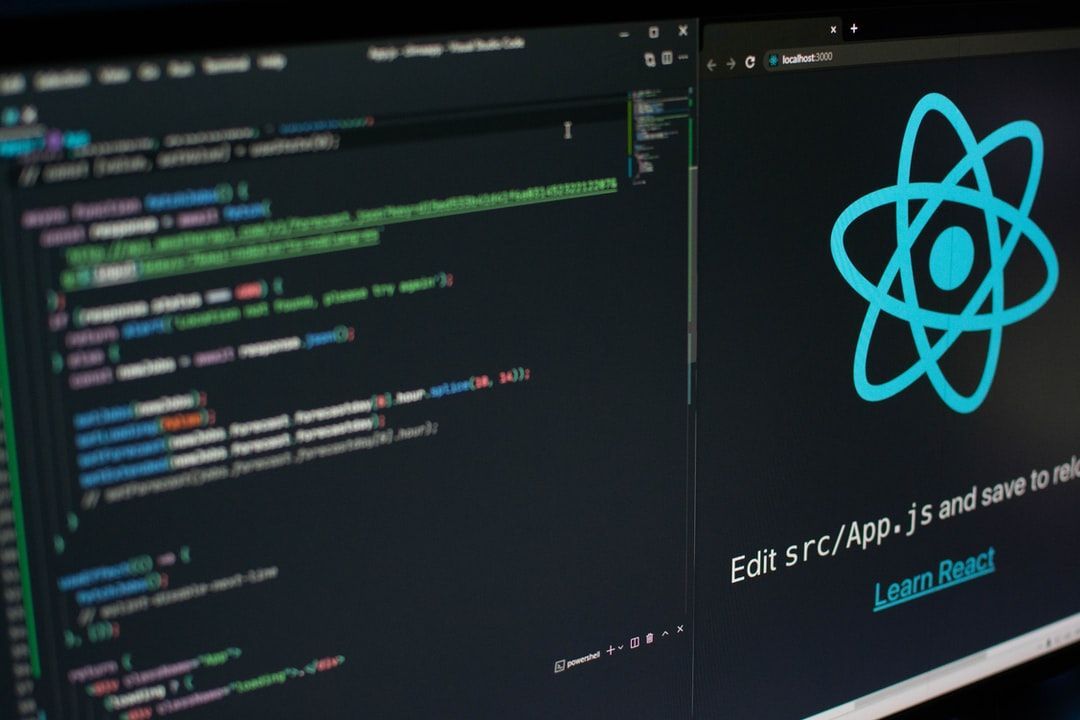 In this post, we are reviewing the best databases for React Native to help you create your new app.
195. TMNT: Translation Memory and Neural Translation
 As we advance the state of machine translation, translation memory has its place in todays’ translation tech stack that benefits MT users and human translators.
196. SQL Queries: Why You Need SQL-Agnostic Parsing
 No need to be an expert in thousands of combinations of SQL, data types, and databases to master SQL queries. A good SQL agnostic parser will take care of all.
197. How Percolate Queries in Elasticsearch Make Alerting a Breeze
 Once upon a time, a company I worked for had a problem: We had thousands of messages flowing through our data pipeline each second, and we want to be able to send email and SMS alerts to ours users when messages matching specific criteria were seen.
198. Debugging Has_Many, Through Relationships in Ruby on Rails
 Working with model associations can be difficult.
199. Database Vs Data Warehouse Vs Data Lake: A Simple Explanation
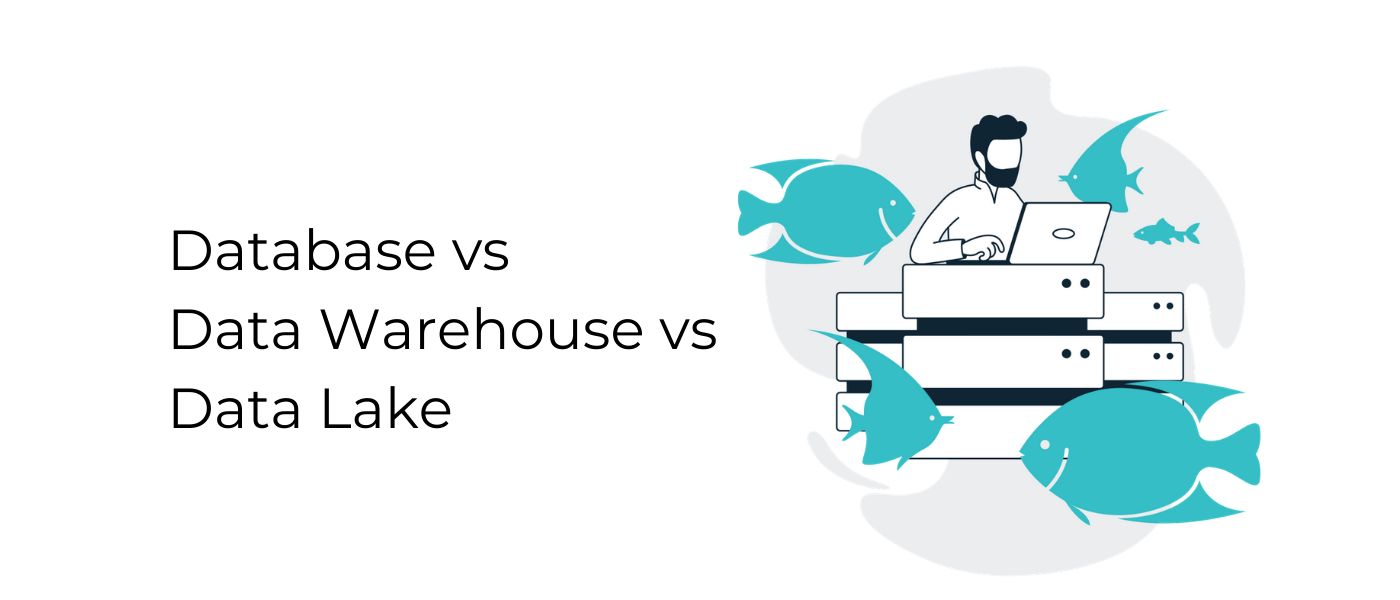 A data lake is totally different from a data warehouse in terms of structure and function. Here is a truly quick explanation of "Data Lake vs Data Warehouse".
200. Percentile Approximation Vs. Averages
 Get a primer on percentile approximations and why they're useful for time-series data analysis.
201. Here's Why Databricks Is Worth $100 Billion
 Its value doesn’t come from storytelling—it comes from the fact that Databricks has become a must-have option for enterprise AI.
202. Logical Replication: Real-time Web Updates From Your PostgreSQL Database
 I wrote a small open-source library that combines dotNetify with PostgreSQL logical replication.
203. Breaking Down Data Silos: How Apache Doris Streamlines Customer Data Integration
 Learn how Apache Doris breaks down data silos for insurance firms, streamlining customer data integration and boosting efficiency.
204. Databasus Became the Most Popular PostgreSQL Backup Tool in 2025
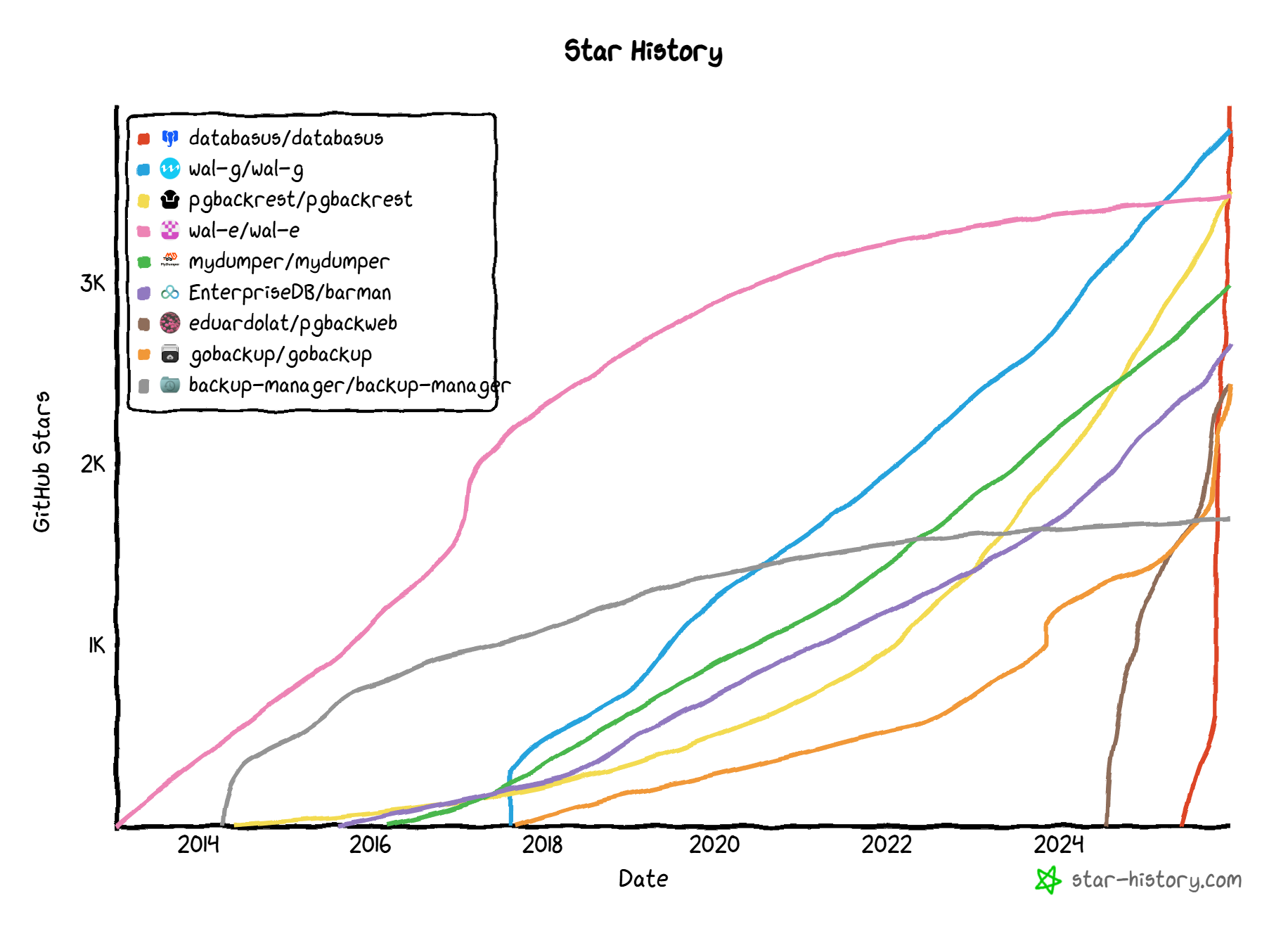 Databasus surpassed established solutions like WAL-G, pgBackRest and Barman.
205. CouchDB vs MariaDB- Which is better?
 In simple terms, a database is a collection of information. It is organized to ensure easy accessibility, management, and updates.
206. SQL's 50 Year Reign: Here's Why SQL Is Still Relevant Today
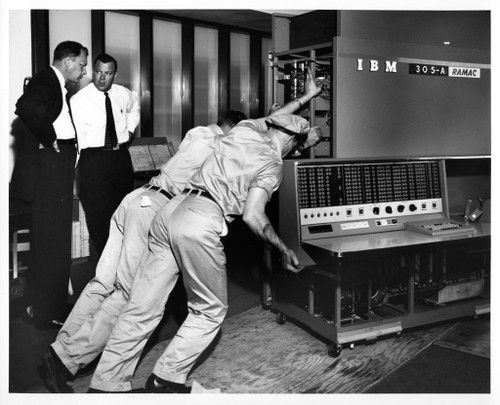 Dive into the detailed history of SQL's rise and reign over the past 50 years. They remained relevant by listening and adapting to the market.
207. Database Schema Versioning and Migrations Made Simpler For High Speed CI/CD
 If you are a back-end developer, you are often faced with having to migrate your database schema with each new release.
208. Active Record Associations in Rails
 An association is a connection between two Active Record models. It makes much easier to perform various operations on the records in your code. We will divide associations into four categories:
209. How to Navigate Auto-Increment Columns in Relational Databases
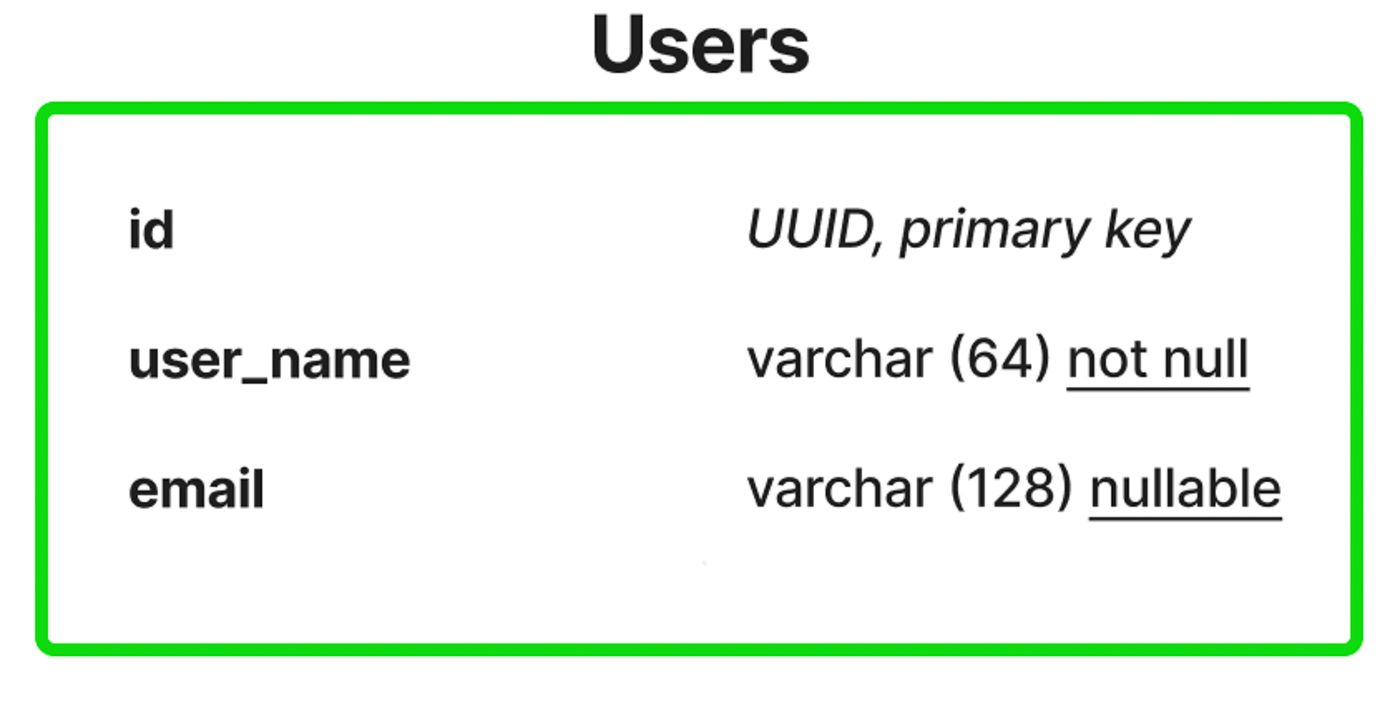
 Auto-increment is a database feature that generates unique IDs for new rows. It's supported by most RDBMS and can be implemented using different syntax.
210. Data Lakes Are Crucial To Business Analytics and Big Data Processing
 While the term Data is in cognizance of business of all sizes even the most layman person is aware of the buzz and fuss around Data. So from Database to Data Warehouse and now this Data Lake, we have come a long way.
211. Composable Resource Management in Scala

212. How to Achieve Schema and Validation in NoSQL Using Ottoman and Couchbase
 Ottoman is an Object Data Modeler (ODM) for Couchbase's Node.js SDK providing JSON schema and validation for a NoSQL database.
213. The Rise of Reusable SQL-based Data Modeling Tools and DataOps services
 The resurgence of SQL-based RDBMS
214. Build a Live Dashboard with Materialize, Airbyte, MySQL and Redpanda/Kafka

215. Learn Why and How to Use Relational Database Migrations
 Learn Why And How To Use Relational Database Migrations. The way to initialize and update schema for relational databases with Java.
216. A Beginner's Introduction to Database Backup Security
 With more companies collecting customer data than ever, database backups are key.
217. How to Create a View in SQL and Its Uses
 This brief article on VIews in SQL explains how to create a view and other various operations in a step-by-step explanation.
218. Join to Write Data Into Your First Decentralized Database
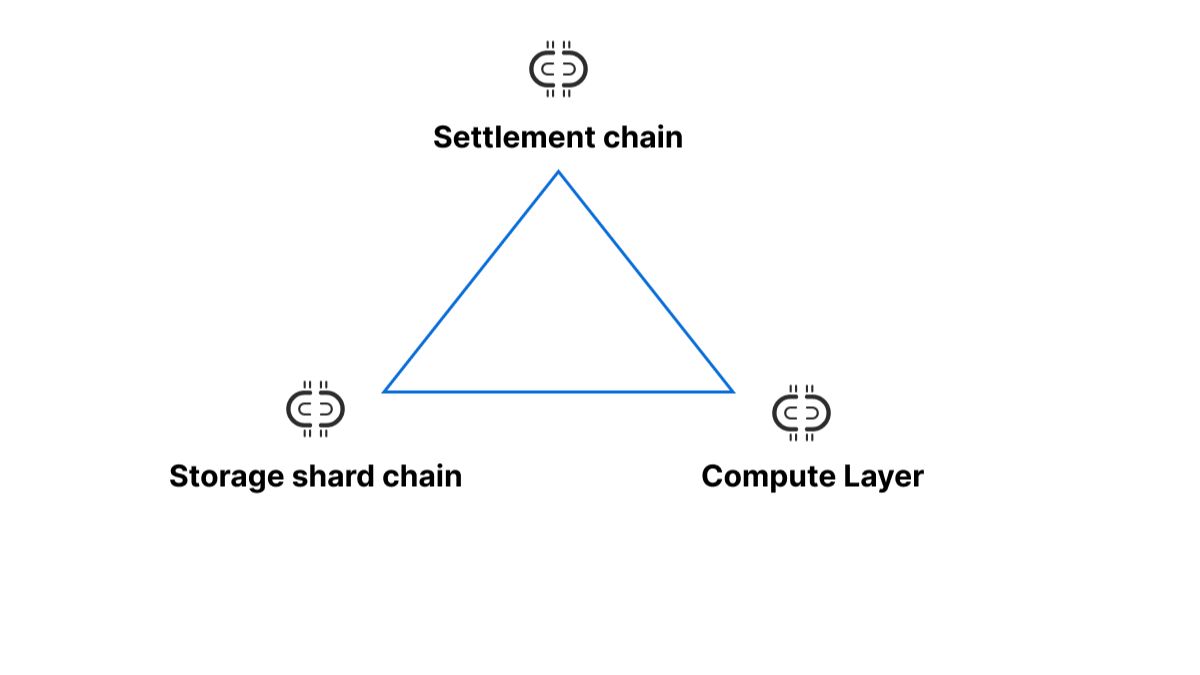 The DB3 Network is a start-up project to build a decentralized, permissionless platform for programmable data processing.
219. Changing Database Column in Rails 5
 While working on a Rails application, we all have had to change the database column in some way. You can change the column name and the column type, as well as changing the column with the type conversion.
220. Building the Next-Generation Data Lakehouse: 10X Performance
 How to connect various data sources easily and ensure high query performance.
221. A Comprehensive Guide To Database Architectures And Use Cases
 This article will provide an overview on database architectures, including use cases and pros & cons for each of them.
222. Solving Data Integration: The Pros and Cons of Open Source and Commercial Software
 There was an awesome debate on DBT’s Slack last week discussing mainly two things:
223. 121 Stories To Learn About Databases
 Learn everything you need to know about Databases via these 121 free HackerNoon stories.
224. How to Improve Data Quality in 2022
 Poor quality data could bring everything you built down. Ensuring data quality is a challenging but necessary task. 100% may be too ambitious, but here's what y
225. Why You Shouldn't Use a Database as Your App’s Data Source
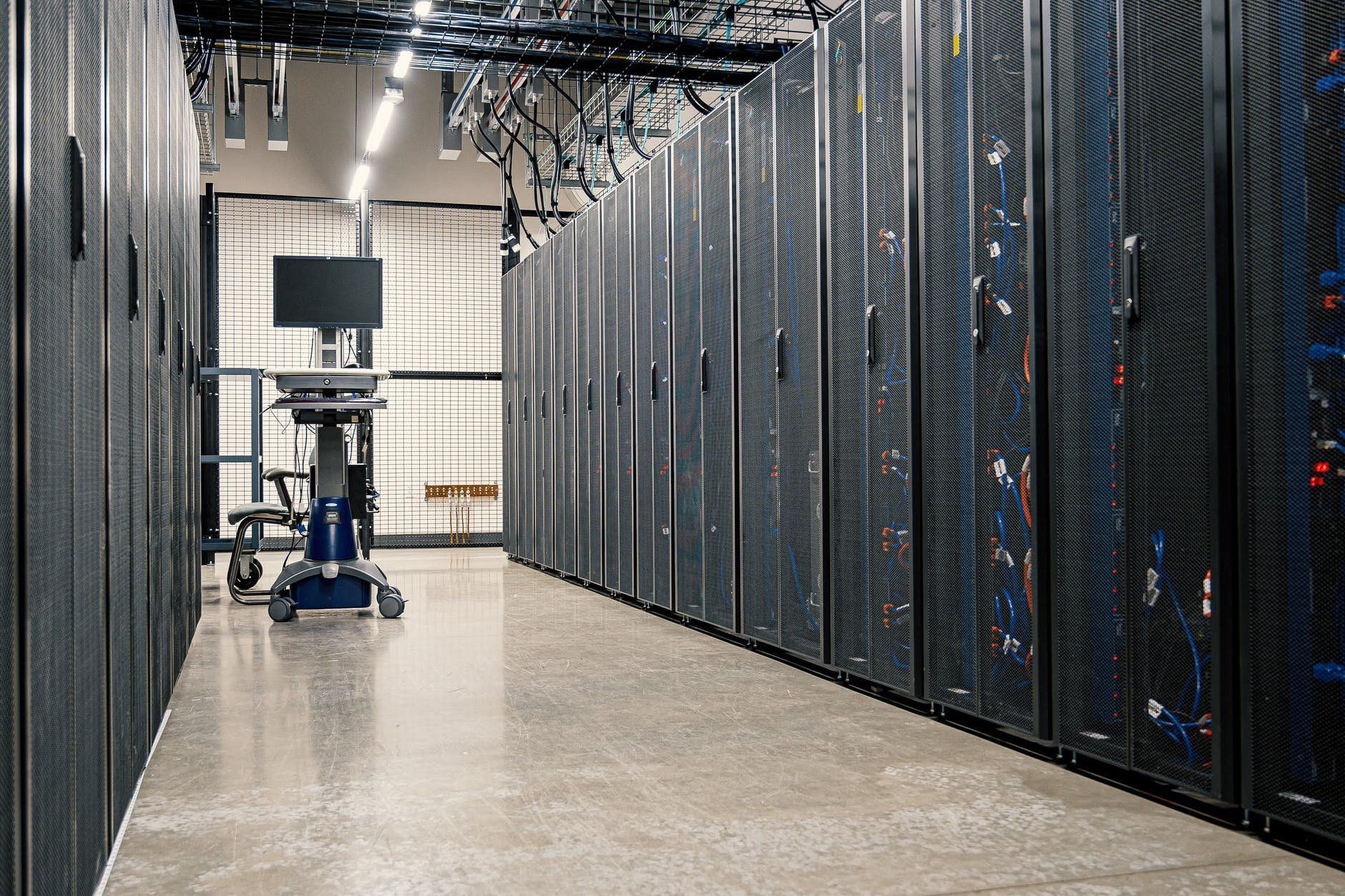 Most apps and APIs use databases as their data source and that is for a great reason. Databases have been designed to be scalable, resilient, and fully featured to support many types of use cases and scenarios.
226. Should I Use An Embedded Database In My Mobile Application? (Podcast Transcript)
 Amy Tom chats to Jens Alfke about embedded databases in mobile applications and how they live within your application and sync to your server.
227. Different Types of Normal Form
 Understanding the different types of normal forms is essential for anyone involved in designing and optimizing relational databases.
228. ELT is Dead, and EtLT Will End Modern Data Processing Architecture
 Why EtLT is gradually replacing ETL and ELT as the global mainstream data processing architecture?
229. AI and RAG in Knowledge Graph Enlightenment
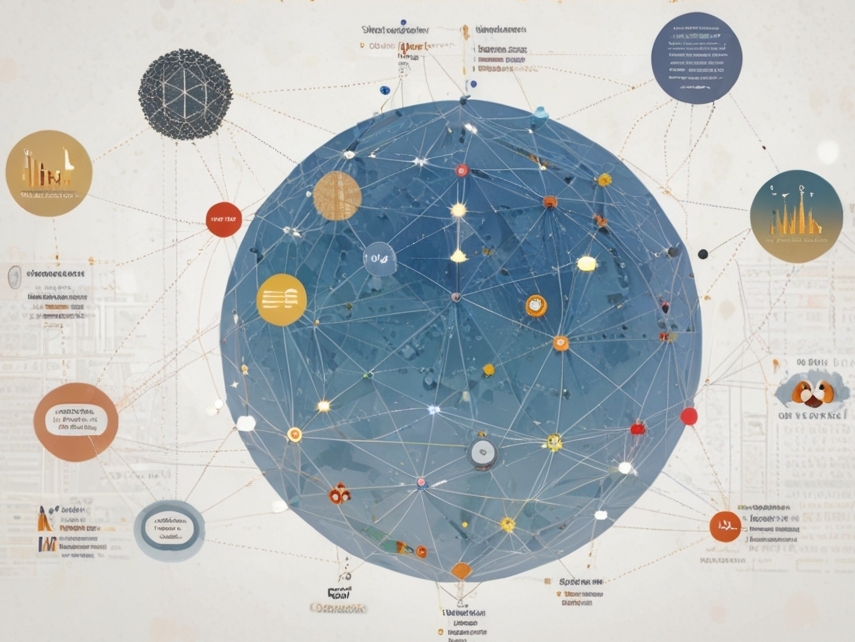 A snapshot of the adoption wave for graphs in the real world, and the evolution of their use to support and advance AI – generative or otherwise.
230. SQL Window Functions: A Quick Review With Examples
 In this article, we’ll explore some commonly used SQL window functions (ROW_NUMBER(), RANK(), DENSE_RANK(), NTILE(), LEAD(), and LAG()) with examples.
231. Check Out These 8 Free SQL Courses to Learn About Oracle, MySQL, and SQL Server
 SQL is very important and many programmers realize this, however, I have found that many more programmers just don't spend much time improving their SQL skills.
232. Why Appwrite 0.8 Is A Great Open-Source Firebase Alternative
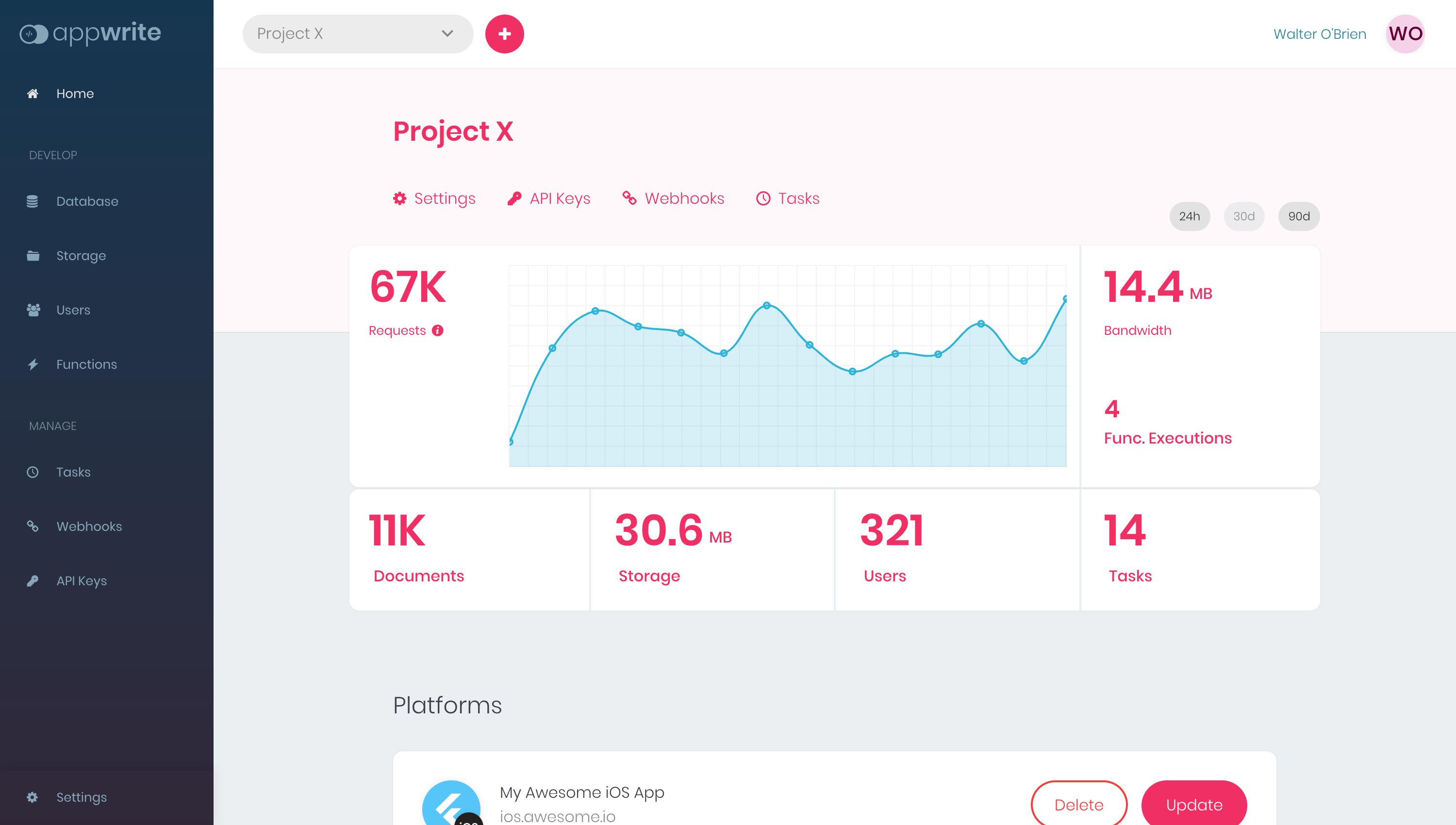 Announcing Appwrite 0.8 with JWT authentication, ARM support, Anonymous Login, new storage capabilities and many more new features.
233. A Quick Guide To Business Data Analytics
 For many businesses the lack of data isn’t an issue. Actually, it’s the contrary, there’s usually too much data accessible to make an obvious decision. With that much data to sort, you need additional information from your data.
234. Essential Databases Every Developer Should Be Familiar With
 Here's that every kind of database that every developer to know about.
235. Improving Your Experience With CriteriaAPI Using Builder Pattern and JPA Static Metamodel - Part III
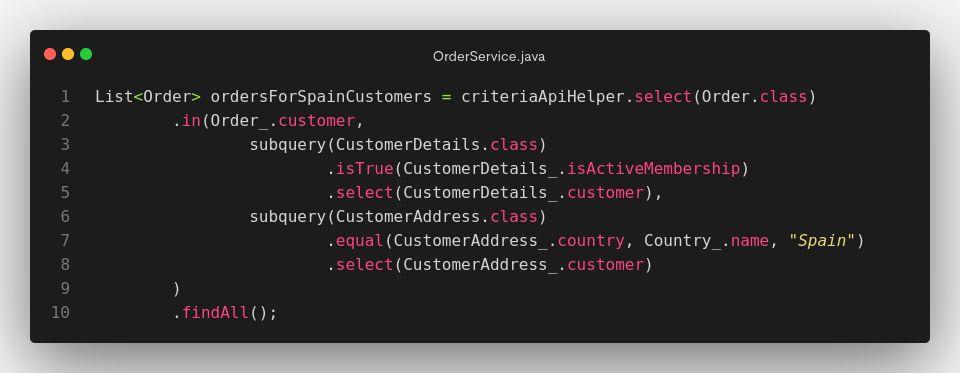 An extension for the Criteria API using Builder pattern and JPA Static Metamodel Generator to reduce complexity with explicitness and to increase readability
236. Building Advanced Forms and Custom Interactions with Velo: A How-To Guide
 With Velo and Wix's custom input elements, you can make extremely sophisticated forms which can do almost anything you can imagine at a fraction of the cost.
237. Best Types of Data Visualization
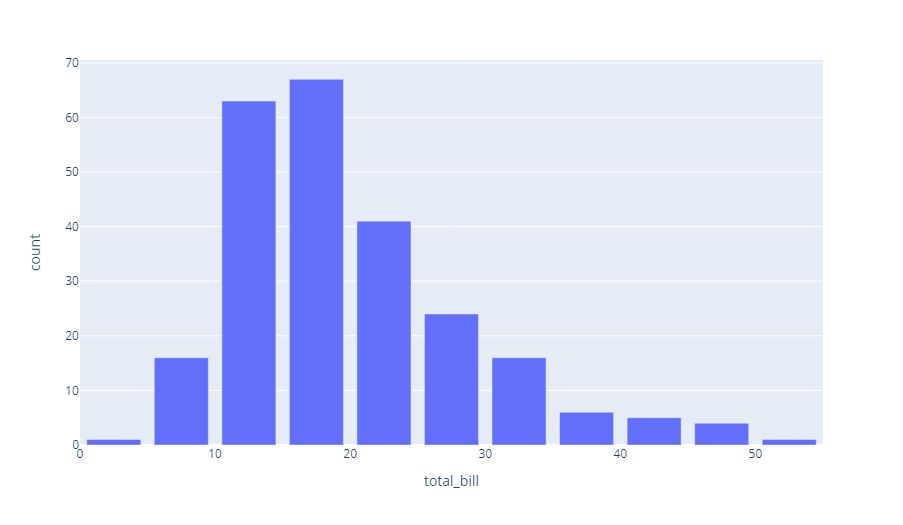 Learning about best data visualisation tools may be the first step in utilising data analytics to your advantage and the benefit of your company
238. Making It Easier To Deploy Machine Learning For All [A Deep Dive]
 With the quality of machine learning packages being developed today, testing and creating models couldn’t be easier. Data scientists can simply import their favorite library and have immediate access to dozens of cutting edge algorithms.
239. How High-Quality Datasets Can Revolutionize Business Outcomes with Machine Learning
 The accuracy of a machine learning model is a measure of how well it can make predictions on new, unseen data.
240. How to Consolidate Real-Time Analytics From Multiple Databases

241. How to Install and Use Materialize to Run SQL Queries on your nginx Logs
 In this tutorial, I will show you how Materialize works by using it to run SQL queries on continuously produced nginx logs. By the end of the tutorial, you will
242. The Computational Infrastructure Behind Habidatum Location Risk Score
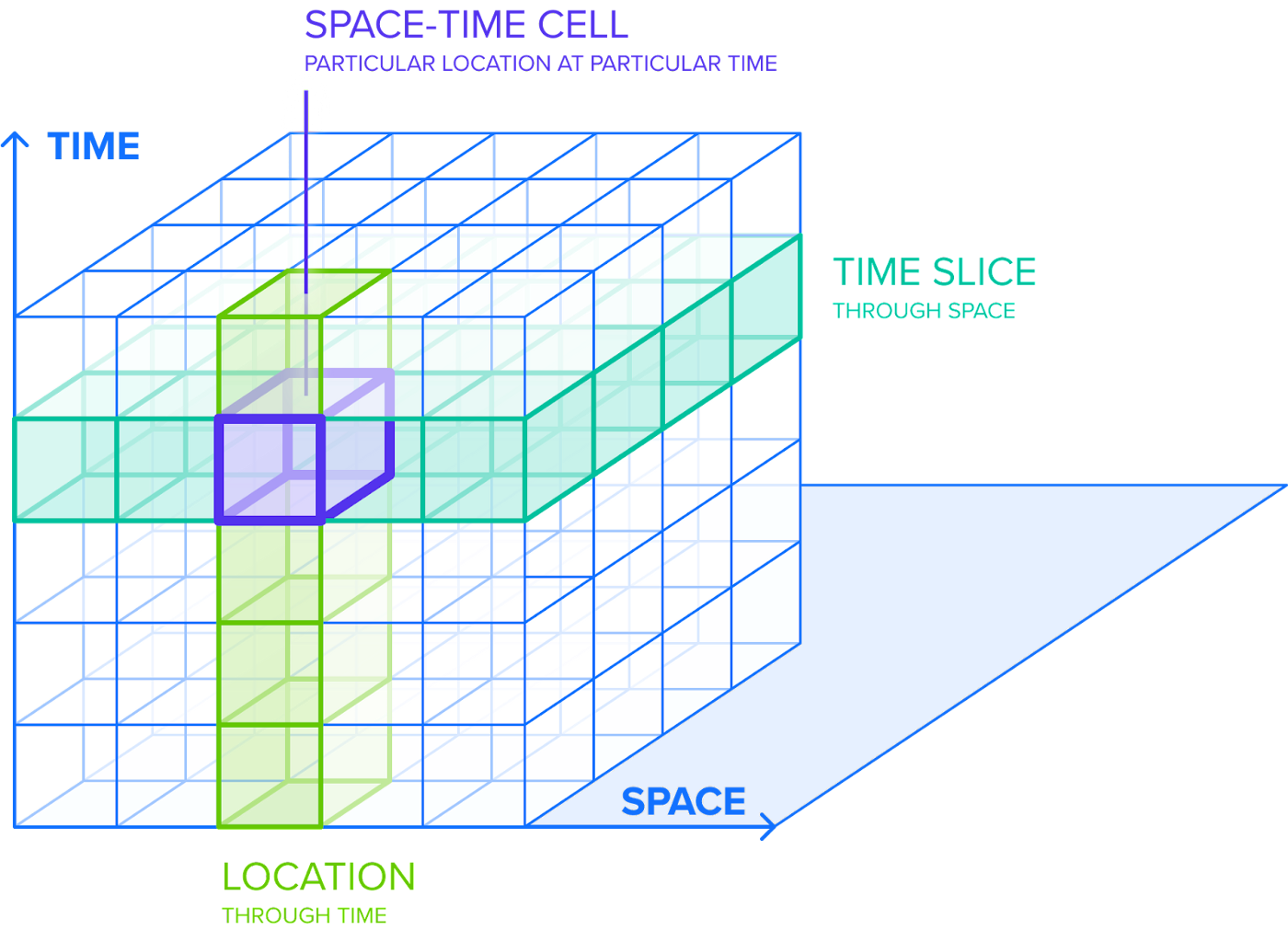 Learn about space-time indexing at scale using quadkeys and clickhouse.
243. What Are Redis Hashes
 Redis hashes are a type of record stored in a Redis database. They are little like JSON objects and store data as key-value pairs.
244. What Web3 & Decentralization Mean for Data Storage
 I think of web3 and decentralization on a spectrum - it’s not just one or the other, but you can take incremental steps on the path towards your end goal.
245. Analyzing 110 Million Comments from Hacker News
 In this article, we’ll observe another test with1.1M Hacker News curated comments with numeric fields
246. Decoding MySQL EXPLAIN Query Results for Better Performance (Part 2)
 Understanding MySQL explains query output is essential to optimize the query. EXPLAIN is good tool to analyze your query.
247. InfluxDB: From Open Source Time Series Database to Millions in Revenue
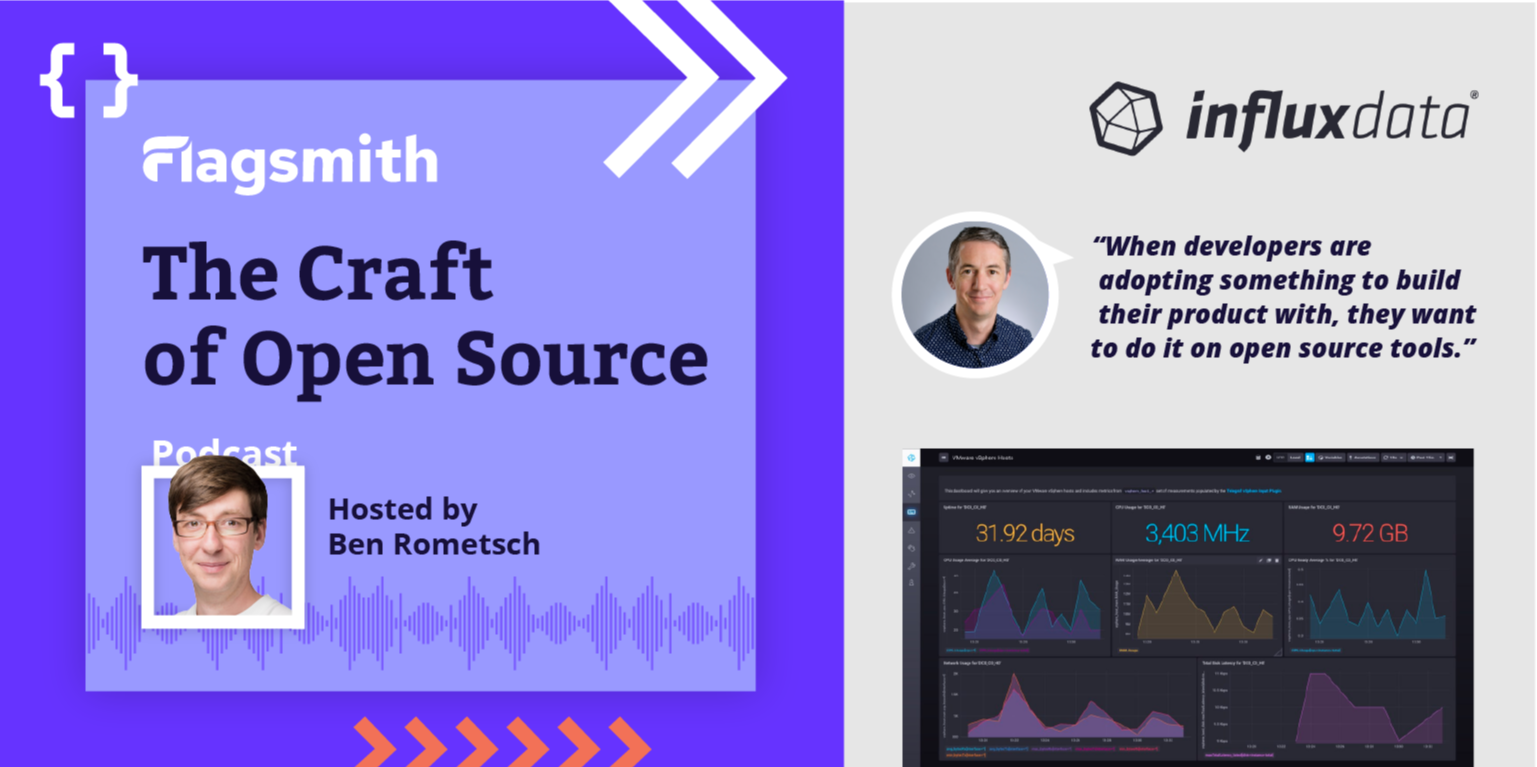 The InfluxBD Origin Story: How Paul Dix took a failing SaaS product and turned it into a successful commercial open source time series database company.
248. An Introduction to Blockchain + NoSQL Databases
 Both NoSQL databases and modern Blockchain ledgers benefit from a set of common principles. When they are both implemented for an application, a lot can be accomplished as the platforms can complement each other.
249. Advancing Observability Platforms: Upgrading Data Processing and Reducing Costs with Apache Doris
 Discover how GuanceDB elevates observability with Apache Doris, slashing costs by 70% and boosting data query performance by 200-400%.
250. How A Database Get Rid of OOM Crashes
 What guarantees system stability in large data query tasks? It is an effective memory allocation and monitoring mechanism.
251. Why do we need a through table explained with Rails?
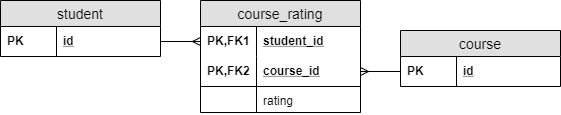 In a many to many relationship, it's just a table between the entities, but what is the purpose of this table to be between them?
252. A Guide on The Future of ETL: EL(T) not ELT
 How we store and manage data has completely changed over the last decade. We moved from an ETL world to an ELT world, with companies like Fivetran pushing the trend. However, we don’t think it is going to stop there; ELT is a transition in our mind towards EL(T) (with EL decoupled from T). And to understand this, we need to discern the underlying reasons for this trend, as they might show what’s in store for the future.
253. How To Work with External Database
 When you enable Velo you also automatically get Wix Data, which lets you work with our built-in databases on your site. You may also want to work with data that you maintain in an external database. Velo lets you connect your site to an external database and then work with that database collection in your site just as you would with our built-in collections.
254. Why We Should Have Different Databases
 Today there are hundreds of SQL and NoSQL databases. Some of them are popular, some are ignored. Some are user-friendly and well documented and some are hard to use. Some are open sourced and some are proprietary. And, perhaps, the most important - some are scalable, optimized, highly available and some are difficult to scale or maintain.
255. 92 Stories To Learn About Hackernoon Podcast
 Learn everything you need to know about Hackernoon Podcast via these 92 free HackerNoon stories.
256. Debugging Mobile App Database Issues & Optimizing Data Storage Performance
 Learn the best techniques to debug mobile app database issues and optimize data storage performance for enhanced mobile app performance.
257. Ruby on Rails Hidden Secrets: How To Get The Most Out Of Active Record Associations
 Hello folks! In this article, we are going to unravel the mystery behind the Rails Active Record class. To be honest, I struggled a lot with Rails models as a beginner. I spent a lot of time reading the docs, read a couple of medium articles, watched some youtube videos but all in vain. I have chosen to draft a nice article that constitutes of baby steps that is suitable for aspiring Rails Engineers.
258. How to Extract Insights From Your Data
 Manage data using the HarperDB database. Access your data from HarperDB using Custom Function. Automate EDA with data from the harperDB database using sweetviz.
259. The Hidden Architecture Powering AI Search: Vector Databases Under the Hood
 An in-depth look at Vector Databases, their architecture, use cases, and how they differ from traditional databases.
260. Object Recognition With SPOT from Boston Robotics
 Earlier this month, we were joined by Joris Sijs, Lead Scientist at TNO on the second series of Grakn Orbit.
261. Choosing the Best Azure Database Deployment Option for You
 Azure SQL Database Deployment Options: Choosing the Right Option for Your Needs
262. The Apprentice's Guide to Apache Kafka
 Apache Kafka is a distributed event streaming platform built over strong concepts. Let's dive into the possibilities it offers.
263. An Overview of PostgreSQL indexing
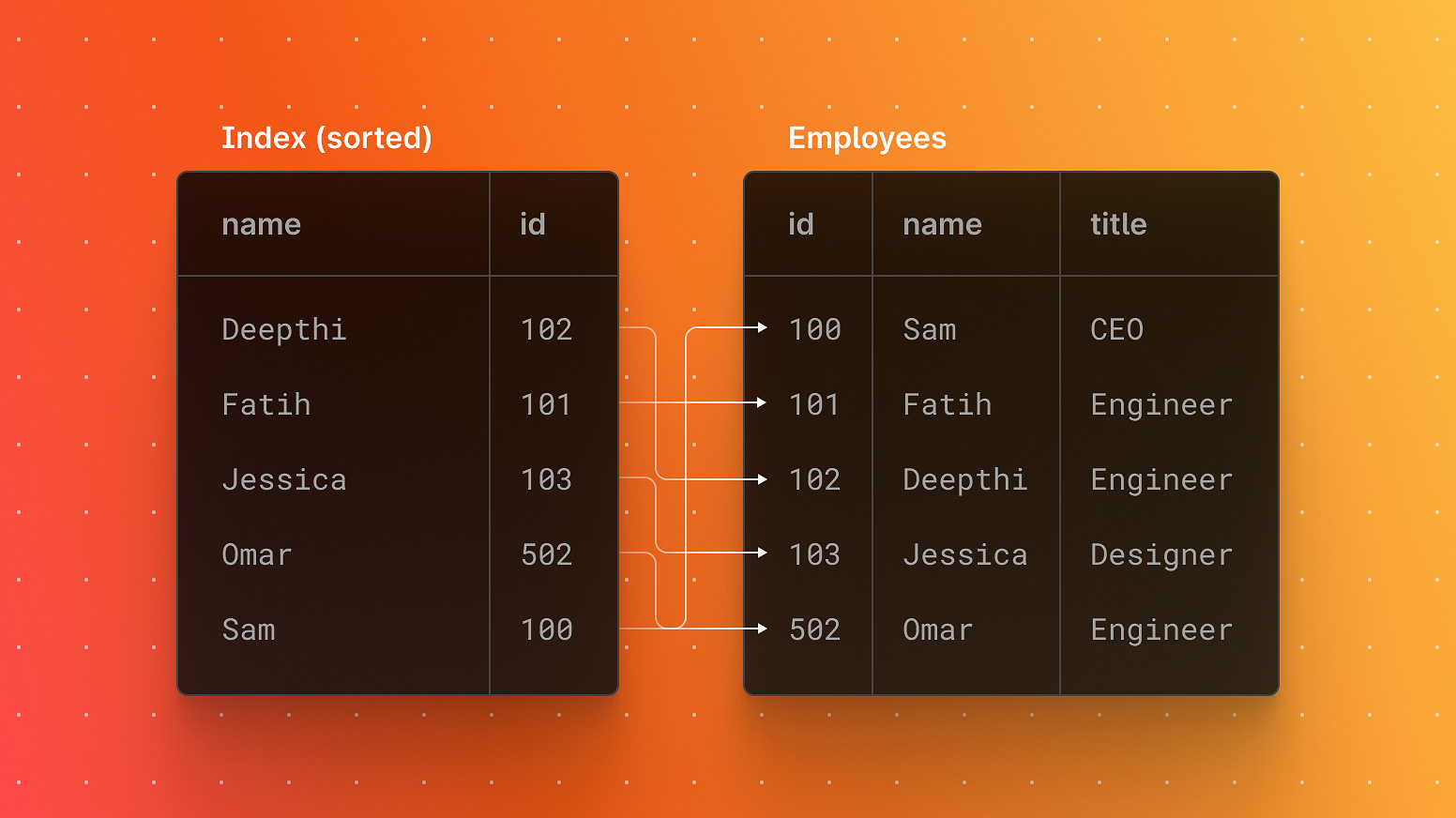 PostgreSQL 16 brings some key improvements to indexing that, while technical, have a direct impact on performance.
264. Take your Materialized Views to the Next Level by Joining MySQL and Postgres

265. Database APIs vs Datasets: Weighing Benefits, Drawbacks, and Transition Strategies
 Database API is a convenient way to get relevant data records whenever needed. Learn about the benefits, limitations, and common use cases.
266. The Essential Data Cleansing Checklist
 After some time working as a data scientist in my startup, I came to a point where I needed to ask for external help with your project.
267. Integrating Flyway With Spring Boot
 Learn how to integrate FlywayDB to Spring boot application to help with adding database migration functionality to your Spring Boot project using Flyway.
268. Top 3 Databases Every New Developer Should Know
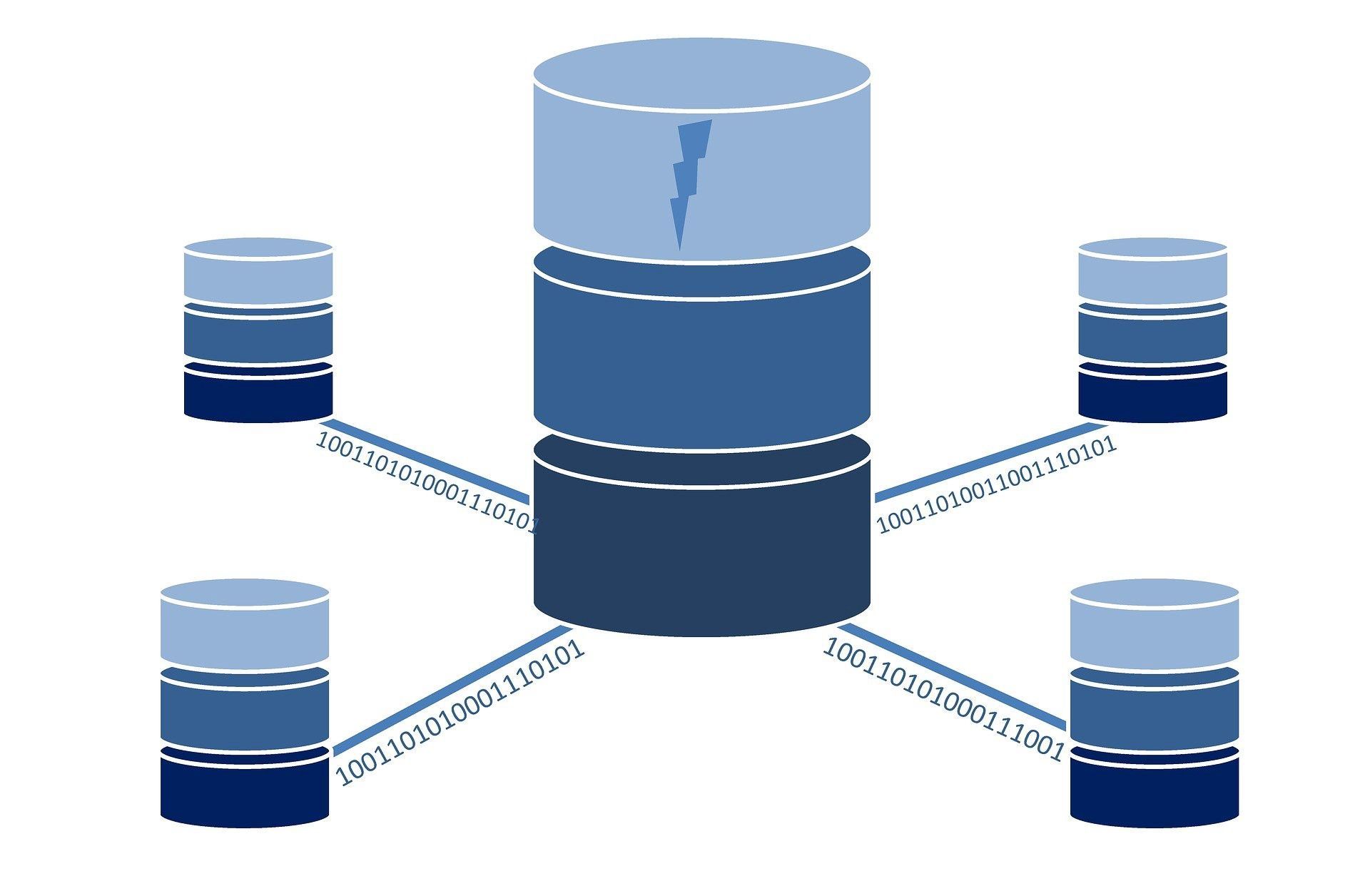 Most new developers wonder which database is suitable for their project since they don't want to get off on the wrong foot. So, first and foremost, let's define a database. A database is a type of storage facility that electronically stores and organizes data so that it may be utilized and accessed later.
269. Data Services for the Masses
 I’ve held several roles in my career in IT, ranging from software developer to enterprise architect to developer advocate. I’ve always been fascinated by the role that data plays in our applications—putting it into databases, getting it back out quickly, making sure it remains accurate when transferred between systems. Many of the hardest problems I’ve encountered have centered around data. For example:
270. How To Show User Friends Posts Using Ruby on Rails
 In this post, I’ll explain a trick that will give your web application the ability to show friends’ posts.
271. Building a Data Warehouse for Traditional Industry: Hadoop is Overkill
 This is a part of the digital transformation of a real estate giant.
272. Understanding Database Plus Concepts and the Challenges It Can Solve
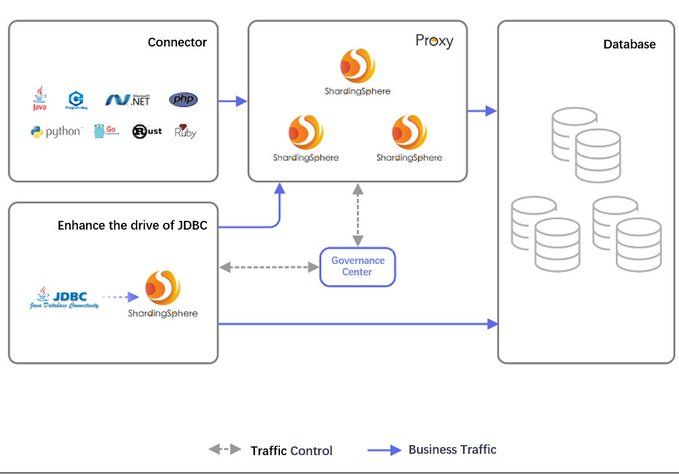 Explaining the Database Plus concept, its impact on system architecture design, and its innovations from Proxyless Service Mesh to microservice backend support
273. Using Arrow Flight SQL Protocol in Apache Doris 2.1 For Super Fast Data Transfer
 Apache Doris 2.1 just got a major speed boost with Arrow Flight SQL for up to 10x faster data transfers.
274. "Specified key was too long; max key length is 767 bytes" Error in Laravel
 One of these issues you might stumble across using the PHP framework Laravel is this one:
275. MongoDB vs. DocumentDB: Which Is A Better Choice for You?
 Are you trying to decide if you should use MongoDB or DocumentDB? With the recent controversy surrounding licensing with MongoDB, it can be confusing to decide which option is right for your company or project. Amazon decided the core MongoDB code is challenging to scale while remaining highly available. Amazon wrote their implementation, which is compatible with the Apache 2.0 open source MongoDB 3.6 API. MongoDB, Inc. has also recently changed their license to make future imitations more difficult. To do this, they created an entirely new license called the Server Side Public License.
276. Apache Cassandra – Bootstrapping
 Our first article covered Cassandra essentials: the “what” and “why” about the architecture. If you’re ready to try Cassandra, the next few articles will explain the “how.” At the end of these tutorials you should have a database up and running, experienced using Cassandra Query Language (CQL), gained some practical data modeling expertise, and learned best practices for building applications with Cassandra.
277. The Importance of a Single Source of Truth for Enterprises
 A single source of truth (SSOT) enables that synchronization. A company with SSOT relies on one and only one point of reference for the latest, aggregated info.
278. A Quick Start Guide to Use ShardingSphere-Proxy in Real Production Scenarios
 This post describes how to use ShardingSphere-Proxy and what's its differences with ShardingSphere-JDBC.
279. Best Practices for Faster Queries: A SQL Performance Tuning Tutorial
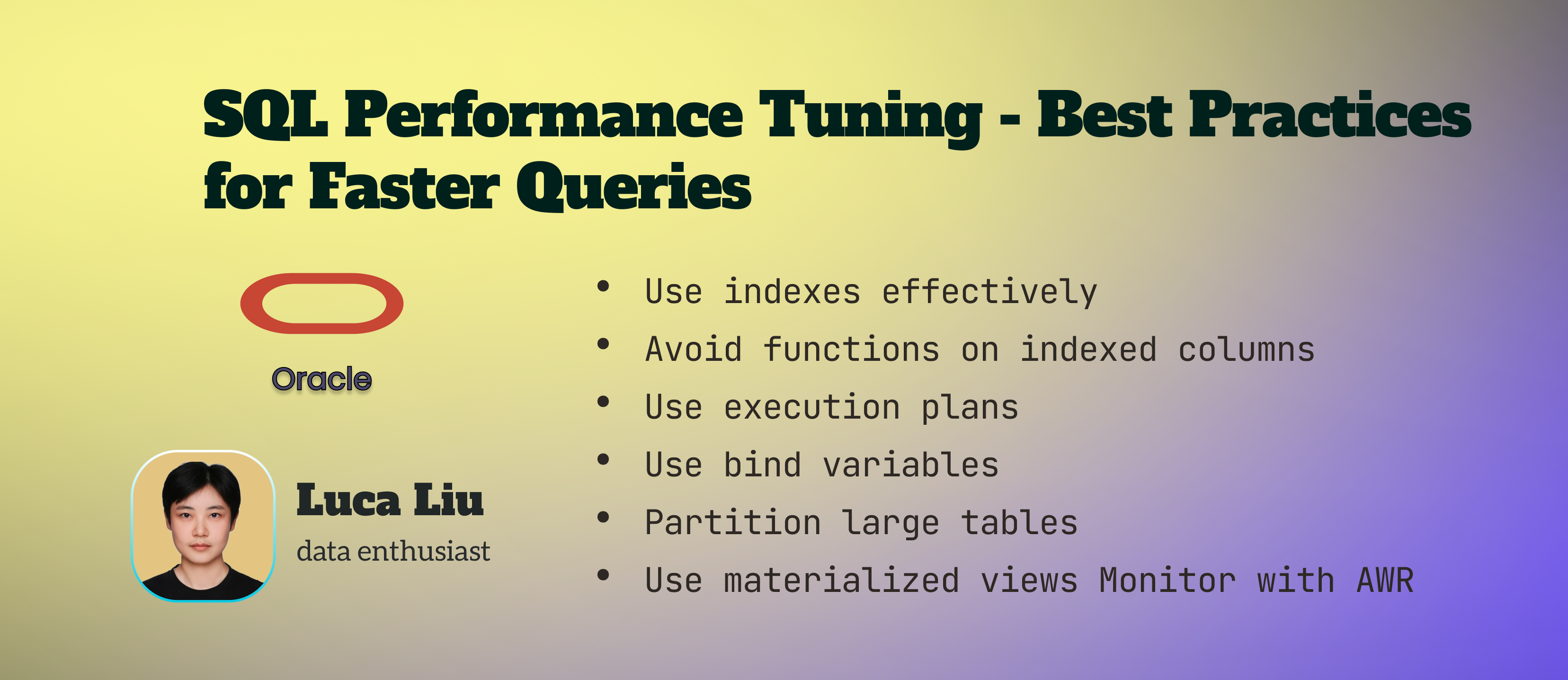 This article focuses on key practices for query optimization, with practical examples tailored for Oracle environments.
280. Optimizing Database Operations With OpenTelemetry
 Learn to use OpenTelemetry to monitor and identify the database issues in your application and remediate them to optimise your database operations quickly.
281. [Tutorial] Top 5 Ways to Query your Relational Database in JavaScript [Part 1]
 If you’re developing web applications, you’re almost certainly going to be constantly interacting with a database. And when it comes time to select the way you’ll interact, the choices can be overwhelming.
282. Most Common Redis Use Cases by Core Data Structures
 Redis, short for Remote Dictionary Server, is a BSD-licensed, open-source in-memory key-value data structure store written in C language by Salvatore Sanfillipo and was first released on May 10, 2009. Depending on how it is configured, Redis can act like a database, a cache or a message broker. It’s important to note that Redis is a NoSQL database system. This implies that unlike SQL (Structured Query Language) driven database systems like MySQL, PostgreSQL, and Oracle, Redis does not store data in well-defined database schemas which constitute tables, rows, and columns. Instead, Redis stores data in data structures which makes it very flexible to use. In this blog, we outline the top Redis use cases by the different core data structure types.
283. Make Your Application Scalable Optimizing the ORM Performance
 In this article I would share a set of ORMs optimization strategies that I'm using in almost every backend service I'm working on.
284. SQLite the New Hotness?! 🤔
 A survey of why SQLite is trending up in many places. Because of its ease of use, it is used in many places behind the scenes.
285. RocksDB Is Steadily Eating the Database World
 Technical design. Because one of the most common use cases of the new databases is storing data that is generated by high-throughput sources, it is important that the store engine is able to handle write-intensive workloads, all while offering acceptable read performance. RocksDB implements what is known in the database literature as a log-structured merge tree aka LSM tree.
286. Design for E-Commerce Apps Using a NoSQL Database
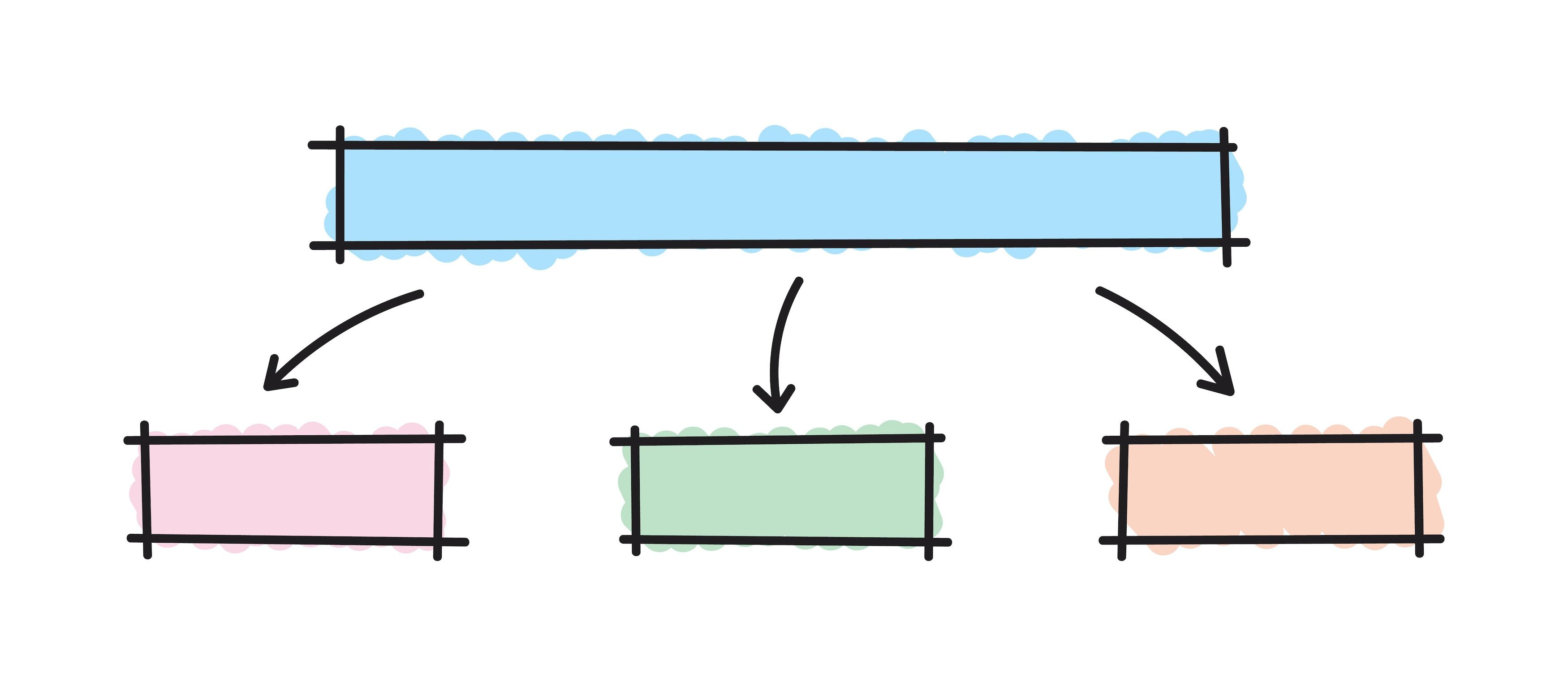 Working with a lot of data like products, orders, categories, users and payments is a very important topic when building e-commerce applications. In this post you'll learn the very basics of structuring your noSQL schema so it's fast and scalable for e-commerce scenarios.
287. Change Data Capture (CDC) When There is no CDC
 How to handle changing data when the source system doesn't help.
288. Evolution of Data Sharding Towards Automation and Flexibility in Apache Doris
 Apache Doris introduces Auto Partition in V2.1.0. It has simplified DDL and partition management and is useful in large-scale data processing
289. HarperDB - How and Why We Built It From The Ground Up on NodeJS
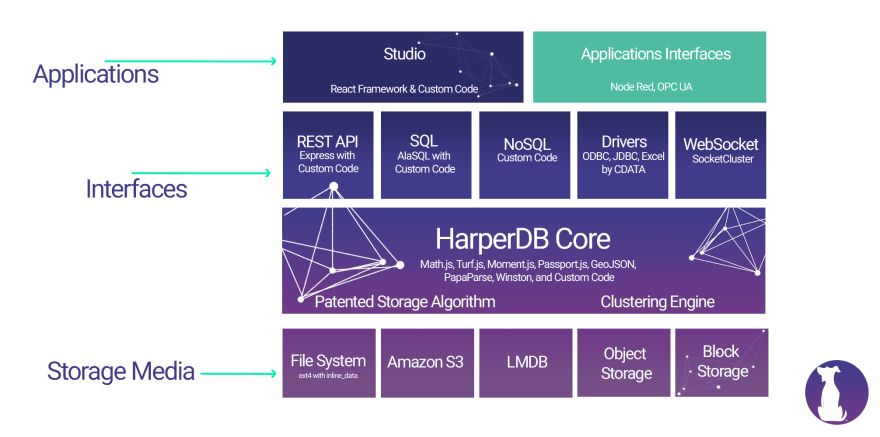 The founding team at HarperDB built the first and only database written in Node.js. Here's the story of this (what some called crazy) endeavor.
290. Holy Land of Crypto Users: How does Web3.0 Data Empower Centralized Exchanges?
 Designing a data-oriented, user-incentive mechanism is a good path when developing the future of centralised exchanges for the cryptocurrency industry.
291. Introducing Apache ShardingSphere 5.2.0!
 ShardingSphere 5.2.0 is released bringing new cloud-native possibilities, elastic migration from Oracle, MySQL, and PostgreSQL, and more features & enhancements
292. MongoDB vs. DynamoDB: Choosing the Best Database for Your Business
 All about MongoDB vs DynamoDB. Explore benefits, and in-depth comparison to find out the best choice for your business app.
293. Implementing A Distributed Multi-document ACID Transactions in Couchbase: A How-To Guide
 A story about how we implemented support for distributed transactions with no central coordinator and no single point of failure.
294. I Asked 5 LLMs to Write the Same SQL Query. Here's How Wrong They Got It
 I tested 5 LLMs on 10 real SQL queries and graded them against actual data. Here's the scoreboard and the failure mode that should worry you most.
295. Efficient Dockerized Database Monitoring with Dockerized PMM
 Learn how to monitor your databases with ease using Docker and Percona Monitoring and Management (PMM). PMM is a free and open-source platform for monitoring an
296. Migrating from ClickHouse to Apache Doris: Boosting OLAP Performance
 Migration guide: Shift from ClickHouse to Apache Doris for improved OLAP performance.
297. Your SQL Team Is Losing 40% of Their Time to Tasks AI Can Handle Right Now
 AI is transforming SQL development by reducing repetitive tasks, minimizing errors, and helping developers stay focused on performance and design.
298. This New Data Type Is 8 Times Faster Than JSON: Improve Your Semi-Structured Data Analysis
 Apache Doris provides a new data type: Variant, for semi-structured data analysis, which enables 8 times faster query performance than JSON with 1/3 storage.
299. Taking a Closer Look into Google's AlloyDB Architecture for PostgreSQL
 An exploration of AlloyDB's architecture and design, focussing on its storage engine, with descriptions of how it handles reads and writes
300. Which Database Is Right For You?Graph Database vs. Relational Database
 Learn about the main differences between graph and relational databases. What kind of use-cases are best suited for each type, their strengths, and weaknesses.
301. Migration Makes My Skin Crawl: From SQL to NoSQL
 Is database migration as scary as it sounds? Amy Tom talks to Matt Groves, Senior PM Manager at Couchbase, and Curt Gratz, Co-Owner of CKH Consulting.
302. A Mistake That Could Cost You Millions: What it Is and How to Fix It
 This small golang mistake could cost your business a million-dollar problem. You could easily avoid the mistake read the blog
303. How to Migrate Data from an MSSQL Server to PostGreSQL?
 Thinking of shifting to a new database management engine? Here's how to migrate data from SQL server to PostgreSQL.
304. Build Flexible GraphQL APIs by Treating the Schema like a Database
 Build flexible GraphQL APIs by treating the Schema like a Database
305. [Tutorial] Top 5 Ways to Query Your Relational Database in JavaScript [Part 2]
 Welcome back! In the first part of this series, we looked at a very "low-level" way to interact with a relational database by sending it raw SQL strings and retrieving the results. We created a very simple Express application that we can use as an example and deployed it on Heroku with a Postgres database.
306. Using C# To Delete Documents From MongoDB
 See code examples for how to delete documents from MongoDB in C#. This article covers the basics of different methods you can use to delete records from Mongo!
307. 4 Data Transformations Made Spreadsheet-Easy
 Gigasheet combines the ease of a spreadsheet, the power of a database, and the scale of the cloud.
308. dksnap Introduction: Docker Snapshots for Development and Test Data
 TL;DR
TL;DR
309. Rust DataFrame Alternatives to Polars: Meet Elusion v4.0.0
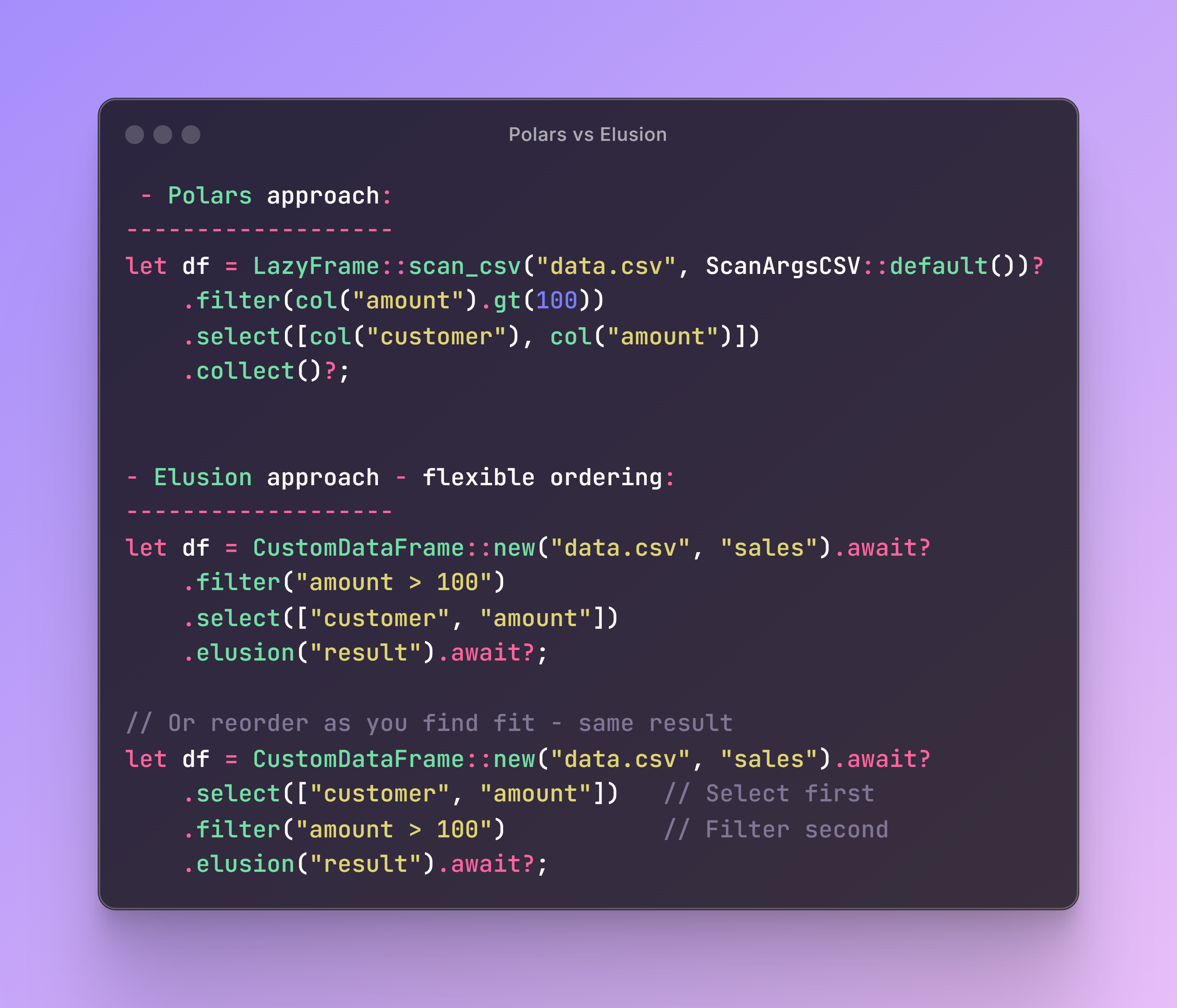 Elusion is a new contender that takes a fundamentally different approach to data engineering and analysis.
310. Introduction to Redis: The In-memory Database
 Redis is a type of database and it can be added to your production level application to make it more performant. I will cover the basics of Redis and show a real world example of Redis.
311. Velo How-To: API Aggregations
 Using the aggregation functionality of the Data API you can perform certain calculations on your collection data, as whole or on groups of items that you define, to retrieve meaningful summaries. You can also add filtering and sorting to your aggregations to retrieve exactly what you need.
312. Do Database Administrators Still Matter in the Age of Managed Databases?
 Discover how the database administrator role is evolving with managed services like AWS RDS.
313. How to Improve Query Speed to Make the Most out of Your Data
 In this article, I will talk about how I improved overall data processing efficiency by optimizing the choice and usage of data warehouses.
314. Storing JSON and XML in SQL Databases: An Essential Guide
 Master how to store json and xml in sql databases with practical SQL examples. Learn Introduction and Understanding JSON and XML through hands-on exercises.
315. How to Efficiently Manage Queues in SQL Databases
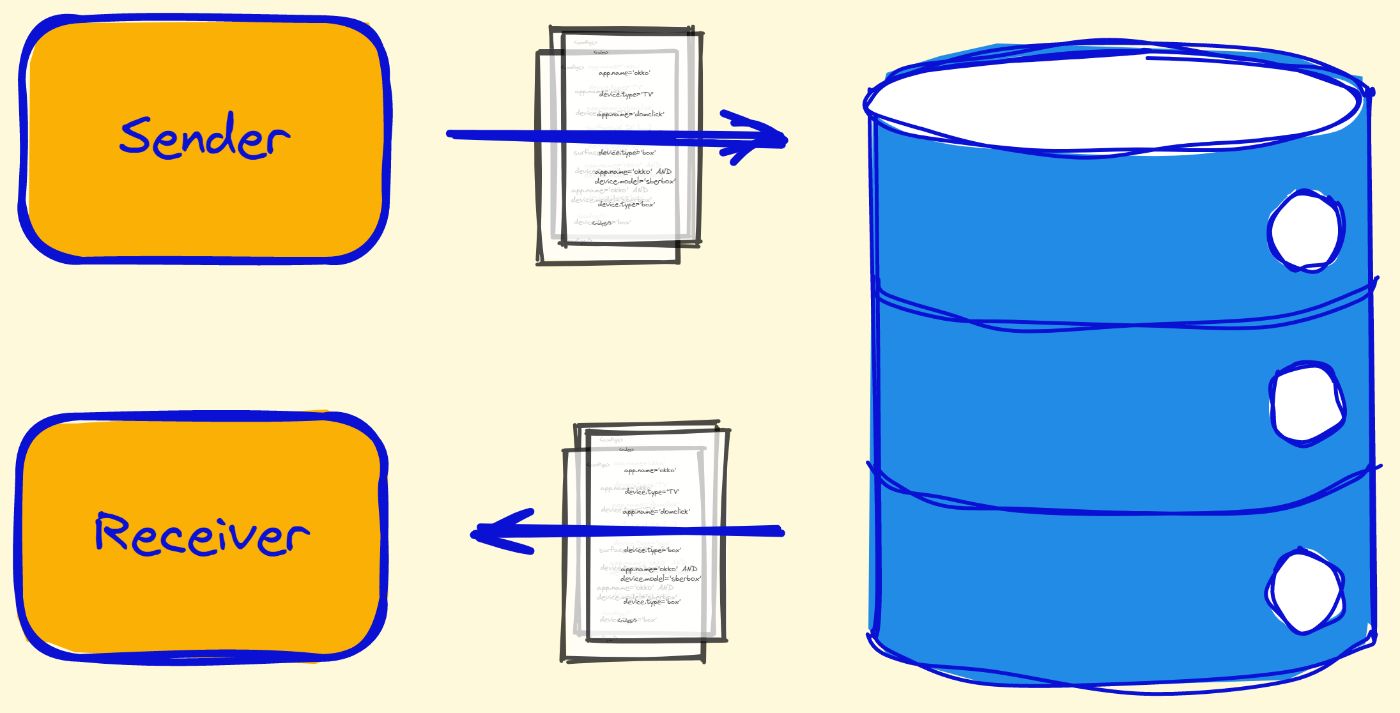 A queue using an SQL-database? well, you need to know pros and cons, and a typical implementation.
316. Building an Efficient Waitlist App with Next.js and Xata
 A waitlist application is used by agencies, companies, marketing campaign websites, and many more to collect user data from a website.
317. Zilliqa (ZIL) Review: What You Should Know
 One of the most significant problems cryptocurrencies and their blockchains face today is scalability. Unlike today’s leading blockchain networks, such as Bitco
318. Event-Driven Change Data Capture: Introduction, Use Cases, and Tools
 How to detect, capture, and propagate changes in source databases to target systems in a real-time, event-driven manner with Change Data Capture (CDC).
319. Querying Complex JSON Objects With SQL

320. Serenity Shield: A Pioneering Vision For Secure Data Storage, Recovery, and Transfer
 Venket Naga, CEO of Serenity Shield, talks about his journey in tech, the inspiration behind the blockchain initiative and how it aims to redefine data security
321. Understanding Bloom Filters: An Efficient Probabilistic Data Structure
 Learn about bloom filters, pros/cons and their applications.
322. Efficient Database Migration with Dynamic Queries

323. How to Connect to Oracle, MySql and PostgreSQL Databases Using Python
 To connect to a database and query data, you need to begin by installing Pandas and Sqlalchemy.
324. A Comprehensive Guide to Apache Cassandra Architecture
 Introduction
325. How to Use OpenTelemetry to Identify Database Dependencies
 Tired of debugging your application to find out its database dependencies? There is a smarter way to track them with OpenTelemetry.
326. ChartDB: Pioneering the Future of Database Visualization ✨
 ChartDB is an open-source tool transforming database design. Discover intuitive visualization, AI features, and seamless developer workflows.
327. Less Components, Higher Performance: Apache Doris instead of ClickHouse, MySQL, Presto, and HBase
 An insurance company tries to build a data warehouse that can undertake all their customer-facing, analyst-facing, and management-facing data analysis workloads
328. MongoDB - A Practical Guide for Beginners and Experts Alike
 This text is a practical guide to performing basic operations in MongoDB. It focuses on essential topics like CRUD operations (Create, Read, Update, Delete)
329. Supporting 'Citizen IT': It’s Critical to Democratize Your Data
 Democratizing data to enable Citizen IT provides a competitive advantage to organizations - here's why.
330. HarperDB is More Than Just a Database: Here's Why
 HarperDB is more than just a database, and for certain users or projects, HarperDB is not serving as a database at all. How can this be possible?
331. A Quick Start Guide For MariaDB
 Get started with MariaDB with just three steps using the official MariaDB docker container.
332. Intro to Databases: Using Different Data Models and Representing Databases Visually
 As you get into the Databases and Data Science, the first thing that you have to master is the relations between entities in your database. That is important because the data that you use has to be absolutely efficient for its further implementations.
333. From Farm To Data - A Tech Career in Product Marketing (Podcast Transcript)
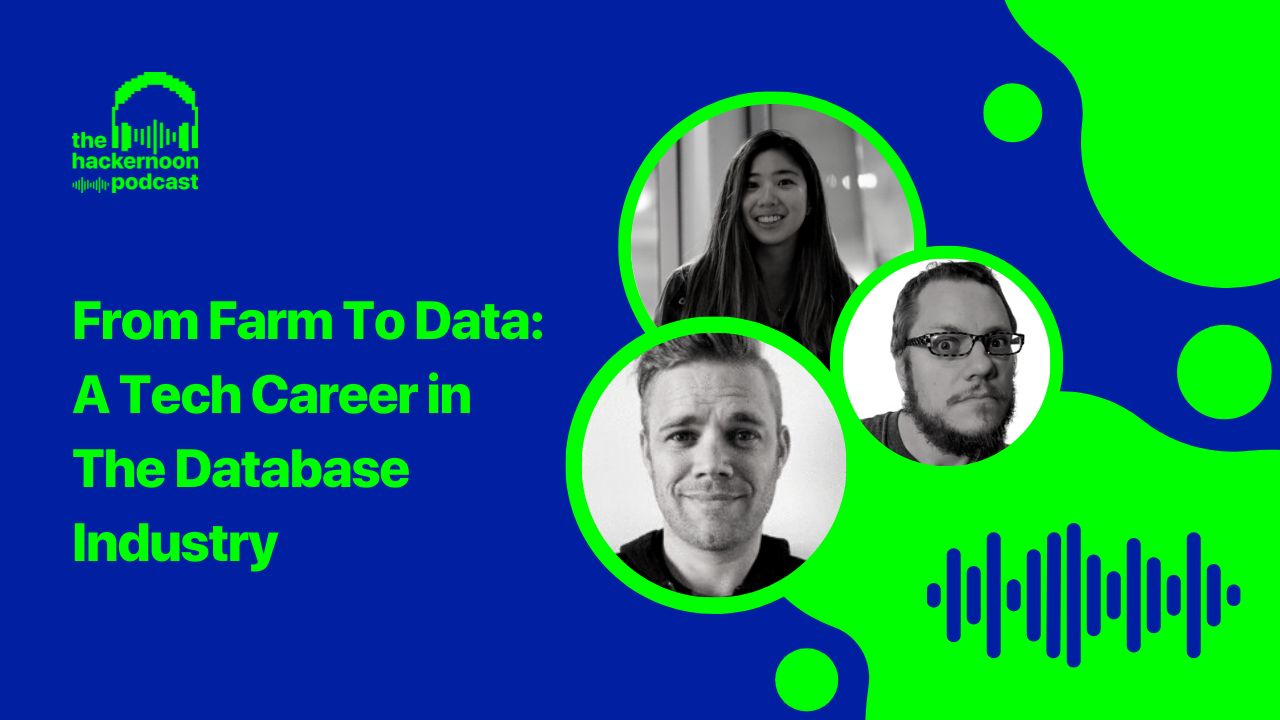 Amy Tom talks to Matt Groves, Senior Product Marketing Manager at Couchbase, and Rob Hedgpeth, Developer Advocate at MariaDB about their careers.
334. How to Set up a Heroku Postgres Database with Librato
 In this article, you will learn how to set up a Heroku Postgres database with Librato for automated monitoring.
335. SQL Data Modification Commands With Examples: A Quick and Simple Guide
 In this article, we’ll explore these commands with practical examples.
336. Applications of DistSQL: Build a Dynamic Distributed Database
 Taking data sharding as an example, we illustrate DistSQL's application scenarios to create a distributed database.
337. Django MongoDB Backend Quickstart: Everything You Need to Know
 Follow the quickstart to create a Django application, connect that application to a MongoDB deployment, and interact with the data stored in your database.
338. Creating Developer-Friendly Data Services with Apache Cassandra
 Using data APIs and advanced data modeling will make it far easier for JSON-oriented developers to connect to Apache Cassandra.
339. Duplicating a Database Record in Laravel
 Using the replicate() method to duplicate a database record in Laravel.
340. Graph Databases Introduction: The Power of Connected Data
 In today's economy, more and more companies exist primarily online. While there's much discussion around the consequences of leaving behind the traditional brick and mortar business, one aspect that gets less attention is the significant change in how these companies are now managing their data. Increasingly, businesses seek to understand their customers and how best to meet their needs in a way that monthly reports and KPI charts just can’t address.
341. Understanding Data Lineage: Key Strategies for Ensuring Data Quality and Compliance
 Data lineage refers to the process of tracking data from its origin to its destination, including all transformations and movements in between. It is crucial fo
342. Postgres and MySQL: Performance Comparisson
 What workload analysis and running queries can teach us about the performance differences in JSON, indexing, and concurrency.
343. Are NoSQL databases relevant for data engineering?
 In this article, we’ll investigate use cases for which data engineers may need to interact with NoSQL database, as well as the pros and cons.
344. Collecting Data from 1.1M Hacker News Curated Comments
 In this test we use the data collection of 1.1M Hacker News curated comments with numeric fields from https://zenodo.org/record/45901.
345. Intro to Structured Query Language (SQL)
 In the post, I used a simple SQL query to explain how certain things work in SQL. I also outlined problems with the query and potential ways to improve the code
346. SubQuery to Provide Indexing and Querying Infrastructure to Developers on Algorand
 SubQuery is a blockchain developer toolkit that makes it easier to build upcoming Web3 apps.
347. Workload Isolation in Apache Doris: Optimizing Resource Management and Performance
 Apache Doris supports workload isolation based on Resource Tag and Workload Group and provides solutions for different tradeoffs.
348. Kubernetes-Native Database: TiDB Vs. DataStax Astra DB
 A look at two databases that have made claims to the Kubernetes native label: TiDB and DataStax Astra DB.
349. How to Master SQL Joins - Inner, Outer, Cross, and Self-Joins With Examples
 In this article, we’ll explore various SQL join types with clear explanations and practical examples.
350. A Brief Introduction to MongoDB
 MongoDB is a document-oriented NoSQL database for storing large amounts of data. MongoDB uses collections and documents instead of tables and rows
351. Learn How to Avoid the N+1 Problem in Django REST Framework
 Learn how to avoid the N+1 problem in Django REST framework serializer. Optimize your app's performance by using JOIN statements to retrieve related data.
352. How to Build Cloud-Based Data Architectures
 Building Cloud-Based Data Architectures is necessary to making use of Big Data and gaining the ability to process significant amounts of data for analysis.
353. Mastering Database Functions: A Beginner's Guide to Simplifying Backend Code
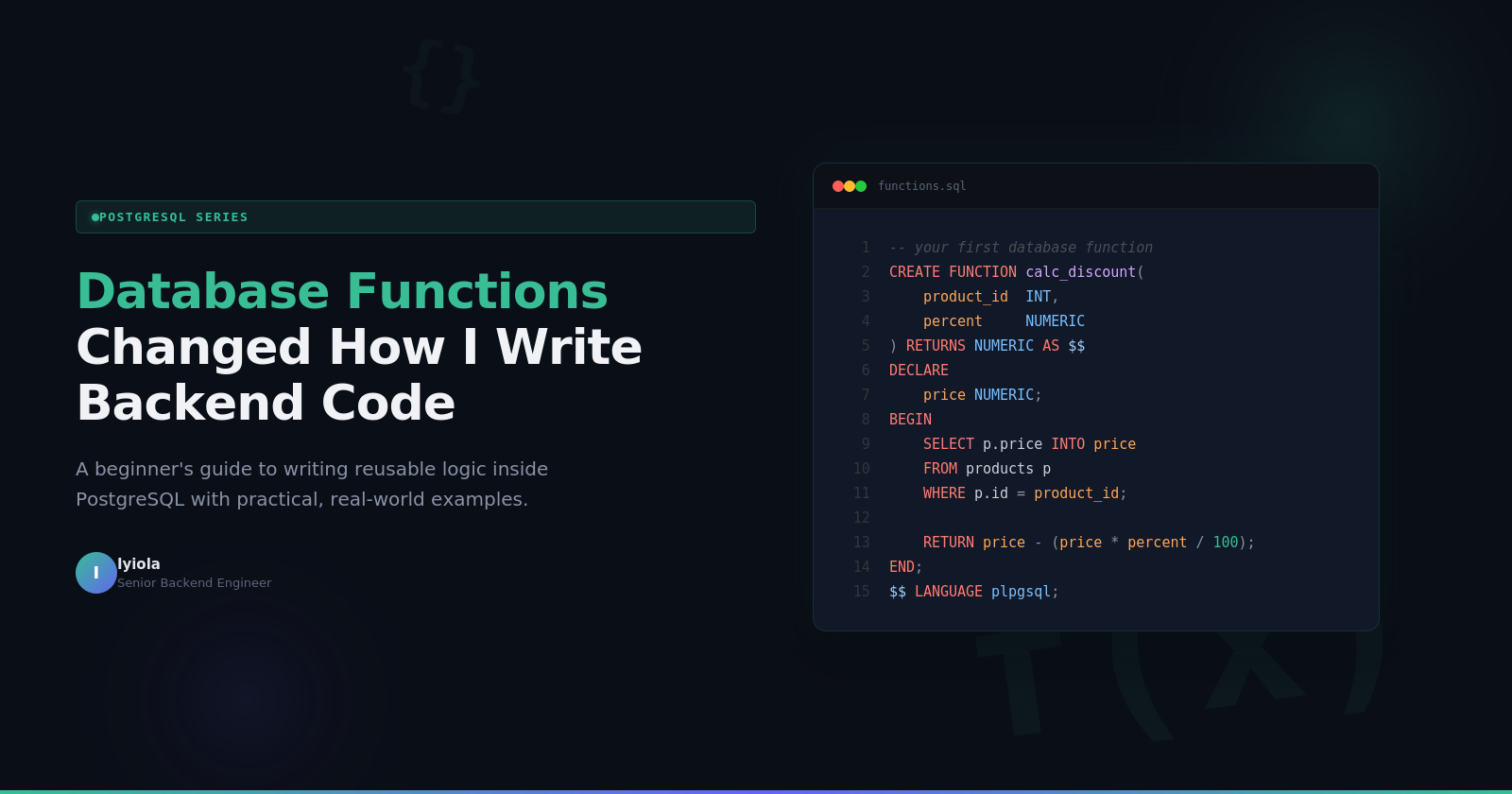 Mastering Database Functions: A Beginner's Guide to Simplifying Backend Code
354. Spring Boot on Choreo: Connecting a Database
 Learn to configure a robust database in a Spring Boot app on Choreo, from development to deployment, ensuring a seamless and secure transition.
355. The Megashift Towards Decentralized Edge Computing
 Why do we need Edge Computing? Why is the cloud not the solution for everything? Why is Edge Computing adoption taking so long? What's the solution to it?
356. Traditional Keyword-Based Search vs Semantic Search: Which Is Best For You?
 How to build keyword and semantic search in MariaDB using Python, LangChain, and AI embeddings
357. Everything You Need to Know About PostgreSQL 18: The AIO Revolution, UUIDv7, and More
 PostgreSQL 18, released on September 25, 2025, includes major features focused on performance, manageability, and developer experience.
358. Introduction to GraphQL
 TL;DR
TL;DR
359. Integrating Manticore Search with Apache Superset
 In this article, we’ll provide a step-by-step tutorial that will guide you through connecting Manticore to Apache Superset and adding a chart.
360. ObjectBox: Empowering the Edge
 An interview with the CEO of Berlin-based Startup solving local on-device data storage and decentralized data-flows out-of-the-box to empower Edge Computing.
361. Is Redis the Ultimate Database? Meet the Scalable, Durable, Always-On Powerhouse for Complex Apps
 Redis is an in-memory database that can be used to store and persist multiple data formats for complex applications.
362. Dependencies, Entity Classes, and Configuration for Jinq to Create Database Queries in Java
 Jinq is a library that provides a convenient and natural way to build typesafe database queries in Java. It is easy to use and does not require code generation
363. Building an Open-Source Python API (Tribal) Using the Django REST Framework - Part Three
 I am happy to give comprehensive tuition on building and deploying an open-source grade REST API using the Django REST framework.
364. How to Speed up Your Database so Your Business Doesn't Lose Money
 Delays in data processing can cost a business thousands of dollars. Why do even simple queries slow down — and how can you make your database run faster?
365. Database Anonymization: the Basics
 Explore the database anonymization process from scratch. Who needs it, and what do we gain? What is anonymization in simple terms? An example of anonymization.
366. Auto-Synchronization of an Entire MySQL Database for Data Analysis
 Flink-Doris-Connector 1.4.0 allows users to ingest a whole database containing thousands of tables into Apache Doris, a real-time analytic database, in one step
367. Guiding Observers Through Prometheus' Architecture

368. Extracting Information From Hash in Ruby on Rails
 When I was recently working in one of the client project, I had to communicate with external mariadb server to store records from react/rails app, that means I would get activerecord hash from our app which I had to convert to pure sql query and send it to external server for storing.
If you have worked with sql queries previously then you must know that keys and values must be separated for insert operations like
369. NoSQL: A Brief History and the DynamoDB Challenge
 Dynamo accelerated the NoSQL revolution that’s driving the database industry.
370. 6 Reasons You Should Transition to PostgreSQL from Oracle
 As opposed to proprietary solutions (like Oracle), you won’t get locked in with ever-escalating license fees. Here are 6 reasons you should move to PostgreSQL.
371. Wix Velo Introduction: Basic Tips for Beginners
 An Overview On Wix Velo
372. Software Values: Tech Stacks, Minimalism, and More
 What values do you consider important in developing your software? How to put into practise design-to-development principles in software development?
373. GraphQL, GraphQuill, and You
 Let’s start with the idea of a database, and a basic query. Server taps the database. Server brings back persistent state information that allows an application to update, and maybe a GUI. What’s wrong with this picture? Not much at first, of course. A GET request is the anchor of RESTful architecture, and in some ways the anchor of the web. So basic that fetch syntax defaults to that type.
374. 10 Principles of Proper Database Benchmarking
 In this article, learn all about how to benchmark your DB tests.
375. How to Create a Foreign Data Wrapper in PostgreSQL and Aurora PostgreSQL on AWS RDS
 Creating a foreign data wrapper (FDW) in PostgreSQL and Aurora PostgreSQL hosted on AWS RDS can profoundly enhance your database's functionality
376. A Hands-On Guide to Inverted Indexes: Accelerate Text Searches by 40
 This post is a deep dive into the inverted index and NGram BloomFilter index, providing a hands-on guide to applying them for various queries.
377. What is the Significance of Time-Weighted Averages in Data Analysis
 Learn how time-weighted averages are calculated, why they’re so powerful for data analysis, and how to use TimescaleDB hyperfunctions to calculate them faster.
378. How Smart Analytics Can Help Small Businesses Boost Sales
 Technology has taken over the world, now is the time for small businesses to realize that what they need is tech. Smart analytics makes everything easier.
379. 3 Years After Forking Sphinx: A Brief Report on Manticore Search

380. How To Add Action Mailbox To A Rails 6 Application
 Sending mail from a Rails application has been covered by hundreds or thousands of articles, however, there is not a ton of articles about receiving, parsing and using the new ActionMailbox.
381. Listen to That Poor BI Engineer: We Need Fast Joins
 Yes, you can expect fast joins from a relational database.
382. Think Before You Hibernate
 This article explains what the general pros and cons of Hibernate are so that you can better determine your need to add this dependency in a new microservice.
383. How To Add Data Sensitivity Classification Command in SQL Server 2019
 For a database administrator, the common everyday practice involves running multiple operations targeted at ensuring database security and integrity. Thus, we shouldn’t overlook the importance of sensitive data stored in the database under any circumstances. In light of this, we are excited to demonstrate the new ADD SENSITIVITY CLASSIFICATION command introduced in SQL Server 2019, which allows adding the sensitivity classification metadata to database columns.
384. Database Management: Creating and Granting User Access in Oracle
 Learn how to efficiently manage user access in Oracle databases for seamless data sharing and collaboration among departments.
385. Understanding Data Compaction: The Storekeeper's Approach to Efficiency
 Think of your disks as a warehouse: The compaction mechanism is like a team of storekeepers who help put away the incoming data.
386. Build a CRUD API using DynamoDB and Serverless - Part 1
 Guide on How to do CRUD operations like DynamoDB GetItem, PutItem, DeleteItem and UpdateItem using AWS Serverless and NodeJS.
387. Financial Anti-Fraud Solutions Available on the Apache Doris Data Warehouse
 This post will get into details about how a retail bank builds their fraud risk management platform based on Apache Doris and how it performs.
388. The SAS (Statistical Analysis System) Response To SQL Challenges in a Data Warehouse Environment
 As computing hardware became more powerful, so datasets grew. SAS in turn evolved to harness greater computational power and meet the data challenge.
389. Benchmarks for Inserting Documents Using C# for MongoDB
 Curious about C# MongoDB insert benchmarks? In this article, I show you BenchmarkDotNet code and the results for several variations of inserting data!
390. Use Google Sheets as a Database, Responsibly: A Step-by-Step Guide
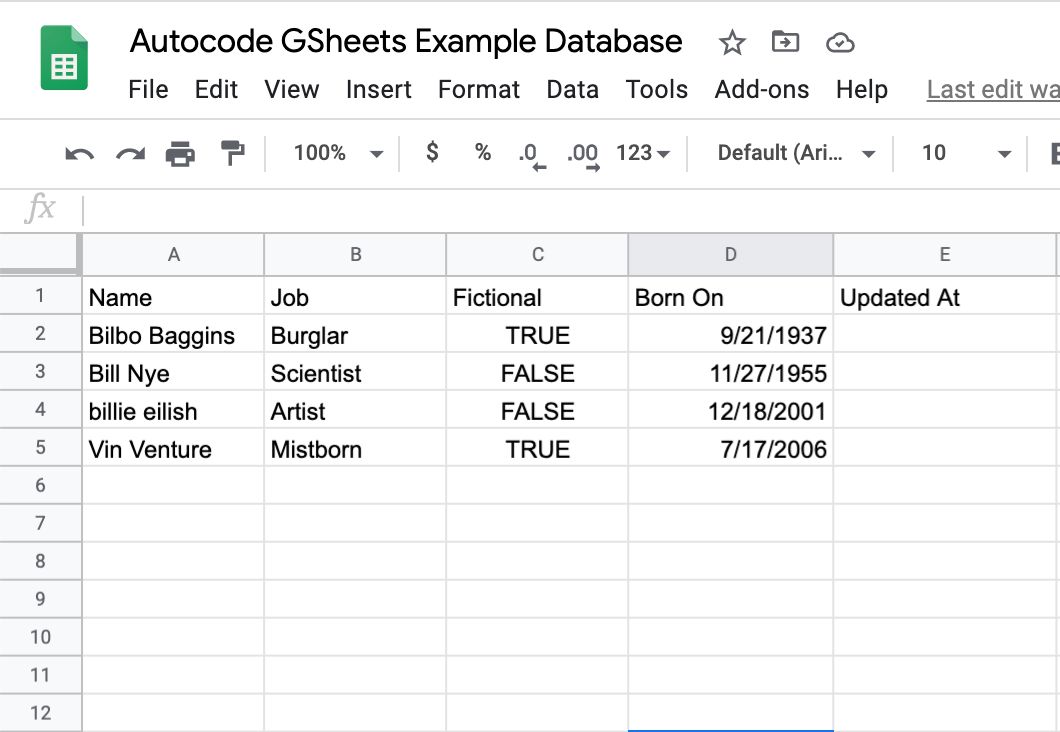 While database technology and other tools have come a long way, it's still tough to beat the humble spreadsheet's versatility and intuitiveness. While using them for sensitive, critical applications like storing COVID-19 patient data is ill-advised, the fact that everyone knows how to use a spreadsheet means they're great for smaller cross-functional projects where a non-developer might need to examine or edit data.
391. Getting Started with Kvrocks and Go-redis
 Learn how to use the go-redis client to get started with Apache Kvrocks, a distributed key-value NoSQL database.
392. How to Connect MongoDB(4.2.10) and MongoDB Compass Locally
 What is MongoDB?
393. Introducing GitHub Based Airports API Service
 Hello developers and enthusiasts! 😍
394. Introduction to Recursive CTE
 This article will introduce the concept of SQL recursive. Recursive CTE is a really cool. We will see that it can often simplify our code, and avoid a cascade of SQL queries!
395. Easily Run Local Databases Using C# Testcontainers for MongoDB
 Learn how to use C# Testcontainers for MongoDB! If you're developing a dotnet application and want to use MongoDB, Testcontainers can be a HUGE asset!
396. Who is a Data Engineer and What Do They Do
 As a data engineer, your job involves handling lots of information (we call it data).
397. 10 Minute Guide to Fixing Damaged SQL Databases - No Recovery Required!
 In this article, I covered the use of a freeware application called FDR which can help you recover corrupt or damaged MS SQL databases.
398. What Are Columnar Databases and When Do You Need to Use Them?
 In this article you will learn what are columnar databases, why and when do people use them and what are the most common columnar databases.
399. Alibaba Cloud’s OpenSergo & ShardingSphere Release Database Governance Standard for Microservices
 ShardingSphere partners with Alibaba Cloud's OpenSergo to combine Database Plus & Database Mesh and release a database governance standard for microservices.
400. A Guide to Understanding Indexes in MySQL
 In this blog, we will understand the different types of Index in MySQL, their use cases, and various strategies to decide the index for a table.
401. What Are Conflict-free Replicated Data Types (CRDTs)?
 In a world where most of the apps that we use on the internet are collaborative in nature, conflicts in data are common. Is there a way to avoid it?
402. Data Analytics: Apache Doris' Impact in Reporting, Tagging, and Data Lake Operations
 Delve into Apache Doris, a data powerhouse revolutionizing analytics for fintech with high-performance and scalable operations.
403. Introduction to a Career in Data Engineering
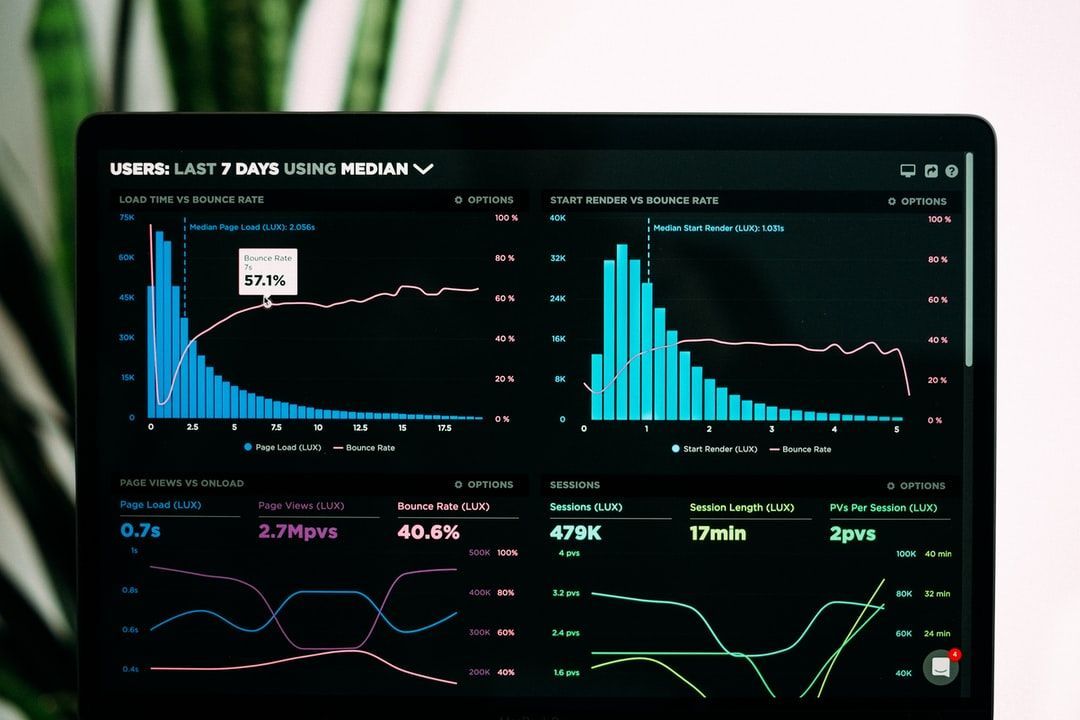 A valuable asset for anyone looking to break into the Data Engineering field is understanding the different types of data and the Data Pipeline.
404. How to Improve Your ADO .NET Performance - 10 Proven Ways - Part 1
 This 10-part series delves into 10 powerful strategies that can significantly enhance the performance of ADO .NET code.
405. Exploring Large-Scale Data Warehousing: Log Analytics Solutions and Best Practices
 This article describes a large-scale data warehousing use case to provide a reference for data engineers who are looking for log analytic solutions.
406. SQL Databases Vs. NOSQL Databases
 The decision to choose a database for project is not that simple. But when it comes to choosing a database, the biggest decisions is picking a relational (SQL) or non-relational (NoSQL) data structure.
407. A Guide to Get Started With SQL
 SQL seems intuitive, but it can get really tricky without practice. This is your first step to start practicing.
408. How to Test Your Postgres Business Logic with Jest Plugin
 With great power comes great responsibility and the bigger the project gets the easier it is to break something. Therefore you should test Postgres logic!
409. Efficient Data Management and Workflow Orchestration with Apache Doris Job Scheduler
 Apache Doris 2.1.0's built-in Job Scheduler simplifies task automation with high efficiency, flexibility, and easy integration for seamless data management.
410. The HackerNoon Podcast: Managing Databases on Kubernetes with Anil Kumar
 Amy Tom talks to Anil Kumar, the Product Manager at Couchbase, about becoming a Product Manager, writing his book, and creating a multi-cloud strategy.
411. Step-by-step Guide to Building a High-Performing Risk Data Mart
 Building a data platform for consumer finance, we focus on monitoring, query, dashboarding & modeling. Using Greenplum & CDH, we prioritize risk data mart
412. Nginx Logs - Fair Database Benchmarks
 How one test works to analyse millions of Nginx logs from a live website and what to learn from the analysis results while processing it in a timely way.
413. AvionDB: A MongoDB-like Distributed Database
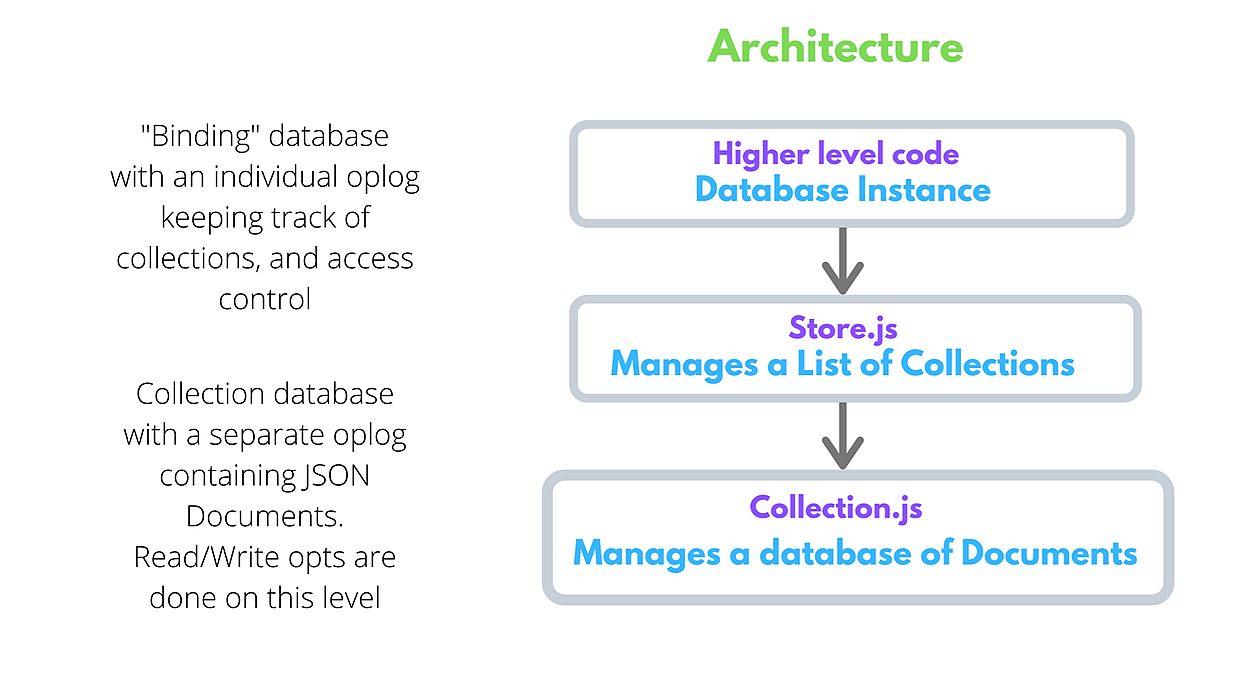 In the past few months we have been getting this question a lot:
414. Database Dissection: How Fast Data Queries Are Implemented
 In data analytics, fast query performance is more of a result than a guarantee.
415. Strongly vs Eventual Consistency Modes in DynamoDB
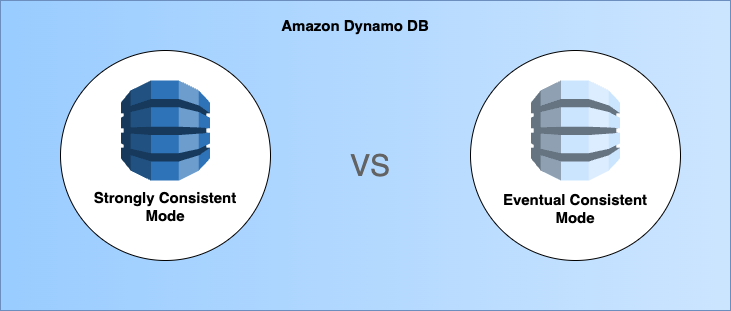 Understanding and choosing the right consistency model in DynamoDB.
416. Breaking Down MSON Template Queries
 Template Queries are dynamic templates constructed with MongoDB-style operators, which allow you to customize MSON components with less code.
417. The Pros and Cons of NoSQL
 Learn how NoSQL differs from SQL and how it's built for high performance and availability. And no, it doesn't stand for "No SQL".
418. Connecting Securely to Private AWS Resources by Using SSH Tunnels and Bastion Hosts
 The Problem with Publicly Accessible AWS Resources and how to solve it
419. Let’s Reconsider Tradition Before we Decentralize The Entire World
 Technology promises change across all markets, but not all technological advances are as beneficial as they seem. In some markets, attempts at improvement end up producing inferior, complex products that cost more and don’t work as well as the product it was designed to improve.
420. SQL Transactions - How to Implement COMMIT, ROLLBACK, and Savepoints With Python
 In this article, we’ll define COMMIT, ROLLBACK, and SAVEPOINT in SQL and demonstrate how to implement these transaction controls when working with Oracle
421. Exploring the Neo4J Graph Database
 In this article you'll learn more about the NoSQL Graph database - NEO4J.
422. Unveiling a MySQL Bug: Inconsistent Foreign Key Constraints
 In this article, I want to share an interesting bug that I stumbled upon in MySQL.
423. HarperDB: Build Your Application Backend in One Place with Custom Functions
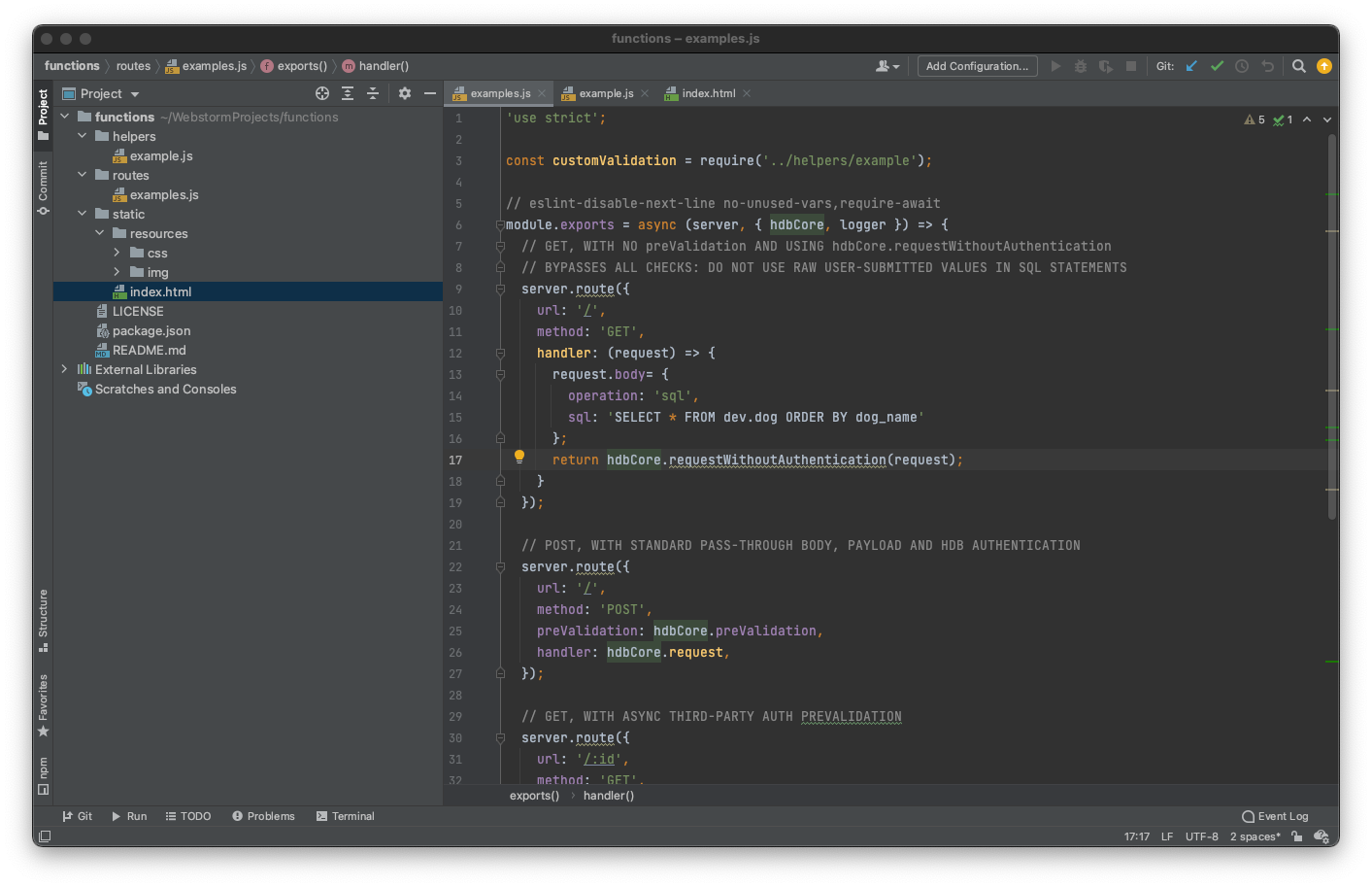 Introducing the newest innovation from HarperDB: HarperDB Custom Functions. With the release of HarperDB 3.1 users are able to define their own API endpoints within HarperDB. What does that mean for you? HarperDB grows from a distributed database to a distributed application development platform with integrated persistence - one that can serve as a single solution for all of your backend needs. We’re collapsing the stack!
424. How to Run Node.js with MongoDB [Tutorial]

425. Fundamentals of Data Structures [Part 1]
 A trip down memory lane avid reader. Let's take a walk through the core of it all: data structures. What are they and why are they so important? A 'hello' to a reader that might have missed our talk on Memory management, where we delved into what happens to our code in variable assignment. Do take a look, even if it's a refresher you're looking for.
426. How To Integrate Your Laptop With AWS And Deploy DynamoDB Locally
 How to Interact with AWS (Amazon Web Services) cloud from your local machine.
427. Serverless Databases in 2024: The State of Serverless Solutions for Modern Apps
 Explore 2024's top serverless databases, ideal for modern app architectures, with insights on scaling, cost, and performance for developers and startups.
428. Reasons Why Everybody Loves The New GraphQL Editor 3.0
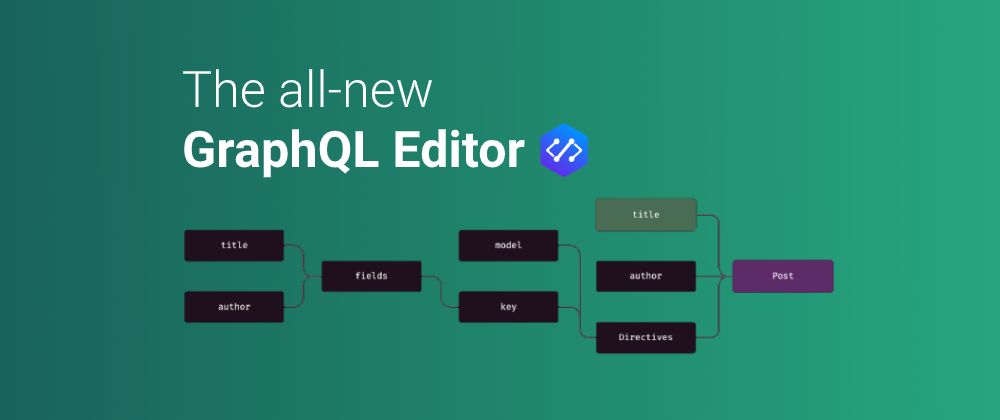 We’ve just launched GraphQL Editor 3.0 and I must say it’s nothing like a year ago as we released it. When we started our vision was to provide an alternative way of designing a GraphQL schema, but what we ended up with is a lot more.
429. Unique Indexes: We Should Think Twice (Especially at Scale)
 Rethinking UNIQUE INDEXes: Explore why they can be costly and problematic in large-scale, why application-layer uniqueness checks are more flexible and robust
430. Need for Speed: 21+ Website Performance Optimization Techniques
 We've compiled 21+ tried-and-true ways to optimize performance and make your software scream.
431. Backups, Not Burnout: What We Shipped in Postgresus 2.0 (and What We Dropped)
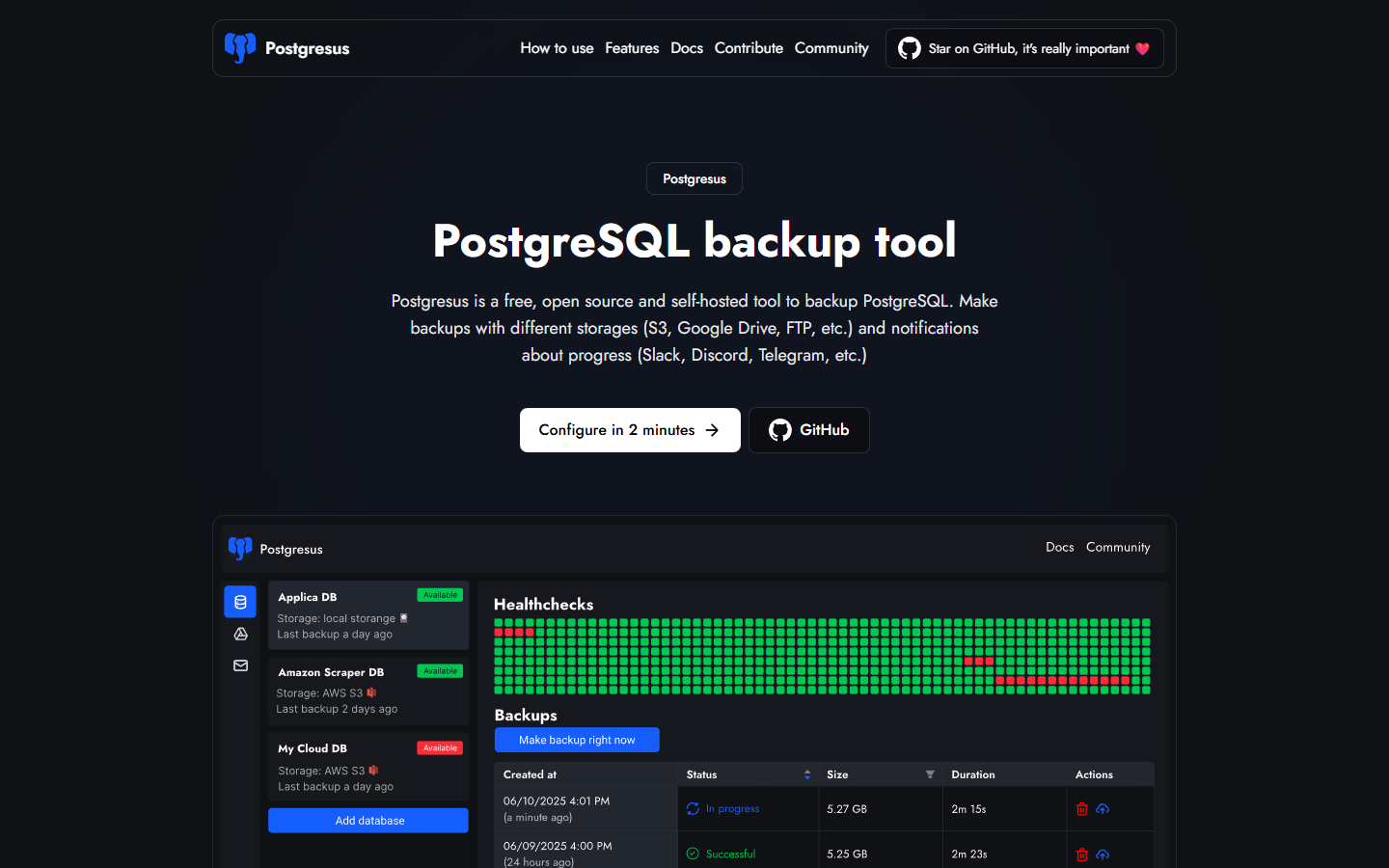 Postgresus 2.0 — the latest release of the open-source, self-hosted PostgreSQL backup tool with UI — introduces database health checks, versatile storage and no
432. How To Manage Sensitive Data Using SQL Data Discovery and Classification
 The 17.5 version of SQL Server Management Studio (SSMS) brought with it a new built-in security tool. Since then, the Data Discovery and Classification feature has become a difference-maker in the protection of sensitive information.
433. Understanding Normalization: A Guide to Effective Database Design
 In simple terms, normalization is a system that allows you to organize data in a way that prevents repeated data.
434. 5 Top Skills To Consider When You Choose An Android Developer
 Android development has many functionalities depending on the developer. There are several essential components of Android app development to be executed by an Android developer and choosing the right developer for your Android app development is as important as the process itself. Three basic components most recruiters would consider is Design, Coding, and deployment of the application.
435. I Tried Every Open Source Database and Found Only One That is Actually Useful
 Let's walk through this journey. My journey. Maybe it helps someone else avoid the same database-induced headache.
436. The Newest Frontiers on the Modern Data Stack
 Data-driven operations are the newest frontier of the Modern Data Stack with tools.
437. Optimized Metadata Loading Process on ShardingSphere: A Technical Deep-Dive
 The powerful database middleware ShardingSphere core functions such as data sharding, encryption and decryption are all based on the database metadata.
438. Is Your Latest Data Really the Latest? Check the Data Update Mechanism of Your Database
 In databases, data update is to add, delete, or modify data. Timely data update is an important part of high quality data services.
439. Using dbt with Materialize and Redpanda
440. Decentralized Databases Reduce Data Latency With Geographically Distributed Data Centers
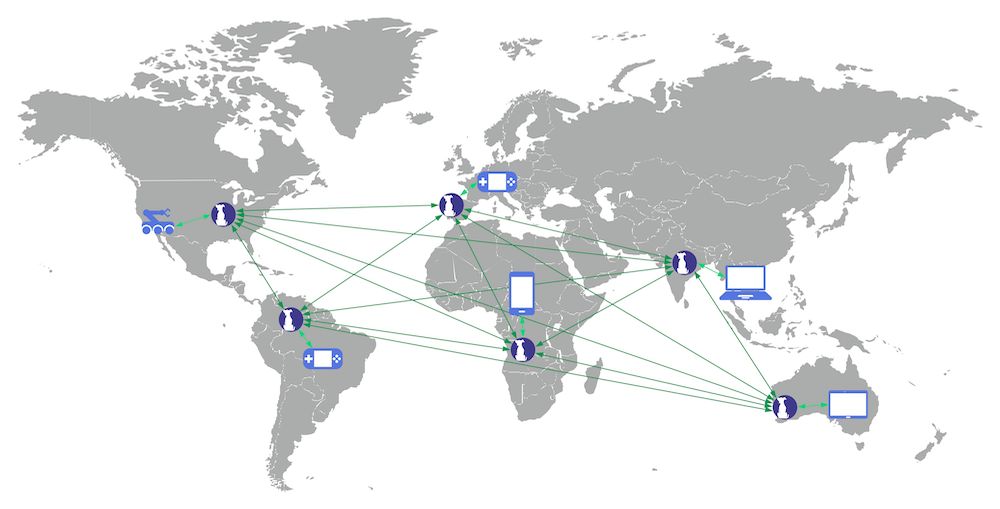 Latency is caused by offloading processing from an app to an external server. But what if there was a solution to the monolithic common single-cloud geography?
441. Know the Vitality of Mobile App Architecture
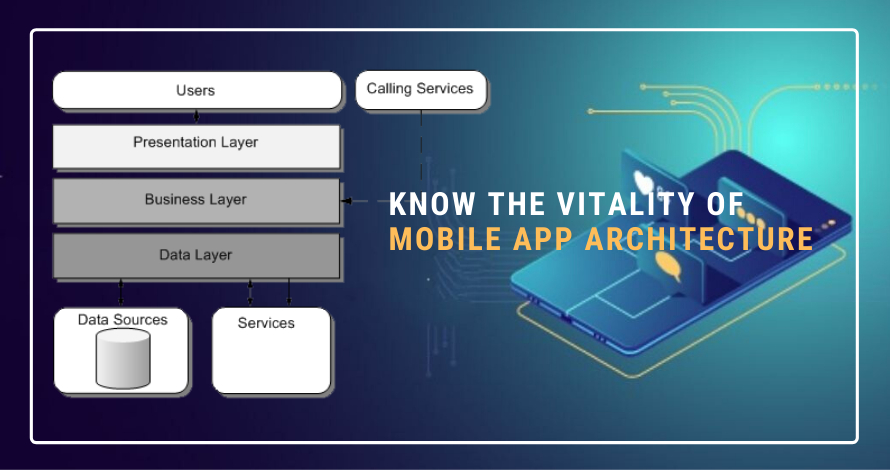 The output is what measures the success of a business. Therefore, all the business houses are adopting all the inevitable methods and programs to intensify their productivity/ output by adopting new technologies and concepts. There are several technologies available and many in the developing phase, which effectively fulfil customers’ needs and generates high output.
442. MySQL FAQs
 MySQL is an open-source relational database management system. As the
name suggests, it is used to create, update, and store databases. It is based on SQL (Structured Query Language). So, today we will be checking out the 13 most asked questions on MySQL.
MySQL is an open-source relational database management system. As the
name suggests, it is used to create, update, and store databases. It is based on SQL (Structured Query Language). So, today we will be checking out the 13 most asked questions on MySQL.
443. What The Shell?! (Podcast Transcript)
 Amy Tom chats with Michael Nitschinger, a Software Architect at Couchbase, and Jonathan D. Turner (AKA JT), the Co-Creator of NuShell, about Shell scripting.
444. 500 Password Resets: A Case Study in the UX Scapegoat
 A Django developer noticed 500 password resets in 3 weeks. They blamed the UI, but the real culprit was a silent database bug. Read the full postmortem.
445. How To Query JSON in Couchbase via Collections and Scopes
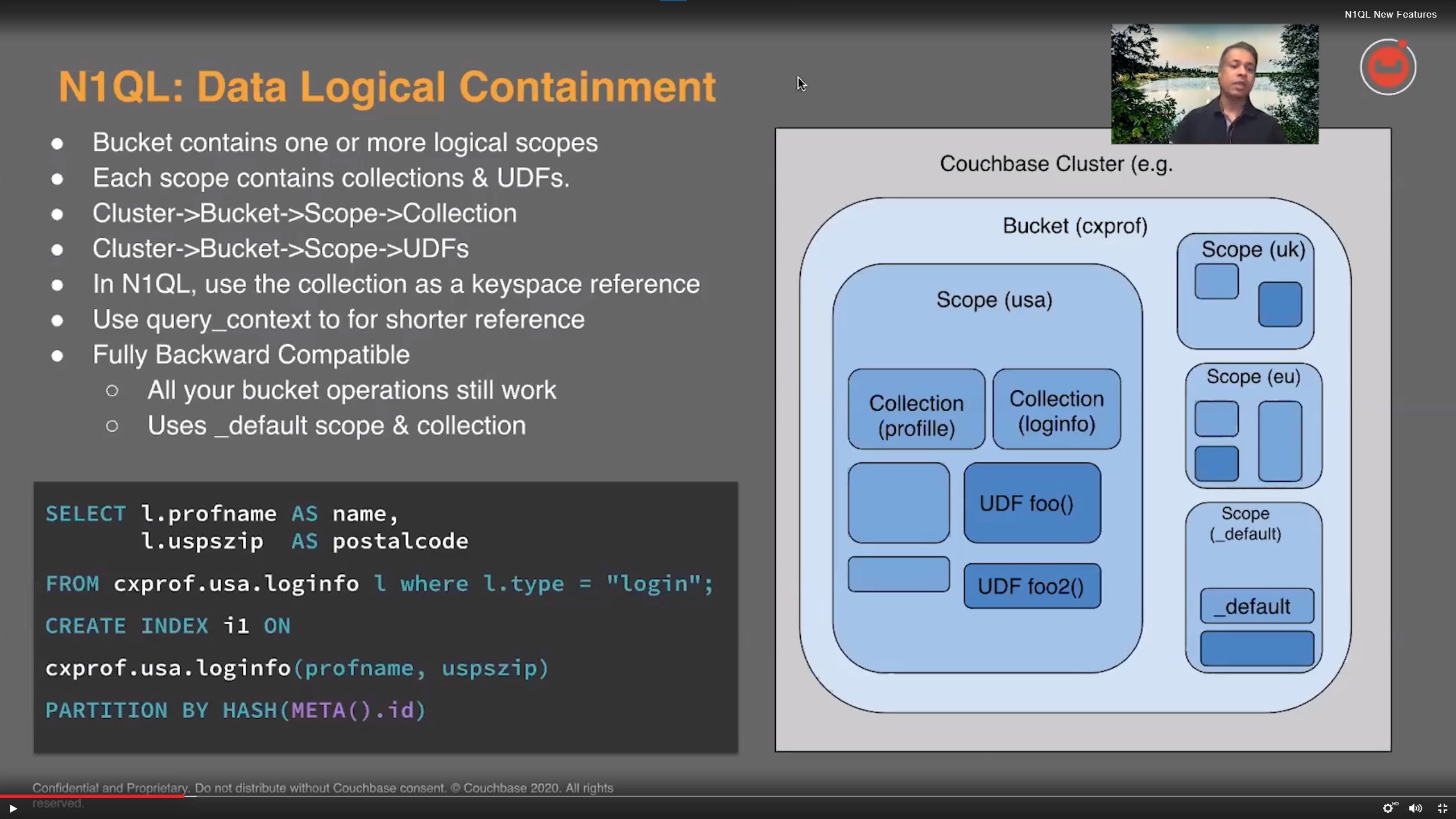 This week I’m attending the 3-day Couchbase Connect event and will be reporting on some of the topics that I find most interesting.
446. Knowing Where and When to Enforce the Uniqueness of Your Data
 This article looks at data uniqueness and discusses where it should be enforced. At application level or database level?
447. MySQL Errors Messages And Common Problems
 Errors or mistakes are common in any aspects, especially in development. Using MySQL or any database can't guarantee you an error-free environment.
448. Apache Doris for Log and Time Series Data Analysis in NetEase: Why Not Elasticsearch and InfluxDB?
 NetEase has replaced Elasticsearch and InfluxDB with Apache Doris in its monitoring and time series data analysis platforms, respectively
449. Document Databases vs Relational Databases (Podcast Transcript)
 Amy Tom talks to Eric Bishard and Arun Vijayaraghavan about the differences between a Document Database and a Relational Database.
450. Middleware to Ecosystem Evolution: Understanding New Features of Apache ShardingSphere 5.0.0
 ShardingSphere recreates the distributed pluggable system, connecting actual user implementation scenarios and contributing valuable solutions.
451. How to Deploy LLMs With MindsDB and OpenAI: An Essential Guide
 In this article, you will learn how to deploy LLMs with MindsDB and OpenAI.
452. SQL Data Modification Commands With Examples: A Fast and Easy Guide
 In this article, we’ll explore these commands with practical examples.
453. 7 Data Quality Metrics To Prioritize
 Having high-quality data can make or break your projects in machine learning or business management. These 7 data quality metrics have the largest impact.
454. Breaking the Distributed Database Performance Record with 10 Million tpmC!
 Apache ShardingSphere & openGauss: Breaking the Distributed Database Performance Record with 10 Million tpmC.
455. How To Build A Time-Traveling Contacts App with SirixDB
 A tutorial showing the use of SirixDB and pysirix in perserving and querying old data with ease.
456. Native Analytics On Elasticsearch With Knowi
 Table of Contents
457. How To Setup An Effective Refactoring Process of a Heavy Database Interface
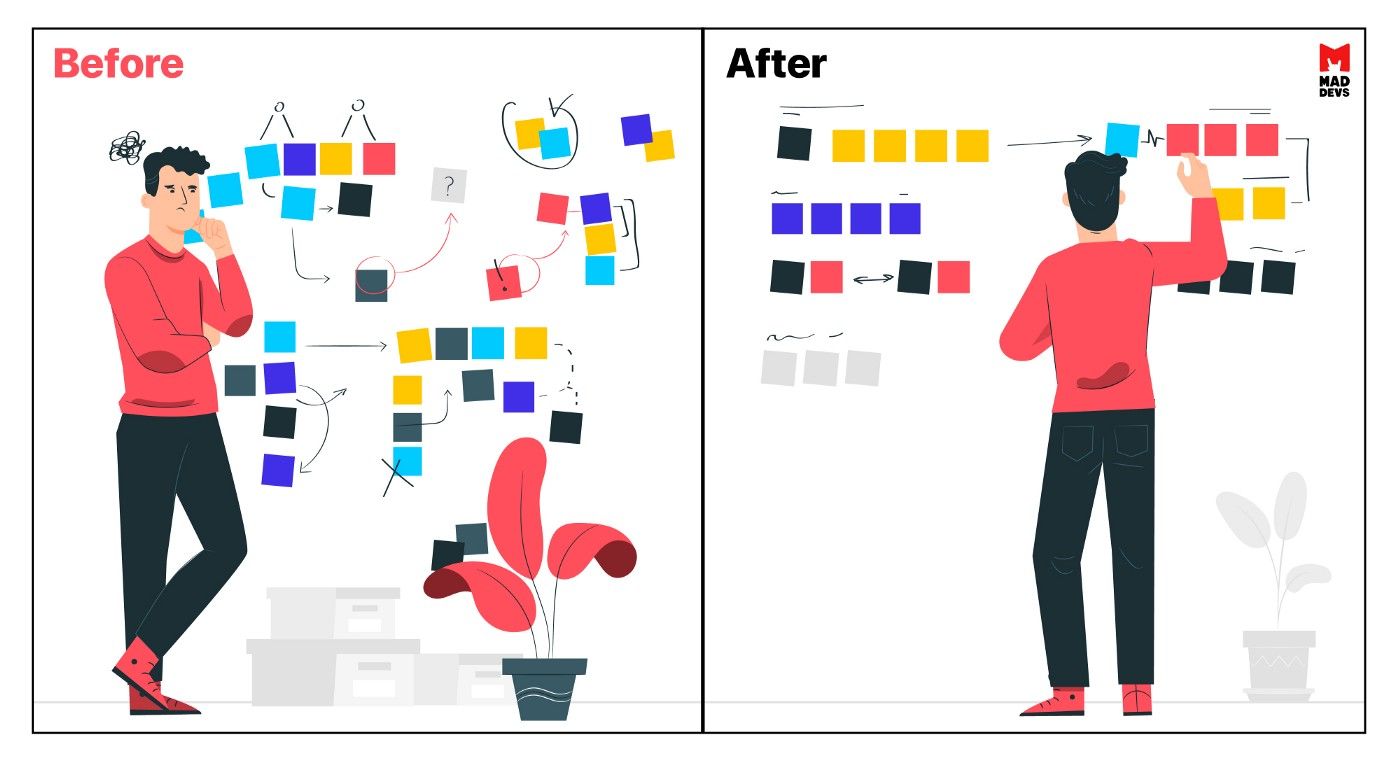 This story is about pain, agony, and denial of ready-made solutions. It is also about changes that improve the code’s readability and help the development team stay happy. The object of this post is an interface that helps a program communicate with a database.
458. Beyond Excel and Google Sheets: Innovations in Handling Massive Spreadsheets Amidst the Big Data Rev
 We spoke to Jason Hines, the Co-founder of Gigasheet, a big data spreadsheet platform...
459. How To Restore Your Database From a SQL Backup
 Backing up SQL and databases using the manual restore method, the full database backup, the incremental restore, or the manageauditing command.
460. What is SQL? And Where is it Used?
 What is SQL? Databases use it, query APIs use it, even energetic big data dashboards use it! Where did it come from and how are developers, DBAs, and app using.
461. The Importance Of Staying Humble And Strong Company Culture: Stephen Goldberg, HarperDB CEO
 Harper DB is a startups of the year nominee from Denver, Colorado. Stephen Goldberg, CEO, shares the origin story and what makes their company culture relevant.
462. What Is Redis and How Can It Make Your Website 30-40% Faster?
 Redis is a type of database that can be used to significantly improve your website's loading speed thanks to its design and its versatile selection of modules.
463. Choosing Between SQL and NoSQL—Before the Wrong One Chooses You
 Choosing the right database is one of the most important decisions you’ll make when designing a data-driven application.
464. WunderGraph's Integration with Fauna
 Fauna is a distributed document-relational database delivered as a cloud API.
465. Headless CMS Pitfalls
 Reflections on two headless CMS implementation projects.
466. How to import your MS SQL database to Amazon RDS
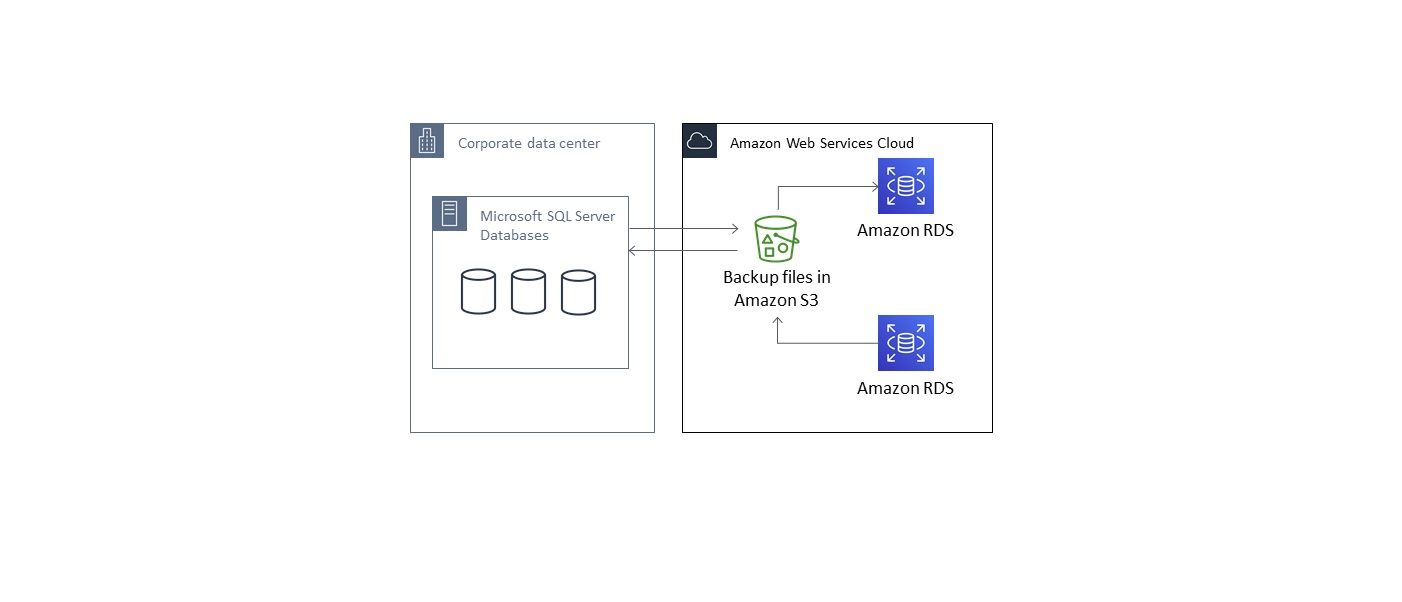 I will show you how to create a database in the cloud, connect it to MS SQL, deploy from a database backup.
467. Revolutionizing Supply Chain Planning with AI: Machine Learning and Agentic Frameworks
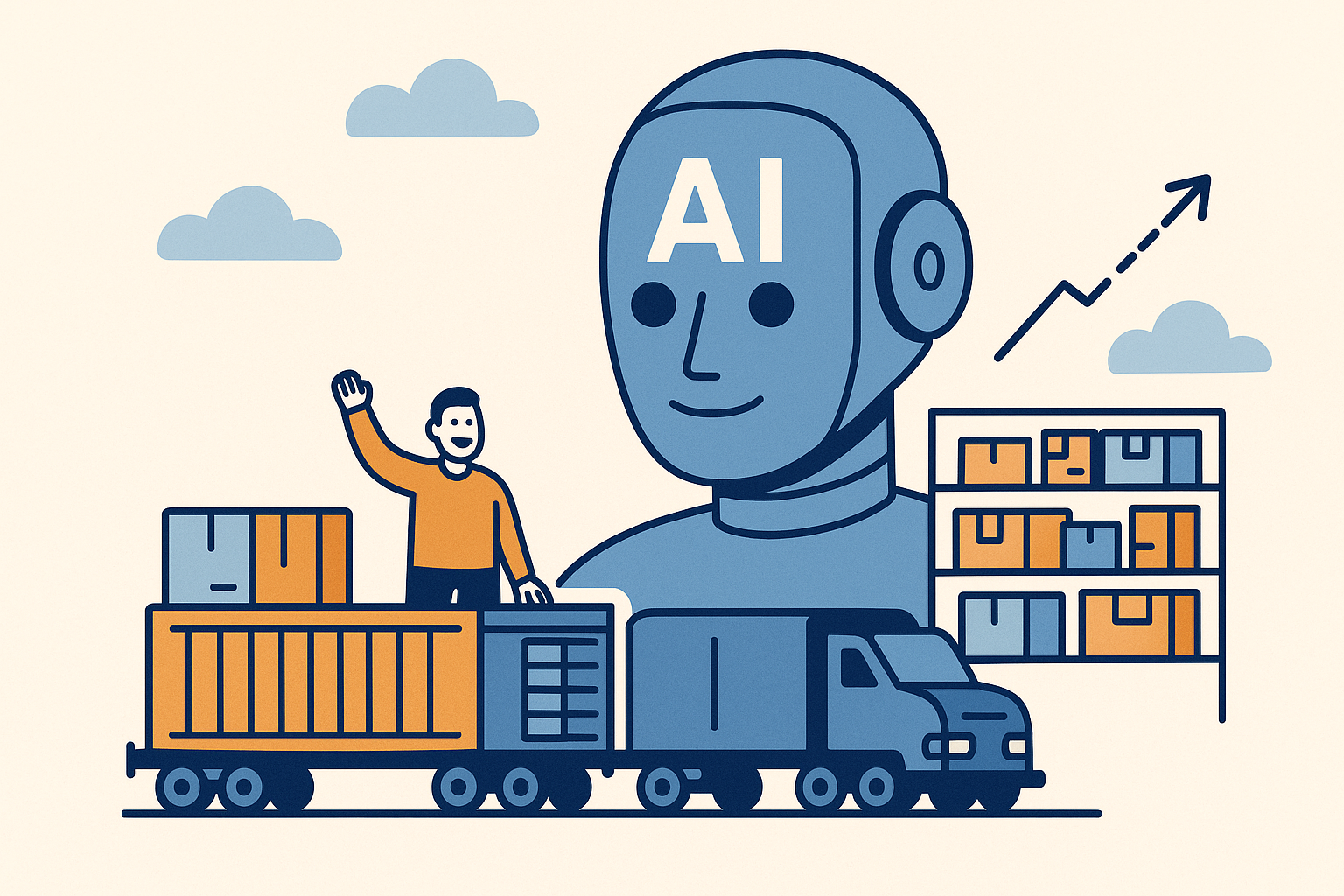 AI is reshaping supply chain planning with real-time insights, smarter forecasting and seamless operations.
468. Explaining Amazon RDS Through Comics
 Amazon RDS is the SQL Database service provided by AWS. In this blog post, learn about Amazon RDS and its feature through a comic explanation
469. Beginner’s Guide For Easy MongoDB Filters in C#
 Learn the basics of MongoDB Filtering in C# with simple code examples! See how to use the MongoDB FilterDefinitionBuilder to support filtering in MongoDB.
470. Why Normalizing Your Database Is Just Like Organizing Your Closet
 Explore database normalization in an easy-to-understand way using pet store examples. Discover the different levels from 1NF to 3NF and the importance of data
471. Ghost in Your Machine
 What’s more frightening than Halloween? Data migration.
472. Database Management: Why Do Developers Prefer PostgreSQL?
 PostgreSQL development has built-in support for the hash table and regular B-tree indexes. The best database management system has four index access methods.
473. Zero-Trust Databases: Redefining the Future of Data Security
 Sayantan Saha explores how zero-trust databases are reshaping the landscape of information security.
474. An Introduction To The GraphQL Editor v 4.5
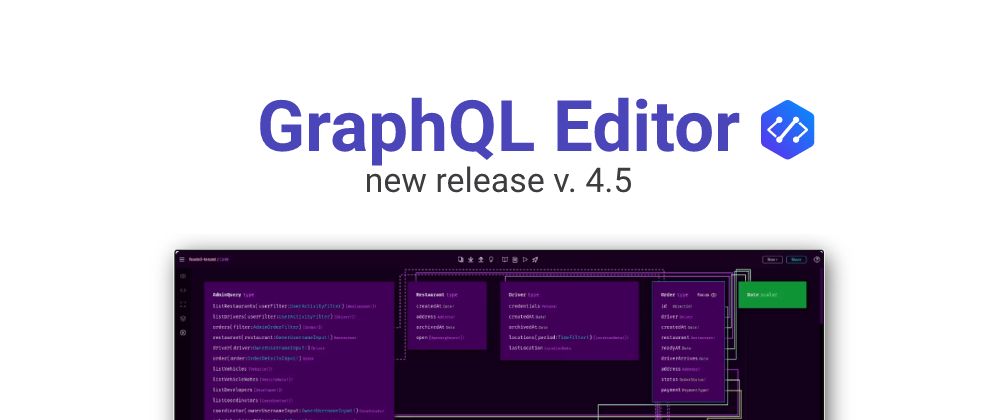 GraphQL Editor new release
475. How To Get Real-Time Analytics By Consolidating Databases
 Benchmark a Hybrid Transactional and Analytical RDBMS (Photo: Sawitre)
476. Lessons I Learned From Managing Hundreds of Millions of Data in MongoDB
 In this post, I will share r.eal experience that I gained while working with hundred's of millions of pieces of data in MongoDB
477. DuckDB in Action: A Review
 This review is about DuckDB in Action by JoMark Needham, Michael Hunger, and Michael Simons from Manning.
478. Spending Weekend with GraphQL

479. Open Source is the Only Way to Address the Long Tail of Integrations
 Wouldn’t it be great to bring the time needed to build a new data integration connector down to 10 minutes? This would definitely help address the long tail of
480. Understanding the Command Query Responsibility Segregation Pattern

481. Tips About Kafka Connect On Heroku You Can't Afford To Miss
 Introduction
482. 30 Days, 73 Hours, and a Lot of SQL: My Journey Through The Odin Project’s Database Section
 My 30-day, 73-hour dive into The Odin Project databases: key resources (Khan Academy, CS50), SQL Zoo tips, and the hidden 8+, 9-, 9+ challenges.
483. When and How Should You Use Merge Purge Software?
 Merging data entries from your company’s database, especially when it is coming in from multiple sour...
484. Demystifying Dimensional Modelling: Unveiling the What, Why, and Who's
 An Introduction to the art and science of dimensional modeling with relational databases
485. Active Record Validations In Rails: How They Work
 ver open up a Rails console to debug a problem and come away wondering how the data got so funky? Despite our best efforts the database will accept plenty of garbage data if you let it. There are tons of methods to bypass the Rails callbacks and validations while still updating your database. If you are like me you have probably used these methods in the Rails console to fix some of that funky data you found after some other code created it in the first place.
486. Become a Better Database Administrator [A How-To Guide]
 With cutting-edge technology emerging every year the future of database and cloud technologies look secure. Every organisation whether it big or small need database to store all the relatable data because data is more valuable than money itself.
487. An In-Depth Guide to Blue-Green Deployments with Materialize
 Minimizing downtime during any deployment is a key part of any successful deployment strategy. There are many ways to achieve this.
488. Generating Databases for Tests or Other Purposes
 Some time ago, a friend told me that she was having trouble testing a certain application. All test solutions stressed the platform correctly, generated relevant scalability results, but at the same time they looked very artificial, she said. Well, as a self-proclaimed information security student, also known as the weird-looking-guy-guy, I could adapt some of my studies to the case.
489. rake db:drop 🐑
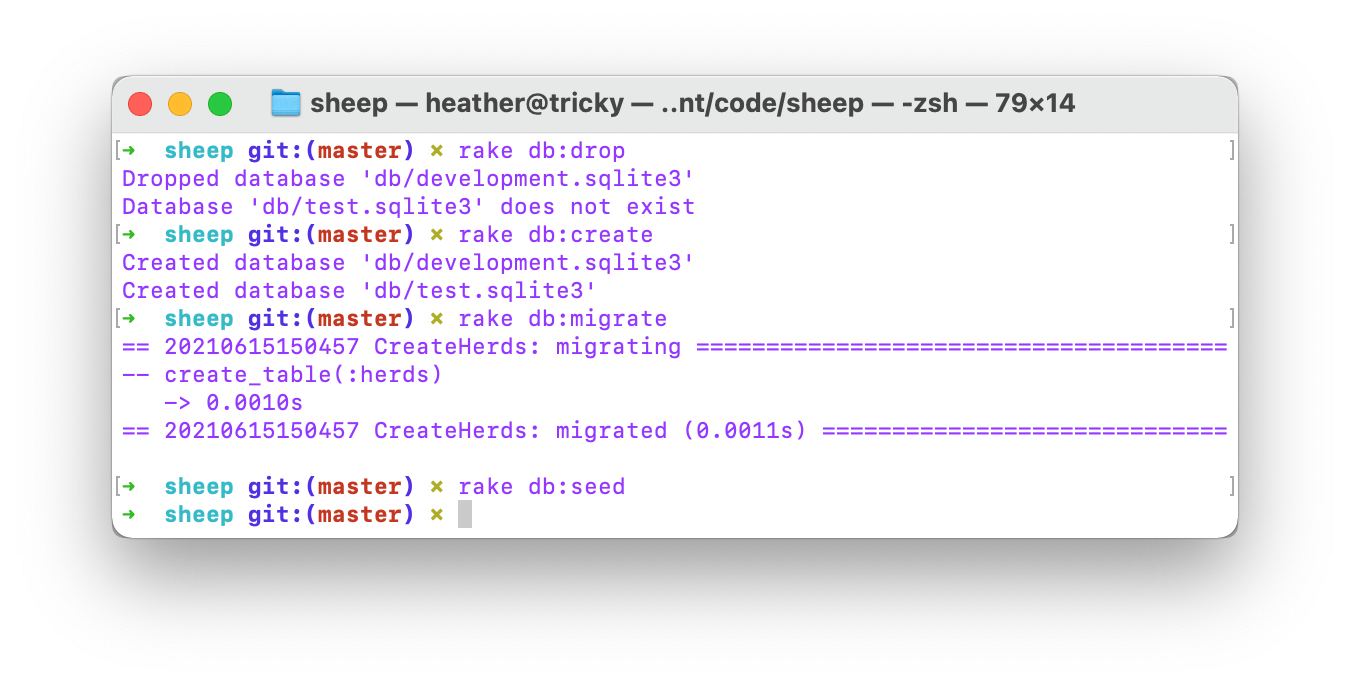 The terminal comands below will allow you to delete and re-create your Active Record database.
490. SQL Recursive Queries - How to Understand Common Table Expressions (CTEs)
 This article introduces the WITH clause and demonstrates how recursive CTEs can simplify these operations.
491. Maximizing E-commerce Potential with Refined Data Analytics and Storage Architecture
 In this post, I write about how my team carries out refined operations, based on our own Data Management Platform (DMP).
492. ScyllaDB Hits Fourth Generation with Raft, Tablets, and a Cloud-First Vision
 When ScyllaDB started, the goal was to be the fastest NoSQL database available in the market. However, raw speed does not necessarily make a good database.
493. The Noonification: The Entrepreneurs Antifragile Arsenal (5/25/2024)
 5/25/2024: Top 5 stories on the HackerNoon homepage!
494. Apache ShardingSphere's SPI and why it’s simpler than Dubbo’s
 Compared to Dubbo, the ShardingSphere SPI is more streamlined, powerful, and easier to use. This post reviews Apache ShardingSphere’s SPI, and why it’s simple.
495. Data Engineering Hack: Using CDPs for Simplified Data Collection
 From simplifying data collection to enabling data-driven feature development, Customer Data Platforms (CDPs) have far-reaching value for engineers.
496. ShardingSphere-Proxy Front-End Protocol Troubleshooting Guide and Examples
 Case study: introducing the tools used in database protocol development with a troubleshooting guide for ShardingSphere-Proxy MySQL protocol issues.
497. Database Monitoring and Alerting with n8n 📡
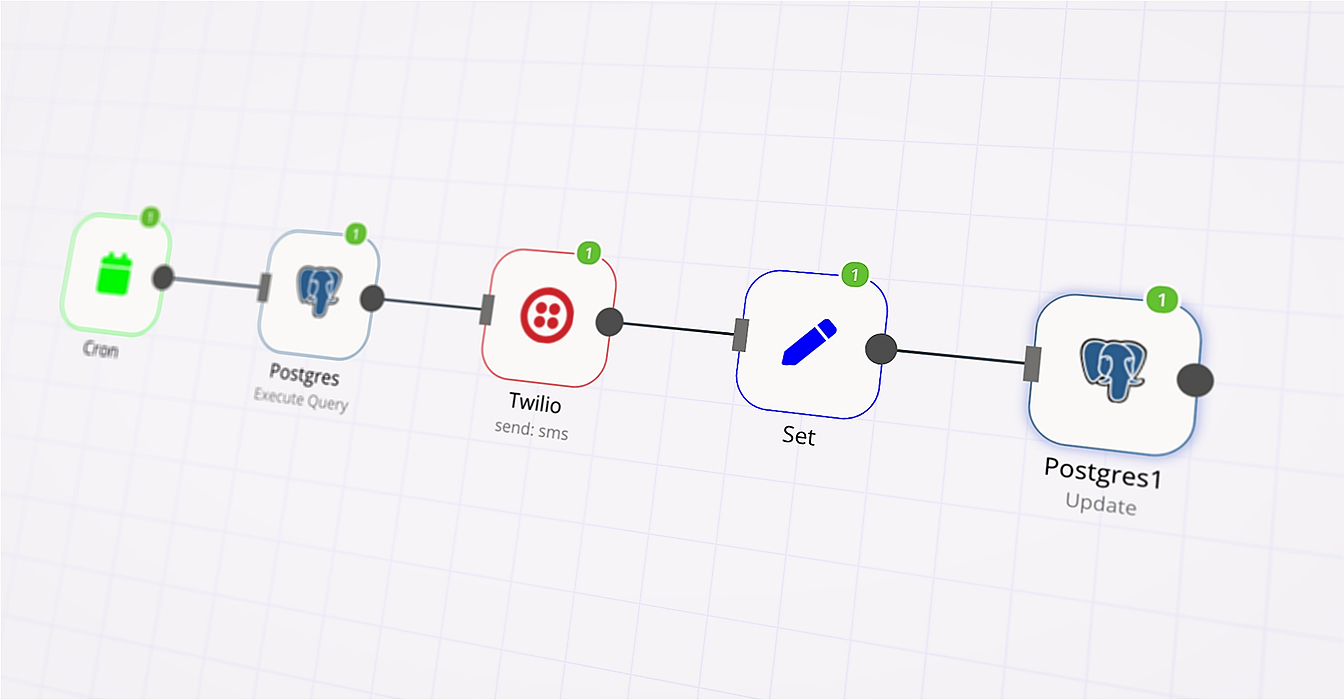 In the past few months, I have been playing around with different kinds of IoT devices and sensors. I quite enjoy how these can be used to monitor different things like humidity, temperature, pressure among other things in the house. In this tutorial, I want to show you how you can monitor sensor readings in a database and send alerts when it crosses a threshold value using n8n workflows.
498. Why Hybrid API + NL2SQL Wins: The Smart Way to Talk to Your Database
 Discover why the future of database interaction is a smart hybrid of solid backend architecture and AI-powered NL2SQL assistance
499. Auto-Increment Columns in Databases: A Simple Trick That Makes a Big Difference
 An introduction to auto-increment columns in Apache Doris, usage, applicable scenarios, and implementation details.
500. Mapping IT System Capabilities: The Key to Unlocking Valuable Business Data
 The value of understanding system capabilities in unlocking the value of business data.
Thank you for checking out the 500 most read blog posts about Database on HackerNoon.
Visit the /Learn Repo to find the most read blog posts about any technology.