

Let's learn about Microservice Architecture via these 110 free blog posts. They are ordered by HackerNoon reader engagement data. Visit the Learn Repo or LearnRepo.com to find the most read blog posts about any technology.
Microservice architecture is an architectural style that structures an application as a collection of loosely coupled, independently deployable services. It matters for improving application scalability, resilience, and developer agility, especially in complex enterprise systems and large development teams.
1. How to Build a Resilient Microservice Architecture With Java
 Learn how to build fault-tolerant, scalable microservices using Java programming and Docker containers.
2. The Basics Of Designing an API Architecture
An introductory guide to understanding how API Architectures are designed.
3. Microservice Architecture Patterns Part 1: Decomposition Patterns
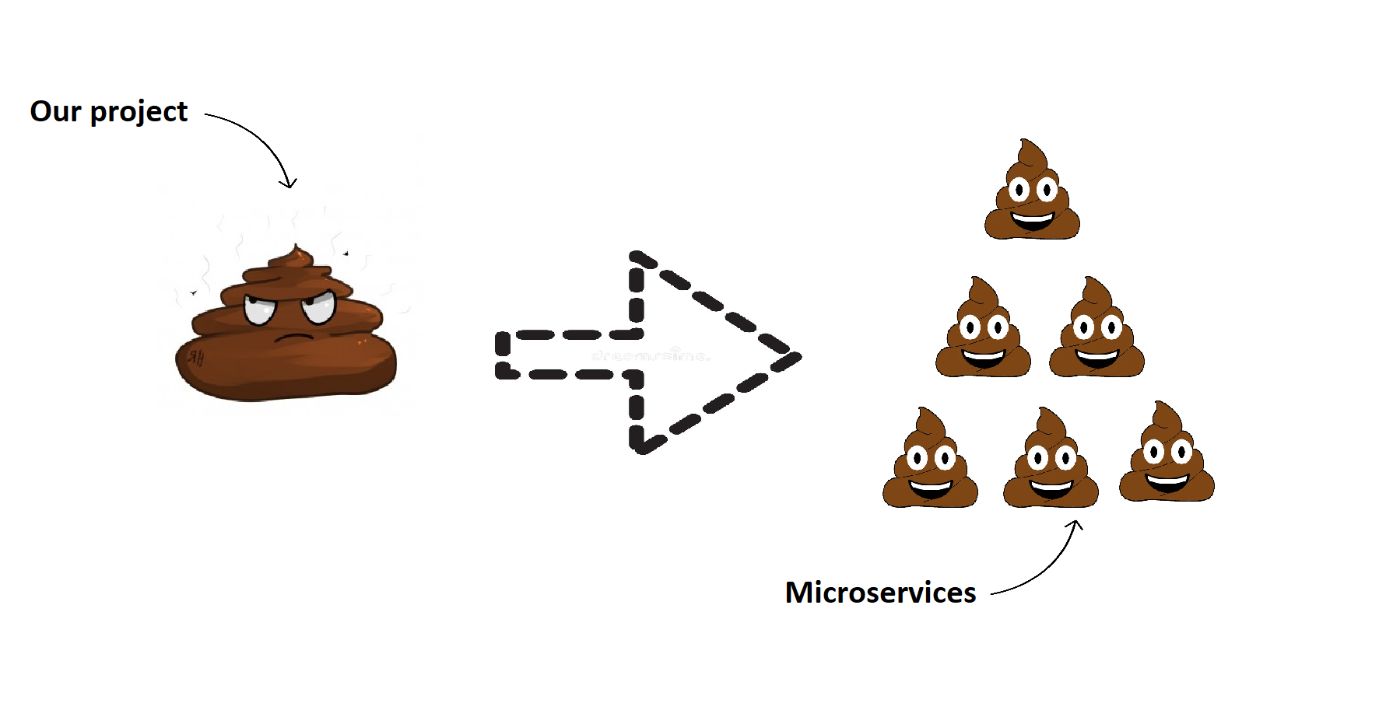 Learn the power of microservice architecture to build modern distributed systems, by decomposing a monolith by transaction, business capability, or subdomain.
4. Kafka vs RabbitMQ: Find the Best Fit for Your Project
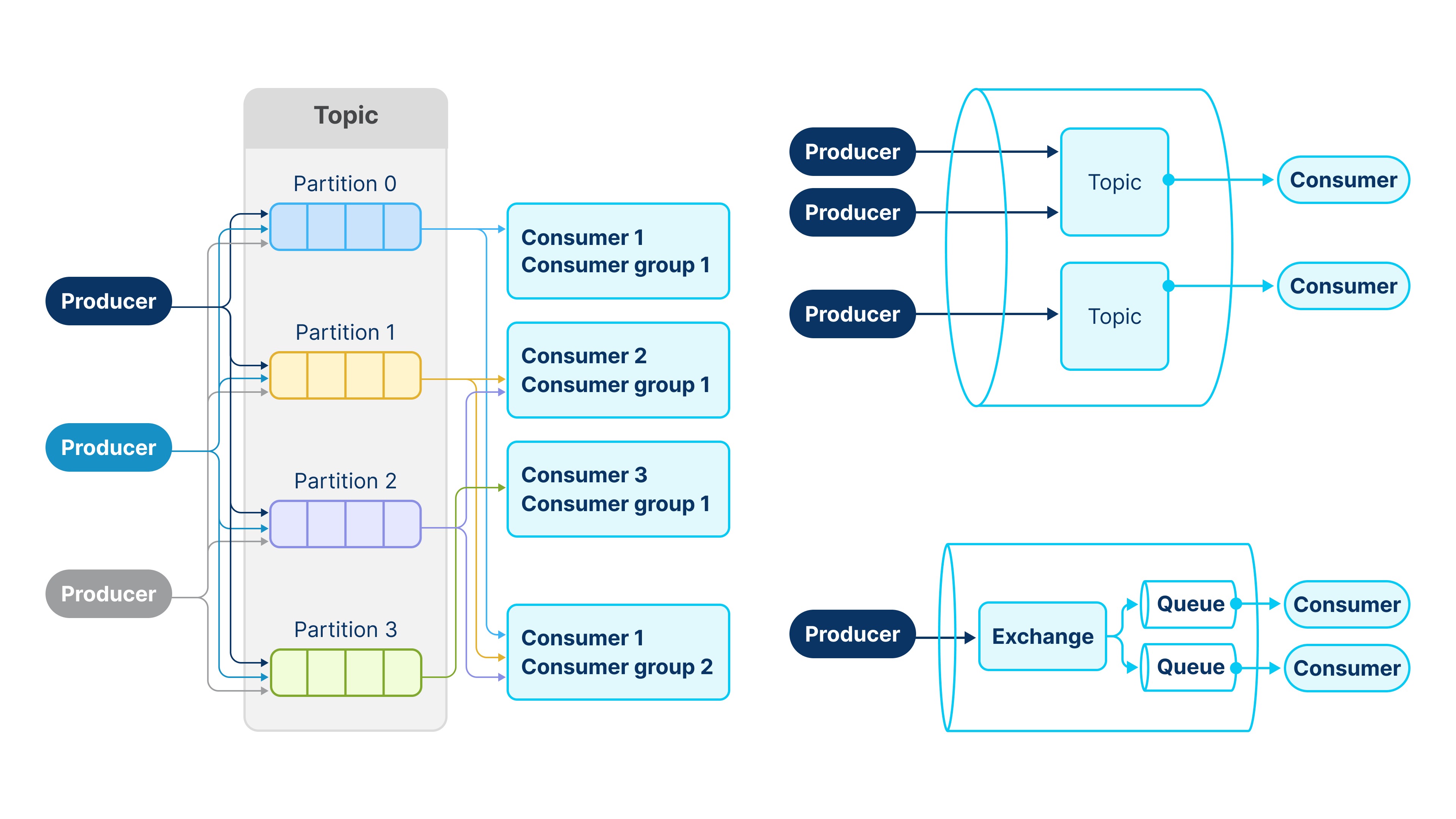 Explore the key differences, features, and use cases of Kafka and RabbitMQ in modern distributed systems and microservices.
5. An Essential Guide to HTTP Clients and Spring Boot Microservices
 This is the best way to implement an HTTP client in your Spring Boot microservice.
6. API Gateway vs Backend for Frontend (BFF): Use Cases, Similarities and Divergencies
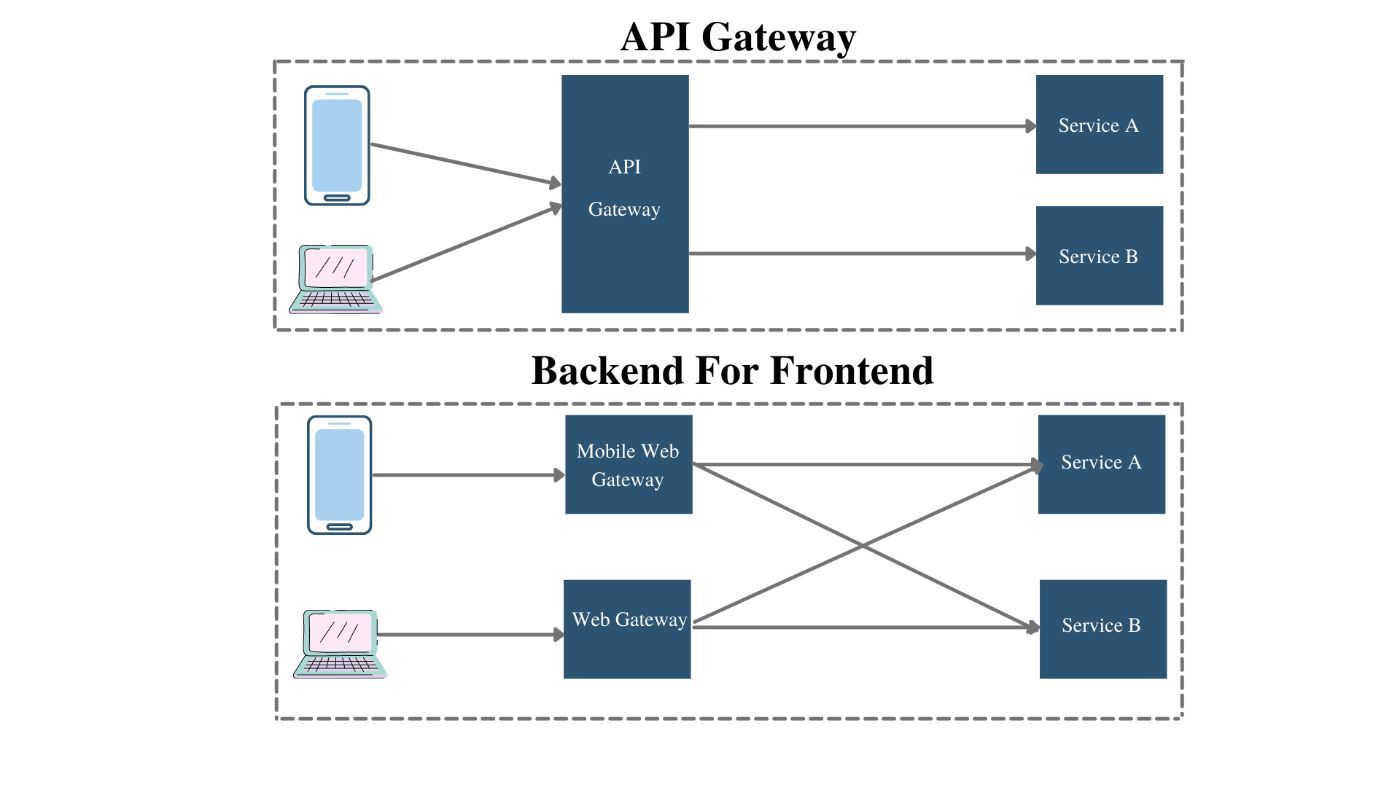 In this article, we are going to see what an API Gateway, BFFs, and how they are used for Client-Server communication in a Microservices architecture.
7. Choosing a PHP Framework for Microservice Architecture
 Comparison of PHP frameworks and how suitable they are for the microservice architecture
8. How To Orchestrate Event-Driven Microservices
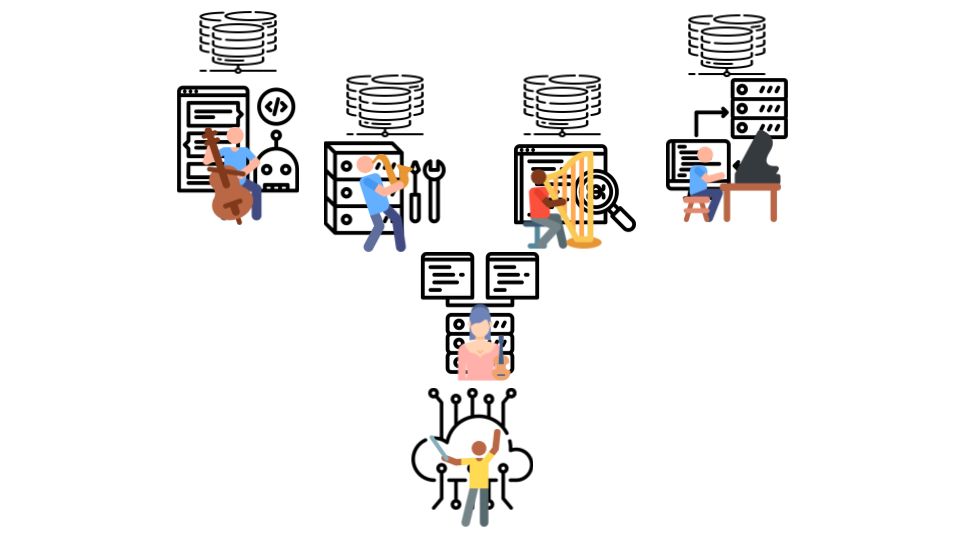 Want to add better visibility and flexibility to your microservies architecture? Read on to find out how adding a Conductor can help!
9. How to Call Multiple Microservices in Parallel
 We can call microservices in parallel, storing results in the form of feature objects in one more list and then combine the result of all features.
10. Microservices Communication with the use of Apache Kafka
 The scalability, efficiency, and competitiveness of the product are determined by the strategy used.
11. A Detailed Introduction to Service-Oriented Programming
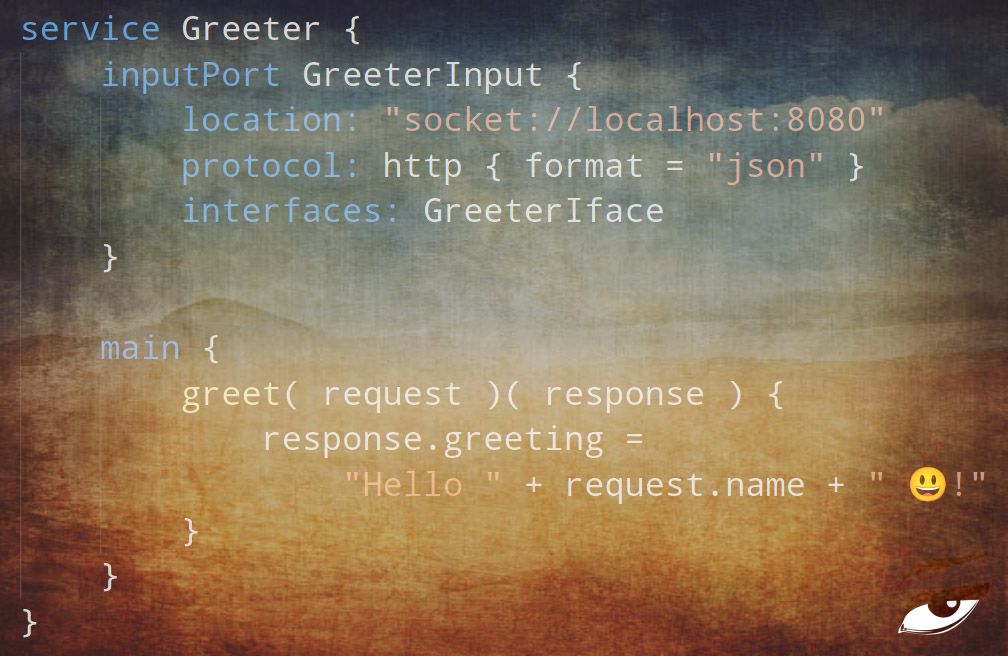 Some principles are emerging for what one might call service-oriented programming languages. The principles are general, so they can help when thinking about code even when operating outside of these languages.
12. How To Choreograph Event-Driven Microservices
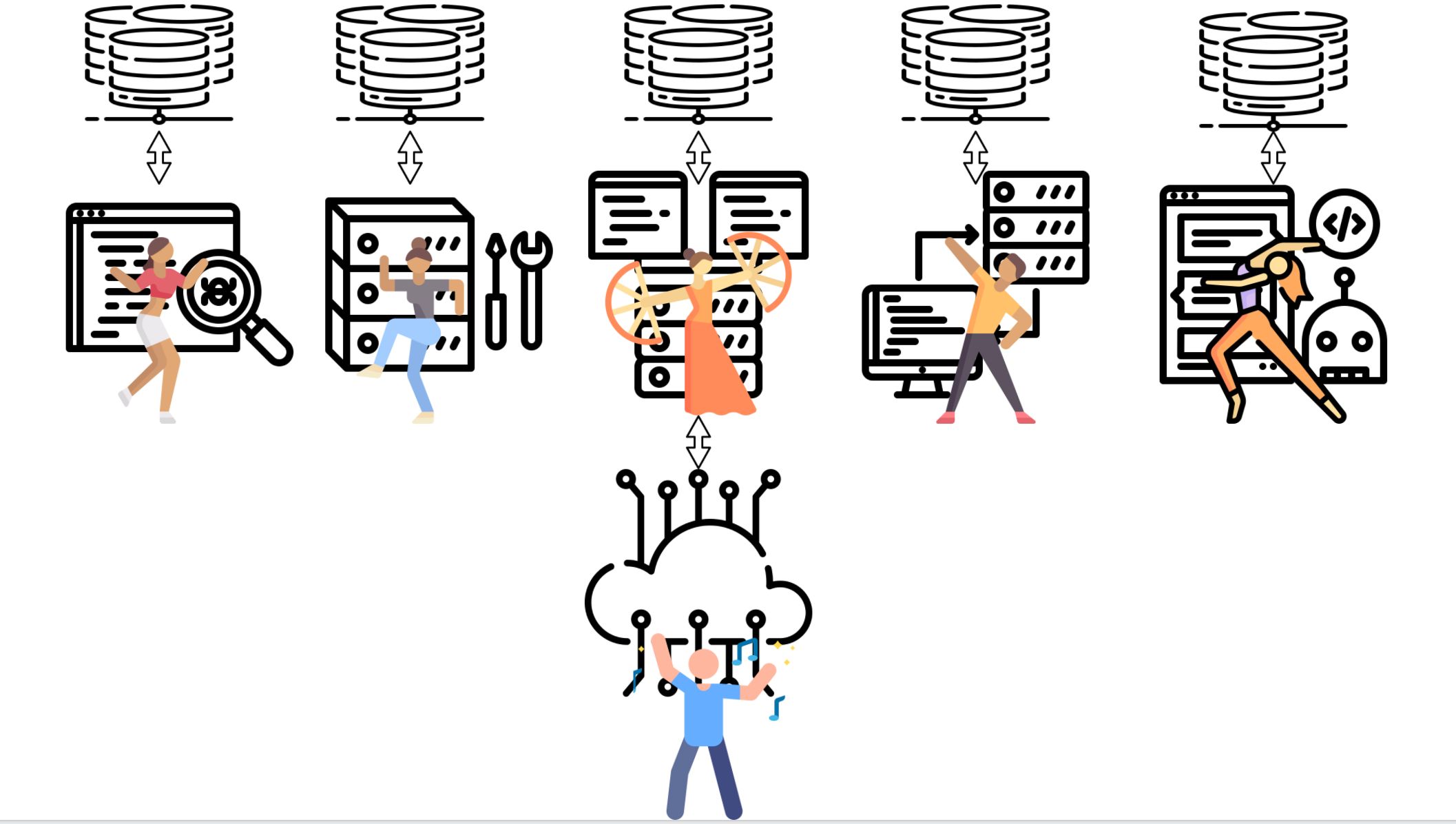 Don't get trapped in the Death Star! Choreographed microservices have all the benefits of a loosely coupled architecture, and only some of the pitfalls.
13. 9 Basic (and Crucial) Tips for Microservices Developers
 If you’re going to work on microservices projects, you need to learn these basic, yet crucial, tips.
14. Unlocking Microservices Reliability With ACID and the Outbox Pattern
 Outbox Pattern ensures atomicity in distributed systems, synchronizing data updates and reliable message queue dispatching through a dedicated database table
15. Why Implementing Microservices on AWS Is Indispensable to a Modern Architecture for Business Agility
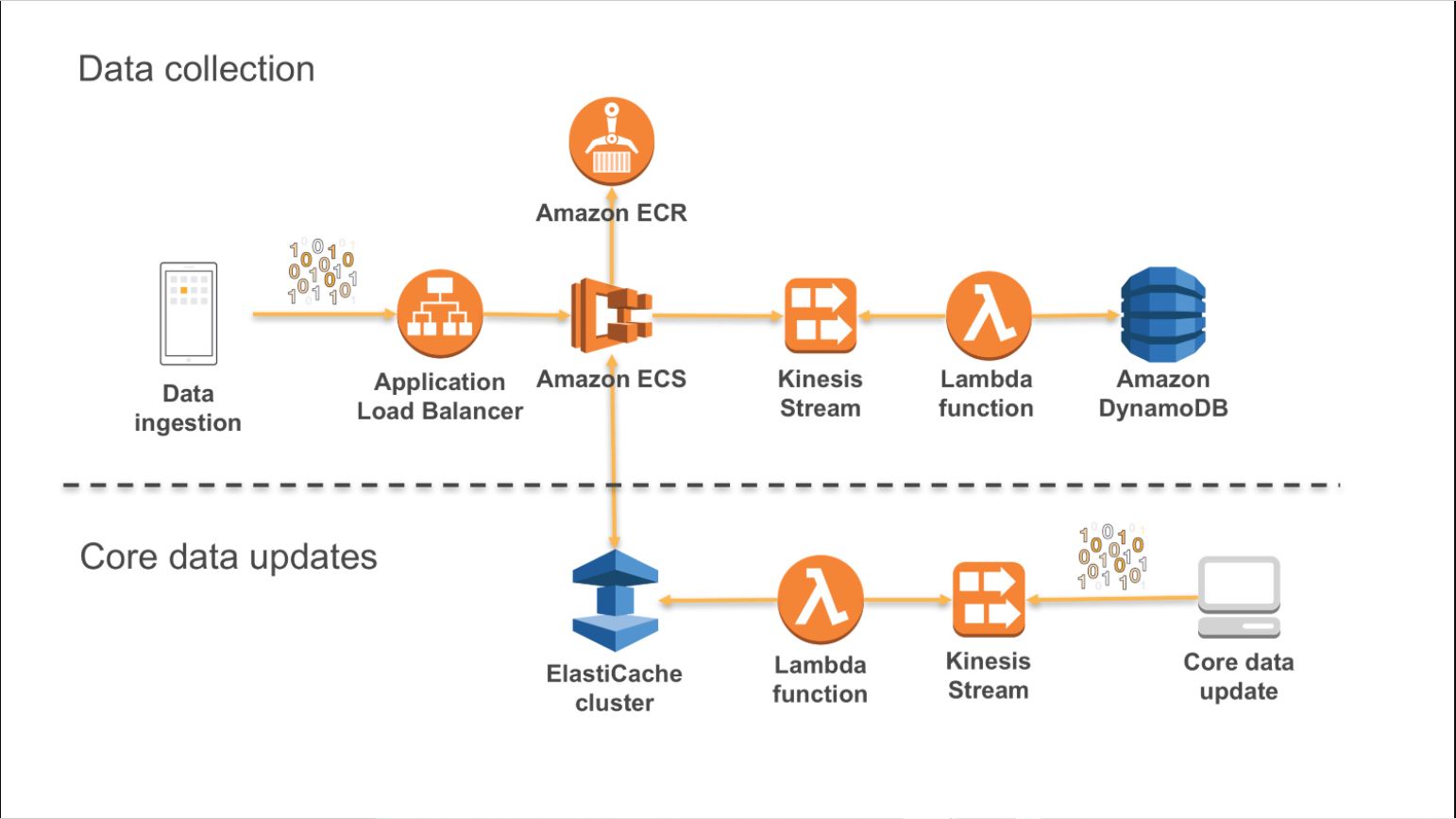 AWS customers build microservices on 3 common patterns: API-driven, event-driven, & data streaming. The blog covers the common characterics of microservices.
16. How To Develop And Deploy Micro-Frontends Using Single-Spa Framework
 Micro-frontends are the future of frontend web development. Inspired by microservices, which allow you to break up your backend into smaller pieces, micro-frontends allow you to build, test, and deploy pieces of your frontend app independently of each other. Depending on the micro-frontend framework you choose, you can even have multiple micro-frontend apps — written in React, Angular, Vue, or anything else — coexisting peacefully together in the same larger app!
17. Reverse Proxying — the Backbone of Microservices Architecture
 Understand how reverse proxies powers almost every service that we use today from monolith to microservices. It is a vital piece of 21st century infrastructure!
18. Data Access for Microservices
 If you want to access data in a distributed environment such as in a microservice architecture, then data services are the way to go. The idea is to create a data abstraction layer (DAL) that the rest of the system’s applications and services can share. Thus, a data service gives you a generalized interface to the data you’re exposing and provides access to it in a standard manner. This would be in a well-understood protocol and a known data format. For example, a popular approach is to use JSON via HTTP/S.
19. "Unless you’ve been developing software in a cave"
 In this article, we’ll look at some microservices best practices and suggest a few proven ways to help with your microservices architecture.
20. Building Microservice Architecture With ASP.NET Core
 In this article, we provide you with an introduction to designing and maintaining microservices-based applications using ASP.NET Core.
21. How To Start Using Microservices
 Microservices are completely disrupting the way we build applications nowadays. This is one of the hottest trends when it comes to software architecture. More and more developers are adopting it.
22. How to Execute a Scheduled Task in Keycloak on Startup
 In this article, we will look at how to execute a scheduled task in Keycloak on startup using a Kafka consumer as an example.
23. Aggregate Logs with Elasticsearch, Kibana, Logstash & Docker
 Improve logging in your microservices architecture to make tracking smoother with ELK Stack.
24. Serverless Vs Microservices Architecture - A Deep Dive
 Companies need to be thinking long-term before even starting a software development project. These needs are solved at the level of architecture: business owners want to assure agility, scalability, and performance.
25. 5 Tips for Creating Docker Images with Spring Boot
 Keep up with the latest and best practices to build spring boot docker images.
26. Dependency Management in Microservice Architecture: Creating Your Own Parent POM
 Simplify version management in microservices with a custom parent POM, ensuring consistent library versions across projects.
27. Kong Plugins as Microservices: Writing a Single-Plugin Server for Kong in Go
 Many developers and DevOps engineers have been deploying Kong Gateway in front of their microservices-based applications.
28. Protobuf Under the Hood: How Serialization and Deserialization Work in Go
 Protocol Buffers (Protobuf) is a fast, efficient, and language-agnostic data serialization mechanism.
29. Microsoft's DAPR (Distributed Application Runtime): An Overview
 Discover the powerful capabilities of Dapr by implementing a sample application with microservices leveraging the actor model to foster its strengths.
30. Secure Microservices with Kong and Ory
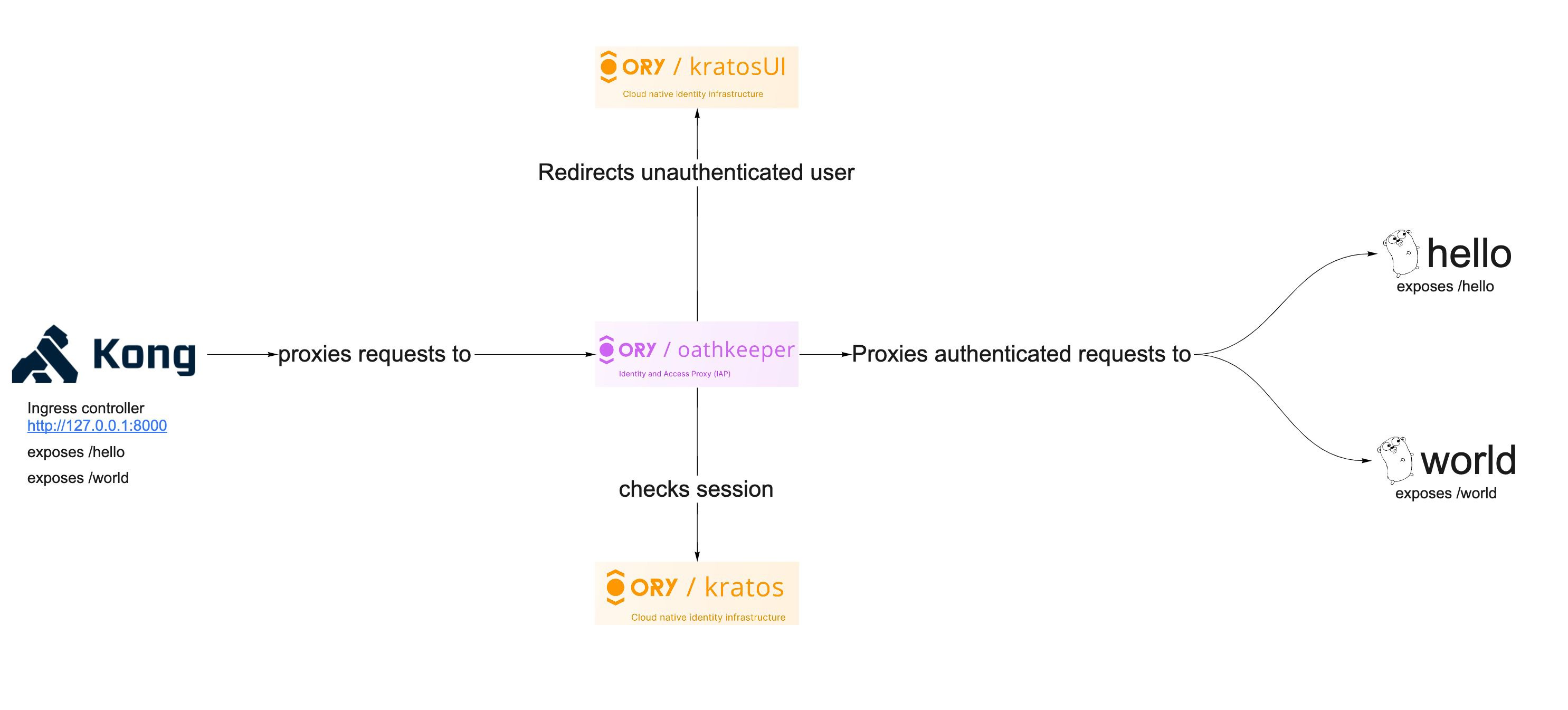 Microservice architecture is nowadays almost a standard for backend development. An API gateway is an excellent way to connect a group of microservices
31. Basic Guide To Building Microservices With MongoDB, NodeJs, And Express
 Most of us have gone through tough times where you have a large scale application which has a bunch of features, API integrations, database connections, etc. New features and updates get released, and of course you need to fix the bugs and maintain the code.
32. Building Efficient Crypto Trading Software With Python
 Learn about building efficient trading software principles, such as event-driven approach, microservices, and asynchronous programming.
33. Monolithic vs Microservice Architecture: All You Need To Know
 The problem that enormous scale venture applications a work in progress bring to the table of programming designers was excessively. There was no arrangement at all to this issue that is the reason an alternate building style was required. Henceforth the expression "microservices" appeared after the economical advancement in distributed computing space, it was first utilized by Dr Peter Rogers in a meeting on distributed computing in 2005.
34. Implementing Domain Driven Design For Microservices
 Have you been finding it difficult to model boundaries of your system’s microservices? Have you been slowed down by the Technical complexity of your codebase? Has your team been stepping on each other’s toes ?
35. The 12 Factor App: Principles Every Cloud Developer Should Know
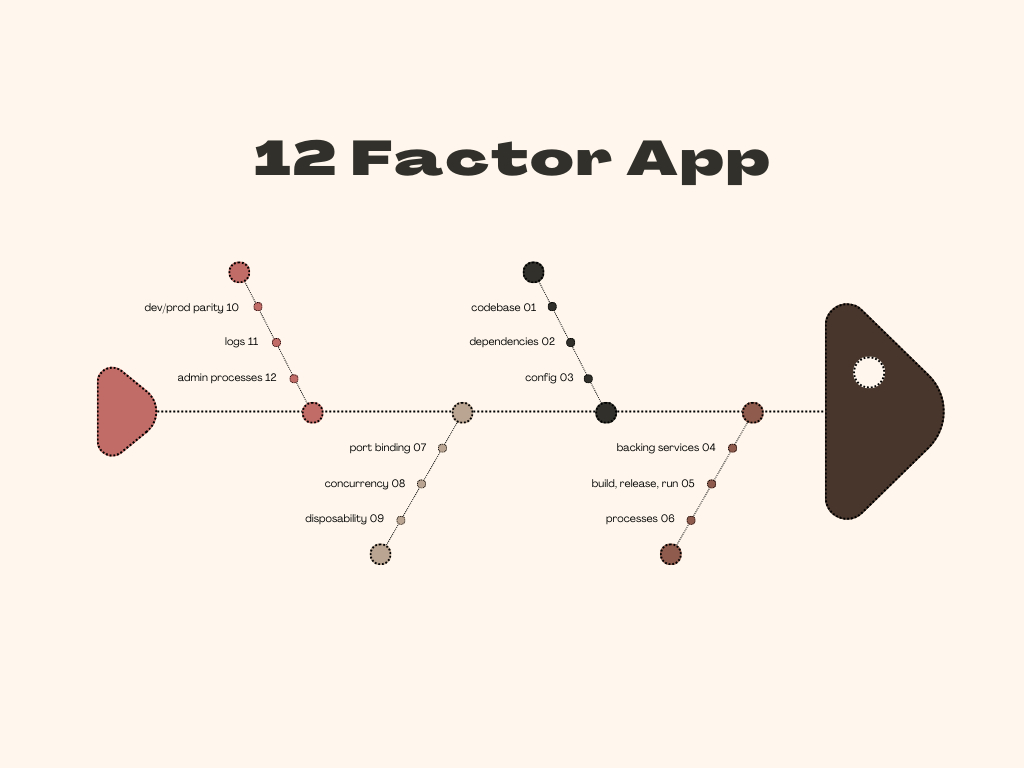 12-Factor guides devs, Moving away from monolithic beasts towards agile, microservices has been a game-changer for our development and deployment processes.
36. A Guide to Building Observability for Microservices
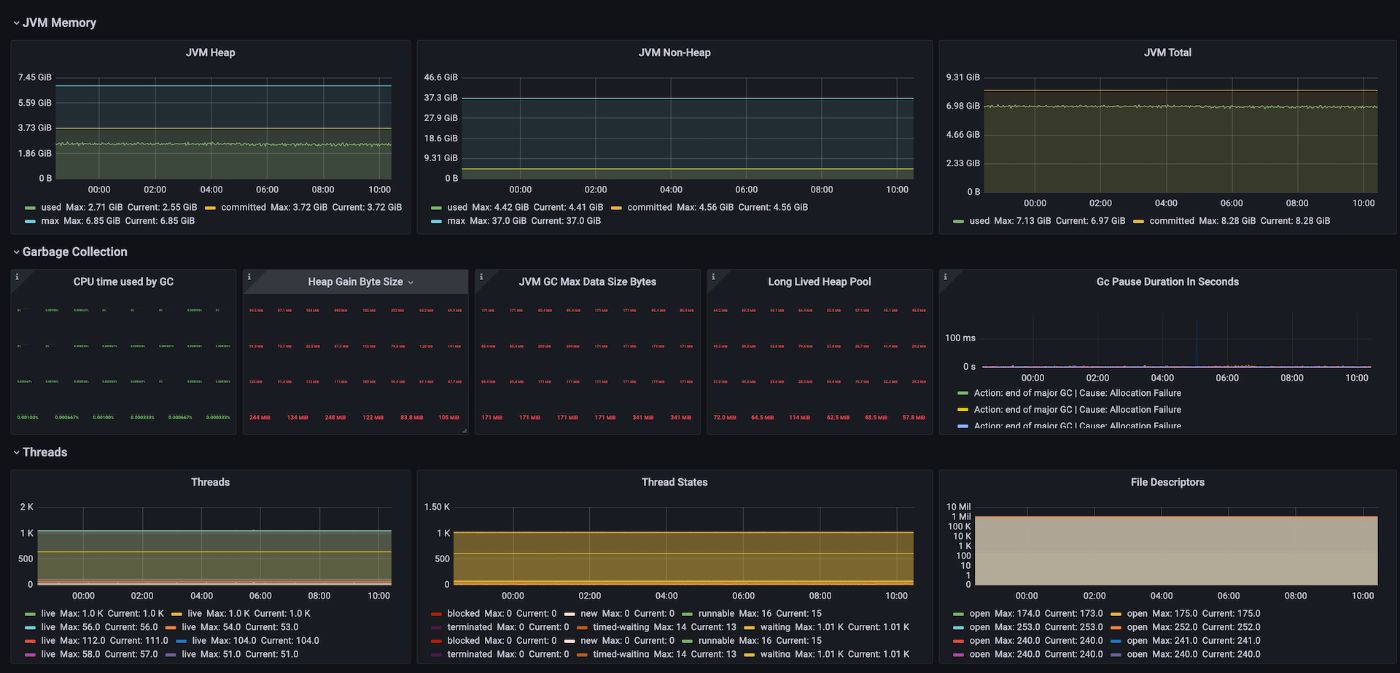 Enhancing the efficiency and reliability of microservices by setting up observability using Prometheus, Grafana.
37. gRPC-Secret: Mastering Deadlines, Timeouts, and Custom Contexts
 gRPC is an open-source remote procedure call (RPC) framework. It enables efficient and scalable communication between services.
38. Beginner's Guide to Deploying a Spring Boot App to Azure App Service
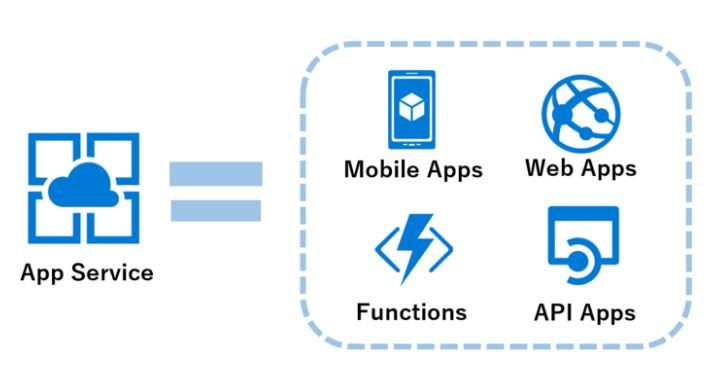 If you are building a Java-based spring boot app, but struggling to deploy app to Azure Cloud, this blog post is for you. It will provide a brief introduction of Azure App Service and App service Plans and a step-by-step guide to deploy Java based Spring boot app to Azure App service.
39. Creating Production Grade Microservices with Go and gRPC
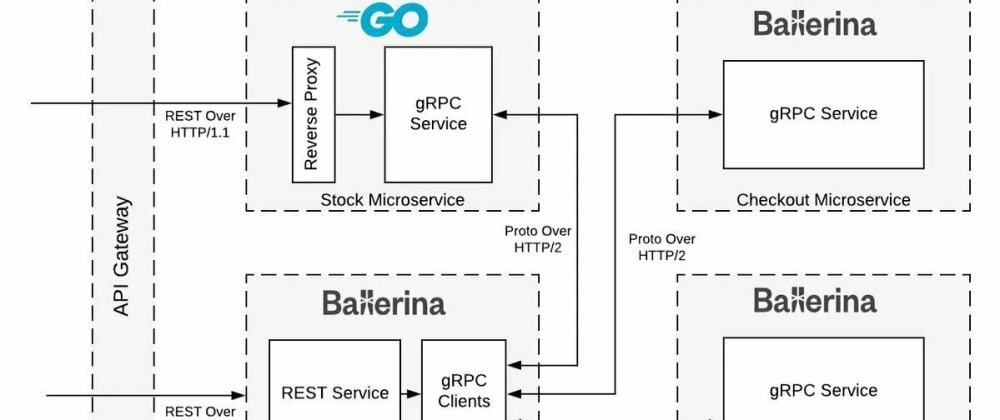 Microservices have emerged as a powerful architectural paradigm for developing complex, scalable, and maintainable software systems.
40. An Introduction to Micro-Frontends in Enterprise Applications (part 1)
 Leverage webpack module federation to build a scalable micro-frontends architecture.
41. Data Management Patterns for Microservices Architecture
 Microservices architecture patterns have highly transformed and streamlined the development process and have increased the performance of applications.
42. A Method That Will Help You Clone Netflix With Micro Frontends The Right Way
 I created a Netflix clone using Piral: an open-source framework for creating modular applications.
43. Software Architects' headache - the Integration Point
 Today we will talk about a software architecture pattern of Architecture Points. Architects might find this knowledge interesting in solving their problems.
44. The Only Decoupling Checklist You Need To Know About
 My team has recently successfully decoupled one of the critical business domains of the company. The initial integration had such a tough deadline that the only way to meet it was to add code to the monolith. And… The feature that went from conception to production in three weeks ended up taking almost one year to decouple.
45. How to Build a Microservices Architecture with Node.js and RabbitMQ
 In this article, we will be exploring the concept of Microservice Architecture, and implementing basic microservices-driven software using Node.js and RabbitMQ.
46. How We Scaled To Microservices Architecture With A Data Flow-driven Approach
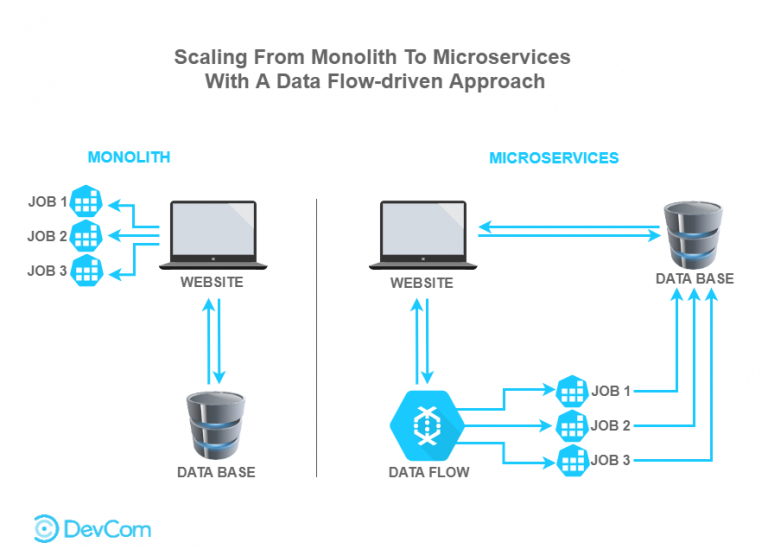 Microservices architecture: It was proposed to develop a data flow-driven mechanism for microservices — oriented decomposition. Data work separately with the site
47. Microservices for Humans: A No-Nonsense Introduction
 This introduction to microservices teaches the core concepts with plain English explanations and examples.
48. Observability for Monitoring Microservices - Top 5 Ways!
 Here are some important tools and approaches to managing and monitoring Microservices. Take a look!
49. 5 Best Technologies You Can Use to Deploy and Manage a Microservices Architecture
 Check out the latest platforms and tools to deploy and manage Microservices here! Take a look!
50. When Should You Move to Microservices?
 Avoiding the small monolith antipattern. At what scale do Microservices make sense? Avoid a solution worse than the problem and understand the tradeoffs.
51. A Principal Architect's Learnings From Using AWS Step Functions For One Year in Production
 This article summarizes our learnings at SSENSE in applying WAS' Step Functions; what worked, what didn’t, and what should be improved in its ecosystem.
52. An Introduction to Microservice Messaging in Kubernetes
 In this article, I’ll share the benefits of messaging in Kubernetes and the difficulties that can come with legacy solutions.
53. Step-By-Step Tutorial To Deploy A Distributed Node.js App At The Edge
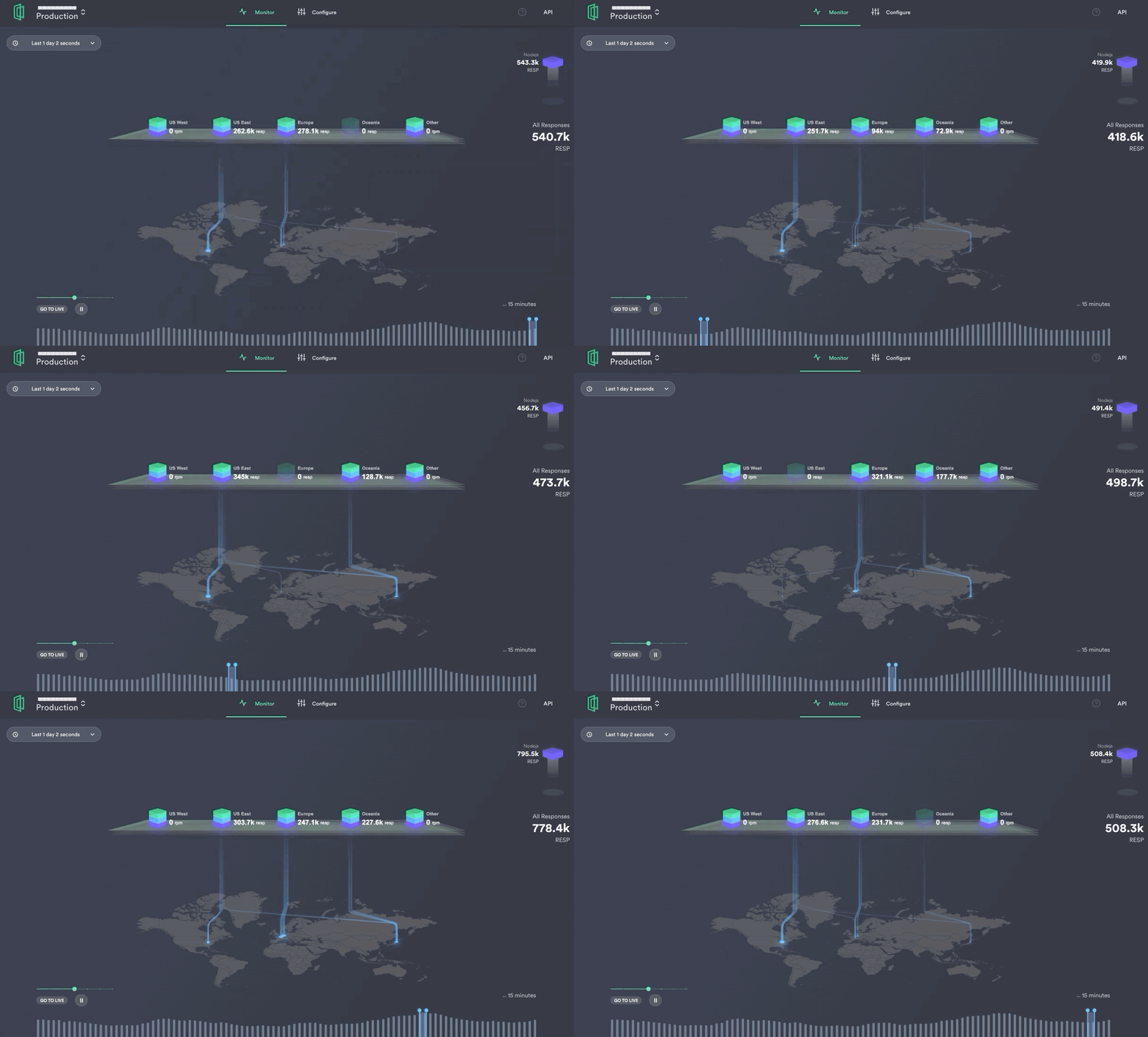 In this tutorial, we are going to demonstrate how to deploy a distributed Node.js app at the Edge using Section's Edge Compute Platform.
54. 12 Methods of Improving Your Monolith Before Making the Jump to Microservices
 Like tidying up a house before a total renovation, preparing your monolith is the first step towards transitioning to microservices.
55. Abstraction Layers and API's for Cloud Native Environments

56. Implementing MS Azure Monitoring System for Resources and Microservices
 Prometheus & Grafana: How to implement customized monitoring system for Microsoft Azure resources and microservices. Wirex experience
57. 3 Architectural Design Patterns for Software Development
 Learn about software architectural patterns and their benefits and drawbacks.An architectural pattern is a general, reusable solution to a commonly problem
58. Microservices and CQRS: Why Business Should Care
 We have created this blog post for business stakeholders managing the development of a software system or product, those looking to find ways to reduce cost and time to market. This post will be useful for those whose technical background is a bit outdated or isn’t sufficient to make that judgment call. We will look at how to approach architecture planning so that the product is scalable and the money is spent wisely. Also, we will show the example of how CQRS can help in the implementation of client applications and whether microservices is indeed the panacea.
59. The Dark Side of Microservices, Explained
 There is an endless supply of blog posts, white papers, and slide decks, evangelizing the virtues of microservices. They talk about how microservices “increase agility,” are “more scalable,” and promise that when you make the switch, engineers will be pounding at your office door looking for a job.
60. From Monoliths to Microservices: Migration in Practice
 This isn't another "break down the monolith" article. This post is about making the applicable decisions, measuring and verifying the results
61. Monitoring Microservices: A Step By Step Guide
 Monitoring microservices in the right way is one of the biggest challenges nowadays. This blog will guide you to overcome the monitoring challenges easily.
62. Understanding L4 and L7 Load Balancers for Efficient Traffic Management
 Learn the differences between L4 and L7 Load Balancers, optimize traffic, secure apps, and enhance performance for efficient network management.
63. API Programming Doesn't Need To Be Hard
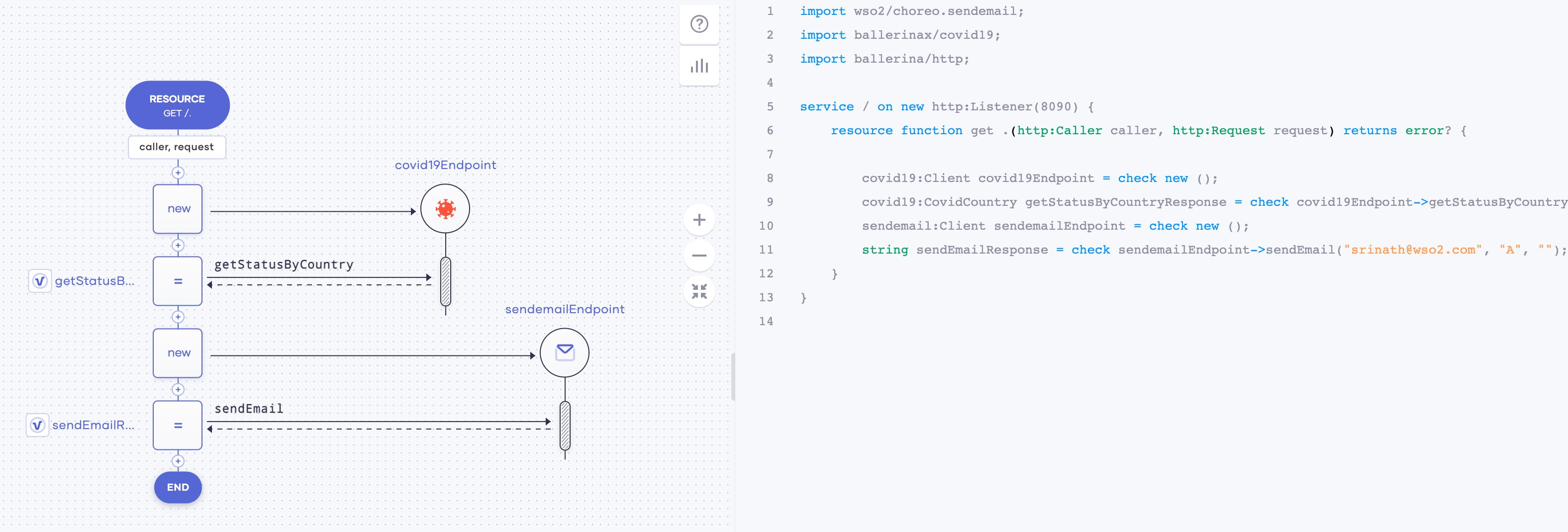 APIs, if you know how to tame and harness them, are a superpower. Choreo is a Cloud IDE that is built to make API creation, management, and composition a breeze
64. Modular Monoliths: The Future of Efficient Software Architecture in Fintech Payment Systems
 Explore the pros and cons of monolithic, microservices, and modular monolith architectures in software development to make informed decisions for your projects.
65. Microservices vs. Monolithic Architecture
 The concept of microservices, an approach to designing a software application as a set of small services, has been around since at least 2015.Delivering benefits such as the independent deployability and scalability of components, microservices are all the rage today. This is because these microservices benefits translate into incredibly faster software development speeds. With consumers being quick to change their preferences and behaviors, microservices adopters are able to keep up. Life is now great, they say.As much as 56% of companies participating in a recent IMB survey plan to adopt a microservices approach in the next 24 months. Almost 80% of current users say their business will likely step up investment in microservices.Microservices advantages have prompted Netflix, Amazon, eBay, Twitter, and many other tech giants to migrate from monolithic to microservices architecture.But should your company use microservices?It depends on the context and if microservices pros outweigh the cons for your application.This blog provides an overview of a microservices vs. monolithic approach and five key benefits of using a microservices architecture. It also shares some of ITRex’s microservices experience and offers tips on when business should (not) use microservices. Dive in.
66. Microservices: The Why and When
 With people switching to cloud-native strategy, we need an architecture that supports it. A variant of Service-oriented architecture, microservice architecture
67. Why Data Consistency is Important in a Microservices Architecture
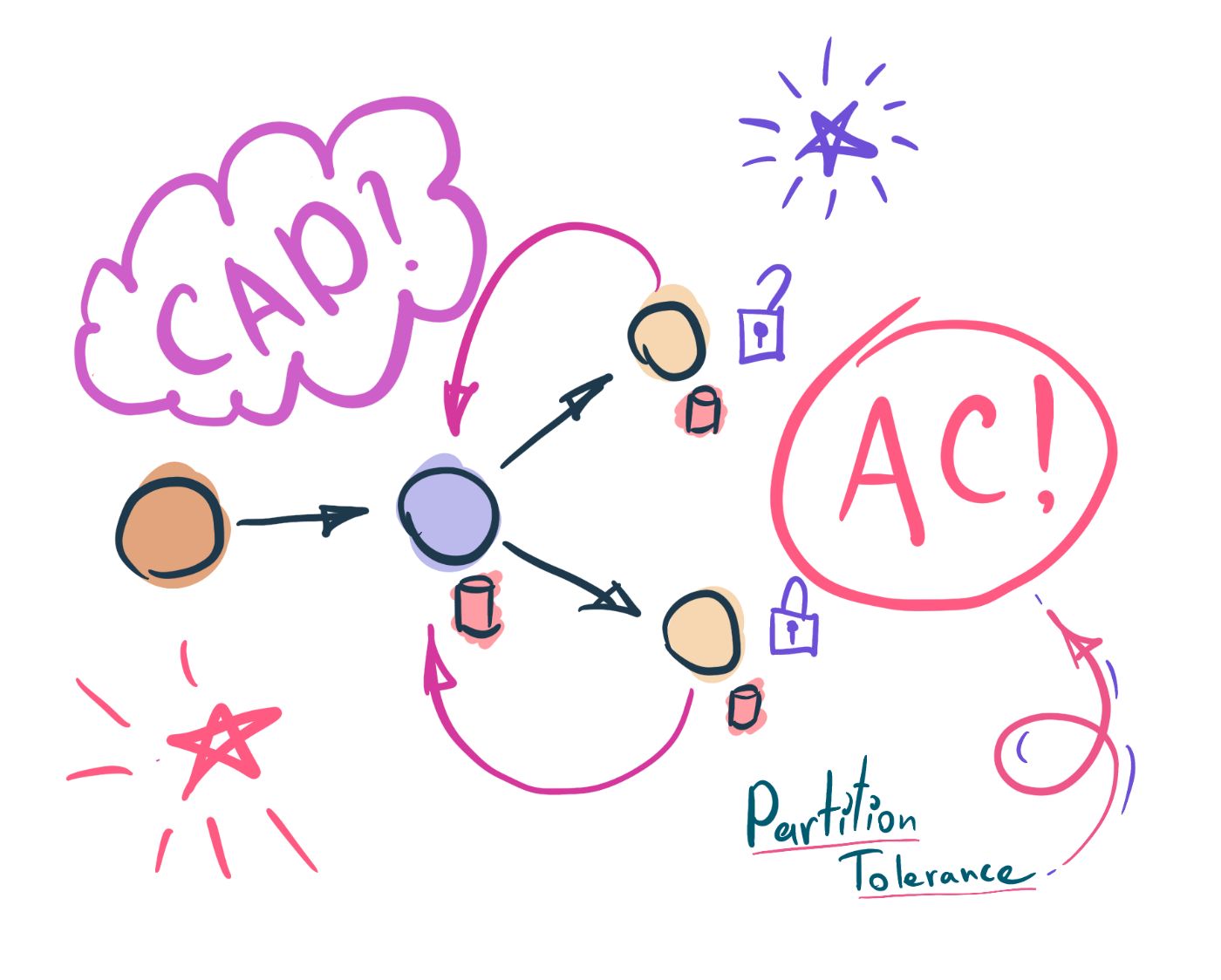 Data Consistency might be a pain in the ass. It is a well-known source of unexpected surprises. What is it? What does it depend on? Why is it so often overseen?
68. The Origination of Microservices, and The Value They Create for Software Developers
 What are Microservices exactly and how can you use them to work to your advantage? IT teams are always wanting to build new applications enabling specific functions for the ease of processes or customers. Sometimes, to balance projects, they allow distributed teams to work on focused targets using reusable assets, templates, and best practices. While decentralizing and democratizing application development helps, managing security can be a task for strategizing different Lines of Business (LoBs) and functional business partners.
69. Microservice Architecture in Application Development: Advantages and Disadvantages
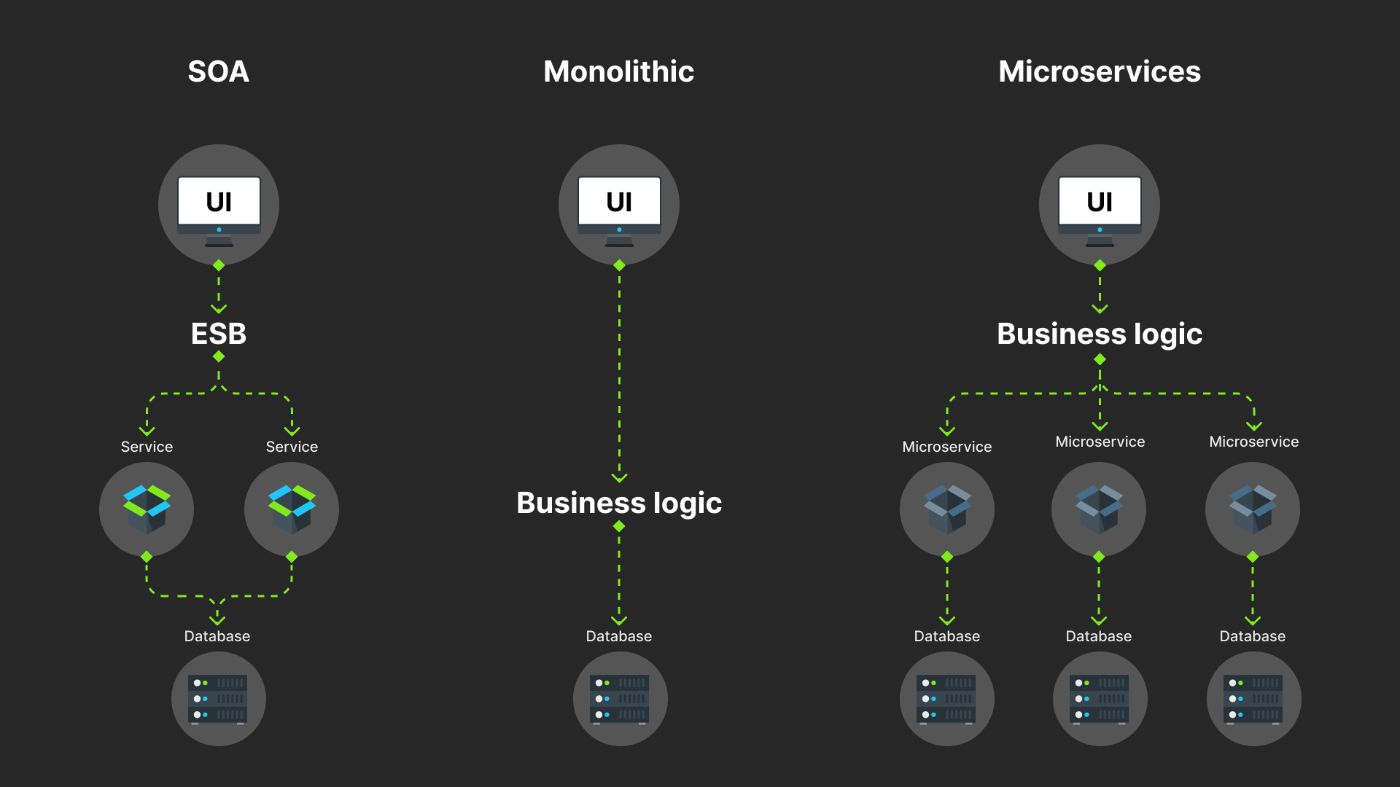 Microservice architecture is the optimal approach to software development.
70. Mastering Microservices: Building Effective Architecture Governance for Scalability and Stability
 Use the right tools to regain control of microservices with architecture governance to boost scalability, reduce complexity, and maintain system resiliency.
71. Well-Architected Microservices
 This is a list of items that has helped me to build, run and scale microservices efficiently and securely.
72. Benefits of Using Docker for Microservices: 2020 Edition

73. Event-Driven Change Data Capture: Introduction, Use Cases, and Tools
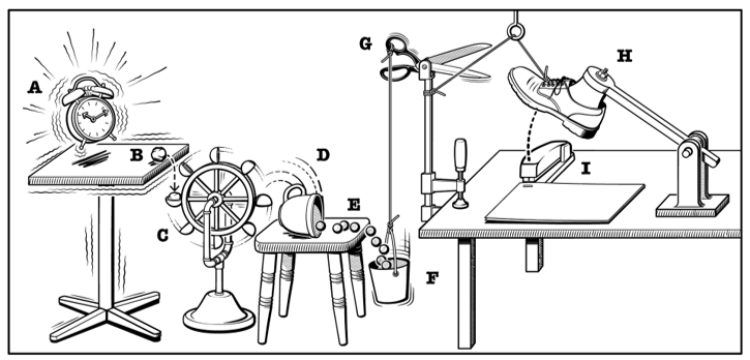 How to detect, capture, and propagate changes in source databases to target systems in a real-time, event-driven manner with Change Data Capture (CDC).
74. Messaging Pattern In Micro Service Integration
 This article provides information to developers who are considering microservice integration using Event Driven Architecture and Messaging.
75. How to Avoid Inconsistency Across Microservices
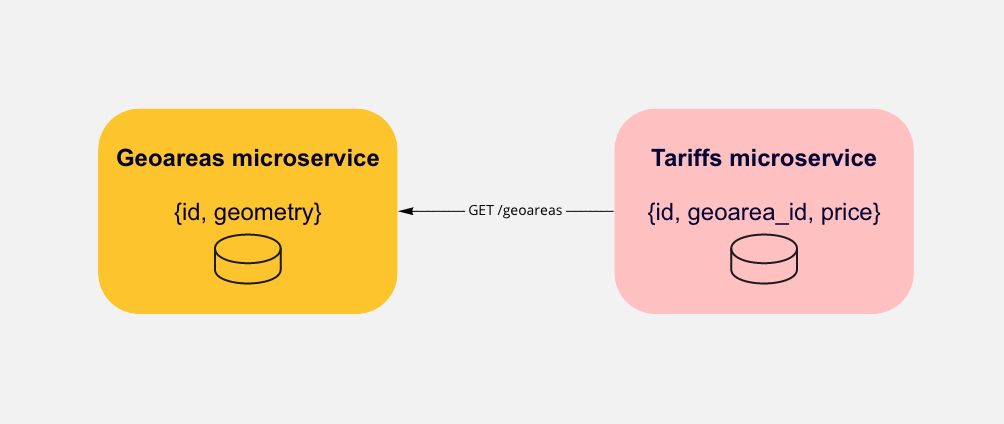 In a microservice architecture, you can get dependencies that impose restrictions on the services used
76. ReST: It’s More Than Just CRUD Over HTTP
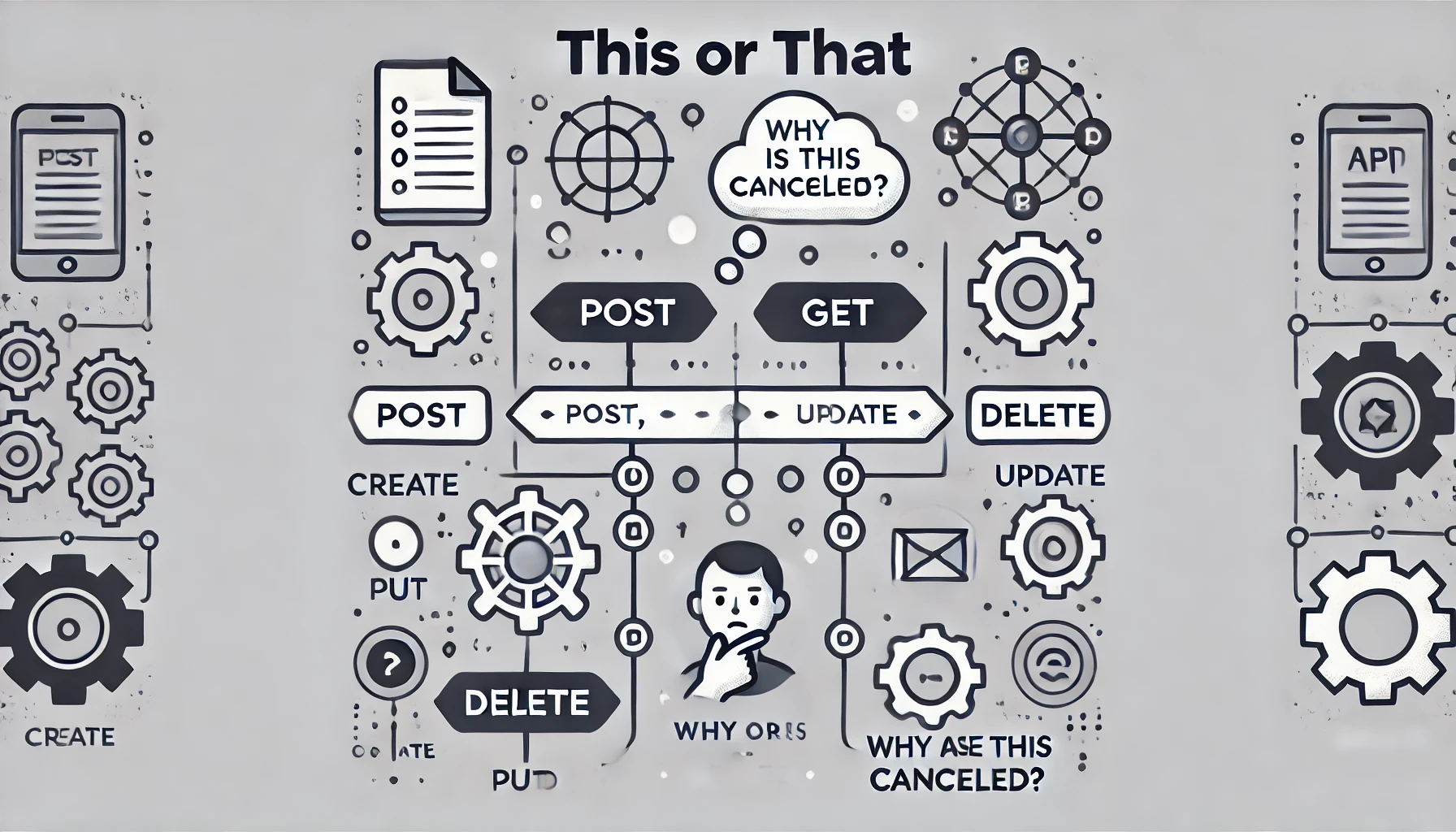 Discover why ReST API design goes beyond CRUD operations. Learn how intent-based approaches create meaningful user-system dialogues & align with business goals.
77. Docker Basics to Get Your Feet Wet
 In this article, we will be discussing the most important elements and tools around the Docker ecosystem when getting started as a beginner.
78. Tips For Using Service Mesh Networks To Leave Your Competition In The Dust
 Background and Origin of Service Mesh Network - Istio
79. An In-Depth Look at Shopify Plus: The Last E-Commerce Monolith
 Platforms like Shopify Plus offer headless capabilities, but the real magic is in modular commerce technology.
80. 5 Best Microservices CI/CD Tools You Need to Check Out
 The blog provides information on the build & deploy tools that are centred around microservices application delivery and are being used in the industry today.
81. A Real-World Latency Study of Microservice Architectures in Autonomous Driving
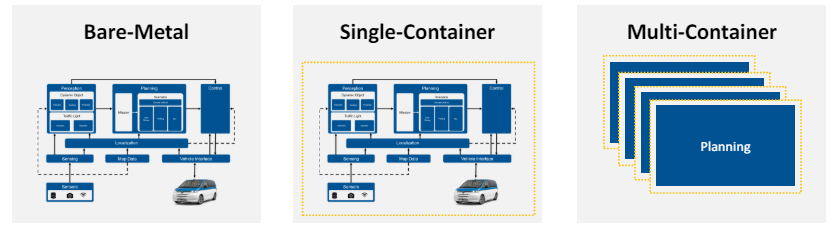 Containers cut latency and improve performance in software-defined vehicles. A study shows up to 8% faster response in autonomous systems.
82. Utilizing Microservices on AWS: Moving Away from Monoliths
 99% of the times you don't need microservices. For when you do, understand what they are, why use them, and how to split a monolith on AWS.
83. Web Application Development: Principles of Development Based on Microservices. Part 2.
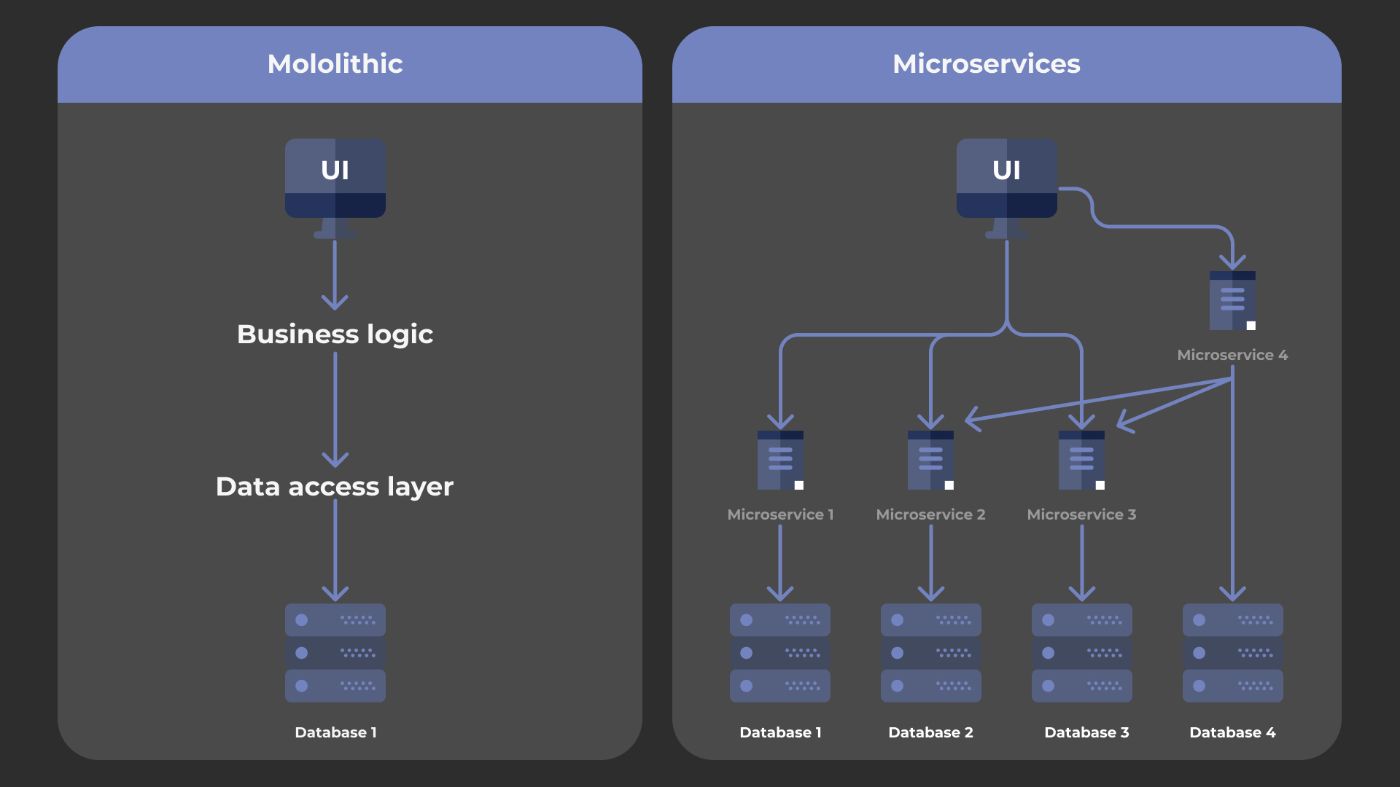 To use a microservice architecture, the developer needs to study special technologies that are applicable for such web app development.
84. Microservices and the Golden age of Infrastructure Automation Tools
 The dramatic shift in infrastructure availability is one of the main catalysts for the advent of microservices.
85. The Cacophonies of Distributed Systems
 If you have never heard about Deutsch + Gosling’s fallacies of distributed computing, you are missing out big time! I encourage you to check them out here. Those delusions are widely considered in the distributed systems field as some of the most painful assumptions any junior systems designer, or architect can make. I like to call them “career-limiting choices”.
86. How to Ensure the Success of Microservices-based Projects
 Microservices-based projects are a great idea to deliver products in less time and with great flexibility/agility.
87. A Detailed Comparison of Monolithic and Microservices Architecture
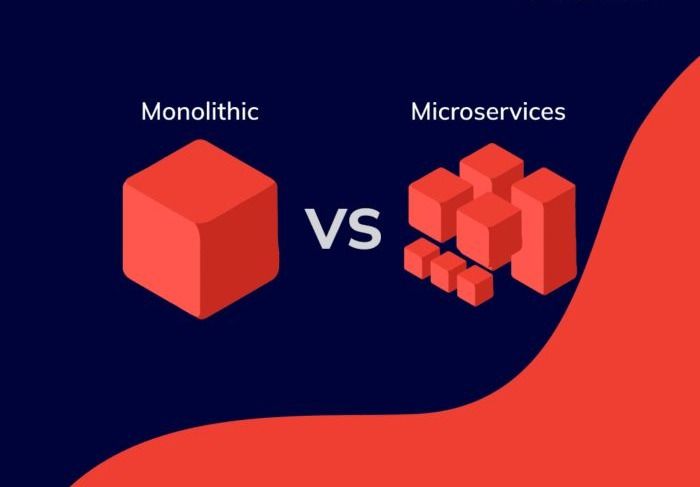 o compare monolithic vs microservices pros and cons, we should have a look at the perks and pitfalls of each architecture first
88. Distributed Tracing: Past, Present and Future
 Distributed Tracing is a divisive topic. Once the doyen of every KubeCon, the technology was expected to revolutionize observability.
89. When to Break the Monolith: Identifying Obstacles in Your Software
 There are six surefire signals that point to it being time to pivot from monolithic architecture to microservices or modular architecture.
90. What I Learned from Giving People a Choice in Ride Types
 How I redesigned a ride-hailing order form for 360M users inside a 7-year-old monolith. Lessons on legacy code, user habits, and breaking production.
91. How To Create a Simple Application Using Golangspell
 For a couple of years I've been working with Golang, is such a great experience, Golang is a great language, in my opinion, simple, fast, and focused on high performance. But, not only it can help us to create a microservice that is fast, but we can also code quite quickly.
92. Anbarasu Arivoli Honored with TITAN Business Award and Distinguished IT Innovator of the Year
 Anbarasu Arivoli earns global acclaim for AI-driven enterprise automation, innovative engineering leadership, and human-centered digital transformation.
93. Can Docker Keep Up with the Speed of Self-Driving Cars?
 According to experiments, containerized microservices improve resource usage, lower latency, and increase modularity in software for autonomous driving.
94. Unadulterated Thoughts on The (Micro)service Approach
 Have you heard of microservices? Of course, you have - any housewife already knows how to deploy them on a k8s cluster. Here is some thinking about them.
95. 5 Kubernetes Use Cases: What You Need to Know
 Discover five Kubernetes use cases that showcase its versatility in automating and managing containerized applications.
96. Building Scalable ROS 2 Applications with Microservice Architecture
 By lowering latency and resource consumption across platforms, containerization improves autonomous driving systems' performance, isolation, and stability.
97. All It Took Was a $300/Month No-Code Stack to Scale a SaaS Marketplace to 10,000+ Users
 Discover how Microns.io built and scaled a SaaS marketplace to 10K+ users using a $300/month no-code stack with Webflow, Wized, and Xano.
98. Get Better VMs, Containers and Serverless Computing Results By Following These Steps
 DEVELOP AND RUN APPLICATIONS WITHOUT THINKING ABOUT SERVERS
99. Boost Your API Development Skills: Implementing GraphQL in Go
 GraphQL is a powerful tool for modern API development due to its flexibility, efficiency, and developer-friendly features.
100. Headless CMS Pitfalls
 Reflections on two headless CMS implementation projects.
101. Modular Design Is Solving Autonomous Driving's Biggest Challenges
 Using containerized ROS 2 modules, microservice-based architecture improves autonomous driving systems' speed, latency, and adaptability.
102. Cloud-nomad Architecture: What You Need to Know
 Learn about repatriation and consolidation trends, why it's a step forward, not a step back, and the core idea of cloud-nomad architecture.
103. Setting New Standards in Cloud Security Architecture by Sudha Rani Pujari
 Sudha Rani Pujari sets new cloud security benchmarks by leading a secure-by-design transformation for microservices in containerized cloud environments.
104. The Rise of Containers: Comparing Amazon ECS and Google Kubernetes
 Here's how Google Kubernetes, a container orchestration platform differs from Amazon ECS, a container orchestration service!
105. Containerization Solves ROS 2's Biggest Performance Challenges
 Containerized microservices outperform conventional bare-metal configurations in autonomous car systems by reducing latency, jitter, and resource consumption.
106. The ABCs of Microservices: A Simple Introduction
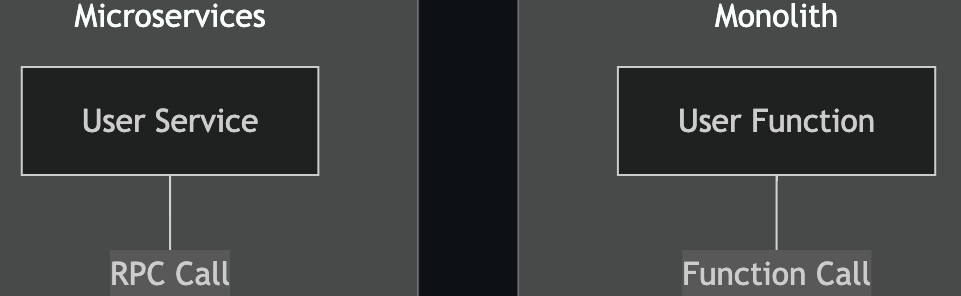 We’re working in distributed teams, projects, and we even distribute compute resources in Regions and Zones (for cloud-based environments).
107. Choreography — A Vital Tool to Strangle Monoliths
 Choreography is not just a pattern for green field Microservices development, it's a vital tool to strangle monoliths too. This blog explains how.
108. DevOps for Microservices: Effectively Managing Complex Architectures
 Like comic dust, microservices combine to become a fully working system, dividing software into separately deployable services.
109. The HackerNoon Newsletter: Try This if Your TensorFlow Code Is Slow (10/15/2025)
 10/15/2025: Top 5 stories on the HackerNoon homepage!
110. Eko Simanjuntak, 2020 Noonie Nominee, Loves to Explore Cloud Native Technologies
 Go on, make a fellow human’s day and nominate the best YOUR best of 2020’s tech industry for a 2020 #Noonie, the tech industry’s most independent and community-driven awards: NOONIES.TECH.
Thank you for checking out the 110 most read blog posts about Microservice Architecture on HackerNoon.
Visit the /Learn Repo to find the most read blog posts about any technology.