

Let's learn about Microservices via these 396 free blog posts. They are ordered by HackerNoon reader engagement data. Visit the Learn Repo or LearnRepo.com to find the most read blog posts about any technology.
Loosely coupled and independently deployable.
1. Best Practices for Event-Driven Microservice Architecture
 If you’re an enterprise architect, you’ve probably heard of and worked with a microservices architecture. And while you might have used REST as your service communications layer in the past, more and more projects are moving to an event-driven architecture. Let’s dive into the pros and cons of this popular architecture, some of the key design choices it entails, and common anti-patterns.
2. Applying Transitive Closure to Sort Products Into Categories, Considering Nesting and Overlaps
 A guide to efficiently managing nested categories and overlapping products, ensuring fast retrieval without duplicates in e-commerce systems.
3. Rethinking Programming: Automated Observability

4. How to Build a Resilient Microservice Architecture With Java
 Learn how to build fault-tolerant, scalable microservices using Java programming and Docker containers.
5. Microservice Architecture Patterns Part 1: Decomposition Patterns
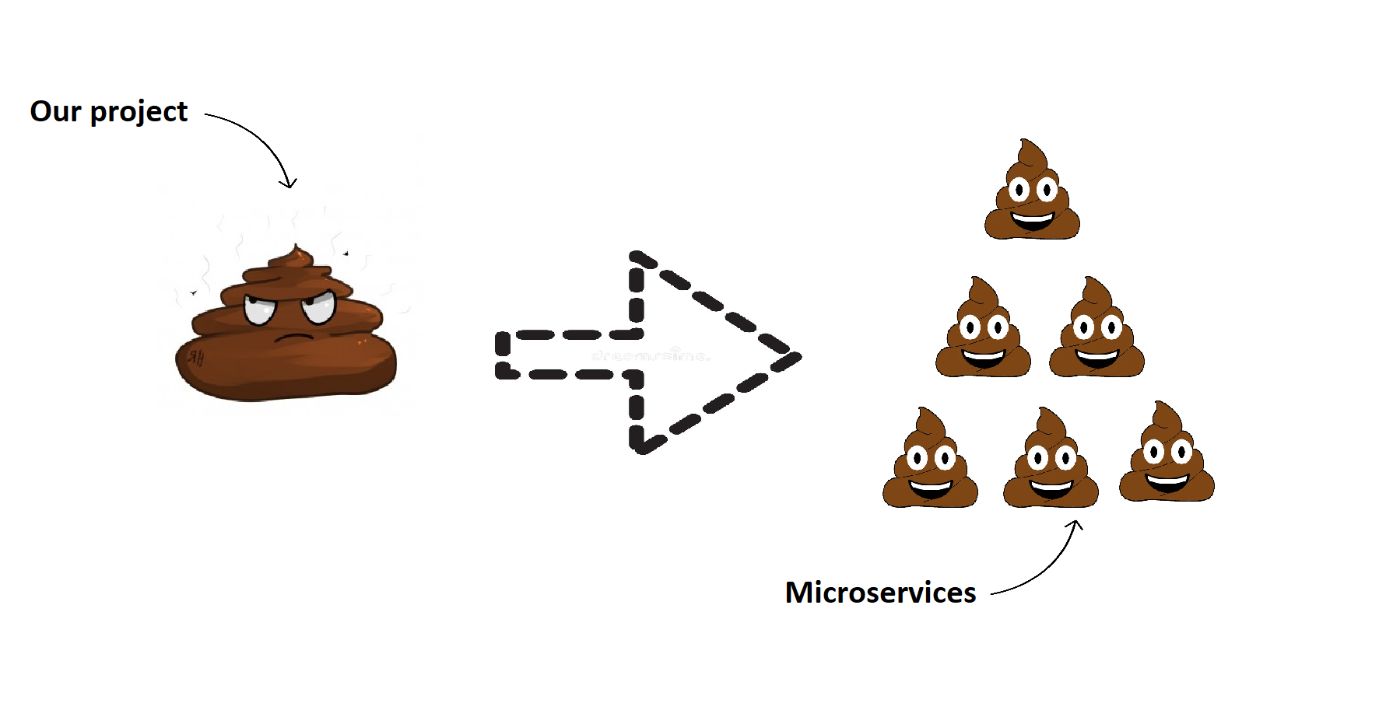 Learn the power of microservice architecture to build modern distributed systems, by decomposing a monolith by transaction, business capability, or subdomain.
6. Scale Your Microservices with an Easy Message Queue on Redis
 If you’re a microservices developer considering communication protocols, choosing an event-driven architecture might just help you rest a little easier at night. With the right design, event-driven architecture can help you to create apps that are decoupled and asynchronous, giving you the major benefits of your app being both performant and easily scalable.
7. A different approach to User Sessions in Microservices
 the most important pieces of data for your whole application is kept in-memory and shared throughout all modules of your application: the user session.
8. Distroless Containers: Hype or True Value?
 The goal
9. Path-Based Routing in Render with Kong API Gateway
 It's good practice to put an API gateway in front of your microservices-backed application. Path-based routing makes this possible when deploying to Render.
10. The Anatomy of an API Gateway in Golang
 Build your own API gateway in Go
11. How to Build Microservices in Nest.JS
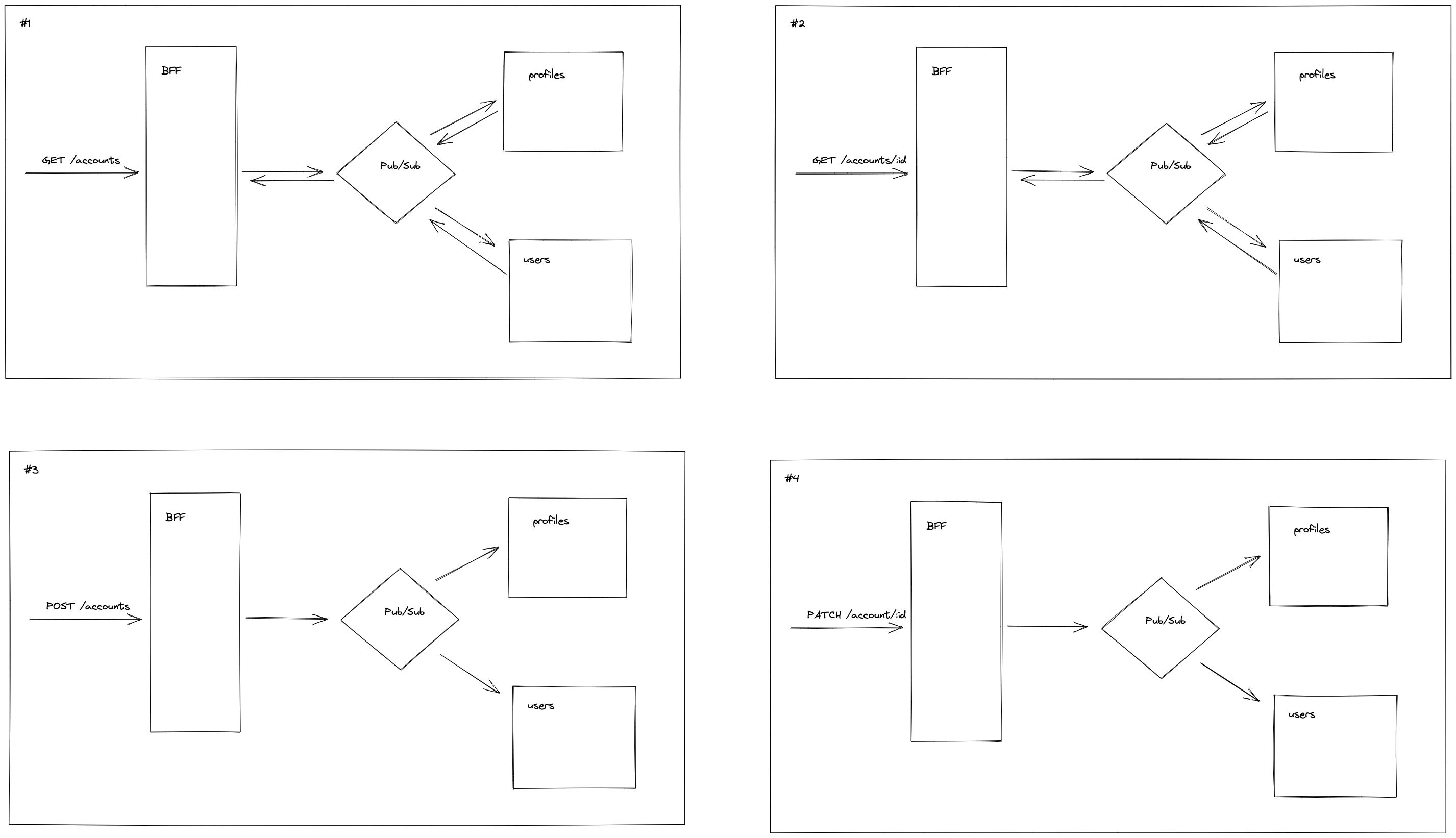 An example that demonstrates using NestJS as a base framework for building lightweight, well-structured and amazing microservices.
12. An Essential Guide to HTTP Clients and Spring Boot Microservices
 This is the best way to implement an HTTP client in your Spring Boot microservice.
13. How to Design a Web Application: Software Architecture 101
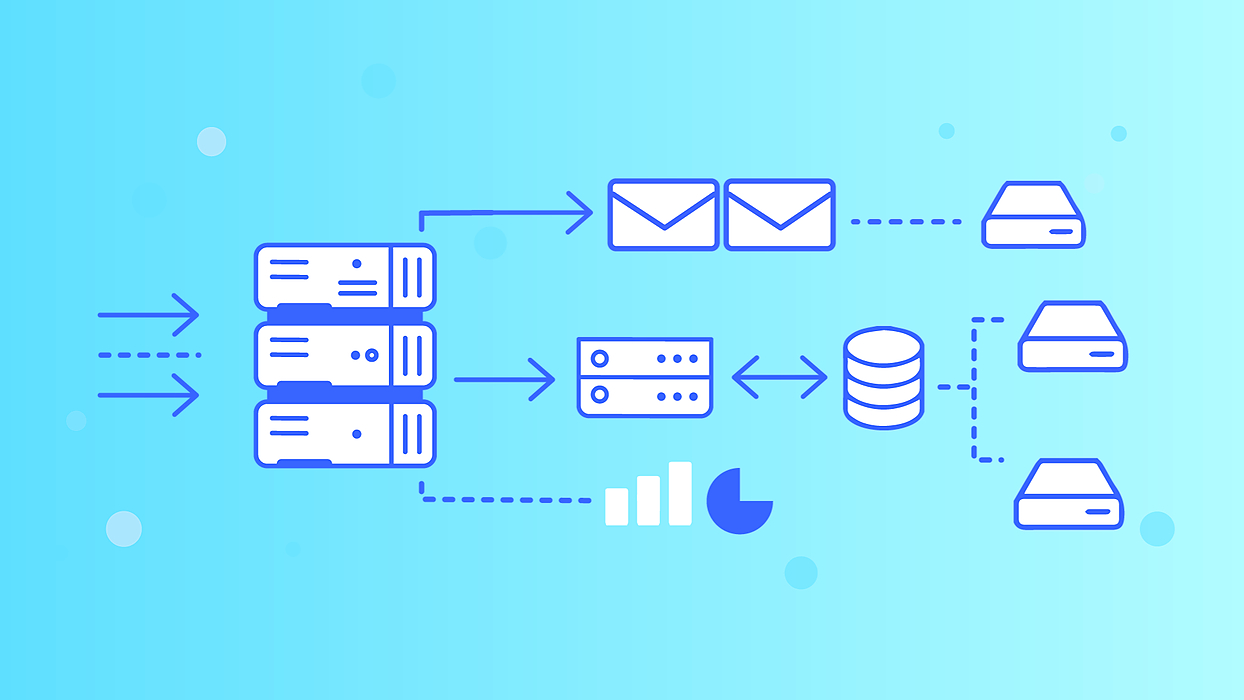 So you’ve embarked on the entrepreneurial journey to build your own web application. You’ve got the idea in place, but the significance of getting the architecture right is extremely important.
14. [Deep Dive] Docker, Kubernetes, and Microservices for Small Teams
 Most of the web apps I build eventually end up needing a background worker. There will be some slow or heavy task that really should run independently, like an integration with a third-party server, a web scraper, PDF creation, something.
15. API Gateway vs Backend for Frontend (BFF): Use Cases, Similarities and Divergencies
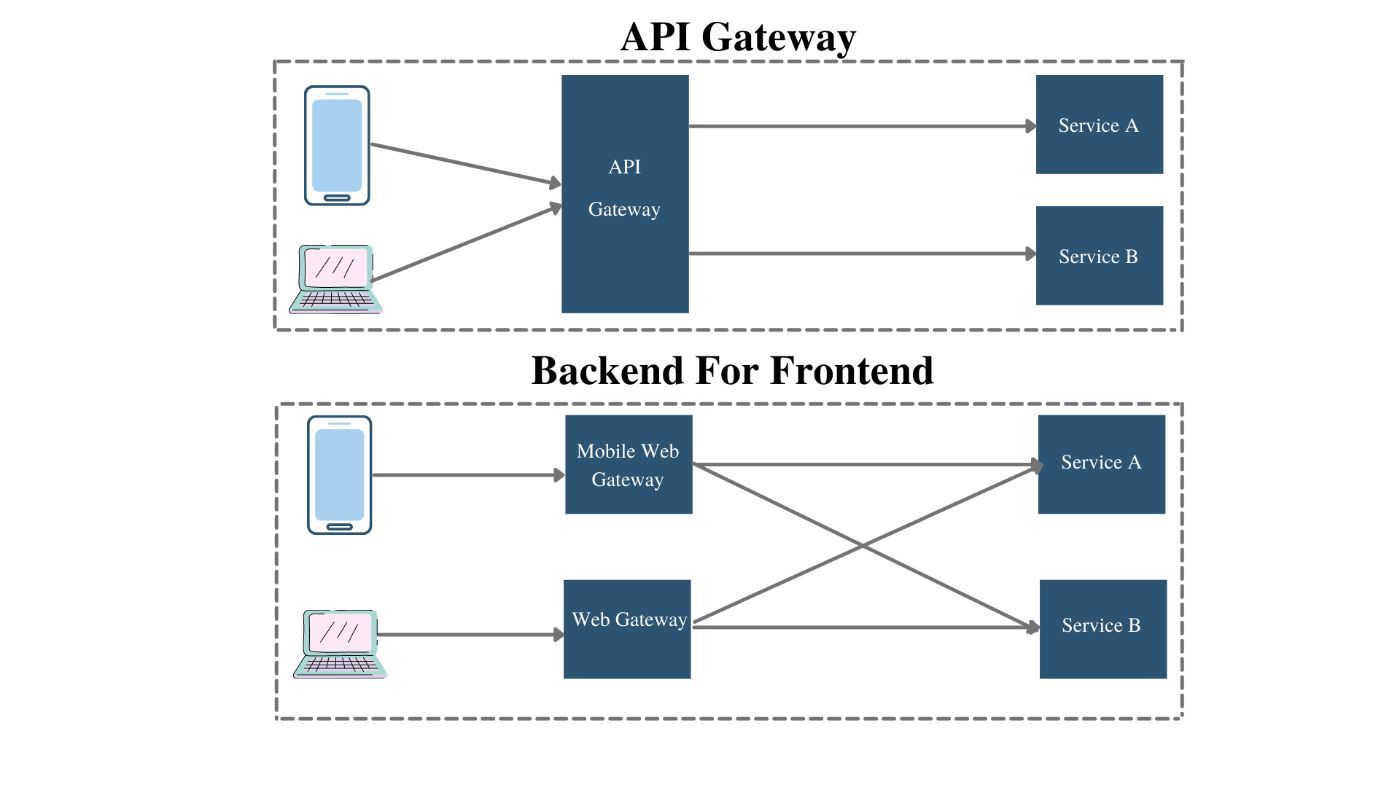 In this article, we are going to see what an API Gateway, BFFs, and how they are used for Client-Server communication in a Microservices architecture.
16. Helm Sub-Charts Demystified: A Guide to Efficient Deployments
 Simplify Microservices Orchestration with a Single Helm Master Chart - One HELM to rule them all !
17. Don't Fall Into the 'Microservices Are Cool' Trap and Know When to Stick to Monolith Instead
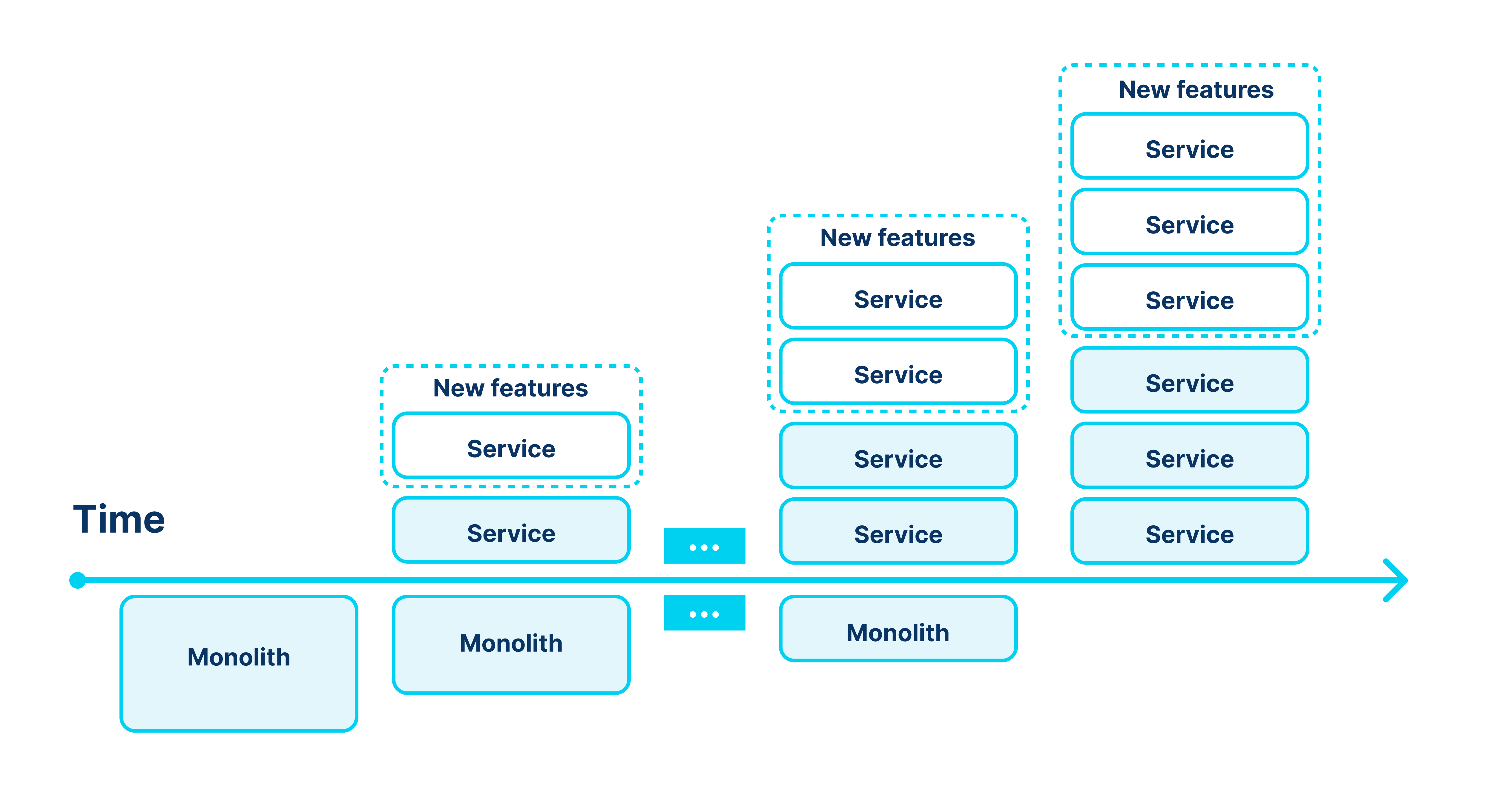 Breaking a monolith into microservices is a significant architectural transformation that requires careful consideration and planning.
18. Choosing a PHP Framework for Microservice Architecture
 Comparison of PHP frameworks and how suitable they are for the microservice architecture
19. How To Orchestrate Event-Driven Microservices
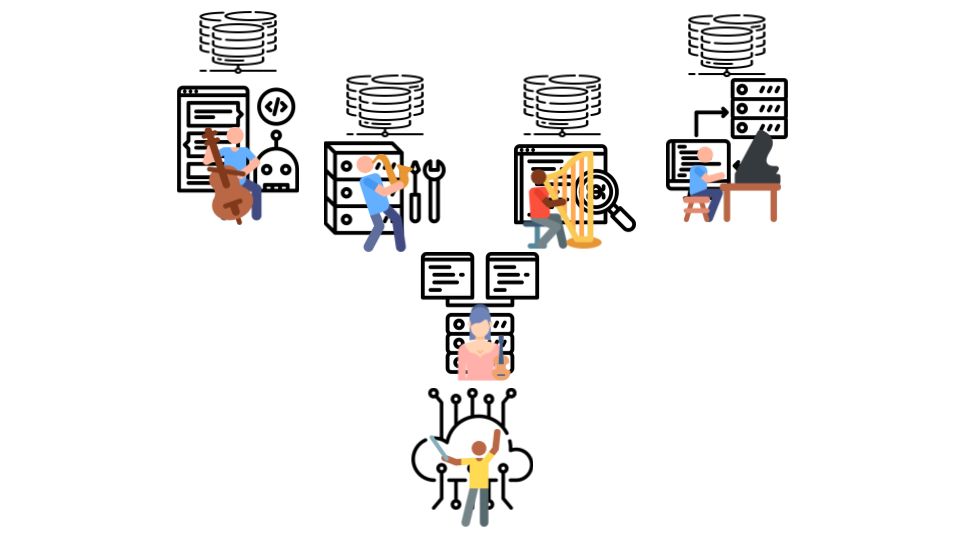 Want to add better visibility and flexibility to your microservies architecture? Read on to find out how adding a Conductor can help!
20. How To Do Unit Testing For Microservices
 The microservices approach of building applications is most suitable when we develop complex applications with diverse functionalities. Since microservices, unlike monolithic architecture, keeps each function independent of the other, it is the most followed technique in modern times for large applications.
21. Practical Microservices Development Patterns: CRUD Vs. CQRS
 There are several patterns out there for handling data in microservices development. The most familiar one being the CRUD pattern.
22. How to Call Multiple Microservices in Parallel
 We can call microservices in parallel, storing results in the form of feature objects in one more list and then combine the result of all features.
23. Event Bus in Microservice Architecture With RabbitMQ and Python
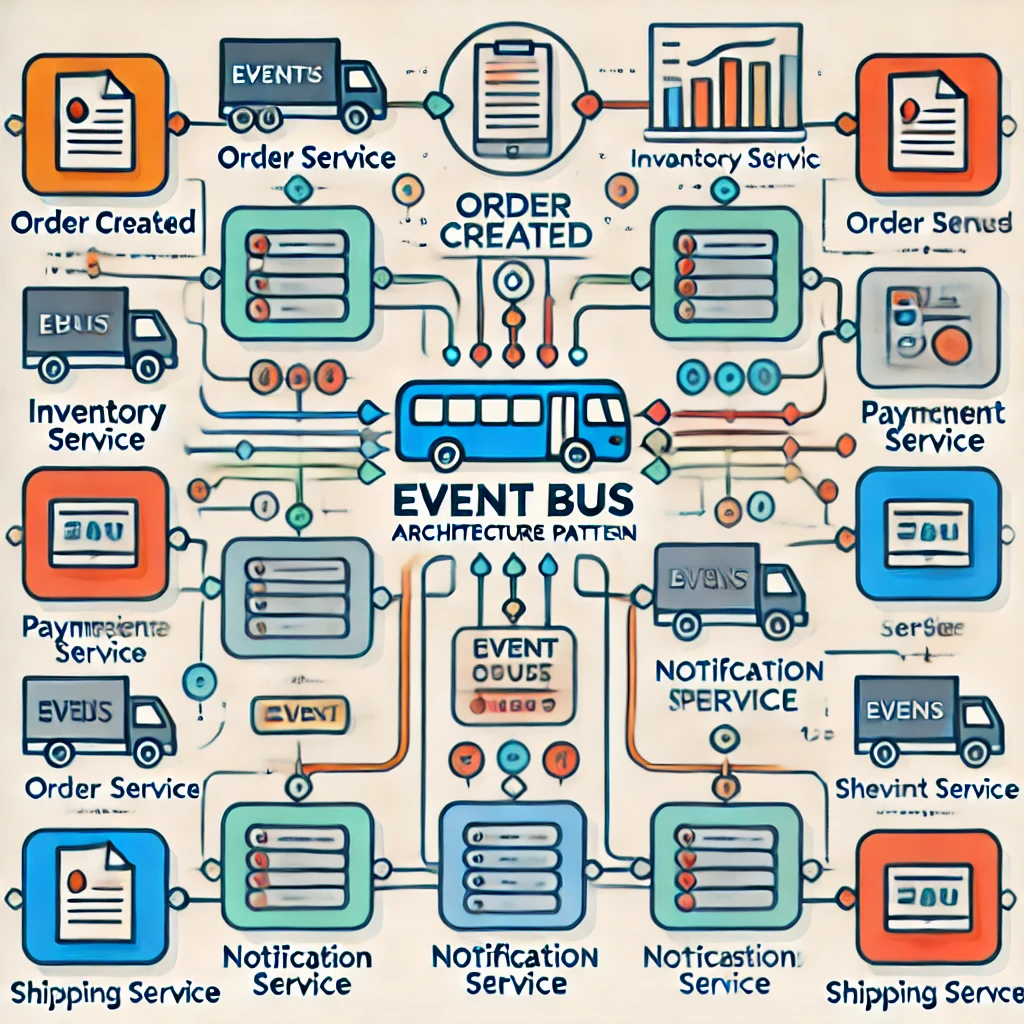 An “Event bus” is a design pattern that enables different parts of a software system to communicate with each other by publishing and subscribing events. Produc
24. Authentication Middleware in Express Gateway using JWT

25. A Guide to Building an AWS Serverless API and CICD Pipeline
 This article demonstrates the development of a Serverless API utilizing AWS services
26. Microservices Communication with the use of Apache Kafka
 The scalability, efficiency, and competitiveness of the product are determined by the strategy used.
27. How Stream Processing Makes Your Event-Driven Architecture Better
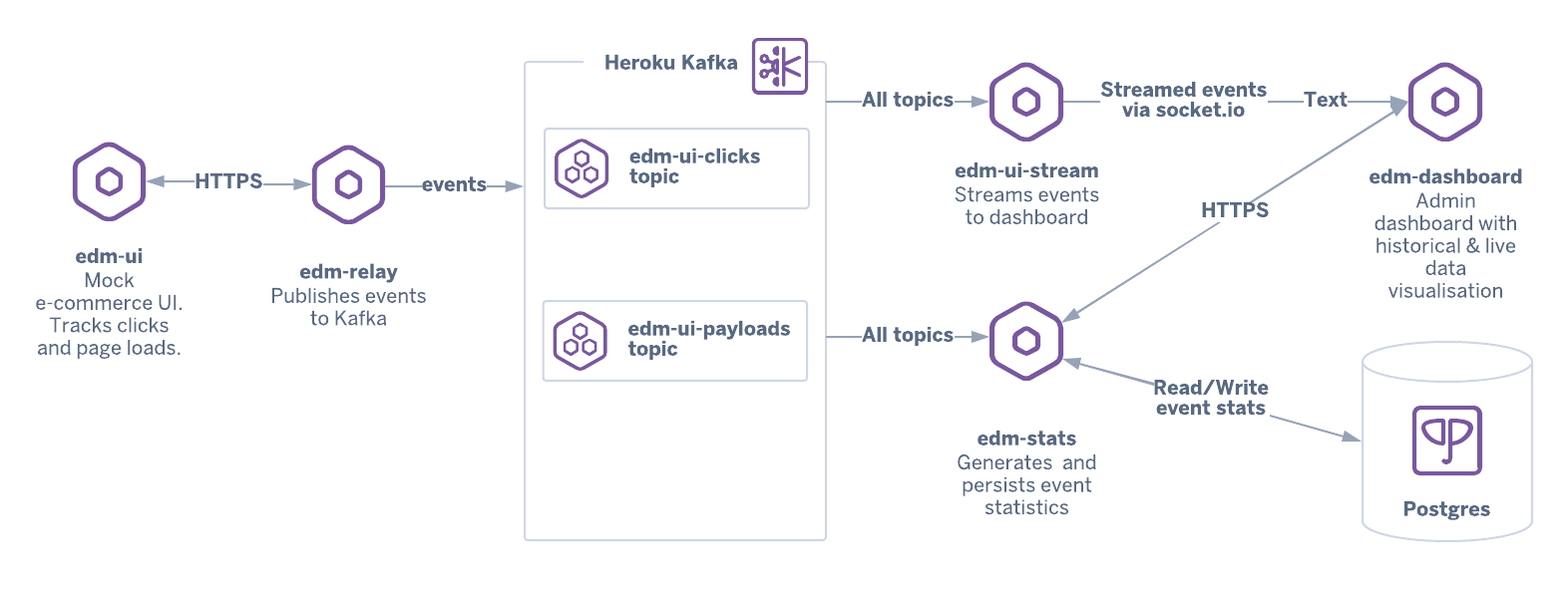 If you’re an architect or developer looking at event-driven architectures, stream processing might be just what you need to make your app faster, more scalable, and more decoupled.
28. The Tradeoff Triangle: Why Microservices Start to Hurt at Scale
 Microservices promise speed and flexibility, but scaling them exposes real tradeoffs.
29. Stateful vs. Stateless Applications in Containerized Environments
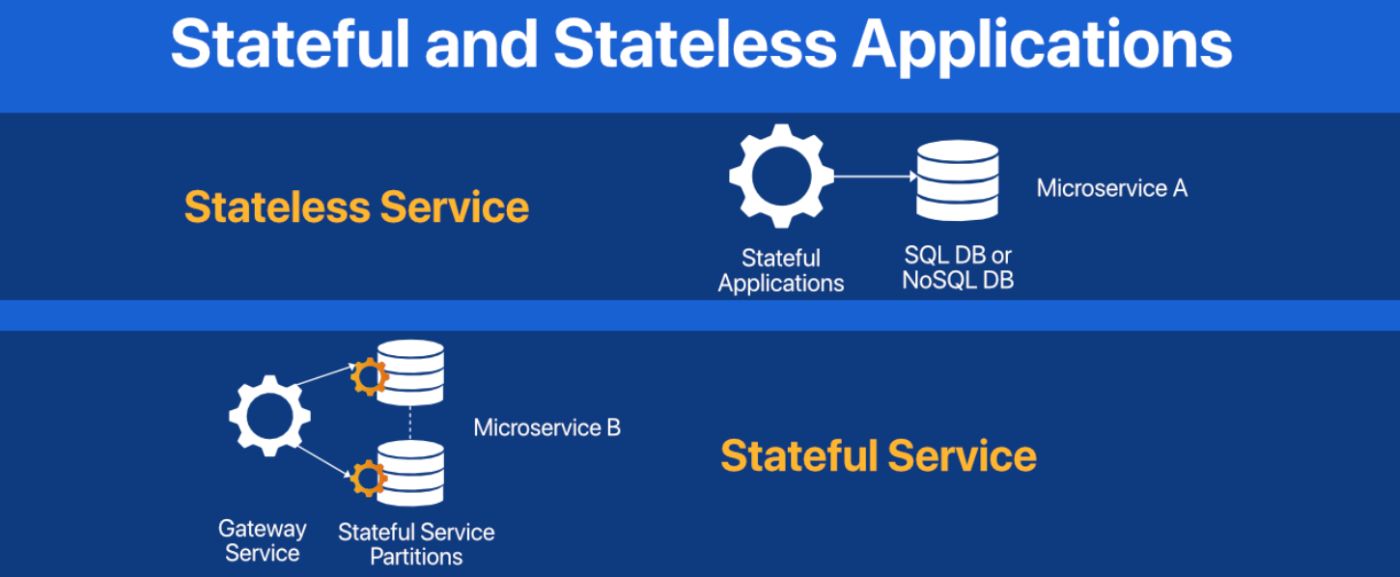 This article focuses on the nuances and distinction between the two fundamental types of applications in containerized environments: stateful and stateless.
30. How to Set up an API Gateway for Your Microservices
 How to deploy a single node Kong API gateway in front of multiple microservices?
31. DONT Use REST for Microservices, OK?

32. AWS ECS vs AWS Lambda Compared
 Comparing cloud services? Read our Lambda vs ECS guide. Consider programming language, pricing, and the benefits.
33. Choosing the Best Protocol: gRPC vs. Apache Thrift
 The choice of communication protocol can significantly impact your applications' performance, scalability, and maintainability.
34. Issues With Setting up Azure Functions with a Service Bus Trigger
 So recently we had a problem. We’ve started building a micro-service based e-commerce platform that communicates using azure service bus. Unfortunately, we found that setting up azure functions with a service bus trigger either ended up with a lot of code to maintain or a lot of deployment pipelines. It was getting to be a pain, so we looked for an alternative which we found with logic apps and a bootstrapper function which I’ll take you through how to implement.
35. MICROSERVICES - PART 1
 Hello Everyone. This will be the first part of my multi-part series which will explain the concept of microservices and how to orchestrate calls between them keeping in mind things like performance, latency and scalability.
36. Building User Service With GRPC, Node.JS, and MongoDB: The Complete Microservice Tutorial — [Part 2]
 Microservices are about decoupling your system. In a monolith, you build all the components of the software in one large codebase and deploy the software at once. But in the microservice world, we build each component of a large system decoupled from each other.
37. Setup a Node.js Application Using PM2
 What is PM2
38. Building a FastAPI OCR Microservice
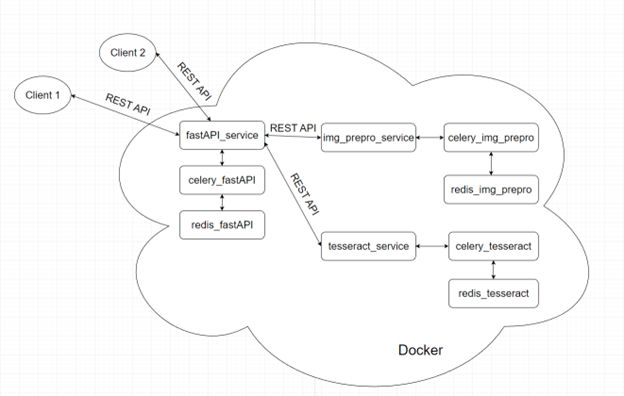 In this article, I will try to explain basic ideas on how to create your own OCR service for free, using python, fastAPI, tesseract, redis, celery and docker.
39. Practical Transaction Handling in Microservice Architecture
 It’s challenging to handle the complexities that come with a distributed system when moving away from a monolith to microservice architecture (MSA). Transaction handling is at the front and center of this issue. A typical database transaction done in a web application using local transactions is now a complicated distributed transaction problem. In this article, we will discuss what causes this, the possible solutions, and the best practices in developing safe transactional software systems using MSA.
40. A Detailed Introduction to Service-Oriented Programming
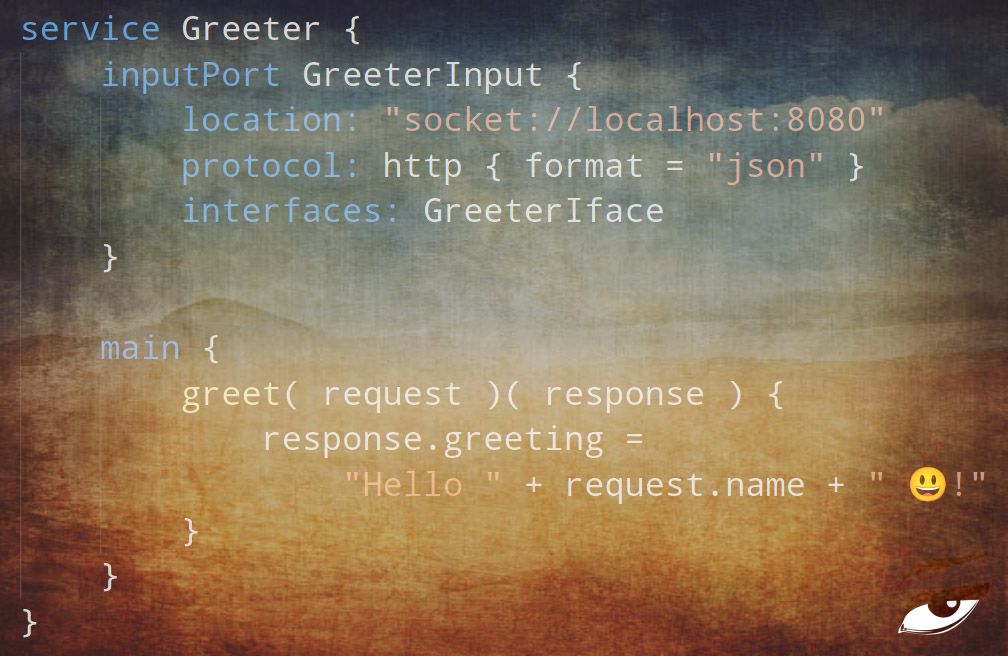 Some principles are emerging for what one might call service-oriented programming languages. The principles are general, so they can help when thinking about code even when operating outside of these languages.
41. We Moved 250 Microservices to Kubernetes With No Downtime
 How to move spring boot microservices cluster to kubernetes
42. Using Kafka & Zookeeper Offsets
 Kafka version 0.9v and above provide the capability to store the topic offsets on the broker directly instead of relying on the Zookeeper.
43. Code Sharing in Microservice Architecture: Creating Your Own Common Library
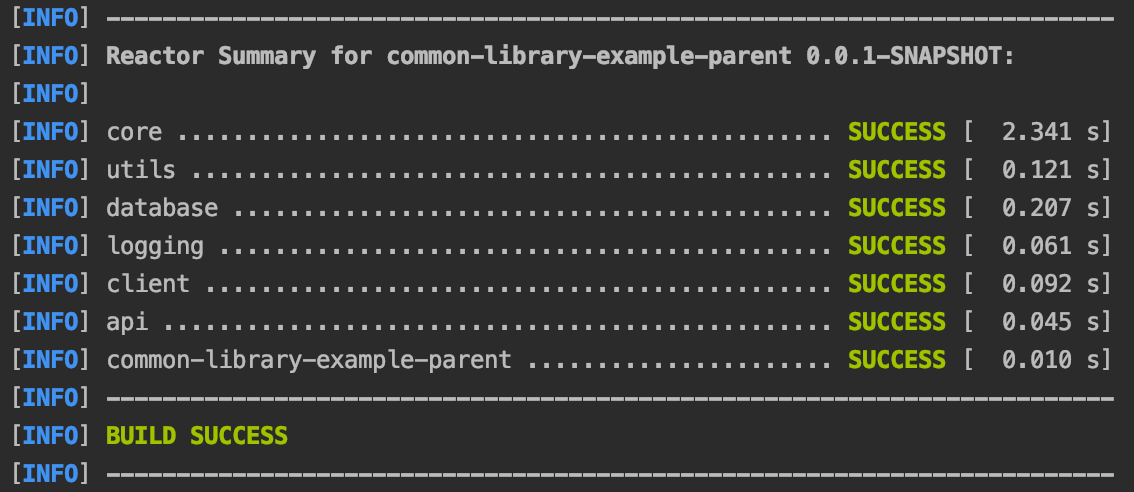 Explore effective methods for code sharing in microservices using comprehensive examples and multi-module libraries for streamlined development.
44. How To Choreograph Event-Driven Microservices
 Don't get trapped in the Death Star! Choreographed microservices have all the benefits of a loosely coupled architecture, and only some of the pitfalls.
45. Rethinking Programming: Network-Aware Type System

46. The Microservices Maestro
 Something I really like about living in the city is the fact that it is made for the masses. Despite its many defects (the rain not being one), Seattle is architected to enable hundreds of thousands of people to go through their busy days. It has a transportation system that interconnects different areas, it mandates different land usage policies for parks, residences, commerces and schools, and it provides restricted parking zones. It is designed for walking (assuming you like hills), it provides easy access to hospitals and it is guarded by police and fire departments.
47. 9 Basic (and Crucial) Tips for Microservices Developers
 If you’re going to work on microservices projects, you need to learn these basic, yet crucial, tips.
48. How to Work With Request Id in .NET Applications
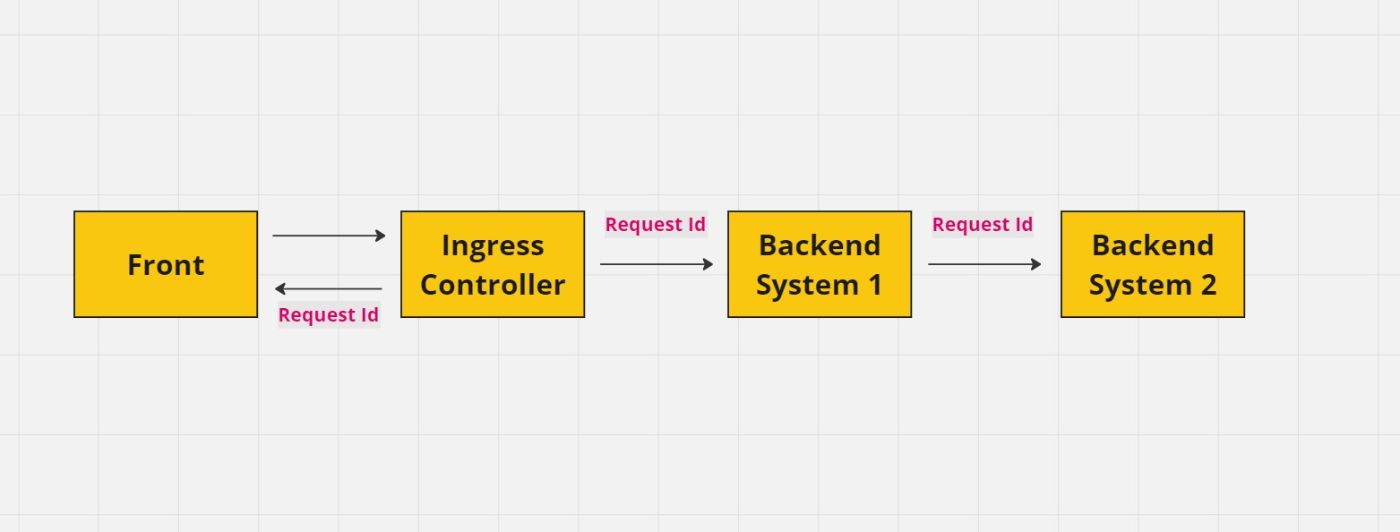 Practice working with Request Id in .Net application. Reading it from a request and translating it into requests to other systems.
49. The Complete Microservice Tutorial: Introduction [Part 1]
 Project Link: https://github.com/Joker666/microservice-demo/
50. The Twelve-Factor App: 12 Best Practices For Microservices
 Summary
51. Serverless NestJS Automation on AWS Lambda
 Your Ultimate Guide to NestJS Deployment on AWS Lambda
52. Complicated patterns aren’t always that complicated. Usually it’s the simple ones that bite you.
 Staring at the maze of interconnected passageways of the microservice system, I immediately recognized the problems.
53. Fluent Parallel Tasks in C#
 Performance is often one of the key focus points when building enterprise software. Many of the systems that we build rely heavily on communications with other systems. When these external communications become slow, then our software becomes slow. Unfortunately, we often have no control over the response time of the services that we depend on. However, we can optimize the way that we communicate with those services in order to ensure maximum performance.
54. Why Implementing Microservices on AWS Is Indispensable to a Modern Architecture for Business Agility
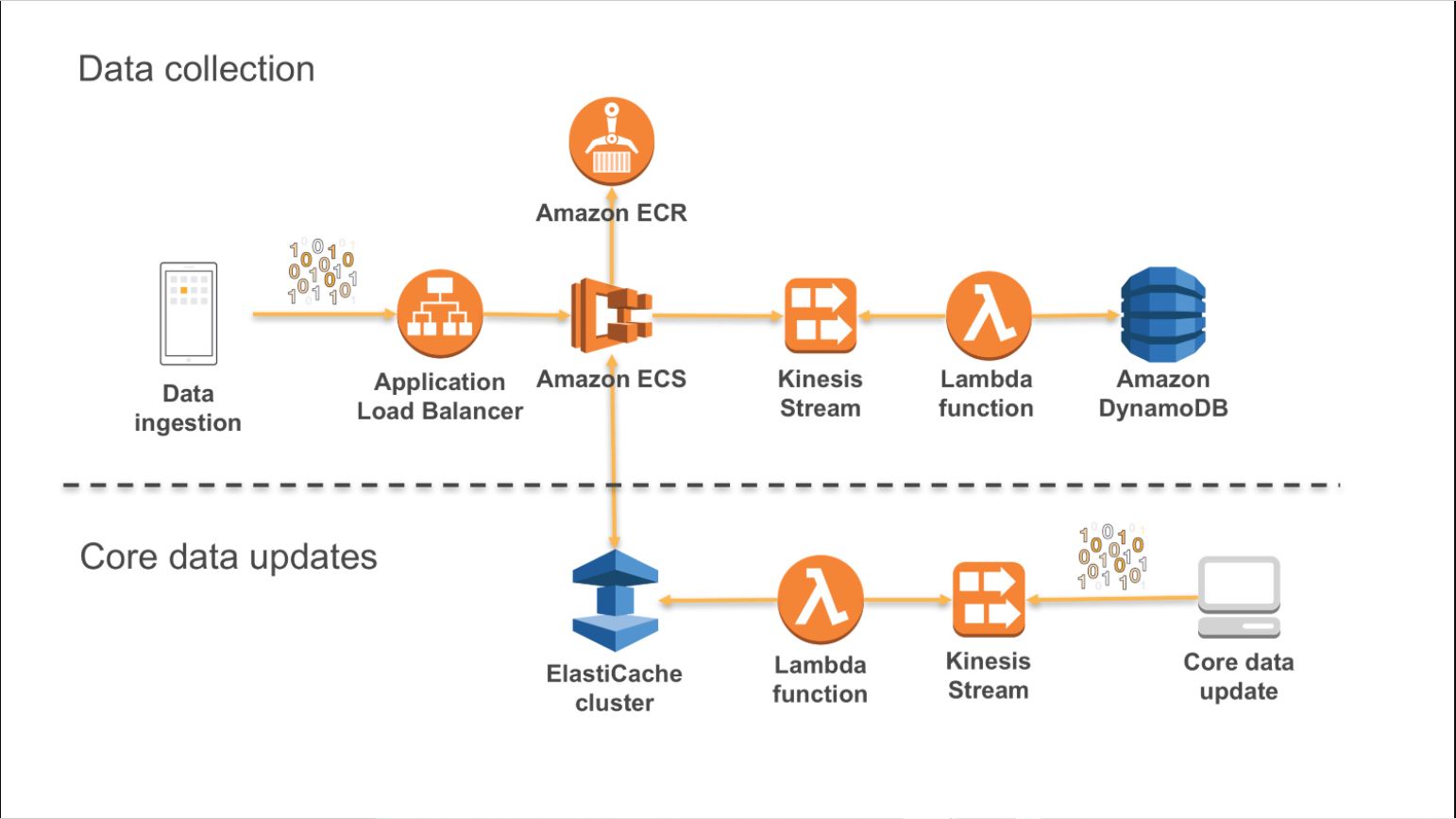 AWS customers build microservices on 3 common patterns: API-driven, event-driven, & data streaming. The blog covers the common characterics of microservices.
55. How To Develop And Deploy Micro-Frontends Using Single-Spa Framework
 Micro-frontends are the future of frontend web development. Inspired by microservices, which allow you to break up your backend into smaller pieces, micro-frontends allow you to build, test, and deploy pieces of your frontend app independently of each other. Depending on the micro-frontend framework you choose, you can even have multiple micro-frontend apps — written in React, Angular, Vue, or anything else — coexisting peacefully together in the same larger app!
56. How Netflix works: the (Hugely Simplified) Complex Stuff that Happens Every Time You Hit Play
 Not long ago, House of Cards came back for the fifth season, finally ending a long wait for binge watchers across the world who are interested in an American politician’s ruthless ascendance to presidency. For them, kicking off a marathon is as simple as reaching out for your device or remote, opening the Netflix app and hitting Play. Simple, fast and instantly gratifying.
57. How to Build a GraphQL Data Layer for REST Microservices
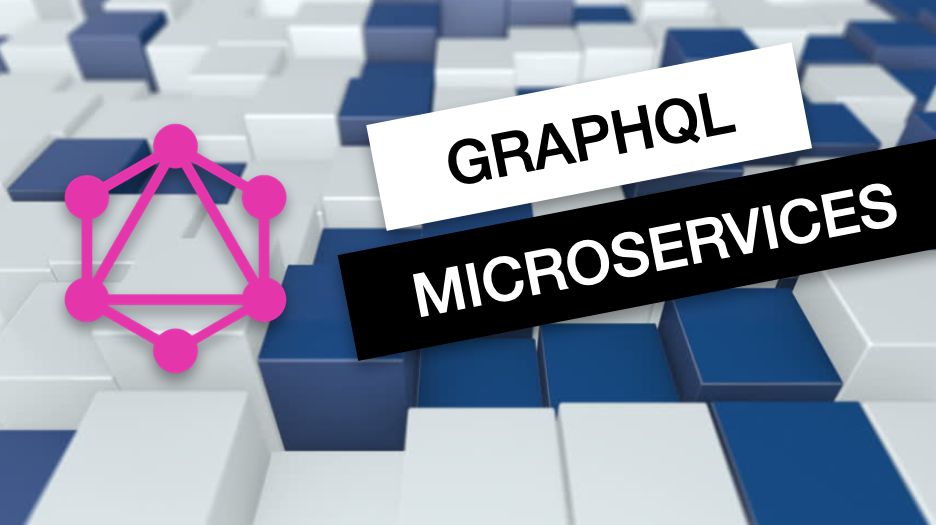 GraphQL is a great technology for REST microservices. Learn how to create a data layer for microservices, without writing any code!
58. Building Java Microservices from Scratch
 Today, microservices architecture is a common approach to building a system. In this article, I will show you how to build microservices using Java and Spring.
59. Reverse Proxying — the Backbone of Microservices Architecture
 Understand how reverse proxies powers almost every service that we use today from monolith to microservices. It is a vital piece of 21st century infrastructure!
60. Data Access for Microservices
 If you want to access data in a distributed environment such as in a microservice architecture, then data services are the way to go. The idea is to create a data abstraction layer (DAL) that the rest of the system’s applications and services can share. Thus, a data service gives you a generalized interface to the data you’re exposing and provides access to it in a standard manner. This would be in a well-understood protocol and a known data format. For example, a popular approach is to use JSON via HTTP/S.
61. "Unless you’ve been developing software in a cave"
 In this article, we’ll look at some microservices best practices and suggest a few proven ways to help with your microservices architecture.
62. Microservice.add(observability) != Microservice.add(monitoring)
 You are reading this content, which means that you are not novice to the microservices field. So let me just scratch the surface of it before moving to Observable Microservices. Once upon a time Monolith Application was now transformed into Microservices based application.
63. Building Microservice Architecture With ASP.NET Core
 In this article, we provide you with an introduction to designing and maintaining microservices-based applications using ASP.NET Core.
64. 300 Scholarships Up For Grabs at The School of Cloud Computing Courtesy Udacity and SUSE
 Apply today for Udacity’s SUSE Cloud Native Foundations Scholarship program and learn the skills you need to become a cloud native developer.
65. How To Start Using Microservices
 Microservices are completely disrupting the way we build applications nowadays. This is one of the hottest trends when it comes to software architecture. More and more developers are adopting it.
66. How to Execute a Scheduled Task in Keycloak on Startup
 In this article, we will look at how to execute a scheduled task in Keycloak on startup using a Kafka consumer as an example.
67. Why Micro Frontends Are the Future of Frontend Development
 Microservices have helped the backend world to divide backends into smaller, more manageable, and more efficient pieces.
68. Five Book Recommendations For Serverless Developers
 Five books you must read if you are going serverless including books by Eric Evans, Richard Rodger, Chris Richardson, and more.
69. Round Robin in Distributed Systems
 An in-detail tutorial on how to use round robin for load balancing in distributed systems
70. Open Source Blockchain Microservices To Help You Build Your Own
 The CEO of Koinos Group explains how Koinos is designed to support an experimental and iterative product development process like the Lean Startup
71. Serverless Vs Microservices Architecture - A Deep Dive
 Companies need to be thinking long-term before even starting a software development project. These needs are solved at the level of architecture: business owners want to assure agility, scalability, and performance.
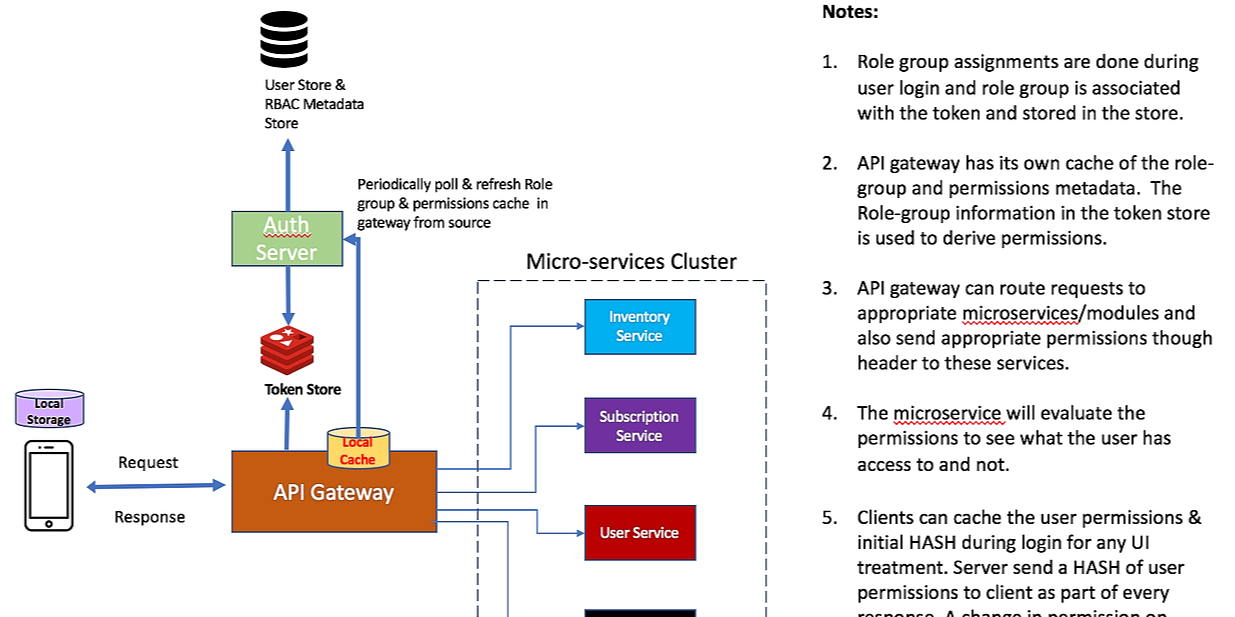
72. 5 Tips for Creating Docker Images with Spring Boot
 Keep up with the latest and best practices to build spring boot docker images.
73. Dependency Management in Microservice Architecture: Creating Your Own Parent POM
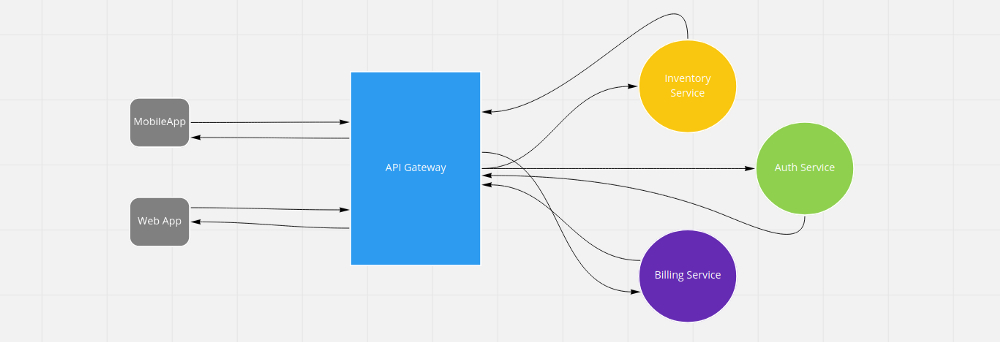
 Simplify version management in microservices with a custom parent POM, ensuring consistent library versions across projects.
74. 5 Books to Learn Microservices in Java with Spring Boot and Spring Cloud

75. Building Resilient Systems With Retry Patterns
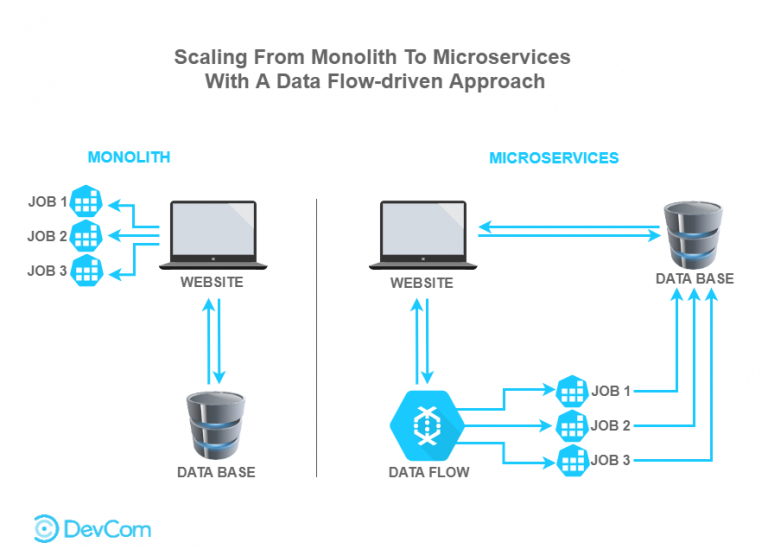
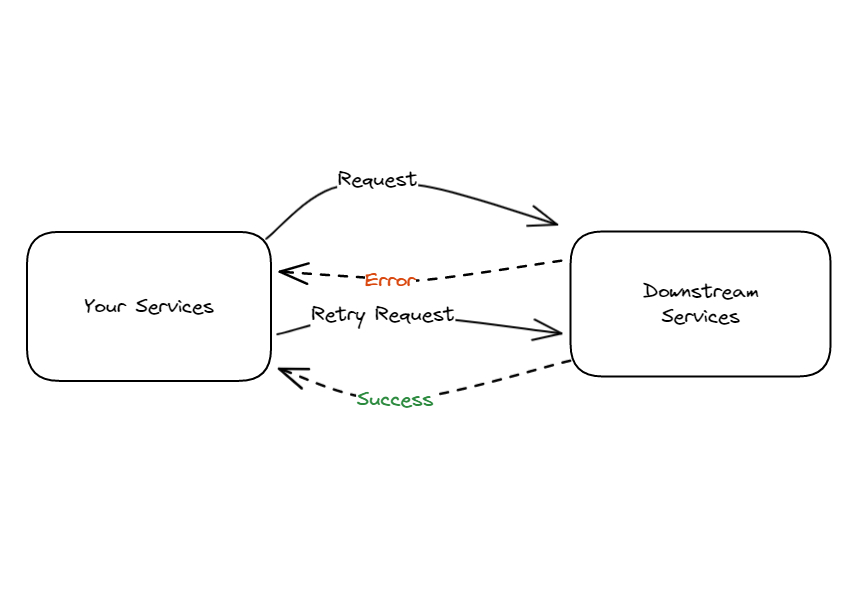 This is an article about designing a retry mechanism for reliable systems. It discusses what retry patterns are and why they are needed.
76. Kong Plugins as Microservices: Writing a Single-Plugin Server for Kong in Go
 Many developers and DevOps engineers have been deploying Kong Gateway in front of their microservices-based applications.
77. The State of Containers in 2020
 Containerization has come a long way and containers have completely revolutionized the way companies build, test, package and deliver software today. Containers are good for packaging any software. Big or small. Microservices are great candidates to be packaged and delivered with container images. With Microservices architecture, the large monolith is decoupled into several mini services that work independently.
78. Protobuf Under the Hood: How Serialization and Deserialization Work in Go
 Protocol Buffers (Protobuf) is a fast, efficient, and language-agnostic data serialization mechanism.
79. Microsoft's DAPR (Distributed Application Runtime): An Overview
 Discover the powerful capabilities of Dapr by implementing a sample application with microservices leveraging the actor model to foster its strengths.
80. Access API Running on Localhost From The Internet without Tunneling
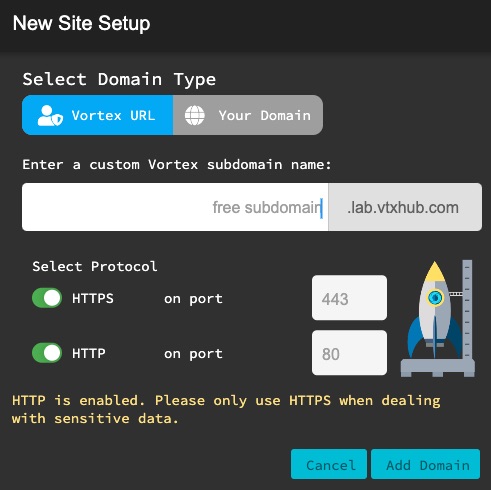 Tunnels allow a dev to easily bypass NAT and firewall restrictions... but what is the tradeoff? Anything behind the firewall is now exposed to the internet
81. Getting to Know gRPC
 Need a quick beginner's guide to gRPC? What is it? How do you set up a client and server, and make an RPC call? All your answers are here!
82. Event-Driven Architecture: Automatic DTO Generation From Event Documentation
 In this article, I would like to tell you how I solved the following task, namely the generation of DTOs using the JSON documentation that springwolf generates.
83. Secure Microservices with Kong and Ory
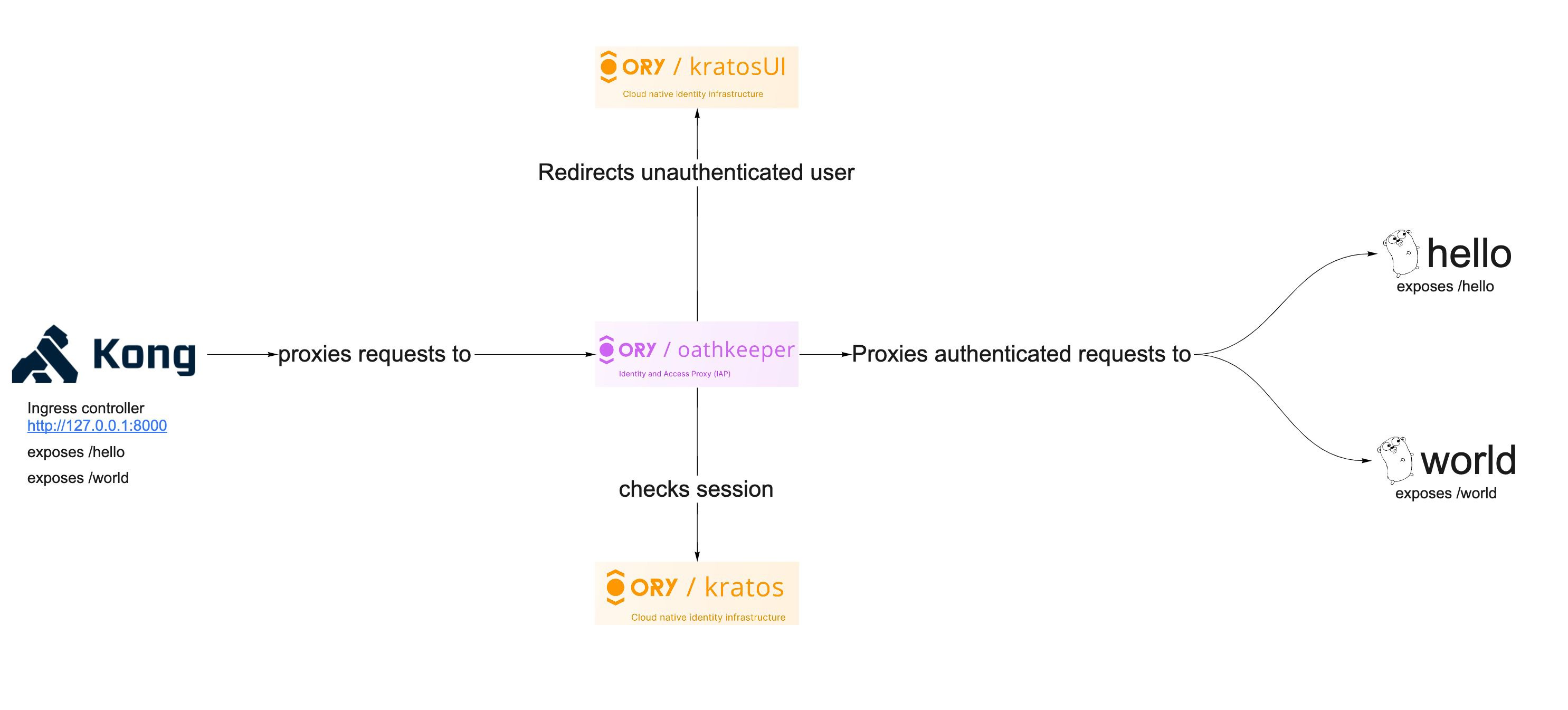 Microservice architecture is nowadays almost a standard for backend development. An API gateway is an excellent way to connect a group of microservices
84. Mastering the Singleton Design Pattern in APIs: When to Use and When to Avoid
 The Singleton Design Pattern in Python can be a powerful tool for managing shared resources and ensuring only one instance of a class exists. However, it's impo
85. Simple Framework To Document Microservices And A Bonus Tool 🚀
 Over the years of working with microservices, we discovered key points that you have to keep track of in order to maintain good ...
86. Circuit Breakers in Microservices
 The circuit breaker is a design pattern, used extensively in distributed systems to prevent cascading failures. In this post, we’ll go through the problem of cascading failures and go over how the circuit breaker pattern is used.
87. Custom Annotation-Based Authorization and Headers Propagation in Spring Boot microservices
 Custom annotation-based authorization and headers propagation in Spring Boot
88. Kafdrop
 Open-Source Web UI for Apache Kafka
89. Microservices Deserve Modern Programming Platforms: Java May Not be the Best Option
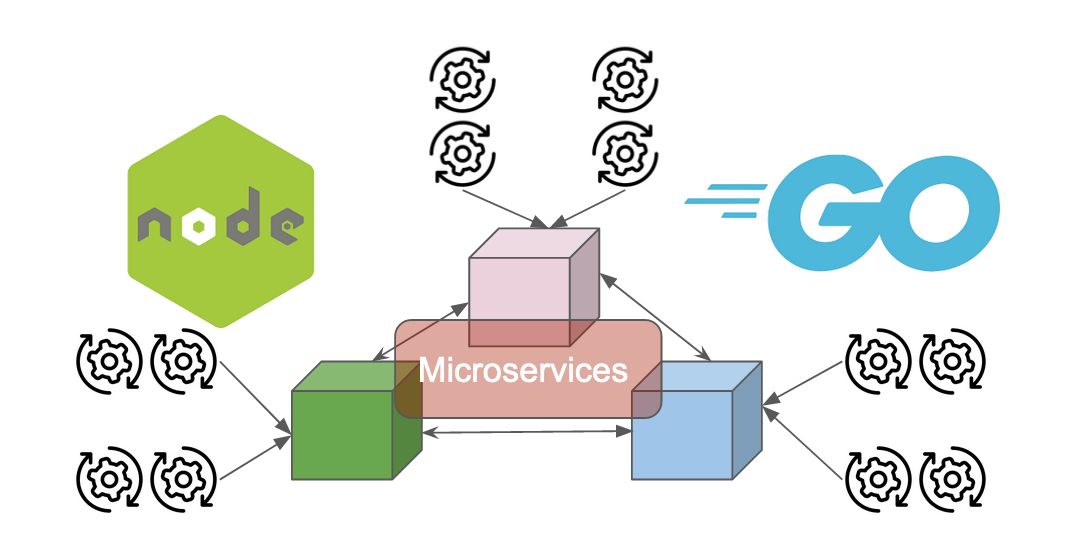 Microservices are very popular today, even in traditional corporate IT shops. Often though they are implemented using languages, such as Java, born in the early ’90s and designed for a world of monolithic applications. Do you remember the big old Application Servers?
90. Microservices and Frameworks, All You Need to Know
 We will look at the benefits of developing in microservices, the concept of frameworks and why you should consider them, and more.
91. Let's Go! 5 Use Cases When You Need Golang for Your Tech Project
 Reveal why there is hype around Golang and describe the best application variants for this programming language as well as cases when Go is not the best choice.
92. What is OSGi? - An Intro to The Open Service Gateway Initiative
 Have you ever wondered “What OSGi is?”. OSGi stands for Open Service Gateway Initiative, which is a Java framework for developing and deploying modular software
93. 3 Top Resources To Learn About Apache Kafka
 Top 3 books and tutorials on Apache Kafka
94. ‘Security’ in Cloud-Native: Everything You Ever Want To Know

95. Basic Guide To Building Microservices With MongoDB, NodeJs, And Express
 Most of us have gone through tough times where you have a large scale application which has a bunch of features, API integrations, database connections, etc. New features and updates get released, and of course you need to fix the bugs and maintain the code.
96. Monolithic vs Microservice Architecture: All You Need To Know
 The problem that enormous scale venture applications a work in progress bring to the table of programming designers was excessively. There was no arrangement at all to this issue that is the reason an alternate building style was required. Henceforth the expression "microservices" appeared after the economical advancement in distributed computing space, it was first utilized by Dr Peter Rogers in a meeting on distributed computing in 2005.
97. Microservices: Is It Worth the Trouble?
 Microservices are not a silver bullet. They’re useful for huge projects and teams — but the monolith is not obsolete and is not technical debt by default.
98. How To Use OpenTelemetry And Jaeger To Implement Distributed Tracing And APM
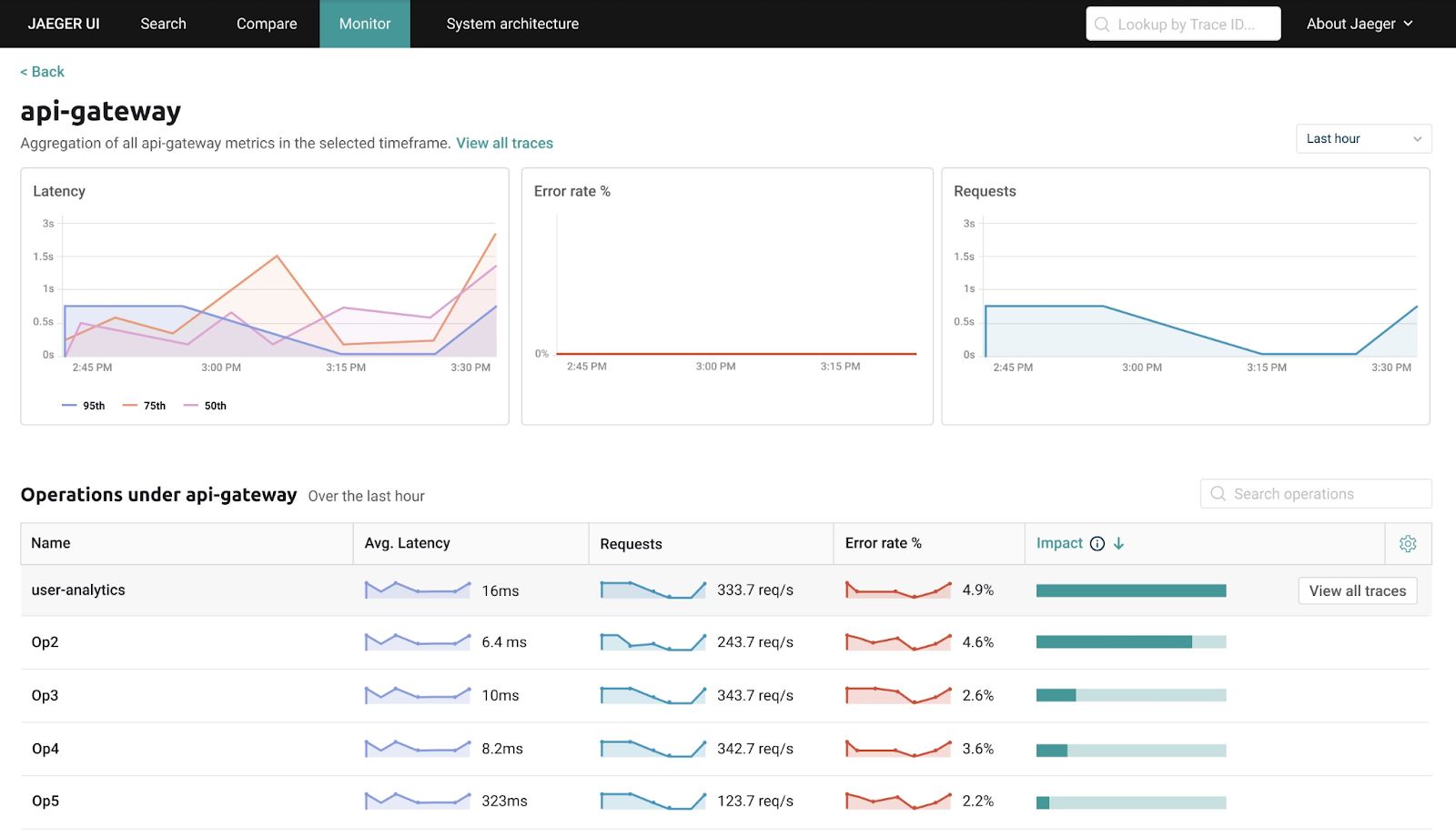 Recent open source contributions to Jaeger and OpenTelemetry pave the way for APM capabilities based on distributed tracing and CNCF stack
99. 7 Best Java EE Courses for Beginners
 Hello guys, If you are a Java developer or someone who wants to learn Java EE for web development and looking for some courses to kickstart your learning, then you have come to the right place.
100. Monolith to Microservices: Build Your First Microservice App With Spring Boot
 Microservices are a part of cloud computing which will become more important over time. This is how to create microservices using Spring Boot for the process.
101. The 12 Factor App: Principles Every Cloud Developer Should Know
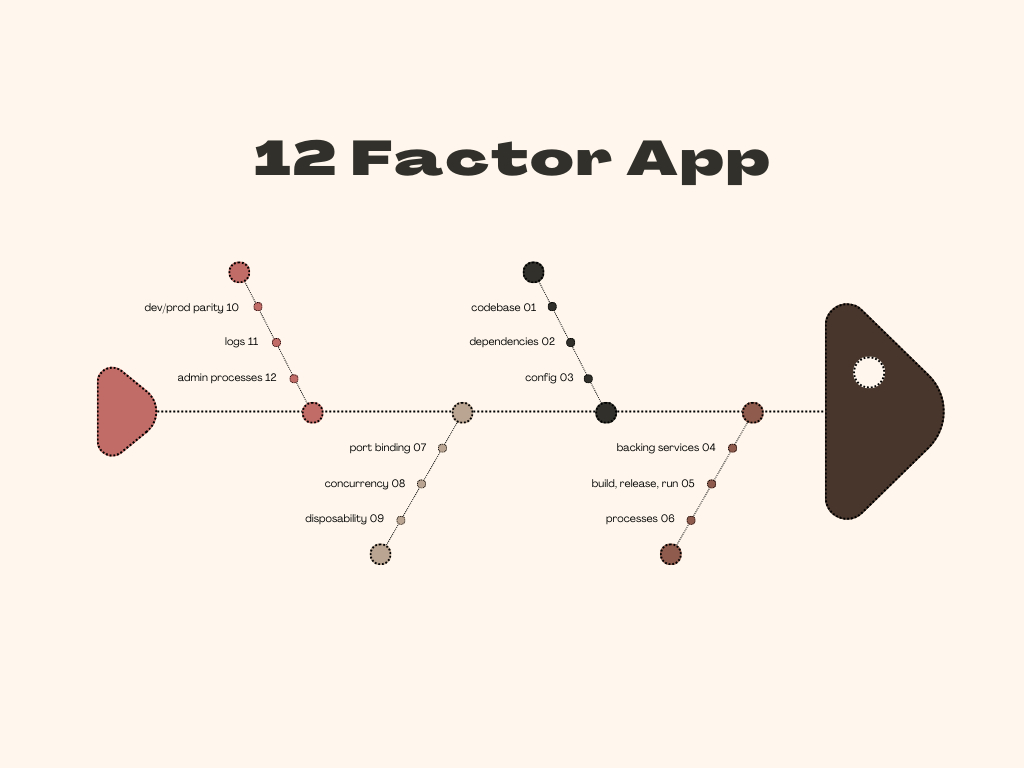 12-Factor guides devs, Moving away from monolithic beasts towards agile, microservices has been a game-changer for our development and deployment processes.
102. How to Implement the Decorator Pattern in Microservices
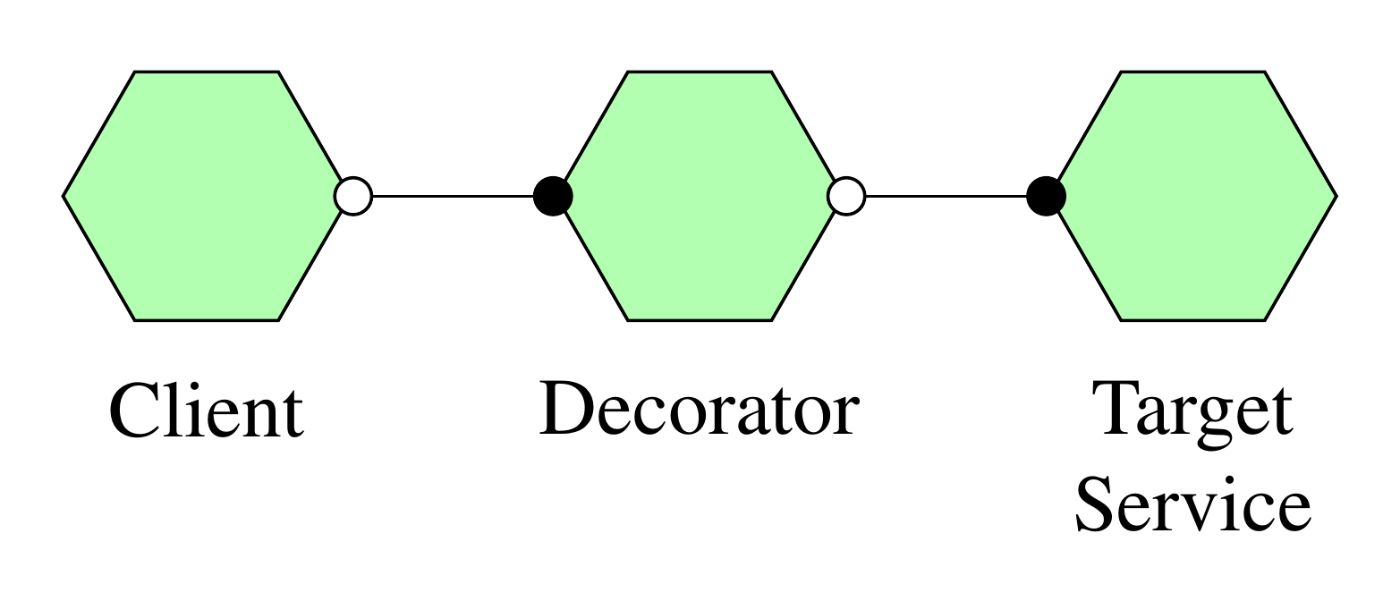 The Decorator pattern is a great fit for modifying the behaviour of a microservice. Native language support can help with applying it quickly and modularly.
103. The Challenges of Modern Observability
 It’s tough, impossible, to get a holistic view of your entire application when it’s running on 200 pods deployed to 12 nodes distributed across the world.
104. How to Build a Secure REST API with OpenID Connect
 In this article, we’ll take a look at building a secured REST API by integrating with Okta as the identity provider via OpenID Connect (OIDC). This article is based on the DZone article Building a Java REST API with Quarkus, which explains how to create a Java REST API with Quarkus and Okta. We will be implementing a similar scenario here by using Ballerinalang, and show how it’s simpler and more straightforward to implement compared to our Java counterpart.
105. Rethinking Programming: Making Sequence Diagrams Cool Again
 Introduction
106. A Guide to Building Observability for Microservices
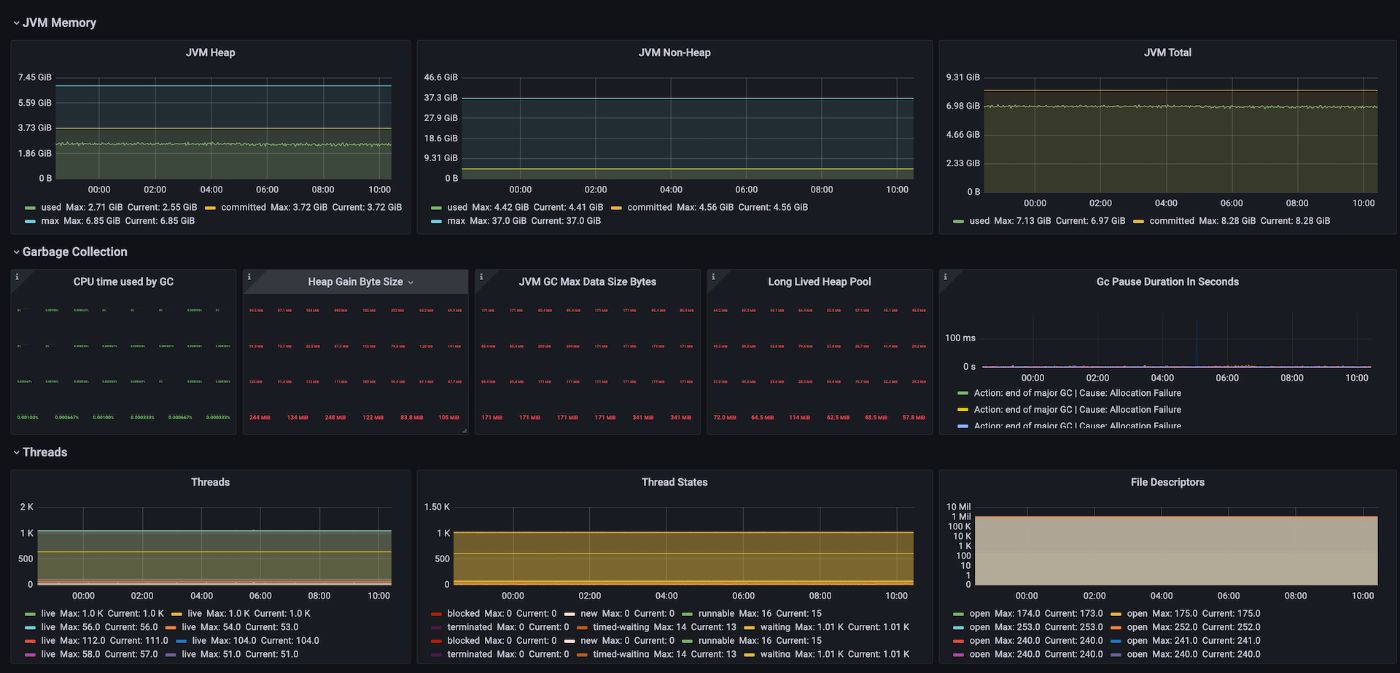 Enhancing the efficiency and reliability of microservices by setting up observability using Prometheus, Grafana.
107. Monitor Your Kubernetes Cluster Events With EventRouter, Golang, and Kafka
 In this article, I will show you how to build such a pipeline for processing and storing Kubernetes cluster events.
108. gRPC-Secret: Mastering Deadlines, Timeouts, and Custom Contexts
 gRPC is an open-source remote procedure call (RPC) framework. It enables efficient and scalable communication between services.
109. Microservices Wars: Spring Boot Vs. Ballerina
 Microservices is an architectural style used for creating applications made of individual fine-grained services, which encourages functional decoupling, re-usability, and scalability. This is becoming increasingly popular compared to the monolithic applications we generally build. Monoliths generally lack the flexibility given by microservices in separating out functional components to have their own independent development teams, lifecycles, and deployment.
110. The Adoption of Microservices Architecture for Cloud-Native Applications
 In this article, we've explored the world of microservices and native applications as well as how Docker can be used to build, run, and deploy them
111. How to Authenticate REST Services with OAuth2
 There are a few dependencies and considerations one should account for when getting a system with REST services authenticated with an OAuth2 Client for Java
112. 5 Open Source Tools for Microservices Developers on Kubernetes
 Kubernetes has become the de facto standard for running multi-container applications (aka microservices). Kubernetes has powerful features for container scheduling, service discovery, load balancing, and more. But what about developers who are developing software on Kubernetes? Here’s a list of five handy tools for developers building applications with Kubernetes, with a couple tips on using them.
113. How to Use AWS Lambda Authorizer for Flexible and Scalable Web Service Authorization
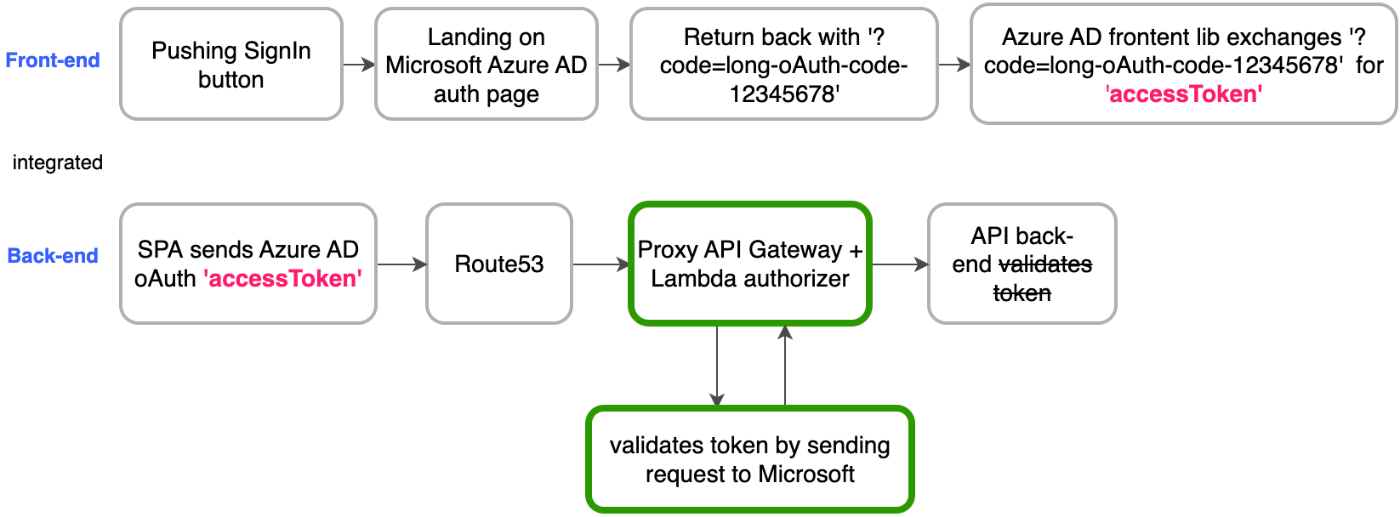 On one of the projects I worked on, there were 8 services that used Auth0 for front-end authentication and a rotated static token for back-end authentication.
114. How I Built a Spring Boot Application that Handles Requests for a Telegram Bot
 I chose Spring Cloud for the architecture of my Kotlin pet project and it was right. What conclusions have I drawn?
115. Musings On Software Architecture: Monoliths to Microservices
 I've been planning some of my personal projects lately and this subject kind of caught my mind. I've seen so much hype about microservices, that I need to put my thoughts into perspective... I know that microservices is a very valid architectural model and perhaps an inevitable stage of cloud software development once it scales…
116. What We Learned By Dockerizing Our Applications
 A universal truth we’ve experienced as both an IT software vendor and as an application delivery team is that application owners are constantly trying to deliver better software faster.
117. Introduction To Distributed Tracing Pattern
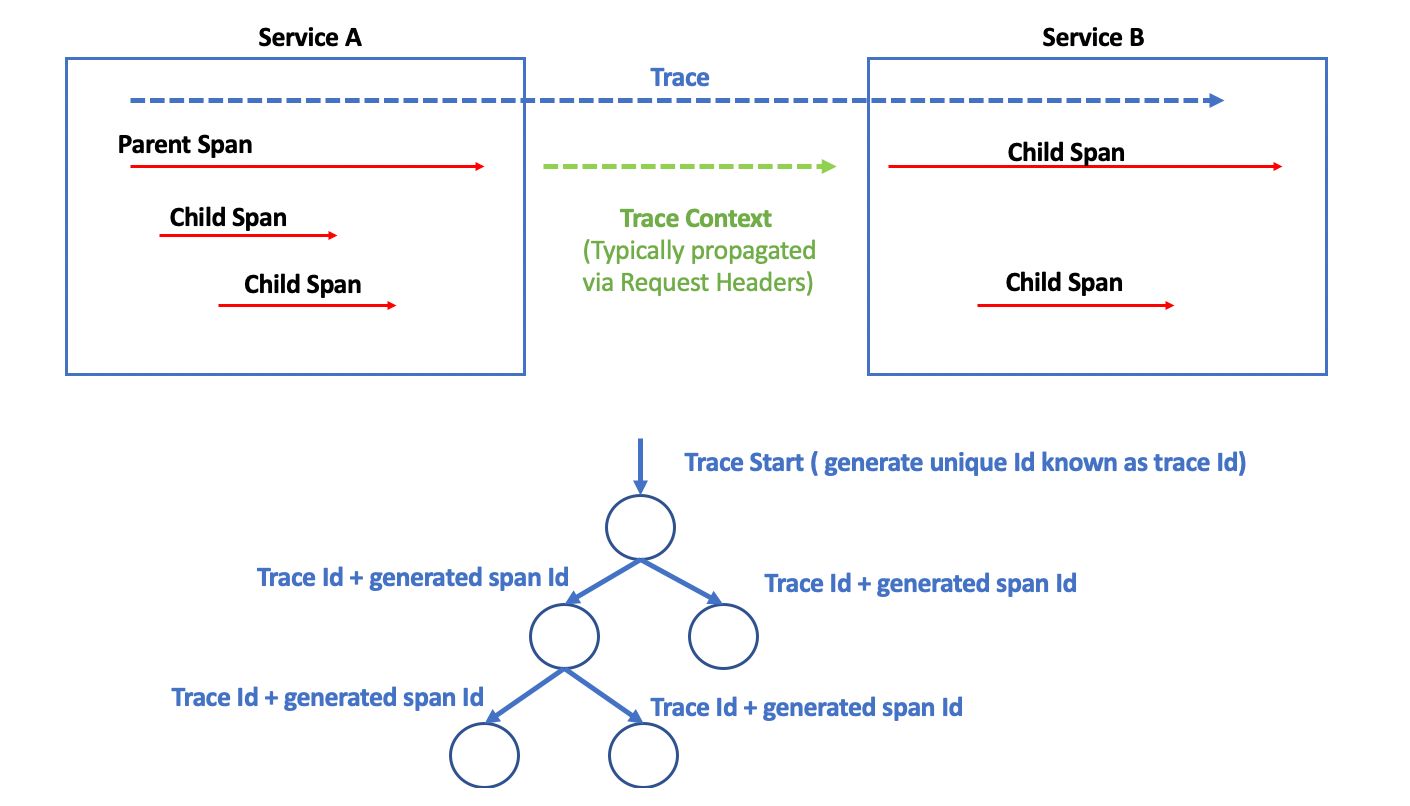 A distributed architecture brings in several challenges when it comes to operability and monitoring. Here, one may be dealing with tens if not hundreds of microservices, each of which may or may not have been built by the same team.
118. Everything You Need to Know About AWS DynamoDB
 AWS DynamoDB changed the database game in Serverless and continues to do so, as its design repeatedly proves its huge value.
119. Why API Management and Service Mesh Are Complementary Patterns for Different Use Cases
 Insights into the Differences Between API Gateways and Service Mesh
120. I Just Want to See It Work: Kafka Stream, C# Producer and Consumer
 A quick start for running Kafka in docker container, and a working example of a producer and a consumer in C# .NET
121. How a Unicorn Startup in Japan Leveraged the Power of Microservices
 Startup experience in Mercari. Road to microservices from monolith.
122. Building Microservices With Nameko
 What is Nameko?
Nameko is a framework for building lightweight, highly scalable and fault-tolerant service in Python.
What is Nameko?
Nameko is a framework for building lightweight, highly scalable and fault-tolerant service in Python.
123. Creating Production Grade Microservices with Go and gRPC
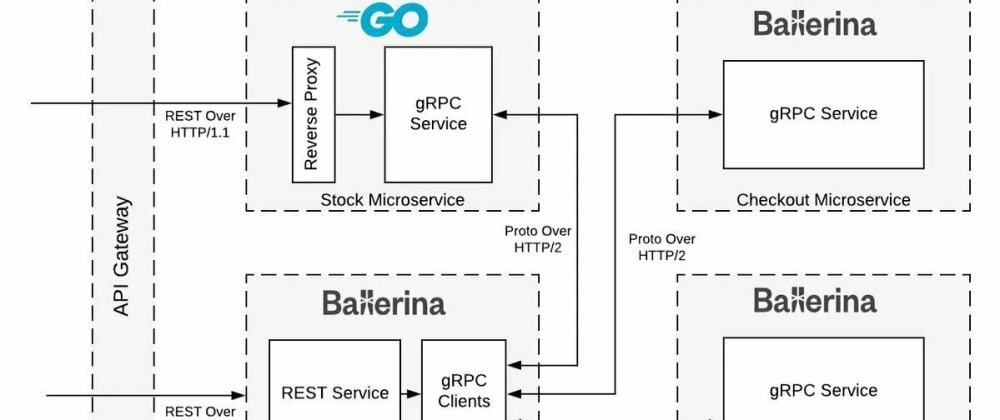 Microservices have emerged as a powerful architectural paradigm for developing complex, scalable, and maintainable software systems.
124. How to Use Microservices on Heroku to Create a Random Board Game Generator
 Why Microservices
125. Why Monolithic Architecture has a Bad Reputation
 Pros and Cons of Monolithic Architecture in its traditional incarnation or as a Distributed Monolith.
126. Hacking Backward and Forward-Compatible Application Releases
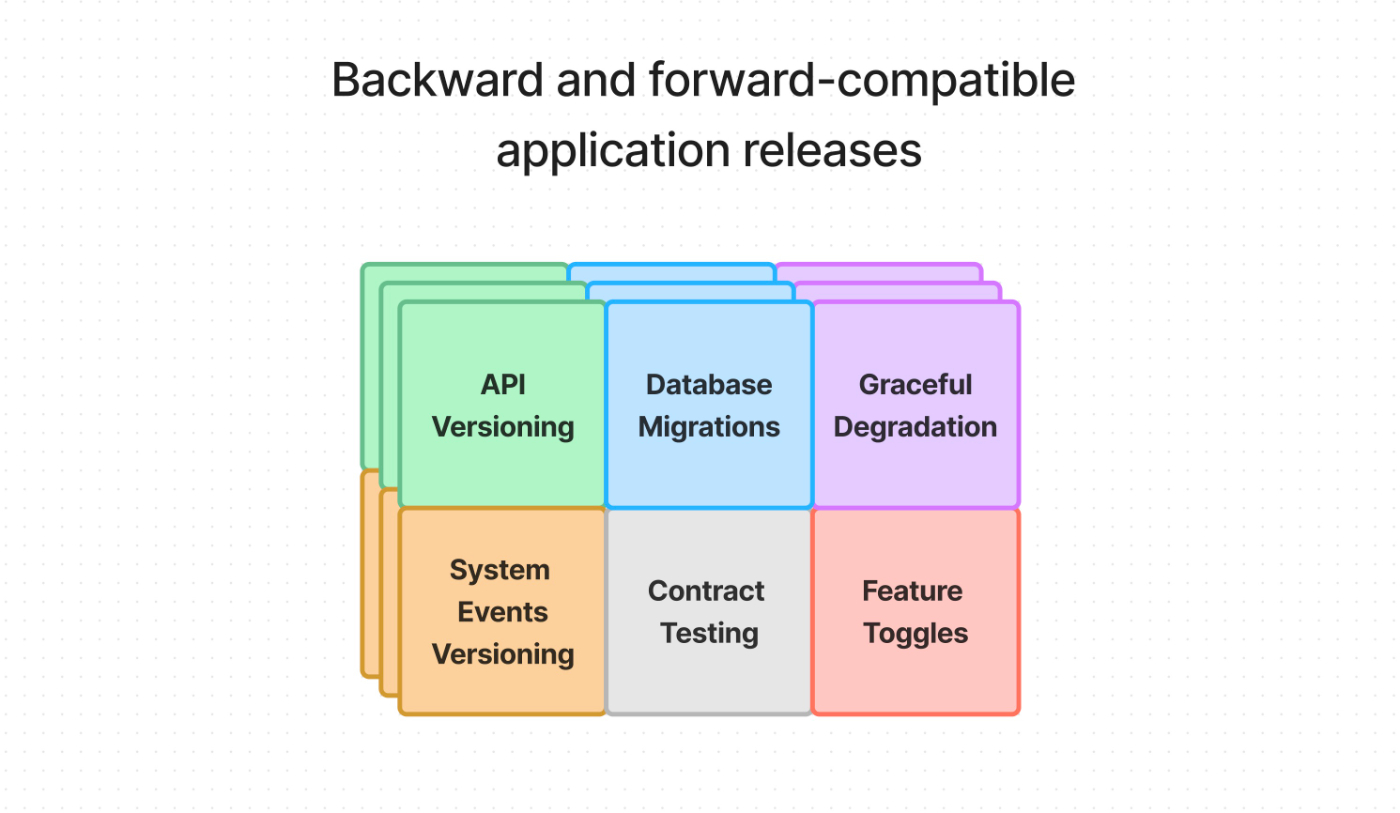 Discover effective strategies and best practices for maintaining backward and forward compatibility in microservices architectures.
127. MACH Architecture: A 2023 Guide
 In this comprehensive guide, we'll look at MACH architecture, how it works, and what benefits it can offer your business in 2023.
128. Purpose-Driven Microservice Design
 Creating purpose-driven microservices should always be a goal. Find out how Render Blueprints can offer a reproducible microservices strategy.
129. Microservices Architecture, The Decision Maker: Book Review
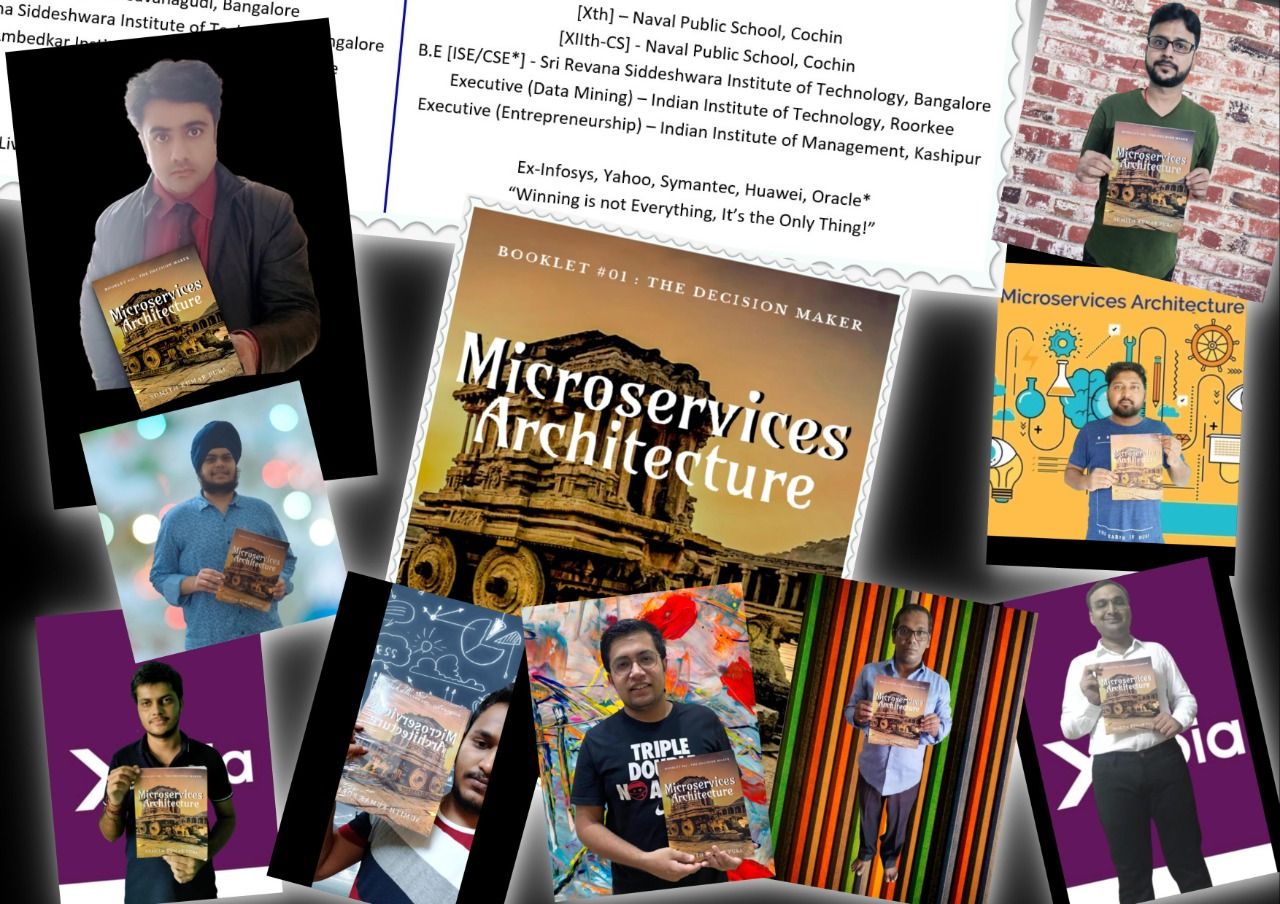 This book assists Architects and Engineers involved in the development of software in assessing whether a Microservice Architecture meets business needs.
130. This Web IDE Runs Your Code in the Cloud—Without Melting Your Laptop
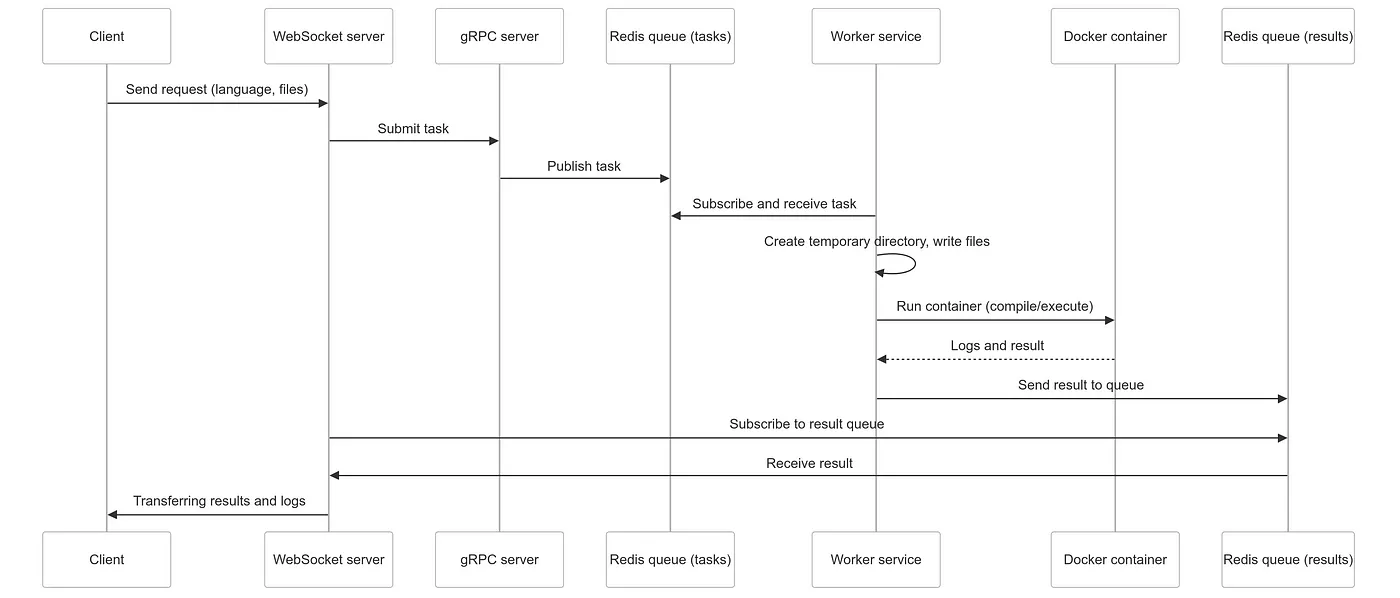 The project is built on the principle of microservice architecture, which allows you to divide functionality into independent services.
131. Rethinking Programming: The Network in the Language
 With the emergence of microservices architecture, applications are developed by using a large number of smaller programs. These programs are built individually and deployed into a platform where they can scale independently. These programs communicate with each other over the network through simple Application Programming Interfaces (APIs). With the disaggregated and network distributed nature of these applications, developers have to deal with the Fallacies of Distributed Computing as part of their application logic.
132. Here’s How You Can and Why You Should Go Beyond HTTP 1.1

133. Modularizing Docker Images
 Docker is a containerization technology that allows an application to run in an isolated environment while being bundled with all the dependencies it needs to run. So it provides a standard way to run applications in a server agnostic manner.
134. An Introduction to Micro-Frontends in Enterprise Applications (part 1)
 Leverage webpack module federation to build a scalable micro-frontends architecture.
135. How to Quickly Generate Microservices with Yeoman
 A quick guide to creating a Yeoman generator for building microservices with an example of Express.js and Typescript app.
136. Launch Your Startup Idea in a Day
 Time is money, especially with startups. Check out how easy it can be to launch your startup idea using Render Unified Cloud
137. Efficient Microservices: Harnessing the Power of Data Compression in Direct Service-to-Service.
 Explore efficient data compression in proxyless microservices, focusing on challenges, GZIP/Snappy implementation, and deep performance analysis.
138. Introduction to API Gateway
 What's a gateway? It is an entry point. Things go in. People, traffic, requests. If you've spent any time with microservices, you may have come across the term "API gateway".
139. Data Management Patterns for Microservices Architecture
 Microservices architecture patterns have highly transformed and streamlined the development process and have increased the performance of applications.
140. ROLE BASED ACCESS CONTROL (RBAC) DESIGN FOR MICROSERVICES
 This article extends the principles and design of API gateway discussed in the article here API Gateway.
141. The Only Decoupling Checklist You Need To Know About
 My team has recently successfully decoupled one of the critical business domains of the company. The initial integration had such a tough deadline that the only way to meet it was to add code to the monolith. And… The feature that went from conception to production in three weeks ended up taking almost one year to decouple.
142. Microservices and Service Mesh with Istio, Explained
 Application builds when broken down into multiple smaller service components, are known as Microservices. When compared to the traditional Monolithic way, a Microservice Architecture treats each microservice as a standalone entity/module, essentially helping to ease the maintenance of its code and related infrastructure. Each microservice of an application can be written in a different technology stack, and further be deployed, optimized and managed independently.
143. Communication Over Microservices
 Proper choice of the communication protocol over Microservices makes the application more responsive and efficient. Various aspects need to be
considered regarding communication before breaking down into services.
Proper choice of the communication protocol over Microservices makes the application more responsive and efficient. Various aspects need to be
considered regarding communication before breaking down into services.
144. Test Your APIs in an Easy Way By Using Python Module PyHTTPTest
 I've struggled and spent a lot of hours writing manual Python scripts to be able to test a product involving many microservices. All of them following the REST conventions. Overwhelmed with too many scripts, each one test different endpoints, how they respond also what they respond, I've decided to create a Python package to easily do this, without needing to create a manual Python script, import libraries to send an HTTP Request, copy and paste code from other scripts to test fast the new endpoints, etc.
145. How to Build a Microservices Architecture with Node.js and RabbitMQ
 In this article, we will be exploring the concept of Microservice Architecture, and implementing basic microservices-driven software using Node.js and RabbitMQ.
146. How We Scaled To Microservices Architecture With A Data Flow-driven Approach
 Microservices architecture: It was proposed to develop a data flow-driven mechanism for microservices — oriented decomposition. Data work separately with the site
147. Five Guidelines for Robust Logging
 This article describes best practices for standardized logging from the point of view of performance, debuggability, and security.
148. Understanding Service Discovery in Distributed Systems
 An in-detail tutorial on how to create a Service Discovery in Python using Flask.
149. Microservices & Microservice Architectures: A Deep Dive into The Fundamentals
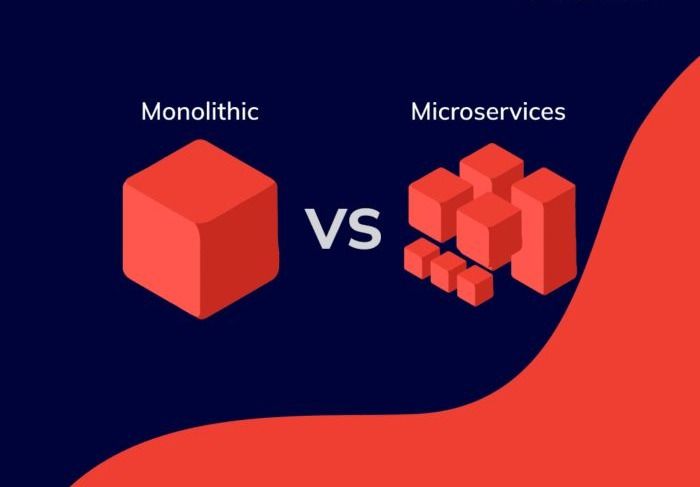
 I’m Andrew Levine, the CEO of Koinos Group, and below you will find our second episode of the Koinos Group podcast in which I’ll be exploring microservice architectures.
150. How Local Development Is Dying and Why it's For the Better
 Serverless infrastructure is changing the way we architect applications and it’s also changing the way we code and work as developers. The development is moving away from our laptop and into the cloud. It’s the start of cloud-native development.
151. Microservices for Humans: A No-Nonsense Introduction
 This introduction to microservices teaches the core concepts with plain English explanations and examples.
152. 5 Ways that Microservices can be Deployed Effectively
 The perfect place to host a microservice application is largely determined by its size and scaling requirements. So, let’s go over the 5 main ways we can deploy
153. Microservice Observability Patterns [Part 1]
 Logging is one of the most important parts of software systems. Whether you have just started working on a new piece of software, or your system is running in a large scale production environment, you’ll always find yourself seeking help from log files. Logs are the first thing people look for when something goes wrong, or something doesn’t work as expected.
154. Observability for Monitoring Microservices - Top 5 Ways!
 Here are some important tools and approaches to managing and monitoring Microservices. Take a look!
155. Managing Microservices with Service Mesh: A Control Plane for your Application

156. Building with PHP in the Era of Microservices and API-Driven Architectures
 Microservices can be made using lightweight PHP frameworks like Slim or Lumen, providing minimalistic setups that allow developers focus on core functionalities
157. 5 Best Technologies You Can Use to Deploy and Manage a Microservices Architecture
 Check out the latest platforms and tools to deploy and manage Microservices here! Take a look!
158. Load Balancers - Whats, Hows, and Whens
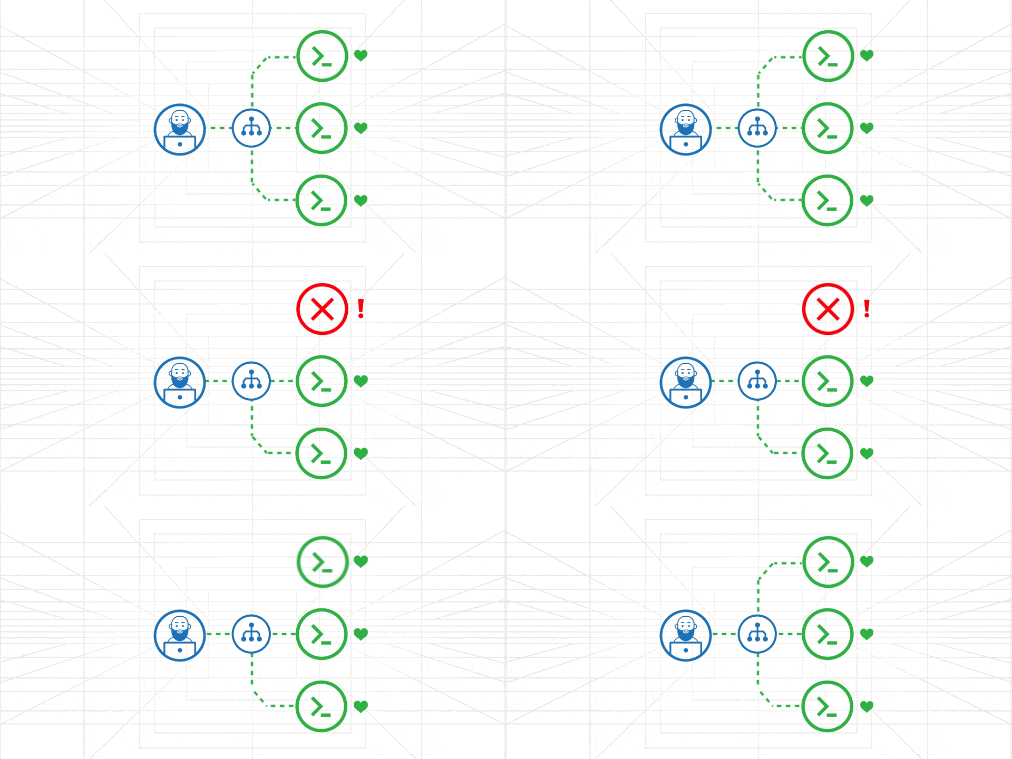 TL;DR
TL;DR
159. When Should You Move to Microservices?
 Avoiding the small monolith antipattern. At what scale do Microservices make sense? Avoid a solution worse than the problem and understand the tradeoffs.
160. Choosing the Right Microservices Framework
 Microservices architecture is a methodology that allows you to split a monolithic single application into small applications and services.
161. An Introduction to API Gateways
 Understanding what API Gateways are, how they differ from a reverse proxy & load balancer and their use in a microservices environment
162. Kubernetes Readiness Probes Implementation in Microservices
 A great deal has already been written about readiness and liveness checks and I don’t intend to cover that ground again. Rather I want to cover, very specifically, their use in a large microservices architecture.
163. Micronaut vs Quarkus vs Spring: The 2026 Java Framework Shootout
 Spring Boot, Quarkus, or Micronaut? A practical 2026 comparison of startup speed, memory, DI, and developer experience for Java microservices.
164. Pool Architecture for Saas
 Most of the startups facing scaling problems move to microservices. Inspired by cell-based architecture, it split services per function and scale only specific features. It works especially well for B2C where traffic is uniformly spread across users. However, B2B can face a different type of scaling issue where only one user is scaling. A pool architecture is a simpler yet powerful solution, used both by GAFA and fast-growing startups.
165. Hacking Your Way Through Microservice Architecture
 With an emerging pattern of organizations embracing the DevOps framework, adopting Microservice Architecture is steadily gaining the respect it deserves.
166. Migrate Functions First : A Best Practice For Serverless Enterprise Adoption
 This article for is for those of us tasked with refactoring/rewriting an existing application. A significant application. Not only in size, but importance to the organization. The type of apps:
167. Diary of a Wimpy DevOps Engineer: Exploring Monoliths
 Learn how we improved our ETL processing performance from 550ms to 94ms by switching to micro-service based architecture and SingleStore
168. Beyond Microservices: Why Platform Engineering is the Key to Future-Proofing Software Architectures
 Platform engineering offers scalable, efficient, and integrated solutions to overcome microservices' operational complexities.
169. Things to Keep in Mind to Successfully Deploy Kubernetes in Production
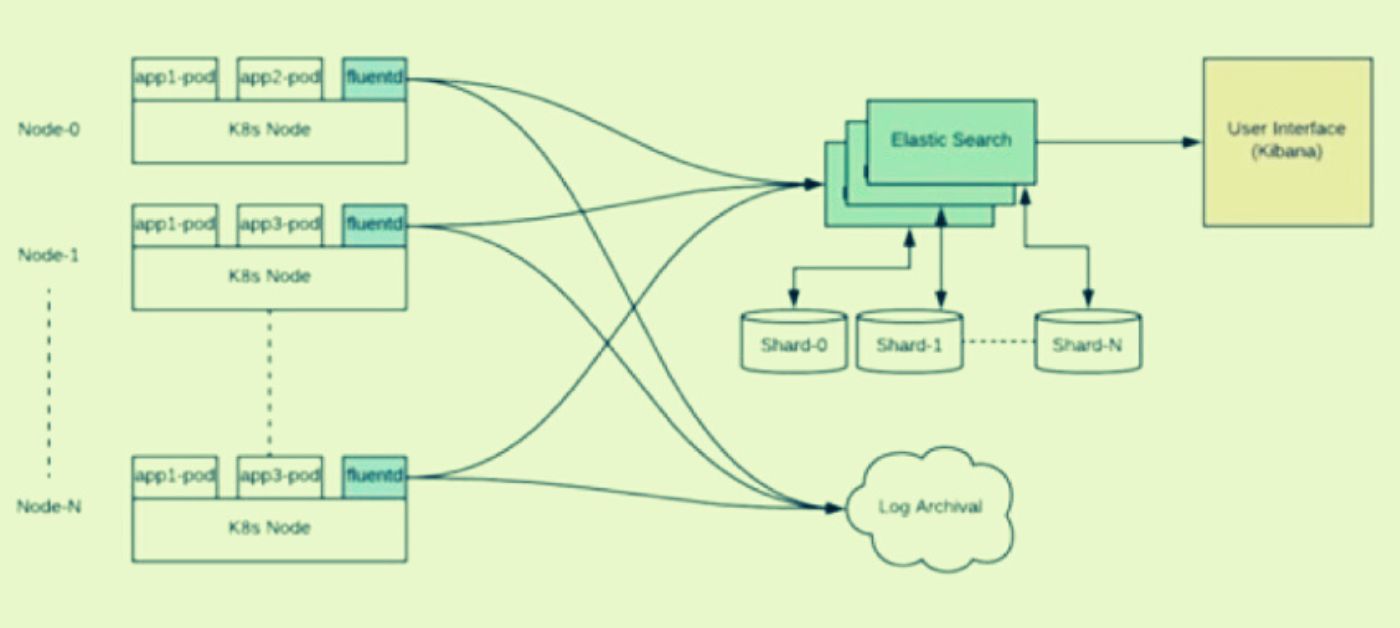 This blog covers additional factors you should take care of to successfully deploy Kubernetes cluster in production alongwith choosing a managed cloud. Read on.
170. The Evolution of DevOps: Lessons for Organizations of all Sizes
 Having someone to lead the DevOps space early and instill the culture will reduce overall release cycles friction and shorten the time to market.
171. Understanding Caching in Distributed Systems
 Speed up your Distributed System by adding a High Available and Highly Consistent Caching Layer
172. Deploying Complex Microservice Apps Using PMKFT [A How To Guide]
 In this tutorial we are going to expand our examples with deploying a more complex microservice. The idea is to make you more comfortable with the platform and to show you how you can leverage it for more advanced scenarios.
173. An Introduction to Microservice Messaging in Kubernetes
 In this article, I’ll share the benefits of messaging in Kubernetes and the difficulties that can come with legacy solutions.
174. Celebrating 10 Years of War Robots and Reflecting From A Technical Perspective
 In this post, we look at the technical side of War Robots over 10 years: the cool stuff, the problems, the experiments, remastering the game, and more!
175. Developers, AWS App Runner Might Not Always Be the Best Choice For Deploying Your Application
 Discover why AWS AppRunner might not be the best fit for complex applications. A real-world journey with key insights on containerized deployment challenges
176. Application Monitoring: Closing Observability Gaps with Custom Metrics
 Which application metrics should you collect for your microservices?
177. Data Access Strategies in Java Microservices: JPA vs. JDBC
 Explore data access in Java microservices: JDBC for control, JPA for abstraction. Code examples illuminate best practices and decision factors."
178. How to Build Your Own TODO-list Service With Golang and MongoDB
 Many have wondered how a simple task sheet or applications that provide such functionality work. In this article, we will write a small TODO service.
179. Storage Options for Serverless on AWS
 Serverless computing enables you to run functions without provisioning resources. Most of the top cloud providers offer good serverless options, but this article offers a review of storage options for serverless on AWS. First, you will learn about the core principles of storage and data persistence in serverless computing, and then you'll discover what serverless options are available on AWS for databases, microservices, IoT, and storage synchronization.
180. Record-Replay Strategy for Testing Event-Driven Architecture
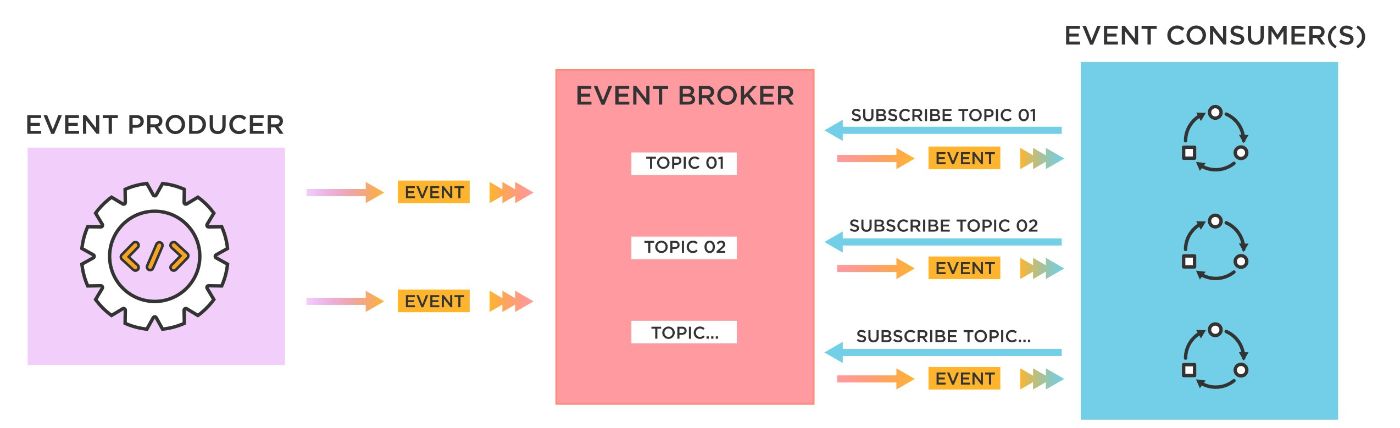 Testing event-driven architectures like kafka based systems using record-replay strategy.
181. A Brief Overview of Kubernetes Architecture
 Here, we talk about the various components within a Kubernetes architecture. Read further to know more!
182. Microservices Integration: A Guide to Simplify Project Complexity with Feign Client and POJO Classes
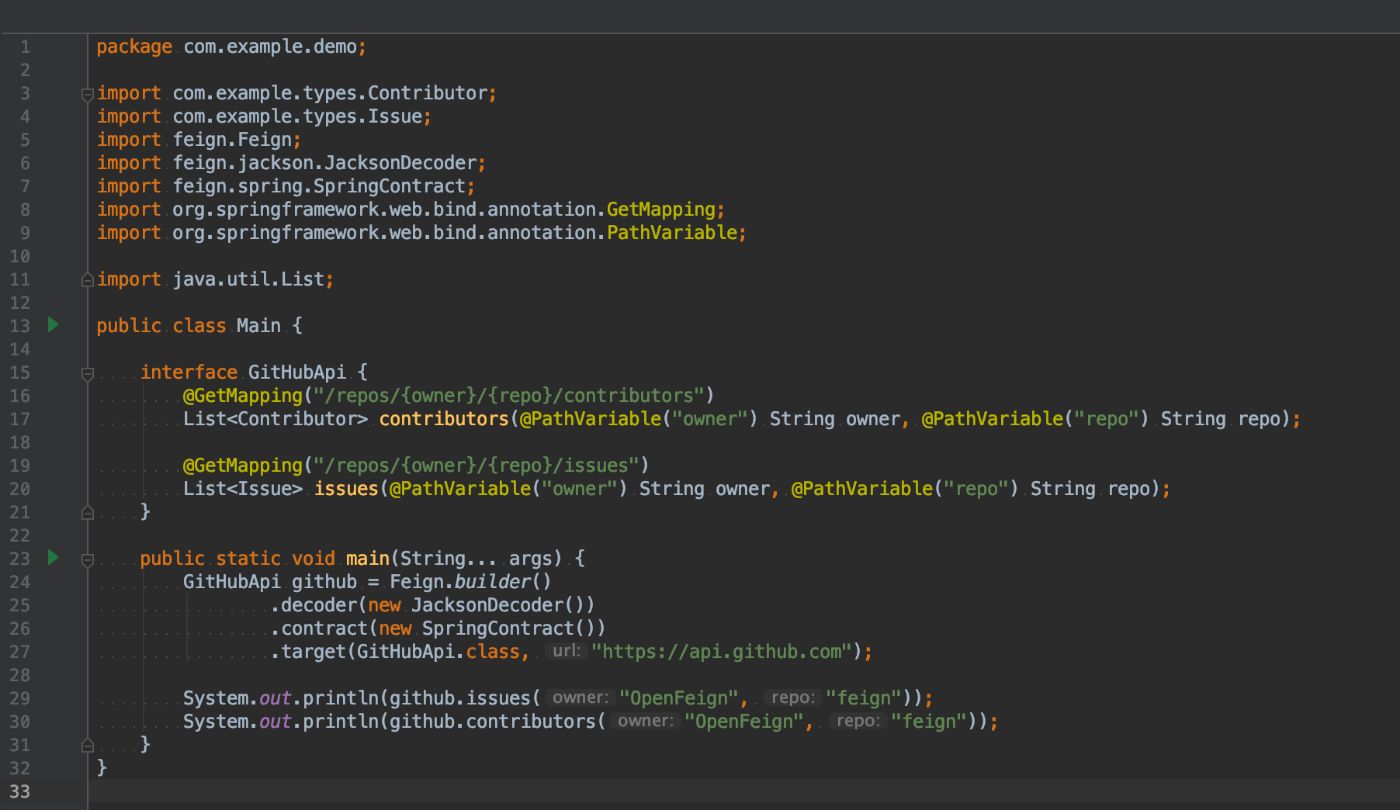 Simplify microservices integration using Feign client & POJO classes. Streamline complex projects effectively.
183. Starting Web Development? Remember These 5 Things
 Originally I shared this story to Syndicode blog, and now I'm making a summary with small additions.
184. Awesome Hacks To Master AWS Step Functions
 The use of serverless computing has become a must nowadays, and some of you may already know a thing or two about Amazon Web Services like Lambda Functions, Step Functions, and other services AWS provides. However, if this is the first time you hear about them – fantastic!
185. An Introduction to Microservices and Serverless
 The concept of a microservice perfectly fits the structure of a serverless function, which easily enables deployment and runtime isolation for different services. On the storage side, services such as DynamoDB also make it easier to have independent databases for each microservice and scale them independently (when required or desirable).
186. Uploading Files to an SFTP Platform in C#.NET — Complete Guide
 In this blog, I will explain the use case and practical implementation of a widely used open-source API for automated, secure file transfers.
187. How to Set Up an NGINX Ingress Controller on PMKFT
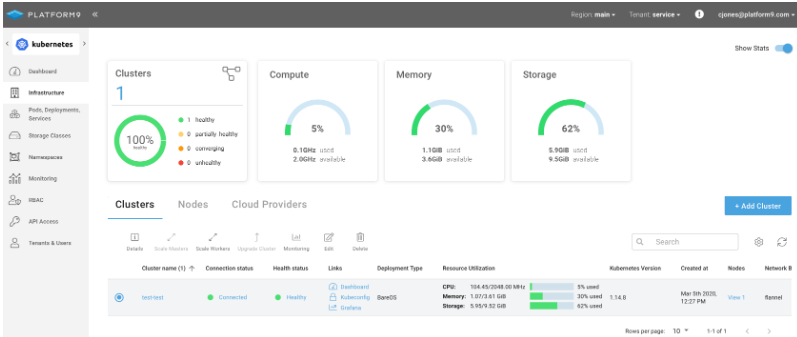 The vast majority of Kubernetes clusters are used to host containers that process incoming requests from microservices to full web applications. Having these incoming requests come into a central location, then get handed out via services in Kubernetes, is the most secure way to configure a cluster. That central incoming point is an ingress controller.
188. Introducing Microservices Security in Action
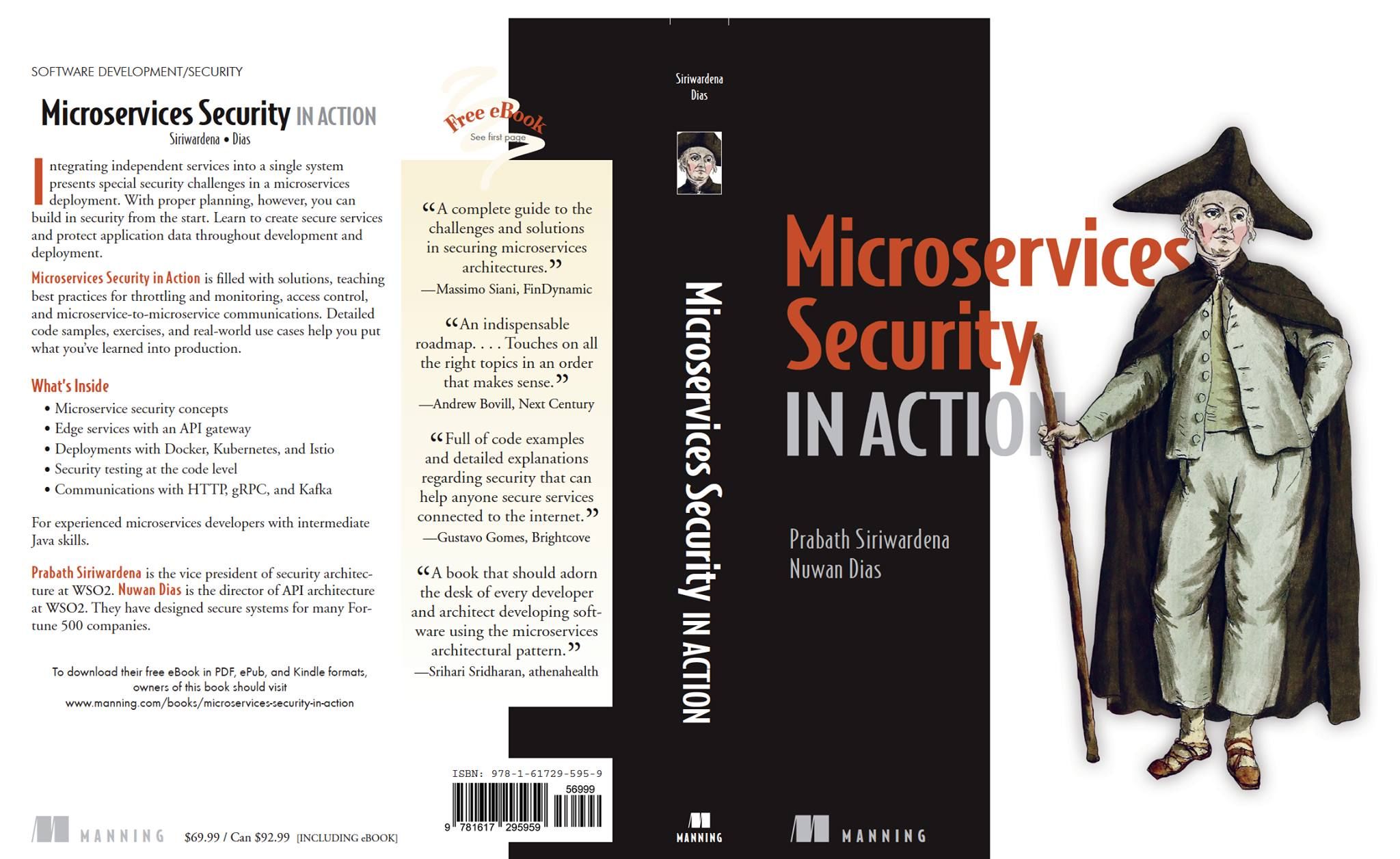 The book Microservices Security in Action, which I authored with Nuwan Dias is now available to buy online from Amazon and Manning. Nuwan and I spent last 27+ months writing/re-writing the book. It was a marathon effort, but yet a great experience, and we both are very glad to see how it came out at the end! This is the story, which lead us to write the book.
189. Monitoring And Orchestrating Your Microservices Landscape using Workflow Automation (Part 2 of 7)
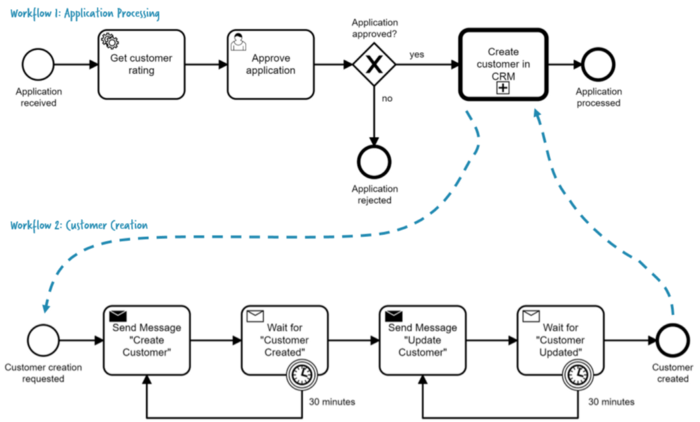 On Wednesday, March 11, 2020, I conducted the webinar titled “Monitoring & Orchestrating Your Microservices Landscape using Workflow Automation.” Not only was I overwhelmed by the number of attendees, but we also got a huge list of interesting questions before and especially during the webinar. Some of them were answered, but a lot of them were not.
190. The 3 Best Tools for Kubernetes Cluster Management
 This article helps you manage your cluster resources properly, especially in an autoscaling environment.
191. 12 Methods of Improving Your Monolith Before Making the Jump to Microservices
 Like tidying up a house before a total renovation, preparing your monolith is the first step towards transitioning to microservices.
192. 3 Top Tools for Implementing Kubernetes Observability
 Here, in this blog, we’ve discussed three important tools to implement Kubernetes Observability. Let’s take a look!
193. Developing, Deploying and Testing Flask Applications on Kubernetes - Part I
 In this step by a step blog post, that illustrates how to integrate Python Flask applications with Docker and run them in a Kubernetes cluster, we will cover the following topics:
194. Introduction to Event Streaming with Kafka and Kafdrop
 Event sourcing, eventual consistency, microservices, CQRS... These are quickly becoming household names in mainstream application development. But do you know what makes them tick? What are the basic building blocks required to assemble complex, business-centric applications from fine-grained services without turning the lot into a big ball of mud?
195. Unpacking Cinnamon — A New Resiliency Approach at Uber

Curious about Uber's new approach to scale resiliency in their microservices architecture? Stick with me for some ideas to enhance yours!
196. The Secret Guide To Choosing Between Monolith And Microservices
 Monolith or microservices? Both architectures have pros and cons, and each particular case should be investigated. UppLabs had a project with a concrete goal — optimization of application performance by migration from a monolithic system to the new microservices’ infrastructure. We came up with a solution that we’re happy to share with you in detail.
197. Abstraction Layers and API's for Cloud Native Environments

198. 3 Great Tech Features of Node.js
 Want to know why Node.js suits data-intensive and real-time apps? Dive in to consider the runtime environment for the next software project!
199. React Application Architecture: Code splitting [Part 2]
 In the previous part we have learned about the components and how it affects our React app architecture.
200. 3 Architectural Design Patterns for Software Development
 Learn about software architectural patterns and their benefits and drawbacks.An architectural pattern is a general, reusable solution to a commonly problem
201. Microservice Observability Patterns [Part 2]
 In my previous article, I talked about the importance of logs and the differences between structured and unstructured logging. Logs are easy to integrate into your application and provide the ability to represent any type of data in the form of strings.
202. Microservice Patterns to Design and Implement Any Java-Based Event-Driven Microservices Application
 Java spring boot developers tutorial- Tips to use partitioning strategies in your microservices application and use of various Deployment Patterns & Strategies.
203. Microservices and CQRS: Why Business Should Care
 We have created this blog post for business stakeholders managing the development of a software system or product, those looking to find ways to reduce cost and time to market. This post will be useful for those whose technical background is a bit outdated or isn’t sufficient to make that judgment call. We will look at how to approach architecture planning so that the product is scalable and the money is spent wisely. Also, we will show the example of how CQRS can help in the implementation of client applications and whether microservices is indeed the panacea.
204. Exploring Differences Between Monitoring And Observability
 Monitoring vs Observability: in this article, we're explaining what is observability exactly and how does it differ from monitoring.
205. The Dark Side of Microservices, Explained
 There is an endless supply of blog posts, white papers, and slide decks, evangelizing the virtues of microservices. They talk about how microservices “increase agility,” are “more scalable,” and promise that when you make the switch, engineers will be pounding at your office door looking for a job.
206. How to Route Traffic Between Microservices During Development
 Route traffic between microservices during development with this one simple trick that will save you setup time and, well, headache.
207. 5 Common Amazon SQS Issues
 Ready to fix your SQS queues?🔨 This article aims to help you solve the most common issues as quickly as possible. Let's dive in!
208. Why 100 Percent Test Coverage is Not Possible — Lessons from Testing Banking and Healthcare Systems
 Quality is not about testing everything; quality is about testing what is most important.
209. From Monoliths to Microservices: Migration in Practice
 This isn't another "break down the monolith" article. This post is about making the applicable decisions, measuring and verifying the results
210. Data Services for the Masses
 I’ve held several roles in my career in IT, ranging from software developer to enterprise architect to developer advocate. I’ve always been fascinated by the role that data plays in our applications—putting it into databases, getting it back out quickly, making sure it remains accurate when transferred between systems. Many of the hardest problems I’ve encountered have centered around data. For example:
211. The Essential Guide to Pod Eviction On Kubernetes
 By nature, pods in Kubernetes clusters are ephemeral. They can be created, killed, and moved around by the scheduler. This may occasionally cause disruption in the microservices if pods are not configured properly.
212. Monolith vs Microservices vs Modulith: The Evolution of Software Architecture
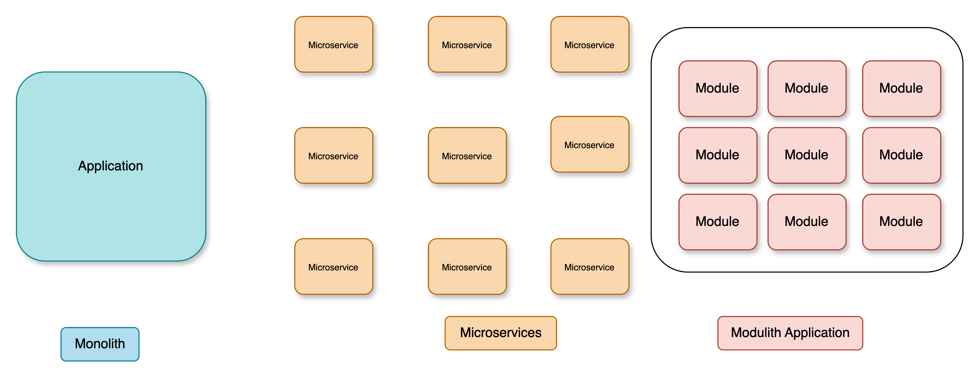 Learn how Modulith architecture offers a balanced approach to building scalable apps—between the simplicity of monoliths and the flexibility of microservices.
213. You Absolutely Need To Read This To Master AWS Lambda [Part 1]
 Welcome to the Serverless world. One of the first things you’ll hear about is AWS Lambda - and you’ll continue to keep hearing about it! While architecture can be serverless without Lambdas involved, it’s very often the key component within a serverless application. In the first post of this 3-part AWS Lambda Handbook series, we run through what is AWS Lambda, dialling back to basics with the various terminology, how to create a Lambda function and how to run it.
214. Konstantin Glumov on Software Development Trends in 2024: Microservices, Cloud Computing and More
 Konstantin Glumov talks 2024 tech trends: microservices, cloud computing, and learning's key role for developers, highlighting IaaS growth and Kotlin.
215. 13 Questions and Answers for Google Cloud Reference Architectures
 Google Cloud is a cloud computing platform that can be used to build and deploy applications. It allows you to take advantage of the flexibility of development while scaling the infrastructure as needed.
216. Why Every API Needs a Clock
 Limiting flow was fundamental to TCPs success, why is it any different for APIs?
217. How To Use Amazon API Gateway to Decouple and Scale Serverless Architectures
 One of the benefits of Serverless architectures is the possibility of scaling applications without worrying about load balancers and clusters of servers. While services like AWS Lambda hold their promises on this area, there are usually misconceptions about how they work.
218. Comparing Apache Kafka with Oracle Transactional Event Queues (TEQ) as Microservices Event Mesh
 This blog contrasts and compares transactional and message delivery behavior of Kafka with the converged Oracle DB and Oracle Transactional Event Queues/AQ
219. Monitoring Microservices: A Step By Step Guide
 Monitoring microservices in the right way is one of the biggest challenges nowadays. This blog will guide you to overcome the monitoring challenges easily.
220. Navigating the Age-Old Software Architecture Dilemma With NATS
 Exploring monolithic vs. microservice designs, the article unveils 'Flex Architecture'—melding cost-efficiency with scalability for future software needs.
221. Cherrypy Introduction: Simple Python Library for Quick Application Development
 For day to day work in dev-ops or for testing team , we need to put stub in between some application to fill the gap for the application which are not present on local testing lab , for that we need to put some stub so that it can mimic like actual application .
222. Why Microservices Suck At Machine Learning...and What You Can Do About It

223. How to Migrate from Monolith to Microservices: Challenges and Best Practices
 Learn what to consider when moving from monolith to microservices, including data management, team organization, and infrastructure implementation.
224. What is a Service Mesh?
 In our previous post on API Gateways we discussed how services handle external client to service (North-South) traffic.
225. How Shift-Right Testing Can Build Product Resiliency
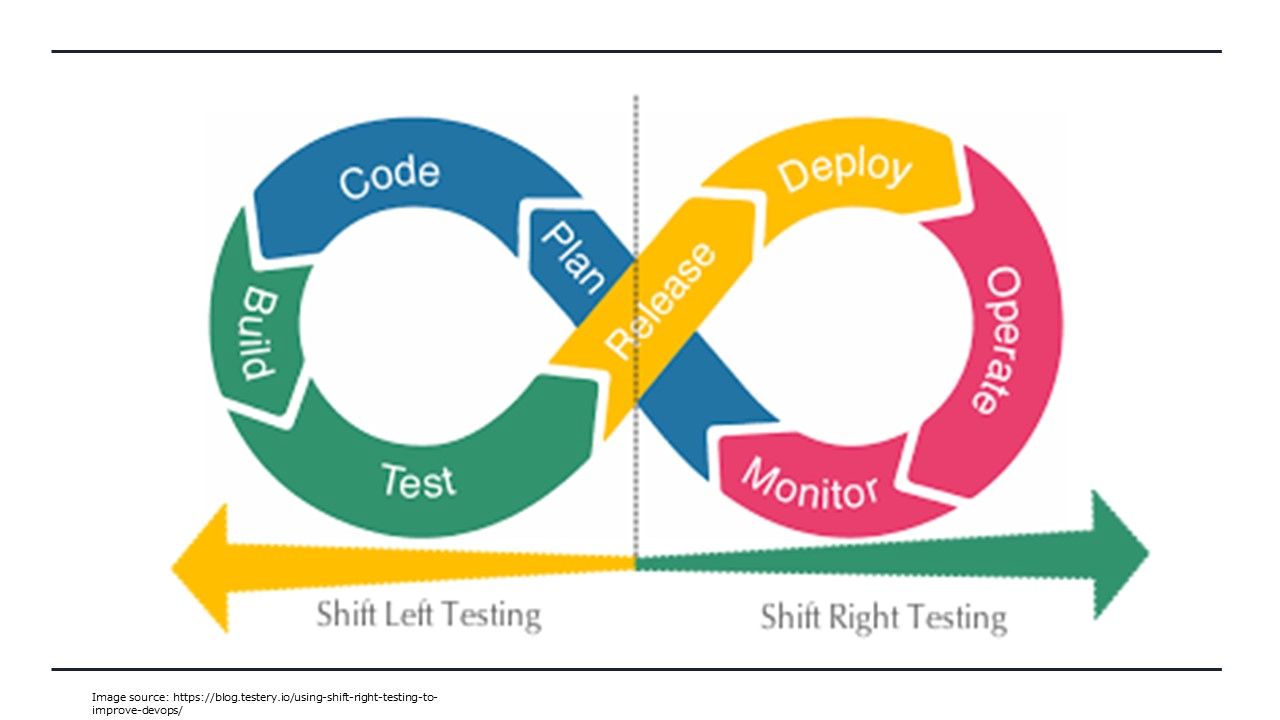 Shift-right testing improves product resiliency by uncovering issues that surface under heavy user traffic and are difficult to simulate in test environments.
226. Supercharging AI Workflows: Distributed Document Processing with Node.js, Python, and RabbitMQ
 Building a Scalable Multi-Language AI Document Analyzer with Node.js, Python, RabbitMQ, and Celery.
227. Mastering Multi-Container Management: Deploying a Full-Stack Flask App with Docker Compose
 Explore seamless multi-container management with Docker Compose, deploying a full-stack Flask app.
228. Data-Driven Architecture: Patterns for Production
 What it is, why it scales—and how to run it in production with clear lineage and observability.
229. Choosing the Right Redis Library for Microservices: Go-Redis vs. RedisPipe
 Explore the strengths and considerations of Go-Redis and RedisPipe, two popular Redis libraries for microservices.
230. KubeMQ Secrets To Build A Great Kubernetes-based Solution In A Hybrid Environment
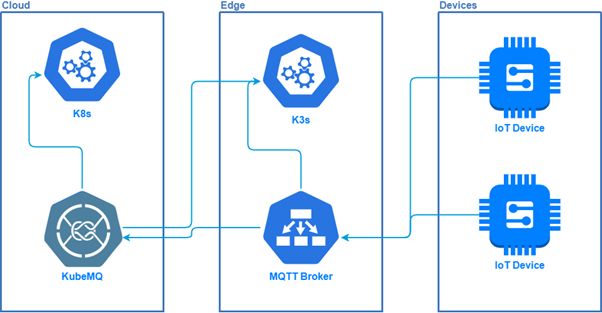 A messaging platform that was purposefully built utilizing Kubernetes is a crucial component to successful deployments in hybrid and edge environments.
231. Building QR Code Generator in Serverless World using Kumologica
 The concepts of social distancing, contactless approach and safety first have now become the new normal in our present COVID induced downturn.
232. Microservices vs. Monolithic Architecture
 The concept of microservices, an approach to designing a software application as a set of small services, has been around since at least 2015.Delivering benefits such as the independent deployability and scalability of components, microservices are all the rage today. This is because these microservices benefits translate into incredibly faster software development speeds. With consumers being quick to change their preferences and behaviors, microservices adopters are able to keep up. Life is now great, they say.As much as 56% of companies participating in a recent IMB survey plan to adopt a microservices approach in the next 24 months. Almost 80% of current users say their business will likely step up investment in microservices.Microservices advantages have prompted Netflix, Amazon, eBay, Twitter, and many other tech giants to migrate from monolithic to microservices architecture.But should your company use microservices?It depends on the context and if microservices pros outweigh the cons for your application.This blog provides an overview of a microservices vs. monolithic approach and five key benefits of using a microservices architecture. It also shares some of ITRex’s microservices experience and offers tips on when business should (not) use microservices. Dive in.
233. Understanding Partitioned Services in Distributed Systems
 A short tutorial on how Partitioned Services work and how to implement them in Python using Consistency Hashing,
234. Microservices: The Why and When
 With people switching to cloud-native strategy, we need an architecture that supports it. A variant of Service-oriented architecture, microservice architecture
235. Creating Microservices in Nest.js
 This article attempts to demystify microservices by showing devs how to create a set of microservices using one of their favorite frameworks: Nest.js!
236. Adding Serverless Authentication Microservice to a HTML, CSS and Javascript App
 Remembering passwords has become a headache these days.
237. 3 Free Ways to Learn Kubernetes and Red Hat OpenShift
 I've compiled a list of three resources where you can get started with Kubernetes and Red Hat OpenShift, Red Hat's enterprise Kubernetes platform.
238. A Senior Engineer’s Guide to Scalable & Reliable System Design
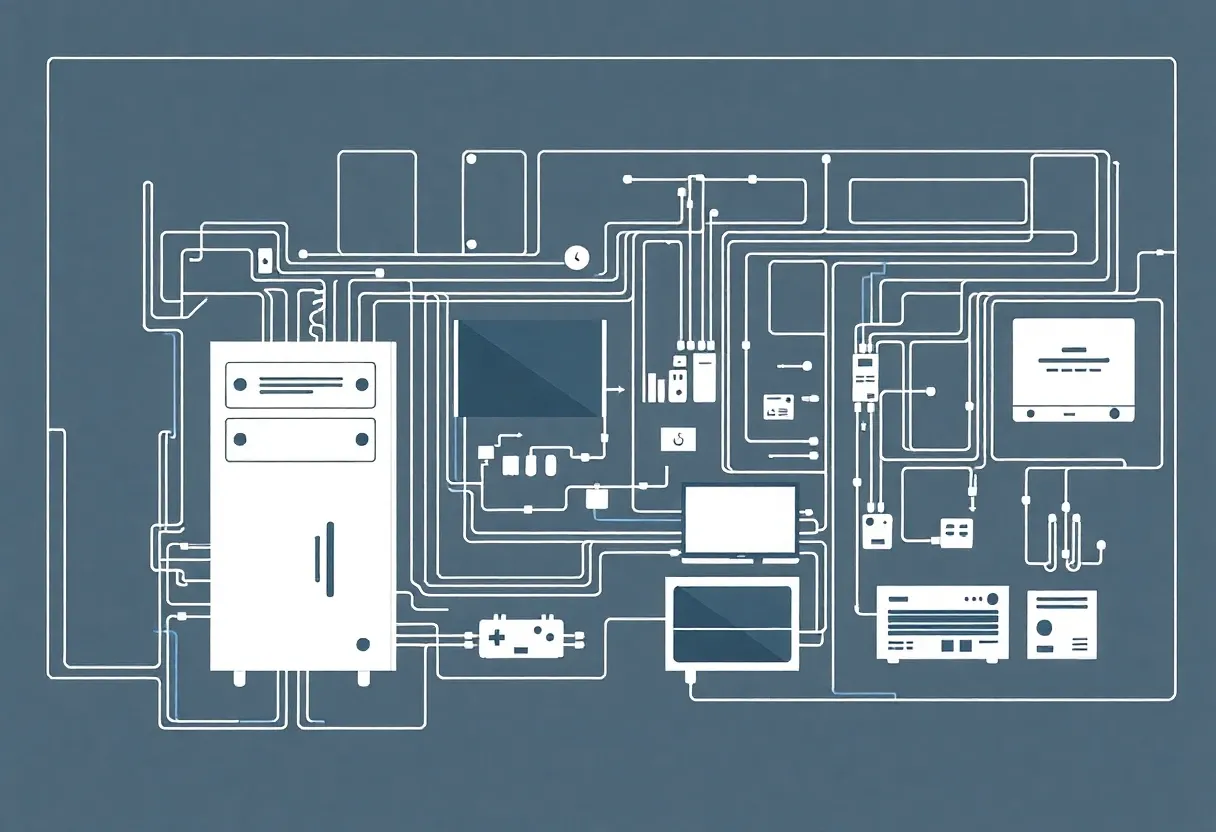
239. Why Data Consistency is Important in a Microservices Architecture
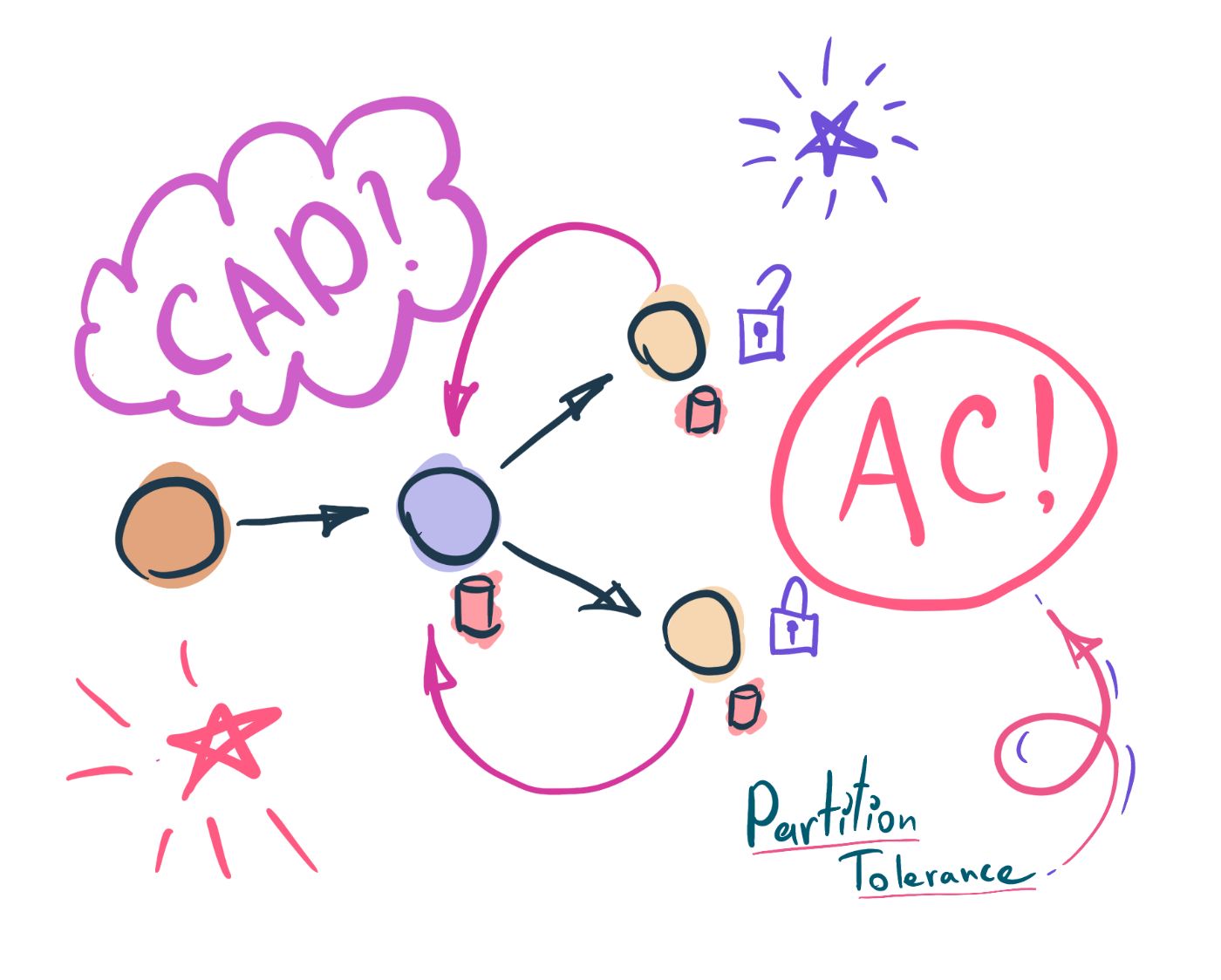 Data Consistency might be a pain in the ass. It is a well-known source of unexpected surprises. What is it? What does it depend on? Why is it so often overseen?
240. The Origination of Microservices, and The Value They Create for Software Developers
 What are Microservices exactly and how can you use them to work to your advantage? IT teams are always wanting to build new applications enabling specific functions for the ease of processes or customers. Sometimes, to balance projects, they allow distributed teams to work on focused targets using reusable assets, templates, and best practices. While decentralizing and democratizing application development helps, managing security can be a task for strategizing different Lines of Business (LoBs) and functional business partners.
241. What Does REST in RESTful API?
 Everyone talks about RESTful APIs. Everyone use RESTful APIs. It even seems like, everything has RESTful APIs.
242. Microservice Architecture in Application Development: Advantages and Disadvantages
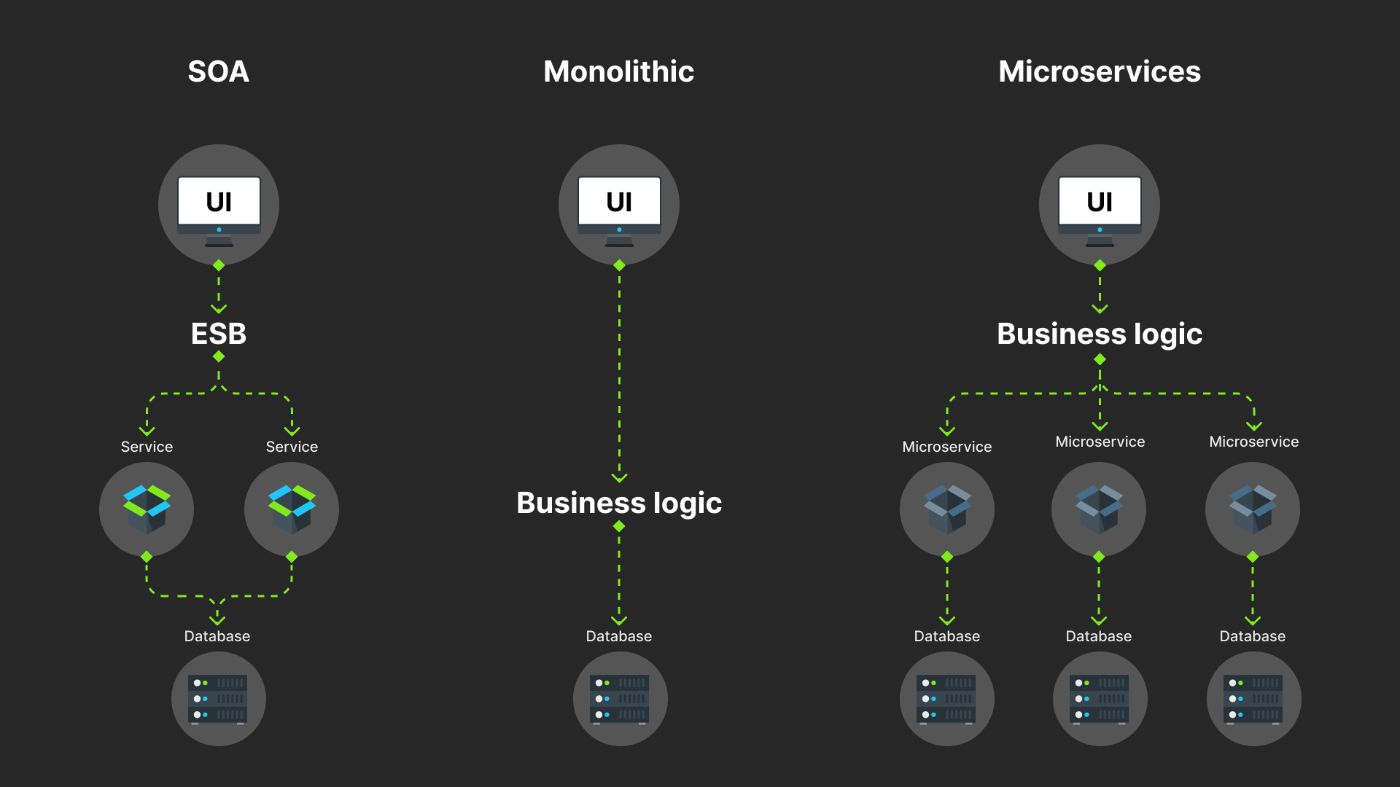 Microservice architecture is the optimal approach to software development.
243. Mastering Microservices: Building Effective Architecture Governance for Scalability and Stability
 Use the right tools to regain control of microservices with architecture governance to boost scalability, reduce complexity, and maintain system resiliency.
244. Microservices? Why Not!
 The cost of microservices from a developer's perspective.
245. Application Deployment: Recipe for Great Serverless Strategy
 This is true for the most part, but Serverless apps also have a certain property that can make their deployment and maintenance time consuming.
246. How to Build a Decoupled Microservice Using Materialize
 One way to handle data in microservice architectures is to use decoupled microservices architecture. This form of architecture can bring many benefits.
247. An Intro to .Net Microservices Application Architecture
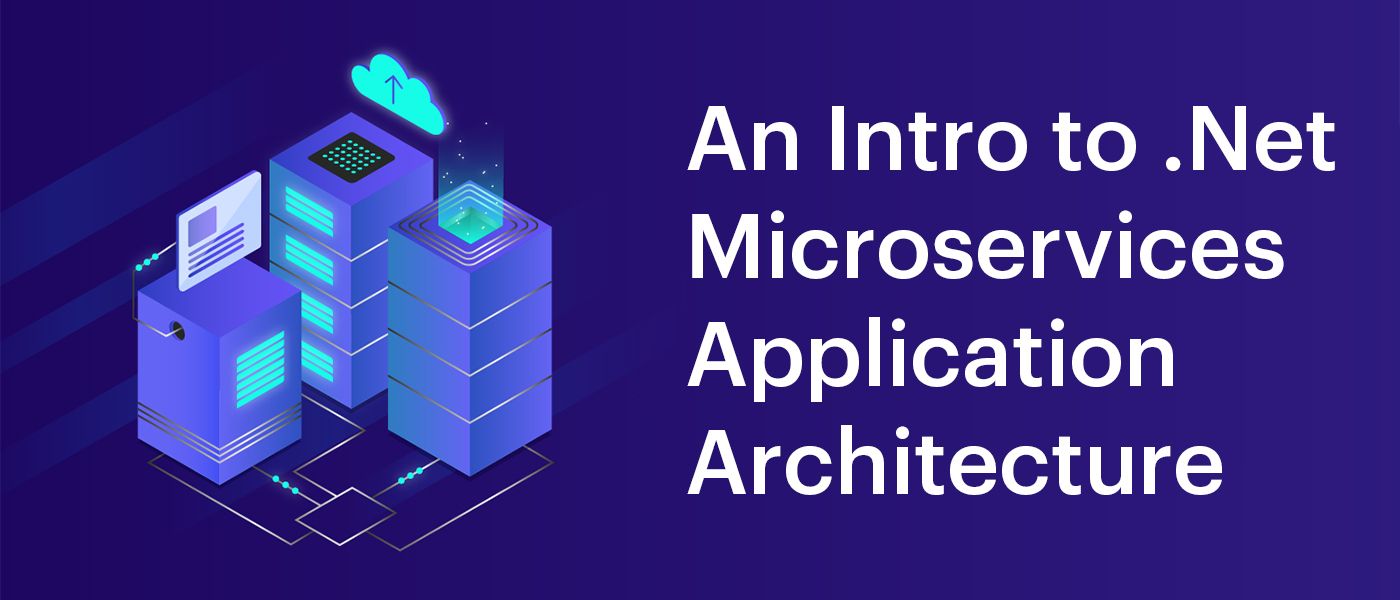 .Net Microservices is gaining massive popularity in the Tech market. Let's find out what actually is dot Net Microservices Application Architecture?
248. How CI/CD and Microservices Led to Kubernetes: Kube Explained Part 1
 Engineering teams have always had constant pressure to deliver software faster, cheaper, and more reliably. As a result, many of the recent trends in backend infrastructure have been driven by these factors.
249. Well-Architected Microservices
 This is a list of items that has helped me to build, run and scale microservices efficiently and securely.
250. How You Can Reduce Costs on AWS Lambda
 As a Serverless computing service, Lambda already saves hundreds of thousands of dollars for many companies out there. While traditional server-based infrastructures usually lead to overprovisioning and waste, the Serverless pay-per-use model enables cost-effective cloud spending.
251. Benefits of Using Docker for Microservices: 2020 Edition

252. API-as-a-Service is the Next Step in the Software World's Evolution
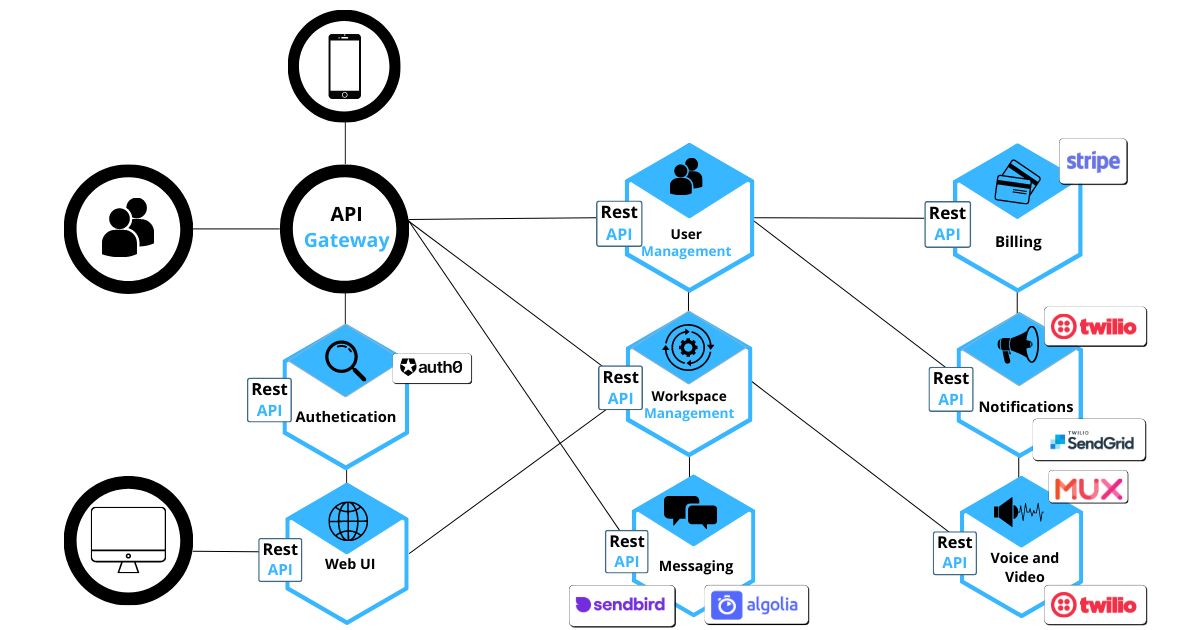 APIs are the foundational building blocks on which the software world is being built. What will the next wave of API-as-a-service winners look like?
253. Have We Reached the Age of Modularity Maturity?
 while microservices come with their perks, the cons are so huge sometimes that they offset the pros. There are more manageable ways to achieve the same result.
254. Micro Frontends: Extending Microservices To Frontend Development
 Extending The Microservice Idea To Frontend Development
255. Distributed Denial Of Service (DDOS) Mitigation
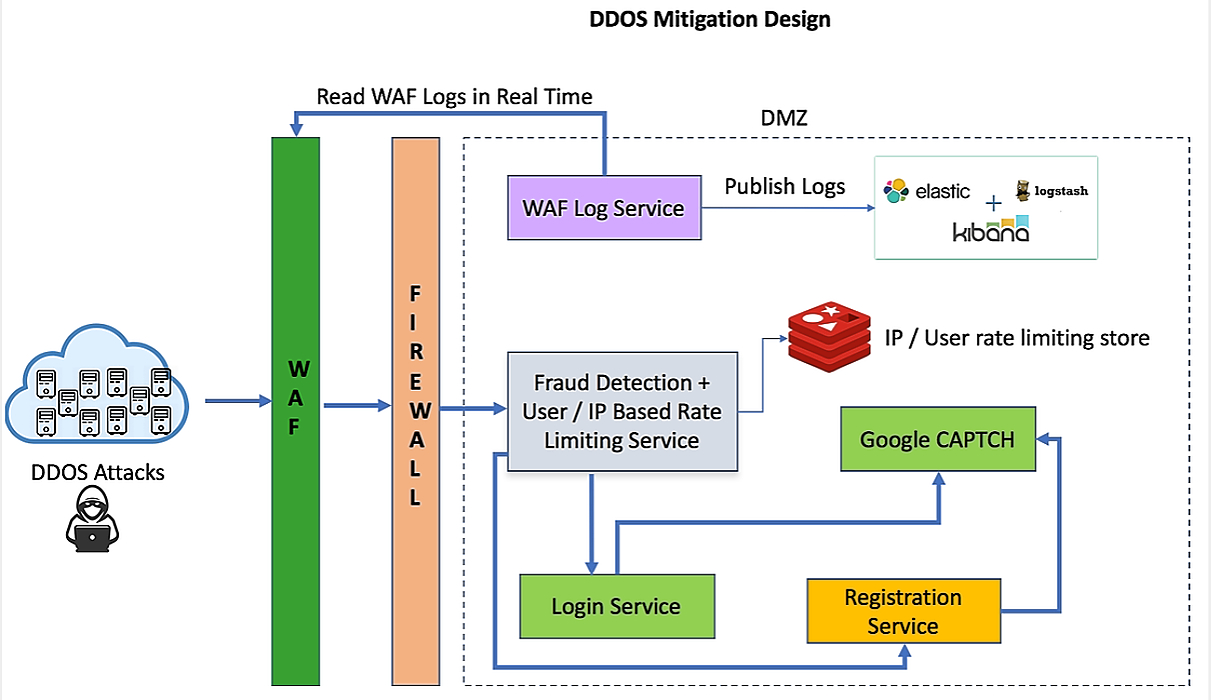 In the current age of big data and internet businesses it is a constant struggle for an organization to prevent data breaches and protect the data of their users. The current landscape of cyber security is still evolving and attempts are being made to use Artifical Intelligence to protect systems from attacks and data breaches.
256. Templating in Software Development: Taking a Deeper Look
 Explore how templating in software development can streamline your projects.
257. How to Deploy a Spring Boot Application on Choreo
 Step by Step guide on running a SpringBoot Application on Choreo
258. Messaging Pattern In Micro Service Integration
 This article provides information to developers who are considering microservice integration using Event Driven Architecture and Messaging.
259. How to Avoid Inconsistency Across Microservices
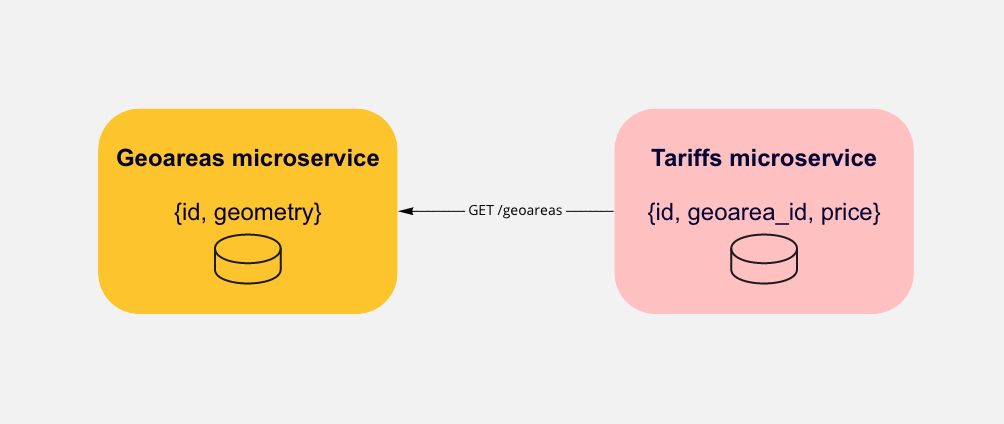 In a microservice architecture, you can get dependencies that impose restrictions on the services used
260. Why Observability Needs an AI On-Call Engineer
 Modern observability detects failures but cannot explain them. Why incident response needs an AI on-call engineer to identify root causes faster.g
261. SLI, SLO, and SLA: Your Terminology Guide
 Understanding SLI, SLO, and SLA is crucial for businesses.
262. Containerization in 2023: 4 Tips for Successful Container Adoption
 Four tips for laying a solid foundation and making sure you're ready to handle the challenges of operating containerized workloads in production.
263. Improving Your Web-Based App With Micro Frontends
 In this blog post, we will explore what micro frontends are, why they are beneficial, how to implement them in your project, and potential uses
264. Docker Basics to Get Your Feet Wet
 In this article, we will be discussing the most important elements and tools around the Docker ecosystem when getting started as a beginner.
265. Smart E-bike Kits: A Tour Inside Our Servers
 The Idea
266. An In-Depth Look at Shopify Plus: The Last E-Commerce Monolith
 Platforms like Shopify Plus offer headless capabilities, but the real magic is in modular commerce technology.
267. The Future of Integration-Platforms-as-a-Service (iPaaS)
 An analysis of the future direction of iPaaS, and the features and technologies that it is made up of. Introduces Choreo as a new generation iPaaS offering.
268. The HTTP Status Codes You Need to Know

269. The Ballerina Language and Platform Support for WebSockets
 WebSocket, used in full-duplex communication between web browsers and servers; let's take a look at how to implement this using Ballerina programming language.
270. Infrastructure as Code – Whose Responsibility Is It?
 In my experience, the development of microservice architecture and infrastructure go hand in hand. It's hard to imagine these tasks handled by separate teams.
271. Utilizing Microservices on AWS: Moving Away from Monoliths
 99% of the times you don't need microservices. For when you do, understand what they are, why use them, and how to split a monolith on AWS.
272. Reliable Testing with Kafka: Isolation Techniques
 Kafka integration testing with Testcontainers and Spring Boot 3.1, ensuring test isolation and full message access for reliable and efficient tests.
273. Web Application Development: Principles of Development Based on Microservices. Part 2.
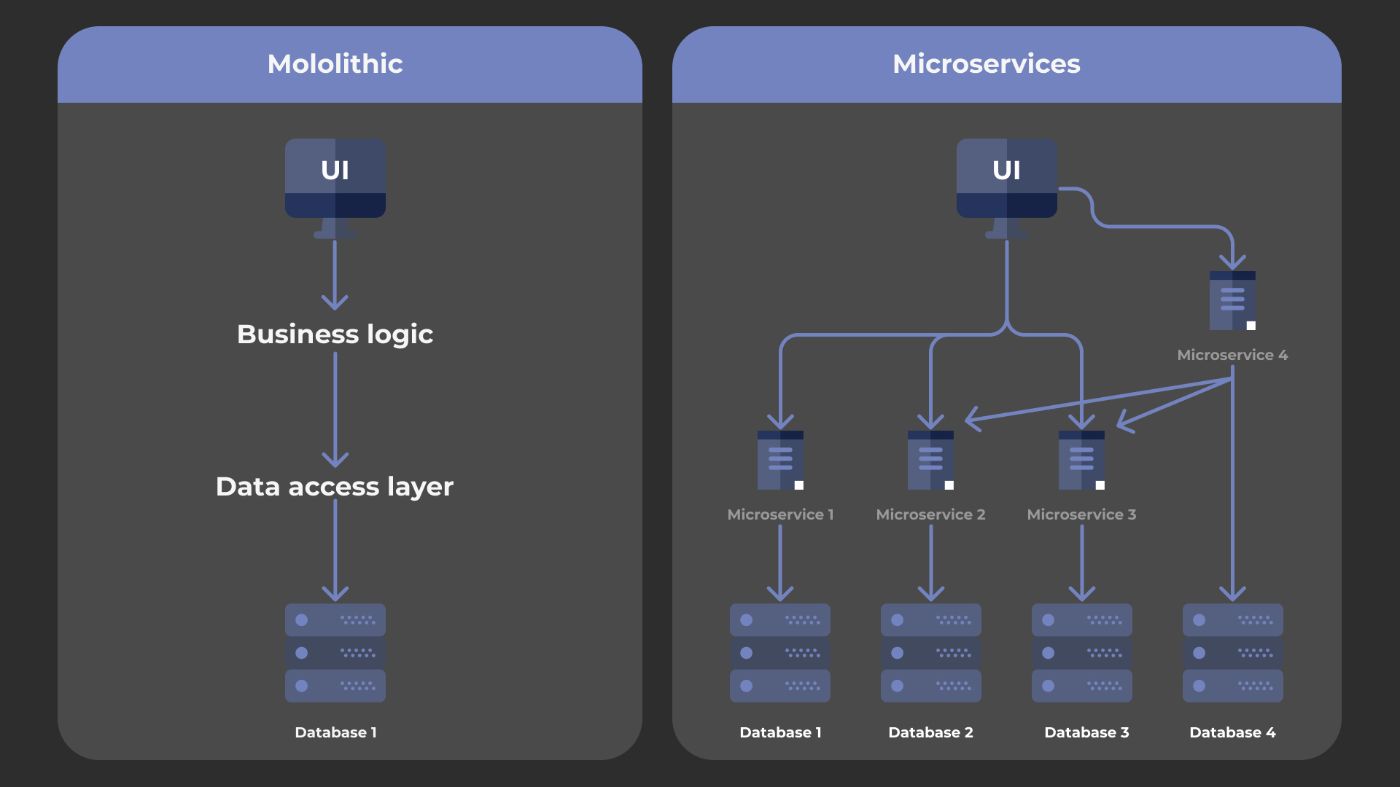 To use a microservice architecture, the developer needs to study special technologies that are applicable for such web app development.
274. Kafka Administration and Monitoring UI Tools
 Kafka itself comes with command line tools that can do all the
administration tasks, but those tools aren’t very convenient because
they are not integrated into one tool and you need to run a different
tool for different tasks. Moreover, it is getting difficult to work with them when your clusters grow large or when you have several clusters.
Kafka itself comes with command line tools that can do all the
administration tasks, but those tools aren’t very convenient because
they are not integrated into one tool and you need to run a different
tool for different tasks. Moreover, it is getting difficult to work with them when your clusters grow large or when you have several clusters.
275. Why Understanding Infrastructure-as-code is Critical to Scaling Your Technology Infrastructure
 Infrastructure as code (IaC) is one of the most important trends in modern IT development. Read about the benefits of IaC and how to implement it.
276. 5 Things Every Apache Kafka Dev Needs To Know: A Performance and Architectural Deep Dive
 Here are five tips on how Kafka works and how you can get started with Apache Kafka.
277. Microservices and the Golden age of Infrastructure Automation Tools
 The dramatic shift in infrastructure availability is one of the main catalysts for the advent of microservices.
278. Monitoring & Orchestrating Your Microservices Landscape using Workflow Automation (Parts 4/5 of 7)
279. Common Design Patterns for Building Resilient Systems (Retries & Circuit Breakers)
 We talk about two design patterns that highlight best practices for building resilient microservices architectures at scale.
280. OpenStack Top Interview Questions And Answers: 2020 Edition

281. Time, Space, and DACs: The Way Ahead
 While regarding how to form a DAC, people are too optimistic or ideal. It seems DAC will start from scratch by itself when connecting people (it's definitely not, remember the Guild that the Mandalorian has joined, it is a typical DAC, you can see how complicated it is), no clear path was given or discussed so far. DAC would be the mainstream value creation entity in the Value Internet Era.
282. Observability and Monitoring in a nutshell
 A guide to understanding the concepts and differences between monitoring and observability.
283. Going Beyond Spring: Exploring Vert.x for Reactive Java Development
 Eclipse Vert.x vs Spring WebFlux a practical Java comparison of event-loop architecture, performance, and reactive programming with real code examples.
284. Building a Distributed Timer Service at Scale: Handling 100K Timers Per Second
 This article details a horizontally scalable, distributed timer service achieving 100 K timer creations per second with millisecond precision.
285. Go Context Timeouts and External Calls: Cook Them Properly
 Optimizing external service calls in Go with context package: balancing timeouts and performance for efficient operations.
286. 5 Common Step Function Issues
 Here you will find the most common issues when working with Step Functions, especially when starting with the service.
287. The Cacophonies of Distributed Systems
 If you have never heard about Deutsch + Gosling’s fallacies of distributed computing, you are missing out big time! I encourage you to check them out here. Those delusions are widely considered in the distributed systems field as some of the most painful assumptions any junior systems designer, or architect can make. I like to call them “career-limiting choices”.
288. How to Ensure the Success of Microservices-based Projects
 Microservices-based projects are a great idea to deliver products in less time and with great flexibility/agility.
289. Deploy Your Application with Kafka and Docker in 20 Minutes
 In this tutorial, we'll walk you through how to use Docker, Kafka, and Kubernetes to deploy a simple application.
290. Startups, Do You Really Want to Pay The Microservices Tax?
 Why early microservices can kill your startup’s velocity, and how monoliths help you ship faster and stay alive.
291. 3 Noteworthy Hacks For Your SaaS Product Global Expansion
 If you work for a SaaS company looking to expand into other markets, have this one a read and let me what you think!
292. Securing Real-World Microservices With gRPC And Istio Service Mesh

293. How to Use Kong Ingress Controller with Spring Boot Services
 Kong Ingress Controller allows users to include the power of Kong Gateway in existing Kubernetes implementations, all without much effort.
294. Difference Between Spring MVC and Spring Boot

295. Kafka Gotchas
 I’ve assisted several large clients in building a microservices-style architecture using Kafka as a messaging backbone, having a reasonably good understanding of its abilities and the use cases that really bring them out. But I’m not a Kafka apologist by any stretch; any technology that has gone through such a rapid adoption curve is bound to polarise its audience and rub certain developers up a wrong way, and Kafka is no exception. Like anything else, you need to invest a significant amount of time in getting across Kafka and event streaming in general, before you become fully proficient and can harness its might. And be prepared to face one or two frustrations, to put it mildly, along the way.
296. Your Friendly Service Mesh for Abstract Network Architecture - Istio
 There is a new hype in the DevOps world: Istio and service meshes. But why exactly is everyone suddenly migrating to Istio? In this post, we will examine whether it actually makes sense to use Istio and in which use cases it may help you (as well as when it’s simply an overkill).
297. Improving Security in your Microservices Architecture with Istio
 Security in a microservice architecture with Istio 1.12
298. A Detailed Comparison of Monolithic and Microservices Architecture
 o compare monolithic vs microservices pros and cons, we should have a look at the perks and pitfalls of each architecture first
299. Architecture for Compliance Scaling Microservices with DDD for High Volume Global Enterprise Systems
 A technical case study on leveraging Domain-Driven Design (DDD) and Microservices to architect scalable tax compliance engines for high-volume global enterprise
300. Building The Koyeb Serverless Engine: Why We Moved From Kubernetes to Nomad, Firecracker, and Kuma
 We built our own serverless engine. Here is our story of moving user workloads from Kubernetes to a custom stack based on Nomad, Firecracker, and Kuma.
301. How to Build Secure & Compressed Microservices in Symfony
 A lightweight Symfony Messenger extension to transparently compress (gzdeflate) and encrypt (AES-256) large message payloads.
302. "We are all mad here." - 2021 Noonies Nominee
 "I was passionate about technology and gaming which led me to choose this path as my career and I love every bit about it."
303. Did You Get That Thing I Sent To You? – The Rise of Event-Driven Architecture

304. Distributed Tracing: Past, Present and Future
 Distributed Tracing is a divisive topic. Once the doyen of every KubeCon, the technology was expected to revolutionize observability.
305. New Spiral Cycle: Why Microservices Are Overrated
 Making out why Amazon, Netflix and others are going back to monolith
306. Turbocharging AI Sentiment Analysis: How We Hit 50K RPS with GPU Micro-services
 The sentiment analysis stack was one big codebase for data ingestion, model inference, logging, and storage. It worked great, until traffic shot up.
307. When to Break the Monolith: Identifying Obstacles in Your Software
 There are six surefire signals that point to it being time to pivot from monolithic architecture to microservices or modular architecture.
308. Steps Taken By Our Team To Build The eCars App Using Heroku And Salesforce
 As someone who became a Salesforce developer “by accident” 10 years ago and parlayed that into a career and business, I’m fully aware of the dividends that investing in continuous learning and brushing up on the latest in my industry can yield. Even after years of working in the Salesforce ecosystem, earning 11 certifications, and going through several hundred different projects, I’ve found it’s difficult to make the time to keep up with all the new tools and features of modern development (and usually I have the TrailheaDX and Dreamforce conferences each year to get caught up!).
309. Alibaba Cloud’s OpenSergo & ShardingSphere Release Database Governance Standard for Microservices
 ShardingSphere partners with Alibaba Cloud's OpenSergo to combine Database Plus & Database Mesh and release a database governance standard for microservices.
310. What is the ideal memory size to lower costs of running a task on Lambda?
 Should you increase Lambda memory? It might sound crazy, but increasing your AWS Lambda memory could actually lower your bills. Find out how.
311. Exploring DevOps Metrics in Human Terms - Part 1
 I discuss metrics in DevOps in human terms. I write about metrics vs. logs, TSDB (Time Series Database), Prometheus: server, clients, data format, cardinality
312. Why Your Microservice Architecture Is a Theory of Reality
 Distributed systems aren't just code; they're digital organisms. Explore how the Free Energy Principle and Markov blankets define modern software architecture.
313. How To Create a Simple Application Using Golangspell
 For a couple of years I've been working with Golang, is such a great experience, Golang is a great language, in my opinion, simple, fast, and focused on high performance. But, not only it can help us to create a microservice that is fast, but we can also code quite quickly.
314. Why Your Kubernetes Platform Team Is Still Answering Tickets in 2026
 Kubernetes scaling breaks without governance. Learn how Namespace-as-a-Service (NaaS) fixes sprawl with policy-first design, GitOps, and automation.
315. Introduction to Containers, Microservices on Kubernetes
 Containers and Microservices have become the most popular way for new software deployments, and for application re-factoring, such as twelve factor apps.
316. The Noonification: Ubers Secret Algorithm to Calculate Fares (9/22/2022)
 9/22/2022: Top 5 stories on the Hackernoon homepage!
317. Node.js Performance: The Stuff I Wish Someone Had Told Me
 I have been in the tech industry for more than a decade, and during this time, I must admit I have broken production multiple times.
318. 5 Common Amazon Kinesis Issues
 AWS Kinesis is a professional tool that comes with its share of complications. This article will discuss the most common issues and explain how to fix them.
319. How to Optimize Large Scale Serverless Applications for Operational Excellence
 Managing applications at scale often comes up as one of the biggest concerns for businesses; How can it work smoothly? How do we monitor so many resources? How do we maintain best practices with constantly evolving infrastructure? In this article, we run through the best approach for operational excellence looking at serverless monitoring strategy, serverless alerting strategy, and security and compliance best practices.
320. Building Your First Node-RED Flow: Basic Tutorial
 This post introduces a deep dive video tutorial where I teach you the fundamentals of Node-RED and at the same time, show you how to build a Weather dash
321. "Do You Think You Know What it Takes to Tell The User It's Their Birthday?"

322. Why Microservices Struggle With AI Systems
 Microservices become unpredictable with AI. Learn why AI breaks traditional assumptions and how to design resilient, failure-ready systems.b
323. Orchestration vs. Choreography: Navigating the Trade-offs of Modern System Design

324. Choreography: A Path to Effective Application Integration
 Microservices Choreography is more than just eventing mechanism, it's also a tool to integrate legacy systems with new ones in a non-invasive manner.
325. In Defense of the Cloud
 The cloud has taken a PR beating recently. Two systems seemingly too big to fail did: CloudFlare and AWS S3. The former was a security issue that caused sensitive data to show up in search results, the latter brought nearly the entire Internet down for the better part of a day on February 28, 2017.
326. Using KubeMQ Bridges to Communicate Between Edge and Cloud Clusters
 Struggling to communicate between your edge sources and the home cloud? Messaging could be the solution.
327. Unadulterated Thoughts on The (Micro)service Approach
 Have you heard of microservices? Of course, you have - any housewife already knows how to deploy them on a k8s cluster. Here is some thinking about them.
328. Modernizing Legacy E-Commerce Platforms: From Oracle ATG To Cloud-Native Architectures
 Today, as consumers, we expect a seamless experience across device and channel, and that experience is expected to be fast.
329. When ML Meets Microservices: Engineering for Scalability and Performance
 Discover how combining machine learning with microservices architecture enables scalable, high-performance systems by leveraging modular design, efficient data
330. AWS Re:Invent 2021: The Most Important Updates
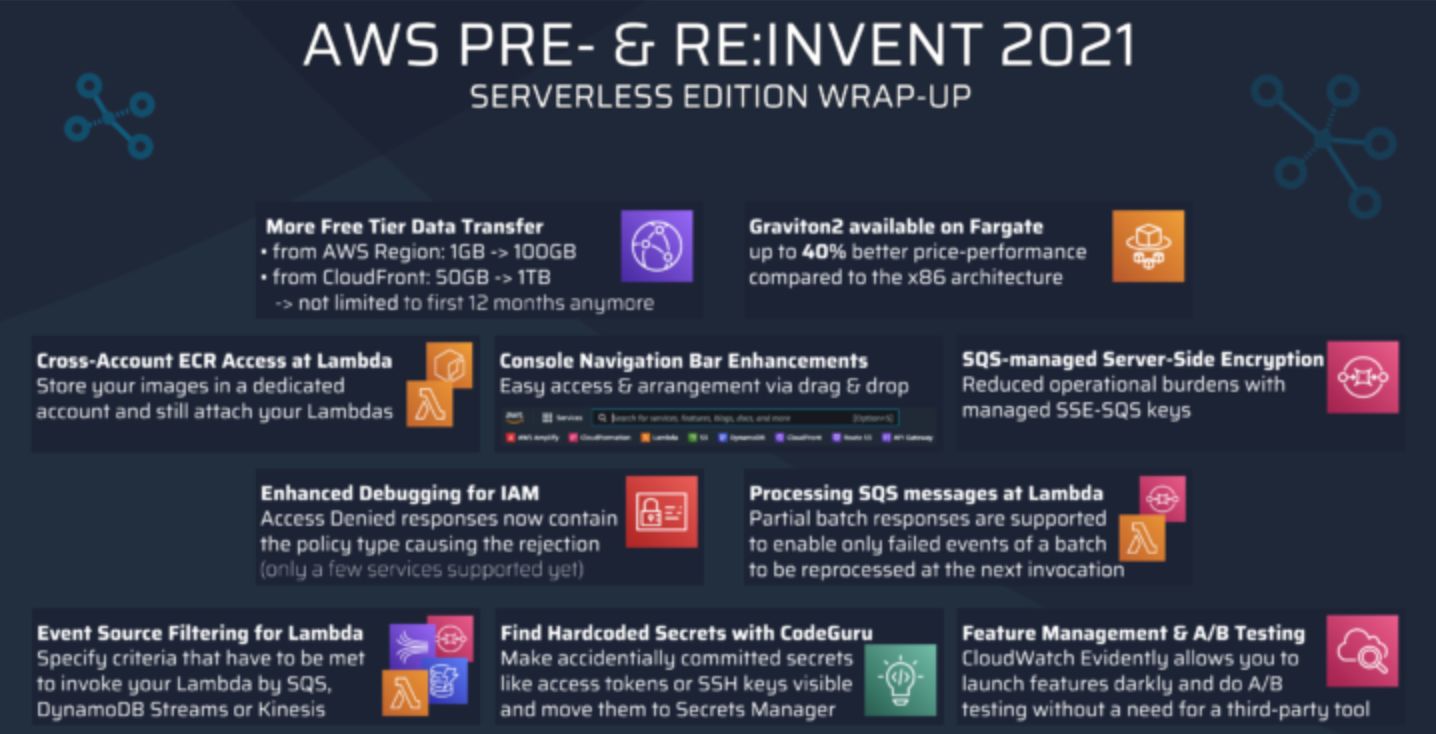 Find out what were the 22 most important serverless updates from re:Invent 2021. Announcements, updates and more - serverless edition >>
331. Languages and Architecture — The Importance of Being Language/Architecture Agnostic
 We shouldn't blindly follow all mainstream trends. Rather, we should carefully decide which architecture to choose.
332. The WAF Said Nothing. The IDS Said Nothing. The ML Model Said "Block This." Here's How We Built That
 You don't need to know what an attack looks like. You need to know what normal looks like. Here's how AWS Lambda and SageMaker make that possible in production.
333. You Split Up Your Monolith—Now API Gateways Are Here to Save Your Butt
 Microservices are great… until they aren’t.
334. Comparing Web Development Architectures: Headless vs Decoupled vs Traditional
 Get a detailed insight into the differences between traditional, decoupled and headless architecture and decide which architecture may best fit your business.
335. Containers 101: Kube Explained Part 2
 In our previous post, Kube Explained: Part 1, I described how the introduction of the cloud resulted in CI/CD, Microservices, and a massive amount of pressure to standardize backend infrastructure tooling.
336. All It Took Was a $300/Month No-Code Stack to Scale a SaaS Marketplace to 10,000+ Users
 Discover how Microns.io built and scaled a SaaS marketplace to 10K+ users using a $300/month no-code stack with Webflow, Wized, and Xano.
337. How FIFO Mechanisms in Message Brokers Ensure Message Order
 Explore the First In First Out (FIFO) mechanism in message brokers and learn how to maintain message order across different systems.
338. How to Set up a Local K8s Cluster Using KinD
 App Development and Testing on locally created Kubernetes Cluster. KinD is used for creating local K8s Cluster.
339. CAP Theorem - 5 Essential Questions for Designing a Distributed Architecture
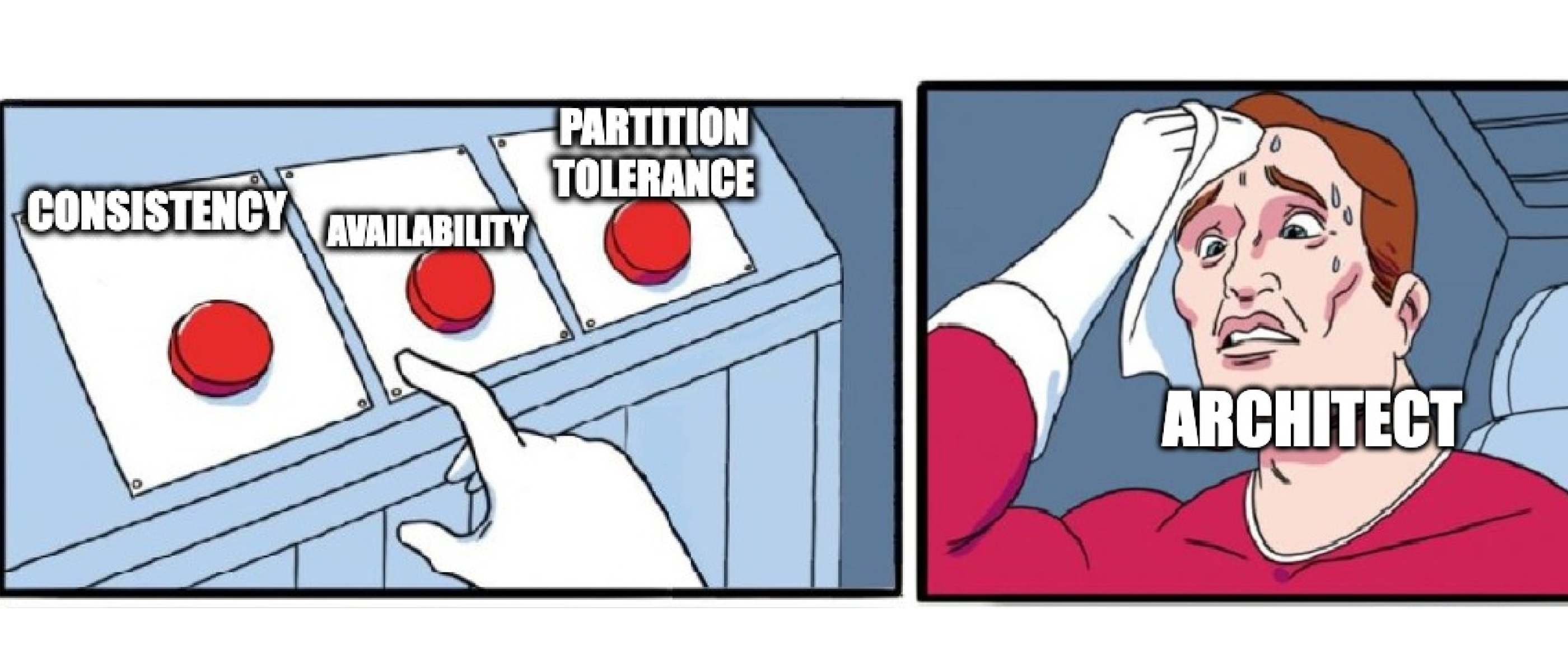 The CAP Theorem is a fundamental limitation in the world of distributed systems.
340. How To Dismantle Monolithic Apps
 Monolith breakup strategies technical and project management
341. AWS Core Services: Major Serverless Tools That You Should Use
 When first looking into serverless migration and its architecture, it can feel like you’re staring down an endless shopping aisle of critical serverless tools that all need to be put into your basket straight away. Some services seem to offer the same function, while others can feel wildly different - both, as a result, can instill some doubts as to what is really necessary for your business and serverless application.
342. Your API Is Not Plumbing. It’s the Product.
 A technically perfect API with zero adoption is worthless.
343. Event Sourcing 101
 In this article I will describe what is event sourcing, how it works, what are the implications, and how to make a basic implementation
344. What Does Serverless Have In Common With Nutella?
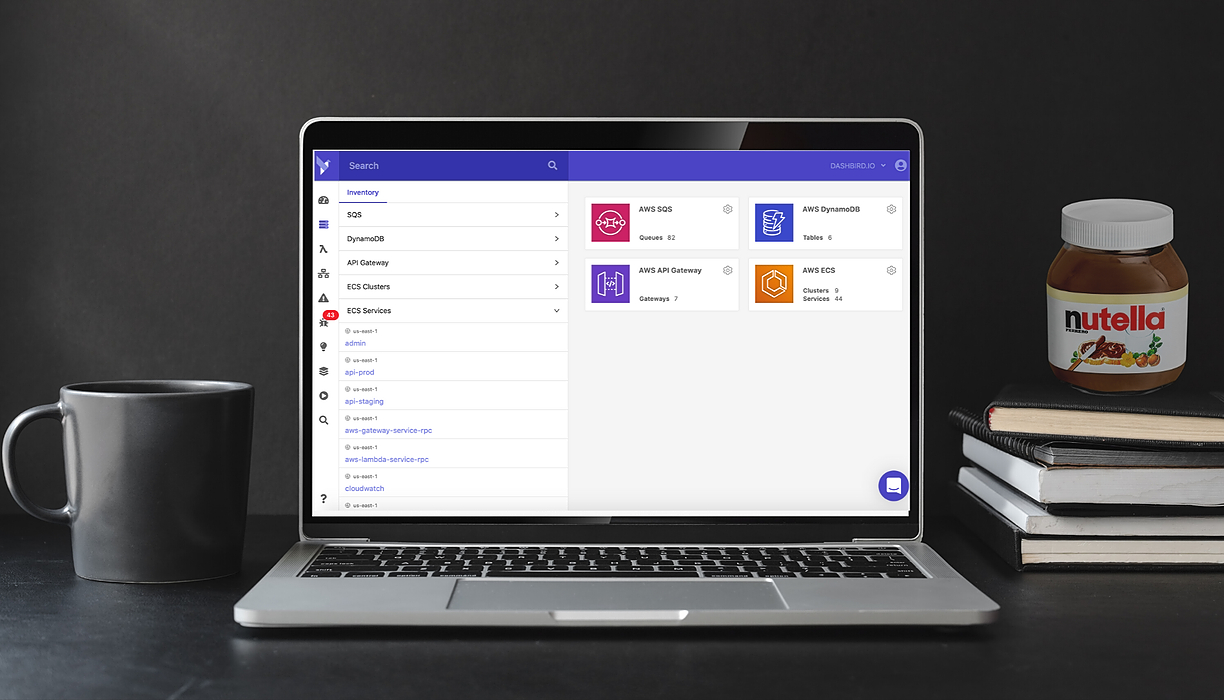 There is an interesting discussion going on around how Serverless is more of a spectrum rather than a binary choice.
345. Event Streaming vs Event Sourcing: Maximizing Business Efficiency
 What’s the difference between event streaming and event sourcing? When is the right time to choose either pattern? In this post, we look at each approach.
346. 3 ways of recycling third-party code for AWS Lambda
 In this article, we're discussing AWS Lambda Layers, Lambda Extensions, and Docker image for Lambda. How and when to use which?
347. Why Your Retry Logic Is Taking Down Your System (And How to Fix It)
 Naive retry logic can cause retry storms in distributed systems, amplifying failures and leading to cascading outages. Learn safer retry strategies.C
348. A Futuristic Outlook That Augmented Profitability: The New York Times Went Cloud Native with GKE
 Adopting GKE helped The New York Times increase the speed of delivery. Whereas VM-based deployments took up to 45 minutes, Kunernetes took few seconds.
349. The True Cost of Technical Decisions
 Outsource the plumbing. Build the magic. The senior engineer's rule for deciding what to build vs. buy—and why Uber's 2,000 microservices matter.
350. Managing the First Fallacy of Distributed Computing
 Network reliability is one of the most basic mistakes made by microservices developers, let's see how to factor this unreliability when writing microservices.
351. OpenTelemetry SDK: Concepts & Design
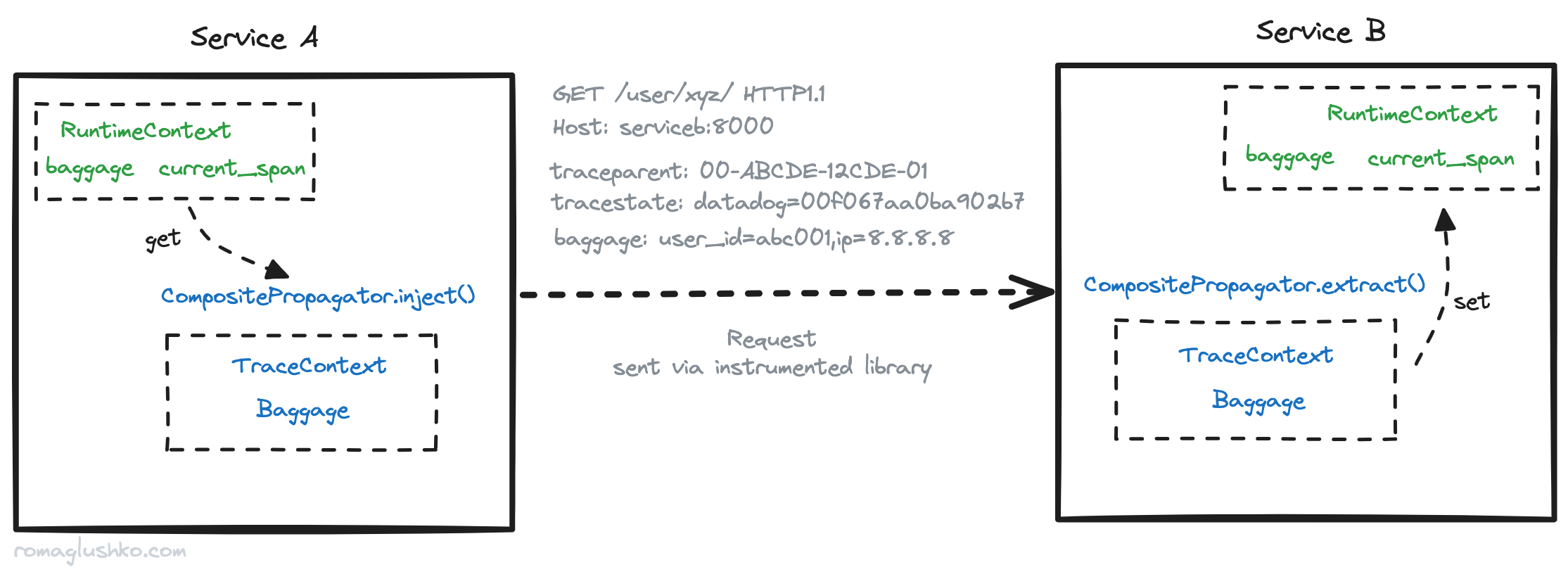 How OpenTelemetry SDK does distributed tracing, metrics collection and log recording.
352. Ensuring Atomicity in Distributed Systems: Managing Transactions Across Microservices
 Maintain atomicity in distributed systems with protocols like Two-Phase Commit and the Saga Pattern, addressing challenges in microservices environments.
353. Headless CMS Pitfalls
 Reflections on two headless CMS implementation projects.
354. From Monolith to Microservices: Scaling with Spring Boot and Spring Cloud
 In this step-by-step tutorial, we’ll build a fully working microservices ecosystem from scratch.
355. Cloud-nomad Architecture: What You Need to Know
 Learn about repatriation and consolidation trends, why it's a step forward, not a step back, and the core idea of cloud-nomad architecture.
356. Serverless Benefits And Challenges: 2020 Edition
 While we know the many benefits of going serverless - reduced costs via pay-per-use pricing models, less operational burden/overhead, instant scalability, increased automation - the challenges are often not addressed as comprehensively. The understandable concerns over migrating can stop any architectural decisions and actions being made for fear of getting it wrong and not having the right resources. This article discusses the common concerns around going serverless and our advice to minimise their impact.
357. Filestack Presents: Nerd Up: Scale Up - A Full-Day Online Conference
 On February 22, 2023, from 9:30 a.m. to 3:30 p.m. Central Time, Filestack will be hosting a full-day online conference.
358. Securing the Digital Nerve System: A Practical Guide to Implementing Zero Trust API Security
 Learn how Zero Trust secures APIs, prevents breaches, and ensures every request is verified in modern microservices and cloud environments.
359. Chopping the Monolith — the Smarter Way
 In this post, I offer another alternative to chop the monolith. Instead of forking the call on the client side, we fork the call on the Gateway side.
360. Producers Guarantees for Event-driven Development
 Instead of consumers' delivery guarantees in message queues, in this article, we're going to talk about producers' guarantees in distributed systems.
361. Why Traditional Monitoring is Falling Behind And What’s Taking Its Place
 Traditional dashboards and logs aren't up to the task of managing a fast, ephemeral, and unpredictable infrastructure.
362. The 100ms Tenant: Why Co-Living Platforms Fail in the Last Mile of Real-Time
 Co-living platforms break in the last 100ms, when systems disagree on reality. Resilience at the edge decides whether tenants trust—or clash.
363. Software Engineering Architectural Patterns Part1
 Choosing the right architecture for your project. Understanding common software architectural patterns that scale.
364. Act Like a Cloud Genius — Kill Zombie Capacity Quickly
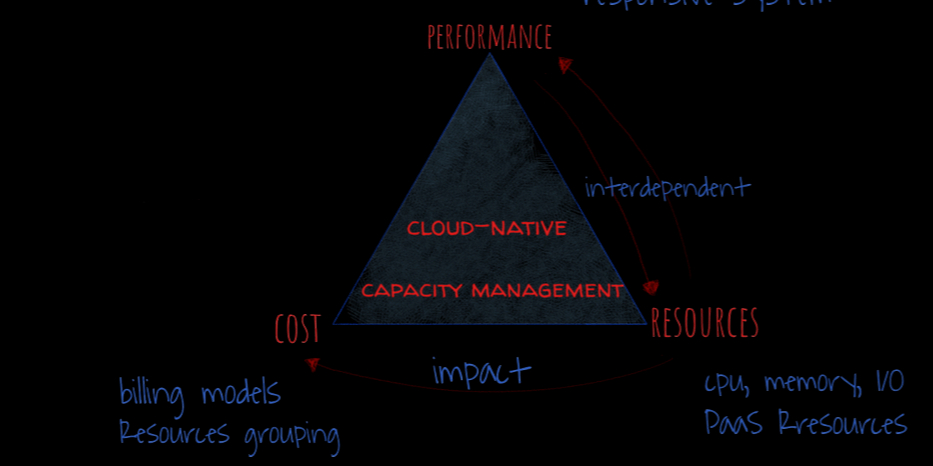 Zombie capacity is any infrastructure piece that looks like it’s doing something, but in reality, is lying unused and should be killed. Zombie capacity can accumulate quickly and can be one of your largest infrastructure debts. The zombies come out of the dark when you get your cloud bill, your users complain about your system’s performance or availability, or you look at cost or usage metrics that look shameful to you and are hard to defend to your CTO.
365. Can You Apply Reactive Programming to Legacy Services? This WebFlux Example Says You Can
 Is there a reason to keep using legacy services? Probably not! But this is one way to do it and bring it to Reactive!
366. How to Package a Java Project in a "Box" using Spring Framework

367. Kuma and Prometheus for Observability in Kubernetes Microservices Clusters
 A year ago, Harry Bagdi wrote an amazingly helpful blog post (link at bottom of article) on observability for microservices. And by comparing titles, it becomes obvious that my blog post draws inspiration from his work.
368. The ABCs of Microservices: A Simple Introduction
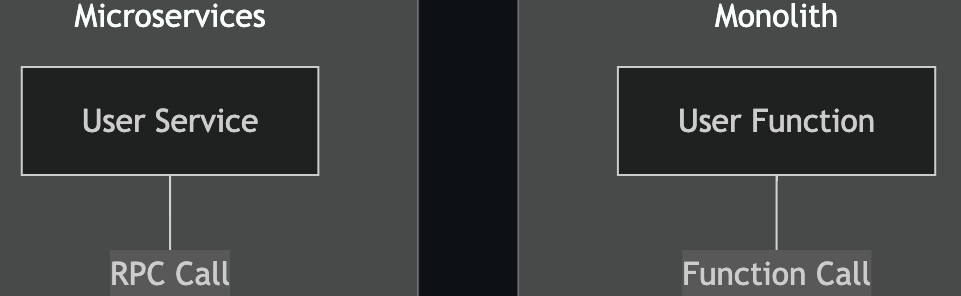 We’re working in distributed teams, projects, and we even distribute compute resources in Regions and Zones (for cloud-based environments).
369. Choreography — A Vital Tool to Strangle Monoliths
 Choreography is not just a pattern for green field Microservices development, it's a vital tool to strangle monoliths too. This blog explains how.
370. Why Builders Opt For Agile: Experience Gained at Slash
 Waterfall vs Agile
371. How Adopting Serverless is a Competitive Advantage for Your Business
 How could serverless help move your business faster and outpace competitors? With serverless, you don't need to worry about anything except your code.
372. Simplifying Microservices Communication with KubeMQ Control Center
 Dealing with the complexities of microservice communication can be a burden. Here, learn how developers can be more efficient using microservice architectures.
373. DevOps for Microservices: Effectively Managing Complex Architectures
 Like comic dust, microservices combine to become a fully working system, dividing software into separately deployable services.
374. Best Front-End Settings To Create a PWA [QCObjects Edition]
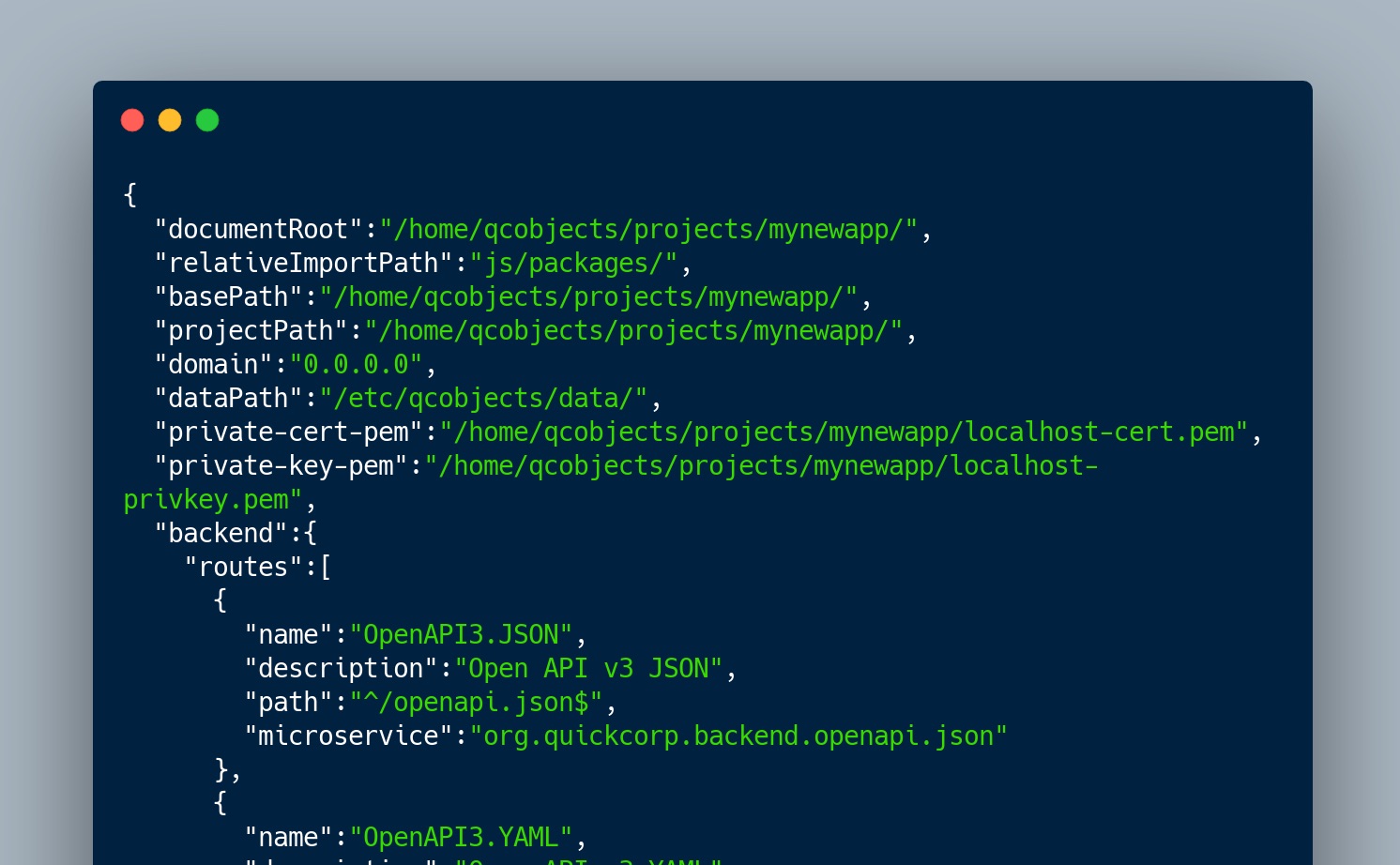 Here are some recommended settings for a good result doing your first steps creating a PWA using QCObjects:
375. Monitoring & Orchestrating Your Microservices Landscape using Workflow Automation (Parts 6/7 of 7)
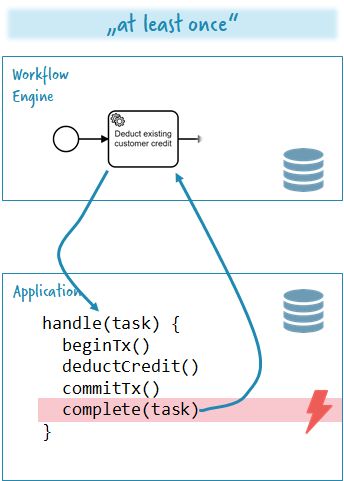 On Wednesday, March 11, 2020, I conducted the webinar titled “Monitoring & Orchestrating Your Microservices Landscape using Workflow Automation”. Not only was I overwhelmed by the number of attendees, but we also got a huge list of interesting questions before and especially during the webinar. Some of them were answered, but a lot of them were not. I want to answer all open questions in this series of seven blog posts. Today I am posting the final two in the series.
376. Introducing FauxRPC: How Does it Work?
 FauxRPC is a powerful tool that makes fake gRPC/gRPC-Web/Connect and REST servers from protobuf
377. Never Worry About Cloud-Native Tech Security Again
 If you have embraced the concept of cloud-native computing and principles, you are ahead; you are on the right path in today’s advanced and competitive IT environment. But we need to understand one thing that, moving your development environment and processes to a cloud-native environment can be daunting and challenging. Anybody can merely advise you to move from a monolithic application to a microservices architecture, but from where and how are the questions that need critical analysis.
378. How Agile Teams Shorten SDLC Using DevTestOps
 Moreover, the duty of code quality can slowly be forgotten in the developers’ minds as they know their work would be tested either way.
379. Accessing Kubernetes Using Expose API and User Interface Using Sidecar Pattern
 Kubernetes is an open-source container-orchestration system for automating application deployment, scaling, and management.
380. Cut Inter-Agent Latency by 80% With gRPC Streaming
 Learn how gRPC bidirectional streaming and Protobuf eliminate JSON Tax in multi-agent AI systems. Architecture patterns, and design lessons for agentic systems.
381. How To Do Data Mapping in Kumologica
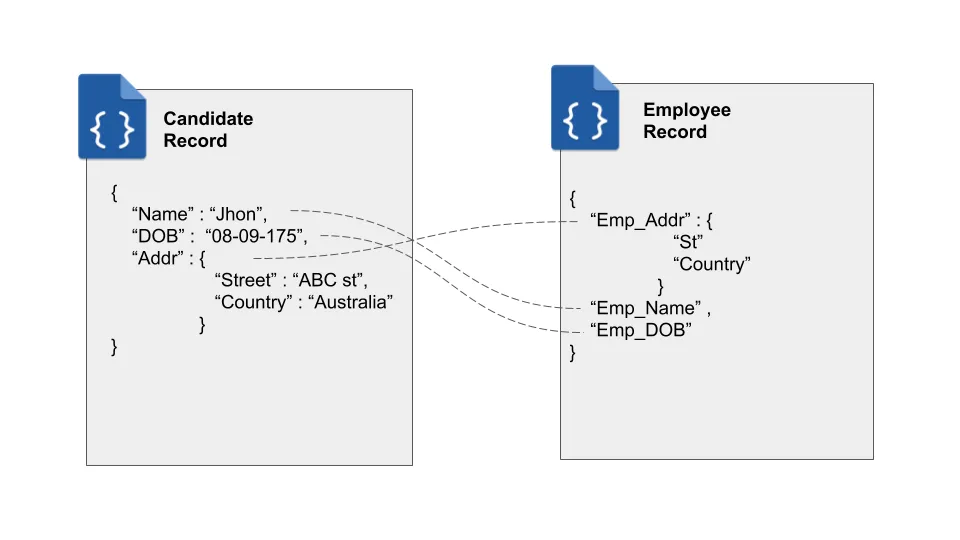 Data mapping is a key element in integration. Most of the prominent integration tools provide different capabilities for data mapping. In this article I thought of sharing on how data mapping can be achieved in Kumologica. Kumologica uses JSONata as the base for data mapping. JSONata is a Lightweight query and transformation language for JSON data. It supports complex queries expression which can be achieved with minimal syntax and has a location path semantics of Xpath 3.1.
382. Getting Down and Dirty with Metric-based Alerting for AWS Lambda
 Discover how to set up metric-based alarms for AWS Lambda functions. See how to do it in CloudWatch vs Dashbird.
383. Maintaining Quality When Transitioning from Monolith to Microservices
 Piece by piece, legacy monolith applications are being broken down and replaced by microservices.
384. The System Design Paradox: Why Your Principal Engineer Asks for Less, Not More
 Microservices, Kafka, sharding, event sourcing... these are the words of the gods, the hallmarks of a real senior engineer, right?
385. The Noonification: Unpacking Cinnamon—A New Resiliency Approach at Uber (1/22/2024)
 1/22/2024: Top 5 stories on the HackerNoon homepage!
386. Embrace the Chaos, Randomness and Uncertainty on Your Path to Engineer Better Software
 Chaos engineering is the practice of deliberately injecting an error into a system, in order to observe, in vivo, the consequences.
387. [ANN] Serverless Kubernetes Solution For Cloud-Native Apps by CTO.ai
 CTO.ai Launches Serverless Kubernetes Platform for Managing Cloud Native Apps
388. A Serverless Perspective on AWS Elastic Load Balancing
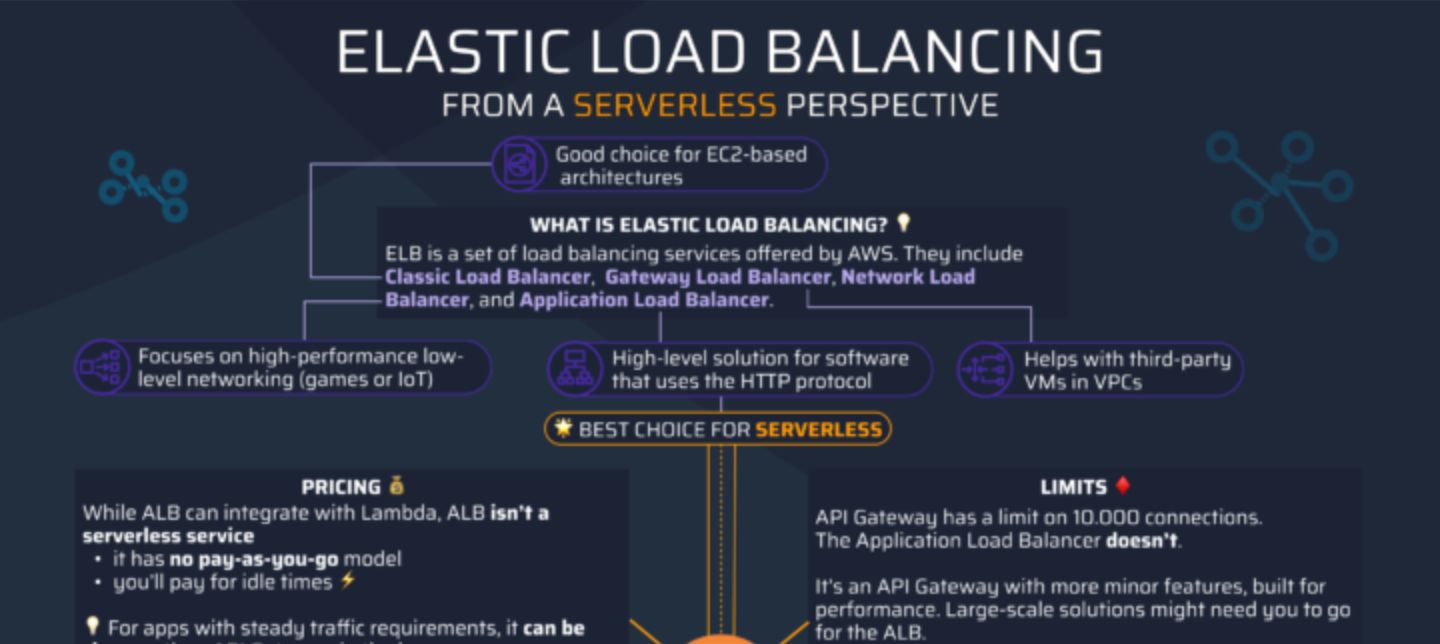 Everything you need to know about AWS Application Load Balancer (ALB) and whether or not it would be a good alternative to an API Gateway.
389. 51% of Business Leaders Believe They Will Be Left Behind If They Don't Innovate
 Learn what IT leaders are prioritizing one year into the COVID-19 pandemic, per new research on the adoption of microservices, open-source tech, and more.
390. Getting Started with Spring Cloud Stream
 This post was co-written with Ben Wilcock, Product and Technical Marketing Manager for Spring at Pivotal.
391. Meet John Jardin - #Noonies2021 Nominee, Full Stack Developer, CEO of Agilit-e
 Through his 21 year journey as a developer, John Jardin has managed over 350 projects for various companies. Learn more via this exclusive interview.
392. Top 10 Micro Agents You Can Train on A Potato in 15 Min
 We are entering the era of the Micro-Agent, essentially models under 1 billion parameters that don’t just run on your laptop or even mobile devices.
393. Lilan Anjana Fernando is Excited About New And Upcoming Programming Languages
 Lilan Anjana Fernando from United States has been nominated for a 2020#Noonie in the Future Heroes and Technology categories.
394. Eko Simanjuntak, 2020 Noonie Nominee, Loves to Explore Cloud Native Technologies
 Go on, make a fellow human’s day and nominate the best YOUR best of 2020’s tech industry for a 2020 #Noonie, the tech industry’s most independent and community-driven awards: NOONIES.TECH.
395. I Built a Failing Pipeline So You Don’t Have To
 Build a resilient Node.js pipeline with circuit breakers. See how ffetch blocks bad calls, prevents cascades, and keeps microservices stable.
396. Automating a Conference Submission Workflow: Tech Stack And Setup
 Even given the current situation, part of my Developer Advocate job is to talk at (virtual) conferences. Sometimes, organizers invite me. Yet, most of the times, I need to take part in a CfP. With the sheer numbers of conferences I submit to, I need a tool to manage the status of each submission. Since I started, Trello has been my tool of choice. I’ve a dedicated board with several defined columns: backlog, abandoned, submitted, rejected, submitted and done. A conference is a card that I move around, depending on its status.
Thank you for checking out the 396 most read blog posts about Microservices on HackerNoon.
Visit the /Learn Repo to find the most read blog posts about any technology.