

Let's learn about Product Market Fit via these 80 free blog posts. They are ordered by HackerNoon reader engagement data. Visit the Learn Repo or LearnRepo.com to find the most read blog posts about any technology.
Product-market fit describes the degree to which a product satisfies a strong market demand. Achieving it is essential for a startup's success, indicating customers truly want and will use the product.
1. 5 Steps To Achieving Product Market Fit And The 40% Rule
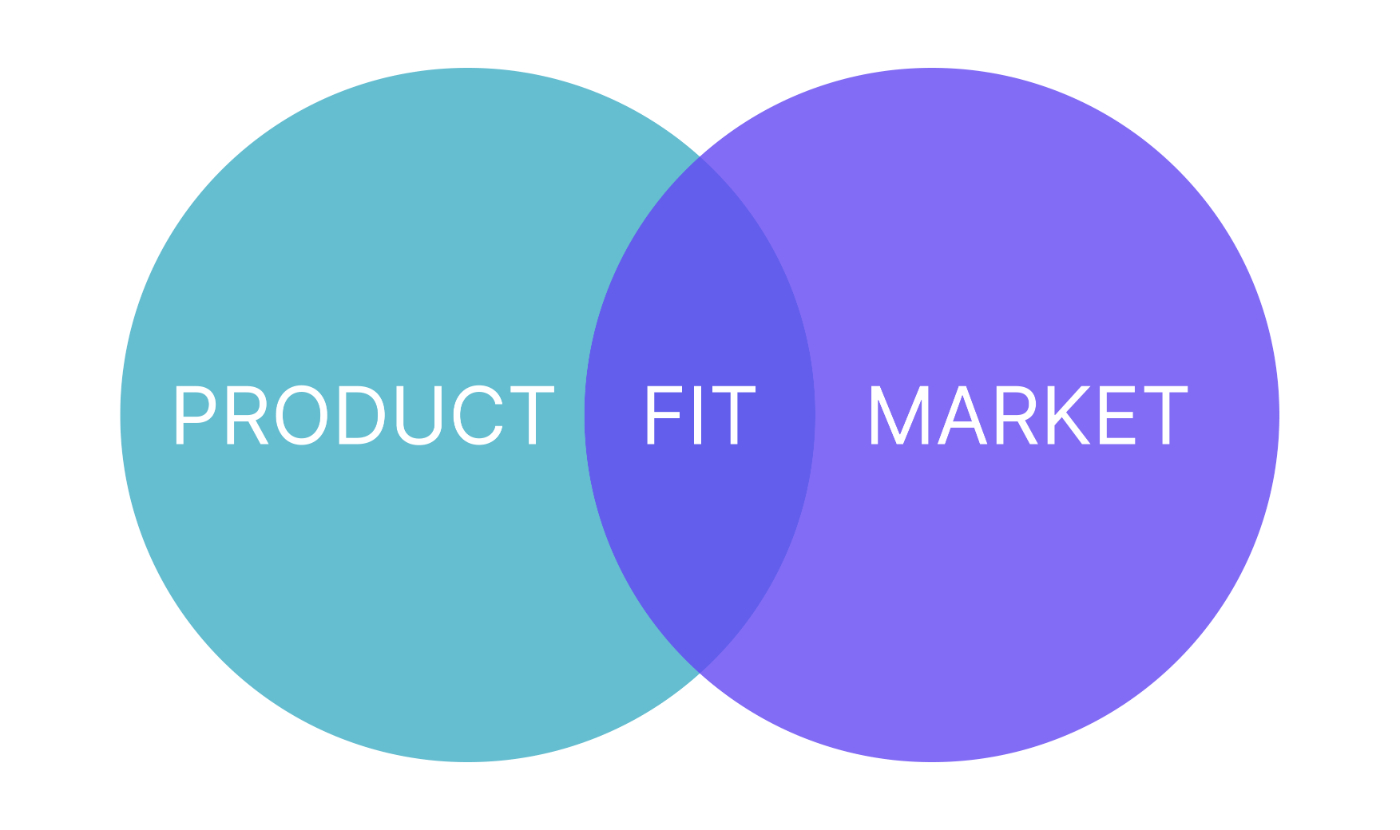 The guide introduces you to the smart way of finding product-market fit for your startup. It showcases 5 steps to achieve and measure product-market fit.
2. How To Build Onboarding For Digital Products
 Get a deep understanding of the problem a product solves for its customers. Identify high-retention features and communicate them through onboarding.
3. To Focus or Not Focus: How to Find the Right Product-Market Fit
 To all the product managers out there searching for that elusive product-market fit, remember to keep your eyes on the prize and focus on what matters most!
4. From Pre-Seed to Series A: Navigating the Key Stages of Product Development
 The article showcases best practices for product development from pre-seed to Series A rounds, and describes what to pay attention to in your startup.
5. How Discord Became the Most Successful US Consumer App in the Last 5 Years
 I recently came across this very interesting Twitter thread which claims that:
6. How is Product Management in a Tech Startup Different Than a Large Company?
 I’ve been asked many times what is product management in a tech startup and how the job differs from product management at a larger company with a more mature product.
7. Everything About Product-Market Fit: And Why You're Probably Confused About It
 Many people talk about product-market fit, and how important it is in the early days of a startup. Actually, most people agree that product-market fit is fundamental to a startup’s trajectory.
8. The 4 Steps of the Startup Lifecycle: Genesis, Product Market Fit, Growth and Exit
 The adventure of a <a href="https://hackernoon.com/tagged/startup" target="_blank">startup</a> is much more than an idea. Often overestimated, having a great idea is not a goal in itself. The greatest entrepreneurs will tell you that the most important isn’t the idea but the execution.
9. Product-Market Fit Tips for Startups: Insights From 20 Experts
 In this article, we'll explore the concept of product-market fit, drawing insights from product marketing experts who have successfully achieved it. We'll also
10. Zero-to-one Product Management in Marketplaces
 Know what aspects of the product you should pay attention to during the zero-to-one product management at marketplaces.
11. The Myth of Early Moats in Startups (And What To Do Instead)
 Dismantling startup myths: Prioritize Product/Market Fit over early moats and insights on market dynamics & value creation.
12. How We Iterated on 10 Ideas in a Month
 After a discussion (that lasted 30 seconds, as it was an obvious decision for us), we decided to share our complete journey with our new startup, Dataline, with as much transparency as possible. Learnings should be shared! Anybody can leverage our journey, and it’s also a good way for us to take a step back and understand what we did right and what we could improve upon. So here is our first story: how we iterated and sorted through 10 ideas in our first month of working on a new startup.
13. How We Applied Twice for the Same YCombinator Batch
 Back in September, we were iterating on many ideas. We had come up with a 2-day invalidation process to make sure that we were not wasting too much time on bad ideas.
14. What the Pandemic Taught Me About Product/Market Fit
 The question is not, “Does the company have product/market fit or not?”. The more appropriate question is, “What’s the strength of the company’s product/market fit?”
15. Web3 Product-Market Fit and Marketing Strategy For Blockchain Startups in 2024
 How marketing influences Product-Market Fit in Web3, how to implement a strategy-first approach in 2024, and which activities show good results. Enjoy & share!
16. Reddit's Origin Story and Persistent Path to Product Market Fit
 Welcome to the first edition of Product Stories. The first product that I have chosen is Reddit — a company that thousands of startups have tried to emulate but always failed to do so. Let’s look at why that is and what’s so special about Reddit.
17. Painkillers, Vitamins and Misunderstood Startup Lessons
 If you’re a startup founder, you may be short of many things : funding, sleep, the will to live.
18. How We Find A Way to Grow our MRR by 800% in 6 Months

19. How Carta is Capturing the Atomic Unit of the Entrepreneurial Stack
 When founders, limited partners, and investors ask us which companies exemplify Tribe’s culture, process, and decision-making towards successful outcomes, we point to three companies: Facebook, Slack, and Carta. These companies track our trajectory from operators to investors culminating in our partnership with Carta, where we’ve doubled, tripled and quadrupled down on our initial investment. This article explains why at Tribe we say, “We make N-of-1 companies.”
20. Why Beautiful Apps Die Lonely Deaths: The Structural Forces Behind Vibe Decay
 The startup ecosystem has built sophisticated machinery for evaluating the appearance of progress and almost none for evaluating progress itself.
21. A Deep Dive Into Product Manager Roles and Responsibilities
 Product Manager as a function or practice is fairly old now. It has been around since 1931 (well at least in theory). It originated from a memo written by Neil McElroy, an Advertising Manager at Proctor and Gamble. He wrote this memo to the Executive Team of P&G suggesting the need of a “brand man”, a person solely responsible for the product and not the business.
22. How Blockchain Startups Can Find Product Market Fit
 Follow our detailed guide for discovering the product-market fit for your startup
23. Product-Market Fit Is a Perishable Good — Here’s the Operating Manual
 PMF isn't a milestone — it's a treadmill. A 6-step operating manual for finding product-market fit when AI makes building free but learning still costs time.
24. Shifting from a sales-led growth to product-led growth mindset
 The transition from sales-led to product-led growth model: What are the benefits and challenges of the product-led growth model.
25. Guiding Startups to Success: Going From MVPs to Product-Market Fit
 Startup journey from MVPs to Product-Market Fit, demystifying startup challenges and highlighting the dynamic development, testing, and market adaptation.
26. How a Demo Page for my Abandoned Open Source SDK Accidentally Found Product Market Fit
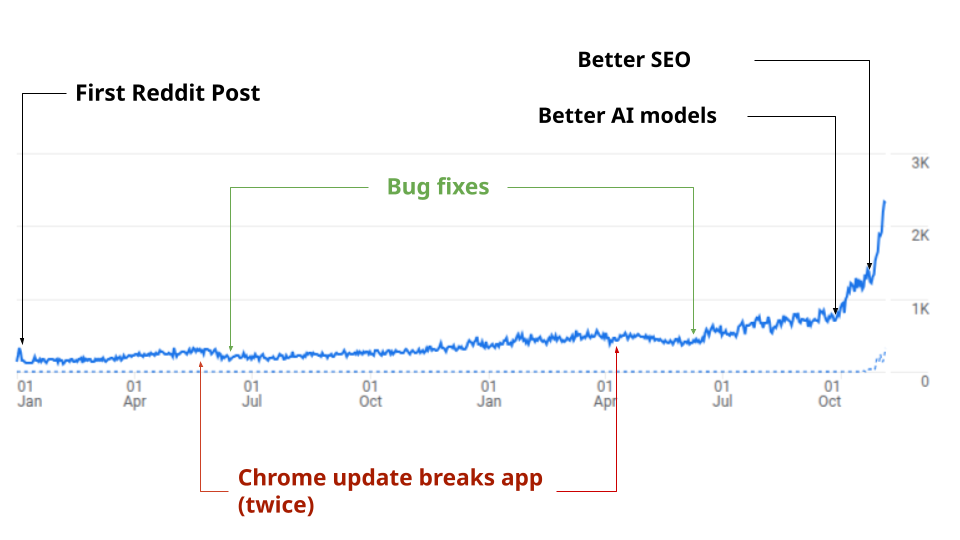 How a free browser based video upscaling tool I built as a demo for an open source project accidentally found product market fit, growing to 70k MAU.
27. The Startup Action Framework Explained
 How to Take Your Startup from Foundation to Flourish
28. Top 5 Effective Product Positioning Strategies
 Product positioning is one of the most discussed topics in product marketing, and it could either make or mar the performance of any product that you developed.
29. Slack's Birth From a Video Game Company Was Not a Coincidence
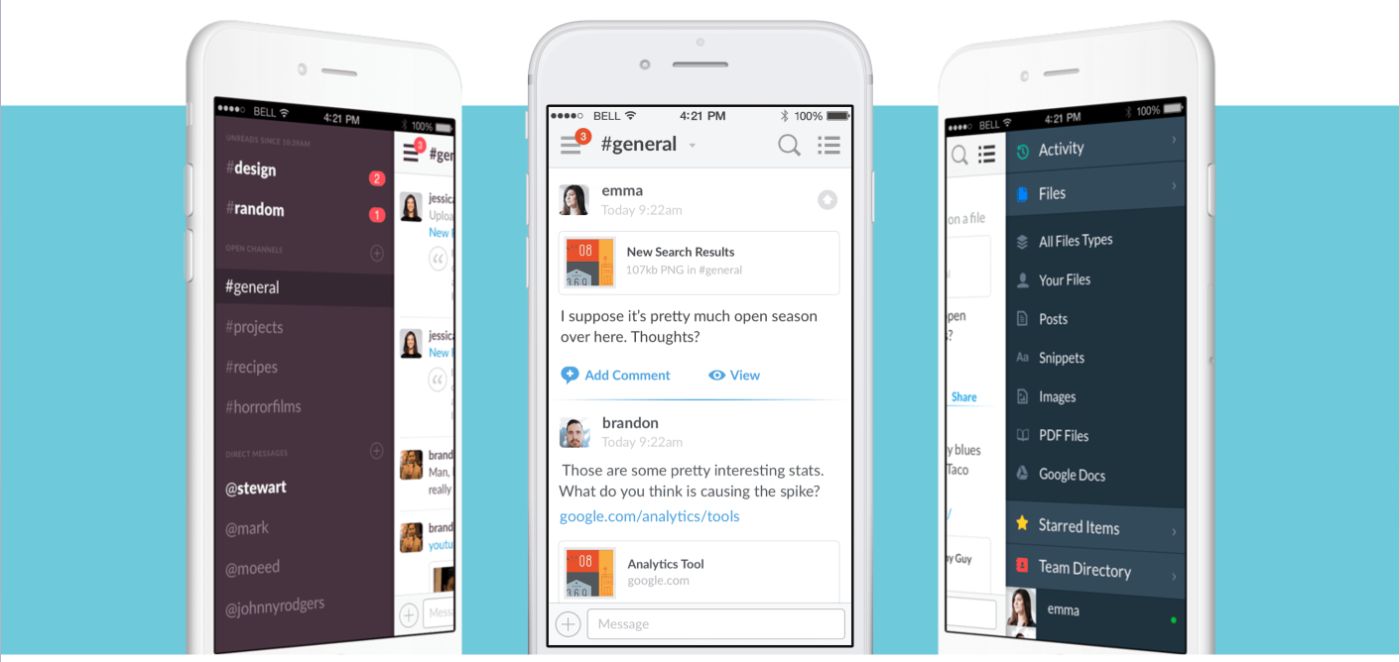 In 2009, cofounders Stewart Butterfield, Cal Henderson, Eric Costello, and Serguei Mourachov set out to build a video game they had previously failed to build.
30. The Rise of Refurbished Phones — Except in the U.S.
 Refurbished phones are becoming more and more popular, but the U.S. is lagging behind in sales. Here's a look at why.
31. 4 Surprisingly Easy Steps To Make Your Product Into A Habit For Customers
 I did a survey this summer: I asked the founders what they want help with for their startup. I created a long list of options including sales, metrics, marketing, and product development.
32. How Doing Product Discovery Can Help You Build A Truly Invincible Company
 Many teams and organisations jump into build mode too early. Then they build something that customers reject, they miss the mark, or they need extra budget to get it there. When you suggest a Product Discovery as a way to help get better results it gets rejected. This article is a way to answer the question: “Why do Product Discovery?”
33. Mining Fiat is Unsustainable
 In an earlier article, I outlined the opportunities that blockchains offer investors from a wide angle. This prompted a number of requests for more in-depth analysis of the disruptive qualities of this technology. The following is a first principle examination of the market opportunities blockchain-based solutions offer within the realm of government-controlled currencies, commonly referred to as "fiat money". Quite literally addressing all the money in the world.
34. What Is Going on With Web3 Adoption in a Time of Dying Social Media?
 Legacy social media is in a state of disarray, creating the possibility of an inflection point. Web3 promises a solution, or at least an alternative. But web3 a
35. A Good Product/Market-Fit Needs a Good Roadmap
 Tech products, whether digital features, products, or services, need to achieve product-market fit if they have any hope of succeeding.
36. A Practical Setapp Guide For Measuring Product-Market Fit

37. How to Find Your Product Market Fit Using Creative Brand Voice – A Guide By Creative Director
 Manifesting your community's values and unmet needs through creative brand and product ideas is the secret to product market fit.
38. Is Software Testing Really Worth It?
 Over-testing and too strict dev and QA processes will slow you down and might damage your company in the long run. My opinion on common testing practices.
39. Existing Security Tools are not built for developers, so this developer-turned-founder created one
 SecureStack was nominated as one of the best startups in Gold Coast, Australia in Startups of the Year hosted by HackerNoon
40. Pre-PMF Startup: How To Do It Right
 In the beginning of June 2020, we had enough cash to sustain ourselves for 2 years, and had decided to pivot. At the time, we weren’t sure if we needed to move away from our product, on which revenues were growing very slowly, or not. We spent 6 weeks in full exploration mode to identify what our next step was.
41. Expert Product Manager Sunil Tej Gorantla on Personalization Without User Data at Risk
 With his expertise and vision, we can look forward to a future where user privacy is truly protected, and products can provide tailored experiences
42. Retool for Startups: Early-stage startups can now build internal tools for free
 Retool for Startups is a program designed to help early-stage startups build critical internal tools. Eligible startups get 12 months of free Retool credits.
43. Field of Dreams Was Wrong. And It’s Cost Founders Billions
 If you build it, they won't come.
44. Chase Bowers Got His First Thousand Customers Without Spending Any Money - Here's How!
 How Did Chase Bowers Get 1,000+ New Customers Without Spending a Dime? He gave away 1,000 free plans, used feedback to improve, & then launched paid plans.
45. 3 Questions Founders Should Answer to Scale and Raise VC Investment
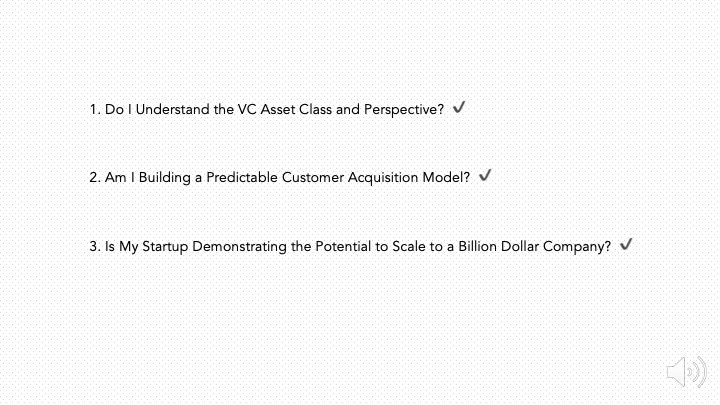
- Do I Understand the VC Asset Class and Perspective?
- Am I Building a Predictable Customer Acquisition Model?
- Is My Startup a Billion Dollar Company?
46. Meet the Writer: Two-Time Founder Sam Bhattacharyya on Accidentally Finding Product-Market Fit
 Sam, an AI founder shares how an abandoned open source demo unexpectedly found product-market fit—and what it taught him about building in public.
47. How to Find Product-Market Fit by Starting With an MVP
 MVP is a basic version of a product that consists of minimum features and core functionality, solving an important problem for the end-users.
48. How to Find Market Fit for Data Products

49. How to Scale a Startup: 7 Proven Strategies for Explosive Growth
 Scaling a startup is a long-term process that will require much effort and consistency for your sustainable startup growth.
50. Design Thinking as a Practice for Business Innovation & Breakthrough
 There's no denying that Design Thinking is the way of the future. Applying this approach to a strategy and Innovation, brands can completely satisfy the needs of customers. To stay on the top, they should realize the significance of design for product success rates and have a clear understanding of a Design Thinking method.
51. 53 Stories To Learn About Product Market Fit
 Learn everything you need to know about Product Market Fit via these 53 free HackerNoon stories.
52. Achieving Product-Market Fit: How the Startups Did It
 The Lean Startup approach discoursed by Eric Ries, has popularized the ‘fail fast, iterate often’ notion.
53. The Most Painful Startup Failure: Loved Product, Zero Business

54. AI Startups Don’t Die From Moving Slow. They Die From Moving Blind
 AI startups rarely fail from moving too slowly. They fail from building the wrong thing fast while the market and model landscape keep shifting.
55. In Search of a Better way to Measure Product/Market fit

56. Web3 Project Engagements: Is Your Project Still Far Away From Achieving PMF?
 Creating anticipation among users for a project is crucial, as anticipation leads to action, ultimately achieving PMF.
57. Introducing Spark: Our New Early-Stage Launchpad for Startup Founders
 This year we have been quietly developing and launching our first micro-incubator programme at ucreate. Since 2015 we have been working with talented founders as their tech partner across a variety of industries and technologies.
58. Turning Ideas into IPOs: How the PVP Framework Multiplies Business Growth
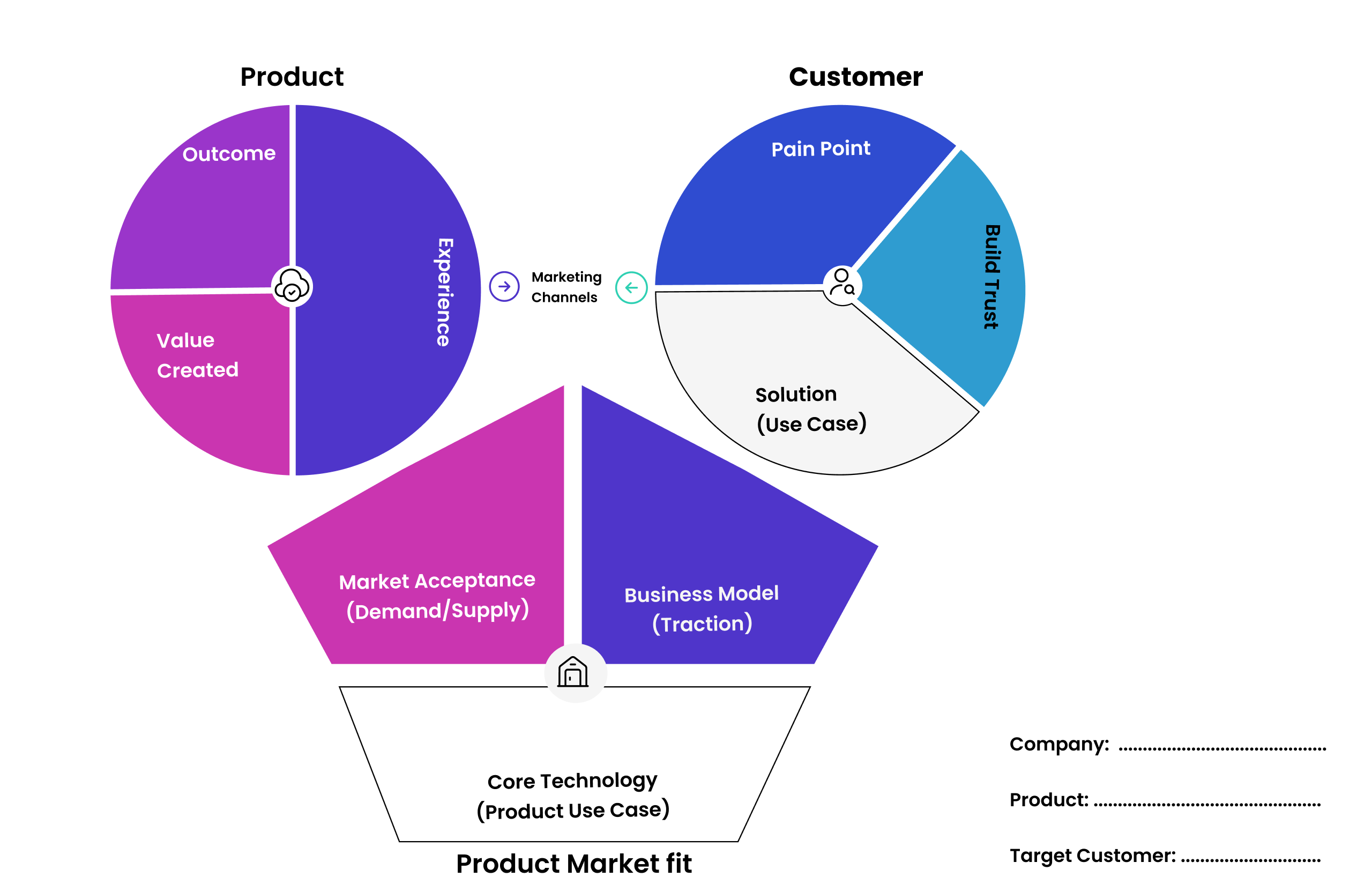 Learn the Product Value Proposition (PVP) Framework—a strategy to align technology, customers, and market for faster product-market fit.
59. How to Unlock Product Market Fit and Rapid Growth for Startups
 Discover the key finding the elusive “product market fit” and unlocking rapid growth with steps you can start today.
60. Market Research is the Key to Your Business Success: Here’s Why
 Today’s customers are smarter than you think. They are capable enough to research your product and make buying decisions on their own. With this in mind, you have to adopt new technologies and learn market trends. You have to understand your customers’ preferences, feelings, and attitudes. For that, you need to do market research. Market research is the core of your every successful business strategy. It’s the one and only way to get a deeper knowledge about your customers, competitors, and most importantly, your employees.
61. Looking for a New Smartphone Led Me to Create a Platform That Aims to Reverse the Product-Market Fit
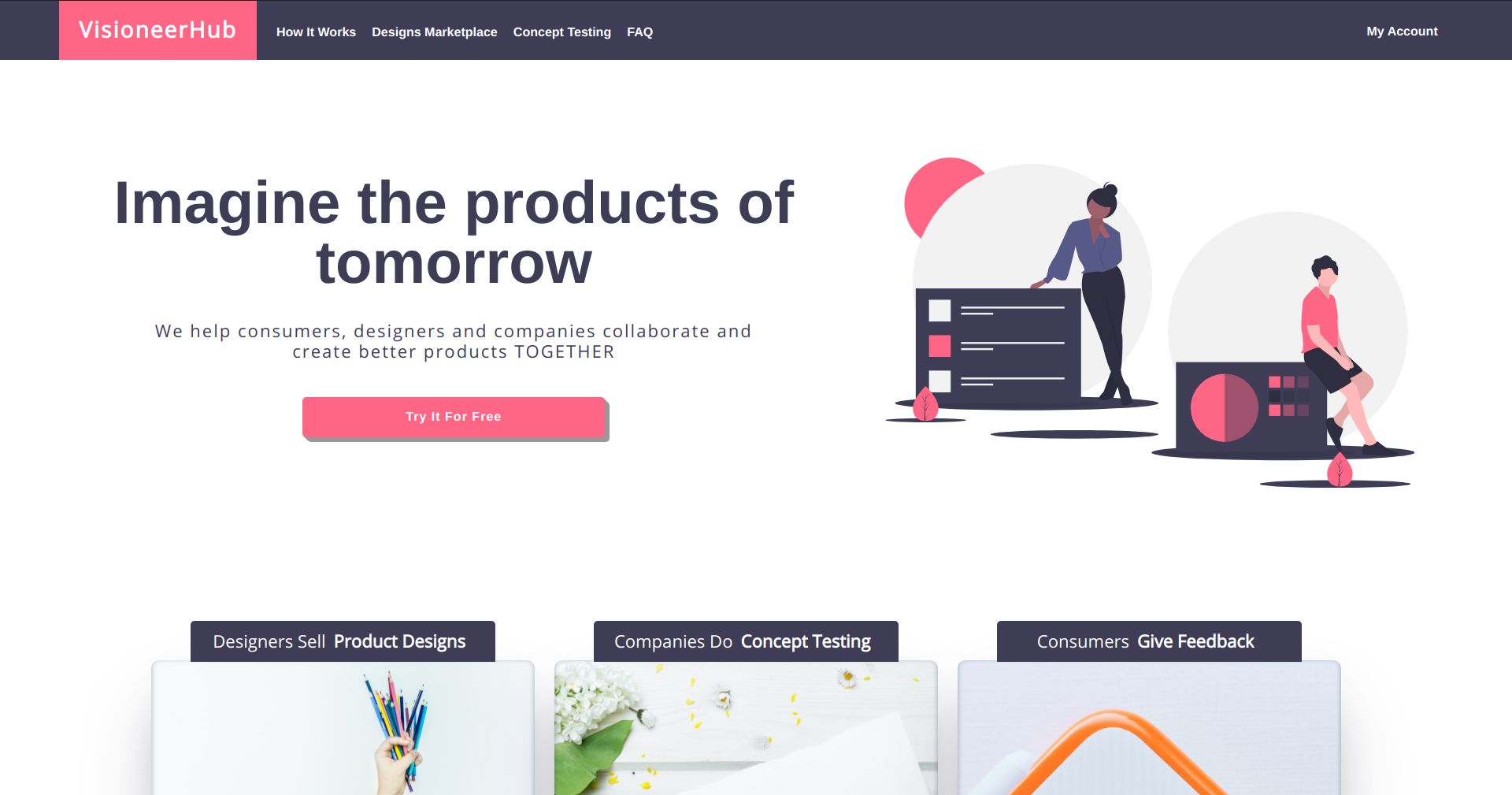 We have hundreds of brands producing the same things and no one catering for any other needs, be it in terms of size, keyboard, or other characteristics.
62. What Makes a Successful Product Launch: 6 Lessons for First Time Founders
 Launch is neither the beginning nor the end. It is a series of overlapping sequences. A typical one may include pre-build, pre-launch, launch, and post-launch.
63. Your LTV is Capped by the Problem You Solve

64. How Your Churn Can Aid Business Growth
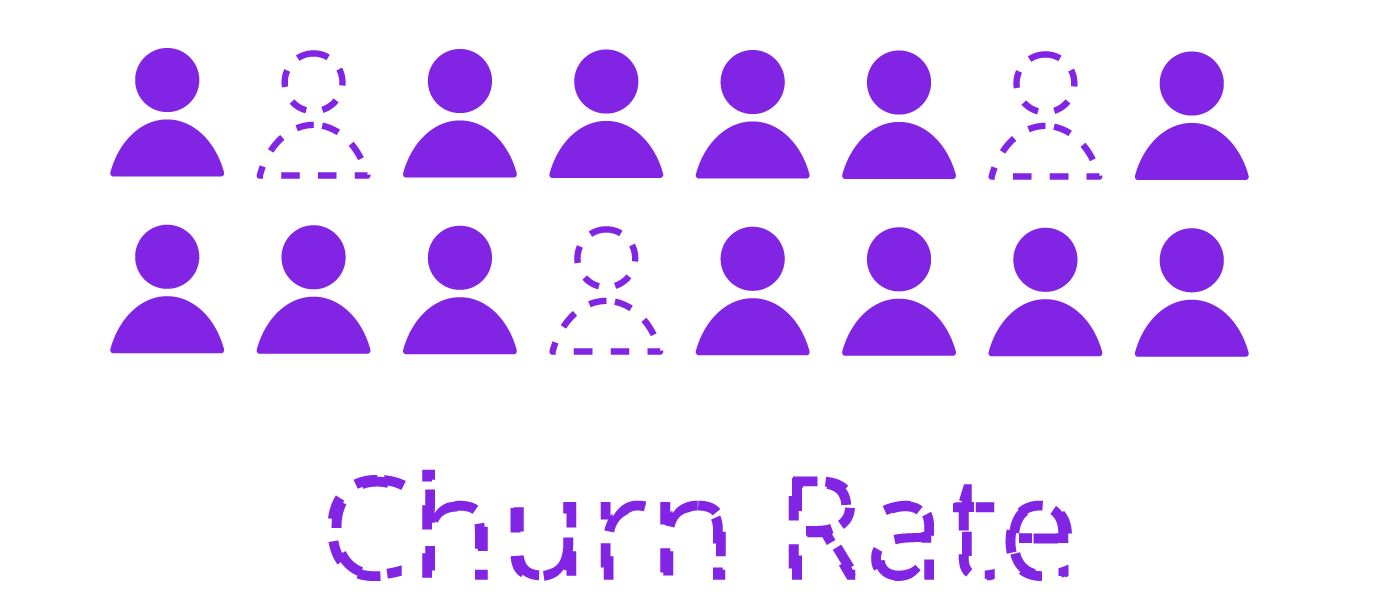 How tracking your churn rate can provide valuable insights into your business. Learn how to calculate churn rate to drive exponential growth.
65. 8 Questions Startup Founders Ask Too Late
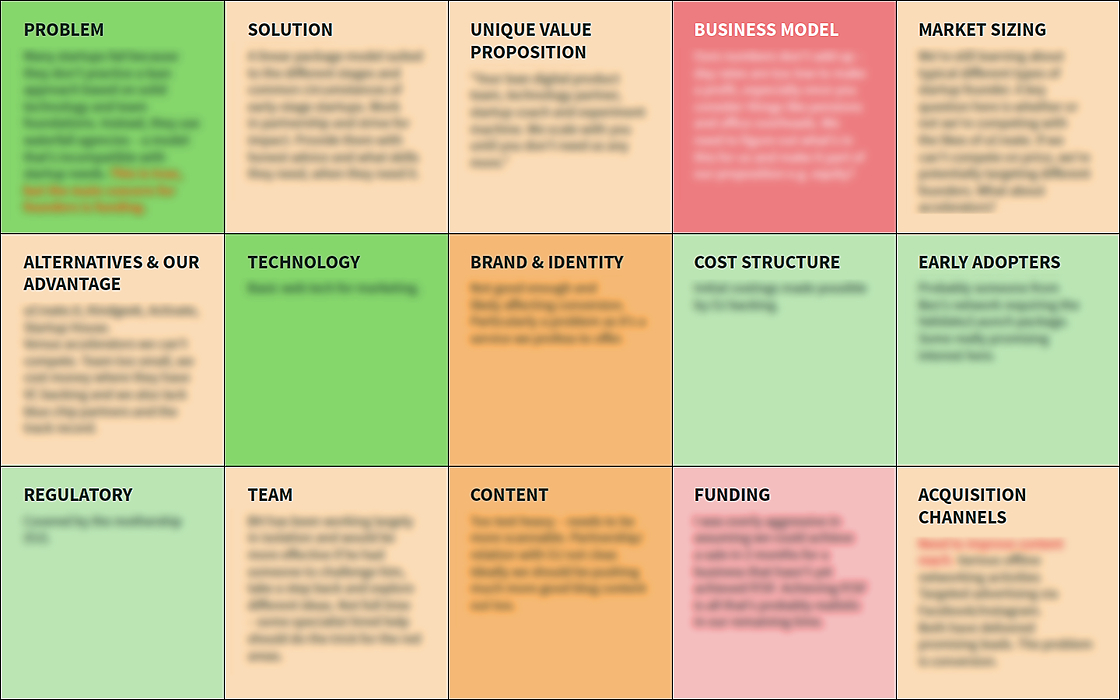 Recently I’ve been able to interview several startup founders, ranging from very early stage to actively scaling, bootstrapped to funded. Along with the lessons learned from my own hands-on work with startups, I’ve put together my highlights on key points that could make or break your startup venture.
66. Ask Yourself These 80 Questions Before Starting a New Business
 I think you'll agree with me when I say:
67. Product Management Experience: Corporate vs. Early Stage Startup
 Work in a corporation can blind a product manager's eyes, due to the safety provided. Why it is necessary to gain more experience by building your own startup?
68. What was the Product Masterclass by Product School all about?

69. How to Discover User Issues: A Beginners' Guide

70. Why Building Enterprise Products Is Awesome
 While consumer products get all the hype, B2B products are a quiet gem
71. A Deep Dive into the Probability of Future Success Model
 Intelligence Node’s access to immense online & competitor data & AI analytics puts it at an advantage to understand product trends based on probability model.
72. Service & Marketplace-model fit
 Services are ambiguous, and creating an online services marketplace requires finding a fit b/w the service and the marketplace model
73. Make Product Experience The Differentiator [Explained]
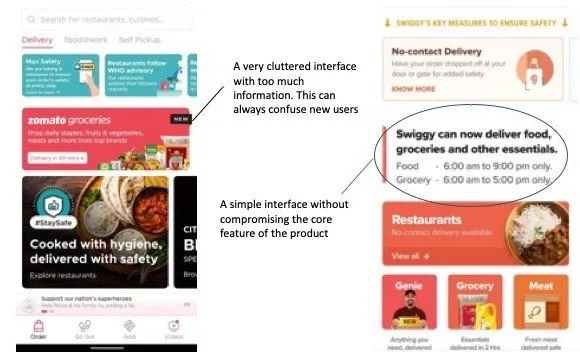 When someone asks me about how to make a product stand out and what could be one of the key product differentiators.
74. Codeless Product Demos is the Key to Closing Deals for the Sales Team in 2021
 This article talks about product demo and why codeless product demo creation is critical for sales teams to get leads.
75. How to Test Product-market Fit Using Software Prototypes
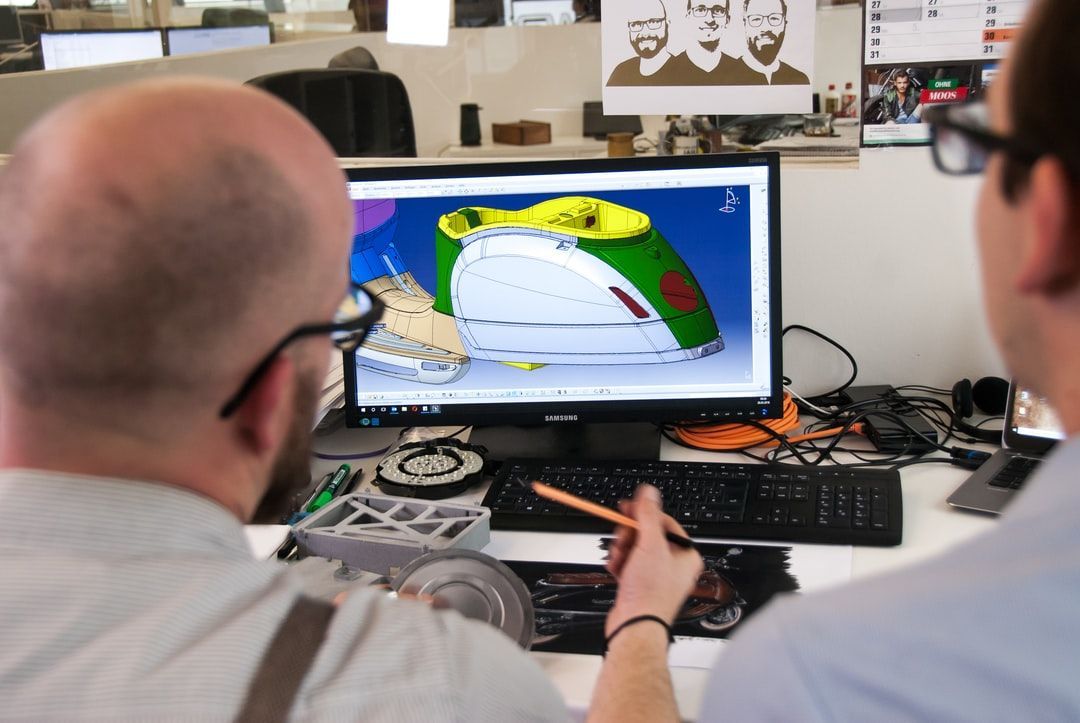 An entrepreneur at any level can make a software prototyping model to show or test how their idealized product would work in real life.
76. Tech Stacks to Consider Based on Your Project Scope
 Discover which tech stacks align best with your product goals and regions, and how the right tech stack can unlock growth.
77. Will The Customers Like This Feature?
 We’ve all had arguments about whether customers are going to want this feature or that. Maybe it’s about how the feature might work or even what colour a button might be. It’s an important debate to have, but all too often an important follow-up question is left out: how many customers will this really serve?
78. How We Carved A Niche For An Rx Delivery Service
 Few years ago, I consulted for a small Rx delivery startup in HongKong where I focused on strategy, go-to-market and built out their product direction from the
79. Web3 Founder Survey: Product-Market Fit and Timing Are Most Existential Challenges
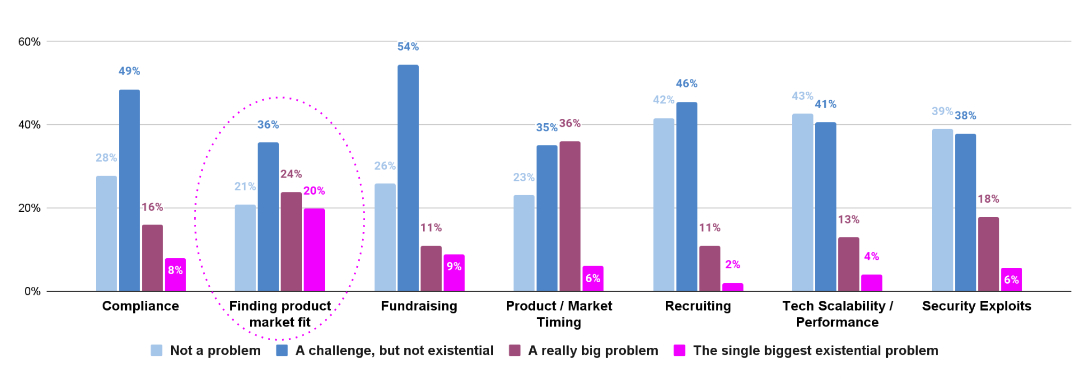 The survey covered 13 questions, meant to elicit both open-ended qualitative responses, as well as structured rankings of common challenges
80. An Overview of our PH Launch for AskMakers v2.0
 Oh…I am so sleepy…because I launched AskMakers 2.0 on Product Hunt and I have been monitoring it almost without sleeping😪
Thank you for checking out the 80 most read blog posts about Product Market Fit on HackerNoon.
Visit the /Learn Repo to find the most read blog posts about any technology.