

Let's learn about Caching via these 63 free blog posts. They are ordered by HackerNoon reader engagement data. Visit the Learn Repo or LearnRepo.com to find the most read blog posts about any technology.
Caching is a technique of storing copies of frequently accessed data in a temporary storage area for faster retrieval. It matters significantly for improving performance, reducing latency, and decreasing the load on primary data sources in computing systems and web applications.
1. In-Memory Caching in Golang
 How to implement in-memory cache in Golang App
2. 5 Caching Mechanisms to Speed Up Your Application
 In this article, we will discuss the various Caching strategies available and how to choose the right one for your use case.
3. Cache API Calls in JavaScript by Memoizing Promises
 Cache API Calls in JavaScript by Memoizing Promises. Store promises in a map with unique key, if the same API is called with the same params, serve from cache.
4. Optimizing Performance in Fabric.js 5: 14 Best Practices and Tips
 Learn how to optimize performance in Fabric.js for smooth canvas interactions and rendering. Explore techniques like renderOnAddRemove, enlivenObjects, caching.
5. Angular Server Side Rendering State Transfer For HTTP Requests
 This tutorial extends the SSR explained on Server-side rendering (SSR) with Angular Universal page. This tutorial fixes the content flash occurs on SSR write after page loads due to content refresh caused by data received through network requests. If you are crazy about PageSpeed/Web Vitals score as much as me, this will help you to improve:
6. How To Cache Images in an Expo Managed React Native App
 Caching images in React Native can be easy, even if you are using Expo's managed workflow. The problem many devs run into is that React Native only supports caching images on IOS out of the box.
7. How to Optimize Your Image Storage
 Optimized image handling via CDN, caching, and imgproxy integration for faster delivery, improved user experience, and reduced server load.
8. The Differences between Shared and Private Caching
 Do you know the difference between private and shared caches ?
9. Optimal Communication Between Microfrontends and Cross-microfrontend Optimization
 In this article, we will discuss different options for sharing state and code between micro-frontends and highlight the benefits and drawbacks of each approach.
10. Optimizing LLM Performance with LM Cache: Architectures, Strategies, and Real-World Applications
 LM Cache boosts LLM efficiency, scalability, and cost savings by letting the system remember previous outputs and complementing other optimizations.
11. How To Setup Caching in Node.js using Redis
 In this article, we are going to implement caching in a node js
application using Redis, but, before we delve into the implementation
details, let’s explore what caching is and how it can help the
performance of our application.
In this article, we are going to implement caching in a node js
application using Redis, but, before we delve into the implementation
details, let’s explore what caching is and how it can help the
performance of our application.
12. How to Solve Common Performance Issues in Django REST Framework
 Learn how to boost your Django REST Framework's performance by solving common issues like N+1 queries, pagination, caching, and more. Get started now!
13. How to do API Caching with Dio and Hive in Flutter
 With this short guide you can add caching to your flutter app that requests an API or a web server and receives information that is required to be stored.
14. Android: An Effective Approach to Building Caches
 Enhancing App Performance with Data Caching: A Step-by-Step Guide for Implementing Runtime and Persistent Cache in Your Android App
15. The 6 Core Concepts for HTTP Caching
 The 6 core concepts you need to know to understand HTTP caching.
Don’t want to spend hours and hours reading RFCs and documentation ? Read this guide instead!
16. Explaining What a Cache Stampede Is and How to Prevent It Using Redis
 A cache stampede happens when expired cache triggers a flood of backend requests.
17. Using Memoization In Python To Speed Up Slow Functions
 Memoization is an optimization technique that speeds up programs by caching the results of previous function calls. Python 3 makes it easy to memoize functions.
18. Caches in Python
 Let's learn about Caches, Caching Operations, Cache Eviction Policies,
Implementation of Cache Eviction Policies, Distributed Caching
and Caching In Python
Let's learn about Caches, Caching Operations, Cache Eviction Policies,
Implementation of Cache Eviction Policies, Distributed Caching
and Caching In Python
19. Understanding Caching in Distributed Systems
 Speed up your Distributed System by adding a High Available and Highly Consistent Caching Layer
20. Caching in Django: Everything You Need to Know
 Optimize your website for lightning-fast speed with caching. Reduce processing overhead and improve response time, and discover the power of caching today.
21. Optimizing RPC Performance with Batch Requests and Caching Layers
 Learn how to batch Ethereum JSON-RPC calls and cache responses using web3.js, Redis, or in-memory methods to boost your dApp's performance and scalability.
22. How to Improve User Experience and Reduce Costs: Here's Why You Should Use Caching
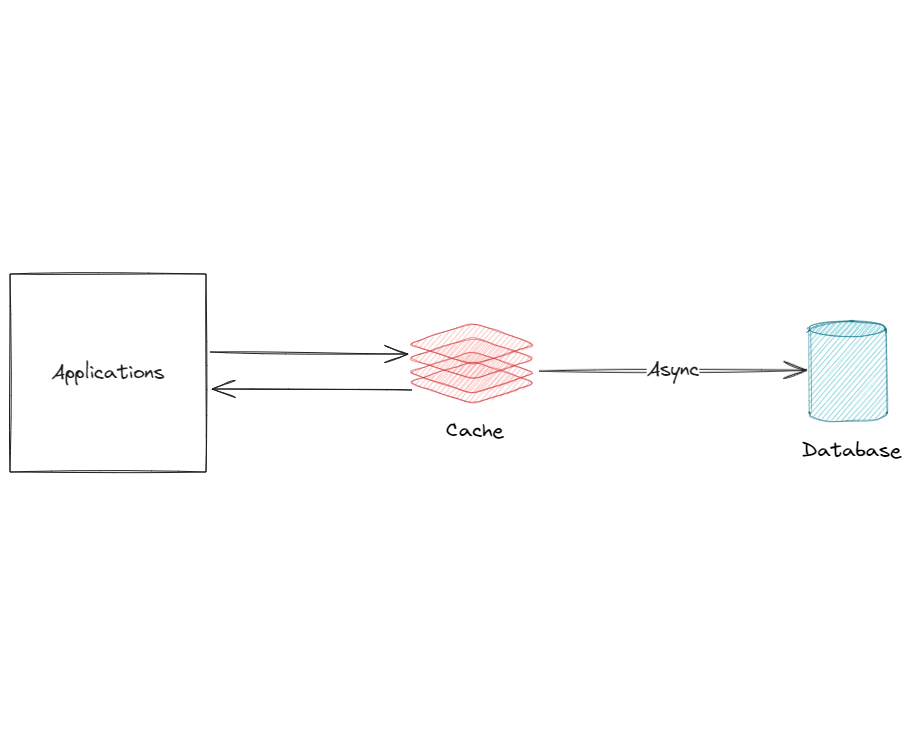 In this article, we'll be exploring: What is Caching? We'll explore caching and explain how it temporarily stores data for faster access.
23. An Overview of CDN Caching, Static Site Generation and Server Side Rendering
 Here we are analyzing the different types of pre-rendering a website and its combination with a CDN.
24. Three Strategies For Designing The Caching In Large Scale Distributed System
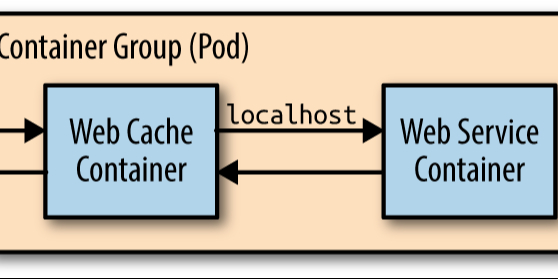 Well we all are aware that a cache — pronounced CASH — is hardware or software that is used to store something temporarily in a computing environment and if you want to really know about in detail how it actually works you can go to through its definition here as this article assumes that the reader has fair understanding of the caching as a concept.
25. The Design and Implementation of Presto Local Cache at Uber
 The design of Presto Local Cache with Alluxio as an embedded cache library resulting in ~3x improvement in performance.
26. How to Use Redis for Caching in Full Stack Applications
 Redis can cache many types of data and actions. The key is to identify parts of your app where speed matters most — and where data doesn’t change every second.
27. Here's How and Why We're Building A Decentralized Caching Layer on Ethereum
 The Graph project is building a decentralized data network to enable fast access to Ethereum and IPFS data for Dapps.
28. Most Common Redis Use Cases by Core Data Structures
 Redis, short for Remote Dictionary Server, is a BSD-licensed, open-source in-memory key-value data structure store written in C language by Salvatore Sanfillipo and was first released on May 10, 2009. Depending on how it is configured, Redis can act like a database, a cache or a message broker. It’s important to note that Redis is a NoSQL database system. This implies that unlike SQL (Structured Query Language) driven database systems like MySQL, PostgreSQL, and Oracle, Redis does not store data in well-defined database schemas which constitute tables, rows, and columns. Instead, Redis stores data in data structures which makes it very flexible to use. In this blog, we outline the top Redis use cases by the different core data structure types.
29. What is Eventual Consistency and How Do You Deal with It?
 Eventually consistency is a fancy name of doing something and only expecting the changed state after a while. But it won't work well with caching.
30. How to Cash 300K Requests per Second in a High-Volume Surveillance System
 How we scaled a surveillance system to 300K RPS using eBPF as a caching layer in front of Redis — and why we rewrote parts in Rust to kill latency.
31. Cache: What It Is, and How to Overcome It As A Beginner Dev
 Let me set the context with this quote
32. Web Resource Caching: Client-side

33. The Many Layers of Caching: All the Places Data Lives in Modern Systems
 Dive deep into the many layers of caching in modern systems from browser and CDN to app memory and database internals. Learn strategies, consistency models.
34. Understanding Web Resource Caching: Server-side
 The idea behind server-side caching is to compute the resource once and serve it from the cache to all clients.
35. The Bit Shift Paradox: How "Optimizing" Can Make Code 6× Slower
 Caching bit shifts looks smart but makes code up to 6× slower.
36. Why Over-Caching Can Be Just as Bad as No Caching
 Over-caching can hurt as much as no caching. Learn why smart, selective caching keeps systems fast and reliable.
37. One More Way to Build and Expose Your Angular Application as a Micro Frontend
 Discover how to effectively build and expose your Angular application as a microfrontend, with practical tips, code snippets, and key considerations.
38. Is Redis the Ultimate Database? Meet the Scalable, Durable, Always-On Powerhouse for Complex Apps
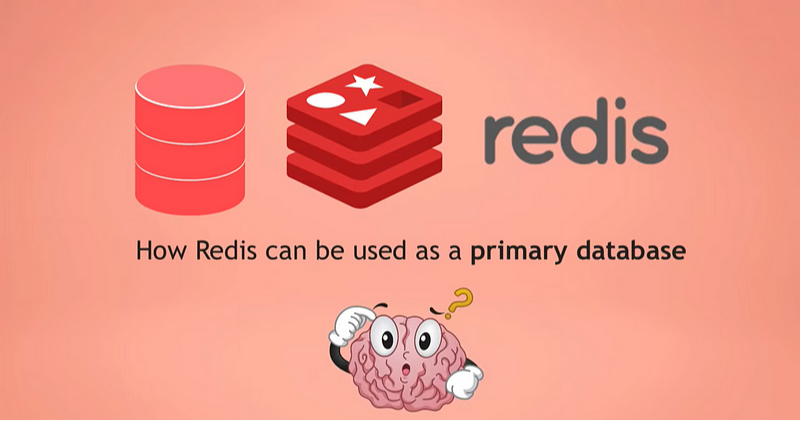 Redis is an in-memory database that can be used to store and persist multiple data formats for complex applications.
39. How We Collaborated with Meta (Facebook) to Create Shadow Cache
 Shadow cache is deployed in Meta (Facebook) Presto and is being leveraged to understand the system bottleneck and help with routing design decisions.
40. Stop Waiting on AI: Speed Tricks Anyone Can Use
 Boost AI speed with tricks like model compression, caching, batching, and async design, cut latency, save costs, and make apps feel real time.
41. 10 Principles of Proper Database Benchmarking
 In this article, learn all about how to benchmark your DB tests.
42. Using Splendid AI — A Tailwind Utility for Astro
 Here's a fix for when Tailwind’s space utilities stop working when using it with Astro Components or Slots.
43. Why Metadata is the Real Bottleneck in S3/GCP/Azure - Class Storage and How Caching Saves it
 A senior engineer perspective on bucket metadata, negative caches, and surviving random-key floods.
44. Maximize the Performance of Your Django App with these Techniques
 Learn about caching, database optimization, minimizing queries, using CDN, profiling & monitoring, and more. Boost your app's speed and efficiency today!
45. Accelerate Spark and Hive Jobs on AWS S3 by 10x with Alluxio as a Tiered Storage Solution
 In this article, Thai Bui describes how Bazaarvoice leverages Alluxio as a caching tier on top of AWS S3 to maximize performance and minimize operating costs on running Big Data analytics on AWS EC2. The original article can be found on Alluxio's engineering blog.
46. I Made It Onto the Front Page of Hacker News and My Server Didn't Crash At All: Here's Why

47. The Internet Is Full of Duplicate Requests—Here’s How Smart Developers Prevent Them
 Idempotency is an essential tool for preventing duplicate operations, improving API stability, and ensuring consistent behavior in unsafe HTTP methods.
48. Data Location Awareness: The Benefits of Implementing Tiered Locality
 Tiered Locality is a feature led by my colleague Andrew Audibert at Alluxio. This article dives into the details of how tiered locality helps provide optimized performance and lower costs. The original article was published on Alluxio’s engineering blog
49. A Guide to Paying Less For AWS CloudFront
 Practical guide on AWS CDN, CloudFront. In this article you’ll learn about AWS CloudFront pricing, and ways to reduce CloudFront cost.
50. How To Cache RESTful API Requests for Redis With Heroku Data
 Learn how to significantly improve your Node.js application's performance by implementing RESTful request caching with Redis.
51. Why Your Browser Knows What You Want Before You Do: A Deep Dive Into Caching
 A detailed guide on different types of caching and it's implementation strategy for on-premise as well as cloud based software solution.
52. Cache: Everything You Need to Know
 In a world where websites need to be fast and everyone shouts to optimize everything, there is one thing which is always mentioned: "cache".
53. Accelerating Analytics by 200% with Impala, Alluxio, and HDFS at Tencent
 This article describes how engineers in the Data Service Center (DSC) at Tencent PCG (Platform and Content Business Group) leverages Alluxio to optimize the analytics performance and minimize the operating costs in building Tencent Beacon Growing, a real-time data analytics platform.
54. How to Use the Memo Feature in React Applications: Accuracy With React Memorization
 This article provides a detailed explanation of how to use the memo feature in React applications, including an exploration of how it works behind the scenes.
55. Shopify Case Study: Understanding Caching Patterns Using a Simple MVP
 A case study running a small simulation to observe the effects of cache-aside on latency and the effects of additional optimization.
56. Most Outages Don’t Start in Your Database — They Start in Your Cache
 Discover practical caching patterns for distributed systems. Master cache reliability, fault tolerance, and performance optimization techniques for scalable arc
57. How to Achieve Better Caching Efficiency in Data Applications like Presto
 This article introduces a new hashing algorithm for soft affinity scheduling, consistent hashing, to address the problem when cluster size changes.
58. Effortless Local File System Caching with Splendid UI's fileCache Utility
 Explore Splendid UI's fileCache utility—seamlessly manage file caching in the local system, ensuring efficient storage and retrieval.
59. How to Speed Test a CDN: An Introduction
 At the end of the day, the CDN is really just a caching layer.
60. Accelerating Write-Intensive Data Workloads on AWS S3
 We introduce Replicated Async Write to allow users to complete writes to Alluxio file system and return quickly with high application performance.
61. Serving Structured Data in Alluxio
 This article introduces Structured Data Management (Developer Preview) available in the latest Alluxio 2.1.0 release, a new effort to provide further benefits to SQL and structured data workloads using Alluxio. The original concept was discussed on Alluxio’s engineering blog. This article is part one of the two articles on the Structured Data Management feature my team worked on.
62. How We Built A Cross-Region Hybrid Cloud Storage Gateway for ML & AI at WeRide
 In this blog, guest writer Derek Tan, Executive Director of Infra & Simulation at WeRide, describes how engineers leverage Alluxio as a hybrid cloud data gateway for applications on-premises to access public cloud storage like AWS S3.
63. Serving Structured Data in Alluxio: Example
 In the previous article, I described the concept and design of the Structured Data Service in the Alluxio 2.1.0 release. This article will go through an example to demonstrate how it helps SQL and structured data workloads.
Thank you for checking out the 63 most read blog posts about Caching on HackerNoon.
Visit the /Learn Repo to find the most read blog posts about any technology.