

Let's learn about C via these 56 free blog posts. They are ordered by HackerNoon reader engagement data. Visit the Learn Repo or LearnRepo.com to find the most read blog posts about any technology.
One of the mother sauces of programming, if a mother sauce could shoot you in the foot.
1. Writing and Compiling C++ on Linux [A How-To Guide]
 If you’ve adopted Linux, chances are you might have done so for development purposes. After all, it has everything you need to program in most languages, and do so for (almost) free.
2. How to Manipulate Bits in C and C++

3. Learn C#: A Huge List of C# Tutorials
 C# is one of the most versatile programming language and brings in ease of programming offered by languages like Java, and has roots in the C family of languages including C and C++. C# is type-safe, object oriented and runs in the .Net Framework run-time, and C# code is compiled into IL (intermediate language) that conforms to CLI specifications.
4. What is Va_list in C? Exploring the Secrets of Ft_printf
 'va_list' is a way for C functions to accept a variable number of arguments.
5. Top 5 Programming languages for Software Developers - Best of Lot
 I have read somewhere that a programmer should learn a new programming language every year ( I think it's code complete, not sure, though), but if you cannot do so, I suggest to at least learn following five programming language to do well in your career.
6. Hidden Gems of C and C++ That You Probably Don't Know
 In this story you will find the most entertaining aspects of C and C++ programming.
7. How to Compile C/C++ Code in VS Code (Windows)
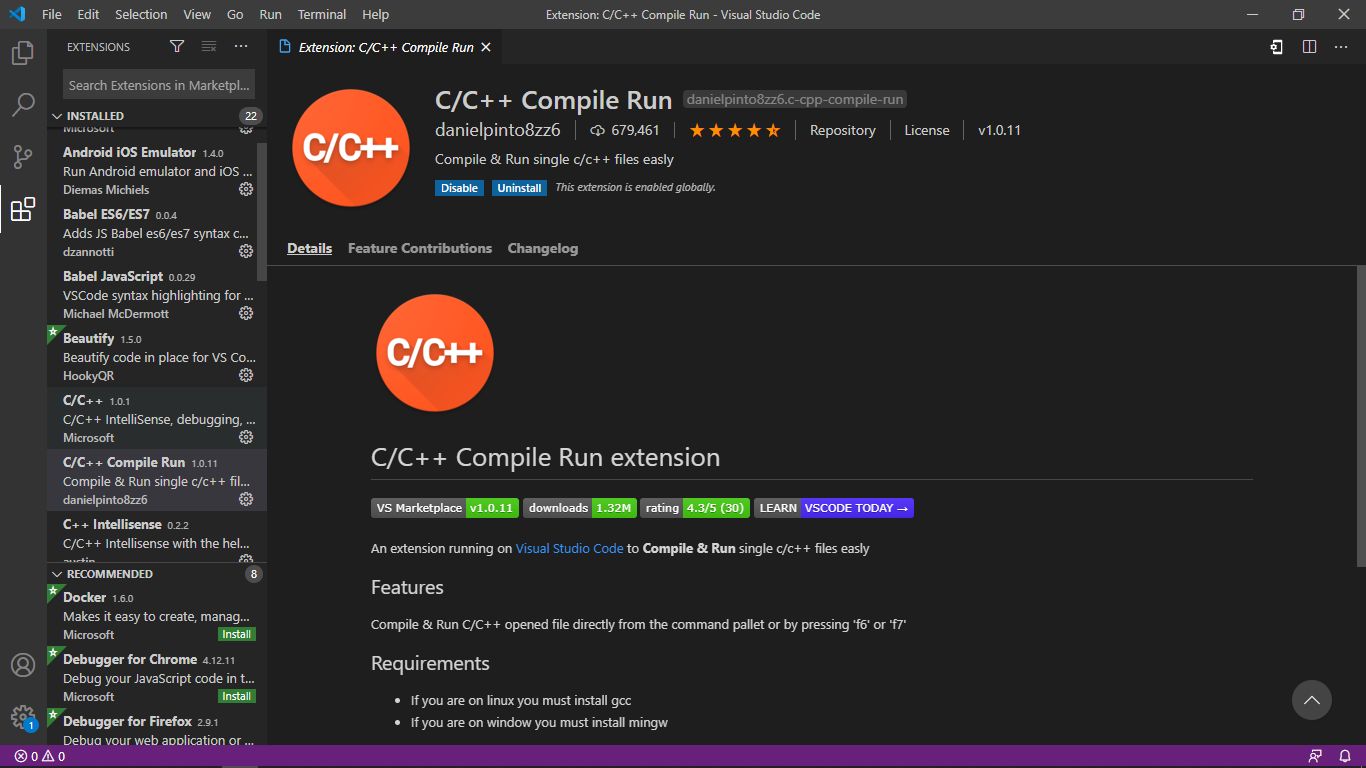 How to Compile C/C++ Code in VS Code (Windows): To compile C/C++ code we need GCC/G++ to compile the code but Windows doesn't have a terminal.
8. Compiling CUDA File in VS Code [A How-To Guide]
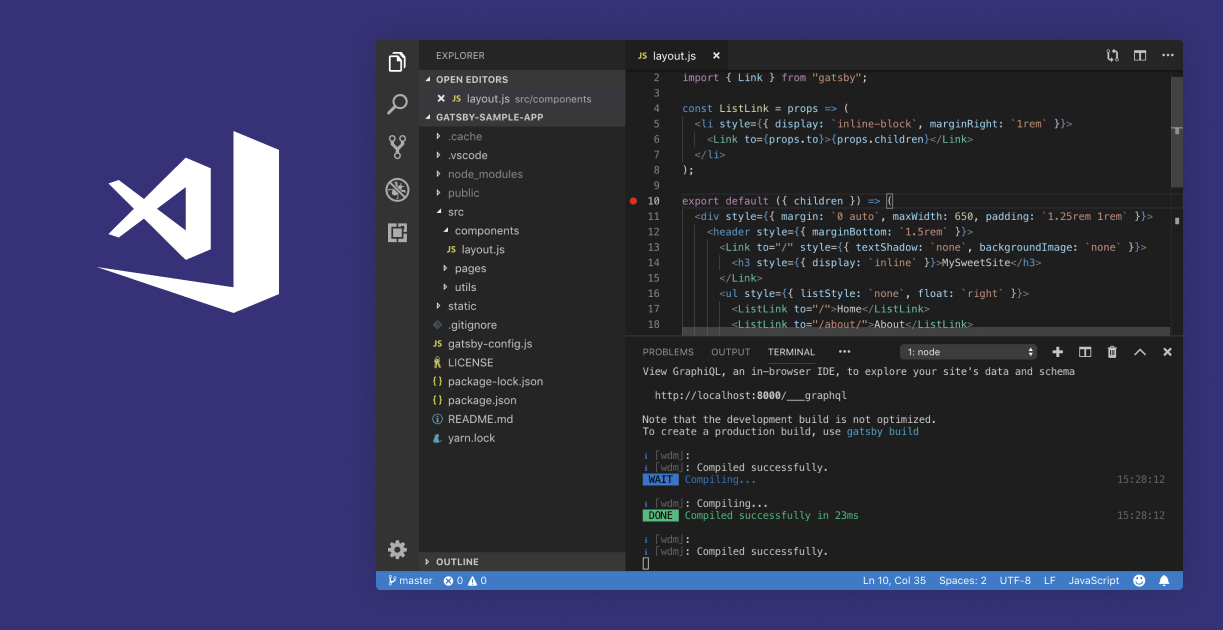 Trying to compile a .cu file is not supported in the VS Code natively. This can be a issue if you want to compile and debug (atleast the CPU part of the file as kernel debugging is not supported in VS Code at the moment).
9. Why and where should you still use C/C++ languages?
 From complex databases to self-driving cars, the usage area of C and C++ languages is surprisingly wide. Even today, with a myriad of new & robust programming tools, the two coding languages from 70s cannot be replaced. So what are the common applications of C & C++ today and why we still use them? Let’s find out in this article.
10. C# HTML to PDF - A Code Example
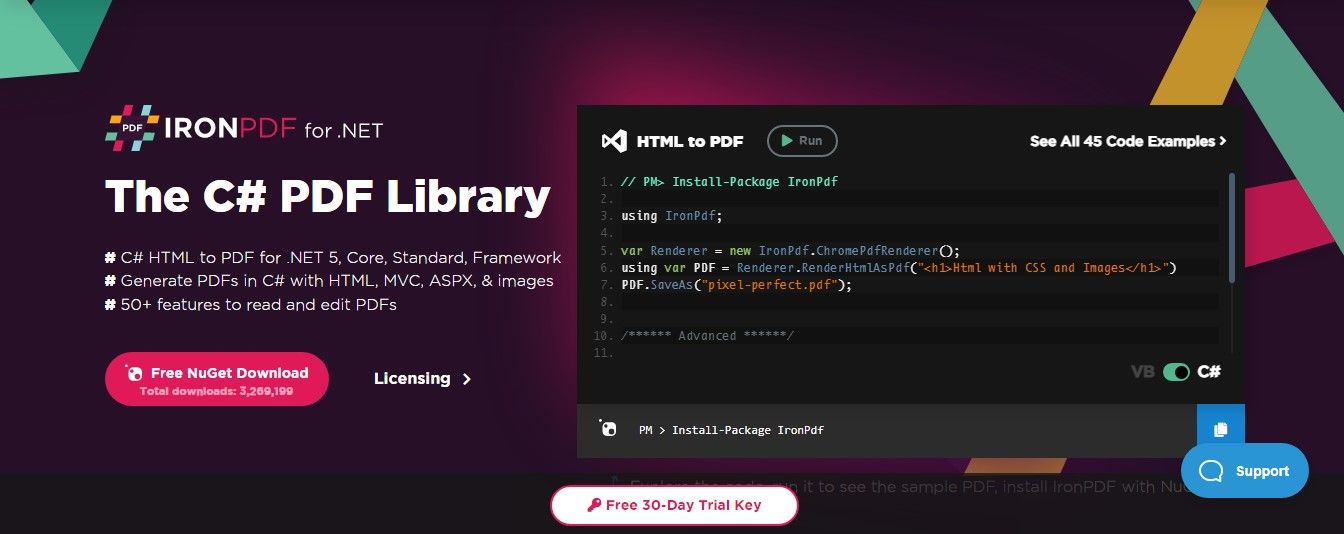 IronPDF is the ideal solution for converting HTML sites in .NET and .NET core projects. It not only transforms HTML but also has a lot of other useful capabili
11. 6 Best C Programming Books Ranked by Review Scores
 C Programming Language and Let Us C are among the best C programming books available today, according to their review scores.
12. How to Code a Blog With ASP.NET Core and C#
 Learning by doing
13. Stack Overflow Vulnerability
 Stack overflow is a type of buffer overflow vulnerability. When we pour water in a glass more than its capacity the water spills or overflow, similarly when we enter data in a buffer more than its capacity the data overflows to adjacent memory location causing program to crash. This is know as buffer overflow.
14. Should you learn C in 2020/2021?
 When working with embedded systems that depend on speed or have a minimal amount of memory, C is a perfect language of choice. This is a short paper about why you should learn C and the benefits of doing so.
15. 7 Reasons to Use Buck Build
 <a href="https://buckbuild.com/" target="_blank">Buck</a> is a cross-platform, cross-language build system made for large scale compilation at Facebook. All <a href="https://www.buckaroo.pm" target="_blank">Buckaroo</a> packages use Buck as a build system, so it goes without saying that we’re big fans.
16. Hiding Members via Explicit Interface Implementation in C#
 Explicit Interface Implementation is a complex and rarely used technique that allows a single class to inherit from multiple interfaces that have the same method signature. Explicitly implementing each interface, prepending the interface name to the method, allows the same method signature to exist in the same class. I shall not demonstrate that here, but there are plenty of examples of this online. There is another benefit to explicitly implementing an interface, and that is to hide members from being accessed via the class reference. I’ll create an example of this technique using a factory design pattern and Fruit class and a console application that you can step through via F11. If you create a new C# console application in Visual Studio, then copy and paste all of the below code, you can step through (F11) the code to see how it works.
17. How to Create a Library in C with a Makefile
 Hello everyone, I’d like to discuss creating a library using a Makefile in C with some practical examples.
18. What Exactly Is nullptr in C++
 The answer to "What exactly nullptr is in C++?" would be a piece of cake for experienced C++ eyes & for those who are aware of Modern C++ i.e. keyword. But nullptr is more than just a keyword in C++ & to explain that, I have written this article. But before jump-into it, we will see issues with NULL & then we'll dive into the unsophisticated implementation of nullptr & some use-cases of nullptr.
19. 6 Best C# Programming Books Ranked by Review Score
 This list will rank each C# book based on their total number of reviews on Amazon alongside their average 5-star rating.
20. Using C# for Real-time Systems
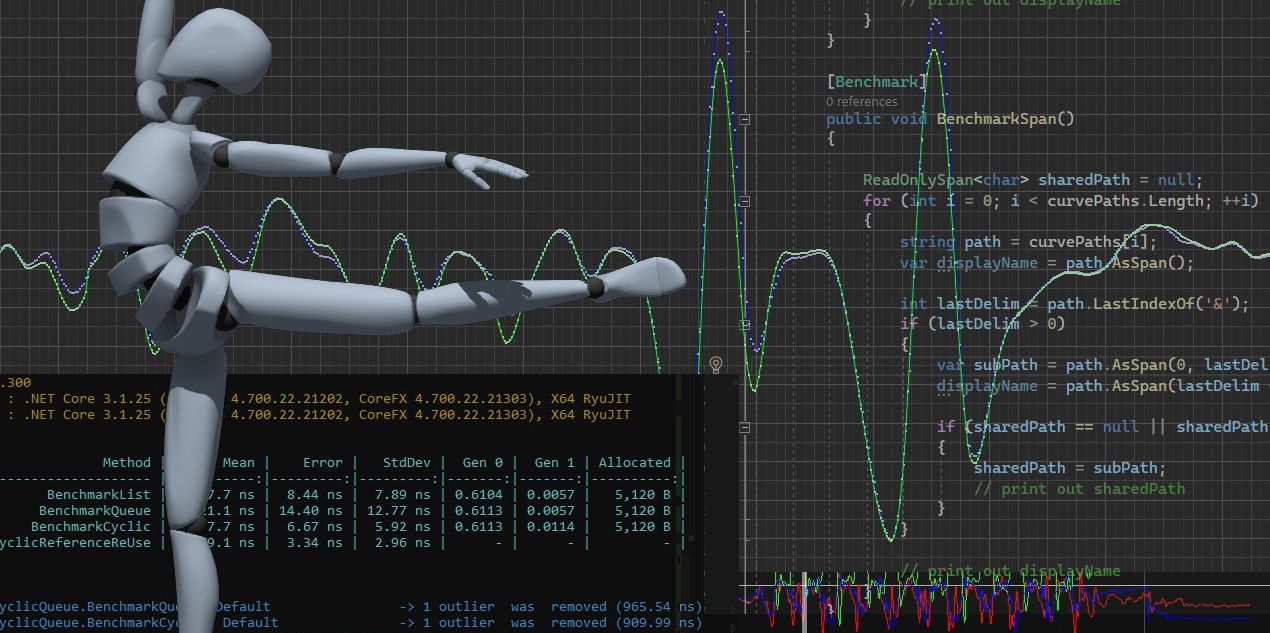 My best practice from making a real-time high loaded performance application on .NET platform
21. How to Extend a KMM Shared Module With C/C++ Code
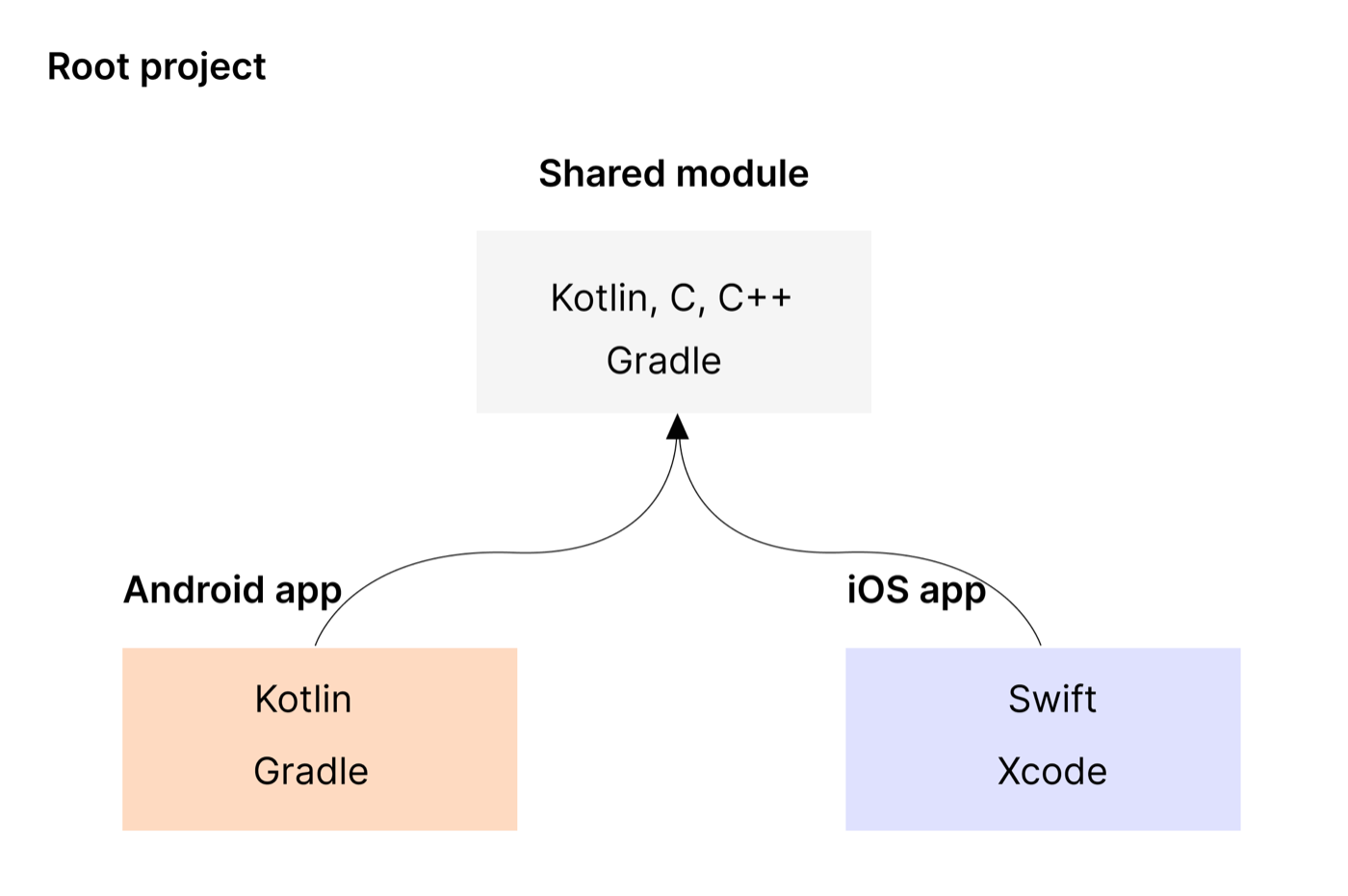 Learn how to embed a simple SHA-256 implementation on C-language in KMM library and use it for iOS andAndroid target platforms.
22. Why Odin Deserves a Place Beside C, Zig, and Rust in Your Toolbox
 I like many others initially dismissed Odin as that language that was primarily intended for game development.
23. Increment and Decrement Operators in C/C++
 I found the sign '++ and — — ' in C++ confusing for many beginners, So let’s explain what’s actually they mean,
24. Processes & Threads: The Essentials to Mastering Linux
 Threads & Processes are some of the least-understood topics in Linux. Make yourself stand out by starting learning them today. See yourself transform!
25. How to Reverse a Number in C/C++
 Reversing a number in the C/C++ program means interchanging the digits i.e. to bring the last digit of the given number to the first position or vice versa.
26. Either Monad: A Functional Approach to Error Handling in C#.
 Dive into error handling in C# with the Either monad using LanguageExt. Learn to differentiate success (Right) and errors (Left) effectively.
27. How to Tame the “Async Void” in C#
 Most intermediate dotnet devs writing async await code in C# will come across async void at some point. Here's a creative solution for avoiding the headaches.
28. The Basics of Hacking: Part 2
 Let’s rock and roll. Below we have a C-program designed to accept and print command line arguments:
29. The Basics of Hacking: Part 3
 So we’ve all compiled programs before, but do you know how your computer divided up and saved the different parts of the program? Be patient, this kind of overwhelmed me at first. Let’s jump in.
30. 7 best practices for exception handling in C++
 Exception handling in C++ is a well-unschooled topic if you observe initial stages of the learning curve. There are numerous tutorials available online on exception handling in C++ with example. But few explains what you should not do & intricacies around it. So here, we will see some intricacies, from where & why you should not throw an exception along with some newer features introduced in Modern C++ on exception handling with example. I am not an expert but this is what I have gained from various sources, courses & industry experiences.
31. Dumping a C program's AST with the Psyche-C Compiler Frontend
 Psyche-C is a C compiler frontend that is designed for the implementation of static analysis tools.
32. Rust in Linux: A Powerful Tool—But How Do We Strike the Right Balance?
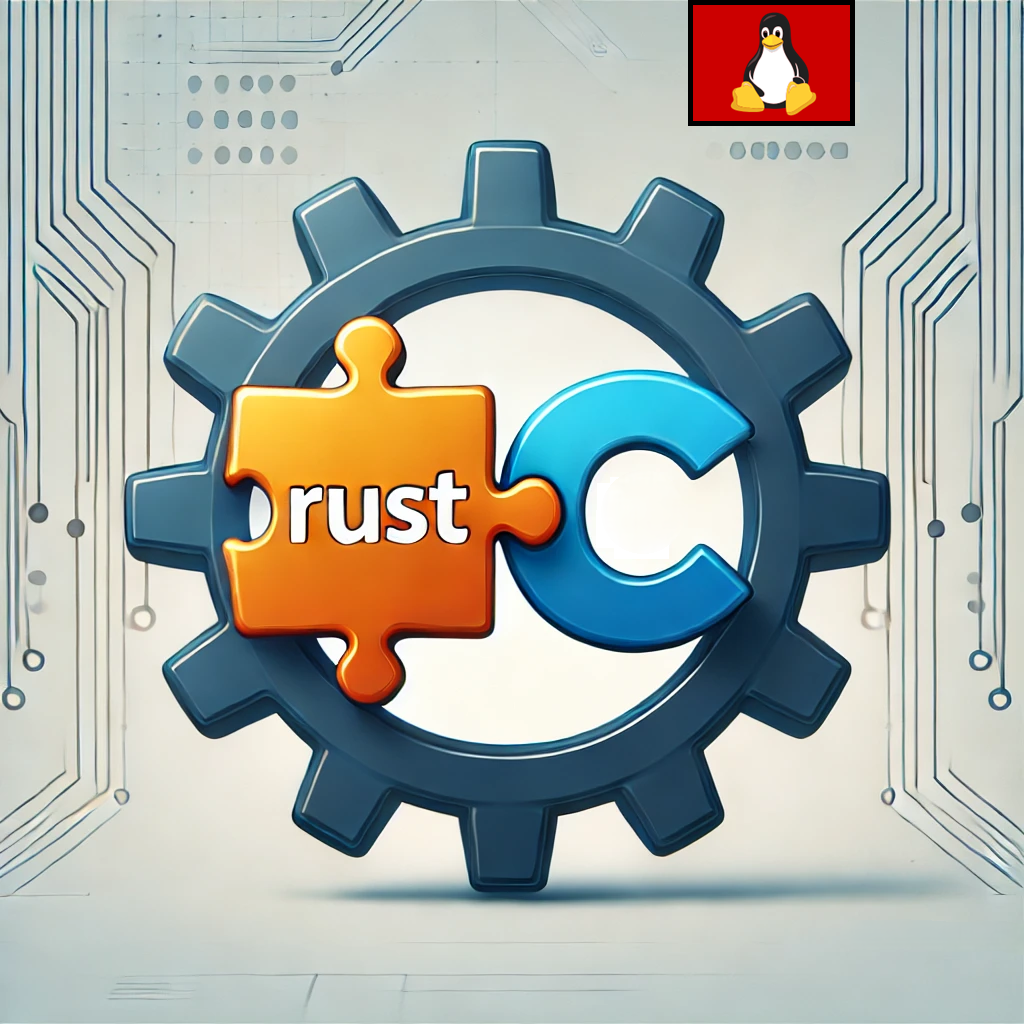 This article explores how Rust can be integrated into the Linux kernel without compromising long-term adaptability.
33. How to Get the GCD Of Two Numbers in C
 The greatest common divisor (GCD) is the largest positive integer that is also a common divisor of a given set of positive integers. It is also known as the highest common factor (HCF) or the greatest common factor (GCF).
34. Why And Where You Can Learn C Programming For Free
 In this post, we will provide the C Programming Course for Free, and you can learn - What you'll learn, the list of Course content, Requirements, Description,
35. Zip Files in C#: How to Extract, Create, or Update Your Archives
 Learn how to zip and unzip compressed files with C#. Beware: it’s not as obvious as it might seem!
36. The Noonification: Will ChatGPT Change Coding Interviews Forever? (12/24/2022)
 12/24/2022: Top 5 stories on the Hackernoon homepage!
37. How to Run and Debug C / C++ Code via VSCode
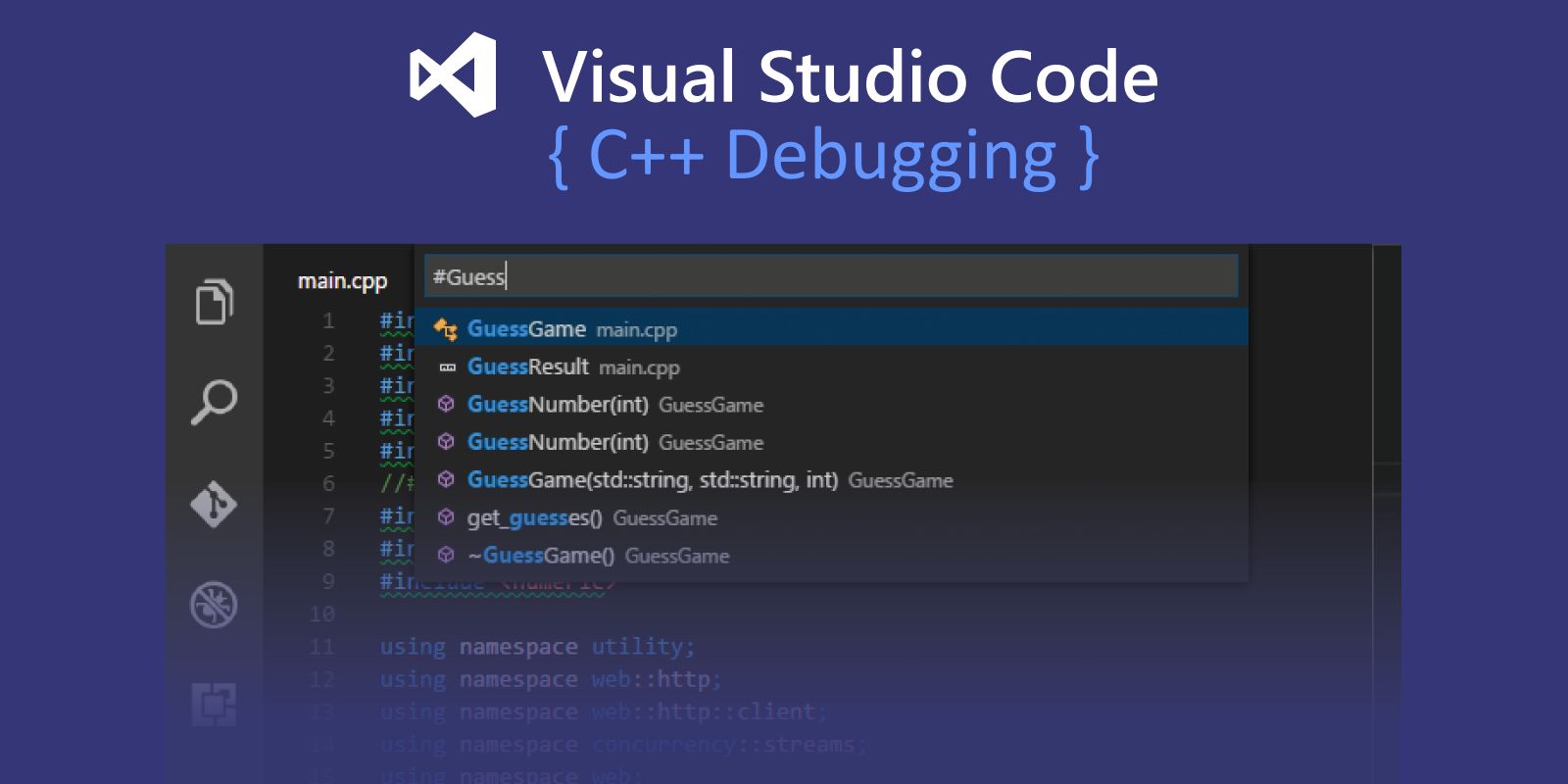 By the end of this short guide, you’d be able to run, debug, and get IntelliSense for C/C++ files in VSCode
38. Microsoft SEAL and the Dawn of Homomorphic Encryption
 Homomorphic encryption is making its way from academia to production use cases. Kick the tires on it with C# and a privacy minded fitness tracker.
39. Understanding XDP: An in Kernel Alternative To The Network Stack
 WHAT?
WHAT?
40. Java-C-Assembly Matryoshka
 Disclaimers:
41. Call-By-Value and Call-By-Reference
 The article provides you an understanding of how to pass data to the function, Covering concepts like Call-By-Value & Call-By-Reference in C/C++.
42. How To Use Pointers in C
 To understand this article, you need to know the basics of variables in programming, preferably C since that is what I will be using.
43. The Ten Best Programming Languages for Beginners to Learn in 2021
 Here are my top ten best programming languages to learn first. Start from here, choose your path and get yourself on the road to your dream job.
44. Rewriting memcpy in Assembly: A Journey Into x86_64
 Rewriting memcpy in Assembly, including performance-related topics like SIMD, instruction pipelining, and processor-specific optimisations.
45. How to Use MDK-ARM to Simulate a Hardware Module That Runs the RT-Thread RTOS
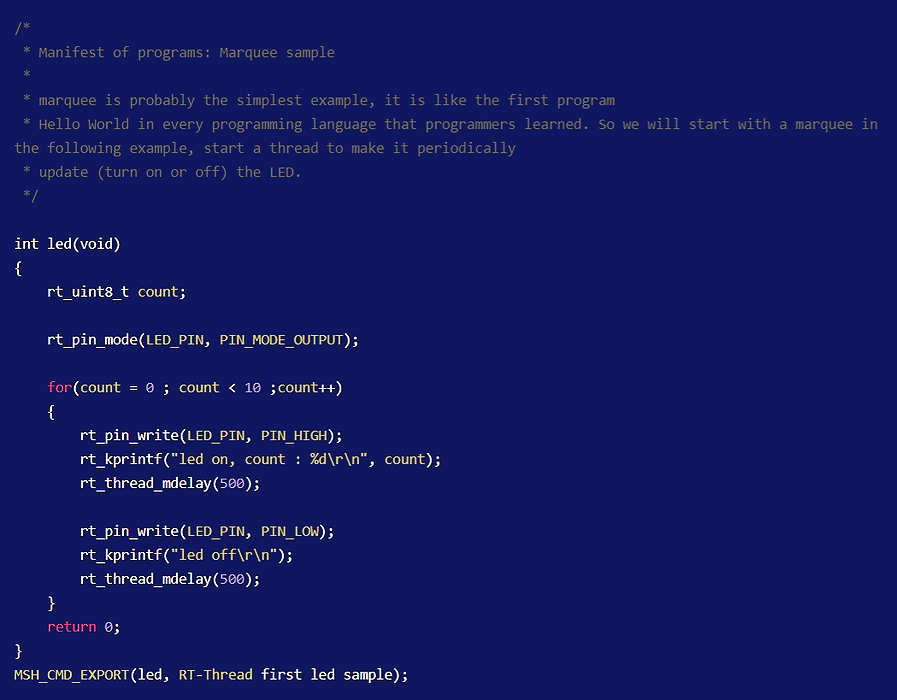 Preparation
46. Armstrong Number in C
 A number is thought of as an Armstrong number if the sum of its own digits raised to the power number of digits gives the number itself.
47. Lay a strong foundation by writing secure C and C++ utilities
 Libraries and system utilities form the foundations on which larger projects are built. So it's critical to make sure they, in particular, are secure. That's why we recently introduced five new rules for C++ and C to detect broken authentication and access control in *nix systems. The new rules fall into three categories: account validity, granting permissions, and changing directories.
48. How to Merge Two Sorted Arrays in C
 In this blog, we will be discussing the algorithms and their implementations for merging two sorted arrays using C.
49. New Software Release: Uno Platform 4.1 Offers 30% Performance Boost, and More Compatibility!
 This release packs over 200 new feature requests, bugs, and issues you raised. We welcomed a few great contributions from our community of 200+ contributors.
50. A Guide to Examining & Modifying Executable Code
 A review of tools and techniques to examine and modify executable.
51. The Project That Made Me Choose C Again
 In a world dominated by modern programming languages, C remains a powerful choice for low-level system programming and efficiency.
52. Scalable Aggregates: Reducing Complexity in Command Handlers
 Aggregates are the heart of your system. They hold domain logic and are responsible for emitting events that will eventually make your data consistent across multiples data projections and bounded contexts.
53. Go Interfaces: Favoring Composition Over Inheritance (With a Dash of Common Sense)
 Coming from a language like C# or JavaScript, interfaces in Go can feel like a cruel joke.
54. Beware of 'Using Declarion' in C# 8.0: A Real Example
 Explore the unexpected behavior of the 'Using Declaration' feature in C# 8.0 and learn how to safely implement it in your code.
55. Model Validation in C#: Unit Testing
 Explore robust model validation in C#, covering unit testing, BDD, and best practices for enhanced application reliability.
56. Lay a strong foundation by writing secure C and C++ utilities
Libraries and system utilities form the foundations on which larger projects are built. So it's critical to make sure they, in particular, are secure. That's why we recently introduced five new rules for C++ and C to detect broken authentication and access control in *nix systems. The new rules fall into three categories: account validity, granting permissions, and changing directories.
Thank you for checking out the 56 most read blog posts about C on HackerNoon.
Visit the /Learn Repo to find the most read blog posts about any technology.