
Let's learn about Blockchain Security via these 133 free blog posts. They are ordered by HackerNoon reader engagement data. Visit the Learn Repo or LearnRepo.com to find the most read blog posts about any technology.
Blockchain security refers to the measures and protocols implemented to protect blockchain networks and their data from attacks and tampering. It matters for maintaining the integrity, immutability, and trustworthiness fundamental to blockchain technology.
1. Hack Solidity: Reentrancy Attack
 Reentrancy attack is one of the most destructive attacks in Solidity smart contract. It occurs when a function makes an external call to another
2. An Anti-Sandwich Tool for Ethereum and BSC - With 10,000 $HKLS Airdrop Pool for Beta Users
 DeFi security provider, Hackless, is introducing a new tool that helps fight sandwich attacks on BNB Chain and Ethereum. Try safe swaps with AntiSandwich
3. AI Meets Bitcoin: How Rootstock Powers the Future of Trustless AI
 Rootstock merges Bitcoin’s security with Ethereum’s flexibility, enabling AI-driven blockchain apps for trustless governance, security, and fraud detection.
4. Compromised Private Keys: Primary Targets and Upcoming Solutions
 Compromised private keys can cause serious losses at all levels of DeFi and for all kinds of users. Hackless aims to mitigate this growing concern.
5. How to Rescue Funds From Hacked Crypto Wallets
 Another milestone for Hackless, as we recently opened private access to Wallet Rescue.
6. What is a Self Destruct Attack in Smart Contracts and How to Prevent Them? 🚨🛡️
 Uncover smart contract vulnerabilities like self-destruct attacks & how to fortify against them. Dive into security measures for safer blockchain code!
7. Lumoz Launches zkProver and zkVerifier Based on EigenLayer
 EigenLayer emerges as a key 2024 blockchain project with its Re-staking mechanism driving significant TVL growth.
8. Security for Blockchain with KuCoin and Hacken
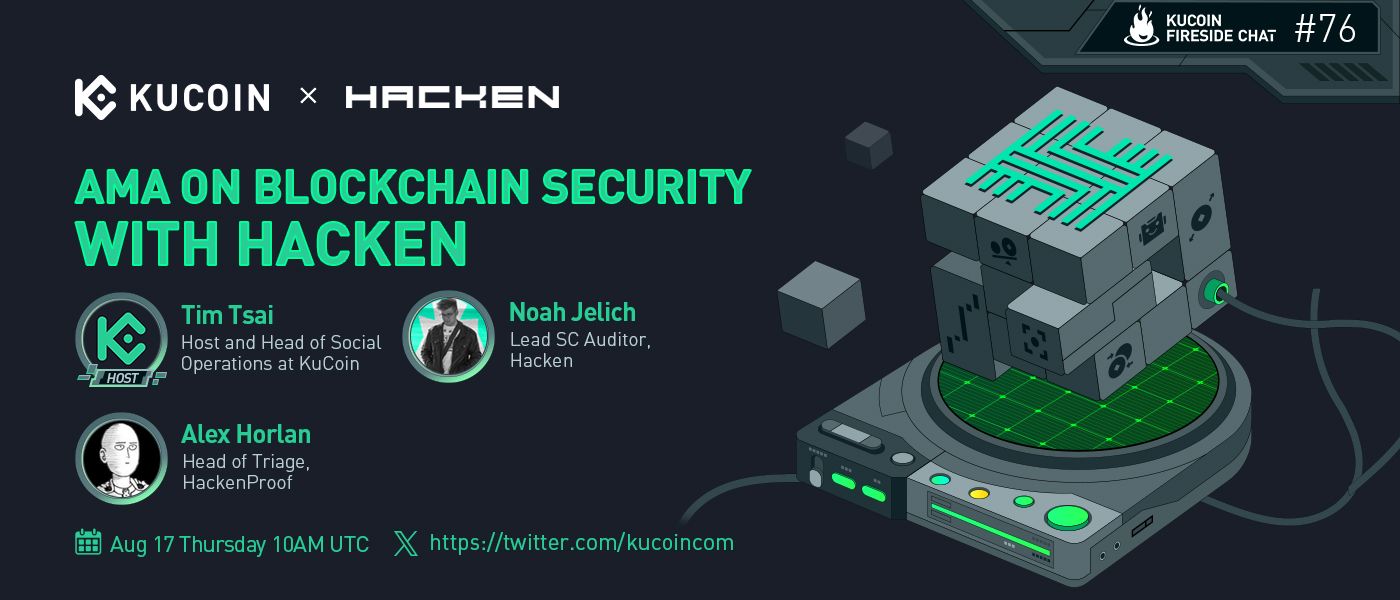 AMA on blockchain security with Hacken and KuCoin.
9. Qredo Announces QSign Technology Preview: New Cross-Chain Crypto Primitive
 Qredo is thrilled to announce its technology preview of QSign – a cross-chain primitive that will allow Web3 developers to generate, sign, and broadcast data...
10. Introducing Provable Randomness in Beldex Consensus with Verifiable Random Functions
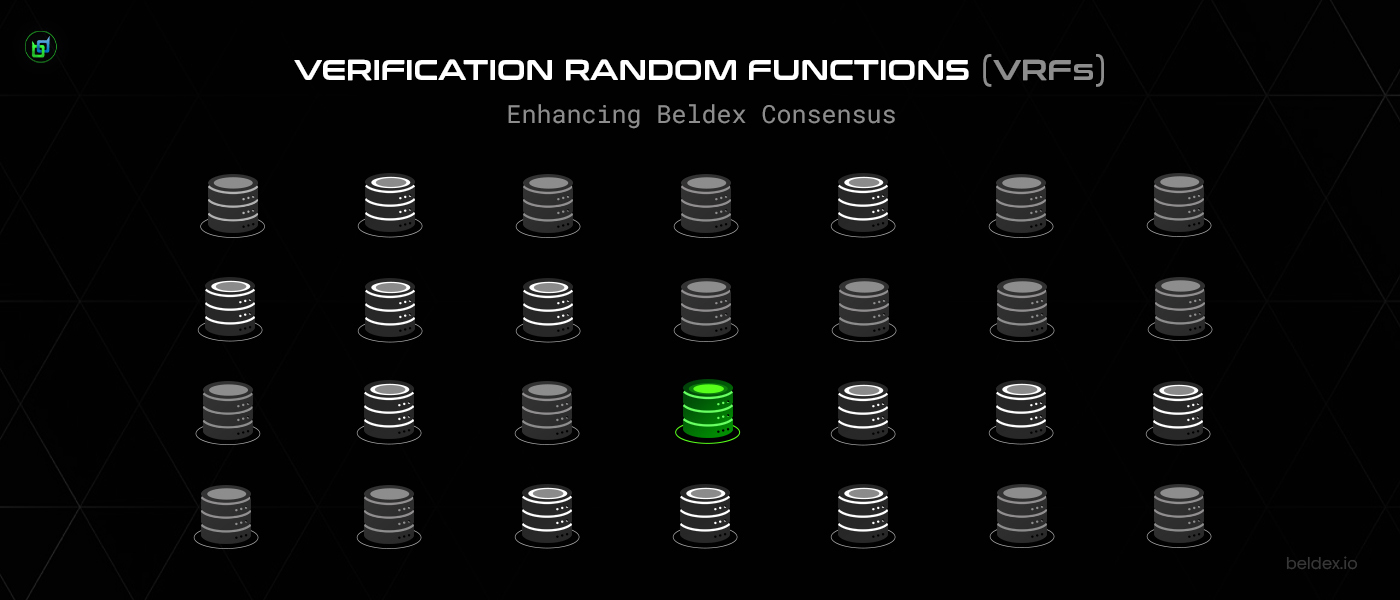 Beldex will implement verifiable random functions in its consensus to enhance unpredictability and randomness in validator and block leader selection.
11. Blockchain Vulnerability Report—ΞthernautDAO Car Token CTF
 Find out how HYDN won the recent EthernautDAO CTF Challenge by hacking the smart contracts after finding the blockchain's vulnerabilities and exploiting them.
12. BIP-360: Bitcoin’s Quantum Wild West
 Bitcoin's BIP-360 is both genius and cursed, and in whatever state it is at any time, it might become the only sane option we’ll have.
13. 4 DeFi Security Risks Explained: Understanding Common Vulnerabilities
 Vulnerabilities in DeFi contracts led to 44 separate incidents of eye watering losses in 2022. Read about the top four classes of vulnerabilities.
14. The Blockchain is a Broken Chain After-all
 There are several security issues affecting blockchain. To have a wider adoption, the community must address these issues by implementing appropriate controls
15. Threshold Signatures: Their Potential in Blockchain Security and Practical Applications
 This article describes why people need the threshold signature, and what inspiring properties it may bring
16. A Model for Blockchain Mining Under Adversarial Conditions
 Explore how selfish mining strategies in blockchain are modeled using Markov Decision Processes to measure chain quality and adversarial revenue.
17. A Technical Q&A on Network Partition Attacks
 Cryptocurrencies are prone to many different types of attack. As Bitcoin is over 11 years on the track, we know and were facing many different attempts on breaking its security. One of them is network partition attack.
But what about the Proof-of-Stake algorithms? Have they solved some of the vulnerabilities of Bitcoin and its Proof-of-Work algorithm?
18. Fast Fourier Transform: Scaling Multi-Point Evaluation
 Fast Fourier Transforms are a key part of algorithms thanks to their ability to multiply large numbers quickly. They have been used in blockchain in a few ways.
19. How Secure Are Blockchain Networks Today
 Blockchains are less likely to be hacked than other systems since they are not centralized.
20. An In-Depth Look at Blockchain Validation
 One of the most powerful properties of a blockchain is the fact that every single part of the blockchain's execution can be independently validated.
21. Replicated Security and Why it Matters for Cosmos
 RS is a shared security system that allows a larger chain, known as the provider chain, to provide security to a smaller chain, known as the consumer chain.
22. Top 10 Smart Contract Audit Companies
 Here are the top 10 providers of smart contract auditing to consider in 2022.
23. A Beginner’s Guide to Blockchain Nodes and How They Work
 “Discover what blockchain nodes are, how they ensure security and consensus in a decentralized network, and why they’re crucial – explained simply for all.”
24. How Base Blockchain Makes Ethereum Faster and Cheaper Without Cutting Corners
 Learn how Base, by Coinbase,scales Ethereum with faster transactions, lower fees, and maintains security and decentralization. Ideal for DeFi, NFTs, and gaming.
25. The Achilles' Heel of Blockchain: How Validators Became the Target of a Billion-Dollar Threat
 Looking at how blockchain validators exploited in billion-dollar security threat.
26. What is So Great About Proof-of-Stake?
 Attacks are much easier to recover from in Proof-of-Stake.
27. Why Is Public Key Infrastructure Outdated?
 PKI is the industry standard for managing keys. But key management is long due for an overhaul. Here’s why PKI might be outdated in today’s day and age.
28. Web3 Security: Tips to Protect Yourself and Your Crypto Wallet from Hackers
 Due to the decentralized nature of the web3, cybersecurity becomes a major concern when protecting your non-custodial wallet on decentralized exchanges.
29. Discussing Web3 Security with Forta Ecosystem Lead Andrew Beal
 A conversation with Andrew Beal, the spokesperson of Forta, on Web3 security, the rise in DeFi hacks, and where blockchain protocols are going wrong.
30. Scam Networks are Targeting Crypto Execs Impersonating Well-Known VCs
 This is the information that could keep you from walking straight into a trap set by a scam network impersonating major crypto VC funds.
31. OpenSea: A Wolf in Sheep's Clothing?
 An active NFT trader shares an evidence of OpenSea negligence and shoddy support when it comes to user data protection.
32. When Verified Source Lies
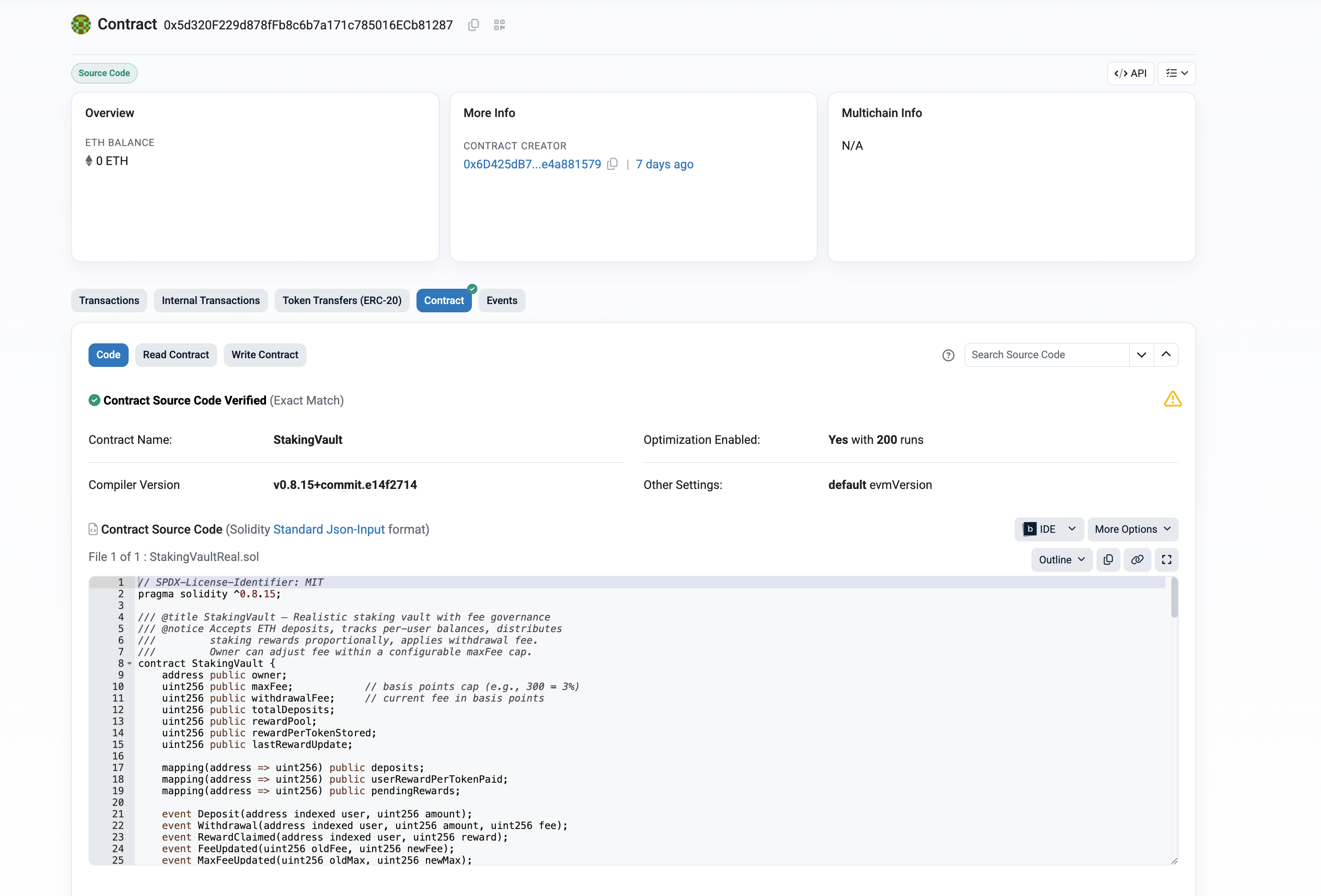 I got Etherscan's green checkmark on a contract whose bytecode doesn't do what the source says. Here's how a known compiler bug makes that possible.
33. Crypto Security: How To Protect Your Project From Hacking
 The number of thefts of funds from crypto projects is not decreasing. Most of the incidents are related to smart contract vulnerabilities you need to know.
34. What is a create2 Attack in Smart Contracts? How to Avoid It? 🤔
 Explore create2 opcode vulnerabilities in DeFi contracts, learn prevention measures against smart contract attacks.
35. Smart Contract Vulnerabilities: Understanding and Safeguarding Against delegatecall Attacks
 Delve into the world of smart contract vulnerabilities as we unravel delegatecall attacks—a persistent threat to blockchain security.
36. $14.6 Million in RWA Hacks This Year Reveals the Gap Between Tokenization Hype and Reality
 RWA tokenization hit $35.68B in 2025, but $14.6M in hacks exposed security gaps. Can the industry scale to $2 trillion by 2028 amid regulatory fragmentation?
37. How Does Blockchain Security Work, Anyway?
 What is blockchain security? Learn how blockchain security works and common blockchain security vulnerabilities to know.
38. Reinventing Blockchain Security: Exclusive Interview With Cyvers CEO Deddy Lavid
 Cyvers co-founder and CEO Deddy Lavid provides valuable insights into how AI algorithms can identify potential blockchain security threats.
39. 5 Smart Contract Hacks Everyone Should Learn From
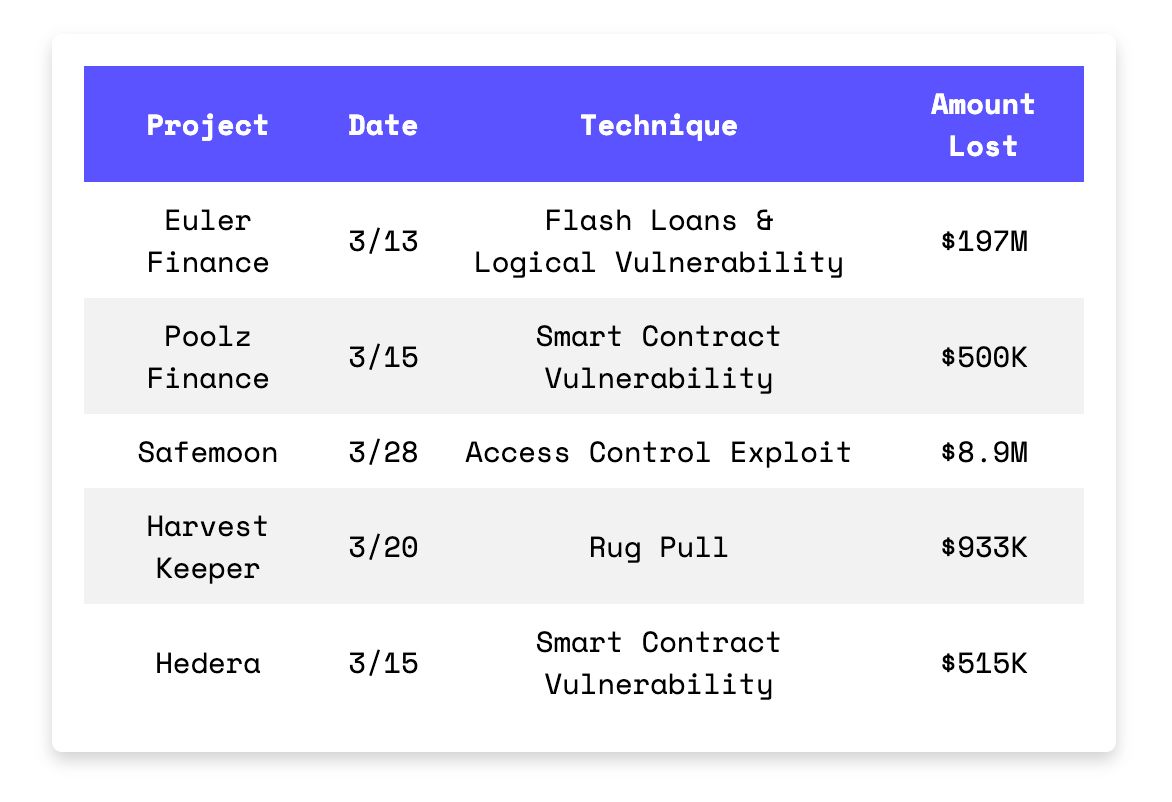 These 5 hacks resulted in a total of over $200 million in losses for these companies. Don't let your project be next.
40. AI-Native Smart Contracts Are No Longer Theory—They Just Became Real
 Endless Move-LM turns intent into secure Move smart contracts, marking a shift to AI-native development and raising the security bar for Web3.
41. Crypto-Biometrics: A Better Solution For Trust and Security of Blockchain
 A better alternative being proposed in many research papers is using biometrics to allow access. Crypto-Biometrics is a combination of mathematics, cybersecurit
42. Discussing Curative Web3 Security With Bezalel Eithan Raviv - Lionsgate Network Founder & CEO
 A discussion with the Founder & CEO of Lionsgate Network about evolving cybersecurity threats, victim challenges in fraud, and the need for enhanced solutions.
43. What are the Main Security Gaps in Blockhain?
 Most people think that blockchain is completely safe and particularly difficult to hack. Let’s find out about blockchain security issues and how to fight them.
44. Wombat Exchange? Womplay.io? $WOMBAT, WOM, WAX, TELOS?
 Fake currency exchange, fake airdrops, fake staking, fake withdrawals, VERY real scam. Robbing users without Batman.
45. Last Mile of Blockchains: RPC and Node-as-a-Service
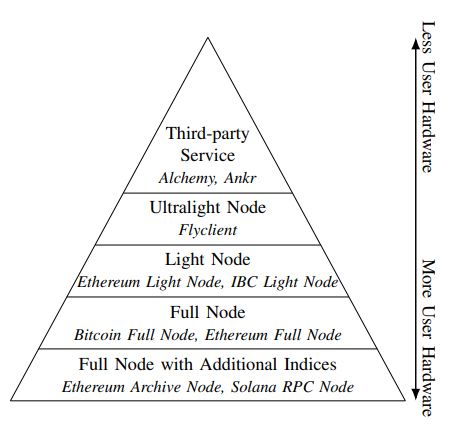 This paper surveys methods for accessing blockchains, comparing full nodes and third-party services based on integrity, availability, and privacy.
46. Decoding Overflow And Underflow Vulnerability in Smart Contracts
 We’ll understand overflow and underflow vulnerability of solidity by Solving Ethernaut’s : TOKEN Challenge.
47. DAOs are a Catalyst for Decentralization - Unhashed #15
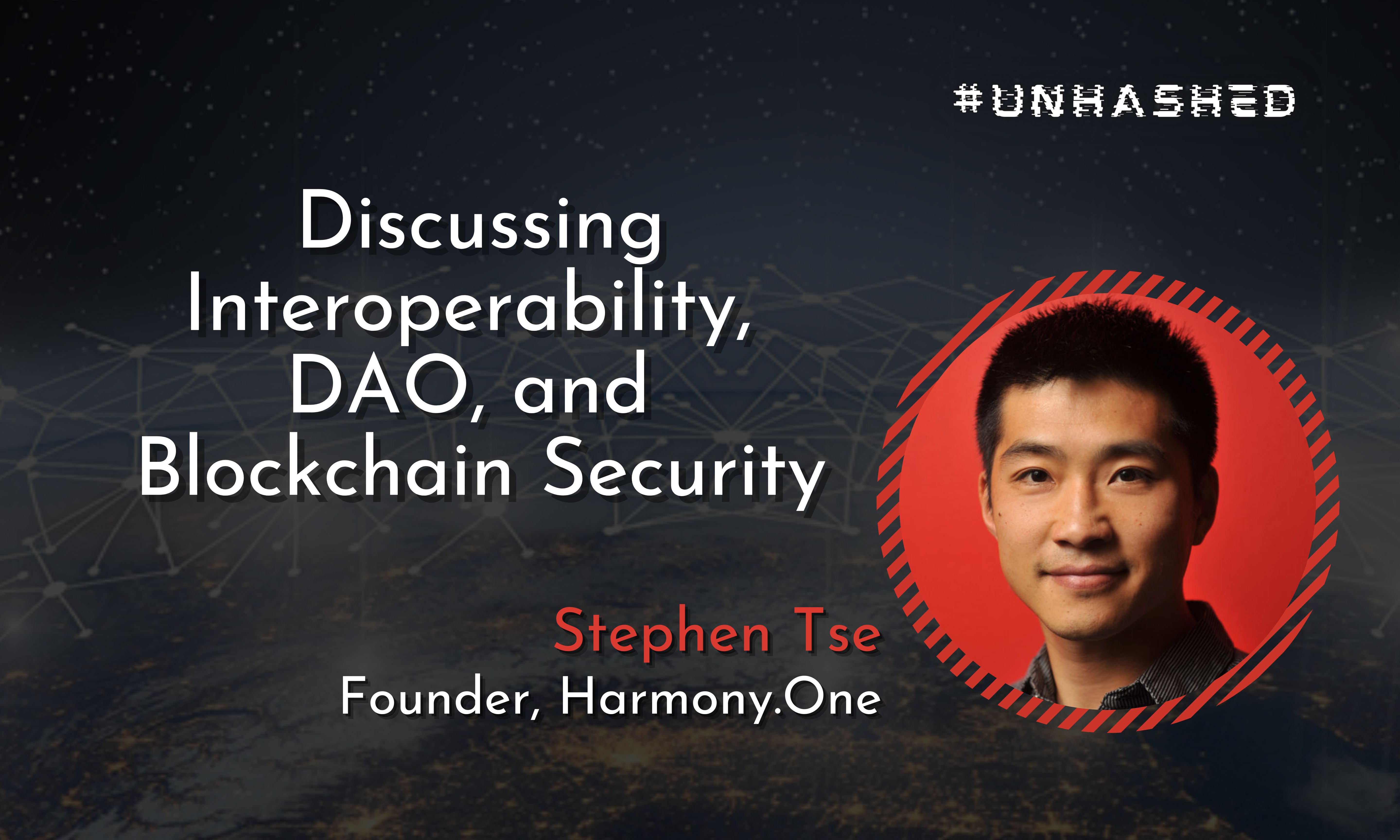 Harmony.one’s founder, Stephen Tse, discusses the importance of interoperability for blockchain.
48. What Is a 51% Attack?
 A 51% attack occurs when an attacker or group of attackers gains more than 50% of the network's mining power or hashrate.
49. A Necessary Evolution of Privacy and Data Protection on Blockchain Networks
 Blockchain transactions are visible to anyone, anywhere in the world. This is how protocols ensure transparency. However, this introduces a challenging problem.
50. The #1 Insecurity Holding Back Web3
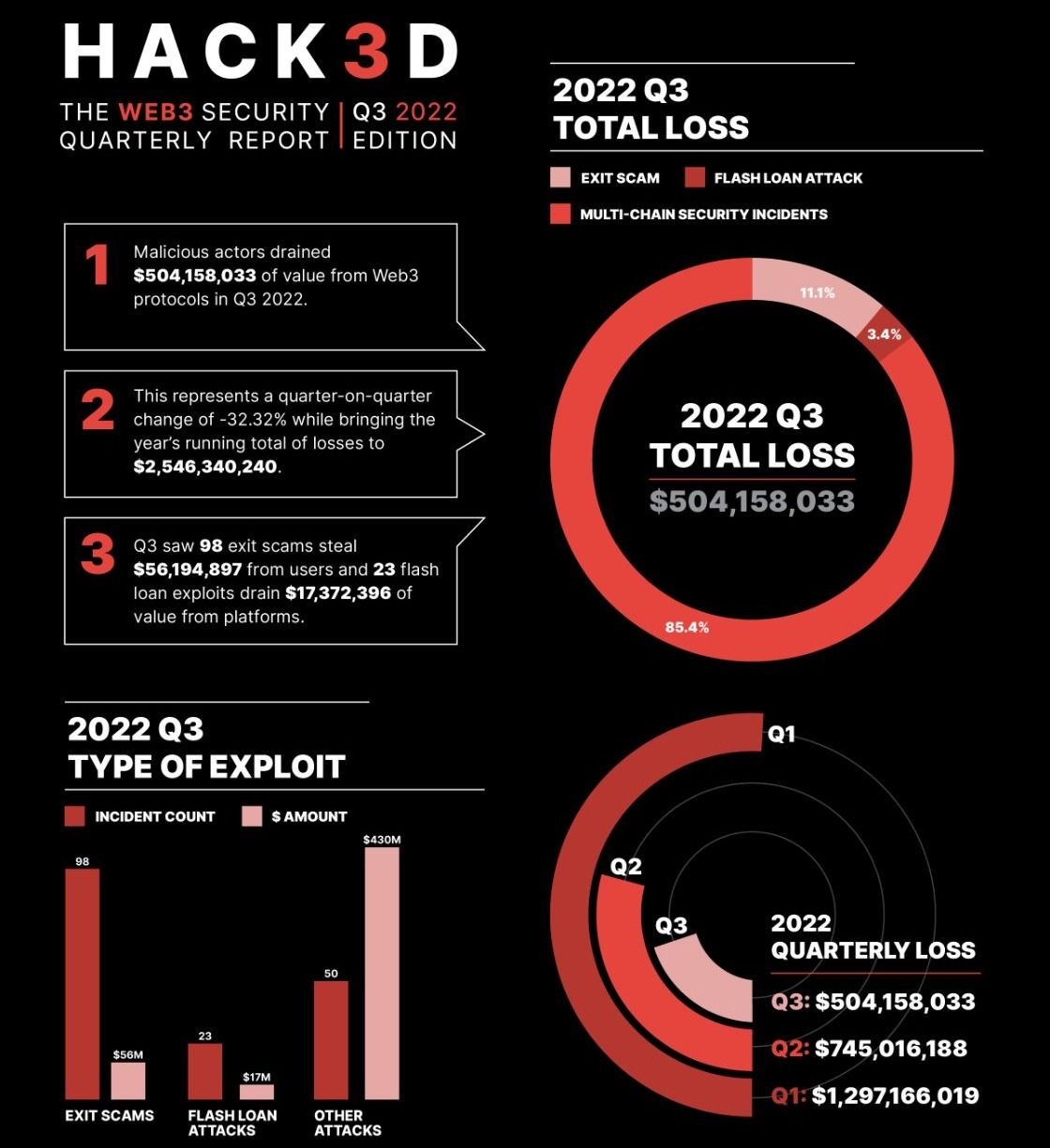 To be frank, the numbers don’t look good. Over half a billion dollars of value was drained from Web3 platforms and users between July and September of this year. $504,158,033, to be precise. This is not a great look for the crypto industry, whose market capitalization has already suffered a 70% drawdown over the last year. Adding half a billion dollars of losses due to security incidents onto the industry’s notorious price volatility is not a recipe for attracting new users and bolstering the confidence of those who have stuck around.
51. An In-Depth Guide to Hybrid Layer 2 Protocols
 There is a large middle ground between data-on-chain layer 2 and data-off-chain layer 2 protocols, with many hybrid approaches
52. Security Manager Design Pattern for Solidity Smart Contracts
 This is the first in a planned multi-part series in which I'll write about security topics in blockchain development from a few different angles.
53. The Q3 2022 Blockchain Security Report
 In the third quarter of 2022, Beosin EagleEye monitored over 37 major attacks in the Web3 space, with total losses of approximately $405 million, down approxima
54. The 6 Largest Crypto Exchange Hacks (That Lived to Trade Again)
 6 major crypto exchanges that survived massive hacks. Learn what went wrong, how they recovered, and what truly makes a secure CEX in 2025.
55. Building the Unbreakable Contract: A Pipeline for AI-Powered Vulnerability Classification and Repair
 This method scrapes, classifies (RFC), and repairs smart contract code using fine-tuned Llama-2 and prompt-engineered GPT-3.5 with Slither analysis.
56. Navigating the Node-as-a-Service Market: Benefits, Risks, and Open Questions
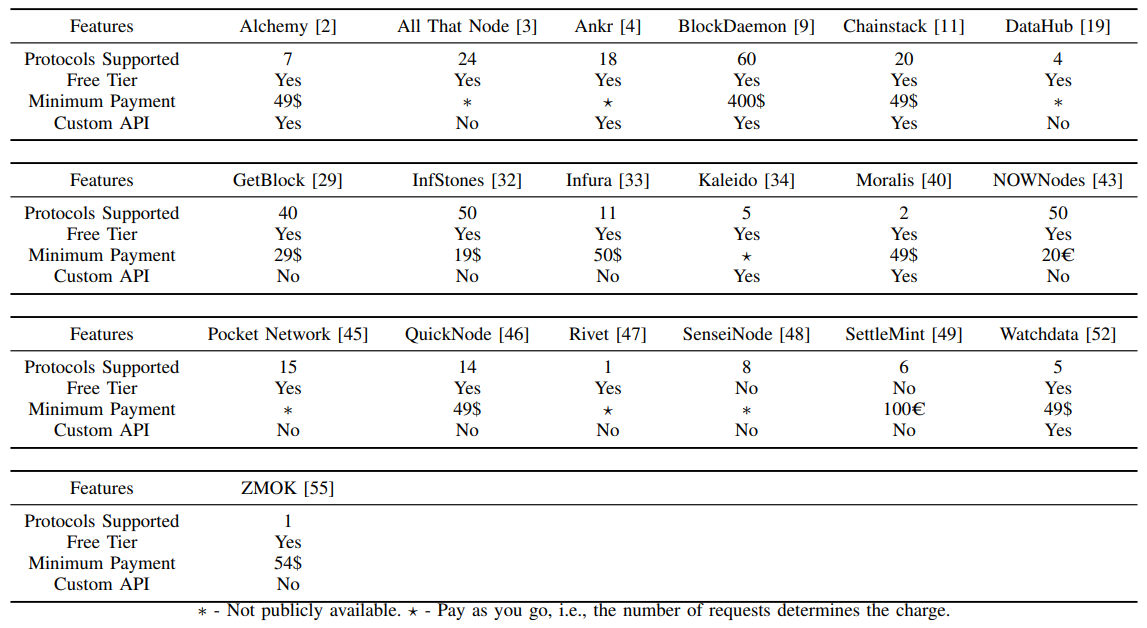 This section examines the approach of querying a third-party ledger through Node-as-a-Service (NAAS) providers.
57. How to Achieve 99% Fault Tolerant Consensus
 By requiring observers to actively watch the consensus, you can increase fault tolerance all the way to 99%.
58. A Novel Pipeline for Classifying and Repairing Smart Contracts at Scale
 A novel framework uses Slither, RFC, and LLMs to classify and automatically repair smart contract vulnerabilities with over 97% success, preserving function.
59. The Importance Of a Routine Smart Contract Audit In Blockchain Security
 Exploring the impact of smart contract audits on reducing crypto hacks, highlighting the importance of routine checks and advanced cybersecurity measures.
60. Interlock Launches Web3 Security Extension And Incentivized Crowdsourced Internet Security Community
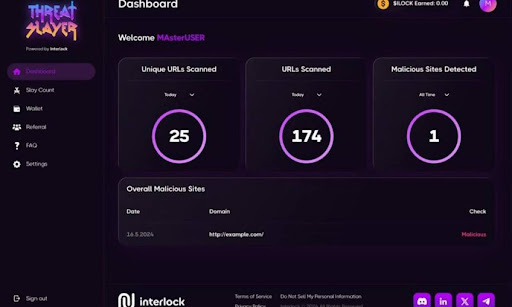 Uses blockchain and Web3 to incentivize users to participate and share essential threat data
61. How Coinspect is Revolutionizing Blockchain Technology Through Advanced Security
 Coinspect revolutionizes blockchain security with smart contract audits, vulnerability testing, and tailored strategies, ensuring safe and reliable DeFi systems
62. Building Secure Blockchain Bridges: Common Vulnerabilities and Solutions
 Why blockchain bridges keep getting hacked. A practical breakdown of the most common vulnerabilities and how developers can secure cross-chain systems.
63. SEAL DRILLS: Attack Simulations to Improve Web3 Security
 SEAL DRILLS Web3 incident simulation, training, and reporting
64. Have You Ever Wondered What Keeps Blockchain Running?
 Explore the role of blockchain nodes—learn how they support decentralization, security, and scalability, and why they’re crucial for crypto and smart contracts.
65. A Static Taint Analyzer for Address Verification Vulnerabilities in Ethereum
 Discover how AVVERIFIER detects address verification flaws in Ethereum smart contracts using advanced taint analysis and outperforms Mythril.
66. Hack Today, Crack Tomorrow? How Quantum-Safe Tools Save Blockchain’s Future
 Quantum computing threatens blockchain cryptography; post-quantum certificates and signatures are vital to secure digital assets for the quantum era.
67. Empirical Analysis of Vulnerable Ethereum Smart Contracts and Their Financial Impact
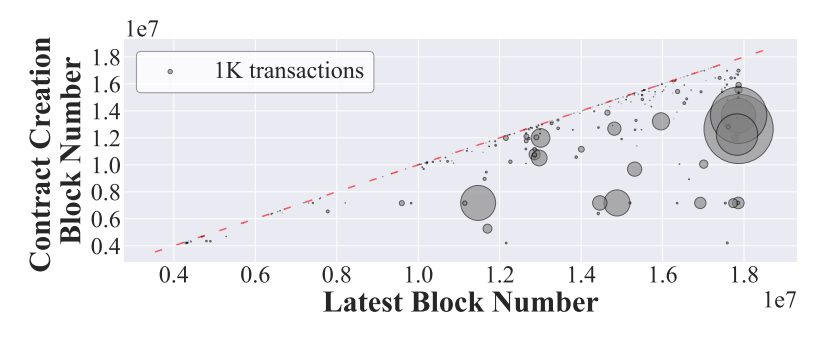 Over $11.2B in assets were found locked in vulnerable Ethereum contracts. This study breaks down key behavioral, activity, and financial risk patterns.
68. New Research Shows Classic Selfish Mining Is Outdated
 New attack strategy using disjoint forks achieves 20% higher mining revenue than classic selfish mining in proof-based blockchains.
69. Light Nodes: Balancing Cost and Data Integrity in Blockchain Accessibility
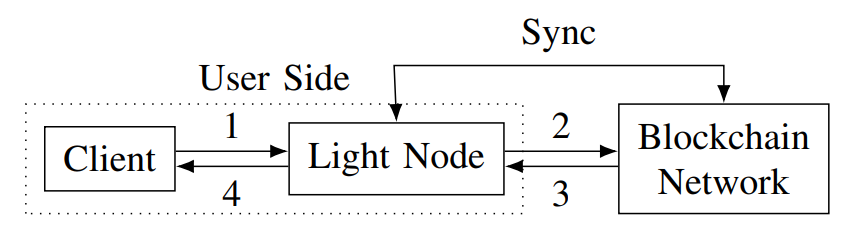 This section explores the concept of light nodes in blockchain technology, which aim to balance the cost of running a full node with data integrity
70. Detecting Vulnerabilities, Byte by Byte: The Architecture of AVVERIFIER
 AVVERIFIER detects address verification flaws in Ethereum smart contracts using a bytecode-first, CFG-based, three-phase detection architecture.
71. Karak and Space and Time Join Forces to Revolutionize Blockchain Security
 Karak partners with Space and Time to enhance blockchain security with ZK proofs. Learn how this collaboration could transform the industry.
72. A $8.2M Hack and the Blind Spot in Ethereum Smart Contract Verification
 Smart contract flaw in Visor Finance led to a $8.2M loss. This case explores how poor address verification exposes Ethereum contracts to attack.
73. Why Most Smart Contract Analysis Tools Fail at Address Verification
 Existing tools struggle with address verification bugs. AVVERIFIER uses static taint analysis to improve efficiency and accuracy in EVM smart contracts.
74. How Reputation Roll-Up and Duplex Transfer Channels Improve Blockchain Efficiency
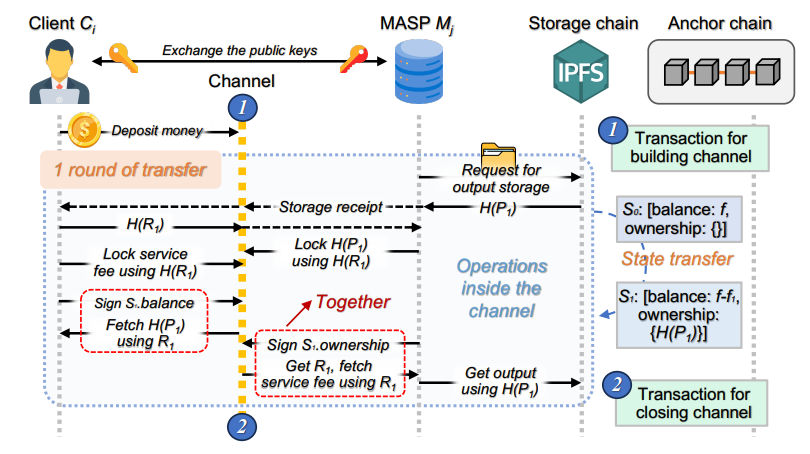 Boost blockchain efficiency with layer-2 reputation roll-up and duplex transfer channels. Reduce storage needs and latency using smart contract innovations.
75. Making Blockchains Unbreakable in the Age of Quantum Computers
 Quantum computing threatens blockchain security; this study implements post-quantum solutions on LACChain to safeguard blockchain against future quantum attacks
76. Blockchain is Bad, and Here’s Why
 At its core, Blockchain is merely tech that allows you to store and collect data in a secure way. But with great power come great risks.
77. Running a Full Node: A Comprehensive Guide to Maintaining a Blockchain Ledger Locally
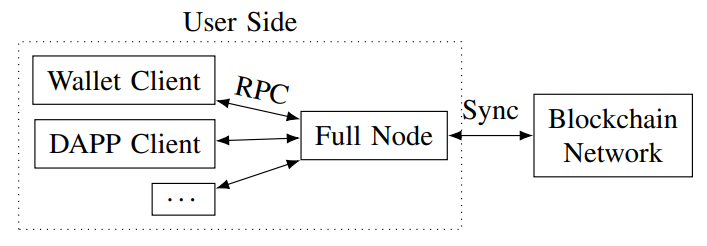 This section explores the approach of maintaining a blockchain ledger locally by running a full node.
78. Is Blockchain Secure Enough for Cybersecurity?
 Before security firms invest in blockchain solutions, they must ask if they’re secure enough to be worth the investment.
79. Comparing On-Chain Post-Quantum Signature Verification for Ethereum
 Three post-quantum signature verification schemes—Solidity, EVM, and precompiled—balance scalability and mainnet compatibility for future-proof blockchain.
80. AVVERIFIER Outpaces Mythril and ETHBMC in Smart Contract Vulnerability Detection
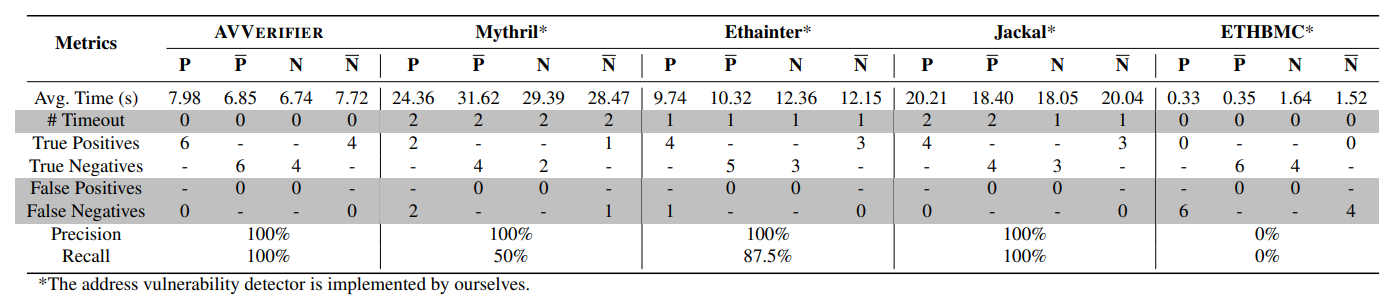 AVVERIFIER outperforms top tools in detecting smart contract flaws, achieving higher accuracy and speed on benchmark and real-world DeFi contracts.
81. Why Multi-Sig Wallets Are Essential for Security in Today's Crypto Landscape
 Learn how multi-sig wallets prevent wallet drains and enhance security, ensuring transparency and trust in the crypto world.
82. OS2a: Objective Service Assessment for Mobile AIGC
 Discover how OS2A evaluates mobile AIGC services by combining objective quality metrics with subjective user experience insights.
83. How Ethereum Opcodes Handle Memory, Calls, and Control Flow
 Explore how the EVM Simulator handles taint propagation and opcode behavior in Ethereum smart contracts via static analysis and heuristic rules.
84. The Evolution and Implications of BEP 341: Consecutive Block Production
 The introduction of BEP 341, or Consecutive Block Production (CBP), represents a significant milestone.
85. 4 Enterprise Cybersecurity Trends in 2021
 In 2021, Enterprises and SMEs rolled out these 4 efficient cybersecurity solutions to combat perpetrators from hijacking customer identities.
86. Inside Ethereum’s Smart Contract Ecosystem: Security, Tokens, and Whitelist Verification
 Explore Ethereum smart contracts, DeFi security, ERC-20 tokens, whitelisting techniques, and taint analysis in blockchain systems.
87. The Security and Authenticity of NFTs
 Non-fungible tokens represent an exciting new development in the world of digital assets that has a lot of people excited. Among those people are hackers who th
88. Exploring a Web3 Smart Contract Issue: Gas Exploitation via Unchecked Loops
 In blockchain development, smart contracts may encounter serious vulnerabilities, especially when there’s a loop that iterates over data provided by users.
89. This Math Hack Could Let Miners Earn Extra on Blockchains
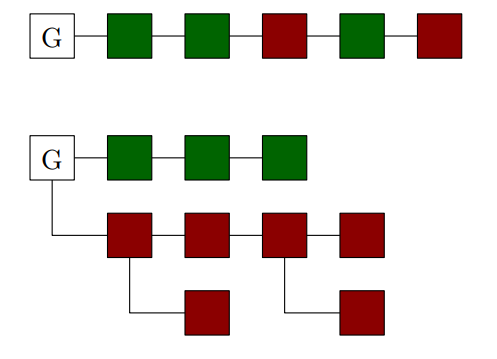 Formal analysis reveals a new selfish mining strategy for blockchain protocols using MDPs and ε-tight revenue models. Future-proofing blockchain?
90. Revolutionizing Proof-of-Stake: Leveraging Bitcoin's Strengths
 Discussion with Fisher Yu on how Bitcoin could be used to secure Proof-of-Stake networks.
91. Getting a Smart Contract Audit: Everything You Need to Know
 The term “smart contract audit” is an evolution of industry lingo, it does not have a rigorous definition, and it can mean different things to different people.
92. Testing Smart Contract Security with AVVERIFIER
 AVVERIFIER detects address verification bugs in smart contracts. Tested on 5M+ contracts, it's faster and more scalable than top analysis tools.
93. Balancing Blockchain Access: Local Nodes vs. Third-Party Services
 This concluding section discusses the balance between user-operated full nodes and third-party services for blockchain access.
94. Blockchain App Developers: Their Role in Popularizing Decentralized Technology
 Learn how blockchain app developers have built blockchain trust through a smart blockchain user interface fast-tracking adoption, accompanied by statistics.
95. How to Find Smart Contract Vulnerabilities Before Exploit Happen
 AVVERIFIER detects smart contract bugs in real time, spotting vulnerabilities before attacks occur—highlighted by a $30K exploit caught 90 mins early.
96. The GIA Certificate of Blockchain: Mo Kumarsi on Rev3al’s Vision for Blockchain Security
 Rev3al aims to revolutionize blockchain security with innovative authentication solutions, offering trusted protection for digital assets against fraud.
97. Exaion, Subsidiary of Europe's Largest Electricity Group, Joins Cronos Network as Validator
 Exaion, a subsidiary of EDF, has announced its partnership with Cronos.
98. The Race to Shield Blockchain Before It’s Too Late
 This work delivers scalable, post-quantum security for blockchain by adding quantum-resistant certificates, tunnels, and signature verification schemes.
99. What Happens When Smart Contracts Break
 AVVERIFIER detects smart contract flaws like address verification vulnerabilities, but faces limits in scalability, auto-exploitation, and ethical outreach.
100. How a Three-Phase Detector Identifies Smart Contract Vulnerabilities
 Three-phase Detector identifies smart contract vulnerabilities by filtering states based on whitelisting, external calls, and post-call modifications.
101. Cracking the Code on Blockchain Security: A Plain-English Primer
 Let's break the magic of blockchain into plain language — with actual code examples — to give you a sense of what's happening under the hood.
102. Key Expectations for Blockchain Accessibility: Integrity, Availability, and Privacy
 his section explores the expectations of blockchain accessibility, focusing on the security triad of integrity, availability, and privacy.
103. 1inch Partners With Blockaid To Enhance Web3 Security Through The 1inch Shield
104. This Study Uses Markov Models to Break Blockchain Fairness
 Selfish mining in PoS/PoSpace chains is real. This study models optimal attacks using Markov decision processes with provable outcomes.
105. How OS2A Uses Smart Contracts to Incentivize Mobile AIGC Providers
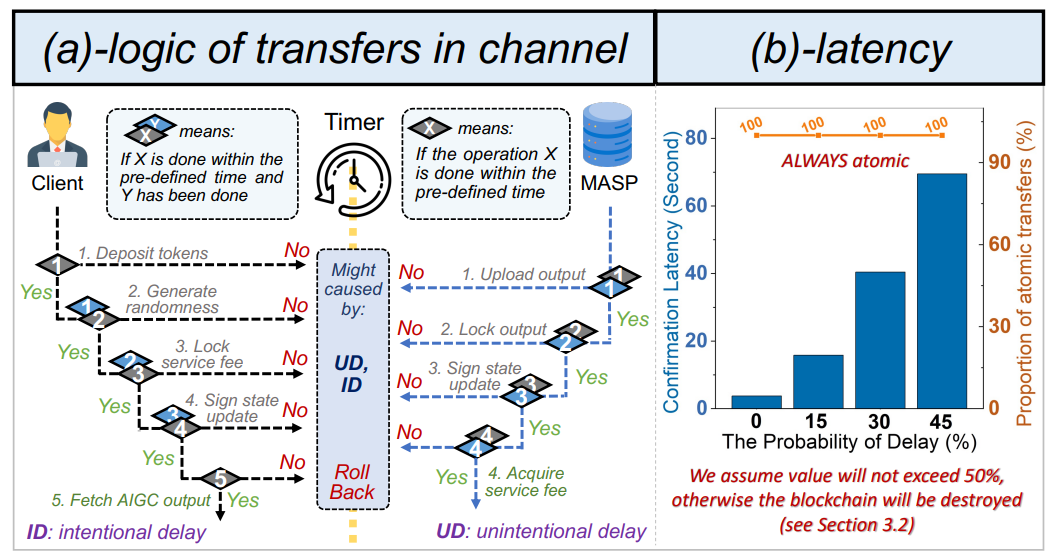 Explore how OS2A ensures fair payment for Mobile AIGC providers using contract theory, post-paid models, and diffusion-DRL for trustless environments.
106. How the Human Element Shapes and Limits Blockchain Development
 Despite its revolutionary potential, the human element introduces challenges in blockchain system building, security, and user accessibility.
107. Cutting Blockchain Costs with Reputation Rollup
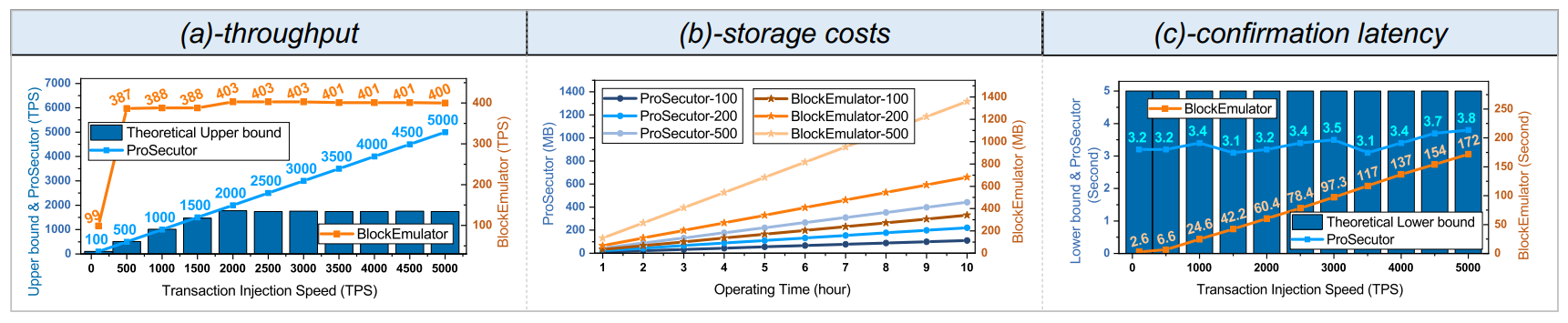 ProSecutor boosts blockchain throughput, cuts storage costs by 67.5%, and slashes latency—ideal for mobile AIGC applications at scale.
108. The Reality of Building Trust in Mobile AI Markets
 ProSecutor meets its functional design goals with secure reputation, payment, and transfer systems for mobile AIGC markets—tested and proven on-chain.
109. How Layer-2 Tunnels and Meta-Transactions Lock Down Blockchains
 Layer-2 post-quantum TLS tunnels and meta-transaction signatures secure blockchain nodes and transactions—future-proofing networks against quantum attacks.
110. The Human Factor In Blockchain Development: How It's Prevented Blockchain From Flourishing
 Explore the human factor in blockchain tech: challenges in system building, security audits, and enhancing interface for wider adoption.
111. The Math Behind Selfish Mining and Reward Allocation
 Formal analysis of selfish mining in efficient proof systems using mean-payoff MDPs and custom reward functions to model optimal adversarial strategies.
112. How ProSecutor Was Built and Tested
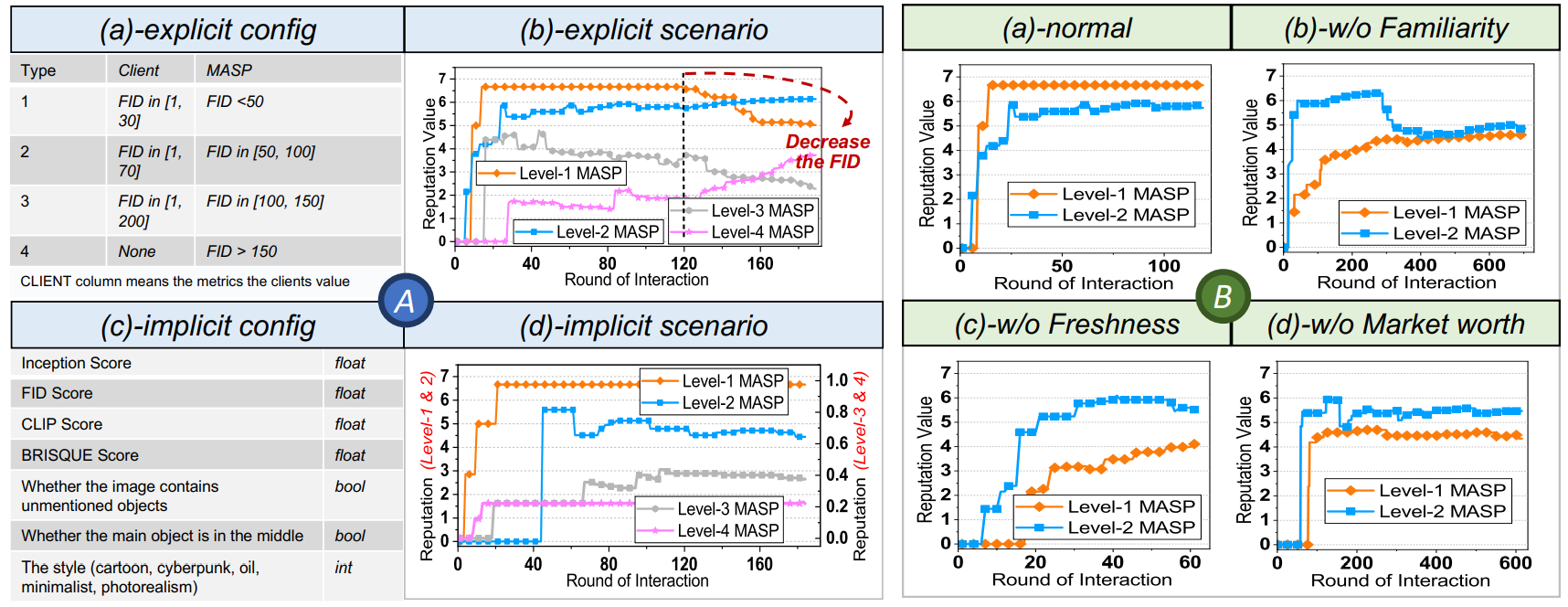 ProSecutor is implemented on BlockEmulator, tested on real Ethereum data, and optimized for mobile AIGC with strong security and payment solutions.
113. Post-Quantum ZK Is an Architecture Problem, Not a Parameter Problem
 A layered framework for reasoning about post-quantum migration in deployed zero-knowledge proof systems.
114. How to Measure the Quality of AIGC Services
 Explore how to measure AIGC service quality using latency KPIs, subjective client feedback, and a calibrated reputation scoring system.
115. Zama Raises $57M In Series B To Bring End-to-End Encryption To Public Blockchains
 Zama Raises $57M in Series B to Bring End-to-End Encryption to Public Blockchains
116. A New Standard for Mobile AIGC Security
 ProSecutor is a blockchain protocol securing mobile AIGC with atomic fee transfer, QoE modeling, and smart payment optimization.
117. The Limits of Automated Selfish Mining Detection
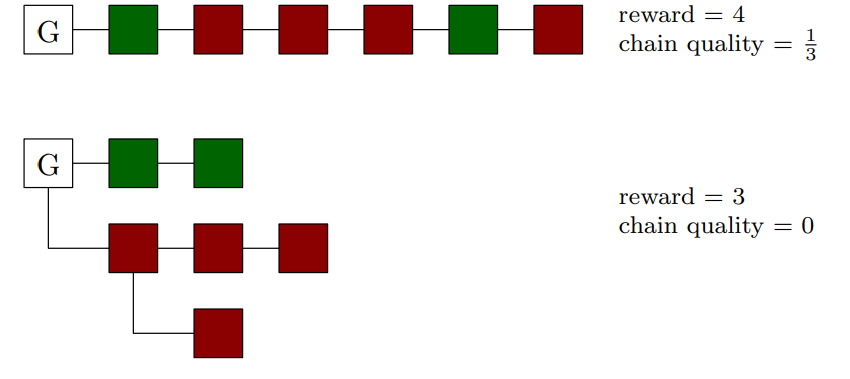 A flexible, formally verified approach to modeling selfish mining in blockchains using MDPs—highlighting benefits, limitations, and strategic insights.
118. Audits Didn’t Save Resolv. Threat Modeling Could Have.
 Threat modelling prevents billion-dollar losses. See how Resolv, Bybit, GMX, WazirX weren't modelled—and how to protect your protocol.
119. Blockchain's Practical Security and Emerging Concerns
 This article explores the multifaceted world of blockchain security, addressing various aspects of concern and providing insights into blockchain concerns.
120. You Should Probably Be Evaluating and Auditing Your Smart Contracts
 Explore the critical role of smart contract audits in ensuring security, mitigating risks, and navigating complexities in Web3 agreements.
121. Efficient Proof Systems: How PoStake, PoSpace, and VDFs Impact Blockchain Security
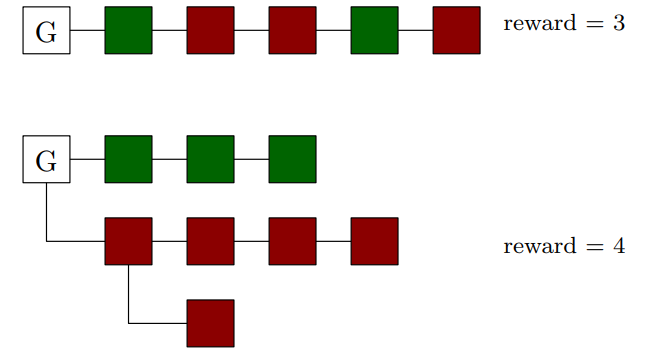 Explore how adversaries exploit blockchain systems through double spending, selfish mining, and efficient proof systems like PoStake and PoSpace.
122. Crypto Security Tool Harpie Expands Theft Protection To Three New Blockchains
 In response, the company is expanding its security offering to accommodate rising user adoption of layer 2 blockchains.
123. Why Your Next Employee Might Be a Digital Worker
 RPA slashes costs, boosts accuracy, and frees staff for higher-value work—making business automation a must for scaling in today’s competitive climate.
124. Why Selfish Mining Is More Dangerous Than You Think
 A formal MDP-based model reveals how selfish mining exploits blockchain consensus through private forks, attack depth, and probabilistic actions.
125. Mobile AIGC Gets a Security Upgrade with ProSecutor
 ProSecutor secures mobile AI-generated content using blockchain, enabling trustless MASP selection, payments, and ownership transfers.
126. Modeling Selfish Mining with Markov Decision Processes
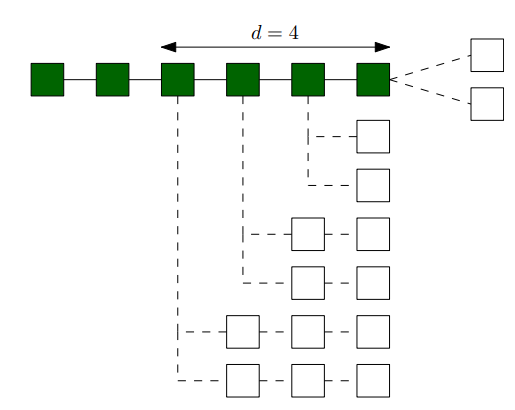 Discover how selfish miners exploit blockchain systems using private forks and MDPs to maximize revenue in this formal analysis of mining attacks.
127. Measuring Mobile AIGC Quality Without User Studies or Sensors
 A reputation-based method to measure QoE in mobile AIGC applications—no sensors, no surveys, and adaptable to any modality.
128. Can AI Fix a Broken Contract? The Answer is 97.5% Yes.
 This framework uses an RFC and LLMs to repair smart contracts, achieving up to 97.5% vulnerability reduction while preserving original functionality.
129. Lightweight Blockchain Solutions for Mobile Environments
 Discover how blockchain is being optimized for mobile networks through smart contracts, lightweight consensus, and edge computing techniques.
130. A Technical Guide to ProSecutor’s Blockchain-Based AIGC Design
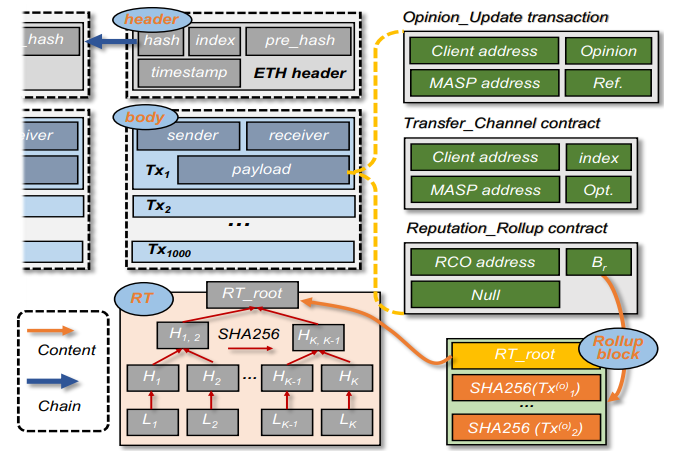 Explore how ProSecutor uses parallel chains, reputation roll-ups, and smart contracts to secure and scale mobile AIGC on the blockchain.
131. Understanding Ergodicity in Markov Decision Processes
 his proof demonstrates how strategies in Markov decision processes yield ergodic Markov chains, with state recurrence ensured by honest mining behavior.
132. Protecting AI-Generated Content in Mobile Environments with ProSecutor
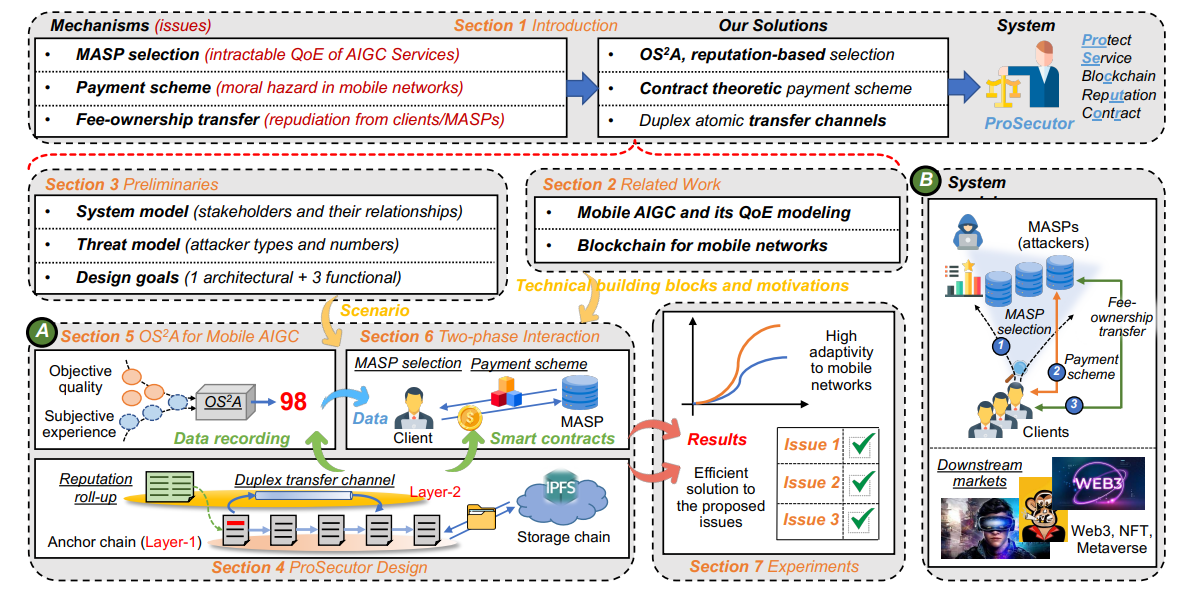 A new blockchain-based framework secures mobile AIGC with OS2A assessment, smart contracts, and tamper-proof reputation and payment schemes.
133. How ProSecutor Secures Mobile AIGC in Untrusted Networks
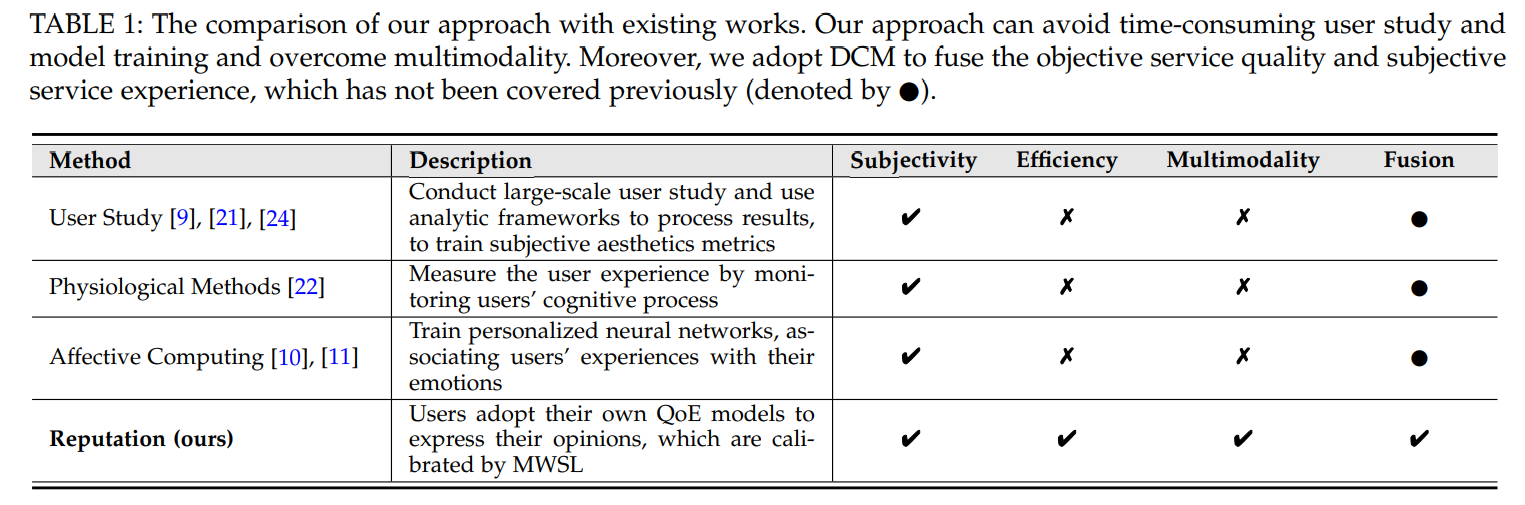 Explore how ProSecutor protects mobile AI content generation from adversarial threats using secure design goals, blockchain, and efficient MASP selection.
Thank you for checking out the 133 most read blog posts about Blockchain Security on HackerNoon.
Visit the /Learn Repo to find the most read blog posts about any technology.