

Let's learn about Deployment via these 96 free blog posts. They are ordered by HackerNoon reader engagement data. Visit the Learn Repo or LearnRepo.com to find the most read blog posts about any technology.
Deployment is the process of making a software application or system available for use. Effective deployment practices are critical for ensuring stable, reliable, and efficient delivery of software to users.
1. The Complete Guide to Deploying NestJS Application on Render
 Learn how to seamlessly deploy your NestJS server applications using Render, a powerful alternative to Heroku.
2. Path-Based Routing in Render with Kong API Gateway
 It's good practice to put an API gateway in front of your microservices-backed application. Path-based routing makes this possible when deploying to Render.
3. How To Create a CD pipeline with Kubernetes, Ansible, and Jenkins
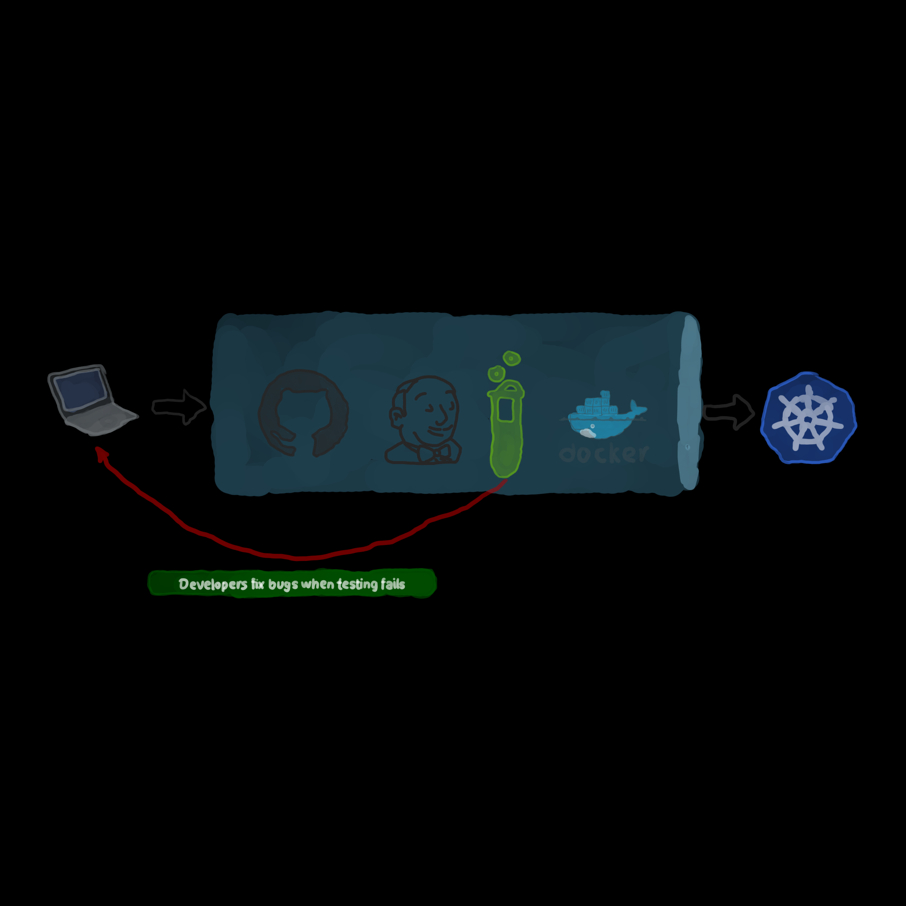 What does CI/CD try to solve?
4. Publishing A Three.js Project On GitHub Pages
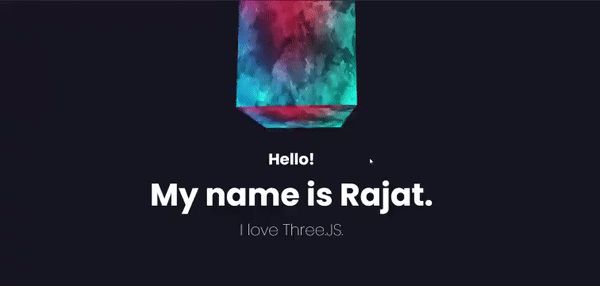 Looking for a way to showcase your Three.js projects for free? Use GitHub Pages.
5. Deployment Automation via SSH With Python Fabric: How It Works
 One of the most basic ways in which a project gets deployed is by SSHing into a remote host followed by executing a few basic commmands. In this article I'll be taking a look on how to deploy a basic project to a remote server through Gitlab CI using Python Fabric.
6. How to Deploy a React App to GitHub Pages
 This article outlines how to smoothly deploy a React App through Github while avoiding common problems that such a process is likely to cause for you.
7. Deployment Choice: Code Promotion vs Artifact Promotion
 When it comes to deployment, a choice must be made. Find out what's the difference in code promotion and artifact promotion
8. Deploy Computer Vision Models with Triton Inference Server
 There are a lot of Machine Learning courses, and we are pretty good at modeling and improving our accuracy or other metrics.
9. Deploying Deep Learning Models with Model Server
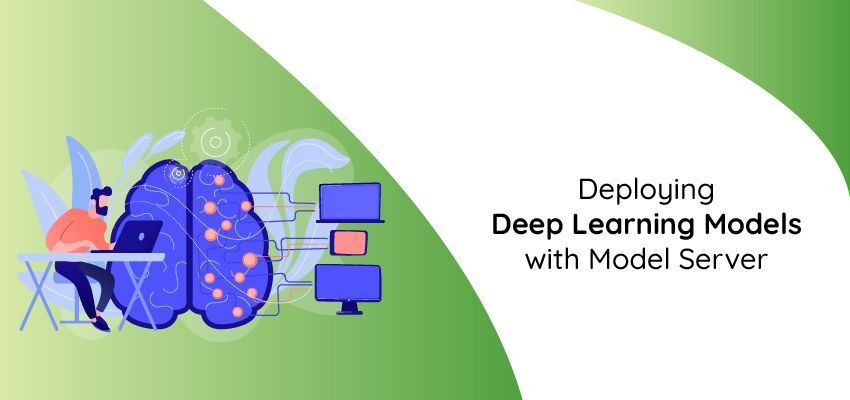 Learn how to deploy deep learning models with Model Server.
10. How to Deploy AWS Lambda with Docker Containers
 You can now build your serverless workloads in a Docker container with AWS Lambda. We gave it a try and here's our review (with ETL examples).
11. Feel the Release
 Technology performing at human speed is no longer an option.
12. Implementing GitOps Workflows with Kubernetes
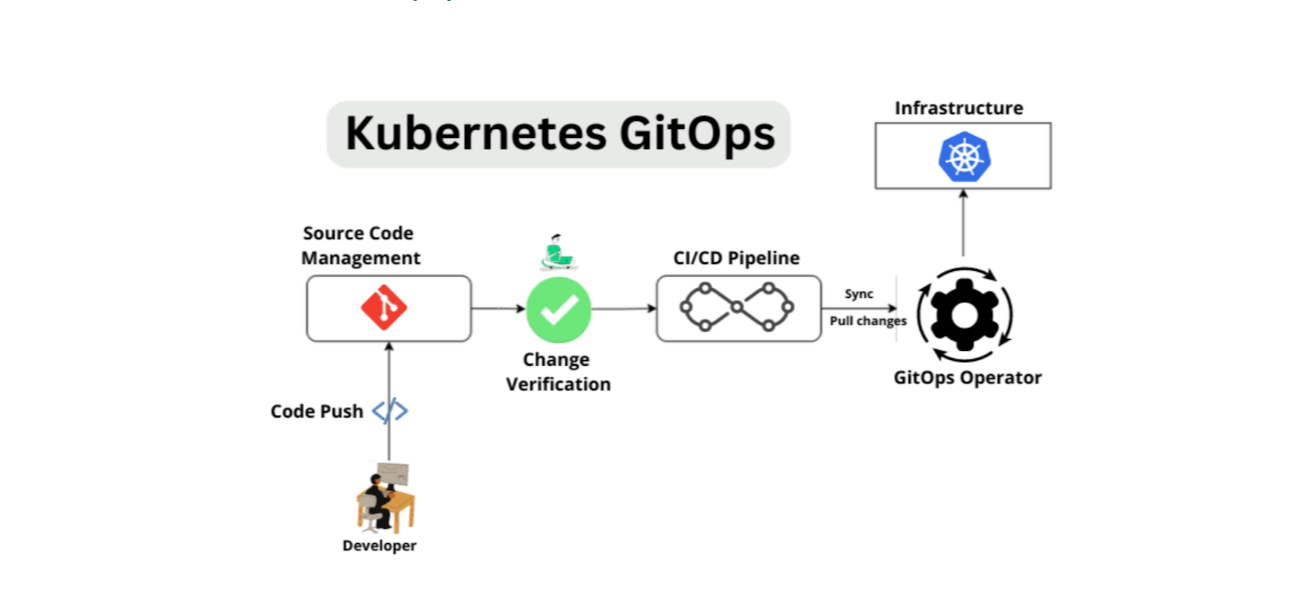 Learn how to use GitOps with Kubernetes for streamlined workflow management.
13. Golang: Using systemd for Zero Downtime Restarts and Deploys
 By configuring a systemd socket, you can tell systemd to listen on the configured ports and start your service with a copy of the listening sockets.
14. Implementing Blue-Green Deployment with PaaS: Minimizing Downtime and Risk
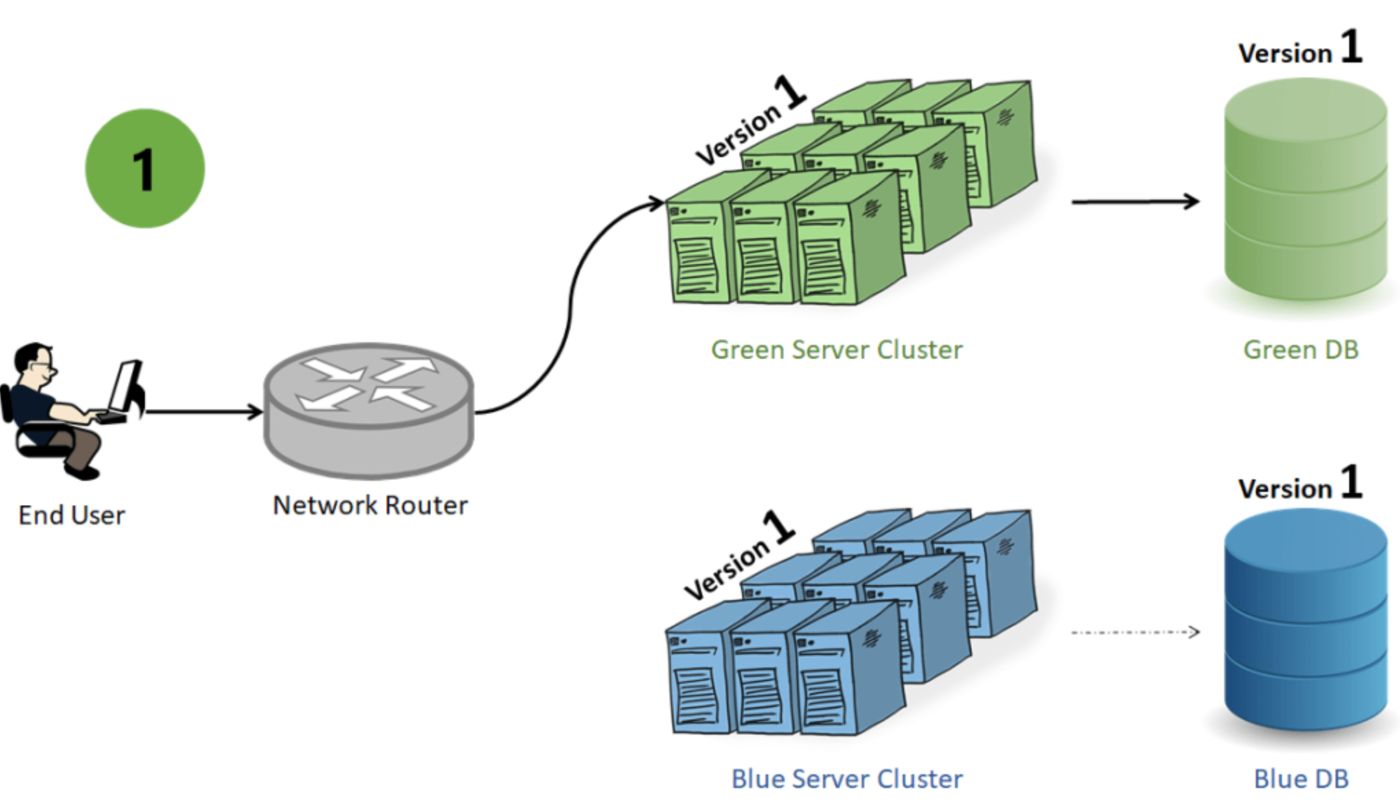 Explore how to effortlessly update your applications using Blue-Green Deployment with a Platform-as-a-Service (PaaS) approach.
15. Why Micro Frontends Are the Future of Frontend Development
 Microservices have helped the backend world to divide backends into smaller, more manageable, and more efficient pieces.
16. How To Deploy Angular App On Heroku
 Hi All, Today we will talk about that how we can change our Angular app environment at run time when deploying the code on Heroku Server.
17. Automating Smart Contract Development with Docker
 Setting up a dockerized container to launch project setups that'll help deploy and run smart contracts.
18. How to Setup Different Environments for Dockerized Angular App with Nginx
 Here I’m going to suggest to you a very simple deployment practice that we can follow in regards to deploy an Angular-based front-end app.
19. A Quick Guide to Using Deployment Slots with Azure Functions
 And how do they differ from non-serverless plans?
20. How to Handle Configuration for Multiple Environments in Console App Service?
 How I automated the process of service deployment for a console application after issues caused due to multiple configuration environments.
21. Detecting Architectural Gaps with Automation - Proposed Solution
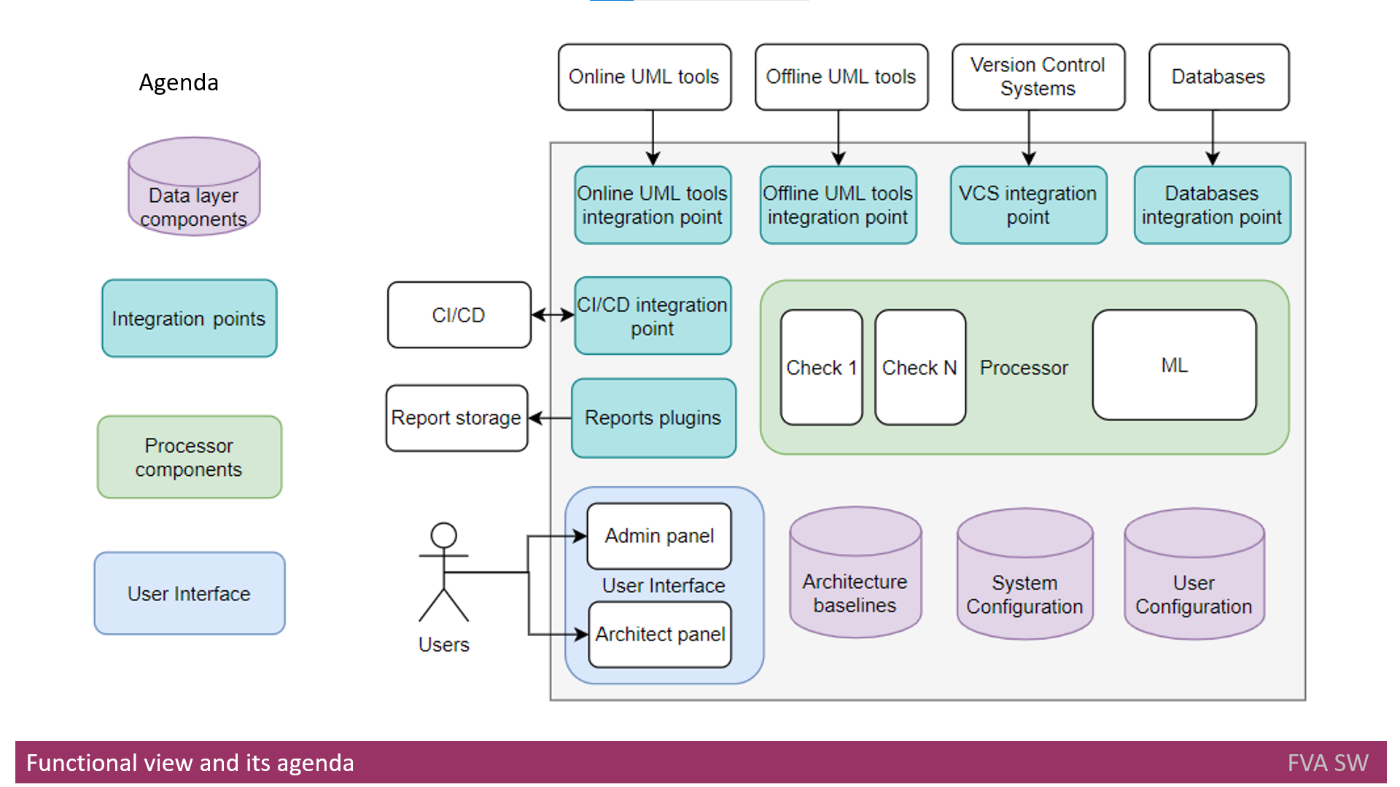 Detecting Architectural Gaps with Automation: Comprehensive Overview of Proposed Software Solution's Architecture and Integration
22. The Easiest Way To Deploy With Gradle
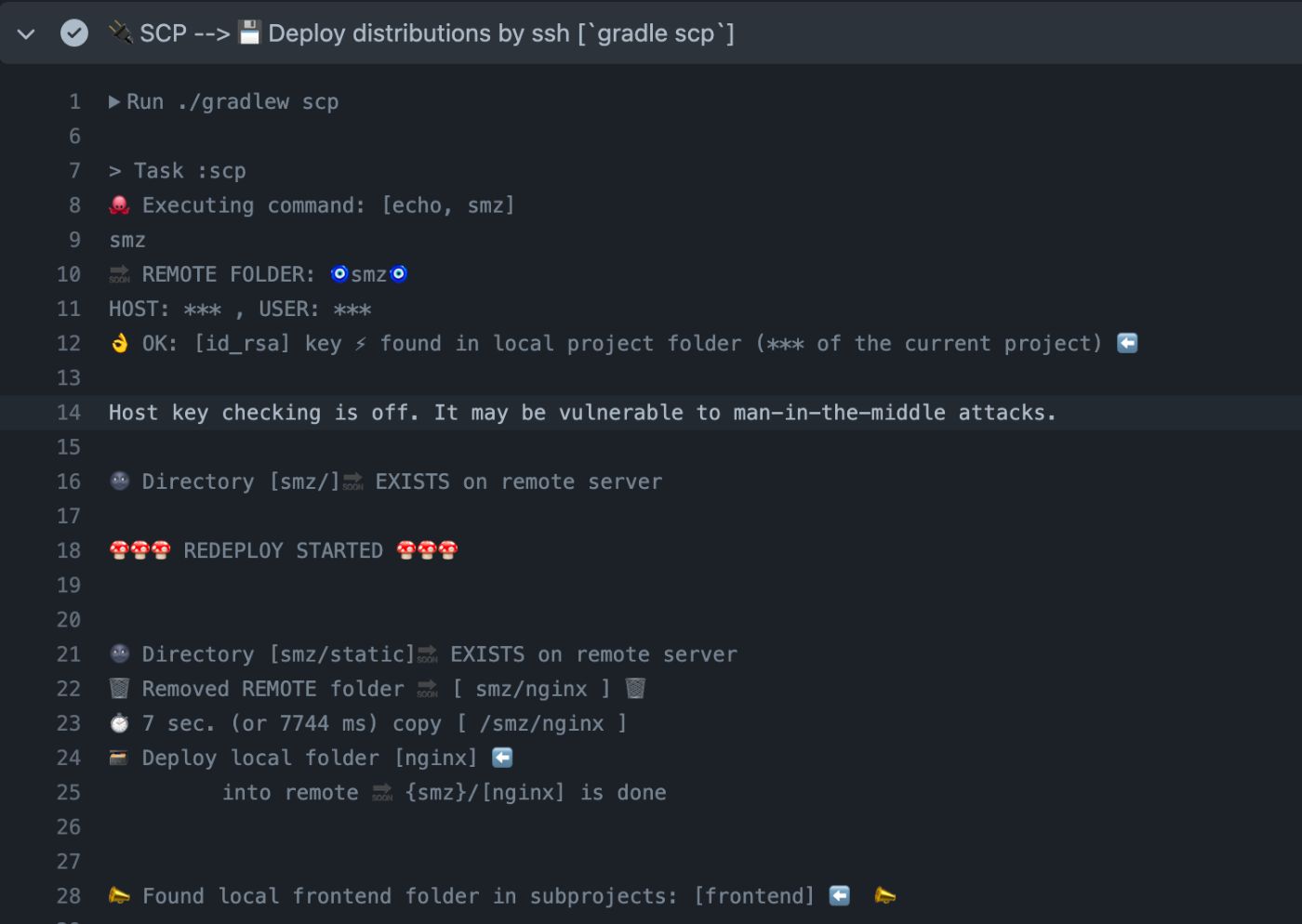 How to easily deploy on Gradle for your Linux server without needing an entire development pipeline that the process normally requires you to have on hand.
23. Streamlining LLM Application Development and Deployment with LangChain, Heroku, and Python
 In this tutorial, learn how to build and deploy LLM-based applications with ease using LangChain, Python, and Heroku for streamlined development and deployment.
24. The Collaboration Tools that Support on-premise Deployment
 Read this blog to discover the relevance of the On-Premise deployment model, as well as collaboration tools like Troop Messenger, AnyDesk, etc. that support it.
25. How to Deploy a Ruby on Rails App on Heroku
 The most satisfying thing beyond building something is to make it available to the world. Heroku is great for beginners because it’s a free and “simple” push-to-deploy system.
26. Supercharge Your Flutter Web App: Deploy with Ease on Google Cloud Run
 Effortlessly deploy your Flutter web app on Google Cloud Run using Docker and GitHub Actions. Streamline collaboration and accelerate deployment with this guide
27. Deploying Apache Kafka With Kubernetes
 Deploying Kafka on Kubernetes is a low-effort approach to setting up an event-driven architecture to support your API ecosystem in the cloud.
28. Kubernetes Tutorial: Using The System For Personal Projects
 Learn how to deploy a simple rest API with ExpressJS and expose it using a service and ingress. Great for Kubernetes personal projects.
29. From TF to TFLite: Deploying ML Models on Mobile [Part 1]
 tl;dr - Link to code: TensorFlow GAN model.
So the other day I was talking to my rubber ducky about how G-Board predicts my next word, even when those words are entirely made up by me, in that how it actually learns on-device. How amazingly Netflix, Amazon, Google Maps make use of machine learning in their apps. How does machine learning on apps even work? Does the model learn even after being deployed? Can I deploy a GAN model on mobile?
30. Step-By-Step Tutorial To Deploy A Node.js App To Kubernetes
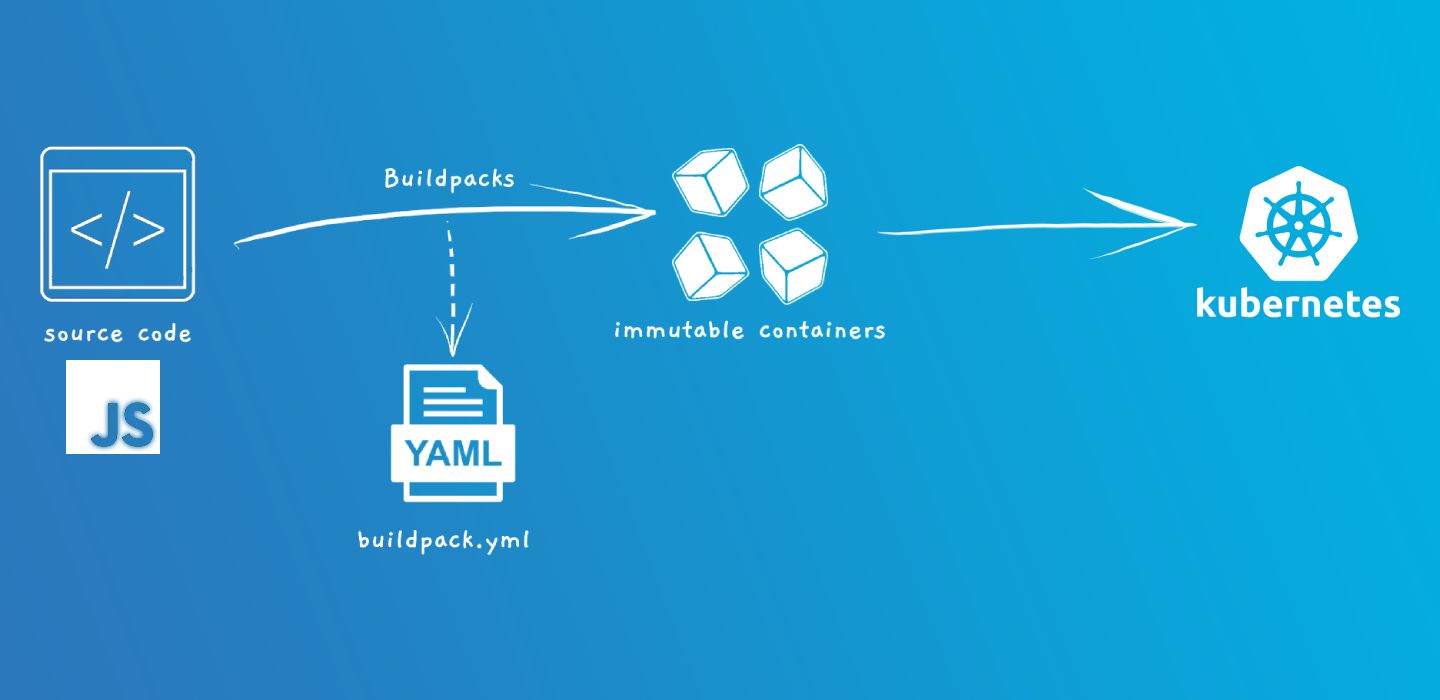 The Cloud Foundry project cf-for-k8s, along with a Cloud Native Buildpacks implementation called Paketo Buildpacks, can provide a path for JavaScript applicatio
31. 5 Ways that Microservices can be Deployed Effectively
 The perfect place to host a microservice application is largely determined by its size and scaling requirements. So, let’s go over the 5 main ways we can deploy
32. Understanding Pods in Kubernetes
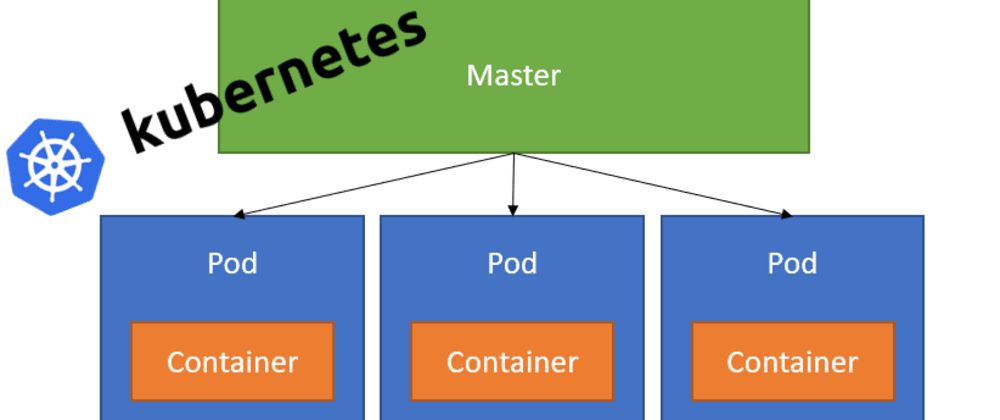 Pods are Kubernetes Objects that are the basic unit for running our containers inside our Kubernetes cluster.
33. How to Migrate Your Apps From Heroku to Qoddi
 Migrating from Heroku to Qoddi App Platform is very easy and requires a small amount of time. This guide will guide you in the process on moving your app.
34. How to Set Up CI/CD to Netlify for Static Sites via Github
 This article provides step-by-step instructions on how to set up continuous integration and continuous deployment (CI/CD) to Netlify for static site deployments
35. How to Deploy React JS Applications for Free on Firebase
 In this article , I’ll take you through all the steps involved in deploying a your React app on firebase.
36. Heroku Now Officially Supports .NET!
 .NET developers now have access to the officially supported buildpack for .NET, which means you can now deploy your .NET apps onto Heroku with just one command.
37. How To Create Deployment Objects in Kubernetes and Deploy Using kubectl
 Learn what Deployments are in Kubernetes and how to use them. Deployments are a high-level abstraction that controls how we deploy and maintain a set of Pods.
38. Deploying a Django Project to PythonAnywhere - A How-To Guide
 When I was first starting with Django, one of the most challenging obstacles I faced was deploying my application. In this tutorial, I will show you guys how to deploy your Django applications to PythonAnywhere and hopefully help you avoid the pitfalls I made.
39. Everything about Blue Green Deployment Strategy!
 How the Blue Green Deployment Strategy can be used to deal with problems on websites that normal development strategies cannot normally be used to resolve.
40. How Do You Manage Helm Charts?
 Whether you love it or hate it, Helm is a ubiquitous tool for managing Kubernetes applications. You can use it in many different ways which is great, but can also be overwhelming.
41. What Is the Difference Between Continuous Delivery and Continuous Deployment?
 Continuous Delivery and Continuous Deployment are two complementary practices that help teams get their software into the hands of users faster.
42. A Guide to Deploying Ruby Bot Live on Heroku
 The steps below could also work for other Ruby bots (and not Telegram bot only) as well.
43. Creating Seamless Payment Interfaces with Stripe and FL0
 In this tutorial, we will seamlessly integrate Stripe payment gateway into our full-stack application, and effortlessly host it on FL0. 🚀
44. Increasing Developer Productivity with skaffold
 Primary focus of Developer is to write code. Build, Test and Deploy of the application are better left to be managed by tools. skaffold can help in automating some of mundane tasks that comes with using kubernetes.
45. A Simplified Guide for the"Dockerazition" of Ruby and Rails With React Front-End App
 This is a brief description of how to set up docker for a rails application with a react front-end
46. Why Tracking Vulnerabilities After Deployment Is Important
 Explore why you should track vulnerabilities after deploying your software,
ways to track vulnerabilities, and how to keep your users and business safe.
Explore why you should track vulnerabilities after deploying your software,
ways to track vulnerabilities, and how to keep your users and business safe.
47. Efficient Deployment and Release Management
 “Do not deploy on Friday” is not a joke after all even if you have continuous deployment. With deciding to deploy anyway comes the subtle concern...
48. Debugging with Render: Two Effective Methods
 When you use Render to deploy your Node.js application with Postgres database, you can debug easily with integrated tools like Datadog and Log Streams.
49. The Developer's Guide to Preparing Django Applications for Production
 Configuration of production and development settings in Django.
Can we read from different databases? What about getting notifications on view exceptions?
Configuration of production and development settings in Django.
Can we read from different databases? What about getting notifications on view exceptions?
50. A Vibe Coder’s Guide to Deployment using a PaaS
 A practical, no-nonsense guide to getting your vibe-coded app live with a PaaS, without falling into DevOps rabbit holes.
51. How to Deploy the Aptible CLI on Ubuntu 22.04
 A guide that helps you deploy the Aptible CLI tool on an Ubuntu Linux distribution.
52. Using MLflow and Modzy for Automated Model Deployment
 As the world of artificial intelligence (AI) and machine learning (ML) continues to grow, the demand for leveraging AI capabilities is slowly becoming overshado
53. GitHub (Preview) Deployments with Google Cloud Platform: An Essential Guide
 There's an "easy" way to post a comment on a GitHub Pull Request from Cloud Build. But why easy when you can use the GitHub Deployments API.
54. FastHTML and Heroku: What You Need to Know
 Discover how to build and deploy Python web apps quickly using FastHTML and Heroku. We’ll learn the basics, create an app, and deploy in under 45 seconds!
55. Enhancing Dockerized Application Deployment: File Passing Strategies with Helm Charts
 This blog explores how to create a standardized image, inject necessary variables in the form of a file, and deploy it on a Kubernetes cluster.
56. Go Serverless with AWS Lambda, Node.js and Dashbird
 Learn how to deploy a Node.js application to AWS Lambda using the Serverless Framework and Dashbird for insights.
57. What Is Release Management And How Can Your Team Adopt It
 Exploring the essence of the release management process, its anatomy, and ways of its improvement, and how it all ties in with agile software development.
58. How We Built and Deployed 3 ML Models in 3 Months
 MLOps can seem daunting at first, particularly if you have no existing infrastructure. Here's how we deployed 3 models in 3 months using MLOps.
59. Unlocking Generative AI Operations with Azure AI Foundry: A detailed Guide
 GenAIOps extends MLOps to address unique generative AI challenges, accelerating path to production with engineering rigour.
60. Websites Censored In Venezuela And How to Access Them
 Venezuela's government has been clamping down on the internet in an attempt to control what Venezuelans know and understand about the world, including websites.
61. Your Serverless Guide is Ready
 Learn everything you need to know about Serverless, including case studies, essential concepts, guidelines, and best practices.
62. Maximize Vercel's FREE Plan: Enable Auto Deployment for All Members
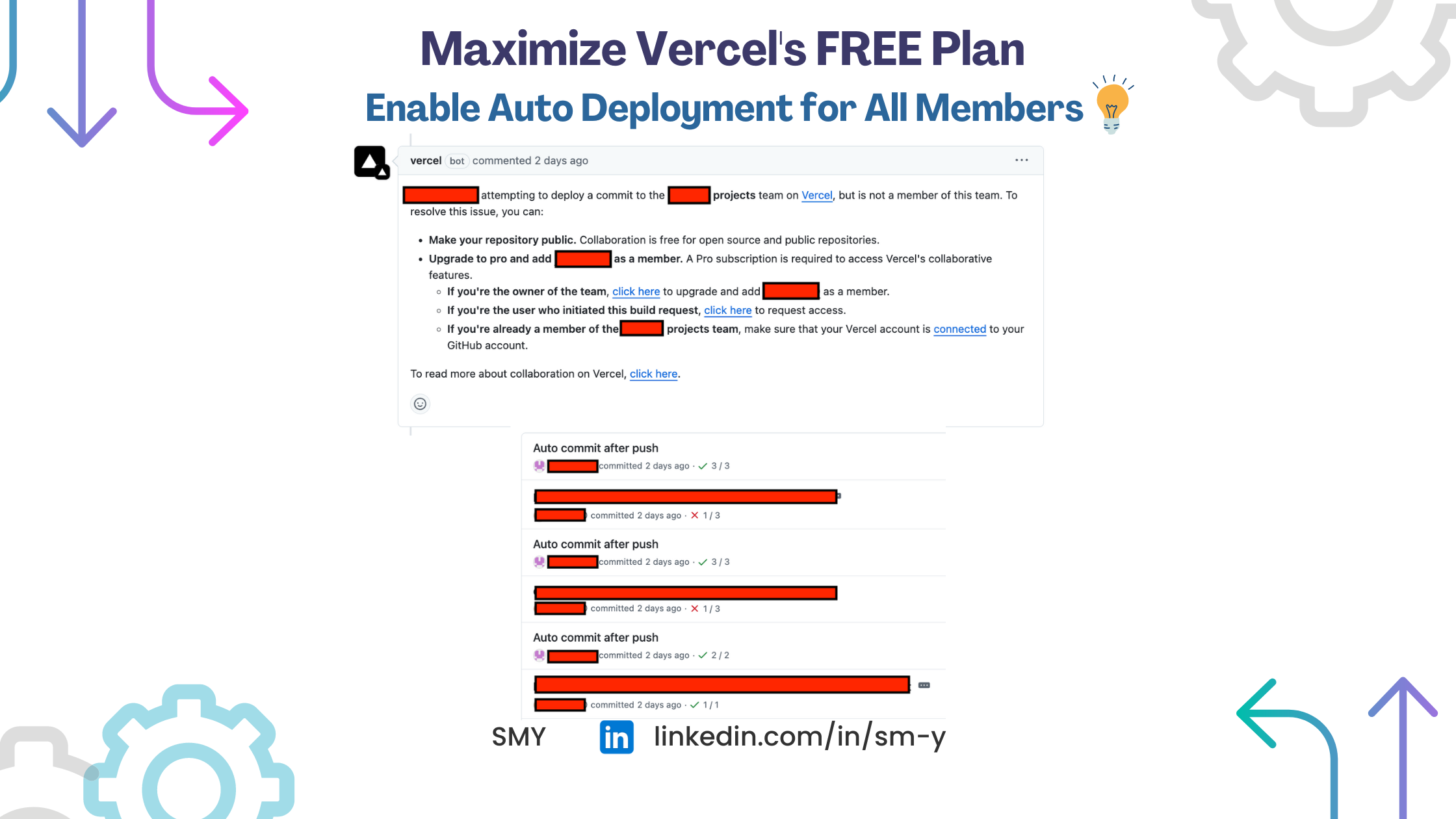 You can create a GitHub Action that performs an empty commit, triggering Vercel to deploy.
63. 5 Effective Deployment Strategies for Machine Learning Models
 Understanding model deployment challenges and effective strategies that counteract them.
64. Linux-based Containers under the Hood
 Containers under Linux - building a container from scratch.
65. Software Values: Tech Stacks, Minimalism, and More
 What values do you consider important in developing your software? How to put into practise design-to-development principles in software development?
66. Spin Up a BOSH VM Faster Using BoshLite
 BOSH-lite is a tool for running Cloud Foundry on Kubernetes and I’m guessing most BOSH directors are associated with a Cloud Foundry deployment...
67. DevOps for Quantum Computing: Architecting a Deployment Framework for Hybrid Qiskit Applications
 Quantum computing is moving from the lab to the enterprise.
68. A Simple Guide to Github Page Deployment
 Long story short: Jekyll is a template engine changing markdown documents on static HTML webpages, that you can then host anywyere, because you don't need databases or server that has PHP or Python.
69. Fleet Serverless Node.js Function Introduction
 In February this year, we announced Fleet (Formerly Hole), a FaaS platform built on Node.js to be faster than other platforms and to create a more faithful integration with the ecosystem. In this post, I will clarify how all of this works and what we are bringing differently to the Serverless ecosystem, and what it means for startups and companies.
70. How ML Challenges Software Engineering
 Inherent uncertainty, data-driven behavior, rapid experimentation: characteristics of Machine Learning that disrupt traditional software engineering practices.
71. Top Debugging Methods for Quicker Deployment in Python
 In this article, I will cover most debugging methods, basic and modern ones, introduce some hands-on tools and show some basic configurations and instructions.
72. Why DevOps Is Important During the COVID-19 Pandemic
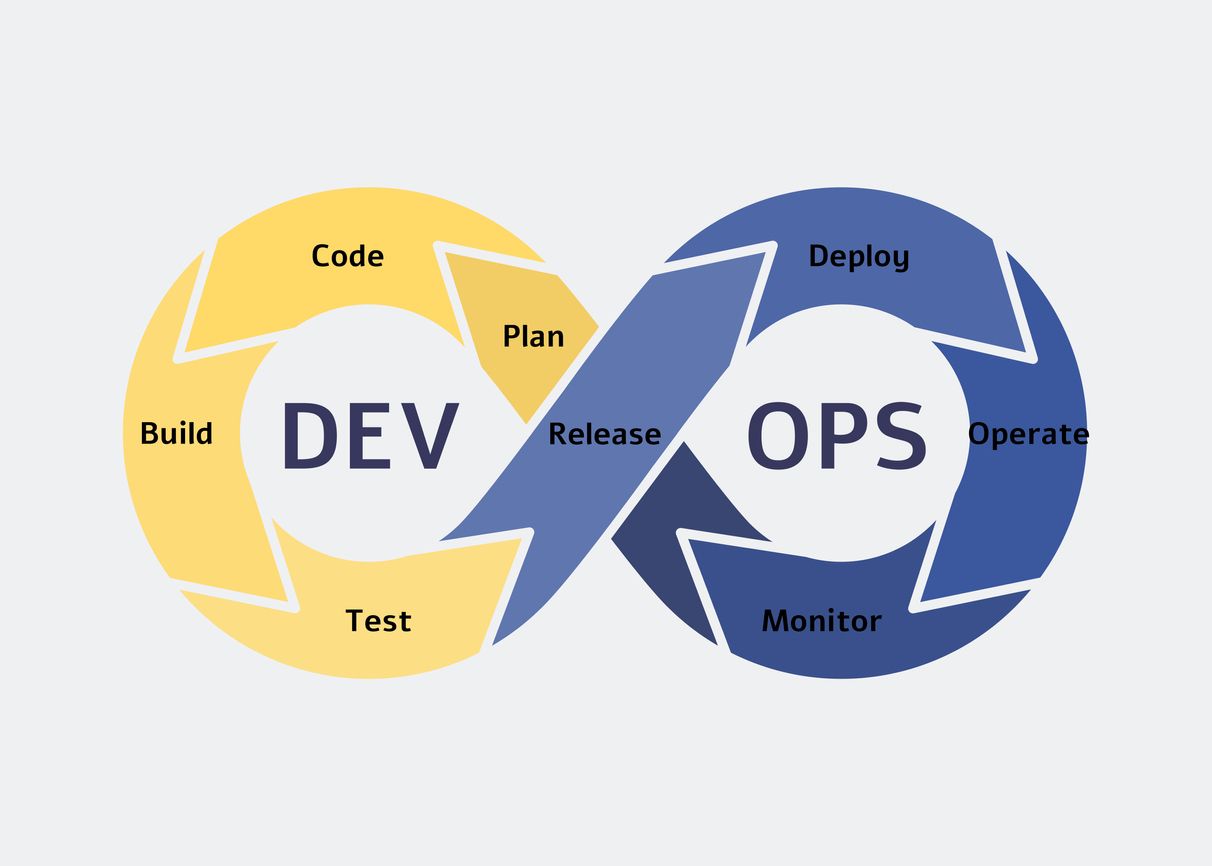 Disruption is the name of the game these days, from current remote work settings due to COVID-19 to even more normal, every-day disruptions (like the process of moving and renovating a home, which I’m currently experiencing first-hand). As a habit-driven developer myself, I have come to the realization that the stable work environment I’ve come to rely on is no more.
73. Going From Open API Specification To Development Portal
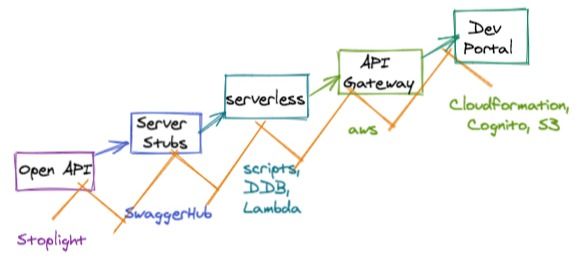 API Economy is taking off exponentially and its every business need to expose their digital services and assets in a secure way. I'll walkthrough in this article how one can take a API-first , design first approach to take into the account, the needs of API consumers and various steps that lead to creating a Developer Portal using all the tools that we've currently. Please note that these tools have alternatives in the market, but these are what got me to the goal post in the fastest way and case could differ for others.
74. Lessons Learned Using Docker from Development to Production
 Like many tools in the software developer's toolbox, docker is relatively easy to jump into and takes some time to master. Using it for a variety of projects over the years I've learned a few lessons along the way.
75. From Platform Paralysis to Production: Why We Chose Netlify and Railway
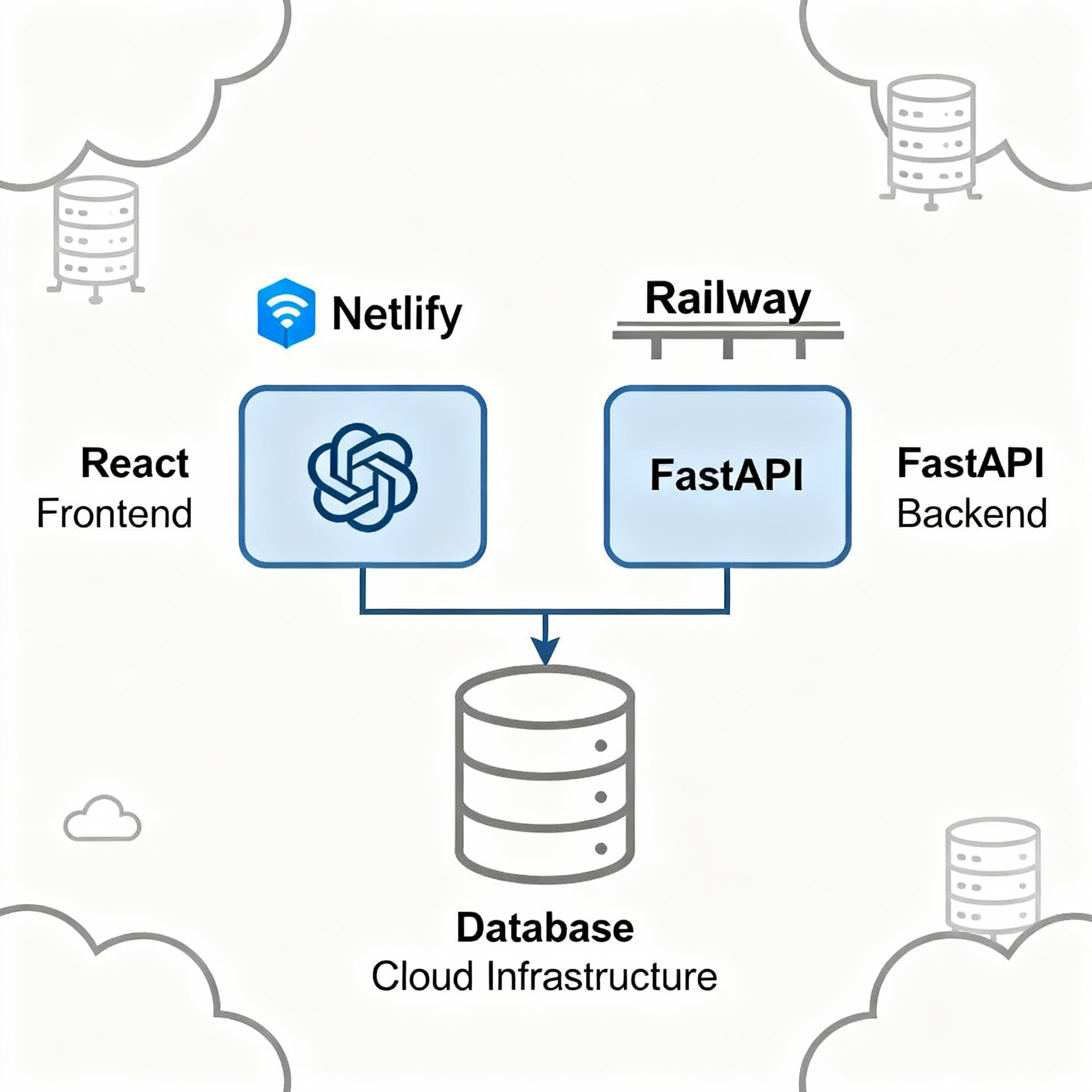 Escape deployment platform paralysis:Why we chose Netlify+Railway for our FastAPI React app.
76. Post Mortem: Kubernetes Node OOM
 Production issues are never fun. They always seem to happen when you’re not at work, and the cause always seems to be silly. We recently had issues in our production Kubernetes cluster with nodes running out of memory, but the node recovered very quickly without any noticeable interruptions. In this story we will go over the specific issue that happened in our cluster, what the impact was, and how we will avoid this issue in the future.
77. Gradual Code Releases: An In-House Kubernetes Canary Controller
 Our short-term strategy involved developing an in-house Canary deployment process powered by a custom Kubernetes controller.
78. How Infrastructure as Code Is Forcing a Revolution in Cost Management
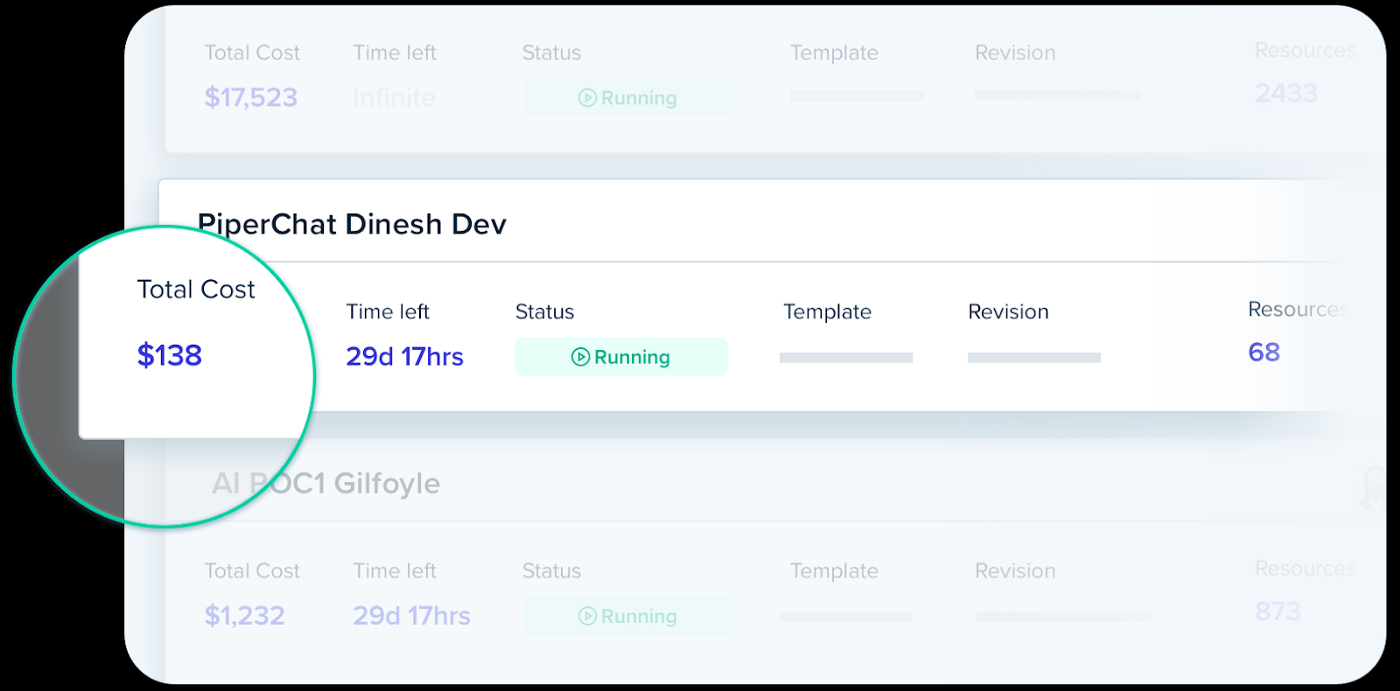 You might have read our beta launch blog post, which describes how Infrastructure as Code (IaC) is driving the third datacenter revolution (the first two being virtualization and the move to public clouds). In this post, I want to go deeper into looking at how IaC is driving a new need and approach to cost visibility and management.
79. Managing Multi-Environment Kubernetes Deployments with GitOps and Argo CD

80. We Went Zero-Trust and Our Deploy Frequency Dropped 34%
 We adopted zero-trust security and our deploy frequency fell 34%. Here's the $340K productivity cost nobody told us about — and what we'd do differently.
81. Connecting Dots: Go, Docker and k8s [Part 2]
 Nowadays, the successful application often consists of containers and some sort of container management system to ease scaling, reduce downtime, and more.
82. Scaling Web Applications Is Like Walking a Tight Rope in a Storm
 Scaling web applications is a skill. It’s like walking a tight rope, in the midst of a storm. There are multiple factors acting on you,
83. 4 Essential Steps To Convert a Kubernetes Fullstack App to Heroku
 In the last several years, Google’s Kubernetes project has generated huge buzz. The project has grown and evolved into a titan of the cloud infrastructure world.
84. Approaching AI Model Deployment the More Efficient Way
 Organizations using Artificial Intelligence (AI) and Machine Learning (ML) solutions face a challenging problem.
85. Implementing CI/CD Pipelines with AWS CodePipeline and CodeBuild
 Explore the implementation of CI/CD pipelines using AWS CodePipeline and CodeBuild, streamlining the development and deployment processes.
86. Who Let the Birds Out?
 Modern day ‘Canary release’ or ‘canary deployment’ is a widely-used deployment pattern for the software development cycle.
87. When (and why) to go 'Serverless'
 Serverless doesn’t mean operating an application without a server, it means that you can operate the app without having to manage a server.
88. 4 Ways to Introduce New Technology to Work
 Every day, there are new tools that come into the market to make us more productive. More so since the global pandemic took hold.
89. An In-Depth Guide to Blue-Green Deployments with Materialize
 Minimizing downtime during any deployment is a key part of any successful deployment strategy. There are many ways to achieve this.
90. 3 Key Questions You Need To Answer Before You Push That Code
 Before you commit that code and push it to the server deployment, ask yourself these three questions.
91. What is Lead Time and Why Does it Have So Many Definitions?
 In this post, I look at why there are so many definitions of lead time and how you can put them to use.
92. How to Debug Microservices Swiftly and Efficiently with KubeOrbit
 KubeOrbit, a cloud-native platform, has made deploying environments and debugging easier than before.
93. Kubernetes Deprecates Docker to Support the Open Container Initiative
 Kubernetes Deprecating Docker?! Let Me Explain Containers in K8s.
94. Using Codeship to Deploy a Dotnet app on Oracle Kubernetes

95. Tech Teams in Brazil: 42% Deploy Daily, Another 38% Deploy Weekly [Study]

96. Ship Code Fearlessly With Shadow Deployments
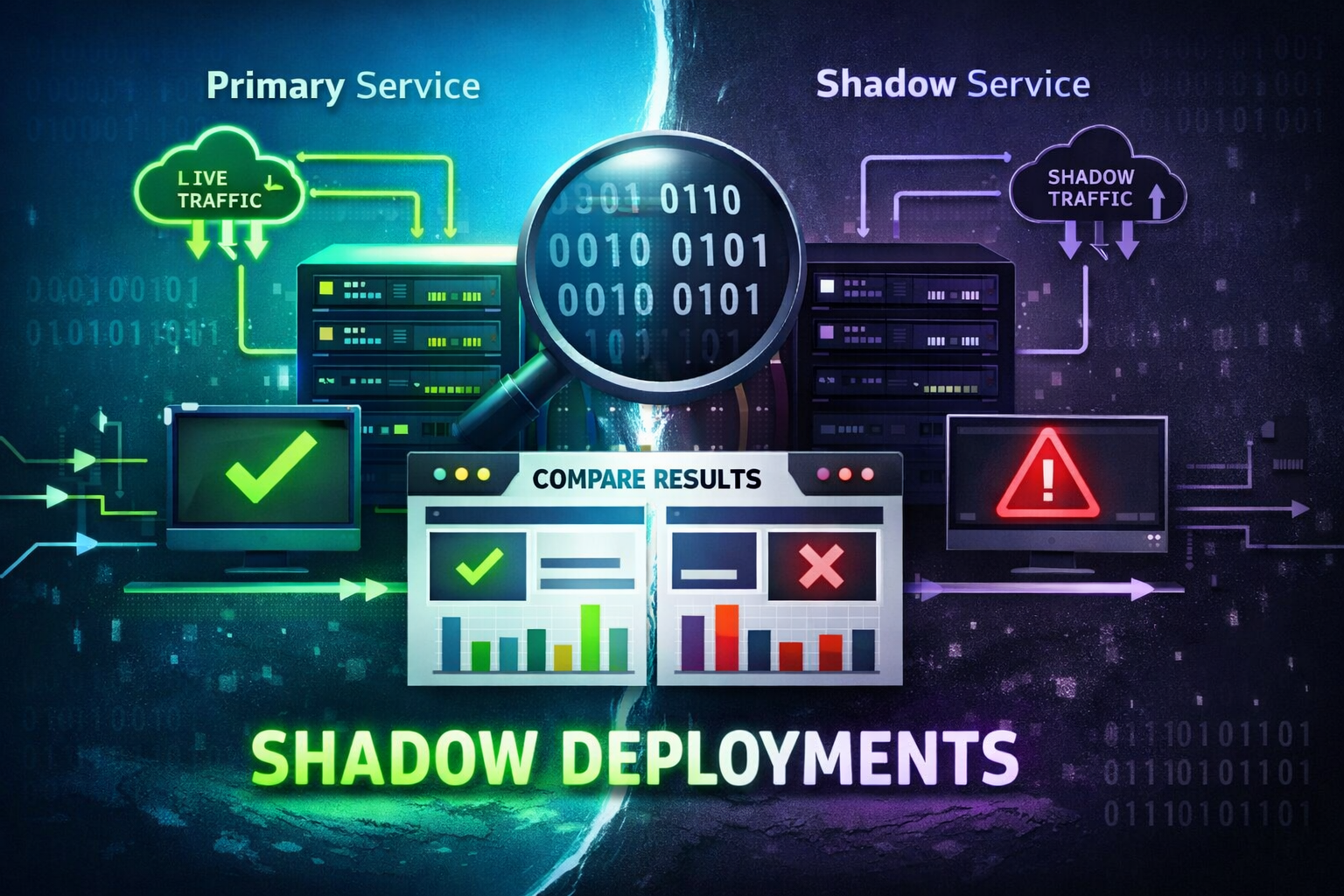 Staging environments use fake data. Canary releases expose real users. Shadow deployments sit upstream and catch regressions before anyone notices.
Thank you for checking out the 96 most read blog posts about Deployment on HackerNoon.
Visit the /Learn Repo to find the most read blog posts about any technology.