

Let's learn about Tensorflow via these 93 free blog posts. They are ordered by HackerNoon reader engagement data. Visit the Learn Repo or LearnRepo.com to find the most read blog posts about any technology.
TensorFlow is an open-source machine learning framework that enables developers to build and deploy sophisticated AI models across various platforms. It matters because it provides the tools and flexibility for advanced deep learning research and production-scale applications.
1. Deep Learning CNN’s in Tensorflow with GPUs

2. Begin your Deep Learning project for free (free GPU processing , free storage , free easy upload…
 In this story i would go through how to begin a working on deep learning without the need to have a powerful computer with the best gpu , and without the need of having to rent a virtual machine , I would go through how to have a free processing on a GPU , and connect it to a free storage , how to directly add files to your online storage without the need to download then upload , and how to unzip file for free online .
3. A Basic Knowledge of Python Can Help You Build Your Own Machine Learning Model
 Let's build our own Machine Learning Model with Tensorflow, a Python library.
4. An introduction to Artificial Intelligence
 One of the key feature that distinguish us, humans, from every thing else in the world is intelligence. This ability to understand, apply knowledge and improve skills has played significant role in our evolution and establishing human civilisation. But many people (including Elon Musk) believe that the advancement in technology can create super intelligence that can threaten human existence.
5. What Does Facebook Hydra Mean For The Future of Python

Ever since its inception in the year 1089 by Guido Van Rossum, the programming language Python has along far away. Sheldon did its creator knew that Python would in today's world be utilized for a variety of purposes such as research, development, scripting, among many others. Built as a successor in the ABC language, Python does not just find its applications in software development but also in research.
6. Build Your Own Voice Recognition Model with Tensorflow
 While I'm usually a JavaScript person, there are plenty of things that Python makes easier to do. Doing voice recognition with machine learning is one of those.
7. How to Run Machine-Learning Models in the Browser using ONNX
 Learn how to use ONNX Runtime Web to deploy machine-learning models natively to the browser.
8. 10 Must-Try Open Source Tools for Machine Learning
 Machine learning is the future. But will machines ever extinct humans?
9. Artificial Intelligence Vs Machine Learning: What's the difference?
 AI and Machine Learning are predominant terms that are creating a lot of buzz in the technology world. The terms can often be used interchangeably but that’s not the case, AI and ML are way more different from each other in their approach, algorithms and logical thinking.
10. YouTube's Recommendation Engine: Explained
 Every successful tech product, by the very definition, is a result of some technological marvels working with impeccable user experience to solve a key problem for the users. One such marvel is the recommendation engine by YouTube.
11. How I Built an AI to Detect License Plate Number Registration (ANPR)
 This Car Mod Is A Privacy Nightmare! (AI Number Plate Reader with Python, Tensorflow, OpenCV, OpenALPR)
12. Build an Abstractive Text Summarizer in 94 Lines of Tensorflow !! (Tutorial 6)
 This tutorial is the sixth one from a series of tutorials that would help you build an abstractive text summarizer using tensorflow , today we would build an abstractive text summarizer in tensorflow in an optimized way .
13. The Full Story behind Convolutional Neural Networks and the Math Behind it
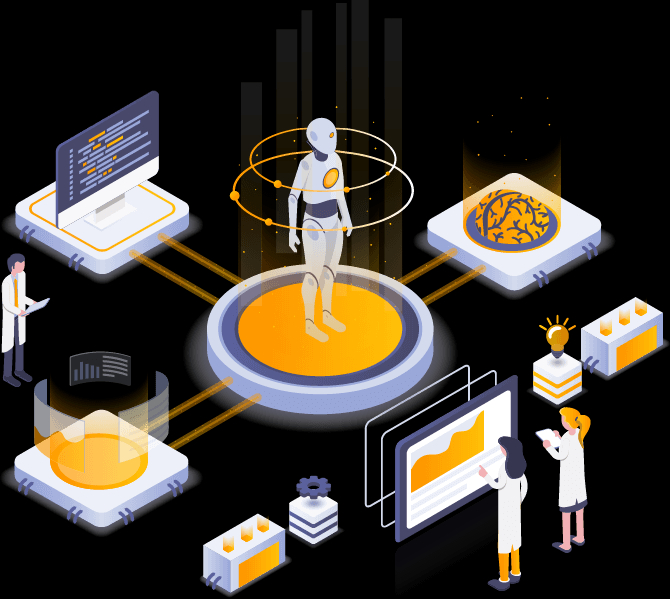 Convolutional Neural Networks became really popular after 2010 because they outperformed any other network architecture on visual data, but the concept behind CNN is not new. In fact, it is very much inspired by the human visual system. In this article, I aim to explain in very details how researchers came up with the idea of CNN, how they are structured, how the math behind them works and what techniques are applied to improve their performance.
14. Human Detection System Using RaspberryPi, Thermal Camera and Machine Learning
 Triggering reliable events based on the presence of people has been the dream of many geeks and DIY automators for a while. Having your house to turn the lights on or off when you enter or exit your living room is an interesting application, for instance. Most of the solutions out there to solve these kinds of problems, even more high-end solutions like the Philips Hue sensors, detect motion, not actual people presence — which means that the lights will switch off once you lay on your couch like a sloth.
15. [Hacking Tinder] Train an AI to Auto-Swipe for You 🖖
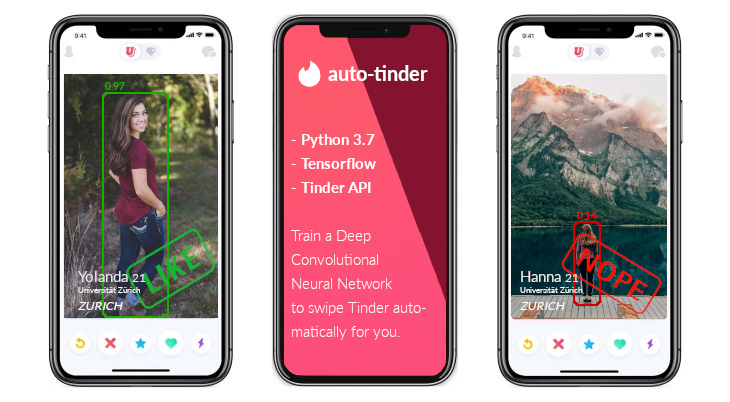 Auto-tinder was created to train an AI using Tensorflow and Python3 that learns your interests in the other sex and automatically plays the tinder swiping-game for you.
16. Object Detection Frameworks That Will Dominate 2023 and Beyond
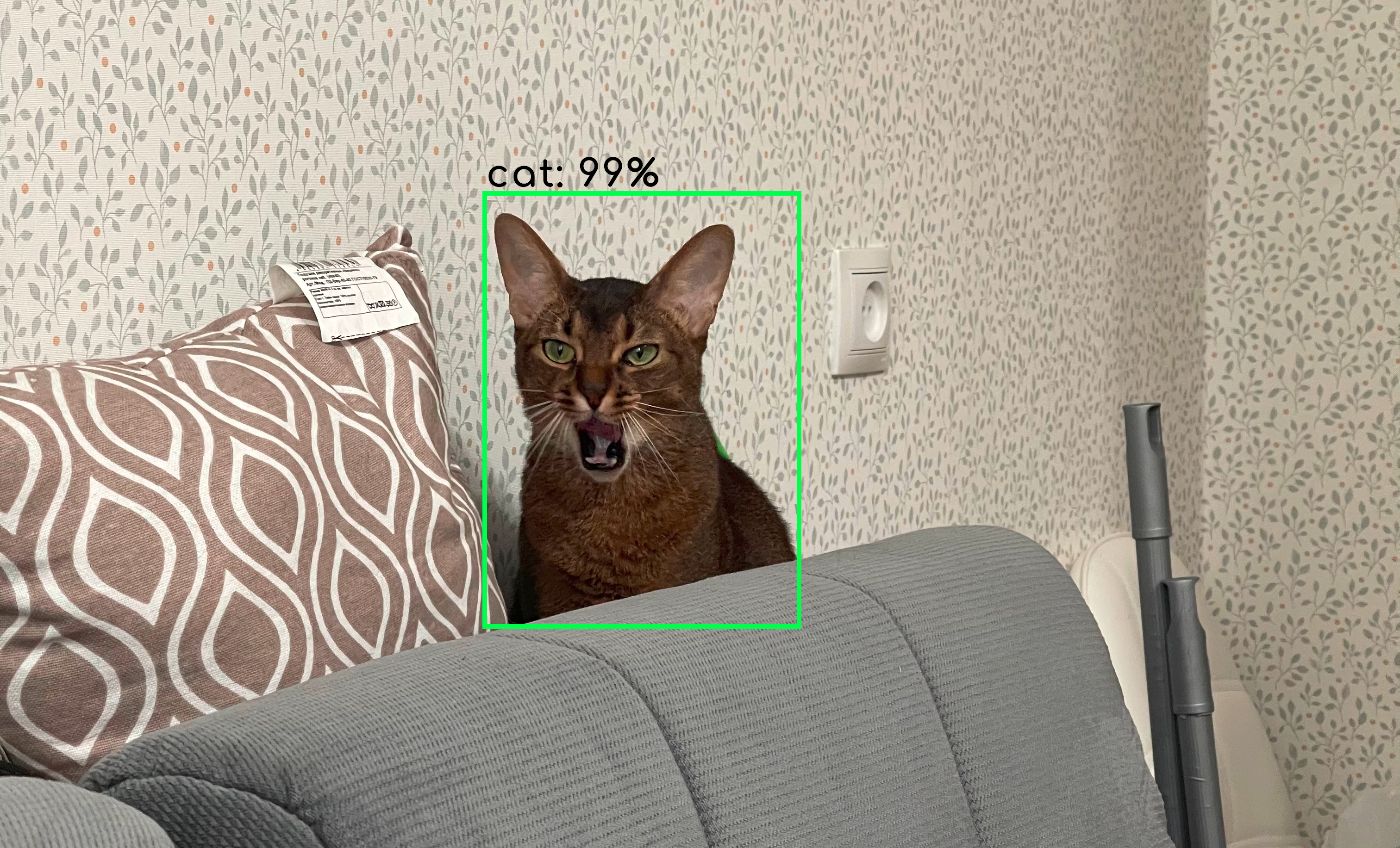 Frameworks for object detection and computer vision tasks are indeed numerous. This article attempts to highlight the available frameworks for object detection.
17. Training Your Models on Cloud TPUs in 4 Easy Steps on Google Colab
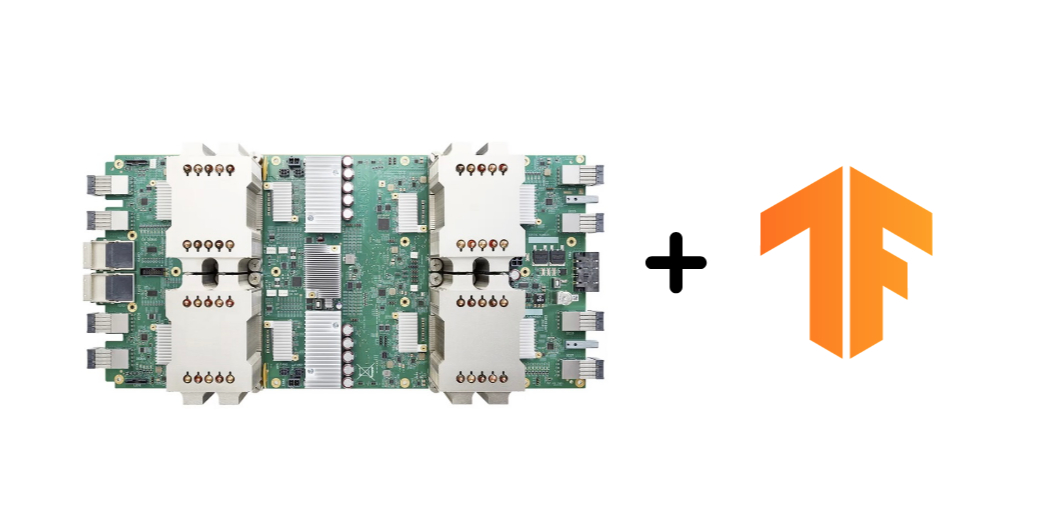 You have a plain old TensorFlow model that’s too computationally expensive to train on your standard-issue work laptop. I get it. I’ve been there too, and if I’m being honest, seeing my laptop crash twice in a row after trying to train a model on it is painful to watch.
18. Manipulación de tensores en PyTorch. ¡El primer paso para el deep learning!
 *Nota: Contactar a Omar Espejel (omar@tsc.ai) para cualquier observación. Cualquier error es responsabilidad del autor.
19. C++ to WebAssembly using Bazel and Emscripten
 How to get Bazel and Emscripten to compile C++ to WebAssembly or JavaScript
20. Top 3 Face Datasets and How to Work with Them
 An image dataset contains specially selected digital images intended to help train, test, and evaluate an artificial intelligence (AI) or machine learning (ML)
21. Time Series Forecasting with TensorFlow.js
 Pull stock prices from online API and perform predictions using Recurrent Neural Network & Long Short Term Memory (LSTM) with TensorFlow.js framework
22. How to Fine Tune a 🤗 (Hugging Face) Transformer Model
 How to fine-tune a Hugging Face Transformer model for Sequence Classification
23. Scale Vision Transformers (ViT) Beyond Hugging Face
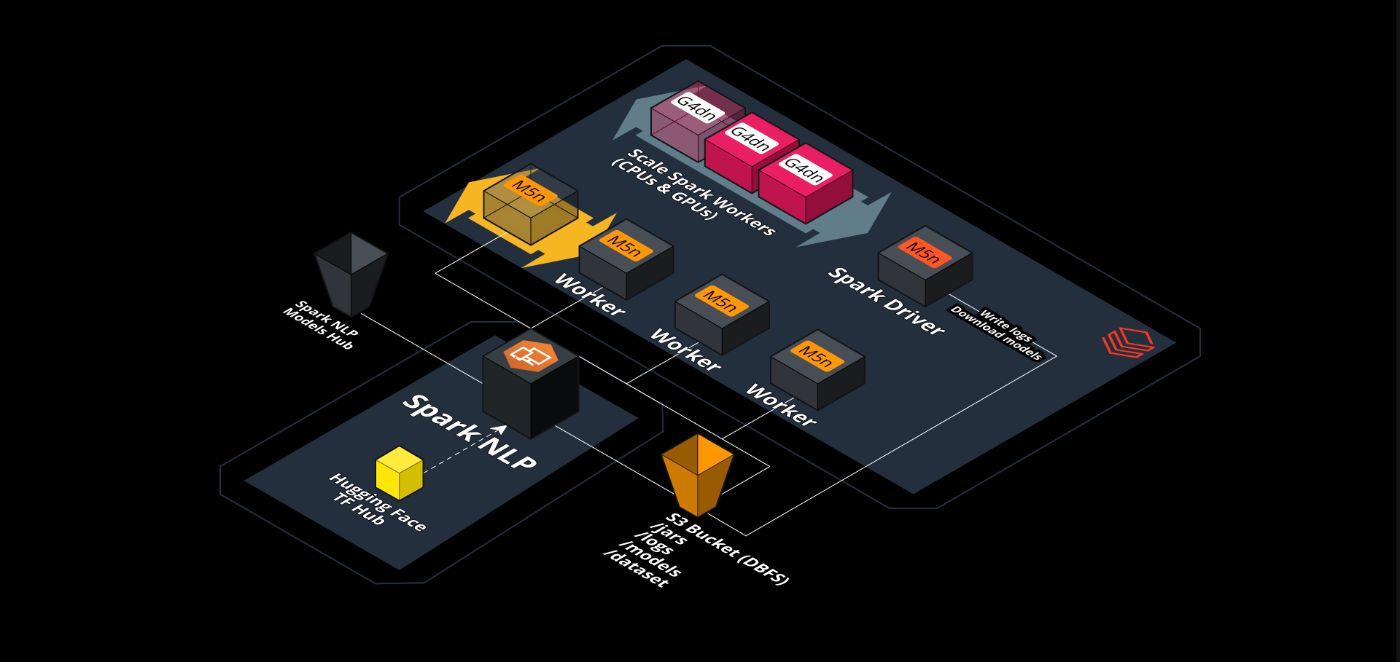 Speed up state-of-the-art ViT models in Hugging Face 🤗 up to 2300% (25x times faster ) with Databricks, Nvidia, and Spark NLP 🚀
24. Deploy First TensorFlow Model in Android App
 Simple linear regression is useful for finding the relationship between two continuous variables. One is a predictor or independent variable and the other is a response or dependent variable. It looks for a statistical relationship but not a deterministic relationship. Relationship between two variables is said to be deterministic if one variable can be accurately expressed by the other. For example, using temperature in degrees Celsius it is possible to accurately predict Fahrenheit.
25. Flax: Google’s Open Source Approach To Flexibility In Machine Learning
 Thinking of Machine Learning, the first frameworks that come to mind are Tensorflow and PyTorch, which are currently the state-of-the-art frameworks if you want to work with Deep Neural Networks. Technology is changing rapidly and more flexibility is needed, so Google researchers are developing a new high performance framework for the open source community: Flax.
[26. Differential Privacy with Tensorflow 2.0 : Multi class Text Classification
Privacy](https://hackernoon.com/differential-privacy-with-tensorflow-20-multi-class-text-classification-privacy-yk7a37uh)
 Introduction
27. Build A Smart Baby Monitor Using a RaspberryPi and Tensorflow
 Some of you may have noticed that it’s been a while since my last article, despite winning this year's IoT Noonies award (btw thanks to all of you who voted, that means a lot to me!).
28. Explore 7 Amazing Open-Source Machine Learning JavaScript Libraries
 Top JavaScript libraries TensorFlow.js, Brain.js, Synaptic.js, ml5.js, ConvNetJS, Keras.js, WebDNN.
29. PyTorch vs TensorFlow: Who has More Pre-trained Deep Learning Models?
 Given the importance of pre-trained Deep Learning models, which Deep Learning framework - PyTorch or TensorFlow - has more of these models available to users is
30. Quantum Machine Learning Using TensorFlow Quantum
 INTRODUCTION
31. Why ML in Production is (still) Broken and Ways we Can Fix it
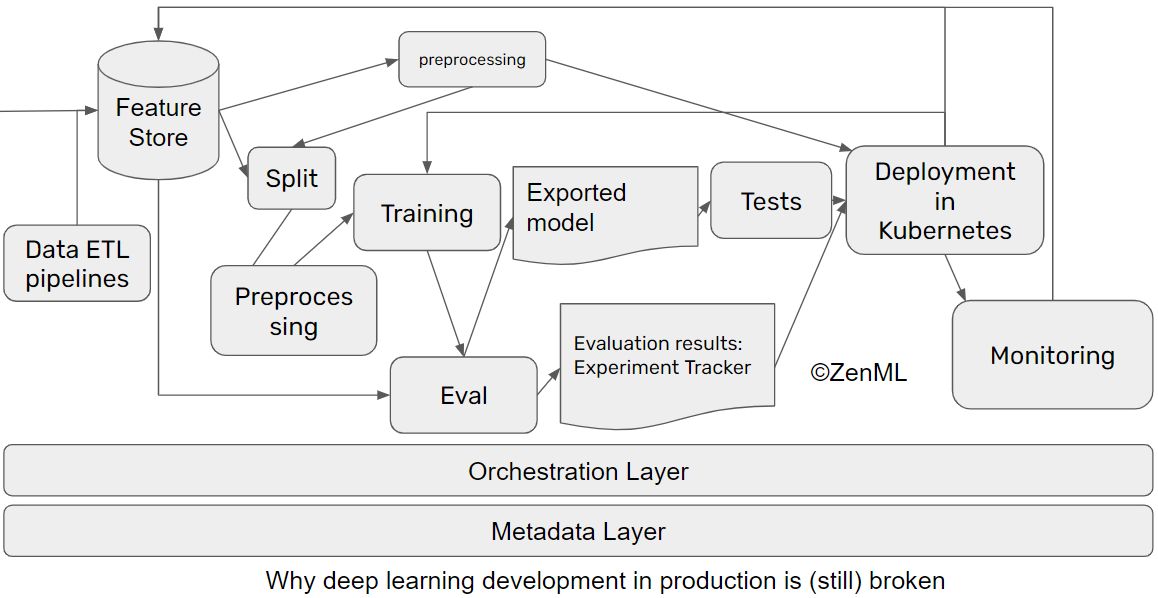 Machine Learning, Deep Learning development in production was still broken. ZenML, an extensible, open-source MLOps framework for production-ready ML pipelines.
32. Training Your Own Text Classification Model From Scratch With Tensorflow Is As Easy As ABC

33. NSFW Filter Introduction: Building a Safer Internet Using AI
 Filtering out NSFW images with a web extension built using TensorFlow JS.
34. Approach Pre-Trained Deep Learning Models With Caution
 Pre-trained models are easy to use, but are you glossing over details that could impact your model performance?
35. [Tutorial] Build a Gender Classifier for Live Webcam Stream using Tensorflow and OpenCV
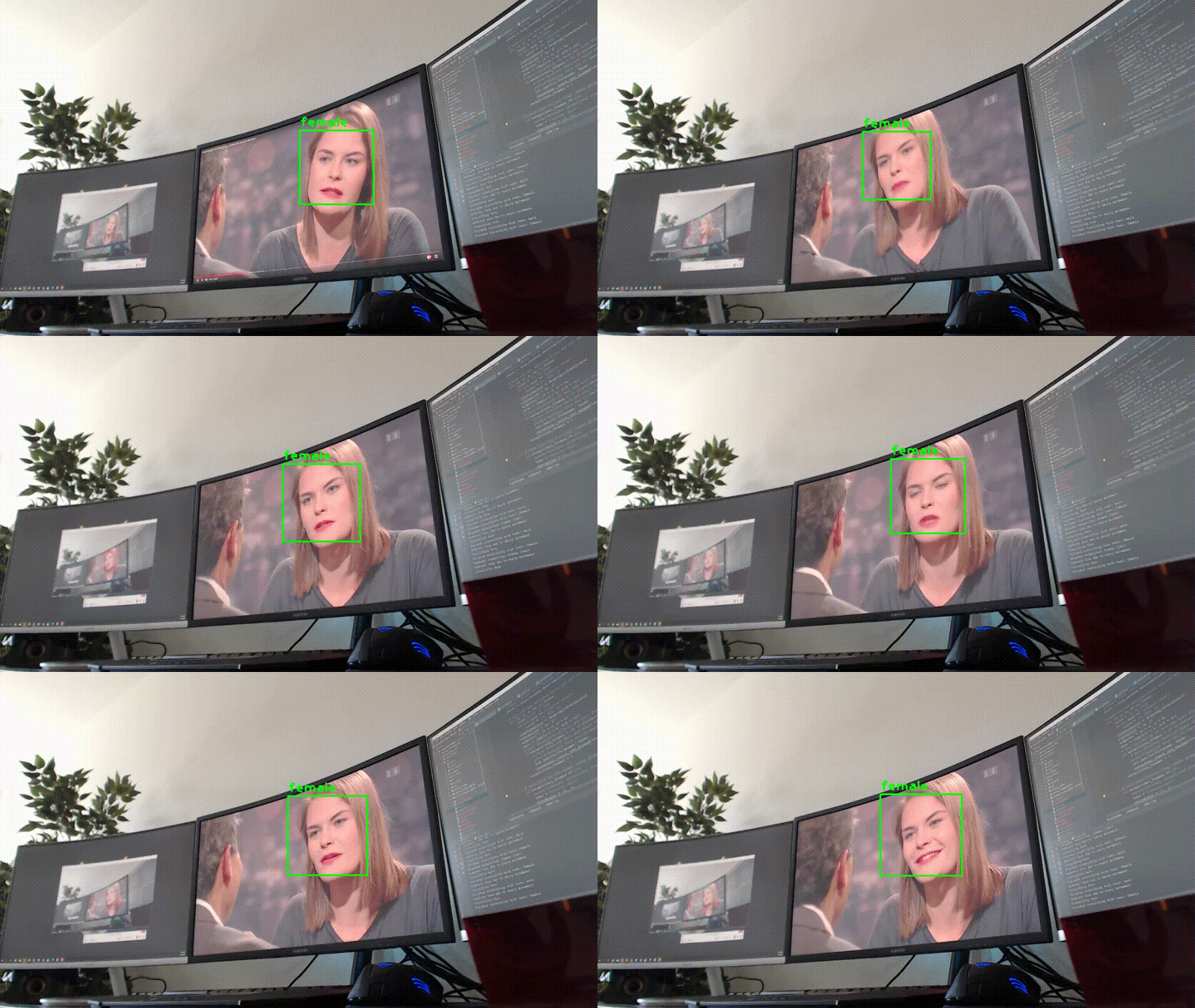 Training a Neural Network from scratch suffers two main problems. First, a very large, classified input dataset is needed so that the Neural Network can learn the different features it needs for the classification.
36. From TF to TFLite: Deploying ML Models on Mobile [Part 1]
 tl;dr - Link to code: TensorFlow GAN model.
So the other day I was talking to my rubber ducky about how G-Board predicts my next word, even when those words are entirely made up by me, in that how it actually learns on-device. How amazingly Netflix, Amazon, Google Maps make use of machine learning in their apps. How does machine learning on apps even work? Does the model learn even after being deployed? Can I deploy a GAN model on mobile?
37. Auto-Generating Lyrics With TensorFlow and Machine Learning: A How-To Guide
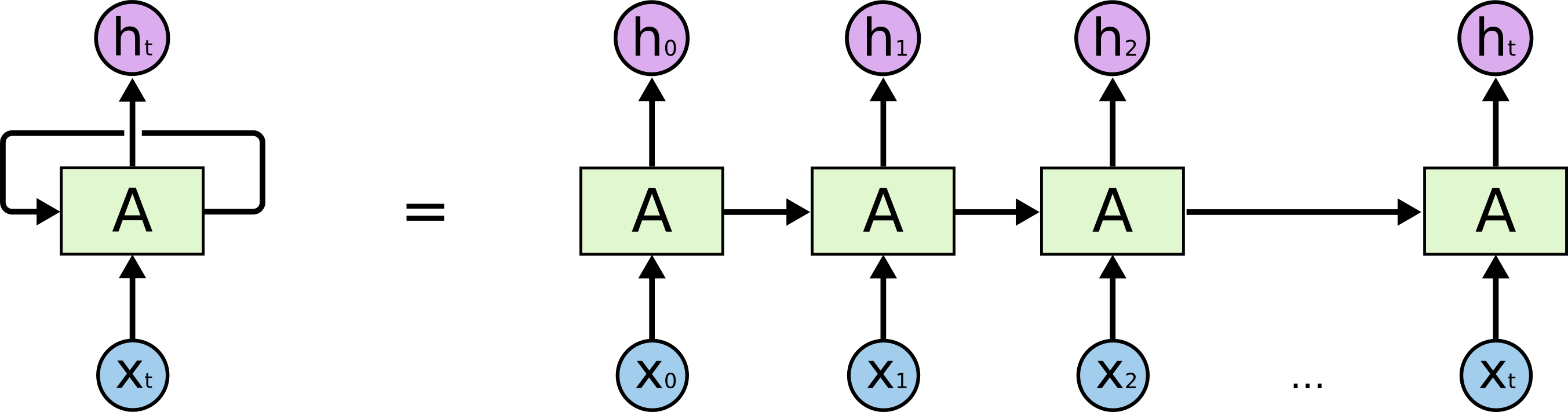 Creating a bot that, given a starting phrase, would generate its own lyrics, powered by a machine learning model that would have learned from existing songs.
38. There’s No TensorFlow Without Tensors
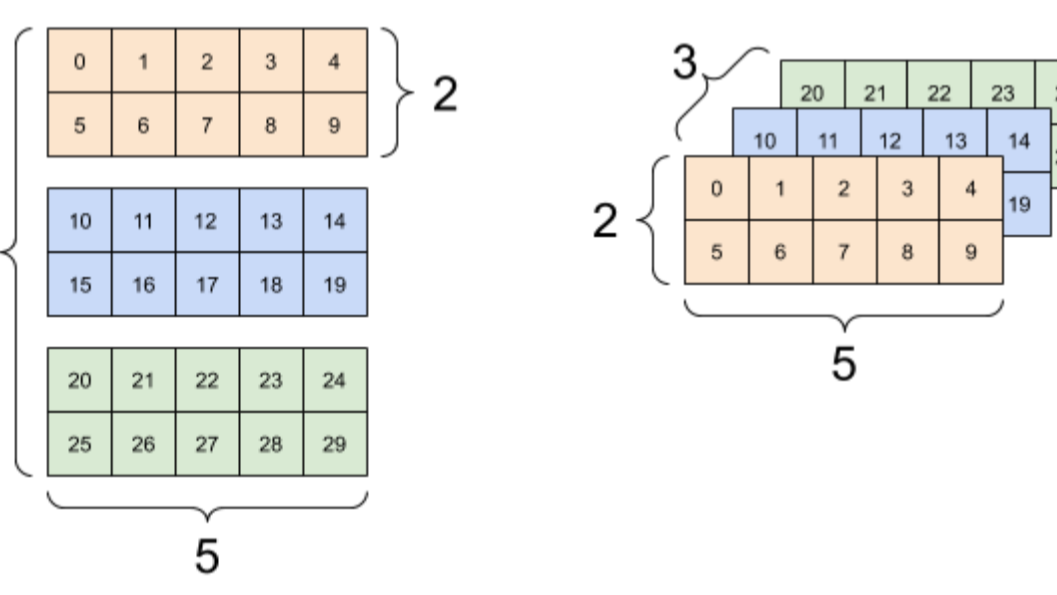 Explore the fundamentals of tensors in TensorFlow, covering creation, operations, and advanced concepts like broadcasting and ragged tensors.
39. Why Linux Leads the Charge in High-Performance Computing
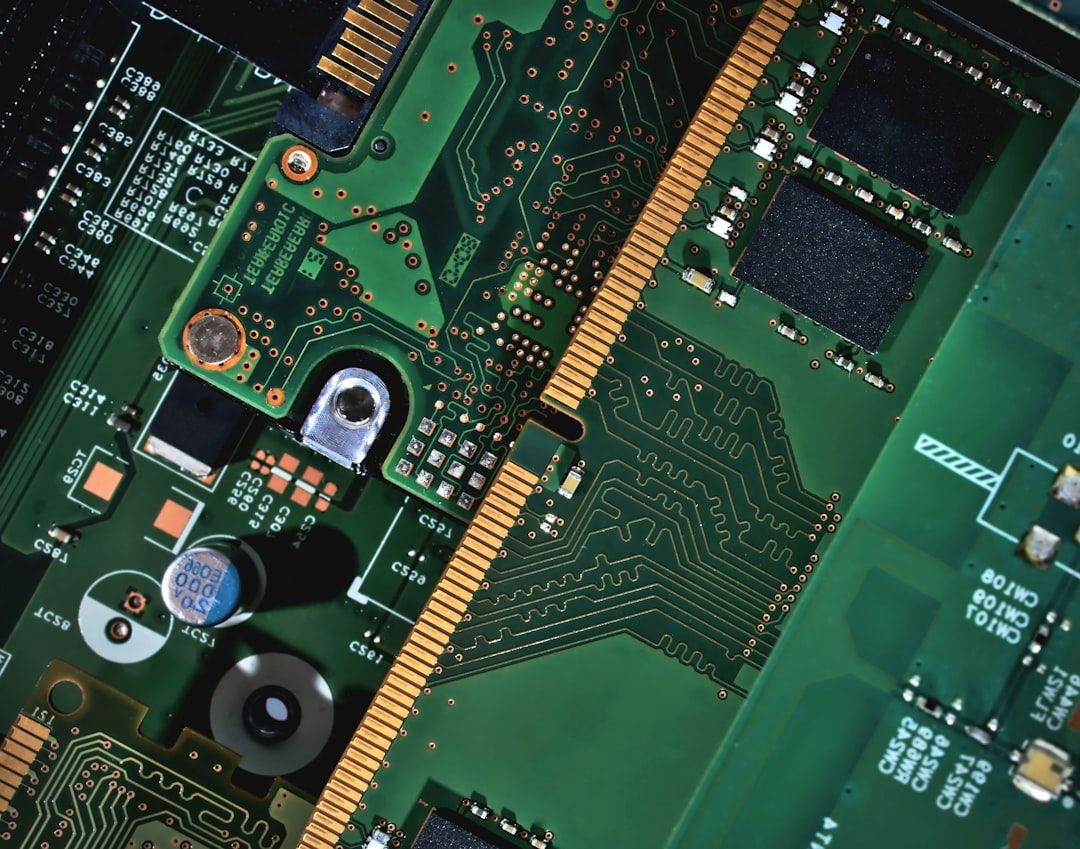 Learn how Linux's ecosystem advances supercomputing efficiency, supporting AI, security, scalability, and future HPC innovations in this article.
40. Lessons for Improving Training Performance — Part 1
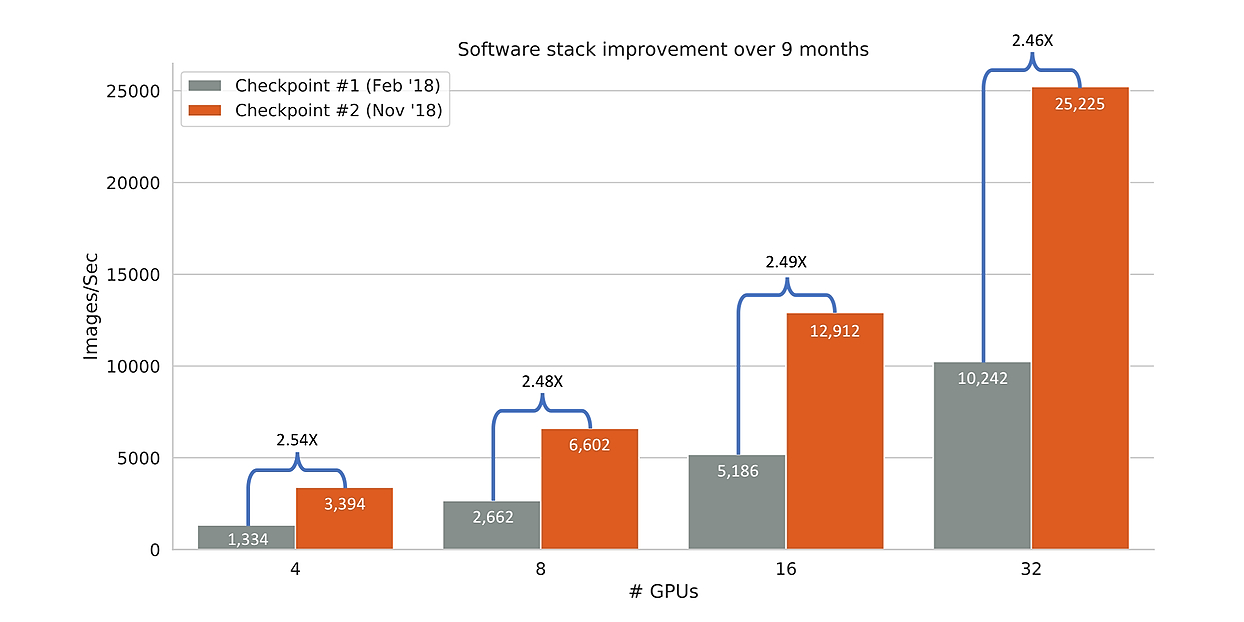 Part 1: Lower precision & larger batch size are standard now
41. Training Machine Learning Models Using TensorFlow or PyTorch
 I will show you how gradient descent works, which is in the deepest deep of machine learning.
42. What Neural Networks Teach Us About Schizophrenia
 Pretrained Artificial Neural Networks used to work like a Blackbox: You hand them an input and they predict an output with a certain probability — but without us knowing the internal processes of how they came up with their prediction. A Neural Network to recognize images usually consists of around 20 neuron layers, trained with millions of images to tweak the network parameters to give high quality classifications.
43. 3 Ways to Easily Visualize Keras Machine Learning Models
 Guide explaining how to use Netron, visualkeras, and TensorBoard to visualize Keras machine learning models.
44. How Blockchain & AI Integration is Changing Business Landscape?
 The potential of Blockchain is no lesser than Artificial intelligence. If you have taken a look at them, you must already know the impacts of these technologies on various industries.
45. Top 10 Data Science Libraries in Python
 Data Science Libraries that will shine this year.
46. How to Use TensorFlow and Cleanvision to Detect Starfish Threats in the Great Barrier Reef
 Utilizing AI and machine learning, the project employs TensorFlow, Cleanvision, KerasCV, and YOLOv8 to detect harmful starfish in the Great Barrier Reef.
47. How to Use TensorFlow in Python: Google‘s Open-Source Library For Deep Learning
 You might not always know it, but Deep Learning is everywhere. We explain how to use TensorFlow, Google's Library For Deep Learning, in Python.
48. What Is Edge AI?

49. Computer Vision Could Improve Health and Workplace Safety
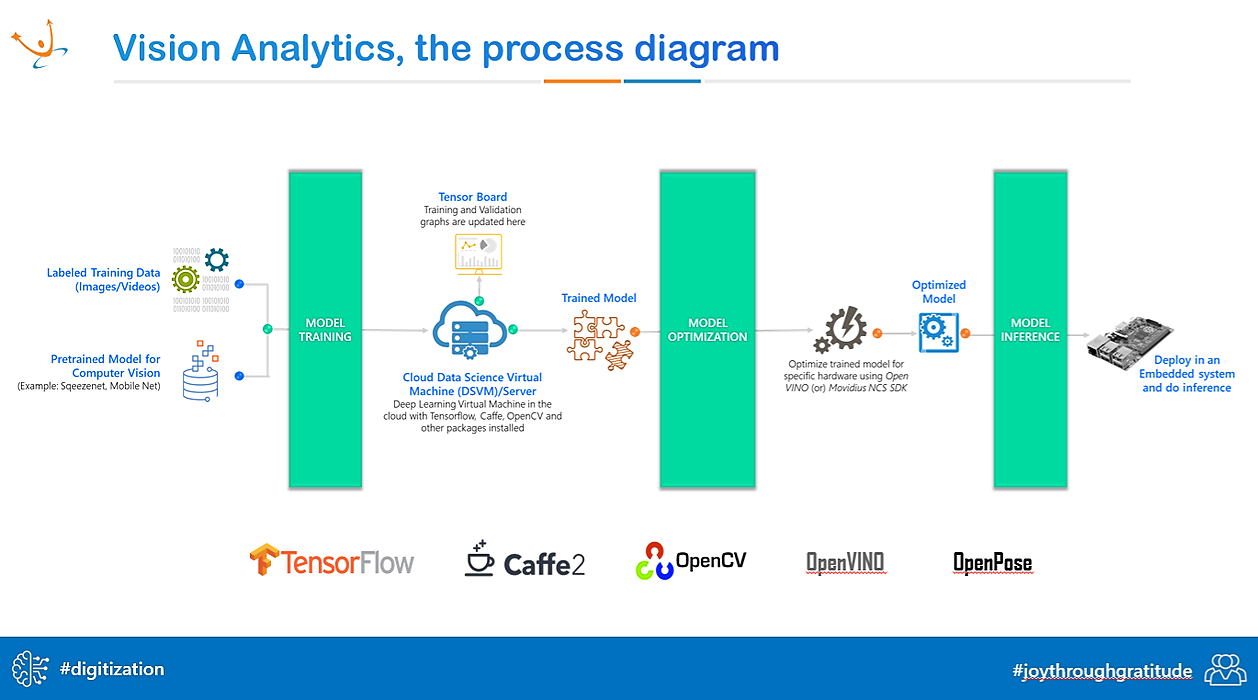 Recent developments in the field of training Neural Networks (Deep Learning) and advanced algorithm training platforms like Google’s TensorFlow and hardware accelerators from Intel (OpenVino), Nvidia (TensorRT) etc., have empowered developers to train and optimize complex Neural Networks in small edge devices like Smart Phones or Single Board Computers.
50. From TF to TFLite: Deploying ML Models on Mobile [Part 2]
 This is part 2 of the two-part article on deploying ML models on mobile. We saw how to convert our ML models to TfLite format here. For those of you who came here first, I recommend you click on the above link to get the whole picture. If you just want the android part ,the demo app we are building has a GAN model generating handwritten digits and a classifier model predicting the generated digit.
51. RethNet Model: Object-by-Object Learning for Detecting Facial Skin Problems
 In August 2019, a group of researchers from lululab Inc propose the state-of-the-art concept using a semantic segmentation method to detect the most common facial skin problems accurately. The work is accepted to ICCV 2019 Workshop.
52. Loan Risk Prediction Using Neural Networks
 A Step-by-Step Guide (With a Healthy Dose of Data Cleaning)
53. Style Transferring with TensorFlow
 Style transfer is a computer vision-based technique combined with image processing. Learn about style transfer with Tensorflow, a prominent framework in AI & ML
54. The Future of Real-Time Intelligence Is Not in the Cloud
 Explore how Edge AI enables real-time intelligence by processing data locally—transforming industries from autonomous driving to industrial automation.
55. Efficient Model Training in the Cloud with Kubernetes, TensorFlow, and Alluxio Open Source
 This article presents the collaboration of Alibaba, Alluxio, and Nanjing University in tackling the problem of Deep Learning model training in the cloud. Various performance bottlenecks are analyzed with detailed optimizations of each component in the architecture. This content was previously published on Alluxio's Engineering Blog, featuring Alibaba Cloud Container Service Team's case study (White Paper here). Our goal was to reduce the cost and complexity of data access for Deep Learning training in a hybrid environment, which resulted in over 40% reduction in training time and cost.
56. C++ to WebAssembly using Bazel and Emscripten
 How to get Bazel and Emscripten to compile C++ to WebAssembly or JavaScript
57. 59 Stories To Learn About Tensorflow
 Learn everything you need to know about Tensorflow via these 59 free HackerNoon stories.
58. Objects Classification Using CNN-based Model
 — All the images (plots) are generated and modified by the Author.
59. How To Build Links Detector That Making Links in Your Book Clickable
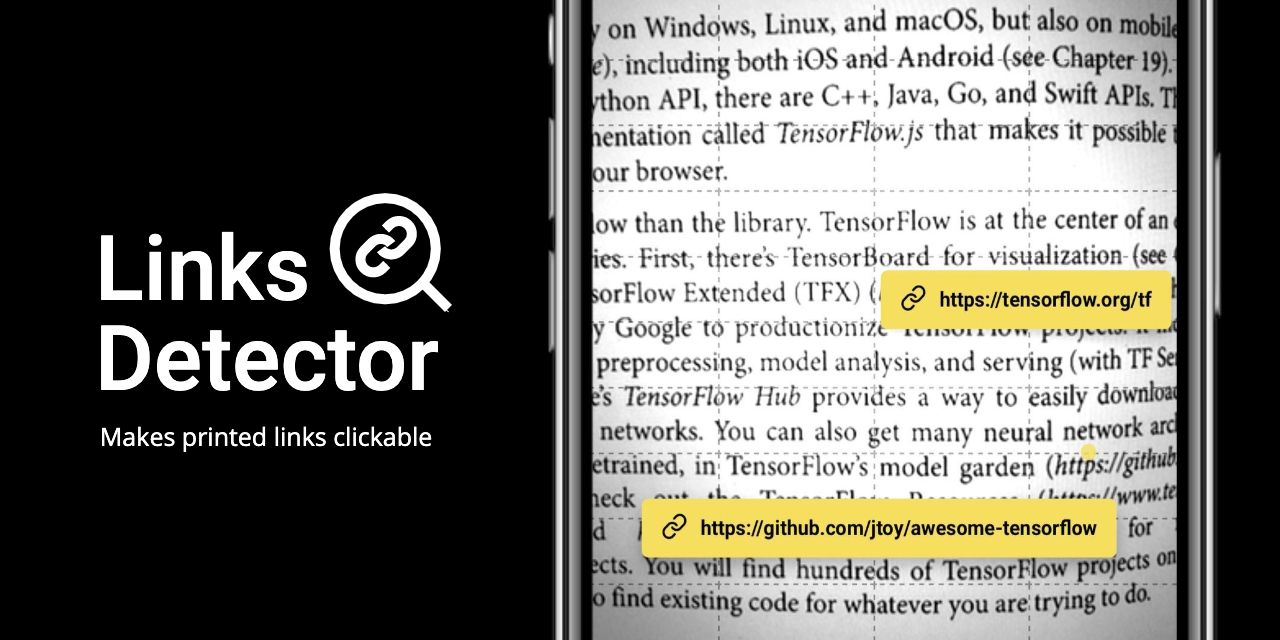 How I built a link detector for your smart phone to browse links printed in books.
60. Cocktail Alchemy: Creating New Recipes With Transformers
 Build a transformer model with natural language processing to create new cocktail recipes from a cocktail database.
61. How I Transfer an Artistic Style to Any Image
 Machine learning and artificial intelligence have been on my radar for years now, but more as a concept and “thing I should know about.” I didn’t feel that I had the free time or skills to dig into it. However, my attitude about machine learning has changed in the past few months. I have seen new and easier tools become accessible to the public. In this post I will walk you through how to transfer an art style to any image using some of these tools.
62. The Double Life of a TensorFlow Function
 Learn how TensorFlow’s tf.function turns Python code into optimized graphs for performance and portability. Includes tracing rules and debugging tips.
63. Randomness As Defined by Machine Learning’s Most Popular Language
 Master randomness in TensorFlow with tf.random.Generator and stateless RNGs. Learn best practices for reproducibility, distribution, and saving states.
64. Classify Handwritten Digits using Deep learning with Tensorflow

65. How to Save and Load TensorFlow Models
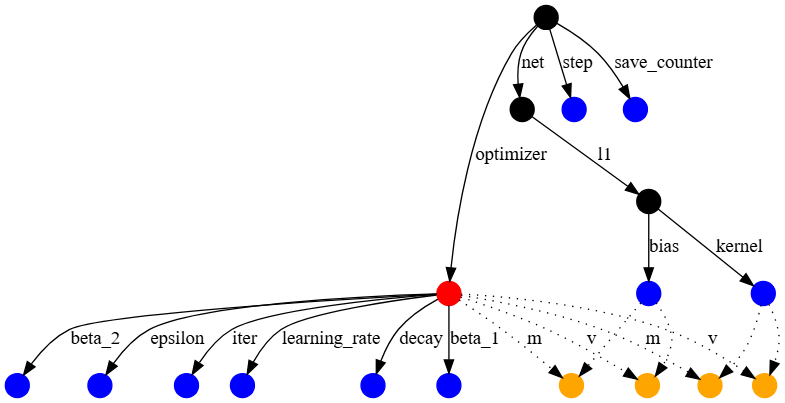 Learn how to save, restore, and inspect TensorFlow models using checkpoints and tf.train.Checkpoint for robust training and deployment.
66. You’re Wasting GPU Power—Fix Your TensorFlow Input Pipeline Today
 Speed up your TensorFlow training by optimizing input pipelines with tf.data. Learn how prefetching, caching, and vectorization make a difference.
67. Building Machine Learning Models With TensorFlow
 In this article, I will share with you some useful tips and guidelines that you can use to better build better deep learning models.
68. Logistic Regression for Binary Classification With Core APIs
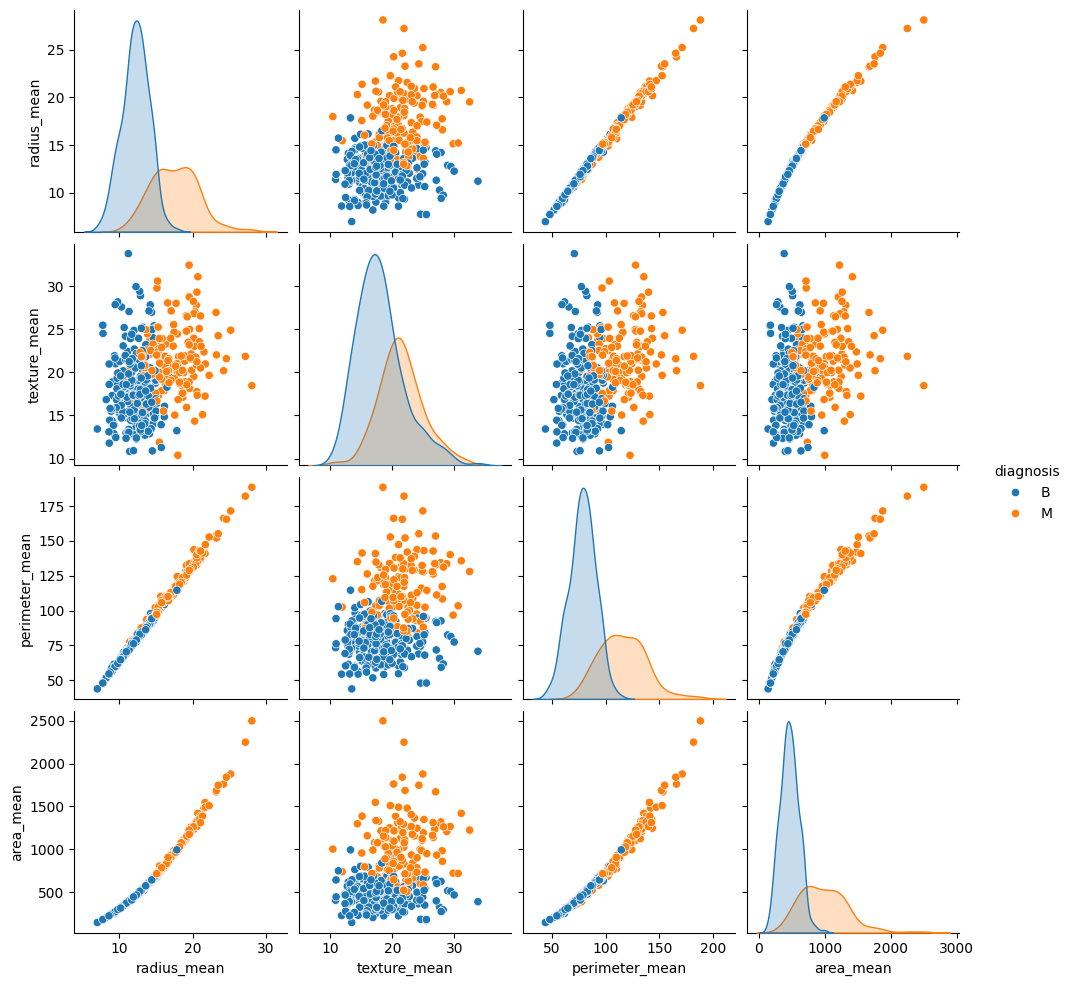 Learn how to build a logistic regression model with TensorFlow Core to classify tumors using the Wisconsin Breast Cancer Dataset.
69. If TensorFlow Had a Brain, It Would Be Made of Graphs
 Learn how TensorFlow graphs work, how tf.function builds them, and why they improve performance, portability, and deployment flexibility.
70. Ducho: A Unified Framework for Multimodal Feature Extraction in AI-Powered Recommendations
 Ducho streamlines multimodal feature extraction for AI-driven recommendations, supporting audio, visual, and textual data.
71. Getting Started with Gradients and Automatic Differentiation in TensorFlow
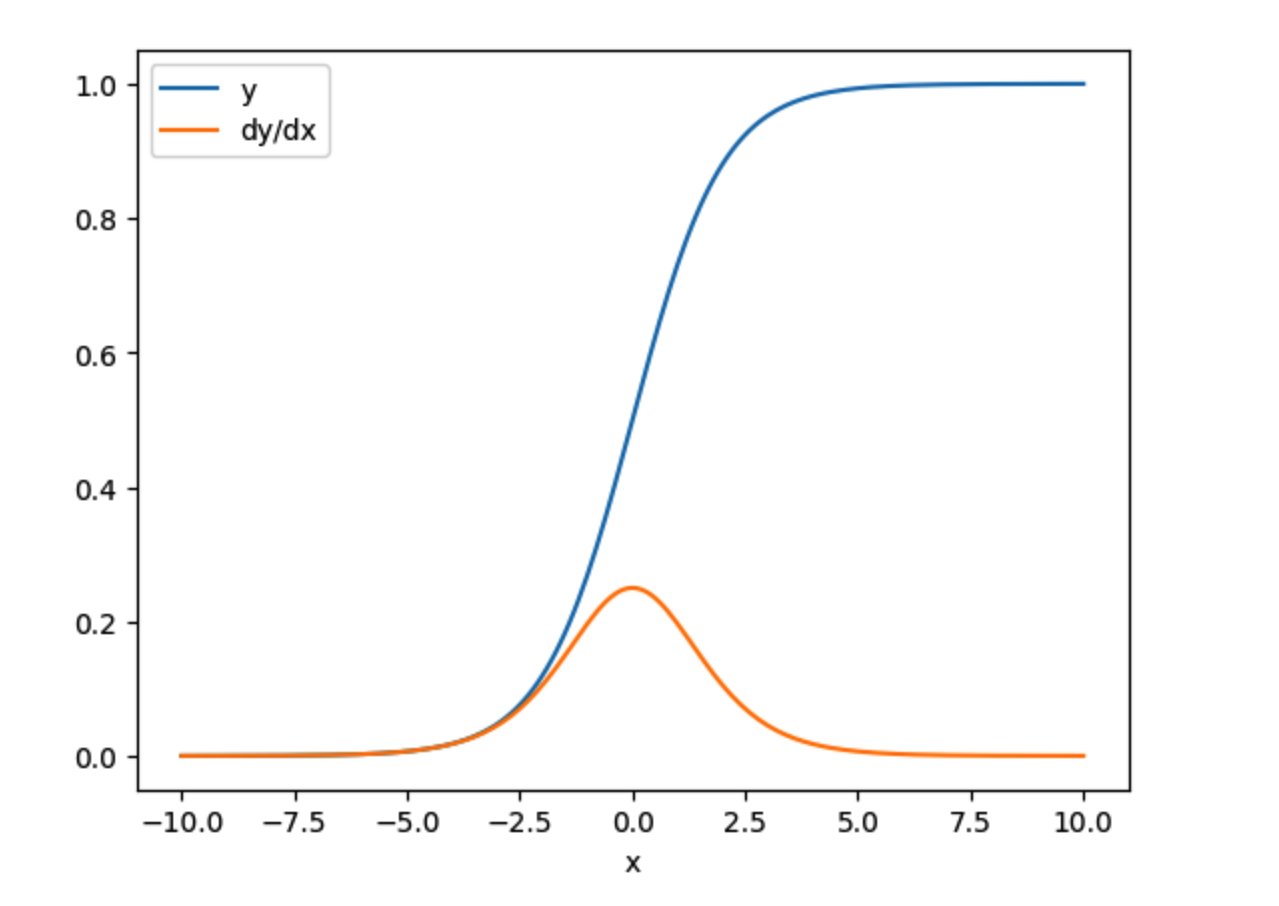 Learn how to compute gradients using TensorFlow's GradientTape API for training models with automatic differentiation and eager execution.
72. TensorFlow Variables, Once and for All
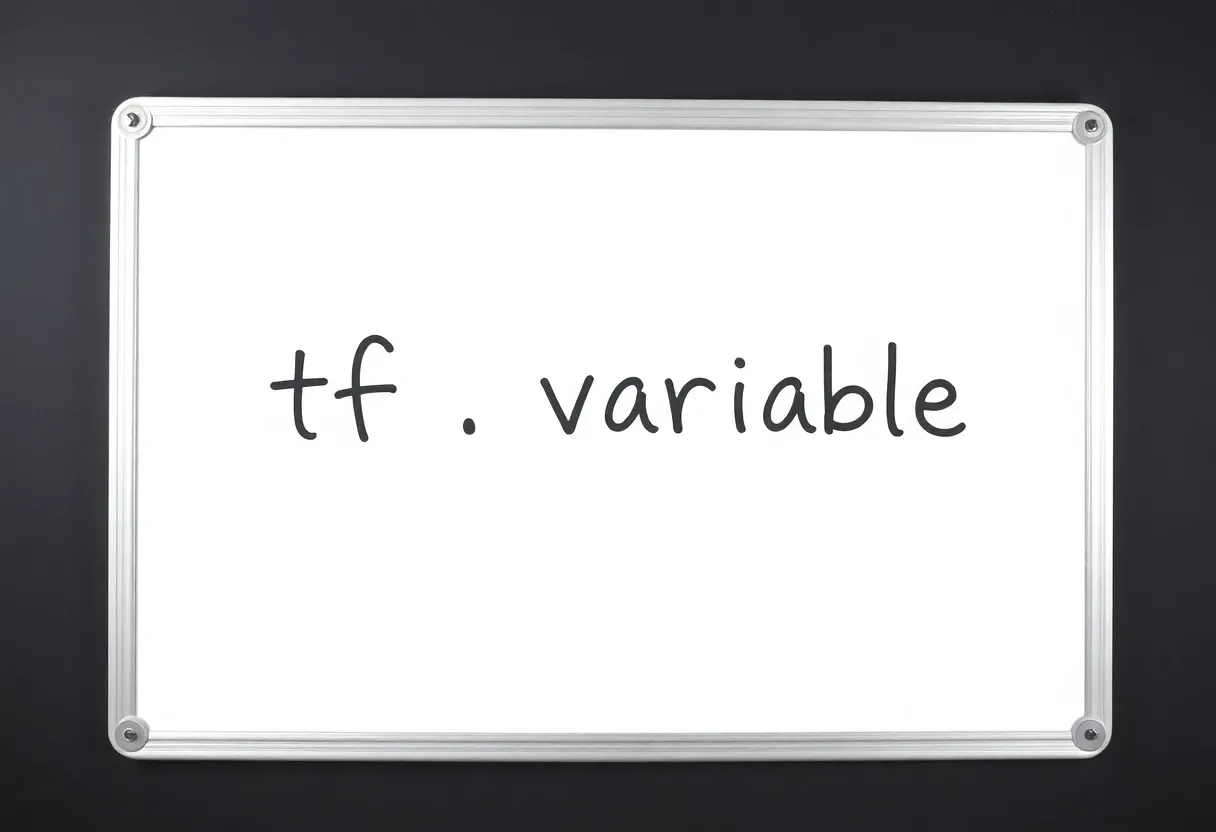 Learn how to create, manage, and update TensorFlow variables using tf.Variable—your key to handling persistent state in TensorFlow programs.
73. Can I Grade Loans Better Than LendingClub?
 In case you missed it, I built a neural network to predict loan risk using a public dataset from LendingClub. Then I built a public API to serve the model’s predictions. That’s nice and all, but… how good is my model?
74. Loops, Conditionals & AutoGraph: Writing Graph-Friendly TensorFlow Code
 Learn how TensorFlow's AutoGraph converts Python control flow into graph ops with tf.function, and avoid common pitfalls when tracing code.
75. Fabio Manganiello on Home-Made Computer Vision, IoT, Automation, AI
 Fabio Manganiello writes about solutions he's discovered while building a platform, library of plugins and an API to connect/manage any device and service through any backend, allowing users to easily set up any kind of automation. Fabio is based in Amsterdam, the Netherlands, and has been nominated for a 2020 #Noonie for exceptional contributions to the IoT tag category on Hacker Noon.
76. A Unified Framework for Multimodal Feature Extraction in Recommendation Systems
 Ducho is a unified framework integrating TensorFlow, PyTorch, and Transformers to streamline multimodal feature extraction for recommendation systems.
77. Visualizing Object Detection Data in TensorFlow with TFRecords
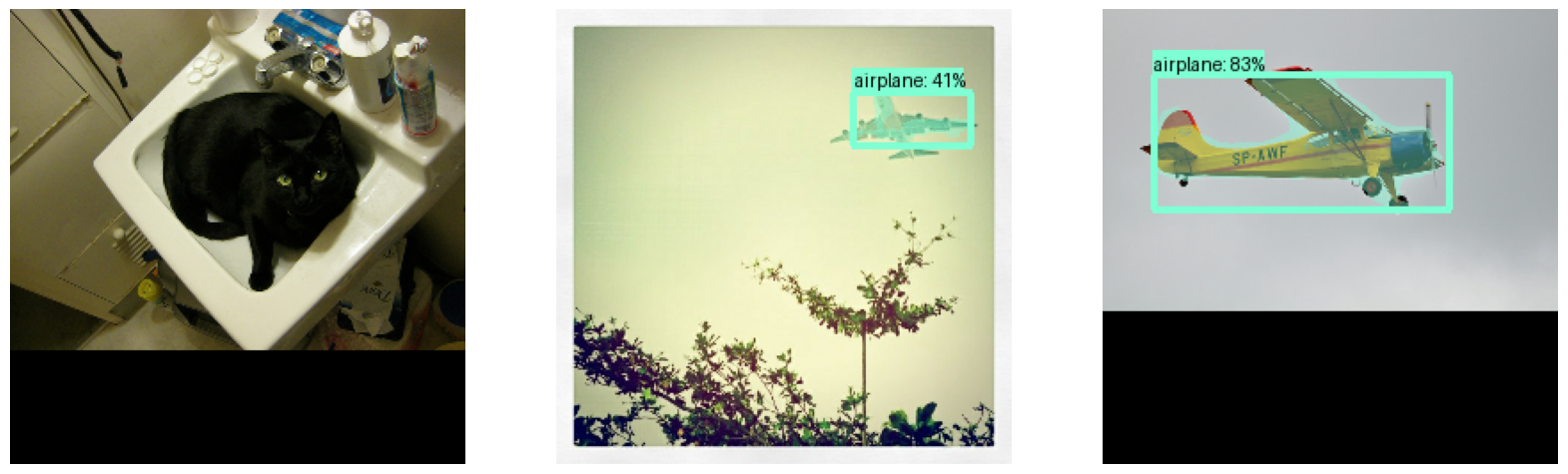 Visualize TensorFlow object detection data with TFRecords, bounding boxes, and masks while evaluating accuracy using mAP metrics.
78. How to Train a Linear Regression Model in TensorFlow
 Learn how to train a simple linear model in TensorFlow using variables, gradient tape, and loss functions—then see how it compares with Keras.
79. Ducho’s Big Bet: A Unified Future for Multimodal AI
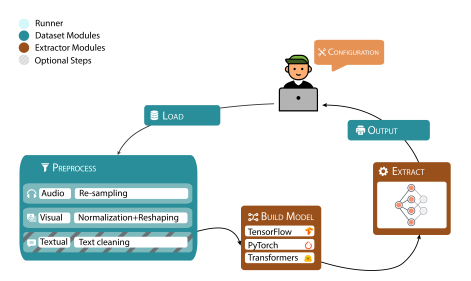 Ducho streamlines multimodal feature extraction with a structured pipeline and a pre-configured Docker image for GPU-accelerated deep learning.GPU acceleration
80. Learn How to Customize Every Step of Model Saving in Keras
 Learn how to customize saving and loading in Keras using advanced methods like save_own_variables(), load_assets(), and compile_from_config().
81. Ducho, the AI That Knows What You Think About That Toaster
 Ducho extracts textual features from product descriptions and user reviews using multilingual BERT for sentiment analysis, refining AI-powered recommendations.
82. Making AI Recommendations Smarter with Visual, Text, and Audio Data
 Explore Ducho’s real-world demos in fashion and music recommendation, leveraging visual, textual, and audio features for AI-driven recommendations.
83. How to Speed Up Your TensorFlow tf.data Pipeline
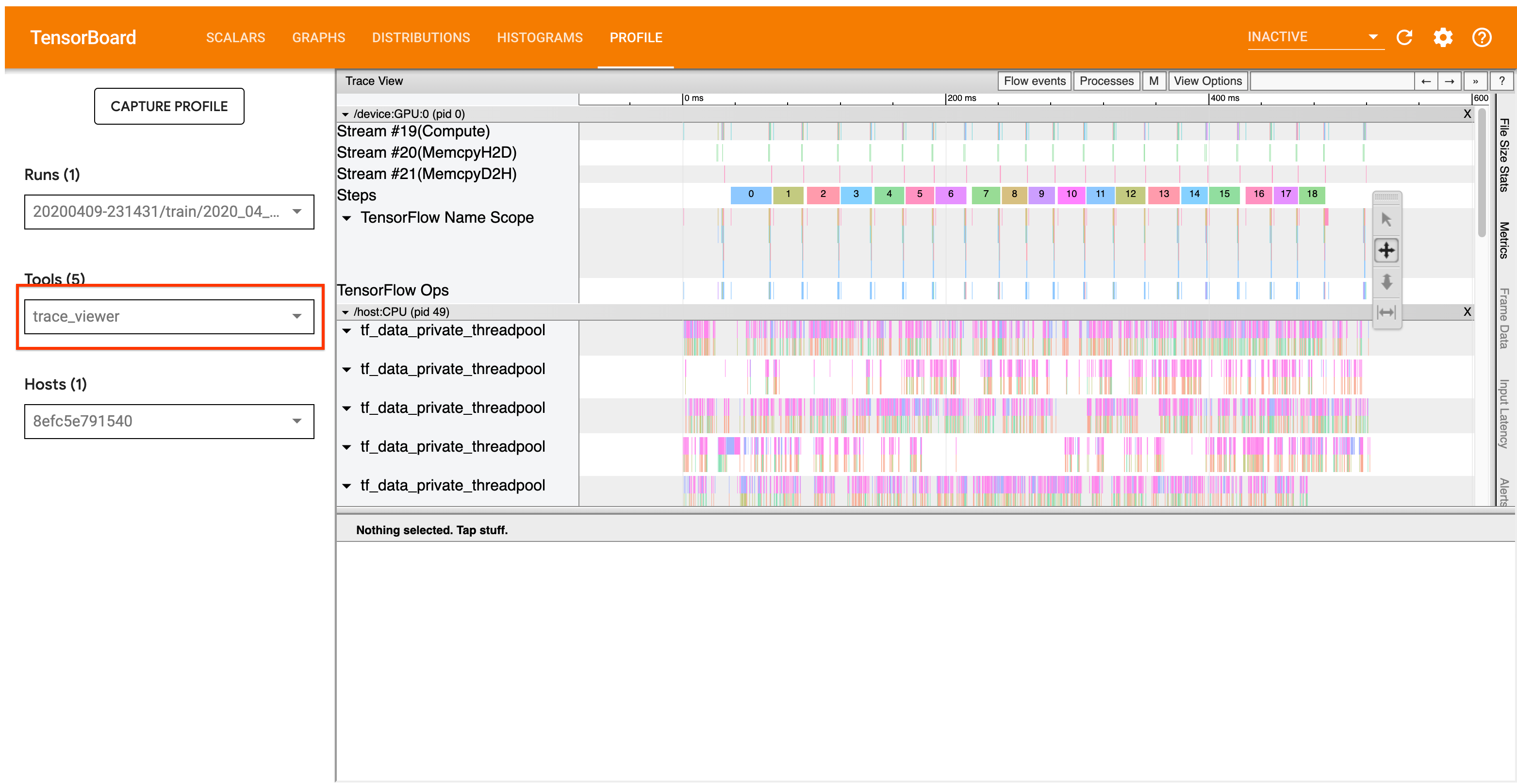 Identify and fix slow tf.data pipelines using TensorFlow Profiler. Analyze, prefetch, and optimize your input pipeline with step-by-step guidance.
84. Why and How Developers Extend TensorFlow With Custom Kernels
 Learn to build and use custom C++ operations in TensorFlow, from kernel creation to Python integration—covering CPU, GPU, and Bazel builds.
85. The Shape of Data: Broadcasting, Indexing, and Encoding with RaggedTensors
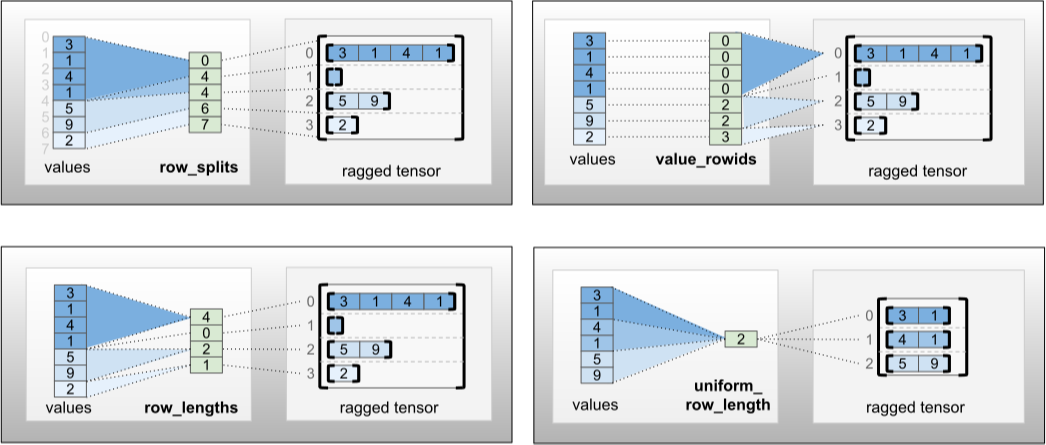 Learn how to use TensorFlow’s RaggedTensor for indexing, broadcasting, and handling uneven shapes in deep learning workflows.
86. The HackerNoon Newsletter: The Tech Behind War Robots’ First Sword-Wielding Mech (7/24/2025)
 7/24/2025: Top 5 stories on the HackerNoon homepage!
87. A New Way to Extract Features for Smarter AI Recommendations
 Ducho’s modular architecture streamlines multimodal feature extraction with dataset handling, deep learning integration, and YAML-based configuration.
88. TensorBoard, Checkpoints, and Custom Hooks in Keras
Learn Keras callbacks: hook into training/eval/predict, read logs, use self.model, apply EarlyStopping & LR scheduling, and build custom callbacks with examples
89. TLDR Newsletter Week of August 5th Highlights

90. The HackerNoon Newsletter: You’re Wasting GPU Power—Fix Your TensorFlow Input Pipeline Today (7/30/2025)
 7/30/2025: Top 5 stories on the HackerNoon homepage!
91. The HackerNoon Newsletter: There’s No TensorFlow Without Tensors (5/19/2025)
 5/19/2025: Top 5 stories on the HackerNoon homepage!
92. Why TensorFlow NumPy Might Be the Future of Differentiable Programming
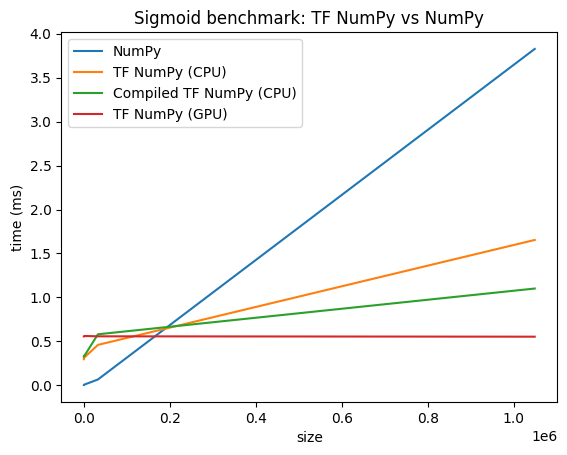 Explore TensorFlow NumPy: seamless interoperability, fast gradients, tf.function boosts, device control, and performance gains over classic NumPy.
93. Uber AI Labs Senior Research Scientist Talks TensorFlow 2.0 [Interview]

Thank you for checking out the 93 most read blog posts about Tensorflow on HackerNoon.
Visit the /Learn Repo to find the most read blog posts about any technology.