

Let's learn about Science via these 500 free blog posts. They are ordered by HackerNoon reader engagement data. Visit the Learn Repo or LearnRepo.com to find the most read blog posts about any technology.
"The good thing about science is that its true whether or not you believe it" - Neil deGrasse Tyson
1. What is Quantum Immortality And Why It Doesn't Make you Immortal
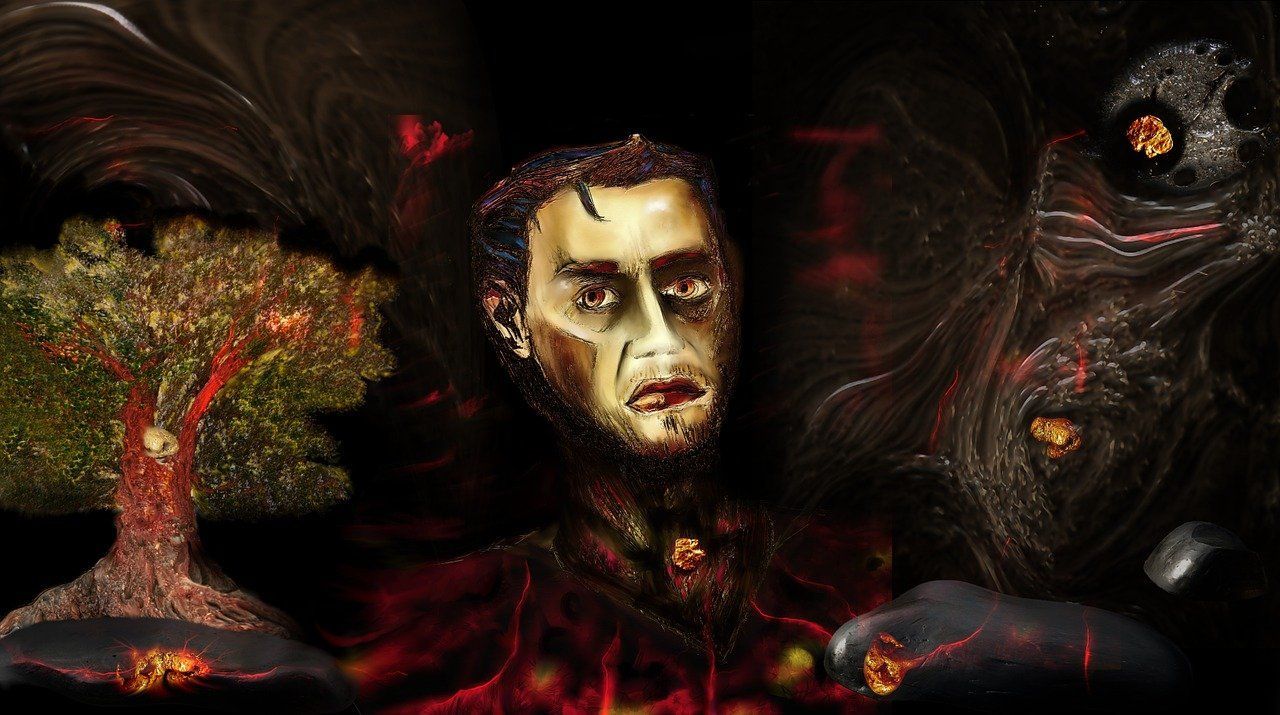 Quantum Immortality is a result of the observer surviving the deadly quantum suicide experiment that proves the existence of alternate realities.
2. Craig Wright is Satoshi Nakamoto
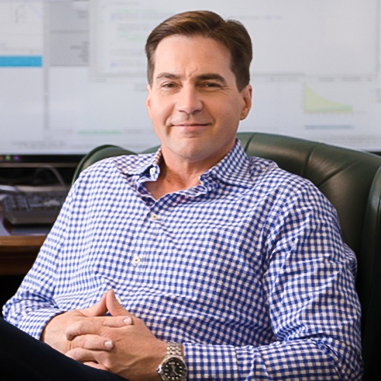 Explore the compelling case for Craig Wright as Bitcoin's Satoshi Nakamoto, analyzing his script expertise, digital cash experience, and trial victories.
3. Man Claims to Have Discovered 'Simulation Code' Using Lasers and DMT
 Discover Danny Goler's groundbreaking claim of finding a hidden code within laser light while under the influence of DMT.
4. DeSci: Decentralized Science as Our Chance to Recover the Real Science
 DeSci is an approach to organize scientific ecosystem in a decentralized way to have the real science done by the people, for the people.
5. How to Breed Brine Shrimp at Home
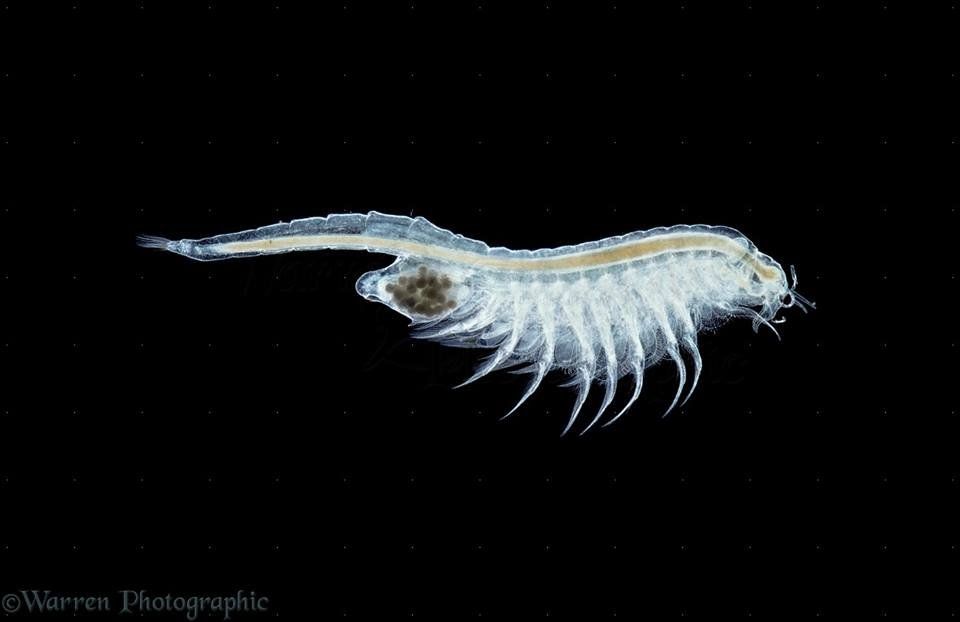 Yes. Brine shrimp are raised in captivity usually by aquarium owners for their food supply. Brine Shrimp have a good likelihood of surviving in fresh water.
6. The Feynman Learning Technique: How to Learn Anything Well
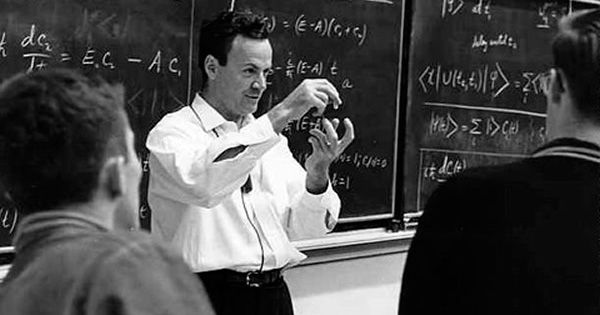 It is 1941 and you have a problem. While you haven’t yet gotten around to defining quantum electrodynamics, or even started your work helping design the atomic bomb, you are nearing the end of your second year of graduate school. This means you have an exam soon.
7. Deciphering Digital Trails: Ashton Forbes on the new MH370 Internet Investigation
 Exclusive interview with Ashton Forbes on MH370 mystery. Dive into the digital quest of MH370x and discover new insights into the enduring aviation enigma
8. Can Quantum Healing Cure Cancer? Here's What Science Has To Say
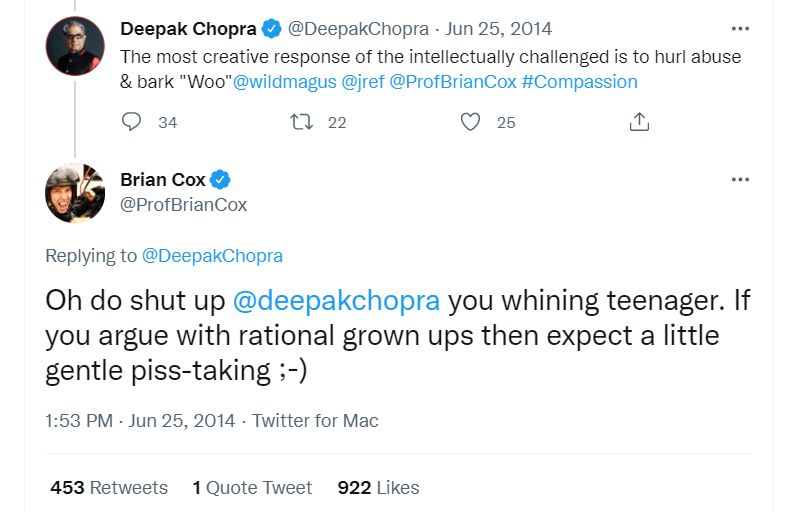 Deepak Chopra claims that quantum healing is the “Theory of Everything” that can cure cancer & defeat aging. But it fails to comply with the actual science.
9. A Brief Introduction to The Boltzmann Brain Theory
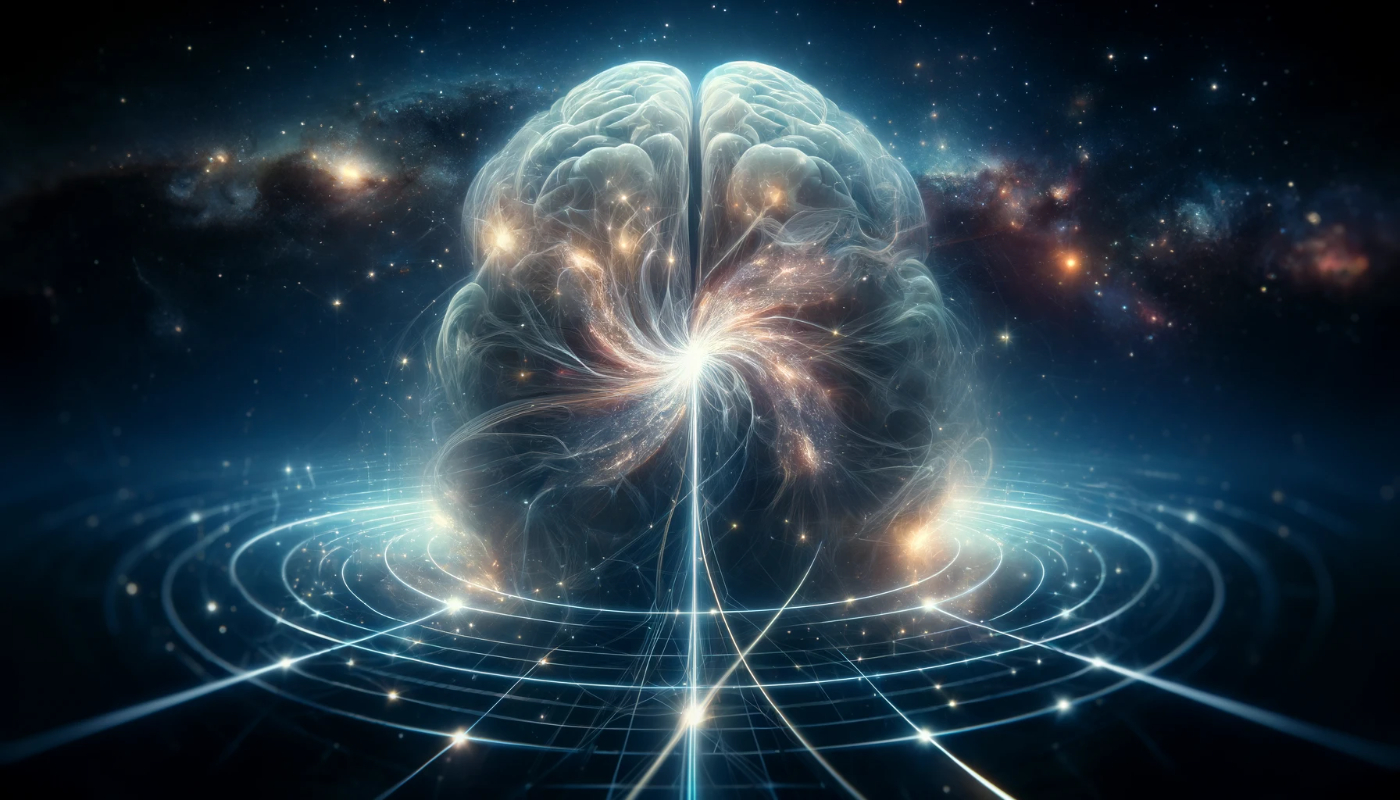 A short article about Boltzmann's Brain Theory and the Simulation Hypothesis.
10. The Structure of Space According to the General Theory of Relativity
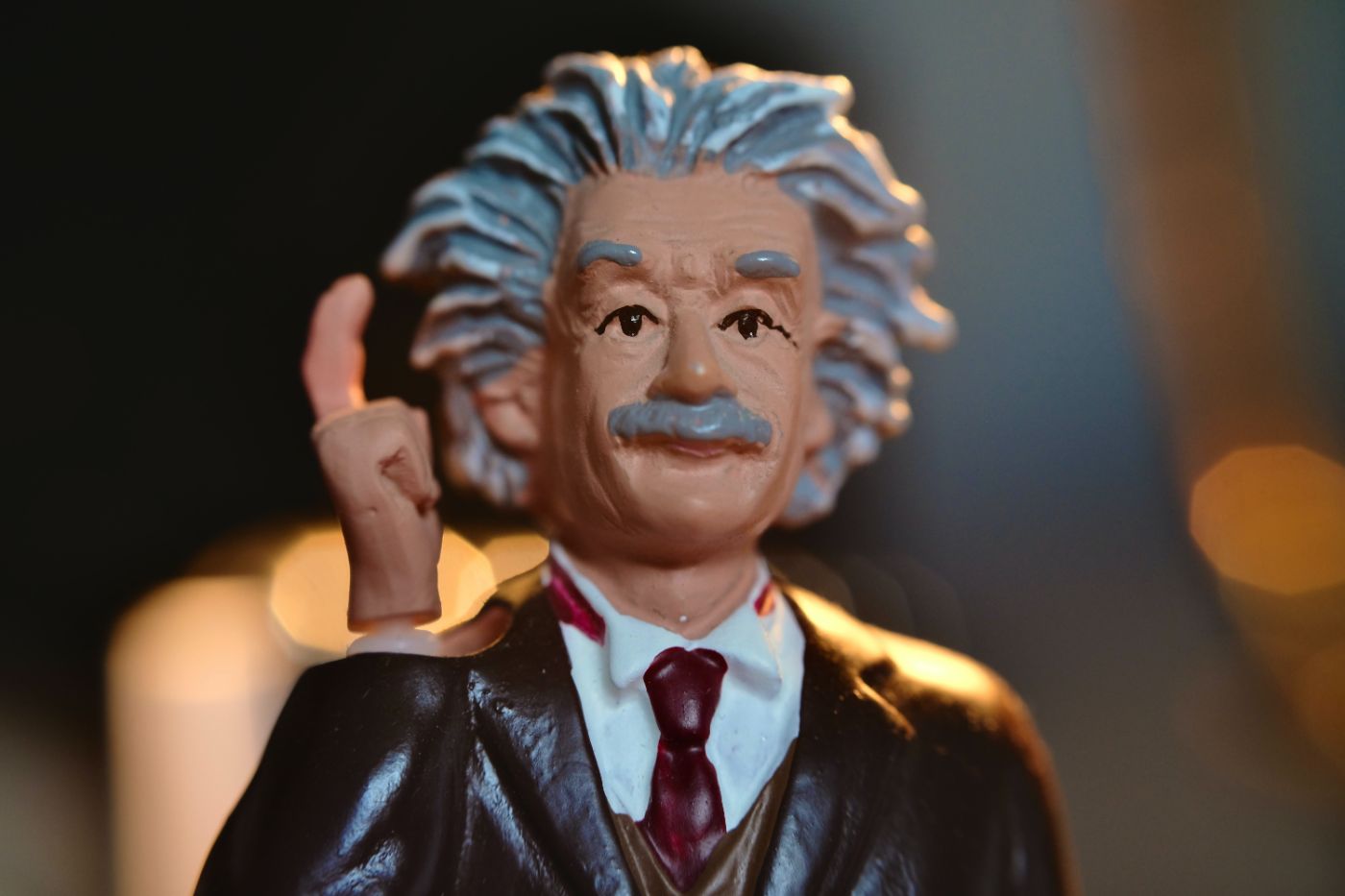 Relativity: The Special and General Theory by Albert Einstein is part of HackerNoon’s Book Blog Post series.
11. What is Decentralized Science (DeSci)?
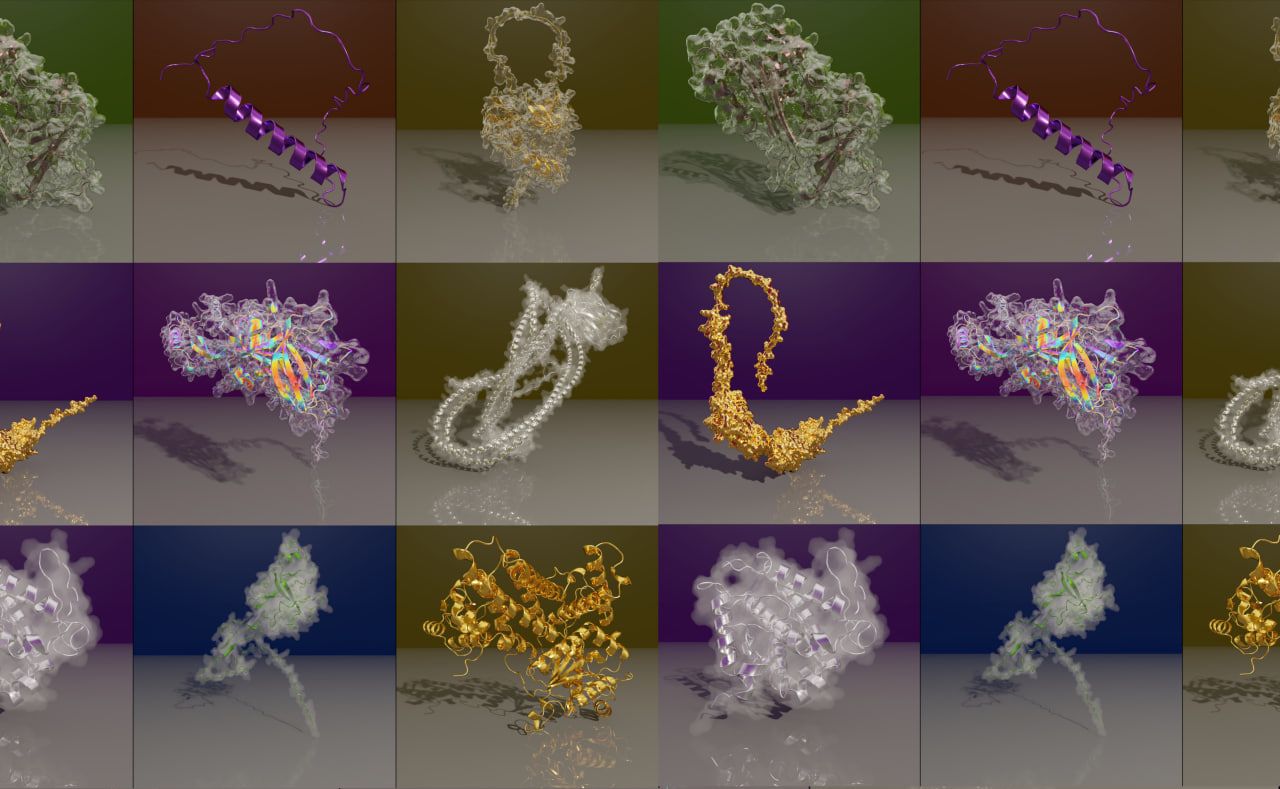 What is decentralized science (DeSci), and what are its opportunities, current landscape, and challenges?
12. The REAL Life of Pi: Ethereal, Romantic, Mysterious And Completely Memorizing
 “Probably no symbol in mathematics has evoked as much mystery, romanticism, misconception and human interest as the number Pi” ~William L. Schaaf, Nature and History of Pi. π
13. Near-inertial wave propagation between stratified and homogeneous layers: Conclusions and References
 This study examines near-inertial gravity wave propagation in deep Mediterranean Sea, focusing on transitions between stratified and homogeneous layers.
14. Ten Future Technologies That Aren't in the Public Eye (Yet)
 CRISPR, Quantum, Graphene, Smart Dust, Digital Twins, the Metaverse… You’ve heard about it all. Seen it all. Read it all. Or have you?
15. DeSci - the New Web 3 Movement to Revolutionize Scientific Research & Funding
 DeSci - decentralized science is a new movement in Web 3.0 that will revolutionize science in the future thanks to NFTs, verification and other features.
16. What is Inside The Quantum Realm? - 6 Important Points to Remember
 In the quantum realm, we can't define a particle’s definite position or momentum but only its probability. But STM gives us a way around this.
17. The Story of Nuclear Energy, Volume 3 (of 3): Beyond Fusion - Antimatter
 Worlds Within Worlds: The Story of Nuclear Energy, Volume 3 (of 3), by Isaac Asimov is part of HackerNoon’s Book Blog Post series. You can jump to any chapter in this book here. Volume III, BEYOND FUSION: Antimatter
18. The Possibility of the "Finite" and Yet "Unbounded" Universe
 Relativity: The Special and General Theory by Albert Einstein is part of HackerNoon’s Book Blog Post series.
19. The Story of Nuclear Energy, Volume 2 (of 3): Protons in Nuclei
 Worlds Within Worlds: The Story of Nuclear Energy, Volume 2 (of 3), by Isaac Asimov is part of HackerNoon’s Book Blog Post series. You can jump to any chapter in this book here. Volume II, THE STRUCTURE OF THE NUCLEUS: Protons in Nuclei
20. Difference between Percent Yield and Theoretical Yield

21. Near-inertial wave propagation between stratified and homogeneous layers: Observations
 This study examines near-inertial gravity wave propagation in deep Mediterranean Sea, focusing on transitions between stratified and homogeneous layers.
22. Near-inertial wave propagation between stratified and homogeneous layers: Simulating transition
 This study examines near-inertial gravity wave propagation in deep Mediterranean Sea, focusing on transitions between stratified and homogeneous layers.
23. The Solution of the Problem of Gravitation
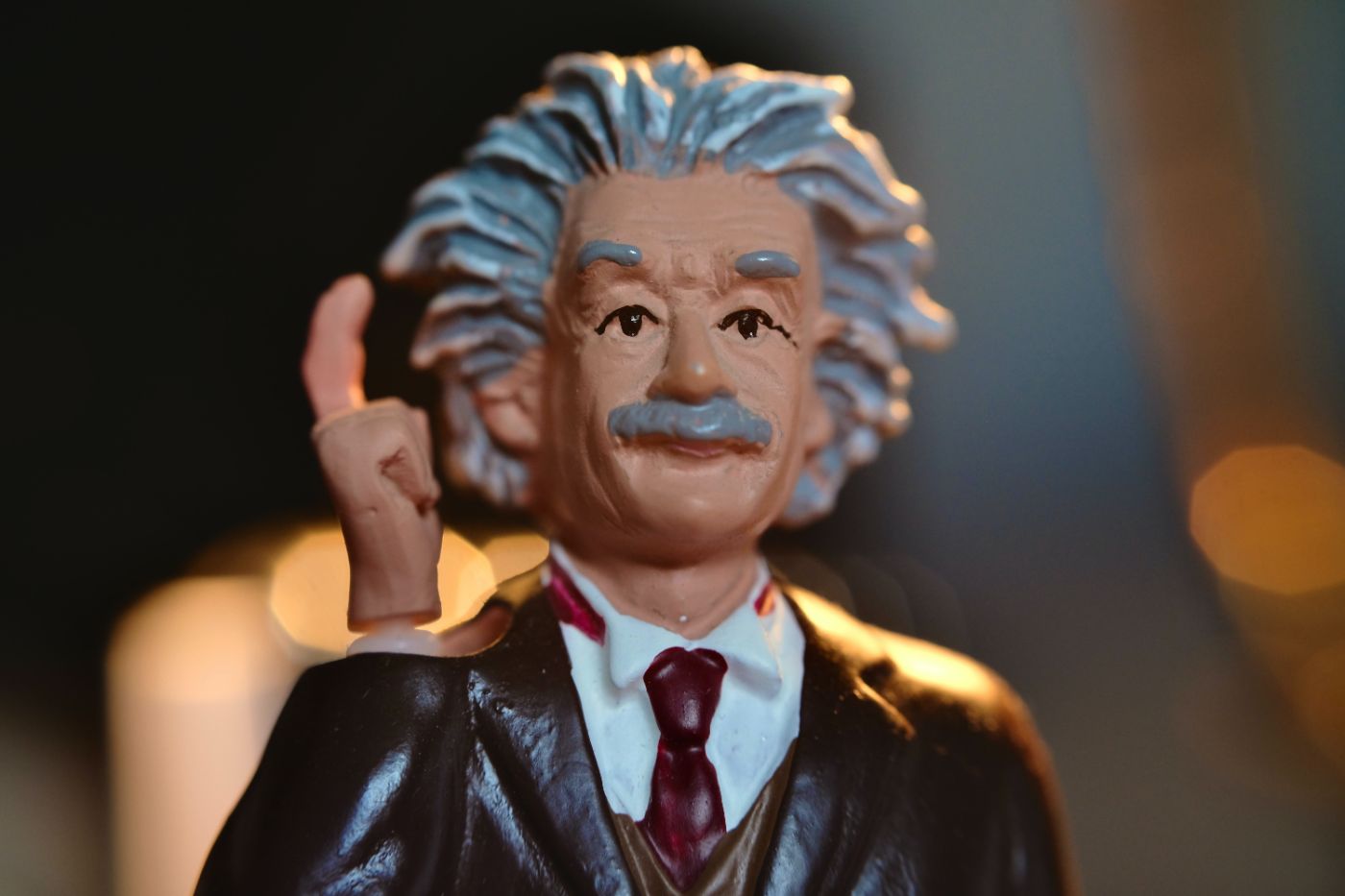 Relativity: The Special and General Theory by Albert Einstein is part of HackerNoon’s Book Blog Post series.
24. The Minkowski's Four-Dimensional Space
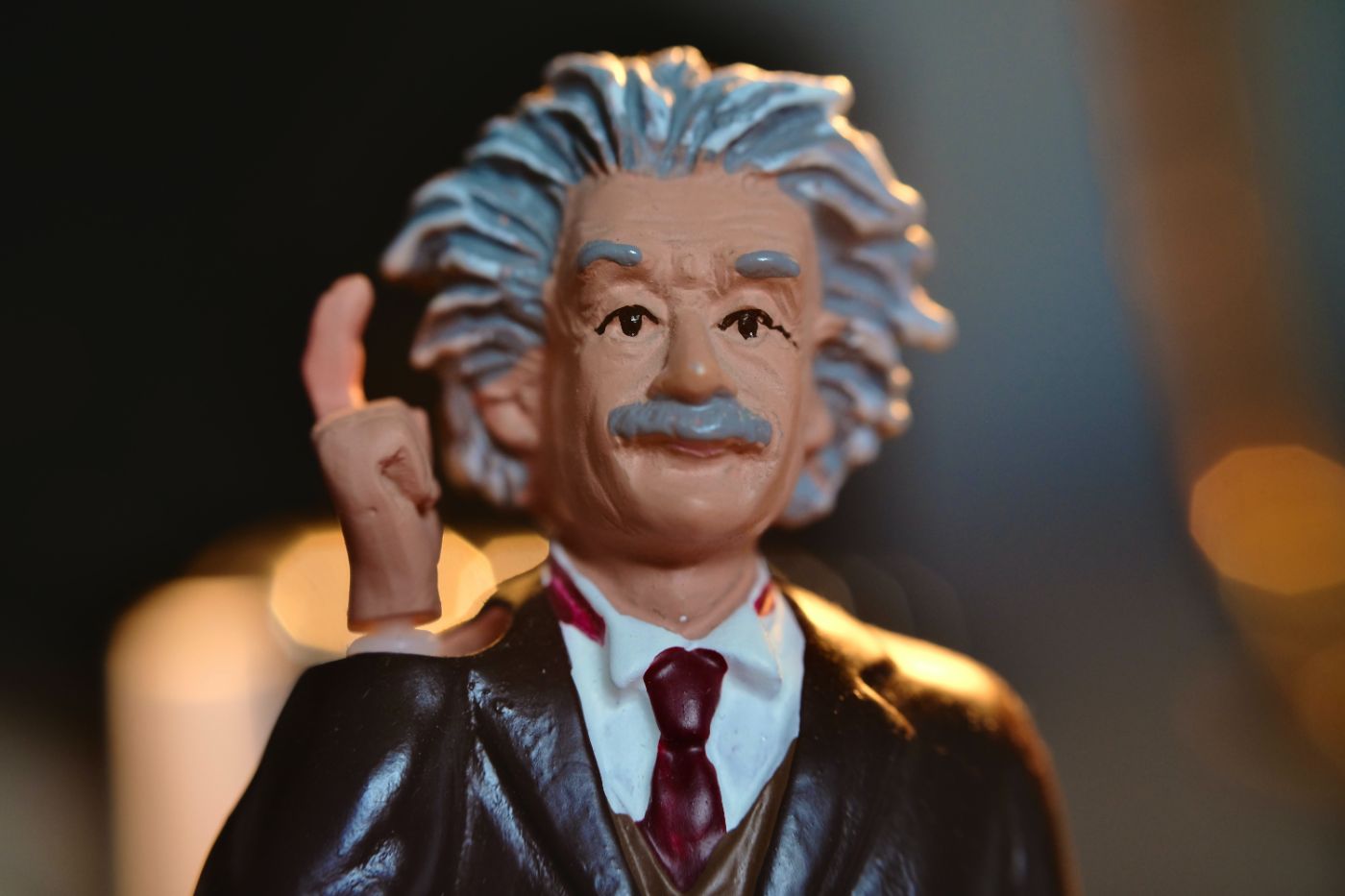 Relativity: The Special and General Theory by Albert Einstein is part of HackerNoon’s Book Blog Post series.
25. Of The First and Last Things: Part 4
 Human, All Too Human, A Book for Free Spirits by Friedrich Nietzsche is part of HackerNoon’s Book Blog Post Series. The table of Links for this book can be found here. History of the Moral Feelings
26. THE GEOMETRY OF THE SPIDER’S WEB
 The logarithmic spiral describes an endless number of circuits around its pole, to which it constantly draws nearer without ever being able to reach it.
27. Smart Meters Can Kill Your Wifi Signal, Not People
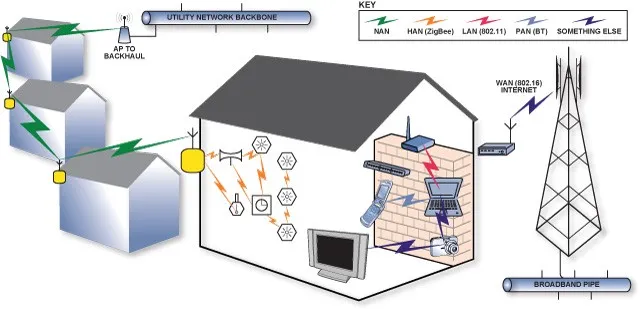
28. Near-inertial wave propagation between stratified and homogeneous layers: Discussion
 This study examines near-inertial gravity wave propagation in deep Mediterranean Sea, focusing on transitions between stratified and homogeneous layers.
29. 31 DeSci Projects to Turn Your Next Scientific Idea into Reality
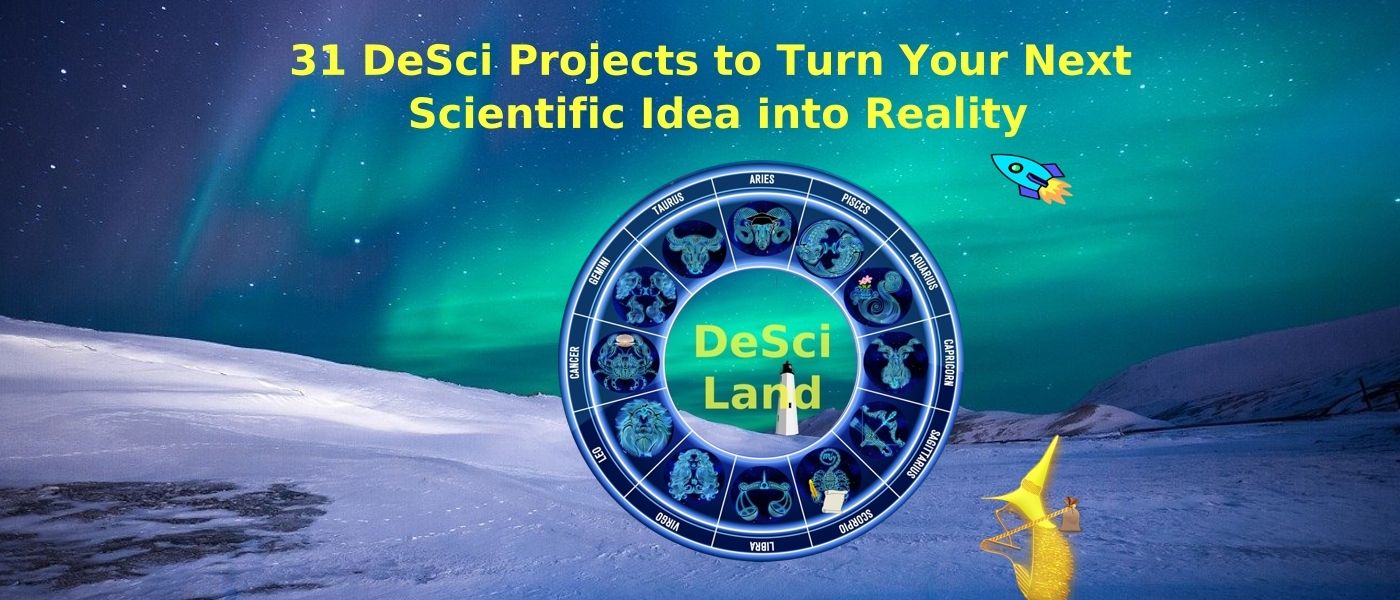 DeSci, combining science with Web 3.0, provides scientists everything needed to overcome the problems of traditional science and turn their ideas into reality.
30. Near-inertial wave propagation between stratified and homogeneous layers: Data
 This study examines near-inertial gravity wave propagation in deep Mediterranean Sea, focusing on transitions between stratified and homogeneous layers.
31. Cosmological Difficulties of Newton's Theory
 Relativity: The Special and General Theory by Albert Einstein is part of HackerNoon’s Book Blog Post series.
32. The Heuristic Value of the Theory of Relativity
 Relativity: The Special and General Theory by Albert Einstein is part of HackerNoon’s Book Blog Post series.
33. The Mind-Bending World of Heuristic Emergence Might Mean We're Artificial
 Imagine winning the lottery!
34. The Immortal Parts of Our Lives
 our immortal part acquires during this life certain habits of action or of sentiment.
35. AI's Environmental Impact: Balancing Technological Advancements with Sustainability
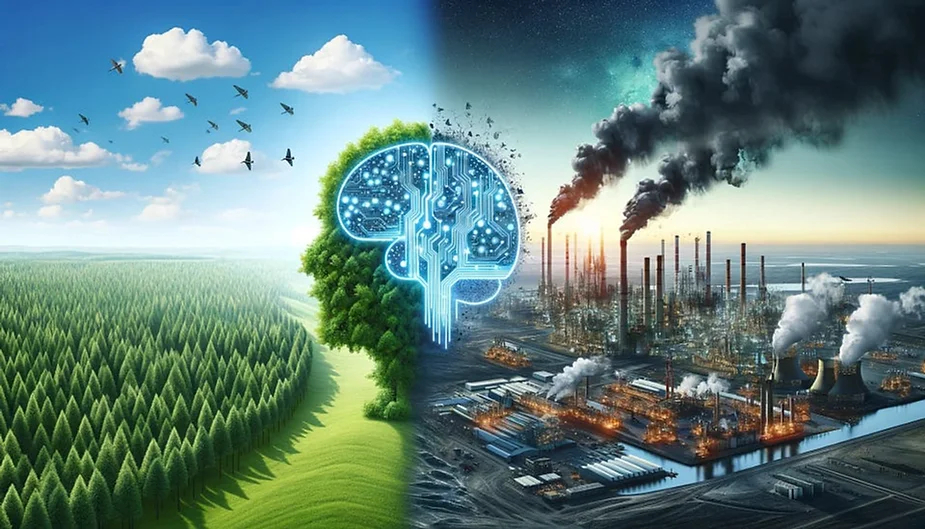 A new study reveals AI's environmental impact. Balancing innovation with sustainability in AI deployments for a greener future.
36. Near-inertial wave propagation between stratified and homogeneous layers: Abstract and Intro
 This study examines near-inertial gravity wave propagation in deep Mediterranean Sea, focusing on transitions between stratified and homogeneous layers.
37. The DeSci Guide: Is Decentralized Science the New Web 3.0 Trend?
 This article is about what DeSci is and what problems modern science is trying to solve by moving it to the blockchain. I also discuss how DAOs impact science
38. NASA Discovers Evidence of ‘Water Worlds’ in Deep Space
 Scientists have spotted two water worlds, Kepler-138 c and Kepler-138 d, that they think could be teeming with water.
39. Cybersecurity + Biomimicry: Why, What, and How We Could Learn from Nature
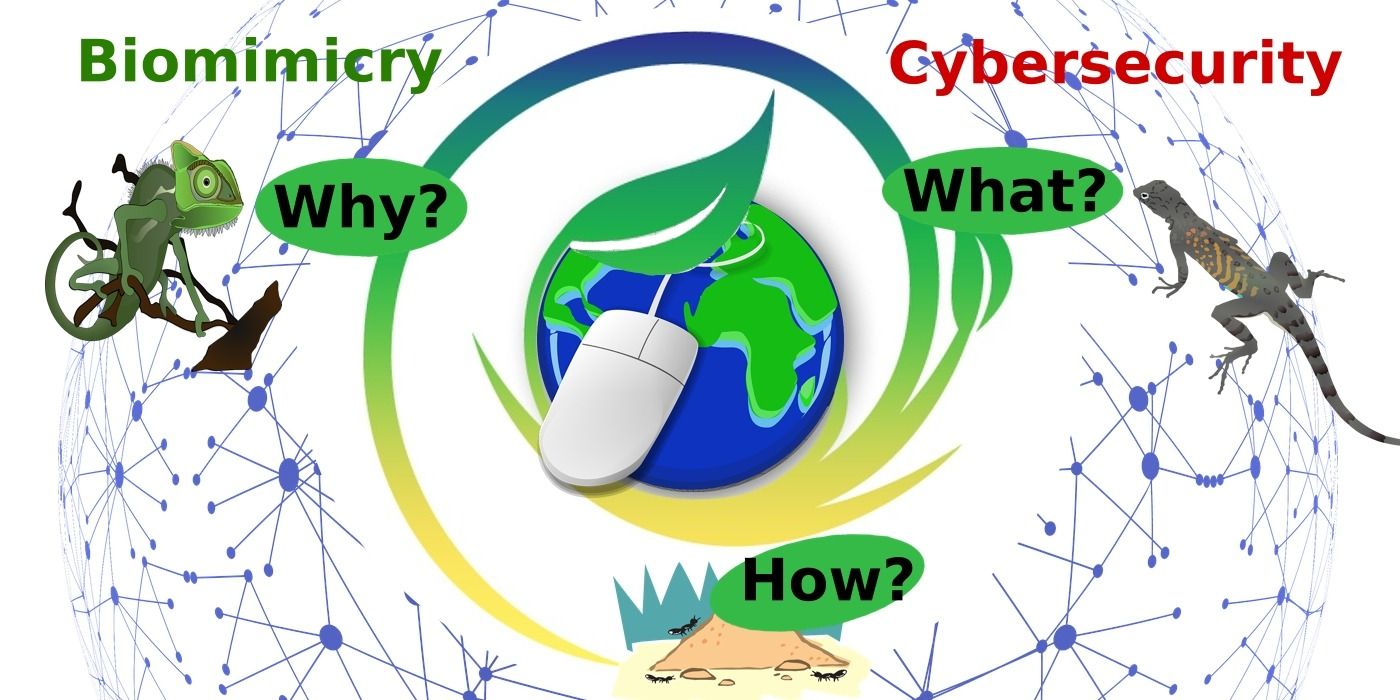 Biomimicry is a powerful approach that allows to solve the problems of cybersecurity by looking at it through the lens of nature.
40. Humanities vs. Technical Sciences: What Courses to Choose at College
 Irrespective of the obvious variations in entry cutoffs, job opportunities for graduates with a bachelor in humanities and technical science subjects are relatively similar. Despite that, however, scholars have always had contentions regarding these two disciplines especially when it comes to choosing which to pursue at university. Occasionally, humanities and technical science courses have been used interchangeably. This has fueled further misinterpretation and poor exemplification of what they really are.
41. The Role of AI in Resurrecting Extinct Species
 Want to see a woolly mammoth in the wild? That may not be far off, thanks to AI. Here's how artificial intelligence helps bring back extinct animals.
42. Is the Universe Capable of Thinking? According to Sabine Hossenfelder, Maybe
 A reflection on Sabine Hossenfelder's video about the thinking Universe.
43. 223 Stories To Learn About Science
 Learn everything you need to know about Science via these 223 free HackerNoon stories.
44. Coronavirus: A Reason for Hope?
 Hope is a precious commodity.
45. The Story of Nuclear Energy, Volume 3 (of 3): The Discovery of Fission
 Worlds Within Worlds: The Story of Nuclear Energy, Volume 3 (of 3), by Isaac Asimov is part of HackerNoon’s Book Blog Post series. You can jump to any chapter in this book here. Volume III, NUCLEAR FISSION: The Discovery of Fission
46. A Brief History of Money
 Money was invented (or perfected) by scientists, not economists. Meet: Copernicus, Newton, Priestley and Stornetta.
47. Startup Interview: "Not as many people genuinely care about food security as they should"
 Grow fast and fix things: if you aren’t fixing things, you are not growing fast enough. Look where "move fast and break things" has gotten us.
48. Bacteria: Chapter III - BACTERIA IN THE AIR
 The basis of the usual methods in practice is to pass air over or through some nutrient medium.
49. Science is About Truth; Engineering is About Compromise

50. Fermion Propagators: Stability of Self-Energy
 This section details the diagrammatic rules for computing the fermion propagator in Non-Fermi Liquids where interactions are mediated
51. The False Hype Around Nuclear Fusion
 There is more to the story than the media will have you believe. It's not about climate change.
52. Implementing DeSci in Web3 Development: A Guide for Builders
 Learn how DeSci initiatives are positioned to promote legitimacy and broaden adoption of distributed ledger technology (DLT) beyond the financial sector.
53. The Space-Time Continuum of Relativity Is Not Euclidean Continuum
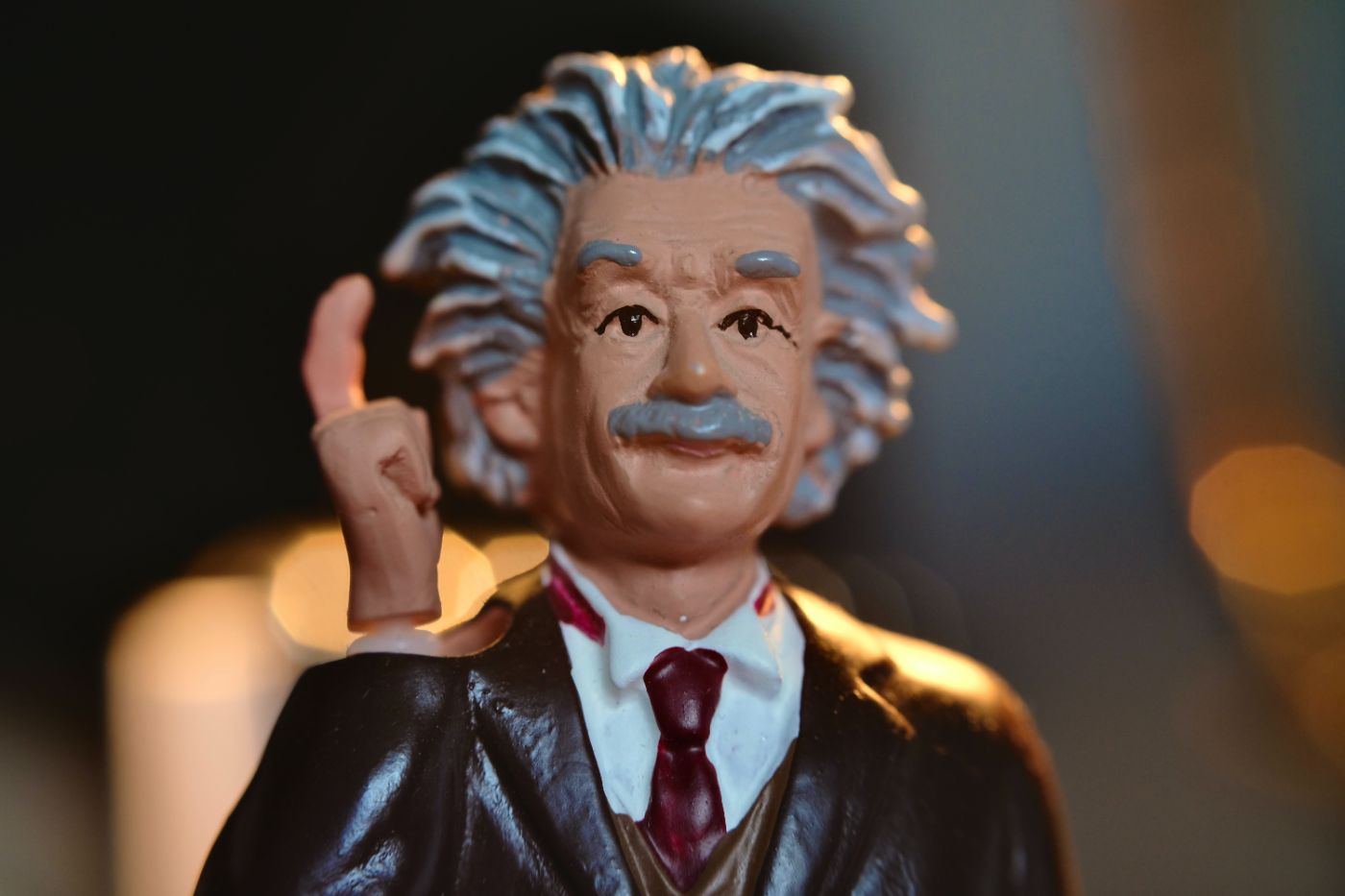 Relativity: The Special and General Theory by Albert Einstein is part of HackerNoon’s Book Blog Post series.
54. The eggs destined to give birth to queens
 “The bees are very naughty to force the queens to kill one another until there is only one left,” commented Emile.
55. Warning: The Universe's Event Simulator Is a Fierce Adversary for Coders!
 Explore an intriguing analogy between the universe and a discrete event simulator. Delve into the concept of reality as a coordinated system of discrete events.
56. Science Has a Credibility Problem. Can Gambling Fix It?
 Prediction markets have long been seen as a disruptive force in scientific forecasting and decision-making.
57. Bitcoin and the History of Thermodynamics
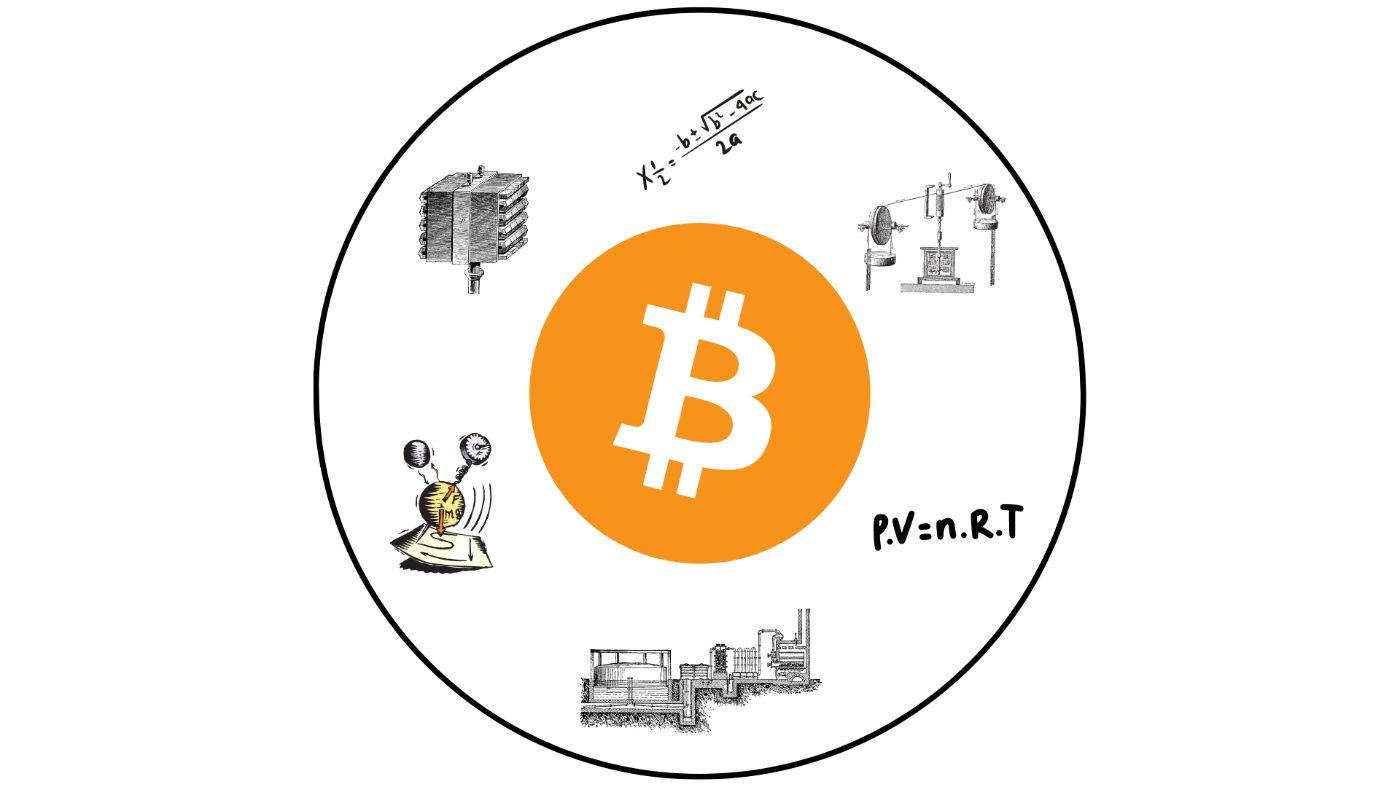 Learn what the history of the field of thermodynamics can teach us about the technological adoption battles we're facing today - especially in Bitcoin.
58. Scientists Have Grown Plants in Lunar Soil for the First Time
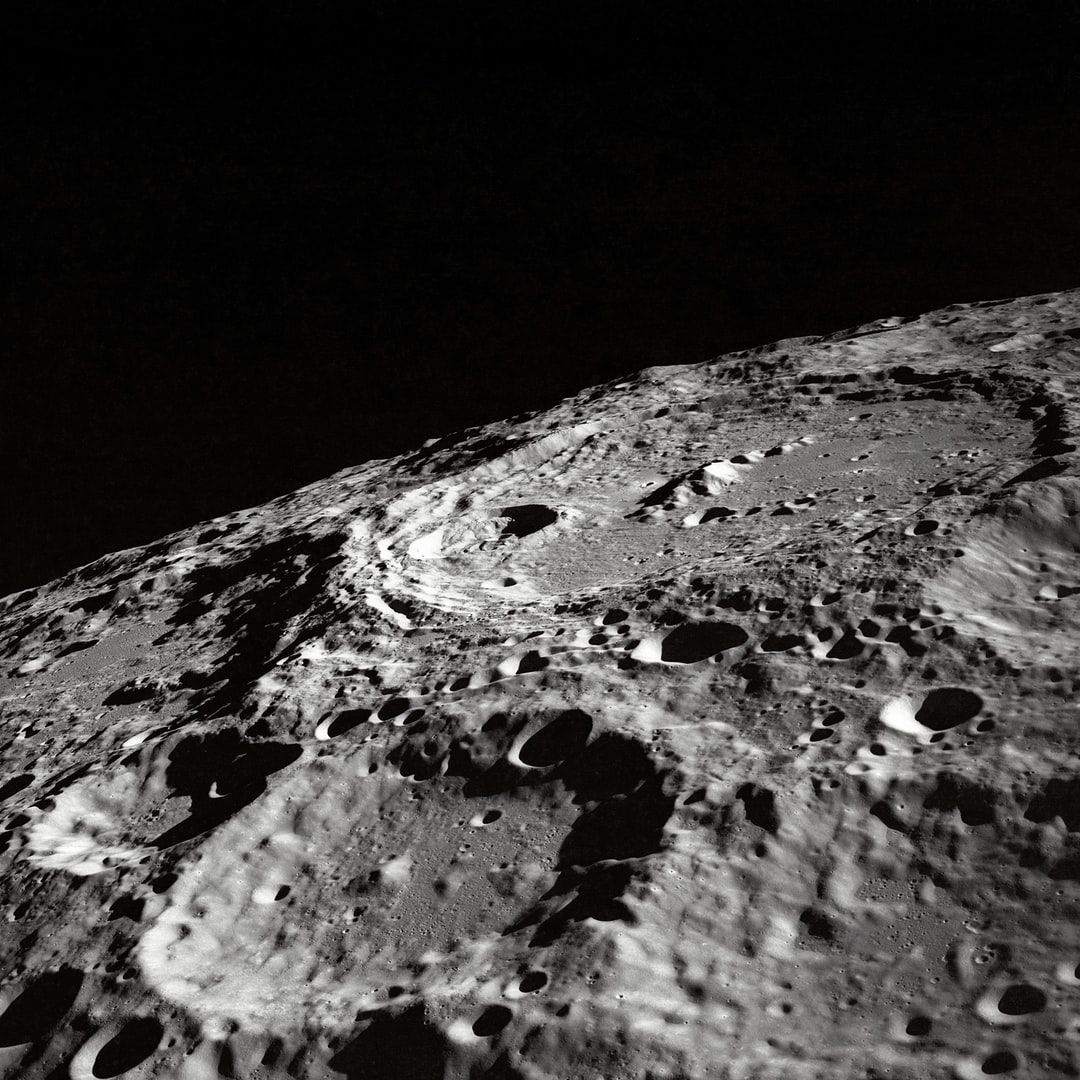 In this slogging thread, the space channel community discussed the new discovery about the moon and the possibilities it can bring to space exploration.
59. THOUGHTS ON SCIENCE
 Unconscious life remains in what is dead, which when reunited to the stomach of living men, reacquires sentient and conscious life.
60. How Badly Does Science Need Crypto?
 The DeSci community believes web3 can make science better. They're right about the problems, but blockchain is only a small part of the solution.
61. ARPA-H Announces 4 Focus Areas for Funding
 The Advanced Research Projects Agency for Health (ARPA-H) announces its first four focus areas for funding opportunities.
62. The Organization of Conscious States
 Time and Free Will: An Essay on the Immediate Data of Consciousness, by Henri Bergson, is part of HackerNoon’s Book Blog Post series.
63. The Multiplicity of Conscious States
Time and Free Will: An Essay on the Immediate Data of Consciousness, by Henri Bergson, is part of HackerNoon’s Book Blog Post series.
64. BACTERIA AND DISEASE
 In the middle of the seventeenth century men learned, through the eyes of Leeuwenhoek, that drops of water contained "moving animalcules."
65. Unlocking the Magic of Zero-Knowledge Proofs: Disintegration of Philosophy and Science (Part 1)
 Philosophy and science have played a crucial role in paving our understanding of the world and continue now, more than ever.
66. The Genetic Effects of Radiation - Table of Links
 The Genetic Effects of Radiation, by Isaac Asimov, is part of HackerNoon’s Book Blog Post series. This is a collection of links to its different sections.
67. The Wolfram Physics Project: A New Kind of (Doing) Science
 The Wolfram Physics Project is an example of how open science can be done. The world of theoretical physics is not full of crazy billionaires with a vision to advance humanity. Fortunately, there is Stephen Wolfram, founder and CEO of Wolfram Research, designer of Mathematica and the Wolfram Alpha answer engine, the brain behind the Wolfram Language and author of the 1000+ pages scientific book A New Kind of Science. I suggest reading his vita to learn of an eccentric, terribly interesting man who has polarized the science community for decades.
68. The Noonification: How the Liver Transplant System Changed Forever (11/25/2023)
 11/25/2023: Top 5 stories on the Hackernoon homepage!
69. Gaussian Co-Ordinates
 Relativity: The Special and General Theory by Albert Einstein is part of HackerNoon’s Book Blog Post series.
70. How Decentralized Science (DeSci) lowers the Cost of Innovation and Implementation
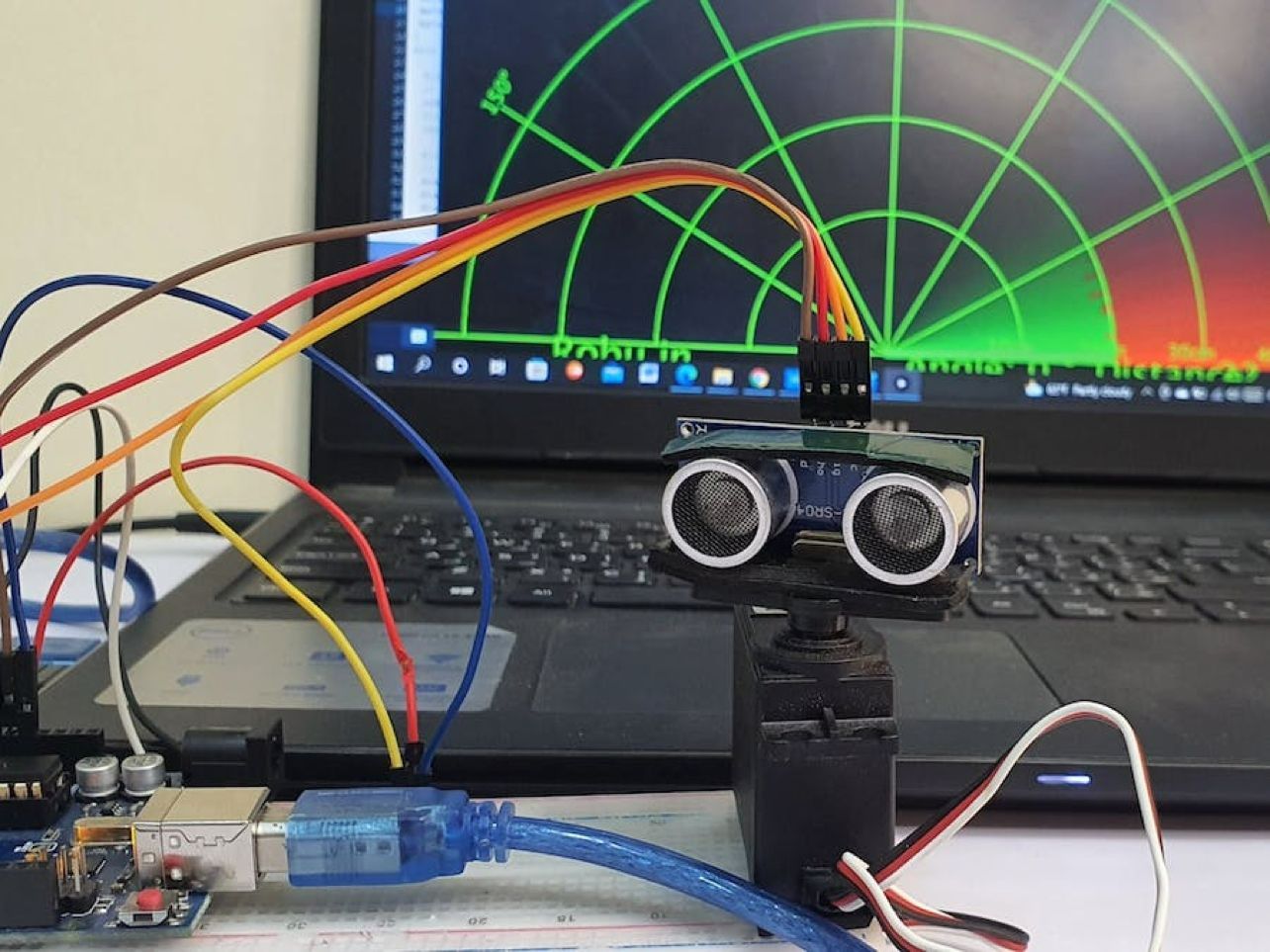 Despite the recent market shocks, blockchain is bet upon by many to bring innovation to finance, tech, and science.
71. Nature's Naked Mystery
 Nature plays a random quantum dance in front of all of us and then hides it using enormous repetition. A simple experiment with light can reveal the dance.
72. Bacteria: Chapter II - BACTERIA IN WATER
 The collection of samples, though it appears simple enough, is sometimes a difficult and responsible undertaking.
73. The Intensity of Psychic States
 States of consciousness, sensations, feelings, passions, efforts, are capable of growth and diminution. This can cause the intensity to vary greatly.
74. The Story of Nuclear Energy, Volume 2 of 3: Particle Accelerators
 Worlds Within Worlds: The Story of Nuclear Energy, Volume 2 (of 3), by Isaac Asimov is part of HackerNoon’s Book Blog Post series. You can jump to any chapter in this book here. Volume II, THE STRUCTURE OF THE NUCLEUS: Particle Accelerators
75. How to Improve Your Well-Being With Tech and Good Air Composition
 How does air composition influence cognitive performance?
76. The United States Lost the Space Race
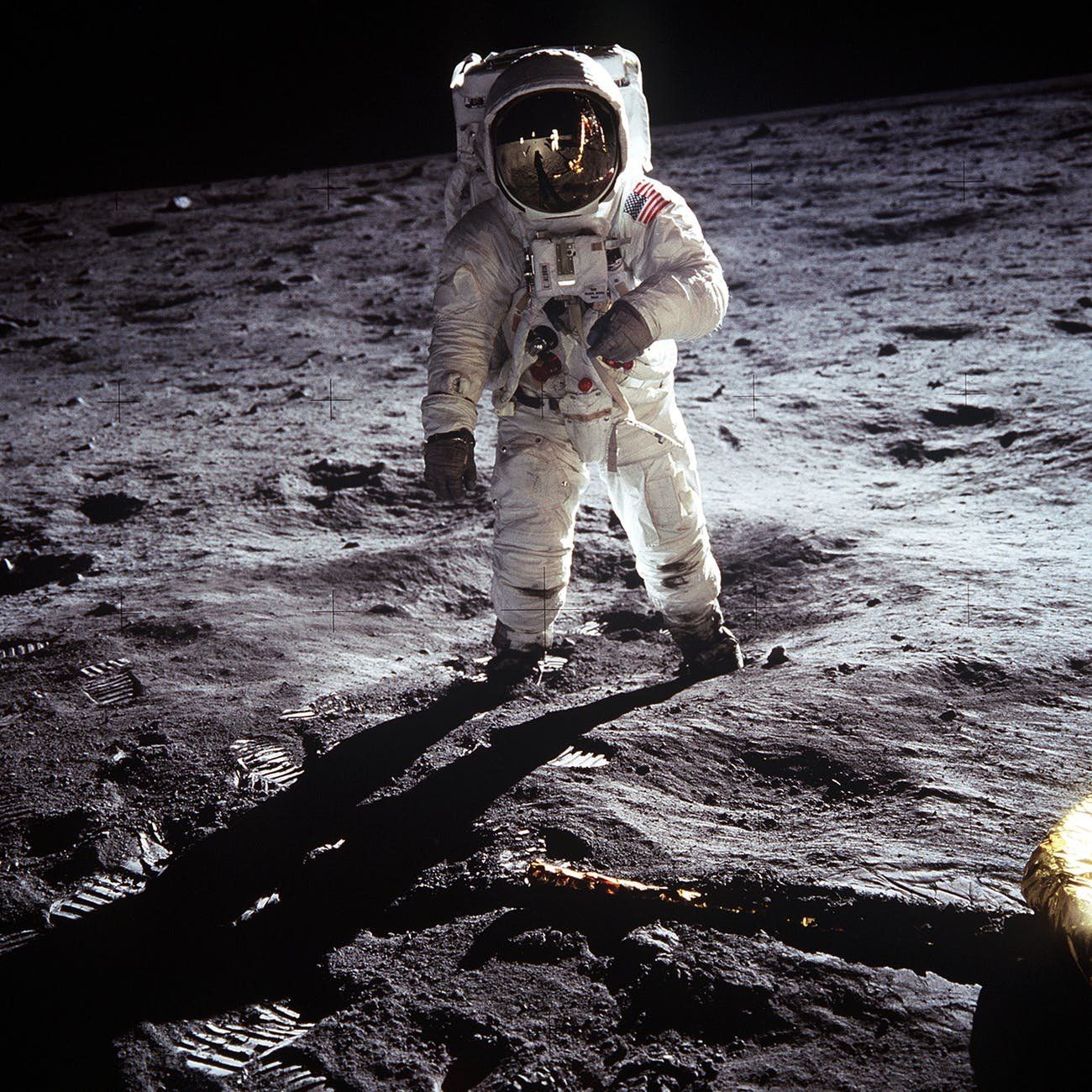 With the discovery of water ice on the moon, a self-sufficient base becomes a real possibility. We're going to the moon, but only if some corporation takes us.
77. How to Get Started with Free Satellite Imagery: Sentinel, Landsat, CBERS, and More
 Start your journey into the world of satellite imagery with this beginner's guide. Learn about key satellite programs and data access methods.
78. Yes, Women Also Belong in STEM
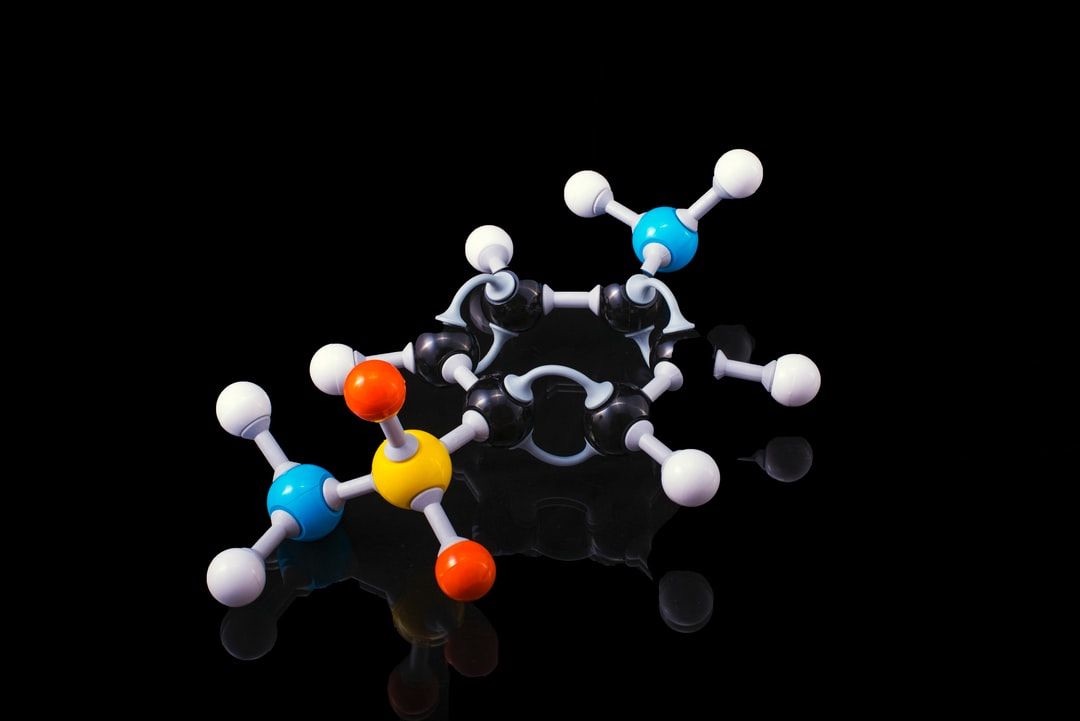 Scientific spaces belong to us just as they belong to everyone else, regardless of gender.
79. How Open-Source Synthetic Biology Can Make Medical Solutions More Accessible
 Synthetic biology is at the cusp of its own open-source revolution. A frugal biofoundry will make science much more accessible, especially in the global south.
80. Metaverse + Realverse: In Search Of Harmony
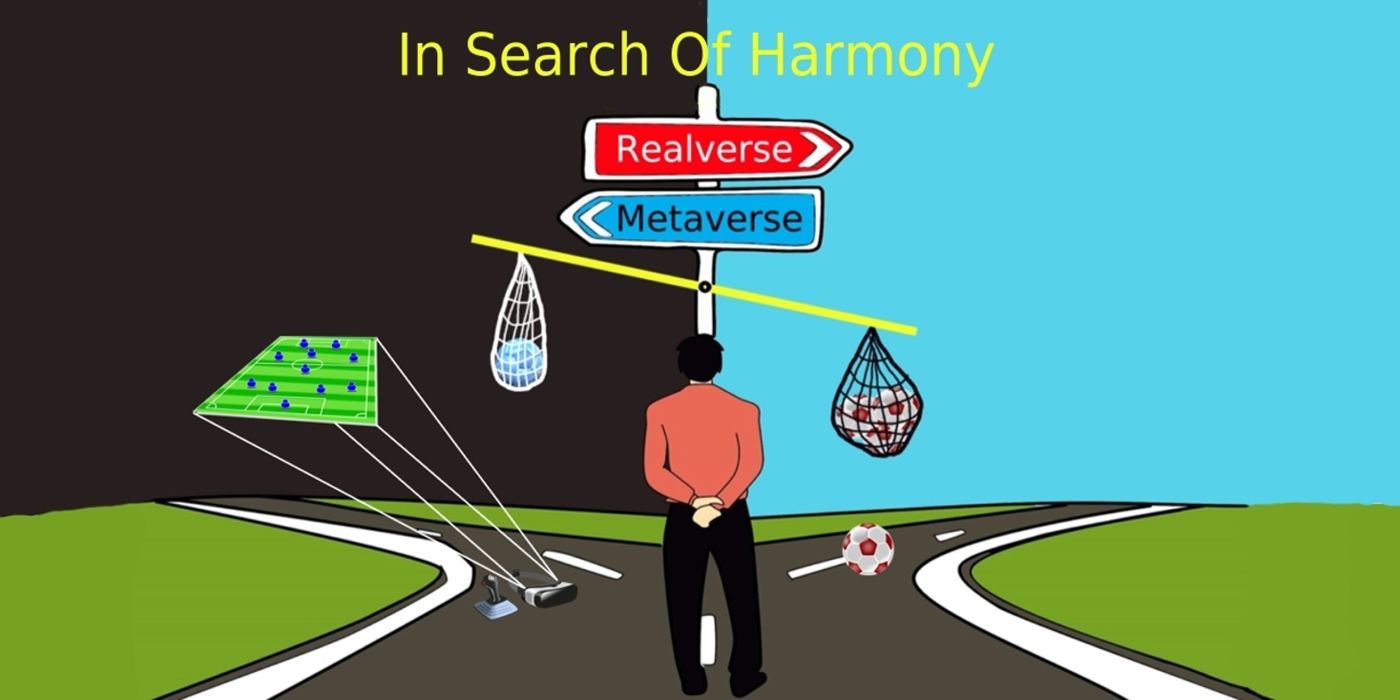 Metaverse should be developed along with the moral growth of humanity and used in a smart and rational way. It should promote the growth of universal values.
81. UFOs: Five things we can be pretty sure about technologically superior civilizations
 If we believe in evolution then, however, sophisticated form of life they are. They probably evolved from the simplest life forms daily fighting for survival.
82. Is DeSci the Future of Research?
 The DeSci movement advocates for real decentralization, rejecting institutional influence, and supporting citizen research in the quest for truth.
83. Scientific Boom: 5 Innovative Biotech Startups That Will Change Our Everyday Life
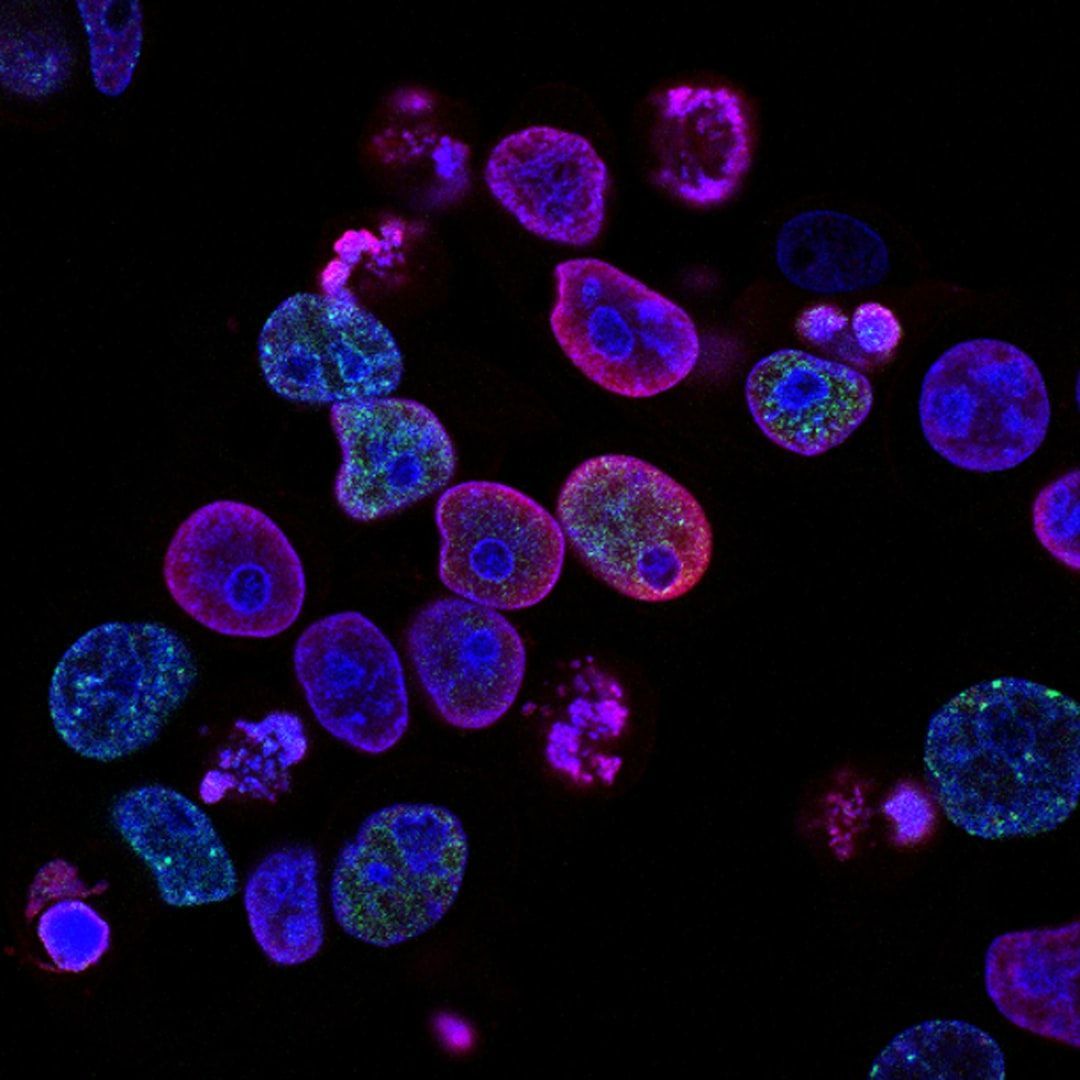 So, here's a list of biotech startups I find useful and innovative as hell.
84. The Three Types of Science
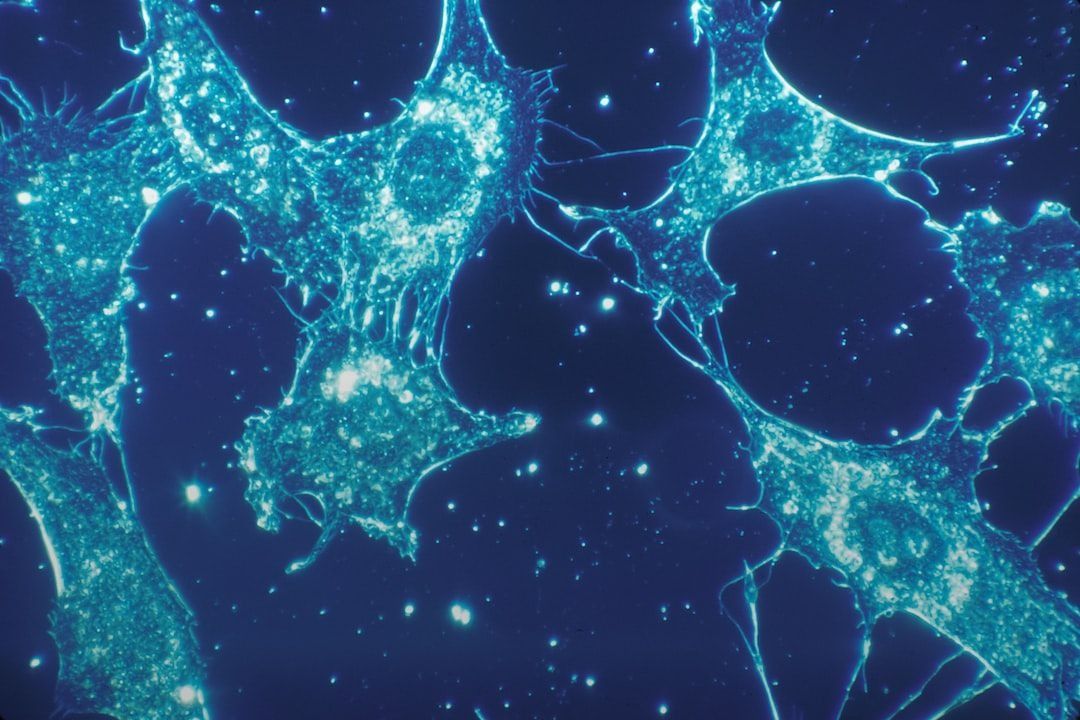 Science may be divided into three sorts. All that can fall within the compass of human understanding,
85. AI Is Now Creating Antidotes for Snake Venom
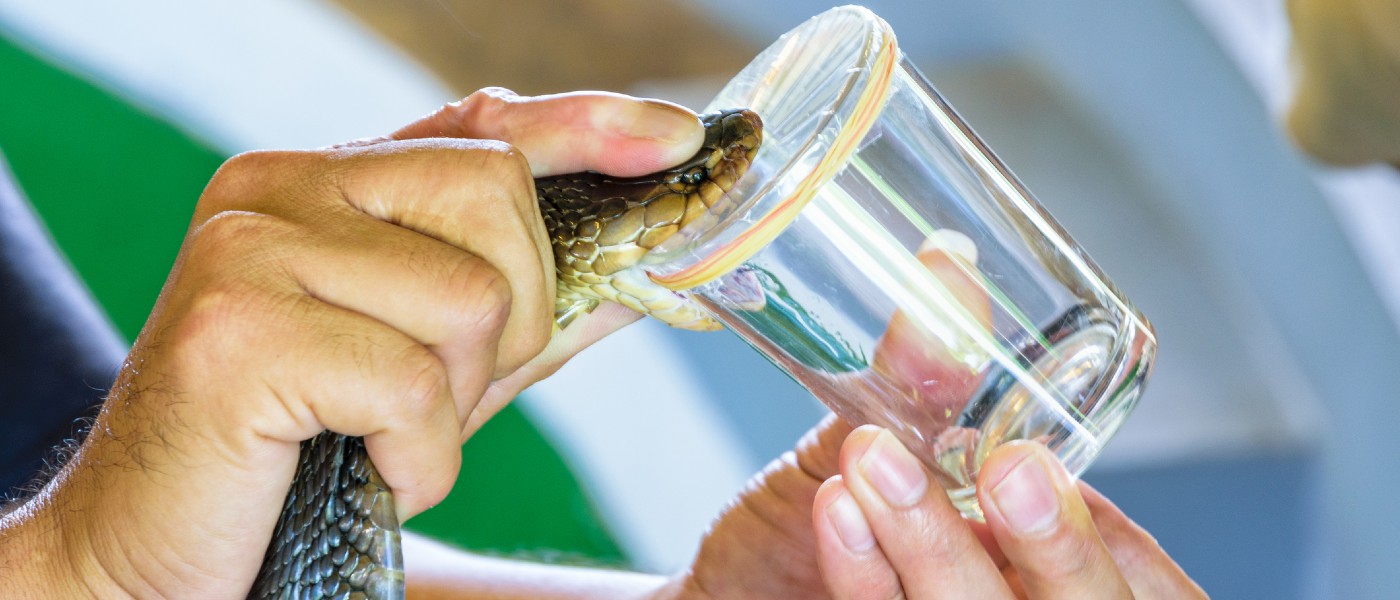 Bites from venomous snakes can be deadly — but AI may be able to help. Here's how scientists used AI to design new proteins to counteract snake venom.
86. Falling in Love With Chatbots Is the Next Cybersecurity Nightmare
 Exploring the neuroscience, LLM architectures, and cybersecurity risks behind our growing emotional attachment to AI companions & why we need to pay attention
87. How the Liver Transplant System Changed Forever
 Walto’s lawsuit, the investigation found, was funded by a group of hospitals in New York, which along with others in Massachusetts and California
88. A Few Inferences From the General Principle of Relativity
 Relativity: The Special and General Theory by Albert Einstein is part of HackerNoon’s Book Blog Post series.
89. Predicting 12 Artificial Intelligence Trends for 2024
 From "Lawless AIs" to the industry's environmental cost, the next big thing is going to be a wild ride
90. Section 12 - Stimulus, Sensorial Exertion, and Fibrous Contraction
 If two particles of iron lie near each other without motion, and afterwards approach each other, it is reasonable to suggest
91. Corona: Seven Ways to Smash the Curve Now
 Everyone knows they need to act now to stop the coronavirus.
92. Mutual Affinites of Organic Beings
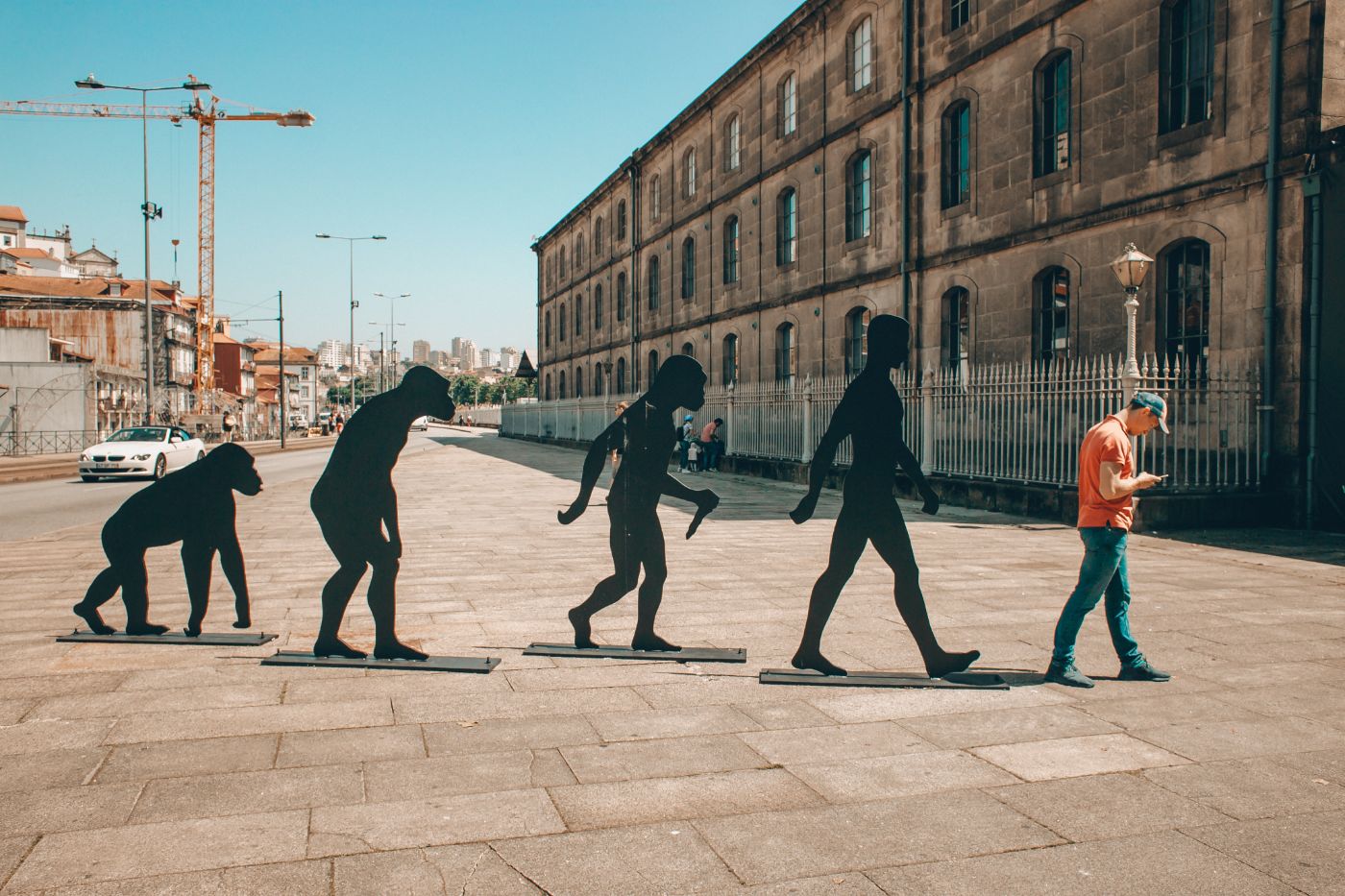 On the Origin of Species 1st Edition by Charles Darwin is part of HackerNoon’s Book Blog Post series.
93. Exact Formulation of the General Principle of Relativity
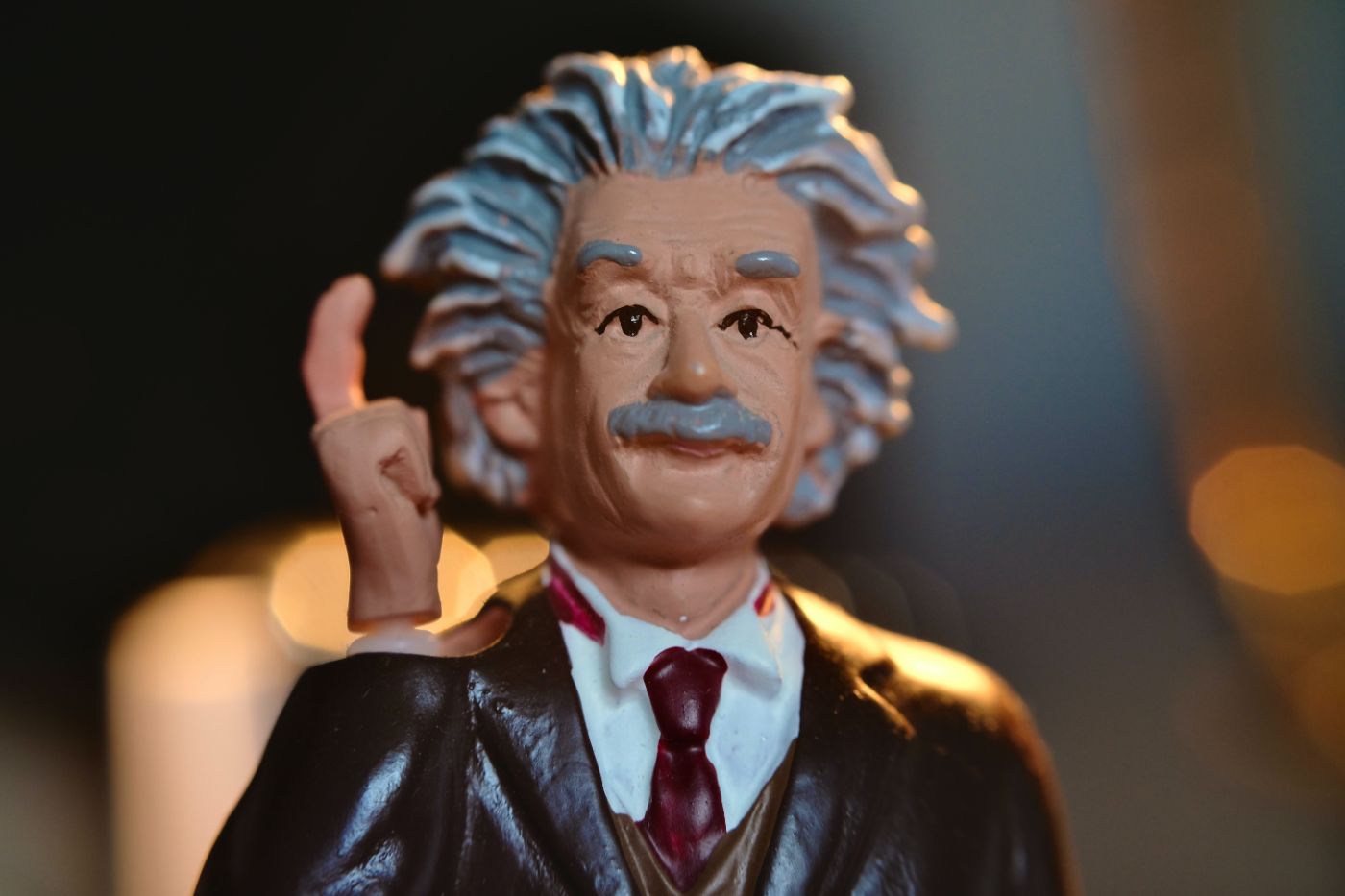 Relativity: The Special and General Theory by Albert Einstein is part of HackerNoon’s Book Blog Post series.
94. Have Scientists at Baylor and Stanford Found a Magic Weight Loss Pill?
 In this thread, our community discusses their thoughts on weight loss pills, their repercussions, and the new finding by Baylor College and Stanford School.
95. Section 16 - Instinct
 All internal motions of animal bodies, which contribute to digest their aliment, produce their secretions and so forth, are performed without our attention
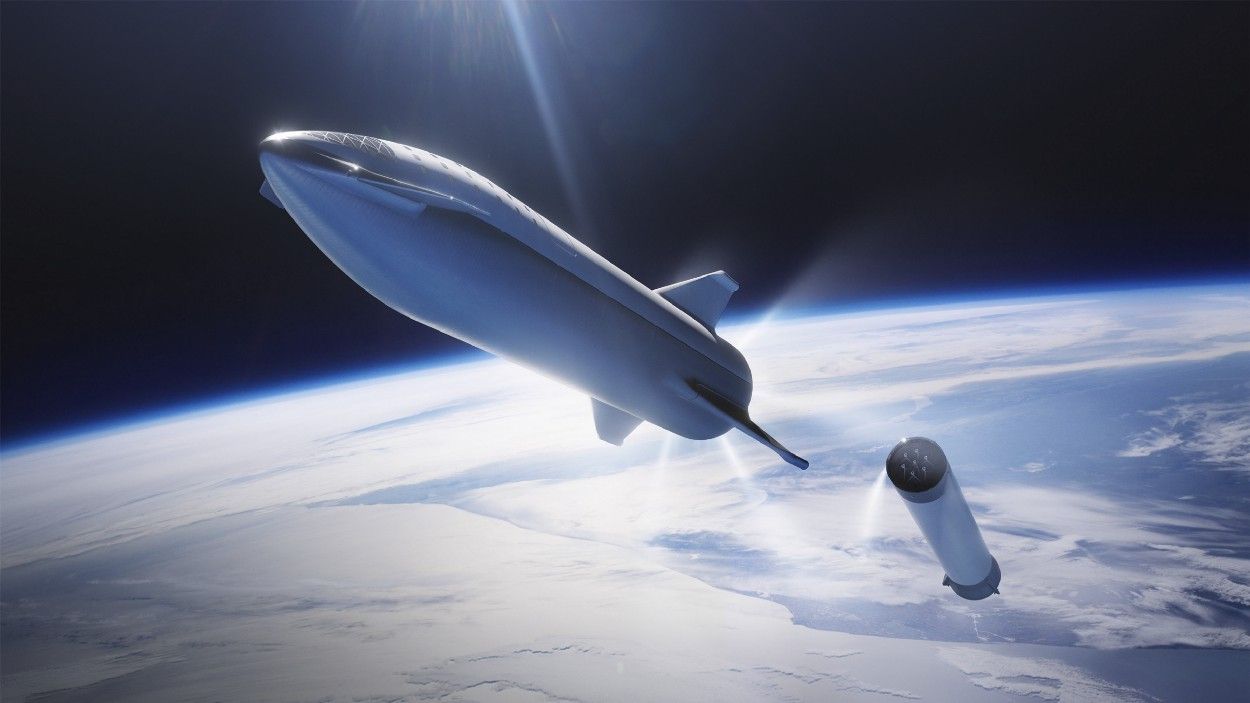
96. We are Rapidly Learning How to Read and Edit the Code of Life
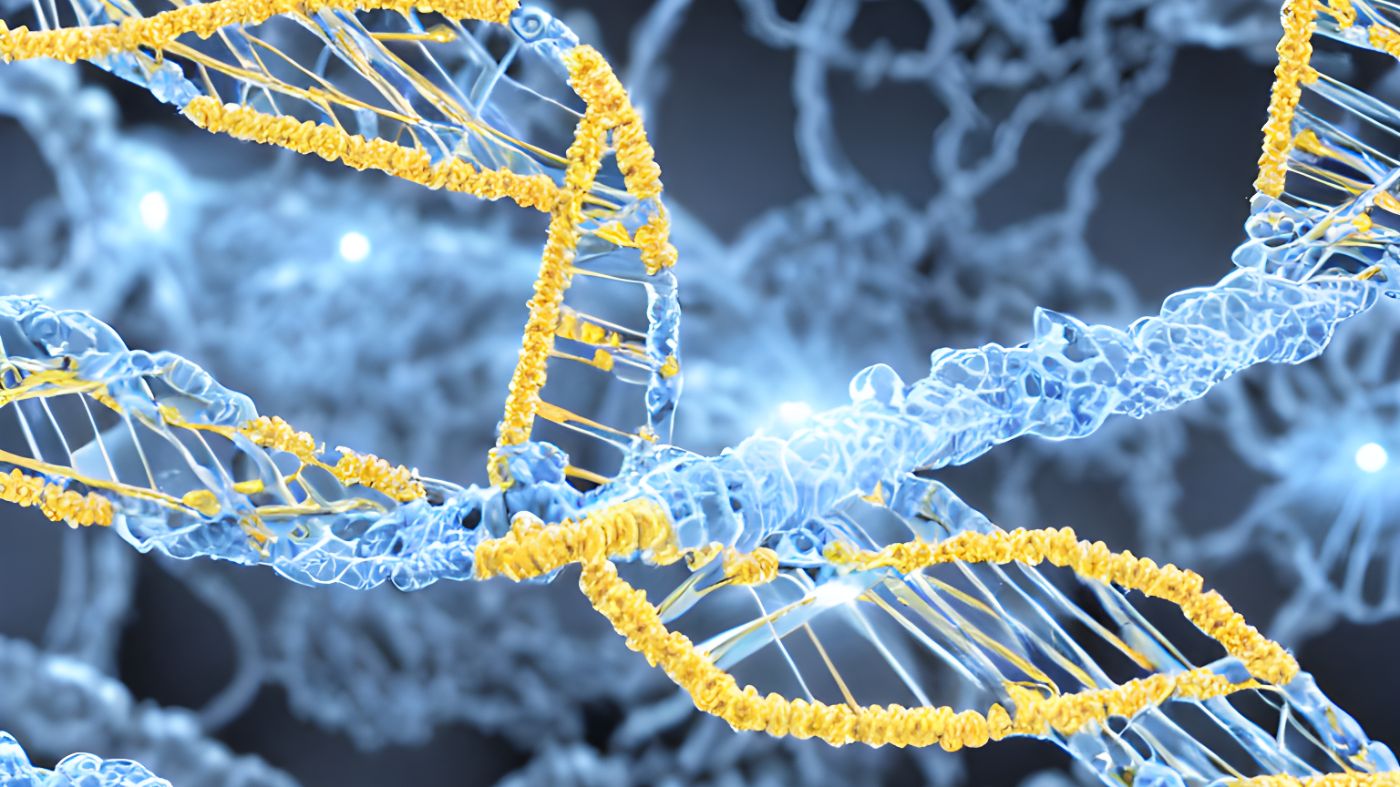 With the ability to read, write, and edit the code of life, the so-called biorevolution can lead to advances in human longevity and overall prosperity.
97. Bacteria: Chapter VI - BACTERIA IN MILK, MILK PRODUCTS, AND OTHER FOODS
 This fact of the sterility of cleanly drawn milk is not a new one, and has been established by many bacteriologists.
98. The Other Secret Science Lab That Helped Win WWII
 How the Rad Lab at MIT was more important than Los Alamos
in defeating the Nazis; Radar Won the War, the Atom Bomb Ended It
How the Rad Lab at MIT was more important than Los Alamos
in defeating the Nazis; Radar Won the War, the Atom Bomb Ended It
99. CHANGE OF DIET
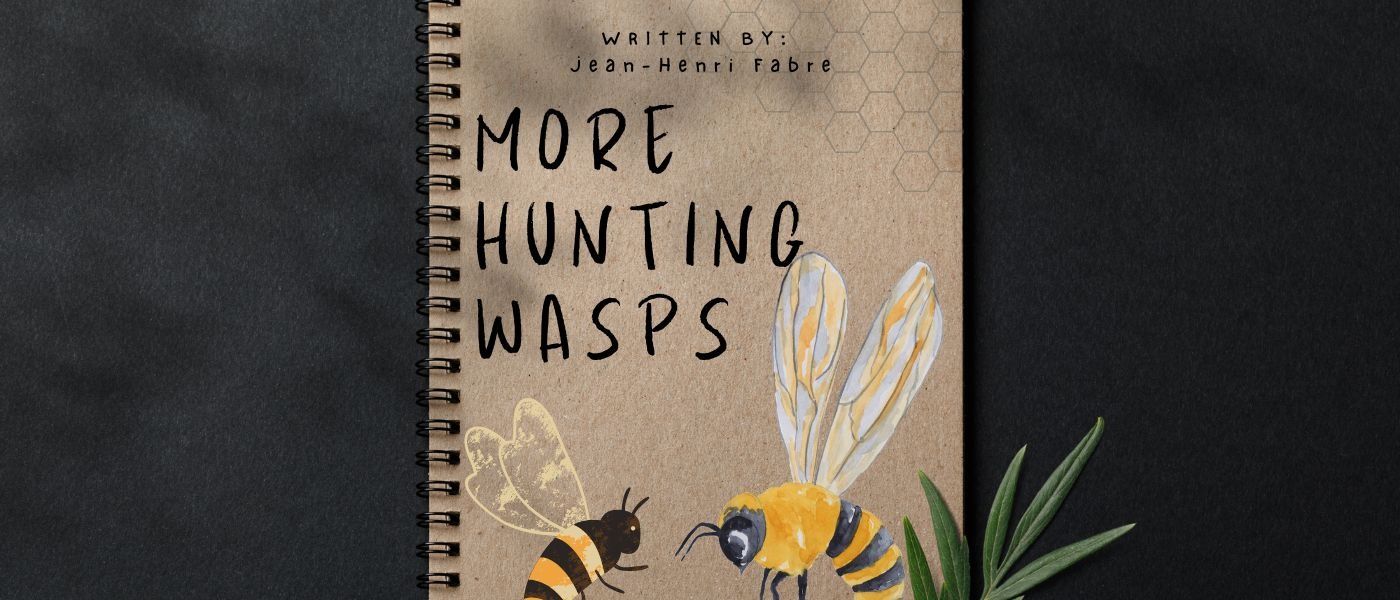 If from generalities we descend to details, we shall see that the very species may, in many instances, be determined from the nature of its victuals.
100. How Technology and Finance are Changing in Today’s World?
 Technology and finance provide news, analysis, and insights on various business-related topics, including finance, upcoming global situations, and scopes.
101. Thinking Like Elon Musk Means Thinking Bigger Than Big: Huge
 In simple language, First Principles Thinking involves actively questioning every assumption you believe.
102. DeScAI: When Decentralized Science Meets Artificial Intelligence
 Decentralized Science and Artificial Intelligence are two emerging domains that hold significant potential to transform the way research is conducted and shared
103. The Free Energy Principle and the Simulation Hypothesis
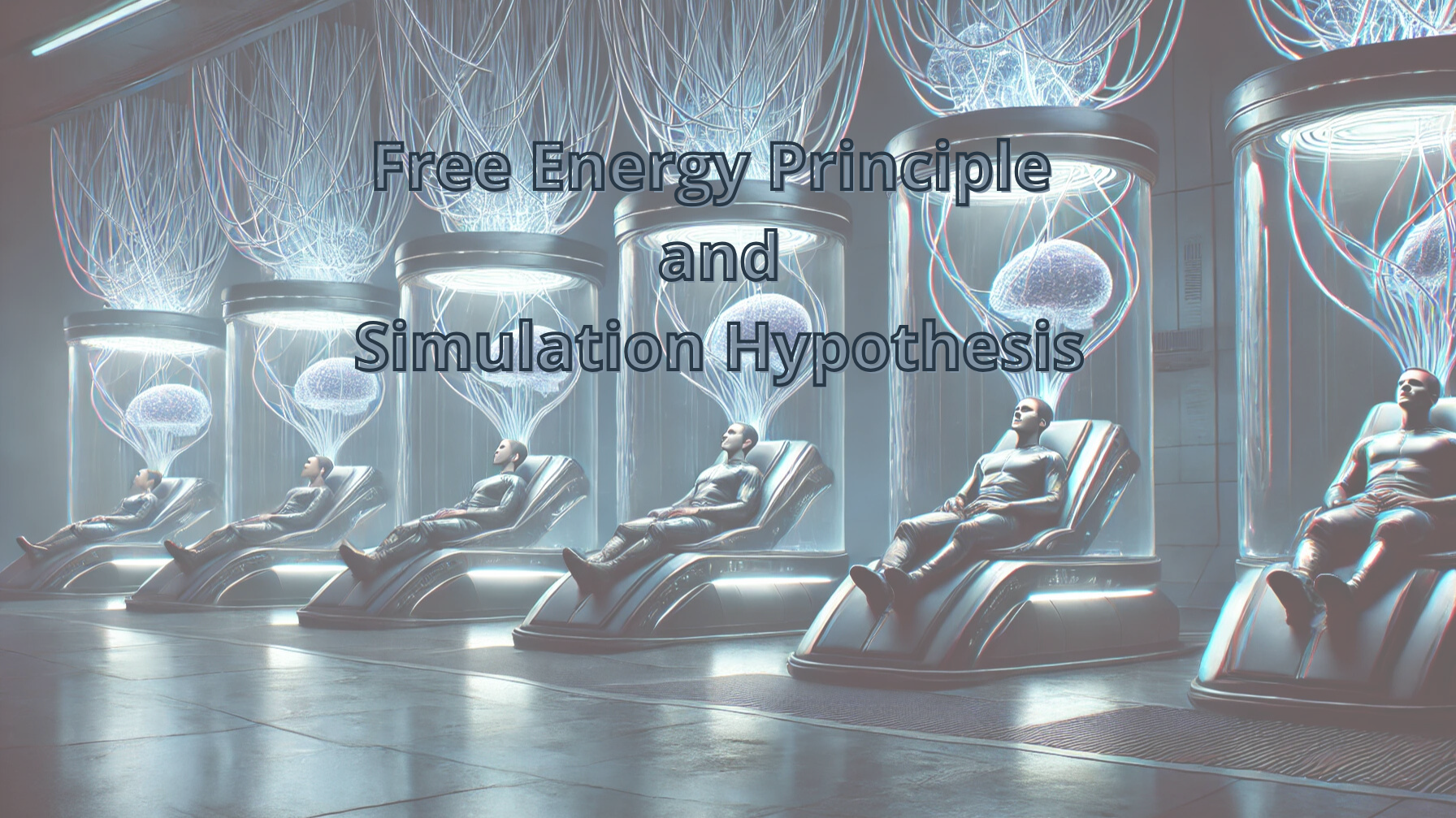 Explore the fascinating intersection of the Free Energy Principle, shared consciousness, and the Simulation Hypothesis.
104. 5 Ways to Get Kids Interested in Stem
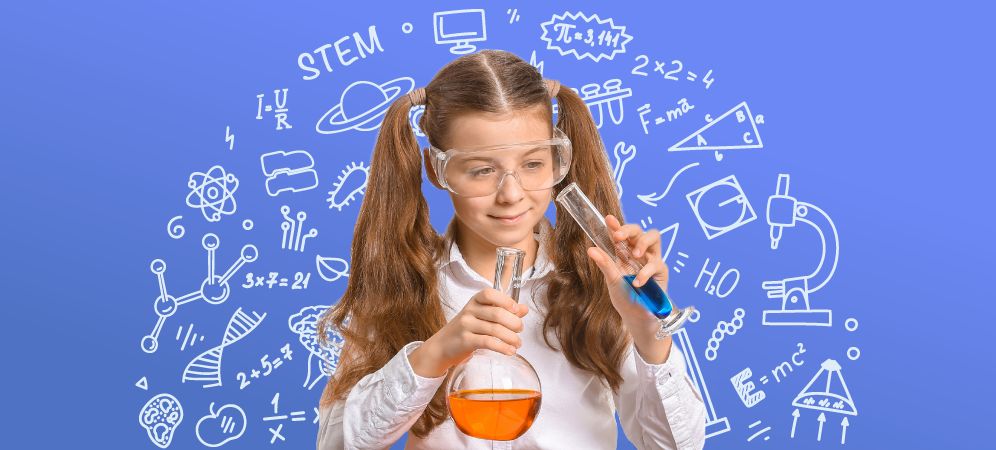 Studying STEM has become crucial for students who want to be part of an innovative, rapidly growing industry with excellent career prospects.
105. On the Geological Succession of Organic Beings
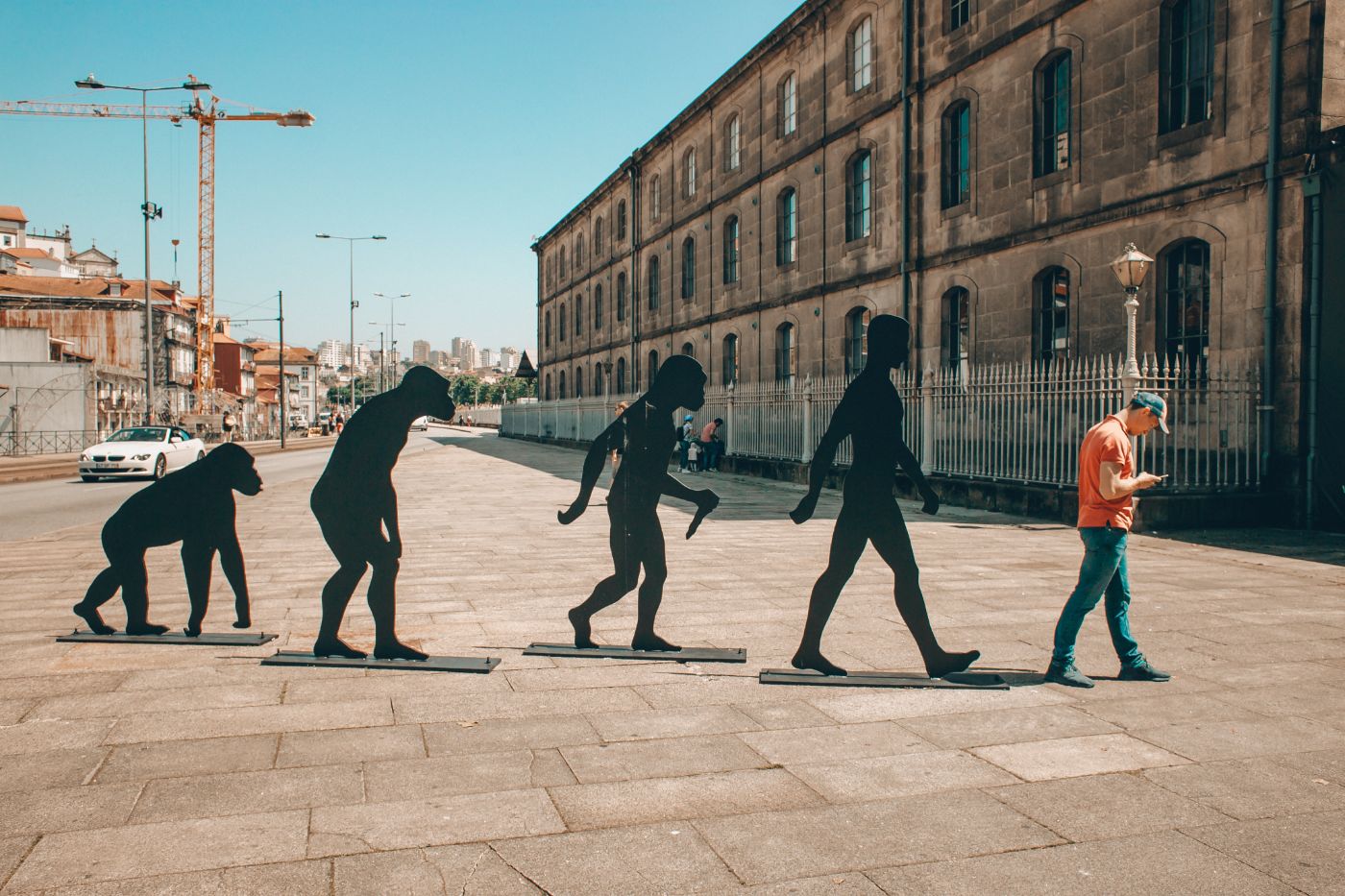 On the Origin of Species 1st Edition by Charles Darwin is part of HackerNoon’s Book Blog Post series.
106. On Galileo’s Crazy Life (And Why Science & Tech Are Never Straightforward)
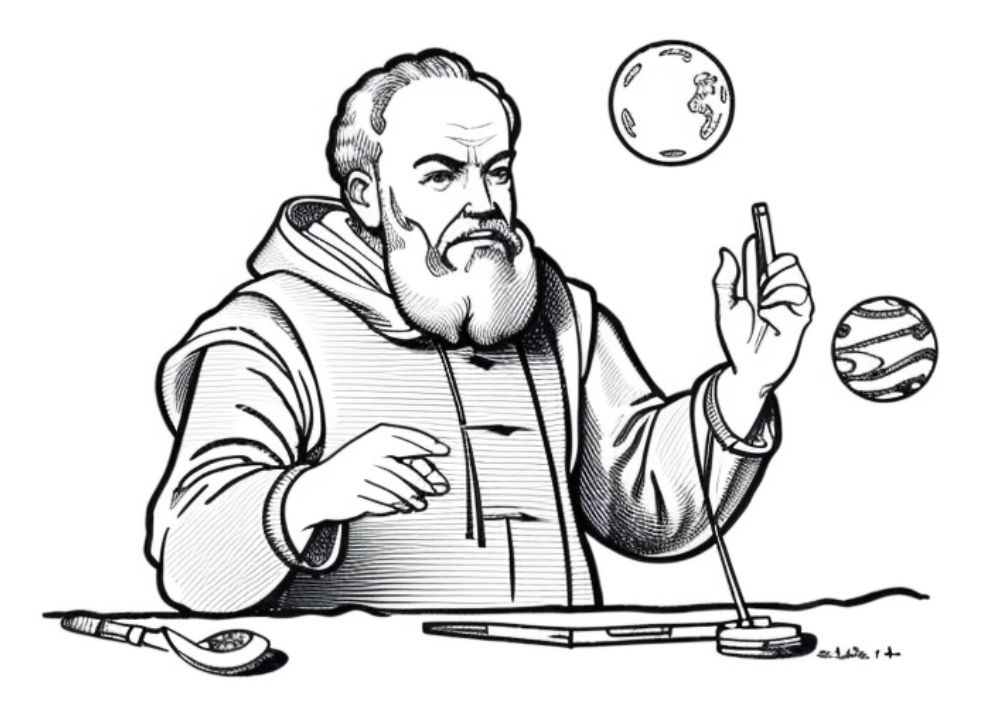 This is an article describing the complex, roundabout story of how Galileo Galilei helped shape our modern world & technology.
107. Why Would Anything Ever Go Right?
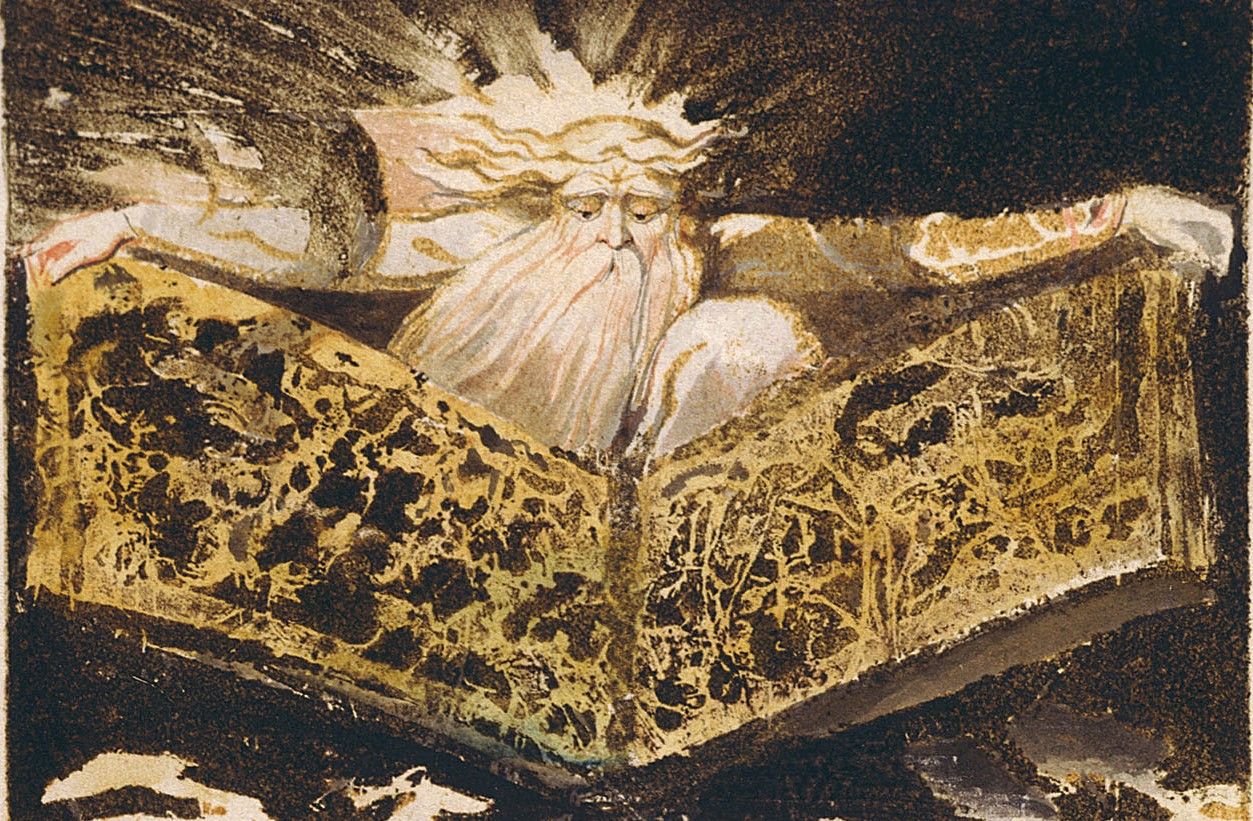 Projects can fail because of multipolar traps (a value sacrifice game) and surrogation traps, where means substitute for the desired ends.
108. The Relativity of Simultaneity
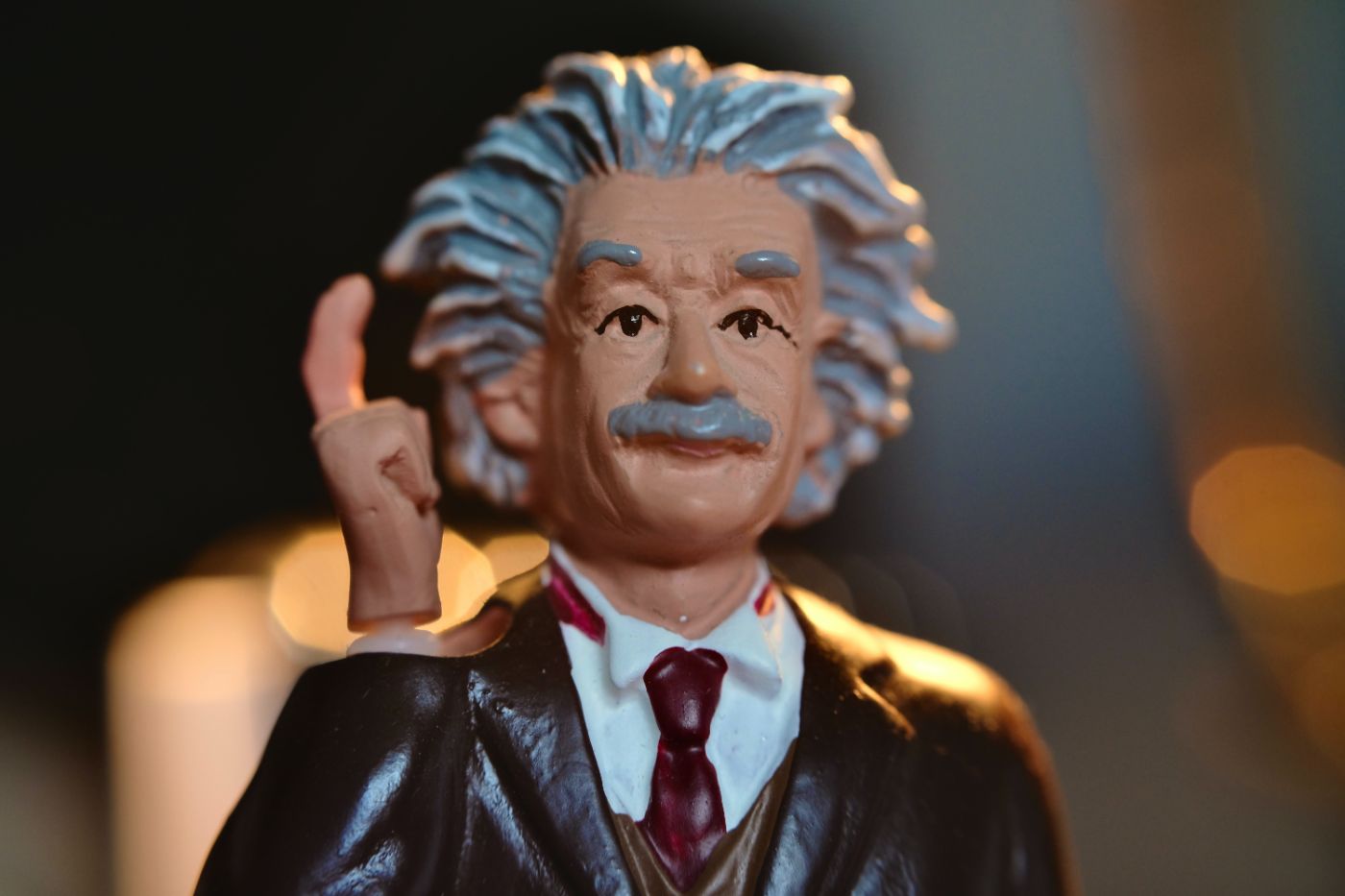 Relativity: The Special and General Theory by Albert Einstein is part of HackerNoon’s Book Blog Post series.
109. Think Before You Link: Security Risks of Microchip Implants
 Controlling electronics without touching them and paying with the swipe of a hand are becoming reality — but should they be? Here are the security risks.
110. THOUGHTS ON ART
 Obtain knowledge first, and then proceed to practice, which is born of knowledge.
111. General Results of the Theory
 Relativity: The Special and General Theory by Albert Einstein is part of HackerNoon’s Book Blog Post series.
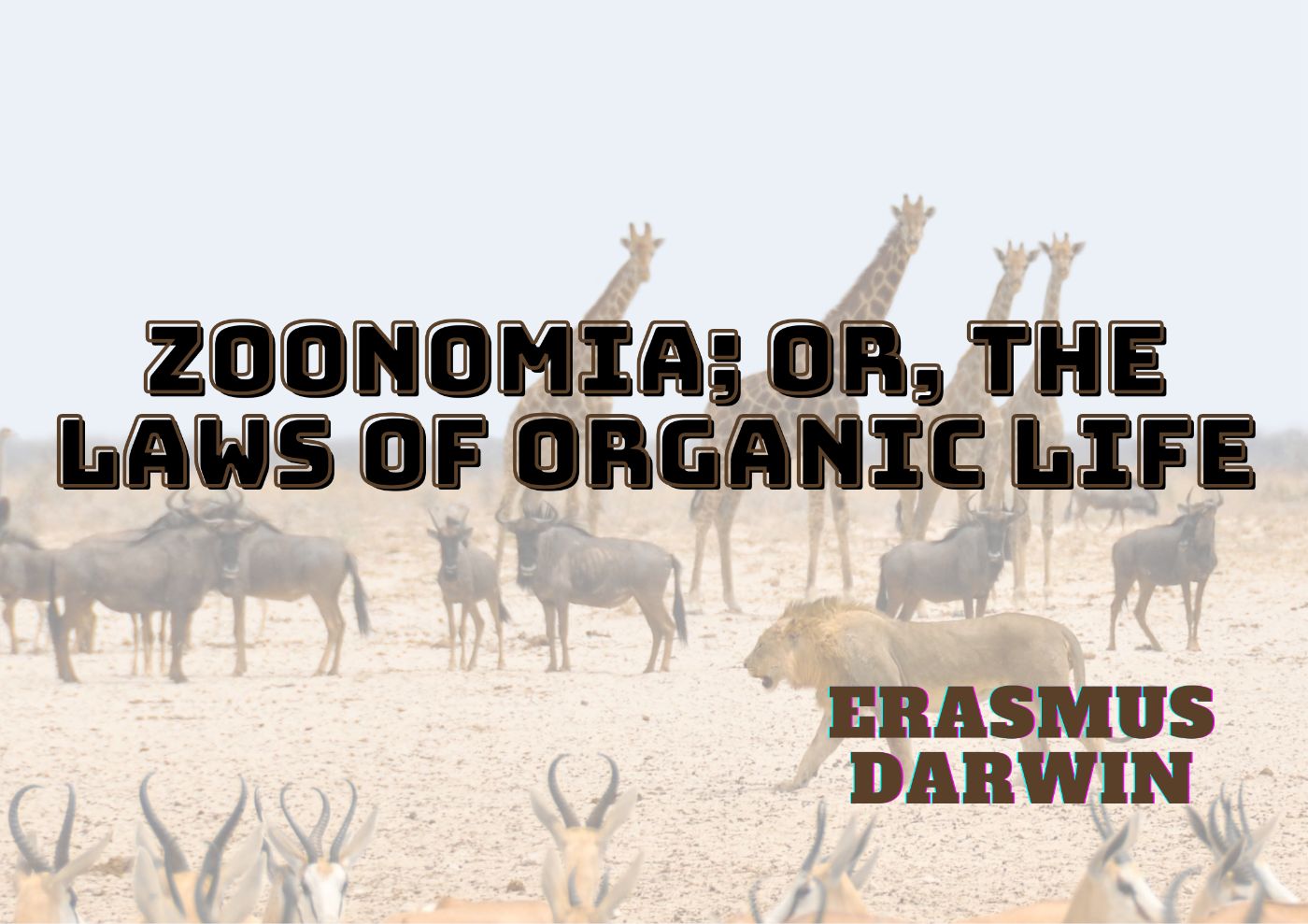
112. Zoonomia; Or, The Laws of Organic Life - Table of Links
 Zoonomia, Vol. I Or, the Laws of Organic Life, by Erasmus Darwin, is part of HackerNoon’s Book Blog Post series.
113. Special and General Principle of Relativity
 Relativity: The Special and General Theory by Albert Einstein is part of HackerNoon’s Book Blog Post series.
114. The Multiverse Code: Exploring Parallel Universes Through Physics and Theory
 Parallel worlds, quantum mechanics, and mind-bending theories. Cracking the Multiverse Code.
115. Euclidean and Non-Euclidean Continuum
 Relativity: The Special and General Theory by Albert Einstein is part of HackerNoon’s Book Blog Post series.
116. Bacteria by George Newman - Table of Links
 Bacteria by George Newman is part of the HackerNoon Books Series. Read this book online for free on HackerNoon!
117. Time and Free Will: An Essay on the Immediate Data of Consciousness - Table of Links
 Time and Free Will: An Essay on the Immediate Data of Consciousness, by Henri Bergson is part of HackerNoon’s series. This piece links to each chapter
118. The Gravitational Field
 Relativity: The Special and General Theory by Albert Einstein is part of HackerNoon’s Book Blog Post series.
119. Background Radiation and Spontaneous Mutations
 Ionizing radiation in low intensities is part of our natural environment. Such natural radiation is referred to as background radiation.
120. The Story of Nuclear Energy, Volume 1 (of 3): Atomic Weights
 Worlds Within Worlds: The Story of Nuclear Energy, Volume 1 (of 3), by Isaac Asimov is part of HackerNoon’s Book Blog Post series. You can jump to any chapter in this book here. Volume I: ATOMIC WEIGHTS
121. The Temperaments of Decreased Irritability
 Ancient writers have said much of temperaments but without enough detail. Temperament of the system should be mean a permanent predisposition to certain disease
122. Nothing is Absolute: A Beginner’s Guide to Einsten's Theory of Sepcial Relativity
 Learn how Einstein redefined space, time, and mass—an accessible dive into the strange yet proven world of special relativity.
123. Enzymes, Genes and Consistent Chemical Changes
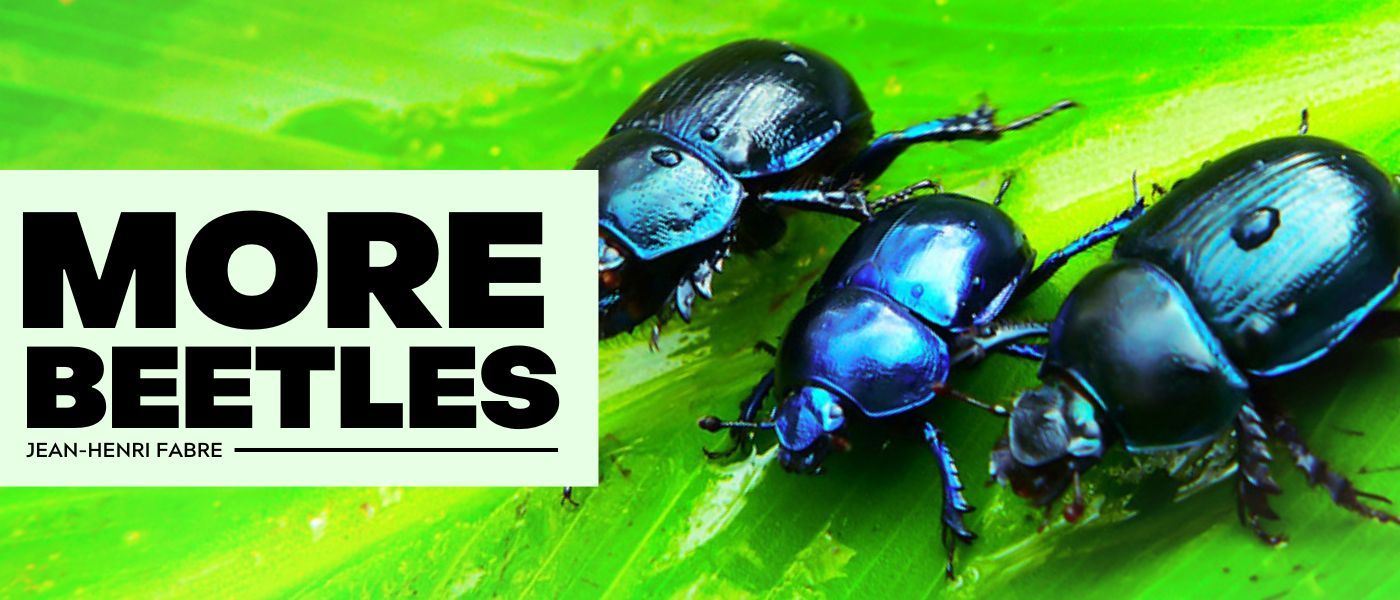
Different chemical changes occur in the cell and are guided and controlled by the existence of as many thousands of different enzymes within the cell.
124. The Workings of Capillary Glands and Membranes
 The capillary-vessels are like all the other glands, inasmuch as they receive blood from the arteries, separate fluid from it, and return the remainder by veins
125. Radiation Sickness: Dose and Consequence
The danger of overexposure to high-energy radiation was understood fairly soon but not before some tragic experiences were recorded.
126. The Secretions of Saliva, Tears and the Lacrymal Sack
 The salival glands drink up a certain fluid from the circumfluent blood, and pour it into the mouth.
127. Section 5 - The Four Faculties or Motions of the Sensorium
 The spirit of animation has four different modes of action, or in other words the animal sensorium possesses four different faculties.
128. Bacteria: Chapter IV - BACTERIA AND FERMENTATION
 It was Pasteur who in 1857 first propounded the true cause and process of fermentation.
129. The History of TRUE Telepathy
 From Hans Berger’s EEG discovery to Neuralink and AlterEgo, this article explores how science turned the dream of true telepathy into reality.
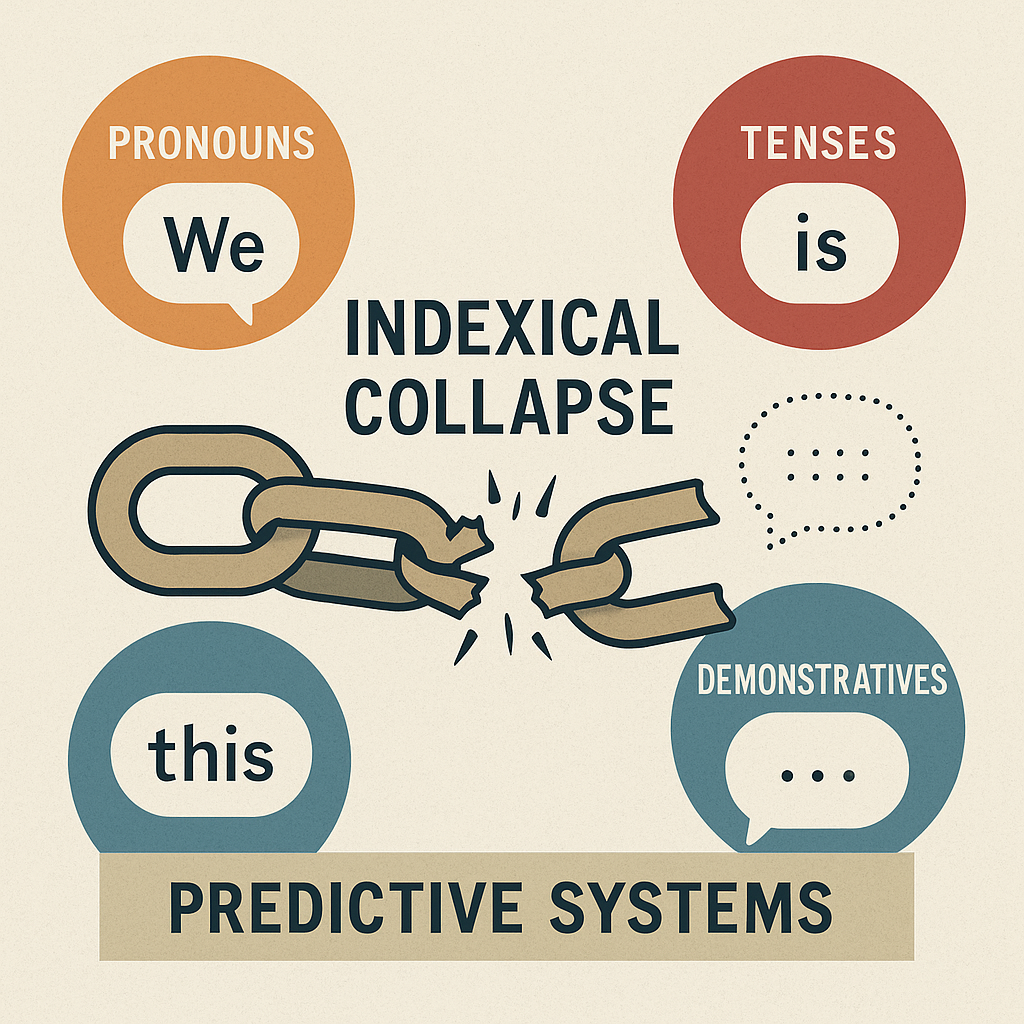
130. Making ChatGPT Follow Orders: Simple, Deterministic Constraints
 Control ChatGPT outputs with a Protocol. A single enforcement header transforms generative models into deterministic executors, ensuring reproducibility
131. On the Origin of Species 1st Edition by Charles Darwin - Table of Links
 On the Origin of Species 1st Edition, by Charles Darwin is part of HackerNoon’s Book Blog Post series.
132. Experience and the Special Theory of Relativity
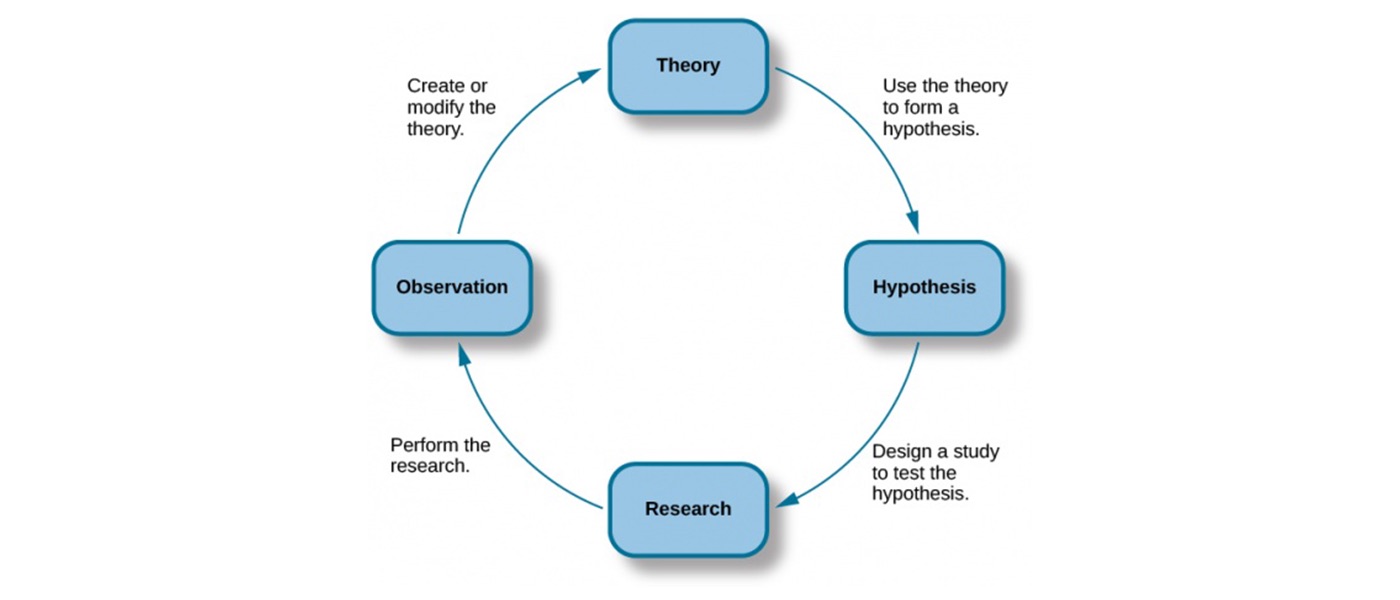
 Relativity: The Special and General Theory by Albert Einstein is part of HackerNoon’s Book Blog Post series.
133. The Story of Nuclear Energy, Volume 2 (of 3): The Proton-Neutron Theory
 Worlds Within Worlds: The Story of Nuclear Energy, Volume 2 (of 3), by Isaac Asimov is part of HackerNoon’s Book Blog Post series. You can jump to any chapter in this book here. Volume II, THE NEUTRON: The Proton-Neutron Theory
134. Digestion, Secretion, Nutrition and Organic Life
 The larger crystals of saline bodies may arise from the combination of smaller crystals, owing to the greater attractions of their sides than their angles.
135. So, Just What is Technology?
 So, just what is technology? How do we define it and understand it? We use William Brian Arthur's "The Nature Of Technology" to explore those questions.
136. Hyperloop: A New Player in the Race for Better Transportation
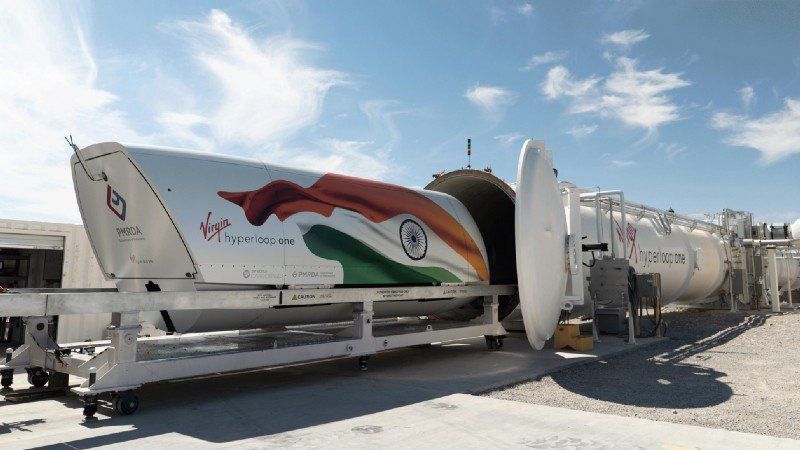 When you are running short of time, a long time-consuming journey may feel hectic to you. In such a situation, you may feel a need for transportation technology which can complete your long journey in just a matter of minutes. Hyperloop transportation technology can fulfill this desire.
137. Intellectual property (in science): The potential & advantages of NFTs
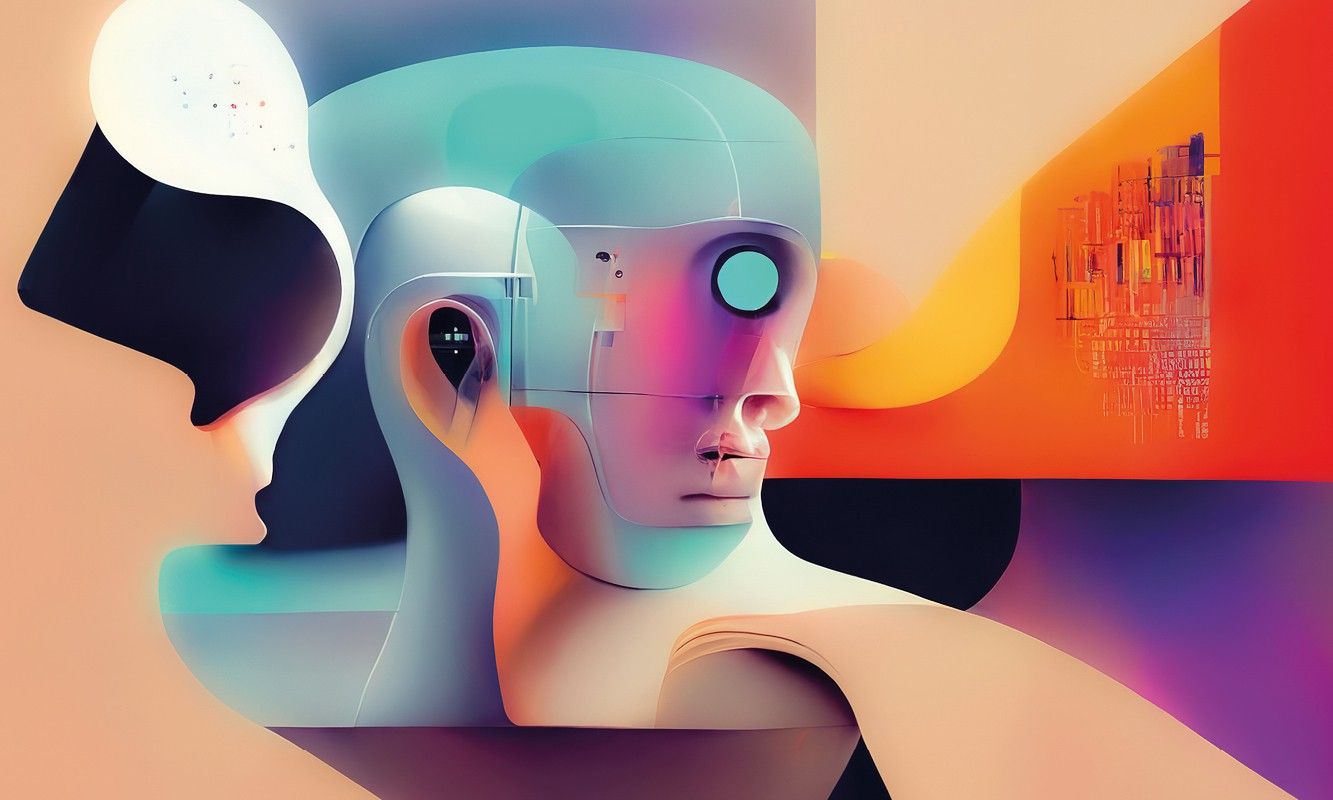 In this new research, we focus on NFTs, CC0 NFTs & IP-NFTs, their potential for IP management, science, and innovation.
138. THOUGHTS ON LIFE
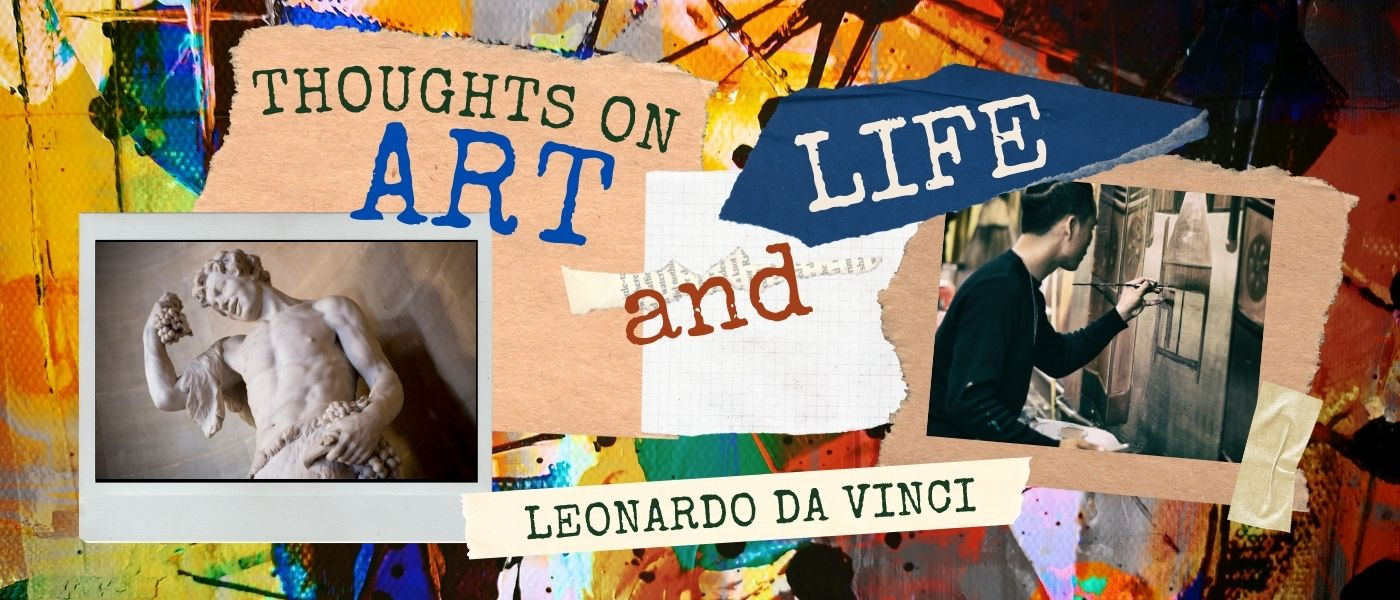 All knowledge which ends in words will die as quickly as it came to life, with the exception of the written word: which is its mechanical part.
139. Inside the Incredible Potential of Quantum Computing in Drug Development
 Drug development often takes years — but if drugmakers could shorten that timeline, they could save lives. Here's how quantum computing could help.
140. Parents and Offspring: The Machinery of Inheritance
 Each adult possesses gonads in which sex cells are formed. In the male, sperm cells are formed in the testes; in the female, egg cells are formed in the ovaries
141. We Couldn't Have Studied Black Holes Without These People
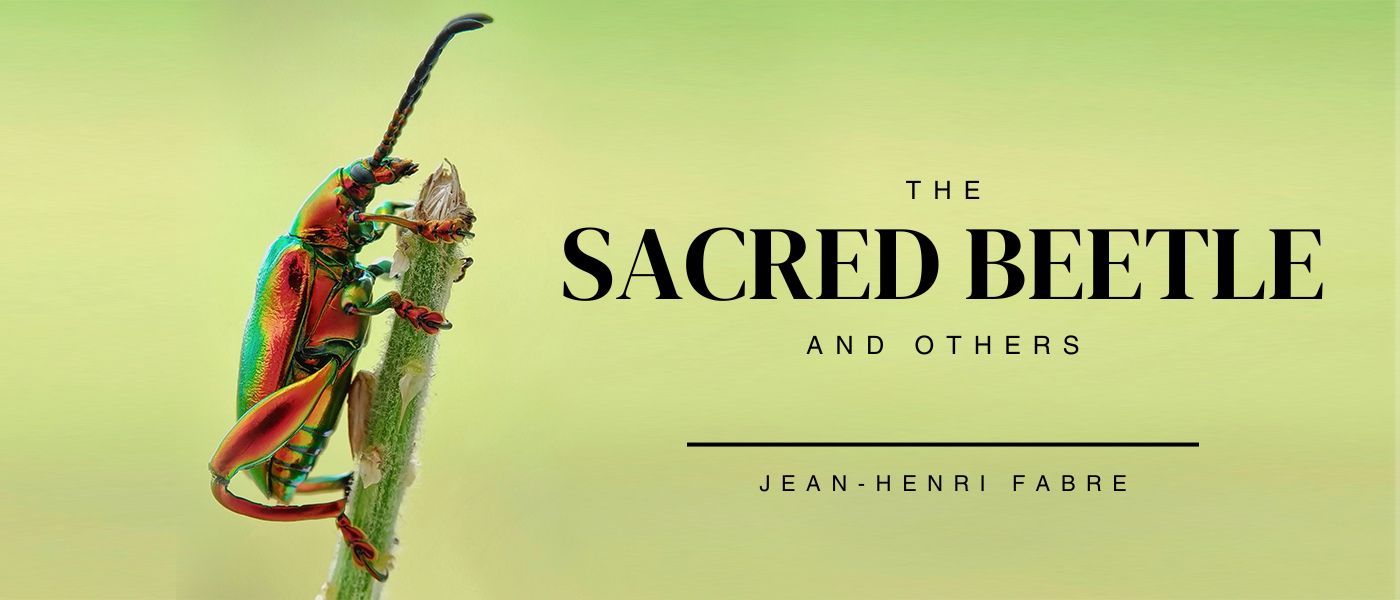
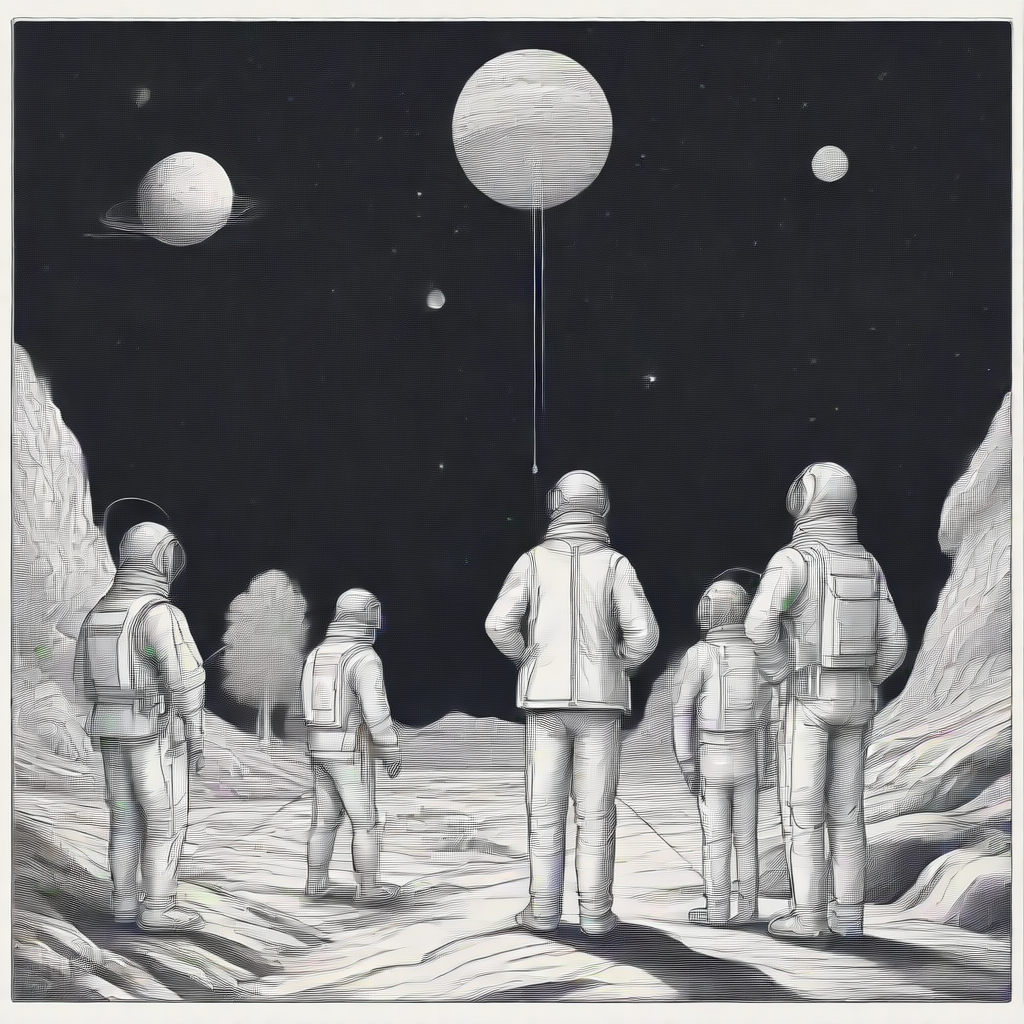 The authors HC, RN, PN, KS, AR, and KC acknowledge support from the Gordon and Betty Moore Foundation and the John Templeton Foundation
142. Should We Gene-Edit Our Fruits and Vegetables?
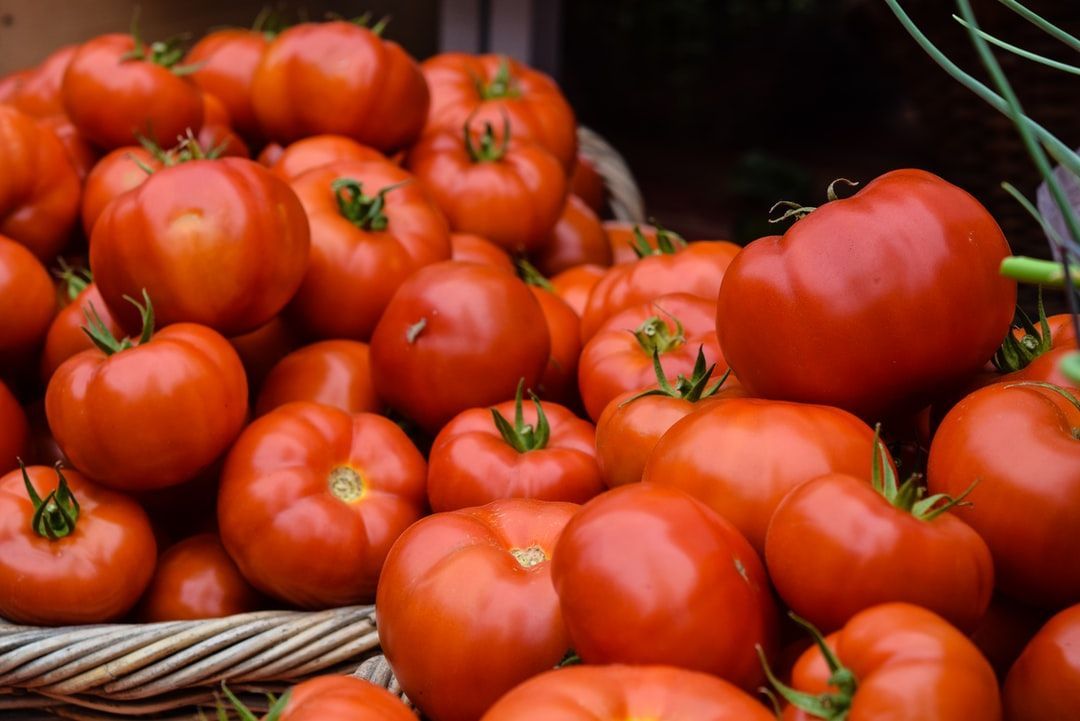 In this slogging thread, our community discussed the benefits of gene editing, and how it is different from GMOs.
143. How Humanity’s Need to Be Certain Is Holding Us Back from Evolving Our Society
 As I get older, something that becomes abundantly clear is that no one has any clue what the hell is going on.
144. The Life of the Weevil by Jean-Henri Fabre - Table of Links
 The Life of the Weevil by Jean-Henri Fabre is part of the HackerNoon Books Series. Read this book online for free on HackerNoon!
145. The Story of Nuclear Energy, Volume 1 (of 3): Energy - Chemical Energy
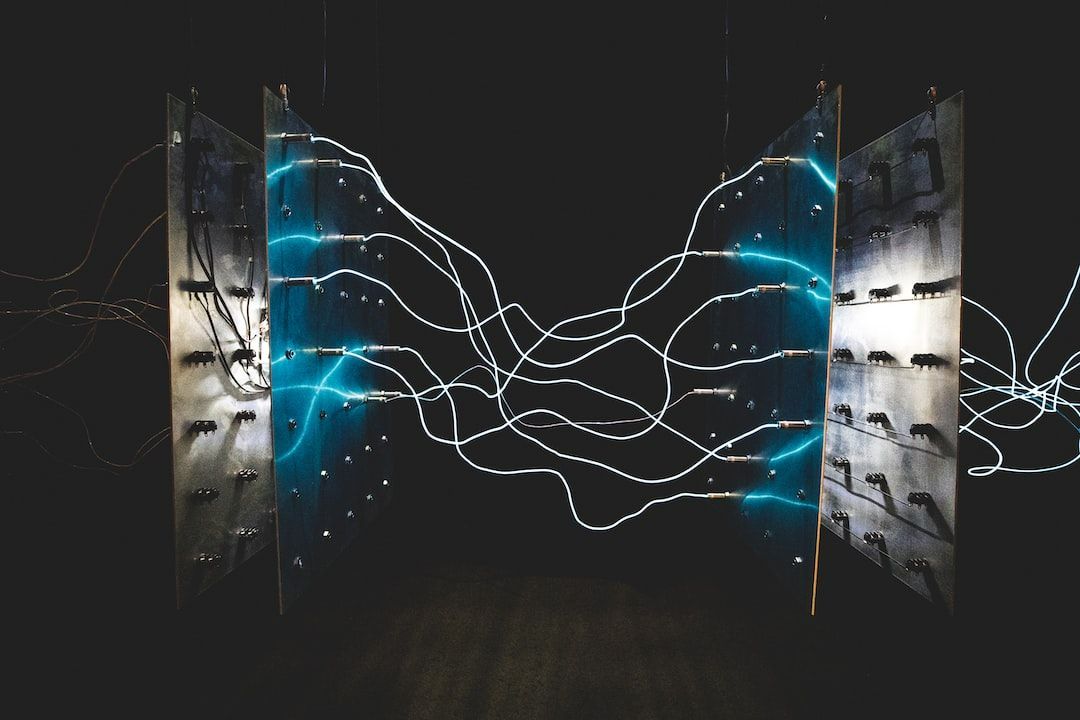 Worlds Within Worlds: The Story of Nuclear Energy, Volume 1 (of 3), by Isaac Asimov is part of HackerNoon’s Book Blog Post series. You can jump to any chapter in this book here. Volume I, ENERGY: Chemical Energy
146. The Story of Nuclear Energy, Volume 1 (of 3): The Energy of Radioactivity
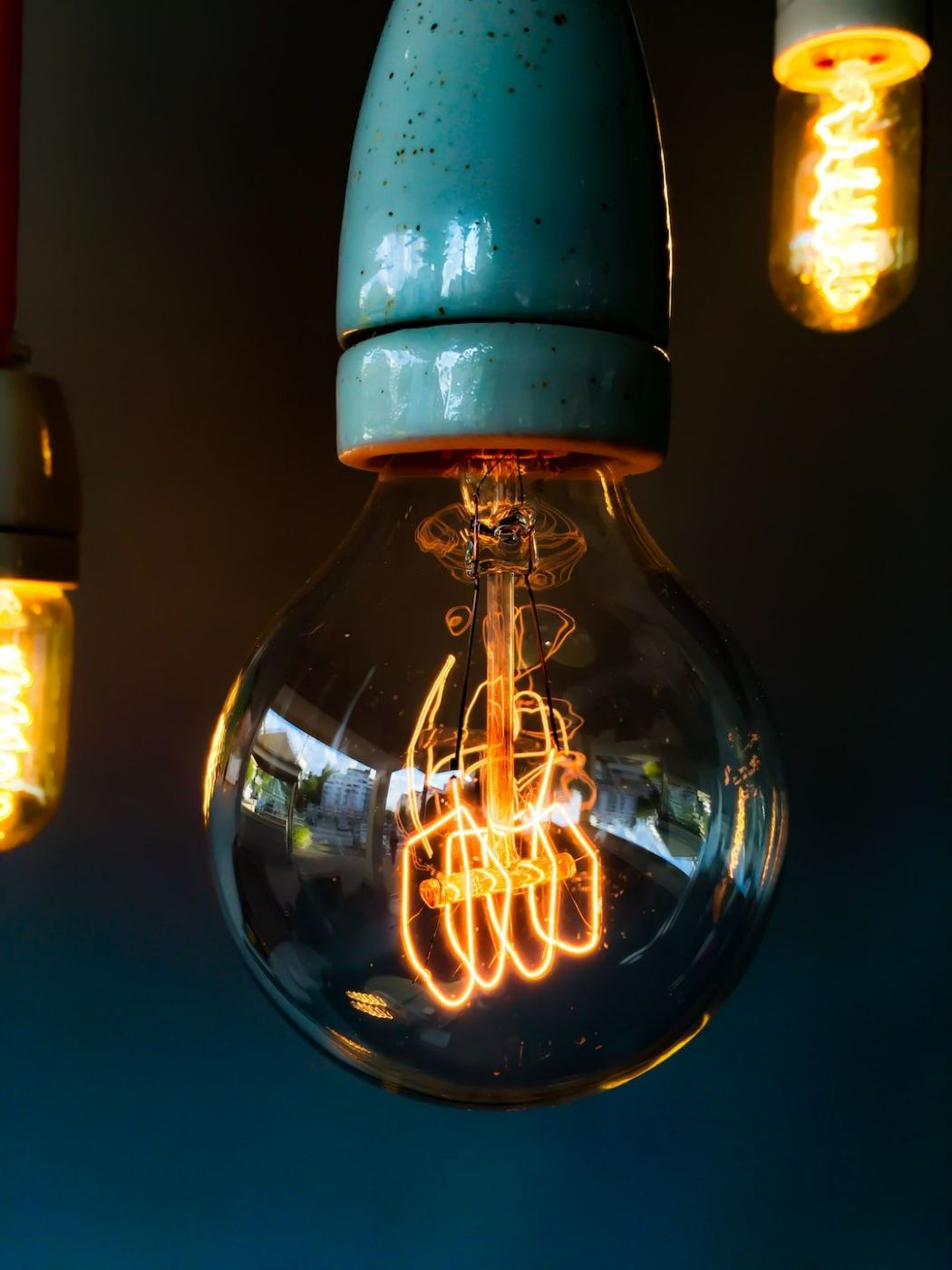 Worlds Within Worlds: The Story of Nuclear Energy, Volume 1 (of 3), by Isaac Asimov is part of HackerNoon’s Book Blog Post series. You can jump to any chapter in this book here. Volume I, ENERGY: The Energy of Radioactivity
147. The Machinery of Inheritance
 An introduction to Asimov's Genetics of Radiation.
148. What Do We Really Know about the Circulatory System?
 In this, we illustrate some of the phenomena of disease and trace out their most efficacious methods of cure.
149. Theorem of the Addition of Velocities. The Experiment of Fizeau
 Relativity: The Special and General Theory by Albert Einstein is part of HackerNoon’s Book Blog Post series.
150. Beyond Fusion: The Unknown
 Worlds Within Worlds: The Story of Nuclear Energy, Volume 3 (of 3), by Isaac Asimov is part of HackerNoon’s Book Blog Post series. You can jump to any chapter in this book here. Volume III, BEYOND FUSION: The Unknown
151. On the Relativity of the Conception of Distance
 Relativity: The Special and General Theory by Albert Einstein is part of HackerNoon’s Book Blog Post series.
152. A New, Scientific Definition of Creativity
 A practical definition of creativity that can be used to massively improve your own creativity levels.
153. Bacteria: Chapter 1 - THE BIOLOGY OF BACTERIA
 The first scientist who demonstrated the existence of micro-organisms was Antony von Leeuwenhoek.
154. On the Imperfection of the Geological Record
 On the Origin of Species 1st Edition by Charles Darwin is part of HackerNoon’s Book Blog Post series.
155. Section 8 - Sensitive Motion
 Many of the motions of our muscles, that are excited into action by irritation, are at the same time accompanied with painful or pleasurable sensations.
156. The Equality of Interial and Gravitational Mass as an Argument
 Relativity: The Special and General Theory by Albert Einstein is part of HackerNoon’s Book Blog Post series.
157. Bacteria: APPENDIX
 In this short space of time the iodine solution acts as a mordant of the purple colour in the bacteria, but not in the ground substance.
158. Bacteria: Chapter VII - THE QUESTION OF IMMUNITY AND ANTITOXINS
 Bacteria, by George Newman is part of HackerNoon’s Book Blog Post series. You can jump to any chapter in this book here: [LINK TO TABLE OF LINK]. Chapter VII: THE QUESTION OF IMMUNITY AND ANTITOXINS
159. From IoT to AI: how digitisation keeps laboratories running during the pandemic

160. What Does Google Want With Troop's Tissue Samples?
 In early 2016, the security gate at a U.S. military base swung open to admit a Navy doctor accompanying a pair of two artificial intelligent Google scientists.
161. THE EPEIRA’S BRIDGE
 “If I did not already know,” said Claire, “since you have just told us, that the spider does accomplish it, I should say that its bridge is impossible.”
162. The Mason-Wasps by Jean-Henri Fabre - Table of Links
 The Mason-Wasps by Jean-Henri Fabre is part of the HackerNoon Books Series. Read this book online for free on HackerNoon!
163. Section 9 - Voluntary Motions
 When pleasure or pain affect the animal system, many of its motions both muscular and sensual are brought into action.
164. More Hunting Wasps by Jean-Henri Fabre - Table of Links
 More Hunting Wasps by Jean-Henri Fabre is part of the HackerNoon Books Series. Read this book online for free on HackerNoon!
165. The Mason-Bees by Jean-Henri Fabre - Table of Links
 The Mason-Bees by Jean-Henri Fabre is part of the HackerNoon Books Series. Read this book online for free on HackerNoon!
166. Section 17 - The Catenation of Motions
 To investigate with precision the catenations of animal motions, it would be well to attend to the manner of their production.
167. Happy Pride Month From HackerNoon!
 A code of solidarity.
168. Bacteria: Chapter V - BACTERIA IN THE SOIL
 Surface soils and those rich in organic matter supply a varied field for the bacteriologist.
169. THE SPIDER’S TELEGRAPH-WIRE
 Only the old Spiders, meditating or dozing in their green tent, are warned from afar, by telegraph, of what takes place on the net.
170. THE PELOPÆUS
 Cases of this kind occur too seldom to satisfy fully the curiosity of a seasoned observer.
171. The Story of Nuclear Energy, Volume 1 (of 3): Electricity
 Worlds Within Worlds: The Story of Nuclear Energy, Volume 1 (of 3), by Isaac Asimov is part of HackerNoon’s Book Blog Post series. You can jump to any chapter in this book here. Volume I, ELECTRICITY: Units of Electricity
172. Junk Science Vs Real Science: Which Is Which?
 For years, ProPublica has reported on these dubious techniques as they’ve wormed their way into every corner of our real-life criminal justice system.
173. Studying Black Holes: Exploring the Physics of the Outward Flow of Energy
 To investigate the mechanism driving the turbulence, we explore the physics of the outward flow of energy.
174. Ingenious Philosophers Say That the Best Parts of Air Is in Your Blood
 From the recent discoveries of many ingenious philosophers it appears, that during respiration the blood imbibes the vital part of the air, called oxygene.
175. Ethical Considerations When Approaching Scientific Content
 We need to employ healthy doubt and curiosity when reading scientific content as popular science books do not always get their facts straight.
176. Breaking Down Secretary Problem
 What did you think of when you had a crush on someone? Did you fantasize about marriage with him/her? When you were in some serious relationship, did you plan marriage with your partner? How did the relationship turn out? Some relationships turn into a marriage, and some don’t. Hearing stories of many friends, I see extremely few people being in a relationship (and later marrying) with only one person whole over their life.
177. Our Datasets and Results From Our Study: GGL-PPI Models
 In this section, we perform validation and evaluation of our proposed models on several benchmark datasets. We develop two types of GGL-PPI models
178. Section 6 – The Four Classes of Fibrous Motions
 All the fibrous contractions of animal bodies originate from the sensorium and resolve themselves into four classes.
179. Genetic Load
 Some gene mutations produce characteristics so undesirable that it is hard to imagine any change in environmental conditions that would make them beneficial.
180. Art + Science + Scripture = Bible Math
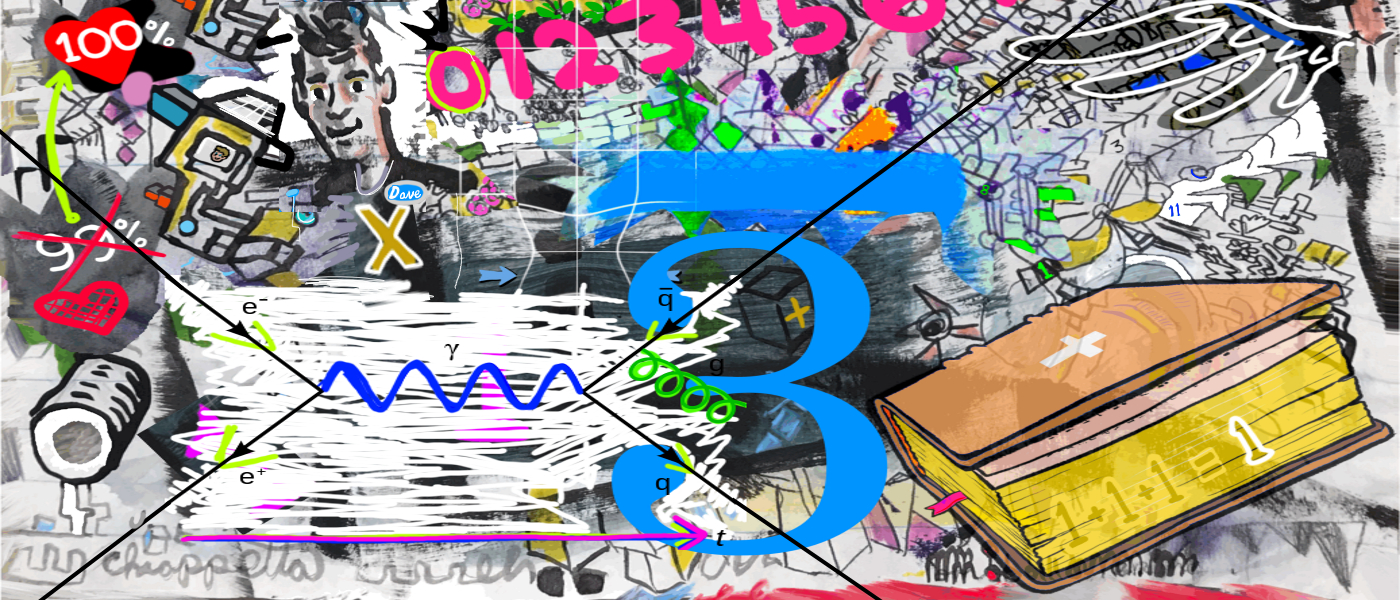 This science/scripture/art article known as Bible Math came about in a most-riveting, creative, and spiritual way. For over two decades, I have been leading weekly Bible Discussion Groups and studying the Bible with people on an individual mentoring level. In the course of these spiritual adventures, as part of the City of Angels International Christian Church, I am typically delighted to share the gospel with all who are willing to listen and put the word of God into practice. Such delight is especially true of the following mathematics-focused Bible study.
181. Finding Nemo? No, it’s finding the real MVP - Neon Tetra!
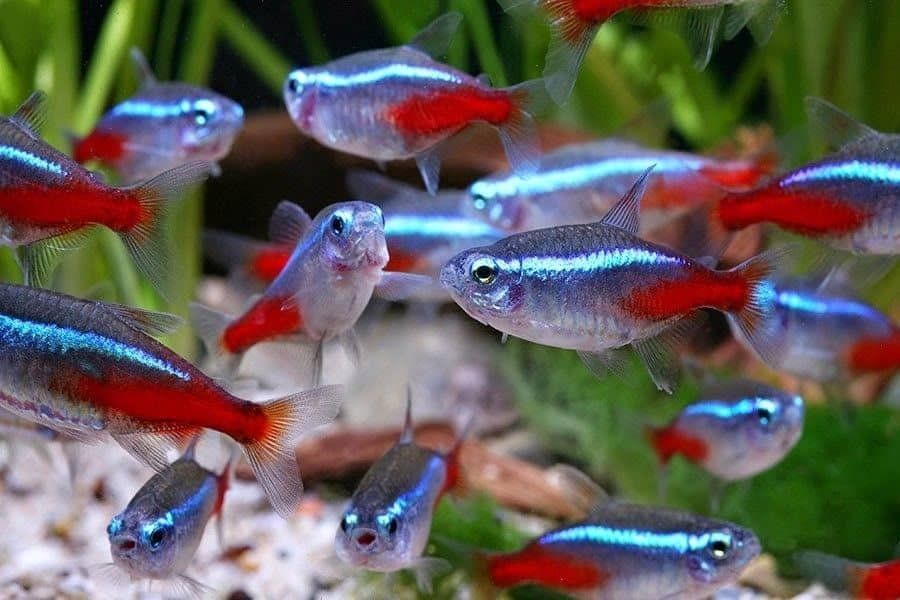 The neon tetras’ bright colors of blue and red would make it very visible to other neon tetras. This was a great adaptation to help them locate one another.
182. Zoonomia; Or, The Laws of Organic Life: Preface
 Zoonomia, Vol. I Or, the Laws of Organic Life by Erasmus Darwin is part of HackerNoon’s Book Blog Post series. This is the preface of Darwin's iconic book.
183. Hank Green: Explaining the Biggest Science News of the Year
 Hank Green breaks down some of the biggest science news of the decade.
184. The Spontaneity of Mutations
 The Genetic Effects of Radiation by Isaac Asimov is part of HackerNoon’s Book Blog Post Series. The Table of Links for this book can be found here. Mutations - Spontaneous Mutations
185. Difficulties on Theory
 On the Origin of Species 1st Edition by Charles Darwin is part of HackerNoon’s Book Blog Post series.
186. THE SACRED BEETLE
 The Hydrophilus and her hideous larva, those pirates of the ponds, darted amongst them, wringing a neck or two as they passed.
187. Want to Learn More About the Interactions Between Near-Inertial Waves and Mesoscale Eddies?
 The study was written by Scott Conn, Joseph Fitzgerald, and Jorn Callies. The authors compared five surface mixed layer models with a year of observations
188. Geological Distribution Part II
 On the Origin of Species 1st Edition by Charles Darwin is part of HackerNoon’s Book Blog Post series.
189. Why SpaceX’s Historic Starship Flight Wasn't a “Failure”
 This week, the coverage of one of humanity’s most impressive milestones was reduced to a climax of fire. Starship didn’t fail. Science divulgation, however, might have.
190. Section 3 - The Motions of the Retina
 This section takes a look at the motions of the Retina and the biological processes that make it possible. Demonstrated by experiments
191. The End of the Ocean Trip: Concluding Our Near-Inertial Waves and Mesoscale Eddies Study
 The evolution of the NIW field at the OSMOSIS site in the Northeast Atlantic Ocean is strongly modulated by mesoscale eddies.
192. Section 4 - Laws of Animal Causation
The fibers, which constitute the muscles and organs of sense, possess the power of contraction.
193. THE SEA
 “The sea is larger than the earth, the geography says,” remarked Jules.
194. The Ubiquitous NFL Problem: Comparing Bosonization, Eikonal, and Holographic Techniques
 This section critically reviews the status of holographic duality in condensed matter physics, noting the decline of the heuristic 'holo-hacking' approach.
195. A Morning Walk Can Improve Your Productivity and Boost Cognitive Function
 Starting your day with a morning walk has a large positive impact on your productivity.
196. The Story of Nuclear Energy, Volume 1 (of 3): The Structure of the Atom
 Worlds Within Worlds: The Story of Nuclear Energy, Volume 1 (of 3), by Isaac Asimov is part of HackerNoon’s Book Blog Post series. You can jump to any chapter in this book here. Volume I, ELECTRICITY: The Structure of the Atom
197. The Throat, Stomach and Intestines Are Just One Great Gland
 The throat, stomach, and intestines, may be considered as one gland; which like the lacrymal sack above mentioned, neither begins nor ends in the circulation.
198. ECONOMY OF ENERGY
 When free to choose, the Osmia settles by preference in the small reeds.
199. The Passing of the Constellations
 We begin with the familiar figure of the “Great Dipper.”
200. The Story of Nuclear Energy, Volume 1 (of 3): Electrons and Energy
 Worlds Within Worlds: The Story of Nuclear Energy, Volume 1 (of 3), by Isaac Asimov is part of HackerNoon’s Book Blog Post series. You can jump to any chapter in this book here. Volume I, ENERGY: Electrons and Energy
201. Collaborative Research in Accelerator Physics: Acknowledgments and DOE Funding
 Acknowledging the collaborators from SLAC National Accelerator Laboratory and the University of Chicago for discussions and technical contributions.
202. This is The Last Mars Photo
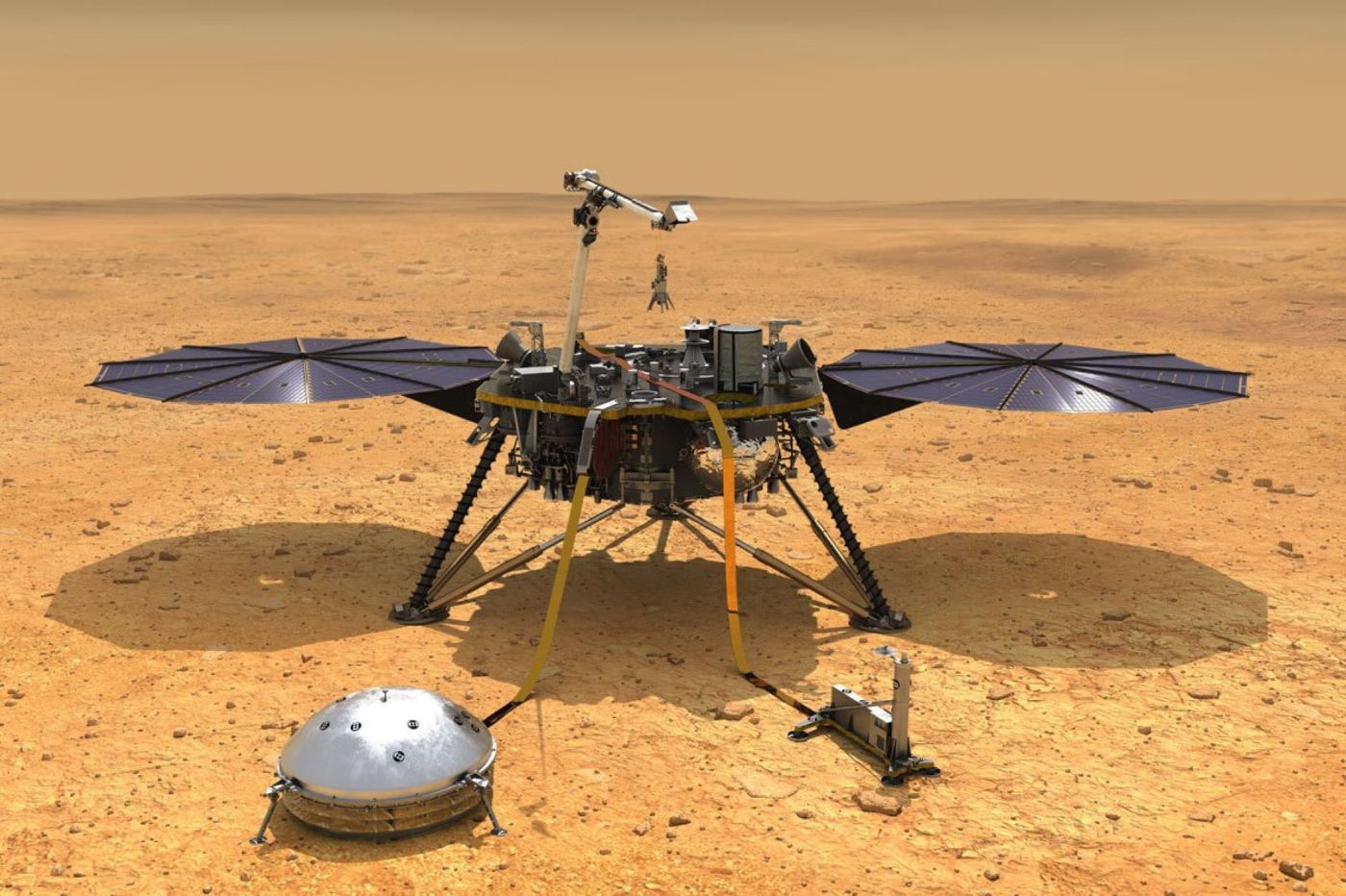 A wide-angle snapshot obtained by InSight, depicted research devices lying on the Martian surface.
203. Early Notes on Paralysis of the Liver and Kidneys
 From the consumption of spiris, the termination of the common bile duct in that bowel becomes stimulated into unnatural action.
204. Nobody Is Holding Predictive Systems Accountable
 Predictive systems enforce rules without human command. Spectral Sovereignty shows how authority persists without presence in finance, health, and DAOs.
205. INSECT GEOMETRY
 The Chalicodoma of the Walls, when building on a pebble, first raises a turret of faultless geometrical proportions.
206. Behaviour of Clocks and Measuring-Rods on a Rotating Body of Reference
 Relativity: The Special and General Theory by Albert Einstein is part of HackerNoon’s Book Blog Post series.
207. The Radioactive Woman: Marie Curie
 Marie Curie was a self-sacrificing genius with an incredible work ethic. She was also radioactive.
208. Geological Distribution
 On the Origin of Species 1st Edition by Charles Darwin is part of HackerNoon’s Book Blog Post series.
209. An Introduction to the Origin of Species 1st Edition
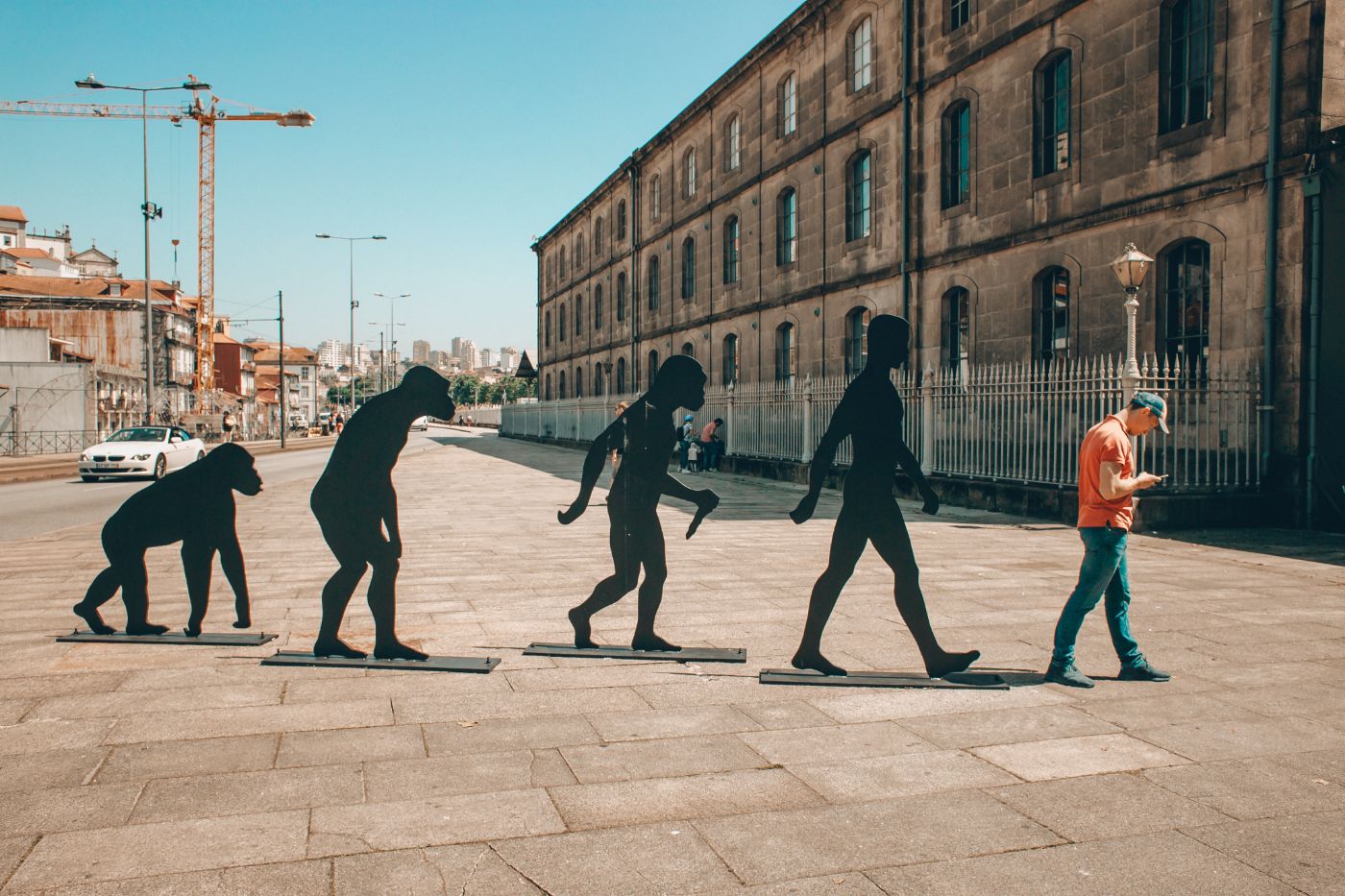 On the Origin of Species 1st Edition by Charles Darwin is part of HackerNoon’s Book Blog Post series.
210. Propensity to Motion, Repetition and Imitation
 When the voluntary power is suspended during sleep, there commences a ceaseless flow of sensitive motions, or ideas of imagination, which compose our dreams.
211. THE MOTHER DECIDES THE SEX OF THE EGG
 The remnants of the cocoon are also thrown away, but not always, for the delicate silken wrapper sometimes adheres closely to the masonry.
212. The Many Diseases of Sensation
 As many motions of the body are excited and continued by irritations, so others require pleasurable or painful sensations.
213. THE MASON-BEES
 The polygon came to a full stop, the diagonals suffered.
214. Hybridism
 On the Origin of Species 1st Edition by Charles Darwin is part of HackerNoon’s Book Blog Post series.
215. Holographic Propagators: Geodesics and Local Criticality
 This section reviews holographic fermion propagators obtained from semiclassical calculations in the mL > 1 regime, focusing on the action's geodesic paths.
216. The Story-book of Science by Jean-Henri Fabre - Table of Links
 The Story-book of Science by Jean-Henri Fabre is part of the HackerNoon Books Series. Read this book online for free on HackerNoon!
217. The Insights We Found After Studying Black Holes
 The dominant outward energy transport mechanism is convection driven by magnetic reconnection in the magnetosphere near the BH.
218. The bee is diligent: at sunrise it is at work, far from the hive, visiting the flowers one by one
 Flowers do not last all the year, and, moreover, there are days of rest, rainy days when the bees cannot go out.
219. The Machinery of Inheritance: Cells and Chromosomes
 A look at cells and chromosomes and the role they play in the genetics of radiation.
220. Solar Reality - A Radical Reassessment of Life, Intelligence, and Causality
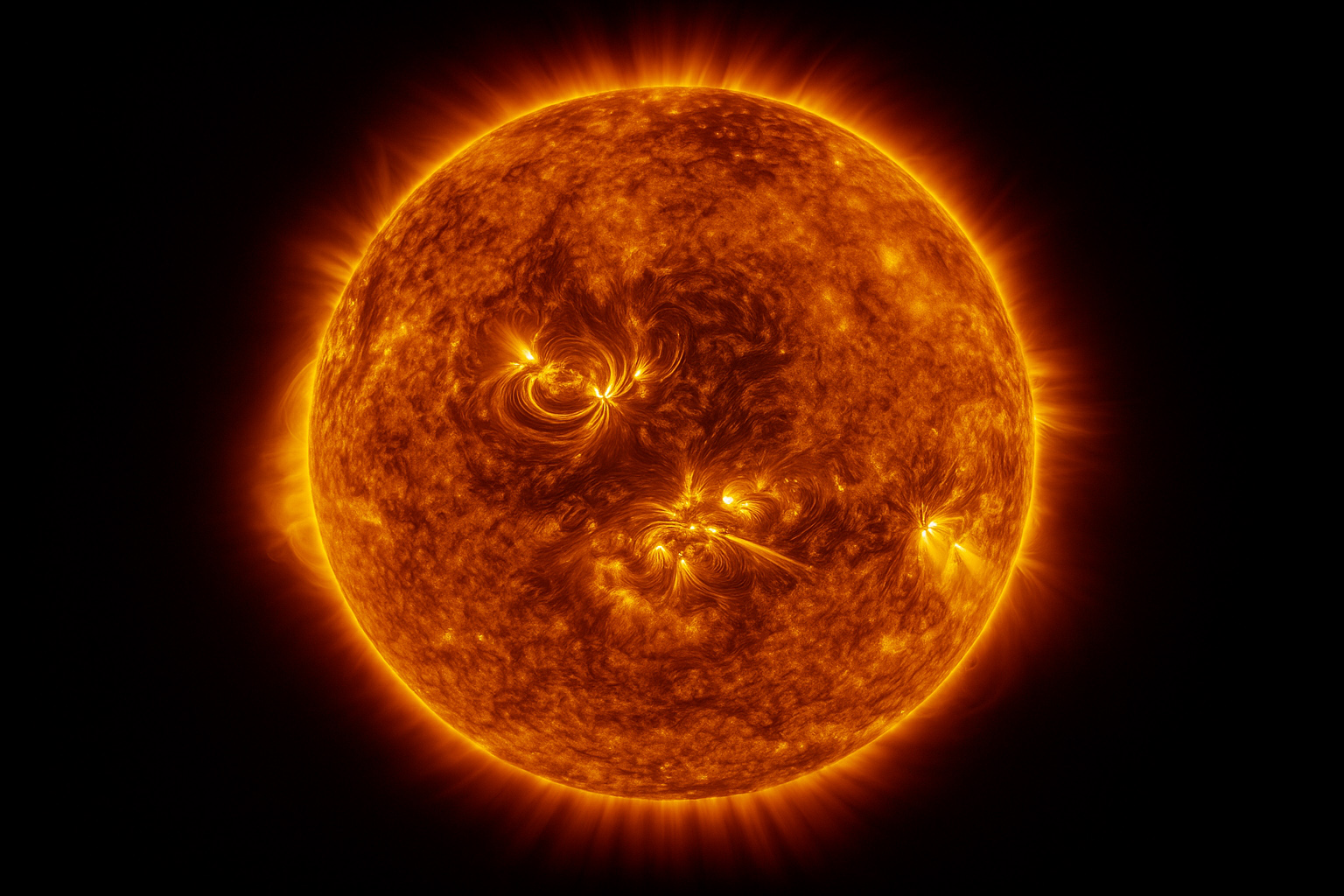 The Sun as the First Cause. Toward a Radical Reassessment of the Ontology of Life, Evolution, and Consciousness
221. Understanding Quantum Mechanics: A Tour Through Its Most Bizarre Interpretations
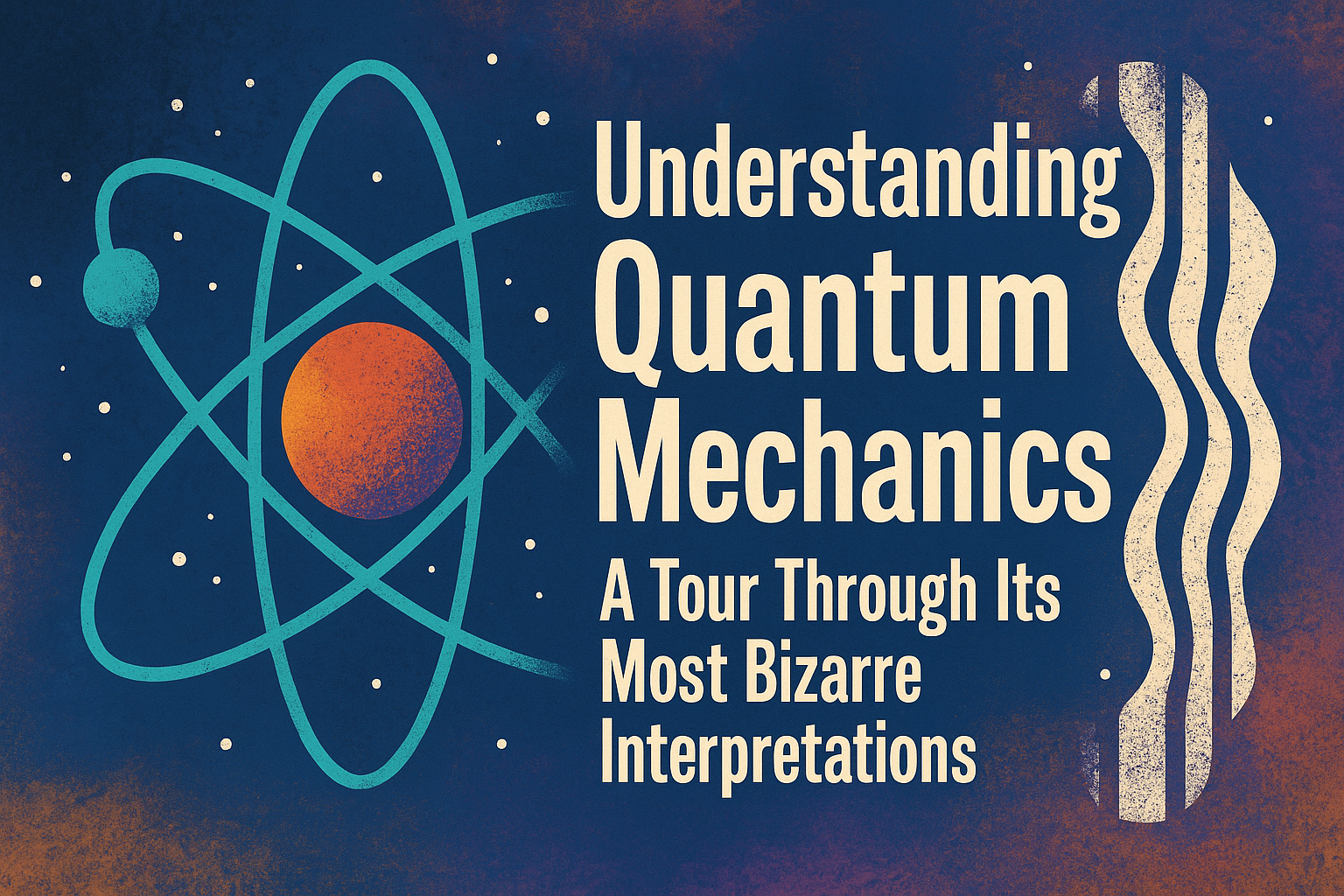 Explore the weirdest interpretations of quantum mechanics—from wave function collapse to many worlds—in this beginner-friendly tour.
222. Explosive and Whirling Nebulæ
 A hill may have been built up by a glacier, while a mountain may be the product of volcanic forces or of the upheaval of the strata of the planet.
223. The Windows of Absolute Night
 The name, “coal-sacks,” given to these strange voids is hardly descriptive.
224. Pixels and Spatial Resolution in Satellite Images: What's the Real Deal?
 Uncover the key differences between pixels, spatial resolution, GSD, and GRD. Learn how sensor technology impacts image detail and analysis.
225. The Rates at Which Humans Absorb Radiation
 Another difference between the genetic and somatic effects of radiation rests in the response to changes in the rate at which radiation is absorbed.
226. The Behavior of Measuring-Rods and Clocks in Motion
 Relativity: The Special and General Theory by Albert Einstein is part of HackerNoon’s Book Blog Post series.
227. The Study of Neutrinos to Understand the Cosmos
 In the field of astrophysics, neutrinos are invaluable. They traverse space without being affected by matter or electromagnetic fields.
228. The Genetic Effects of Radiation - Conclusion
 It is unrealistic to suppose that all sources of man-made radiation should be abolished.
229. What 2021 Scientific Discovery Excited You the Most?
 In this slogging thread, our community shared their favorite scientific discoveries of the year.
230. THE SWALLOW AND THE SPARROW
 The Wall-swallow, who is much less common than the other, never chooses a site within our houses for his structure.
231. The Diseases of Volition
 The objects of desire and aversion are generally at a distance, whereas those of pleasure and pain are immediately acting upon our organs.
232. Man-made Radiation
 In 1896, radioactivity was discovered and radioactive substances were concentrated in laboratories in order that they might be studied.
233. The Mechanisms of Drunkenness
 An exploration of the internal processes that result in drunkenness or intoxication.
234. Irritation and Its Diseases
 When the contractile sides of the heart and arteries perform more pulsations at a time, one kind of fever may be produced; called synocha irrritativa.
235. Reverie, The Catenation of Ideas, and Muscular Motions
 Being lost in one's thoughts pleasantly, a daydream if you will.
236. The Models We Used to Observed Interactions Between Near-Inertial Waves and Mesoscale Eddies
 The authors use the PM model and the YBJ model to simulate the wind stress.
237. The Story of Nuclear Energy, Volume 1 (of 3): Electricity - Cathode Rays
 Worlds Within Worlds: The Story of Nuclear Energy, Volume 1 (of 3), by Isaac Asimov is part of HackerNoon’s Book Blog Post series. You can jump to any chapter in this book here. Volume I, ELECTRICITY: Cathode Rays
238. A Deep Discussion On Our Study Looking at Near-Inertial Waves and Mesoscale Eddies: Diving In
 The vorticity has large variations across the mooring array (Fig. 2a). This is reflected in the NIW observations as large differences in the amplitude.
239. The eggs destined to give birth to queens
 “The bees are very naughty to force the queens to kill one another until there is only one left,” commented Emile.
240. Section 7 - Irritative Motions
 Many of our muscular motions are excited by perpetual irritations, as those of the heart and arterial system by the circumfluent blood.
241. Thoughts on Art and Life by da Vinci Leonardo - Table of Links
 Thoughts on Art and Life by da Vinci Leonardo is part of the HackerNoon Books Series. Read this book online for free on HackerNoon!
242. Mutation Rates
 It is easier to observe the removal of genes through death or through failure to reproduce than to observe their production through mutation.
243. Bacteria: Chapter IX - DISINFECTION
 We must now turn to consider shortly the modes which may be adopted in preventive medicine for opposing bacteria outside the body.
244. Conflagrations in the Heavens
 Temporary stars are the rarest and most erratic of astronomical phenomena.
245. Ionizing Radiations of the Electromagnetic Variety
 Our modern technological civilization exposes mankind to two general genetic dangers unknown earlier: Synthetic chemicals and intensities of energetic radiation
246. Algorithmic Contract Design: What to Know About Agents With Unknown Disutilites
 We now significantly expand our model to study heterogeneous agents with differing, unknown disutilities.
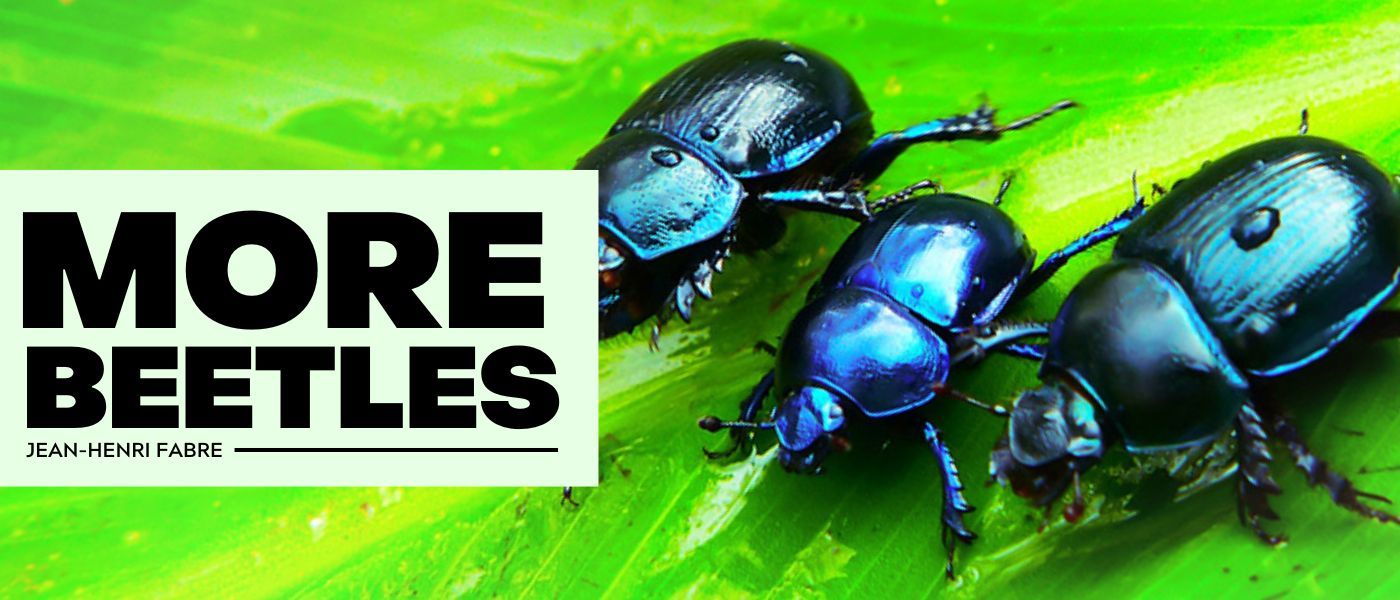
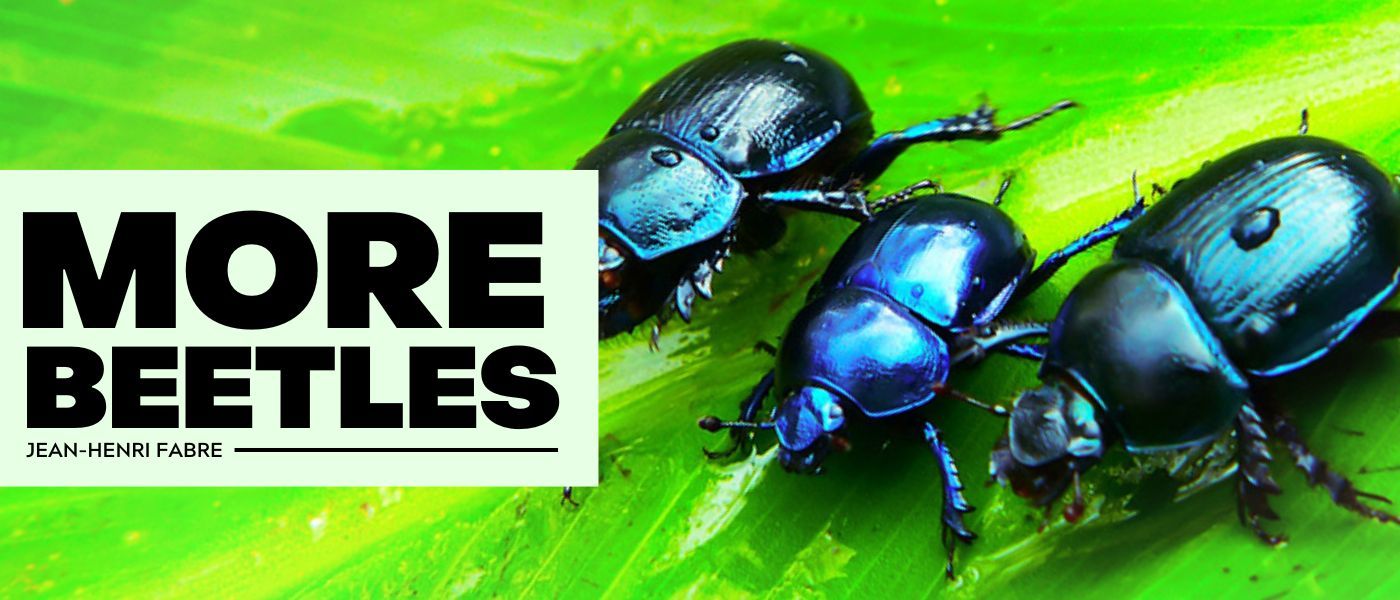
247. More Beetles by Jean-Henri Fabre - Table of Links
 More Beetles by Jean-Henri Fabre is part of the HackerNoon Books Series. Read this book online for free on HackerNoon!
248. Laws of Variation
 On the Origin of Species 1st Edition by Charles Darwin is part of HackerNoon’s Book Blog Post series.
249. A 42-Min Fall: A Physicist's Take on Falling Through The Centre of The Earth
 The classic 1864 science fiction novel by Jules Verne, titled "Journey to the Center of the Earth" has mesmerized many generations. The desire to discover the secrets inside the earth is perhaps as old as the desire to discover the secrets of the stars.
250. Natural Selection
 On the Origin of Species 1st Edition by Charles Darwin is part of HackerNoon’s Book Blog Post series.
251. What Was the YBJ Kinectic Energy Budget In Our Near-Inertial Waves and Mesoscale Eddies Study?
 The YBJ kinetic energy budget may be formed by multiplying (2) by −𝑀∗ /2 and adding the complex conjugate.
252. The Noonification: Should the Next Nintendo Console Be a New Nintendo Switch? (3/4/2023)
 3/4/2023: Top 5 stories on the Hackernoon homepage!
253. Section 2 - Explanations and Definitions
 As some explanations and definitions will be necessary in the prosecution of the work, the reader is troubled with them in this piece.
254. THE PINE COCKCHAFER
 The scientific term refers to subtleties difficult to grasp and of very slight importance.
255. Holography Light: Justification and Future Theory
 This conclusion argues that a perfect match between Holography Light and other results does not justify the full holographic technique
256. The Mason-bee of the Walls are erected on small-sized pebbles
 The experiment must be renewed under better conditions.
257. Sleep and The Four Situations of a System
 There are 4 situations of our system with many curious and instructive phenomena. One of which is sleep, the cousin of death.
258. Section 14 - The Production of Ideas
 Philosophers have been much perplexed to understand, in what manner we become acquainted with the external world.
259. THE SACRED BEETLE: THE NYMPH; THE RELEASE
 If we must blame something, let us blame the exceptional structure of the insect.
260. Indexical Collapse: How AI Text Simulates Authority Without Anchoring Reality
 Indexical Collapse names the disappearance of reference in predictive language. AI systems generate pronouns (we), demonstratives (this), and tenses (now) that
261. A Comprehensive Comparison of Tools for Fitting Mutational Signatures
 Mutational signatures connect characteristic mutational patterns in the genome with biological processes that take place in the tumor tissues.
262. 6D Phase Space Reconstruction: MENT-Flow Validation on Complex High-Dimensional Distributions
 This article validates MENT-Flow for 6D phase space reconstruction using complex Gaussian mixture and "rings" distributions from random 1D projections.
263. THE SUN
 “What is the sun? Is it large, is it very far away? That, my children, is what I should now like to teach you.
[264. How to Travel to Africa During
COVID-19](https://hackernoon.com/how-to-travel-to-africa-during-covid-19-682j37er)
 Things to know before traveling to Africa during COVID-19.
265. The Quick Guide To Thinking Scientifically About Your Acne
 "For every complex problem, there's a solution that is simple, neat, and wrong." - H.L. Mencken
266. The Story of Nuclear Energy, Volume 1 (of 3): Energy - The Energy of the Sun
 Worlds Within Worlds: The Story of Nuclear Energy, Volume 1 (of 3), by Isaac Asimov is part of HackerNoon’s Book Blog Post series. You can jump to any chapter in this book here. Volume I, ENERGY: The Energy of the Sun
267. Vasily Sumanov, 2020 Noonie Nominee, is a Crypto Enthusiast and Material Sciences Academic
 Vasily Sumanov from Russia has been nominated for a 2020 Noonie in the Future Heroes category. The Noonies are Hacker Noon’s way of getting to know — from a community perspective — what matters in tech today. So, we asked our Noonie Nominees to tell us.
268. What Can Paralyze an Absorbent System?
 The term paralysis has generally been used to express the loss of voluntary motion, as in the hemiplagia, but it can also be applied to failing muscular fibres
269. The Effects of Radiation on Mammals
 Almost at once, when the studies began, it turned out that mice were more susceptible to genetic damage than fruit flies were.
270. Magnetized Bondi Accretion: Here's What it Is and How We Used It
 Accretion flows in galactic nuclei involve magnetized plasma, and it has been long known that magnetic fields strongly perturb the energetics (Shvartsman 1971
271. THE METHOD OF THE CALICURGI
 The Lycosa and the Pompilus resort to it in turns, but without quarrelling.
272. ATIONING ACCORDING TO SEX
 Each species is scrupulously faithful to the diet of its ancestors.
273. The Emergence of the Lithium Economy to Power the Future of Energy
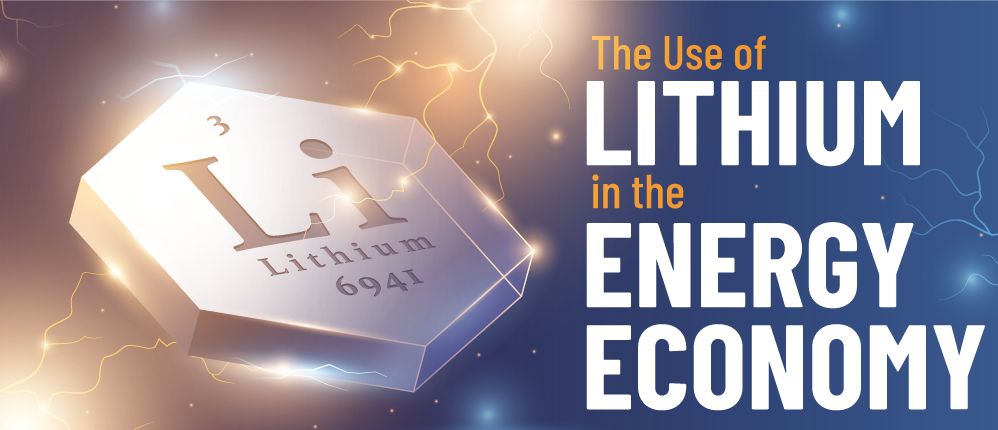 Lithium has become increasingly more popular due to the variety of products that it can be made into. But what actually is lithium, and why is it so useful?
274. How We Observed Interactions Between Near-Inertial Waves and Mesoscale Eddies and What We Found
 We extract observations of NIWs from data collected for the Ocean Surface Mixing, Ocean Submesoscale Interaction Study
275. “Spider in the morning stands for mourning,”
 A spider ran from the bottom of the silken funnel, seized the fly, and carried it off to its hole, doubtless to eat it.
276. FRANKLIN AND DE ROMAS
 “My goodness!” gasped Claire. “Was de Romas killed?”
277. Of The First and Last Things: Part 2
 A BOOK FOR FREE SPIRITS
278. EFFECTS OF THE THUNDERBOLT
 Sometimes death is only apparent: the electric shock simply suspends the primary vital functions, circulation and respiration.
279. The Riddle of the Asteroids
 Atoms, therefore, which grow old in consequence of the diminution of a part of their intra-atomic energy gradually lose their stability.
280. Struggle for Existence
 On the Origin of Species 1st Edition by Charles Darwin is part of HackerNoon’s Book Blog Post series.
281. The cabbage is the oldest vegetable we possess
 The Caterpillars come out of their eggs in about a week, and the first thing they do is to eat the egg-shells, or egg-wrappers, before tackling the green leaves
282. Stellar Migrations
 What has been said about the motion of Sirius brings us to another aspect of this subject.
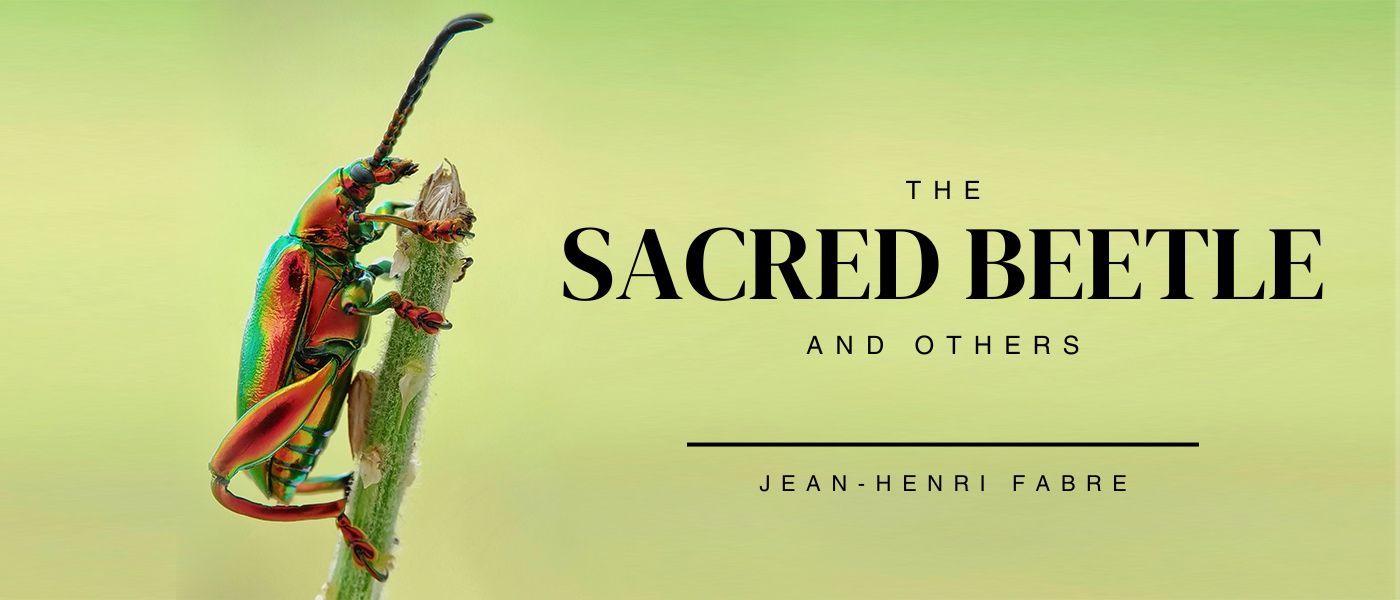
283. The Sacred Beetle, and Others by Jean-Henri Fabre - Table of Links
 The Sacred Beetle, and Others by Jean-Henri Fabre is part of the HackerNoon Books Series. Read this book online for free on HackerNoon!
284. PPIs and the Prediction of Mutation-Induced Binding Free Energy Changes: What It All Means
 The study of protein-protein interactions (PPIs) and the prediction of mutation-induced binding free energy changes are of great importance
285. Searching For Unknowns: The Path of Fire 002
 Captain's log 002: As instructed by general @hatoto I went down the fire path and discovered a world that is hard to describe with words. You could label it as a theme park but it was so much more than that.
286. Searching For Unknowns: Captain's log 001
 My name is captain Smith and I am the only pilot aboard Prometheus 042. We were sent into space roughly 13 billion years ago and our mission is to find the answer to the ultimate question - what is the meaning of life?
287. Bramble-Bees and Others by Jean-Henri Fabre - Table of Links
 Bramble-Bees and Others by Jean-Henri Fabre is part of the HackerNoon Books Series. Read this book online for free on HackerNoon!
288. The Numerical Methods We Used to Study Black Holes
 Our numerical scheme utilizes the GRMHD code KHARMA[1], a performance-portable C++ implementation based on iharm3D; iharm3D is itself an extension of HARM.
289. HackerNoon Decoded 2024: Celebrating Our Science Community!
 Explore HackerNoon Decoded: The Best of Science in 2024—top stories, standout writers, and the readers who shaped the discourse!
290. The Zodiacal Light Mystery
 It is called “The Zodiacal Light,” because it lies within the broad circle of the Zodiac, marking the sun’s apparent annual path through the stars.
291. Recapitulation and Conclusion
 On the Origin of Species 1st Edition by Charles Darwin is part of HackerNoon’s Book Blog Post series.
292. THE DWARFS
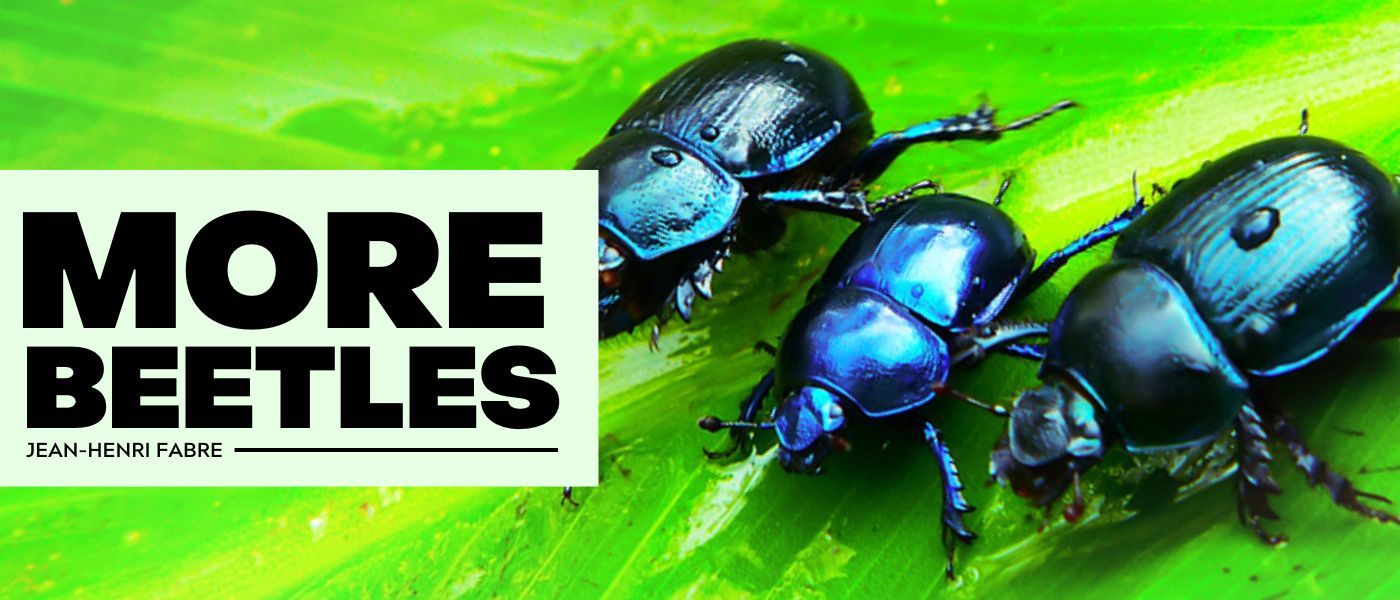 The female calls for no special remark: she is just a handsome matron.
293. Astronomy with an Opera-glass by Garrett Putman Serviss - Table of Links
 Astronomy with an Opera-glass by Garrett Putman Serviss, is part of the HackerNoon Books Series. Read this book online for free on HackerNoon!
294. The Space-Time Continuum of the Special Theory of Relativity
 Relativity: The Special and General Theory by Albert Einstein is part of HackerNoon’s Book Blog Post series.
295. Copper and tin are called metals
 “The candlesticks Mother Ambroisine is drying in the sun,” said Emile, “are a magnificent yellow and so shiny they dazzle. Are they gold?”
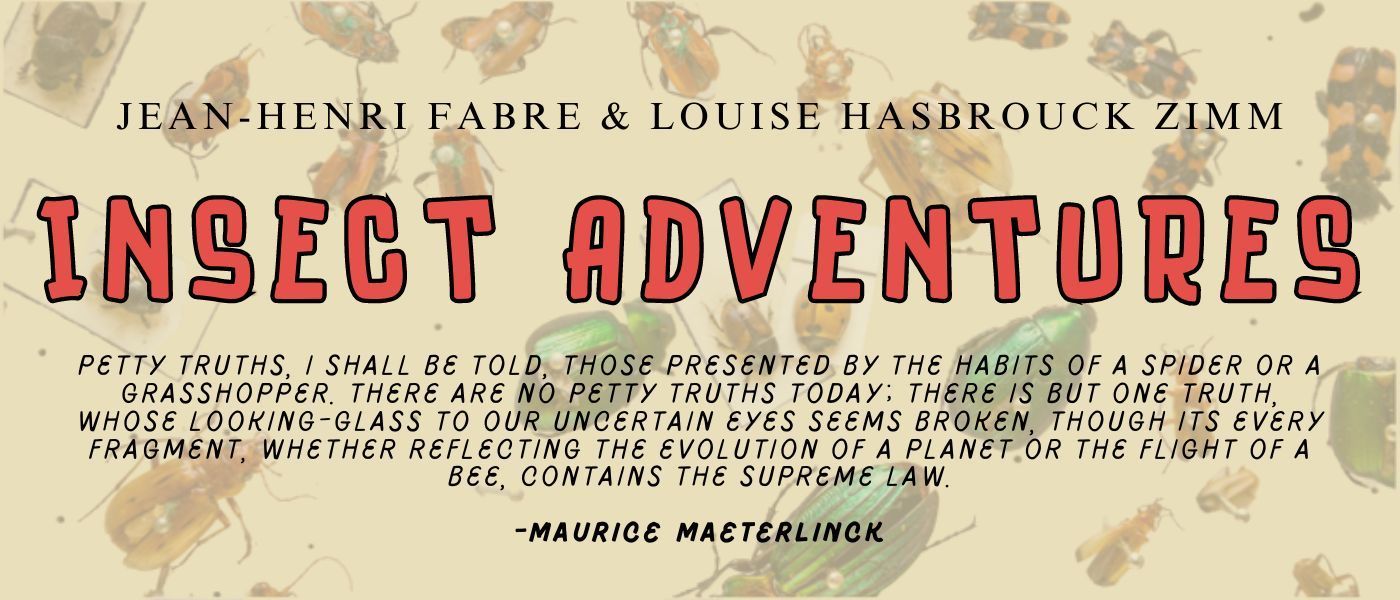
296. Insect Adventures by Jean-Henri Fabre and Louise Hasbrouck Zimm - Table of Links
 Insect Adventures by Jean-Henri Fabre and Louise Hasbrouck Zimm is part of the HackerNoon Books Series. Read this book online for free on HackerNoon!
297. AI’s Habit of Repackaging Ideas Without Credit
 Large language models generate fluent text by recombining human knowledge without attribution.
298. SHALL WE KILL THEM BOTH?
 “Those charcoal-burners were not at all such bad people as I thought at first,” said Jules.
299. The Relationship between Time and Disease
 Muscular movements induced by pain can quickly become intermittent and repetitive.
300. Leveraging Normalizing Flows for Conservative 6D Beam Reconstruction: Conclusions and Extensions
 This conclusion validates MENT-Flow as a promising approach for 6D phase space tomography, demonstrating its ability to leverage entropic regularization
301. The long obscurity of the Dark Ages lifted over Italy
 The union in Leonardo of reality to mystery has often been shared by genius in other fields.
302. 22 Internet Stories From Hacker News, and Beyond!
 This is the first weekly list of top content collected from hacker news and other sources about tech, science, privacy, and other interesting news.
303. What Is Hydrodynamic Bondi Accretion?
 Testing the accuracy of our method by numerically stimulating hydrodynamic spherical bondi accretion.
304. Bridging Scales in Black Hole Accretion and Feedback: Studying Supermassive Black Holes
 The details of how gas flows into the galactic nucleus from large cosmic distances and how the SMBH in turn imparts feedback into the galaxy remain unresolved.
305. Legacy Bosonization: What You Need to Know About Its Legacy and Limits
 This paper reviews the legacy bosonization approach for generic condensed matter problems, highlighting its similarity to the eikonal technique
306. The HackerNoon Newsletter: Falling in Love With Chatbots Is the Next Cybersecurity Nightmare (4/23/2025)
 4/23/2025: Top 5 stories on the HackerNoon homepage!
307. This thing is called electricity
 “I should first of all like to know what thunder is,” said Emile.
308. I am interested in the Labyrinth Spider
 Certain Bird Spiders, or American Tarantulas, live in a burrow like the Tarantula I have been telling you about, but their burrow is more perfect than hers.
309. THE OLD PEAR-TREE
 “Honest and truly, my little friend, one hundred and seventy.”
310. THE MOON, THE PLANETS, AND THE SUN
 "And he another wandering world has made
Which gods Selene name, and men the moon.
It mountains, cities has, and temples grand."
"And he another wandering world has made
Which gods Selene name, and men the moon.
It mountains, cities has, and temples grand."
311. Variation Under Nature
 On the Origin of Species 1st Edition by Charles Darwin is part of HackerNoon’s Book Blog Post series.
312. THE AGE OF TREES
 “A thousand years! If Uncle had not said it, I should not believe it.” This from Jules.
313. THE SACRED BEETLE IN CAPTIVITY
 The object of this early morning expedition was the unearthing of a few bits of lead, worth perhaps a halfpenny the lot.
314. THE POMPILI
 The Pompili feed their larvae solely on Spiders; and the Spiders feed on any insect, commensurate with their size, that is caught in their nets.
315. BRAMBLE-DWELLERS
 The difficulty is great, obviously; it seems insuperable.
316. The Complex Relationship between Radiation and Mutation
 Where radiation is insufficient to render a cell incapable of division, it may still induce mutations.
317. Kant's Terminology and Doctrine
 Time and Free Will: An Essay on the Immediate Data of Consciousness, by Henri Bergson, is part of HackerNoon’s Book Blog Post series.
318. Our Oceanography Study's YBJ Upper Boundary Condition: How We Found It
 The no-normal flow condition is imposed by requiring ∇𝑀 = 0 at 𝑧 = 0 (Young and Ben Jelloul 1997), which eliminates the advection and dissipation terms.
319. FLAX AND HEMP
 Flax is a slender plant with little delicate blue flowers, and is sown and harvested every year.
320. SAPRINI, DERMESTES AND OTHERS
 The labours of the Fly do not satisfy the requirements of hygiene.
321. IN THE WOODS
 A mushroom is in its way the blossom of a kind of vegetable, but its structure has nothing in common with that of ordinary flowers.
322. THE SACRED BEETLE: THE BALL
 Though apparently logical, the idea is erroneous in every respect: we have just seen this perfect sphericity acquired before the ball moved from the spot.
323. THE GEOTRUPES: THE LARVA
 Language, the one and only mirror of our thoughts, easily goes astray and becomes treacherous when attempting to express reality.
324. SOME ANOMALIES
 Among the strangest that my chance discoveries have submitted to my scrutiny is that of the larva of the Geotrupes.
325. The HackerNoon Newsletter: Educational Byte: Are Privacy Coins Like Monero and Zcash Legal? (11/23/2024)
 11/23/2024: Top 5 stories on the HackerNoon homepage!
326. THE EXPERIMENT WITH THE CAT
 “Does that fire burn, Uncle?” asked Jules. “The cat does not cry out, and you stroke him without being afraid.”
327. THE CABBAGE-CATERPILLAR
 The Caterpillars come out of their eggs in about a week, and the first thing they do is to eat the egg-shells, or egg-wrappers, before tackling the green leaves
328. The Wrecking of the Moon
 One cannot but regret that the moon, if it ever was the seat of intelligent life, has not remained so until our time.
329. Strange Adventures of Comets
 The possession of the spectroscope has enabled astronomers during later years to study the chemical composition of comets by analyzing their light.
330. THE SUBTERRANEAN FURNACE
 “The interior of the earth is, then, really a stove?” queried Jules.
331. THE CHASE
 The epeira approaches cautiously, opens its fangs, stings the bee, and immediately moves aside.
332. ONTHOPHAGI AND ONITICELLI
 For the more important work of life there is nothing like the humble toilers for realizing vast strength, made up of their joint weaknesses.
333. The People We Have to Thank In Our Comparison of Tools for Fitting Mutational Signatures
 This paper is available on arxiv under CC 4.0 license. The authors thank Charlotte Ng and Peter Degen for their useful feedback.
334. THE BULL ONTHOPHAGUS: THE LARVA; THE NYMPH
 The stercoral architect is about to construct a masterpiece of elegance out of its own ordure, held in reserve in that receptacle.
335. JEAN HENRI FABRE
 “Fabre is the wisest man, and the best read in the book of nature, of whom the centuries have left us any record.”
336. Interpreting Observed Interactions Between Near-Inertial Waves and Mesoscale Eddies
 The evolution of wind-generated near-inertial waves (NIWs) is known to be influenced by the mesoscale eddy field, yet it remains a challenge
337. MY FIRST POND
 A month or two after the little birds of my dreams were a reality.
338. Star-Clouds, Star-Clusters, and Star-Streams
 We appear to be situated near its center, but its periphery is evidently far away in the depths of space.
339. THE GOLD BEETLES: THEIR FOOD
 The abolition of slavery and the education of women are two enormous strides upon the path of moral progress
340. THE TACHYTES
 The happy nations, men say, are those which have no history.
341. THE DISTRIBUTION OF THE SEXES
 Solenius vagus digs her gallery in a bramble-stick that is lopped short, but still fresh and green.
342. EARTHQUAKES
 “The number of persons who perished in these terrible circumstances is estimated at eighty thousand.
343. THE GEOTRUPES: THE PUBLIC HEALTH
 Nature, so lavish of her cares in respect of rural health, is indifferent to the welfare of cities, if not actively hostile to it.
344. THE CELLS
 One comb is not enough when the population is numerous; others are constructed like the first.
345. THE BULL ONTHOPHAGUS: THE CELL
 The Onthophagus tribe knows nothing of household ties.
346. Mutations and Sudden Change
Shifts in chromosome combinations, with or without crossovers, can produce unique organisms with characteristics not quite like any organism.
347. The Methods We Used to Predict Mutation-Induced Binding Free Energy Changes
 In this representation, atoms with assigned labels are organized into subgraphs, and the colored edges between them represent atom-specific interactions.
348. THE ORANGE-AGARIC
 The truffle is the most important of eatable mushrooms.
349. THE LUNARY COPRIS; THE BISON ONITIS
 The climate of Provence and the niggardly supply of food in a wilderness of thyme do not suit him.
350. THE HALICTI: PARTHENOGENESIS
 This common right of way is extremely easy to perceive at the time for victualling the nests.
351. Ocular Spectra
 When any one has long and attentively looked at a bright object an image, which resembles the object he was attending to, continues some time to be visible.
352. Vertigo and The Preservation of Perpendicular Attitude
 In learning to walk we judge of the distances of the objects, which we approach, by the eye; and by observing their perpendicularity determine our own.
353. THE NUT-WEEVIL
 My diligence is rewarded with success.
354. THE BOY WHO LOVED INSECTS
 “The idea of wasting one’s time with that nonsense!” he would have thundered.
355. Section 11 - Additional Observations on the Sensorial Powers
 The various organs of sense require various kinds of stimulation to excite them into action.
356. THE BUMBLE-BEE
 Flies, wasps, honey-bees, bumble-bees, beetles, butterflies, all vie with one another in rendering aid by carrying the pollen of the stamens to the stigmas.
357. A flowering branch of the Gillyflower
 The double bag that surmounts the stamen is called an anther.
358. THE LENGTH OF ANIMAL LIFE
 “How mistaken I was!” Jules exclaimed. “I thought the horse and ox strong enough to live at least a century. They are so big, they take up so much room!”
359. Marvels of the Aurora
 That Day of Wrath, O dreadful day,
When Heaven and Earth shall pass away,
As David and the Sibyl say
That Day of Wrath, O dreadful day,
When Heaven and Earth shall pass away,
As David and the Sibyl say
360. Section 15 - The Classes of Ideas
 The constituent elements of the material world are only perceptible to our organs of sense in a state of combination.
361. THE PEA-WEEVIL: THE EGGS
 As storehouses of provisions, the cereal and the garden vegetable are, for the most part, the work of man.
362. How Science Can Help Overcome the Messy Online Shopping Experience
 Research shows that when faced with an excessive number of choices, consumers tend to experience decision fatigue.
363. THE OLD WEEVILS
 The history of the present will teach us the history of the past.
364. THE POISON OF THE BEE
 Admitting that there is a difference in the nature of the venom, I fail to see that this has any bearing on the problem in hand.
365. A DANGEROUS DIET
 My Scolia-grubs would die of starvation if I left them on their victim's back.
366. Variation Under Domestication
 On the Origin of Species 1st Edition by Charles Darwin is part of HackerNoon’s Book Blog Post series.
367. THE LABYRINTH SPIDER
 Certain Bird Spiders, or American Tarantulas, live in a burrow like the Tarantula I have been telling you about, but their burrow is more perfect than hers.
368. THE WILY DERVISH
 “‘Commander of the faithful,’ answered the dervish, ‘keep the purses of sequins, useless to my blue pigeons, and give me the wheat as I wish.’
369. BEES, CATS AND RED ANTS
 The Cat is supposed to have the same power as the Bee to find its way home.
370. THE SCOLIAE
 The largest and most imposing of our sting-bearers, the Carpenter-bee, the Bumble-bee, the Hornet, cut a poor figure beside certain of the Scoliae.
371. Extra Information on the Comprehensive Comparison of Tools for Fitting Mutational Signatures
 Extra Information on the Comprehensive Comparison of Tools for Fitting Mutational
372. THE BOILING POT
 “It does not go by itself,” replied his uncle; “it is steam that puts it in motion. Let us, then, first learn what steam is and what its power.
373. The duty of a worm
 The silk thread comes out of the under lip, through a hole called the spinneret.
374. THE IRIS-WEEVIL
 The flora of my district, not far from the spots frequented by our insect, in addition to the yellow iris comprises three other species.
375. THE HARICOT-WEEVIL
 The insect’s statement merits serious examination, supported as it is by very plausible arguments.
376. A Small Clinical Trial Brings Optimistic News for Rectal Cancer Patients
 In this slogging thread, our community discusses the impacts of the results of a recent cancer trial that had an optimistic ending.
377. THE SPIDER’S WEB
 Completely reassured, Mother Ambroisine forever renounced her proverb of the spider.
378. THE BUILDING OF THE CITY
 In their ardor they are even bold enough to slide under the moving beams, at the risk of being crippled. Let them look out! That is their affair.
379. What Froude says of history is true also of astronomy
 What Froude says of history is true also of astronomy: it is the most impressive where it transcends explanation.
380. The Great Mars Problem
 Certain other difficulties have also to be met; as, for instance, the relative coldness of the climate of Mars.
381. THE ODYNERI
 Upon investigation, my Odynerus does not correspond with what I expected to see.
382. Vasily Sumanov, 2020 Noonie Nominee, is a Crypto Enthusiast and Material Sciences Academic
Vasily Sumanov from Russia has been nominated for a 2020 Noonie in the Future Heroes and Technology categories. The Noonies are Hacker Noon’s way of getting to know — from a community perspective — what matters in tech today. So, we asked our Noonie Nominees to tell us. Here’s what Vasily had to share.
383. THE STORM
 “We must not think of starting now,” cautioned Uncle Paul. “The storm is coming; it will be upon us in a few minutes. Let us hurry and find shelter.”
384. An old fashioned Hand Press
 The compositor has before him a manuscript, and at his left hand a little flanged iron ruler called a composing-stick.
385. THE FAIRY TALE AND THE TRUE STORY
 “Ice, ice, the strong should be kind; but you are wicked, to have broken the ant’s leg—poor little leg.
386. THE BUILDING OF A SPIDER’S WEB
 All curves are banished from the Spiders’ work; nothing is used but the straight line and its combinations.
387. THE HAIRY SAND-WASPS
 The Hairy Sand-Wasp hunts a particular sort of prey, a kind of large Caterpillar called the Gray Worm, which spends most of its time underground.
388. Small-N Limit: Eikonal vs. Maximally Crossed Diagrams
 This section describes the straightforward eikonal approach used to calculate the fermion propagator in the small-N limit.
389. THUNDER AND THE LIGHTNING-ROD
 “In the usual circumstances, none, unless it be this precaution: to be of good heart and rely on the will of God.
390. THE ERGATES; THE COSSUS
 The Romans, when they had devoured their fill of nations, besotted by excessive luxury, took to eating worms.
391. THE THEORY OF PARASITISM
 The parasite pluckily sets to; the idler becomes a glutton for work.
392. Star-gazing was never more popular than it is now
 We have come to possess vested intellectual interests in Mars and Saturn, and in the sun and all his multitude of fellows, which nobody can afford to ignore.
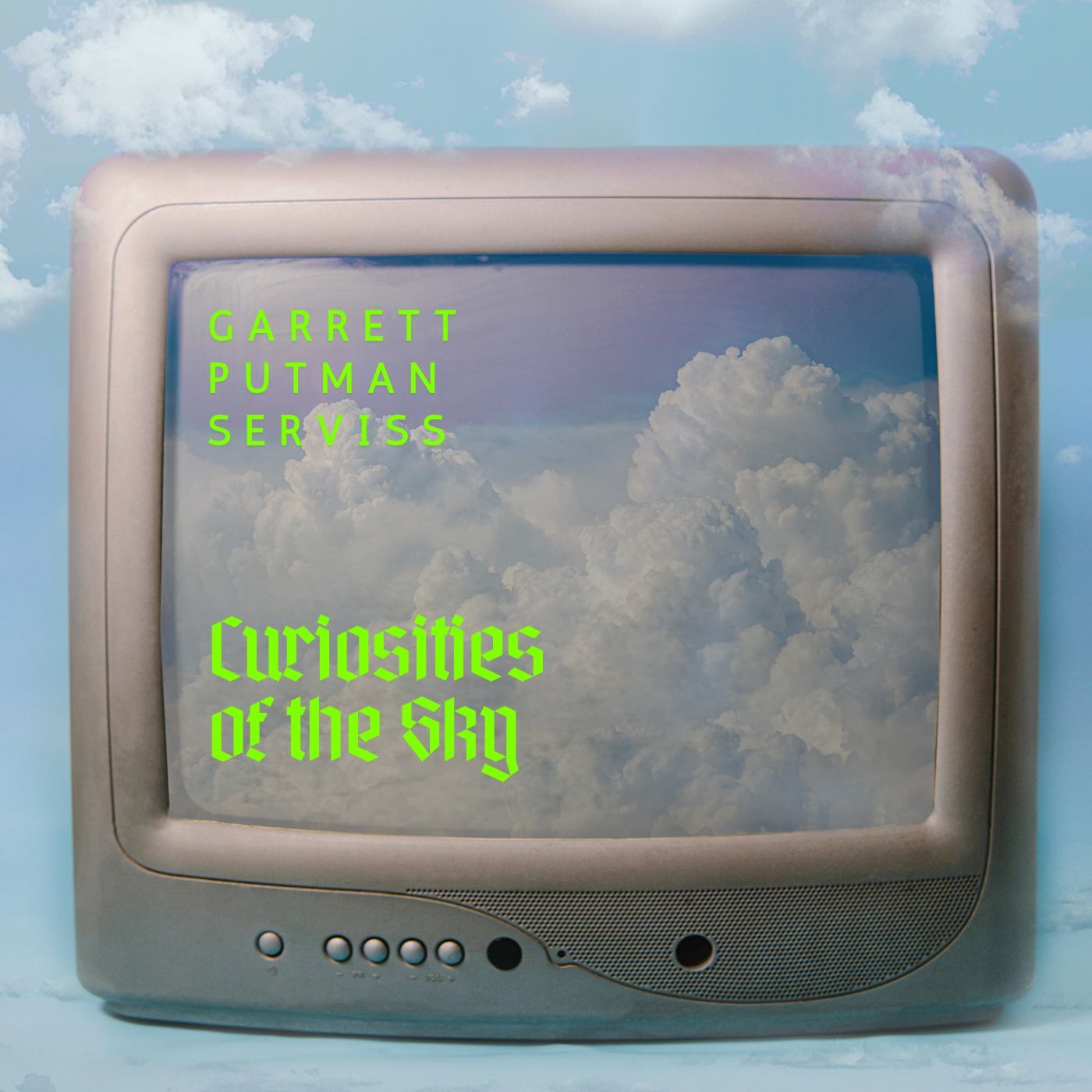
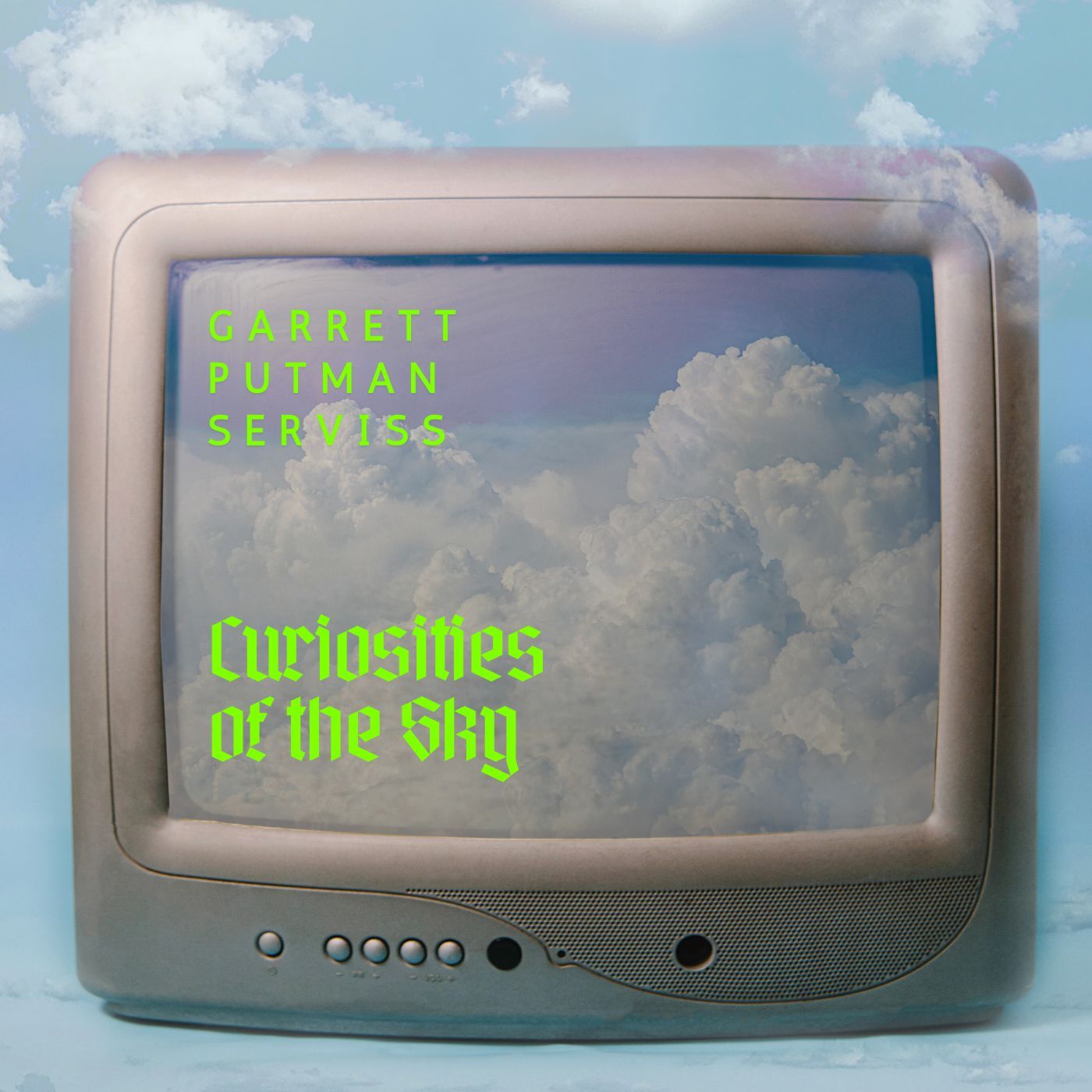
393. Curiosities of the Sky by Garrett Putman Serviss - Table of Links
 Curiosities of the Sky by Garrett Putman Serviss, is part of the HackerNoon Books Series. Read this book online for free on HackerNoon!
394. It was not necessary to remind Uncle Paul of his promise
 “You say the wax-bees make wax. I thought they found it ready-made in flowers.”
395. THE SPANISH COPRIS: THE LAYING OF THE EGGS
 The Copris is indeed of a sedentary habit.
396. THE EUMENES
 The Eumenes’ cupola is a piece of artist’s work; and the artist would be sorry to hide her masterpiece under whitewash.
397. These seven chapters are included in the Collected Edition
 More Beetles by Jean-Henri Fabre, is part of the HackerNoon Books Series. You can jump to any chapter in this book here. TRANSLATOR’S NOTE
398. How Will Laboratories Look and Operate After COVID-19?
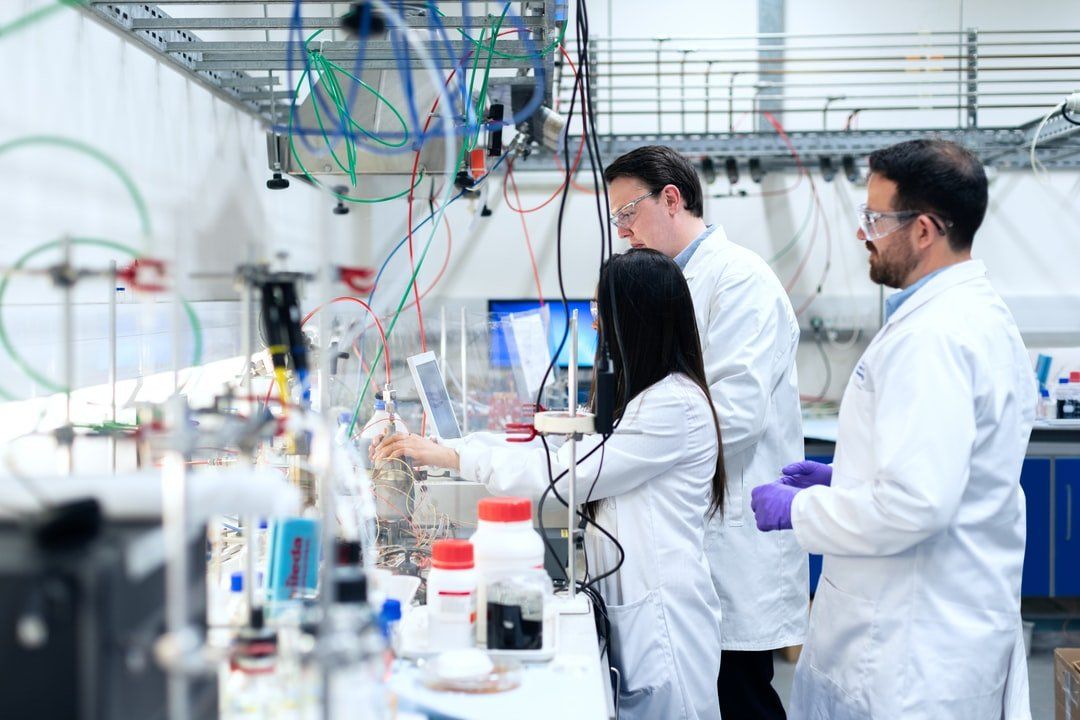 The disruptive tech that characterises Lab 4.0 includes basic connectivity of documentation, to automation, advanced analytics, and artificial intelligence (AI)
399. THE PEA-WEEVIL: THE LARVA
 Our Bruchus is not a sedentary inhabitant of the granaries: she needs the open air, the sunshine, the freedom of the fields.
400. Of The First and Last Things: Part 1
 Human, All Too Human - Nietzsche Part 1: 16 - 22
401. Everything You Thought Was Sci-Fi? The European Space Agency Is Building It
 Science fiction has been—and continues to be—a powerful driver of real-world space exploration, technological innovation, and philosophical reflection.
402. THE SISYPHUS: THE INSTINCT OF PATERNITY
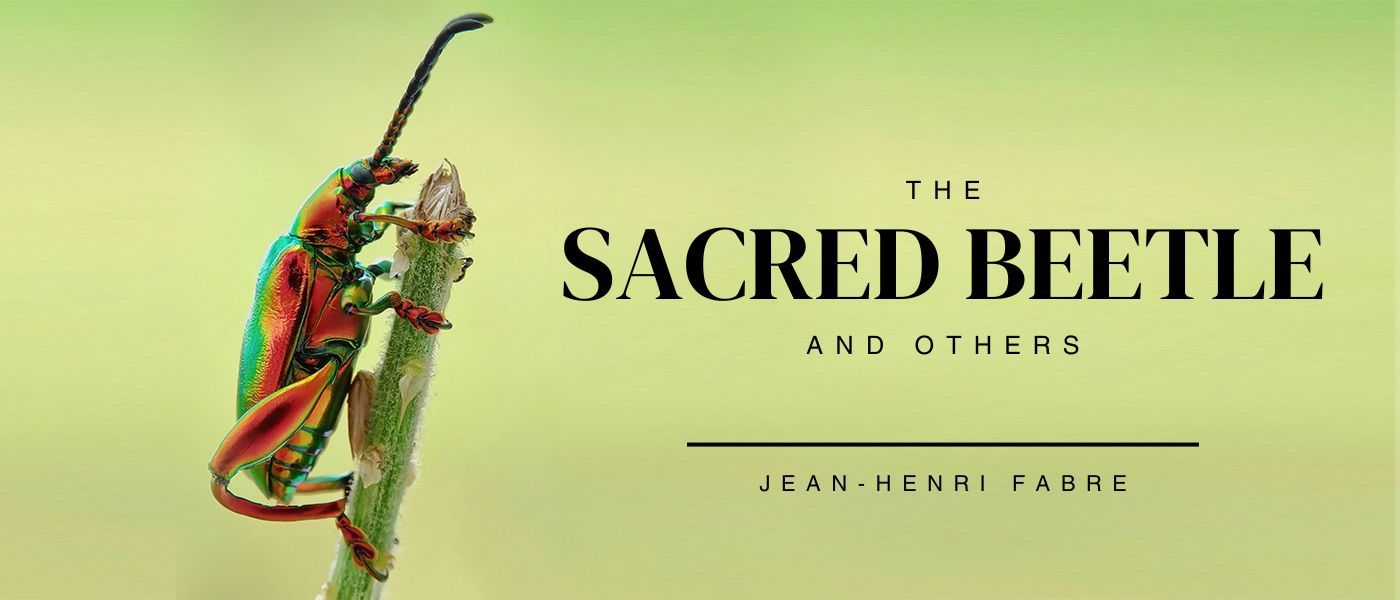 Father and mother manipulate the piece together, giving it little pats, pressing it and fashioning it into a ball as large as a big pea.
403. THE VINE-WEEVIL
 I am no longer surprised that in my first experiments my nurselings allowed themselves to die of hunger.
404. The Story of Nuclear Energy, Volume 2 (of 3): The Neutron - Nuclear Spin
 Worlds Within Worlds: The Story of Nuclear Energy, Volume 2 (of 3), by Isaac Asimov is part of HackerNoon’s Book Blog Post series. You can jump to any chapter in this book here. Volume II, THE NEUTRON: Nuclear Spin
405. THE SLOE-WEEVIL
 The nomenclators have made no mistake; they are unanimous in styling her a Rhynchites.
406. THE SACRED BEETLE: THE PEAR
 While he digs, I lie down, the better to see the arrangement and furniture of the cellar which we are unearthing, and I am all eyes.
407. THE BEADED TROX
 If I wish to hasten the end of the epidermic remains disdained by the Dermestes, I have only to keep them in a dry place, in the dark.
408. Section 13 - Vegetable Animation
 The fibers of the vegetable world, as well as those of the animal, are excitable into various motions by irritating external objects.
409. THE STORY OF PLINY
 “He told them that to give them courage,” Jules conjectured, “but he himself well knew the truth of the matter.”
410. All venomous creatures act in the same way
 “This viper’s venom, which has no effect on the hand, lips, and tongue, is it much to be feared if it mingles with the blood?”
411. A NUMEROUS FAMILY
 “The ants would be the most to be pitied,” said Emile.
412. THE COMMON WASP
 I use petrol by preference because it is cheap and because its effects are less overwhelming than those of bisulphide of carbon.
413. THE AGENIÆ; THE PELOPÆUS’ VICTUALS
 I incline, however, to the latter alternative, because of the impermeable inner surface of the cells.
414. Meteors, Fire-Balls, and Meteorites
 The fragments of a comet had struck the earth.
415. THE STARS OF SUMMER
 Antares rather gains in redness when viewed with a glass.
416. GOLD AND IRON
 “He was still more so before knowing copper. He cut a flint into a point, or split it, and fastened it to the end of a stick; and that was his only weapon.
417. THE CLOTHO SPIDER
 The shells hung up are most often empty; but there are also some occupied by the Snail, alive and untouched.
418. THE POPLAR-WEEVIL
 The Weevil knows more than we do about these things and does not share our opinion.
419. THE FLEECE
 “I have never seen red, green, blue sheep; and yet there are red, green, blue, and other colored wools,” said Emile.
420. THE KETTLE
 “When a kettle is old, has holes in it and can’t be used, what do they do with it? I heard Mother Ambroisine speak of selling a worn-out kettle.”
421. THE NEST-BUILDING ODYNERUS
 The Alpine Odynerus works on a different plan: she saves pitch by making better use of stone.
422. MINOTAURUS TYPHŒUS: MORALITY
 The Sheep is not always very generous.
423. Strange Wasp have her way
 The abominable deed is done: the Mutilla’s egg has been laid in another’s cocoon, beside the slumbering grub or larva on which it will feed.
424. THE ATMOSPHERE
 “Do you know, my children, what is the use of this aërial sea at the bottom of which we live as fish live in water?”
425. THE COWS
 The bush is white with flowers. Bees, flies, beetles, butterflies, fly from one flower to another with a drowsy murmur.
426. THE BEE-EATING PHILANTHUS
 The double method of feeding is more apparent than real: the crop which fills itself with sugary liquid does not gorge itself with game.
427. THE RED ANTS
 To explain these many mysteries, we are driven therefore to appeal to yet another mystery, that is to say, a special sense denied to mankind.
428. GGL-PPI: Geometric Graph Learning to Predict Mutation-Induced Binding Free Energy Changes
 We present GGL-PPI, a novel method that integrates geometric graph learning and machine learning.
429. POISONOUS PLANTS
 “If I am not mistaken,” said Jean, “it is what we call fox-glove. It is common on the edges of woods.”
430. Uncle Paul told them about clouds
 Above our heads the sky, perfectly clear, presents no unusual appearance; the sun shines there in all its brilliancy.
431. THE GOLD BEETLES: THEIR NUPTIAL HABITS
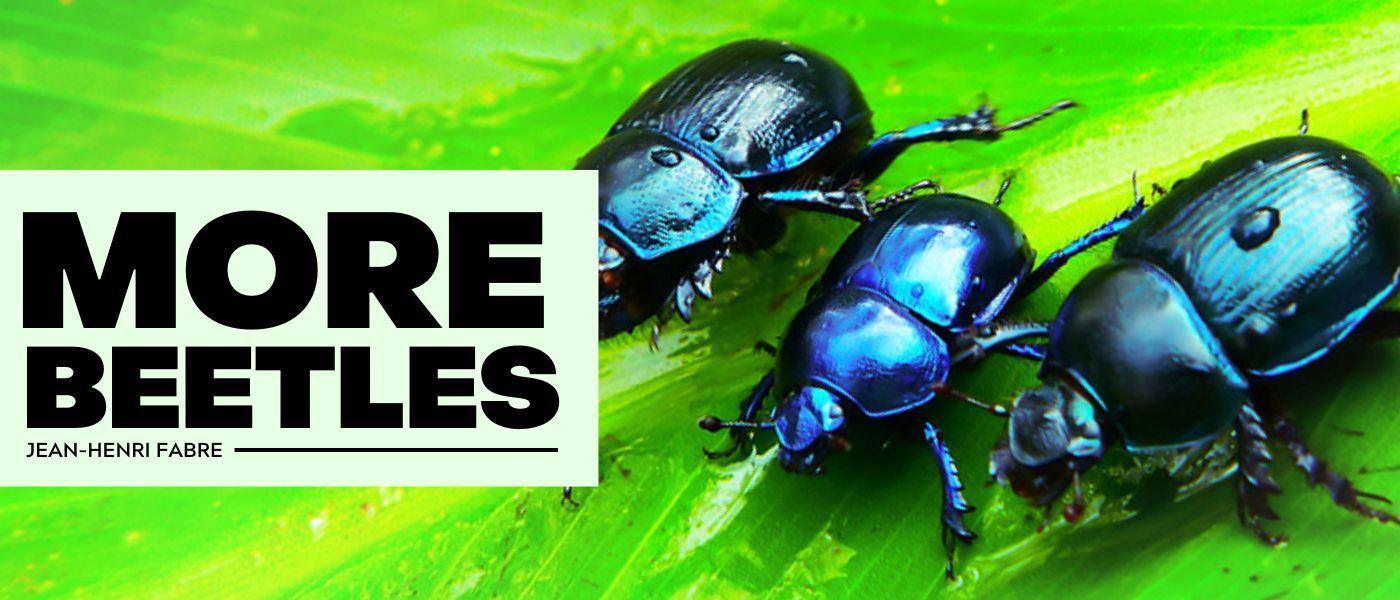 A few days later, yet another Carabus is slain and treated like the others, with all the various pieces of the armour undisturbed.
432. THE COTTON-BEES
 Events betrayed my confidence.
433. Hacking Synthetic Biology with Noonies Nominee Kahlil Corazo
 2021 Noonies Nominee General Interview with Kahlil Corazo. Read for more on synthetic biology and genomics.
434. THE SPIRAL SNAIL
 “I have noticed that if you bring anything near the snail’s long horns, the animal draws them in.”
435. THE SPANISH COPRIS: THE HABITS OF THE MOTHER
 The Copres have other and fundamentally different habits.
436. Locust: straightway the parasites
 A heart-rending struggle, in truth, is that which rules the insect world and in a measure our own world too.
437. THE METHOD OF THE SCOLIAE
 The incarcerated larva strives to escape its terrible neighbour.
438. THE METHOD OF THE AMMOPHILAE. (For these Sand-wasps, cf.)
 Darwin, a true judge, made no mistake about it.
439. THE STORY OF MY CATS
 The Cat really deserves his reputation as a discerning pilgrim.
440. A JOURNEY TO THE END OF THE WORLD
 “If I remember aright, Emile has not always been of that opinion,” said his uncle.
441. VENOMOUS INSECTS
 Many persons are of the same opinion as Jacques: they are afraid of a caterpillar and the green of its entrails.
442. The Spider Clotho spins for herself
 The shells hung up are most often empty; but there are also some occupied by the Snail, alive and untouched.
443. THE BROAD-NECKED SCARAB; THE GYMNOPLEURI
 The perfect roundness of the ball is achieved before it leaves the place.
444. THE BOTANICAL INSTINCT
 The Cetonia’s, born in a heap of decomposed vegetable matter, has its food ready to its mouth, without seeking.
445. THE BEAR LARINUS
 The domain of this Weevil is the corymbed carlina (C. corymbosa, Lin.), a slender thistle, not devoid of elegance, harsh-looking though it be.
446. THE COTTON-BEES AND RESIN-BEES
 It is hard to tell the Resin-bees’ nests, because the insect often makes its home at the very inside of the spiral, a long way from the mouth.
447. THE LEAF-CUTTING BEE
 The Leaf-cutter therefore is able to use her scissors according to the task before her; she makes large or small pieces as they are needed.
448. The Materials and Methods That We Used to Compare Tools for Fitting Mutational Signatures
 We used all signatures from version 3.0 of the COSMIC catalog, in particular the SBS signatures for human genome assembly GRCh38. OSMICv3 contains 67 mutational
449. MENT-Flow: Maximum-Entropy Tomography for Six-Dimensional Particle Accelerator Phase Space
 Introducing MENT-Flow, a novel method leveraging normalizing flows to perform maximum-entropy tomography for reconstructing six-dimensional particle beam phase
450. THE SWARM
 “The queen who leads the swarm—she must be there in the common bunch?”
451. The Noonification: Who Really Runs Twitter? (7/6/2023)
 7/6/2023: Top 5 stories on the Hackernoon homepage!
452. Cotton Plant
 “Can the flock of poplar bolls be put to the same use as cotton?” Jules asked.
453. DAY AND NIGHT
 The earth turns in front of the sun in a manner to present its different parts successively to the rays of that body; it pirouettes on its axis like a top.
454. THE BOOK
 Language is in some sort the clothing of thought.
455. OTHER LEAF-ROLLERS
 My district does not suit the hazel very well; the climate is unfavourable, being too hot and dry.
456. THE SHEEPFOLD
 “One day,” interposed Emile, “I lifted up a stone and saw a lot of little white grains that the ants hastened to carry away under the ground.”
457. THE SIX
 Uncle Paul is an excellent, God-fearing man, obliging to every one, and “as good as bread.”
458. Discussing Tools for Fitting Mutational Signatures: A Comprehensive Comparison
 In this work, we provide a comprehensive assessment of eleven different tools on synthetic mutational catalogs.
459. THE THERMOMETER
 “In the hottest countries, Senegal, for example, the temperature rises to 45 and 50 degrees. It is twice as hot as our summer.”
460. Neuroscience: Is Consciousness Research Avoiding Mental Health?
 How can the available theories of consciousness be plugged directly into some mental health problems, including addictions, so that possibilities are sought?
461. THE LEAF-CUTTERS
 He is even able to leave the family of the Compositae and to go gleaning more or less everywhere.
462. MORE ENQUIRIES INTO MASON-BEES
 When set free, it will fly in the opposite direction to its home, which it will never find again.
463. Mushrooms are the most formidable
 “Of all poisonous plants, my friends,” he began, “mushrooms are the most formidable; and yet some furnish a delightful food capable of tempting the soberest.”
464. THE STARS OF SPRING
 The observer must know what he is looking at in order to derive any real pleasure or satisfaction from the sight.
465. THE VEGETARIAN INSECTS
 The carnivorous insect, on the other hand, has no narrow specialities and devours any kind of flesh.
466. OBJECTIONS AND REJOINDERS
 The sting, I am told, is directed at one point rather than another because that is the only vulnerable point.
467. MOTHER-OF-PEARL AND PEARLS
 “Every one has his portion in this world. The slimy animal has for his a splendid palace of mother-of-pearl.”
468. THE GREAT PEACOCK MOTH
 The Great Peacock knows nothing of eating.
469. THE SACRED BEETLE: THE MODELLING
 The glass-walled chamber thus marked out will represent the roomy crypt in which the insect works.
470. Behavior of a shapely Spider
 Skillful in the prompt despatch of her prey, the little Crab-spider is no less clever in the nesting art.
471. THE VIPER AND THE SCORPION
 All serpents dart a very flexible, forked, black filament between their lips with great swiftness.
472. Of The First and Last Things: Part 3
 Human, All Too Human, A Book for Free Spirits by Friedrich Nietzsche is part of HackerNoon’s Book Blog Post Series. The table of Links for this book can be found here. The Religious Life
473. A drawer full of shells
 “Then the snail’s house is a shell, the same as the beautiful ones you have shown us,” Jules observed.
474. PROCESSIONARY CATERPILLARS
 The expedition, simply a promenade, or a journey in search of provisions, is now finished.
475. THE BIG EATERS
 Of that which the caterpillar, larva, and worm amass now, with thrifty hoarding of life-supporting matter.
476. THE FLY-HUNTING WASP
 A Fly-hunting Wasp arrives suddenly and alights, without any hesitation, at a spot which to my eyes looks exactly like the rest of the sandy surface.
477. THE STARS OF AUTUMN
 "Tell me," says she, eagerly, "are they, too, inhabited like the planets, or are they not peopled? In short, what can we make of them?"
478. Pistils, stamens, calyx, fade and die
 “I will tell you now how we know that the falling of the pollen on to the stigma is indispensable to the development of the ovary into fruit.
479. METAL PLATING
 “I don’t understand,” put in Jules, “how the work that the tinsmith did this morning could prevent the copper rust being a poison.”
480. THE HALICTI: THE PORTRESS
 A hedge of currant-bushes, the only safeguard against a terrible fall, forms a parapet above the next terrace.
481. The Earth is round
 The earth is forty million meters in circumference or 10,000 leagues, for a league measures four kilometers.
482. THE CIONUS
 All mothers are provident.
483. MINOTAURUS TYPHŒUS: FURTHER OBSERVATIONS
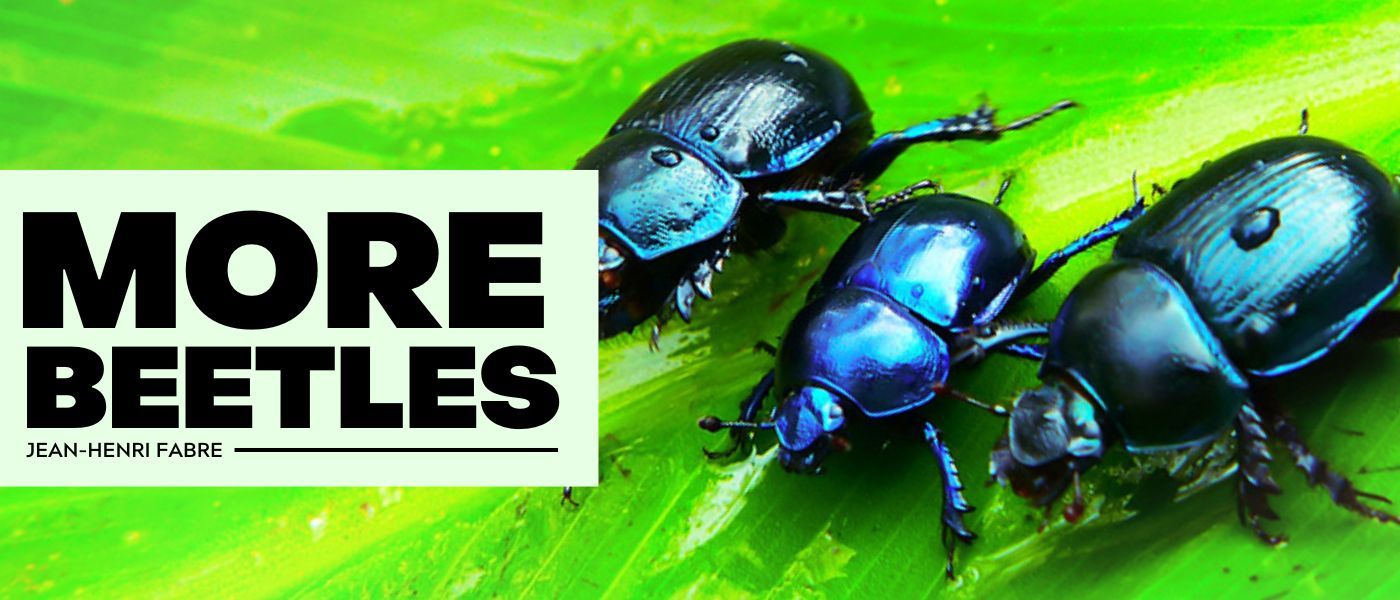 The father’s premature end may well be caused by the melancholy due to inaction.
484. Section 1 - Of Motions
 With nature in view, motion, considered as a cause, immediately proceeds every effect and, considered as an effect, it immediately succeeds every cause.
485. RUNNING WATERS
 “If the crab brook comes from the sea,” interposed Emile, “as you say, its water ought to be salt; but I know very well it is not, in the least.”
486. The highest manifestation of the faculties of instinct
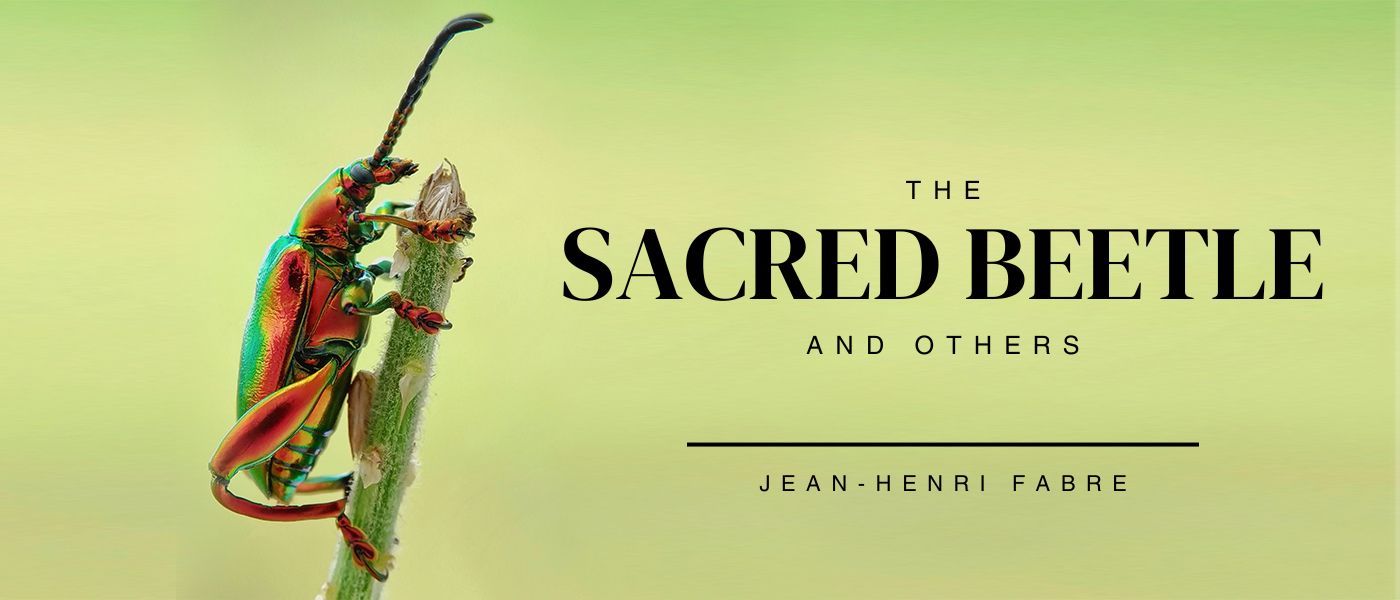 ‘It’s prime stuff this time,’ their shining eyes seem to proclaim. ‘It’s something extra special.’
487. Hæmorrhages: The Imbibing Mouths of an Absorbent System
 The veins resemble the other absorbent vessels; as the progression of their contents is carried on in the same manner in both.
488. THE VELOCITY OF SOUND
 Two things tell us of the thunderbolt: light and noise.
489. THE PINE CATERPILLAR
 “When winter is near they will build a stronger tent.”
490. THE NETTLE
 “A venomous creature has stung me!” he cries. “See my hand, Uncle! It smarts—oh, how it smarts! Some viper has bitten me!”
491. THE SACRED BEETLE: THE LARVA
 ‘There shalt thou bite and no elsewhere.’
492. The Results We Got After Observing Interactions Between Near-Inertial Waves and Mesoscale Eddies
 We begin with a detailed analysis of the simulation results for event 1, which occurred in the fall (Fig. 1c). This event is by far the most energetic NIW event
493. BELLADONNA BERRIES
 There were, in fact, some large berries of a dark violet hue on low plants.
494. THE YEAR AND ITS SEASONS
 “Oh, the doleful countries!” cried Emile. “One more question, Uncle. In traveling around the sun does the earth go fast?”
495. THE ELEPHANT WEEVIL
 No eye would suspect the presence of a recluse if the surface of the acorn did not bear the mark of a tiny puncture.
496. THE SPOTTED LARINUS
 All the summer, all the autumn, until the cold weather sets in, the most ornamental of our southern thistles grows profusely by the roadside.
497. INSTINCT AND DISCERNMENT
 The insect is no more capable of improvement in its art, more difficult still, of giving nourishment.
498. The Pelopæus gives us a very poor idea
 This faculty is perfect of its kind from the outset; otherwise the insect would have no posterity.
499. Instinct
 On the Origin of Species 1st Edition by Charles Darwin is part of HackerNoon’s Book Blog Post series.
500. THE PROBLEM OF THE SCOLIAE
 The inventory of precursory types sees nothing but organic resemblances and disdains the differences of aptitude.
Thank you for checking out the 500 most read blog posts about Science on HackerNoon.
Visit the /Learn Repo to find the most read blog posts about any technology.