
Let's learn about Docker via these 448 free blog posts. They are ordered by HackerNoon reader engagement data. Visit the Learn Repo or LearnRepo.com to find the most read blog posts about any technology.
This is containerization space!
1. Docker Tutorial — Getting Started with Python, Redis, and Nginx.
 This is an introductory tutorial on Docker containers. By the end of this article, you will know how to use Docker on your local machine. Along with Python, we are going to run Nginx and Redis containers. Those examples assume that you are familiar with the basic concepts of those technologies. There will be lots of shell examples, so go ahead and open the terminal.
2. Docker Images: Name Vs. Tag Vs. Digest
 A quick guide to using name, tag, and docker for docker image pull.
3. Setting up Kafka on Docker for Local Development
 In a world where data is king, Kafka is a valuable tool for developers and data engineers to learn.
4. 10+ Best Resources to learn DevOps in Depth [Online Courses]

5. Get PHP Composer to Run On Docker Container [A How To Guide]
 I have a php docker container, that runs my app, and I need to start using Composer to install a php package. What is the best way to approach it?
6. MariaDB + Phpmyadmin + Docker: Running Local Database
 I will get MariaDB and Phpmyadmin running in a docker container. I will reuse folder setup and all files from previous recipe - 02.
7. How To Debug PHP Container With Xdebug And PhpStorm
 I will setup a very simple php page and debug it using xdebug and PhpStorm.
8. Nginx + PHP + Docker: How To Get PHP Page Up With Local Domain Name
 I will setup a very simple php page with docker and nginx.
9. How To Make Docker Images with Jenkins Pipelines
 Jenkins Pipeline is a powerful tool when you are using Jenkins to automate your deployments. Flexible and customized actions split between stages are a good reason to try this feature.
10. How To Run Docker Linux Containers Natively on Windows
 With Docker Desktop running on WSL 2, users can leverage Linux workspaces and avoid having to maintain both Linux and Windows build scripts.
How is it different?
11. How to Run Podman and Docker-Compose on Windows
 One of the most common tool to develop software is container. This guide helps you to configure correctly podman and docker-compose on Windows using WLS2.
12. Smooth Sailing: Transitioning from Docker to Localhost
 Understanding Docker networking is more than a technical necessity; it's a step toward mastering containerized environments.
13. How To Use Prometheus Adapter to Autoscale Custom Metrics Deployments
 Introduction
14. Fix Dockerfile Error: WARN: FromAsCasing: 'as' and 'FROM' Keywords' Casing Do Not match
 Dockerfile keywords can be written in uppercase or lowercase, but it’s best not to mix them for clarity and consistency.
15. You Should Use Alpine Linux Instead of Ubuntu
 Alpine linux is a linux distribution primarily made for the deploying application on linux distribution and is a rising competitor for the Ubuntu. Alpine Linux is designed for security, simplicity and resource effectivity. It is designed to run directly from RAM.
16. 5 Docker Desktop Alternatives
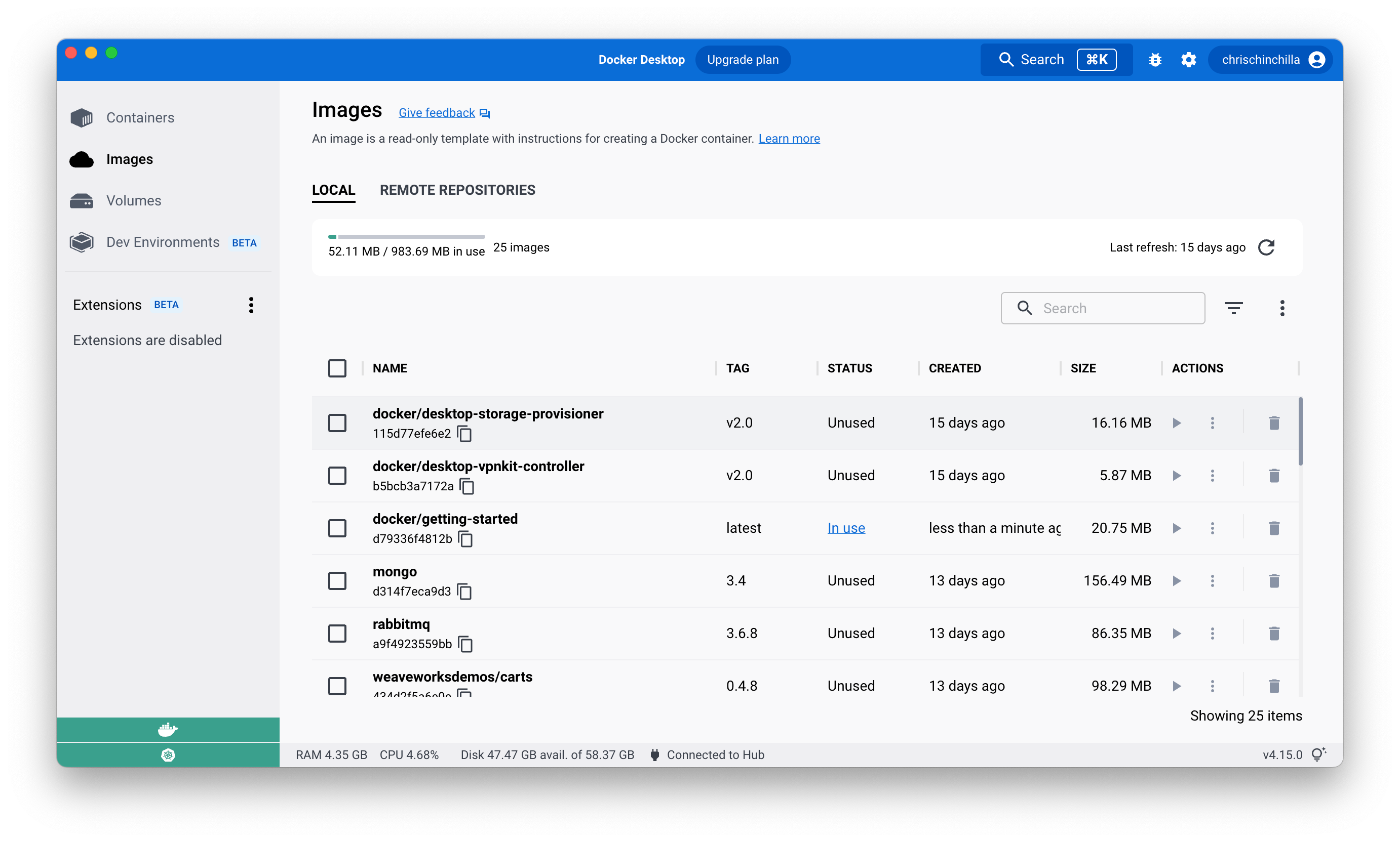 For Windows and macOS users, Docker Desktop has been the main way to use Docker containers for many years. But how about now?
17. Getting Started with MariaDB using Docker, Python and Flask
 Since being forked from MySQL back in 2009, MariaDB has become one of the most popular databases of choice for developers over the past decade. While many technologists have likely gravitated to it as a solution due to its open source roots and that it's rooted in the relational database world, that really only begins to scratch the surface of what MariaDB has to offer.
18. How to Run 5000+ Tests on Mobile Devices Everyday; From inDrive's Playbook (Part 1)
 How to set up an infrastructure to run thousands of UI tests a day on Android using Selenoid.
19. Distroless Containers: Hype or True Value?
 The goal
20. Containerizing a Node.js API & Using Docker with Kubernetes and Minikube
 As a Developer Evangelist at <a href="https://getstream.io" target="_blank">Stream</a>, I have the opportunity to learn about tons of awesome, new technologies that our engineering team and customers are working with on a daily basis. The amount of knowledge out there to soak in is absolutely astonishing, and I like to take every opportunity to learn about all of the up-and-coming tools and toys.
21. Nginx + Docker: How to Get Html Page Up With Local Domain Name
 I will setup a very simple html page with docker and nginx.
22. How To Configure Redis + Redis Commander + Docker
 I will get redis and redis commander up and running using docker.
23. How To Create Golang REST API: Project Layout Configuration [Part 1]
 During past couple of years I have worked on few projects written in GO. I noticed that the biggest challenge developers are facing is lack of constraints or standards when it comes to project layout. I'd like to share some findings and patterns that have worked best for me and my team. For better understanding I'll go through steps of creating a simple REST API.
24. Running a gRPC Service with Docker
 Let's learn how to write a dockerized gRPC service in Go.
25. MySQL Master-Slave Replication using Docker
 In this article I want to share my experience of how to setup MySQL replication locally with using Docker.
26. Empowering Your DevContainer with Podman in VS Code
 Explore the advantages of using Podman over Docker for DevContainers in Visual Studio Code. This guide covers the 'what' and 'why' of DevContainers and Podman,
27. JWT and Azure AD Authentication: How to Marry Them?
 The core principles of AD authentication for third-party services with the use of the MSAL Python library and Flask.
28. A Complete Guide to Laravel Sail
 This post is about what to expect from Laravel Sail, how it works and how to make the most of it; it is also a plea to developers to break away from it.
29. Why We Love Docker and Best Practices for DevOps
 Every company is becoming a software company these days, and there is so much happening around making software development occur at record speeds.
30. 5 Steps for Dockerizing NestJs With Prisma
 Dockerize NestJS + Prisma in 5 steps
31. 10 FREE Docker, Jenkins, and Maven Courses for Programmers and DevOps Engineers
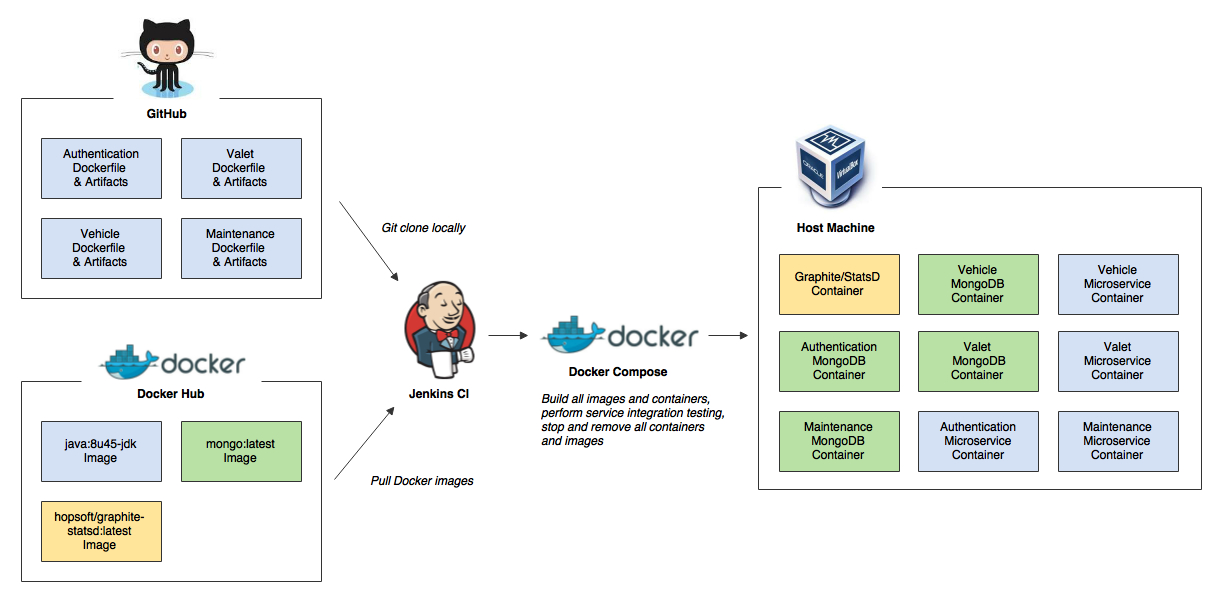 Docker, Maven, and Jenkins are some of the most popular tools in the DevOps and Java world. Maven helps to organize your project and provide support to build and deploy Java projects while Jenkins can provide continuous integration and delivery by completely automating build and deploy projects.
32. How to Dockerize And Deploy Django Applications
 In this tutorial, you learned how to dockerize and deploy Django applications using Docker, Django, and Heroku.
33. Debugging: Using PDB in Dockerized Environment
 Docker, along with Docker Compose are the most used tools under the DevOps category, according to The State of Developer Ecosystem 2019 survey by JetBrains. Chances are if you're using Docker/Docker Compose for deployment, you'll most likely be using them for local development as well. If you only use Docker for deployment but a virtual environment for local development, you may want to look into using Docker for development to reduce the parity between dev/prod environments, as suggested in the Twelve-Factor Methodology.
34. Build a Real-time Stock Price Dashboard With Python, QuestDB and Plotly
 In this tutorial, we will create a real-time streaming dashboard using QuestDB, Celery, Redis, Plotly, and Dash.
35. How to Run 5000+ Tests on Mobile Devices Everyday; From inDrive's Playbook (Part 2)
 How to Run 5000+ Tests on Mobile Devices Everyday. We explain how we incorporated the launch of UI tests in iOS.
36. Container Orchestration Smackdown: Kubernetes vs. Docker Swarm vs. Nomad
 Kubernetes vs. Docker Swarm vs. Nomad: The ultimate container orchestration smackdown! Compare and choose your ideal deployment solution.
37. [Deep Dive] Docker, Kubernetes, and Microservices for Small Teams
 Most of the web apps I build eventually end up needing a background worker. There will be some slow or heavy task that really should run independently, like an integration with a third-party server, a web scraper, PDF creation, something.
38. One Dockerfile is All it Takes: How I Fell in Love With Bake
 Using docker bake for outrageously simple monorepo docker builds.
39. Applying Angular Runtime Configurations in Dockerized Environments

40. How To Extend Docker Compose File
 How to use different/multiple docker compose files on different servers
?
How to use different/multiple docker compose files on different servers
?
41. How to Consume Kafka Messages With NestJS
 In this article I will tell you how to implement your own kafka message consumer using the NestJs framework. I’ll also tell you how to write tests for it.
42. How To Install PostgreSQL With Docker Quickly

43. Set up Jenkins CI in Docker Container & Run Your Tests Inside Their Own Container [A How-To Guide]
 So you want to start testing your code? Good choice. Testing is a great way to make sure nothing breaks in deployment, and Jenkins makes it easy to automate this process.
44. A Guide to Running ASP.NET Core & SQL Server from Docker
 I've recently gotten into using Docker in my development cycle and I'm really enjoying how much of a wonderful tool it is. One thing that always used to be a pain was setting up a development server to run SQL Server. Now with Docker, I can just spin up a Docker container and I instantly have a SQL Server ready to go.
45. Kubernetes Secrets and ConfigMaps
 In this article we will discuss about the applications of Kubernetes ConfigMaps and Secrets.
46. How To Create and Load Test Data in PostgreSQL
 Learn what tools and approaches are available to create and load test data for webapps without an ORM.
47. How to Deploy AWS Lambda with Docker Containers
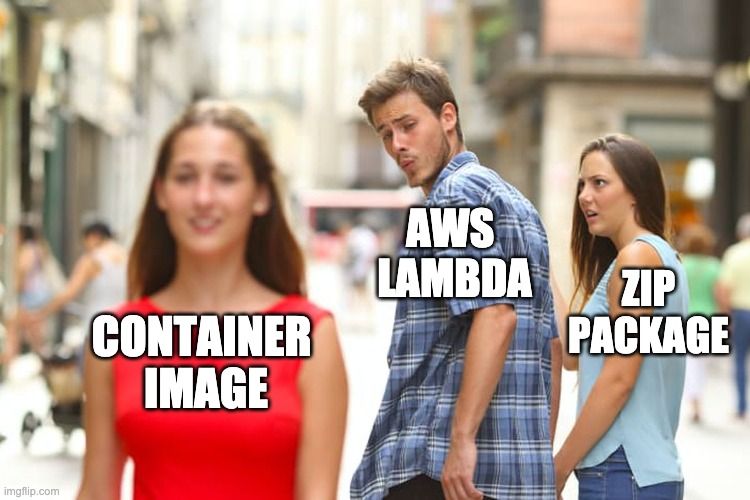 You can now build your serverless workloads in a Docker container with AWS Lambda. We gave it a try and here's our review (with ETL examples).
48. How to Securely Backup Your Postgres Database With Docker and Cron
 Learn how to automate PostgreSQL database backups with Docker and PostgreSQL. Keep your data safe with this step-by-step guide. #Docker #PostgreSQL
49. Deploy Magento 2 & MySQL to Kubernetes Locally via Minikube
 Lately I have been exploring the beautiful and breathtaking world of Containers and Scalable Microservices. That’s when I found out about Kubernetes, Docker and other <em>top dogs</em>. So as a “newbie”, I searched for articles and tutorials on how to manage a Dockerized Magento 2 application using Kubernetes.
50. Deploy React Application to Kubernetes Cluster on Google Cloud Platform
 Congratulations to all who made it this far in the ALCwithGoogle
program.
Congratulations to all who made it this far in the ALCwithGoogle
program.
51. 'Hello, World!' in Golang - How to Develop a Simple Web App in Go
 I'm going to show you how easy it is to develop a simple web application in Go, package it as a lightweight Docker image, and deploy it to Heroku.
52. Kubernetes Cluster Setup with a Local Registry and Ingress in Docker using KIND
 Local k8s development environment setup with local docker registry and ingress setup in KIND.
53. How To Use Environment Variables In Docker Compose File
 If I want to use different credentials on different servers, environment variables work great with docker compose.
54. How to Set up an API Gateway for Your Microservices
 How to deploy a single node Kong API gateway in front of multiple microservices?
55. Exploring Traefik: A Reverse Proxy for Docker
 Learn how to proxy sites and API in a few examples, automate getting certificates and even add some middleware (to add headers for example). YAML tutorial.
56. How To Connect MariaDB Docker Containers with Java Spring And JDBC
 Since being forked from MySQL back in 2009, MariaDB has become one of the most popular databases of choice for developers over the past decade. While many technologists have likely gravitated to it as a solution due to its open source roots and that it's rooted in the relational database world, that really only begins to scratch the surface of what MariaDB has to offer.
57. How to Configure Self-hosted Azure DevOps Agents
 In this article, I will show you the configuration process of a Self-hosted agent on macOS and Docker.
58. Guide: How to Emulate a Raspberry Pi Cluster with Docker Compose
 TL;DR
TL;DR
59. Customizing MariaDB Docker Images
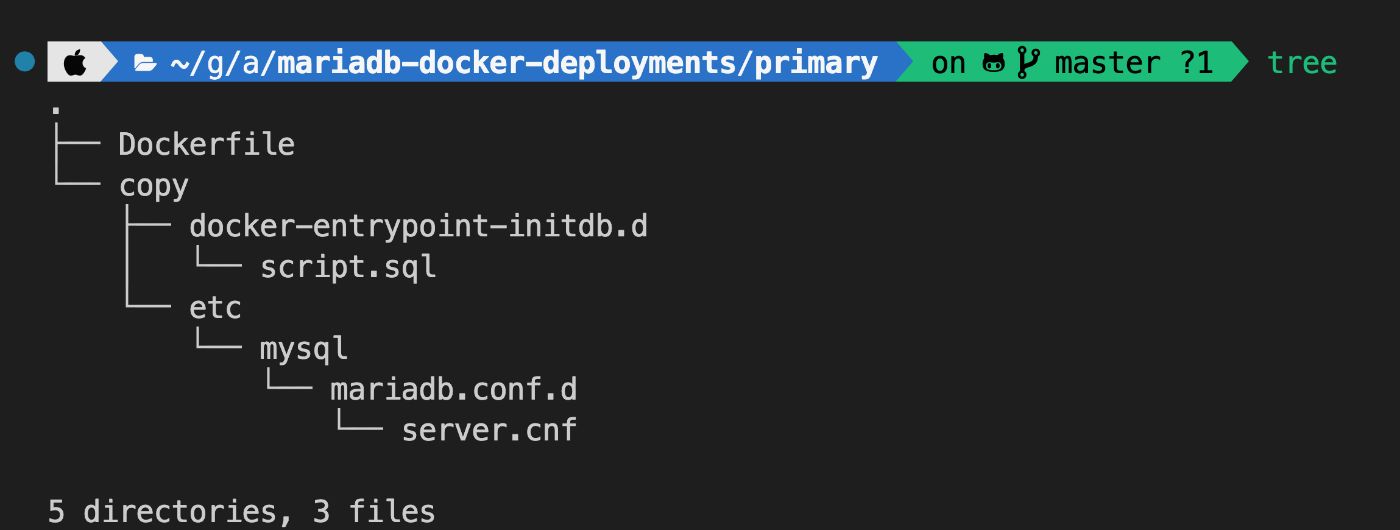 How to customize MariaDB Docker images: Execute SQL and shell scripts when the containers start and pass configuration files.
60. Flask API Containerization using Docker
 Nowadays, putting shiny new applications in containers seems to be the way of the future, and for good reason. They offer platform portability, hardware efficiency, and enhanced security. In this tutorial, we are going to take a very simple Flask API, put it in a Docker container, and then test it out using Postman.
61. Mastering Docker: How to Attach an AWS EBS Storage Volume to Your Docker Container

62. How To Dockerize Your Pen-testing Lab [feat. Kali Linux]
 Tools & Skills
63. Building User Service With GRPC, Node.JS, and MongoDB: The Complete Microservice Tutorial — [Part 2]
 Microservices are about decoupling your system. In a monolith, you build all the components of the software in one large codebase and deploy the software at once. But in the microservice world, we build each component of a large system decoupled from each other.
64. Building a FastAPI OCR Microservice
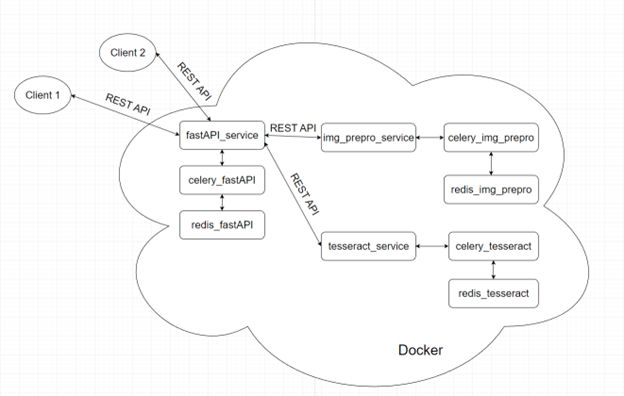 In this article, I will try to explain basic ideas on how to create your own OCR service for free, using python, fastAPI, tesseract, redis, celery and docker.
65. How to create Kubernetes YAML files
 This article is intended as a guide for creating Kubernetes manifest files.
66. The Dating Game: Finding Your Perfect DevOps Match
 Finding the match in the world of DevOps can be quite challenging. It's like navigating the dating scene, where you need to seek out someone who shares your ...
67. Docker’s New Business Model and the Era of Image Visualization
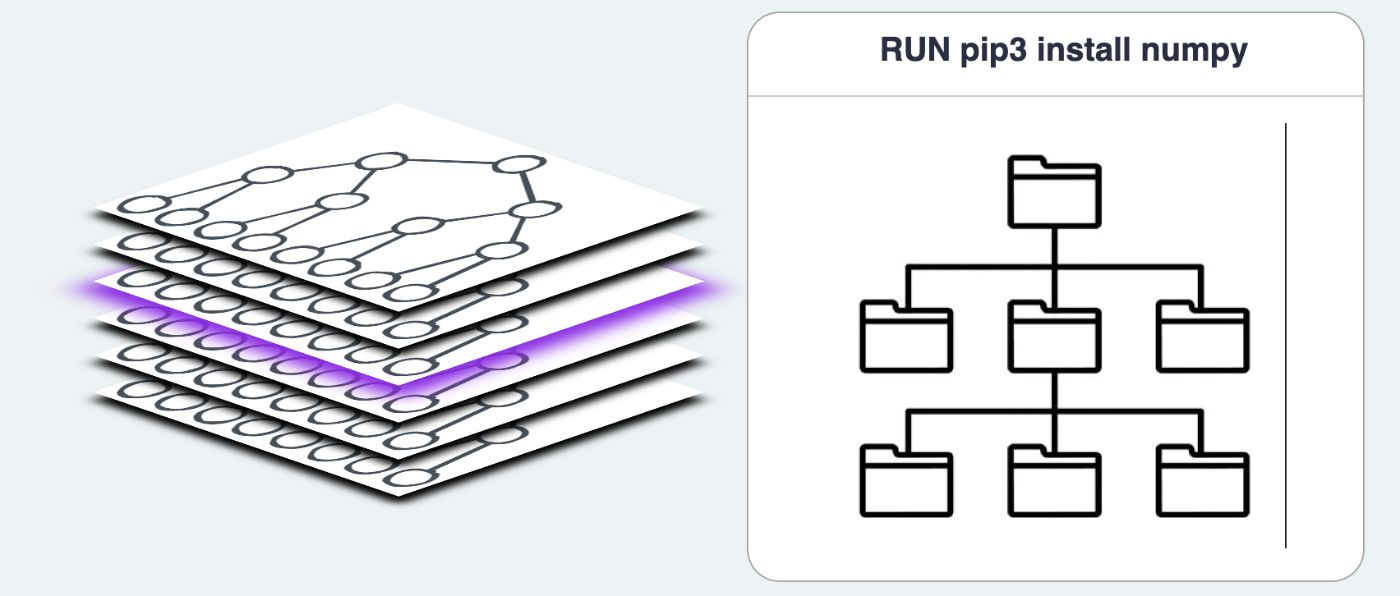 When building a two-sided platform, startups have one product, but they have to find product-market fit twice. Here's how that reality shaped Docker Hub.
68. Running Up MySQL export using Docker: A How-To Guide
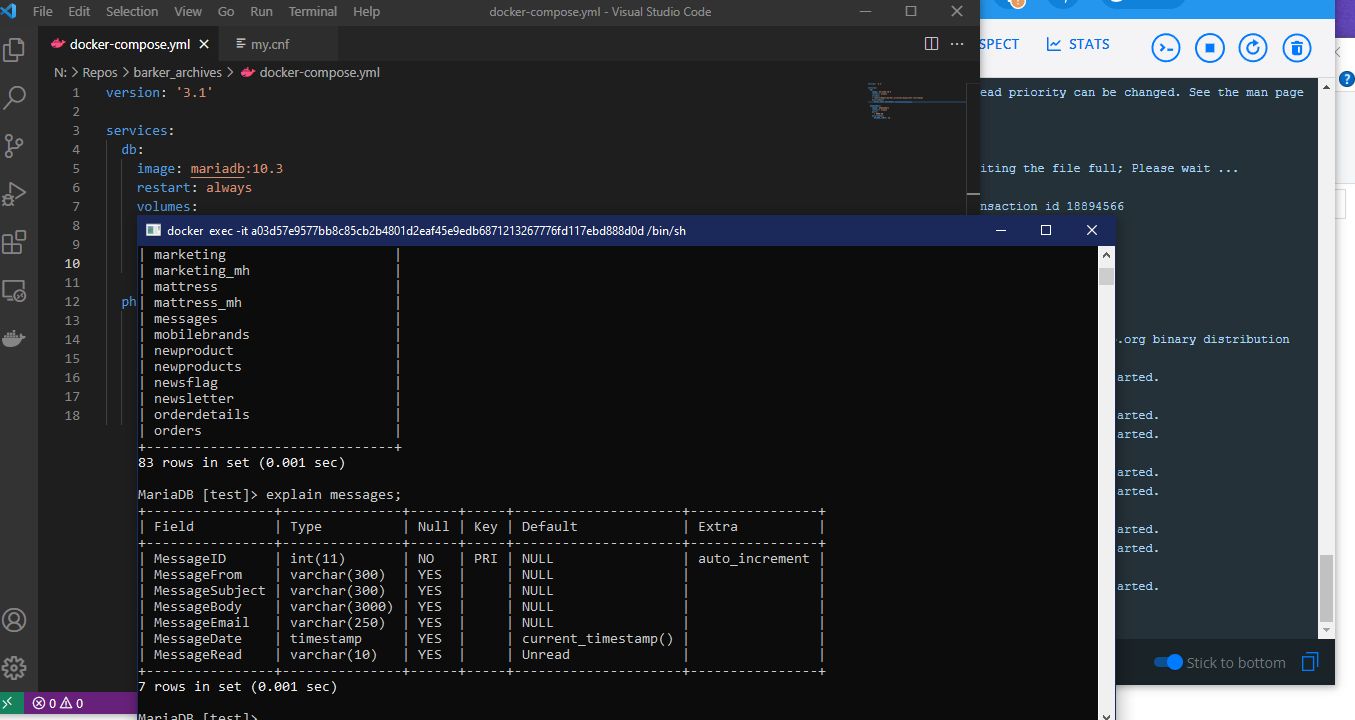 A quick and direct method of running up a MySQL database backup.
69. DBngin: Instant Local Server for MySQL, PostgreSQL, and Redis
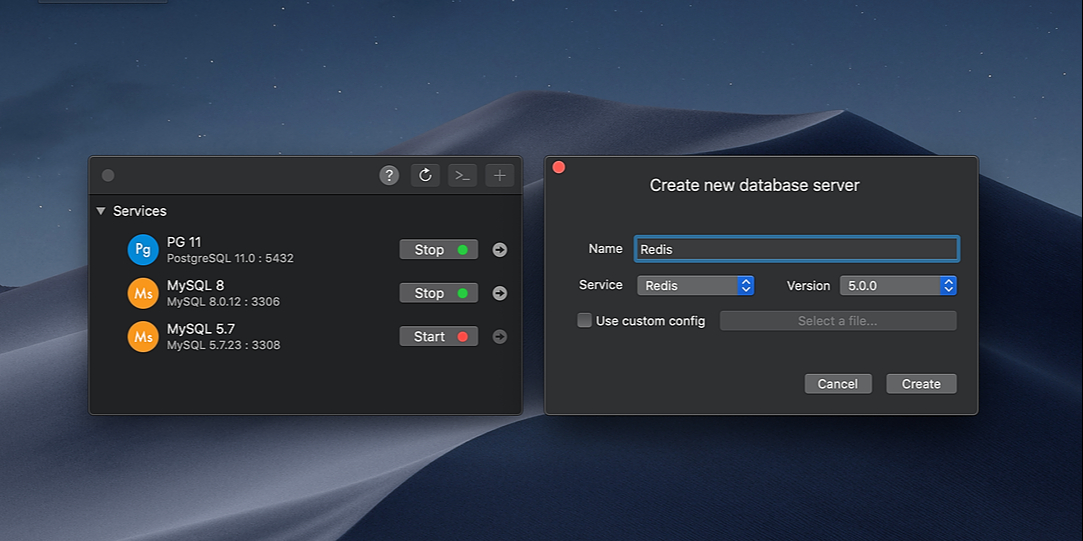 Docker might be an easy solution as an all-in-one tool for setting up a Local Development Environment. But on the other hand, it eats up a huge portion of your system resources to get up and running, and we hate it when our computer becomes lagging and clumsy.
70. Homelab: Why You Need It and Where To Start
 Build your own homelab to learn tech like virtualization. Use an old PC, add RAM and storage. Try Proxmox for safe VM experiments and growth.
71. Create a Ruby on Rails (Rails-Postgresql-React) App using Docker Compose
 How to create a Ruby on Rails application with Postgresql and React with Docker Compose
72. How to Use binding.pry to Debug a Rails Application in a Docker Container
 Debugging in a docker container isn't that straightforward. At least it is not in the way my team set everything up. I will describe my methods for debugging.
73. Using Jenkins, Docker and CI/CD for Serverless Applications
 Hi, I am developing a freelance project with aws lambda. I used Jenkins and docker for CI/CD. Jenkins runs pipelines on containers. In this Tutorial I will show you how I set my environment.
74. 21 Resources and Tutorials to Learn Kubernetes
 In this blog post below, we have compiled a list of 21 resources and tutorials, that are helpful to start your Kubernetes learning journey.
75. Container Orchestration Trends for 2023: Kubernetes, AWS Fargate, Docker and Beyond
 Containers have been around for a while now, but the industry is just starting to see the benefits of containerization.
76. How To Setup Cron And Docker Correctly [A How To Guide]
 What do I do if I need to use linux cron and execute command in one of my containers?
77. Wazuh on Docker: Secure Your Dashboard with Let's Encrypt and Deploy Agent with Kubernetes Daemonset
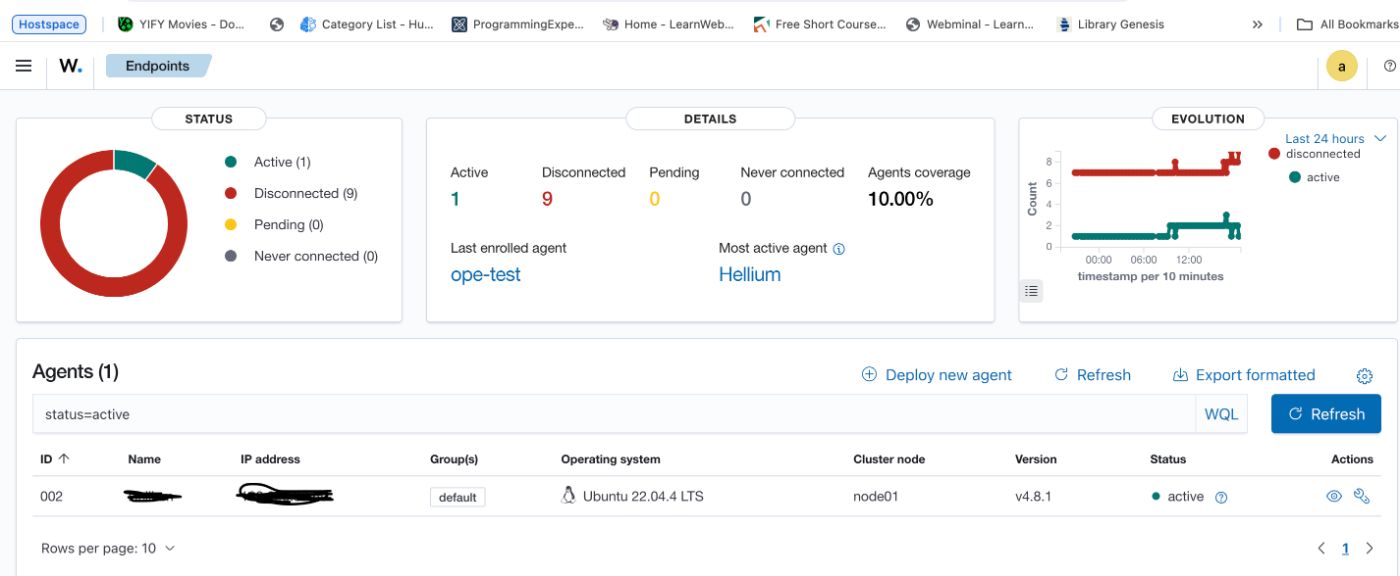 Learn how to set up Wazuh using Docker, secure your Wazuh Dashboard with Let’s Encrypt, and deploy Wazuh agents on virtual machines.
78. Container Security Tools to Try in 2023
 7 Strategies and associated tools for your container security workflows.
79. Docker is dead. Long live the Unikernel.
 As the cloud-native ecosystem evolves, it is beginning to appear as if a challenger to containerization has emerged. In this blog post, I'm going to dive into what unikernels are, and why I think they will be the most likely candidate to replace container-based infrastructure.
80. Streamlining Your Django Development Environment with Docker Containers
 Learn how to containerize an entire Django project from the ground up, including a Postgres database, Redis cache server, Caddy, and Celery instances.
81. Debugging Go Applications Inside Kubernetes From IDE
 When your application only works with api expose by kubernetes, you can simply launch your application from IDE in debug mode and debug your application. But when your application needs to connect to other services or components which are only available inside the Kubernetes cluster then this solution will not work.
82. Building Java Microservices from Scratch
 Today, microservices architecture is a common approach to building a system. In this article, I will show you how to build microservices using Java and Spring.
83. Deploy a LAMP stack as a Helm Chart
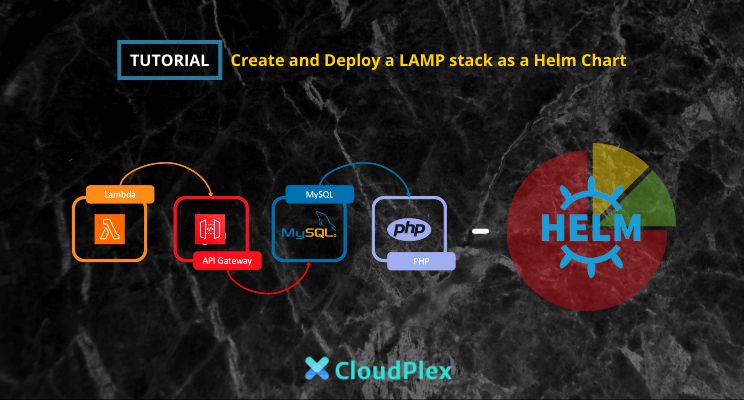 Kubernetes deployments are becoming even more complex but Helm is a good solution to bridge this deployment complexity and package Kubernetes applications
84. How To Create Golang REST API: Project Layout Configuration [Part 2]
 In a previous post I was explaining the basics of setting up GO application for REST API. Now I'll go into details by first creating configurable server, adding http router (mux) and some DB interaction. Let's get (the indoors party) started!
85. 300 Scholarships Up For Grabs at The School of Cloud Computing Courtesy Udacity and SUSE
 Apply today for Udacity’s SUSE Cloud Native Foundations Scholarship program and learn the skills you need to become a cloud native developer.
86. Here are Some Docker Hacks That Changed my Life
 Docker is a powerful tool for building and managing Docker-based applications. Here are some things you might be missing out on!
87. How To Start Using Microservices
 Microservices are completely disrupting the way we build applications nowadays. This is one of the hottest trends when it comes to software architecture. More and more developers are adopting it.
88. Aggregate Logs with Elasticsearch, Kibana, Logstash & Docker
 Improve logging in your microservices architecture to make tracking smoother with ELK Stack.
89. How to Create Serverless Functions with OpenFaaS in 17 Steps
 OpenFaaS is serverless functions framework that runs on top of Docker and Kubernetes. In this tutorial, you'll learn how to:
90. Use Kali Linux Containers, WebDriver, and Tor for Anonymous Web Scraping
 Demonstrates using Kali Linux Container as an ephemeral host Operating System for anonymous web scraping. Uses Python and Selenium to automate the Tor Browser.
91. Automating Smart Contract Development with Docker
 Setting up a dockerized container to launch project setups that'll help deploy and run smart contracts.
92. End to End API Testing with Docker
 Testing is a pain in general. Some don't see the point. Some see it but think of it as an extra step slowing them down. Sometimes tests are there but very long to run or unstable. In this article you'll see how you can engineer tests for yourself with Docker.
93. Automatically Scan Your Project Dependencies for Vulnerabilities Using Docker, Jenkins (Part 2/2)
 The OWASP Dependency-Check tool is a popular tool to check dependencies. We will discuss how we can run it standalone or integrate it into CI/CD Pipeline.
94. How to Set Up an Ethereum Node Using Docker Swarm: A Step-by-Step Guide
 Learn how to set up an Ethereum node with Docker Swarm step by step from setting up your first node swarm service to node swarm monitoring.
95. 5 Tips for Creating Docker Images with Spring Boot
 Keep up with the latest and best practices to build spring boot docker images.
96. How to Setup Different Environments for Dockerized Angular App with Nginx
 Here I’m going to suggest to you a very simple deployment practice that we can follow in regards to deploy an Angular-based front-end app.
97. Kubernetes on Apple's M1 Macbook with VMware Tanzu Community Edition
 Setup local Kubernetes cluster on Apple M1 with Tanzu Community Edition
98. How To Deploy React on AWS using NGINX
 This post will help you to learn how to deploy your React applications to production. We are going to use Docker and NGINX to secure API keys and proxy requests
99. How To Deploy an Application Using Jenkins, Tomcat Server, and PollSCM
 In this guide, we are going to use Docker to configure Jenkins and Tomcat to achieve Continuous Integration/Continuous Deployment.
100. Using Docker Compose for Development without Going Crazy
 Using Docker Compose in development with creature comforts for developers.
101. Achieving High Availability with MariaDB MaxScale
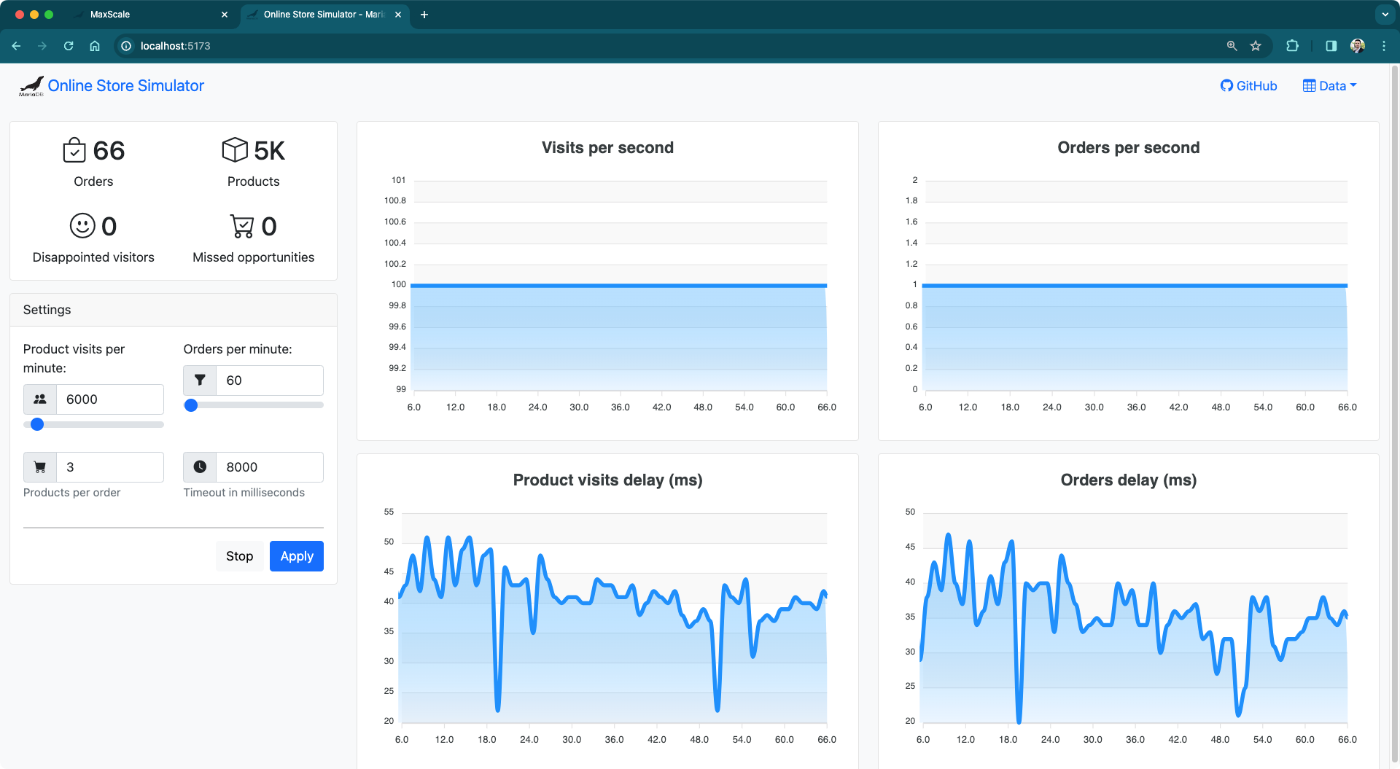 Learn how high availability and resiliency work in databases with a practical demo that you can easily run with Docker
102. Github Codespaces Vs. Gitpod: Choosing the Best Online Code Editor
 Gitpod and Github Codespaces are VS code-based online editors, with attached Linux env servers, which of them is best for you?
103. 10 DevOps Conferences You Should Be Attending in 2020
 DevOps being the center stage of the software development life cycle today, has gained enough momentum and has a massive community around the world.
104. How To Improve Your Docker Build Time in GitLab CI
 Make your containerized CI environments truly useful by accelerating your Docker builds
105. How to Handle Configuration for Multiple Environments in Console App Service?
 How I automated the process of service deployment for a console application after issues caused due to multiple configuration environments.
106. 5 Common DevOps Myths Debunked
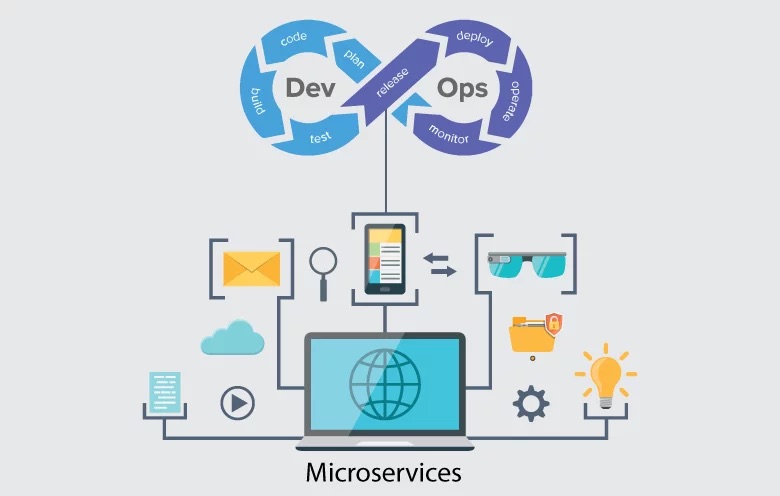 Debunk the most common misconception around DevOps and implement them in your organisation now!
107. Beginners Guide to Docker for Ruby on Rails, PostgreSQL Development
 In this beginner's guide, we will walk you through the process of dockerizing a Ruby on Rails application with PostgreSQL.
108. Top 7 Kubernetes Security Practices Everyone Should Follow

109. Kafdrop
 Open-Source Web UI for Apache Kafka
110. How to Nginx Reverse Proxy with Docker Compose
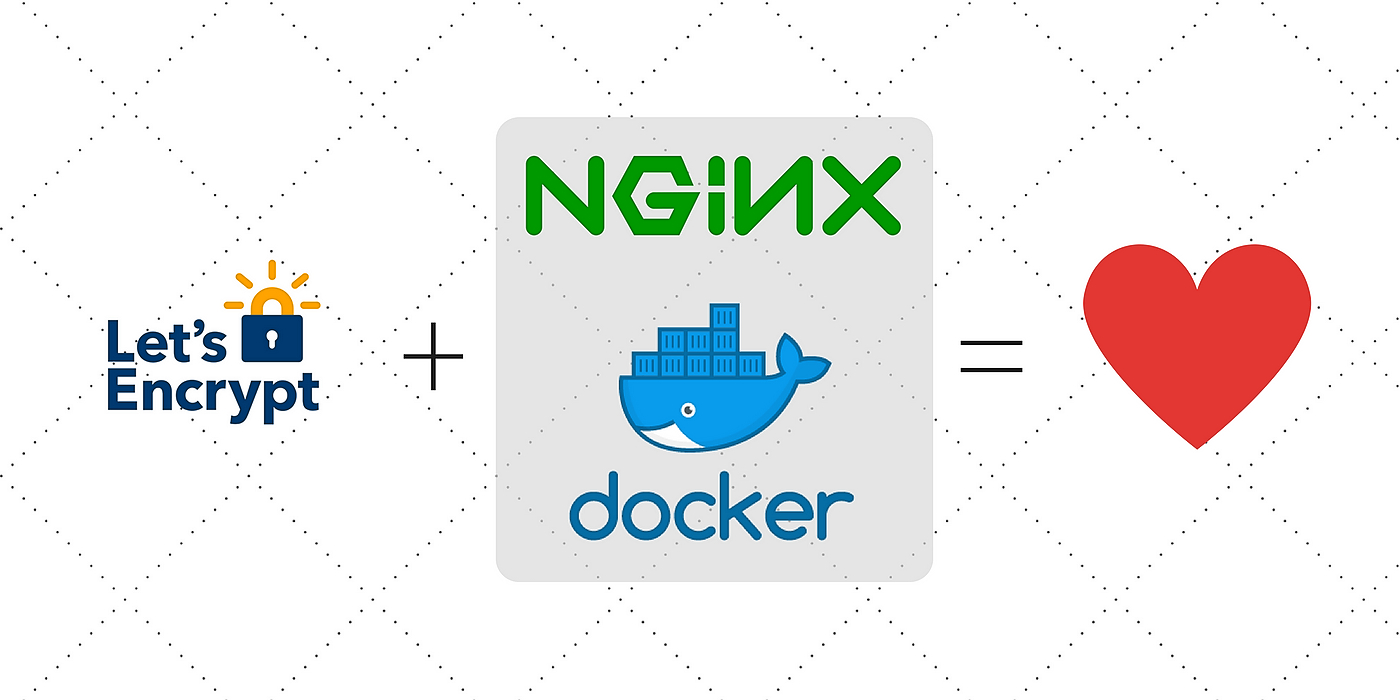 While developing a web application, a common method of calling the application from a local machine is through http://localhost:x ports, which essentially means that we are required to expose several ports to access different modules of the application. In the article below, we will go through the method of using Reverse Proxy to call an application and the benefits of using it.
111. Top Alternatives to Docker Desktop in 2022: How to Choose One
 Docker Desktop will change the licensing policy for commercial users. It's no longer free, so what alternatives can we choose instead?
112. Use Kali Linux Docker Containers to Support Covert Web Scraping
 Use Kali Linux Docker containers and host ephemeral environments to support covert web scraping via Tor Browser, and penetration testing of container networks.
113. Podman CLI Guide for Docker Users
 Podman is the command-line interface tool that lets you interact with Libpod, a library for running and managing OCI-based containers. It is important to note that Podman doesn't depend on a daemon, and it doesn't require root privileges.
114. Docker Image Optimization - Lean Docker Images for Next.JS
 Using multi-stage builds to optimize production Docker image for faster deployment.
115. Running Vaultwarden in a Container as a systemd Service Using Podman
 Running Vaultwarden in a container with systemd using Podman.
116. How to Shed Pounds Off Your Docker Image
 Checkout the best practices for making your Docker images slim and fast. Be Kubernetes ready and streamline your development process!
117. Why Your Containers Keep Crashing (And How to Stop the Madness)
 Learn how to debug Docker containers like a pro! Fix crashes, OOM kills, network issues, and performance bottlenecks with advanced troubleshooting techniques.
118. Instant GraphQL + MongoDB Backend With Mongoke
 Implementing a good GraphQL backend to serve your database data is not an easy task, you have to implement a lot of resolvers, add authorization, pagination of the fields and use a DataLoader to not repeat your database queries during relations.
119. Two Friendly Tools Of a "10X Engineer"
 Hi Everyone, Hope you all Programming geeks are doing well. In today's modern Software Industry, there are two types of engineers:
120. How Containers Affect DevOps
 Today, we no longer talk about development and operations in isolation. DevOps actively combines these two, which is an essential factor in the modern software lifecycle. Along the way, Docker containers have also become popular due to the benefits they offer for DevOps. Containers affect DevOps mainly in two ways.
121. Sanity-Checks with Playwright in Fargate container on schedule
 There is often the need to check whether your production system is working as expected. Playwright is a great way to test if everything is going to plan.
122. Scaling Symfony Consumers using Kubernetes [A How To Guide]
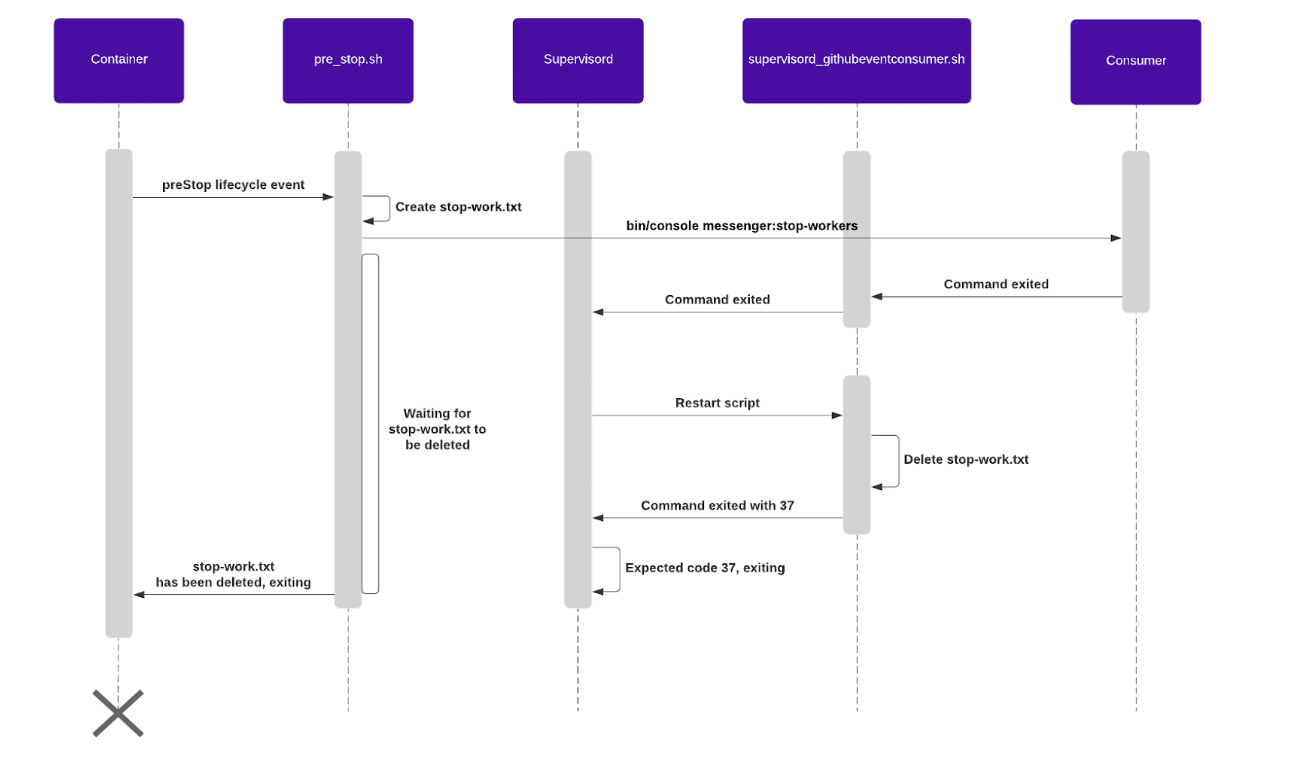 At Debricked we have been using Symfony for our web backend for a while now. It has served us very well and when they announced the Messenger component back in Symfony 4.1, we were eager to try it out. Since then we have used the component for asynchronous queuing emails.
123. The Day we Started to Protect DevOps with Blockchain
 I still remember February 2018 very well. Many people were in a really bad mood when it came to Blockchain or Distributed Ledger Technology (DLT), mainly because the price of most cryptocurrencies made a nose dive and the Disillusionment started.
124. Top 5 Kubernetes Coding Errors and How to Solve Them
 How to solve the top 5 Kubernettes coding errors.
125. How To Containerize Java Applications Without Docker Using Jib
 In this article we will learn about how to create docker or OCI complaint images without installing any docker client or using Dockerfile for our SpringBoot application. We will be doing all of this with help of Jib.
126. Creating and Running an Angular Application in a Docker Container
 In this article, we will create a web application using the latest version of Angular, generate a Docker image, and then execute this image within a ...........
127. 3 Major Python Problems and How to Solve Them
 Python is a versatile programming language that is popular and widely used for various applications, such as data science modeling and REST APIs. However, managing and maintaining a complex Python development environment can be challenging, especially when working on large or multi-faceted projects.
128. Building 28-Core Raspberry Pi Cluster from Scratch: Release The Kraken
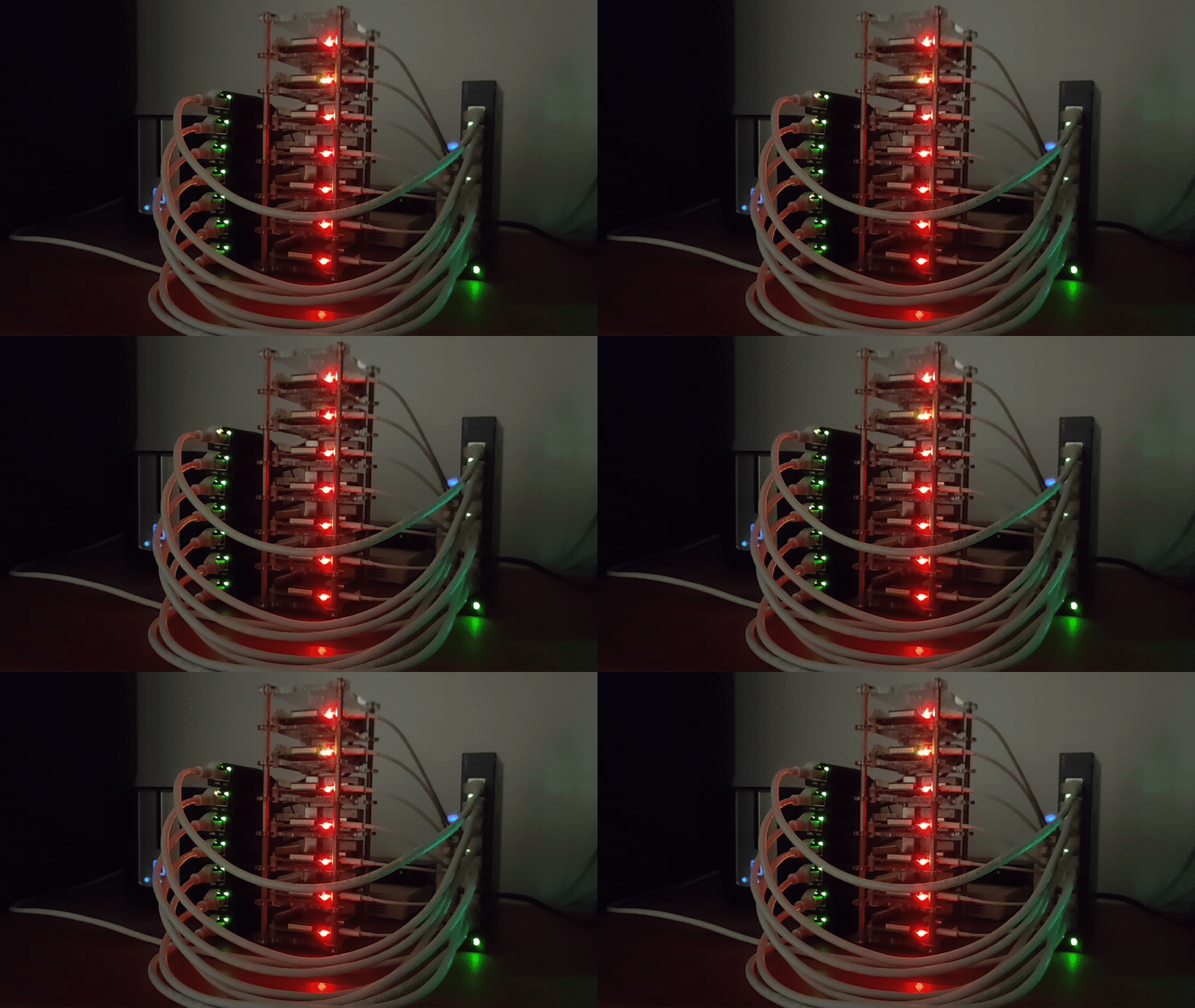 This is the second installment of my 'How I built' trilogy detailing the build process of all 3 of my clusters. Read the first here.
129. Mastering Graceful Shutdowns in Go: A Comprehensive Guide for Kubernetes
 For applications deployed in orchestrated environments (e.g., Kubernetes), graceful handling of termination signals is crucial.
130. Implementing Blue/Green Deployments with Azure Web Apps for Containers
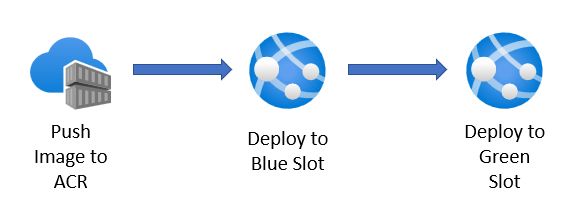 Using Deployment slots, we can perform Blue/Green deployments in Azure App Service to achieve zero-downtime deployments for our containerized workloads.
131. The Containerized Software Development Guide
 How to develop software in containers
132. Creating Tables and Querying data with AWS DynamoDB
 In this article, we will look at the NoSQL database service offered by AWS called DynamoDB and how to perform basic database operations with it
133. 10 Free Courses to learn Docker and DevOps for Programmers and Software Developers

134. ClickHouse+Python+Nginx: Quick tutorial how handle your logs
 A quick tutorial on how to handle your logs with ClickHouse: parse, store, and analyze your logs with joy!
135. Building AOSP with Docker
 I have been working on AOSP (Android Open Source Project) for a little
over a year now, it was my first experience working on Android as a
platform. Building and customizing your Android OS my seem like a
daunting task at first, but it is not really that hard, but i am not
here to give you a guide on how to build Android from Source but we will get to see how docker can help you in building your ROM.
I have been working on AOSP (Android Open Source Project) for a little
over a year now, it was my first experience working on Android as a
platform. Building and customizing your Android OS my seem like a
daunting task at first, but it is not really that hard, but i am not
here to give you a guide on how to build Android from Source but we will get to see how docker can help you in building your ROM.
136. Google Workload Identity Federation, OIDC, Dex and TypeScript: Connect your B2B to Gemini and Vertex
 Google Workload Identity Federation, OIDC, Dex, NodeJS, Artifact registry, and TypeScript: Connect your B2B to Gemini and Vertex
137. Should You Learn Kubernetes in 2022
 With the increasing popularity of containerized applications, the container orchestration platform Kubernetes has become a must in the toolset of a developer.
138. How to Create Simple Multi-Stacks Test With Testcontainers

139. Analyzing Your Code With SonarQube Running via Docker Image
 Dockerize Your C# Code Analysis: A Beginner's Guide to SonarQube and Docker Image.
140. Using PhpStorm, Docker and Xdebug 3 on PHP 8.1
 How to configure PhpStorm and Xdebug to run PHP in Docker for php-fpm, cli and daemon worker processes in 2022.
141. The Adoption of Microservices Architecture for Cloud-Native Applications
 In this article, we've explored the world of microservices and native applications as well as how Docker can be used to build, run, and deploy them
142. Deploy Your First Jupyter Notebook to Docker
 What Docker is, what makes up docker, and how to deploy a Jupyter notebook to a Docker Container
143. GKE vs. EKS: Comparing Google Kubernetes Engine and Amazon Elastic Kubernetes Service
 There are key differences between GKE and EKS. While EKS is a market leader, read more to find out why GKE can give EKS a run for its money.
144. Running Multiple Docker Containers With Custom Config Files
 Many of us using Docker to make our lives easier have ran into the issue of conflicting ports due to running more than 1 docker container. It’s easy to get bogged down into changing config files and squander an entire afternoon. I intend to write this article as a reminder to my future self whenever I need to set up multiple instances of docker container on a single machine.
145. 14 Steps to Debugging a Node.js Application Running in a Docker Container
 This blog post shows how you can debug a simple Node.js application running in a Docker container. The tutorial is laid out in a fashion that allows you to use it as a reference while you’re building your own Node.js application and is intended for readers who have prior exposure to JavaScript programming and Docker.
146. 13 Things You Should Know If You Are A Software Developer/Entrepreneur In 2020
 13 different things that you can learn today if you want to be a tech entrepreneur or a better engineer to make an application and ship it to your customers!
147. What We Learned By Dockerizing Our Applications
 A universal truth we’ve experienced as both an IT software vendor and as an application delivery team is that application owners are constantly trying to deliver better software faster.
148. Docker Use Cases: Most Common Ways to Use
 Unveiling Docker's Potential in Modern IT Landscapes - An In-Depth Exploration of Applications and Best Practices.
149. Supercharge Your Flutter Web App: Deploy with Ease on Google Cloud Run
 Effortlessly deploy your Flutter web app on Google Cloud Run using Docker and GitHub Actions. Streamline collaboration and accelerate deployment with this guide
150. How to Set Up a Dedicated Database Server for Analytics
 Have that old laptop that's just in the back of your closet? Figure out how to give it a new life!
151. Supercharge Your JavaScript Dockerfile for High-Performance Production Deployments.
 A step-by-step guide on writing a Dockerfile for a NestJS project.
152. Contain your AI agents with Docker Sandboxes!
 The tremendous increase in the use of AI coding agents has made Docker Sandboxes essential.
153. Introduction to Buildah: A CLI Tool For Building Images
 Buildah is a tool for building OCI-compatible images through a lower-level coreutils interface. Similar to Podman, Buildah doesn't depend on a daemon such as Docker or CRI-O, and it doesn't require root privileges. Buildah provides a command-line tool that replicates all the commands found in a Dockerfile. This allows you to issue Buildah commands from a scripting language such as Bash.
154. My Coding Workflow: How I'm Working From Different Places As A Software Engineer
 Coding is not an easy process, especially if you have to be super focused to do it relatively fast and without bugs. Keeping the focus on coding only is quite a difficult challenge, but this story is more about how to make the ultimate setup to code from anywhere with the internet and browser!
155. Advanced Docker Security with AppArmor - An Overview
 So you have your Docker Containers deployed, which in turn are hosting critical applications of your organization? Great! So far, so good!
156. Microsoft, The Unit of Deployment, and Win/Win Kubernetes with Co-Founder Joe Beda
 We recently had the opportunity to interview VMware’s principal engineer, Joe Beda, one of the creators of Kubernetes, as well as the Google Compute Engine. Joe
157. Youtube To Anchor.fm - A Github Action To Automatically Publish Your Podcast
 During the quarantine period, I started an Italian tech live show on YouTube and a podcast on Spotify and Anchor.fm with some of my friends. The show’s called Schrödinger Hat.
158. Train ML Models in Docker Container and Configure Access to on-premise GPU device
 Train ML models in Docker container and configure access to on-premise GPU device
159. Kubernetes vs Docker: Differences Explained
 Learn about Docker and Kubernetes container solutions, and discover the differences between Kubernetes and Docker to choose the one that best suits your needs.
160. I Just Want to See It Work: Kafka Stream, C# Producer and Consumer
 A quick start for running Kafka in docker container, and a working example of a producer and a consumer in C# .NET
161. How to Use Docker with Python in Just 10 Minutes
 Sometimes you just want to dip your toe into a potentially deep and complex subject. Maybe you only have 10 minutes to spare and you want to get something up and running quickly.
162. How To Deploy A Secure Django Application on Kubernetes
 Deploy Django on Kubernetes in a few clicks without even Dockerizing your application.
163. Implementing CI/CD with GitHub Actions: Building and Deploying Docker Images from a Python Project
 While the CI/CD ecosystem is expansive and multifaceted, GitHub Actions stands out for its adaptability.
164. How to Build a Directed Acyclic Graph (DAG) - Towards Open Options Chains Part IV
 In "Towards Open Options Chains", Chris Chow presents his solution for collecting options data: a data pipeline with Airflow, PostgreSQL, and Docker.
165. The Pocket Guide to Understanding Docker Containers
 Docker containers have revolutionized software development and deployment by offering a flexible, efficient, and consistent way to package and run applications.
166. Docker Centralized Logging with ELK Stack [EXPLAINED]
 As your infrastructure grows, it becomes crucial to have robots and a reliable centralized logging system. Log centralization is becoming a key aspect of a variety of IT tasks and provides you with an overview of your entire system.
167. Deploying Transformers in Production: Simpler Than You Think
 A beginner-friendly guide showing developers how to easily deploy transformer models (like DistilBERT) using Docker, Flask, Gunicorn, and AWS SageMaker. Include
168. Dockerize Your Laravel Project in a Jiffy
 The easiest way to dockerize your Laravel project. you can set up Laravel in just 10 minutes...
169. How To Deploy Pocketbase Using Docker, Nginx and SSL
 A devops guide on deploying pocketbase to the cold using docker and nginx and adding support for SSL
170. Homelab: What to Run
 Discover what you can run on a homelab: from Kubernetes clusters and media servers to gaming VMs and self-hosted AI.
171. How and Why I Self Host
 def main():
print('Hello World!')
print('This marks my first post on this blog!')
def main():
print('Hello World!')
print('This marks my first post on this blog!')
if
As I originally post
172. This Web IDE Runs Your Code in the Cloud—Without Melting Your Laptop
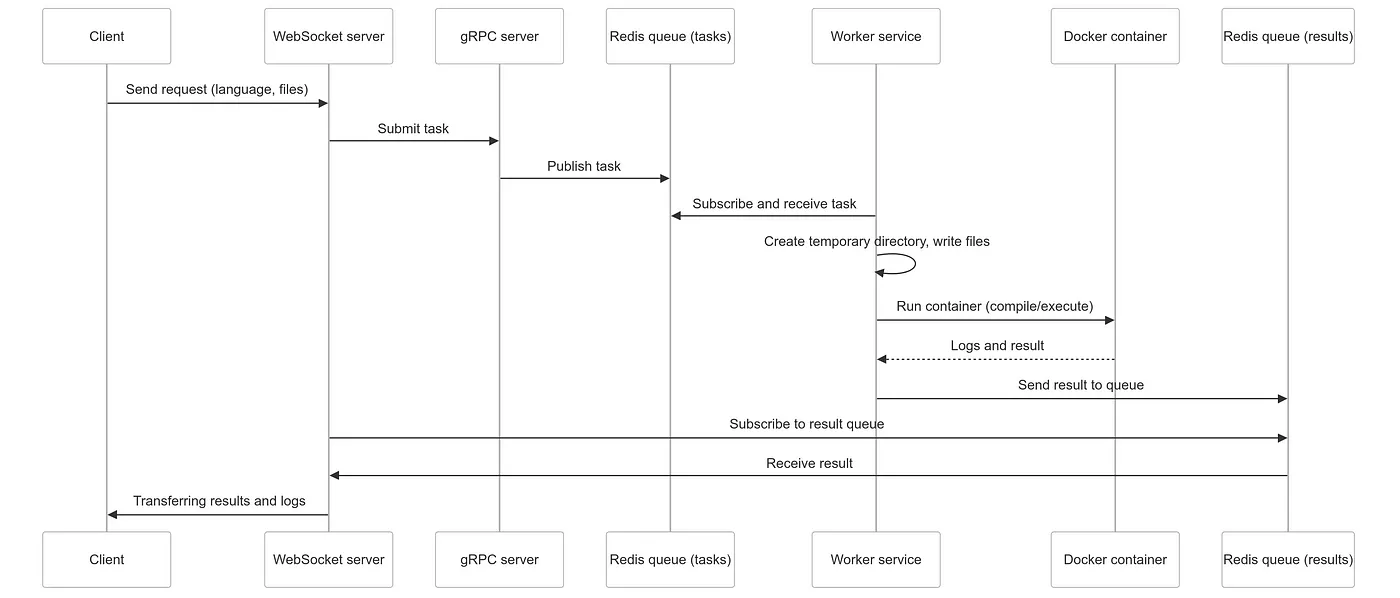 The project is built on the principle of microservice architecture, which allows you to divide functionality into independent services.
173. How to Use NGINX to Host a Local Site Using Docker
 Sometimes, you can't simply open your index.html in Chrome to test your website. You need the features of a real web server like NGINX.
174. 3 Simple Steps to Run Redis Docker in CentOS or Linux Machine
 Let's discuss the easiest way of setting up the Redis Docker image using the Docker container.
175. Modularizing Docker Images
 Docker is a containerization technology that allows an application to run in an isolated environment while being bundled with all the dependencies it needs to run. So it provides a standard way to run applications in a server agnostic manner.
176. Give me a Unix Shell and I'll Build Container Images ... for Life
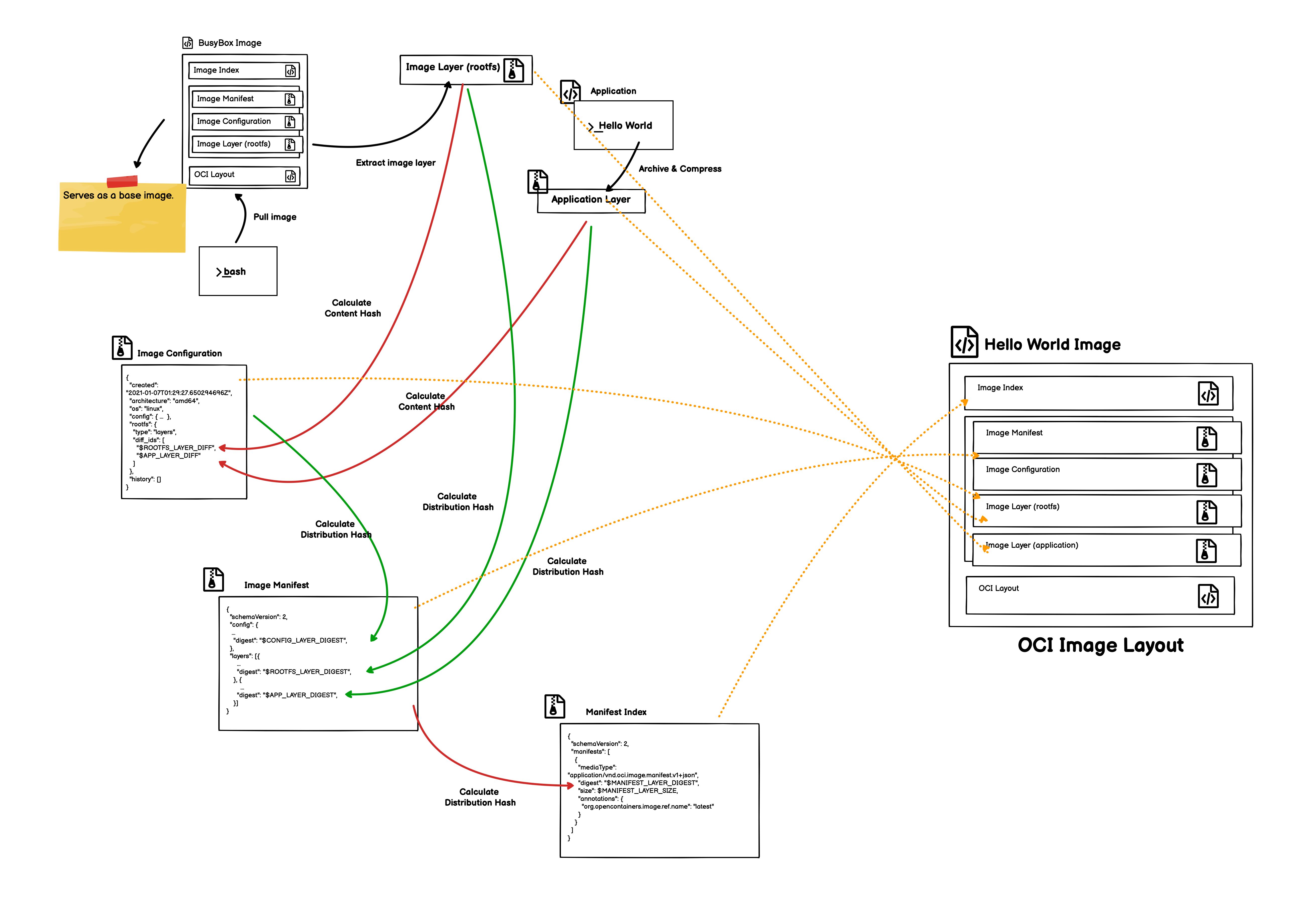 People in the stone age used their bare hands to create container images!.
177. How to Deploy an ASP.NET Core Web App in Azure From Docker Image
 The story is about how fast to create and deploy ASP.NET Core web applications to Azure.
178. How to Implement Doom UI Streaming in Docker
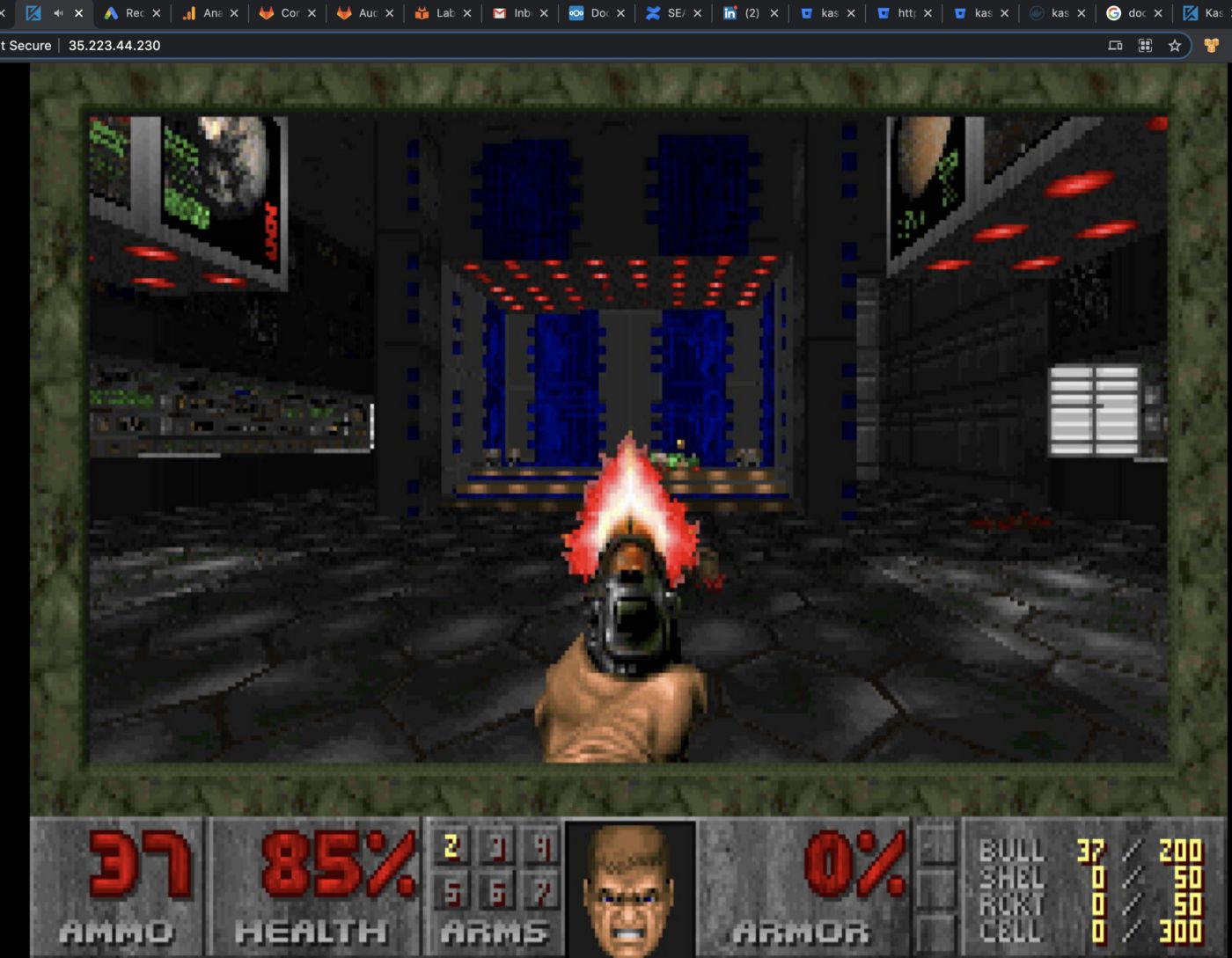 Docker is all the rage these days, with its simple and elegant way to package applications and even entire systems into something that can be ran on any Linux host with Docker installed. But what if Docker could be extended to desktop applications?
179. An Introduction to Docker and How It is Important for Sysadmins
 Ever since Docker went live in early 2013 it’s had a love-hate relationship with programmers and sysadmins. While some ‘experienced’ developers that I’ve talked to have a strong dislike for containerization in general (more on that later), there’s a reason why a lot of major companies including eBay, Twitter, Spotify and Lyft have reportedly adopted Docker in their production environments.
180. Kubernetes Tutorial: Using The System For Personal Projects
 Learn how to deploy a simple rest API with ExpressJS and expose it using a service and ingress. Great for Kubernetes personal projects.
181. How to Become a Kubernetes Application Developer
 When it comes to certification, there are two main Kubernetes certifications available in the market.
182. Kubernetes in Docker: Adding Nodes Dynamically to a Kind Cluster
 The story of how I figured out that I could add nodes to a local Kubernetes cluster dynamically in kind.
183. Top Kubernetes Consulting Service Providers: 2021 Edition
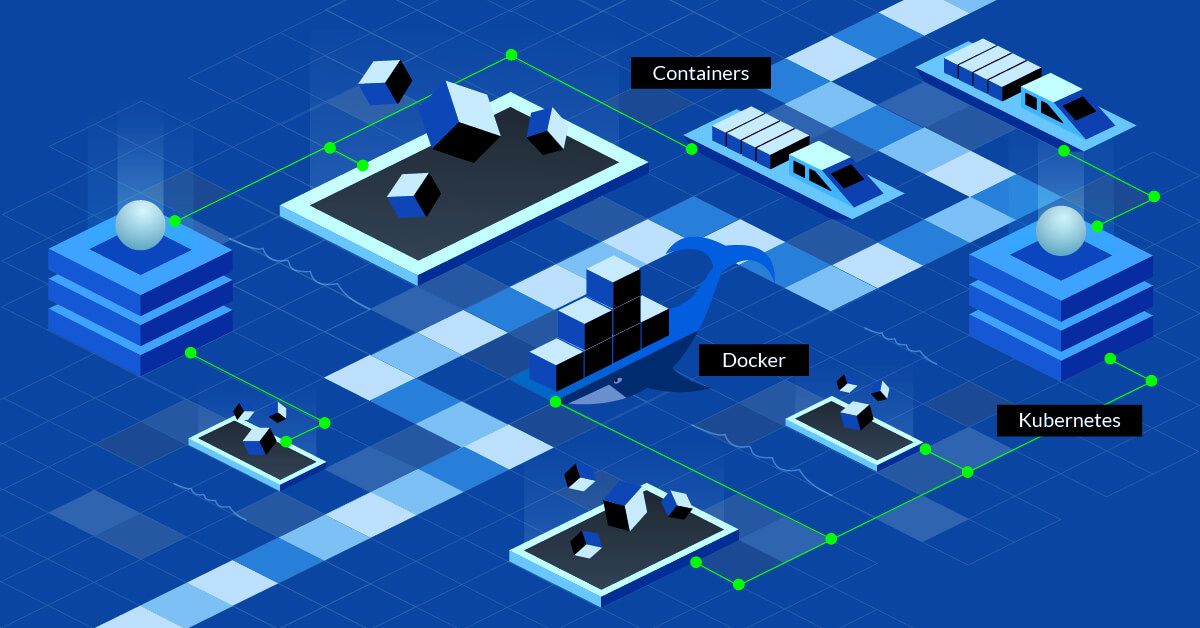 Kubernetes opens up the potential for better application management and deployment automation.
184. How to do Database Read/Write Splitting With Your Browser
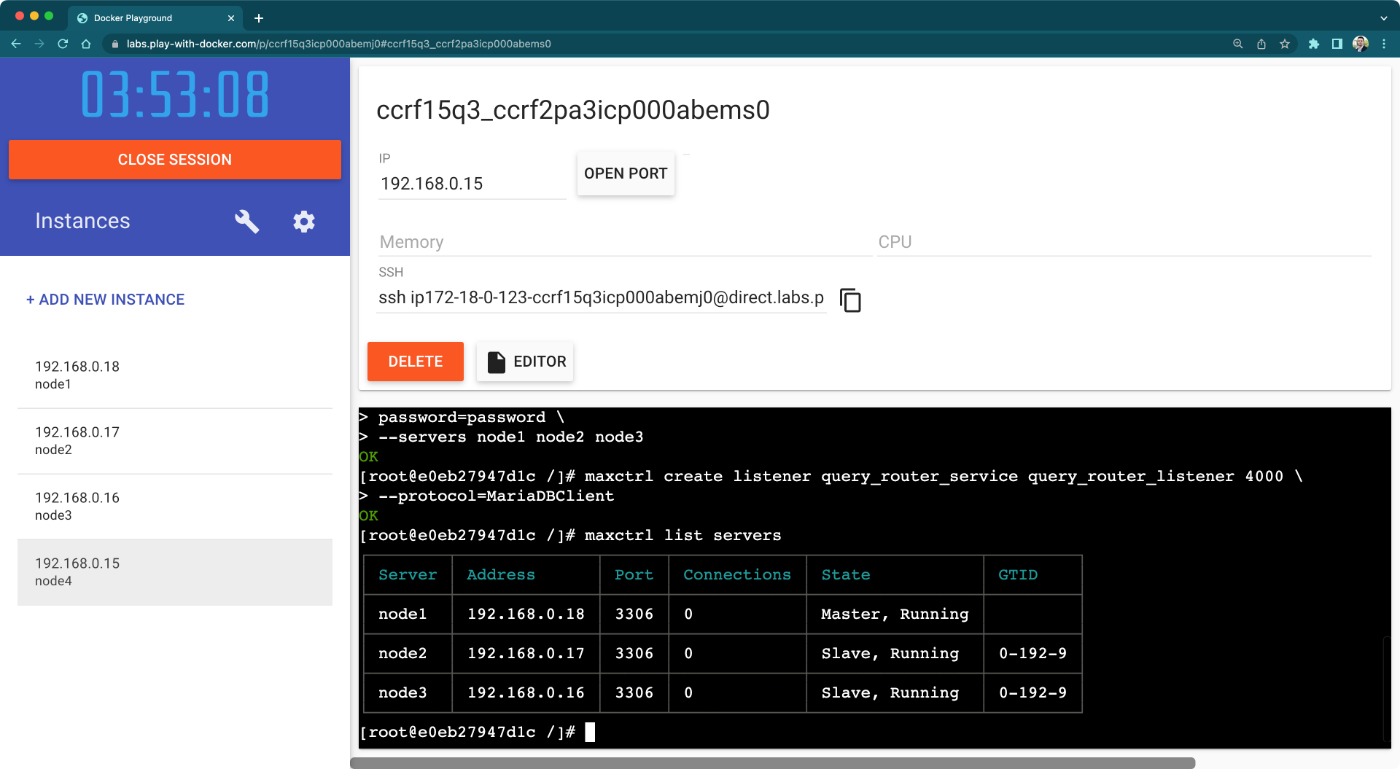 A tutorial that explains how a database proxy like MariaDB MaxScale serves as a transparent read/write splitter that scales SQL queries.
185. Deploy Docker Using Ansible
186. How To Harden Your Docker Containers Using Seccomp Security Profile
 Secure Computing Mode, also known as Seccomp, is a Linux kernel feature that improves several security features to help run Docker in a more secure environment.
187. Making A Case for OffChain Storage in Hyperledger Fabric [Deep Dive]
 In this article, I’ll try to explain the significance of OffChain Storage in Hyperledger Fabric and also the offchaindata application that I have built to demonstrate the offchain storage implementation using the Go Programming language for Hyperledger Fabric.
188. Kubernetes Distributed Performance Testing using Locust
 Docker and Kubernetes are powerful tools that can help you in aligning your Machine Learning production cycles with the business operations requirements.
189. A Beginner's Guide to Dockerizing a Vite dApp Project
 This is a guide that shows you how to containerize and share your dApp using docker and Vite.
190. How To Run Deno.js in Docker
 What is Deno? Deno is a simple, modern and secure runtime for JavaScript and TypeScript that uses V8 and is built in Rust.
191. How to Secure Containers Using Docker Content Trust
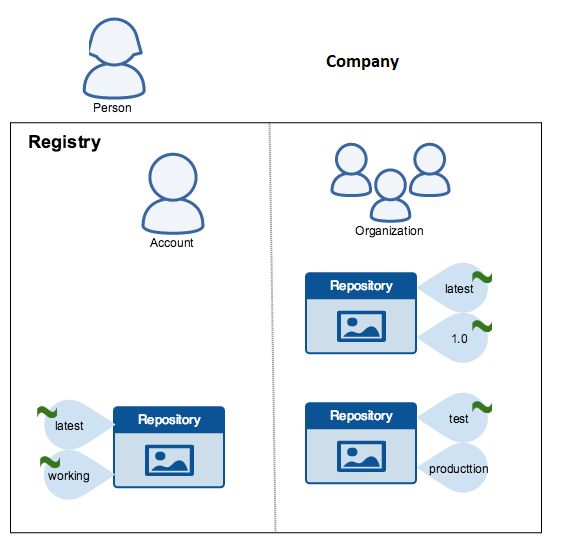 Strong cryptographic assurances are needed to secure data. This is where Docker Content Trust (DCT) comes into the picture.
192. Getting Started with Zalenium: Docker-based Selenuim Grid
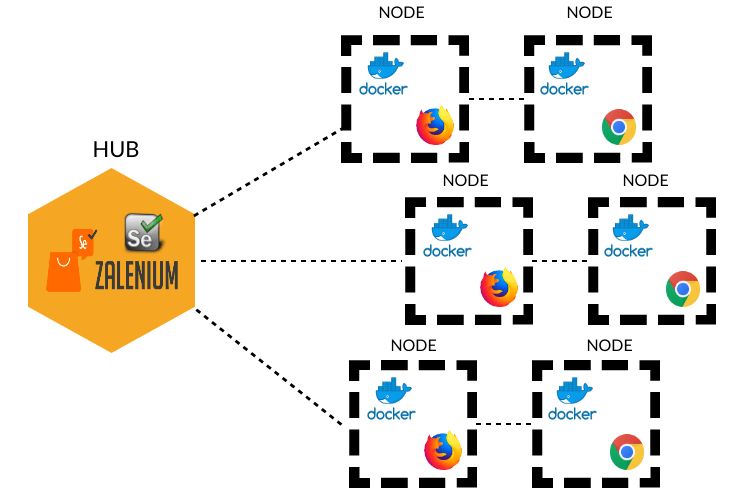 The integration of Docker and Kubernetes makes Zalenium an appealing choice for setting up Selenium-based infrastructure.
193. Getting started with Distributed SQL

194. Creating and Provisioning Azure Container Apps with Bicep
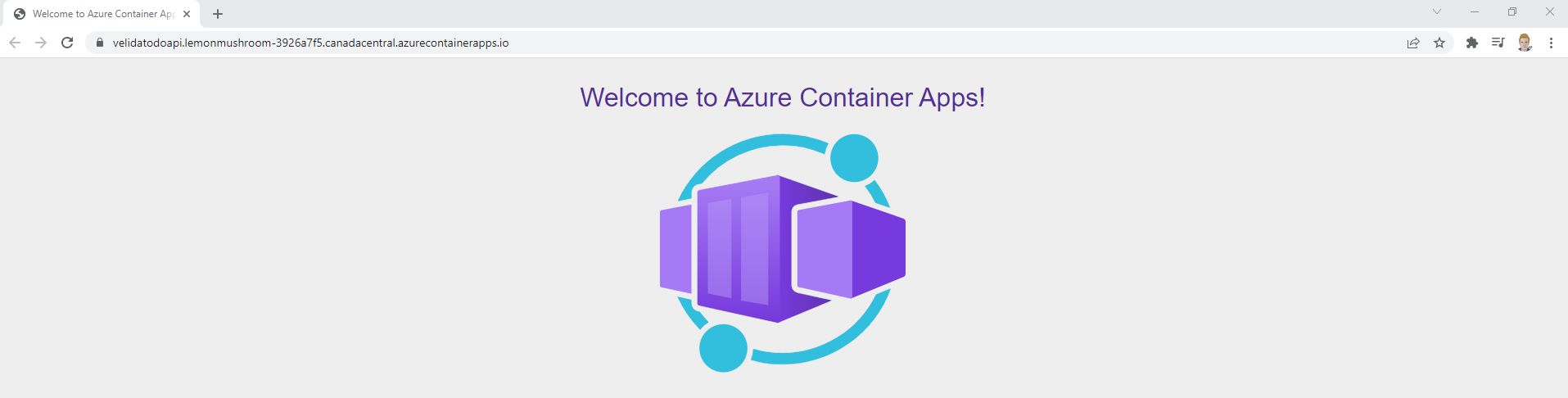 Using Bicep, we can deploy Azure Container Apps quickly and easily!
195. Automatically Scan Your Project Dependencies for Vulnerabilities Using Docker, Jenkins (Part 1/2)
 Find out how to automatically check your software projects for potential vulnerabilities caused by 3rd party code.
196. Dockerizing Your PHP Application
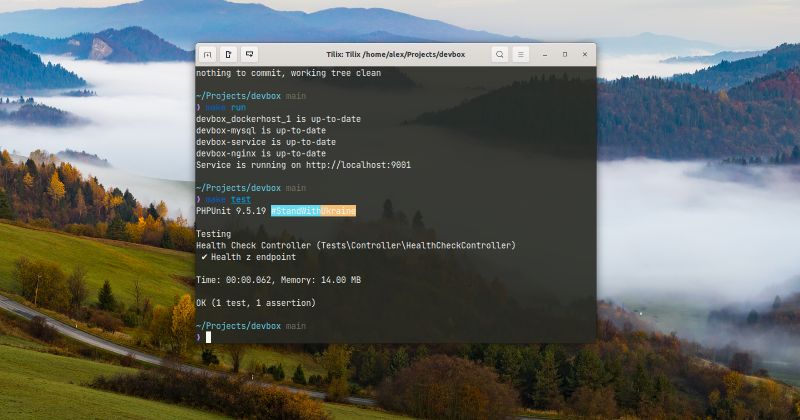 A short guide on how to set-up a simple PHP 8.1 environment using docker
197. Sysdig: What It Is and How to Use It
 Sysdig is a universal system visibility tool with support for containers. What makes Sysdig special, is that it hooks itself into the machine's kernel and segregates the information on a per-container basis.
198. Comparing Container Pipelines
 Introduction
199. Dockerizing and Deploying Nuxt.js SSR Apps To AWS ECS
 For the past few hours, I've been working on dockerizing a Nuxt.js server-side rendering app to be deployed to AWS Elastic Container Service (ECS). I hit a stone wall when environment variables are not properly injected on runtime on ECS.
200. Ansible 101: Working With Facts and Templates
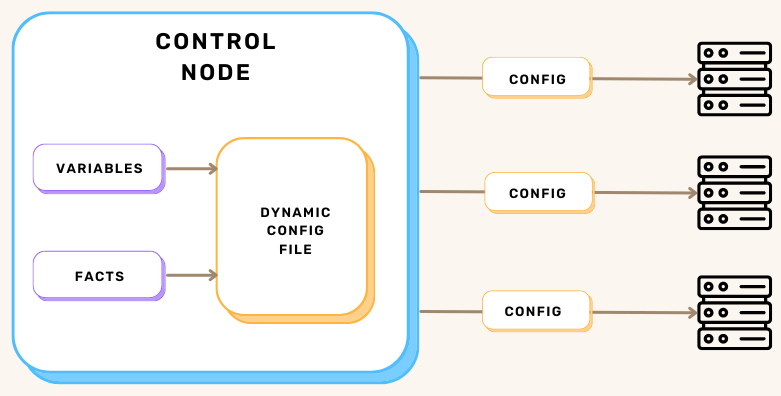 Ansible utilizes variables, facts, and templates to create adaptable automation workflows. This approach ensures playbooks are reusable and flexible.
201. Getting Started with MariaDB using Docker and Node.js
 It's no secret that MariaDB has become a popular database solution for developers over the past decade. Why? Well, one could argue that it's largely because it's open source and relational. So, for developers, that basically means it's free, and we get the gist of it. But that really only begins to scratch the surface.
202. Building Cheap Raspberry Pi Cluster from Scratch
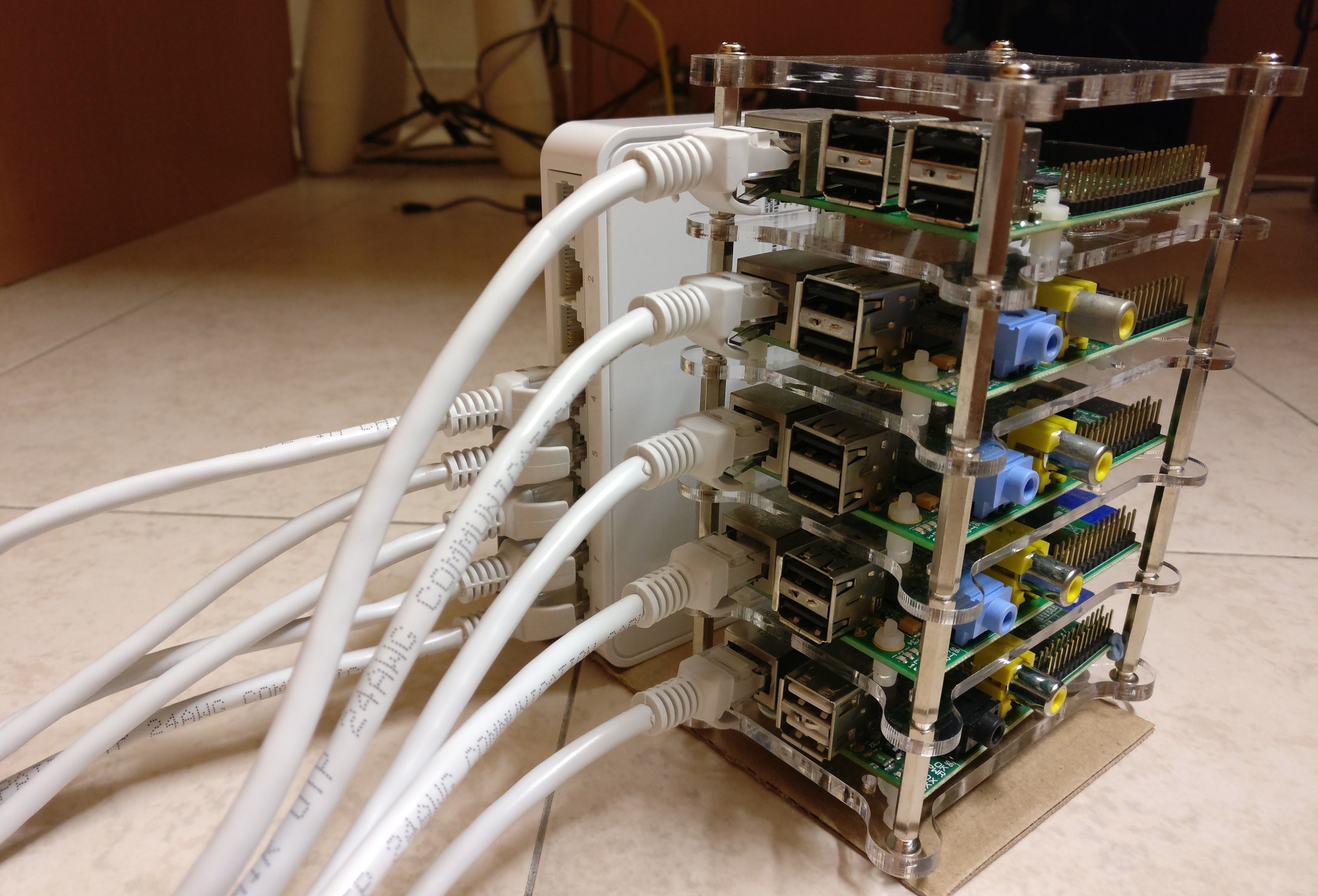 This is the first of the 'How I built' trilogy detailing the build process of all 3 of my clusters.
203. ChatGPT Implements Work With Users Using the CQRS Pattern
 We will ask ChatGTP to teach us how to write a mini-project with user CRUD. And let's try to imagine that we don't know how to work with docker containers.
204. Full Production Django Docker Configuration
 The current software development ecosystem moves fast and it seems older frameworks like Django or Rails becoming absolute, but it is a huge underestimation! Django is one of the unique frameworks that I like to use - first of all because it contains everything in it, with just a few simple configurations.
205. Automate and Deploy a Docker Container to Google Cloud Run from Scratch Using Pulumi and Go
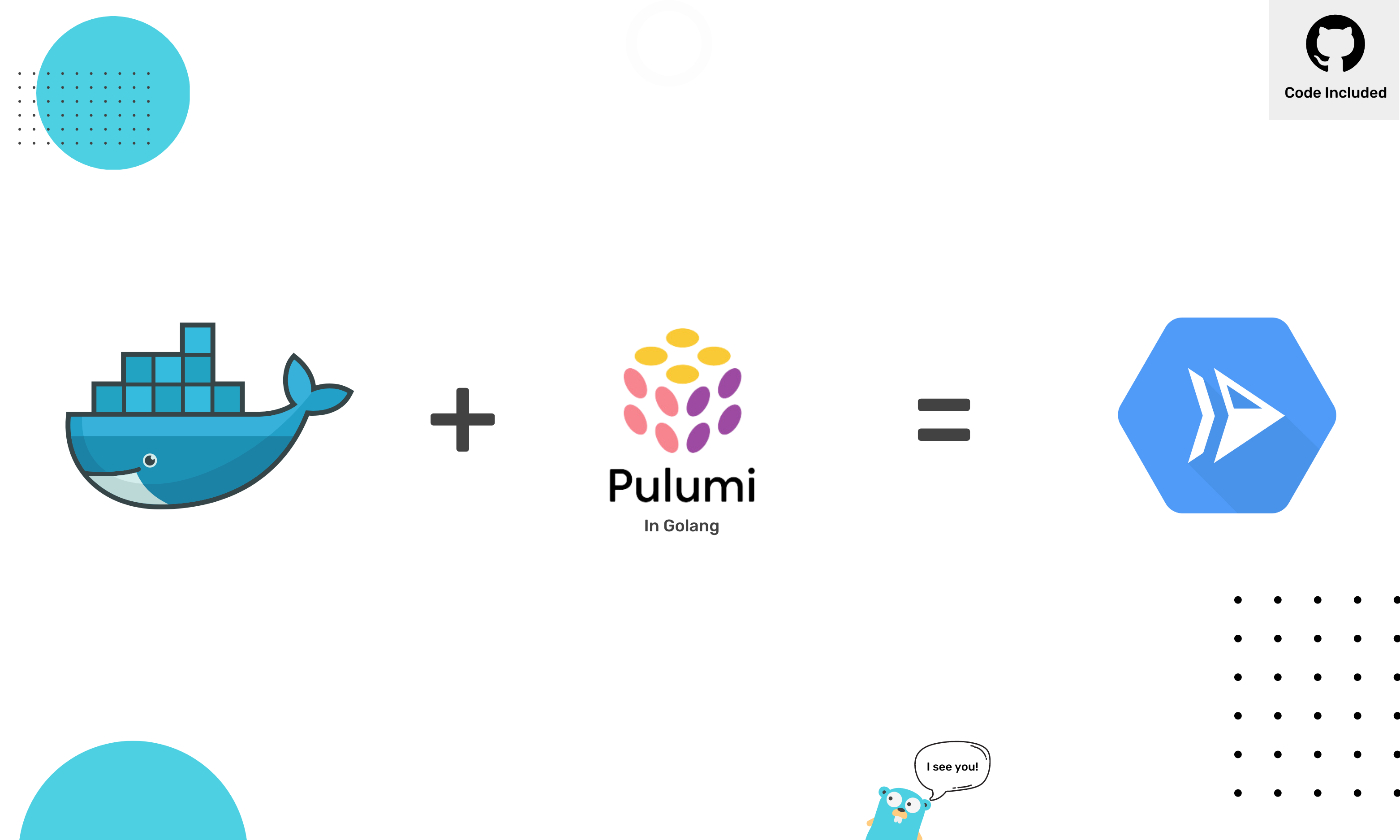 Automate and Deploy a Docker Container to Google Cloud Run from Scratch using Pulumi and Go with minimal permissions.
Step by Step
206. 7 Best Docker Alternatives in 2022
 A list of decent Docker alternatives that might fit your needs.
207. How To Use Cloud Native Buildpacks
 It never fails that the CNCF seem to always be cooking up something interesting in their ecosystem. In my free time, I always seem to find myself in a habit of playing in the Sandbox to see what new cutting edge tools I can add to my collection. It is my goal today to introduce you to a project at the Sandbox stage known as "Buildpacks".
208. How to Create Github Actions to Run Tests With Docker Services
 Example with Django / Python and PostgreSQL.
209. Docker Dev Workflow for Apache Spark
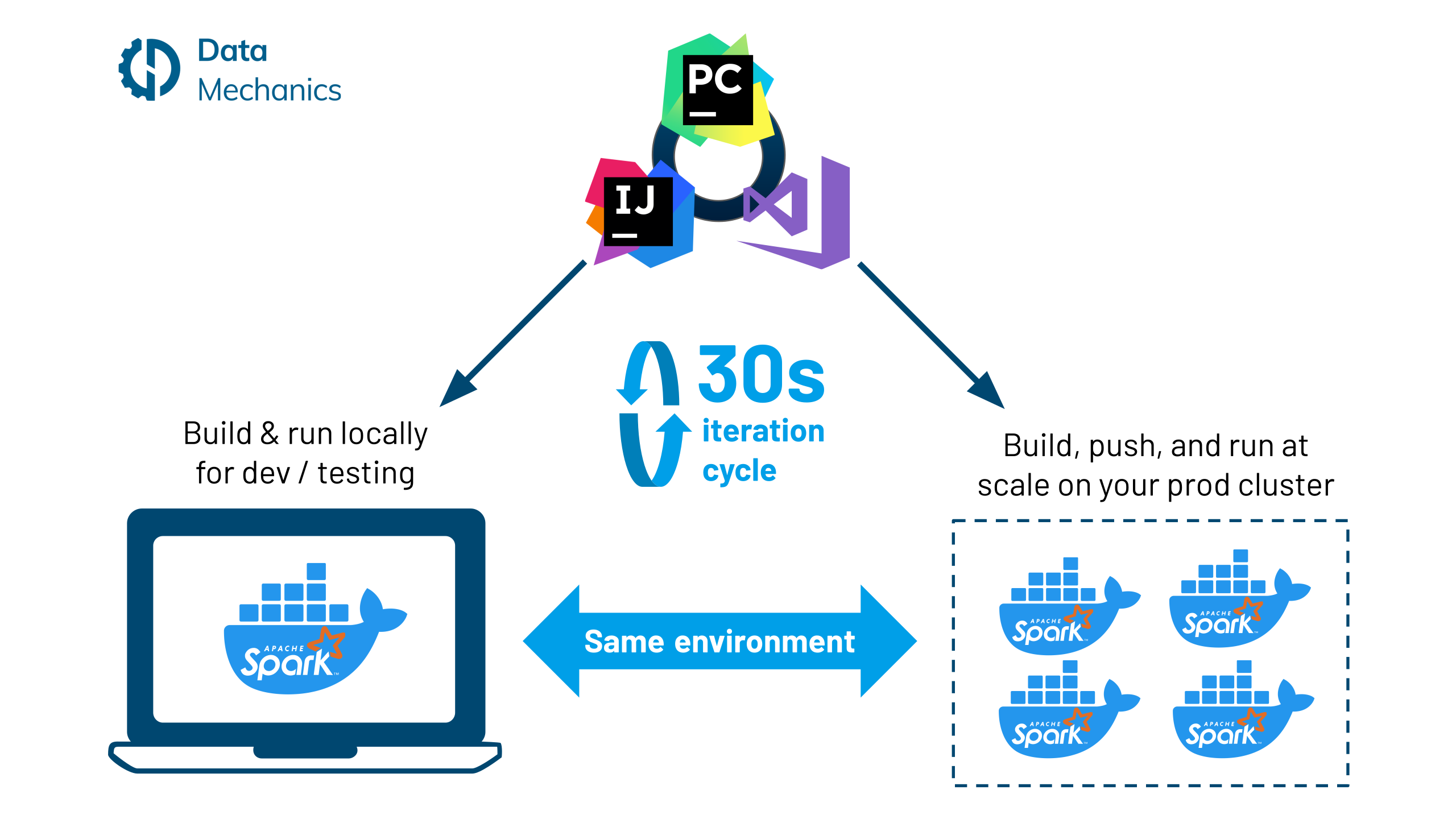 The benefits that come with using Docker containers are well known: they provide consistent and isolated environments so that applications can be deployed anywhere - locally, in dev / testing / prod environments, across all cloud providers, and on-premise - in a repeatable way.
210. Developers, AWS App Runner Might Not Always Be the Best Choice For Deploying Your Application
 Discover why AWS AppRunner might not be the best fit for complex applications. A real-world journey with key insights on containerized deployment challenges
211. How to Scale AI Infrastructure With Kubernetes and Docker
 Firms increasingly make use of artificial intelligence (AI) infrastructures to host and manage autonomous workloads.
212. The Secret To Succesully Simulate An Attack With Gremlin To Test Kubernetes
 Gremlin is a leading software company focusing on chaos-test in the market. It also has a tool similar to Chaos Monkey which belongs to Netflix, but is more customized to test the system with random loads or scheduled shutdowns. In the article below we will be testing a simple Kubernetes cluster running on EKS with Chaos Test.
213. Ship With the Docker Hub CLI Tool
 The Docker Hub CLI Tool is a helpful containerization tool that can be used with Command Line. It is slightly experimental but still incredibly helpful.
214. TeamCode Pylon vs. Docker: Which is the Better Dev Environment?
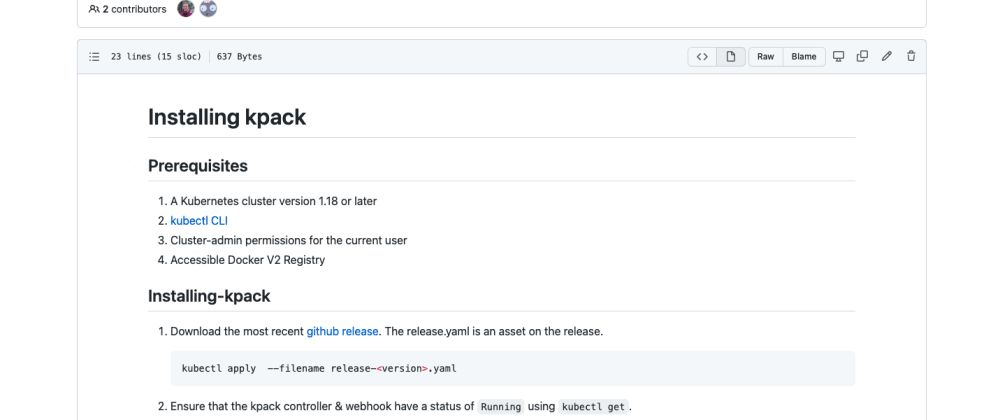 In addition to avoiding the cumbersome development processes, DCS can also become an online preview test service, improve the efficiency of the whole team.
215. The Oracle Database Docker Image Can Supercharge Your DevOps Learning
 This is a tutorial on how to install, use, and patch the Oracle Database Docker Image. Docker is a PaaS that delivers software in packages called containers.
216. Let's Build a Practical Home Lab for Learning and Experimentation
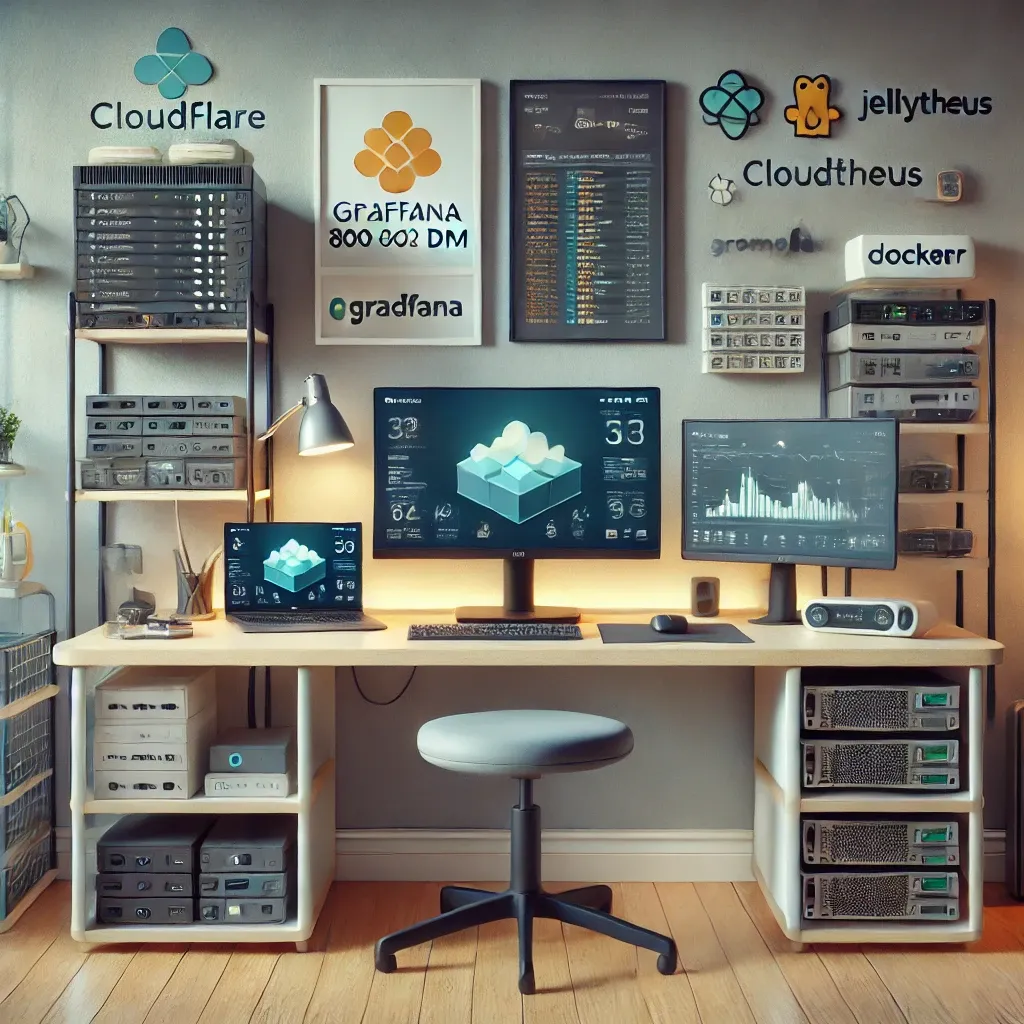 Step-by-step guide to building a practical home lab with Docker, Grafana, Cloudflare, and backup solutions for tech learning and AI research.
217. How To Host an Angular Application in a Docker Container on Amazon EC2 and Deploy It With Amazon ECS

Learn how to deploy your Angular web application using Docker on Amazon ECS (Elastic Container Service) with this comprehensive tutorial.
218. About Kubernetes Authentication
 There are 3 steps that Kubernetes uses to enforce security access and permissions are: Authentication, Authorization and Admission. In this article we are going to consider Authentication first.
219. Cypress Testing in Docker: Different Docker Images for Seamless Testing
 Running Cypress tests in Docker containers using different Docker images
220. Enabling Multi-Cloud Kubernetes Communication with Skupper
 Intro
Intro
221. An Introduction to Docker Stack: Deployment and Secrets Management
 Learn how to use Docker Stacker effectively for seamless service and secret management.
222. How to Build a Slack ChatBot With GPT API, NodeJs, and FL0
 In this guide, we will build a fully functioning Slack bot that can answer our questions about FL0 and its features using AI.
223. Docker for Beginners: Containerizing a Nextjs Application
 Containerization in it's entirety is an incredibly useful concept. From being able to execute applications in isolation, to being able to port them easily..
224. Docker: Beginner's Guide
 If you've been into software or web development for any amount of time, chances are that you at least heard of Docker. Maybe you're like me and have avoided using it because it seems complicated or difficult to set up.
225. Comparing The Top 10 Kubernetes CI/CD Tools
 In this post, we provide a list of the 10 best Kubernetes CI/CD tools that will help you decide which tool is best for your Kubernetes CI/CD pipeline.
226. This Open Source Tool Lets You Build Your Own LMS on Kubernetes
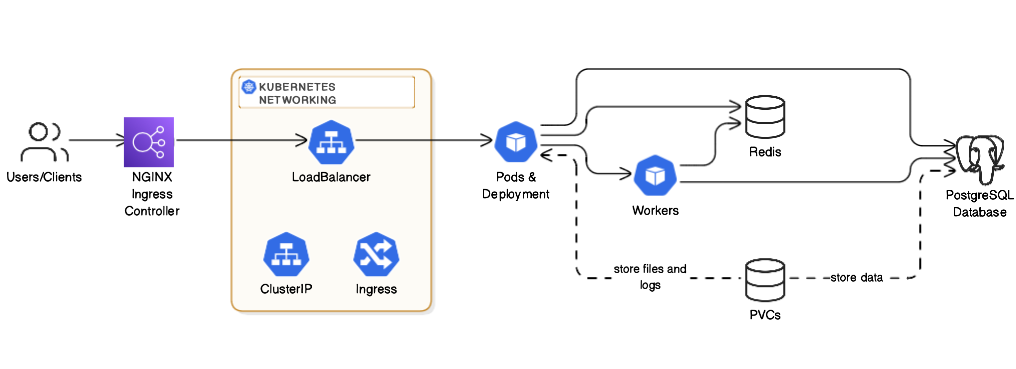 Learn how to deploy Canvas LMS on Kubernetes, enabling LTI 1.3, self-hosting, and full customization for educators, researchers, and developers. A step-by-step
227. How To Run PostgreSQL as a Build Requirement in TeamCity Build
 We use different Continuous Integration tools in our projects. One of them is TeamCity software. A pipeline for TeamCity can be configured easily and has two steps, such as run tests and build a docker image for further deployment. However, I needed to run Postgres before running tests. I made a research, I read the documentation and this article may be useful to close a gap for team city’s documentation.
228. Flawless Releases with Continuous Deployment and Docker
 Docker is a container technology that enables developers to run entire applications as a unit. It offers all the benefits of virtual machines, without the high overhead:
229. Figuring Out wp-env: Your Guide to Setting Up a WordPress Test Environment
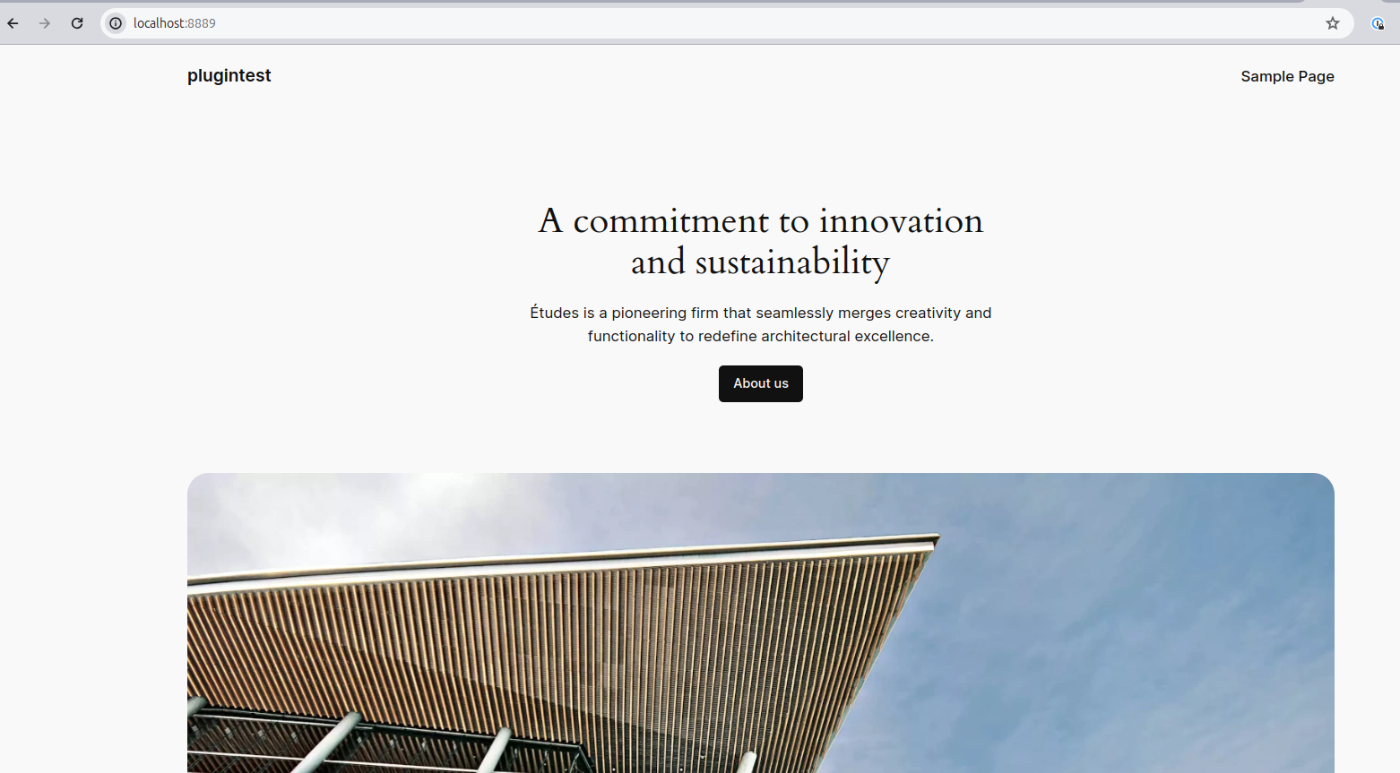 A step by step guide to setting up wp-env to use to test WordPress elements locally.
230. Delays in app delivery to Kubernetes
 Enterprises around the world are waking up to the containers and Kubernetes trend. There are numerous benefits of delivering an application as container packages to Kubernetes but at the same time, the process of app containerization and the subsequent app deployment to Kubernetes can hit many roadblocks. Since the idea of using Kubernetes and containers for app delivery is fairly recent, the transition from traditional delivery systems to these modern delivery systems is a bumpy ride.
231. Rethinking Programming: From Code to Cloud
 Earlier, developers simply wrote their program, built it and ran it. Today, developers need to also think of the various ways of running it whether it be as a binary on a machine (virtual most likely), by packaging it into a container, by making that container a part of a bigger deployment (K8s) or by deploying it into a serverless environment or a service mesh. However, these deployment options are not part of the programming experience for a developer. The developer has to write code in a certain way to work well in a given execution environment, and removing this from the programming problem isn’t good.
232. An Introduction to Docker for Web Development
 This is the introduction to a series that was originally published on tech.osteel.me. Only the introduction was brought to Hacker Noon — links to other parts will take you to that other website.
233. A Beginner's Guide to AWS Containers - Part 1
 In this 2 part series blog post, you will go through a step-by-guide to understanding the concepts of Containers.
234. Launching Your Own JavaScript Based Face Recognition Algorithm [A How-To Guide]
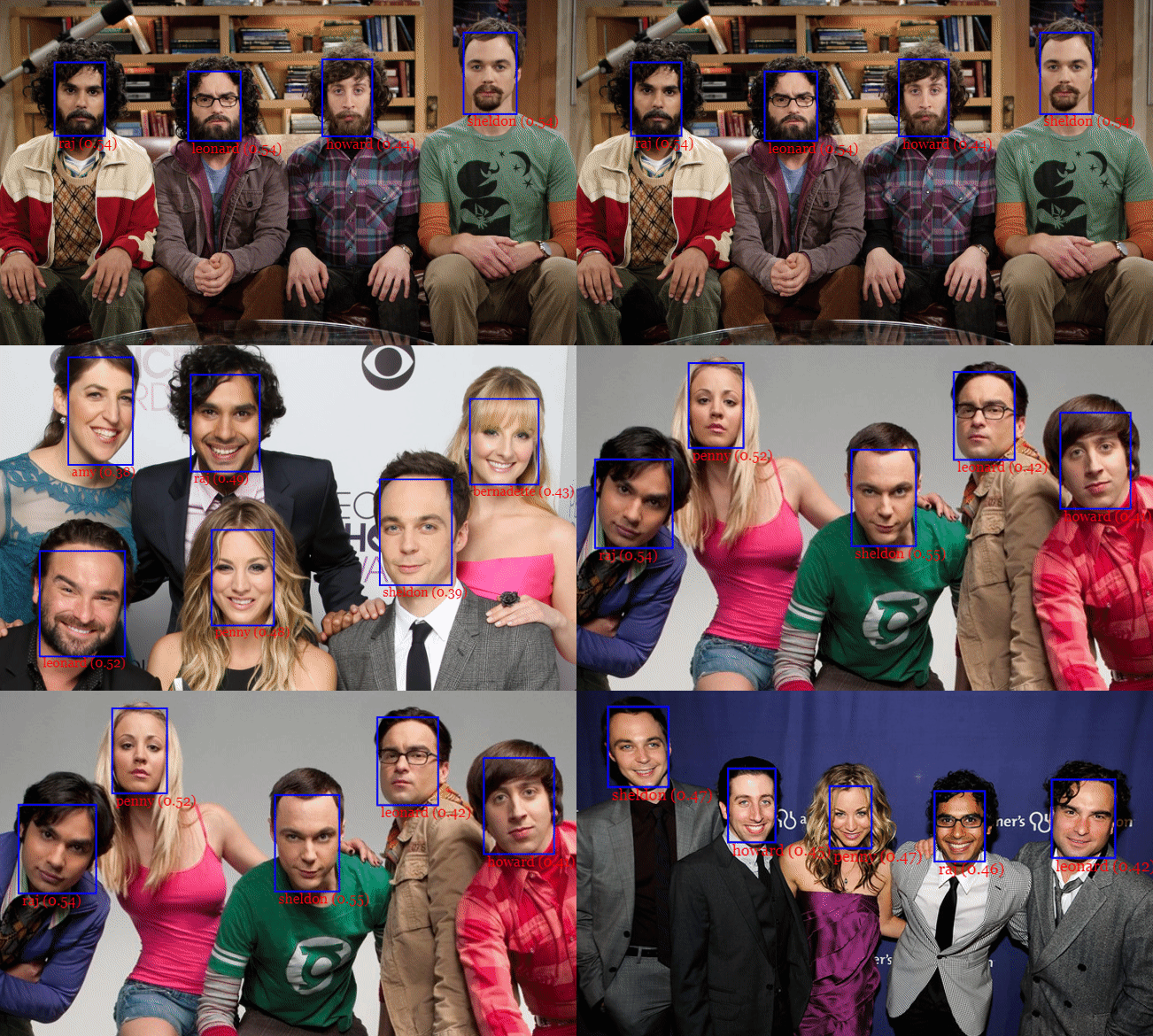 JavaScript based face recognition with Face API and Docker.he
235. Developing, Deploying and Testing Flask Applications on Kubernetes - Part I
 In this step by a step blog post, that illustrates how to integrate Python Flask applications with Docker and run them in a Kubernetes cluster, we will cover the following topics:
236. Issues With Private Data and Confidentiality in Hyperledger Fabric [Deep Dive]
 In many blockchain platforms such as Ethereum and Bitcoin, data confidentiality is a kind of excluded item in their blockchain framework. In these distributed blockchain platform transactions are executed in every participant node in the network. So, every transaction in the network can be visible to all the peers. The ledger update process through all the endorsed peers and has to reach an agreement among all before it committed successfully to the ledger. So, in this scenario creating a private record and comprises within a certain group of participants in the network is a complete “No”.
237. Everything You Need to Know About Tekton and Reusable Pipelines
 The advent of Cloud and Container technology ushered a new era in distributed computing at “planet scale” which was unheard of and unimaginable just a decade ago. Another interesting movement was brewing up a decade ago which bolstered delivering these complex solutions at high speed and accuracy, DevOps.
238. How to Setup SonarQube Locally Using Docker
 I will explain how you can set up SonarQube locally with docker.
239. 554 Stories To Learn About Devops
 Learn everything you need to know about Devops via these 554 free HackerNoon stories.
240. Creating Microservices: Key Principles and Concepts of Microservices Architecture
 Microservices architecture allows an application to be separated into parts which work together
241. Connecting Dots: Go, Docker and k8s [Part 1]
 In this post my plan is to create open tcp port scanning tool, use GO and worker pool to make it very fast. Expose it via REST resource, containerise and deploy
242. Optimizing Docker Images is More Than Just a One and Done Thing
 Discover effective techniques used in the Rails Dockerfile for slimming images, improving build times, and enhancing performance.
243. Ditch ChatGPT: Run A Fast LLM On Your Computer Instead
 You can run something as powerful as Llama 3 locally and control the data. Let me show you how.
244. Data Persistent Prometheus-Grafana Intergration with Jenkins
 Prometheus is an open-source application monitoring and alerting software solution. It is a web application which can be deployed anywhere — in a PC, virtual machine, or even in a container. It scrapes data from the exporters (small programs convert system data to Prometheus metrics) periodically and records the real-time metrics in a time series database.
245. How Automatically Scan Docker Images For Vulnerabilities Using Amazon Elastic Container Registry
 When using Docker to run applications security is a major concern, but it can sometimes be easy to forget as we focus first on functionality. This doesn't need to be the case, as AWS Elastic Container Registry (ECR) can now be setup to automatically scan images on push, and provide feedback on any vulnerabilities that need to be addressed.
246. Running Cypress Tests for Node.js Apps Inside a Docker Container
 Learn how to test a Node.js application using Cypress inside a Docker container.
247. PHP on Docker from Scratch in 2022
 How to set up a repository with Docker 'from scratch' to develop PHP 8.1 applications in 2022.
248. How To Get Better At Testing Automations in Docker
 I do test automation for ONLYOFFICE document editors, and our team uses Docker for lots of tasks. It’s difficult for me to imagine how to work without it and not suffer performance losses.
249. Application Testing In Go: Do It Right And Don't Create a Mess
 Problem - How many times have we faced this problem of worrying about cleaning up after running test cases. When some of our test cases run, they might add data to our database or add files to our directory which we don’t want to worry about every time.
250. Docker Containerization: The Ultimate Guide
 In this blog post, I will explore Docker containerization in depth, including its benefits, use cases, and how it works.
251. Set Up Your Own Heroku-like Cloud (PAAS) in 10 Minutes: A Quick Start Guide
 When building projects one of the annoying parts is setting up stuff like web servers, relational databases, and caching. Here's my solution to all that.
252. What No One Tells You About Running Docker in Production
 Learn the real-world pitfalls of using Docker in production — from bloated images to hidden security risks — and how to fix them like a pro.
253. Key Concepts About Docker And Containerization

254. Mastering Distroless: A Guide to Building Secure and Efficient Docker Images
 Learn how to choose the smallest base image size and how to use Distroless to create secure, minimal Docker images for your applications.
255. Why Dockerizing Applications is the Key to Building Scalable Software
 Container technologies have a profound impact on the entire IT industry. Learn the basic principles behind containers and the 10 reasons why you should use them
256. How To Install Kubernetes on CentOS7
 This tutorial is for the ones who want to try out the Kubernetes installation on CentOS.
257. The Essential Guide to Pod Eviction On Kubernetes
 By nature, pods in Kubernetes clusters are ephemeral. They can be created, killed, and moved around by the scheduler. This may occasionally cause disruption in the microservices if pods are not configured properly.
258. Infrastructure as Code: Almost Everything You Need to Know
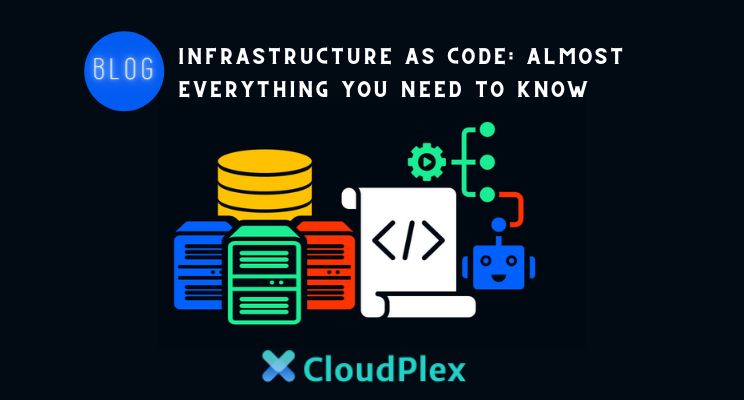 Infrastructure as Code is invaluable when it comes to automating infrastructure by defining infrastructure configurations as code.
259. Serverless Python Google Cloud Platform: Hosting Django on Cloud Run
 Learn about the basics of Serverless, Docker and deploying a Django (Python) application to Cloud Run, a serverless offering by Google Cloud Platform
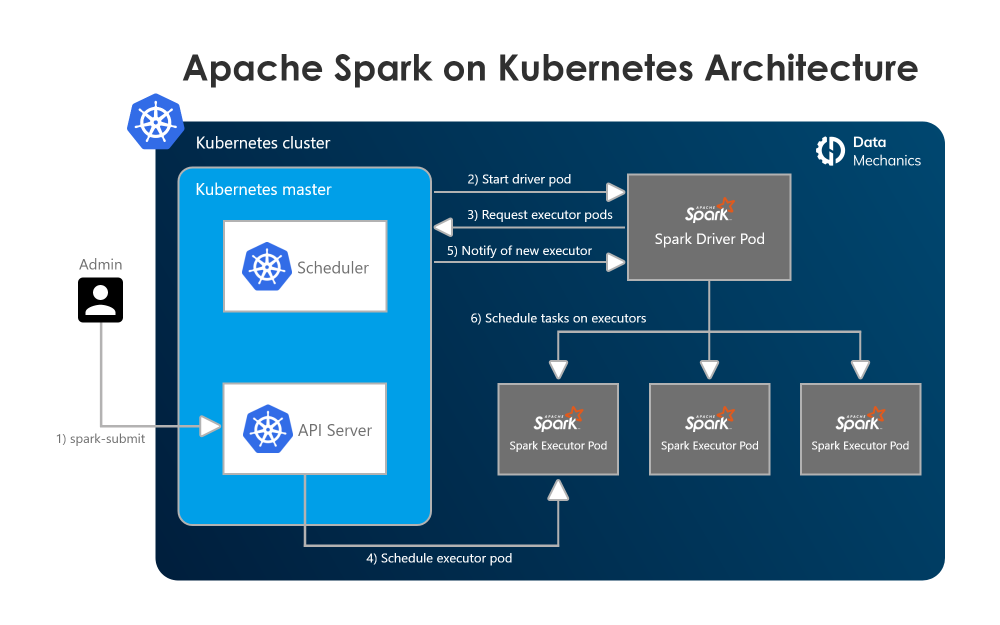
260. How to Configure And Monitor Apache Spark on Kubernetes
 Earlier this year at Spark + AI Summit, we had the pleasure of presenting our session on the best practices and pitfalls of running Apache Spark on Kubernetes (K8s).
261. How to Use Kong for Full-stack Application Deployments with Kubernetes
 Kubernetes has become the name of the game when it comes to container orchestration. It allows teams to deploy and scale applications to meet changes in demand while providing a great developer experience.
262. How to Set Up n8n on Your Computer – No Cloud Needed
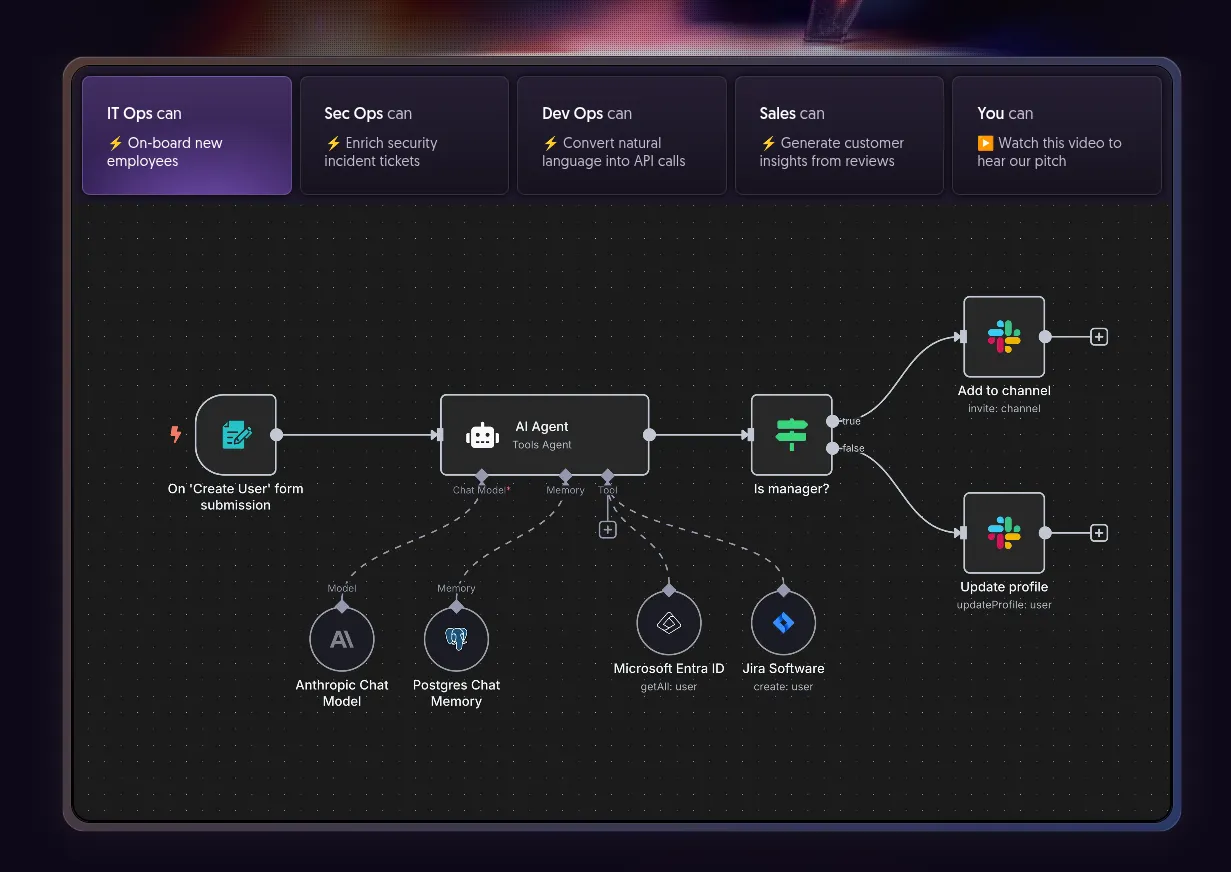 n8n is a powerful, extendable workflow automation tool that allows you to connect different applications and services.
263. How to Optimize the User Experience and Performance via Node.js and Lighthouse
 Why should you concentrate your energy in optimizing the user interface and the user experience of your application instead of focusing on performance side?
264. Experimenting With Helm Can Take Your Kubernetes Skills to the Next Level
 Helm is a package manager for Kubernetes that helps deploy, configure and manage applications in a cluster.
265. Monitoring Kubernetes Components using Prometheus
 Monitoring is a crucial aspect of any Ops pipeline and for technologies like Kubernetes which is a rage right now, a robust monitoring setup can bolster your confidence to migrate production workloads from VMs to Containers.
266. Project-as-Code: The Catalyst DevOps Needs
 If you are familiar with Docker, Terraform, and the CI platforms (eg: Jenkins, CircleCI, Codeship), you already know the power of Declarative DevOps. It can make development easier by being repeatable, predictable, and fast. Supporting technologies both hide complexities and offer important reuse by supporting simple structured syntax in an easy to create and read file. Each technology has codified much of its domain allowing developers to author and instrument with nothing more than a text editor.
267. The Container Anatomy: A Kernel Introduction
 Welcome to this tutorial series, where we will evolve from the anatomy of a container inside the Linux Kernel, and will keep building pieces and evolving till the publication of a service into an Orchestration Platform. The general idea is to detail as much as possible (without being massive) how is things working under the hood.
268. Why Infrastructure as a Service Is Ideal For Startups
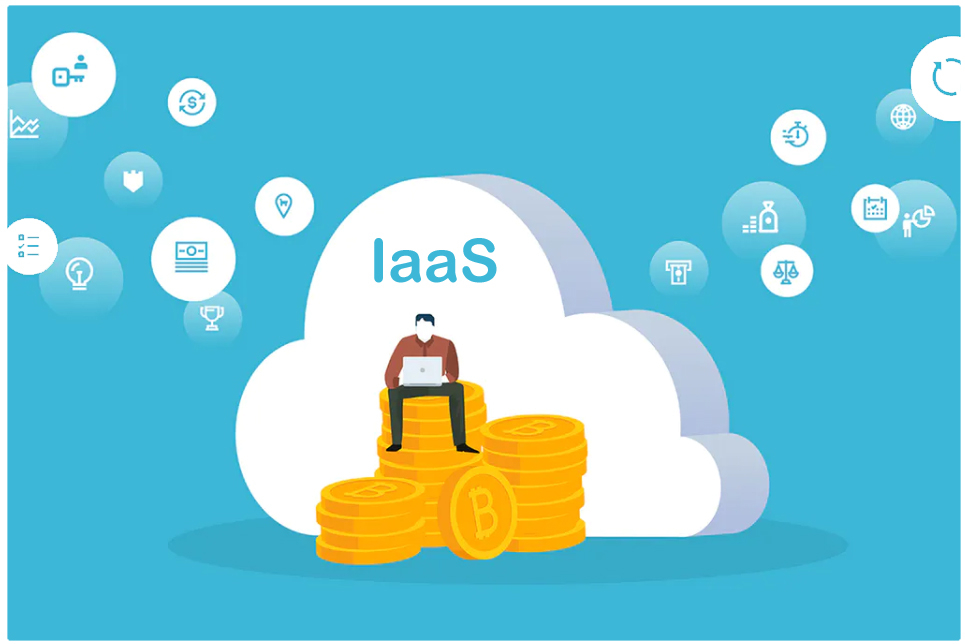 Overview
269. How to Set Up PostgreSQL with NestJS and Docker for Fast Local Development: A Quick Guide
 Spin up a fast local NestJS + PostgreSQL dev setup using Docker. Clean, scriptable environment with full DB integration and zero local clutter.
270. 9 Best DevOps Practices for a successful DevOps Journey
 The success of DevOps lies in the right way of implementation. Here, are some best DevOps practices for successful DevOps transformation in 2022 and beyond.
271. How DockSec Solves Docker Security Problems with AI-Driven Automation
 DockSec is an AI-powered Docker security tool that automates vulnerability detection and provides actionable insights for developers and DevSecOps teams.
272. Docker Images: Kicking the Tires of Docker Scout
 Discover how Docker Scout identifies vulnerabilities in images and learn to fix high-severity CVEs, enhancing container security in this comprehensive guide.
273. Supercharging AI Workflows: Distributed Document Processing with Node.js, Python, and RabbitMQ
 Building a Scalable Multi-Language AI Document Analyzer with Node.js, Python, RabbitMQ, and Celery.
274. Selenide Test Automation: Using Selenoid in the Docker Container
 This article will be useful for young QA specialists, as well as those who are interested in the features and capabilities of such popular testing frameworks as Selenide and Selenoid.
275. Mastering Multi-Container Management: Deploying a Full-Stack Flask App with Docker Compose
 Explore seamless multi-container management with Docker Compose, deploying a full-stack Flask app.
276. Getting Started with MariaDB using Docker and Node.js
It's no secret that MariaDB has become a popular database solution for developers over the past decade. Why? Well, one could argue that it's largely because it's open source and relational. So, for developers, that basically means it's free, and we get the gist of it. But that really only begins to scratch the surface.
277. How to Restrict Access to Kubernetes Services with GitHub OAuth2 Proxy
 How to use OAuth2 Proxy to limit access of internal services only to members of your GitHub organization, with just two ingress annotations.
278. Efficient Dockerized Database Monitoring with Dockerized PMM
 Learn how to monitor your databases with ease using Docker and Percona Monitoring and Management (PMM). PMM is a free and open-source platform for monitoring an
279. What Are Cloud Native Buildpacks? A Simple Walkthrough
 Build OCI images without a Dockerfile using Cloud Native Buildpacks. Automate best practices, enhance security, and streamline deployment effortlessly.
280. How To Build CI/CD Pipelines Behind Your Firewall Using Codefresh Runner
 Continuous Integration/Delivery (CI/CD) is one of the most obvious candidates for moving to a Kubernetes cluster, as you automatically enjoy all the benefits of Kubernetes scalability. In traditional CI solutions, companies employ a fixed set of build nodes that teams must manually monitor and upgrade.
281. KitOps: Bridging the Gap Between AI/ML and DevOps with Standardized Packaging
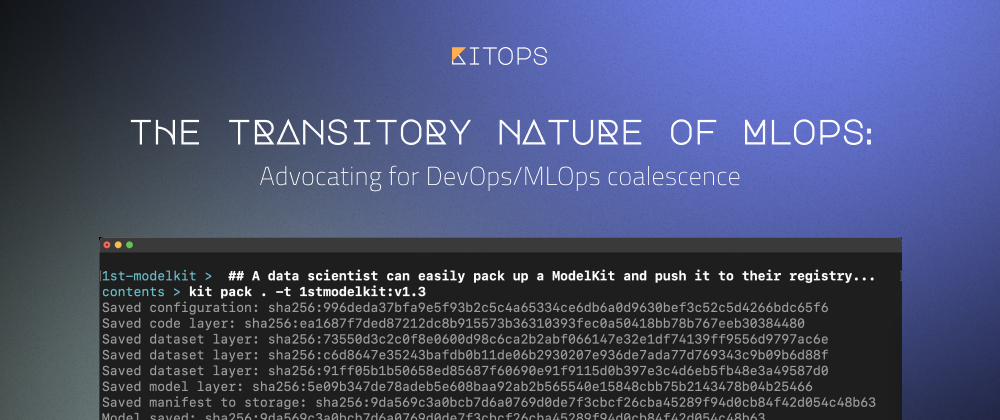 Introducing KitOps, bridging DevOps and MLOps for seamless AI model deployment and management.
282. Launching Docker Desktop with Spring Boot
 Explanation and Example of a Real-World Spring Boot and Docker Desktop based Deployment. Code Samples are provided Inline and via Git Repo.
283. Why Docker Desktop is Still the Go-To for Local Development
 Docker Desktop still wins for local development because it reduces setup friction, improves onboarding, and keeps teams productive across any platforms.
284. Breaking Down What is New in Kubernetes 1.19
 The new Kubernetes 1.19 comes with 34 enhancements. Out of these, 10 have progressed to stable, 15 are in the beta stage, and 9 are in the alpha.
285. dksnap Introduction: Docker Snapshots for Development and Test Data
 TL;DR
TL;DR
286. Building a Custom Docker Image for K8s Spark Operator to Fix Vulnerabilities
 This article is a guide how to build your own Spark Operator image with a spark image as a base image and a Golang image.
287. How to Build a Decoupled Microservice Using Materialize
 One way to handle data in microservice architectures is to use decoupled microservices architecture. This form of architecture can bring many benefits.
288. Introducing Docketeer 3.0: A Helpful Tool to Manage Docker Containers
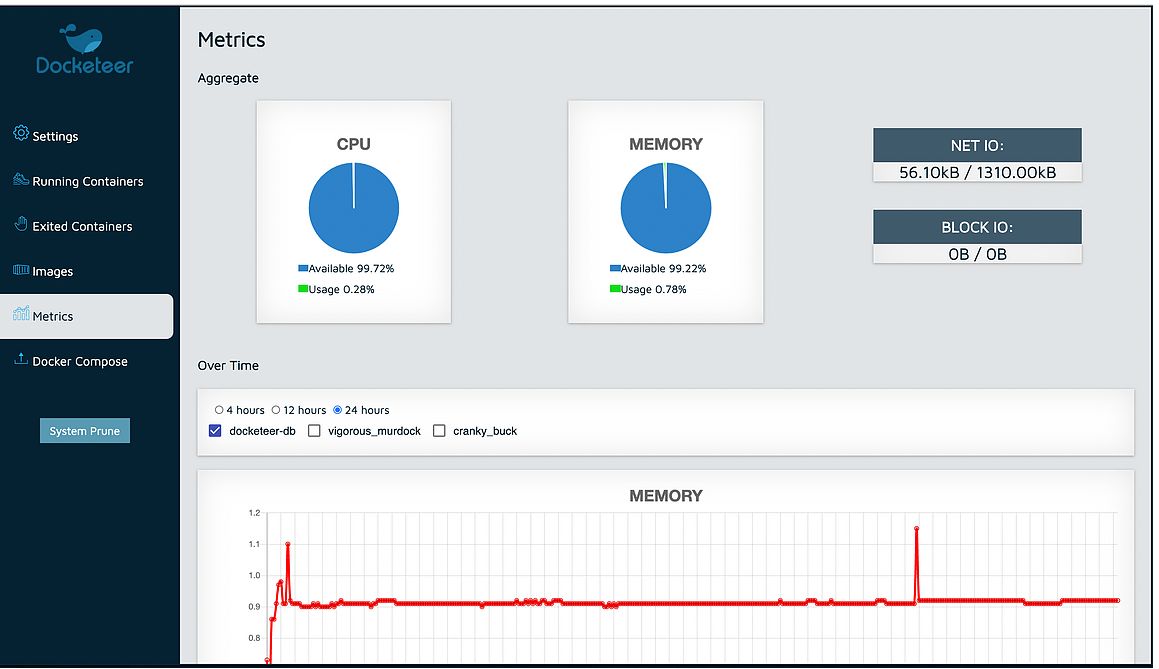 Docketeer is an open-source, distributed, monitoring service for maintaining Docker container health
289. Benefits of Using Docker for Microservices: 2020 Edition

290. How to troubleshoot potential DOS attacks
 I've had a few scares in my career as a developer, but none come close to the pure horror of unsuccessfully trying to ssh into your VM. Normal people tend to be scared of spiders, snakes or saws.
291. Adding Code to AWS Lambda, Lambda Layers, and Lambda Extensions Using Docker
 With Docker, we have three ways to add code to Lambda that isn’t directly part of our Lambda function. What does this mean?
292. A Brief Overview of Docker And Its Impact On The Development Ecosystem
 Docker is an open-source containerizing platform for application services, codes, libraries, configurations, and other dependencies into one package.
293. Docker Essentials: A Beginner's Guide to Containerization Commands
 Unleash the power of Docker! This guide equips you with the fundamental commands to manage and navigate the world of containerized applications.
294. A Quick Start Guide For MariaDB
 Get started with MariaDB with just three steps using the official MariaDB docker container.
295. Docker Scout vs Traditional Container Scanners: Why Context Beats CVE Noise
 Docker Scout adds context to container scanning by showing what matters, what to fix first, and how to reduce risk safely beyond raw CVE lists.
296. Whooosh: A Comprehensive Guide for the Fastest Possible Docker Builds in Human Existence
 Running all of my docker builds in parallel via a GitHub Actions matrix, my builds went from about 3.5 minutes down to about 50 seconds in the cold case .
297. Enhancing Dockerized Application Deployment: File Passing Strategies with Helm Charts
 This blog explores how to create a standardized image, inject necessary variables in the form of a file, and deploy it on a Kubernetes cluster.
298. Using LVM to Serve Old Laptop as a Cloud Storage Engine Service at home with all External Hard Drive
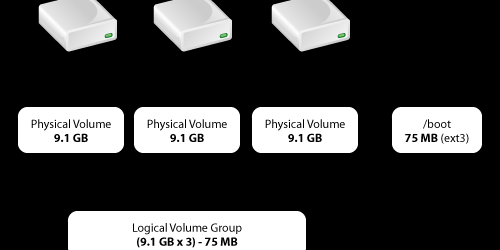 Using LVM to Serve Old Laptop as a Cloud Storage Engine Service at home with all External Hard Drives.
299. Solving the ‘It Works on my Machine’ Problem
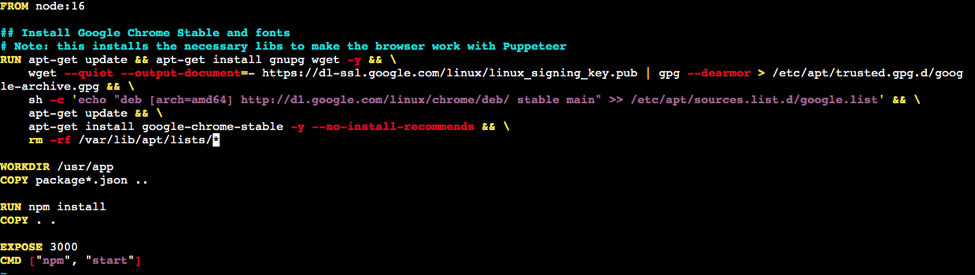 Vercel is well known for their zero config deployment. With just a couple clicks you can have your application deployed.
300. It's Free to Learn Docker. Do it Now!
301. Docker Basics to Get Your Feet Wet
 In this article, we will be discussing the most important elements and tools around the Docker ecosystem when getting started as a beginner.
302. GitHub Actions To Bring You Consistency
 Read an article on how to use the GitHub Actions Evrone wrote to run rubocop, brakeman, reek, fasterer, hadolint, and dotenv-linter linters on your project.
303. How To Run Wordpress In Docker
 Learn how to setup a development environment for Wordpress plugins.
304. Docker Is Fast — Until It Isn’t: How I Cut Image Size by 80%
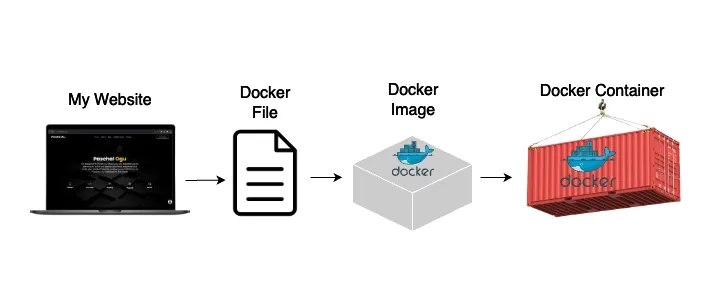 Learn how to shrink Docker images from 900MB to 160MB using real-world techniques, multi-stage builds, AI linting, and production-proven tips.
305. 6 DevOps Trends in 2022 That DevOps Engineers Should Adopt
 The role of DevOps engineers, their responsibilities, growth opportunities, a set of important soft & hard skills, and most importantly, DevOps trends in 2022.
306. An Open-Source Tool For Security Scans Of Container Images — Vilicus
 Vilicus is an open-source tool that orchestrates security scans of container images(Docker/OCI) and centralizes all results into a database for further analysis
307. How To Make The Kubernetes Operator Rock: Basic Principles
 This blog post demonstrates how you can use the Operator Lifecycle Manager to deploy a Kubernetes Operator to your cluster. Then, you will use the Operator to spin up an Elastic Cloud on Kubernetes (ECK) cluster.
308. Streamlining Symfony Deployments with Docker, Supervisord, and Redis
 This article will guide you through the process of containerizing a Symfony application using Docker and Docker Compose.
309. Hacktoberfest 101 with ReactPlay
 Know everything you need about Hacktoberfest '22 and the new changes this year. Also, understand how you can contribute to a beginner-friendly repository
310. Kubernetes Day-2 Operations – Part III
 Kubernetes has revolutionized the way developers run their workloads by abstracting a part of the actual infrastructure
311. A Deep Dive into Docker Compose
 The flexibility of Docker Compose makes it easy to scale and manage services as your project grows.
312. Container Development: Tools and Configurations for an Effortless Workflow in Docker and Kubernetes
 Effortlessly sync local changes with Docker/Kubernetes using tools like Docker Compose, Skaffold, and Tilt. Boost your coding efficiency with practical examples
313. Dockerizing a Spring Boot 3 Application
 In this article, we will learn how to dockerize a spring boot 3 application.
314. Everything you need to know about Helm – Part I
 Helm is a package manager for Kubernetes. In this tutorial we will explore Helm tasks, components, charts, and installations.
315. Set Up Laravel 6 on Google Cloud Run with Continuous Integration [Step-by-Step Guide]
 Laravel has soared in popularity in the last few years. The Laravel community even says that Laravel has made writing PHP enjoyable than a pain. Laravel 6 has some interesting new features. Getting a super scaleable working URL for your application take hours if not days. Setting up something like Kubernetes is a huge task. This is where Google Cloud Run shines, you can get a working HTTPs URL for any of your containerized app in minutes.
316. 306 Stories To Learn About Docker
 Learn everything you need to know about Docker via these 306 free HackerNoon stories.
317. There Must Be a Better Way To Build on AWS
 So AWS gives startups $100k in free credits. Google and Azure have similar programs for startups. Then why isn’t every startup CTO starting on the Big Cloud?
318. How to Run a Microsoft .NET Docker Image in C#
 Docker has become an essential tool in modern software development, providing an efficient and portable way to package and distribute applications.
319. How to Use the PostgreSQL Pager With MariaDB Xpand

320. NimbusNet: Building a High‑Performance Echo & Chat Server Across Boost.Asio and Io_uring
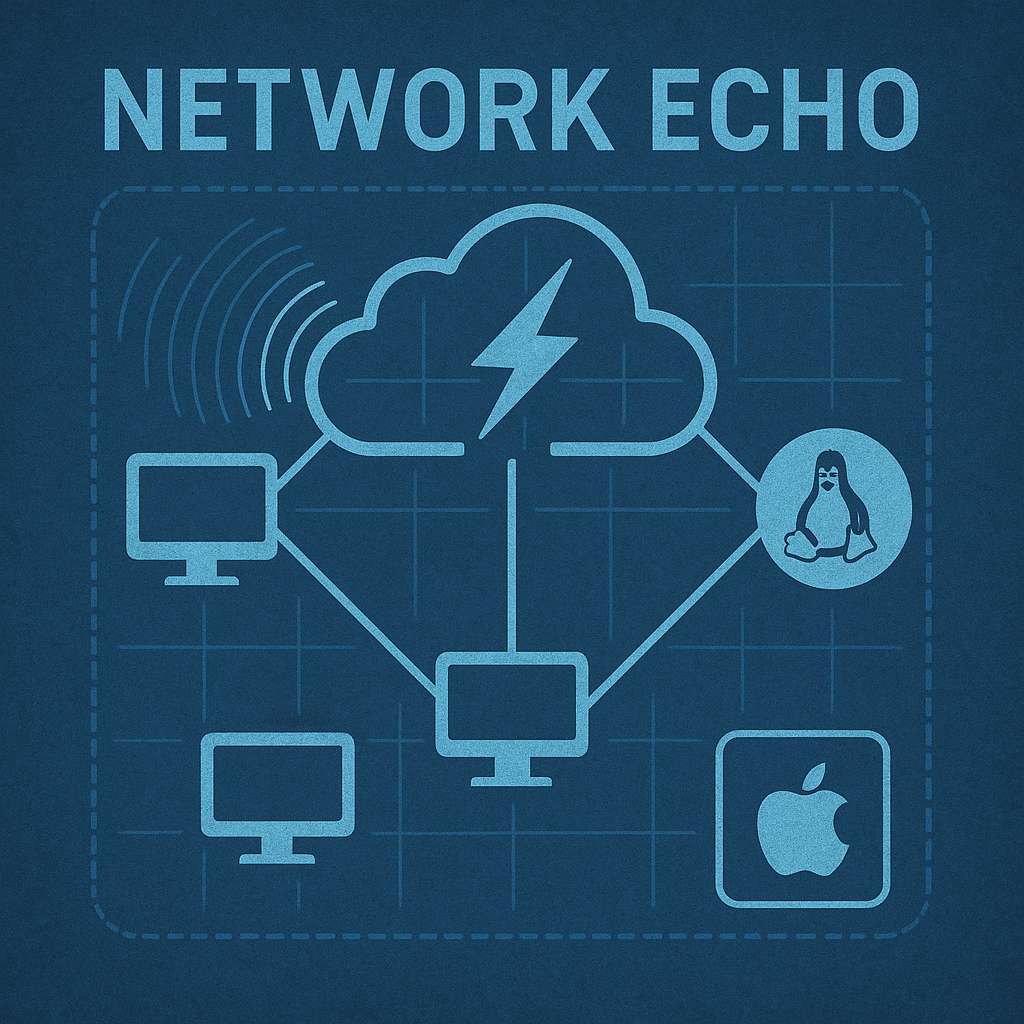 Build a cross‑platform, low‑latency echo & chat server with Boost.Asio, UDP, and io_uring—benchmarked on macOS vs Linux with full code & Docker.
321. Docker Image vs. Container: What Are the Differences?
 Learning the difference between a Docker image vs container is a fundamental concept of containerization that you should understand.
322. Web Application Development: Principles of Development Based on Microservices. Part 2.
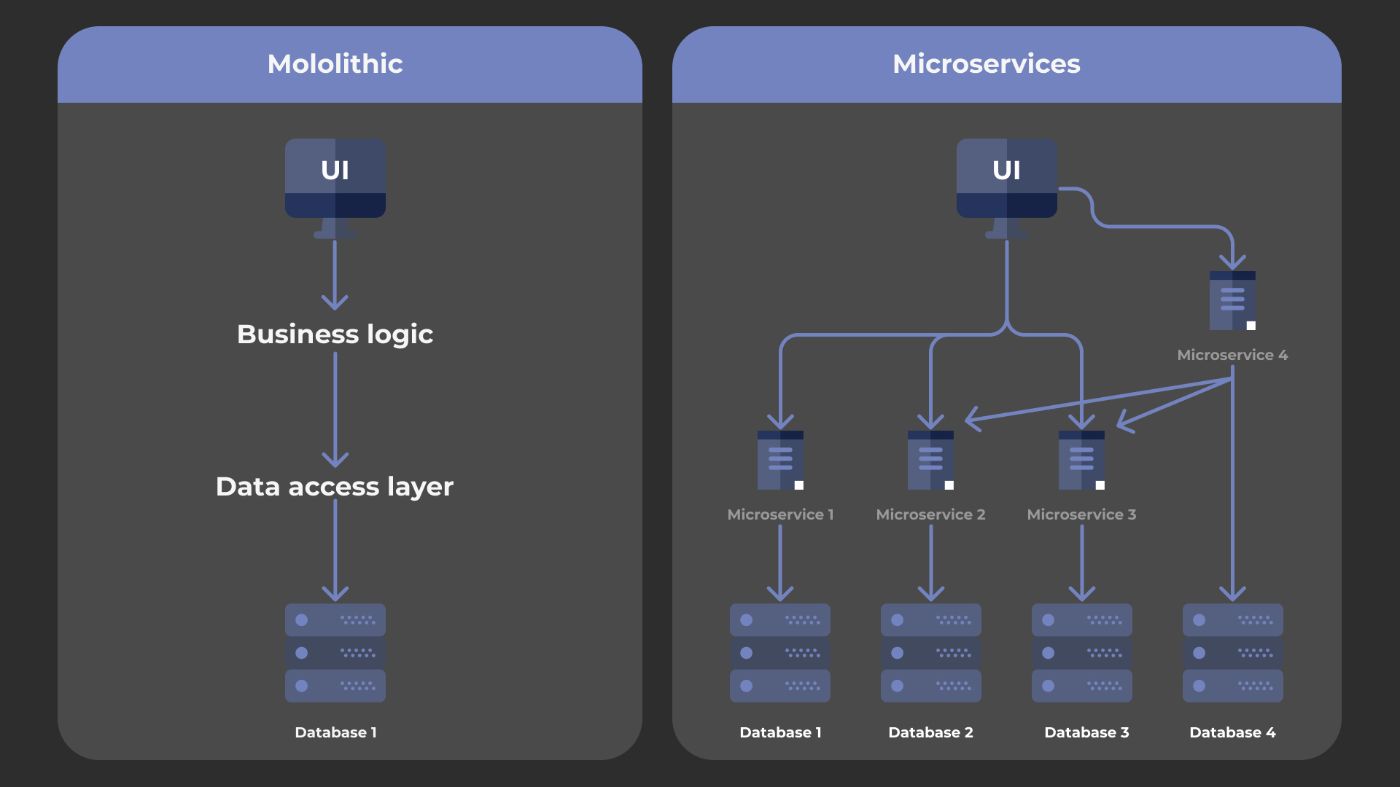 To use a microservice architecture, the developer needs to study special technologies that are applicable for such web app development.
323. How To Manage Infrastructure With Terraform
 What is Terraform?
324. Kafka Administration and Monitoring UI Tools
 Kafka itself comes with command line tools that can do all the
administration tasks, but those tools aren’t very convenient because
they are not integrated into one tool and you need to run a different
tool for different tasks. Moreover, it is getting difficult to work with them when your clusters grow large or when you have several clusters.
Kafka itself comes with command line tools that can do all the
administration tasks, but those tools aren’t very convenient because
they are not integrated into one tool and you need to run a different
tool for different tasks. Moreover, it is getting difficult to work with them when your clusters grow large or when you have several clusters.
325. MERN Stack: A Guide for New Developers
 Setting up a MERN stack application efficiently, leveraging a pre-configured repository and streamlined development environment management.
326. Docker in Action: Downloading Images, Building Containers, and Exposing Ports
 Confused by Docker? Cloud Architect Roman Burdiuzha explains containers, why devs need them, & how to build & run your first one. Dockerize your workflow!
327. How To Find Your Docker Logs
 There’s a short answer, and a long answer. The short answer, that will satisfy your needs in the vast majority of cases, is:
328. Your Docker Containers Are Probably Full of Security Holes—Here’s How to Fix Them Now
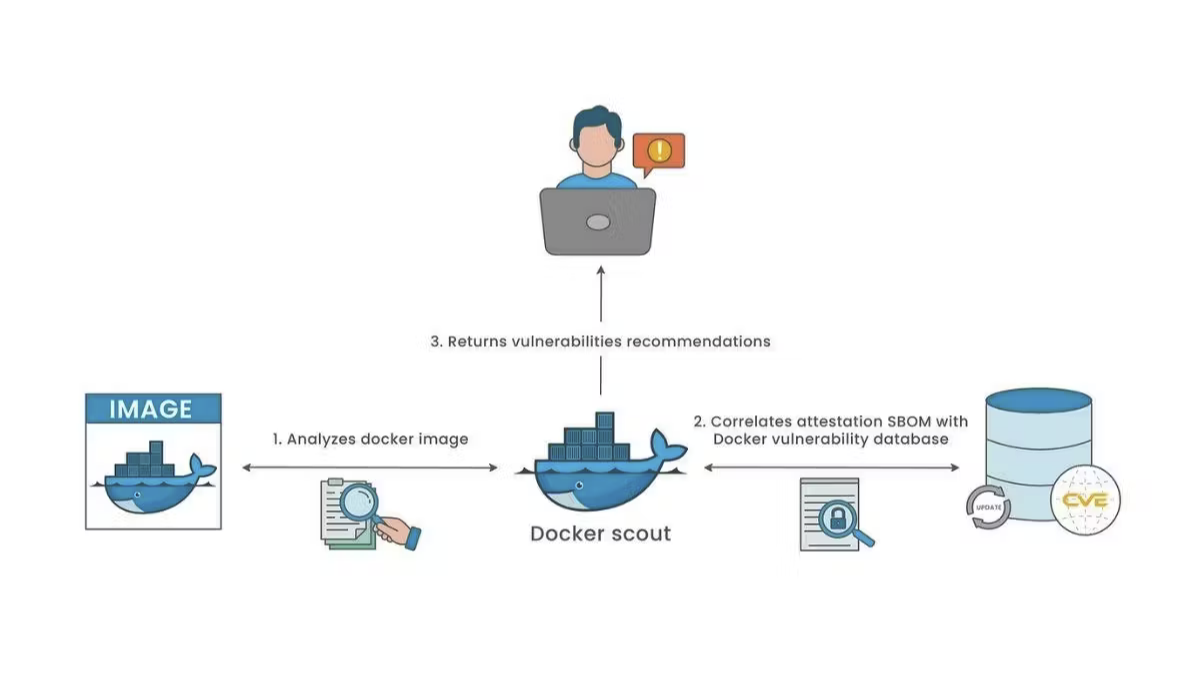 Prevent container security threats with Docker Scout. Scan images, enforce policies, and automate security checks to keep your deployments safe.
329. Containers vs. Serverless: Which is Better for DevOps?
 Managing your own containers versus letting serverless do it for you - when to choose what? Let's go over the pros and cons.
330. Unleashing Next-Gen Docker Capabilities with Wasm, eBPF, and Serverless Containers
 Explore how WebAssembly, eBPF, and serverless containers are redefining Docker with faster performance, stronger security, and effortless scaling.
331. How to Use Docker to Template Local Database
 Resetting a local development database is a common task that can take a lot of time when the database dump is large. When you need to reset your local developme
332. A Beginner's Guide to AWS Containers - Part 2
 In this 2 part series blog post, you will go through a step-by-guide to understanding the concepts of Containers.
333. Running a Docker Container: An Intro for Beginners
 Learning how to run a Docker container is a key skill that all DevOps engineers must understand to be effective in managing containers.
334. How to Deploy a Docker Image From AWS ECR to Aptible in Three Steps
 In three simple steps, learn how to effortlessly deploy a Docker image from your AWS ECR private repository to Aptible.
335. Installing Docker Desktop on Debian and Maximizing Container Management
 A guide to efficiently install and manage Docker on Debian, enabling streamlined application development and deployment.
336. Growth Hacking for Remote and International Developers – Part II [Podcast Transcript]
 Chris Hickman and Jon Christensen of Kelsus and Rich Staats of Secret Stache continue their discussion on growing high-performing remote and international engineering teams.
337. How to Host a Valheim Dedicated Server with Docker on a Rock Pi X
 I set out on a voyage to find a way to self-host a dedicated server at home on the cheapest x86 single-board computer with the Raspberry Pi form factor.
338. A Guide to Deploying Dolphinscheduler With Docker
 Docker deployment aims to start and deploy Apache Dolphinscheduler services quickly in a container.
339. Deploy Your Application with Kafka and Docker in 20 Minutes
 In this tutorial, we'll walk you through how to use Docker, Kafka, and Kubernetes to deploy a simple application.
340. Shrink Your React Docker Image by 90% with Multi-Stage Builds
 For a React/Vue application, a typical non-optimized image can balloon to hundreds of megabytes.
341. Linux-based Containers under the Hood
 Containers under Linux - building a container from scratch.
342. How to Autoscale an Amazon Elastic Kubernetes Service Cluster
 In this article we are going to consider the two most common methods for Autoscaling in EKS cluster:
343. Redirecting DNS Traffic in Docker Containers Using Tc-BPF
 Learn how TC-BPF revolutionizes DNS redirection in Docker environments.
344. Docker And JFrog Partnership: Path To Limitless DevOps in the Cloud
 This article talks about the recent partnership between Docker and JFrog and how this partnership impacts developers and enterprises positively
345. The Noonification: The Destroyer (12/29/2022)
 12/29/2022: Top 5 stories on the Hackernoon homepage!
346. What is Docker and How to Get Started With It
 Containers have been around in Linux for years. It a concept where one or more processes are isolated from the rest of the system. The containers have all the files they need to run those processes independent of the system, which is why they have become a commonly used tool for deployments.
347. How to Dockerize Your Application and Deploy It to Sevalla
 A step-by-step guide to containerising a FastAPI application with Docker and deploying it to the cloud for consistent, production-ready delivery.
348. Why Wink Adopted a Cloud-Native Infrastructure Backed by Kubernetes-Docker-CoreOS Container Linux
 This blog covers why Wink adopted a Cloud-Native Infrastructure Backed by Kubernetes-Docker-CoreOS Container Linux stack. Learn more.
349. Installing Configurator Using Helm Charts: Version Controls for Kubernetes ConfigMaps
 This is how to make use of Helm Charts with Configurator, a versioning & sync service for Kubernetes ConfigMaps that can make it easier to use ConfigMaps.
350. The Grand Cluster Hotel
 A non-technical explanation of Docker containers, Kubernetes, and clusters.
351. Debugging Node JS Inside Docker: An Essential Guide
 Ever wondered how to debug inside a Docker Container? Learn how to use remote debugging to debug remotely in a docker container.
352. Fixing DNS timeouts in Docker with a DNS cache [Tutorial]
 Having flaky tests in your CI is a nightmare. You can't tell whether your new code broke something or if it's just those tests being flaky again. So anytime we see strange, random failures in CI for our open source project, Adapt, we try to track down the culprit ASAP. This is the story of how we discovered we were (accidentally) flooding our DNS server with traffic and how we used a DNS cache in Docker to solve the problem.
353. Running Docker Containers on Kubernetes Without a Container Runtime Using WasmEdge
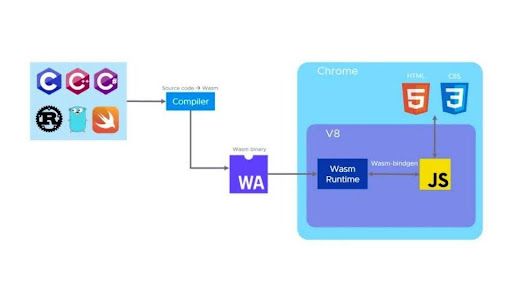 Learn how to run Docker containers on Kubernetes without a traditional runtime using WasmEdge for faster, lighter, and more secure deployments.
354. A Comprehensive Guide to Docker's Basic Commands
 Learn the basics of Docker with this comprehensive guide to the most important commands.
355. Docker Environment Variables: Development vs Production Made Simple
 Managing environment variables across different environments can be tricky.
356. How to Use Docker Multi-Stage Build to Create Optimal Images for Dev And Production
 Docker has sharply risen in popularity in the past years. It has been one of the tools that have changed the way we work as software engineers and DevOps Engineers. From Docker v 17.05 multi-stage build was introduced which helped abandon the older builder pattern with use of stages and target. This post discussed how you can exploit docker multi-stage build to build optimal images suited for dev/test and production with a NodeJs example application.
357. Shall I Use ADD or COPY in the Dockerfile - What's the Difference?
 Every developer and every team faces confusion about COPY and ADD in the Dockerfile at some point. When I get this question, first I usually give the technical background, which is this:
358. [DIY] How Can YOU Build a Pocket Platform-as-a-Service?
 Prerequisite knowledge: Linux, SSH, SSL, Docker, Nginx, HTTP, DNS
359. Portainer Plus Gitops: a Simple Way to Deploy and Manage Your Self-hosted Applications
 Portainer acts as my central command center for all things containerized.
360. Fundamental Docker Commands You Should Know
 Explore Docker CLI with essential commands for listing, running, inspecting, and managing containers.
361. How To Setup Docker Using Ansible on Ubuntu 18.04 [Part 2]
 In the last guide, you learned how to set up, install, and configure Ansible on Ubuntu 18.04. Now, you will use the Ansible to install and set Docker on a remote machine. To begin this guide, you need the following:
362. Towards Open Options Chains Part V: Containerizing the Pipeline
 In "Towards Open Options Chains", Chris Chow presents his solution for collecting options data: a data pipeline with Airflow, PostgreSQL, and Docker.
363. Another Reason to Use Docker

364. Two Key Points of Containerisation You Need to Know by Heart
 What is containerisation and what’s so great about it anyway? You may work with container-based applications every day at work, but there comes a time when an intern or a fresh graduate new joiner (or perhaps a non-IT colleague) in your team ask you these questions and you find yourself stopped in your track thinking: “where should I start?”.
365. Creating an AWS Elastic Container Registry (ECR) Using an EC2 Instance on Ubuntu
 Docker allows developers to package applications in containers. This article will show you how to create your own container, upload it to the repository.
366. How to Create Multi-Container Applications With Docker Compose and C#
 Creating a multi-container application can be daunting, but Docker Compose and C# can make it much more straightforward. This article will walk us through the s
367. How to Use a Template to Use Docker with PHP
 Today I want to give you an easy-to-use template in order to use Docker with PHP, explained so you can understand how it works in just 10 minutes.
368. Installing Ansible on Ubuntu [Part 1]
 Ansible is a Configuration Management and Application Deployment system that is designed to streamline the process of controlling a large number of servers, basically for administration and operational processes. In other words, it allows you to control several remote machines in an automated fashion from a location.
369. Getting Started with WASM on Docker
 In this post, I explore how Docker can run WASM code without the need for containers.
370. Dockershim Deprecation: Is Docker Truly out of Game?
 Dockershim deprecation only means the code maintenance of Dockershim in the code repository of Kubernetes will stop.
371. Exploring The Container Images Function in AWS Lambda
 Have you ever wished you could combine the portability of containers, with the scalability of Lambda functions? Well, now you can!
372. The ABC of DevOps Implementation with Containerization and Docker
 DevOps is a rage in the IT industry.
373. Mastering Ansible Playbooks: A Guide to Task Controls & Handlers
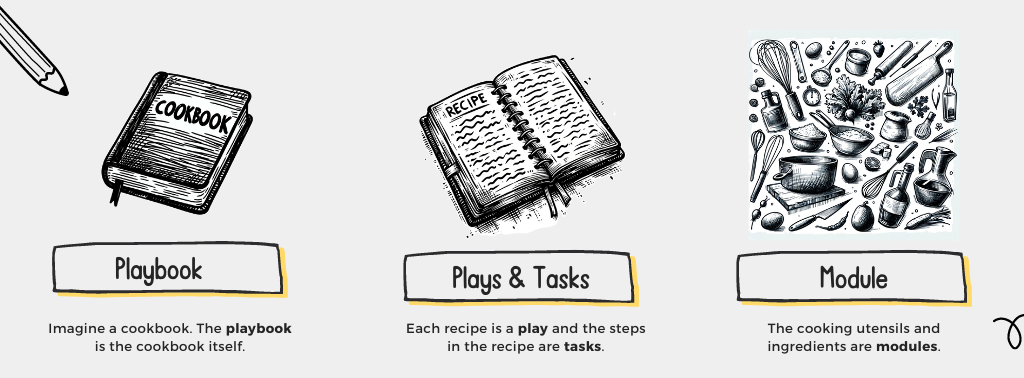 Tutorial on Ansible playbooks including how to use conditionals and task handlers to control execution flow.
374. Why “It Works on My Machine” Keeps Breaking Production
 Bad Dockerfiles cause outages, security risks, and bloated images. This guide shows how one AI prompt enforces production-grade container best practices.
375. GitOps. GitOps? What is GitOps?
 In this blog we will try to answer all your pressing questions about GitOps and find out how it can help you in the software delivery process.
376. Ansible 101: Modularization & Debugging
 Learn how to make playbooks that are easier to maintain and how to handle errors for reliable playbooks.
377. Helm 101: How to Create Helm Charts
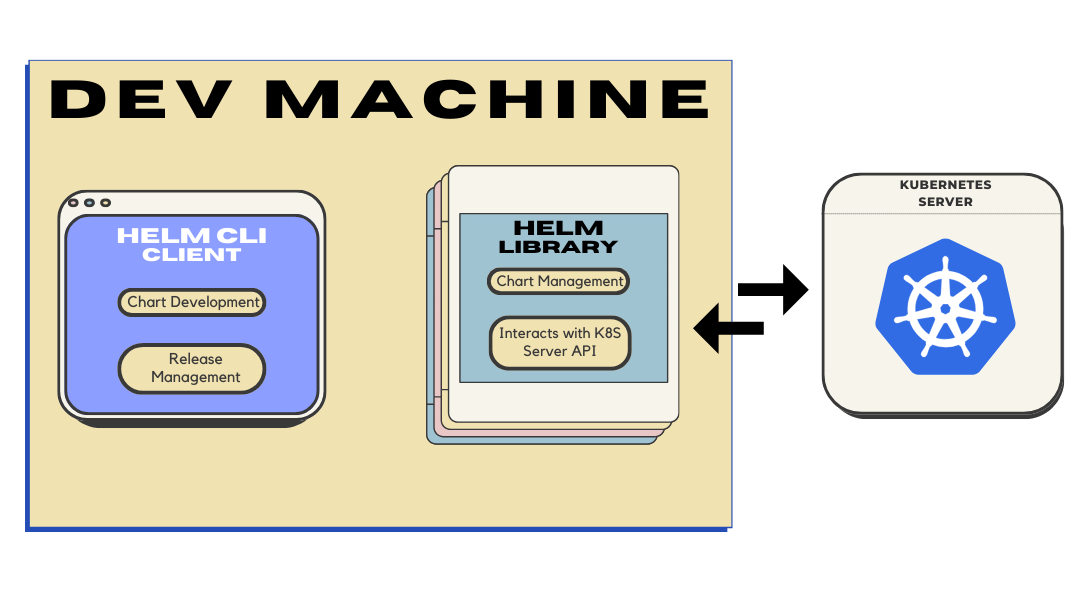 Learn how to create helm charts and deploy applications to kubernetes.
378. Accessing Private Google Artifact Registry with Poetry: Local and Docker Setup
 Streamline your Python application development with Poetry in Docker, overcoming challenges with Google Artifact Registry access.
379. How To Improve Your Software Documentation by Connecting Gitlab with Mkdocs
 Producing documentation may be painful and need a lot of time to write and operate. In this story, i will share with you, my way of generating docs using the devops approach. To make life easier, we will explore the art of automation 😃.
380. Lessons Learned Using Docker from Development to Production
 Like many tools in the software developer's toolbox, docker is relatively easy to jump into and takes some time to master. Using it for a variety of projects over the years I've learned a few lessons along the way.
381. How to Optimize for Iteration: Choosing Your Early Startup's Tech Stack
 As we’ve discussed in a previous blog post, product development is hypothesis testing. This is especially true in the early stages of a company when you need to confirm or reject your hypothesis as quickly as possible. This process is then repeated until you (hopefully) reach product-market fit. To get there, your team needs to be able to work and build at a pace that allows for this constant and rapid iteration.
382. CI/CD for Data Science: Automating Model Testing with Jenkins and Docker
 How to automate machine learning model testing using Jenkins and Docker, streamlining the CI/CD pipeline for efficient, reliable ML deployment.
383. The Ultimate NestJS Dockfile for Optimized Production Image and Local Development
 The ultimate NestJS Dockfile for optimized production image and local development.
384. Ship Smarter, Not Harder: Affordable Kubernetes CI/CD with GitHub Actions + Helm
 This guide is for freelancers and small teams who need reliable, inexpensive delivery to Kubernetes.
385. Containers 101: Kube Explained Part 2
 In our previous post, Kube Explained: Part 1, I described how the introduction of the cloud resulted in CI/CD, Microservices, and a massive amount of pressure to standardize backend infrastructure tooling.
386. An Intro to Kubernetes for Docker Developers
 Transition from Docker to Kubernetes with this practical guide. Learn about installations, pods, deployments, services, scaling, and namespace management.
387. Job Cycle and on Demand Tools of Devops Programming Engineer
 What are the roles and responsibilities of DevOps engineer.
388. Best Instagram Analytics Tools in 2020
 Many people run their business on Instagram and want to know about their performance by identifying their business insights. Earlier, people also criticized Insta for not providing any analytics tools that describe the performance and optimize their posts.
389. A Brief Introduction to Docker, Its Components, and How To Install It On Ubuntu
 In this blog we’ll try to understand one of the most popular tools used to containerize and deploy applications over the internet i.e. Docker. It makes deploying applications extremely simple.
390. A Beginner's Guide to Testcontainers in ASP.NET Core
 Use Testcontainers in ASP.NET Core testing to get better coverage! Learn how to simulate dependencies, test in parallel, and integrate with CI/CD tools!
391. What is MLOps and How Kubernetes can Help
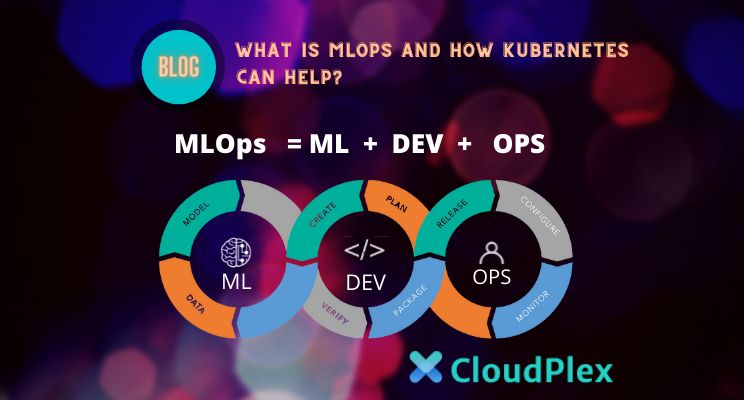 Why is #Kubernetes so important for MLOps? Find out in our blog post below.
392. What Are The Common Kubernetes Security Vulnerabilities
 Kubernetes has become the de-facto standard for managing containerized applications. However, this usage also led to an increased attack surface for K8s.
393. How a .NET Core Migration Saved Us $428/mo and Boosted Performance
 We achieved these results through .NET to .NET Core migration. The need emerged while we have been supporting a complex KnockoutJS-based web application.
394. How to Package and Deploy Lambda Functions as Container Images
 Ever wish you could combine the portability of containers, with the scalability of Lambda functions? Well now you can!
395. Using Raspberry Pi to Migrate GitHub Runners to Self-Hosted Ones
 How I am migrating GitHub Actions to self-hosted runners on a Raspberry Pi
396. Conducting Cross Browser Testing With Cypress in CI/CD using Docker
 Running Cypress tests across multiple browsers in CI/CD using Docker.
397. Connecting Dots: Go, Docker and k8s [Part 2]
 Nowadays, the successful application often consists of containers and some sort of container management system to ease scaling, reduce downtime, and more.
398. Exploring Containerization Beyond Kubernetes
 Here's why cloud-based PaaS and Containers make a solid combination for most developers.
399. 3 ways of recycling third-party code for AWS Lambda
 In this article, we're discussing AWS Lambda Layers, Lambda Extensions, and Docker image for Lambda. How and when to use which?
400. 6 Hacks for Reducing Docker Image Sizes
 If there are top ten buzzwords in the technology industry in the year of 2019, container is sure to be one of them. With the popularity of Docker, more and more scenarios are using Docker in the front-end field. This article shows how do we use Docker in the visualization interface of Nebula Graph, a distributed open source graph database.
401. Top 10 Reasons To Love Docker
 When you first look into Docker, what it does, and how it works, it appears to be a neat tool to help with application packaging and deployment. It's not until you start using it, however, that some of the other benefits that developers love so much show themselves. So, to discover why this tool has become so popular, here are Ten Reasons Why Developers Love Docker.
402. An Encryption Deep Dive - Part Four [AWS Encryption Services]
403. Build a Scalable, Highly Available, and Portable Web Server
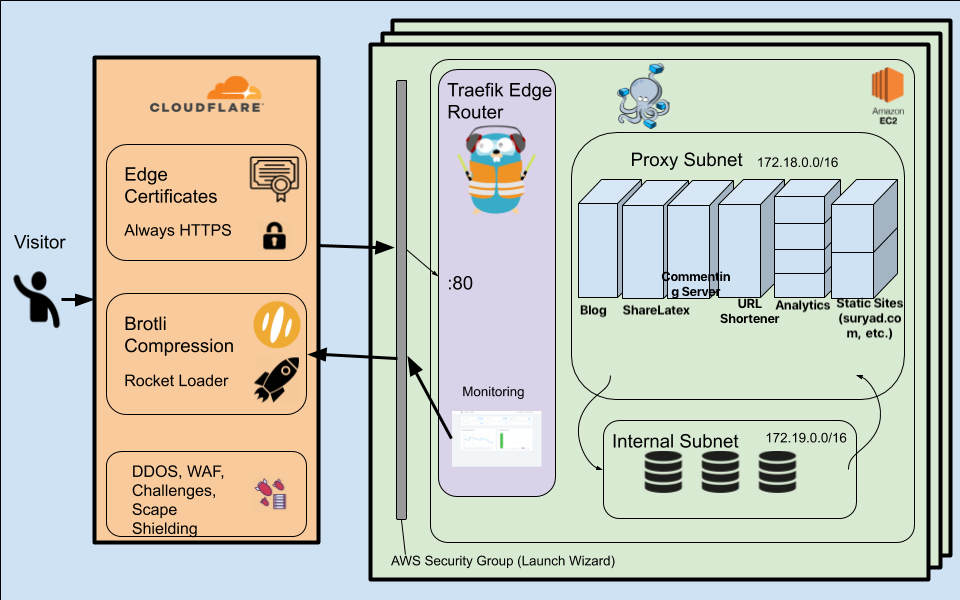 After over a year of development, SD2, my web server is done.
404. A Guide to Container Networking: Part III - Docker Container Networking
 Explore Docker container networking fundamentals and learn to visualize network namespaces with this insightful guide.
405. Kubernetes Day-2 Operations – Part II
 It is undeniably confusing if you’re unfamiliar with infrastructure technologies and leaning towards DevOps principles will further complicate the situation
406. Security Best Practices for Kubernetes: 2020 Edition
 The New Cloud-Native World of Containers
407. Why I Built My Own Ingress Proxy for Docker Swarm — And You Might Want It Too
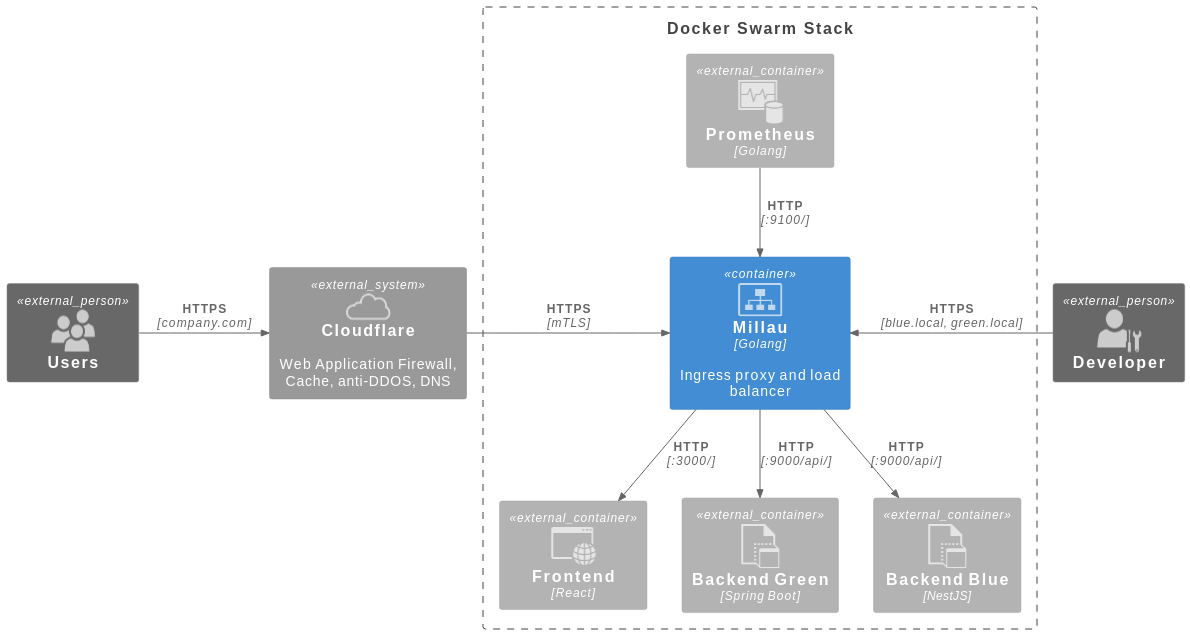 Millau is a free ingress proxy and load balancer designed for microservice architectures built on Docker Swarm.
408. How I Hosted My Hobby Projects From a Cheap HP Mini Desktop From My Closet (Verizon Fios)
 While high-speed internet has become more commonplace, it’s still a privilege, especially in the United States.
409. How to Customize Appwrite Email Templates in Production
 This article provides a comprehensive guide to customizing Appwrite's default email templates and translation strings for production environments.
410. Ever Wondered Why We Use Containers In DevOps?
 At some point we've all said the words, "But it works on my machine." It usually happens during testing or when you're trying to get a new project set up. Sometimes it happens when you pull down changes from an updated branch.
411. Cloud Native Applications: Creating a Mail Server Environment with Docker
 We’ve all been there. You’ve read a lot about the basics of Docker, Kubernetes, Pods, ReplicaSets, Deployments & more. The different parts that are used to build cloud native applications.
412. What Is a Container And How To Use It
 Welcome to this tutorial series, where we will evolve from the anatomy of a container inside the Linux Kernel, and will keep building pieces and evolving till the publication of a service into an Orchestration Platform. The general idea is to detail as much as possible (without being massive) how is things working under the hood.
413. How Kubernetes Can Make Your High Load Project Viable in 2020
 Kubernetes is an open-source container orchestration system that is designed to help you build a scalable infrastructure using high load approaches on a weak server. In this article, we’ll show you why Kubernetes is worth using in 2020.
414. How To Use AWS CloudFormation To Reduce Redundancy
 Mr. X has been working on a very interesting, and meticulously written web application involving some heavy computation and a complete test suite. He architects the system well and chooses to host his application over AWS.
415. We Built a Project Generator Because DevOps Needs One
 We, realMethods, are a small System Integrator. As a small SI with limited resources, we needed an advantage to compete for large engagements. We needed a lever we could pull that the bigger SIs could not. Before plowing head first into developing something, it was important to reflect on what we actually needed, had tried and experienced, what worked and did not work, and what mattered today that would still be relevant tomorrow.
416. If You’re a Solo Dev, You Don’t Need Docker
 Docker can slow down solo developers. Here’s why native Rails development on Mac is faster—and when Docker still makes sense.
417. MySQL Single Leader Replication with Node.js and Docker
 How to set up MySQL single-leader replication on your local machine using Docker.
418. Ansible 101: Ad-hoc Cmds and Inventory Files
 Get up to speed with Ansible! Learn how to use inventory files and ad hoc commands with practical exercises
419. Can Multi-Cloud Kubernetes Platforms Make Infrastructure Prices Comparable?

420. The Noonification: Meet Wellfound: HackerNoon Company of the Week (9/24/2024)
 9/24/2024: Top 5 stories on the HackerNoon homepage!
421. Overcoming Challenges in Software Development With Containerization and Orchestration
 Embark on a journey to seamless software development! Discover effective strategies for overcoming hurdles with containerization and orchestration.
422. An In-Depth Guide to Blue-Green Deployments with Materialize
 Minimizing downtime during any deployment is a key part of any successful deployment strategy. There are many ways to achieve this.
423. Helm — Everything You Need to Know Part II
 In this tutorial, we are going to learn about Helm versions (v2 vs. v3), and a practical example of how to use it.
424. Optimizing Database Performance with MariaDB ColumnStore
 Get started with data analytics using the open-source MariaDB database and the ColumnStore engine all running on Docker
425. The Noonification: How to DRY Your Apache APISIX Config (9/6/2024)
 9/6/2024: Top 5 stories on the HackerNoon homepage!
426. How I Built My First AI App: The Story Behind Photfix
 I built my first AI app, Photfix, to upscale and enhance low-quality images. From slow APIs to GPU tuning and Docker optimizations.
427. Sometimes Breaking Docker Best Practices Actually Works in Your Favor
 When does breaking Docker’s SRP rule make sense? Here’s why I installed Java in a PHP container—and how it simplified Structurizr CLI integration.
428. Comparing Physical Logistics with Virtualized Deployments
 Software containers are a virtualization technology that provide a lightweight isolated environment for applications and their dependencies.
429. Deploying Open-Source Language Models on AWS Lambda
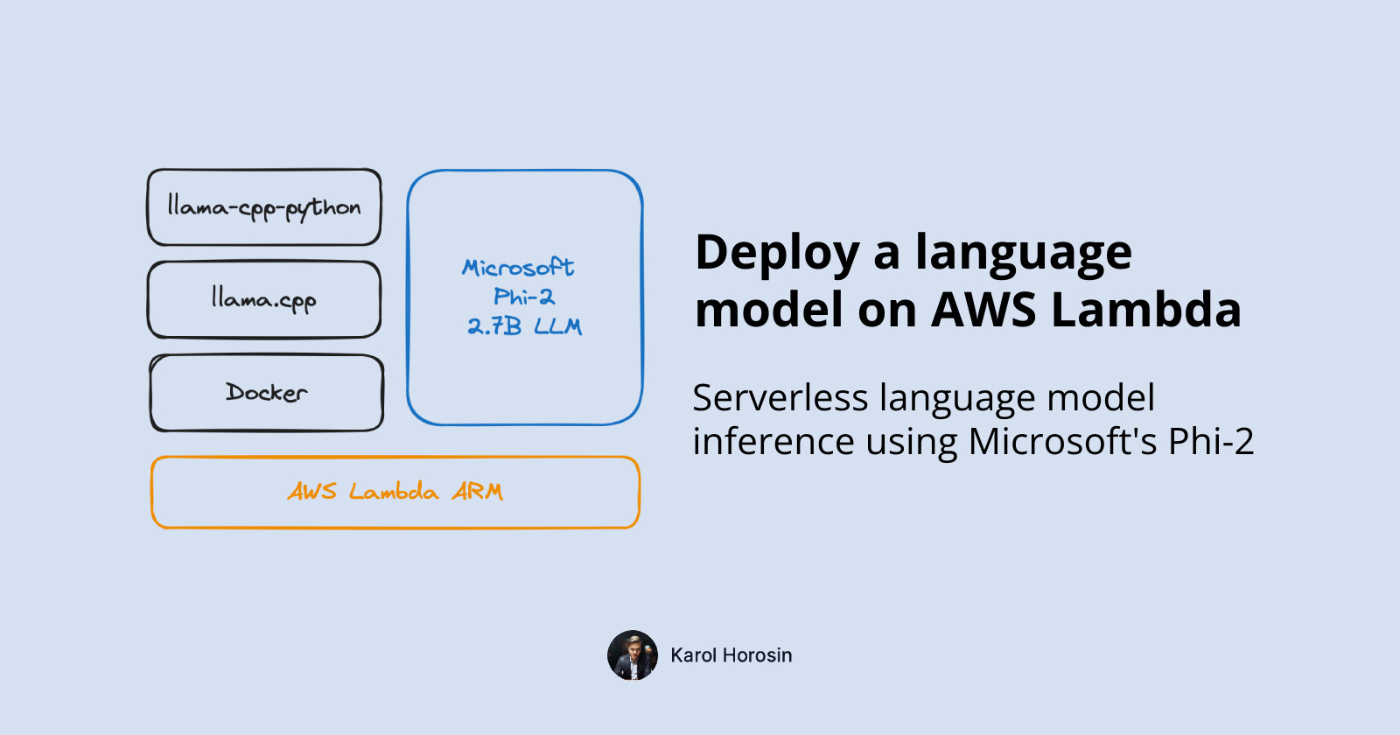 Serverless language model inference using Python, Docker, Lambda, Phi-2 model. A Practical guide.
430. 5 Compelling Reasons to Opt for Serverless containers On Google Cloud Run
 Google Cloud Run makes deploying stateless containers a breeze. It has a fully managed serverless version, which gives huge scalability, high availability and cost based on precise usage. Being serverless, there are no servers for us to manage. In addition to these awesome reasons, this post discusses 5 more compelling reasons to use Google Cloud Run with serverless conatiners for your next project and it just became generally available.
431. Reducing Kubernetes Costs
 Kubernetes has become the de-facto choice for most users and one aspect that any Kubernetes administrator must look into is managing Kubernetes costs.
432. Why you Should Get Started Building Containers on Kubernetes
 Kubernetes is ideal for container orchestration. Because of its features, it also comes with complexity. In this article, we will discuss when to use Kubernetes
433. An Introduction to the appfleet Edge Computing Platform
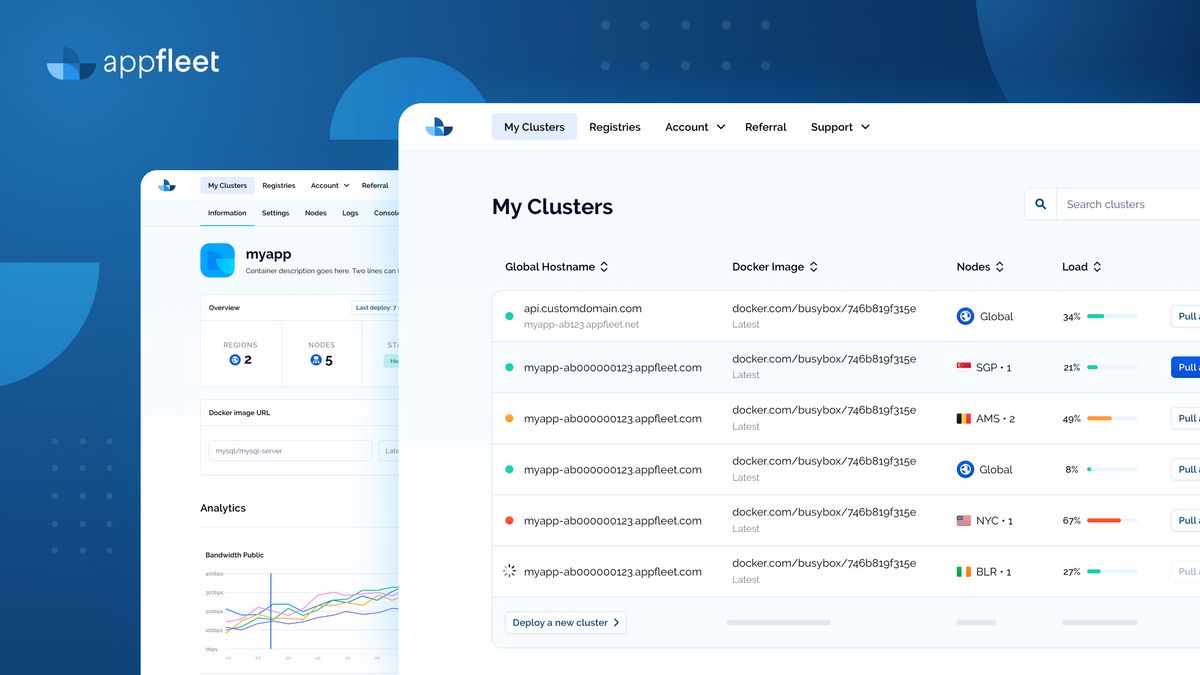 A new edge compute platform goes live. appfleet allows users to deploy containers and applications to multiple global regions
434. Py-DockerDB: Simplifying Programmatic Database Handling
 Local database setup is deceptively expensive. It introduces variance into your dev environments and bakes hidden assumptions into your codebase. I wanted every
435. Unlocking Freedom from the Cloud: Empower Your Apps with MRSK's Optimal Orchestration
 A lightweight alternative to Kubernetes. Powering the likes of Hey.com and Basecamp
436. [A How To Guide] Planning the Technology Stack for an Event Sourcing Project
 The most common question I encounter when training or consulting with developers, Engineers and Software development laboratories about a new Event Sourcing project is how and where do we start.
437. How to Bridge the Gap Between Specs and Agents: MLOps Coding Skills
 Despite the minor friction, Agent Skills are excellent “Low Hanging Fruit” for any engineering team.
438. Managing Unstable Dependencies in Docker: The Power of Intermediate Images
 If your app has unstable third party dependencies, an intermediate image can ensure you can build anywhere.
439. Deploying Sendy On Kubernetes to Reduce Newsletter Costs 100x - Part 1
 Sendy is an amazing application. It's basically software that gives you the ability to utilize Amazon SES to send newsletters to your members for 100x cheaper!
440. 166 Stories To Learn About Devops Tools
 Learn everything you need to know about Devops Tools via these 166 free HackerNoon stories.
441. What Is a Dockerfile? A Quick Overview
 What is a Dockerfile? DevOps engineers must understand this key concept to be effective in deploying containerized applications.
442. Kubernetes Deprecates Docker to Support the Open Container Initiative
 Kubernetes Deprecating Docker?! Let Me Explain Containers in K8s.
443. AI, HCI, DRaaS, and Edge Computing Will Drive The Most Innovations For Cloud Computing
 The year 2020 has become “the year of the future" due to the transition of most industries online, active development of artificial intelligence, the Internet of Things (IoT), and cloud technologies.
444. One-Click Trial on TYK API Gateway with Tin
 What is the difference between using a traditional way to installation environment for Tyk and using Tin?
445. 1 Stories To Learn About Weekly Sponsor
 Learn everything you need to know about Weekly Sponsor via these 1 free HackerNoon stories.
446. How The NSA Says You Should Secure Kubernetes
 Security has become a primary consideration for any technological solution. Here are the NSA's recommendations for securing Kubernetes against hackers.
447. Overcoming Challenges Running the Disaggregated Analytics Stack in K8s
 Alluxio brings back data locality for the disaggregated analytics stack in K8s.
448. Best Instagram Analytics Tools in 2020
Many people run their business on Instagram and want to know about their performance by identifying their business insights. Earlier, people also criticized Insta for not providing any analytics tools that describe the performance and optimize their posts.
Thank you for checking out the 448 most read blog posts about Docker on HackerNoon.
Visit the /Learn Repo to find the most read blog posts about any technology.