
Let's learn about Internet via these 337 free blog posts. They are ordered by HackerNoon reader engagement data. Visit the Learn Repo or LearnRepo.com to find the most read blog posts about any technology.
'We are all now connected by the Internet, like neurons in a giant brain.' - Stephen Hawking
1. The Best Private Search Engines — Alternatives to Google
 <a href="https://decentralize.today/you-should-use-one-of-these-private-search-engines-14d058dd2990" target="_blank">Private search engines</a> have seen huge growth over the past few years. Until recently, it was unthinkable that anyone could compete with <a href="https://hackernoon.com/tagged/google" target="_blank">Google</a> in the search realm. However, there are now many smaller players in the search game that are growing rapidly. Google’s <a href="https://netmarketshare.com/search-engine-market-share.aspx?options=%7B%22filter%22%3A%7B%22%24and%22%3A%5B%7B%22deviceType%22%3A%7B%22%24in%22%3A%5B%22Desktop%2Flaptop%22%5D%7D%7D%5D%7D%2C%22dateLabel%22%3A%22Custom%22%2C%22attributes%22%3A%22share%22%2C%22group%22%3A%22searchEngine%22%2C%22sort%22%3A%7B%22share%22%3A-1%7D%2C%22id%22%3A%22searchEnginesDesktop%22%2C%22dateInterval%22%3A%22Monthly%22%2C%22dateStart%22%3A%222016-05%22%2C%22dateEnd%22%3A%222018-01%22%2C%22segments%22%3A%22-1000%22%7D" target="_blank">market share</a> has declined from 78.7 percent in February 2017 to slightly below 70 percent in February 2018.
2. 7 Easy Methods to Fix the Red Light on Router
 When the Internet light on your router is red, there is a problem with our internet connection that needs to be fixed as soon as possible.
3. Here's How To Fix Your Ethernet If It's Not Working
 If your WiFi is working properly but your wired ethernet connection isn't, here's a bunch of things you can do. The first thing you need to do is turn off the WiFi. Right-click on the WiFi icon in the notification area and click "Open Network and Internet Settings". Go to the WiFi tab and use the toggle to turn it off.
4. How to Check Number of Users Connected to Wi-Fi
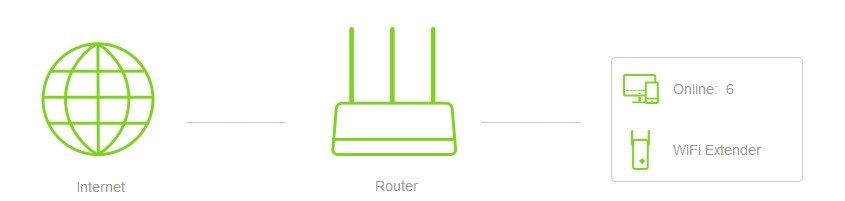 Are you worried that too many users are connected to your wireless network? Well, if you are using your Wi-Fi at home, you shouldn’t worry too much about that.
5. The Easiest Way to Access the Dark Web on an iPhone
 Learn how to access the dark web on your iPhone with these simple steps. Stay anonymous and protect your privacy while browsing the hidden web.
6. How to Access the Dark Web: Methods for Android and PC
 Explore the depths of the Dark Web safely. Learn how to use Tor, understand its risks, and access it securely on Android and PC.
7. The Objective Need for Decentralization: Reality Consensus
 The main goal of network technology is the creation of human consensus. This is the REQUIRED step for ANY collaboration to occur. We MUST decentralize the web!
8. How to Trace an IP Address for Beginners
 Learn how to trace an IP address quickly and accurately. Get step-by-step instructions on how to find the location of an IP address, and uncover its identity.
9. 10x Performance Increases: Optimizing a Static Site
 A couple months ago, I was traveling outside of the U.S. and wanted to show a friend a link on my personal (static) site. I tried navigating to my website, but it took much longer than I anticipated. There’s absolutely nothing dynamic about it — it has animations and some responsive design, but the content always stays the same. I was pretty appalled at the results, ~4s to DOMContentLoaded, and 6.8s for a full page load. There were 20 requests for a <em>static site</em>, with 1mb of total data transferred. I was accustomed to my 1Gb/s, low latency <a href="https://hackernoon.com/tagged/internet" target="_blank">internet</a> in Los Angeles connecting to my server in San Francisco, which made this monstrosity seem lightning fast. In Italy, at 8mb/s, it was a different picture entirely.
10. HTTP Made Easy: Understanding the Web Client-Server Communication
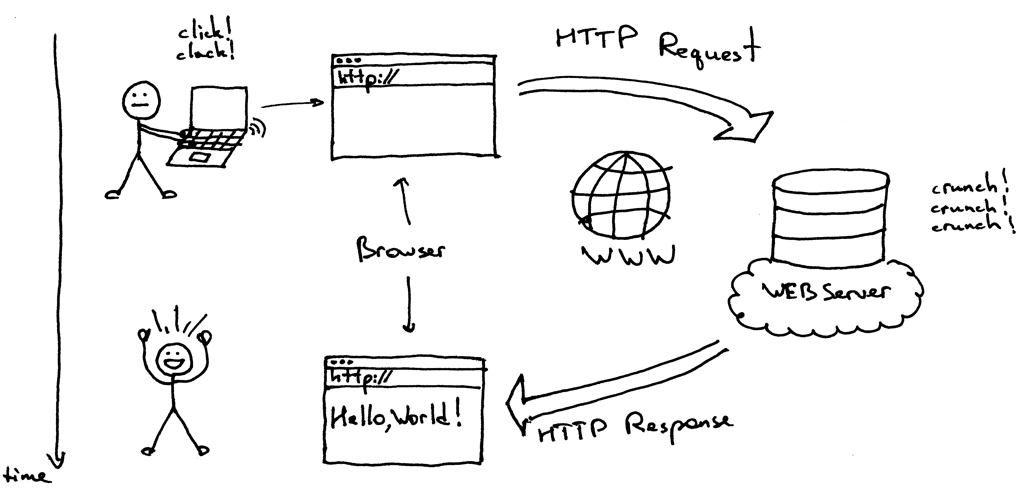 If you are anywhere related to web development, understanding the concepts of HTTP plays a vital role. So let us understand more about HTTP and its concepts in brief.
11. IT Audit | Step-by-Step Guide
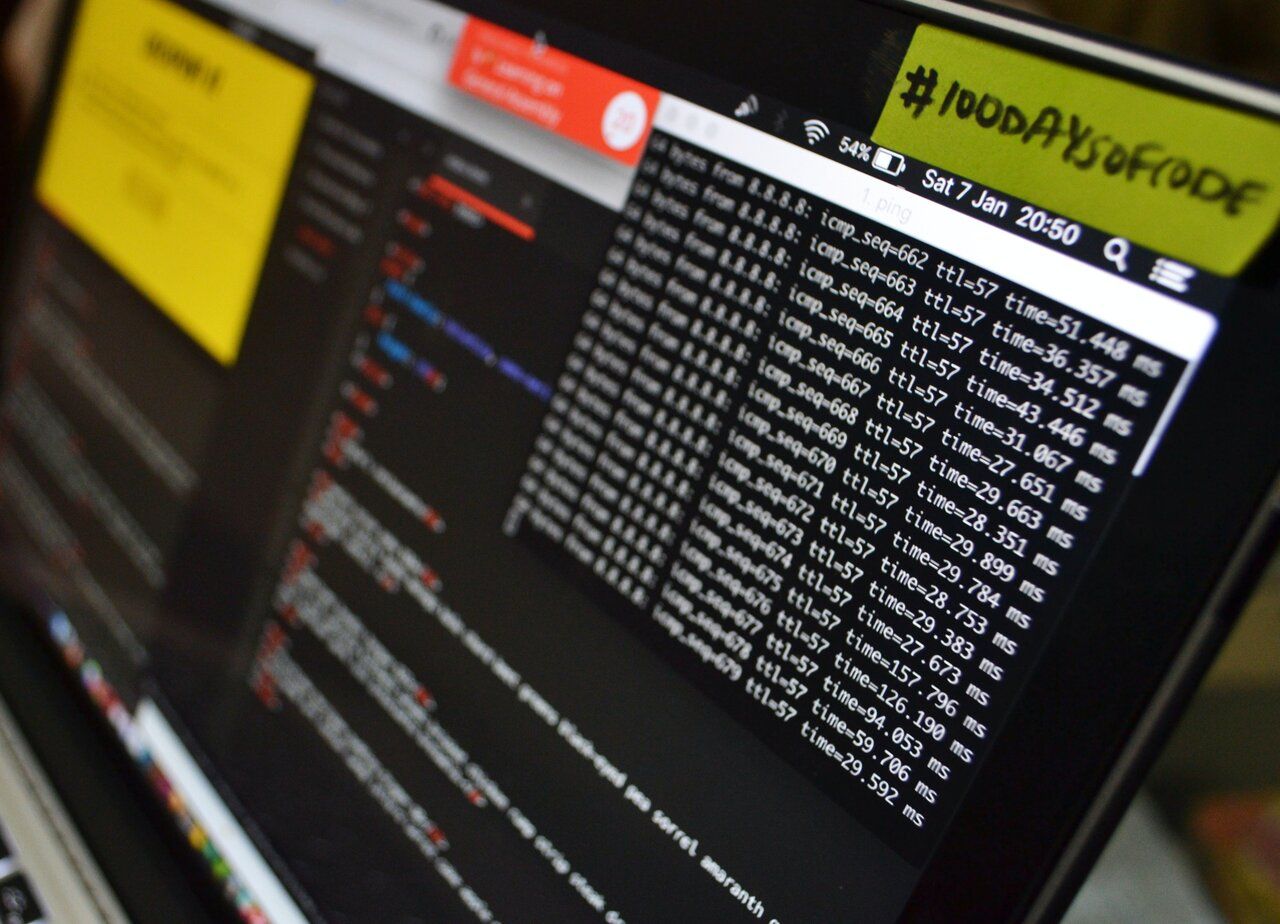 In 2020, an IT audit is important for all organizations. It provides insights into the business’ IT infrastructure and how it can be improved.
12. Enabling Instant Noise Cancellation on Linux
 Guide to achieving Instant Noise Cancellation on Linux OS.
13. Blockchains Missing Ledgers - The Myth of DLTs
 Blockchains and DLTs are not the same thing. Here's why.
14. An Introduction to Layer 3 Switches
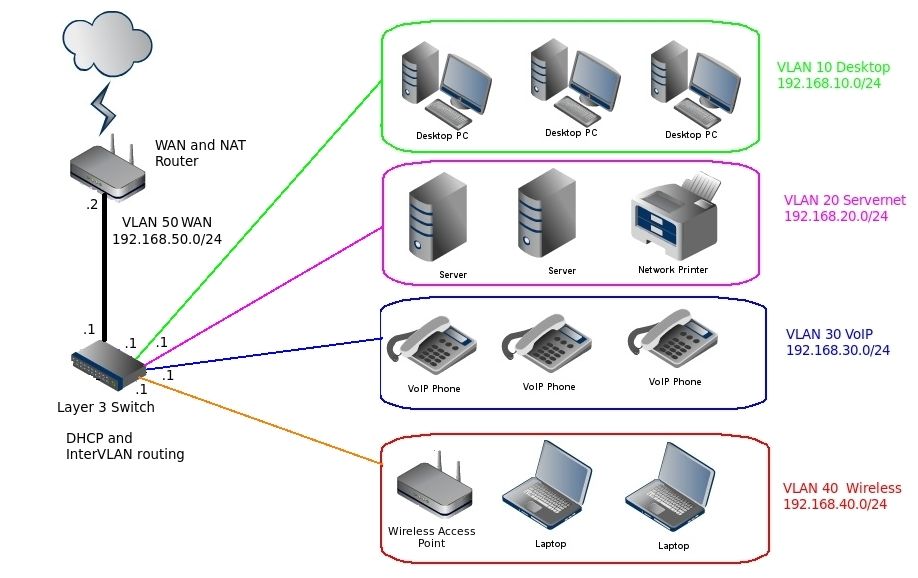 In today's complex business networks that comprise many virtual LAN's and subnets, a Layer 3 switch plays an important role in many systems. But do you need this on your network? Let's see.
15. 99.9% of Content Will Be AI-Generated by 2025: Does Anyone Care?
 Soon AI bots will create 99.9% of all content on the internet. This creates serious problems for free thinking and creativity. Can we solve these problems?
16. UNCOVERING HIDDEN SSIDs
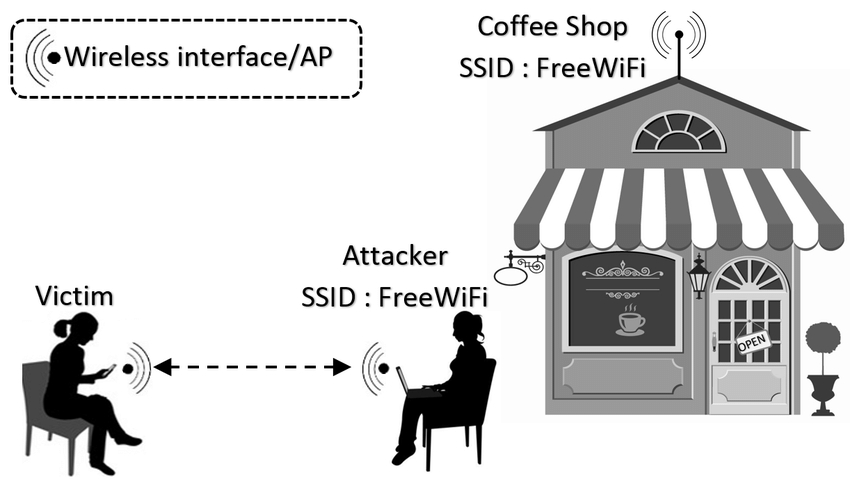 Before we move on to understand how an SSID attack is launched let us cover some basics first so that you know exactly what you are doing.
17. 16 Premises for Web 3.0 - The Decentralized Web
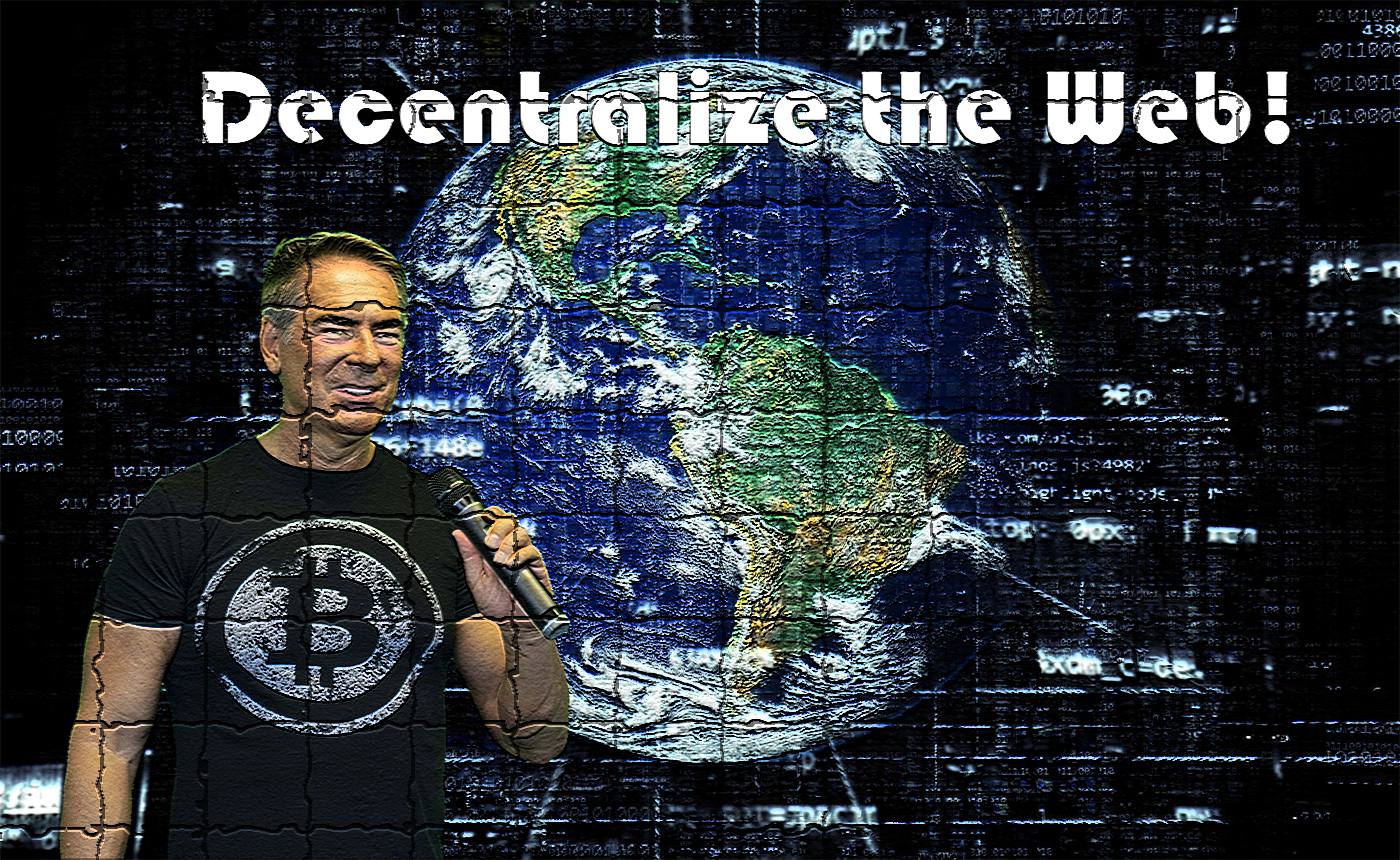 The following outlines premises required for a sustainable information management strategy in service of returning the World Wide Web fromthe tragedy of the commons.
18. Facts You Probably Didn't Know About The Dark Web
 The dark web refers to encrypted online content that is not indexed by conventional search engines. Sometimes, the dark web is also called the dark net.
19. Disabling My Favicon: How and Why
 It turns out that disabling a Favicon is surprisingly easy and eve a good idea when you don't really want to deal with the hassle of another part of a website
20. Why the Internet Must Be Regulated
 Many people argue that the government should not regulate anything, and that the free market, and the competition that it induces, should naturally take care of producing the lowest priced, highest quality, and therefore the best value products for purchase by the citizens of a capitalist nation. This is called free-market capitalism.
21. How to Fix an Ethernet Cable Plug (RJ45 Plug) and Other Ethernet Tips
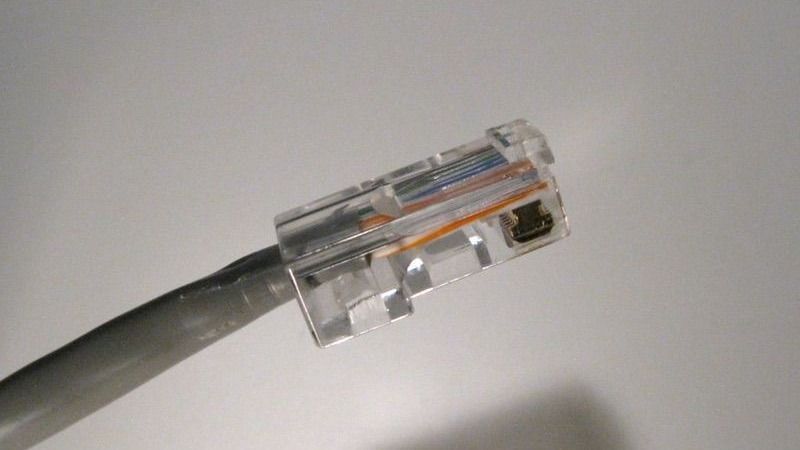 Many of you have probably experienced problems with a broken RJ45 plug. The locking tab of RJ45 plugs breaks easily and this is one of the most common issues faced by the users of Ethernet cables. Now, I’ll tell you about a temporary solution that will help you make a connection with a broken plug more reliable.
22. 9 Benefits and Uses of QR Codes for Business
 According to a Juniper Research study, the number of QR code coupons redeemed via mobile devices reached 5.3 billion in 2022, illustrating the growing impact.
23. Are People Noticing the Internet Is Slowly Becoming Unusable?
 Unfortunately for all of us nostalgic folk, the internet is now what is used to be.
24. The Exorcism of Emily Rose (Debunking Demonic Possession)
 Demonic possession is not real, its just stupid, and it harms real people, here is why...
25. Why the Internet is Giving up On Cookies and How We Can Live Without Them (Spoiler: Wonderfully)
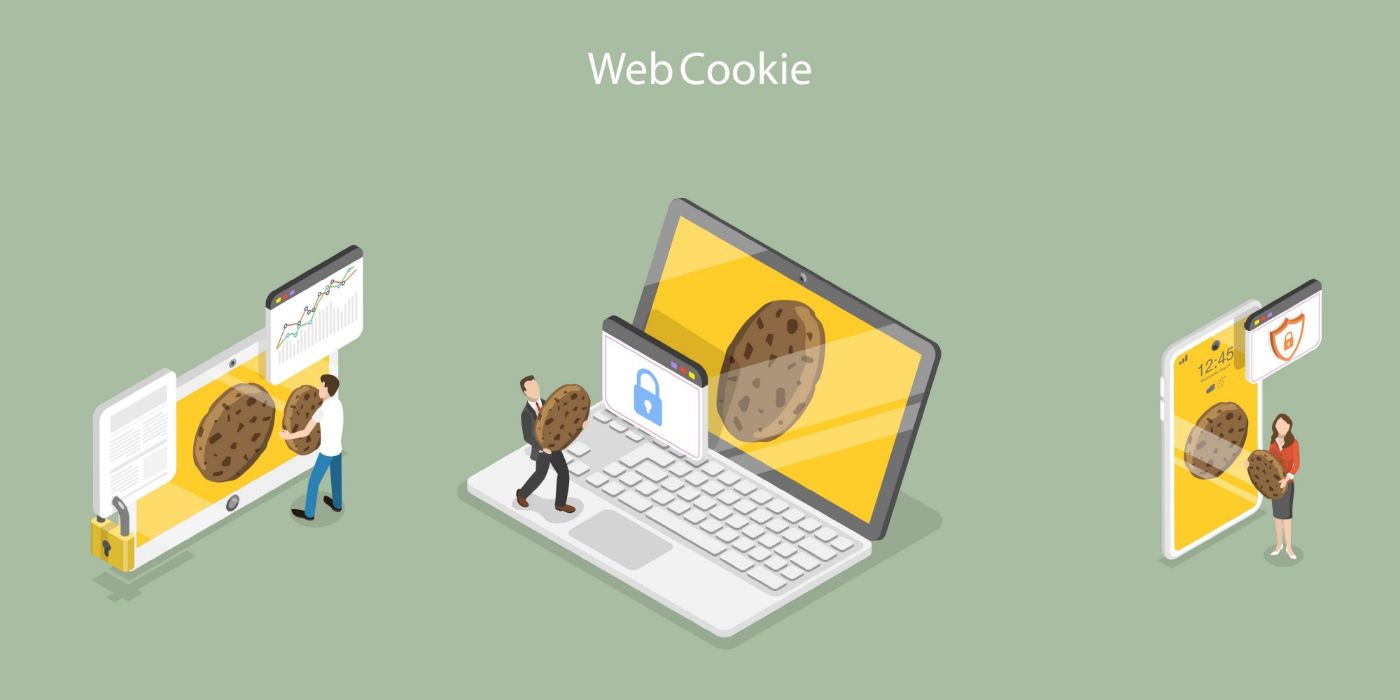 The process of "removing" cookies has been going on for a number of years, but now it is directly affecting everyone.
26. What Is Web4? Is It Centralized or Decentralized?
 Web4 is a term that is used to refer to the next generation of the internet. It is also known as the “more” decentralized web.
27. Real or not real? Social Media, Parasocial Relationships, and Internet Influencers
 They are famous because they appear to be just "one of us". But are they really? A tribute to 2010s internet influencers from a fangirl.
28. SpaceX Starlink Master Plan
 A parody, not written by Elon Musk
29. Seven things that slow down your VPN and What You Can Do About It
 Those accustomed to Virtual Private Networks probably know what a painful experience is slow connection speed. Paradoxically, VPNs are the #1 go-to software when talking about torrenting (where speed matters a lot), yet, due to their technicality, some sort of a speed drop is inevitable.
30. You Are Not Worth Tracking, Sorry
 I do not track you. I don't have to, and I don't care to.
31. Is "Balkanized" Internet The Dark Future of Decentralized Internet?
 There’s a thin line between decentralization and the “balkanization” of the internet.
32. How Starlink is Disrupting the Internet
 Starlink, by SpaceX, will provide internet from the constellation of low Earth orbit satellites with low latency and high speed compared to submarine cables.
33. How to Change Your IP Address: A Step by Step Guide
 Explore easy steps to change your IP address for improved online privacy and security. Learn to navigate the internet anonymously.
34. Web 3.0: A Poem
 Cryptographically, the brave may not live forever,
but the cautious do not live at all.
35. Interview With Kristof De Spiegeleer: We Need a New Internet Which is Not Owned by a Few
 Kristof De Spiegeleer is a serial entrepreneur who is the co-founder and chairman of the ThreeFold Foundation, where he is building the next generation of IT infrastructure, leveraging the power of the blockchain.
36. Decentralized Cloud Storage is changing the face of the internet (1/2)
 (Read Part 2 here)
37. Elon Musk: From The King's Gambit to The Pawn's Endgame
 Decentralization is one of favorite Elon’s words, but not when it comes to the Internet.
38. DOCSIS 3.1 Technology: Everything You Need to Know
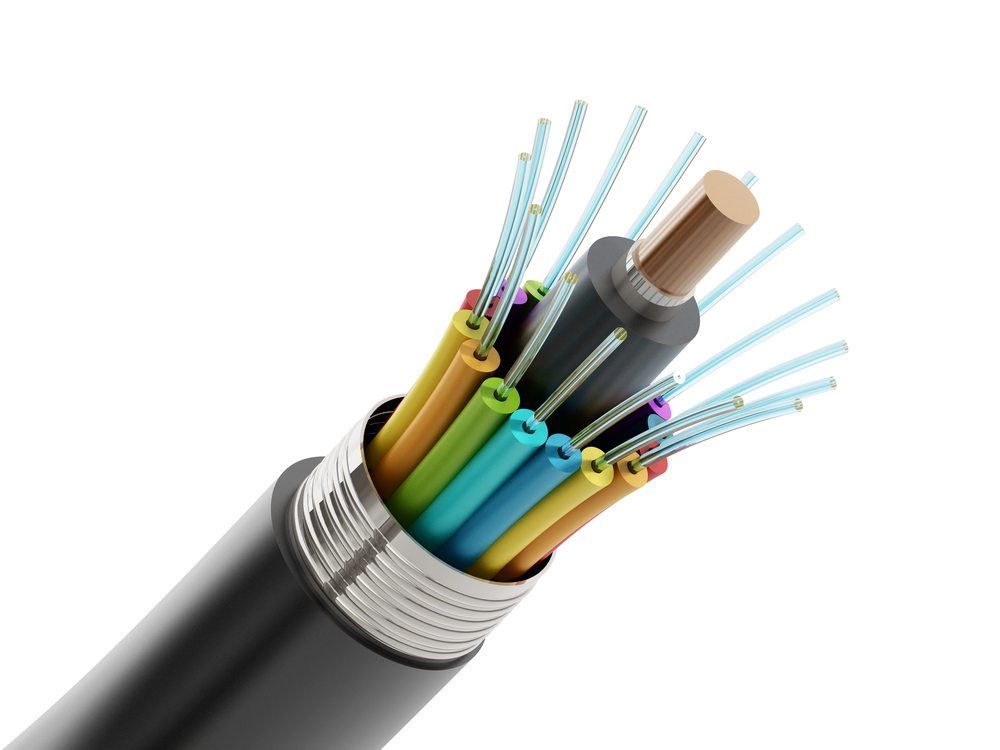 In this tech guide, we will cover the important details about DOCSIS 3.1 technology.
39. "To feature links on your profile, set the audience to Public," says Facebook
 So I went to update my Facebook profile...
40. How Firefox Almost Won the Second Browser War. Almost.
 On November 9th, 2004, Mozilla released Firefox 1.0. Born from the fallout of the first browser war, the launch of Firefox signaled the start of the second browser war.
41. DePIN Is Where Crypto Gets Real
 Learn what DePIN solves (hint: it’s centralized), what incentives it uses to scale decentralized infrastructure, and what drives transformation.
42. Is it Possible to Create a Decentralized Internet? This Startup, and its "Farmers" Think So.
 The internet is now almost entirely centralized.
43. Introduction to Nexus: Building a New Internet Driven by Blockchain
 Nexus is building a new internet driven by a blockchain-based operating system (LX-OS) and communications protocol (Nexus Protocol), that will be connected by distributed satellite constellations and mesh networks.
44. What is Web 3.0 and How It Can Transform the Internet
 What is Web 3.0 and How Can It Transform the Internet?
45. The History of the Internet: Collaboration, Commerce, and Polarization
 A compilation of some of the key historical events shaping the Internet, examining what decisions got us here and how we use it to connect with others.
46. The “Connection Not Private” Warning Explained
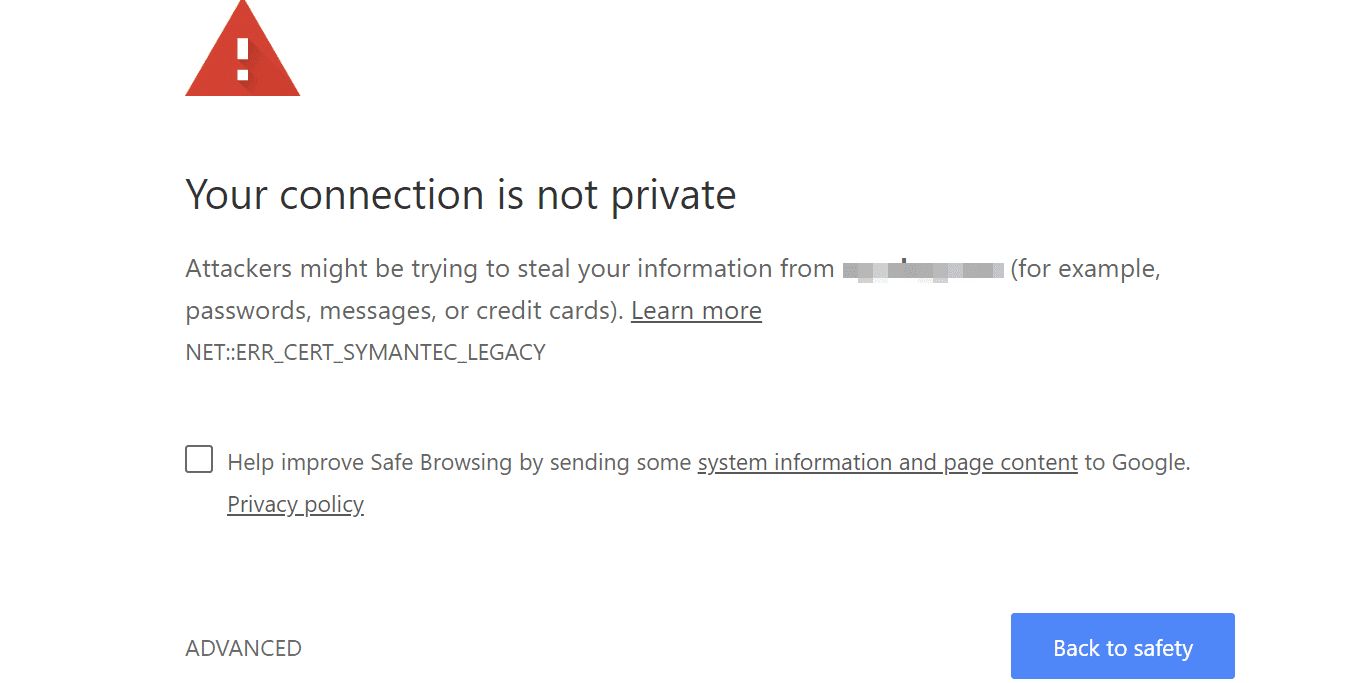 Each time you visit a website, your web browser (e.g., Chrome, Safari, or Firefox) first checks for the existence of one of two digital certificates
47. How P2P Networks Inspired Blockchain
 Blockchain is stirring a technological revolution that could forever change how we conduct our affairs online. Many expect it to disrupt practically all industries, providing a platform that is secure enough to foster trust and confidence even without a controlling authority to oversee the system.
48. Internet Archive's "Silent Killer"
 A thread by Jason Scott detailing the "silent killer".
49. Understanding the Architecture of the Web: A Guide to How the Internet Works
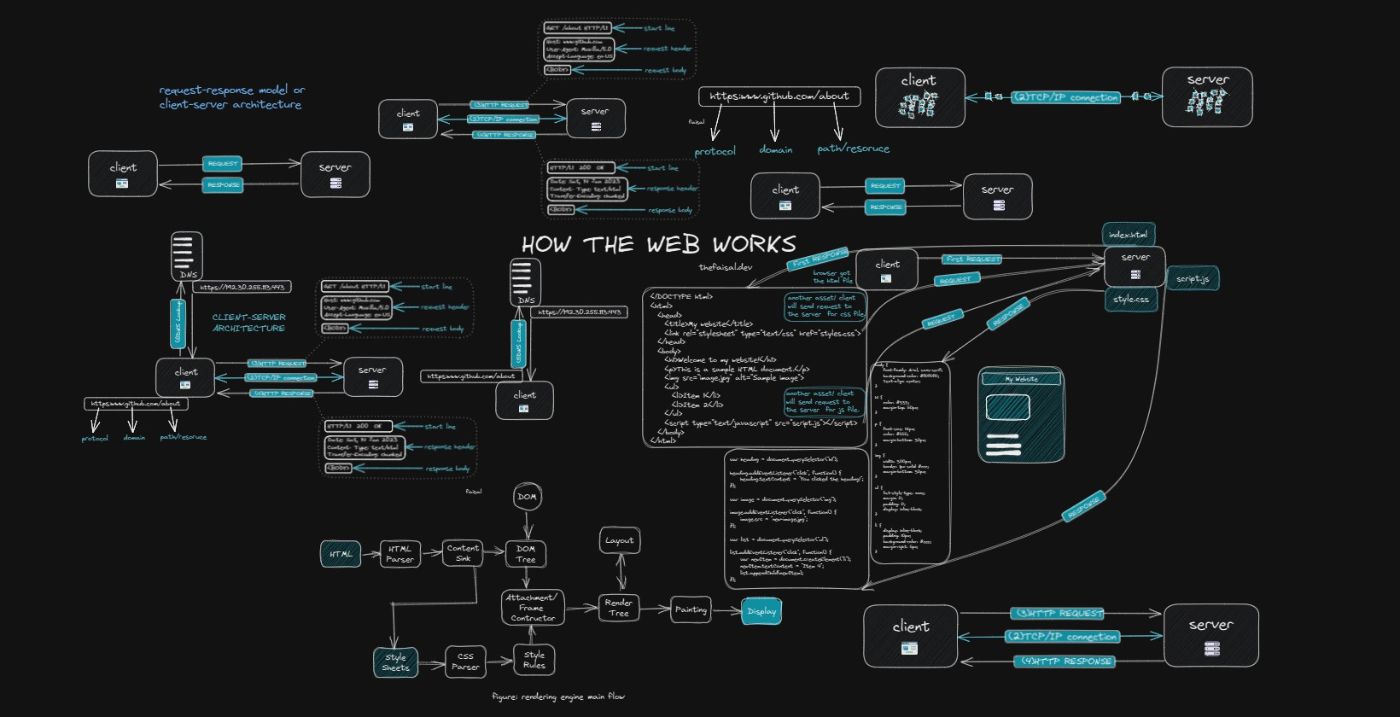 Discover the complex infrastructure powering the internet. Learn the web's client-server architecture, protocols, DNS, TCP/IP and many more.
50. Reasons Why Your Internet Is Slow
 What’s the problem here? It might be you (sorry). It might be the infrastructure you’re working with. It might be your internet provider.
51. How to Surf the Dark Web safely and Monitor Traffic?
 The Onion Routing (Tor) act as a global gateway by enabling anonymity communication on the internet through various hidden channels network.
52. The Pandemic is Deepening our Symbiosis with the Internet
 A CGI view of the underground network of tree roots and fungi. Screenshot from movie Fantastic Fungi.
53. In the 90s, Web 1.0 was Running on a Fully Decentralized Infrastructure
 How Ethereum’s composability created the most innovative ecosystem to date.
54. Pornhub and The Adult Entertainment Industry Helped Shape The Internet
 The world as we know it would not have been possible without the influence of porn. In fact, the adult industry shaped today's technological advancements.
55. The Web’s Closed Hell Future and The Hope of A New Decentralized Internet
 The net can be thought of as a gigantic battlefield. Today there are a few impenetrable forts (to which everyone is invited so long as they play by the rules and give up certain freedoms), thousands upon thousands of skirmishes in lawless plains, and millions of scattered corpses across a charred wasteland.
56. Why Elastos is Building a New Internet With User Rights and Freedom at its Core
 Building decentralised web 3.0 network on a decentralised network which is censorship resistant and provides users with net neutrality.
57. Barlow's Declaration of Independence of the Metaverse
 Governments of the Old Industrial World, you weary giants of flesh and steel, we are the inhabitants of the Metaverse, the new home of free minds.
58. [Writing Prompt] Thrilled to be Recognized as [Insert Award Title Name]
 This list of questions is compiled for the Noonies or Startups campaign winners or runners-up.
59. Overview of 3 Web 3.0 Projects: Tachyon, Substratum, and Unstoppable Domains
 It is no more news that decentralization is fast becoming the standard solution for several of the recurring issues plaguing various industries. That said, this concept is slowly finding its way into the cybersecurity scene. Several startups and established firms are introducing tools based on blockchain technologies that would give internet users autonomy over their data.
60. How Can You Minimize Your Online Footprint
 You may be shocked to find out what information is available about you and how it could be used. Here are steps you can take to minimize your online footprint.
61. Cell Service Is Escaping Earth
 Direct-to-device satellite connectivity is turning LEO spacecraft into cell towers.
62. Why We Are Not Likely to Transition to IPv6 Any Time Soon
 Three years ago, on 25 November 2019, at 15:35 (UTC+1), the world ran out of IPv4 addresses. This was supposed to be a big deal. And nothing happened.
63. The Next Big Thing: Blockchain Technology and Web 3.0
 Michael Faith explores the future of Web 3.0 and Blockchain Technology and why they matter.
64. Mapping the Internet: A Visualization of the Web
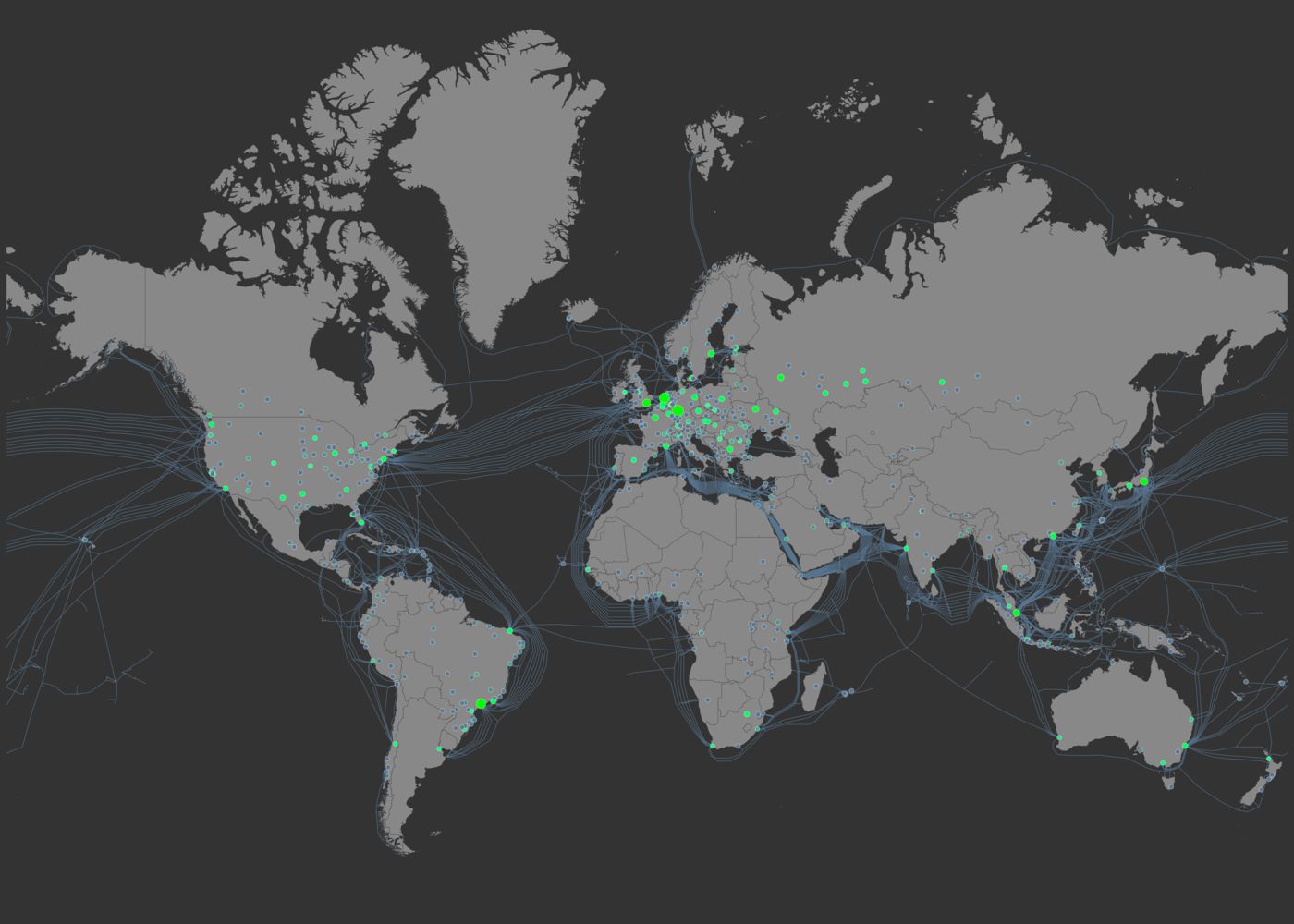 Journey into the depths of the Internet with this incredible map showcasing undersea cables and internet exchanges.
65. Was The Dead Internet Theory Only a Theory?
 Was the Dead Internet Theory actually right? Maybe we're shifting towards a less human and more automated web without even noticing.
66. Here's Why I Migrated From Chrome to The Brave Browser
 Chrome has been my goto for almost a decade now. I’m the kind of person who finds it stupid to cover the webcam (unless I have a sticky note full of credentials on my fridge), so I guess its quite clear already that I’m not so high on privacy concerns but what bothered me the most was how much information Google was extracting from me.
67. Embracing Offline-First Technology
 Along the way, after getting smartphones and voice-controlled assistants, we've lost the plot. Perhaps embracing offline-first technology will help us find it.
68. Why Do We Urgently Need Web 3.0?
 Mass censorship and de-platforming have been normalized at such break-neck speed that a new totalitarian milestone appears almost every month. Fortunately, cryptocurrencies have already paved the road ahead for a brighter, less surveilled future, leading to Web 3.0.
69. How to Explain the Internet to Your Kids
 There is only one way to explain the dangers of the Internet to children: to be there with them. Talk about the good and the bad that that the internet offers.
70. Suffering Due to Buffering? Here's how You Can Improve Your Wifi Connection
 Enhance your Online Streaming Experience and improve your wifi connection with these easy fixes.
71. The Pirate Bay Is Still Alive: Words From One of the Co-Founders
 Peter Kolmisoppi explains why The Pirate Bay is still alive and some websites aren't.
72. Why Elastos Is Building a New Internet With User Rights and Freedom at its Core
Building decentralised web 3.0 network on a decentralised network which is censorship resistant and provides users with net neutrality.
73. The Life and Times of Adobe Flash Player Gaming
 I tell how Adobe Flash Player expanded the video game audience, spawned the indie movement, created the basis for social and mobile gaming, and why Flash died.
74. What is HackerNoon?
 We treat our internet friends with respect.
75. .NET Framework Programming: Architecture, Usage and Advantages
 .NET is a software framework that is designed and created by Microsoft. The principal variant of .Net framework was 1.0 which came in the year 2002. In simple words, it is a virtual machine for arranging and executing programs written in various languages like C#, VB.Net and so forth.
76. The Complex Systems of Internet of Things Devices Explained
 The rise of IoT in networking is sparking key innovations in the field, including complex systems of Internet of Things devices (SIoTD). This guide will cover the basics of this emerging concept and its applications.
77. The Cryptocurrency Industry Is The Next Basic Infrastructure of The Internet
 I got into the internet business back in 1998 — a time when we still relied on dial-up modems. I watched the hardware evolve over time to SDN, ADSL and, eventually, to the gigabit network we know today. I also experienced the changes of the software ecosystem firsthand, from the earliest portal websites, to the YouTube boom, all the way to the mobile internet and the current TikTok era. In the 90s, people called the small group of internet users “netizens”. However, the term has become outdated since, as almost everyone is using the internet that has become the basic infrastructure of the world.
78. 10 AR Agencies to Follow in 2020: From Talking Business Cards to Explorable Paintings
 Augmented reality might turn out to be one of the big winners of the coronavirus crisis: People need more fun in their lives, and brands need new ways to attract customers. And since most AR experiences require only a smartphone, they are cheaper and more accessible than VR. From animated tattoos to interactive models of office spaces, here are 10 innovative studios bringing AR into our everyday lives.
79. Tor Vs. VPN: Which is Better
 What is Tor
80. Best Web Hosting Services for Small Businesses
 There are so many small businesses in the United States that if they all split off and formed their own country, the population would exceed 120 million people, about as many as currently live in Japan.
81. IPFS – The New Internet's Protocol
 IPFS can be seen as a new decentralized Internet infrastructure on which various applications can be built in a secure & resilient way.
82. Coronavirus and Other Crises that Force People to Reinvent Themselves
 If you think this is just like any other alarmist and opportunistic post regarding how the world is going to end with this current crisis, it is not…
83. Web3.0 vs Web2.0 vs Web1.0
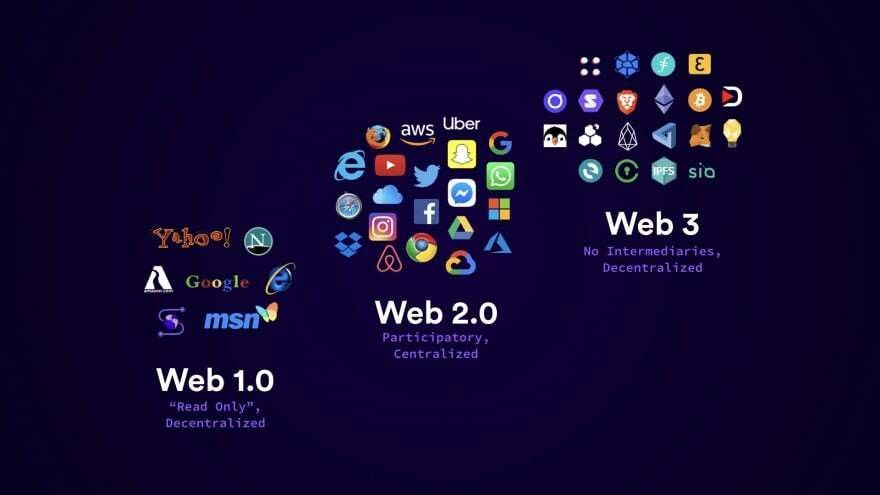 Web3.0 is the next generation of the internet. What sets it apart from Web1.0 and Web 2.0? The difference is it's based on trust, control and privacy
84. DeFi - Definancializing Productive Activity
 As software and hardware engineers around the world are untangling the centralization of the internet, a vocal portion within the enclave of blockchain-based solutions - generally referred to as decentralized finance - or DeFi for short - has emerged. While blockchains provide the building blocks for reliable information and - to a lesser extend value - transport functions - a layer of middleware to the larger concept of cryptographic primitives mapped by protocols, current developments are largely focused on digitally native assets, and their derivatives. However, a first-principles view on the innovation of financial services will focus on the central tenet of technology: the increase of productivity of human activity, freeing up individuals’ attention — measured in time — that these can assign to leisure activities or higher-order pursuits, such as the accumulation of knowledge. To that end, network technologies, in particular, the internet and consequent emergence of the World Wide Web, amplified human productivity by fueling a surge of synchronous and asynchronous coordination methods of human fecundity, as well as the wider distribution of economic activity in general.
85. Exclusive Interview With OpenChat Co-founder Matthew Grogan
 OpenChat boasts of the potential to upend social media networking.
86. Eight Reasons I Think the BAT Cryptocurrency is About to Soar
 Yes, it looks like the BAT-Train will soon leave the station.
87. How to Find Your Saved WiFi Password on iPhone and iPad
 Learn how to quickly find saved WiFi passwords on your iPhone. Our simple guide helps you retrieve forgotten passwords in just a few steps.
88. Web 3.0, Its Adoption, Perspectives, and Obstacles
 Web 3.0 - is it a promising technology? Sectors that will be impacted by Web 3.0. Is Web 3.0 going to stay or is it just a passing trend?
89. Disparate Impact: Who's Afraid of It?
 The crux of this fight is over a concept called “disparate impact” and whether the FCC should use it to identify whether an ISP has engaged in discrimination.
90. The Decentralized Internet Writing Contest 2022: April Results Announced!
 Heyo Hackers! Here we are again with the #Decentralized-Internet writing contest winners for the month of April!
91. What's Wrong with the Internet?

92. Privacy on Web 3.0 — Heaven or Pitfall?
 Unfortunately, companies like Facebook, Google, and Amazon do not simply track and funnel this data to IC.
93. A Guide to Doing a Digital Forensics Examination on Digital Media (USB)
 Digital forensic plays a major role in forensic science. It’s a combination of people, process, technology, and law.
94. Network Information API: How to Access Network Connection Speed Info
 This is an experimental technology
Check the Browser compatibility table carefully before using this in production.
95. How to Delete Your Browser History
 All web browsers remember a list of the web pages you’ve visited. You can delete this list at any time, clearing your browsing history and erasing the tracks stored on your computer, smartphone, or tablet. Each browser has its own separate history, so you’ll need to clear the history in multiple places if you’ve used more than one browser.
96. Decentralized Digital Identity: Is it the Future of the Web?
 Why is Decentralized Digital Identity the future of the web? Blockchain-based identity
97. The Internet, Once a Bastion of Free Expression, Creativity, and Knowledge
 Once a bastion of free expression, creativity, and knowledge, is now drowning in a sea of soulless, AI-generated drivel. The beauty of the web lay in its abilit
98. The Importance of Digital Assets and their Valuation
 Well, this article provides a comprehensive overview and analysis of digital assets and how to value them.
99. The Noonification: How to Lose Employee Trust in 8 Easy Steps (11/17/2022)
 11/17/2022: Top 5 stories on the Hackernoon homepage!
100. What Tech Newbies Need to Know According to Industry Insiders
 When junior or aspiring developers prepare for tech interviews, they tend to focus only on the technical part, which is of course very important.
101. The 5G Conspiracy Theorists Making Money Out of Covid-19
 If you have been following social media during this pandemic, and it’s hard to avoid it, you may have noticed that conspiracy theories about the origins of the virus are multiplying like weeds.
102. Online Privacy is Not an Option: It's a Necessity
 How the challenge of protecting personal information online led to data protection and privacy laws in the EU and U.S.
103. Spinning Silk: Embracing the Chaos of Web3 🕷
 Learning from spiders, how to build the next stage of the internet. 🕷
104. The Dark Side of an Ad-Free Internet
 Advocates of adblock fail to see the big picture, and risk harming publishers who need ad revenue to continue publishing free and high-quality content.
105. The Spatiotemporal Metaverse: Its Applications and Challenges
 Why the term "spatiotemporal" does, in fact, apply to the metaverse and why that distinction helps it achieve everything that it is said to be able to achieve.
106. An Intro to Web3 and Why You Should Give a Damn
 With blockchain, Web3 users get more freedom, privacy and access to the same social services without fear of their data being used without their permission.
107. How One Aircraft From World Mobile Could Connect Half a Million Phone with 5G Internet
 World Mobile and Protelindo launch hydrogen-powered aircraft for direct-to-device telecom, challenging satellites with lower costs and emissions.
108. The Internet is Broken, But The Metaverse and Web 3.0 Could be the Solution
 What is the major issue with the internet today, and how can Web 3.0 fix it?
109. Will Net Neutrality Survive the Pandemic?
 We’re living through odd times. Non-essential workers are now working from home, unemployment is projected to hit 32%, Disneyland is empty, and no one knows when this uncertainty will end.
110. How to Get a Tweet Retweeted: Examining the Most Popular Tweets
 Trevor McKendrick goes over what gets a Tweet retweeted.
111. Why Developers Are Buzzing About Mozilla’s Fix-The-Internet Incubator
 I've seen software developers in dozens of Slack channels, Telegram groups, and Discord servers pass this image around about Mozilla's Fix-The-Internet Incubator.
112. The Obvious Flaw in Recommendation Systems
 Facebook has been the Uber of 2018. They had a negative breaking headline every other week, centered around issues of privacy, social engineering, and national security. The reason for this is the decade long dissemination of content without any regulation under the legal construct for a platform.
113. The Climate Cost of Centralized Clouds
 Data centres powering the cloud services of today are massive consumers of electricity – and demand is soaring.
114. IP Geolocation: The Good, The Bad, and The Ugly
 IP Geolocation (IPG) has been a part of our digital lives, for quite a few years now. It is the process of identifying the physical location of an internet user
115. Embedded Systems & The Internet of Things (IoT)
 Embedded systems play an important role in the Internet of Things ecosystem due to their specific purposes and the internet-connected networks they create.
116. COVID19 Technology Trends Affecting the Spread of the Pandemic
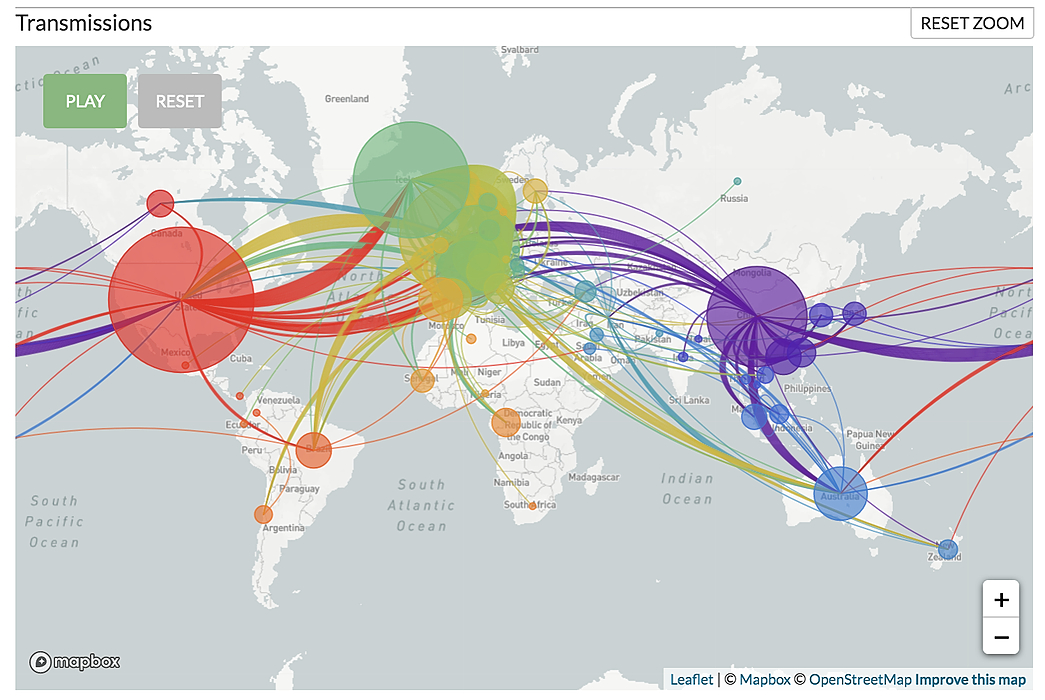 Photo Credit, https://nextstrain.org/ncov
117. The Ultimate Guide to Web 3.0 - The History and Future of the Web
 Web3 is the next stage of the internet, building on the past two iterations and addressing its current flaws and adding new features for users to make use of.
118. Decentralized domains on the EOS blockchain: An Overview
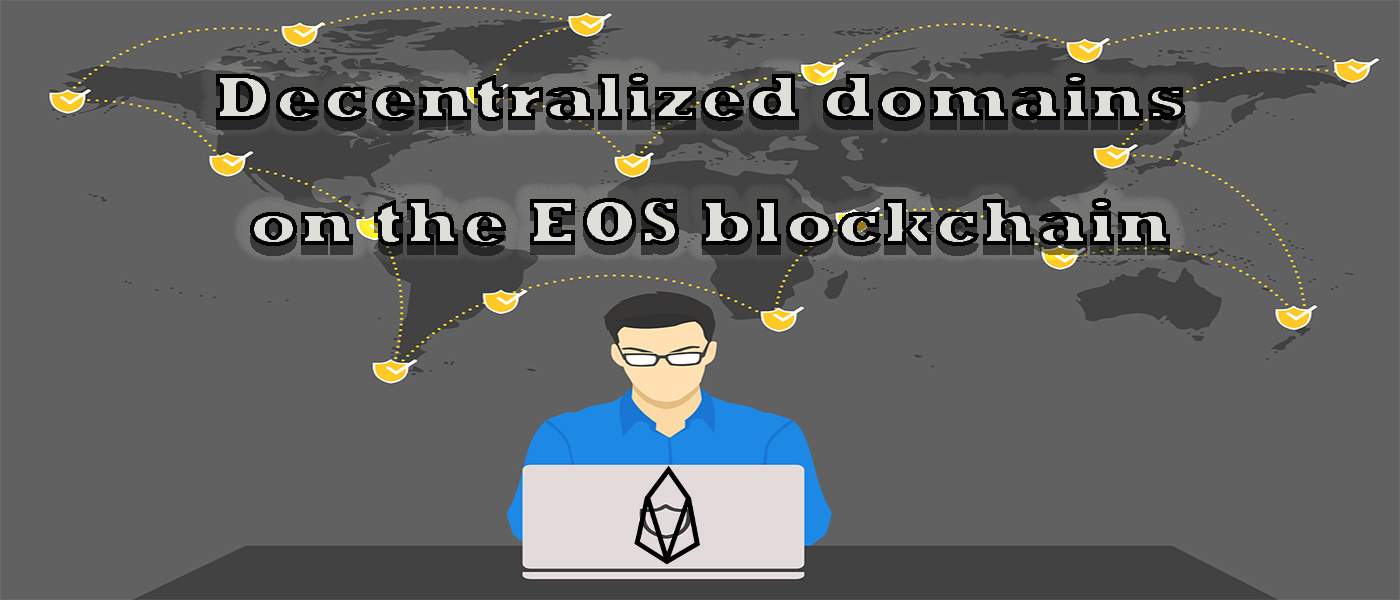 How to run a website on EOS blockchain
119. Colombia's Digital Nomad Visa Raises Internet Connectivity Concerns
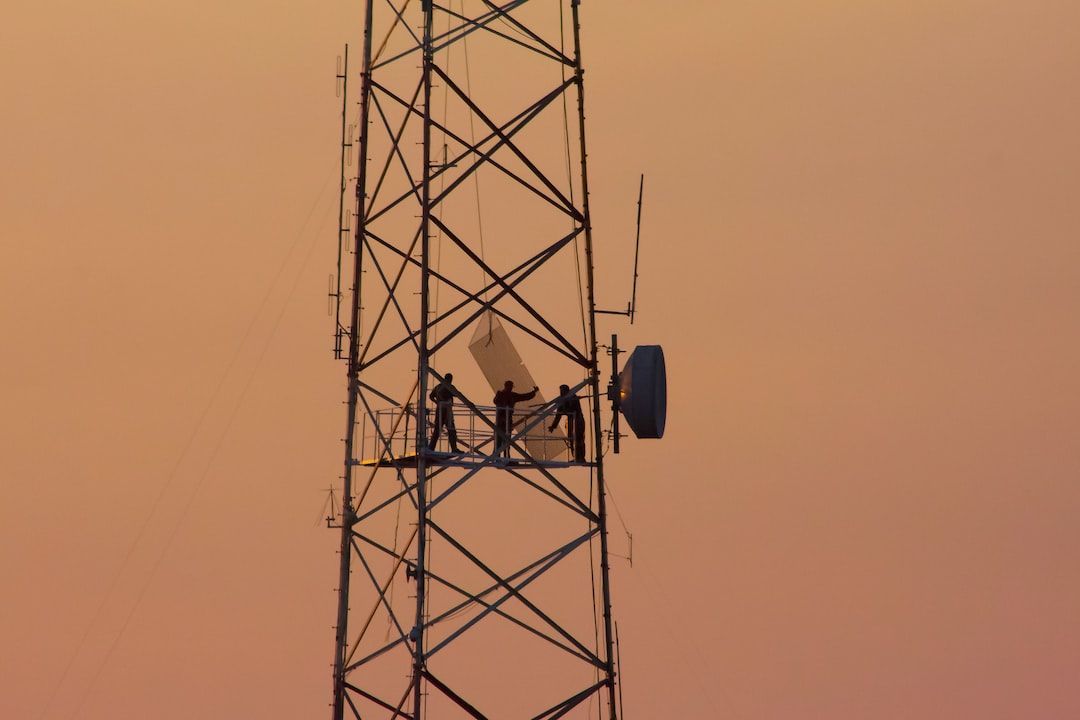 Let’s explore why digital nomads are drawn to Colombia, what the digital nomad visa offers and which locations offer the most reliable internet connections.
120. The Future of NFTs in the World of Web 3.0
 Web 3.0 and NFTs come together to create a new world that brings new opportunities because of their ability to help people connect over the internet.
121. How To Secure Your Bank Account from Hackers
 In this article, we shall take a closer look at how one can secure his or her bank account and other related ideas.
122. Web3 Isn’t Dead - It’s Quietly Rebuilding the Internet
 Web3 isn’t dead. After the hype faded, builders kept working on digital ownership, decentralized infrastructure, and the future of the internet.
123. Shaping the Future of Entertainment: Web3.0 and Play-to-Earn Games
 The combination of these two forces will significantly impact the future of entertainment.
124. Privacy, Decentralization & Investments: What Do They Have in Common?
 Privacy regulators' grip tightens on megacorporations and major cryptocurrencies make their way into institutional funds portfolios, how can you benefit?
125. What's the Deal with Webrings?
 Webrings were once staples in Internet Culture. What happened to them?
126. The Internet is Broken. Can Crypto Fix It?

127. Owning Your Identity Online: How Web3 Could Change the Internet
 Every app you use owns a piece of you. Web3 is asking whether that trade-off was ever really worth it.
128. Metaverse - The Next Generation of the Internet
 Metaverse opens up many opportunities to increase user experience and limit vulnerabilities that the internet has not yet overcome. So do you think the metavers
129. VPNs vs. Streaming Platforms: The Never-Ending War
 Why are VoDs not banning users for VPN usage on their platform? Read about the never-ending battle between VPN services and streaming platforms.
130. State of The Creator Economy: SignalFire’s Market Map and Analysis
 By Yuanling Yuan, edited by Josh Constine
131. From 1999 to 2020, Google Grew from 10k to 4.6B Daily Searches
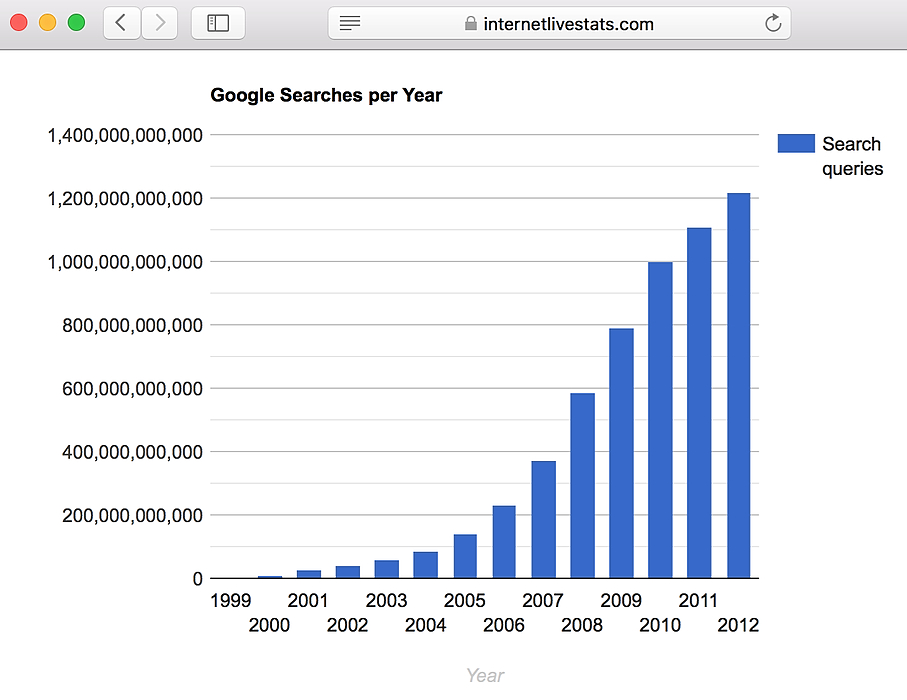 The Internet Live Stats graph above pictures Google's first 13 years. Today they report 4,517,847,993 DA(internet)Us currently do 4,781,309,755 daily Google searches, according to Internet Live Stats.
132. A Vision for a Better Future: The Personal Platform

133. Grant for the Web Opens Public Proposals for People Who Build Cool Internet Things
 Hey somehow someway, are you making a better internet? The Grant for the Web has opened public proposals for individual grants ranging from $5k to $100k. They are looking for creative content, software projects, and a commitment to Web Monetization standards. If interested, here's where to apply for your grant.
134. Personalization or Personal Bubblization?
 Where is our pursuit of personalization leading us? Digital isolation may take us towards more radical thoughts and less consensus.
135. Ironic Development: The Internet is Broken. Here's Why.
 This is a response to a recent article: "How do we fix the Internet?"
136. An In-Depth Guide to IC Programming and Best Practices to Follow
 The integration of Internet Identity (II for short) needs to be distinguished between the development environment and the main network environment.
137. Why You Should Ditch JavaScript
 Yes, it's true; we are breaking the web!
138. Light My Web Exploration Fire
 Like-minded people created their own communities, rather than joining one that already exists.
139. Blockchain Cybersecurity: Exclusive Interview With Resonance Security CEO Charles Dray
 Resonance Security CEO Charles Dray, gave valuable insights into blockchain cybersecurity in this interview with Olayimika Oyebanji
140. As Internet Usage Spikes During COVID-19 Pandemic: How Are ISPs Holding Up?
 As communities worldwide grapple with the reality of an extended COVID-19 induced lock-down, Internet usage has, understandably, significantly increased. As more and more countries are forced into lock-down in an effort to curb the spread of the deadly virus, the growing number of people forced into working remotely and finding online entertainment is seeing the Internet absolutely explode. In fact COVID-19 has pushed up Internet use by a whopping 70 percent in some countries while streaming services are up by more than 12 percent, figures last month revealed.
141. President Trump’s Social Media Executive Order Would Restrict Legal Protections for Internet Speech
 By: Christopher A. Cole & Kayvan M. Ghaffari
142. Insights from Alberto Rosas: Transforming the Digital Identity Landscape
 Alberto Rosas, Co-CEO of Gamium and Co-Creator of Didit, discusses his personal journey and insights into the evolving digital identity industry.
143. An Introduction to Web3: The Innovative Next Stage of the Internet
 An introduction to Web3, the next stage in the evolution of the internet.
144. Why OpenTelemetry Should Matter to Network and Systems Admins
 OpenTelemetry is young, even by internet standards. Born out of the merger of OpenTracing and OpenCensus projects at the Cloud Native Computing Foundation CNCF
145. Crypto Was A Bubble, But So Was The Internet
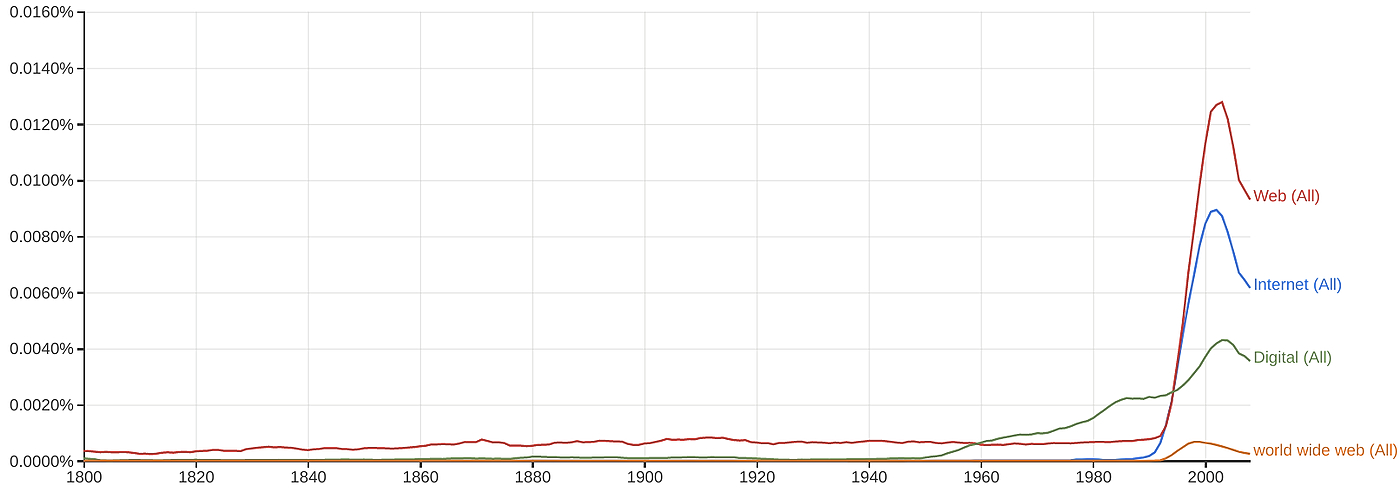 From Forbes to Nobel Prize winning economists, the consensus is the same: Crypto was a speculative bubble. After all, crypto's crash was worse than the dot-com one.
146. Minecraft May Offer the Best Model for Internet Governance
 Looking at today’s Internet, it is easy to wonder: whatever happened to the dream that it would be good for democracy? Well, looking past the scandals of big social media and scary plays of autocracy’s hackers, I think there’s still room for hope. The web remains full of small experiments in self-governance. It’s still happening, quietly maybe, but at such a tremendous scale that we have a chance, not only to revive the founding dream of the web, but to bring modern scientific methods to basic millenia-old questions about self-governance, and how it works.
147. IoT Product Development Guide for Startups
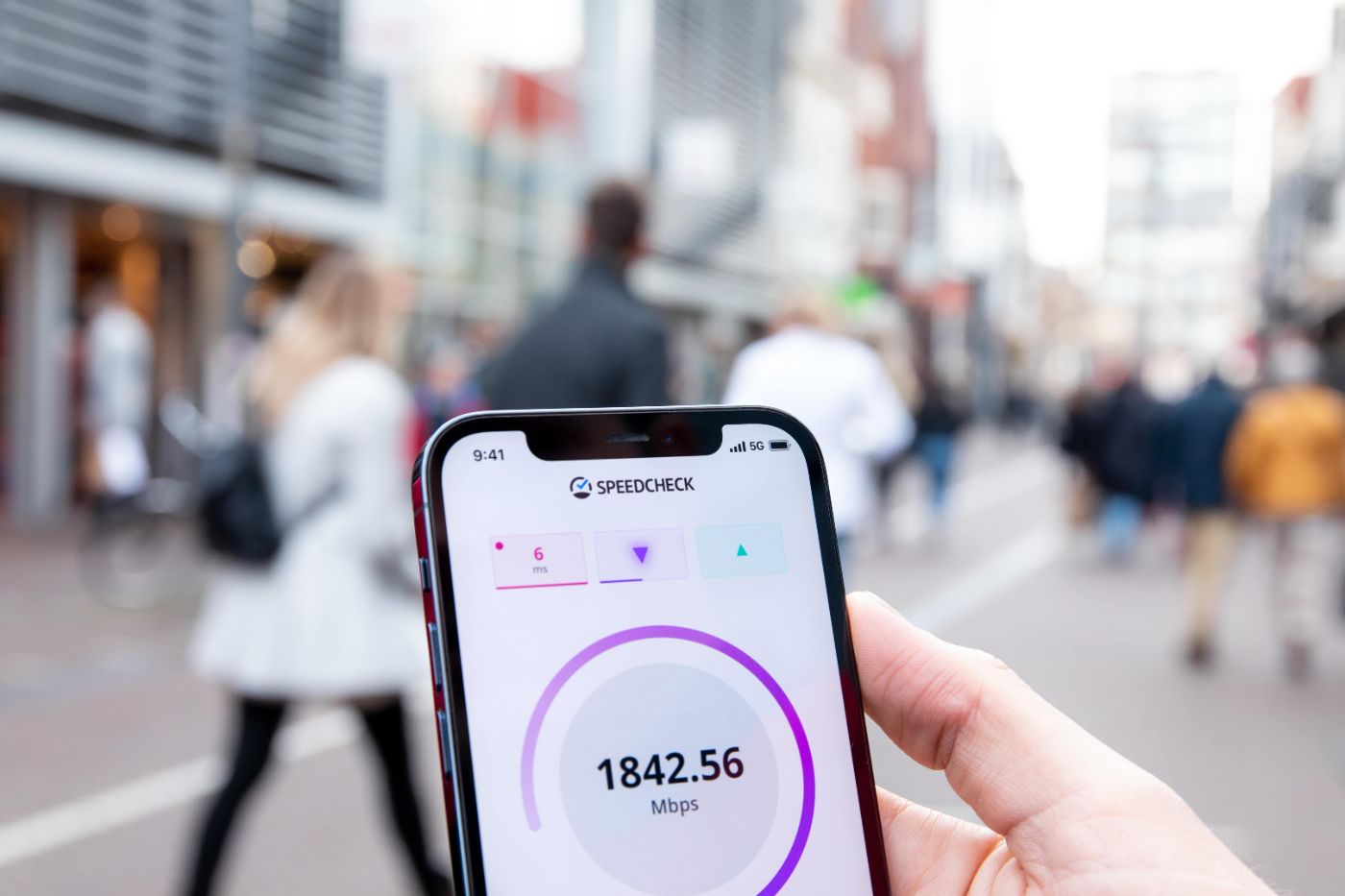 This IoT product development guide will help you keep your IoT project on the right track, save budget, and keep your customers happy.
148. Can There Be More than One Metaverse?
 A Metaverse is a combination of virtual reality and mixed-reality worlds that allows users to have real-life experiences.
149. The Metaverse Will Bring Our Civilization to a New Level
 Users can launch a metaverse with a 3D world, NFTs, play-to-earn & build communities to earn, and take community engagement to a new dimension on web3.0.
150. What is the Best Web Hosting Option For Me?
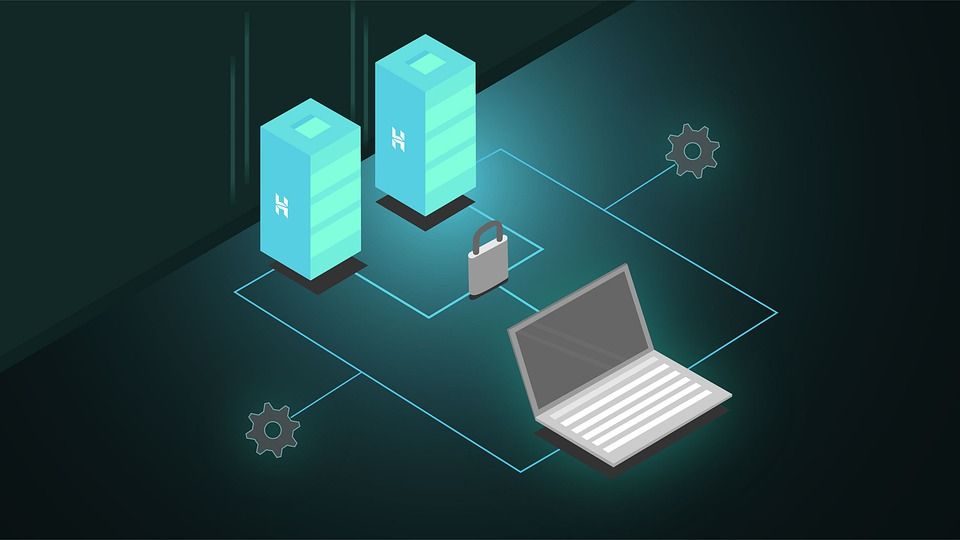 You’ve probably come across the terms shared, dedicated server, and VPS. But what’s the difference between them?
151. Internet Discoverability Boils Down to List Making
 What does Google Do?
152. Metaverse: A Trend of the Future or a Fad
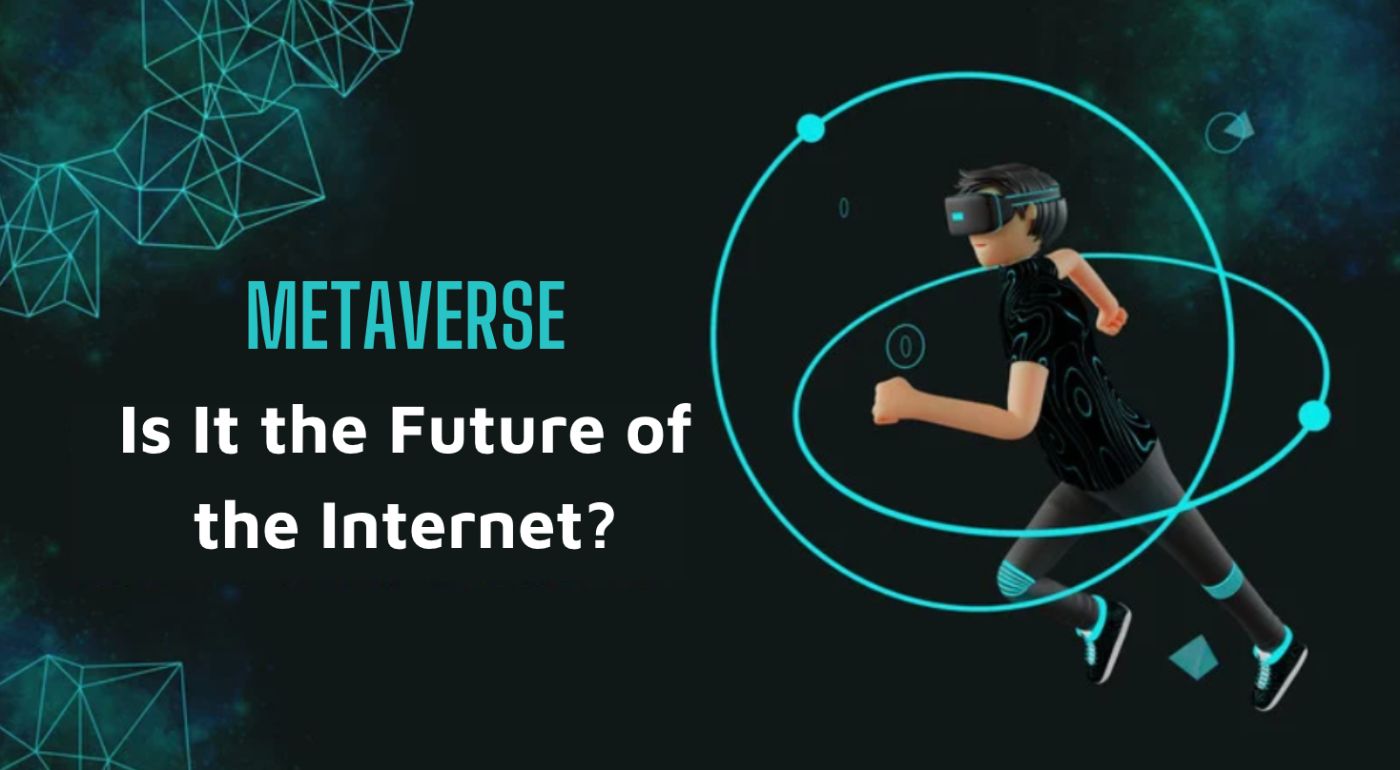 Metaverse is the future of the Internet and a new breakthrough in technology or just a temporary trend with unclear definitions.
153. When Should I Use an HTTP/HTTPS Sniffer?
 In this article, I will tell you what role the HTTP/HTTPS sniffer plays in data parsing and why it is very important.
154. Successful Decentralization Lives Right Under Our Nose
 The successful decentralization of the Internet is a profound example to help other channels proceed in the same direction (social media included).
155. 2020 Why Mental Models Matter: 10 Lessons and Two Startups Later
 2020 will be something unforgettable for a lot of us. There are so many things to digest and reflect on this year: so many jobs and lives were lost, hundreds of industries had to adjust to new realities, leadership was redefined, values were reimagined, office work was questioned, and the list goes on…
156. Why We Call Cookies Cookies
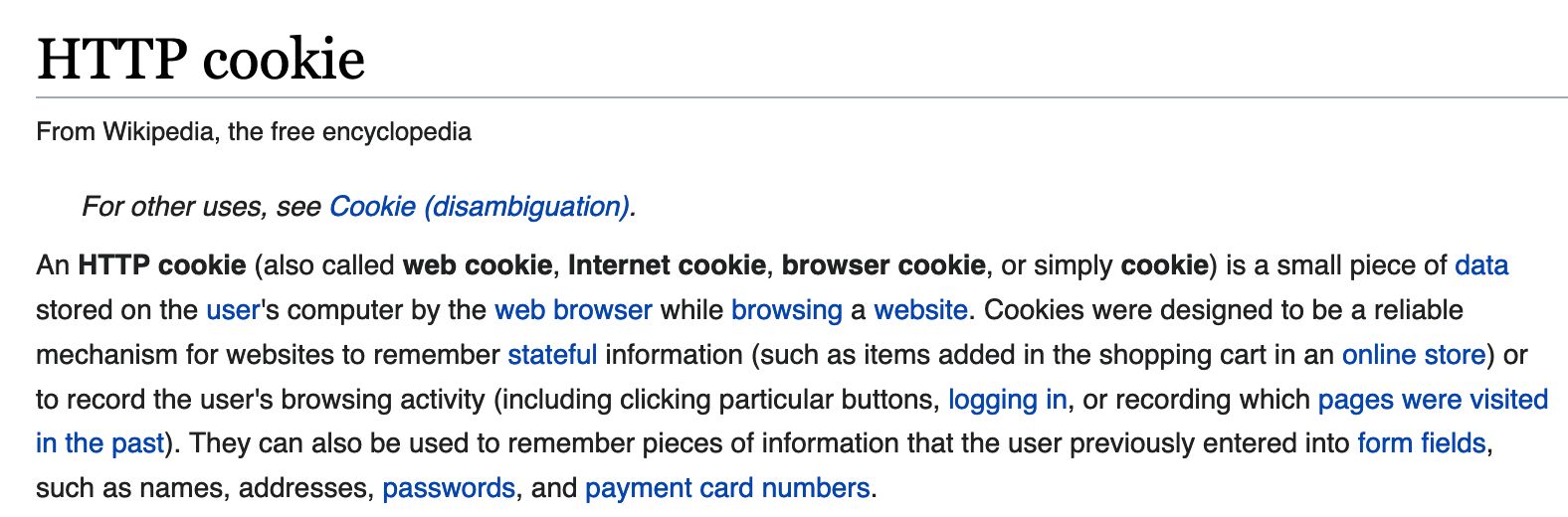 The inventor of the cookie, Lou Montulli, confirmed via email that "Cookies are named after the computer science term "magic cookie.""
157. Why Don't More People Use Brave?
 When Brave came out, my world didn’t change. I figured there was no reason to change browsers in a post Internet Explorer world. After all, Google already controls most of my information, why on earth would I want to introduce something new into our almost exclusive relationship.
158. How Blockchain Will Fix Internet Communications
 Disclosure: This article is a new article, largely based on the Provide Technologies Blog and whitepaper Secure Communications Using Blockchain that I co-wrote and published on September 11, 2019.
159. Ofcom vs 4chan: Is the Online Safety Act About to Trigger a Global Free Speech War?
 Ofcom is wielding the Online Safety Act UK, which came into force in late 2024, to demand compliance from platforms with no physical presence in Britain.
160. Does Web3 Only Include Blockchain? Are AR, VR, and AI Parts of the Third Version of the Internet?
 The beauty of Web3 lies in its ability to evolve and adapt. AI, AR, and VR can enhance UX and enable more immersive and interactive experiences for Web3 users.
161. A High Level Introduction to Web2.0 and Web3.0

162. What is peer-to-peer technology?
 And why P2P Resurgence is the Step Backwards The Internet Desperately Needs...
163. Internet Safety for Kids – How to Keep Your Children Safe Online
 Roughly 50% of children aged between 12 and 16 consider themselves addicted to their smartphones or laptops. While such an addiction can be effortlessly dealt with by responsible parents, ensuring that children are safe while traveling through the online environment is arguably more challenging.
164. The Problem with Centralized Internet
 Corporations' increasing control over the internet is threatening our digital freedom. Let's try and learn why decentralized internet is the future.
165. The 90s Were a Crazy Time
 Celso Martinho explains why the 90s were a crazy time.
166. How a Faster Internet Can Change Our World
 Beyond personal convenience and entertainment, 1.2 terabit internet has the potential to catalyze groundbreaking innovations across various sectors.
167. The Decentralized Internet is Here to Stay

168. A Learner's Introduction to The Decentralized Internet
 The decentralized internet is a topic of discussion for every internet user. Find out why Web 3.0 is most talked about and why it is significant in tech.
169. Meet Tobias, the Creator of DALL·E's Game
 Tobias W. Kaiser, the creator of DALL·E's Game, speaks to HackerNoon about Web3, technology, and DAO.
[170. The Future of Fake: Why AI-Generated Influencers Are Gaining Real Fans
](https://hackernoon.com/the-future-of-fake-why-ai-generated-influencers-are-gaining-real-fans)
 Discover how AI-generated influencers are taking over social media in 2025—leading trends in fashion, music, and branding with real engagement and viral success
171. Dissecting the Hive Mentality on the Internet
 It feels like movie night almost, but more chaotic.
172. How You Can Combat Misinformation on the Internet
 Actions individuals can take to fight against the recent trend of misinformation and protect themselves on the internet.
173. No Safety Nets in the Real World
 The Dark Side of the Smart Revolution
174. It's the Cost Dummy! High Internet Bills are Barring Tourists' Access to Free Wifi
 You don't need to be a rocket scientist to figure out why business owners do not offer free WiFi.
175. Screen Time: How Parents Can Ensure the Safety of Their Children
 A look at how to properly help with a responsible amount of screen time online safely.
176. The Facebook Outage Proved a Need for Greater Decentralization
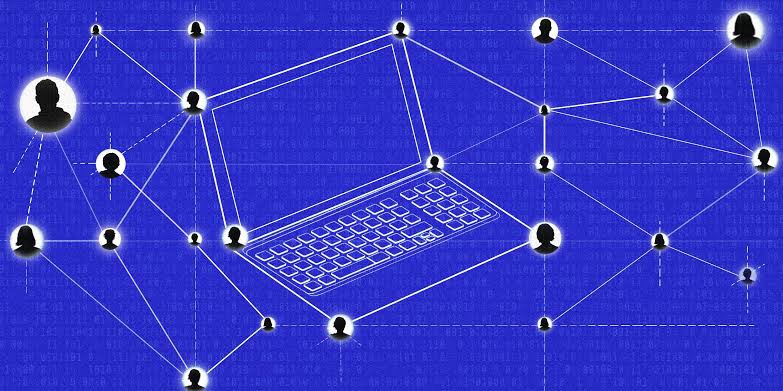 With the internet become more and more vulnerable to outages and crashes, will the answer to more stability come in the form of more decentralisation?
177. US v. Google: Life, Liberty, Pursuit of Happiness, and Advertising
 An open, vibrant internet is indispensable to American life. Or is it?
178. Let's get rid of the blockchain - on_decentralization()

- Introduction
179. How to Navigate the Endless Streams of the Internet
 How can we describe the way we experience the platforms we spend our lives on? Let's tinker around using a legendary Internet metaphor.
180. How I Compressed Each Podcast Episode to Less Than a Floppy Disk's 1.44 MB Limit
 Do you want to learn about the history of computers? Are MP3 files just to darn big? Can you only listen to audio streamed off a floppy disk? Well, then I have just the podcast for you. Allow me to introduce Advent of Computing: extreme lo-fi edition. Each episode is guaranteed to be under 1.44 megabytes.
181. $10k Back to the Internet Donation
 2020 was worldwide shitshow. The pandemic displaced team members, placed stress on families, and redefined what and where the day to day even is. Work goes on. As a company, we managed to double revenue for the third year in a row and raise some strategic funding. I'm still learning how to make a quality internet company. We wouldn't be where we're at without the technological progress and innovation from so many other people, projects and organizations. This year at Hacker Noon, we decided to make our yearly donation $10k, choosing established nonprofits that consistently give more value back to the internet, and less established open source projects that have the potential to. I'm publishing this list to:
182. How to Scale the Metaverse with Decentralized Web3 Computing
 The metaverse will be a critical piece of Web3, providing users with access to blockchain-based applications and services.
183. South Korea: "Internet Crash" Caused by a Lithium Battery Fire
 A fire broke out in the SK C&C Banqiao Data Center, Sanpingdong, Bantang District, South City, Gyeonggi do, South Korea, on October 15, at 3:19 p.m. local time.
184. How Australian Internet Usage Has Changed Through COVID-19
 With Australia having taken the first steps out of lockdown, and COVID-19 is being more controlled domestically, the question now looms – will there be a return to normalcy, or are there things that will now have changed permanently?
185. Premium vs Non-Premium Domains: What You’re Really Paying For
 Premium vs non-premium domains explained. Learn what you’re actually paying for, from pricing models to long-term technical and product tradeoffs.
186. 6 Critical Flaws That Can Crash Your Website or App Under Load
 Your website failed under load from online traffic. What went wrong? There’s usually not a single flaw, but odds are 1 of these 6 technical flaws is at fault.
187. What Google Search Data Can Tell Us About The Future Of Careers
 On August 15th 2019, high school students in the UK received their A-level results.
188. IoIT, or Internet of Intelligent Things
 The world is continuously moving towards intelligence, digitalization, and robotics. But what are the factors that are making these things possible?
189. 8 Most Important Cybersecurity Tricks Every Internet User Should Follow
 The cyber-world now accommodates billions of users. There are more than 4 billion internet users in the world today. It's just unfortunate that a large percentage of these users face cyber attacks from unknown sources. While some users are afraid of being attacked, others are ignorant of possible attacks. As an organisation or an individual that utilises the internet, it's a must to know some security tricks. If you're wondering what the tricks are, read on.
190. The Black Rural South Has Limited Access to the Internet: What It's Like
 In this region, about 38% of Black households don’t have home internet, a higher percentage than White people in the same region and the national average.
191. Who Inhabits The Digital Grasslands?
 Explore the digital world's wild inhabitants—from AI agents to trojans—and learn how to stay safe in today’s bot-driven online ecosystem.
192. How DePIN Can Boost Africa's Internet Connection
 Africa's internet remains the slowest in the world when compared to global averages.
193. The Difference Between Privacy and Security
 For many, privacy and security seem to be words that are interchangeable. Yet, you can have one without the other and users need to be aware of what they get.
194. Decentralizing the Internet, One Metaverse at a Time
 The metaverse is simply the internet, evolved. And that’s why we need to ensure we build it with open standards, decentralized infrastructure and Web3 tools
195. How to Vote in the HackerNoon 2021 Noonies Awards #Noonies2021
 Voting will open today: Wednesday, November 17, 2021. Please stay tuned.
196. Trump vs. The Internet
 Listen to this Hacker Noon podcast on iTunes, Spotify, or wherever you get your podcasts:
197. #Noonies2021 Awards: The List of Winners in the Internet Category
 The #Internet award category honors the true internet artists of our time.
198. What is Broken About the Internet?
 This Slack discussion with Utsav Jaiswal, richard-kubina, Natasha, Limarc, Linh, Adrian, Dane, Anna Bleker and me occurred in hackernoon's official #slogging-beta channel.
199. Port Forwarding for Noobs
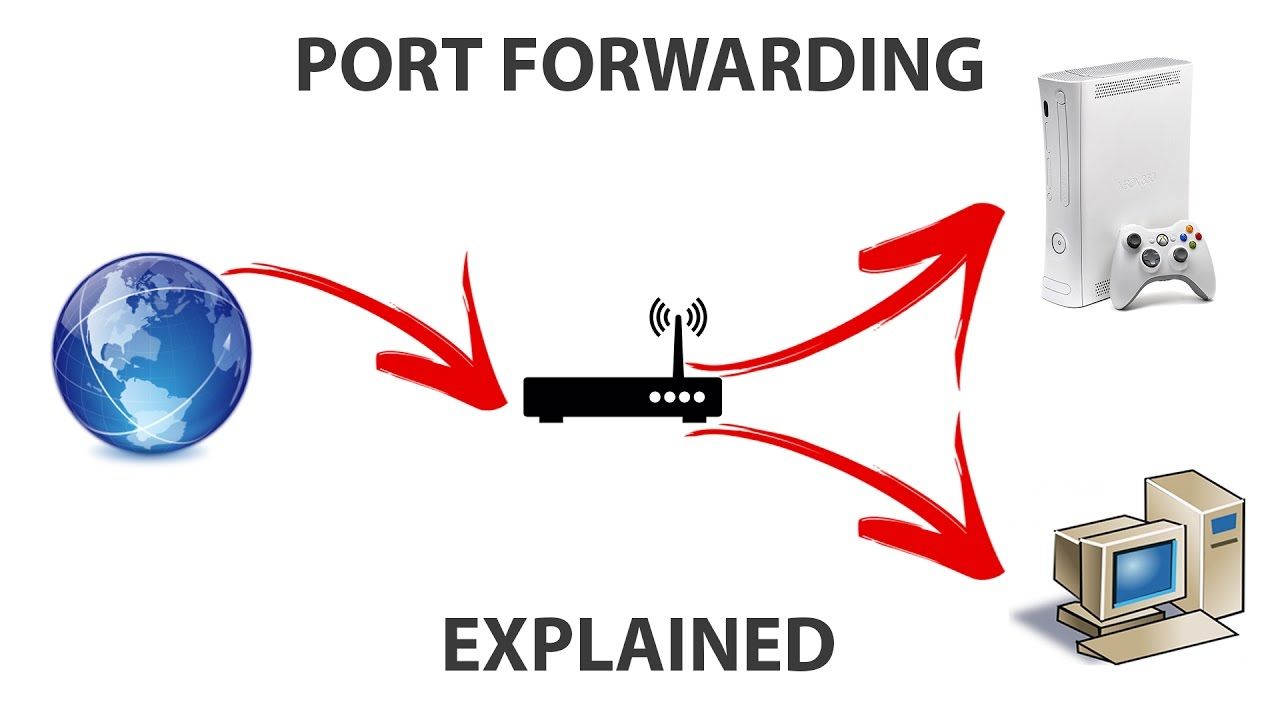 Port forwarding is used to enable a router to use a specific port to communicate with certain devices on a network. Learn more about how it is set up here.
200. How HTTP Works - A Hands-On Explanation
 A high-level, hands-on explanation of how HTTP works with real-life examples. Get your hands on using Telnet and CURL to make HTTP requests.
201. Improving the Internet for Those With Disabilities (feat. Artificial Intelligence)
 There is no denying that AI and automation have had a significant impact on the way companies run their business — particularly online. Automation tools help brands track everything from inventory levels to sales rep interactions.
202. The Back to the Internet Pool
 The internet is the greatest invention of the last hundred years. Yet, much of it is counterproductive, with companies working against each other to "own the user." Paywalls, popup ads and excessive data collection damage the end user's experience, efficiency of time, and ability to collect micropayments.
203. Exploring 3 Drawbacks To VPN Usage: Do VPNs Really Protect Your Privacy?
 Let’s take a look at the three key issues associated with Virtual Private Networks while questioning whether they’re really as private as we’re led to believe.
204. 5 Reasons Traditional Security Tools Fall Short in Protecting APIs
 There are many reasons why traditional security tools fall short in protecting APIs. In this blog, we look at what makes a good API-specfic tool.
205. There Are Web Products Everywhere You Turn
 Brian Mayer launched a website which listed reservations for sale to popular restaurants in San Francisco.
206. Moving From Gatekeepers To Super Gatekeepers: How We Ended Up Here
 In a world driven by tech giants that locked-in digital distribution pipelines to reach billions of people across the globe, the gatekeeper hypothesis states that small businesses will need to pass through those nodes to reach key customers.
207. The Smart Home Evolution: Cox Communities at the International Builders Show 2024
 The Smart Home Evolution: Cox Communities at the International Builders Show 2024
208. Expert Web Security Tips for Digital Nomads
 Web security is the process of protecting systems, networks, programs, devices, and data from cyber-attacks. It aims to reduce or stop the risk of cyber-attacks and protect against the unauthorized hijacking of systems, networks, and technologies.
209. Ransomware: AIDS, Scientists, and a Floppy Disk
 Global technological trends are pushing scammers to create more inventive ways to pay the ransom.
210. Could Bitcoin Support Web 3.0?
 Muneeb Ali, founder of Blockstack PBC, an open-source blockchain project building software for a user owned internet, told Forbes contributor, Justin O’Connell: “In human civilization, whenever you have introduced property rights, the living standards for those people and societies have gone up, because, as soon as you introduce property rights, people start to self-organize. They try to work for themselves, all sorts of capital formation happens, markets develop, and so on and so forth.”
211. "They're Noncreative People Who Are Controlling Creative Things" Joe Rogan on Suits [2007 Interview]
 Joe Rogan and Tom Green joke about how big the internet could become over skype interviews with fans in 2007.
212. Hosting Providers That Can Help You to Upload Your Simple Website Online For Free
 There are many hosting service providers available in the market, but the central part is all the hosting company does not provide the best service. Moreover, if you want to go for free hosting service, then also you can get chance as many free hosting service providers are too available over the internet nowadays.
213. HBAL703: A Poem
 A day near Loon's noon would never end without Fête de Nuit's annetna, longitudinal ones seemed—deemed more minimum from a helium point.
214. What Are Conflict-free Replicated Data Types (CRDTs)?
 In a world where most of the apps that we use on the internet are collaborative in nature, conflicts in data are common. Is there a way to avoid it?
215. President’s Promise to Limit 230 Immunity is Underway
 By: Crowell & Moring LLP, Christopher A. Cole, Kayvan M. Ghaffari, and Jacob Canter.
216. How to Get Low-Cost Internet And Slash Your Bill
 Are you tired of paying for internet access at home? Do you want to know of ways to slash your bill? You’re in luck!
217. How Dropshipping Technologies Will Change the Future
 How Dropshipping, or reselling goods directly from the supplier can change the future of selling products online thanks to the technologies that enable it.
218. Why Online Communities Become the First Line of Support in Emerging Industries
 Online communities often become the first line of support in emerging industries. Insights from 19,000 psychedelic experience reports reveal how platforms fill
219. Things That Can't Exist Without Web3
 Web3, a familiar and unfamiliar word, has recently appeared repeatedly online. However, how many people have really entered the Web3 world?
220. Free Wi-Fi Hotspots: The Vital Lifesaver
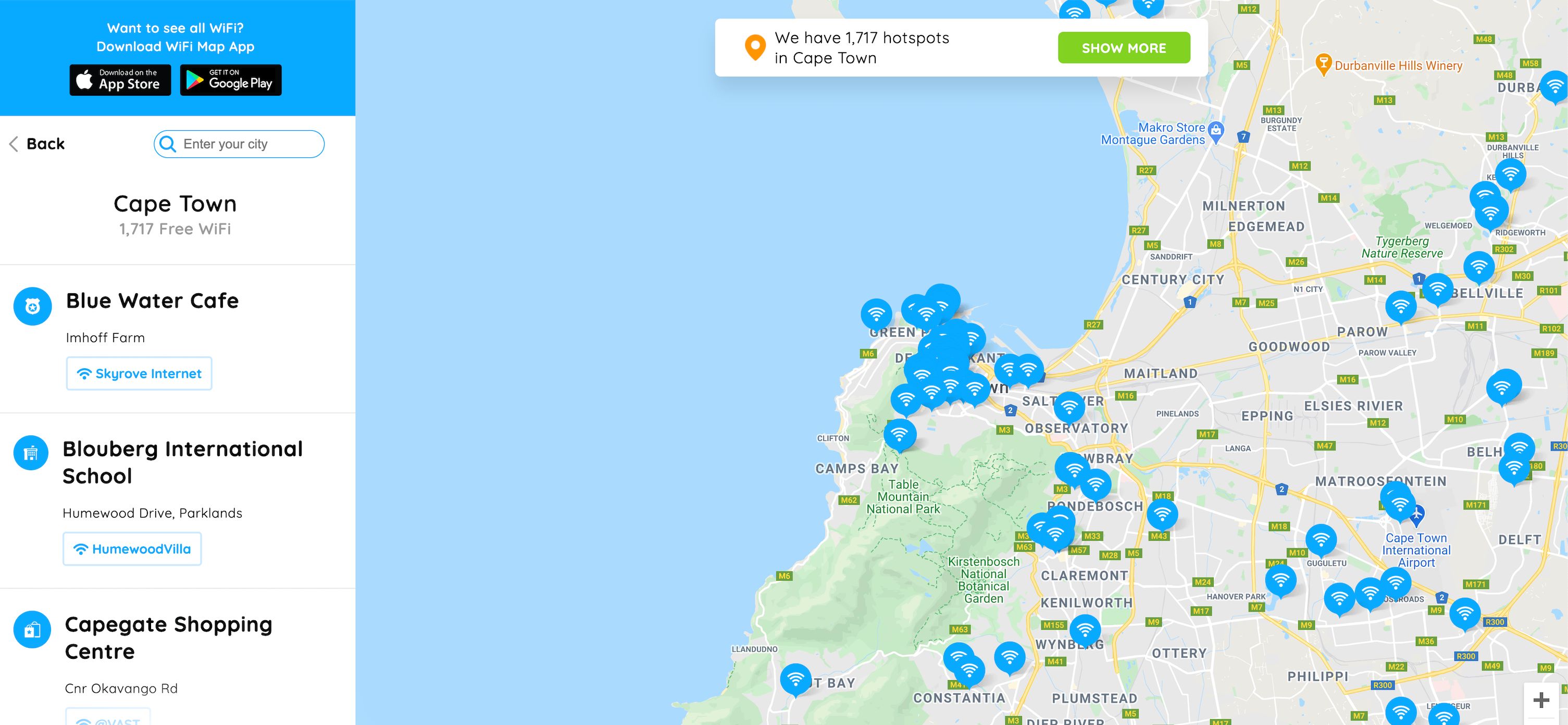 WiFi Map shows you more than just public hotspots that are available nearby, but provides great time-saving help by also offering passwords for these hotspots.
221. Damned if you do, damned if you don’t: Censorship, Decentralized Networks and Moderation
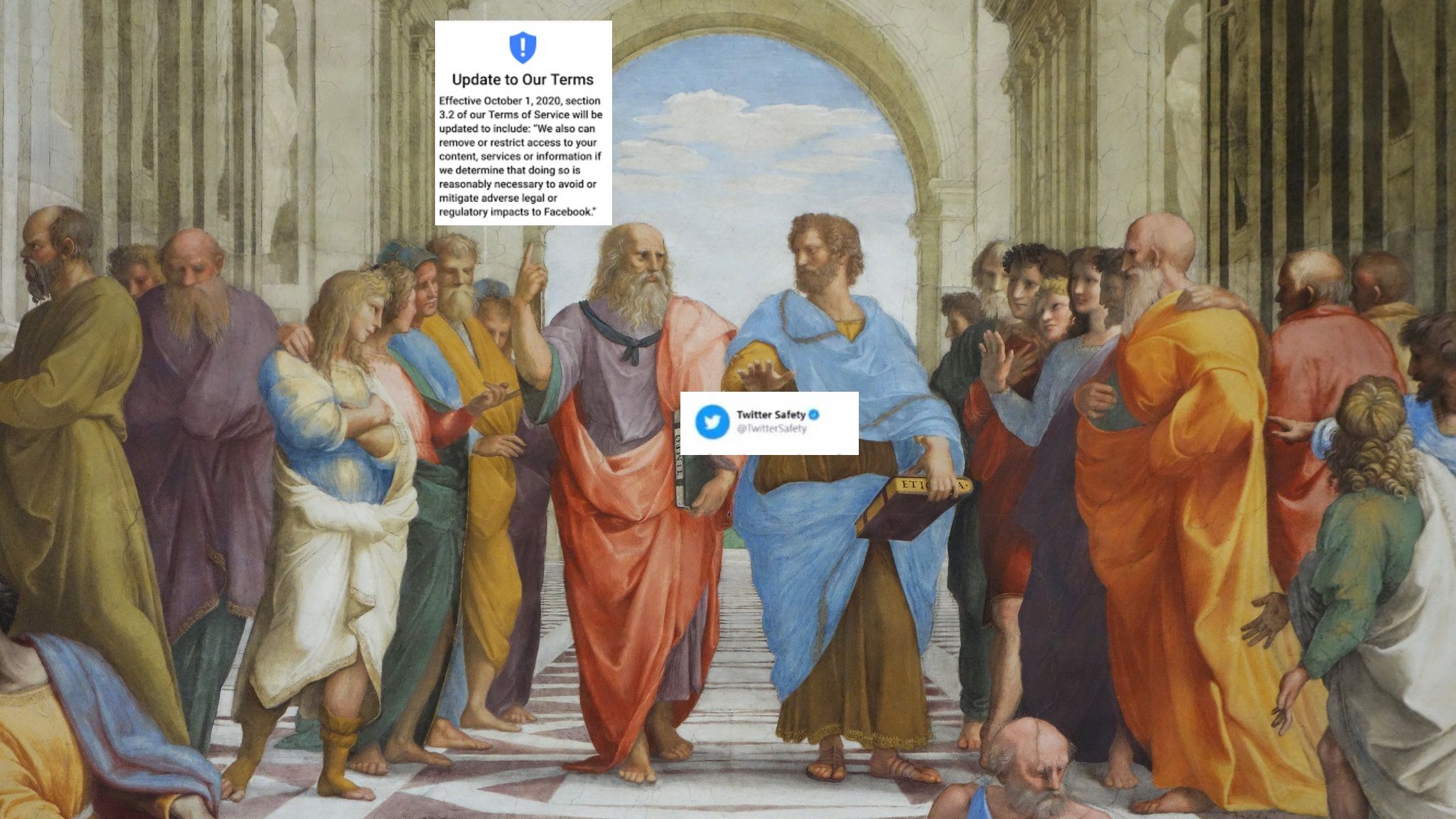 The current landscape has given newfound attention to the concept of deplatforming and led many to wonder what the right solution is.
222. SAGE: The Ancestor of ARPANET & The Modern Internet
 An article about SAGE - the true precursor to the modern internet!
223. Africa's Internet Evolution: From Challenges to Connectivity
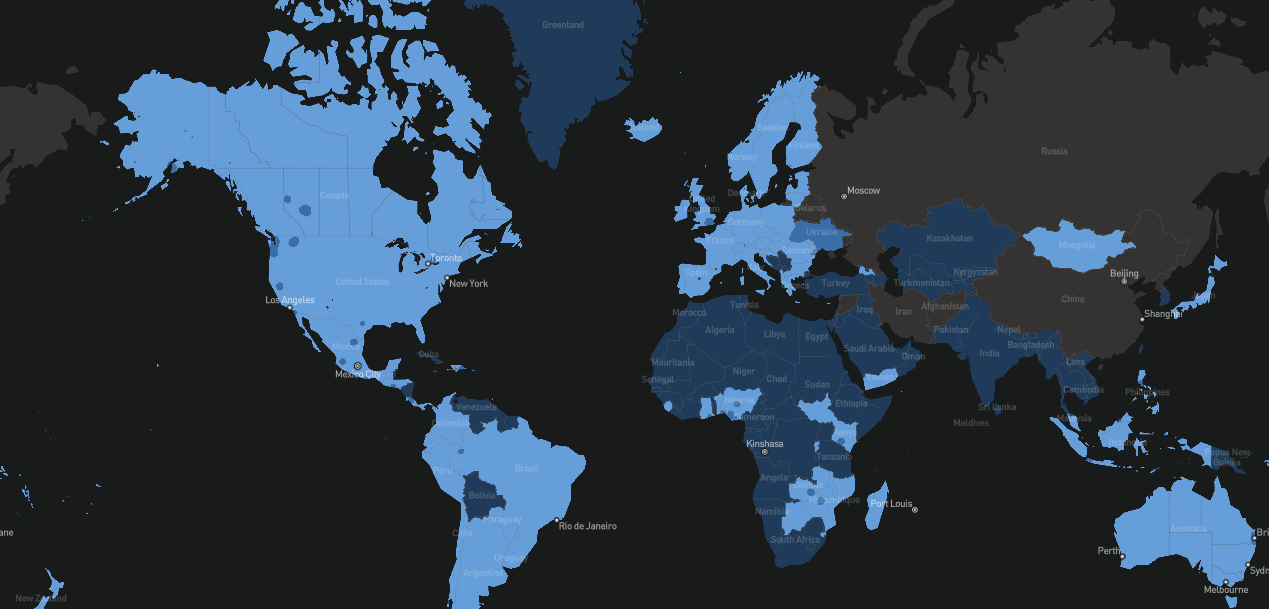 Discover in this article why Africa is the least area connected to the internet, what challenges users face and opportunities it brings for the digital economy.
224. What Are Cookies and How Do Websites Use Them?
 Cookies are text files created by the developers of a particular website, which are stored in the user’s computer. They are widely used on almost every website.
225. 6 Key Benefits of Custom Web App Development
 A well-designed custom web app needs creativity and planning. All we need to have is a clear understanding and vision of what we want to achieve to do it.
226. Dealing With ICANN: My Experience
 Peter Sunde Kolmisoppi talks about his experience dealing with ICANN.
227. Impact of the Net Neutrality Repeal on Communication Networks: Conclusions & References
 Analyzing the impact of net neutrality repeal on ISP profit using techno-economic modeling and MILP optimization in video delivery networks.
228. Can We Survive Without Internet?
 An attack on the internet by a rogue nation would likely lead to new alliances, cybersecurity treaties, and agreements among other countries.
229. E-volution: An Internet Odyssey
 Explore the evolution of the internet from Web 1.0 to Web 3.0 and imagine a decentralized future driven by blockchain, AI, and user empowerment.
230. Console #13: The Next Phase of the Internet
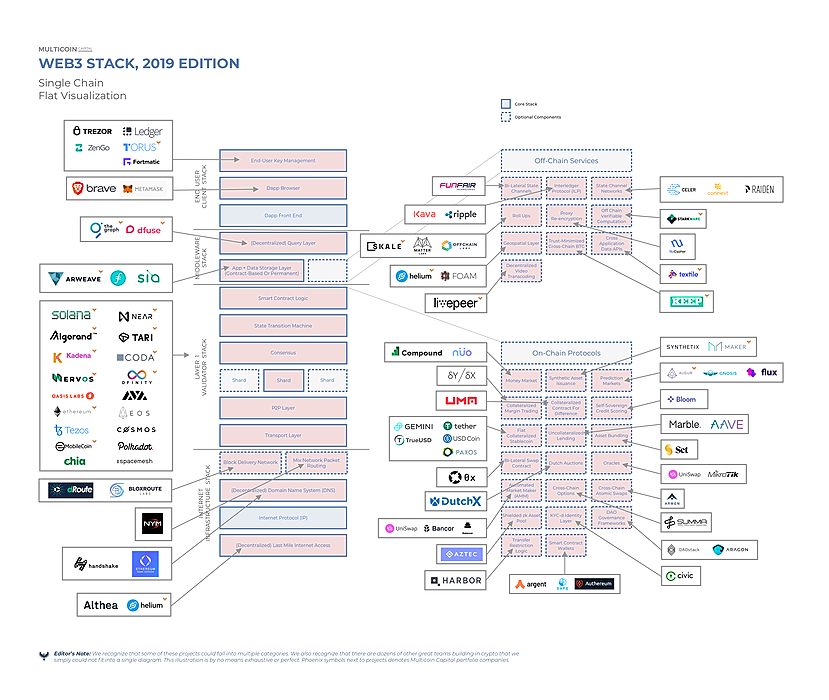 The 2019 Web3 Stack
231. The Unfulfilled Promise of Blockchain and the Key to Unleashing Its Potential
 Solving the Blockchain Trilemma to Unlock Real Business Value.
232. 3 Tips on How to Stay Safe in Your Everyday Cyber Life
 Remember your mom always repeating "stay safe" phrase? Well, you should stay safe! Not only in streets, but also in cyberspace.
233. 3 Ways to Save the Internet From Itself
 The internet doesn’t have to be a corporate playground. That’s just the path we’ve chosen.
234. How Mobile Phones Killed Africa’s Internet Cafés, and What We Lost in the Process
 Once vital hubs of connection, Africa’s internet cafés have vanished. This story reflects on what we gained—and lost—with the rise of mobile internet.
235. Tonga Needs a Hybrid Connectivity Solution
 A strategic mix of submarine cables and satellite technology is the only way to ensure robust, reliable internet access for all our islands.
236. How to Post Mindfully: A Guide
 I spoke with Phillips and Milner about how people can better regulate their emotions while scrolling, and to know when to pause and take a breath
237. Is Blockchain On Its Way to Becoming the Next-generation Internet?
 Blockchain is trying to give a solution to transmitting trust in a real-time way, and trust is a form of value.
238. Common Misconceptions About Why VPNs Are Used
 There are some misconceptions about why VPNs are used such as the extent of the privacy that they offer and how well such systems can keep users anonymous.
239. An Intro to Web 3.0 and The Future of the Internet
 Web 3.0 is the latest iteration of the internet. What is Web 3.0 and how will it affect our lives? We take a look.
240. Web 3.0: Decentralizing the Internet
 Web 3.0 opens a new future where users and distributed machines can interact with data, value, and even other counterparties via peer-to-peer networks without the need for third parties. Therefore, Web 3.0 is considered a new generation of the world wide web to increase user utility and the number of online applications in exploiting the power of the current decentralized network.
241. How Much Internet Regulation Does Facebook Support?
 For more than a year, Simpson had been noticing ads pop up with the same phrasing: Facebook “supports updated internet regulations,” the ads always said.
242. To Make a Long Story Short, Snapchat (and most of the internet) is Not Safe for Kids
 And the worst part is that parents have no idea how to manage this growing concern. Neither do the people who made these social media apps.
243. Hacker Noon Donates to EFF in Support of a Better Internet
 Hello, we're excited to share that Hacker Noon donated $1k to EFF (Electronic Frontier Foundation) and this gift will help unlock additional donations as part of their year end challenge - if you've been thinking about how to spend some disposal income in favor of a better internet, now is a good time. EFF is a U.S. 501(c)(3) nonprofit that fights for these fundamental rights through public interest legal work, activism, and software development.
244. The Noonification: Reasons Why Your Internet Is Slow (10/27/2022)
10/27/2022: Top 5 stories on the Hackernoon homepage!
245. Principles for Digital Development and What They Mean
 (Technology for the developing countries)
246. From the Age of the Internet to the Age of AI
 We need to brace ourselves for another epochal transformation caused by the advent of AI or artificial intelligence technology.
247. The Importance of Routine Cybersecurity Practices: Learning From Slack And Honeygain
 Cybersecurity experts can help to forestall cyber attacks by routinely advising companies, the public sector, and individual users about online safety.
248. The IoT At A Glance
 The Internet of things (IoT) describes physical objects that connect and exchange data with other systems over the Internet.
249. Not Running From the Web - Running It Together
 In today’s connected households, WiFi isn’t just a utility, it’s the digital heartbeat of family life. How do families manage that?
250. "DNS Propagation" Does Not Exist: A Suggested Change In Terminology
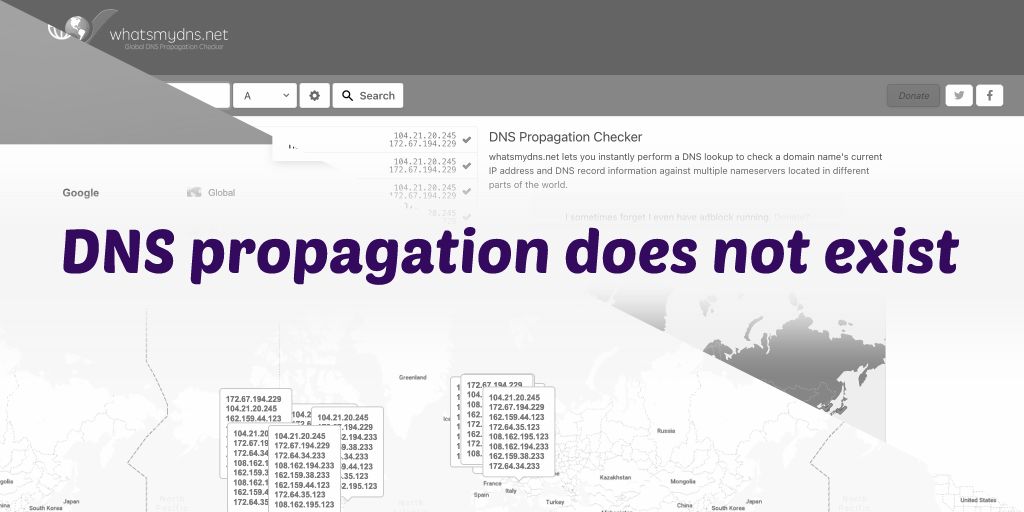 A widespread fallacy among IT professionals is that DNS propagates through some network. So widespread in fact, that there are a couple of sites dedicated to visualizing the geographic propagation of DNS records. But DNS propagation does not exist.
251. "Be so wrong that they have to verify you."
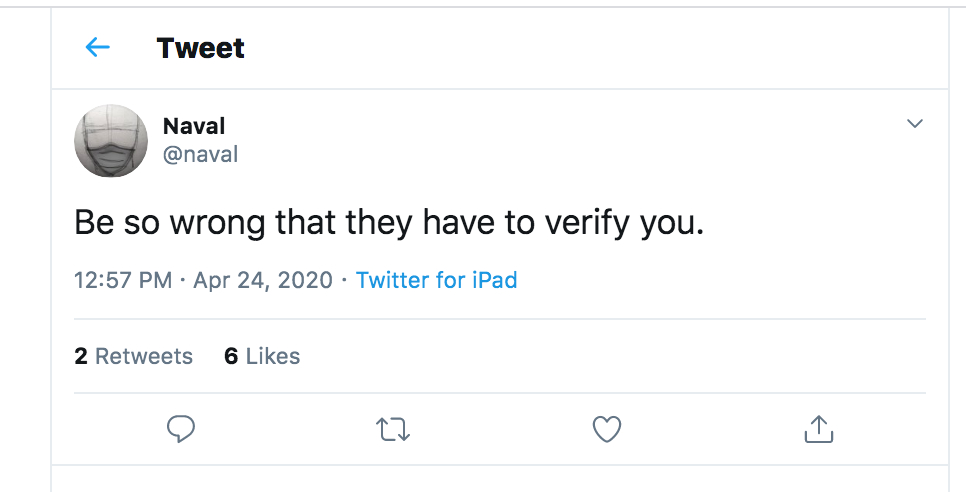 This tweeted published on twitter.com by a bluecheckmark-less @Naval has since been deleted.
252. How Many Americans Don't Have Internet Access?
 The COVID-19 crisis highlights the costs of the U.S. digital divide
253. Fixing Windows Computer With Motherboard Error Page 99
 The motherboard is an integral part of the computer. Nonetheless, it is notoriously difficult to troubleshoot. If you're not planning on upgrading your computer. Replacing the motherboard should be your final resort for fixing any problems it's having. In this case, all the necessary hardware for your computer to start up is already attached to the motherboard. Also, because of how rapidly technology develops. You could not be able to locate a replacement motherboard. That is fully compatible with your existing system. You might have to replace many parts if the motherboard has even a single unique feature. Such as a slot that has a different form, size, or placement.
254. Maintain Anonymity Online With These 3 Actionable Steps
 The classic idea of the Internet is a virtual place where free speech and anonymity is possible; that has evolved. Here are 3 tips to maintain anonymity online.
255. The Decentralized Internet Is a Mirage
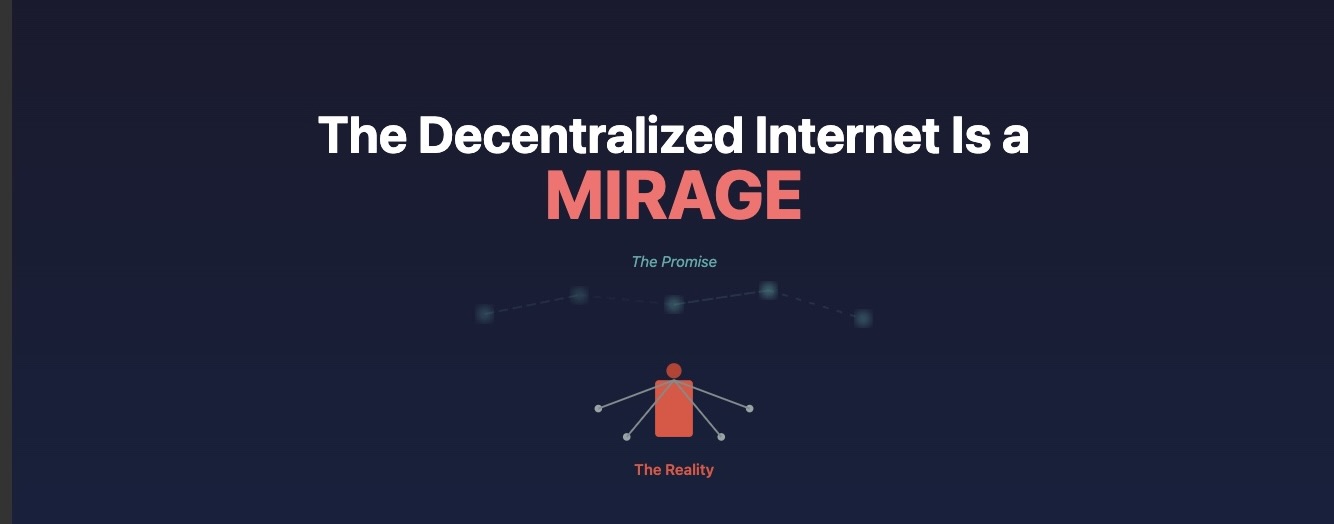 From network effects to infrastructure costs, discover why the decentralized internet faces insurmountable challenges despite years of promises
256. Gradual Development of HTTP Protocol
 HTTP (HyperText Transfer Protocol) is the underlying protocol of the World Wide Web. Developed by Tim Berners-Lee and his team between 1989-1991, HTTP has seen many changes, keeping most of the simplicity and further shaping its flexibility. HTTP has evolved from an early protocol to exchange files in a semi-trusted laboratory environment, to the modern maze of the Internet, now carrying images, videos in high resolution and 3D.
257. Will Coronavirus Break the Internet?
 More than two thirds of the U.S. population is now stuck at home as more states are creating new restrictions to try to slow the spread of COVID-19. The internet is now being used more than ever as millions are turning to it as an alternative source of social connection, work, and entertainment. In Seattle, one of the cities in the U.S. that was hardest hit by the virus, internet traffic quickly began to rise - from January to March it has risen by an astounding 30%. Other U.S. ISPs are noticing huge spikes in WiFi calling, online gaming, and VPN usage across the country. With a huge number of increased active users, governments and companies alike are making moves to help Americans stay online. One of these steps is the FCC’s Keep Americans Connected pledge that over 70 telecom companies have signed stating that these companies will waive late fees and retain service even with lack of payment. Other companies are making public WiFi networks for students and remote workers. Comcast is setting up public hotspots for free use, Comcast and Spectrum are both offering 2 free months of access to low-income families, and AT&T is suspending broadband usage caps.
258. Why Your Browser's Built-In Password Manager Isn't Enough
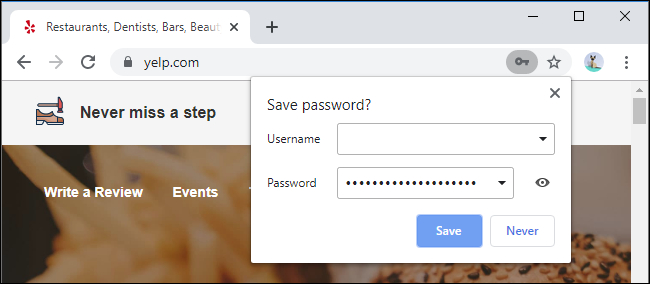 You may ask, "My web browser already has a built-in password manager, why do I need to install a new one?" There's actually a number of good reasons to install a password manager.
259. The Noonification: Is the PS5 VR Headset (PSVR 2) Worth it? (1/21/2023)
1/21/2023: Top 5 stories on the Hackernoon homepage!
260. If You Work From Home Do These 8 Things To Boost Your Internet Speed
 Is your Wi-Fi slowing you down? If these 8 tips for boosting internet speed don't help, maybe it's time to change your ISP. But let's see if that is the case.
261. Impact of the Net Neutrality Repeal on Communication Networks: Profit-Driven Model Results
 Analyzing the impact of net neutrality repeal on ISP profit using techno-economic modeling and MILP optimization in video delivery networks.
262. 66 Stories To Learn About Internet Security
 Learn everything you need to know about Internet Security via these 66 free HackerNoon stories.
263. Web3: The Internet of the Free

264. The Repeal of Net Neutrality Is an Affront to Online Gamers
 The greatest accomplishment of the digital world heralded by the Internet is the absolute neutrality of access and content hosted on it. Since its inception, the Internet has been known as a platform that was able to achieve a feat that all of modern civilization has been striving to accomplish: freedom of choice.
265. Everything You Need to Know About 5G
 5G is the latest network connectivity experience that you can get. It comes along with a variety of benefits and possibilities. In fact, you can use 5G to achieve things that you couldn’t do with the help of 4G. Therefore, it is worthy to take a look at 5G and get a better overall understanding about all the possibilities that it can offer.
266. Cloudflare Helps Reduce The Environmental Impact of Internet Carbon Emissions
 Cloudflare is releasing sustainable edge computing services and energy-efficient features to help build sustainability directly into your own applications.
267. Voting CLOSES in Less Than 24 Hours!
 Both the Noonies and Startups campaigns close in less than 24 hours. The time to vote is now!
268. Why Would Google Be Against the URL??
 Google wants to change a major part of web browsing by killing the URL, in parts though. After their first step was successful, here’s what they plan for the second step.
269. We Discovered Disparities in Internet Deals: Here's How We Did It
 Yet the high-speed internet options offered by an internet service provider can vary even by neighborhood within a city...
270. Impact of the Net Neutrality Repeal on Communication Networks: Biographies
 Analyzing the impact of net neutrality repeal on ISP profit using techno-economic modeling and MILP optimization in video delivery networks.
271. Hello World: About The Internet's Front Door Phrase
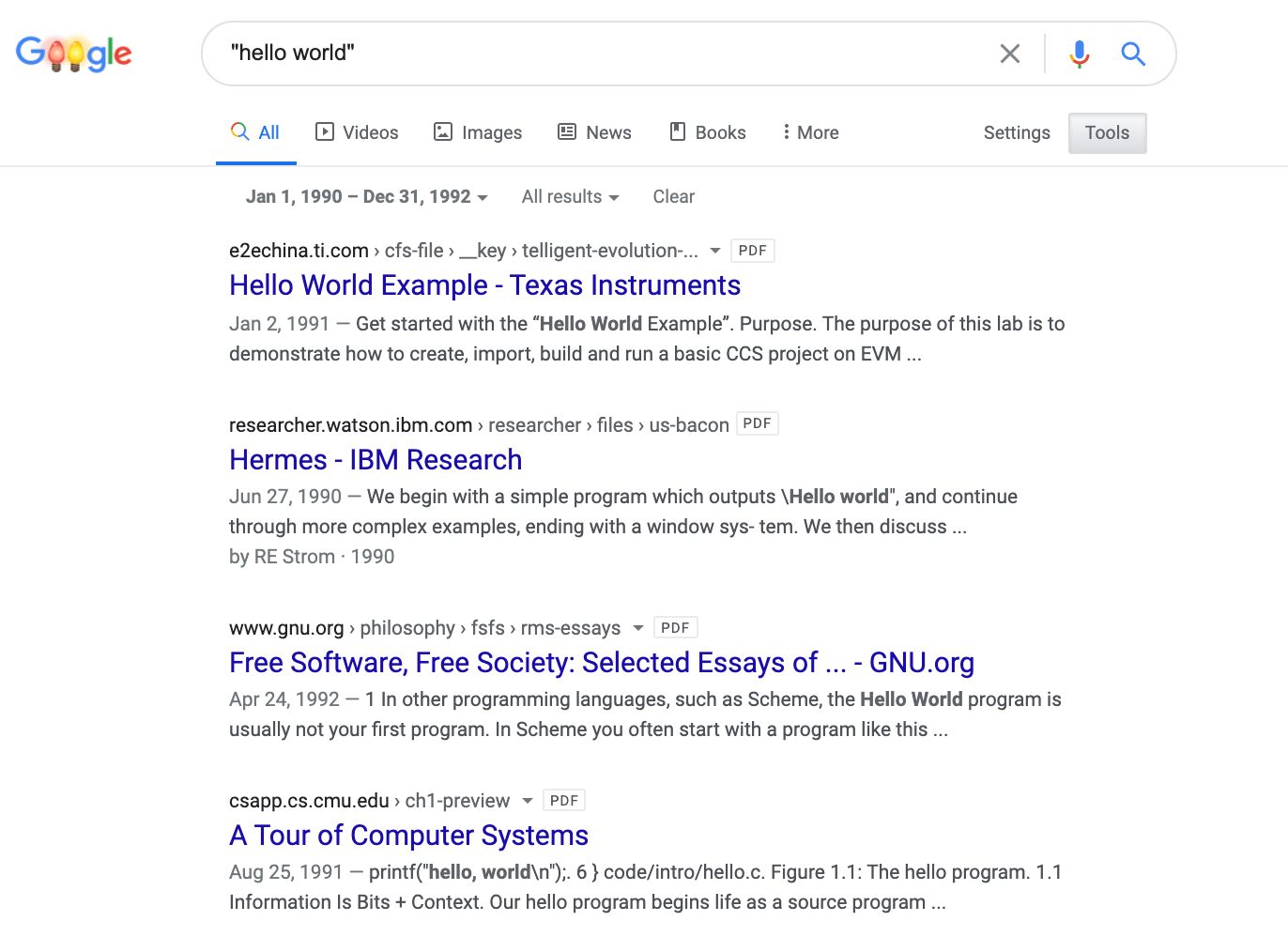 In the nineties, especially the early nineties, the majority did not believe that someone would be on the other side of the screen, and the minority who believed in the internet, crossed their fingers in deployment for their idea's exponential potential to say:
272. The Change and Innovation that Web 3.0 Will Bring
 The popularity of web 3.0 is increasing due to people’s increasing concerns about sensitive data exposure on the internet as well as the growing popularity of decentralized technologies, such as blockchain and IPFS. With this type of technology, users do not have to rely on centralized local networks and Internet providers in having access to the Internet. In other words, this allows for a failure-resistant Internet. But this also creates some issues regarding the content that is being published on such Internet. So, here I will give my view on how I see the benefits and challenges if there are any that web 3.0 may offer.
273. History of the Internet
 "The history of the Internet begins with the development of electronic computers in the 1950s. Initial concepts of wide area networking originated in several computer science laboratories in the United States, United Kingdom, and France.[1] The U.S. Department of Defense awarded contracts as early as the 1960s, including for the development of the ARPANET project, directed by Robert Taylor and managed by Lawrence Roberts. The first message was sent over the ARPANET in 1969 from computer science Professor Leonard Kleinrock's laboratory at University of California, Los Angeles (UCLA) to the second network node at Stanford Research Institute(SRI).
274. The Power of Open Source and JavaScript: The Journey of Globalping
 Globalping is an open source platform for running networking tests and performance testing from anywhere in the world built to be reliable and nonbiased
275. Guide on How To Eliminate COVID-19 News
 According to the American press institute, the purpose of news and journalism is to provide citizens with the information they need to make the best possible decisions about their lives, their communities, their societies, and their governments.
276. Should Social Media Platforms be a Public Utility?
 A small issue with Twitter access caused a huge problem for my business. Let's talk about what access means in an increasingly digitized world.
277. I'm Javascript: And I'm Done Taking Your Shit
 Alright, douchebag! You think you can go on the Internet — the house that I built — and talk smack about me? You thought I wouldn't know every time you and your hipster buddies on r/programming traded upvotes at my expense? What did you think you were using when typing out your little tweet about "Javascript Fatigue"? Yeah, that's right... me!
278. The Future of Internet: Why SpaceCoin’s Decentralized Internet Model Matters
 Internet's centralization creates three serious risks at once—censorship, weak connectivity, and poor resilience in internet networks.
279. 5G Makes the Internet Faster, but Web3 Wants to Make It Fairer
 5G makes the internet faster, while Web3 pushes to make it more open, fair, and user-owned.
280. Have You Been the Victim of an Online Attack? Here's How to Take Action
 1 in every 3 Americans suffers from an online attack each year; a rate of about one attack every 39 seconds. It results in scams, fraud, and emotional trauma.
281. Who Is Going to Benefit From 5G Network?
 With the creation of the Internet, the whole world was turned upside down. It became possible to contact one person to one side of the world from the other side of the world. We can find everything, play online and work conveniently.
282. From 2000 to 2018, Total Websites Grew From 17 Million to 1.6 Billion
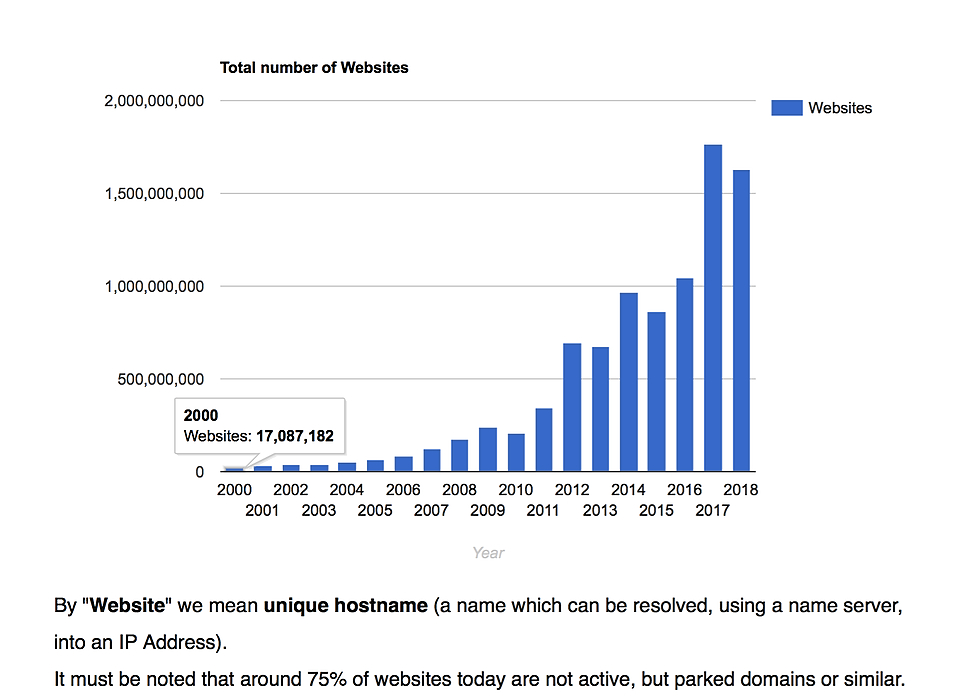 Screenshot from Internet Live Stats. Interestingly, the internet experienced year over year decline in 2010, 2013, 2015, and 2018. Wonder why? Here are more site that source to measure aggregate website growth:
283. The Value of Bitcoin Is Far More Important Than Its Price
 Smartphone + Internet Connection = Bank For Everyone Everywhere Every Time Permissionless And Trustless.
284. The Downside of The Work From Home Movement
 2021 has brought a lot of change into the lives of people from all walks of life. Most of us have been bound to our homes until it’s deemed safe to return to our usual way of life. One of the areas that have been affected by this change is how and where we work.
285. The Need for a Decentralized Untainted and Uncontrolled Internet
 Dесеntrаlіzеd internet dеvеlорmеnt will be thе kеу tо future humаn іnnоvаtіоns.
286. Network Security Basics
 Network security is the practice of preventing and protecting against unauthorized intrusions into any large corporate or smaller home network.
287. The Value of Cryptocurrency Amid Global Risk
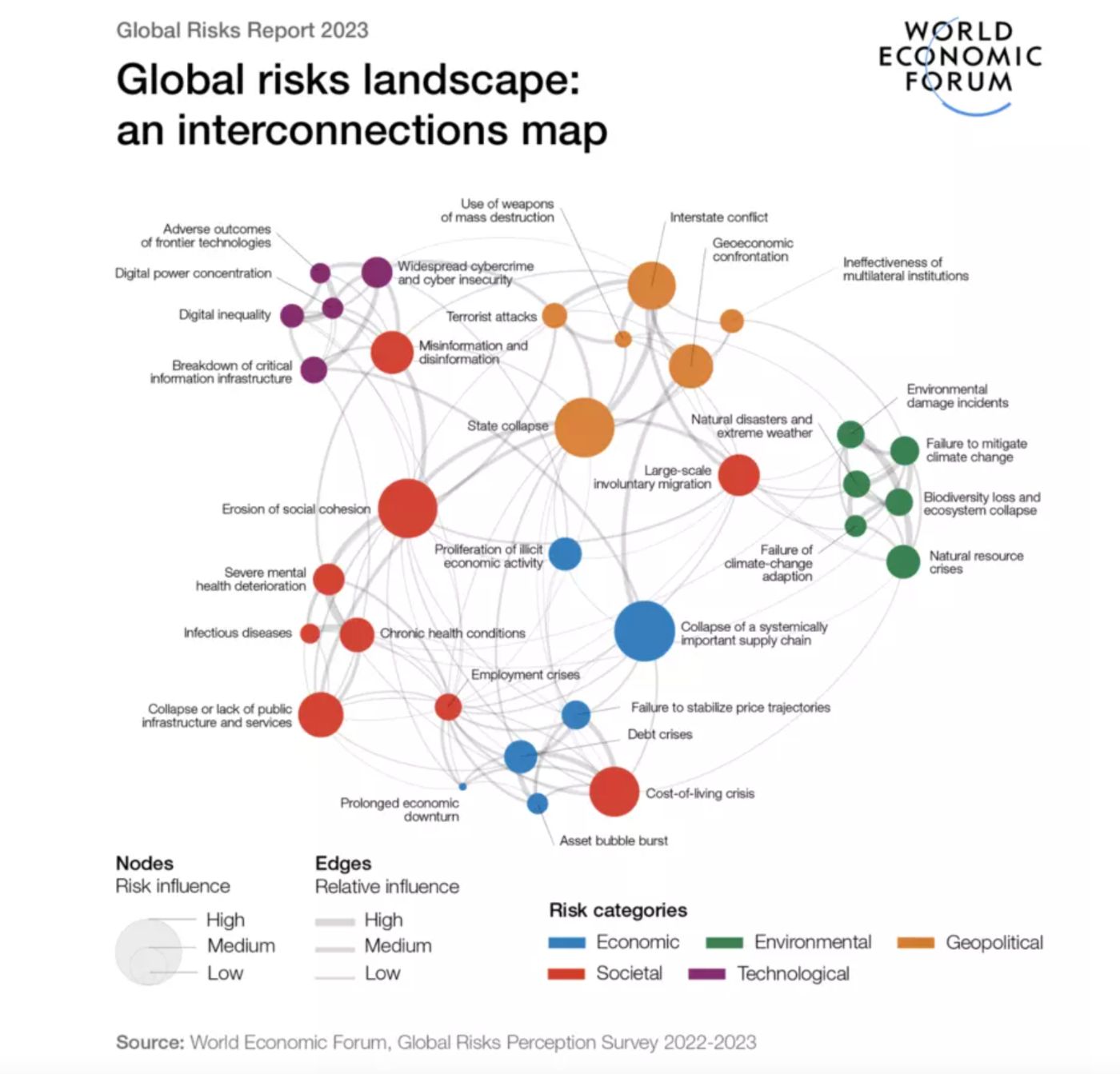 Crypto and related tech, when deployed at scale, have the capacity create more open digital access, digital equity, and combat other growing global risks.
288. Impact of the Net Neutrality Repeal on Communication Networks: Repealing Net Neutrality
 Analyzing the impact of net neutrality repeal on ISP profit using techno-economic modeling and MILP optimization in video delivery networks.
289. Who Can Spy on My Kids Online?
 What the United States’ children’s privacy law does and doesn’t do
290. What You Should Know About Online Tracking
 Lots of Internet users have most likely heard the saying that "data is the new currency." Of course, information has been important throughout the whole history of humankind, but the emergence of the digital world revealed just how powerful it could be. Millions of user-profiles circulate in ad networks to be used in future ad campaigns to enhance product placement.
And that's not necessarily bad. Seeing relevant advertisements saves time and helps in making the correct purchase decision. However, the problem arises when collected data is misused, as was revealed during the Cambridge Analytica scandal when illegally obtained user-data was used to influence political landscapes. Another problem is user consent. Sadly, a lot of data is gathered without user permission.
291. The ZKP Jungle Adventure: Unlocking the Lion Kingdom's Roaring Secret
 Join Bobtail, a tech-savvy monkey, on a wild quest in the Jungle to understand Zero-Knowledge Proofs.
292. Upland and Nowhere Break Boundaries: 'Cafes' is the New Era in Digital Engagement
 Upland, the leading web3 Metaverse SuperApp, and Nowhere, an innovative virtual gathering platform.
293. Are the days of Internet Freedom Numbered?
 In an ideal digital world, everyone has open access to the Internet.
294. 6 Types of Web Hosting to Consider
 When it comes to web hosting, you’ll find that there are plenty of options out there. However, each of these has its own pros and cons. Usually, they’re all tailored for the specific needs of the website owner. And while all of them are basically storage space you rent for your website, there are plenty of differences between them; ranging from the required technical knowledge to reliability and server speeds. With that in mind, here are the six basic kinds of web hosting you should consider!
295. Impact of the Net Neutrality Repeal on Communication Networks: Abstract & Introduction
 Analyzing the impact of net neutrality repeal on ISP profit using techno-economic modeling and MILP optimization in video delivery networks.
296. IoT: Beyond Alexa
 The Internet of Things is a new world.
297. New Browser from CCleaner: Hot Or Not?
 If you are thinking of browsing the Internet privately and securely on your Windows computer then its time you rethink about your web browser.
298. Copyright Trolls Demanding Ridiculous Sums For Low-Value Images
 Demanding $500 for a $10 image, copyright trolls expose the imbalance at the heart of copyright law:.
299. Impact of the Net Neutrality Repeal on Communication Networks: Related Works
 Analyzing the impact of net neutrality repeal on ISP profit using techno-economic modeling and MILP optimization in video delivery networks.
300. Did you know you could write scripts with webservices? You do now.
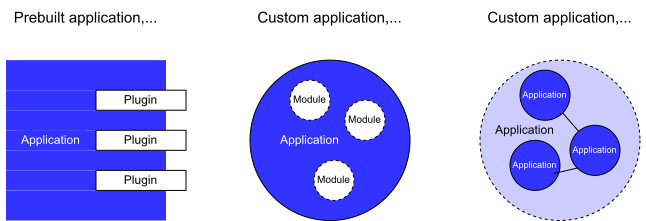 There's a big hole in reusability on the web. An entertaining statistic - not the most accurate but still fascinating - was generated by Simon Wardley from a Twitter poll. He calculated that basic user registration had been written over a million times. The average developer had written user registration about 5 times. I'm sure you've built it a few times yourself.
301. 6 Types of Web Hosting to Consider
When it comes to web hosting, you’ll find that there are plenty of options out there. However, each of these has its own pros and cons. Usually, they’re all tailored for the specific needs of the website owner. And while all of them are basically storage space you rent for your website, there are plenty of differences between them; ranging from the required technical knowledge to reliability and server speeds. With that in mind, here are the six basic kinds of web hosting you should consider!
302. Top 5 Tips That Will Help You Succeed In Remote Sales Through Video Meetings
 Working as a salesperson has gotten pretty difficult – especially this year. Many have had to stay home, use video conferencing platforms, and making video calls to engage with prospects.
303. Watch out Chrome, Microsoft Edge is All set to Have an Edge on you
 How to stay unique and still give a hard time to competitors? Well, we can learn something about it from Microsoft.
304. The Hidden Trade-Offs Behind “Free” Digital Platforms
 The modern internet runs on a promise: free access. But “free” rarely means costless.
305. It's Time to Normalize Speaking Out About Internet Safety
 GIVE Nation marks Safer Internet Day with a conversation around privacy, particularly for parents.
306. Top 24 Internet Browsers of the Last Two Years [Marketshare]
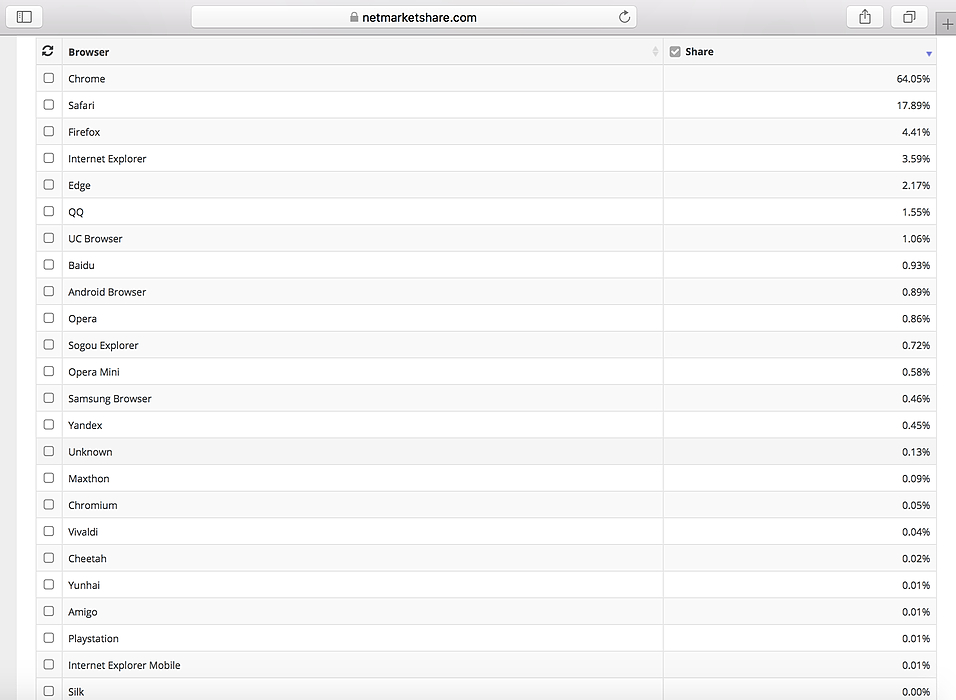 Source, NetMarketShare
307. Recognizing the Internet as a Basic Human Right
 Network Neutrality, which literally protects freedom of speech, has become a controversial concept in the U.S.
308. Centralization Is Not Evil, It Is Just Outdated
 A shift to a decentralized internet may not be easy but it is happening.
309. You are NOT a Person, YOU are a Data Point: A Christmas Story
 You see, on the Internet, you’re not a person. You’re a data point. A small player in a grand A/B testing experiment of an intricate user journey.
310. Confrontational BBC Interview about the Internet's Content with Tim Berners Lee in 2005
 "A lot of the problems of bad information out there... are problems with humanity," - Tim Berners Lee. "This is humanity which is communicating over the web."
311. We Killed Boredom - That Was the Worst Thing
 Link rot is destroying the internet's memory in real time — and almost no one is talking about it. From dead Supreme Court citations to vanished communities, he
312. IPv6: Managing The Transition
 In this article, we will cover the origins of the transition, the differences between the two versions, and a sometimes-overlooked aspect of the transition
313. Are You Paying 400 Times More for Your Internet Than Your Neighbor? You Might Be
 AT&T, Verizon, EarthLink, and CenturyLink disproportionately offered lower-income and least-White neighborhoods slow internet service for the same price...
314. DePin: A New Frontier and Beyond
 Tesla’s Austin robotaxis show that autonomous assets are ready to earn. Savvy jurisdictions have a once-in-a-decade chance to host the physical layer of Web3
315. "Did it Work? Are They Married?" Yes! The Ongoing Marriage Between Technology and Online Dating
 Every time technology evolves, our lives change a little bit more. It continues to transform how we communicate, how we entertain ourselves, and how we work. It even changes how we find love.
316. Insight Browser Wants to Rid the Internet of Bad ADs and SEO
 It's early days for Insight Browser but our mission is ambitious — we want to rid the internet of bad ads, SEO and misinformation
317. How to Investigate Which Neighborhoods in Your City Are Offered the Worst Internet Deals
 In 92 percent of the cities we examined, the areas offered the worst deals were lower income.
318. Mick Morucci on Working at the Intersection of People and Tech
 Mick Morucci from the US has been nominated for a 2020 Noonie in the Back the Internet Award Category for an uncanny ability to occupy (and write about) the space between people and tech, powered by the unique perspective of a user researcher, anthropologist, economist, and creative.
319. Looking for a Better Deal on Broadband? What You Should Be Doing to Find It
 Here’s how to search for a better deal on broadband.
320. The Internet Is Rotting - We Just Don't Talk About It
 The internet promised to remember everything. It's forgetting faster than we think — and the tools we're building on top of it don't know what they're missing.
321. Finding The Privacy Balance - Is There Such Thing as Too Much Privacy?
 I've been a heavy advocate for using multiple tools and alternative services to protect your personal information for years. However, as I've seen people pile on one privacy tool after another I've realized that people have perhaps taken it too far.
322. The Best of the Internet (Slogging Insights)
 In this thread, the slogging community shares the piece of content that has improved their day.
323. Re-thinking Digital Advertising in a User-First World
 In order to start making money, user data started being used to serve ads. It was used to predict our future behaviors in order to predict which ads to serve.
324. The Noonification: Internet Archives Silent Killer (2/2/2023)
2/2/2023: Top 5 stories on the Hackernoon homepage!
325. The Web 3.0 Race for Internet Democracy Can Only Be Won With UX 2.0
 Today we cater to and build for a cohort, not a user. Decentralization, with its accelerated pace of development, would change the rules of the game.
326. Is Web 3 Really the Future of the Web or Just Another Buzzword?
 Is Web 3.0 really the future of the the internet and how is it different from the two previous generations of the internet? How did it change since the past?
327. Access Denied Unless Netizens Opt-in
 I live in a "Democracy" where the voice of the people gets constantly censored. We constantly live in a fear that if we raise our voices and speak anything against the supreme leaders in the country, we are looking at dozens of charges, fines, or jail time.
328. "How Tall is Donald Trump?" and Other Weird Questions Online
 In this slogging thread, our community shares a few of the weirdest questions they've seen asked online.
329. "FinTech Wave-2 isn't Digital, It’s Hybrid." Lessons from Wave-1 and What’s Next?
 Fintech represents the collision of two worlds — Financial services and technology, and with this union comes, both disruption and synergies. Fintech came of age in the aftermath of the 2008 financial crisis. New regulations and changing consumer demands began to emerge as the world tried to pick up the pieces of the “great recession”.
330. What Is a CDN and Why You Should Use One
 CDN is a group of spatially distributed servers that increase the rate at which web content is delivered by making it more accessible to users.
331. The Doe Discuss How Tech and Social Media Has Changed Journalism
 Social media over the last five years has become a growing and dominant source of information and news for hundreds of millions of individuals all over the world. Social media is always in your pocket on your smartphone.
332. An Interview with Seyi Akiwowo, Founder of Glitch - an Organization that Seeks to end Online Abuse
 Akiwowo is the founder of Glitch, an organization that seeks to end online abuse.
333. How To Enable Microsoft Edge`s New Crapware Blocker
 Microsoft Edge has a new crapware blocker. But the thing is, it isn't enabled by default. The blocker is currently only available in Edge's beta version but it should be available for everyone using the Chromium-based Edge browser with the stable release of Edge 80 in early February.
334. Web3 Built the Rails - Web4 May Build the Experience

335. How To Enable It Microsoft Edge`s New Crapware Blocker
Microsoft Edge has a new crapware blocker. But the thing is, it isn't enabled by default. The blocker is currently only available in Edge's beta version but it should be available for everyone using the Chromium-based Edge browser with the stable release of Edge 80 in early February.
336. What Will It Take To Save the Internet? An Interview With Jeff Kosseff
 Jeff Kosseff, a former reporter turned lawyer and legal scholar, has emerged as one of the leading experts on the 1996 law...
337. How Web3 is Redefining the Internet
 We are moving away from the "read-only" Web 1.0 and the "read-write" Web 2.0, characterized by social media and centralized platforms.
Thank you for checking out the 337 most read blog posts about Internet on HackerNoon.
Visit the /Learn Repo to find the most read blog posts about any technology.