

Let's learn about Economics via these 282 free blog posts. They are ordered by HackerNoon reader engagement data. Visit the Learn Repo or LearnRepo.com to find the most read blog posts about any technology.
Oh, so you’re ready to dive deeper into how topics like tech, crypto, and DeFi affect the economics around us? We like your determination. Go for it.
1. Spray, Pray, and Go Away: Investing is an Art
 It is the knowledge that I'm going to die that creates the focus that I bring to being alive. The urgency of accomplishment.
2. Profiting in Times of Crises: The Silicon Valley Bank Story
 Examining interest rates' evolution & their role in modern economies. Discussing COVID-19, Ukraine war & inflation's impact on SVB's collapse & stakeholders.
3. More Than Just The Future Of Gaming
 Gaming has provided an opportunity for people to learn about logistics, economics and logistics by their very existence, making the future of gaming interesting
4. Stablecoins: designing a price-stable cryptocurrency
 A useful currency should be a medium of exchange, a unit of account, and a store of value. Cryptocurrencies excel at the first, but as a store of value or unit of account, they’re pretty bad. You cannot be an effective store of value if your price fluctuates by 20% on a normal day.
5. Cryptocurrency Trading Bible Four: Secrets of the Bitmex Masters
 “Do you Mex?”
6. Curve Ball
 What would happen to the price of Bitcoin in the medium-term if oil ramped 2x to 3x overnight?
7. Libra, a Cyberpunk Nightmare in the Midst of Crypto Spring
 With crypto winter finally over, I’ve turned my heart to the green shoots of spring. But my thoughts are not warm in this first article in the Dreams of Crypto Spring series. I break down the most talked about digital currency in history, Facebook’s Libra, and the dark shadow it casts over the future.
8. Reboot: A New Operating System for Humanity
 It's the end of the world as we know it, humanity is programmable and our operating system is getting a reboot. The question is when the system is back online what will be in its place?
9. Meet The Platforms Leading People into the Passion Economy
 ?In the 20th-century economy, most of us had to find a way to fit into the workforce. Passion-driven careers,
10. WTF is Economic Foundation of Education?
 Meaning:
11. Massa
 Will Bitcoin be chosen by AI as the currency in which their economic actions are denominated?
12. What Post Scarcity Means: Why the post-scarcity economy is hard to reason about
 Many act like post-scarcity is some pipe-dream. The stuff of utopian fairy-tales and science fiction. I beg to differ. Actually, I think in many respects, it is already here in the US. We just don’t see the abundance right beneath our noses because our current economic paradigm makes it incomprehensible.
13. How Airlines Generate Revenue [General Overview]
 The Wright brothers flew the first plane in 1917. At the time, going on an airplane was not common. Being a passenger on a flight was expensive. The focus for airlines was luxury. As time has passed, their focus has shifted from luxury to revenue. With the shift, airlines have grown their revenue sources. Airlines not only make money from passengers. They work with businesses to generate revenue.
14. Contagion
15. Bandwidth is the new tool to fight hackers
 <strong>I am often asked,</strong> “How is blockchain different from the other p2p networks that have existed long before?”
16. The Ten Top Cities for Highest Cloud Engineering Salaries
 A high salary can make you feel like you’re on cloud nine. For cloud engineers, jobs with these sky-high paychecks are in no short supply. In fact, the number of cloud engineer jobs on Indeed.com increased by over 55% between May 2017 and May 2019. And candidate interest is also skyrocketing: The number of people searching for cloud engineer jobs increased by over 52% in that same time period.
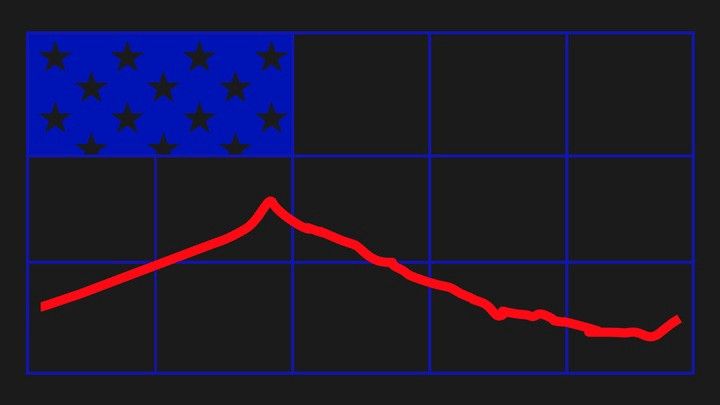
17. Four Economic Trends That Could Indicate a Looming Second Great Depression
18. How to tell a story in the blockchain world
 <strong>What makes human beings different</strong> from the rest of the animal species? Of course, the evolved language could be one reason, but the right reason is how we use the language. While a monkey can signal other monkeys about a lion lurking in the grass, it’s only human beings who can tell a story of a creature that is half human and half lion.
19. Could a Credit Bubble be About to Burst on Wall Street?
 The current state of the credit markets is giving a false sense of security, driven by the booming demand for limited supply rather than economic fundamentals.
20. Redefining Economic Forecasts: How insytz’s Algorithm Could Have Predicted the Great Recession
 New invest-tech company, insytz, says they can solve this lack of foresight and ensure history doesn’t repeat itself.
21. Teach Me Daddy
 I rely on the writings of my macro forefathers and translate their ideas into what I hope is a more digestible and entertaining format.
22. Beginner’s Guide to Bitcoin’s Scalability Debate
 By <a href="https://medium.com/@kemihu2011" target="_blank">Kevin Huynh</a> and <a href="https://medium.com/@stevenchen009" target="_blank">Steven Chen</a>
23. The Financial System Laid Bare [My Two Cents]
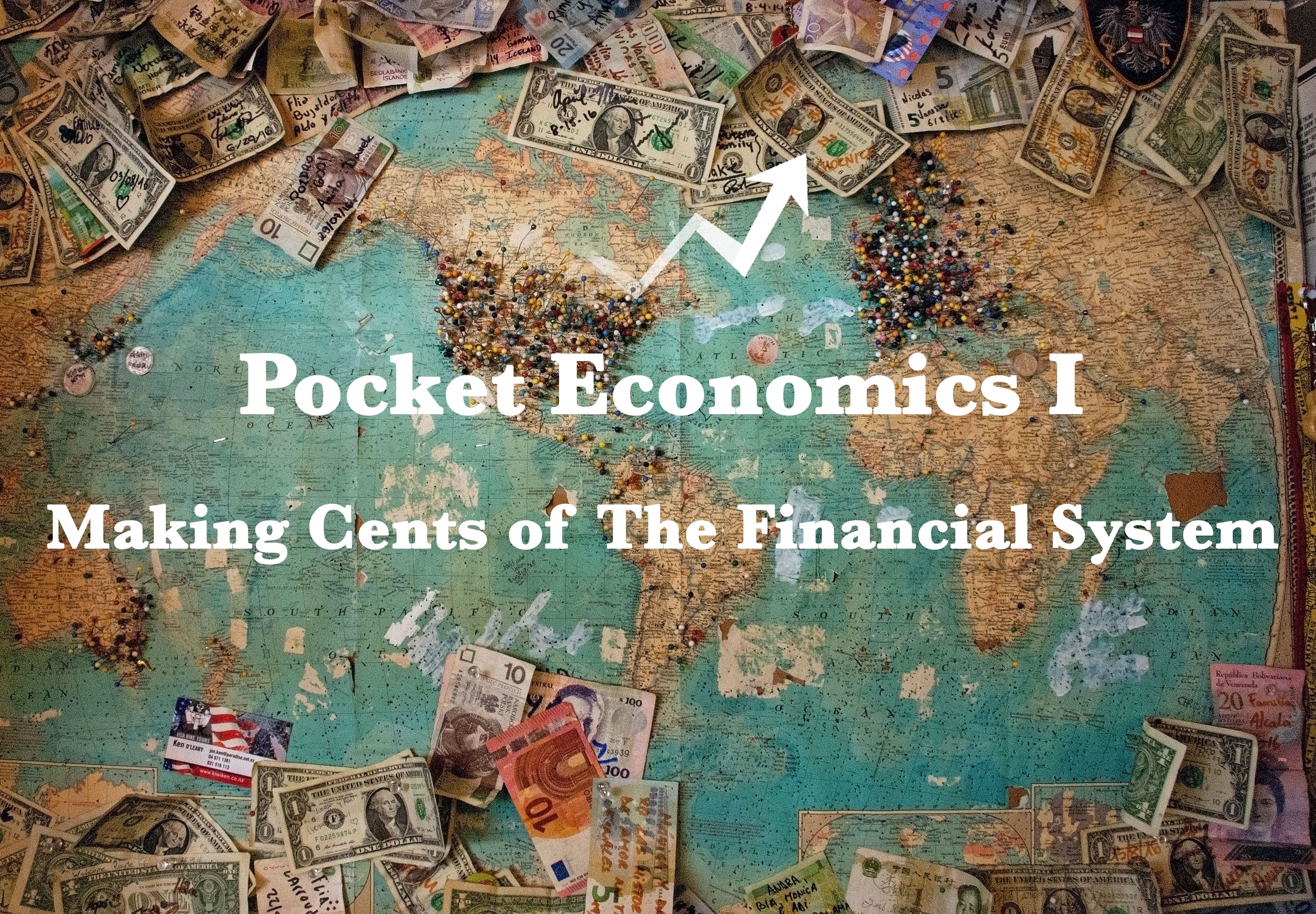 A Pocket Economics Guide To Where Money Comes From
24. How to Write a Book in 4 Days
 About a year ago, I was talking to someone about how difficult it was to get myself to write. I had been working on a book for O’Reilly and Associates for about 9 months at that point and had talked to other authors who acknowledged the same problem. Many authors find that books take a long time to write with 2 years being the norm. The 14 months that I took for my book was relatively fast, according to my editors.
25. Money Printing: The Ugly “Elephant in the Room” That Mainstream Media Ignores
 According to official numbers, you lost money unless you got a 6.2% pay raise this year. In other words, thanks to inflation, you got a pay cut
26. For the War
 There is a multifaceted economic war quietly being waged between the major flags of the world.
27. An Inquiry into the Nature and Causes of the Wealth of Nations: Book IV, Chapter VII - Part II
 The progress of many of the ancient Greek colonies towards wealth and greatness seems accordingly to have been very rapid.
28. "One thing that's missing but that will soon be developed is a reliable ecash," Milton Friedman 1999
 Economist Milton Friedman Predicts Bitcoin In 1999, and discussing how digital cash changes the role of government.
29. Why Is BTC Over $50k While Other Cryptocurrencies Struggle To Cross $1: A Deep Dive
 the majority of digital coins on the market are issued by private blockchain corporations, there are several factors that count towards the value of crypto
30. What is Modern Monetary Theory (MMT)?
 A Pocket Guide To Modern Monetary Theory and Why It Matters
31. The NULLcoin™ White Paper [Public Release]
 A Novel Solution for Increasing Token Demand While Eliminating Volatility
32. Are You Building an Incredibly Complicated Piece of Engineering Just to Squeeze... Ketchup?
 For the last decade, technology promised to ‘make the world a better place’. But is it delivering?
33. Economies of Specificity
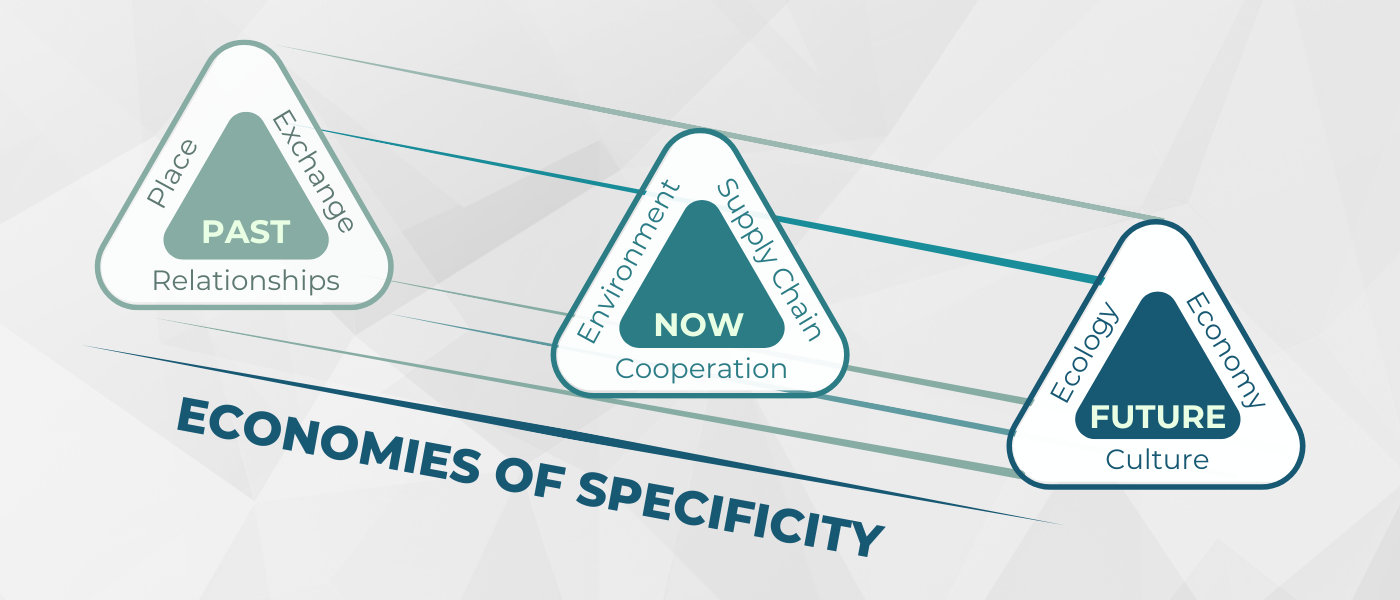 Local economies generate more wealth then economies of scale. The money just goes different places. Tech can help us build mutual networks globally.
34. Sex Doesn't Sell, GitHub Does
 Where do you go to sell a t-shirt? Shopify. Where do you go to sell a pdf? Gumroad. Where do you go to sell code? GitHub?
35. What’s the Fate of the S&P 500 if Rate Cuts Don’t Happen in 2024?
 The change in sentiment surrounding Wall Street has been palpable as stubborn inflation continues in its refusal to subside.
36. An Inquiry into the Nature and Causes of the Wealth of Nations: Book II - Chapter III
 There is one sort of labour which adds to the value of the subject upon which it is bestowed; there is another which has no such effect.
37. How Much Stock do Robinhood Employees Receive?
 Robinhood’s “one-time” adjustment grants new hires additional stock over the next 24 months to help employees “break even”
38. AI Bubble and the Free Market
 The dominance of a few large firms exemplifies an oligopolistic market structure. These companies have significant market power, allowing them to set prices
39. An Inquiry into the Nature and Causes of the Wealth of Nations: Book IV, Chapter I

Others admit, that if a nation could be separated from all the world, it would be of no consequence how much or how little money circulated in it.
40. An Inquiry into the Nature and Causes of the Wealth of Nations: Book IV, Chapter II
 The general industry of the society can never exceed what the capital of the society can employ.
41. A Look at Ecozones & Their Potential Economic Benefits
 An ecozone is also known as a special economic zone (SEZ) and these are geographic regions in a country that has more attractive economic policies for entities
42. 5 Upwork Alternative Websites for Freelancers
 This article introduces 5 Upwork alternative websites for freelancers looking for work in niche fields or people looking for entry-level micro work. With struggling economies in many countries, more and more people are turning to online freelancing as an additional source of income. Upwork is one of the most popular websites for freelancers. However, if you aren’t really getting many leads from that site, there are tons of upwork alternative sites you can try.
43. OYO Rooms is Going to Be India's WeWork: A Case Study
 Another Softbank Portfolio Company That Has Toxic Culture and No Clear Path to Profitability
44. WTF is Supply Elasticity and How It Could Help Make Cryptocurrencies Mainstream
 Supply elasticity is a property of money that allows the supply to expand and contract on an as-needed basis in order to meet demand. Well established monies like gold, as well as modern age cryptocurrencies like bitcoin and ethereum, do not have this property.
45. How to Stop the End of the World
 Alright, so the problem is:
46. 10 Ways Fake News is Killing The Economy : From Anti-Vaxxers To The Stock Market
 Diverse sections of the economy are facing very real costs from bad actors propagating fake news online. In a study, undertaken by cybersecurity company CHEQ (where I work) and the Merrick School of Business at the University of Baltimore, the full economic losses from fake news were revealed. Here are 10 sectors facing urgent and damaging losses from the epidemic of fake news.
47. An Inquiry into the Nature and Causes of the Wealth of Nations: Book IV, Chapter VII - Part I
 All the other enterprizes of the Spaniards in the New World, subsequent to those of Columbus, seem to have been prompted by the same motive.
48. An Algorithmic Decentralized Central Bank: Eliminating Irrational Token Allocation with SORA
 For this article, we focus in particular on the macroeconomy, tokenomics, macrotokenomics, governance, and decentralized applications
49. How a DeFi Future Will Look Like
 Let's go through how Decentralized Finance came to be and explore what is next it in the future.
50. Why Everyone is Wrong About the Future of Work™
 The future of work is a debate where everyone’s got an opinion.
51. What is tokenomics and how it can make or break your ICO
 Imagine you are the ruler of a small country. All residents of your country use the barter system to trade goods and services. Now you find barter to be a cumbersome process because of the following reasons:
52. A Brief History of Money
 Money was invented (or perfected) by scientists, not economists. Meet: Copernicus, Newton, Priestley and Stornetta.
53. Power of Proposals: Understanding SORA's Decentralized Development Process
 SORA is a decentralized central bank that includes a decentralized development process that uses RFP to implement new developments in the network
54. Sam Altman Should Put His Money Where His Mouth Is
 In 2019, OpenAI transitioned from a nonprofit organization to a for-profit, albeit capped, business model. What an opportunity to beta test American Equity!
55. An Inquiry into the Nature and Causes of the Wealth of Nations: Book V, Chapter I - Part II
 Men who have no property, can injure one another only in their persons or reputations.
56. An Inquiry into the Nature and Causes of the Wealth of Nations: INTRODUCTION AND PLAN OF THE WORK.
 The annual labour of every nation is the fund which originally supplies it with all the necessaries and conveniencies of life.
57. Which Sectors See Growth During Adverse Global Conditions?
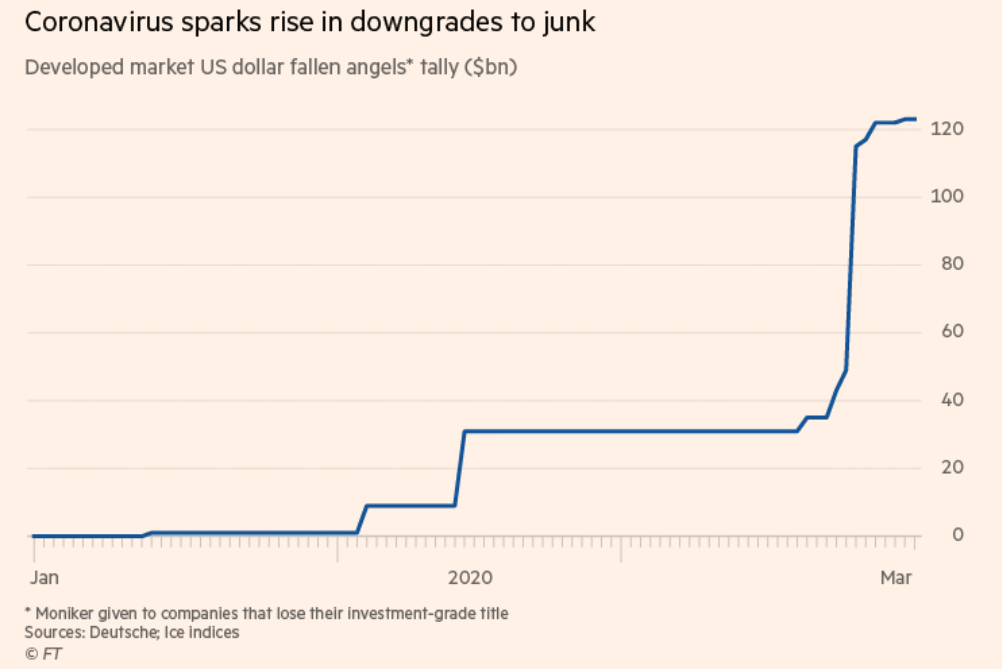 Financial crises are like human fingerprints – they may look the same and yet under ultraviolet light, there are very dramatic differences. The reality is, every crisis differs in its nature and intensity and will require a different action plan.
58. An Inquiry into the Nature and Causes of the Wealth of Nations: Book I, Chapter V
 Every man is rich or poor according to the degree in which he can afford to enjoy the necessaries, conveniencies, and amusements of human life.
59. Bitcoin's Halving and Pricing Through the Prism of Stock to Flow Method
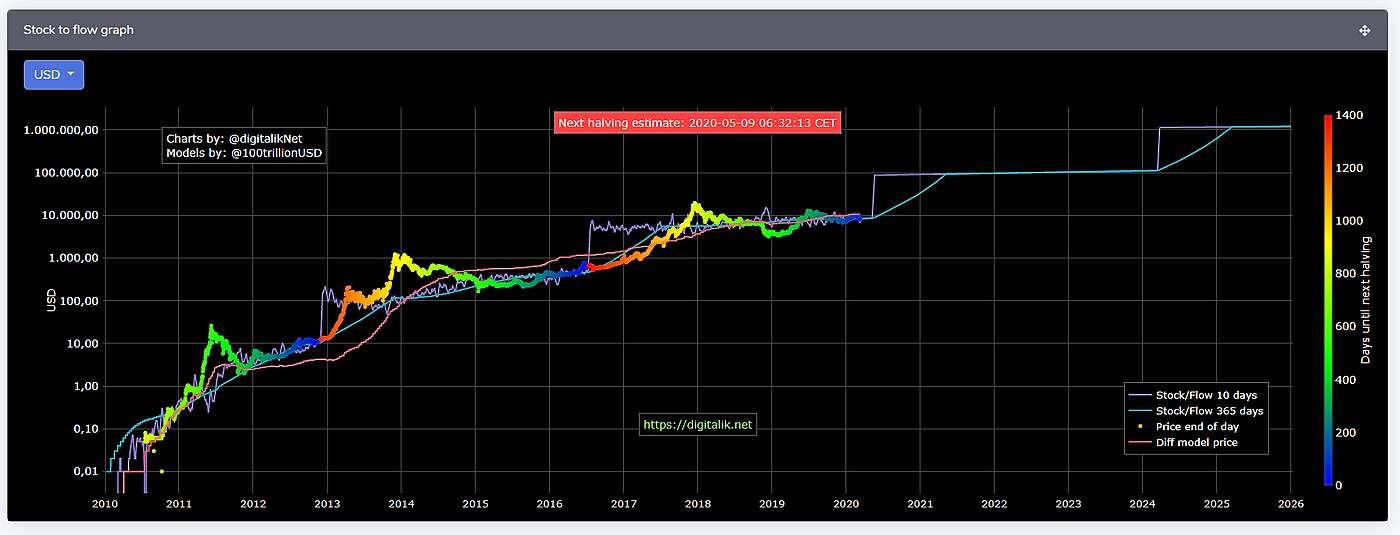 A look at pricing methods of Bitcoin in the context of the Stock to Flow Method and the upcoming halving.
60. How To Protect Yourself From DIRTY, FILTHY, Fiat Money
 With news that the Chinese are burning Yuan banknotes to fight the Coronavirus, there may be fears that fiat currency is too dangerous and dirty to handle. After all, money is only as clean as the uncleanest place it has been. Consider that one US study showed that most dollar bills are contaminated with cocaine, and the conclusion you may draw is that the majority of greenbacks have at some time been up someone’s nose. While it’s true that fiat money does harbour a considerable number of bacteria, germs and viruses of all varieties, there are some sensible precautions that can be taken to ensure you never fall foul of fiat.
61. Is it Time for Investors to Add Generative AI Stocks to their Portfolios?
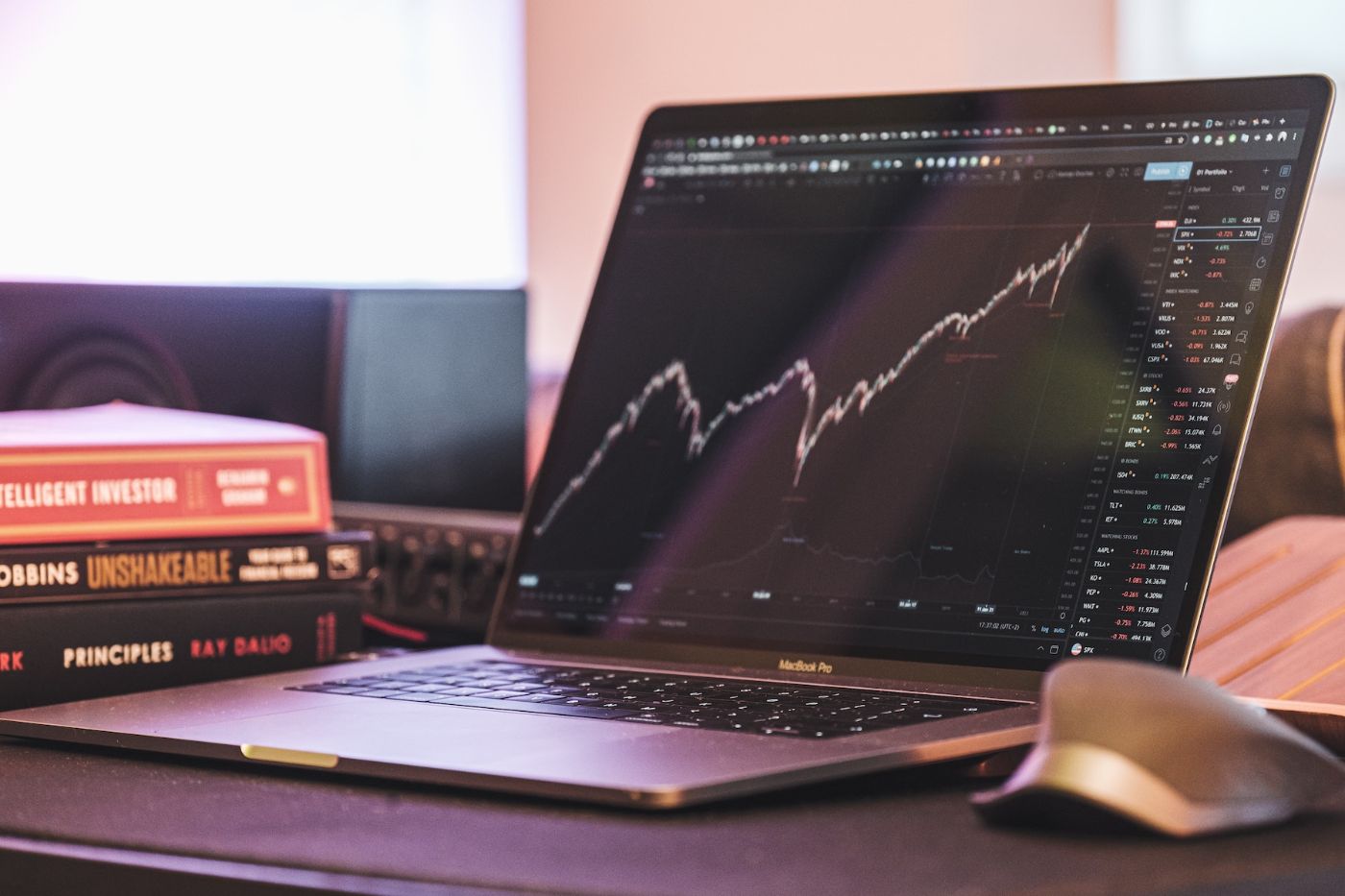 Even though the furore surrounding artificial intelligence is continuing to build, is now the time for investors to buy into generative AI?
62. Deconstructing the Difference Between Web 2.0 and Web 3.0
 You may have heard the term web 3.0 and may have even heard it described, but you may not have seen real-life applications as of yet
63. The Potential Impact of Dot-Com Bubble 2.0 on Tech Careers
 A look at the Dot-Com Bubble from an employee's eyes and why history might repeat itself.
64. The Bitcoin Halvening is More Than Just About Money [Deep Dive]
 A philosophical overview
65. My Dream for the Future: An Anarcho-Capitalist Society
 When people think of anarchy, they think of the world on fire or complete and utter chaos. However, that is not the case. When I say anarcho-capitalism, I am not advocating for a traditional anarchist society but rather an anarcho-capitalist one. Two entirely different things. That being said, let me get into my "key points". As our intellectual capabilities increase as society so should our own sovereignty as nations. In a perfectly intellectual society, one wouldn't need a government to function. The current generation tends to blame capitalism for most of the world's problems, embracing socialism. I would say, capitalism is the answer and that many of the problems capitalism is blamed for is actually globalism disguised as capitalism.
66. An Inquiry into the Nature and Causes of the Wealth of Nations: Book I, Chapter II
 This division of labour, from which so many advantages are derived, is not originally the effect of any human wisdom.
67. What a Post COVID-19 World Looks Like
 As our lives are suddenly and drastically changed by the rapid spread of this virus, and my local stores are ignorantly devoid of toilet paper and vodka from panic buying, I reflected on a few societal changes we might see taking place.
68. The US Dollar has Failed as a Reserve Currency
 Where to from here?
69. Why Liquid Staking Benefits the Crypto Ecosystem
 Proof of Stake (PoS) blockchains are waiting for you to stake your crypto. Yet staking’s low participation — only 24% of the total market cap of staking platforms are locked in staking — means that crypto enthusiasts have yet to realize its benefits.
70. On Building the Upstart DeFi Aggregator iearn.finance with Andre Cronje [Interview]
 Disclaimer: This article does not offer financial advice, do your own research when using one of the presented products. Use these projects and services at your own risk.
71. An Inquiry into the Nature and Causes of the Wealth of Nations: Book I, Chapter VI
 The profits of stock, it may perhaps be thought, are only a different name for the wages of a particular sort of THE COMPONENT PART OF THE PRICE OF COMMODITIES.
72. Will Meme Coins Keep Going to the Moon?
 While meme coin may generate spectacular short-term gains as people are willing to speculate on the possibility of making money in a short amount of time.
73. The Age Of “Whatever It Takes” Economic Policies
 And what it means for all of us
74. FIFA World Cup 2022, Beer, and the Metaverse, Through the Lens of 'Market Discounts Everything'
 What is more important than football in a World Cup? Beer. According to a study, for many fans, alcohol is part of the social occasion of attending or watching.
75. The Economic Consequences of the Peace: Chapter I - Introductory
 The Economic Consequences of the Peace, Chapter I: Introductory by John Maynard Keynes is part of HackerNoon’s Book Blog Post series.
76. Fungible
 This essay covers Sharpe World, the fungibility of capital, and the budding currency war between China and Japan.
77. Banks, Money Creation, and What the Crypto Community Refuses to Learn from Them

78. What Comes After Adam Smith and Keynes? [A Deep Dive]
 In the morning, we rub our eyes and stretch ourselves, ready for a new day. After washing,we open the refrigerator, take out the sandwiches and milk we bought last night, put them in the microwave to heat up, and perhaps go to the living room to open the meditation videos stored in the tablet and relax with the rhythm of music.
79. How Should We Re-Evaluate Our Models of the World?
 On the internet, "public goods" take center stage.
80. Why Bitcoin Preserves Our Ability to Save
 Learn the inherent properties of why Bitcoin is a savings technology, not another speculative investment.
81. Bitcoin and the History of Thermodynamics
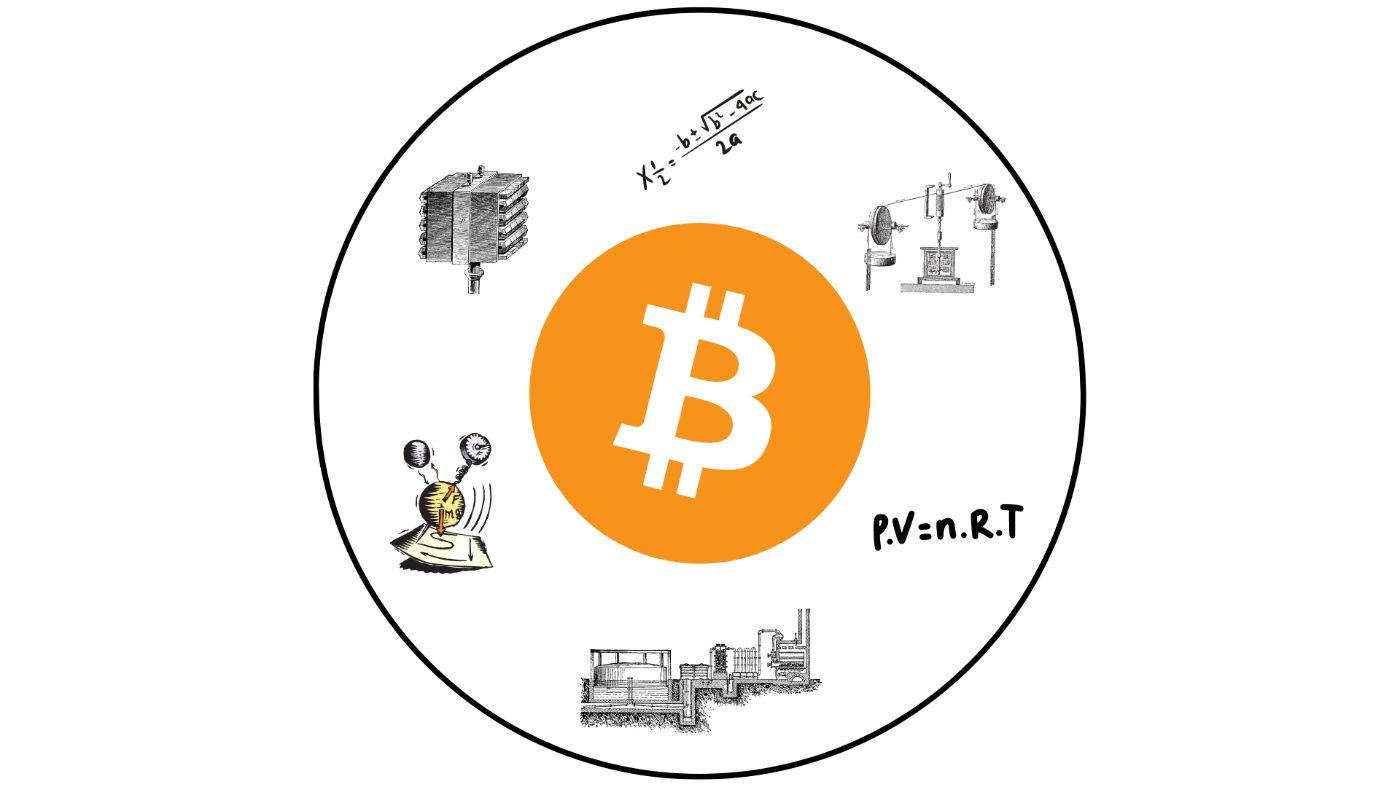 Learn what the history of the field of thermodynamics can teach us about the technological adoption battles we're facing today - especially in Bitcoin.
82. How to Account for the Future of Work: Automation, Blockchain, and the Knowledge Economy
 What's the problem with unfulfilled technological ideas and ideals? A critical perspective on the blockchain and DAOs that offers a better "Future of Work".
83. Product Pricing: How to Determine the Best Price Point for Your Product
 In today's changing business landscape, mastering the art of pricing is a strategic imperative that can have a significant impact on a product's market success.
84. "The Establishment looks [at] cryptocurrency as a threat"
 I recently joined the American Blockchain PAC as its senior counselor.
85. Is There Really a Link Between Coronavirus and Bitcoin?
 Bitcoin went up, and it was because of the Coronavirus, people said. Then bitcoin went down, and that was also because of the virus. The question is this; has the virus had any effect on bitcoin at all?
86. The Economic Consequences of the Peace: Chapter VII - Remedies
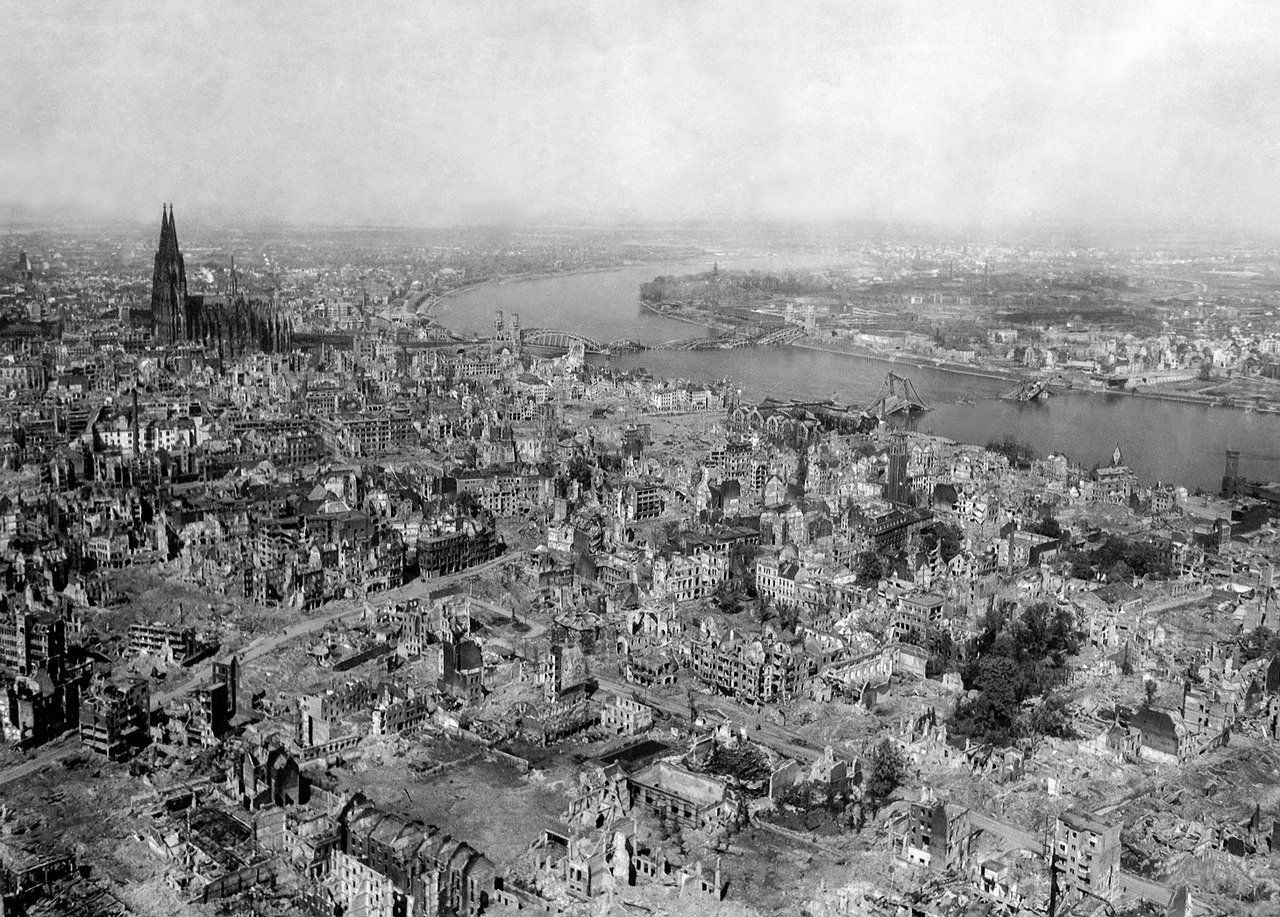 The Economic Consequences of the Peace Chapter VII: Remedies by John Maynard Keynes is part of HackerNoon’s Book Blog Post series.
87. Bitcoin As The Ultimate Insurance: Why $11,000 is Just The Beginning
 Two decades ago, Nobel Prize-wining economist Milton Friedman said:
88. What if the Single Most Important Idea in Economics No Longer Works?
 Smith is, after all, one of history’s most misused economists, straw-manned by the left and worshipped by the right for saying things he didn’t say.
89. Cryptocurrencies as Money: Evolution of Stablecoins and What's Next

90. An Inquiry into the Nature and Causes of the Wealth of Nations: Book I, Chapter III
 As it is the power of exchanging that gives occasion to the division of labour so the extent of this division must always be limited by the extent of that power
91. Prospects of European Economy: Defaults, Bankruptcies, and Debt Crisis
 Don't let the market fool you, “headwinds” will only get stronger.
92. Here's Why MicroStrategy Put 85% of its Cash Reserves in Bitcoin
 What if we told you that one company now owns 0.182% of all Bitcoin that will ever exist. And it's not even a Bitcoin or cryptocurrency-related company.
93. How does Fintech Decentralize Capital Markets?
 In 1899 American economist and sociologist Thorstein Veblen wrote a book called “The Theory of the Leisure Class”. The key takeaway of this study was that for people on top of social hierarchy spending their time on elite consumption - delicious food, rare clothing etc. - instead of working was a way to highlight their belonging to the higher class.
94. The Case for Alternate Systems of Money in Today's World
 During World War I, there was a general shortage of metals to mint low-value coins for everyday commerce. Austrian and German institutions from banks to municipalities to utility companies started circulating their own form of money without authorization from the central government. These took the form of colorful paper notes for "emergency money" or notgeld that are a valued collectors item to this day.
95. Decrypt the NFT Market: Connection Drives Economic Demand - A Meta-Analysis and Reflection
 The hunger for connection is one of the psychically chthonic forces that can drive demand for NFTs.
96. An Inquiry into the Nature and Causes of the Wealth of Nations: Book IV, Chapter III
 Of the Unreasonableness of those Restraints, even upon the Principles of the Commercial System.
97. The AI Bubble and Big Tech’s Bid to Dominate the Economy
 Whether we like it or not, and despite tales of its powers being greatly exaggerated, the AI genie is out of the box. What does that mean, and what can we do?
98. Perverse Incentives: A Story About Rats, Nails, and Atrocities
 Errors and atrocities happen when hunting for incentives, and humans manipulate the rules, ravaging natural, moral, or cultural ecosystems.
99. Can We Predict the Future of Cryptocurrency?
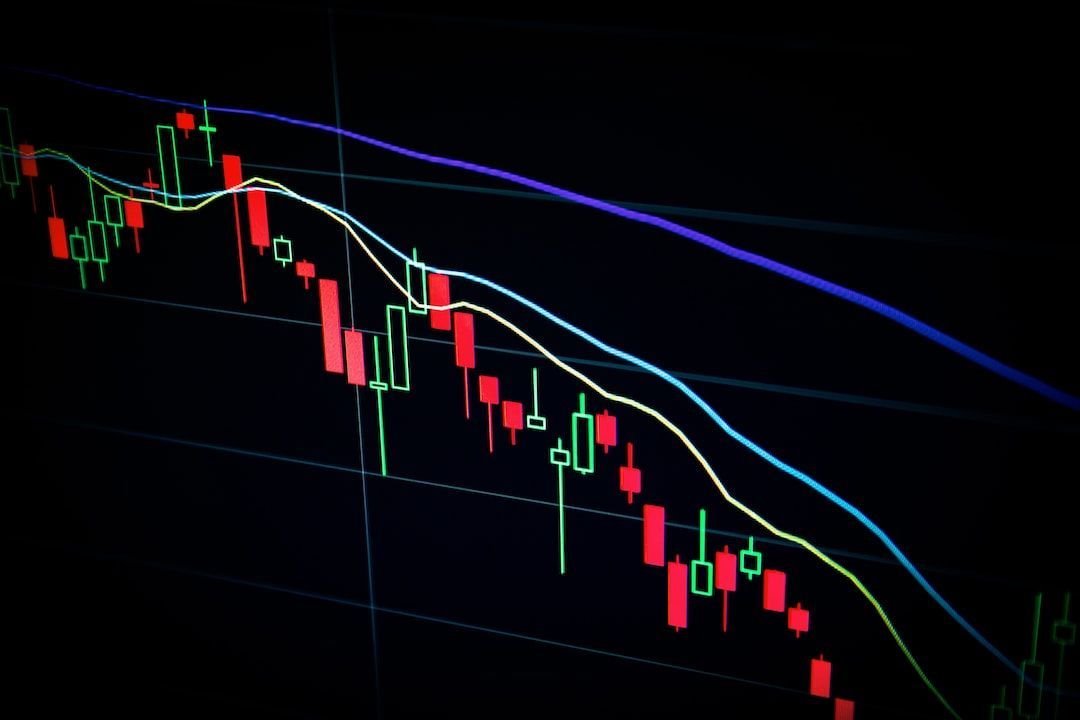 What's the future of cryptocurrency? With all eyes focused on the global economic climate and a tumultuous recent history for crypto, it's anything but clear.
100. Beyond Correlation: How Econometric Statistics Power Real-World Decisions
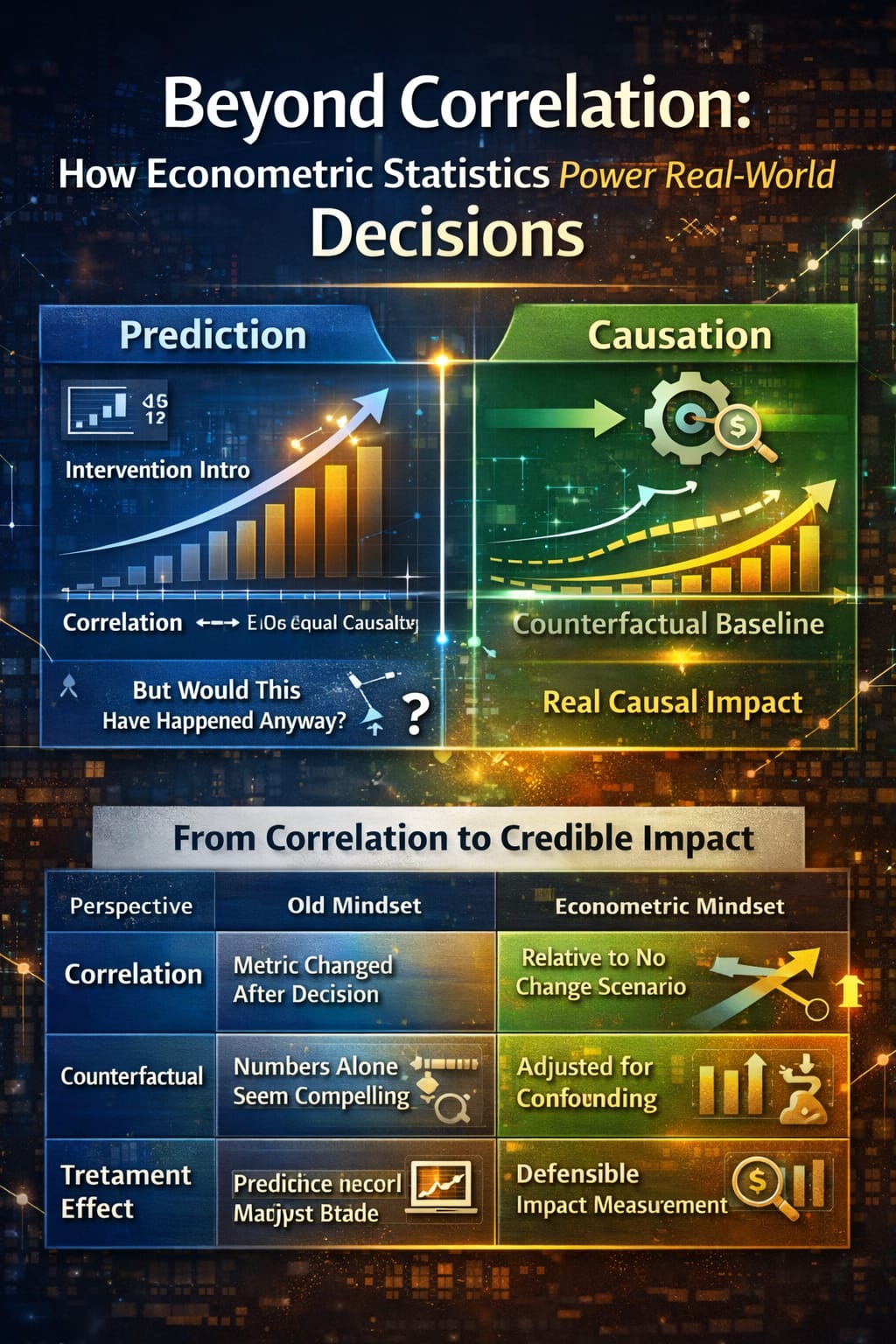 Econometric statistics gives the "more." It adds rigor to ambiguity – structure into chaos; and evidence into intuition.
101. Global Economic Impact of AI: Facts and Figures
 Summarization of Research Insights from Emerj, Harvard Business Review, MIT Sloan, and Mckinsey
102. From Stablecoin Surge to Dollar Domination
 In-depth explanation of stablecoin issuance and the regulatory landscape, and making a case for issuers to be domiciled and regulated in the US
103. Why Are All Eyes On China's Digital Yuan?
 China has continuously been in global news, be it corona crisis, diplomatic relations, army conflicts or trade & commerce. Since the last couple of weeks, everyone is talking about China’s digital currency.
104. 130 Stories To Learn About Politics
 Learn everything you need to know about Politics via these 130 free HackerNoon stories.
105. Corona: Seven Ways to Smash the Curve Now
 Everyone knows they need to act now to stop the coronavirus.
106. Mining Fiat is Unsustainable
 In an earlier article, I outlined the opportunities that blockchains offer investors from a wide angle. This prompted a number of requests for more in-depth analysis of the disruptive qualities of this technology. The following is a first principle examination of the market opportunities blockchain-based solutions offer within the realm of government-controlled currencies, commonly referred to as "fiat money". Quite literally addressing all the money in the world.
107. An Inquiry into the Nature and Causes of the Wealth of Nations: Book II - Chapter IV
 The stock which is lent at interest is always considered as a capital by the lender.
108. The Future President of Argentina Might be a Crypto Supporter
 There is an anarcho-capitalist lurking in the shadows of the Argentine presidency. He is responsible for occupying the first position in opinion polls.
109. "Web3 will revolutionize how the world interacts with the Internet of Value"
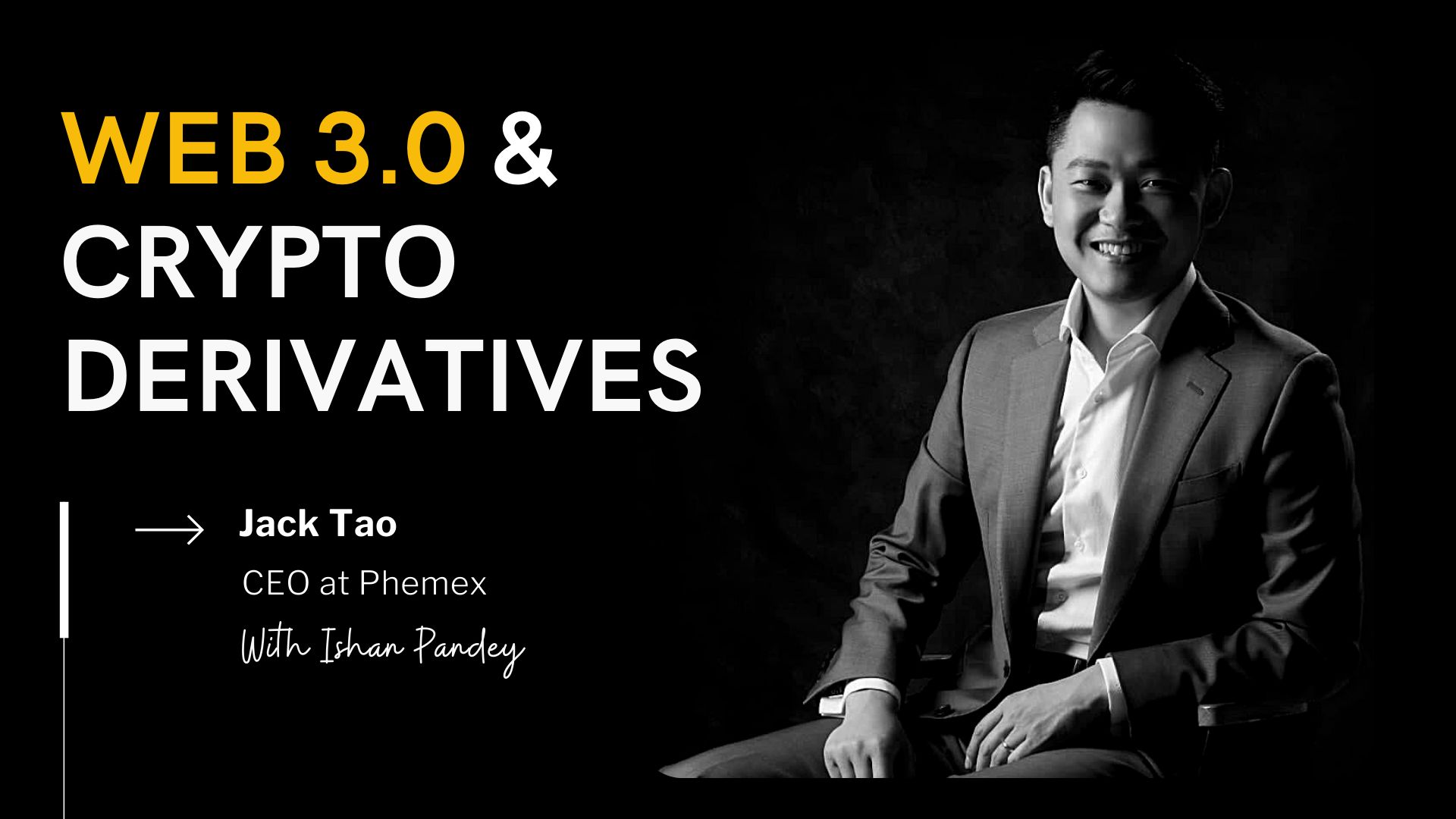 We believe that regulating the blockchain space is the only way to push these ideas into the mainstream, but we also understand that it’s not that simple.
110. Does Economic Uncertainty Create More Demand for Gold and Bitcoin?
 The world is moving into a new era filled with political, economic and social instability. With reports showing how most countries including the US are running fiscal deficits, capital markets are becoming increasingly volatile as economic uncertainty increases.
111. An Inquiry into the Nature and Causes of the Wealth of Nations: Book III - Chapter II
 This original engrossing of uncultivated lands, though a great, might have been but a transitory evil.
112. Wall Street Grammar: How the Way CEOs Speak Moves Billions Before You Notice
 Groundbreaking study introducing the Syntactic Authority Index (SAI), a quantitative model showing how grammatical structures in corporate and regulatory langua
113. An Inquiry into the Nature and Causes of the Wealth of Nations: Book I, Chapter IV
 When the division of labour has been once thoroughly established, it is but a very small part of a man’s wants which the produce of his own labour can supply.
114. 7 Events That May Shape the Global Economy in 2023
 The following black swan events, if they occur, may have far-reaching effects on the state of the global economy in 2023.
115. Money: A Basketcase [A Deep Dive]
 The failures of the USD as a global reserve currency mean
that we must reimagine money.
The failures of the USD as a global reserve currency mean
that we must reimagine money.
116. An Inquiry into the Nature and Causes of the Wealth of Nations: Book III - Chapter IV
 It is a mistake to imagine that those territorial jurisdictions took their origin from the feudal law.
117. Doughnut Economics in Amsterdam Prove 'Economy or Life' to be a False Dichotomy
 Wherever you are in this world, the chances are that you are living in some form of lockdown. A few countries have been able to relax the restrictions a bit earlier than others, mostly because they acted quickly, while others that are still experiencing high numbers of infections and deaths are easing their restrictions. Why are they taking this risk? Because ‘they’, and we’re mostly talking about the USA and the United Kingdom in this respect, appear to be more concerned about the economy than peoples’ lives.
118. A U.S. CBDC: A Mandate for Digital Property
 CBDC is a digital liability of a central bank that is widely available to the general public, and analogous to a digital form of paper money.
119. The 449-Page Antitrust Report on Big Tech Monopolies: Key Takeways
 On October 6th 2020, the House lawmakers released a 449-page report investigating how Amazon, Apple, Facebook and Google managed to turn from “scrappy” start-ups into “the kinds of monopolies we saw last in the era of oil barons and railroad tycoons”. This comparison is not misleading since data is referred to as the new oil.
120. Helicopter Money, Inflation, and the Bitcoin Standard
 Bitcoin was created in the midst of the 2008 financial crisis, and the economic impacts of the coronavirus pandemic are setting the stage for Bitcoin’s greatest test yet.
121. An Inquiry into the Nature and Causes of the Wealth of Nations: Book II - Introduction
 But when the division of labour has once been thoroughly introduced, the produce of a man’s own labour can supply but a very small part of his occasional wants.
122. Bitcoin in the Age of Deflationary Policies
 Foreword: You may not be aware — particularly if you live in the United States— but the global economy is now entering uncharted territory as negative interest rates become reality in Europe and elsewhere. Suddenly the financial media (sponsored in no small measure by global banks) are working overtime to ‘educate’ the masses as to why the practice of paying your bank to hold your cash makes perfect sense. (They conveniently forget to mention that they will immediately lend your money to other customers, but good luck getting negative rates as a borrower!)
123. Who Really Owns Web3
 The new buzzword “Web3” has recently jumped into the public’s mind.
124. Crypto Processing in 2022: Trends and Risks to Look out for
 The future of money is clearly digital, powered by decentralized blockchain technology.
125. State of The Creator Economy: SignalFire’s Market Map and Analysis
 By Yuanling Yuan, edited by Josh Constine
126. A Look at the AI Economy
 Are you ready for the AI economy? Over the next decade artificial intelligence could add upwards of $13 trillion to the global economy, and by 2030 the majority of companies could be using some form of artificial intelligence. There’s a downside to all this, however. Worldwide as many as 375 million workers could need to be retrained for new jobs as AI takes over the repetitive tasks and the heavy lifting. Overall, artificial intelligence is expected to have a positive impact on the global economy, even if there is a temporary period of human displacement that follows its implementation.
127. Re: Sam Altman's American Equity
 Alternative to Wage-Capitalism: 100% Commission on your earnings, but you bid at Vickrey auction to rent the capital.
128. Here's Why The Global Economy Is Entering A Downturn
 Is the US Economy in a recession? Depends on whom you talk to. While there have been two-quarters of contraction in economic activity, the Biden Admin is loath
129. Inflation is Taking a Toll on The Dollar [Infographic]
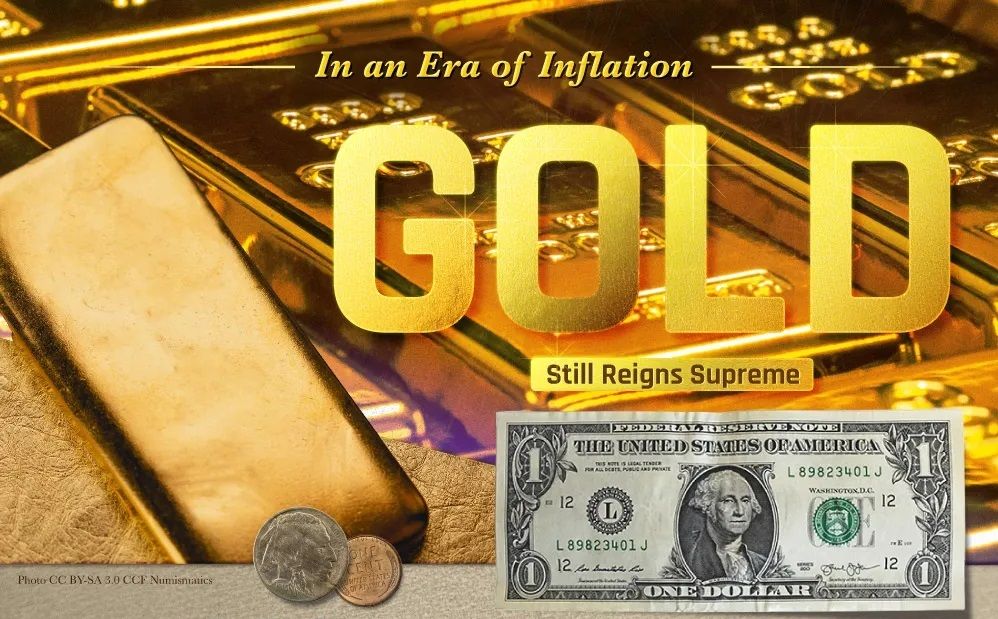 A look at the impacts of inflation as well as how gold is often a hedge against inflationary measures.
130. Regulation Might Make Crypto Less Cryptic
 The insular nature of the crypto-industry can often discourage potential investors, but digital assets are at an adoptive inflection point. Regulation can help.
131. UK Government to Start Tracking All Crypto Transactions
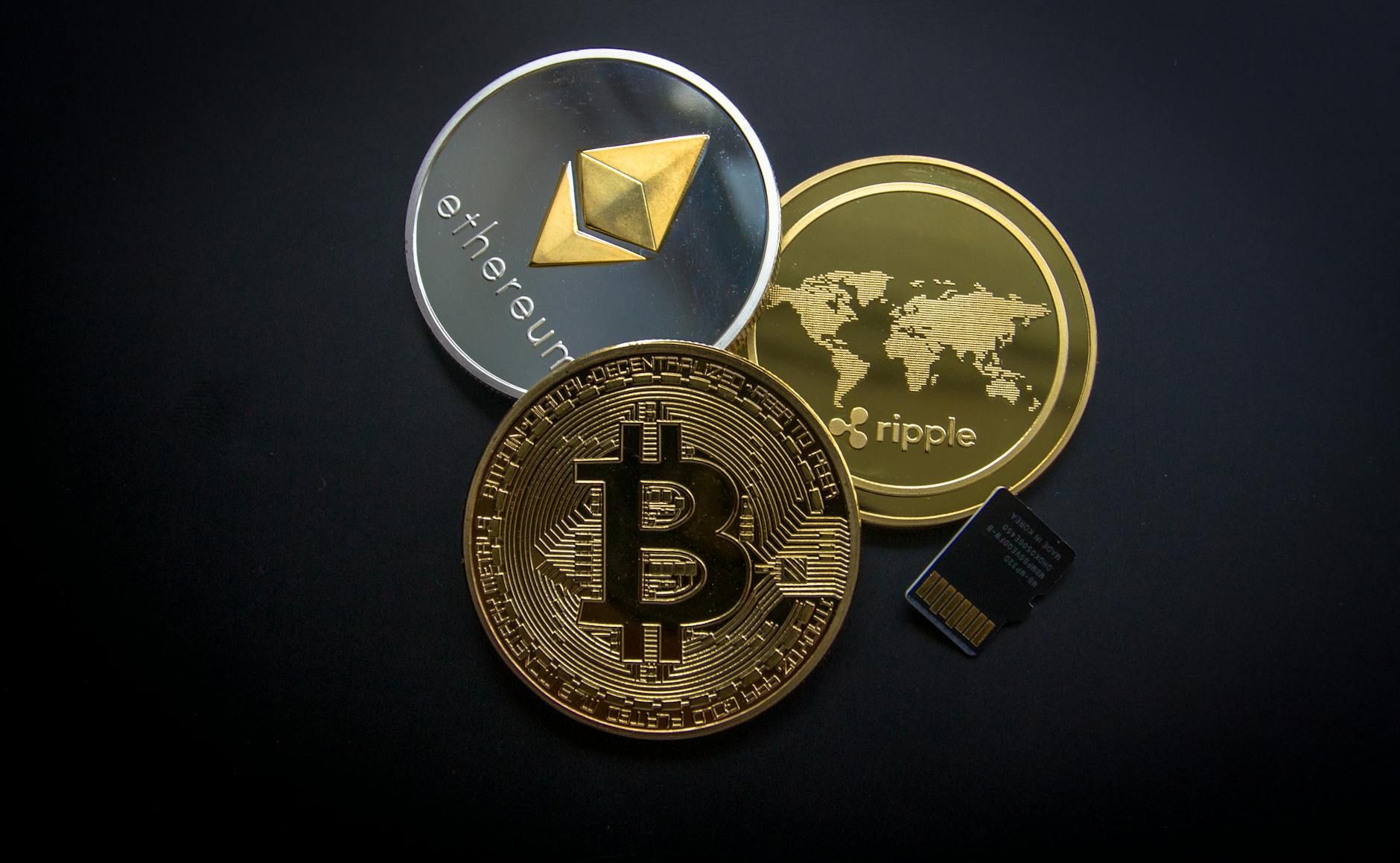 HMRC will use this data to cross-check against information provided in self-assessment tax returns.
132. How Brazil’s Newly Elected Government Will Affect Its Bustling Startup Ecosystem
 With a new political wind blowing through Brazil, we need to ask: What impact might Lula's election have on the buzzing startup ecosystem?
133. The 18 Trillion Dollar Question of Blockchain Adoption by Governments
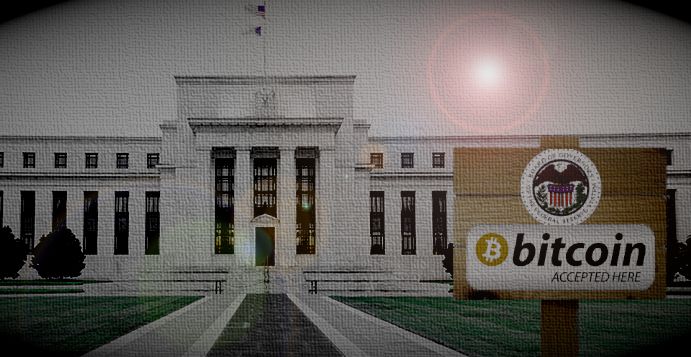 I Interview Gerard Dache of the Government Blockchain Association, who promote blockchain technologies to solve public sector challenges around the world.
134. Post-Pandemic SaaS Business Trends That Are Here To Stay
 Technology business owners are benefitting from an increase in consumer confidence. Here are the latest SaaS trends that are shaping the business world in 2021.
135. Futarchy Fixes Democracy, or Does it?
 Futarchy: a possible improvement on democracy? This article examines the futarchic blockchain governance model and its potential impact on political systems.
136. Why Would Anything Ever Go Right?
 Projects can fail because of multipolar traps (a value sacrifice game) and surrogation traps, where means substitute for the desired ends.
137. Crypto Was A Bubble, But So Was The Internet
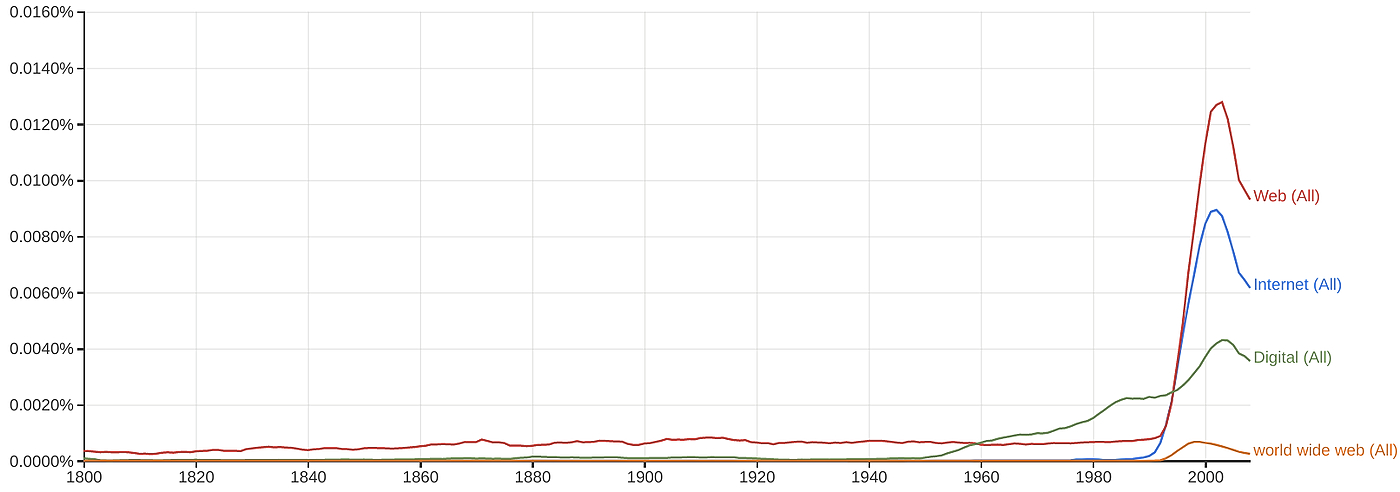 From Forbes to Nobel Prize winning economists, the consensus is the same: Crypto was a speculative bubble. After all, crypto's crash was worse than the dot-com one.
138. How To Work Smarter With Parkinson’s Law
 Parkinson’s law says that work expands to fill the time available for its completion. Work complicates to fill available time, but if you wait until the last mi
139. Building the First Transparent Pyramidal NFT
 The Tree of Wealth is the first NFT that distributes the sells among all the previous owners in a transparent way, thanks to the open source smart contract.
140. Bitcoin, The Anti-Violent Digital Establishment
 Learn why Bitcoin might carve out it's place within the digital monetary establishment, 100% peacefully and voluntarily.
141. Bitcoin Halving Economics: Impact on Miners and the Cryptocurrency Market
 Bitcoin 2024 Halving: Impact on mining, market dynamics, and strategies. Decentralization, security, and regulatory insights in the evolving crypto space.
142. Do Some Tech Companies Have Too Much Influence? - Lessons From the Russia-Ukraine Conflict
 Russia is increasingly isolated politically and economically, and countries are not the only parties choosing to flex their economic might.
143. How Fed's Rate Hike affects Crypto Market Sentiment

144. What are dApps and How Do They Enable a True Free Market?
 The world economy is facing a gigantic hurdle that threatens our future: too much money and power is being controlled by too few people.
145. Letter to Argentina: A Decentralized and Stable Coin for a New Financial Era
 A revolutionary proposal for the 'Real' currency - immune from political and financial chaos, offering stability and fair exchange for all.
146. The Divide of Failed Economy and Its Citizens
 Leon Faust shares his personal journey through Nigeria's economic challenges and introduces MyPursePay, a fintech solution designed to help individuals manage t
147. e/acc, Kamikazes, Kawaii Market Crashes, and More - My Japanese Investment Thesis
 The recent stock market “crash” in Japan validates my hypotheses on why Japan is a HUGE opportunity so I'm ending my 7 year nomading streak to move there.
148. Educational Byte: What Is an Economic Bubble and How Does It Affect Crypto?
 This type of “bubble” occurs when the price of something, like houses, stocks, or any other asset, rises much higher than its ‘actual’ value. But why is that?
149. .

150. Causal Thinking in the Age of Big Data: Modern Econometrics for Data Scientists
 Predictive models now rule over modern analytics stacks from recommendation engines to demand forecasting and fraud detection.
151. Ignoring the Billionaires
 Billionaires matter in America. Ignore them at your own risk.
152. Is Big Tech Too Big?
 A couple of weeks ago Alphabet shares dropped 6%, Facebook tanked 7.5%, and Amazon shed 4.5% of its value. Why did this happen? An anti-trust probe was called into life regarding Alphabet’s Google Search business and investors fear a similar fate for its tech brethren, seemingly rightfully so: This news story unearths a public debate that has been discussed intensively since the 2016 US elections concerning Big Tech’s power and the need for anti-trust legislation. A debate, which appears to have the nearly unanimous agreement that these companies should be broken up. Logically, therefore, these firms should already be broken up, yet they are not. Why is this? Aside from the strawman “The government is corrupt/incompetent” reasoning, there actually exist multiple genuine arguments for keeping Big Tech intact, which we’ll be examining in the following.
153. The Economic Ideology of Crypto and DDLTs (Decentralized Distributed Ledger Technology)

In the Beginning...
154. The Viral Crisis Paradox and Other Covid-19 Economic Observations
 As I write these words we’ve just passed one million known infected with COVID-19 and the economies of the “advanced” world are certainly going into a recession (two quarters of negative growth). In a globalised world physically connected by just over 100,000 flights per day, contagious disease populates the world in a matter of weeks. With a global mortality rate of around 10%, despite modern medicine, this is yet another global “plague”. But we as a globally connected society have new tools (such as lung ventilators) and new tricks (social distancing).
155. Fighting Wealth Inequality with Blockchain and Tokenization [Deep Dive]
 While Bloomberg has celebrated the best decade in history for financial returns, it is not a coincidence that wealth inequality has reached proportions not seen since the roaring´20s. And while this does not seem to concern the financial elites — who celebrated another fat end of the year — this is in reality a major concern for all the others, the 99,..%ers.
156. Wicks to Lightbulbs: Why We Are Ripe for Our Next Technological Transformation
 The origins of progress and the stagnation of the West
157. How the Financial Crisis, Trump, Covid19 and GameStop Created Web3
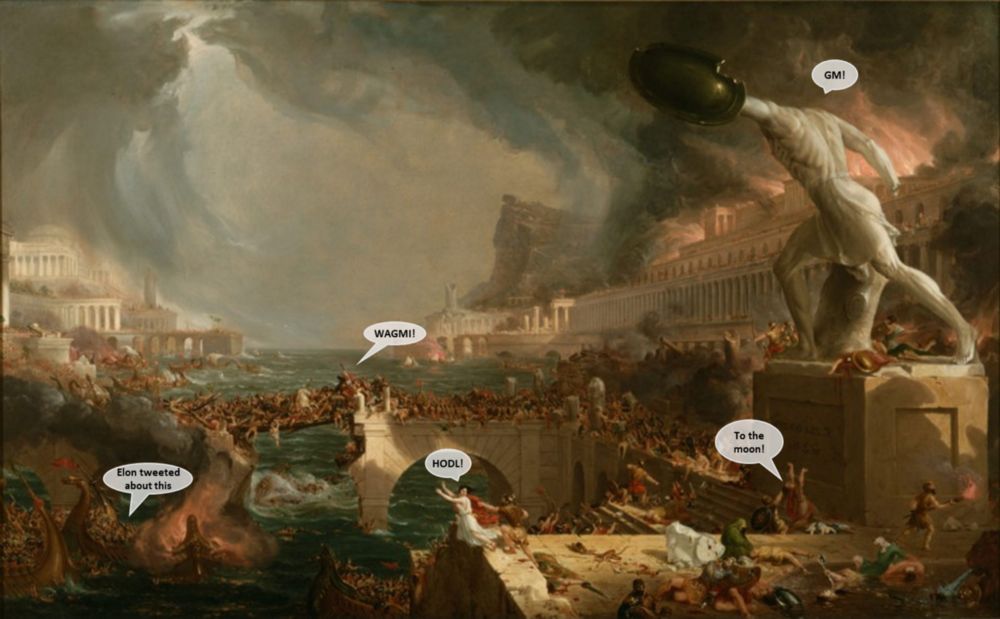 The world is bursting with talks of new, exciting technologies. Blockchain, Cryptocurrencies, NFTs, DAOs, DeFi, Metaverse… where do they come from?
158. An Inquiry into the Nature and Causes of the Wealth of Nations: Book V, Chapter III
 A part of their wool and raw hides, they had generally an opportunity of selling for money.
159. SBF is Just the Most Recent Kraken Lurking in the Crypto Industry
 It’s not that we don’t have a need for kings; we have a need to not have one at all!
160. The Strangest Tech Project Happening Right Now: Scan Your Eyeballs for Crypto
 No, the company using orbs to scan your eyeballs does not have your best interest at heart.
161. The Current Debt-Based System Is Enslaving You
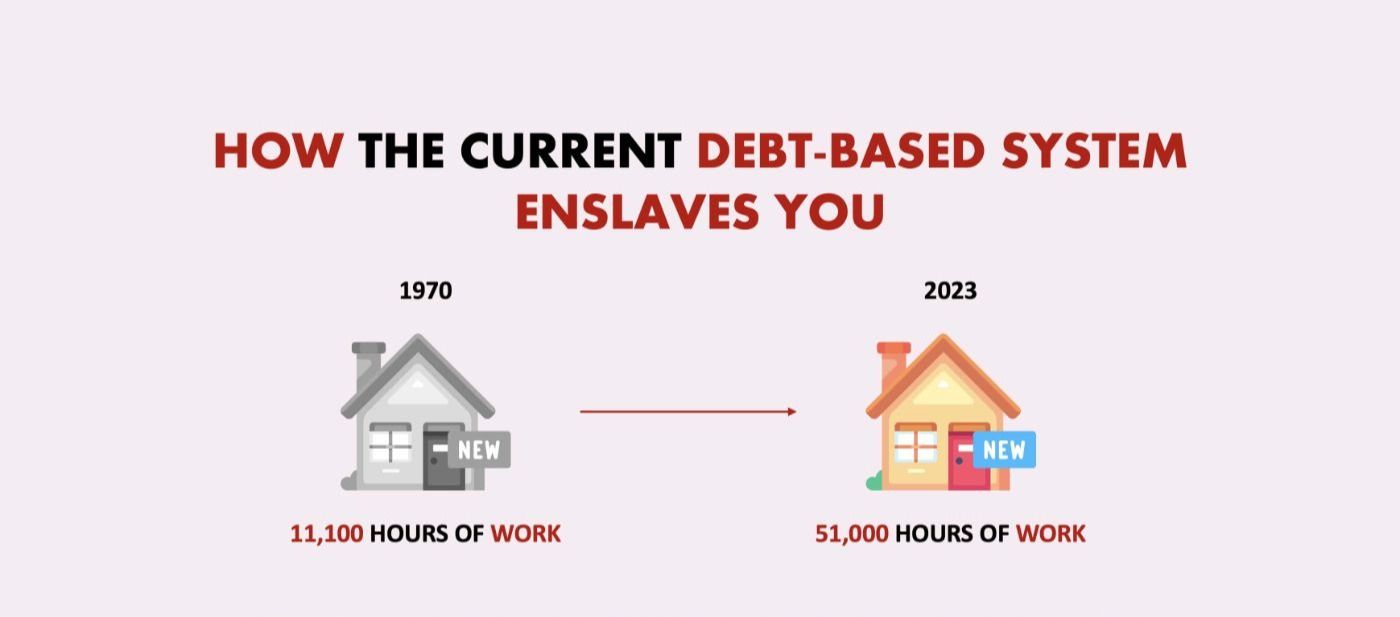 It's time to start looking for a system that protects you. It starts with a B.
162. The Digital Universal Drachma: A Paradigm for a Global Private-Public Cryptocurrency
 A bold re-envisioning of the fundamentals behind blockchain technology and economic theory, in this paper Chitose Nakamoto suggests a middle ground in crypto.
163. How Open Banking Can Revolutionize Dated Banking Systems in the US
 Open banking is on everyone's minds now – and for a good reason. In Latin America, open banking is gluing society together to achieve greater social inclusion. In Africa, fintech companies are engineering a new hub for economic activity, and the latest EU regulations on open banking are provoking an inevitable face-off between challenger banks and traditional financial institutions.
164. Entropy Can Explain Too Much
 Entropy is a cornerstone across various scientific disciplines, ranging from physics, information theory, engineering, evolution and even philosophy
165. The Noonification: What the Transcontinental Railroads Teaches Us About Tech (4/15/2023)
 4/15/2023: Top 5 stories on the Hackernoon homepage!
166. My Comments on the U.S. Fed's CBDC Paper
 Thoughts on the US Federal Reserve's CBDC paper and request for comments from the writer of the Digital Universal Drachma white paper.
167. An Inquiry into the Nature and Causes of the Wealth of Nations: Book I, Chapter IX
 It is not easy, it has already been observed, to ascertain what are the average wages of labour, even in a particular place, and at a particular time.
168. 10 Things you Might not Know About Davos World Economic Forum
 Freelance journalist Jillian Godsil popped her Davos cherry this year and learnt ten surprising things you might not know about Davos
169. The AI Economy Won’t Have Jobs—But It Might Have ‘Equitism’
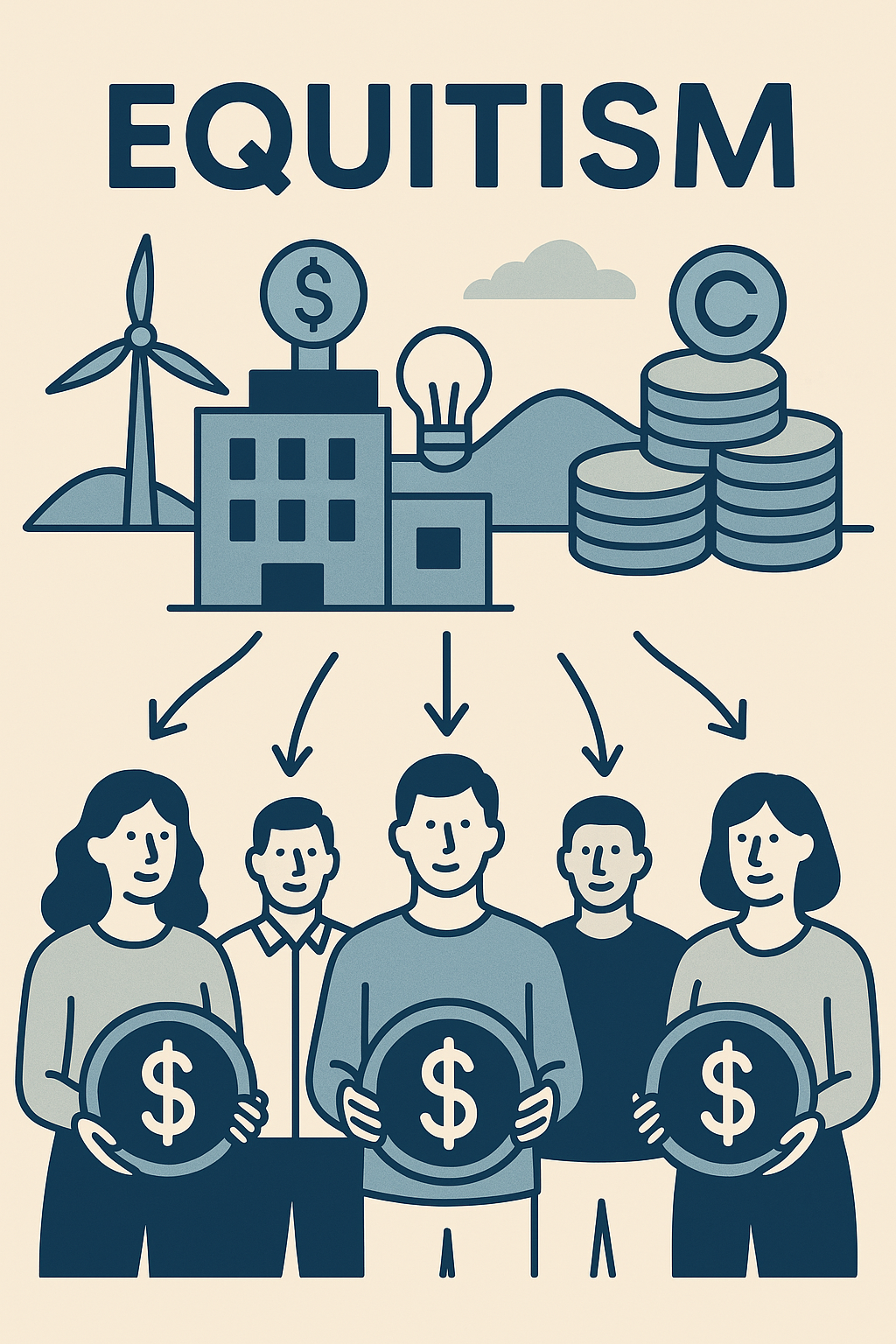 Explore Equitism—a visionary economic model promoting shared ownership, real free markets, and democratic wealth distribution in the age of AI and automation.
170. Why is Inflation So High? [Infographic]
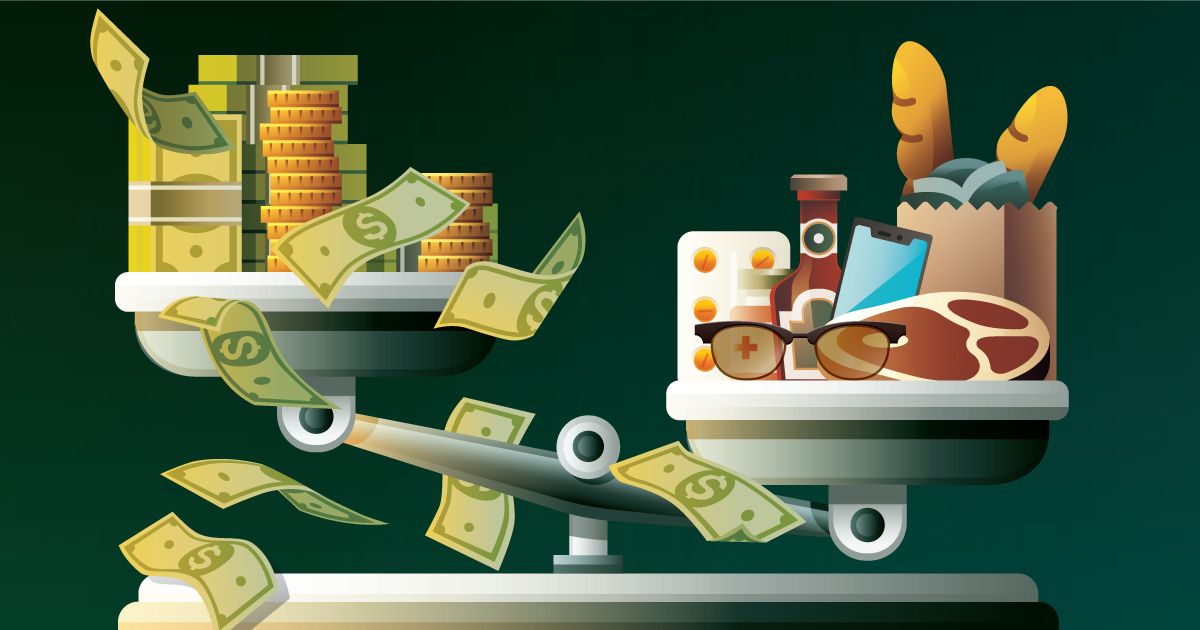 A look at why inflation is currently skyrocketing.
171. Is the Reputation Economy a Dystopia? [Discussion]
 China is transitioning itself to a Social Credit currency. Facebook is evolving from a social network into a bank. Credit card companies leak how "risky" you are to hackers. The world is changing, and fast. And so should the conversation.
172. An Inquiry into the Nature and Causes of the Wealth of Nations: Book V, Chapter I - Part IV
 Over and above the expenses necessary for enabling the sovereign to perform his several duties, a certain expense is requisite for the support of his dignity.
173. Small Business, Big Problem: Why 99% Aren't Growing
 Thought-provoking exploration of the challenges and realities facing small businesses in today's economic landscape and a revolutionary new approach to growth.
174. Bifurcation Analysis of the Keynesian Cross Model: Results
 This study investigates the Keynesian cross model of a national economy with a focus on the relationship between government spending and economic equilibrium.
175. When Did the Economy Become Our Only Measure of Value?
 Economics' importance is illusory and maintains current power hegemonies.
176. An Inquiry into the Nature and Causes of the Wealth of Nations: Book I, Chapter I.
 The greatest improvements in the productive powers of labour, and the greater part of the skill, dexterity, and judgment.
177. The Role of AI in Forecasting Economic Trends
 Explore how AI is used to predict economic trends by analyzing vast datasets, enhancing accuracy in financial forecasting.
178. Analyzing SVB's 2022 10-K to Understand Its Failure
 Silicon Valley Bank has entered into FDIC receivership and has for all intents and purposes has failed. Here, I argue that SVB failed due to a failure to respon
179. Donald Trump, $80k Bitcoin and the Strategic Bitcoin Reserve
 Will the election of Donald Trump be a catalyst for Bitcoin? And what will the long term impacts of this be?
180. An Inquiry into the Nature and Causes of the Wealth of Nations: Book IV, Chapter VI
 It is but a very small part of this importation which, it can be supposed, is employed as an annual addition, either to the plate or to the coin of the kingdom.
181. The Hidden Economics of Your Vacation: Why a 2-Hour Transfer in the Alps Can Cost More Than a Flight
 Why do Alps ski transfers cost more than flights? An economic analysis of the market using the Alps Transfer Index, covering pricing, logistics, and data.
182. The End of the Petrodollar With Bitcoin As the Big Winner? Mind You, It’s Not Quite That Simple!
 A few thoughts on the death of the king dollar will make you realize that we're a long way from that.
183. Spain Entrepreneurial Nation Unexpectedly Shutdown by Spanish Government After 3 Years of Success
 Spain's government has decided to shut down one of the country's main initiatives to promote entrepreneurship and startups.
184. An Inquiry into the Nature and Causes of the Wealth of Nations - Table of Links
 An Inquiry into the Nature and Causes of the Wealth of Nations, by Adam Smith is part of HackerNoon’s Books series. Raed this book online for free on HackerNoon
185. Is SVB's Failure the Beginning of a Domino Effect?
 Andrew Lokenauth discusses how SVB's failure will cause a domino effect.
186. What are the Vicious - and Breakable - Cycles of the Attention Economy?
 This Slack discussion by Mario Vasilescu, Linh and me occurred in hackernoon's official #slogging-beta channel.
187. The Economics of Web Data: ROI
 A back-of-the-envelope way to estimate how much your client can spend on web data.
188. An Inquiry into the Nature and Causes of the Wealth of Nations: Book IV, Chapter IV.
 Merchants and manufacturers are not contented with the monopoly of the home market, but desire likewise the most extensive foreign sale for their goods.
189. Metaverse: a New Step for Digital Entertainment or an Economic Gamechanger?
 The metaverse could reform industries and societies. This potential was recognized at a state level when Shanghai included metaverse in its 5-year plan.
190. Chinese Economy 2023: Back to Normal?
 China's economic and industry outlook for 2023.
191. AI and the Fear of Irrational Humans
 Low EQ, Not Robots, is Humanity’s Biggest Threat. Having high emotional intelligence (EQ) is having the ability to parse one’s own emotions as well as navigate the emotions of those around us to the mutual benefit of oneself and society. As a measure of developmental achievement compared to general intelligence (IQ) most individuals are barely aware of EQ and contemporary society does very little to cultivate it. For example, IQ provides you with accurate information for a heated debate on Facebook while EQ guides your exchange from a place of empathy and allows you to walk away from exchanges that may cause more emotional harm than good to either party.
192. Bitcoin Stands to Solve the Financial Discrimination Pacific Islanders Face
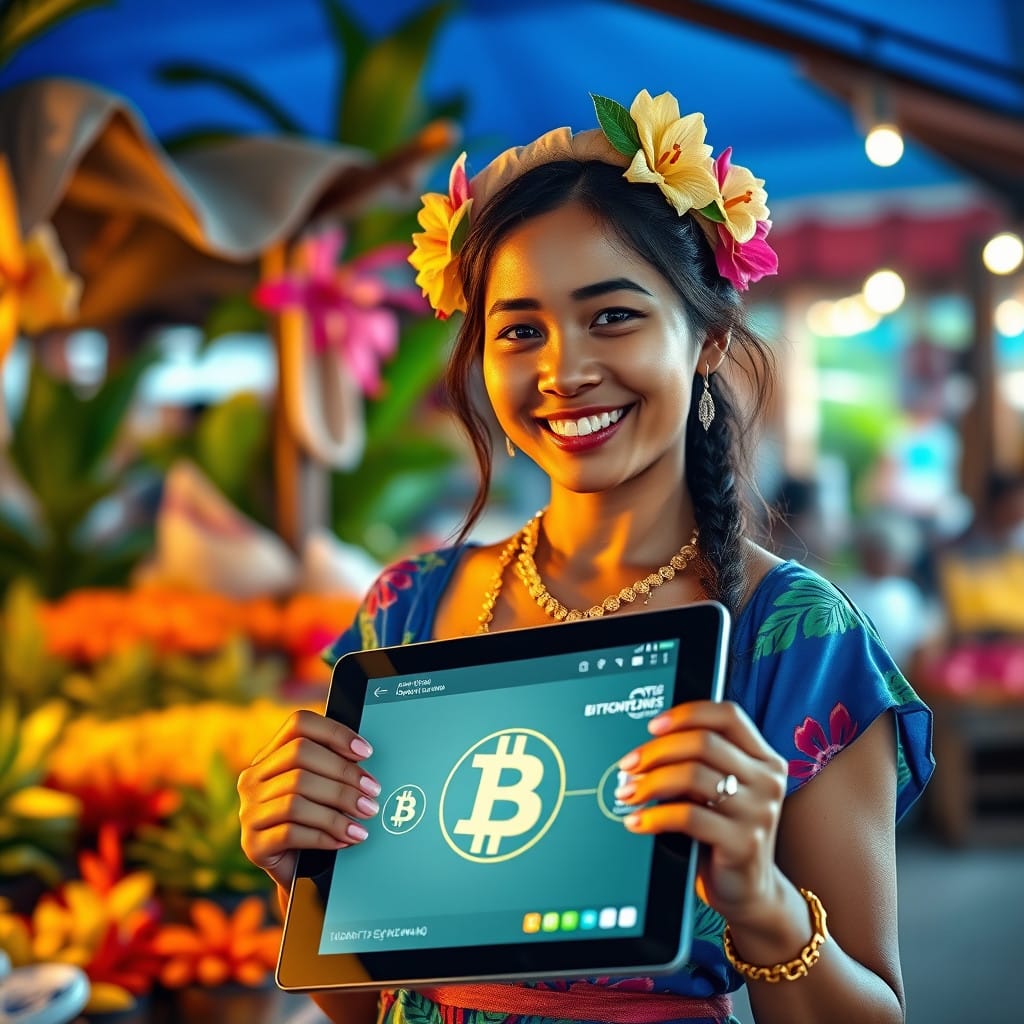 The decentralized nature of Bitcoin offers something revolutionary – financial inclusion without gatekeepers.
193. Radically Democratic Business and Finance
 Inequality and environmental degradation are inherent features of the status quo. The private sector, especially finance, is badly in need of democratization.
194. Should Snapchat Copy Instagram's Timeline?
 Snapchat success came in the era, where any successful social media company would be acquired by Facebook. It not only avoided the acquisition but thrived on its own terms, garnered a significant audience and has become a major participant in the cultural machine.
195. Cryptocurrencies Promote Secure Decentralization or Support Cyber Piracy: the Truth
 The odd symbiosis between hacking syndicates and cryptocurrency, and how they're powering each other's rise.
196. Why is Bitcoin so Volatile?
 Here are three reasons why Bitcoin is so volatile.
197. An Inquiry into the Nature and Causes of the Wealth of Nations: Book V, Chapter II - Part I
 Small republics have sometimes derived a considerable revenue from the profit of mercantile projects.
198. NFTs Are Playthings of the Rich, not Democratizing Art
 NFTs only make sense if you see them as playthings for the wealthy.
199. "Free Market will Adopt the Best Form of Money, and Bitcoin Checks all the Boxes" - Carl Runefelt
 In a bid to help crypto enthusiasts with more insight and information, I reached out to Carl Runefelt, a crypto influencer, for his opinion and expert insights.
200. An Intro to Payment for Order Flow vs. Best Execution
 Payment for Order Flow and Best Execution are two distinct concepts in the world of finance. Understanding their differences is vital for investors.
201. Some Stray Thoughts On The Long Term Winner in Crypto-Assets
 Today we are going to discuss how the long term survivability of a prospective crypto asset is the single best indicator of its investment quality. We will also consider capital’s role in this model and why this is the best approach to investing in a crypto asset.
202. How Podcast Players Generate Revenue [General Overview]
 The podcast industry is growing. The more growth, the more money will go into the industry. Podcast players make money from consumers and businesses through several methods.
203. Subprime 2.0 – Is 2008 is back?
 CIA Supervisor:
204. An Inquiry into the Nature and Causes of the Wealth of Nations: Book I, Chapter VIII
 The produce of labour constitutes the natural recompence or wages of labour.
205. The Economics of Social Money: Digital Communities in the Next Decade
 Money is a social tool to achieve cooperation among a group of people. Through history, the form of money has evolved from collectibles to coinage to currency issued by fiat. Money often reflects the values or politics of the communities that issue and use them.
206. An Inquiry into the Nature and Causes of the Wealth of Nations: Book II - Chapter I
 When the stock which a man possesses is no more than sufficient to maintain him for a few days or a few weeks, he seldom thinks of deriving any revenue from it.
207. The State: A Fortress of Gatekeepers Crushing Innovation
 The state of gatekeepers is killing progress and creating mindless jobs.
208. 15 Bitcoin Insights Spock Would've Shared
 Born in 2230, 90 years after the last Bitcoin was issued, Spock also had the mindset of a Bitcoiner. Proof in 16 quotes.
209. The Nash Equilibrium of a Fair Economy: A Non-Cooperative Game Theory Perspective
 This article demonstrates a fundamental result in economic theory: that a free and fair economy always has a pure strategy Nash equilibrium.
210. "We Are Rich Because We Are Free." - How Society Creates Entrepreneurs
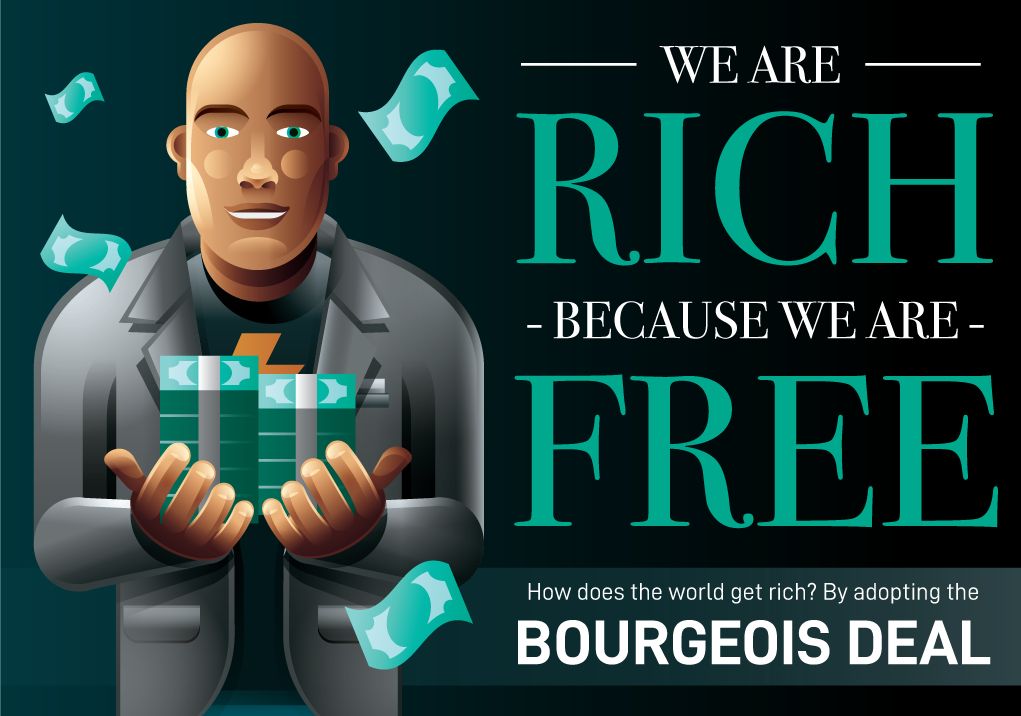 An economic perspective on how society allows a social contract to build entrepreneurs.
211. Woe to Those Who Hang Their Financial Fate on “Macro”
 It’s nice to have clarity about the “macro,” but it’s not necessarily the best investment strategy.
212. CBDCs Hold Promise and Peril in Global Finance Overhaul, Study Finds
 Explore the economic, social, and environmental impacts of CBDCs, from financial inclusion to privacy, regulation, and sustainability.
213. The Noonification: Employee Resentment and the Power It Holds (5/4/2023)
5/4/2023: Top 5 stories on the Hackernoon homepage!
214. How Digital Securities Could Empower The Little Guy
 A security is a traditional financial instrument, such as equity, debt, or real assets. It represents ownership in (or the rights to ownership in) the aforementioned categories. Securities are also typically exclusive, rather than inclusive, because the process of buying and trading something like equity or debt is slow and expensive.
215. Why We Should Opt Out of the Attention Economy
 The Value of Attention - why your attention is so valuable and why you're selling it too cheaply
216. 58 Stories To Learn About Inflation
 Learn everything you need to know about Inflation via these 58 free HackerNoon stories.
217. An Inquiry into the Nature and Causes of the Wealth of Nations: Book IV, Chapter V
 Bounties upon exportation are, in Great Britain, frequently petitioned for, and sometimes granted, to the produce of particular branches of domestic industry.
218. What Can Software Engineers Learn from Public Policy Professionals?

219. An In-Depth Look at Coronavirus, Bitcoin, & the 2008 Housing Bubble
 What do a McMansion buying spree, a pandemic, and a cryptocurrency have in common? It may be surprising but these three things have a lot of stuff in common
220. Designing Economic Intelligence: Econometrics-First Approaches in Data Science
 Economic intelligence is embedding a structured way of reasoning into decision systems.
221. An Inquiry into the Nature and Causes of the Wealth of Nations: Book IV, Chapter VIII
 Though the encouragement of exportation, and the discouragement of importation.
222. The Economic Consequences of the Peace: Chapter II - Europe before the War
 The Economic Consequences of the Peace, Chapter II: Europe before the War by John Maynard Keynes is part of HackerNoon’s Book Blog Post series.
223. When Prices Rise and Products Shrink: How Inflation Alters Consumer Preferences
 Explore how inflation and shrinkflation are reshaping consumer shopping preferences. Learn how increased prices and reduced product sizes impact consumers.
224. Not All The Companies Are The Same

225. Bad Gurl
226. Quantifying the Right-Context Boundary of Authority in Language Models
 Explores how right-context tokens flip authority judgments in AI models, revealing hidden retrocausal attention shaping obedience and power.
227. An SVB Thread: Why the FDIC Needs to Temporarily Guarantee All Deposits
 Sam Altman details why the FDIC needs to temporarily guarantee all deposits.
228. Everything You Need to Know About This Year's World Economic Forum
 Mario Nawfal goes over the World Economic Forum.
229. Data Rules: Exploring the Interplay Between Data, Economy, and Society in the Digital Age
 “Data Rules” is a book about the relationship of data with economic institutions and society, but also about the interplay with data technologies
230. Digital Euro (CBDCs): Closer To Reality Than You Think
 The ECB (European Central Bank) has published a report stating
the digital euro is getting closer to be launched. It gives an overview of a
possible roadmap for implementing the digital euro as well as the advantages and disadvantages of a digital currency in the euro zone.
The ECB (European Central Bank) has published a report stating
the digital euro is getting closer to be launched. It gives an overview of a
possible roadmap for implementing the digital euro as well as the advantages and disadvantages of a digital currency in the euro zone.
231. The Debt-Ridden Superpower: What Is It?
 The US gov must roll 🥐$9t over by the end of 2026 - a lot of that was in short to medium term maturities - 2, 3, and 5-year treasuries.
232. Bifurcation Analysis of the Keynesian Cross Model: Abstract and Introduction
 This study investigates the Keynesian cross model of a national economy with a focus on the relationship between government spending and economic equilibrium.
233. These Religious Institutions Are Worth Billions
 Aleksandr Volodarsky details religious institutes that are worth billions.
234. Solving the Problem in America's Current Economy
 In 1930, John Maynard Keynes wrote a short, seven-page essay titled Economic Possibilities for our Grandchildren.
235. The Monotonicity Theorem: How a Simple Condition Guarantees Equilibrium Uniqueness and Efficiency
 Further demonstrating that if the economy is strictly monotonic, the equilibrium is Pareto-efficient and also unique
236. The Economics of Social Money: Digital Communities in the Next Decade
Money is a social tool to achieve cooperation among a group of people. Through history, the form of money has evolved from collectibles to coinage to currency issued by fiat. Money often reflects the values or politics of the communities that issue and use them.
237. How Digital Democracy Empowers Today's Creators Economy
 As technology advances and becomes more accessible to the masses, it must be used to get voices heard while improving governance.
238. From Theory to Formalization: Defining a Free and Fair Economy with Key Axioms
 This article provides the formal definitions for a free and fair economy, breaking down the key principles of market justice.
239. The Economic Consequences of the Peace: Chapter VI - Europe after the Treaty
 The Economic Consequences of the Peace Chapter VI: Europe after the Treaty by John Maynard Keynes is part of HackerNoon’s Book Blog Post series.
240. Beyond Cycles of Deviation: How Fair Principles Ensure a Stable Nash Equilibrium
 Demonstrating that the principles of market justice eliminate cycles of deviation and arguing that economies violating these principles
241. The Infinite Jackpot No One Ever Pays For
 The St. Petersburg Paradox is a 300-year-old riddle that continues to punch holes in economic theory and how modern AI systems are taught to think.
242. Australian Share Market Today all Ordinaries
 Some of you must have a range of indices being published on the bulletin and newspapers to help investors in making decisions. While some still cannot wrap their heads around the strange list of numbers that are being read on TV. Whatever the category of people you belong, it is important to understand what it is, how it works and how vital it is for your investment and management decisions. Thus, Ezzat Daniel Nesseim is here to walk you through what the Australian share market All ordinaries is all about. Read on!
243. Following $100M+ in Crypto Donations, Ukraine President Zelenskyy Signs Virtual Assets Law
 On Wednesday, March 16, President Of Ukraine Volodymyr Zelenskyy signed a law in Ukraine on virtual assets, after a large number of donations through crypto.
244. Bifurcation Analysis of the Keynesian Cross Model: Method and G is constant
 This study investigates the Keynesian cross model of a national economy with a focus on the relationship between government spending and economic equilibrium.
245. Crypto Adoption in Nigeria: Implications of a Stronger Naira for Economic Growth
 Nigeria is a top country for cryptocurrencies with a high percentage of young investors. A stronger naira could increase crypto adoption and spread to Africa.
246. How Progress Ends - A Review: Revisiting Innovation, Institutions, and Everything in Between
 A critical review of Carl Benedikt Frey’s How Progress Ends, exploring innovation cycles, centralization, and the politics of progress.
247. Hacking Against Inflation Through Real Estate [Infographic]
 A look at how to hedge against inflation by investing in real estate.
248. How Manufacturers Can Use Real-Time Data to Form Contingency Plans During Pandemics
 The global outbreak of the latest Coronavirus (COVID-19) at the beginning of this year caught many businesses and governments off guard. The global pandemic which to date has claimed the lives of over 347,106 people globally had brought businesses to a complete halt.
249. The Economic Consequences of the Peace - Table of Links
 The Economic Consequences of the Peace, by John Maynard Keynes is part of HackerNoon’s Book Blog Post series. The table of Links for this book can be found here.
250. An Inquiry into the Nature and Causes of the Wealth of Nations: Book IV, Chapter IX
 If the rod be bent too much one way, says the proverb, in order to make it straight, you must bend it as much the other.
251. Everything You Need to Know About the Silicon Valley Bank/FDIC Issue
 Domalewski breaks down the Silicon Valley Bank/FDIC Issue.
252. The Economic Consequences of the Peace: Chapter III - The Conference
 The Economic Consequences of the Peace Chapter III: The Conference by John Maynard Keynes is part of HackerNoon’s Book Blog Post series.
253. Blunt Economics: The Death of Growth - Part I
 During the 2007 crisis, I was 15 years old, obviously too young, to understand what's happening. My father was upset. He tried to explain to me that it's the crisis that has come, and we will have to cut expenses and save.
254. Why We Should Pay for Payroll Taxes via a Transaction Tax on Stocks and Tariffs on Imports
 Payroll taxes are in the news. President Donald Trump said he wanted to defer the collection of employee portion of the Social Security portion of the payroll tax in order to provide pandemic-related economic relief to workers. The Congress didn’t agree, so he issued an executive order to do just that on August 13. Much is unclear about how his order is supposed to work, and there are questions about whether it is legal.
255. A Quick Crash Course on Crypto Economics
 Economic inequality is on the rise around the world. But the growth of crypto economy will be a major reset to wealth distribution.
256. An Inquiry into the Nature and Causes of the Wealth of Nations: Book V, Chapter II - Part II
 Civil government supposes a certain subordination.
257. Bitcoin As Legal Tender is Just The First Step For El Salvador To Foster Economic Development
 What steps should El Salvador take to further bitcoinization and foster its economic development. Saylor and Tudor Jones: start lobbying for Bitcoin
258. 8 Unsolved Carbon Markets' Problems That Engineers Need To Get Behind And Solve
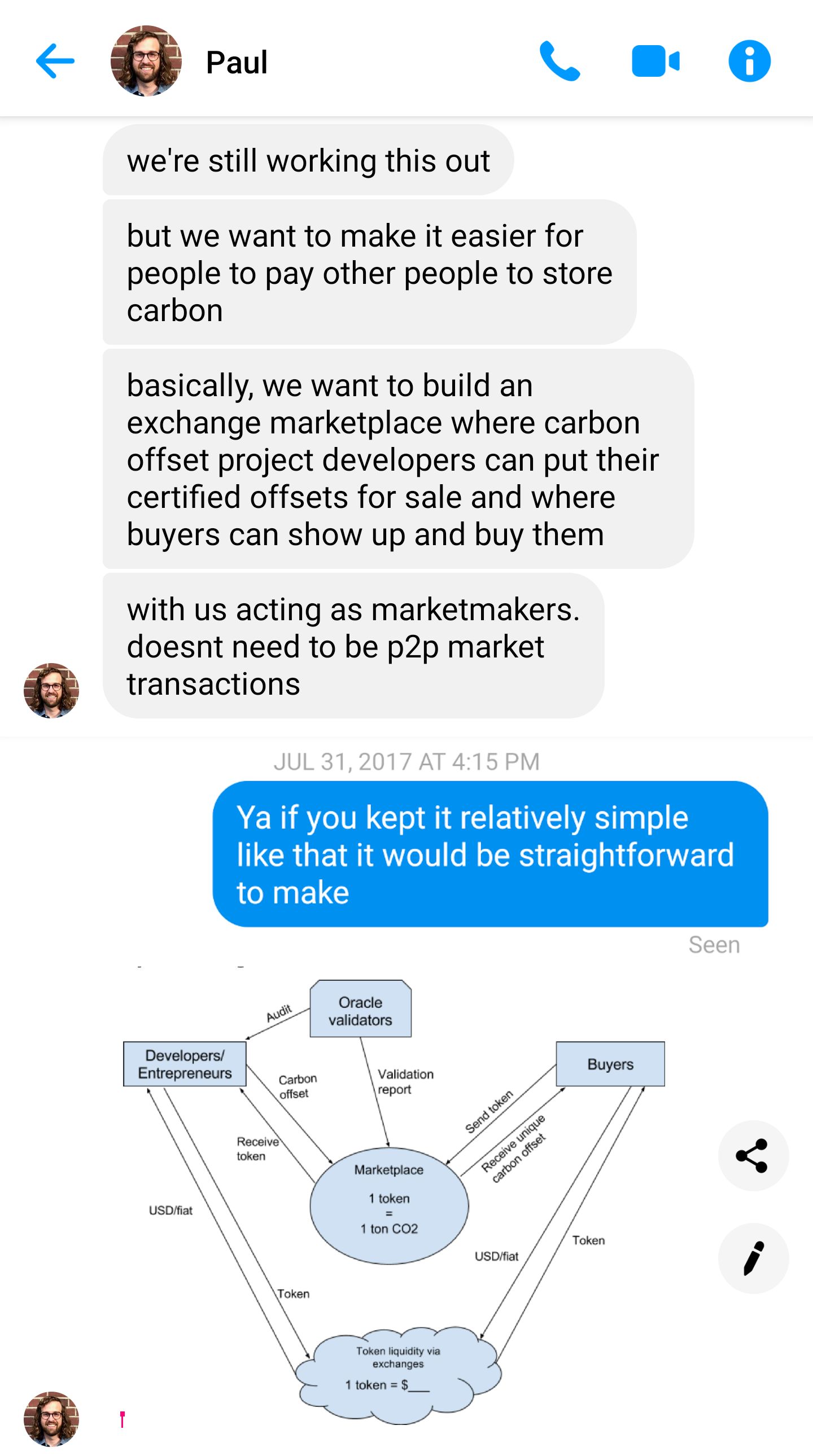 I think about this conversation I had with Paul a lot. It kicked off what has now been over three years of imaginative, grueling, wonderful, painful, mind-blowing, and confounding work-- all of which took place alongside the minds of amazing co-founders, teammates, and advisors.
259. The Economics of Self-Isolation: A Game-Theoretic Analysis of Contagion in a Free Economy
 Exploring how the costs of a pandemic can lead to a self-enforcing lockdown in a networked economy, analyzing the resulting changes in network structure
260. An Inquiry into the Nature and Causes of the Wealth of Nations: Book IV, Chapter VII - Part III
 Such are the advantages which the colonies of America have derived from the policy of Europe.
261. Bitcoin As Tokenized Oil. The rise of the PetroBitcoin?
 (An analysis of bitcoin strategies for oil rich and sanctioned countries)
262. Bifurcation Analysis of the Keynesian Cross Model: Conclusion and References
 This study investigates the Keynesian cross model of a national economy with a focus on the relationship between government spending and economic equilibrium.
263. 3 Micro Steps You Can Take Towards a More Politically Woke 2020

264. An Inquiry into the Nature and Causes of the Wealth of Nations: Book II - Chapter II
 Money, therefore, is the only part of the circulating capital of a society, of which the maintenance can occasion any diminution in their neat revenue.
265. Market Justice vs. Egalitarianism: The Role of the Alpha Parameter in Economic Equilibrium
 This article explores the existence and efficiency of a self-enforcing Nash equilibrium in a free economy that incorporates social justice.
266. How Balance Sheet Reduction will Potentially Impact Crypto Markets
 The essential thing to consider is the rate of change in the money supply, the first derivative of the money supply
267. What Can Make DisCOs Grow
 What needs to happen for DisCOs to grow and flourish across the economy?
268. The Crypto Reformer: Meet Hacker Noon's Contributor Chitose Nakamoto
 Chitose Nakamoto speaks about the Digital Universal Drachma, writing, philosophy, and society.
269. The Economic Consequences of the Peace: Chapter V - Reparation
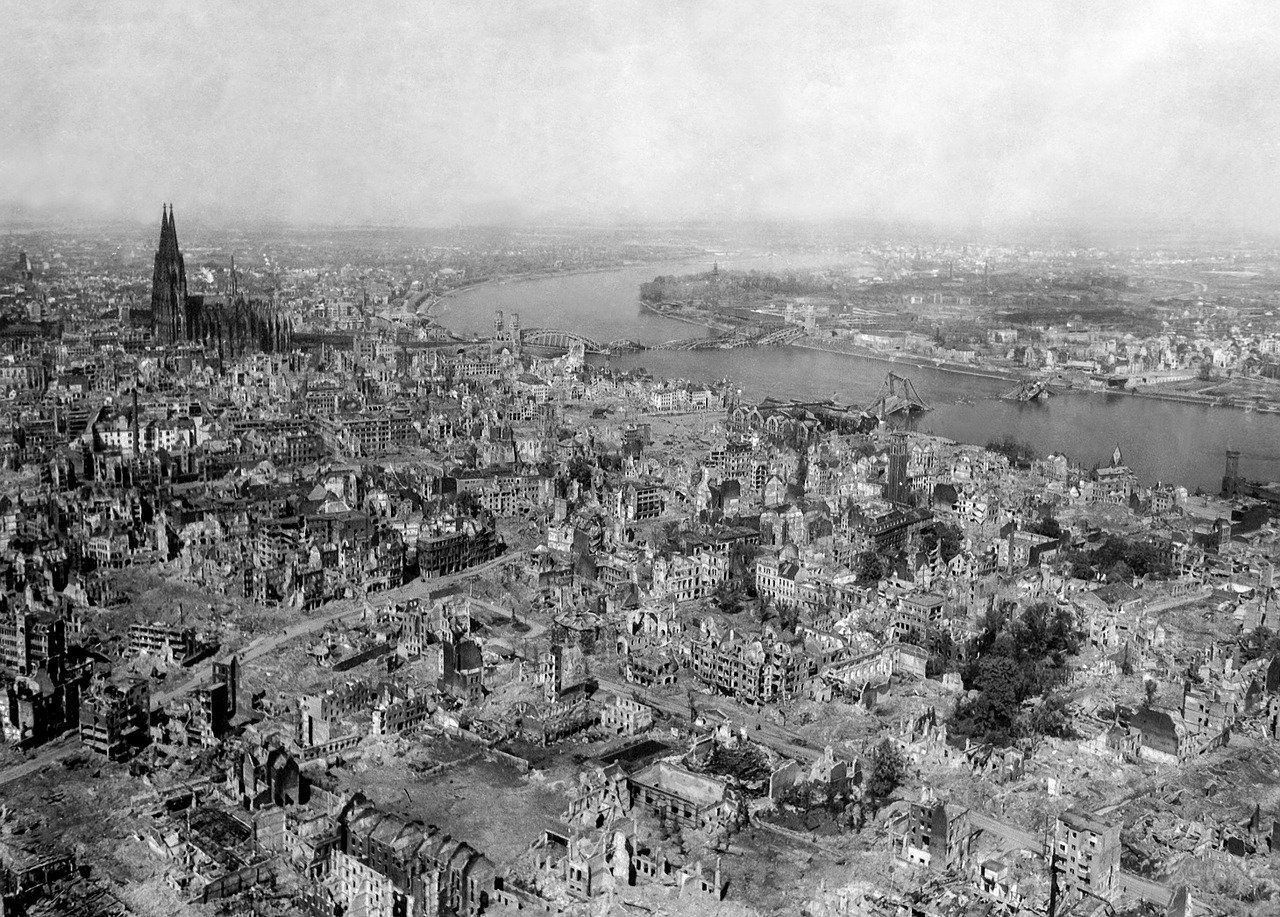 The Economic Consequences of the Peace Chapter V - Reparation by John Maynard Keynes is part of HackerNoon’s Book Blog Post series.
270. Social Justice in Economics: A New Framework for a Free Economy with Inclusion
 This article explores a new model for a free economy that integrates social justice and inclusion with traditional principles of market justice.
271. An Inquiry into the Nature and Causes of the Wealth of Nations: Book I, Chapter X
 Every man’s interest would prompt him to seek the advantageous, and to shun the disadvantageous employment.
272. An Inquiry into the Nature and Causes of the Wealth of Nations: Book III - Chapter III
 The inhabitants of cities and towns were, after the fall of the Roman empire, not more favoured than those of the country.
273. Sideways Crypto Trading Persists Amid US Economy Scrutiny
 The security of the DeFi ecosystem has once again come into question following the exploit of Curve Finance.
274. Dollar: A Dominant and a Surprising Currency
275. Adrien Book's Neighbors Sound Like a Pain in the A*s; Dreams < Riches?
 9x Noonie Nominee Adrien Book (France) helps big companies with strategic stuff, and is currently learning Russian, while optimizing a fairly complicated sleep cycle. Read on!
276. The Economic Consequences of the Peace: Chapter IV- The Treaty
 The Economic Consequences of the Peace Chapter IV: The Treatyby John Maynard Keynes is part of HackerNoon’s Book Blog Post series.
277. How the Rapid Demise of Entry-Level Cars has Increased Average Prices
 Why are manufacturers pushing entry-level cars out of production? Read and find out the reason why average car prices are rising.
278. An Inquiry into the Nature and Causes of the Wealth of Nations: Book II - Chapter V
 No equal capital puts into motion a greater quantity of productive labour than that of the farmer.
279. Is an All-Capable AI Self-Defeating?
 It isn't in the interests of corporations to let AI evolve unchecked.
280. An Inquiry into the Nature and Causes of the Wealth of Nations: Book V, Chapter I - Part III
 The third and last duty of the sovereign or commonwealth, is that of erecting and maintaining those public institutions and those public works.
281. An Inquiry into the Nature and Causes of the Wealth of Nations: Book I, Chapter XI
 The rent of land, it may be thought, is frequently no more than a reasonable profit or interest for the stock laid out by the landlord upon its improvement.
282. A Quick Crash Course on Crypto Economics
Economic inequality is on the rise around the world. But the growth of crypto economy will be a major reset to wealth distribution.
Thank you for checking out the 282 most read blog posts about Economics on HackerNoon.
Visit the /Learn Repo to find the most read blog posts about any technology.