
Let's learn about Engineering Management via these 261 free blog posts. They are ordered by HackerNoon reader engagement data. Visit the Learn Repo or LearnRepo.com to find the most read blog posts about any technology.
Engineering management is the discipline of combining engineering skills with management principles to lead technical teams and projects. It is vital for bridging the gap between technical execution and business objectives, ensuring the efficient delivery of innovative solutions.
1. 🚀 Boost Your Productivity as a Software Engineer 🚀
 Unique tips & tricks on boosting your productivity as a Software Engineer.
2. Engineering Levels Ladder Explained
 Ockam is sharing their engineer ladder in an effort to provide transparency and help junior engineers understand their potential career path.
3. Why Large Tech Corporations are Obsessed With Creating Proprietary Solutions
 Based on my own experience, I know what motivations and development paths lead to the emergence of in-house tools.
4. Optimizing Resource Allocation: Project Management Strategies for Backend Team Leads
 Strategies for optimizing resource allocation in backend teams, ensuring project efficiency and success from a backend leader.
5. How To Use Guilds For Better Knowledge Transfer Between Engineers
 Hello, Hacker Noon people! Technology guilds are a popular but still fresh way of implementing communities of practices in companies. Still, there are many questions, especially related to guild responsibilities and organization. Together with Andrew Kozin, I've prepared this post for you as a summary of our personal experience and understanding of the role of a technology guild nowadays.
6. 7 Rules to Track Software Engineering Metrics Correctly
 How to Use - and NOT Abuse - Software Engineering Metrics
7. How Google’s Python Code Style Guide Can Help You Speed Your Engineering Team
 Creating a consistent style guide for your codebase can help your team be more consistent and productive. Here's how Google's Python Code Style Guide looks like
8. Surviving a Skyfall: A Lead Engineer’s True Story
 A story of an impossible situation and the light at the end of the tunnel.
9. How to Make Software Engineers Do the 'Right Thing'
 Software Engineers have many competing priorities; how to build a culture with a stable product and green CI build is the first of these priorities.
10. Why I Left Engineering Management and Moved Back to Individual Contribution
 Thinking of transitioning away from Engineering Manager to Individual Contributor? That is exactly what I did! Let me tell you a little bit about it.
11. Engineering Leadership versus Engineering Management: What's The Difference?
 It has become a constant temptation to praise engineering leaders and undervalue engineering managers, but maybe we shouldn’t be focusing on their differences but on correctly understanding their roles.
12. How to Test Terraform the Right Way
 In this blog post, you'll learn about why you should be testing IaC and the best platforms to get started with.
13. 6 Great AI Tools Lead Engineers Need Their Teams to Adopt
 This year, 30% of engineering leaders have figured out how to turn AI into a substantial competitive advantage. Have you?
14. What Makes You a Great Programmer on The Team?
 Majority of software developers are aspired to be not only a competent professional but also a great one.
15. Looking to Becoming a Great Manager? Try These Six Microhabits
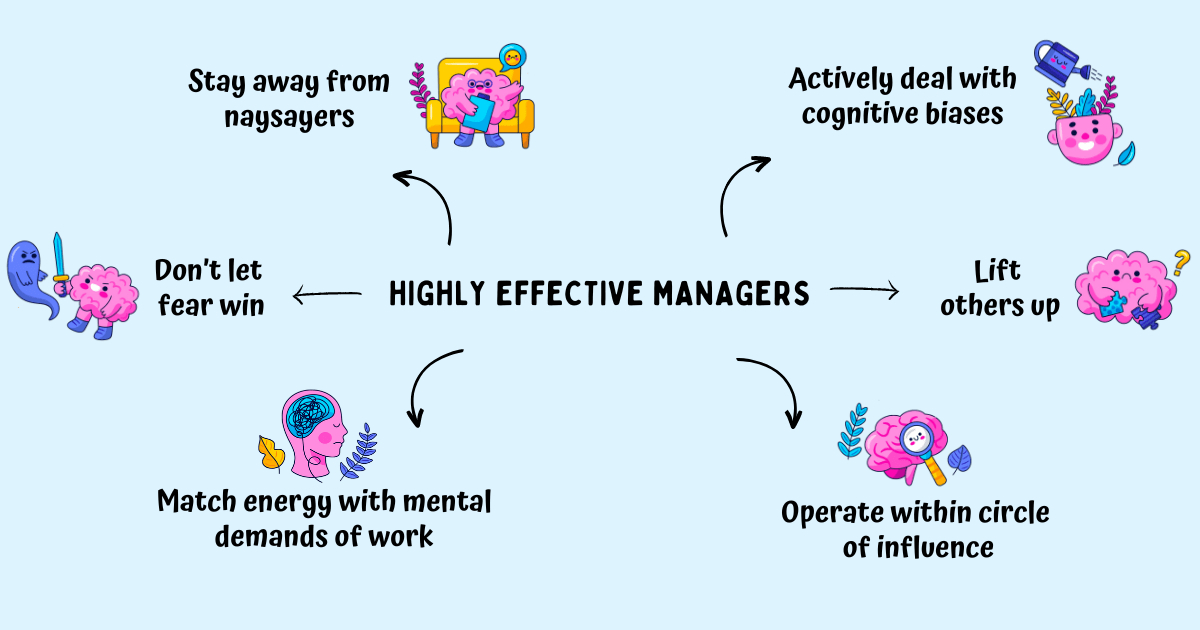 What can cause managers to play safe—pass on great opportunities, refuse to take risks and do the work they’ve always done before?
16. 3 Software Ownership Models and Joint Care for Dev Teams
 In traditional software operations, software would be "thrown over the fence" to operations teams. Technical operations teams would be aided in operating a service using Standard Operating Procedures (SOPs).
17. The Ultimate Guide to DORA Metrics
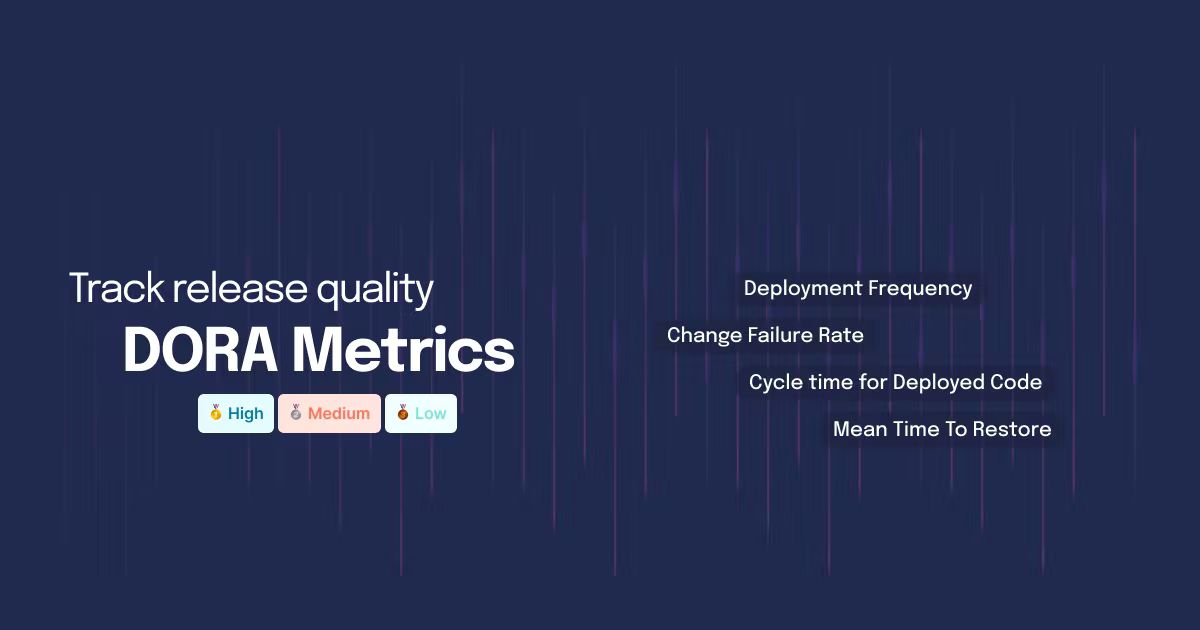 What are DORA metrics and how can engineering teams use these metrics to identify high and low-performing dev teams?
18. Top 10 Software Engineering Metrics To Track If You Lead An Agile Team
 Every conversation I have with CTOs, Engineering Managers, and Tech Leaders eventually gets to the “Which Metrics Should We Measure?” discussion.
19. Subtle Culture Problems That Often Go Unnoticed
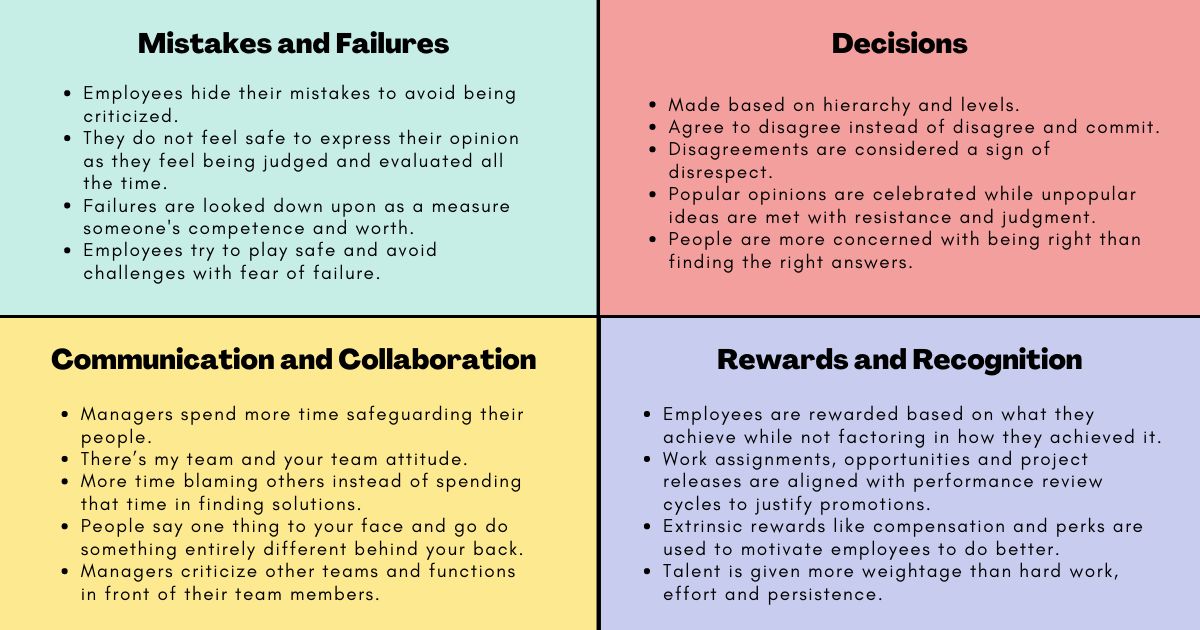 When Peter Drucker said in 2006 that “Culture eats strategy for breakfast,” he did not mean that strategy is not important. Rather an effective strategy is crucial to organizational success. A good strategy is the key to successfully implementing the vision. But a strategy by itself cannot push any organization to achieve tremendous growth and success. What gives life to that strategy are its people.
20. A Programmer's Guide to Crack 'Twice the Work, Half the Time' Code
 Modern methods of software measurement do not provide a strong base for continuous improvement. This article tries to fill this gap.
21. Why is Making Software so Difficult?
 We think of Software Development as a pursuit grounded in logic. From this perspective it can be shocking that software projects have high failure rates - 31% in 2014. And some projects fail to the tune of billions. How is this level of chaos possible in an apparently logical discipline?
22. What Differentiates a Junior, Mid-Level, and Senior Developer
 I often wondered about the difference between junior, mid-level, and senior developers, so I decided to write a short article about the topic.
23. Managing Remote Engineering Teams: How, Why, When
 Disconnect and poor communication are key challenges of managing a remote or hybrid development team. As a hybrid team, we share tips on effective management.
24. The Problem With Promotion-Obsessed Cultures
 The problems with promo-culture
25. The ROI of Git Analytics tools
 Software engineers create all those great platforms and tools for every other industry, and yet, engineering leaders struggle to understand the work of their engineering teams. They struggle to correlate engineering output to business value.
26. How a Clean Codebase Becomes Unmaintainable
 Let's figure out how the coding style increases and then degrades.
27. What Is Bottleneck in PC World
 In the last article, which you can read here, I was talking about which PC components are crucial for programmers. Basically, I listed all the components to worry about, but I’ve also said that you need to keep the Bottleneck in mind. Because, there’re a lot of people who don’t know what is a bottleneck, in this article, I’ll try to explain what that is.
28. Code Review Is Inherently Flawed. Here’s How to Fix It
 The classic code review process contains several severe flaws and should be redesigned. The story depicts how to do so.
29. True Engineering Enablement Starts with Onboarding
 Engineering enablement cannot start with the tools and the process; great enablement must start with the engineers. And your engineers start with onboarding.
30. A Dozen (or so) Learnings From 15 Years of Software Incident Management
 This article goes into 2 aspects of how to deal with software incidents: The practices that one needs to instill in their software platform and more.
31. How Do I Handle Ambiguity as a Leader?
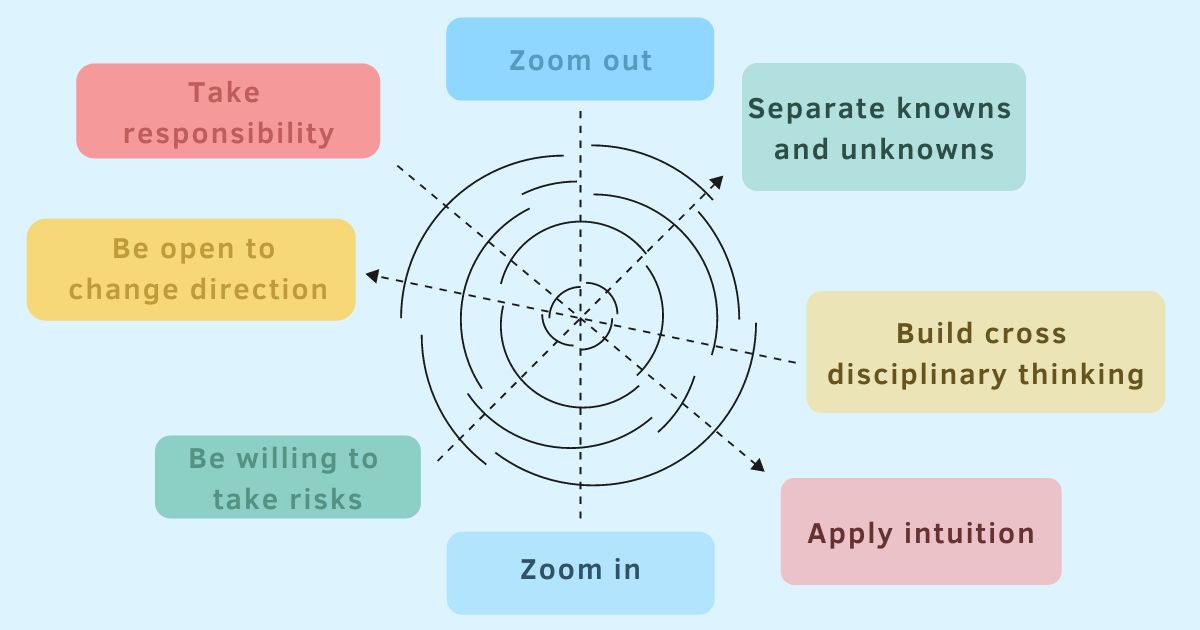 Organizations that thrive are run by leaders who see opportunity in uncertainty, who cut through ambiguity, and who lead with the mindset to gain clarity.
32. Solving the Last Mile Problem for Continuous Delivery
 This post is the fifth and final article in our Tactical Guide to a Shorter Cycle Time five-part series. Read the previous post here.
33. 447 Stories To Learn About Management
 Learn everything you need to know about Management via these 447 free HackerNoon stories.
34. How to Prevent Code Reviews from Becoming Bottlenecks to Shipping Out
 This post is the third article in our Tactical Guide to a Shorter Cycle Time five-part series. Read the previous post here.
35. The 9 Powerful Behaviors of Highly Effective Leaders That Sets Them Apart
 Effective leaders, though rare, are inspirational. They bring people together and enable them to collectively achieve great things together.
36. How Adaptability and Reliability Help Me Build Highly-Functional Teams
 During periods of market turbulence and high growth, core values provide a valuable grounding point for decision-making for engineering managers.
37. Here's How You Can Increase Your Team’s Execution Speed
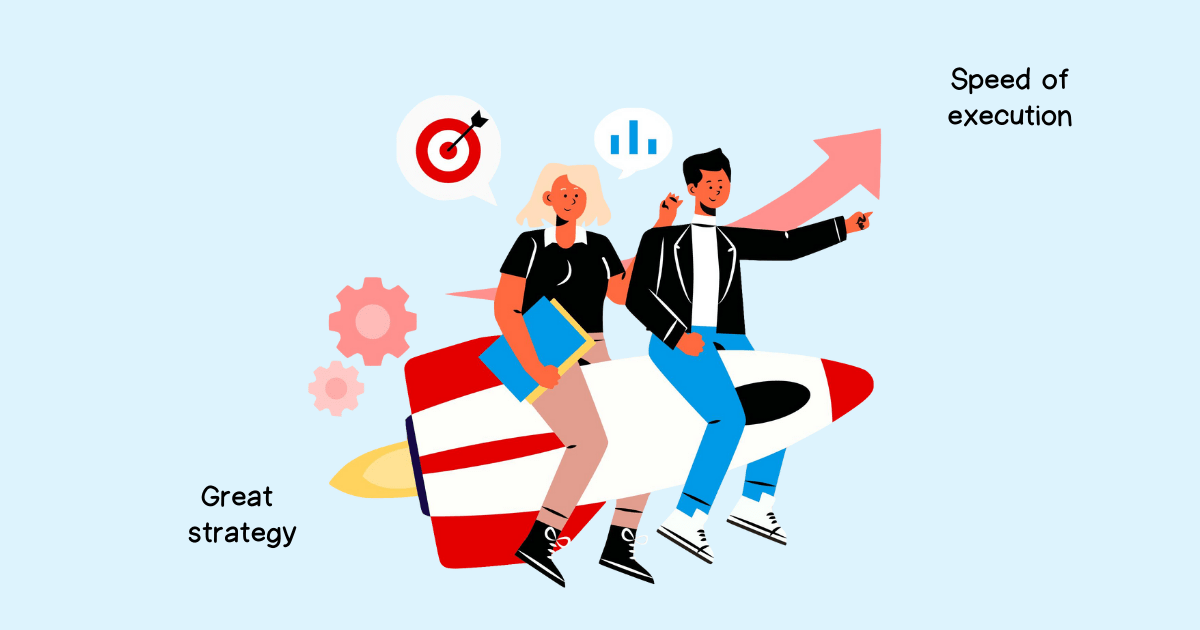 A good strategy needs an excellent team to execute, and managers who don’t pay attention to their team’s execution speed end up with a mediocre performance
38. What's the difference between Continuous Integration and Continuous Delivery?
 There is plenty of content out there describing what Continuous Integration, Continuous Delivery and Continuous Deployment are. But what are these processes for in the first place?
39. When Over-Engineering Is A Good Idea
 Learn when to over-engineer a project to ensure a successful rewrite and high velocity with the Jobs to Be Done framework and when not to do such a thing
40. Leave Scrum To Rugby - 4 Major Issues With Using Scrum
 Scrum is a buzzword, the virtue signal of choice for middle-management in software organizations.
41. Build Your Product Roadmap for 2020 Today With One of These Great Tools
 What is a Product Roadmap?
42. What Engineering Managers Need To Understand About Compensation
 A guide for engineering managers (and ICs) about the different types of compensation schemes as well as the advantages and disadvantages of those schemes.
43. Did You Know Developer Hunting is a Thing?
 Demand for developers leveled off, but it didn’t dip.
44. My Top Three Priorities as a Software Development Manager

45. The Importance of Building a Diverse, Well-Rounded Engineering Team
 Every individual has strengths and weaknesses; it’s easy as a hiring manager to hire people who display similar strengths as yourself. That’s because these strengths are easier to identify since you have experience and interest in said area and more confidence in your evaluation. However, people like you may also have similar blindspots. These blindspots, amplified on a group of people, will become much more detrimental. As a manager, I would want to reduce the number of weak areas on my team.
46. Hacking Quarterly Performance Reviews
 What ACTUALLY happens when your manager writes your quarterly performance review? Learn their tricks to get the promotion you deserve.
47. How to Properly Estimate Tasks So You Never Miss Another Deadline
 Will adding people or cutting scope help you reach your project deadline? Learn how planning and spreadsheets can help you find answers.
48. The Manager's Path by Camille Fournier [Book Review]
 A book review of ''The Manager's Path: A Guide for Tech Leaders Navigating Growth and Change'' by Camille Fournier. Find out whether the book is right for you.
49. Is The Daily Standup A Waste Of Time?
 Daily standups feel like a waste of time. I will teach you two new techniques the will make every minute count.
50. 5 Prompts to Help You Define Core Values at Your Early-Stage Startup
 The Tara founding team at San Jose HQ
51. In Brief: What You Should Expect from A Full-Stack Dev
 Hiring a full stack development company or developer reduces the need to hire too many resources in-house for product development. Broadly speaking, the software development process is divided into two parts:
52. When Trust Becomes the Core Problem of AI-Native Software Engineering
 AI-native systems don’t just ship faster, they drift silently. Learn how proof-oriented delivery makes trust measurable, auditable, and reliable.
53. Code Search is a superpower
 Before starting a new coding task, I find it’s usually worthwhile to spend at least a little time trying to find a related working example, especially when the task touches on unfamiliar libraries or concepts.
54. Enhancing Developer Productivity: 4 Approaches for CTOs
 I explain four strategic levers for CTOs and software engineering to improve developer productivity, ship faster and get better outcomes.
55. Creating a Strong Code Quality Culture in Your Organization
 Learn how to build a culture of code quality to improve maintainability, scalability, and efficiency, and stay ahead of the competition.
56. 7 Software Development Methodologies Loved by Enterprises in 2022
 Looking for Software Development Methodologies for your next project? Check out the updated list of some of the best methodologies with its pros and cons.
57. Software Quality: The Top 10 metrics to build confidence
 How do you measure quality in software engineering? I guess this is the question there will always be a debate on. There are so many approaches to this question that finding only one answer is just impossible. In this article, we will be listing the quality-related metrics that the top engineering teams have been keeping track of, and see when and how you should use them.
58. The OODA Loop Model: How Great Engineering Managers Identify and Respond to Challenges
 One of the many responsibilities of any great engineering leader or manager is that of making decisions. In terms of how to best do that, there are many decision-making models, including the OODA loop model.
59. Managing an Engineering Team: A Guide for Startups
 How to build a proactive and happy engineering team? What should you know to manage and lead the team of engineers more effectively? Here we’re going to share the startup guide with the helpful tips to make you a better manager and leader.
60. Code Isn't the Only Solution; and 8 Other Dev Lessons, 7 Years Later
 I'm working as a software developer for 7 years. You can read my background and how I got into the industry here. There are a few things I wish I learned earlier. Knowing these in advance would have made my job a lot easier. Some of this might sound pretty obvious, but not for me. If you're in the early stages of your career, doing a few of this will make you stand out.
61. Engineering Management: The Nine Challenges
 “I would describe an engineering manager as a Sergeant Major. They are very much part of the mission delivery team and manage a group of experts to perform specific tasks,” says David Ives, Engineering Manager at Pusher.
62. Why Your Team Needs to Add CM to Its CI/CD Pipeline
 Learn about Continuous Merge and how it should be added to your CI/CD pipeline.
63. How to Not Screw Up Your Product Strategy
 Engineers often complain about product strategy, but this post goes through why it is so hard and how to avoid common pitfalls.
64. Positive Behavioral Metrics: How to Identify, Implement and Share KPIs
 Data is critically important for organizational success. As IT professionals, you understand the benefits of establishing clear metrics to gain visibility into how your organization is driving value. The right metrics provide insights into what the organization needs to change and where it is winning.
65. How AI Is Quietly Reshaping the Software Development Lifecycle
 AI has accelerated software delivery, yet the SDLC remains outdated—still following decades-old steps: planning, requirements, development, testing, deployment.
66. How to Write Your Own User Manual: An Example to Get You Started
 I’ve been a huge fan of the personal README (or user manual) ever since I first heard of the concept.
67. Setting Up a Dedicated Distributed Team at a Fintech Startup [A How-To Guide]
 At the outset of its existence, a startup involves a limited number of people. Basically, it consists of cofounders, whose roles are rather tentative. Soon, however, if that startup succeeds, it requires other specialists for help—specialists whose qualifications are high enough that they can work efficiently in a startup-like atmosphere.
68. Here's How to Make Decisions Based on Reality and How to Avoid Jumping to Conclusions
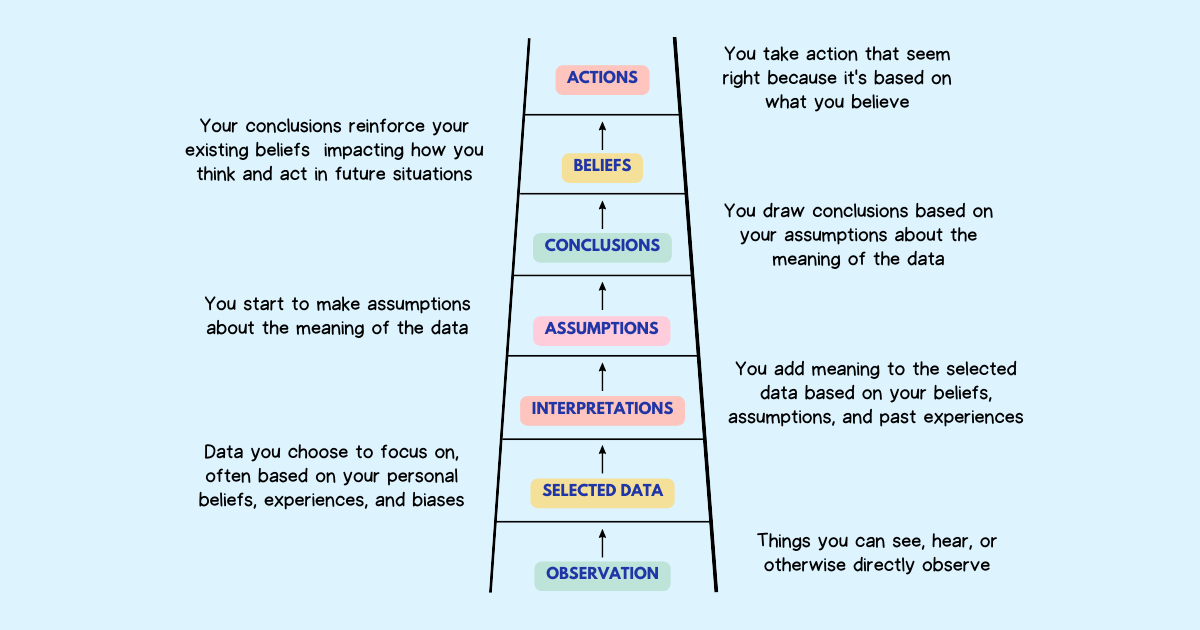 The ladder of inference is a powerful mental model that explains how we make these quick assessments or decisions.
69. Five Things I Would Have Done Differently

70. How to Make Your Team Miserable: 3 Anti-Patterns (not) to Follow
 Hold daily standups. Ideally, this will take an hour every day.
71. 327 Stories To Learn About Leadership
 Learn everything you need to know about Leadership via these 327 free HackerNoon stories.
72. "Being Glue" is Holding Women Back in Tech, but Documentation Can Help
 Internal documentation can help improve diversity and inclusion in the workplace.
73. How to Be a Terrible Engineering Manager
 One of the most common mistakes early managers make is to focus on being a "shit shield". Learn why this backfires, and what to do instead.
74. Level Up Your Team: Proven Methods for Developing Software Engineers and Driving Results
 High-performing teams proactively develop their engineers to address the team's skill gaps, using methods such as tutorials, mentorship and stretch assignments
75. How to Select Software Engineering Metrics and Set KPIs that Matter
 Software Engineering KPIs (Key Performance Indicators) are measurable values that indicate the progress of engineering teams’ performance towards business objectives. Therefore, they need to be consistent, broad enough to consider everyone’s effort, and, most importantly, measurable.
76. Are You Contributing to a Toxic Work Environment Without Realizing It?
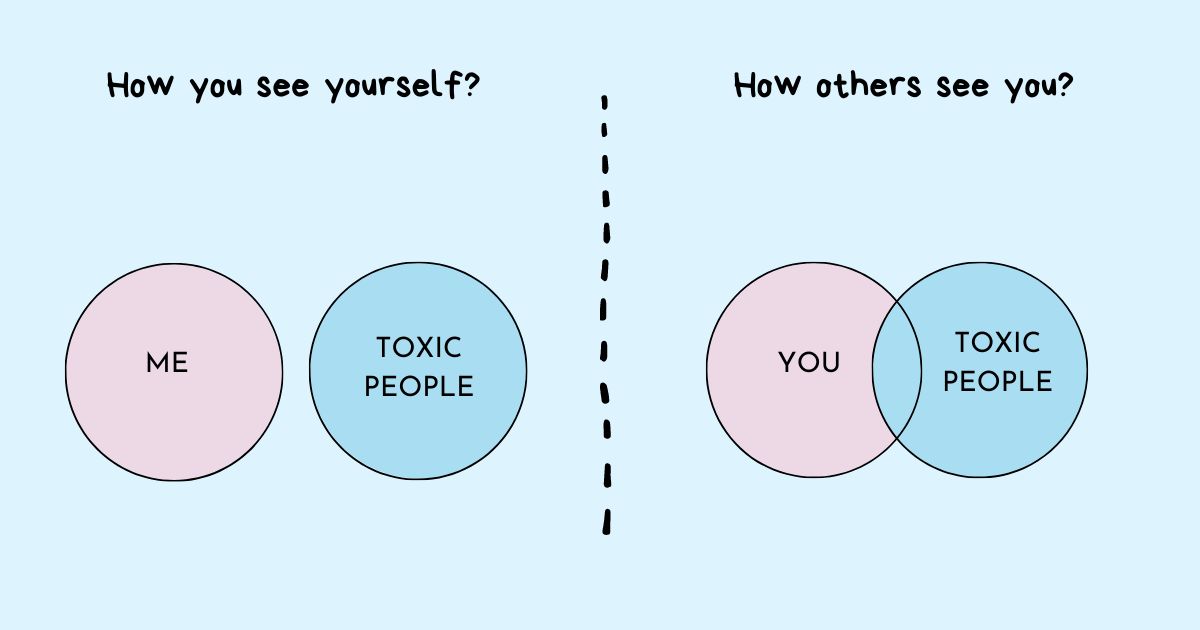 Some of the most toxic managers I have worked with had no clue they were contributing to a toxic work environment. Otherwise pleasant to talk to, these managers seemed to genuinely care about their people. However, what appeared on the outside was not in tune with what went inside their teams. Their good intentions didn’t always translate into the right action.
77. I Didn’t Learn Leadership in a Book — I Lived It
 An honest, personal reflection on leadership in software teams—covering trust, culture, remote work, and how real leadership starts by showing up.
78. Ted Lasso’s Leadership Lessons Made Me a Successful Leader
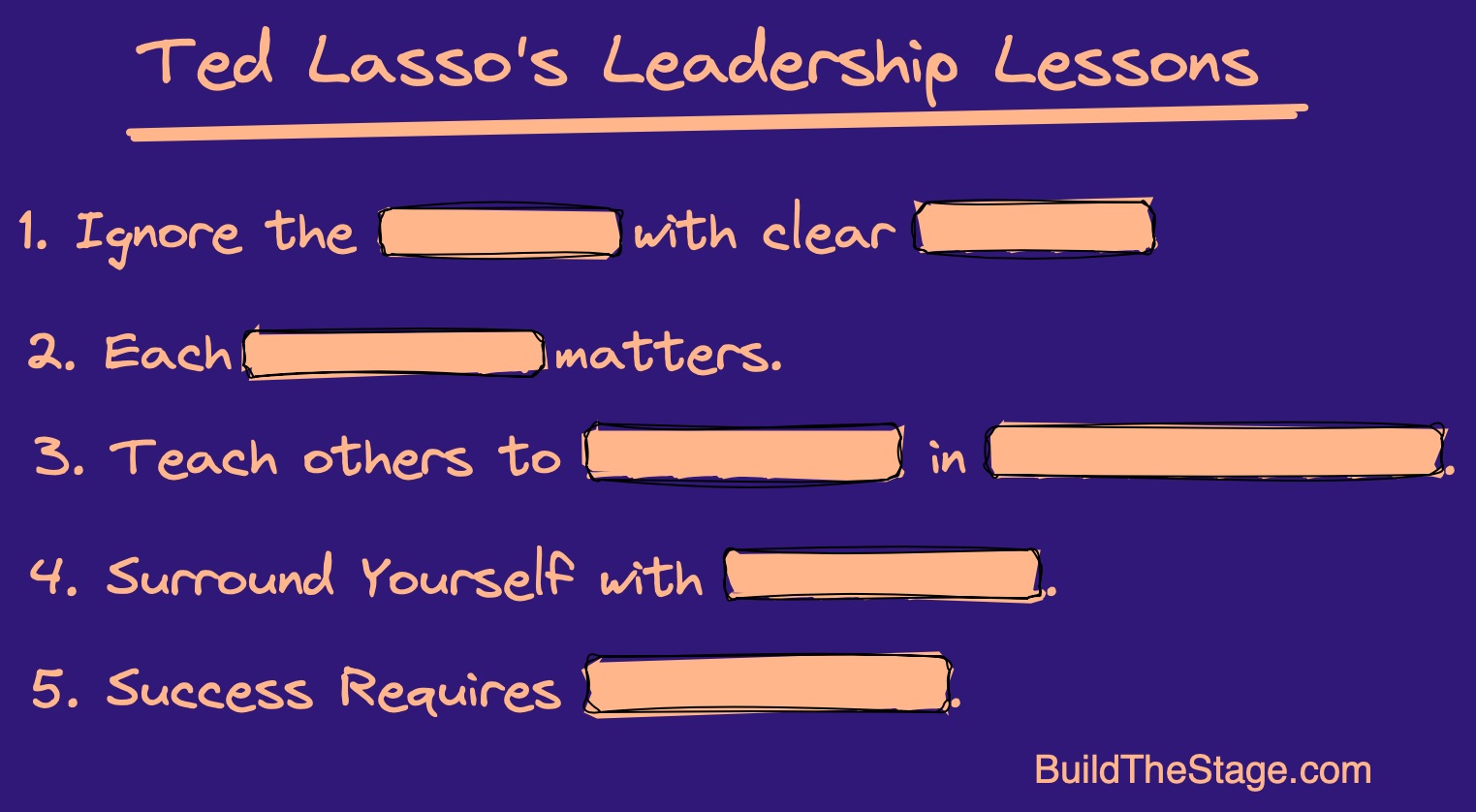 Ted Lasso's leadership style is rarely seen in media.
What traits can we learn from Ted to make us successful leaders?
79. From Mid-level Developer to Engineering Manager: A Story of Professional Growth
 Cheslav Novytskyi, Engineering Manager at Innovecs, shares his experience which may be useful for software developers in advancing their careers
80. What I've Learned in My First Year as a Software Engineering Team Lead
 Practical leadership tips for a tech lead of a software engineering team.
81. Increasing Engineering Efficiency with Software Development Analytics
 We’re right on the precipice of a reality that’s more agile than Agile — as we move from Agile development and a DevOps culture to autonomous development
82. The Limits of Spec-Driven Development
 Spec-Driven Development can't deliver the promise of production-ready code. Because it's expensive to maintain and doesn't have all context.
83. Engineering Management Trends in 2022
 Take a look at some of the most interesting findings of the 2022 State of Engineering Management report, and become a better engineering manager today!
84. 4 Core Principles of Pragmatic Engineering
 The following principles will save you time, money, energy, and increase the probability of your organization’s success.
85. Demystifying Culture - What Does Culture Really Mean?
 Annie is a software engineering leader on Square’s platform & infrastructure engineering organization. Prior to Square, she worked at a number of startups across a spectrum of industries from consumer products to enterprise solutions, as well as a wide variety of teams from sales to engineering.
86. Have You Hacked Level 4 of Career Conversations Yet?
 That's likely a question that you've never asked yourself, but as a manager, it's an important one. Career conversations are an important part of career development. We’re going to define 5 levels that will make it easier for you to have a better career conversation. Through self-reflection or 360 feedback, it should be relatively easy to know where you stand. You can then set the next highest level as a tangible goal to improve.
87. Product Managers Can Avoid Delays By Reducing Technical Debt
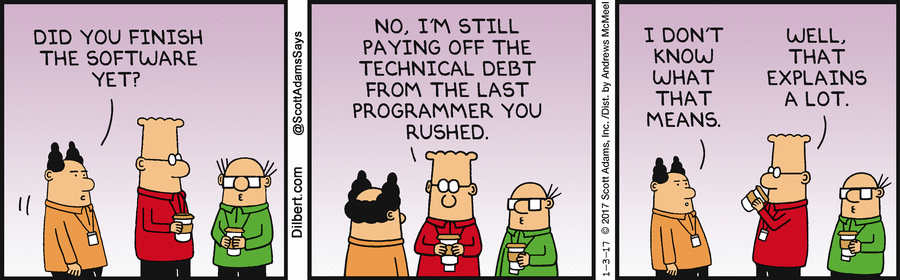 PMs are ideally placed to create a workplace culture around preventing and responding to technical debt. Here are 7 actionable strategies to help PMs.
88. Embracing Followership and Technical Fluency in Modern Leadership
 Effective leadership, within most engineering domains, hinges as much on technical fluency as it does on vision, empathy, and adaptability.
89. Boost and Maintain Your Team's Morale
 High morale in a team turns obstacles into opportunities, gives them the courage to stay resilient in the face of challenges.
90. Marketing 401 for Engineers: Stages of Going to Market
 Every product or company goes through a similar set of steps on the path to success. In previous posts, we’ve looked at different aspects of going to market — from launching to building and measuring a funnel to pricing — with some ideas about how to measure things and know when you’re off track. In this post, we’ll take a step back and walk through all the stages of GTM that you’ll typically experience.
91. DevOps vs. SRE: Which Career Direction is Right for You?
 When it comes to computer engineering, there are plenty of titles and the wide variety makes it more confusing than it needs to be. DevOps and SRE are two roles
92. Tech Debt Calculation: Velocity-Based Vs. Issue-Based Vs. Quality-Based Measurements Explained
 Technical debt clearly slows down new development - but that on its own doesn't mean that we should be fixing tech debt everywhere
93. 20 Trackable Metrics to Make Software Development Teams More Efficient
 Software development is a complicated process. Using specific KPIs in software development can make the procedure more manageable.
94. How to Prevent Code Reviews from Wasting Everyone’s Time
 This post is the fourth article in our Tactical Guide to a Shorter Cycle Time five-part series. Read the previous post here.
95. How Does Innovative Product Engineering Work?
 What does the hardware design look like? What are the most innovative product engineering approaches? How to build a product that will really stand out?
96. Top 3 Metrics For Engineering Team Performance
 What’s the overall performance of your engineering team? Let’s look at how we can improve your team’s performance.
97. Code Reviews And Why They Matter For Developers Performace
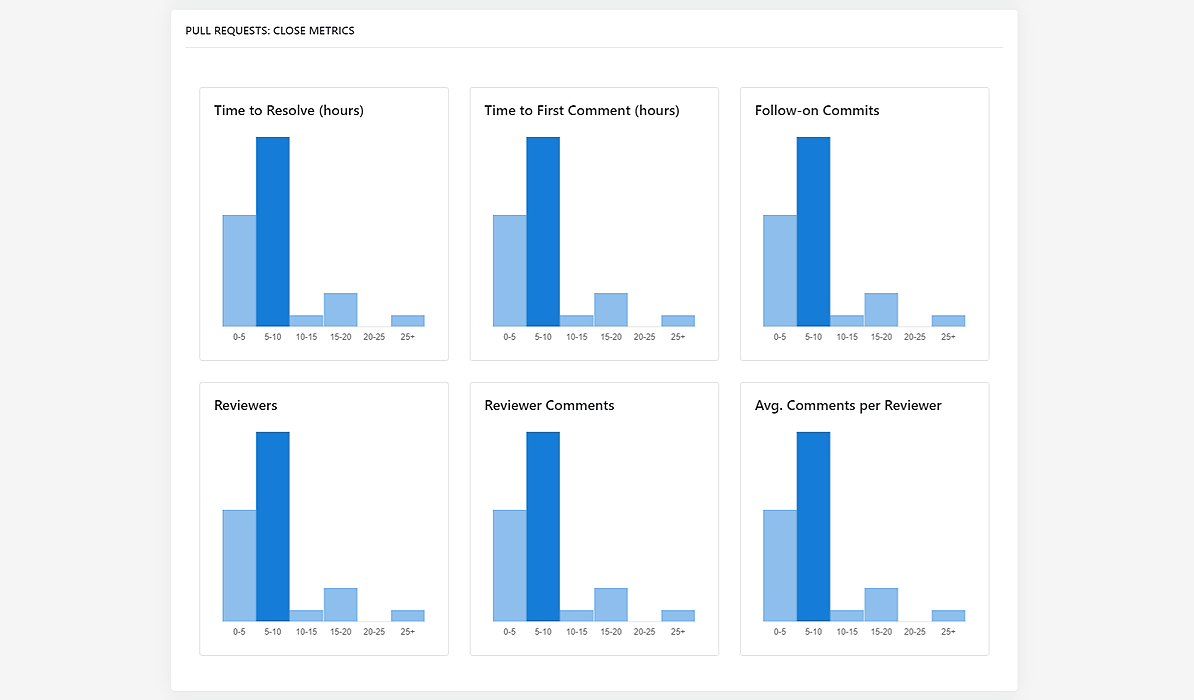 We used to think that the secret to getting better at anything was directly linked to the timed dedicated to practice (we’ve all heard about the 10, 000 hours that stand between us and achieving mastery in any field) but, as in turns out, it’s not how much we practice but also how we do it. According to psychologist Andres Ericsson, “deliberate practice” is what matters and makes a huge difference in achieving expert performance.
98. 4 Focus Areas for New Engineering Managers Who Give a D.A.M.N.
 Management is just doing The D.A.M.N job: providing Direction; fostering Alignment; maintaining Motivation, and making sure there's No Blockers.
99. Jargon Is Killing Your Leadership: You Should Be Doing This Instead
 Effective communication as an engineering leader is about striking the right balance between clarity and engagement.
100. How To Create an Engaging and Collaborative Delivery Team For Your Business
 Does your team feel its alignment with business where what it delivers solve business problems and achieve business desired outcome?
101. Verification and Configuration Management for Avionics Systems
 The performance of verification and configuration management is essential to the ARP4754A document and other avionics development documents. ARP4754A, officially titled Guidelines for Development of Civil Aircraft And Systems, is concerned with “the development of aircraft systems taking into account the overall aircraft operating environment and functions.”
102. Incident Management: Onboarding Tips and Tricks

103. 5 Skills Every Successful ML Engineer Should Have
 Uncover the five essential skills every successful machine learning engineer should have. Boost your ML engineering career with these invaluable insights.
104. How To Assess And Improve Your Software Engineering Team's Performance
 How do you measure how well your engineering team is doing and how do you find the bottlenecks where you can improve things the most?
105. 3 Book Recommendations For Tech Leads (And Those Aspiring To Be)
 Books are the best resource for sharing knowledge in a not-assisted way. They go deep into a topic, or more briefly over a bunch of them. Although, as a Software Engineer, I learned a lot from blog posts, tweets, and conference talks, it was books that prepared me for the Tech Lead role.
106. How to Not Suck as a New Engineering Manager in 2020
 Babe Ruth, one of the greatest baseball players of all time, once said:
107. Strategies to Improve Your Sprint Retrospectives with Data
 Most agile teams do sprint retrospectives at least once a month, to iterate and improve on their software development process and workflow. However, a lot of those same teams rely only on their feelings to “know” if they have actually improved. But you need an unbiased reference system if you want to compare how two sprints went.
108. 7 Years In Tech Leadership: What I've Learned
 Being a CTO can be hard and frustrating, but also fun and satisfying. During my time in the last seven years as CTO, R&D manager, and software architect both at Walla!NEWS, Careerpage, and Appwrite, I have collected some insights that helped me do my jobs and achieve my company’s goals. For a long time, I have thought about sharing my ideas, and in this post, I will try my best to give away some of those insights based on my personal experiences.
109. How I got into programming and my thoughts on its future
 Hey, I've been nominated for the Noonies 2022 and this is my interview to help you know more about me and how I worked to become an engineering manager
110. The Single Greatest Lever in Shortening Cycle Time
 This post is the second article in our Tactical Guide to a Shorter Cycle Time five-part series. Read the previous post here.
111. Translating Business Needs into Technical Solutions
 Learn how to navigate the complexities of translating business requirements into technical solutions.
[112. Our SaaS Contract Renewal Came In 18% Higher.
We Paid It. Then We Built the Exit Plan.](https://hackernoon.com/our-saas-contract-renewal-came-in-18percent-higher-we-paid-it-then-we-built-the-exit-plan)
 An 18% SaaS renewal forced an honest reckoning: vendors know your switching cost better than you do. Here's the math, the exit, and the lessons.
113. From Corporate Job to Solopreneurship — Insights From Running My Own Mentorship Business For a Year
 Achieving a €260,000 with My Central European Software Engineering Leadership Venture.
114. Leveraging AI to Enhance the Developer Experience (DX): A Guide
 Discover how AI can significantly enhance the Developer Experience (DX), boosting productivity and innovation.
115. Software Engineer Performance Review are a Paradox
 Performance reviews play a big role in the operation of the organization.
116. From Cost Center to Growth Engine: Architecting Internal API Platforms for Strategic Advantage
 Internal API platforms are becoming the operating system for modern enterprises. Learn how API strategy turns engineering into a growth engine.
117. Upskill Your Managers With Mini-M Support Groups
 A Mini-M is a group of managers that meet weekly or biweekly. The meeting is a combination support group and working session.
118. 3 Things Great Engineering Managers Do
 As all Spider-Man comic book fans know, with great power comes great responsibility, and being a great manager isn't just about being good at telling people what to do. It turns out that effective engineering managers aren't mind-bending wizards — they're just good at a few things. Here's a few of them:
119. 1:1 with Alex Roetter: Leading Engineering at Twitter
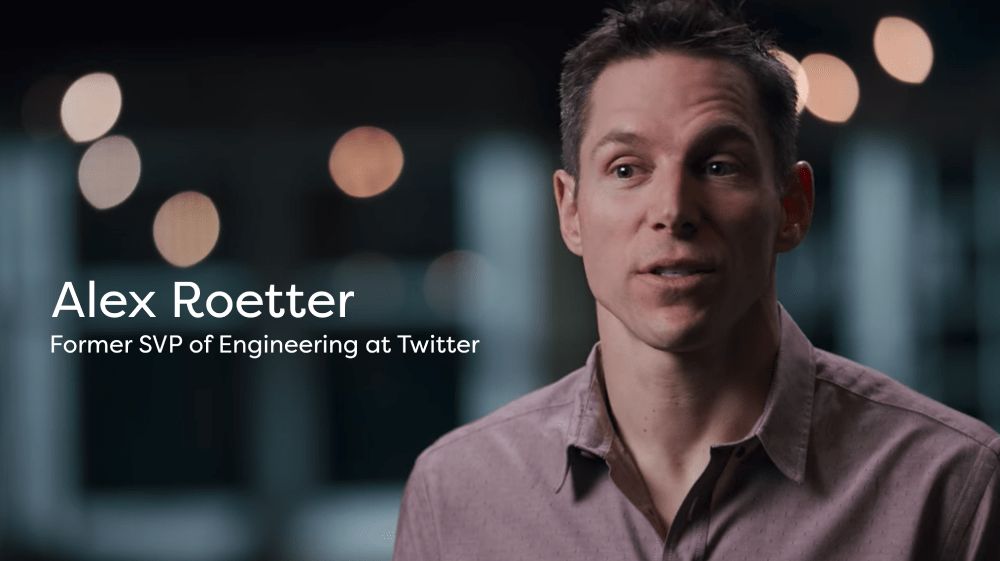 Below is an excerpt from our conversation with Alex Roetter, former SVP of Engineering at Twitter, Managing Director and General Partner at Moxxie Ventures, and featured in the Netflix documentary, The Social Dilemma.
120. When Senior Teams Stop Debugging Their Decisions
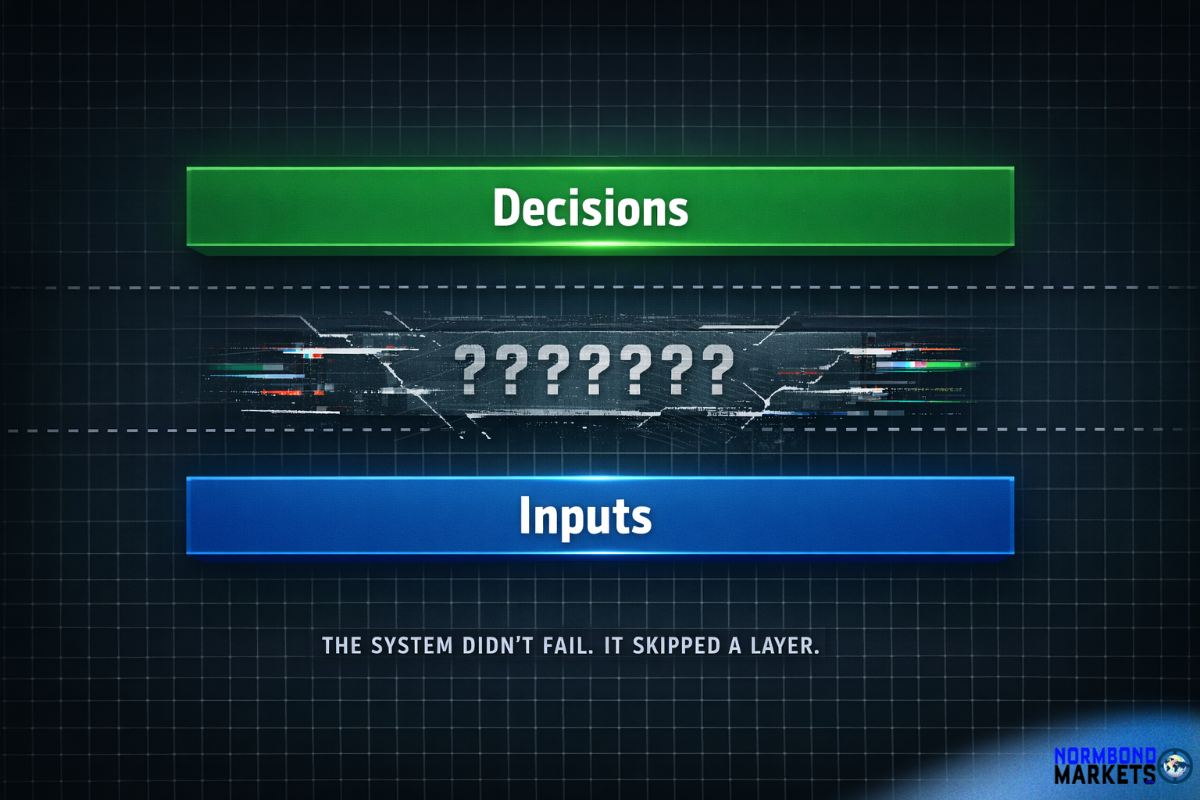 When senior teams stop questioning decisions, systems don’t break, they drift. A systems view of why alignment can quietly become a hidden risk.
121. How is a Dev Team Structured?
 Many companies or individuals often decide to build a website, so they hire web development companies to build one for them. But can a single developer or a programmer build a whole website or is it a team game?
122. 10 Common Product Management Mistakes that Could be Slowing Your Progress
 We see hard-working product teams struggling all the time, even under the best of conditions. Often, it’s not due to a deficiency or lack of skill within the team. Rather, the team has fallen into one—or more—of the most common dysfunctions in product management.
123. Spacecraft Engineering Models: How to Migrate UML to TypeQL
 How to map UML to TypeQL. Read how the European Space Agency migrated their spacecraft engineering models from UML to TypeQL for use in a TypeDB database.
124. The Most Important Enginnering KPIs for Your Board Deck
 Preparing for a board meeting is a stressful experience for everyone. For many CTOs, it’s also an exercise in futility, trying to zero in on engineering KPIs that accurately represent everything that’s happened in the department. The information that usually makes it to the board deck — information on completed features and incident reports — doesn’t tell the whole story.
A list of features shows what the team accomplished, but doesn’t reveal anything about how the team works. It can’t reveal process issues that need to be addressed or highlight challenges the team has overcome. Similarly, incident reports might illuminate problems in the codebase, but they’re devoid of context about how the team is dealing with those issues. Other departments have self-evident, objective KPIs. Sales, for example, can walk through their pipeline from demos booked to contracts signed, using objective measurements to chart their department’s progress over time.
Engineering leaders, on the other hand, must get creative to provide that level of clarity.
You’ll need to think carefully about the story you want your slides to tell, then choose engineering KPIs that map to those specific insights. When considering a metric, we recommend asking:
125. A Tactical Guide to Shorter Cycle Times: The Virtuous Circle of Software Delivery
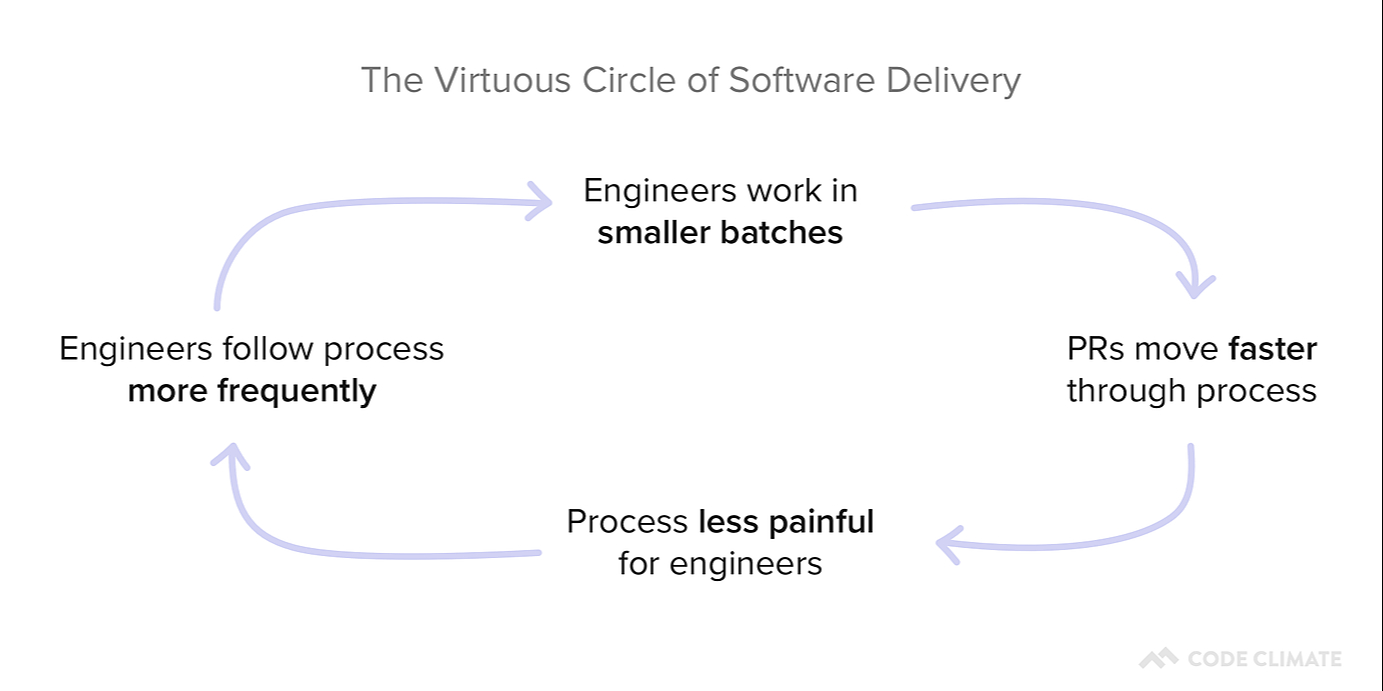 This post is the first article in our Tactical Guide to a Shorter Cycle Time five-part series.
126. How to Tame the 'Monkeys' Overrunning Your Management Time!
 Managers are burdened with issues that should be handled by their subordinates. How to manage those 'monkeys'?
127. 5 Metrics Engineering Managers Can Extract from Pull Requests
 Many Engineering Managers promote Pull Requests as part of the development workflow. It’s a consolidated practice that brings lots of benefits. It consists of comparing the changes of a branch with the repository’s base branch (conventionally called master).
128. Agile is "The Best"!
 I was asked to answer the Quora question, “Why is the Agile model the best”.
129. A Q&A With Slack's Rukmini Reddy on Data-Driven Mentorship, Career Paths, and Belonging
 Hear Rukmini Reddy's story - Slack SVP of Engineering and Twilio Developer Searchlight Honoree
130. How Engineering Leaders Can Prioritize Code Quality
 Learn why code quality matters, the most important metrics you need to manage quality, and how to track and manage code quality issues.
131. Boosting Development Efficiency With the Specification-First Principle
 The article introduces the Specification-First approach in software development, emphasizing its benefits for project managers and development teams.
132. Measuring Sprint Velocity
 We’re going to look at what sprint velocity is, how it can affect your development cycle, and what formulas you can use to measure sprint velocity.
133. "Often times as a CEO you come to the conclusion that not sleeping is a good choice" - Jensen Huang
 It creates more time when you dont sleep!
134. 50 Shades of Lead Time: Measuring Each Part of the Development Process
 I have read multiple definitions for Lead Time and Cycle Time over the last years. Recently, I shared why I prefer using the first over the later.
135. Running A Tech Community in Your Company: An Ex-Principal Engineer’s Guide
 5 easy steps to create a sustainable tech community in your company that everyone loves.
136. The Essential Data for Leading a Remote Engineering Team
 When your team is building a software product, the majority of the work that they do is invisible. As a manager, you have to rely on in-person cues for blocked work or frustrated engineers. When they move to a remote workflow—your team also becomes invisible, and all those critical signals are dropped.
In-person, you might notice:
137. Enhancing Engineering Cultures with UX Principles
 How to apply UX design principles to develop supportive and efficient engineering cultures
138. So, You Read Accelerate. Now What?
 “Our analysis is clear: in today’s fast-moving and competitive world, the best thing you can do for your products, your company, and your people is institute a culture of experimentation and learning, and invest in the technical and management capabilities that enable it.” – Nicole Forsgren, Jez Humble, and Gene Kim, Accelerate.
139. What Are The Responsibilities Of Software Development Manager?
 The definition and content of activities of the software development manager can vary widely.
140. OKRs vs. KPIs: What's the Difference for Engineering Teams?
 OKRs vs. KPIs, what are the differences? That’s a common question I hear from managers of Engineering Teams. KPIs are more straightforward to explain than OKRs, which can be tricky and more complex. They don’t mean the same, although they are connected.
141. AWS Serverless is the Boring Choice that Keeps Working
 Modern engineering is about results, not hype. Explore why AWS Serverless is the "boring" choice that wins on scalability, cost, and operational focus.
142. Becoming a Manager of Engineers: How to Focus on Visibility and Predictability
 Becoming a manager is usually one of the biggest challenges of an engineer’s career. We are usually used to algorithms and state machines, which are predictable and have specific outputs depending on the input.
143. DevOps vs Traditional Ops vs Embedded SRE: What Actually Works in Practice?
 A practical look at DevOps, traditional ops, and embedded SRE—and why embedded SRE may be the best way to reduce burnout without slowing teams.
144. Microsoft Principal Software Engineering Manager Nick Cosentino Talks About His Writing Process
 Nick Cosentino is a Principal Software Engineering Manager at Microsoft that creates content aiming to help level up software engineers with articles and videos
145. WTF is a Postmortem
 A postmortem is the analysis of an event after it occurs.
146. 5 Ways A Bad Dev Hire Will Cost Your Company More Than You Think
 Locating and securing a knowledgeable and reputable software developer is no easy task. It can take weeks, months or even years to locate the perfect candidate, and there are very few companies who can afford to wait an extended amount of time to fill their roster.
147. How Engineering Managers Can Organize Remote Workflow
 It’s been two weeks since we took action and made working from home mandatory for all the team members. Our top priority remains the health and safety of our team members. We have a responsibility to support our communities through the health crisis caused by COVID-19.
148. How Do Salary and Job Satisfaction Influence Developer Burnout?
 A developer with low salary and monotonous work is likely to end up burned out, it’s obvious. Yet what about overpaid workers with no relevant skills or experie
149. 5 Practical Tips for Conducting Effective Interviews
 Discover 5 practical tips for more effective job interviews with developers. Improve your process and find the best fit for your team.
150. How to 10x Your Skills and Become a More Efficient Tech Lead
 The secret sauce to an engineering team's success is an effective tech lead guiding the team to be on the right track.
151. I Left Management to Code Again—and Found a New Kind of Leadership
 A tech leader shares why stepping back from management to return to coding reignited their passion—and revealed a deeper form of leadership.
152. How to Balance Data and GoodJudgment in Effective Performance Management
 Learn to enhance decisions with strong arguments and meaningful metrics while avoiding the pitfalls of vanity metrics and overemphasis on data.
153. Most Teams Know Bad On-Call. Few Can Define Good On-Call.
 Most teams can spot bad on-call, but few can define healthy on-call. Here’s what sustainable, well-designed on-call actually looks like.
154. How Splice Applied the Scientific Method to Unblock Deployment
 The following article is based on a talk Juan Pablo Buriticá, VP of Engineering at Splice, gave at our annual Engineering Leadership Conference and a subsequent interview. Watch the full talk here, and see the slides here.
155. If a Task Does Not Directly Contribute to the Company’s Goals, It’s Wasted Effort
 Scrum isn’t just about speed—it’s about sustainability. Developers run sprints, but Product Managers run the marathon, ensuring momentum, focus, and long-term s
156. Optimism - Curse of Big IT Projects and How to Manage It
 Most of us who have worked on IT projects feel the resonance of Hofstadter's Law:
157. Model Paradigm for Engineering

158. Main Qualities Of A Great Lead Developer
 Starting in 2009, I've worked as a software engineer, lead developer, engineering manager, vice-president of engineering, and chief product officer. During this journey, I had the opportunity to support talented engineers in different career transitions, from individual contributor to lead developer, from lead developer to engineering manager. I found many shared struggles while mentoring them; that's why I'm writing a series on how to get prepared to move into these positions.
159. How to Win as an Associate Software Engineer
 Being a new engineer can be challenging, but you can rock the role if you know how. Hint: not deleting the production database helps.
160. Throwing Top Engineering Internship Myths out the Window
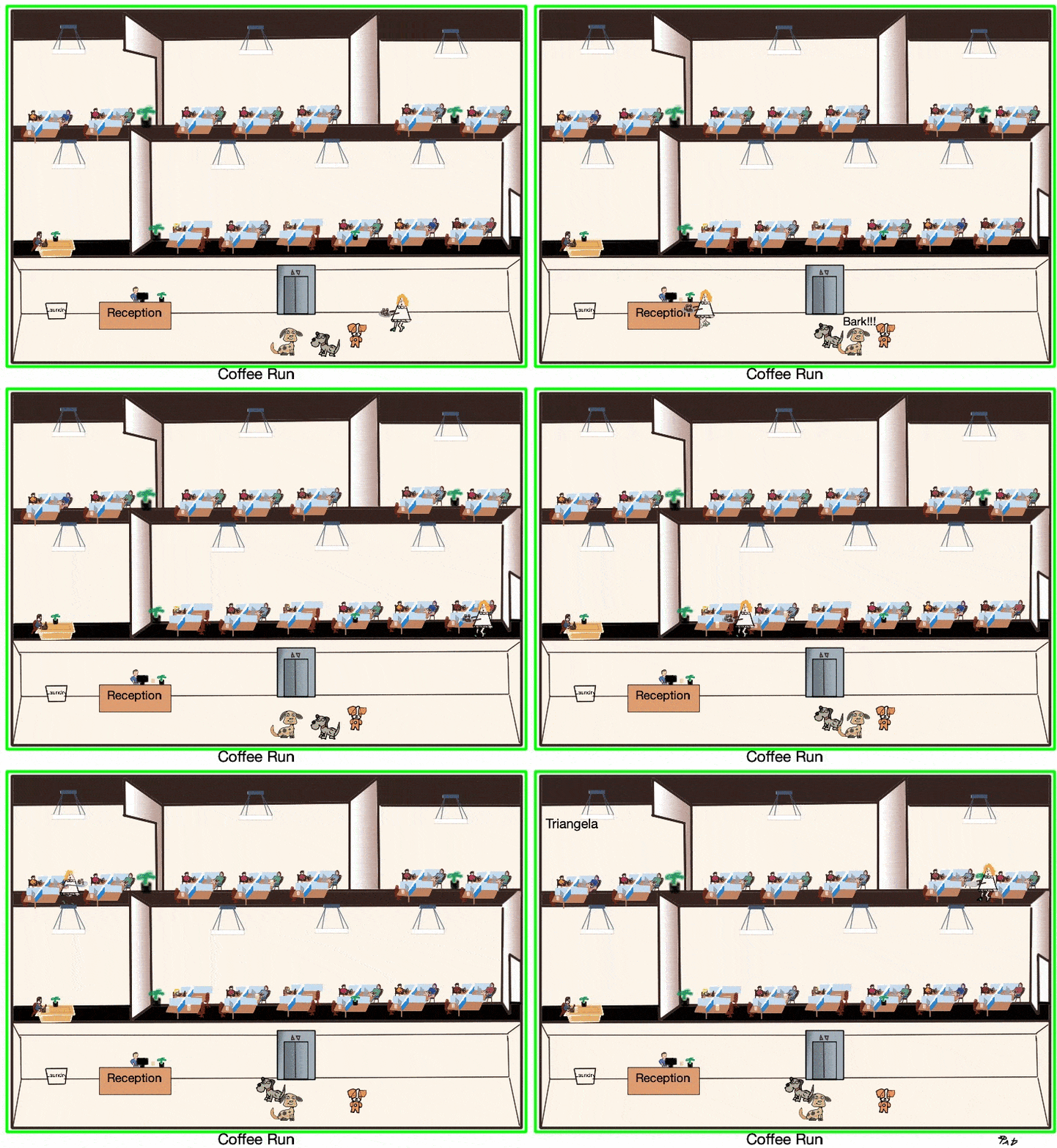 Internships are not about coffee runs, you can get a great experience that can make you stand out when applying for your first job out of University.
161. How to Scale Organization

162. The Noonification: How to Dockerize And Deploy Django Applications (10/14/2023)
 10/14/2023: Top 5 stories on the Hackernoon homepage!
163. You Should Be Managing Your AI Agents as Engineers: Here's Why
 AI agents fail when management fails. Define-Deliver-Drive helps you manage agents like human teams: clear specs, WIP limits, and a delegation ladder....
164. Beyond Numbers: Embracing Contextual Intelligence in Engineering Leadership
 This article explores the gap between engineering teams and their leaders, highlighting the importance of cohesion and alignment
165. Engineering Success: Strategic Growth in Tech Startups
 Explore effective one-on-one leadership and strategic growth planning for engineering managers in tech startups, driving team success.
166. Engineering Metrics: The Moneyball Approach
 Engineering managers often rely on subjective clues to assess how their team is doing. But decisions made based on gut feel and imperfect measurements are less than ideal — sometimes they result in team success; other times they result in disappointment.
167. How Engineering Managers Should Approach Planning
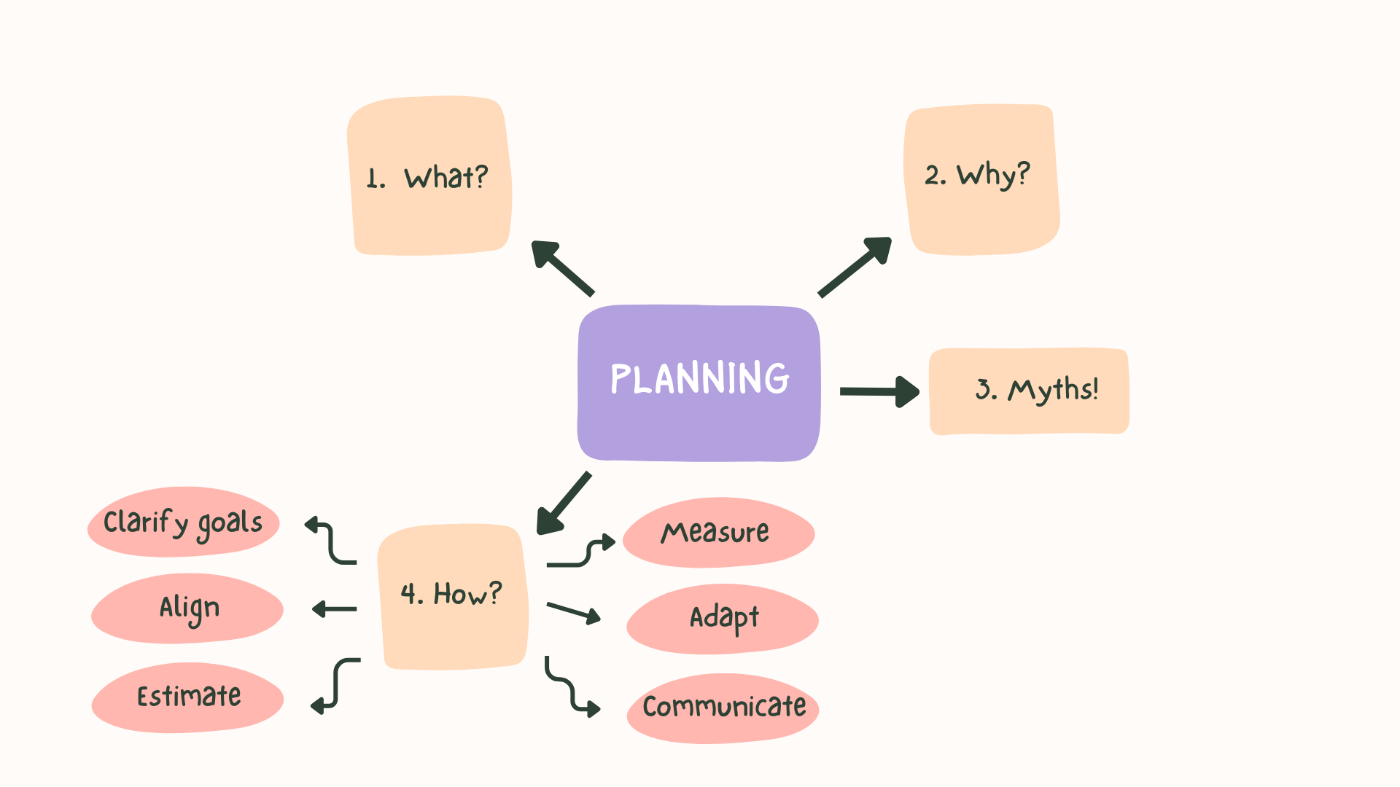 What is planning? What makes a plan good? Does planning slow you down? What are the key aspects of planning? A deep dive into engineering planning for managers
168. 8 Tips for Managing Developers for Non-Developers
 Not a developer yourself, but ended up in charge of a bunch of them? Here are 8 tips to working with them effectively without being too annoying or a bother.
169. 3 Tools to Help Your Remote Team Stay Productive

170. Using AI To Enhance Your Calendar And Other Productivity Hacks & Tools for Manager
 Here are a few tools that help make your Google Calendar work a little harder for you! These tools use AI tech to enhance the value you get from your Calendar.
171. How To Deal With A Micromanager The Right Way
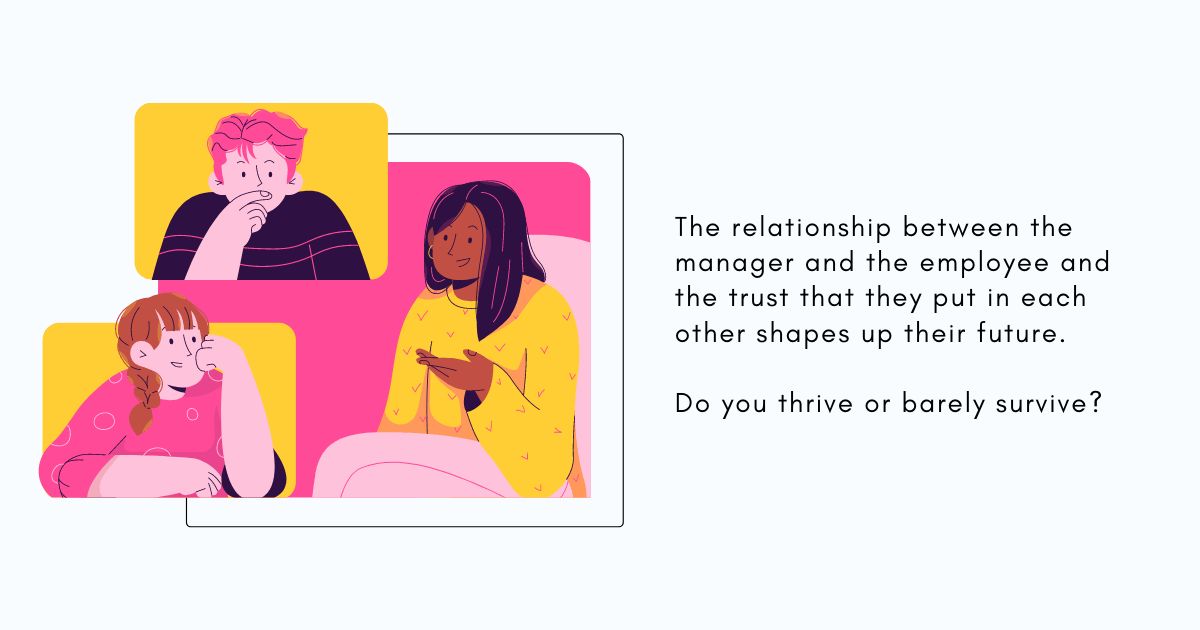 Organisations spend a huge amount of time and resources to hire smart, talented and self-motivated individuals who show a strong passion and commitment towards their own growth and success of the organisation.
172. Successfully Change Collaborative Meetings With These Five Proven Methods of Facilitation
 The five methods of facilitation I use to create collaborative meetings from over a decade of experience as a software engineering leader.
173. Scaling An Engineering Team Effectively: SVP Raji Arasu's Advice
 Raji Arasu is the visionary mind and engineering leader that occupies the position of SVP of Engineering at Intuit, making her one of the few female leaders at a major technology company. She is aware of this thing and supports women leaders in technology both within the company and across the industry.
174. How Rishabh Agarwal Turns Software Optimization Into Scalable Engineering Impact
 How Rishabh Agarwal drives scalable engineering impact through performance optimization, system design, and values-driven technical leadership.
175. Navigating Employee Resignations: Tips and Best Practices for Managers

176. Sunday Scares and Data Leadership: The Pattern That Breaks Us
 A data leader reveals the hidden cost of success: Sunday panic attacks, the "savior complex," and the struggle to find rhythm in a chaotic role.
177. DevOps: I Measure The Metrics A Bit Differently. Here's Why
 The four key DevOps metrics are an exciting set of measurements. They’re getting more and more relevant since the book Accelerate has been published. I firmly believe they’re essential for engineering teams seeking effectiveness and efficiency.
178. A Step-By-Step Guide on How to Hire Engineering Managers
 A complete guide to hiring engineering managers, including how to identify what to interview for. Includes a full interview plan with interview questions.
179. Can This Ownership Exercise Improve Your Collaboration Habits
 Use this easy exercise to figure out who is responsible for what. Handy for teams and individuals.
180. The Evolution of Prompt-Based Software Development
 If you’ve ever wished for a Sancho Panza to handle the mundane chores of programming while you focus on the grand vision, you’re not alone.
181. The Best Engineering Teams Share These Four Traits
 The best engineering teams share four traits: full commitment to decisions, separating ideas from identity, pragmatic judgment, and informed captains.
182. Should You Hire More Software Engineers or Better Manage the Ones You Have?
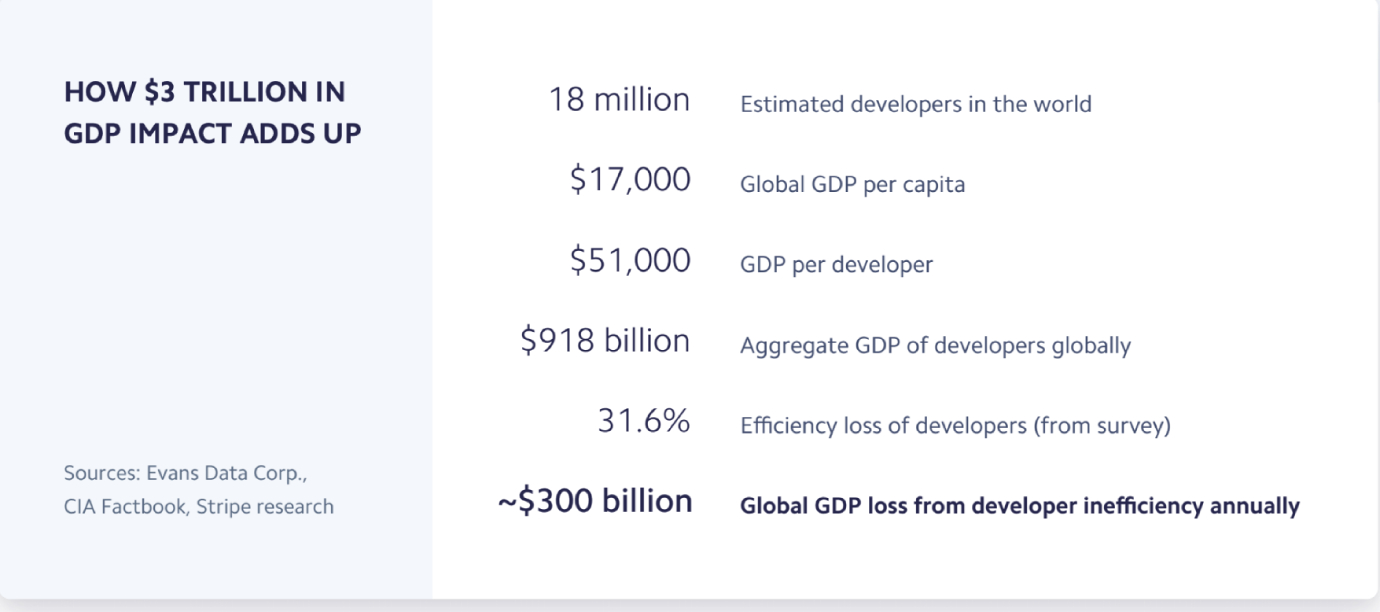 That technology is here to stay is an obvious duh. If and how well-prepared companies are to deal with the constant need to increase investments in technology, that’s not as simple. Another obvious axiom is that software engineers and developers are highly valuable resources. Weather having more or putting the ones you have to better use is the best approach, that is less obvious.
183. How to Make Engineering Knowledge Searchable (A Complete Guide)
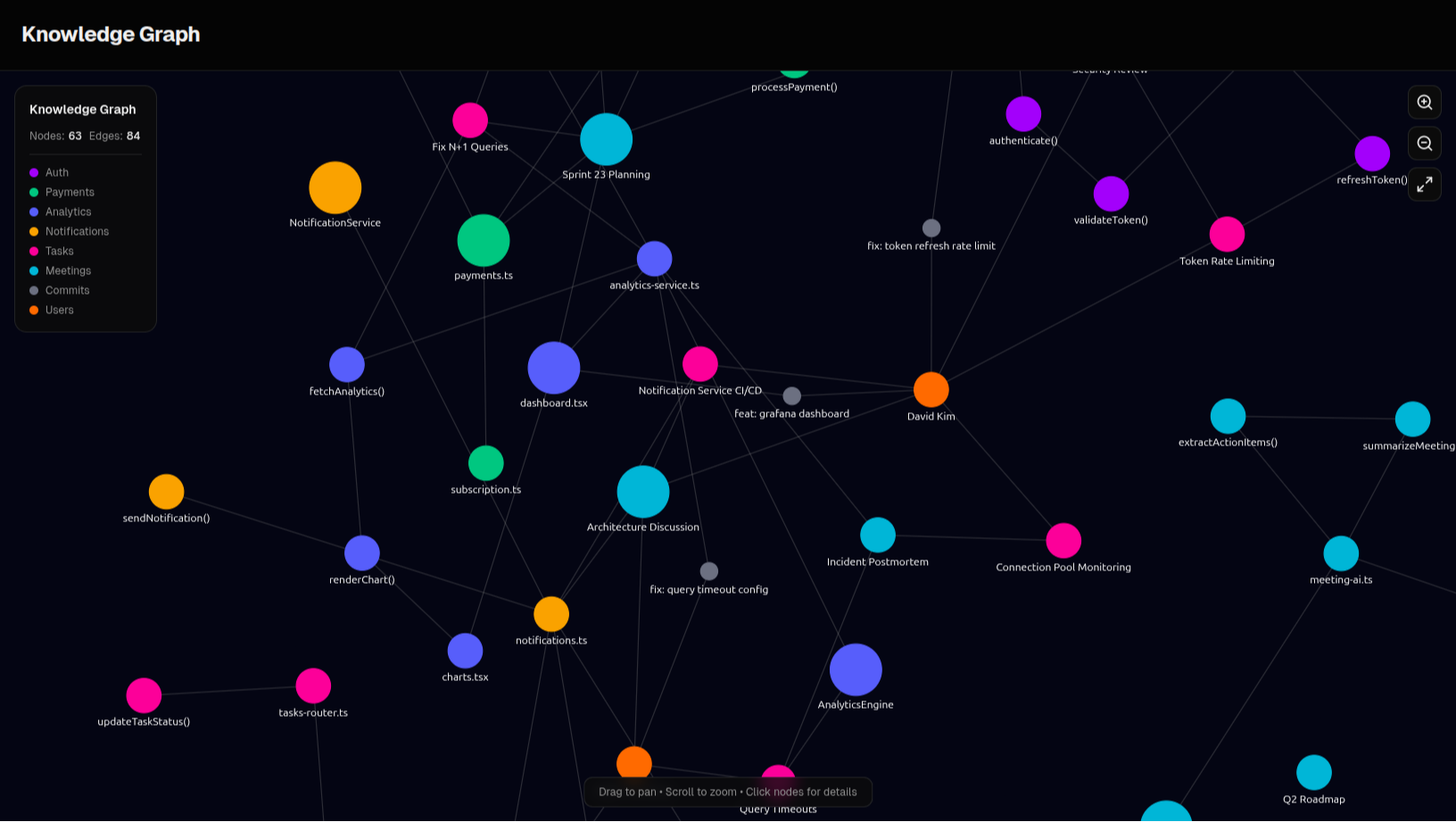 The only way to solve the Context Tax is to treat your work artifacts and your code, your meetings, and your tickets are as living documentation.
184. Incident Management Process: How to Train For The Tech-Fu

185. AI-Driven DevOps: Everything you Need to Know
 I'll list a few platforms and tools to keep an eye on in the AI/ML-driven space for DevOps, software development, and SRE.
186. Now Available: The Engineering Leader’s Guide to Cycle Time [eBook]
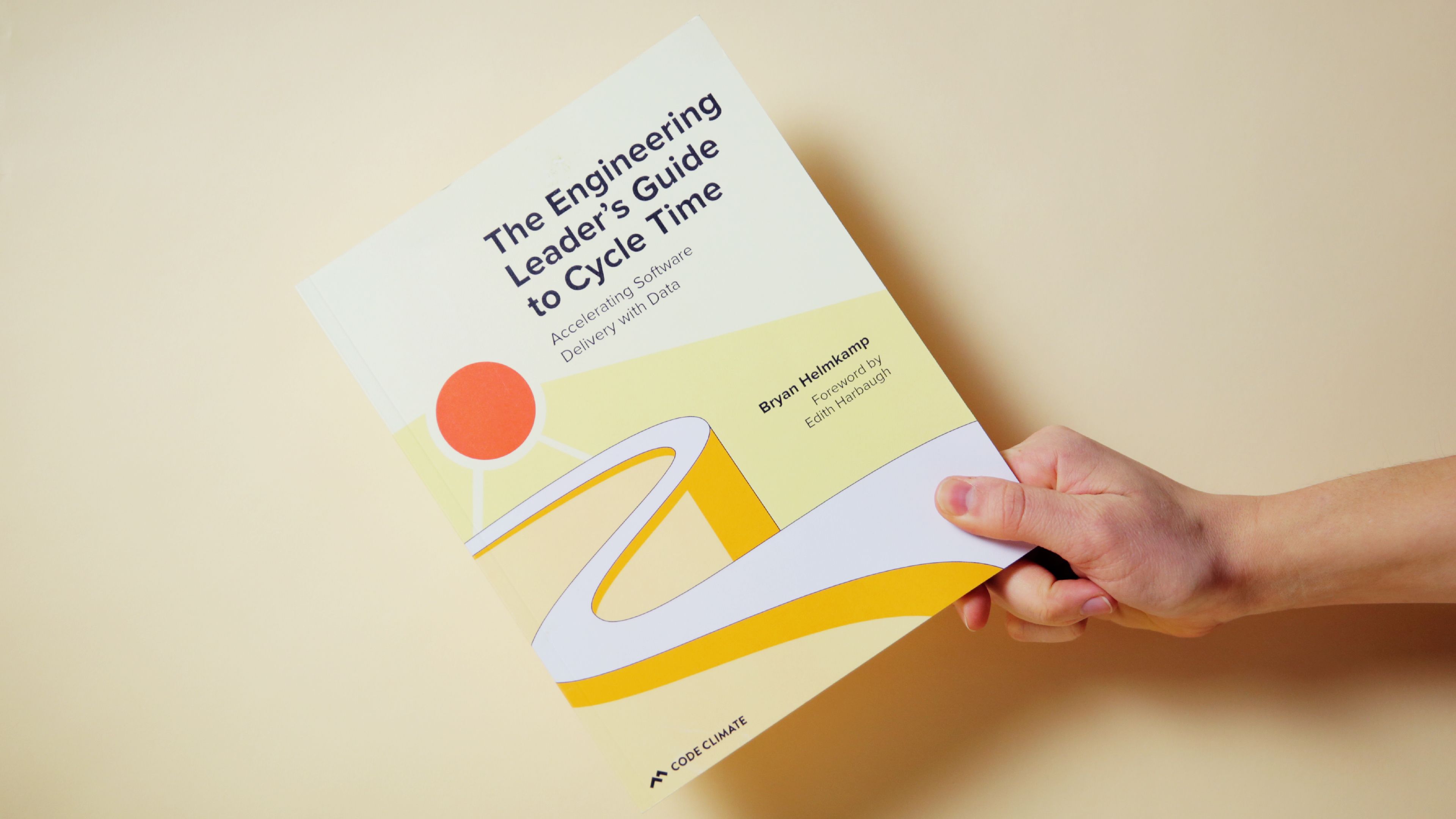 One critical engineering metric can help you innovate faster, outrun your competition, and retain top talent: Cycle Time. It’s your team’s speedometer, and it’s the key to everything from developer satisfaction to predictable sprints. And Cycle Time has implications beyond engineering — it’s also an important indicator of business success.
That’s why we’re excited to announce the release of our new book, The Engineering Leader’s Guide to Cycle Time. For those looking to boost their team’s efficiency and productivity, we offer a data-driven approach, backed by research, case studies, and our own experience as an industry-leading Engineering Intelligence platform.
187. Leading the Pack: The Exciting Role of an Engineering Manager and How to Excel in It
 An engineering manager is a technical leader responsible for managing and developing a team of engineers, ensuring quality output, and driving projects.
188. Feature Flags, Refactoring, and the Art of Technical Debt Management
 Master the magic switch of software development - feature flags. Learn how to release features fearlessly, improve efficiency, and reduce bugs.
189. Technical Metrics Integration Flow: Observability and Monitoring
 There is no universal standard for which metrics should be used in specific cases.
190. 5 Ways Engineering Managers Can Motivate Individual Contributors
 Want to inspire and motivate your individual contributors? Try setting clear goals and expectations, providing ongoing feedback and support, encouraging career
191. Startup CEOs: Here’s Good News You Can Include in Your 2020 Board Deck
 As you prepare for your board meetings, you might be struggling to find some good news to share with the board. Sure, it’s a mistake to go into a board meeting pretending everything is going well — board meetings are a valuable opportunity to share your startup’s challenges and get guidance from a panel of trusted advisors.
192. Pro-Tip: Deliver Feedback as a Cop and Not as a Messenger
 Annie leads the business operations platform engineering group within Square’s platform & infrastructure organization. Prior to Square, she worked at a number of startups across a spectrum of industries from consumer products to enterprise solutions, as well as a wide variety of teams from sales to engineering. Having worked with many different managers, she’s formed her own leadership philosophies.
193. The Best Leadership Advice? Don't Create Chaos
 One of the most harmful behaviors I’ve observed in ineffective leadership is a tendency to add chaos when one enters a room. Chaos comes in many flavors: A decision was reached about an important architecture question weeks ago, but someone suddenly insists that you revisit the project’s fundamental goals at the 11th hour. An executive insists that their project is most important, and pushes it onto the roadmap. Or maybe you leave a productive meeting without concrete next steps, and are right back where you started in a week.
194. The New Software Stack of Code, Prompts, and Policies
 Here is the breakdown of the new reality, and why "Prompt Engineer" isn't just a meme—it's your new architectural responsibility.
195. Reasons Your Process Needs to be Open Source
 Use an engineering handbook, open it to all, and see your process flourish
196. Writing an Annual Performance Review that Inspires Employees
 What goes into an Annual Performance Review that inspires employees? Learn the format that has resulted in real growth over seventy reviews.
197. Startup Interview with Andrew Lau, Co-founder and CEO of Jellyfish
 Andrew Lau speaks to Hackernoon about starting Jellyfish, the excitement of solving real problems for software engineering leaders, and how he measures success.
198. Can You Land a Junior Role as a Dev Ops Engineer?
 You'll see "junior" level DevOps and SRE roles. You'll also see several people asking how to get into DevOps or SRE as a junior-level candidate.
199. Mastering the Art of Engineering Leadership in a Large Technology Enterprise
 This article offers insights, strategies, and best practices to excel in the challenging, yet rewarding, environment of Engineering Leadership.
200. Who Owns Your Company Roadmap?
 Prioritizing the company roadmap was a challenge in my first engineering job.
201. Why Do I Want To Become A Manager
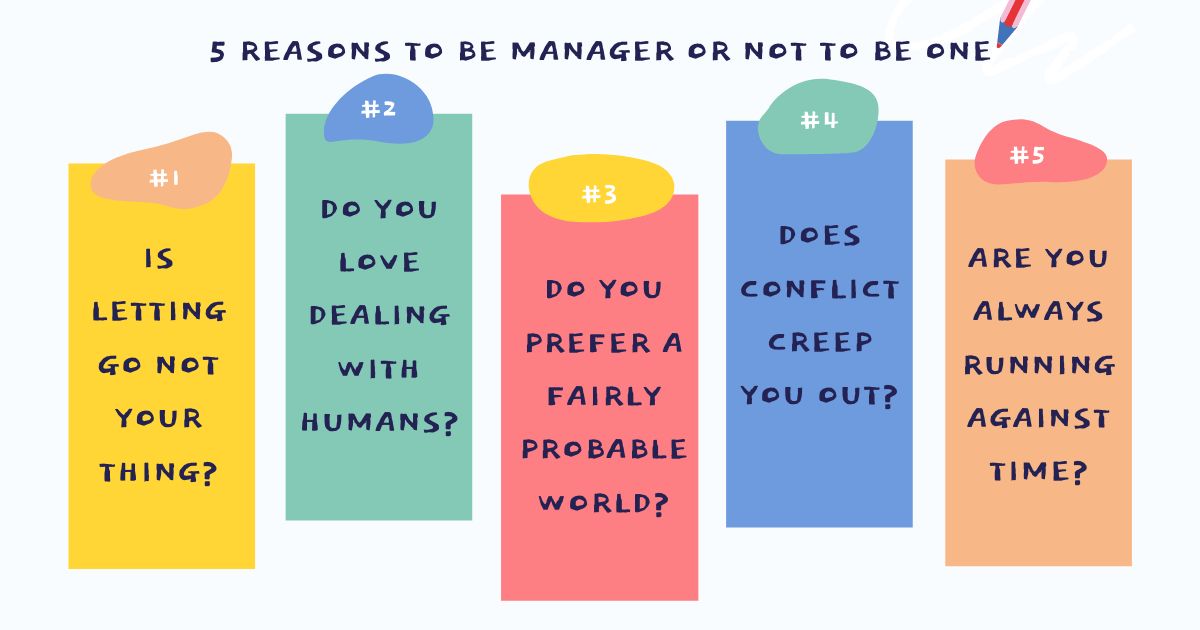 Every person at some point in their career may need to ask themselves “Do I really want to be a manager?” The question may seem straightforward, but the answer is not. It requires digging deeper and finding answers for ourselves without relying on what others believe is the right thing for us to do.
202. 6 Tips for Working With Analysts and Data Engineers
 What work does a data engineer actually do? Let me tell you one thing: it’s not what you think they should be doing, especially not the part where they are running around collecting data for you or building yet another one of those dashboards that will only be used for a few weeks.
203. Thriving in Tech: Embracing Innovation in the Digital Age
 Discover how tech organizations thrive by prioritizing principles, trust, innovation, and learning in the dynamic digital landscape. Adapt or fade.
204. What is an 80/20 Manager and How Do You Become One?
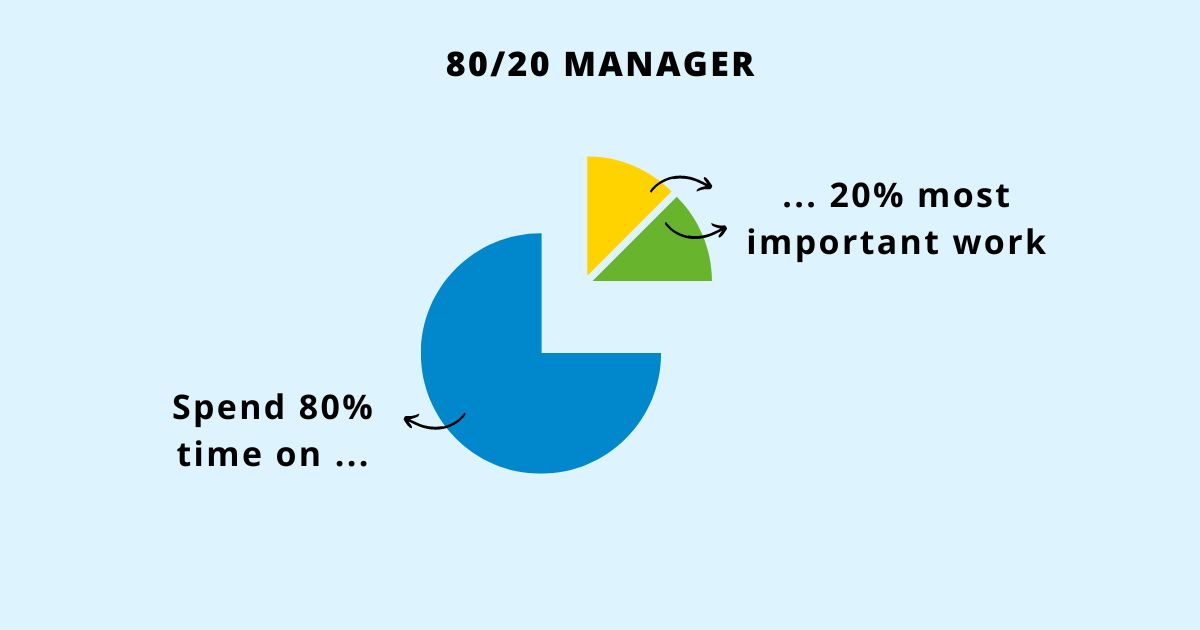 80% of sales value is generated by 20% of products. 80% of the results are generated by 20% of the employees.
205. On Bloom's Taxonomy and Why Agile Training is Not Enough
206. Headcount Planning? Here are 4 Tips for Choosing Job Levels
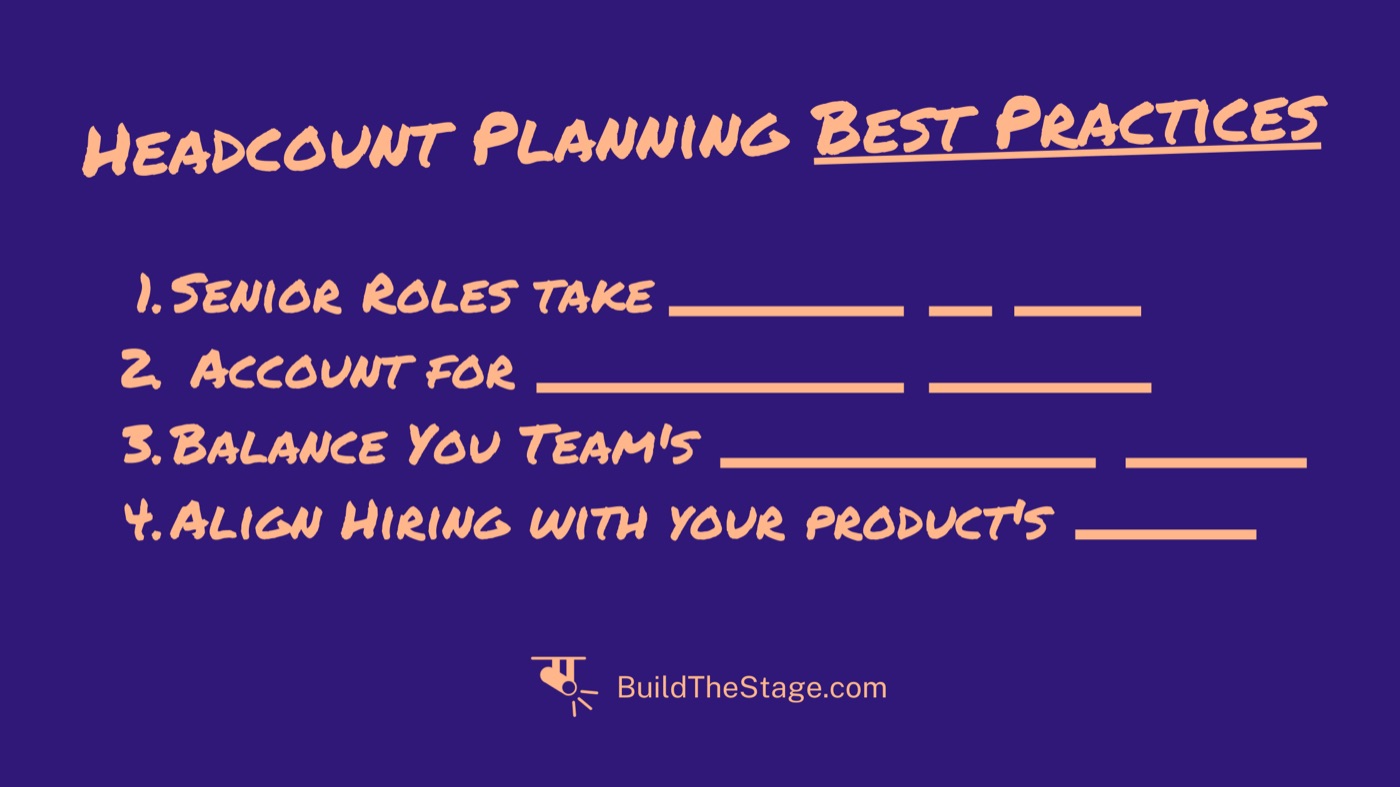 Here are tips for choosing job levels when headcount planning.
207. How to Unlock Project Success: Using the FATE Framework to Master Task Estimation
 Task estimation is an art that every front-end engineer and engineering manager should master. With a well-structured framework that covers F.A.T.E (Feedback, A
208. Leveraging Data as a Proactive Engineering Manager
 Proactive (software) engineering leadership means you’re not a firefighter all the livelong day.
209. Navigating the Maze of Technical Documentation: Best Practices for Keeping Your Code Up-To-Date
 How to manage technical documentation effectively, avoid common pitfalls, and ensure that your knowledge base stays accurate and up-to-date in software developm
210. When Delivery Fails Quietly: Why Most Risks Accumulate Long Before Incidents
 Why delivery failures rarely happen suddenly, how risk accumulates quietly in complex systems, and what teams miss when they focus only on incidents.
211. Everyone Fails with Software They Don’t Build
 Most organization don't build enough software and are therefore missing out on possible value.
212. Why You Should Use Lead Time Instead of Cycle Time
 Our concepts of Lead Time and Cycle Time came from the field of Operations Management and Production Engineering. As such, I think it’s beneficial to all of us to maintain coherent with them and use the same semantics in Software Engineering Management as well.
213. From Wrangling Code to Taming Chaos: How Being a Software Engineer Made Me a Better Operator
 If you’re an engineer curious about transitioning towards the business side, don’t underestimate how transferable your toolkit is.
214. On Discussing Engineering Metrics to Direct Your Team's Focus, Daily

215. 4 Leadership Traits That'll Set Your Tech Startup Up For Success
 Good leadership is the key to any successful business, let
alone one that relies heavily on technological products.
Good leadership is the key to any successful business, let
alone one that relies heavily on technological products.
216. Why Embracing Subjectivity Is a Better Approach to Performance Management
 It’s crucial to reflect on the inherent shortcomings of most PM processes, especially as they pertain to engineering culture.
217. Code Reviews For Non-technical People. Explained.

218. How Metrics Lead to Effective Sprint Retrospectives
 In the Atlassian playbook, it states that Sprint Retrospective’s goal is to identify how to improve teamwork by reflecting on what worked, what didn’t, and why. Usually, the meeting consists of brainstorming what the team did well and what the team needs to do better.
219. SDLC Is a Complex Black Box and We Must Build Teams Accordingly
 Invest in managing software engineering efficiency, not only measuring individuals' performances.
220. It Is Time To Make Tough Engineering Decisions
 We have entered a critical time in the life cycle of many companies around the world. The world has shifted away from a period of immense growth, and as many struggle to meet revenue expectations, companies and their leaders face a ton of pressure both internally and externally.
221. How to Build Loyalty and Motivate Your Employees
 Faced with the disastrous consequences of a voluntary departure of employees for the company, keeping its teams as long as possible becomes a major issue. To gain in productivity, you must as a business leader, find the ways and means necessary to motivate and retain your employees.
222. Mastering Delegation: The Art of Embracing Release
 Mastering Delegation: The art of embracing release
223. Was Hank Scorpio a Good Boss?
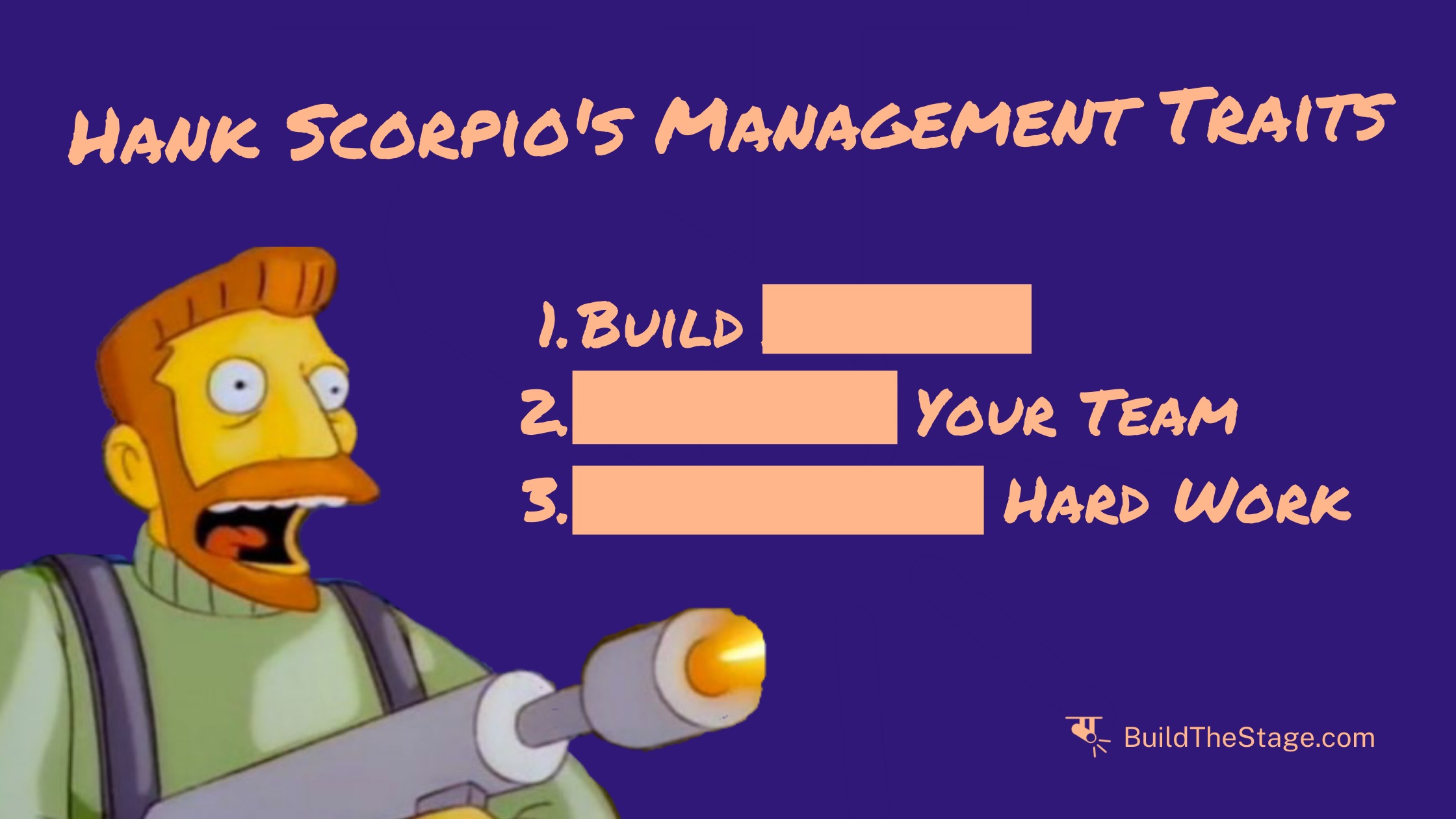 Hank Scorpio achieved something special in The Simpsons.
He got Homer Simpson to CARE about his job.
How did he do it?
224. Refining the Art of Delegation
 Learn to master delegation as a growing developer. Embrace trust, avoid micromanagement, and unleash team potential. Transform from coder to leader.
225. Should Anyone be Called a DevOps Engineer?
 DevOps is all the the rage insert fancy clothes and glass of champagne. Interestingly enough, many organizations are hiring for it and have no idea what its pur
226. How To Prepare For A Cybersecurity Manager Job Interview
 I couldn't find any good resources on how to interview prep for a management role in cybersecurity, so I decided to make one.
227. Navigating the Intersection of Basic Science and Application Architecture Design
 Explore the parallels between scientific knowledge development and IT engineering, drawing insights from disciplines like physics and geometry.
228. Learning Management: My Adventure as an Acting Delivery Manager
 Taking on a management role in engineering may be daunting at first. Here are some tips for getting through the initial period, based on my experience.
229. 3 Ways to Maintain Company-Wide Calm Through a Crisis
 Make a plan. Be transparent about the plan. Keep everybody updated as the plan unfolds and evolves.
230. How Engineering Managers Benefit from Synthetic Metrics

231. Conflict of Top Star Developers
 The conflict of top star developers is almost inevitable if you have several top people with identical specialization in one team.
These guys are tech stars and they know just everything about the technology that is used. They are used to command the technical solution and others usually recognize their talents and follow their ideas. The problem is when these top guys meet in one team where they have to cooperate closely.
232. Crunch Time Is Just Debt in Disguise
 Stop masking organizational failures with your weekends.
233. The 4 Common Pitfalls We Fall Into As Engineering Managers
 Being a successful Engineering Manager is not easy. Learn about 4 common pitfalls of failure that Engineering Managers need to watch out for.
234. Rework Costs Your Company Millions — How to Cut Back?
 On average, a software development team reworks about 26% of its code prior to release. Even after accounting for necessary changes, those wasted hours can cost a medium-sized business upwards of $4.7M a year.
Still, when engineering leaders look to cut costs, they often look at departmental spending. Software licenses, discretionary expenses, and even salaries may come under scrutiny.
But not all costs come with such a clear price tag — inefficiencies in the software development process are harder to quantify, but much more expensive.
According to a 2017 DORA white paper, Forecasting the Value of DevOps Transformations, the cost of Rework in software development is staggering, setting businesses of all sizes back millions of dollars a year.
235. How Engineering Teams Can Leverage the Power of Metrics
 Ever wondered what key metrics other engineering teams are tracking?
The short answer: it varies completely. Even within the same organization, different teams
Ever wondered what key metrics other engineering teams are tracking?
The short answer: it varies completely. Even within the same organization, different teams
236. Benefits of Business Intelligence in Leading Your Engineering Team
 Today’s business world is increasingly (and dizzyingly) complex. Traditional methods of navigation through this complexity are obsolete. C-suites admit that they don’t have enough of the right information at the right time, because their inner reports are no longer reliable.
237. Why Application Performance Monitoring Matters
 Ensuring that a system and application are performing the way they're supposed to isn't anything new.
238. 3 Ways to Align IT Team Activity with Bottom-Line Business Objectives
 IT was once thought of as a purely supportive function, one whose primary responsibility was “keeping the lights on,” so to speak. Today, however — as technology has come to permeate every element of our lives and our companies — IT has become a crucial business asset, fundamental to maintaining sound operations and to driving business forward more generally.
239. "Continuous Learning, Growth & Preparation for New Challenges is the Main Motivator" - Marek Tihkan
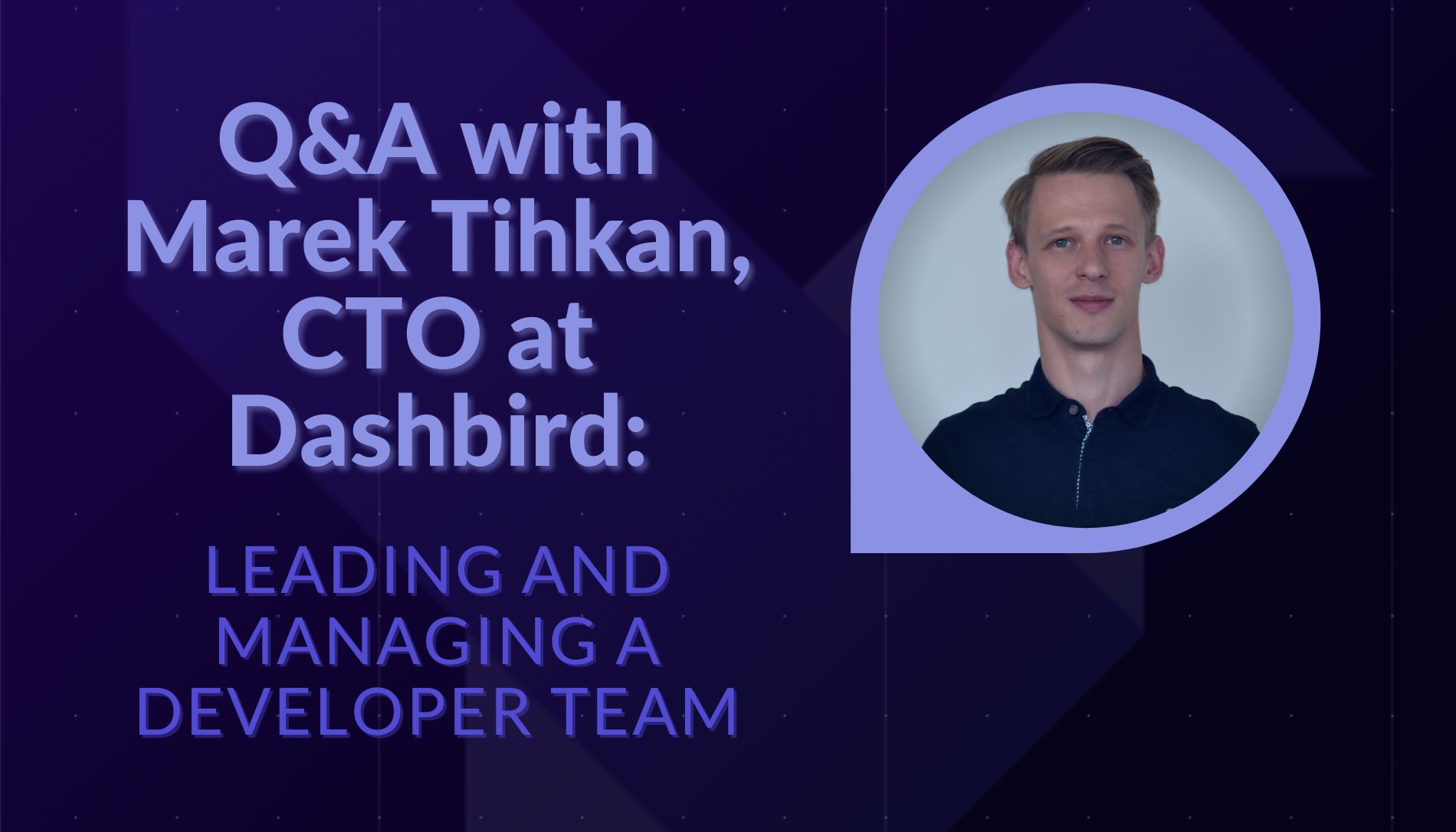 Today's interview is with Marek Tihkan, CTO at Dashbird talking all about Dev team leadership and management.
240. How to Reshape Performance Reviews for a Difficult Year and Beyond
 Gathering context and showing empathy may be the most difficult parts of a performance review, but they’re also the most important — this year, more than ever.
241. Why Tech Startup Leaders Should Still Spend Some of their Time Coding
 In this blog post, you'll learn why it's important for a manager to stay technical and how it can help grow your business.
242. Important Work Life Lessons on How to Effectively Manage an Existing Engineering Team
 Use this advice to lead an existing engineering team to success, regardless of different coding languages or systems.
243. The Joys and Sorrows of Corporate Meetings
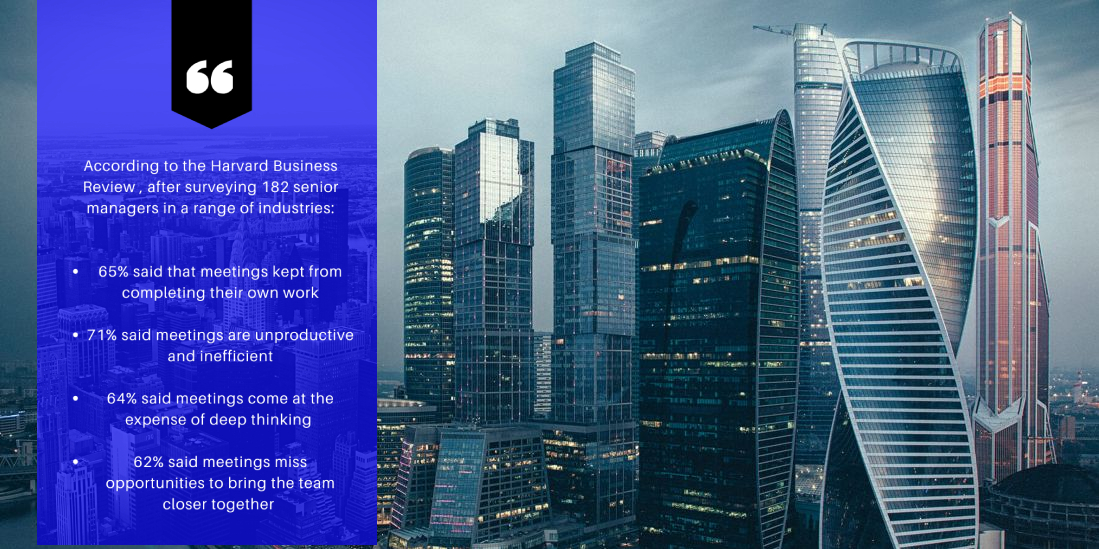 When was the last time you felt like bolting out of the conference room either bored to death or incredible frustrated and feeling like your time was carelessly and disrespectfully wasted? We bet it was as close as yesterday. What, is happening now? Well, get out now!
244. You Should Be Giving Feedback That Builds, Not Breaks: Here's How
 When giving feedback, the quality of it matters as much as its quantity. Feedback can be damaging to a team's productivity and performance if not given well.
245. Your Superpower: Change What You Control
 We focus so much on external change - getting approval from executives or people on other teams. To enact real change, focus on what you can control.
246. The Git Log Never Lies
 A hackathon judge shares the forensic signals - git logs, package manifests, ghost dependencies, fake tests - that reveal more about a project than any demo.
247. Field Notes from My Journey into Engineering Management
 I am going through what one might call “career puberty”. I’m growing up and moving to an engineering manager role. It’s more of a recognition of a position I reached organically and a job I’ve been de facto doing for some time now, rather than an abrupt change dictated by external factors.
248. A Guide to the Best Security Practices and Strategies for Remote IT teams
 Today, the demand for remote IT teams is growing at a breakneck pace, and considering the recent COVID-19 outbreak that has led businesses into extreme work challenges reflecting the rise of engineering requirements.
249. Is VSM the New Way to Measure DevOps?
 Value Stream Management (VSM) aims to help management and leadership teams determine the value of software development and CICD efforts for the organization.
250. Guarding Against Burnout in Software Teams
 Here are the strategies I use to prevent burnout in Agile software teams. Getting wellbeing strategies right helps improve productivity and work-life balance.
251. Managers: Beware the Fallacy of Process
 Processes are essential for effective management. They keep people in sync, making it possible for team members to come together and achieve a shared goal. But they’re also dangerous. Processes can create the illusion that things are running smoothly because they’re moving along according to the shared understanding of how they’re “supposed to” run.
This is the Fallacy of Process — the idea that by adding consistency and predictability to a shared workflow, a given process is inherently valuable.
Too often, process becomes canon. A team develops an effective way of doing something, then returns to that framework indefinitely, long past its expiration date.
252. Overwelming Formula For Goal Achievement As a Tech Lead In 90 Days
 Recently, I read a blog post titled "VPE and CTO — The first 90 days". It’s a brief article in which James Turnbull shows a mind map with four areas that “every new technical leader needs to, at least, think about and explore when starting at a new organization.”
253. I've Been Playing Bass Since I Was 15 And That Made Me A Better Team Lead
 I’ve been playing bass since I was 15. I play other instruments as well, but I have always been primarily a bass player.
254. Combatting Overengineering: Don't Be Afraid To Throw Away Your Code
 There are two lessons here: 1) Think before you code - this one I regularly forget. 2) Don’t be afraid to throw away your code.
255. "With $10m I would invest in advancing education using technology" - Noonies Nominee
 I believe that the most exciting technology of the present is Javascript because it can be used for multiple platforms (Web, Mobile, Backend).
256. The Engineering Leader’s Guide to Empowering Excellence with Data [FREE ebook]
 Find out how engineering data can help you remove blockers, encourage professional growth, and empower excellence on your team.
257. Uncovering Motivation in Engineering: an Interview with a Technical Recruiter
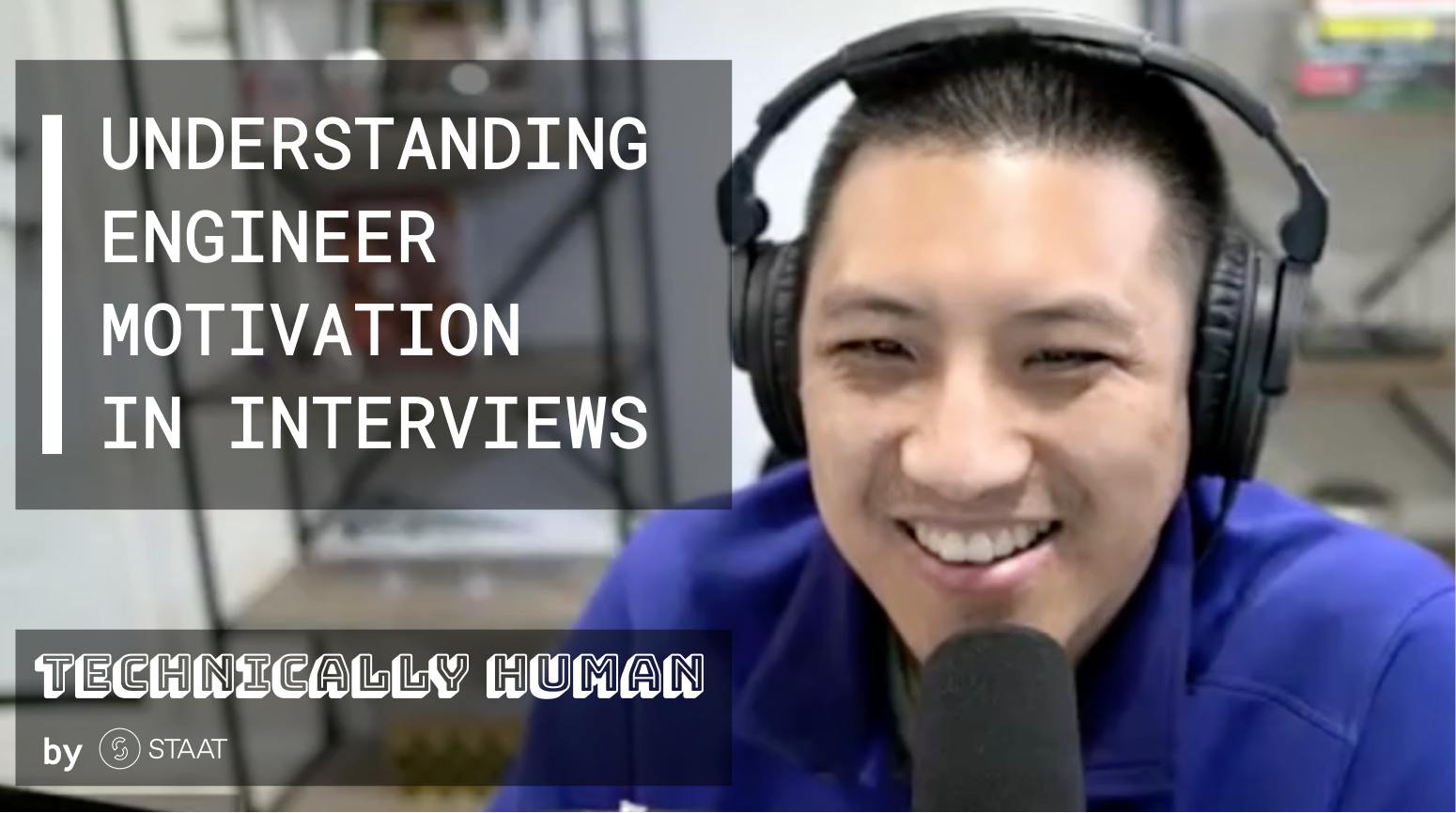 Eric Gong talks about how to uncover a candidate's motivations during an interview and why that's so crucial to understanding if they are a culture fit or not.
258. Top Ways to Track and Support Your Engineering Managers
 Learn how to effectively evaluate engineering managers beyond code and output. This guide explores setting clear expectations, using structured feedback, tracki
259. Tech Teams in Brazil: 42% Deploy Daily, Another 38% Deploy Weekly [Study]

260. How to Tailor Your Innovation Efforts to Work in an IT Work Environment
 Information technology has had a high growth rate for years and there is a reason for that: a constant flow of innovations in technology, but also in business processes, as growing competition on the market has made innovation a must for every organisation. On the other side, the top skills missing among job applicants in the current world are problem solving, critical thinking, innovation and creativity.
261. Your Brain Is a Terrible Database. Here's the Operating System I Built to Replace It
 AI killed the task layer — drafts, summaries, and code now take seconds. But the real bottleneck moved.
Thank you for checking out the 261 most read blog posts about Engineering Management on HackerNoon.
Visit the /Learn Repo to find the most read blog posts about any technology.