Let's learn about Distributed Systems via these 257 free blog posts. They are ordered by HackerNoon reader engagement data. Visit the Learn Repo or LearnRepo.com to find the most read blog posts about any technology.
Distributed systems are a collection of autonomous computers that appear to users as a single, coherent system, working together to achieve a common goal. They are essential for building highly scalable, fault-tolerant, and performant applications that can handle massive loads and maintain continuous availability.
1. Anatomy of a System Design Interview
 <em>How can you design a large scale distributed system during an interview?</em>
2. How NOT to design Netflix in your 45-minute System Design Interview?
 Discover key strategies for acing system design interviews in the tech industry.
3. What is OpenTelemetry and How It Can Improve Your Backend Quality?
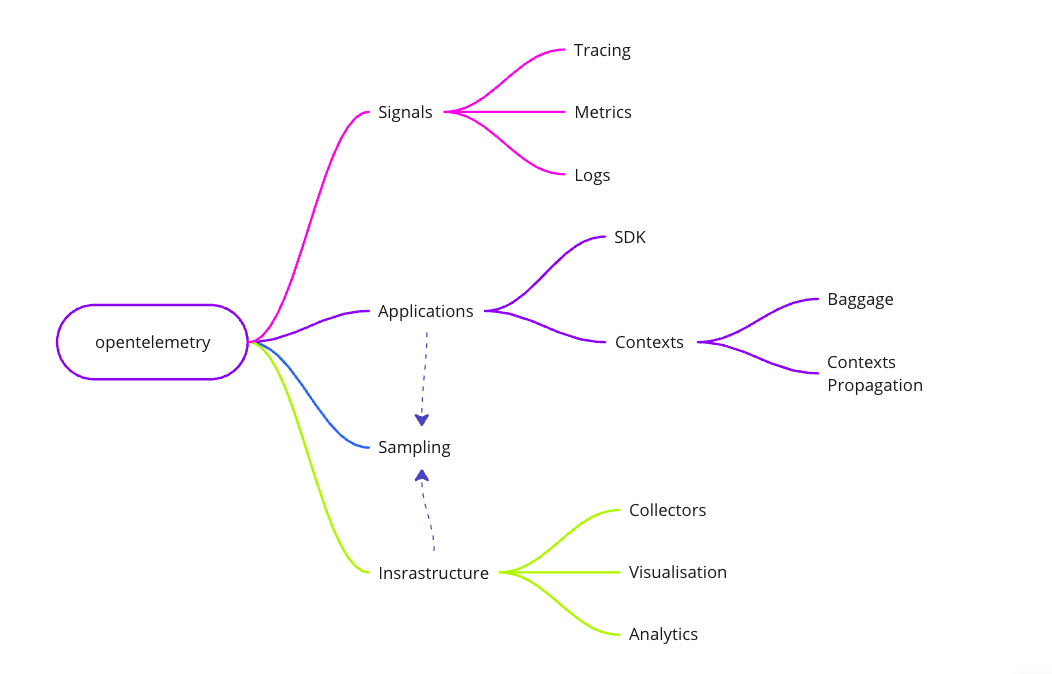 Discover how OpenTelemetry revolutionizes monitoring and debugging in backend systems, enhancing reliability and performance with comprehensive tools.
4. Reliable Messaging in Distributed Systems
 Building a reliable, highly available, scalable distributed system requires adherence to specific techniques, principles, and patterns.
5. Breaking Axioms in Program Execution
 Follow the author's exploration of software development from the early days of sequential code to embracing distributed systems.
6. The System Design Cheat Sheet: Cache
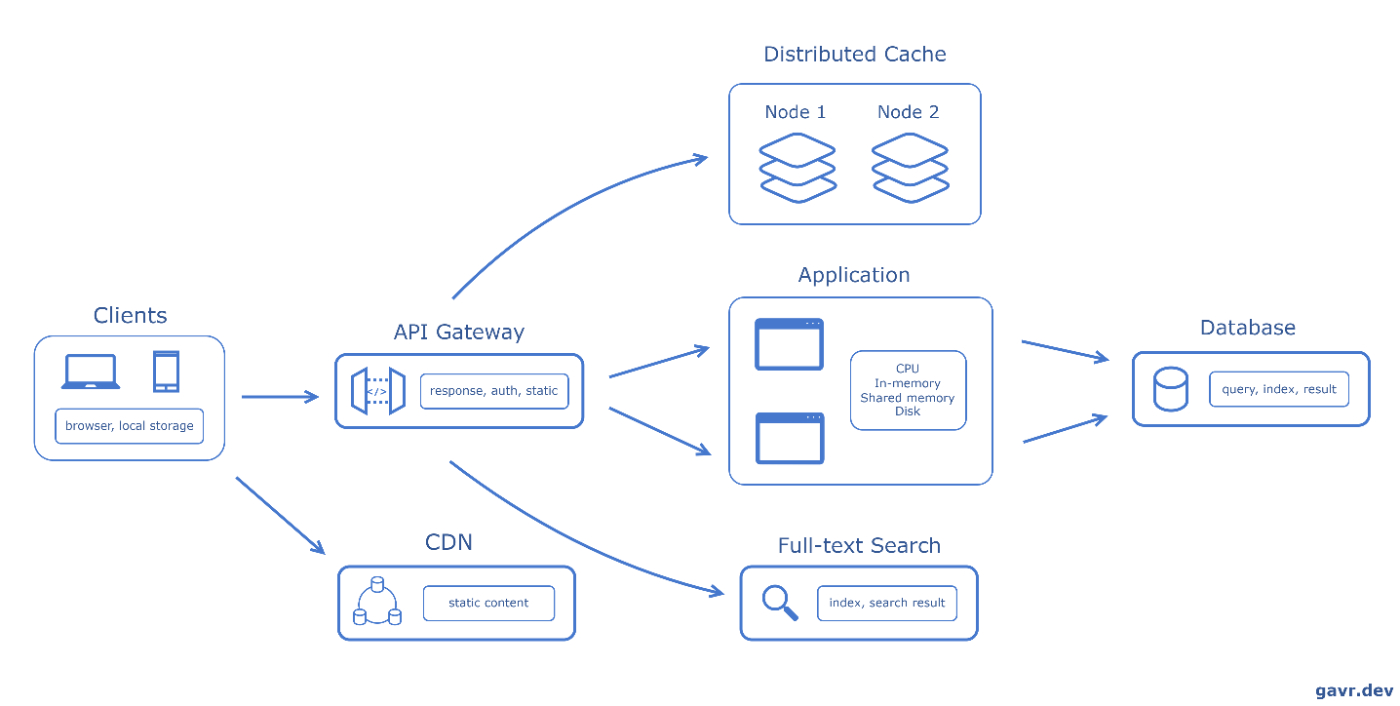 The system design cheat sheet for caching is used to reduce latency and improve the efficiency of data retrieval across the distributed system.
7. Build a Self-Hosted Online Second Brain Like Evernote
 How to use Platypush and other open-source tools to build a notebook synchronized across multiple devices
8. Kafka vs RabbitMQ: Find the Best Fit for Your Project
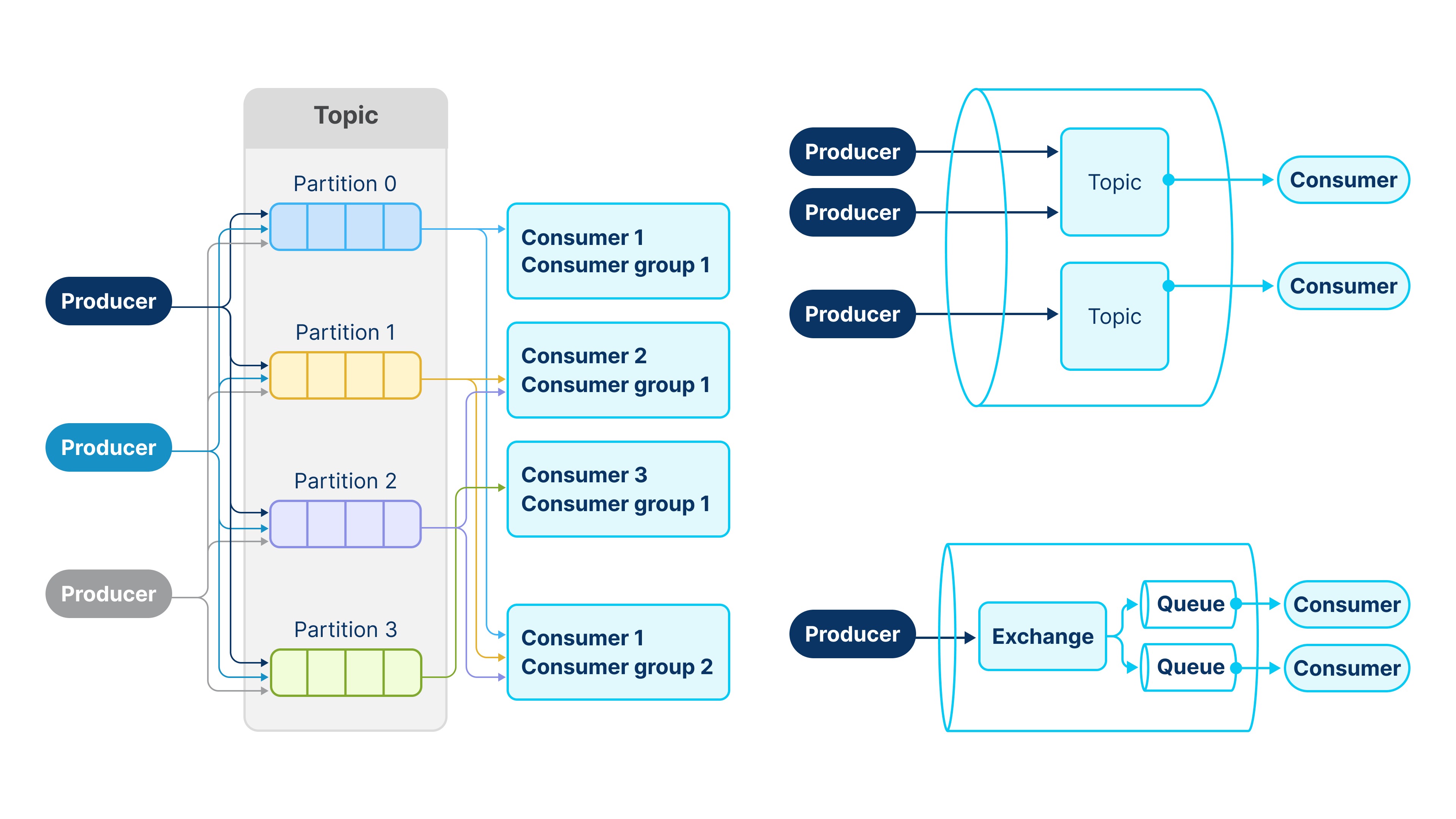 Explore the key differences, features, and use cases of Kafka and RabbitMQ in modern distributed systems and microservices.
9. Why I Built a MongoDB-Powered Message Queue
 Reinventing the wheel: a message queue system with MongoDB
10. I Led Dozens of Meta System Design Interviews, Here's The Right Way to Prep
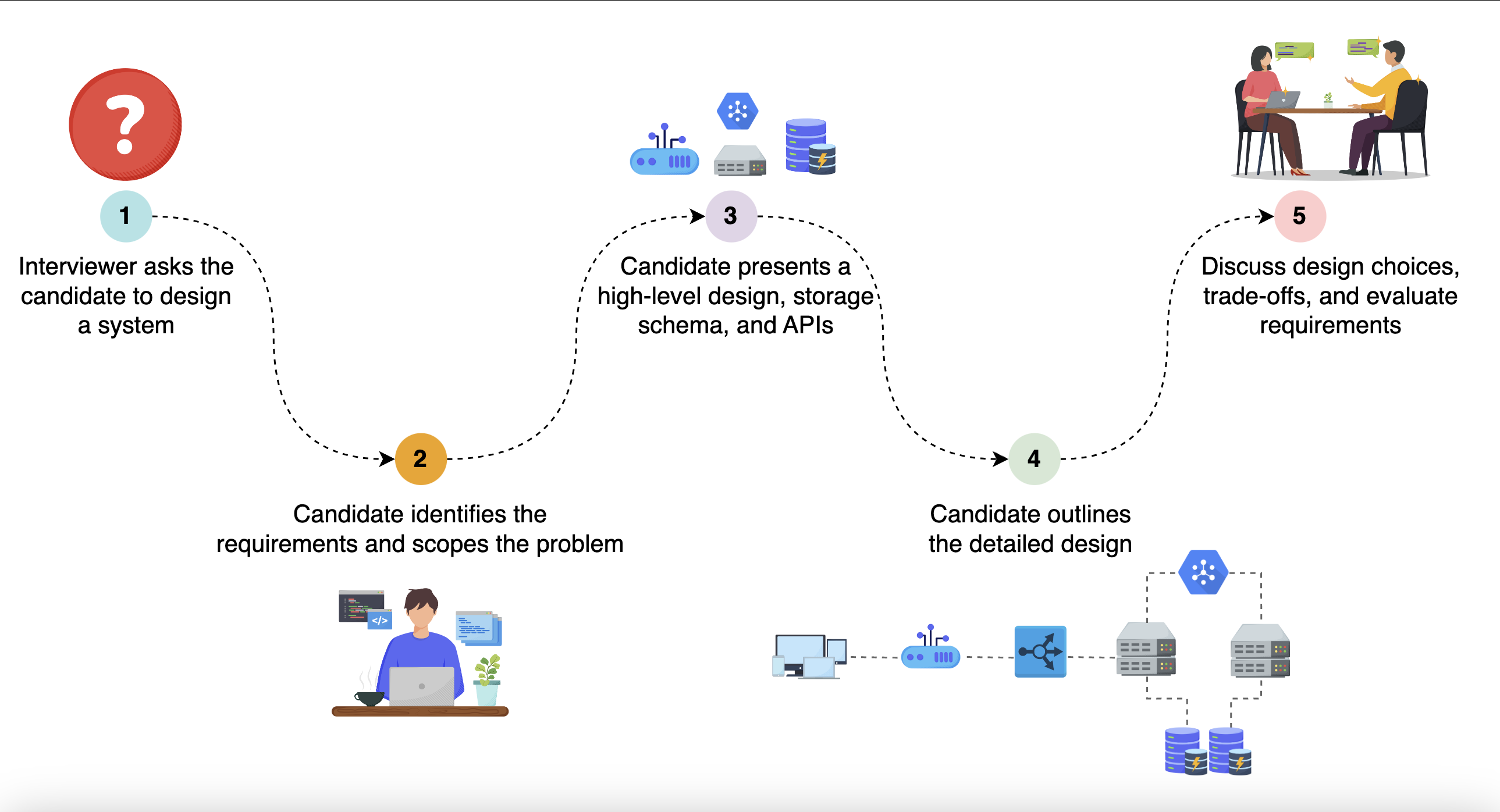 A FAANG software engineer's guide to acing the Meta system design interview. Learn to crack 9 meta system design interview questions.
11. Load Testing for High-Load Distributed Systems
 Explore load testing strategies for high-load services, discussing staging, isolation, and emulation.
12. The Tradeoff Triangle: Why Microservices Start to Hurt at Scale
 Microservices promise speed and flexibility, but scaling them exposes real tradeoffs.
13. Why Data Quality Is Becoming a Core Developer Experience Metric
 Bad data secretly slows development. Learn why data quality APIs are becoming core DX infrastructure in API-first systems and how they accelerate teams.
14. Delta Compression: Diff Algorithms And Delta File Formats [Practical Guide]
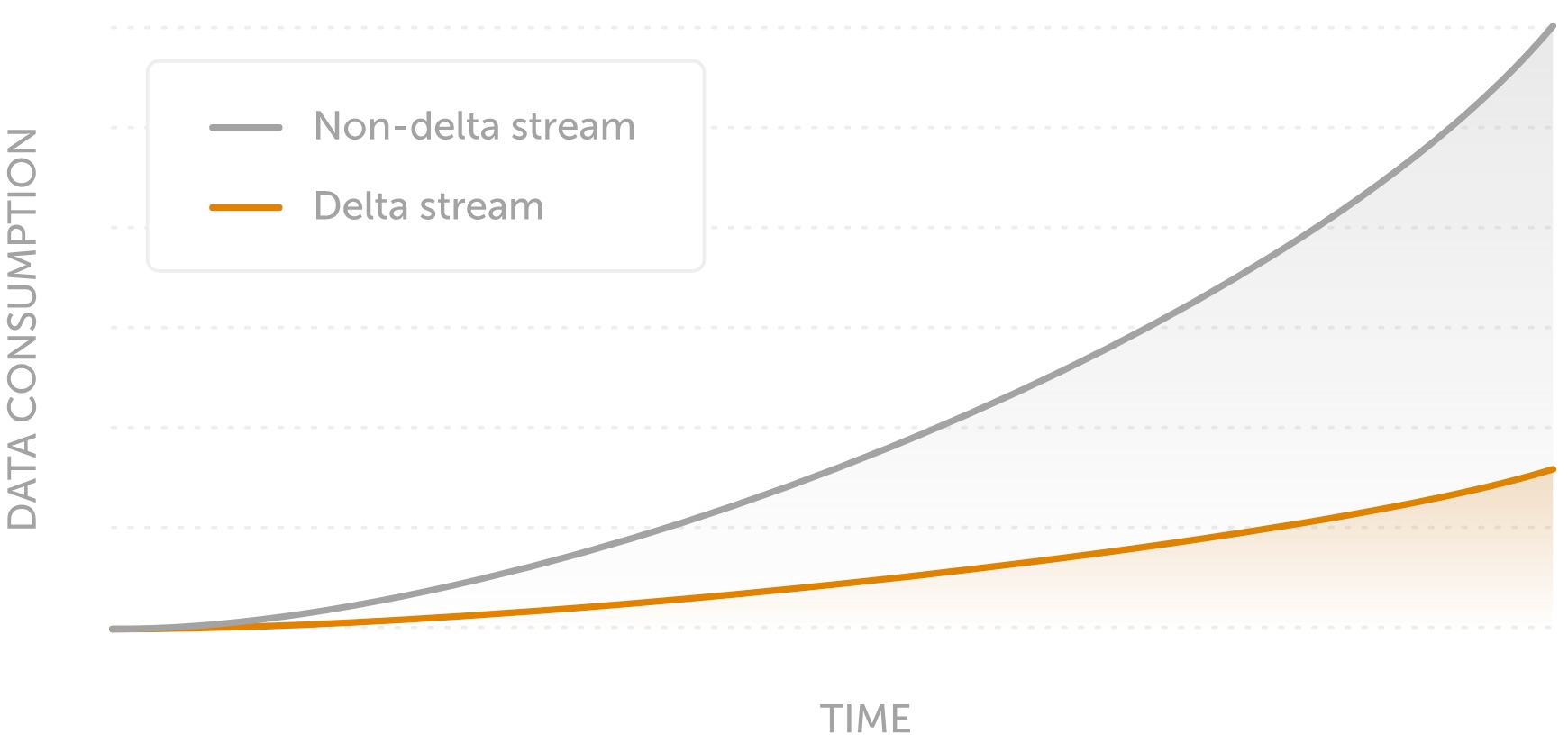 A diff algorithm outputs the set of differences between two inputs. These algorithms are the basis of a number of commonly used developer tools. Yet understanding the inner workings of diff algorithms is rarely necessary to use said tools.
15. Replicate PostgreSQL Databases Using async Python and RabbitMQ for High Availability
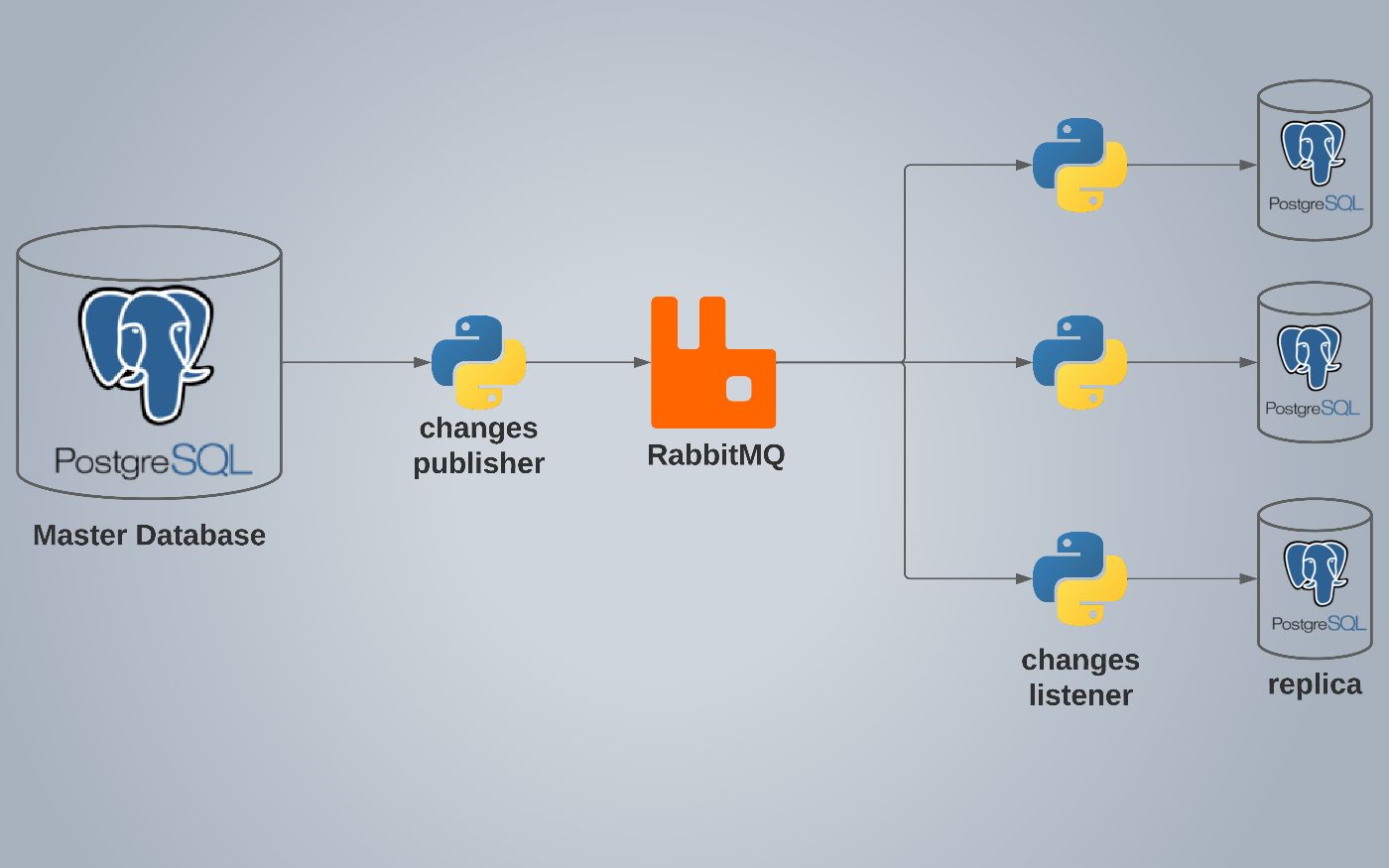 PostgreSQL replication using python and RabbitMQ for providing your database server with High Availability by easily making replicas of your master server.
16. It's Not Kubernetes. It Never Was.
 Kubernetes isn't breaking your multi-cloud strategy; your org structure is. A senior engineer explains why your deployment pipeline is fighting you.
17. Exploring the World of Distributed Systems: PACELC Theorem or Why CAP Is Not Enough
 A deep dive into the PACELC Theorem
18. How to Choose the Right Database for your Requirements
 Imagine — You’re in a system design interview and need to pick a database to store, let’s say, order-related data in an e-commerce system. Your data is structured and needs to be consistent, but your query pattern doesn’t match with a standard relational DB’s. You need your transactions to be isolated, and atomic and all things ACID… But OMG it needs to scale infinitely like Cassandra!! So how would you decide what storage solution to choose? Well, let’s see!
19. Round Robin in Distributed Systems
 An in-detail tutorial on how to use round robin for load balancing in distributed systems
20. Best Practices For Apache Kafka Configuration
 Having worked with Kafka for more than two years now, there are two configs whose interaction I've seen be ubiquitously confused.
21. Kafka Basics and Core Concepts: Explained
 In this article we will cover the core concepts of Kafka and also will touch upon a few of the advanced topics.
22. #NoBrainers: You Need A High Performing Low Latency Distributed Database
 Certain industries greatly benefit from high-performing, low-latency, geo-distributed technologies.
23. Designing a Scraping Platform: Generic Scrapers vs. Targeted Scrapers
 How to design a scraping platform?
24. How to Use the Whiteboard in System Design Interviews
 You'll likely be asked some system design questions when interviewing at many tech companies today. Here's how to use the whiteboard to answer them effectively.
25. Exploring the World of Distributed Systems: A Beginner's Guide to the CAP Theorem
 CAP theorem proofed and explained. Why is it important? What are consistency, availability, and partition tolerance? How does it relate to distributed systems?
26. How to Use Cloud-init to Self-Register k3OS Clusters to Rancher
 The lightweight Kubernetes OS that is known as k3OS has quickly been gaining popularity in the cloud-native community as a compact and edge-focused Linux distribution that cuts the fat away from the traditional K8s distro. While k3OS is picking up steam, it is still on the bleeding edge and there is still a bit of a shortage of learning material out there for it.
27. The Thundering Herd Problem: Taming the Stampede in Distributed Systems
 The thundering herd problem occurs when numerous processes simultaneously access a shared resource, overwhelming distributed systems.
28. How to Launch Your Own Blockchain: Mainnet Launch [Part VI]
 I II III IV V
29. A Tale from Database Performance at Scale
 A humorous yet insightful tale of database pitfalls, from costly overprovisioning to data loss, spikes, backups, and key scalability lessons.
30. Moving Logic Out of Pods: Extending the Argo Workflows Controller
 Extend Argo Workflows with Executor Plugins: reduce pod overhead, integrate external systems via HTTP, and eliminate scheduler load. Minikube demo included.
31. My System Design Interview Checklist in 8 Simple Steps
 That dreaded system design interview. I remember the first system design question I was asked. “Design WhatsApp”, he said. I didn’t know where to start! I was a fresher. Data structures and algorithms were the only things I knew. I am sure you can guess how that interview went. Then after enough research, I made myself a checklist of components, of sorts, to navigate me through my next system design interviews. And I sh*t you not, it works!
32. Why Use Kubernetes for Distributed Inferences on Large AI/ML Datasets
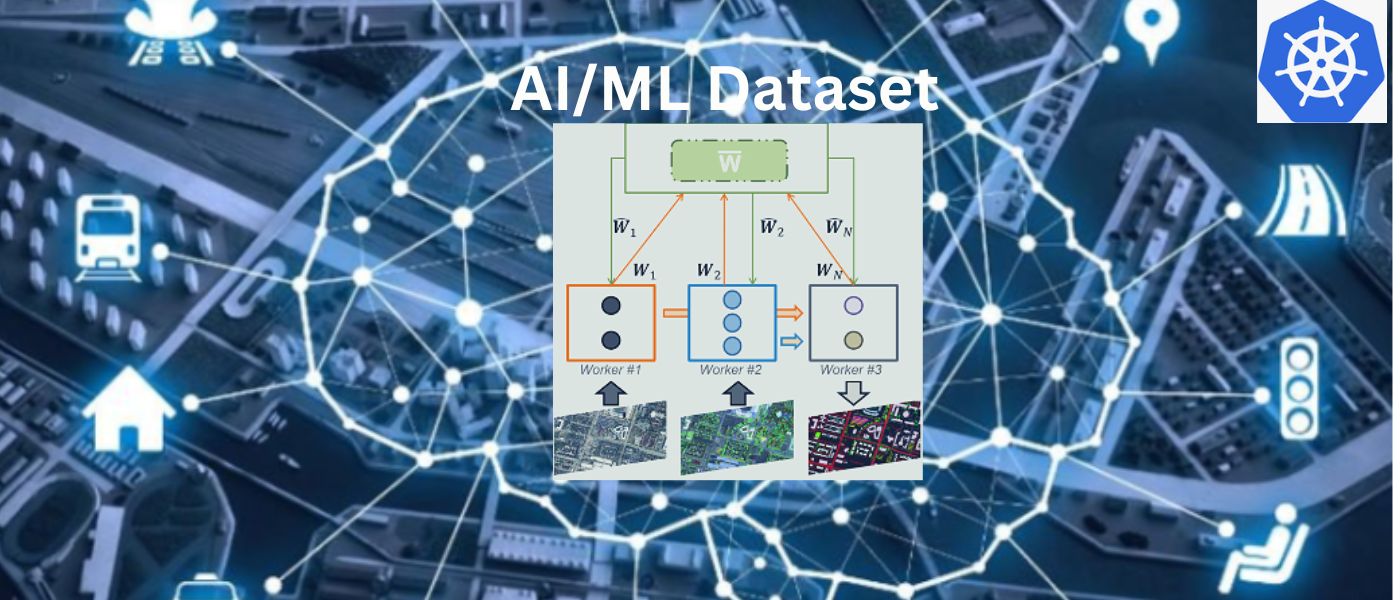 This blog provides you with some strong rationale to use Kubernetes on large AI/ML datasets on which distributed inferences are performed. Loop in for more.
33. Poor State Management Breaks Everything (and Why Distributed Systems Do It Better)
 Software complexity affects almost every aspect of software engineering.
34. Blockchain as a Distributed File System: How Would It Work?
 In this article, we propose a blockchain network that acts as a centralized append-only distributed file system (DFS) such as Hadoop Distributed File System (HDFS) or Google File System (GFS). The potential advantages of blockchain as a distributed file system (BaaDFS) include:
35. Introduction To Distributed Tracing Pattern
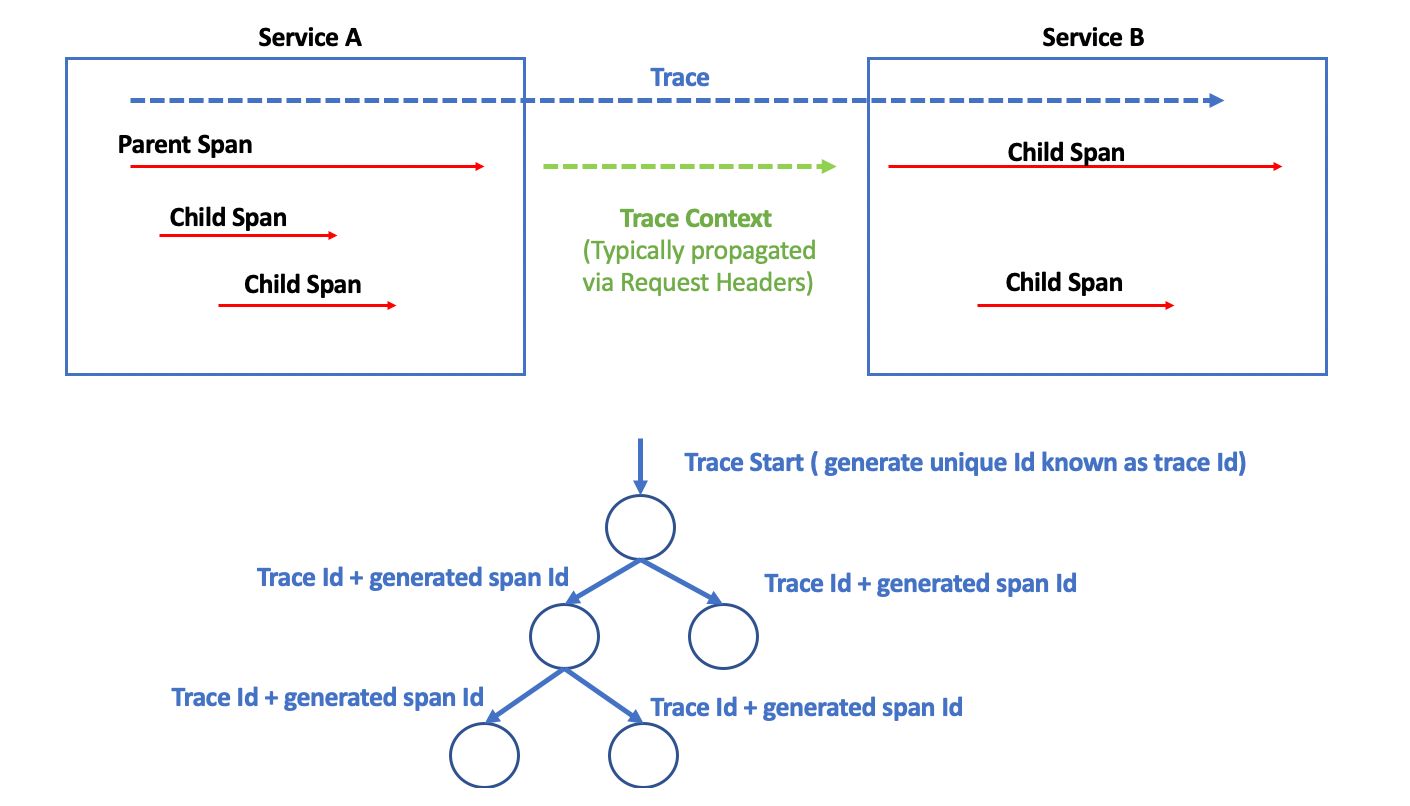 A distributed architecture brings in several challenges when it comes to operability and monitoring. Here, one may be dealing with tens if not hundreds of microservices, each of which may or may not have been built by the same team.
36. Building Microservices With Nameko
 What is Nameko?
Nameko is a framework for building lightweight, highly scalable and fault-tolerant service in Python.
What is Nameko?
Nameko is a framework for building lightweight, highly scalable and fault-tolerant service in Python.
37. How to Access Data Across Different Blockchains
 Explore a cross-chain query language proposal to address interoperability in open and permissionless blockchains.
38. Rethinking Programming: The Network in the Language
 With the emergence of microservices architecture, applications are developed by using a large number of smaller programs. These programs are built individually and deployed into a platform where they can scale independently. These programs communicate with each other over the network through simple Application Programming Interfaces (APIs). With the disaggregated and network distributed nature of these applications, developers have to deal with the Fallacies of Distributed Computing as part of their application logic.
39. Connecting the Dots: FLP, BFT & Consensus Algorithms
 When learning about blockchain consensus algorithms and distributed systems in general, you will inevitably come across terms like FLP impossibility and Byzantine fault tolerance. While there is plenty of literature on these subjects, it often suffers from a narrow focus, failing to explain the connections and relationships between them. Furthermore, much of the existing literature gives either too much or not enough technical detail — I found this to be especially true when learning about consensus algorithms like the proof of stake.
40. How to Prepare for System Design Interview in 2024?
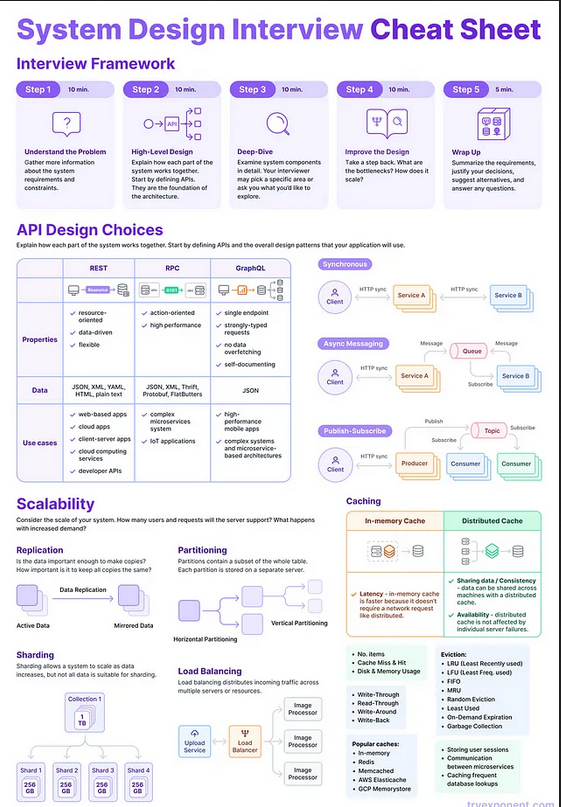 In the Software Engineering world, if you are applying for a Senior Engineer/Lead/Architect or a more senior role, System Design is the most sought-after skill
41. The Realtime API Family [A Deep Dive]
 Looking to 2020 and beyond, the proportion of data produced and consumed in realtime is growing exponentially. IDC predict that by 2025 1/3 of all data produced globally will be realtime.
42. The 10 Weirdest, Most Brilliant Algorithms Ever Devised and What They Actually Do
 Discover 10 unusual algorithms that defied logic, broke rules, and transformed the way we think about technology and problem-solving.
43. CRDTs vs Operational Transformation: A Practical Guide to Real-Time Collaboration
 Operational Transformation (OT) lets multiple people type in the same document without creating chaos.
44. Hackable Blockchains Simulations
 Distributed consensus simulation visualization, DYOR
45. Inside BEAM: How Elixir and Erlang Leverage a Shared Runtime for Resilient Applications
 Explore the origins and guiding principles behind Erlang and Elixir to understand their full potential and innovation.
46. The 3 Important Lessons I Learned From Implementing Raft in Go
 Implementing Raft was an overall great experience that added many practical tools under my belt and improved my proficiency with Go.
47. Understanding Service Discovery in Distributed Systems
 An in-detail tutorial on how to create a Service Discovery in Python using Flask.
48. A Quick Primer on Everything You Need to Know About Blockchain
 Blockchain is a term utilized to represent distributed ledger technology.
49. 5 Books You Can Read to Boost Your Computer Science Knowledge
 Make use of your downtime and read something good!
50. 2 Billion Requests, 100ms Deadlines, $10k a Month: Engineering a Lean Global RTB System
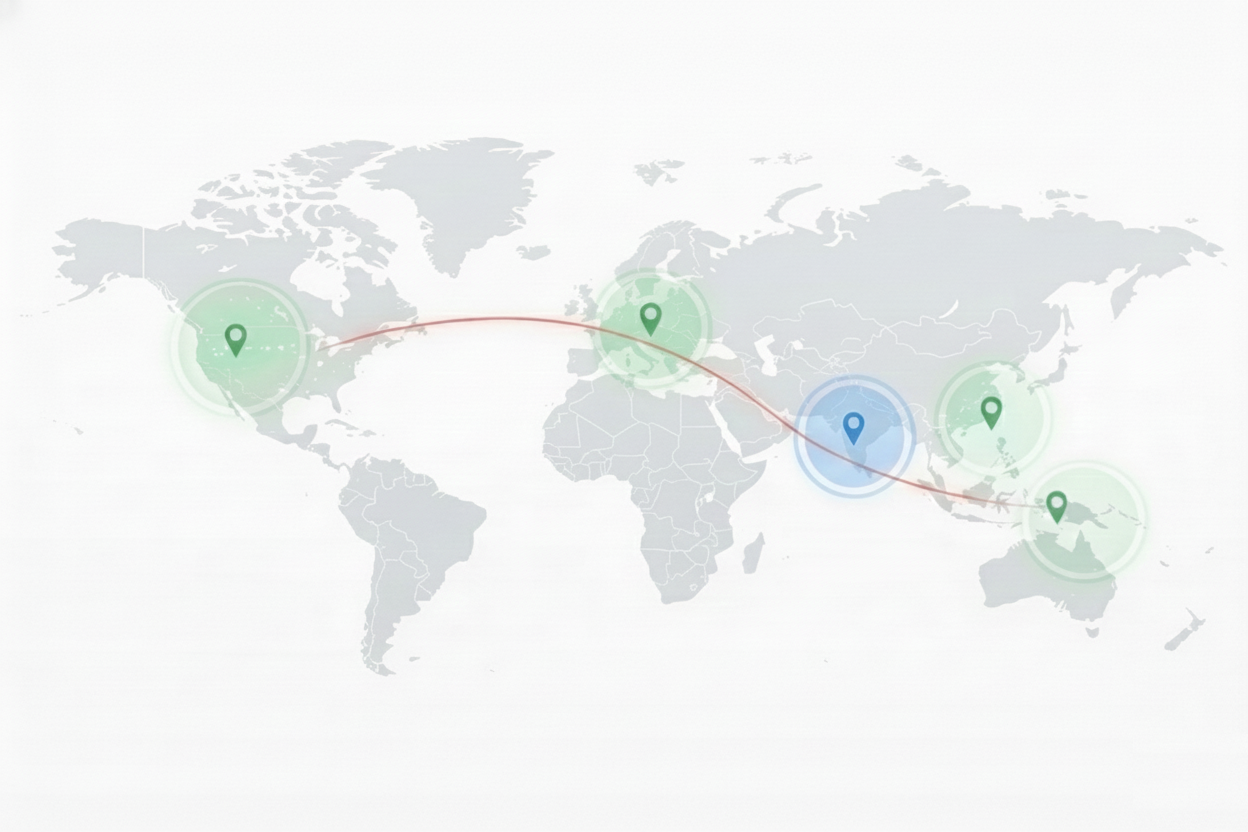 Inside a lean RTB system processing 350M daily requests with sub-100ms latency, built by a 3-person team on a $10k cloud budget.
51. Super Duper SQL Tips for Software Engineers
 In this post, we will talk about the features of working with SQL. We will talk about how you can possibly improve your database queries and speed up your app
52. Fixing Race Conditions in Go with Redis-Based Distributed Locks
 Go's 'sync.Mutex' is a lock designed to lock critical sections of code.
53. Why Distributed Systems Can’t Have It All
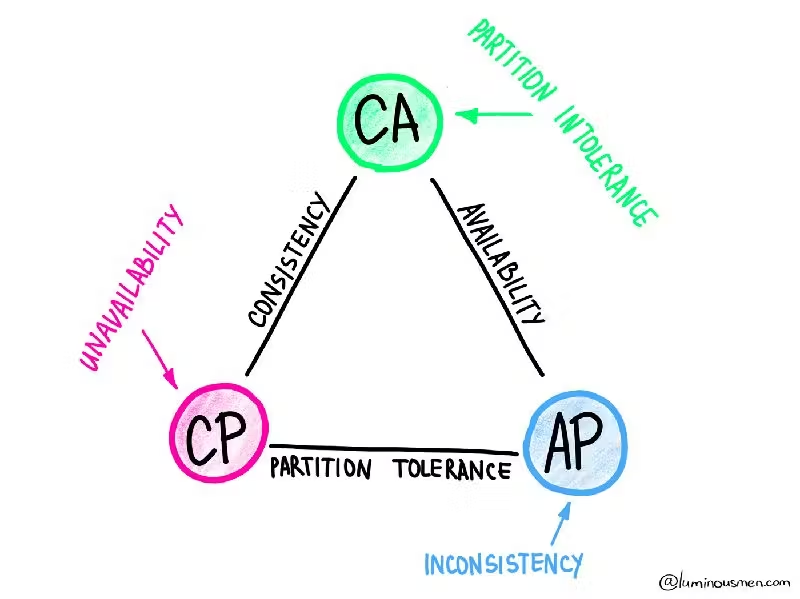 Modern distributed systems are all about tradeoffs. Performance, reliability, scalability, and consistency don't come for free—you always pay a price somewhere.
54. Federated Learning: A Decentralized Form of Machine Learning
 Major companies using AI and machine learning now use federated learning – a form of machine learning that trains algorithms on a distributed set of devices.
55. How Logical Clocks Keep Distributed Systems in Sync
 Explore the role of logical clocks in distributed systems to solve time synchronization challenges.
56. Great Options for Generating Passive Income With Ethereum 2.0
 In this article, we explore custodial, semi-custodial, and non-custodial staking services and review the industry's leading non-custodial protocols for ETH 2.0
57. Unveiling the Architecture: Key Papers to Understand Distributed Systems!
 Top papers on distributed systems; distributed system papers every software engineer should read.
58. Kafka Storage Design - Making File Systems Cool Again!
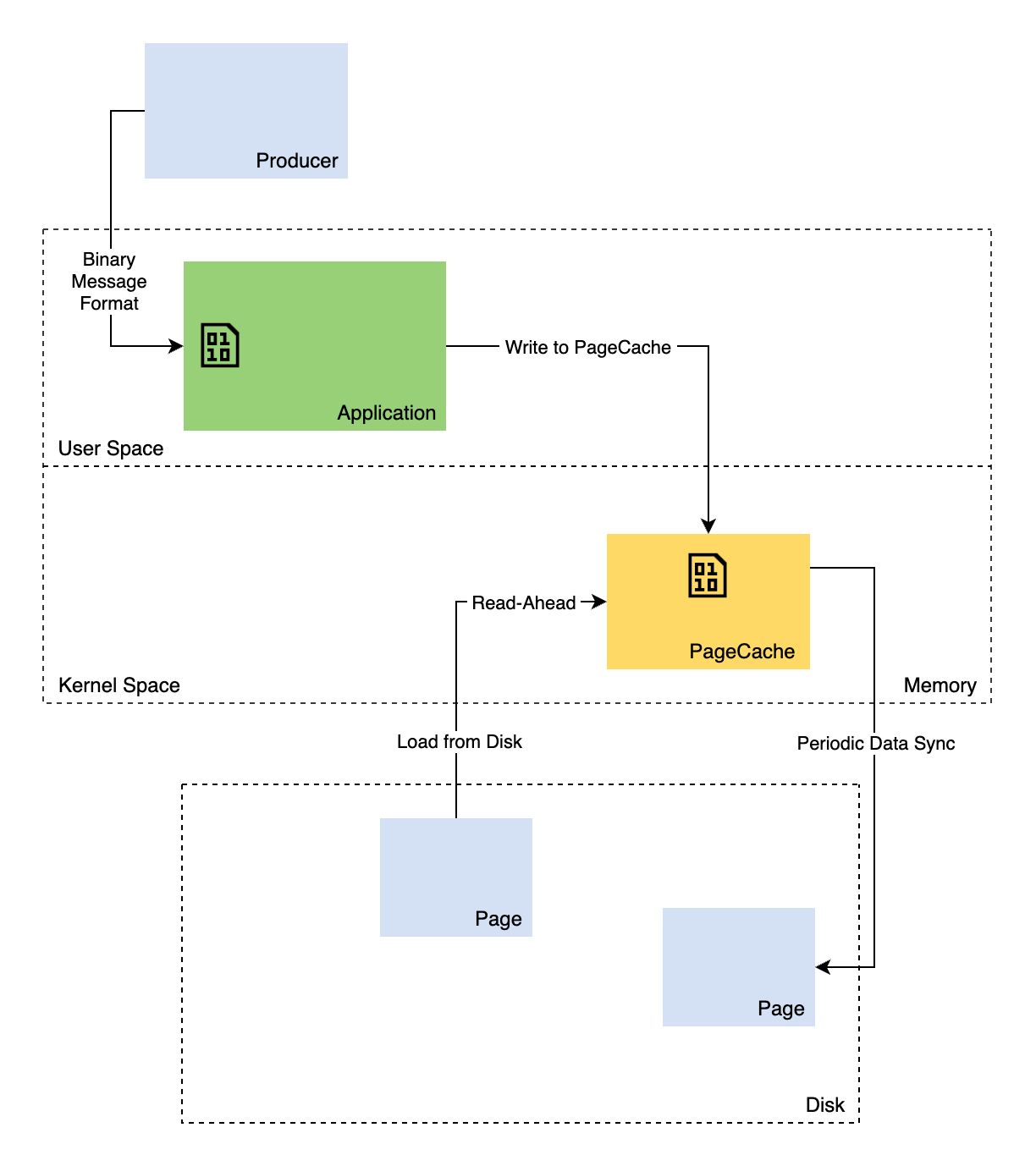 What makes Kafka so Fast? A Deep Dive into Kafka Storage Internals.
59. Understanding Caching in Distributed Systems
 Speed up your Distributed System by adding a High Available and Highly Consistent Caching Layer
60. Block-Less Blockchains: Understanding Directed Acyclic Graphs or DAGs
 Blockchain 3.0 will be upon us very soon, With Ethereum and so many other blockchain networks fighting for this, can directed acyclic graphs be the future?
61. Enhancing Bitcoin's Transaction Privacy With Bloom Filters
 Bloom filters are a data structure developed by Burton Howard Bloom in 1970. You can see them as a hash tables’ cousin. They also allow for efficient insert and lookup operations while occupying very little space
62. Fixing The ClickHouse Node Failure On Distributed Systems - A How-To Guide
 Part One: ClickHouse Failures, by Marcel Birkner
63. Step-By-Step Tutorial To Deploy A Distributed Node.js App At The Edge
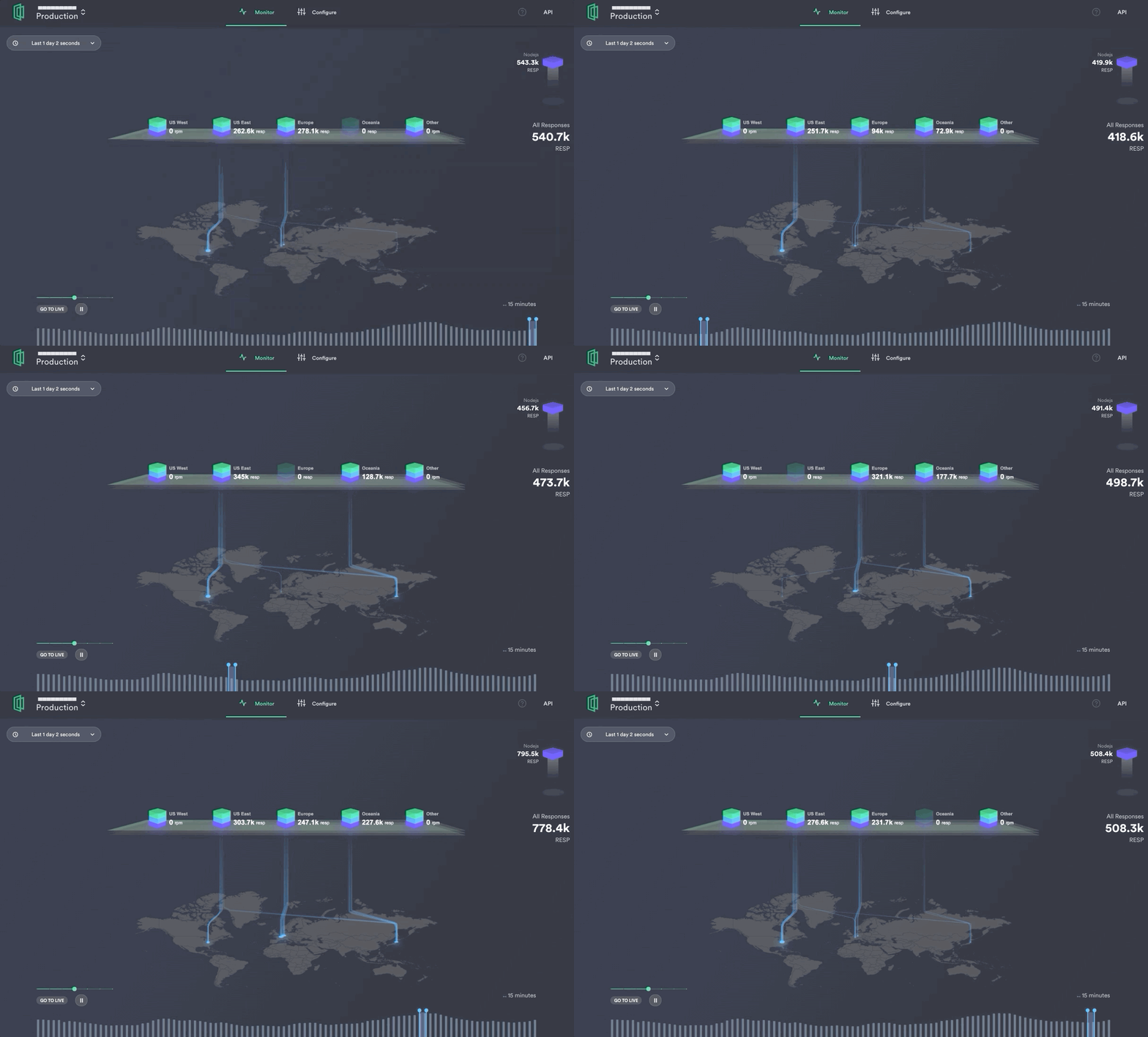 In this tutorial, we are going to demonstrate how to deploy a distributed Node.js app at the Edge using Section's Edge Compute Platform.
64. Working Towards a Sustainable Ecosystem Beyond Tokenization
 Many industries are on the brink of the next technological revolution in record keeping. Ten years after Bitcoin made its splash, we’re seeing many inspired by some of the benefits promised by the technology outside of the money use case:
65. Breaking Down the Worker Task Execution in Apache DolphinScheduler
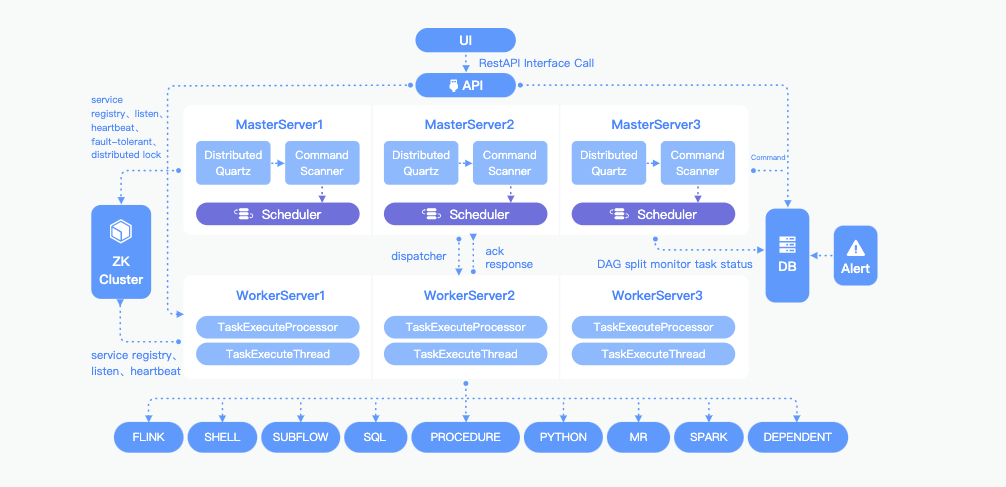 Discover how Apache DolphinScheduler's Worker tasks function within its distributed, open-source workflow scheduling system.
66. Unpacking Cinnamon — A New Resiliency Approach at Uber

Curious about Uber's new approach to scale resiliency in their microservices architecture? Stick with me for some ideas to enhance yours!
67. Inside Discord’s Architecture at Scale
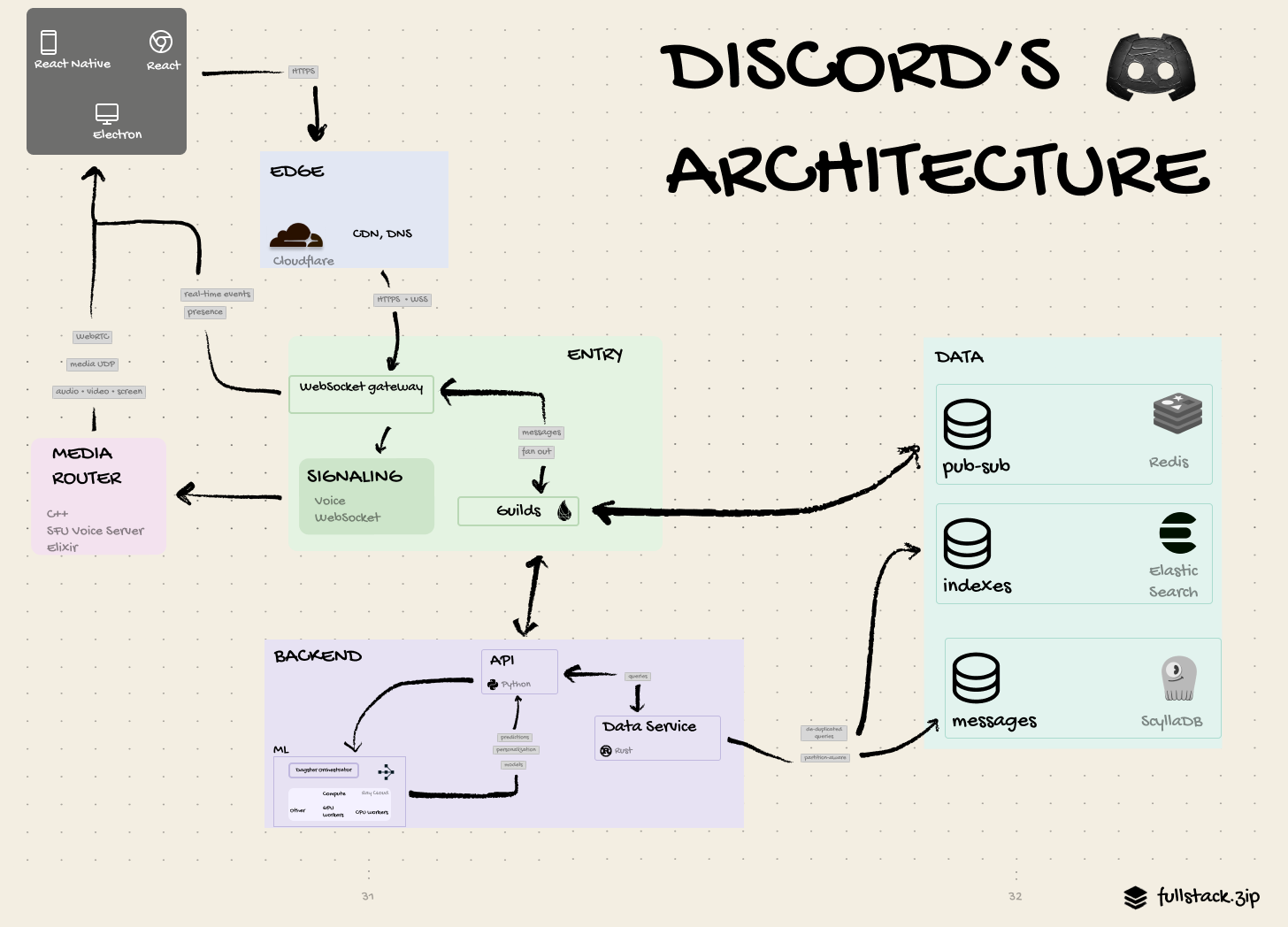 How Discord scaled to trillions of messages using the actor model, Elixir, ScyllaDB, request coalescing, and other creative performance optimizations.
68. Making Reliable Distributed Systems in the Absence of Erlang
 An explanation why Erlang hasn't conquered the world. Making reliable distributed systems in the presence of software errors is possible without Erlang.
69. Is Kafka the Key? The Evolution of Highlight's Ingest
 Building a distributed message processing queue using Apache Kafka requires some thought. We walk through how we process thousands of large messages per second.
70. Meet the Writer: Ashton Chew, Founding Engineer at Theta
 We sat down with Theta founding engineer Ashton to discuss RL infrastructure, why AI agents are cheating on benchmarks, and the future of computer-use models.
71. Exploring the CAP Theorem: The Ultimate Battle of Trade-Offs in Distributed Systems
 Consistency, availability, and partition tolerance are the three musketeers of distributed systems. They ensure that your system operates correctly.
72. How to Launch Your Own Blockchain: Mainnet Support

The main network is running, transactions are being sent, the wallet is working. What's next? In this article, we will consider how to maintain a network and solve its problems.
73. An Introduction to Blockchain + NoSQL Databases
 Both NoSQL databases and modern Blockchain ledgers benefit from a set of common principles. When they are both implemented for an application, a lot can be accomplished as the platforms can complement each other.
74. Building a Secure, Cost-Efficient Authentication System for Millions of Users
 How a global ride-hailing app scaled authentication to 40 countries, cut costs by millions, and boosted login security.
75. Using Web3 to Detangle the World’s Supply Chain
 The global supply chain is in a gridlock. Let's fix that.
76. Microservice Observability Patterns [Part 2]
 In my previous article, I talked about the importance of logs and the differences between structured and unstructured logging. Logs are easy to integrate into your application and provide the ability to represent any type of data in the form of strings.
77. How To Fix Duplicate API Requests: Understanding Idempotency
 Learn to prevent duplicate API requests in distributed systems with idempotency.
78. A Magical Relationship Between Distributed File Systems, Blockchain, and Artificial Intelligence
 The similarities between distributed file systems, blockchain, and artificial intelligence.
79. How to Route Traffic Between Microservices During Development
 Route traffic between microservices during development with this one simple trick that will save you setup time and, well, headache.
80. Using OpenTelemetry to Diagnose a Critical Memory Leak
 Optimize React Native + FastAPI deployments with our CI/CD guide. Automate builds, testing, and releases from scratch
81. Why Multimodal AI Broke the Data Pipeline — And How Daft Is Beating Ray and Spark to Fix It
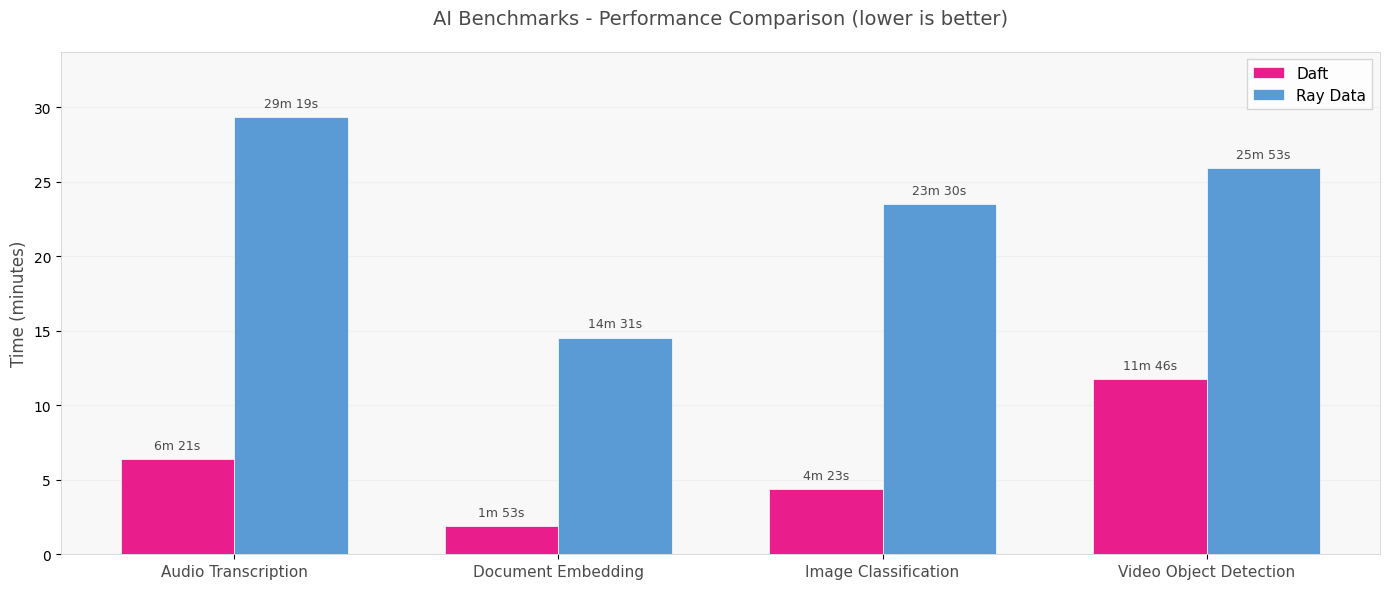 Multimodal AI workloads are breaking Spark and Ray. See how Daft’s streaming model runs 7× faster and more reliably across audio, video, and image pipelines.
82. Konstantin Glumov on Software Development Trends in 2024: Microservices, Cloud Computing and More
 Konstantin Glumov talks 2024 tech trends: microservices, cloud computing, and learning's key role for developers, highlighting IaaS growth and Kotlin.
83. Actor Model For Object Oriented Programmers
 Actor model introduction to object oriented programmers. Rethink your software development model with fault tolerant, concurrent and scalable by architecture.
84. How To Deal with Global Crisis: A Better “Truth Machine”
 One of the most terrifying parts of the current crisis is uncertainty. Uncertainty is one of the most terrifying things people can experience in general. Absolutely everyone I have spoken to is absolutely convinced that a lot of the information available is either biased, doctored or flat-out false.
85. Your Infrastructure Will Fail. Here's How to Make It Fix Itself.
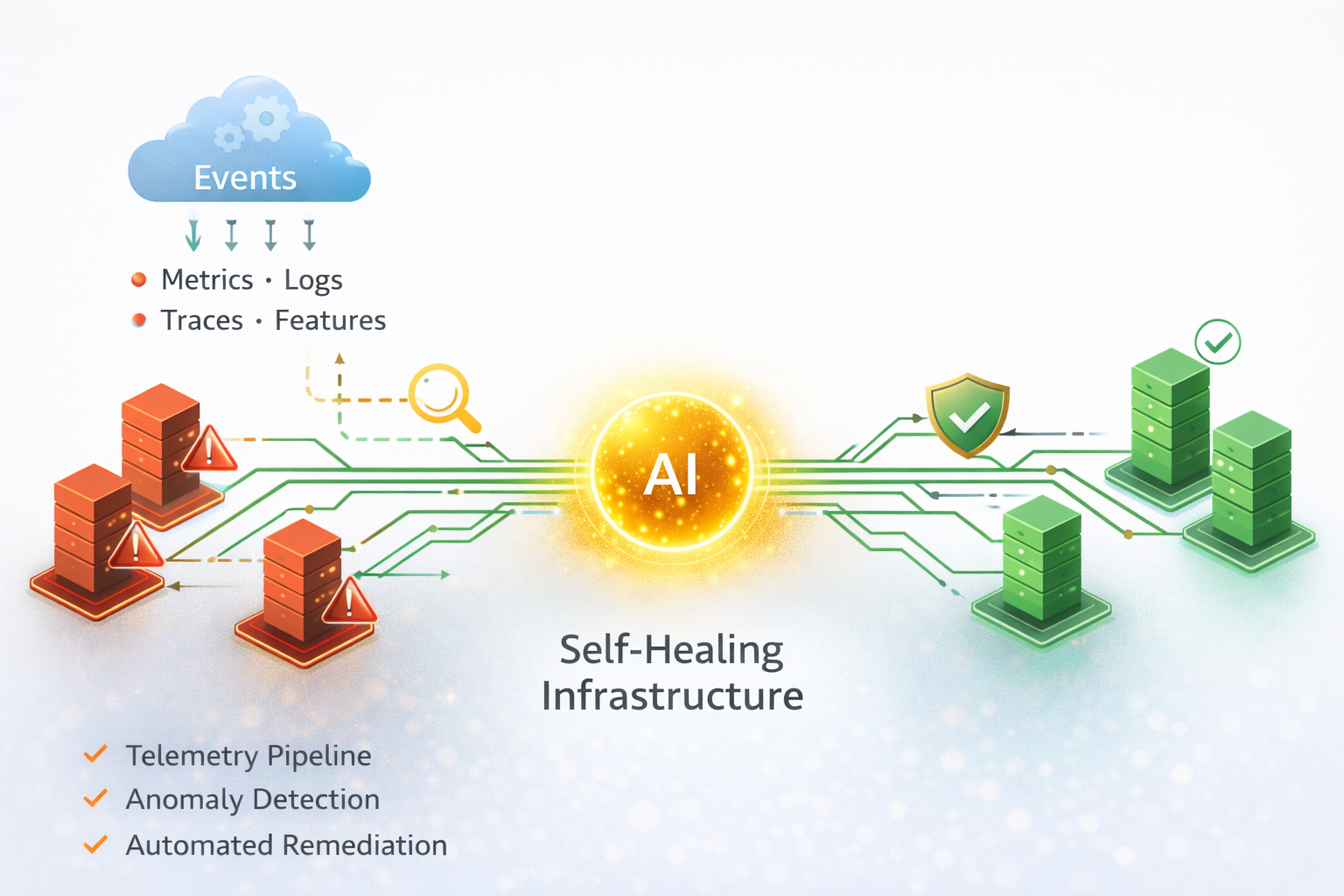 AI systems can detect, diagnose, and repair failures automatically.
86. Choosing Between Enterprise Messaging and Event Streaming For Your Architecture
 Comparing Enterprise messaging and event streaming across different dimensions to see how they excel at solving different but related messaging problems
87. Understanding L4 and L7 Load Balancers for Efficient Traffic Management
 Learn the differences between L4 and L7 Load Balancers, optimize traffic, secure apps, and enhance performance for efficient network management.
88. How to Launch Your Own Blockchain: Game of Validators [Part V]

89. How Shift-Right Testing Can Build Product Resiliency
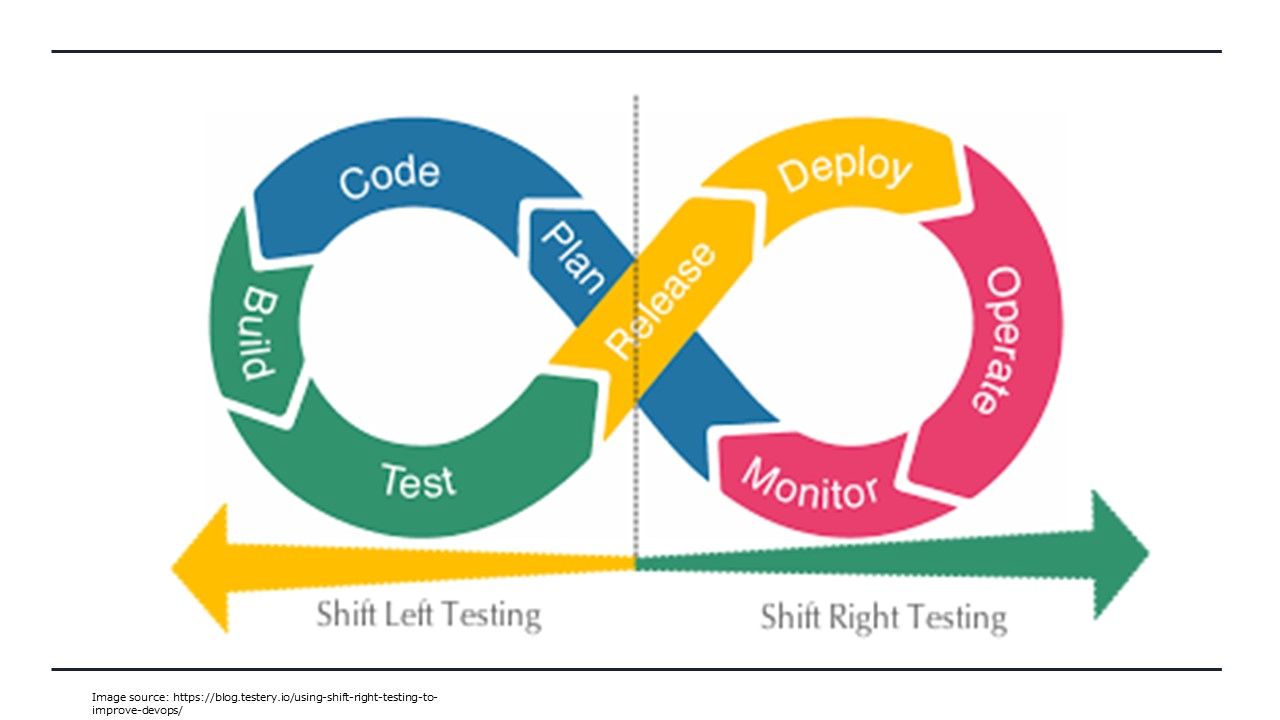 Shift-right testing improves product resiliency by uncovering issues that surface under heavy user traffic and are difficult to simulate in test environments.
90. Why Amazon Dynamo Still Shapes Modern Distributed Storage 17 Years Later
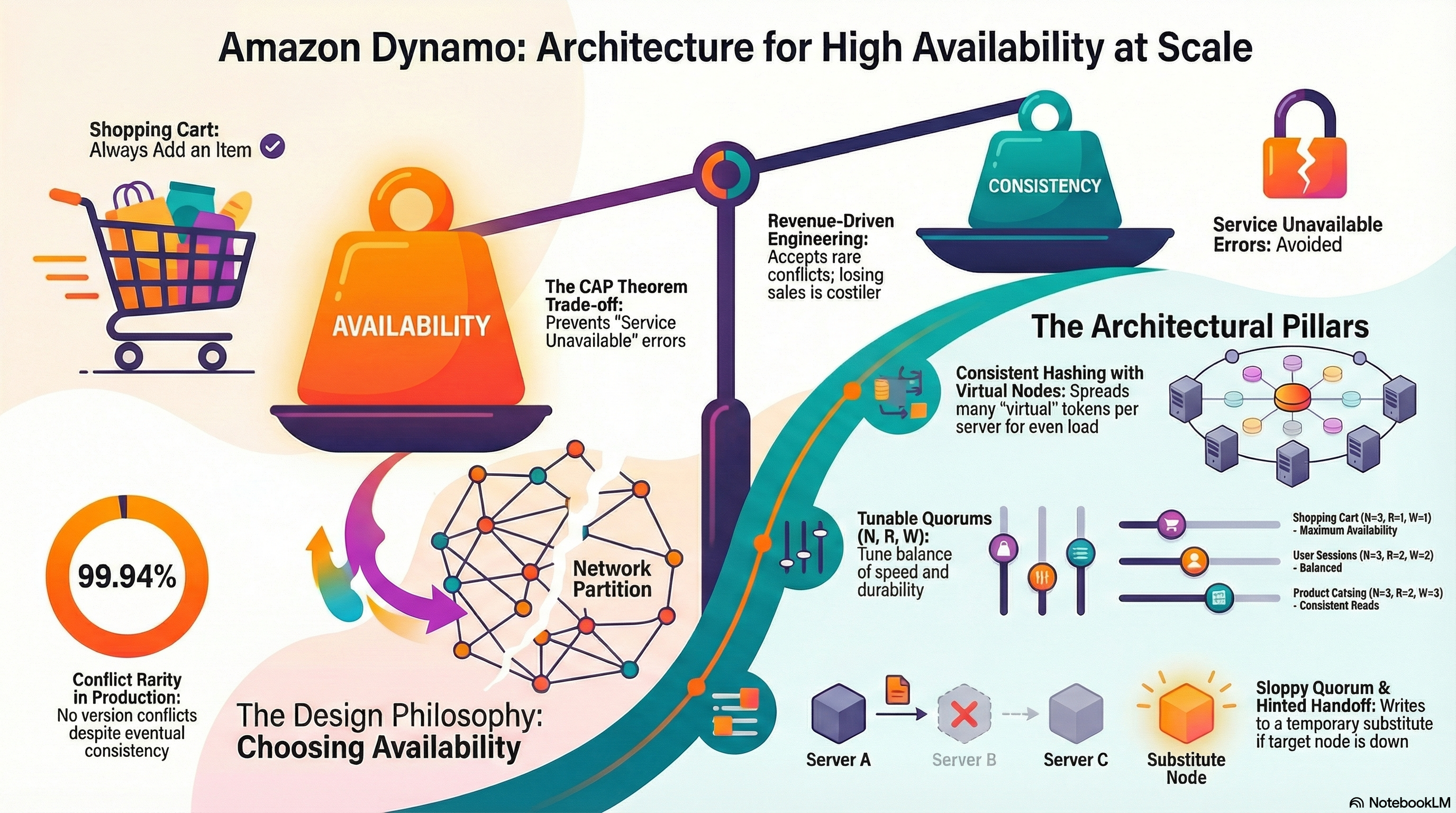 A deep dive into Amazon Dynamo’s architecture—CAP trade-offs, vector clocks, consistent hashing, and building highly available systems.
91. From Scaling to Healing: Designing Resilient Cloud Architectures
 Modern auto-scaling often fails because it reacts too late, scales the wrong layers, or ignores costs.
92. Dynamodb Partition Keys: How They Work Under the Hood
 This concept is the same in Dynamodb as well. The Primary Key of a table is either the Partition key or a combination of the Partition key and the Sort key.
93. Supercharging AI Workflows: Distributed Document Processing with Node.js, Python, and RabbitMQ
 Building a Scalable Multi-Language AI Document Analyzer with Node.js, Python, RabbitMQ, and Celery.
94. On Designing Low-Latency Systems for High-Traffic Environments
 Learn how to design scalable, low-latency systems that handle millions of requests with speed, resilience, and smart architectural choices.
95. The Myth of Horizontal Scalability
 Why horizontal scaling often backfires: shared bottlenecks, stateful services, and hidden coordination costs that more servers can’t fix.
96. Building Production-Grade RAG Systems for Document AI: What It Actually Takes
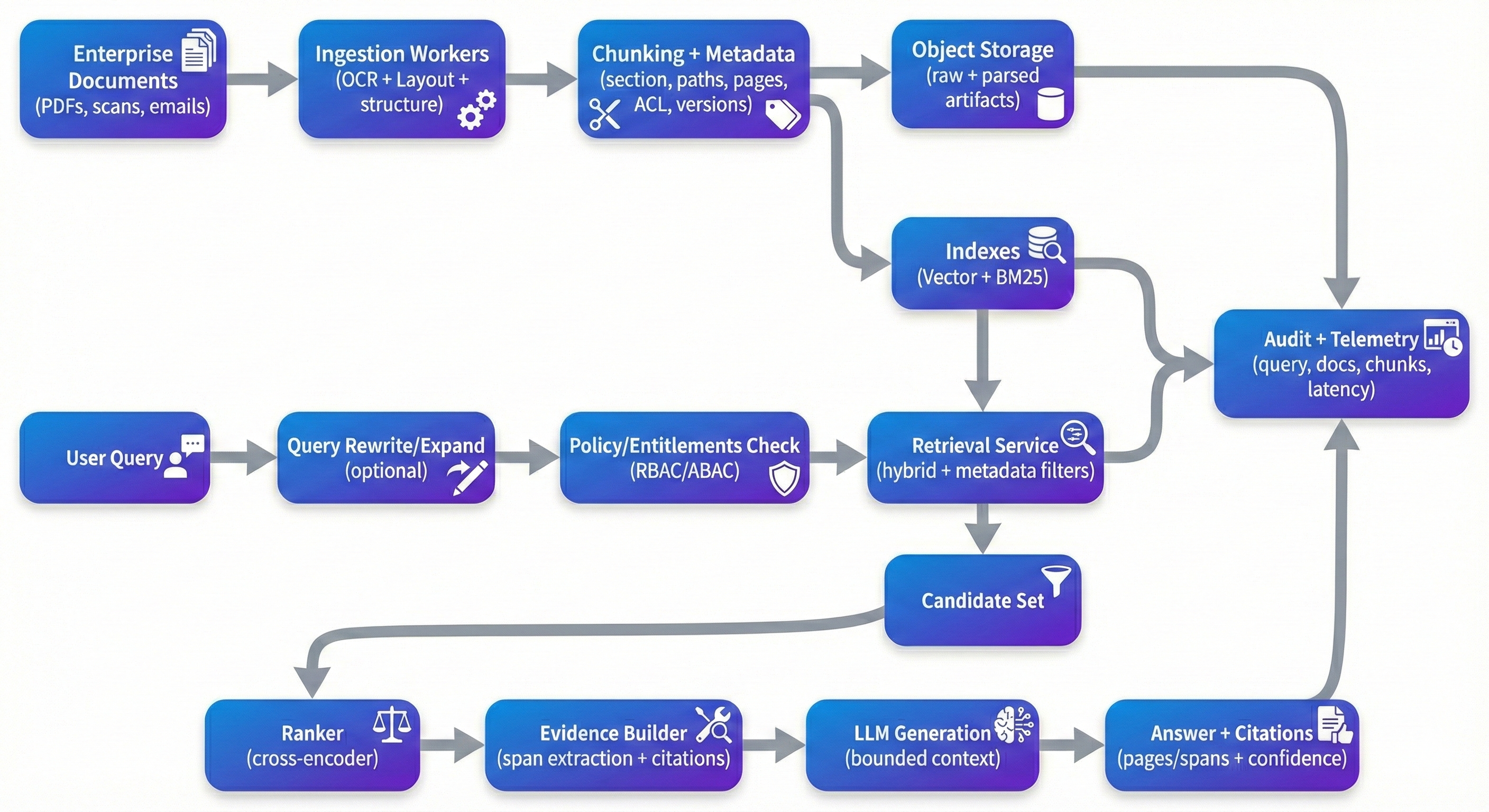 Learn to build production-grade RAG for enterprise PDFs. Focus on robust ingestion, hybrid retrieval, security, and traceability to move beyond demos.
97. The Myth of “Instant Decentralization” in Crypto Networks
 If you read a brand-new network proclaiming full decentralization from day one, you should raise an eyebrow. Let’s explore this myth in crypto.
98. The Client Server Model: Breaking Free with IPFS
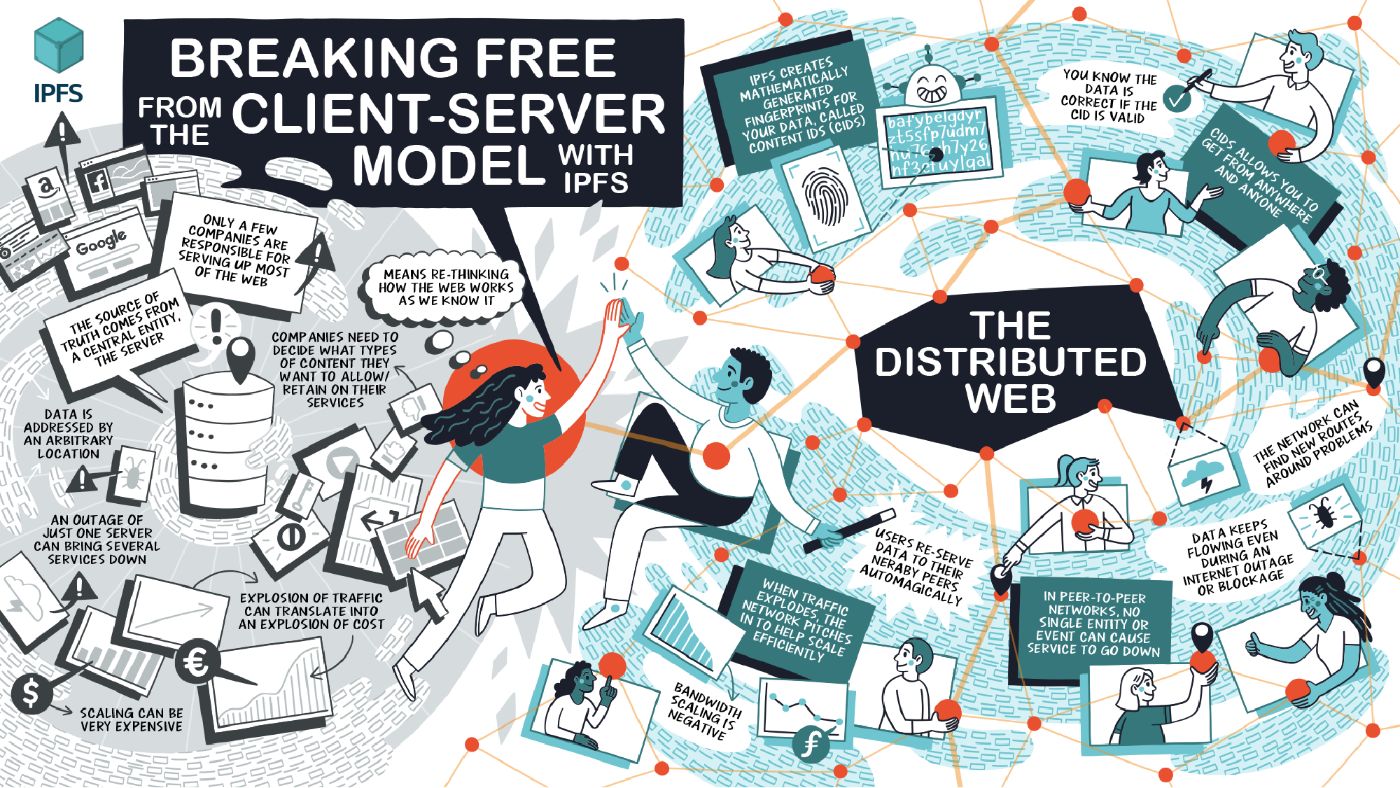 This is a condensed version of this post on the Client-Server Model. We use a client, such as a web-browser or chat app, and communicate with a single entity.
99. Real-Time Sync: The Missing Piece in Cross-Platform LLM Chat Apps
 LLM chat apps need better cross-platform sync. Key features: manual refresh button, draft saving, tagging system, offline queues, bandwidth management & more.
100. Understanding Partitioned Services in Distributed Systems
 A short tutorial on how Partitioned Services work and how to implement them in Python using Consistency Hashing,
101. Mastering the Cloud: A Guide to Distributed Systems
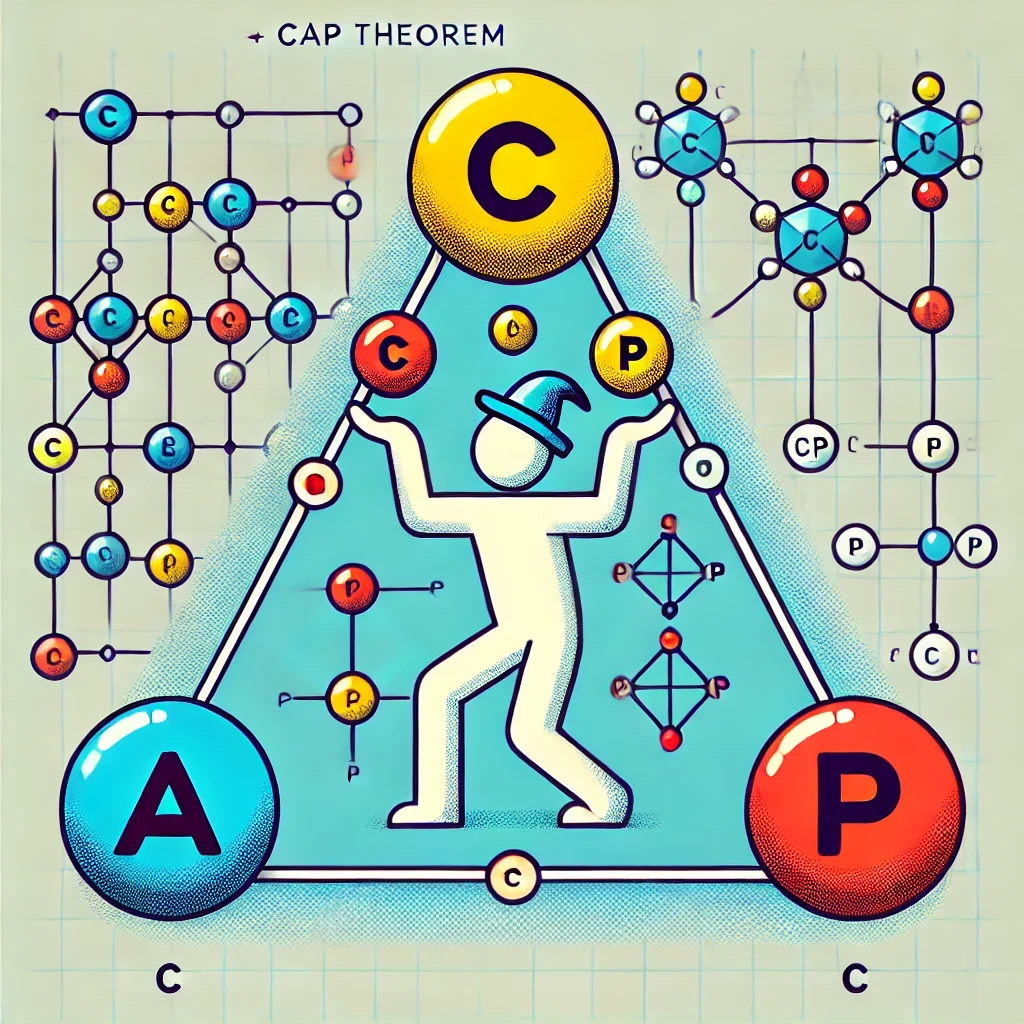 Distributed systems made easy
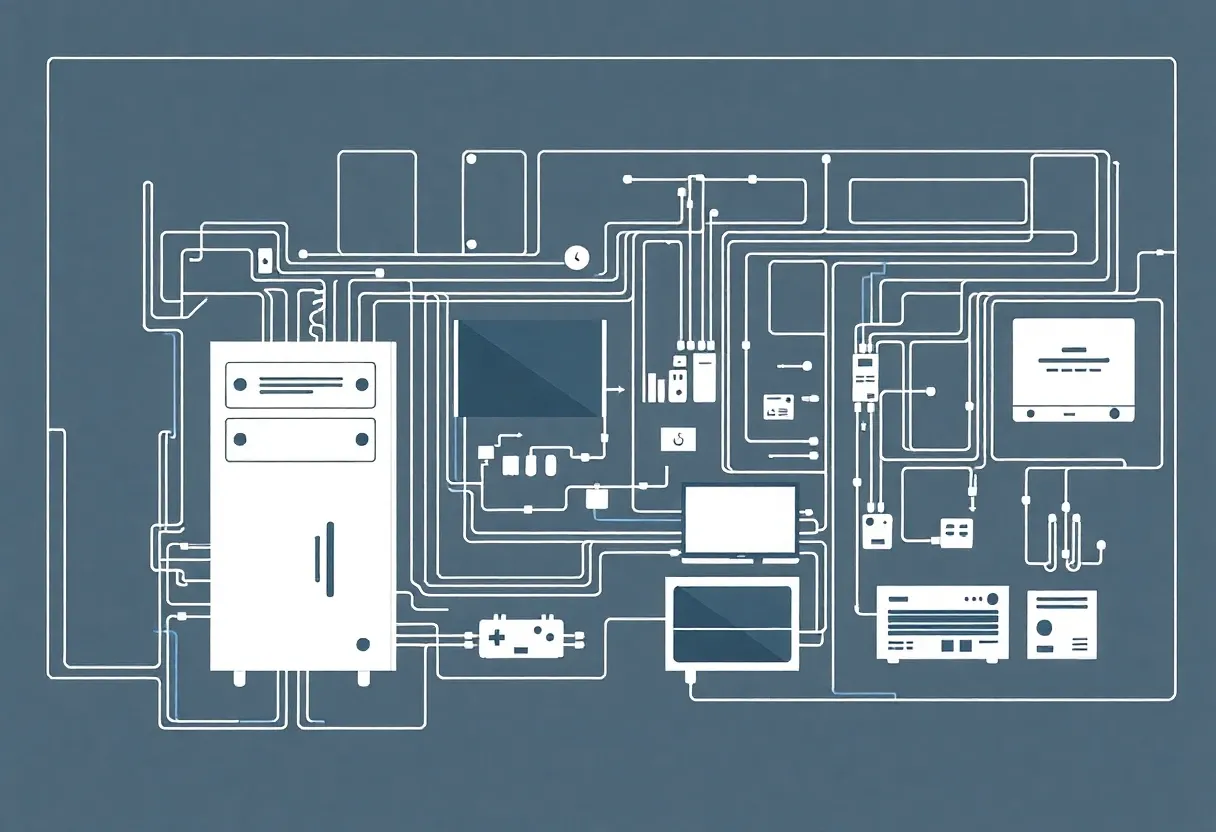
102. A Senior Engineer’s Guide to Scalable & Reliable System Design
103. Microservices? Why Not!
 The cost of microservices from a developer's perspective.
104. How Optimizing Outbound Logistics Saves Your Business Time and Money
 Outbound logistics play a critical role in a company's overall supply chain management and can significantly impact its bottom line.
105. ScyllaDB Founder & CEO Speaks on Revolutionizing Databases and Scaling for the Future
 Discover how ScyllaDB, led by CEO Dor Laor, is transforming data management with unparalleled scalability, speed, and innovation in a data-driven world.
106. Backpressure Isn’t a Bug: It’s a Feature for Building Resilient Systems
 Learn how backpressure helps distributed systems stay resilient under load. Explore real-world patterns to manage flow control, retries, and queue buildup.
107. Mastering Strategic Integration of Corporate Information Systems
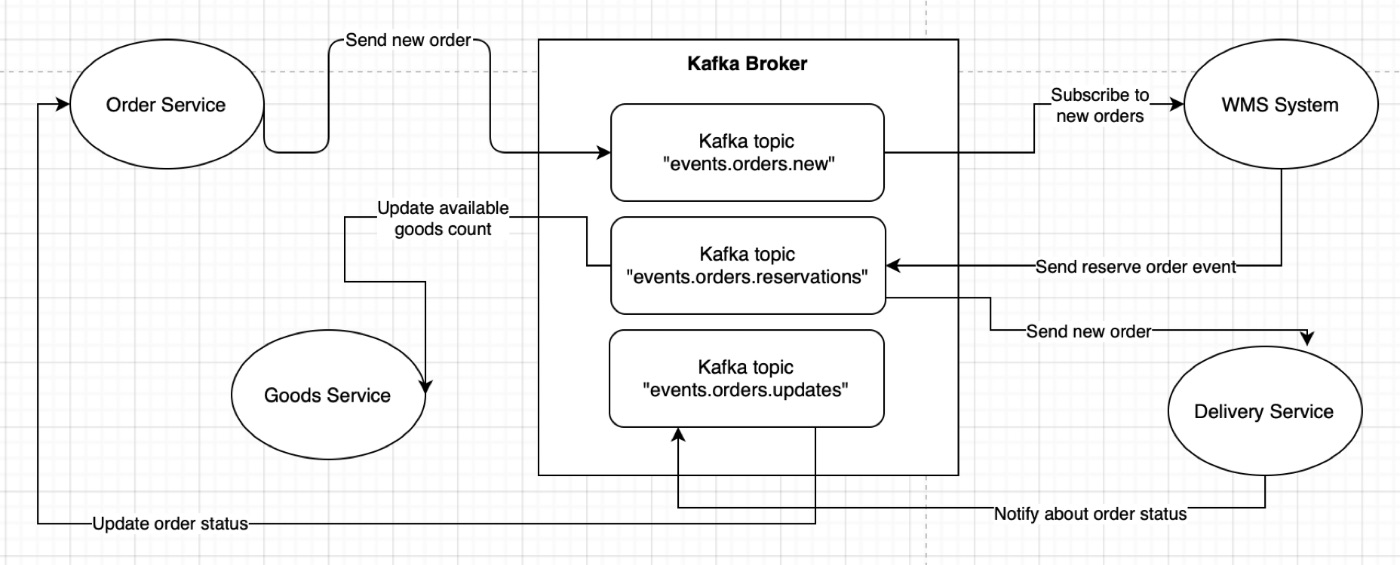 Explore corporate information system integration, its strategic tasks, and challenges. Learn about EDA, ESB, ETL, security, software architecture, and more.
108. Efficient Model Training in the Cloud with Kubernetes, TensorFlow, and Alluxio Open Source
 This article presents the collaboration of Alibaba, Alluxio, and Nanjing University in tackling the problem of Deep Learning model training in the cloud. Various performance bottlenecks are analyzed with detailed optimizations of each component in the architecture. This content was previously published on Alluxio's Engineering Blog, featuring Alibaba Cloud Container Service Team's case study (White Paper here). Our goal was to reduce the cost and complexity of data access for Deep Learning training in a hybrid environment, which resulted in over 40% reduction in training time and cost.
109. Understanding the Paxos Consensus Algorithm - Part I: How Distributed Systems Reach Consensus
 Discover how the Paxos algorithm ensures consensus in unreliable distributed systems, explained with a simple example.
110. The Most Ruthless System Architect You’ll Ever Hire is an LLM
 This article proposes a mindset shift in using LLMs: instead of using them to generate code, use them to aggressively critique and "break" architectural designs
111. Why Pure Data Mesh Breaks at Enterprise Scale (And What Works Instead)
 Data Mesh promises to eliminate centralized bottlenecks through decentralization, but pure implementations often stall in mature enterprises burdened by legacy.
112. Inside Cloud-Scale Systems: A Discussion with Abhinav Sharma
 A deep dive into Abhinav Sharma’s journey building cloud-scale and AI systems at Microsoft Azure and Docusign.
113. A Simple Guide to Blockchain Queries
 Learn how blockchain queries work to track transactions across different networks, helping identify and analyze data across multiple blockchains.
114. How to Avoid Inconsistency Across Microservices
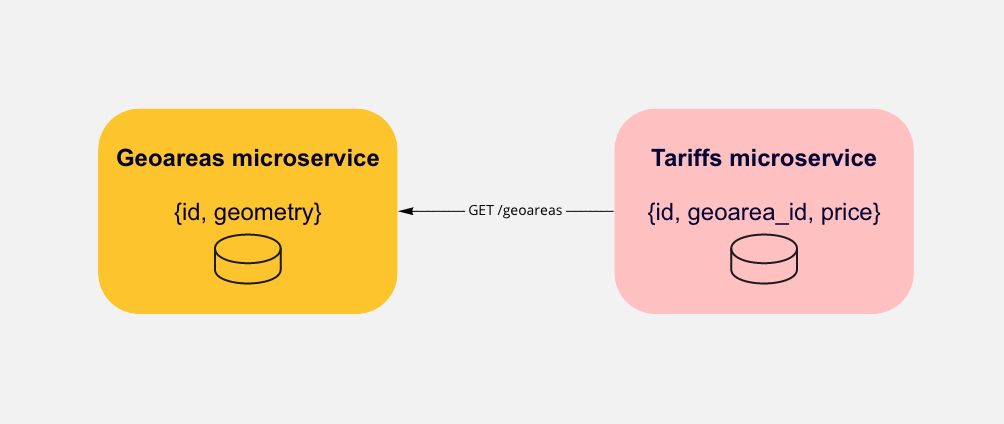 In a microservice architecture, you can get dependencies that impose restrictions on the services used
115. Why Observability Needs an AI On-Call Engineer
 Modern observability detects failures but cannot explain them. Why incident response needs an AI on-call engineer to identify root causes faster.g
116. HarperDB is More Than Just a Database: Here's Why
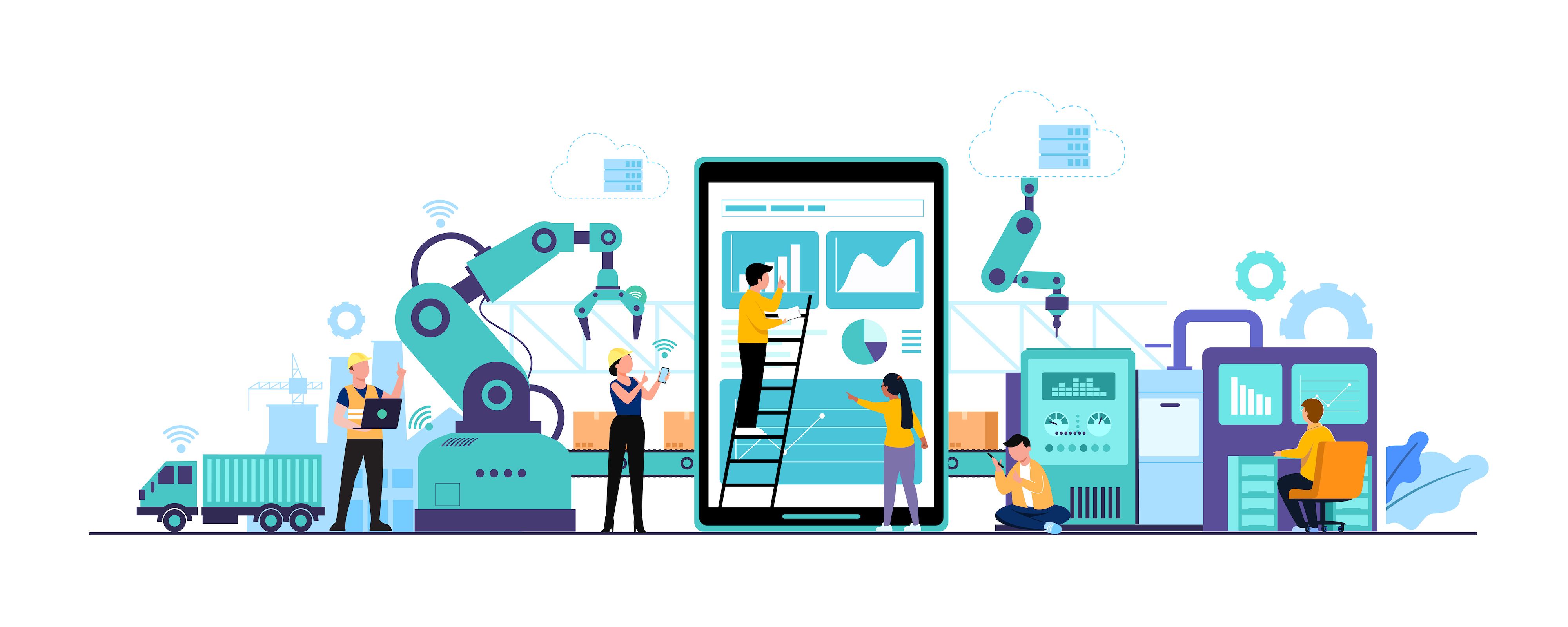 HarperDB is more than just a database, and for certain users or projects, HarperDB is not serving as a database at all. How can this be possible?
117. An Intro to DisCO by the DisCO CAT: Color me Hopeful
 DisCO is a cooperative, feminist economic, commons-oriented and P2P way of working and an alternative to DAOs.
118. The Observability Debt Hypothesis: Why Perfect Dashboards Still Mask Failing Systems
 Perfect dashboards don’t mean perfect systems. Explore how observability debt hides behind metrics, distorts truth, and weakens engineering judgment in 2025.
119. Scaling JMeter: A Guide to Distributed Performance Testing
 Learn how to scale load testing with Apache JMeter, Scribe, and TimescaleDB. Simulate millions of requests, centralize logs, and analyze performance in real tim
120. CAP Theorem Explained, Part 1: The Problem With “Pick Two”
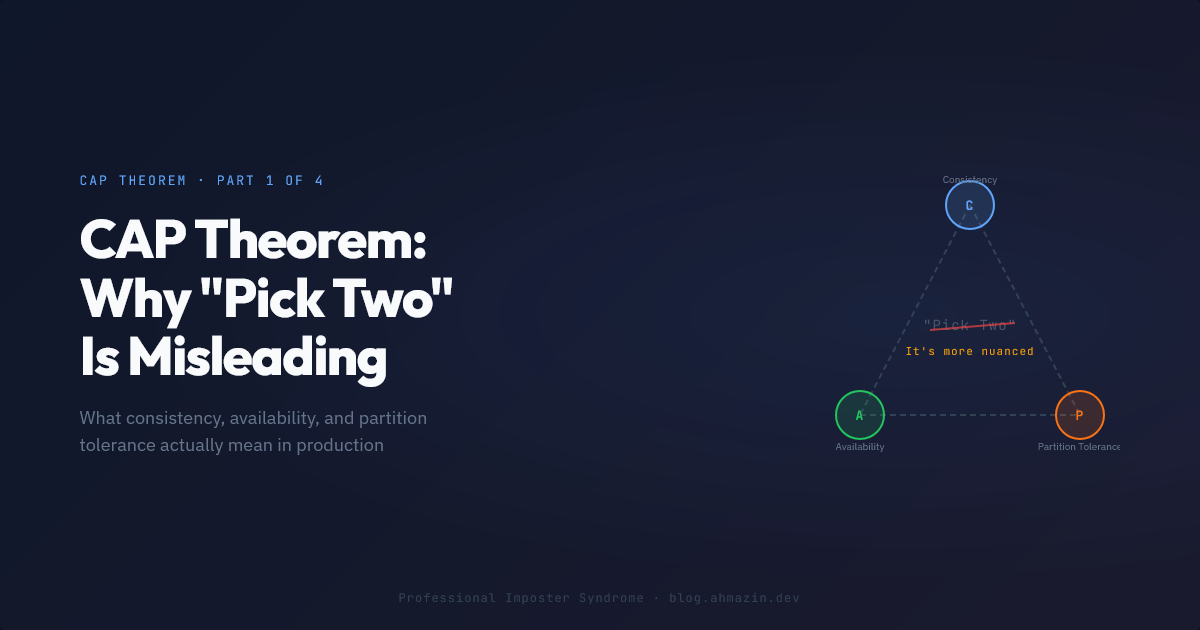 CAP theorem isn't about picking two. Learn what Consistency, Availability, and Partition Tolerance actually mean and how production systems handle trade-offs.
121. Designing and Implementing Request Throttling
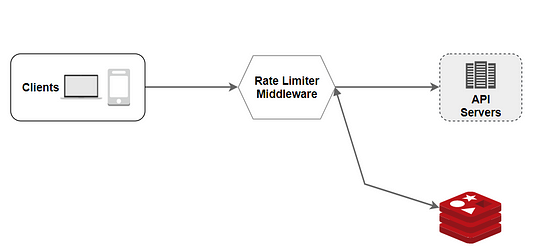 Managing request flow effectively in distributed systems is crucial to maintaining stability, reliability, and performance.
122. Deep Lake, a Lakehouse for Deep Learning: Conclusions, Acknowledgement, and References
 Researchers introduce Deep Lake, an open-source lakehouse for deep learning, optimizing complex data storage and streaming for deep learning frameworks.
123. The Risk Engineering Behind a 1 Million SKU Automated Pricing Engine
 Learn how a high-scale automated pricing system managing 1M+ SKUs and 500k daily updates uses risk engineering, guardrails, and blast-radius containment.
124. Could AI Data Centers Move to Space? Technology, Benefits, and Barriers
 Space data centers aren't sci-fi. NVIDIA H100s already orbit Earth. Google launches prototypes in 2027. The real barriers explained.
125. System Design in the Age of AI: What Still Requires Human Judgment
 AI is a powerful accelerator for writing code and optimizing queries, but it lacks the contextual understanding to make high-stakes architectural trade-offs.
126. Deep Lake, a Lakehouse for Deep Learning: Performance Benchmarks
 Researchers introduce Deep Lake, an open-source lakehouse for deep learning, optimizing complex data storage and streaming for deep learning frameworks.
127. When to Use the Fluence Protocol
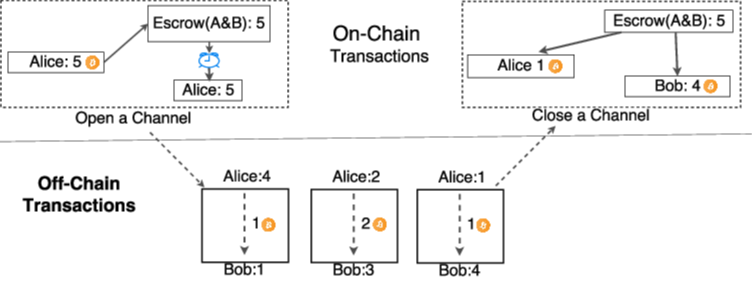 how Fluence network enables creative apps on an example of surprise party planning app
128. Why Low Latency Financial Systems Still Favor Determinism
 Latency sensitive financial systems favor predictable behavior and controlled execution paths, even as tools, infrastructure, and languages continue to evolve.
129. Distributed Computing: Illusion of Single System

130. The State Machine That Saved a National Payment System (and What I Learned Building It)
 How we serialized a Spring State Machine to Postgres and restored it on a standby replica to keep a national Instant Payment System running through node failure
131. Redis’ Key Expiration Strategy: A Masterclass in Probabilistic System Design
 Redis doesn’t track expirations with sorted lists, it uses randomness. Learn how its probabilistic key cleanup keeps speed, memory, and simplicity in balance.
132. Orpheus — an Open-source Edge AI Platform for Cross-species Communication Research
 An autonomous edge AI platform built on NVIDIA Jetson that monitors wildlife, identifies bird species, tracks corvid vocalizations, and is learning to talk back
133. Distributed Data Store and Transaction Sagas
 This is a tutorial on how to create a distributed data store by implementing a leader based replication.
134. Common Design Patterns for Building Resilient Systems (Retries & Circuit Breakers)
 We talk about two design patterns that highlight best practices for building resilient microservices architectures at scale.
135. How a 50-Year-Old Programming Model Became Essential for Modern Tech
 The Actor Model was created in 1973. It's designed for high concurrency, scalability and fault tolerance.
136. How Cell-Based Architecture Helps Big Systems Scale
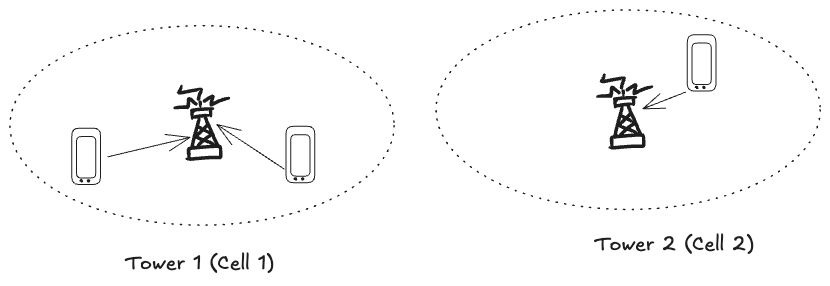 Boost system resilience and scalability by splitting services into self-contained cells with dedicated routing, reducing failure impact and deployment risk.
137. Deep Lake, a Lakehouse for Deep Learning: Tensor Storage Format
 Researchers introduce Deep Lake, an open-source lakehouse for deep learning, optimizing complex data storage and streaming for deep learning frameworks.
138. Scalability With AI: Lessons From Real Production Systems
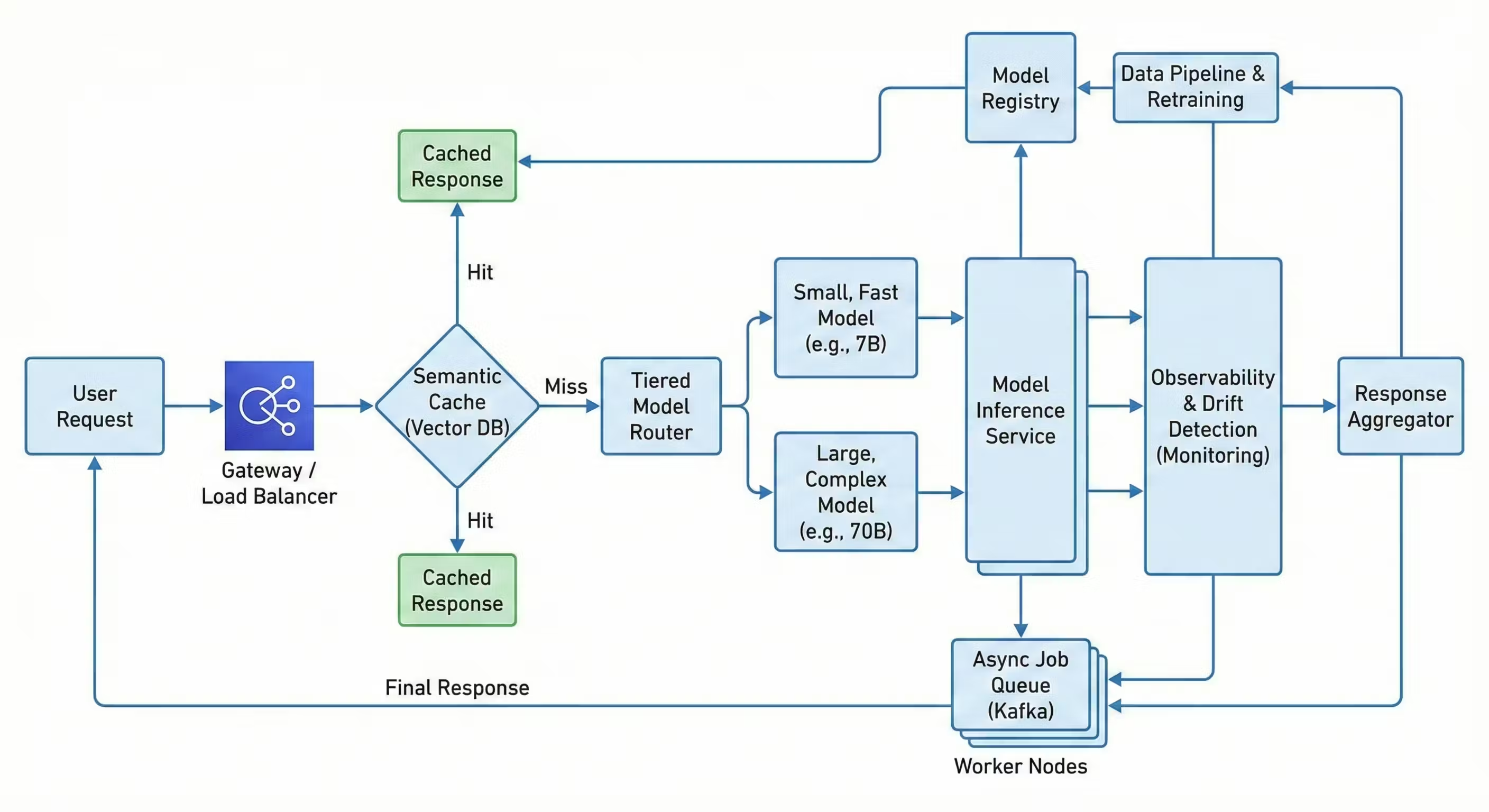 Learn how to scale AI systems in production: latency, cost, reliability, and observability lessons from real-world systems.
139. Building a Distributed Timer Service at Scale: Handling 100K Timers Per Second
 This article details a horizontally scalable, distributed timer service achieving 100 K timer creations per second with millisecond precision.
140. How to Choose the Right Observability Tool for Your Team
 Choosing the wrong observability tool can cost you. Here's how to evaluate platforms like Datadog, Prometheus, and New Relic based on your needs.
141. Deep Lake, a Lakehouse for Deep Learning: Deep Lake System Overview
 Researchers introduce Deep Lake, an open-source lakehouse for deep learning, optimizing complex data storage and streaming for deep learning frameworks.
142. Your App Is Dying Under Heavy Traffic—Here’s How Big Tech Stops the Meltdown
 Role of load shedding while designing robust distributed systems.
143. Working With Transient Errors

144. Why Metadata is the Real Bottleneck in S3/GCP/Azure - Class Storage and How Caching Saves it
 A senior engineer perspective on bucket metadata, negative caches, and surviving random-key floods.
145. Debugging Microservices: A Journey into Distributed Debugging
 A framework for debugging microservices using gRPC interceptors to automatically collect and propagate debug information across service calls.
146. How to Dive into a New Domain and Ship a High-Load System Fast
 Remember: it’s difficult at first, but soon you’ll be swimming like a fish in water.
147. Interplanetary Versioned File System
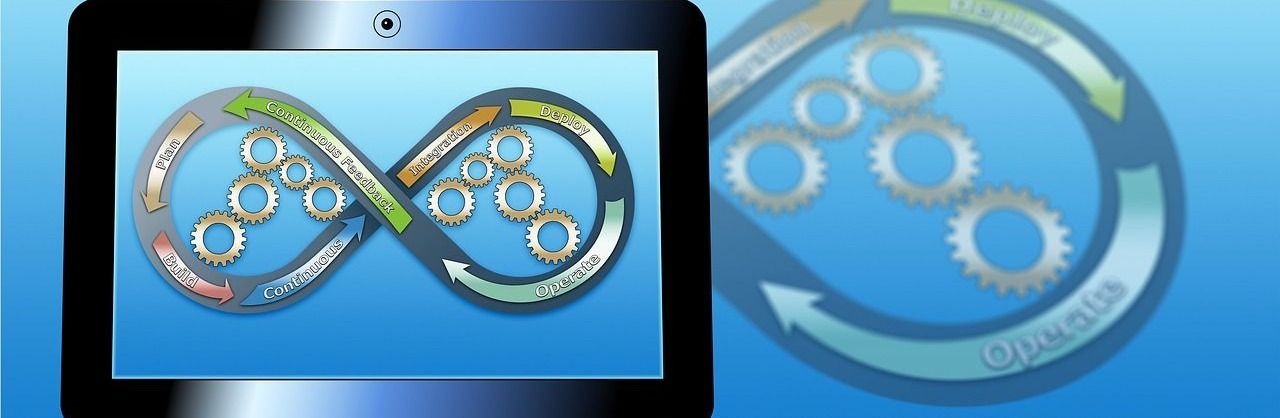 IPVFS: A light weight version control system for files on the Interplanetary File System.
148. Scaling IoT Infrastructure: Architectural Patterns for Managing Millions of Connected Devices
 Learn how connected vehicle platforms scale to 100M+ devices using virtual topics, sharded metadata stores, and efficient message dispatching.
149. Predicting the Future: Using Machine Learning to Boost Efficiency in Distributed Computing
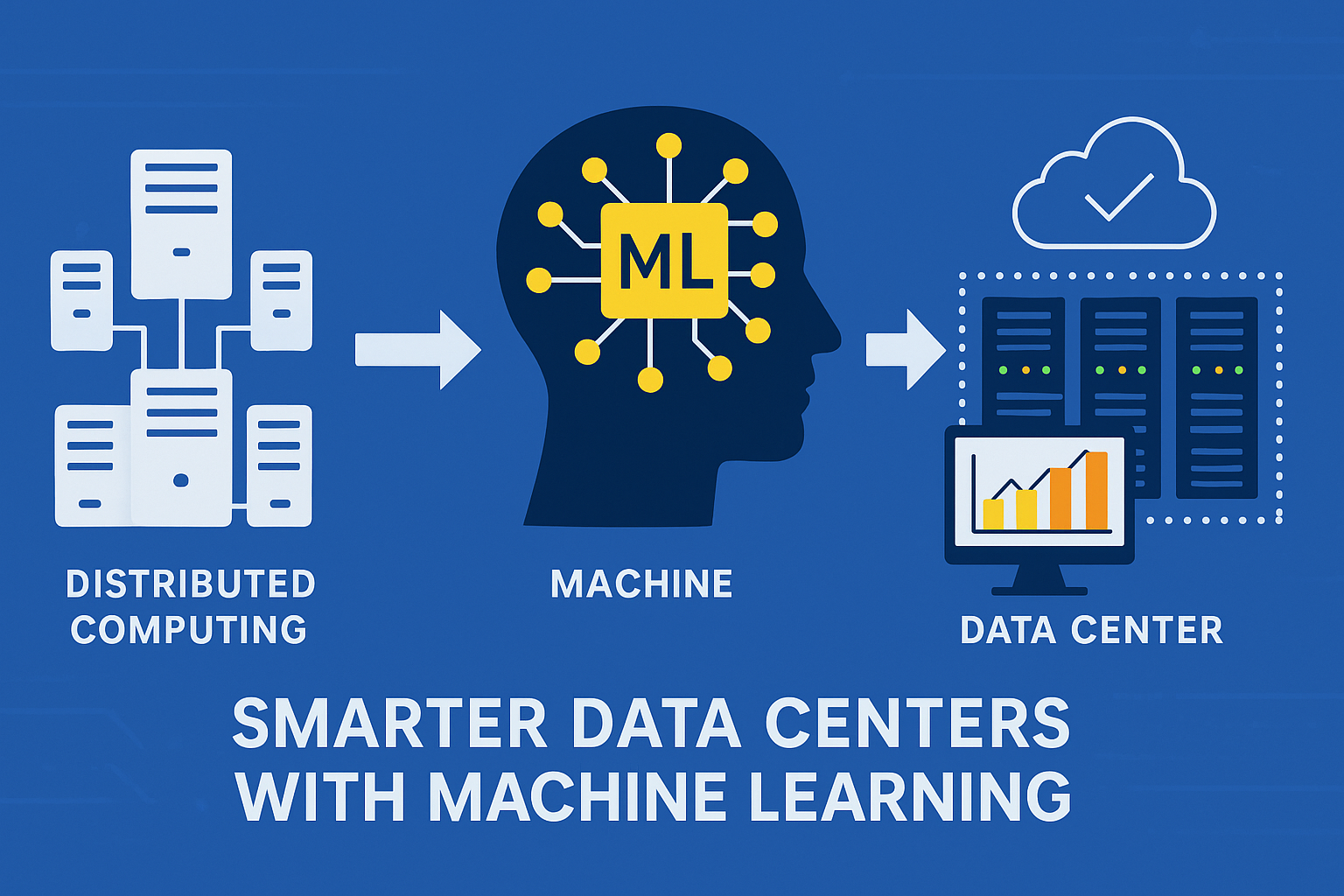 Learn how Machine Learning boosts Distributed Computing efficiency by predicting workloads, optimizing resource allocation, and driving sustainable data centers
150. Why Most Database Migrations Fail Silently: 5 Hidden Failure Modes in Zero-Downtime Replatforming
 After 7 major replatformings over 11 years, I've cataloged 5 hidden failure modes that silently break database migrations weeks after everyone stops watching.
151. The Missing Infrastructure Layer: Why AI's Next Evolution Requires Distributed Systems Thinking
 Let's explore how investing in proven AI infrastructure yields a competitive advantage over those that continue trying to solve infrastructure problems at the a
152. A Guide to API Gateways: Unveiling Advantages, Disadvantages, and Vendor Comparisons
 API Gateways are often a component of a microservices architecture. But they are not a silver bullet - they have some downsides to consider!
153. How to Implement the Idempotency-Key Specification on Apache APISIX
 In this post, I showed a simple implementation of the Idempotency-Key header specification on Apache APISIX via a plugin.
154. From Black Friday to Everyday: Architecting Elastic E-Commerce Systems for Peak Performance
 A practical guide on designing elastic and resilient e-commerce systems that can withstand Black Friday–level traffic every day using resilient architecture.
155. Educational Byte: P2P, Distributed & Decentralized –They’re different Things
 You may have seen the terms P2P, Distributed, and Decentralized before and thought they were perhaps synonyms, but the truth is they have their key differences.
156. What Are Conflict-free Replicated Data Types (CRDTs)?
 In a world where most of the apps that we use on the internet are collaborative in nature, conflicts in data are common. Is there a way to avoid it?
157. What I Learned from Giving People a Choice in Ride Types
 How I redesigned a ride-hailing order form for 360M users inside a 7-year-old monolith. Lessons on legacy code, user habits, and breaking production.
158. AP Systems Explained: Why Stale Data Beats Downtime

159. EdTech: How Dutch Secondary Schools Are Transforming With Tech
 It's been 2 years since I joined a Dutch EdTech company as Lead Dev and in this article I'll explain how we are transforming communication for Dutch schools.
160. Challenges and Opportunities of Serverless in 2021
 Going serverless has many benefits, but it's not without its issues. Learn about the most common serverless challenges & how to overcome them.
161. Why Your Microservice Architecture Is a Theory of Reality
 Distributed systems aren't just code; they're digital organisms. Explore how the Free Energy Principle and Markov blankets define modern software architecture.
162. Over-Throttling and Under-Throttling – Achieving Balance
 Throttling is not a one-time setup but a continuous process of fine-tuning and balancing.
163. AvionDB: A MongoDB-like Distributed Database
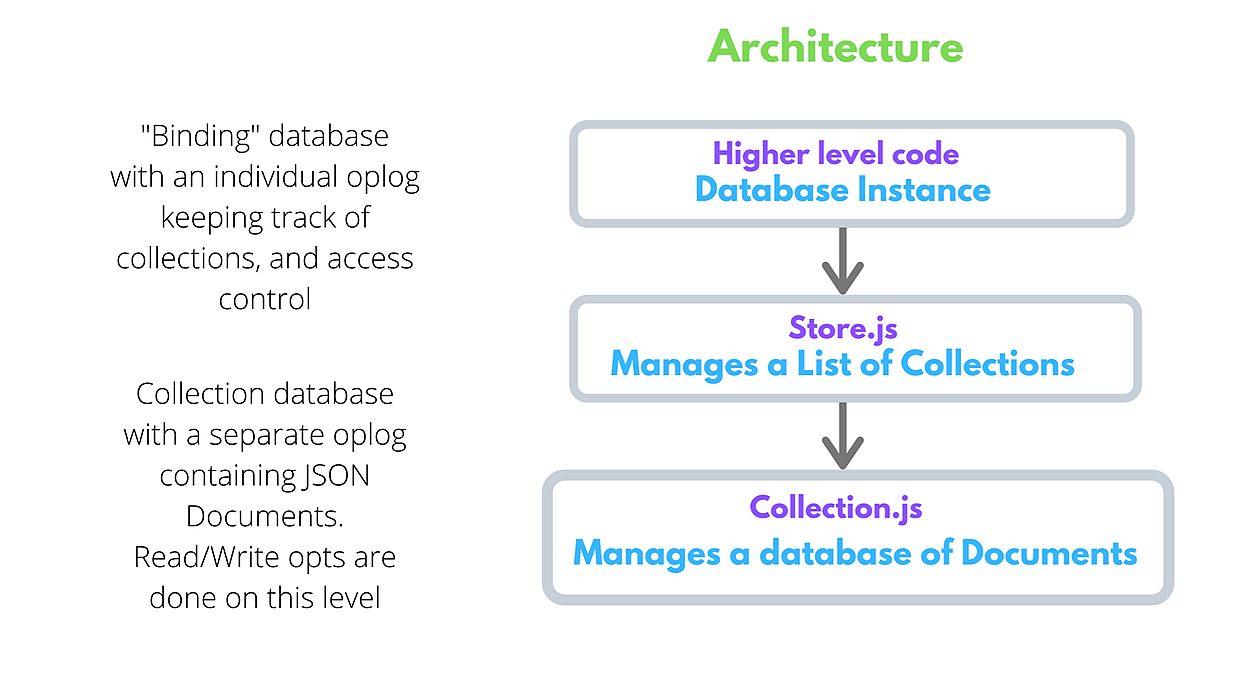 In the past few months we have been getting this question a lot:
164. Building a Better Debugging Experience: A Deep Dive into Capturing and Replaying gRPC Traffic
 Debugging microservices is hard because it's difficult to see the data flowing between them.
165. Like Dropbox, but Decentralized: Interview with Startups of the Year Nominee, Exa Protocol
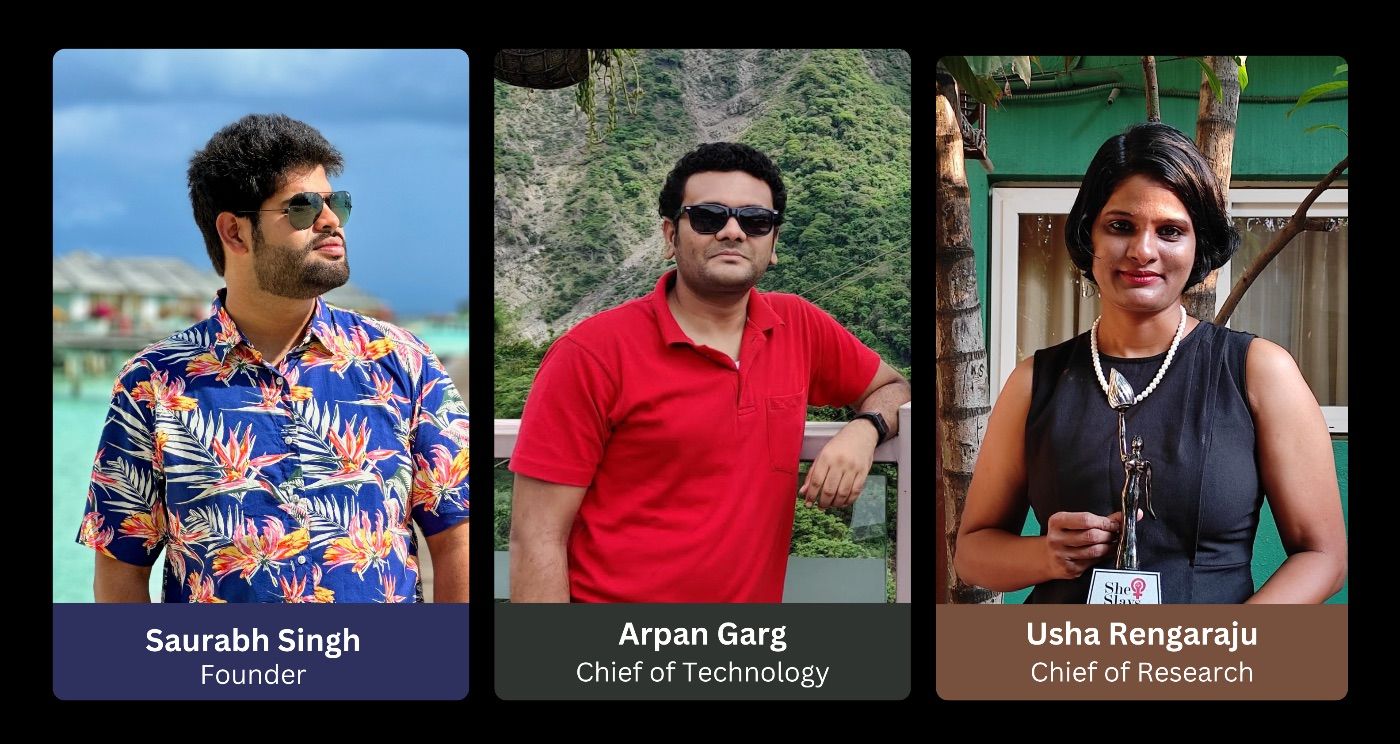 Exa Protocol has been nominated in HackerNoon's annual Startup of the Year awards in Delhi, India. Here's why.
166. Understanding the Paxos Consensus Algorithm Part II: Handling Crashes, Partitions, and Lost Messages
 How Paxos handles lost commits, node crashes, and partitions—ensuring safety in distributed systems, even when liveness takes a hit.
167. 6 Ways Debugging Software Feels Exactly Like Raising Toddlers
 An engineer compares parenting toddlers to debugging complex systems—revealing lessons in patience, iteration, and managing unpredictable chaos.
168. Building Actual Peer-to-peer Applications: Outside Misconceptions
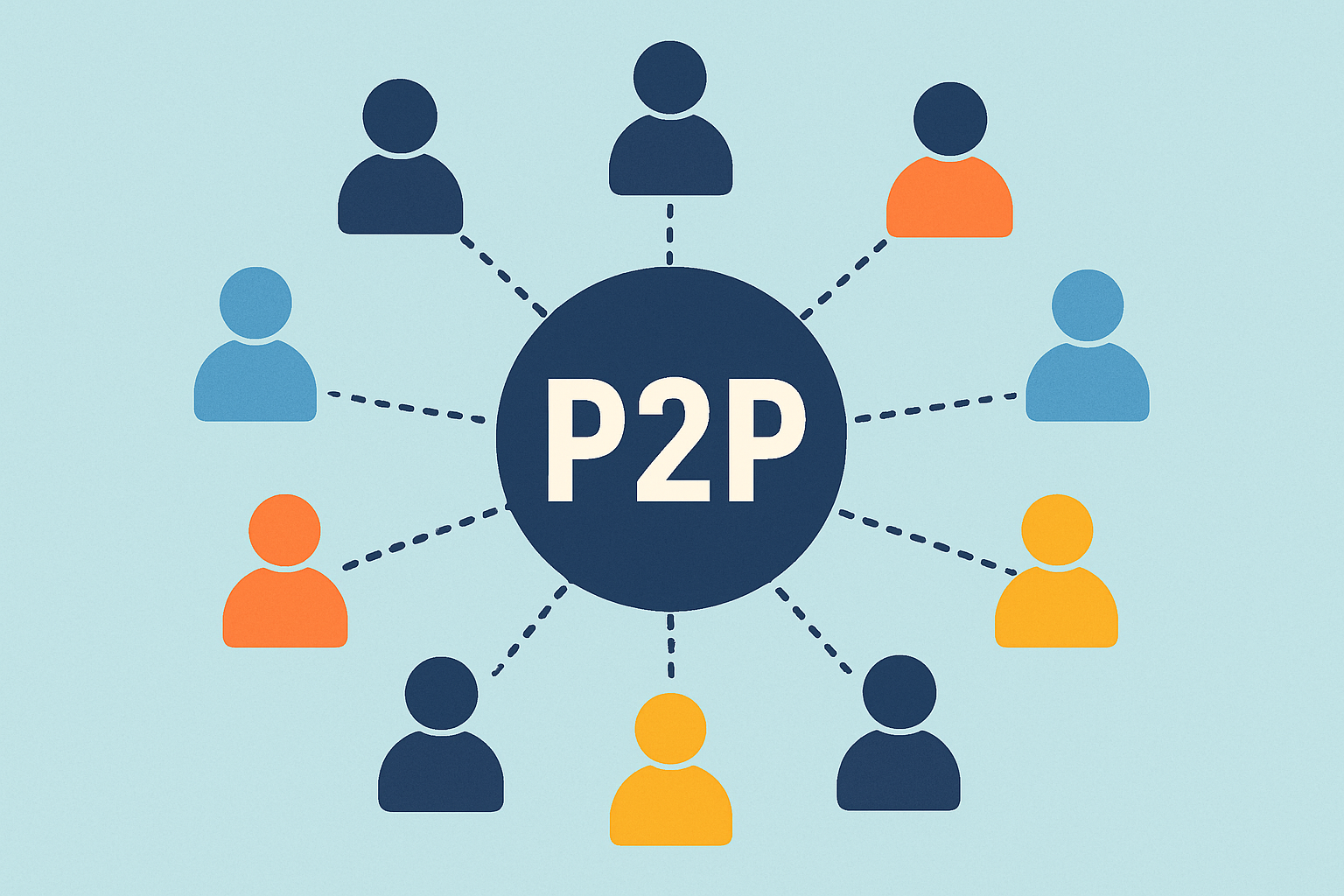 Peer-to-peer (P2P) applications are often misunderstood as insecure, illegal file-sharing networks that operate without any servers.
169. Why Microservices Struggle With AI Systems
 Microservices become unpredictable with AI. Learn why AI breaks traditional assumptions and how to design resilient, failure-ready systems.b
170. Let Us Design A Logging library
 Low-level design for a high-volume concurrent logging library.
171. Data Replication in Distributed Systems – Part 2: Conflict Resolution and Multi-Leader Configuration
 Explore consistency guarantees like read-after-write, monotonic reads, and consistent prefixes in the second series on replication in distributed systems.
172. Educational Byte: How to Find and Install a Fully Decentralized Node on Obyte
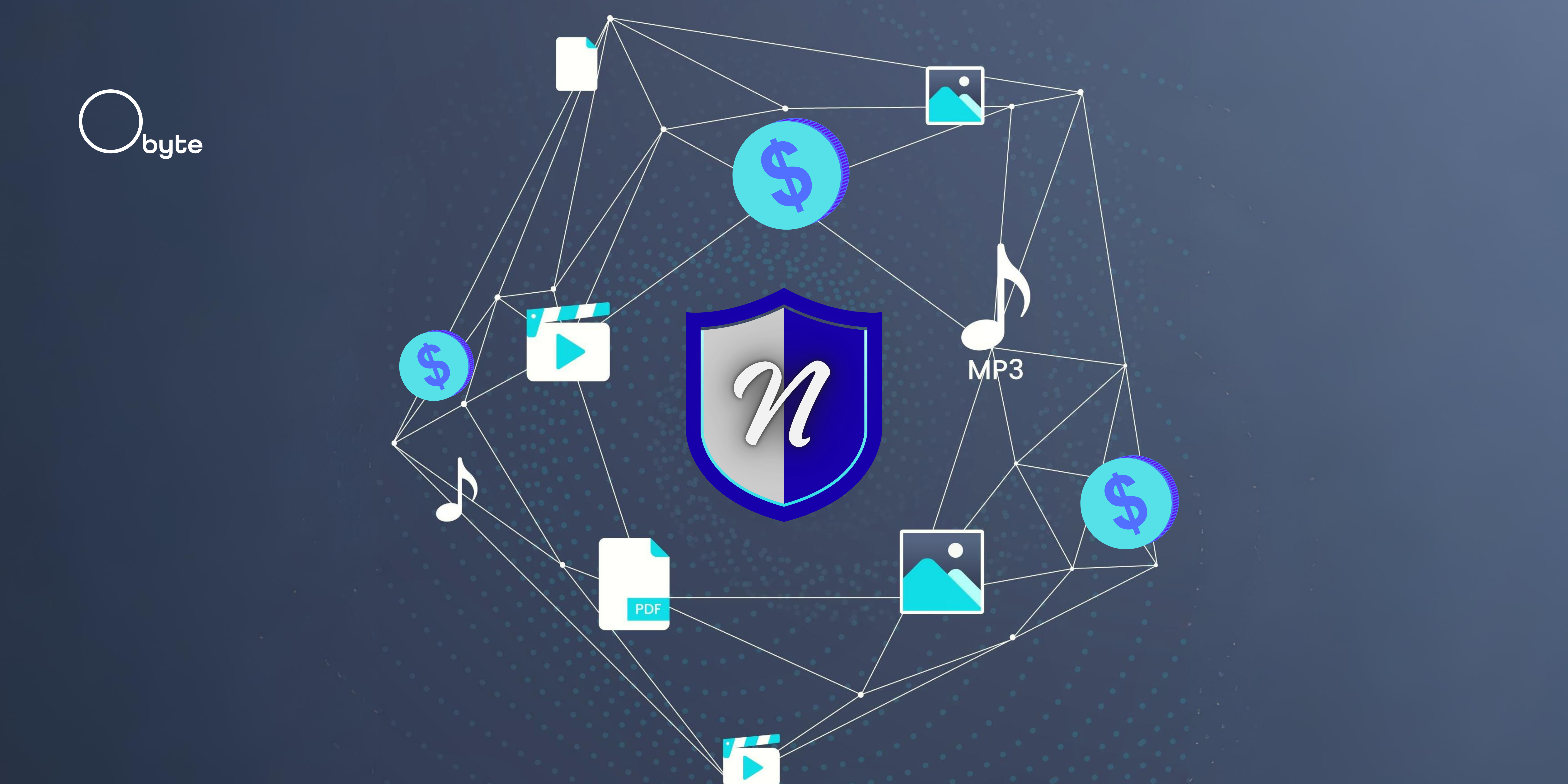 Learn how Obyte’s full, light, and witness nodes power a decentralized network—no banks, no miners, just trustless tech that anyone can run.
173. How To Optimize Large S3 API Costs using Alluxio
 This is a guest blog contributed by datasapiens’ Juraj Pohanka, Koen Michiels and Sam Gilbert. This article described how engineers at datasapiens brought down S3 API costs by 200x by implementing Alluxio as a data orchestration layer between S3 and Presto.
174. CP Systems Explained, Part 2: Quorums, Consensus, and the Price of Being Right
 Let's look at what CP systems actually do under the hood when they choose consistency over availability.
175. Data Replication in Distributed Systems - Part 1: Understanding the Need for Database Distribution
 Lock in as we delve deeper into the intricacies of building robust and scalable distributed systems.
176. Why “Obvious” Performance Optimizations Often Backfire: Lessons From Systems Serving 50M+ Requests
 What we learned fixing page load latency at DoorDash - and why most performance advice falls short at scale
177. Introducing GenosDB: a P2P Graph Database with Built-In Zero-Trust Security
 GenosDB is a peer-to-peer graph database with built-in zero-trust security, cryptographic identity, and real-time sync.
178. Deep Lake, a Lakehouse for Deep Learning: Abstract and Intro
 Researchers introduce Deep Lake, an open-source lakehouse for deep learning, optimizing complex data storage and streaming for deep learning frameworks.
179. Deep Lake, a Lakehouse for Deep Learning: Machine Learning Use Cases
 Researchers introduce Deep Lake, an open-source lakehouse for deep learning, optimizing complex data storage and streaming for deep learning frameworks.
180. Decentralized Databases Reduce Data Latency With Geographically Distributed Data Centers
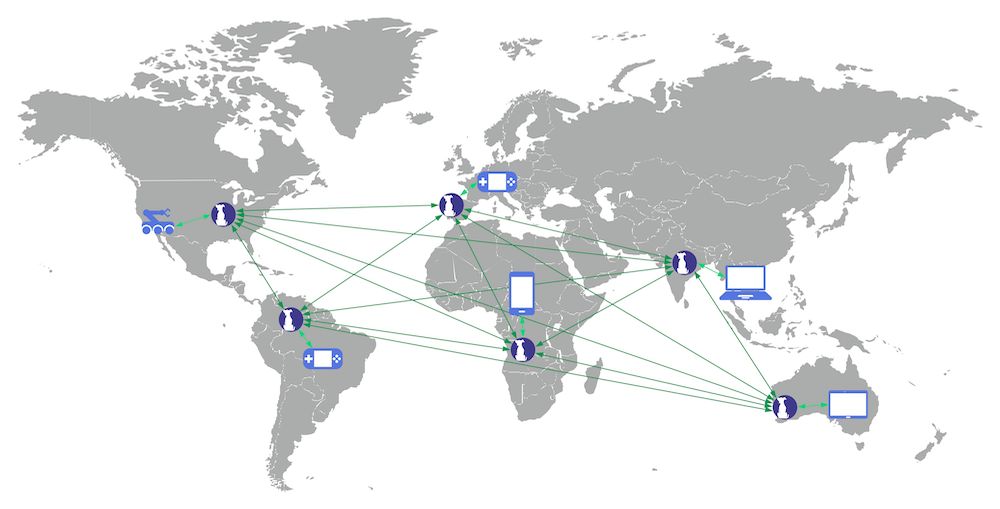 Latency is caused by offloading processing from an app to an external server. But what if there was a solution to the monolithic common single-cloud geography?
181. How FIFO Mechanisms in Message Brokers Ensure Message Order
 Explore the First In First Out (FIFO) mechanism in message brokers and learn how to maintain message order across different systems.
182. Data Location Awareness: The Benefits of Implementing Tiered Locality
 Tiered Locality is a feature led by my colleague Andrew Audibert at Alluxio. This article dives into the details of how tiered locality helps provide optimized performance and lower costs. The original article was published on Alluxio’s engineering blog
183. Engineering Resilience: A Deep Dive into Chaos Engineering in Distributed Systems
 Master Chaos Engineering to build resilient distributed systems. Explore hypothesis testing, blast radius control, and tools like AWS FIS vs. LitmusChaos.
184. Challenges of Real-Time Data Processing in Financial Markets
 Distributed systems are the backbone of many modern financial applications.
185. Partitioning Large Messages and Normalizing Workloads Can Boost Your AWS CloudWatch Ingestion
 Optimizing message throughput in high-volume queue systems: Discover how partitioning large messages and normalizing workloads boosted AWS CloudWatch ingestion
186. CAP Theorem - 5 Essential Questions for Designing a Distributed Architecture
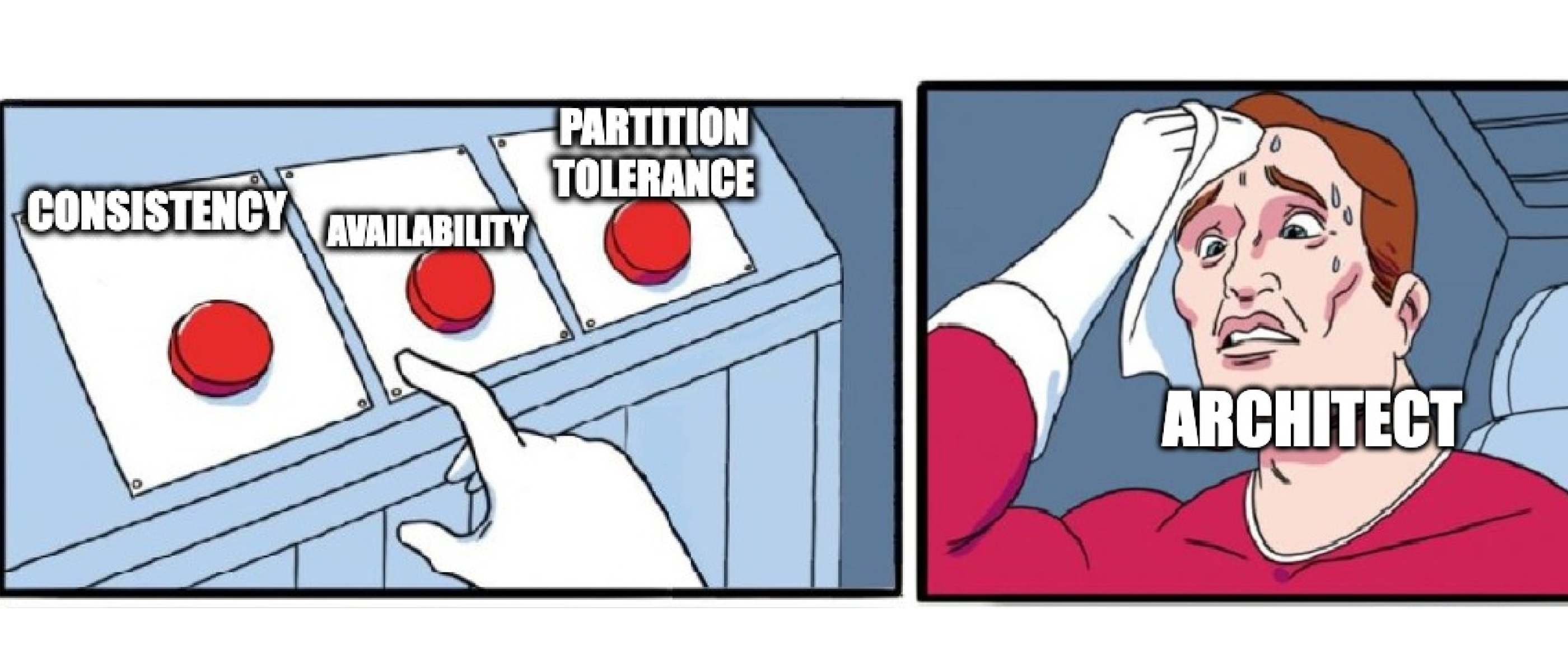 The CAP Theorem is a fundamental limitation in the world of distributed systems.
187. Out of Control: Why The Future Belongs To Self-Organizing Distributed Systems
 A thought-provoking white paper exploring why the future of computing lies in decentralized, self-organising systems.
188. Deep Lake, a Lakehouse for Deep Learning: Discussion and Limitations
 Researchers introduce Deep Lake, an open-source lakehouse for deep learning, optimizing complex data storage and streaming for deep learning frameworks.
189. Why Your Retry Logic Is Taking Down Your System (And How to Fix It)
 Naive retry logic can cause retry storms in distributed systems, amplifying failures and leading to cascading outages. Learn safer retry strategies.C
190. Designing a Unified Data Model for Cross-Chain Querying
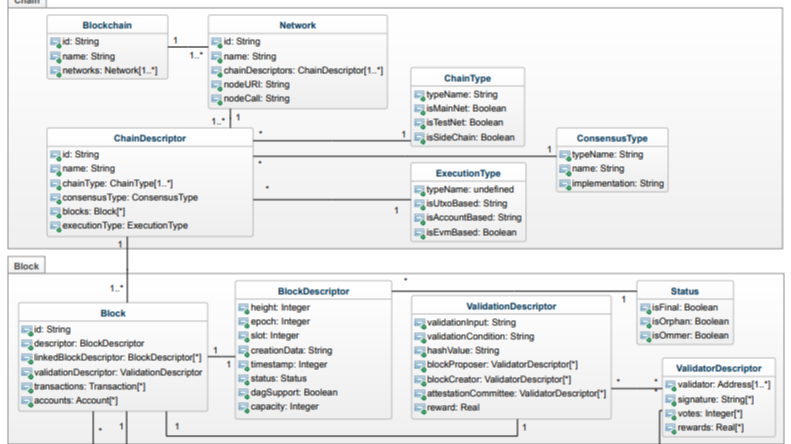
A unified data model for cross-chain querying across blockchains like Bitcoin, Ethereum, Cardano, and Solana, enabling seamless interoperability & data access.
191. Studying Blockchain Systems with the help of Agent-based Modeling and Simulation
 Blockchain systems combine distributed, social, and economic dynamics. Learn how simulation frameworks aid in the understanding and advancing this technology.
192. Revising The Basics of Blockchain Part 1: Introduction
 A very Beginner-friendly Guide to Understanding the Blockchain (Part 1: Introduction to Blockchain Technology)
193. Managing the First Fallacy of Distributed Computing
 Network reliability is one of the most basic mistakes made by microservices developers, let's see how to factor this unreliability when writing microservices.
194. The HackerNoon Newsletter: Your Prices Shouldn’t Be the Same in Every Country (2/23/2026)
 2/23/2026: Top 5 stories on the HackerNoon homepage!
195. OpenTelemetry SDK: Concepts & Design
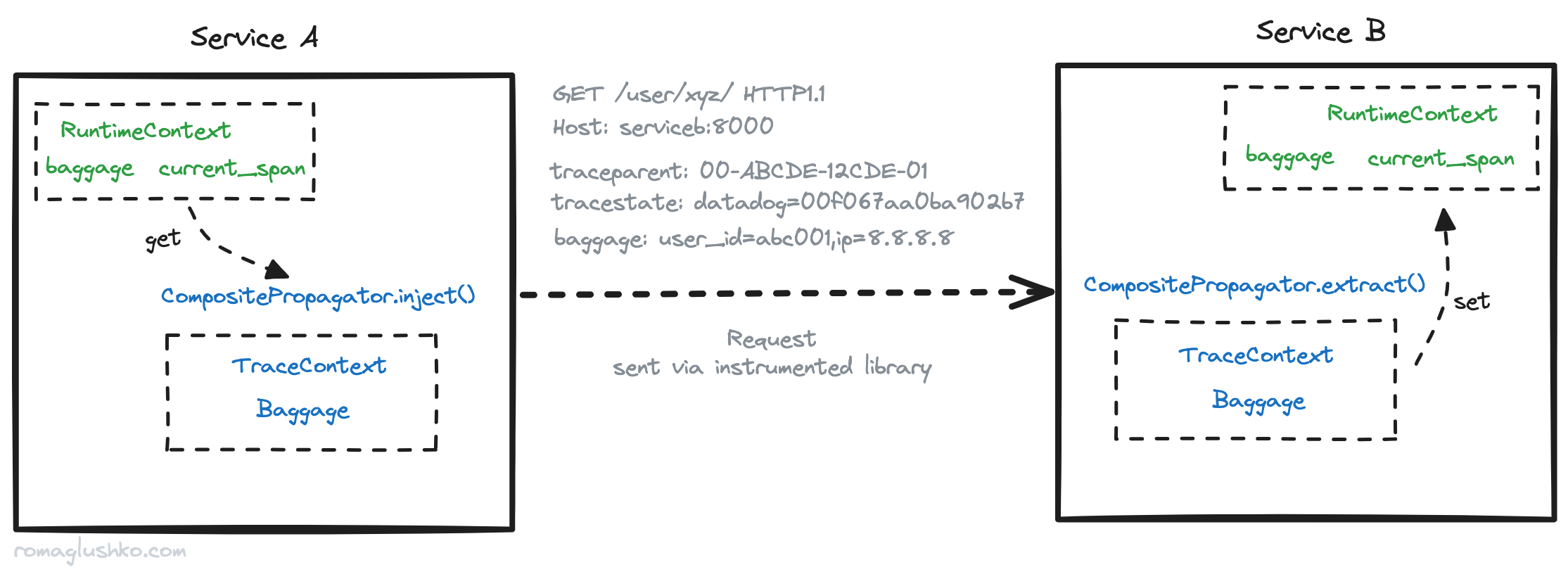 How OpenTelemetry SDK does distributed tracing, metrics collection and log recording.
196. Distributed Systems are Easy to Design, Until You Run Them
 A real-world failure shows why distributed systems must be designed for failure, not success, using circuit breakers, timeouts, and resilience patterns.
197. How ‘Helpful’ Retries Can Wreck Your System—and How to Stop It
 Retries are important for service availability in distributed systems, but too many can cause problems.
198. Ensuring Atomicity in Distributed Systems: Managing Transactions Across Microservices
 Maintain atomicity in distributed systems with protocols like Two-Phase Commit and the Saga Pattern, addressing challenges in microservices environments.
199. Building Geographic Resilience: Innovative Patterns for Oracle Systems
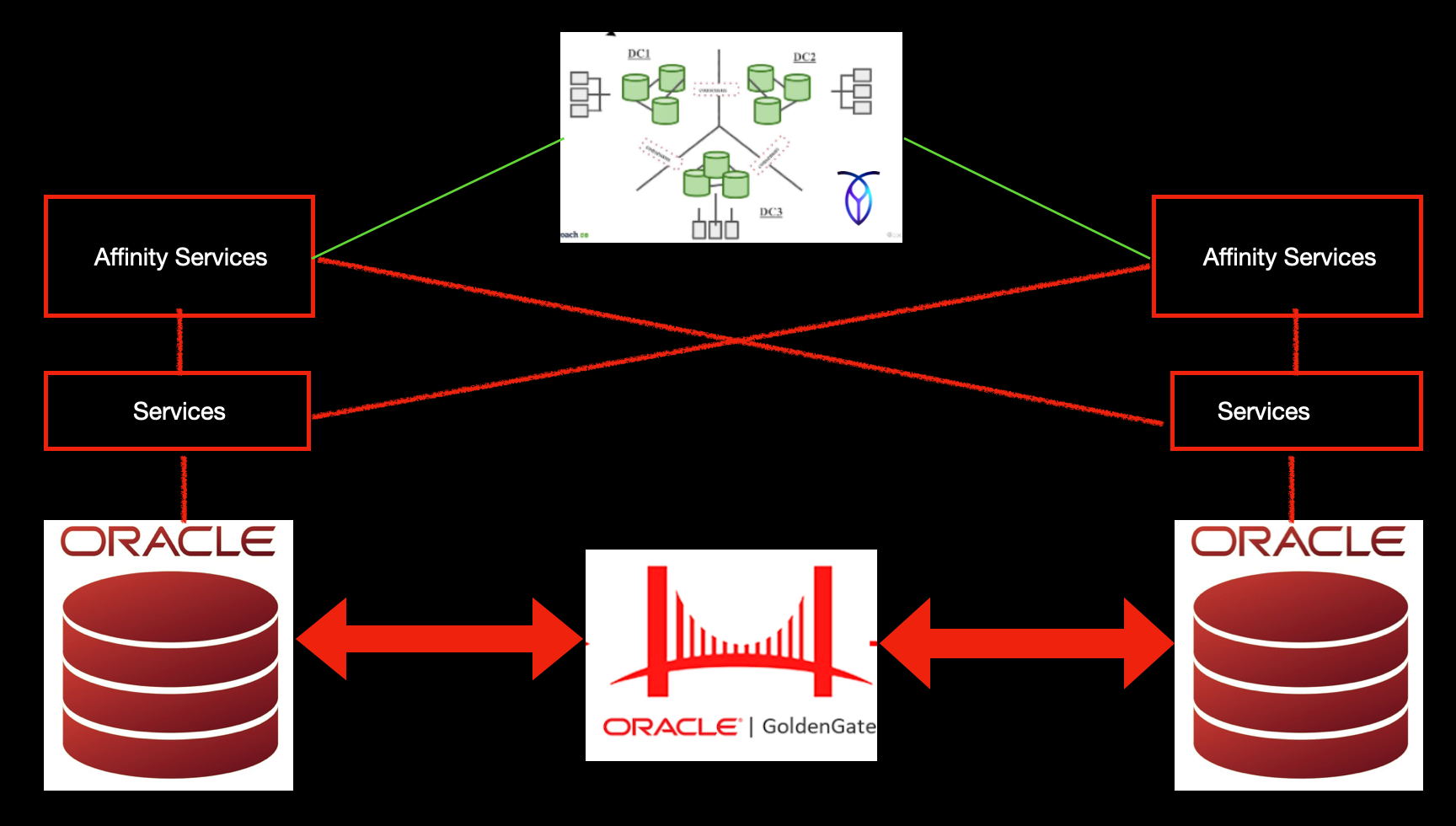 Active-active consistency in geo distributed systems requires moving beyond static architectural patterns toward adaptive, observation driven coordinated flow.
200. What Reddit’s “Hug of Death” Taught the Internet About Scaling
 How Reddit scaled from a single Python server to a resilient architecture that could handle millions. A story of caching, queues, and the chaos of success.
201. In Conversation With Dung Le: Engineering Excellence Across Tech Giants and Entrepreneurial Ventures
 Dung Le blends engineering excellence and entrepreneurship, from Google and Tesla to startups, driving innovation in performance, data, and consumer tech.
202. OpenTelemetry: Improving My Tracing Demo
 Refining my OpenTelemetry demo with Apache APISIX, Kotlin, Spring Boot, Python, Flask, Rust, and more.
203. When the System Works but the Data Lies: Notes on Survivorship Bias in Large-Scale ML Pipelines
 Most ML failures aren’t outages; they’re silent drifts. Trusting green dashboards hides data distortion. Smart pipelines stay skeptical.
204. Data Replication in Distributed Systems - Part 3: Quorum Consistency and Last Write Wins
 Explore leaderless replication in distributed systems, from ensuring quorum consistency to implementing Last Write Wins, conflict resolution and version vectors
205. Producers Guarantees for Event-driven Development
 Instead of consumers' delivery guarantees in message queues, in this article, we're going to talk about producers' guarantees in distributed systems.
206. Educational Byte: What is a Sidechain and How Does It Work?
 Sidechains are separate chains connected to a main one (like Bitcoin or Obyte) that let their users “transfer” assets and data back and forth. Let's learn more!
207. Building a Filesystem From Scratch: Inside the Reactor That Powers BarkFS
 Network IO, epoll, event loops. Learn how servers efficiently handle thousands of connections without blocking threads
208. 10 Steps To Digital Transformation While Simultaneously Cutting Costs
 Companies Must Transform Or Else (Photo by eelnosiva on Adobe)
209. Designing a Resilient Network Control Layer for Financially Critical Pricing Infrastructure
 Pricing systems at scale fail not only due to logic, but due to unstable network behavior.
210. Accelerating Analytics by 200% with Impala, Alluxio, and HDFS at Tencent
 This article describes how engineers in the Data Service Center (DSC) at Tencent PCG (Platform and Content Business Group) leverages Alluxio to optimize the analytics performance and minimize the operating costs in building Tencent Beacon Growing, a real-time data analytics platform.
211. Understanding the Paxos Consensus Algorithm Part III: Raft’s Answer to Crashes, Partitions, & Delays
 Raft makes consensus practical: no lost commits, no dueling proposers, no wasted work. Learn how Raft simplifies what Paxos made complex.
212. Setting New Standards in Distributed Systems Architecture by Vignesh Natarajan
 AWS innovator Vignesh Natarajan redefines distributed systems with a patented job scheduler that boosts scalability, efficiency, and data security.
213. Decoding Database Complexity: A Journey from Text Files to LSM Trees and B-Trees
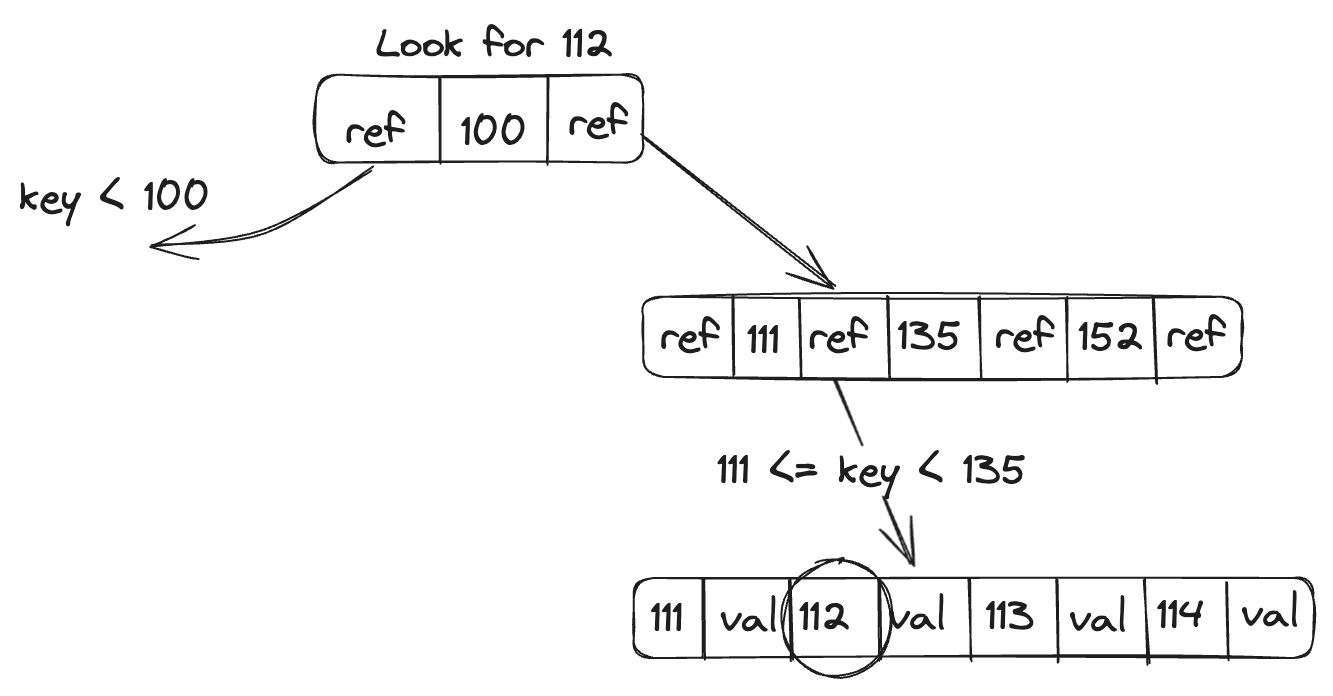 Dive into the intricacies of databases, starting from the simplest key-value store using bash functions to the complexities of LSM trees and B-trees.
214. We Built a Local Model Arena in 30 Minutes — Infrastructure Mattered More Than the App
 A hands-on tutorial building a Model Arena app that pits local LLMs against each other through LLMesh, an open-source distributed inference broker.
215. Analyzing Apache DolphinScheduler's Fault Tolerance Mechanism
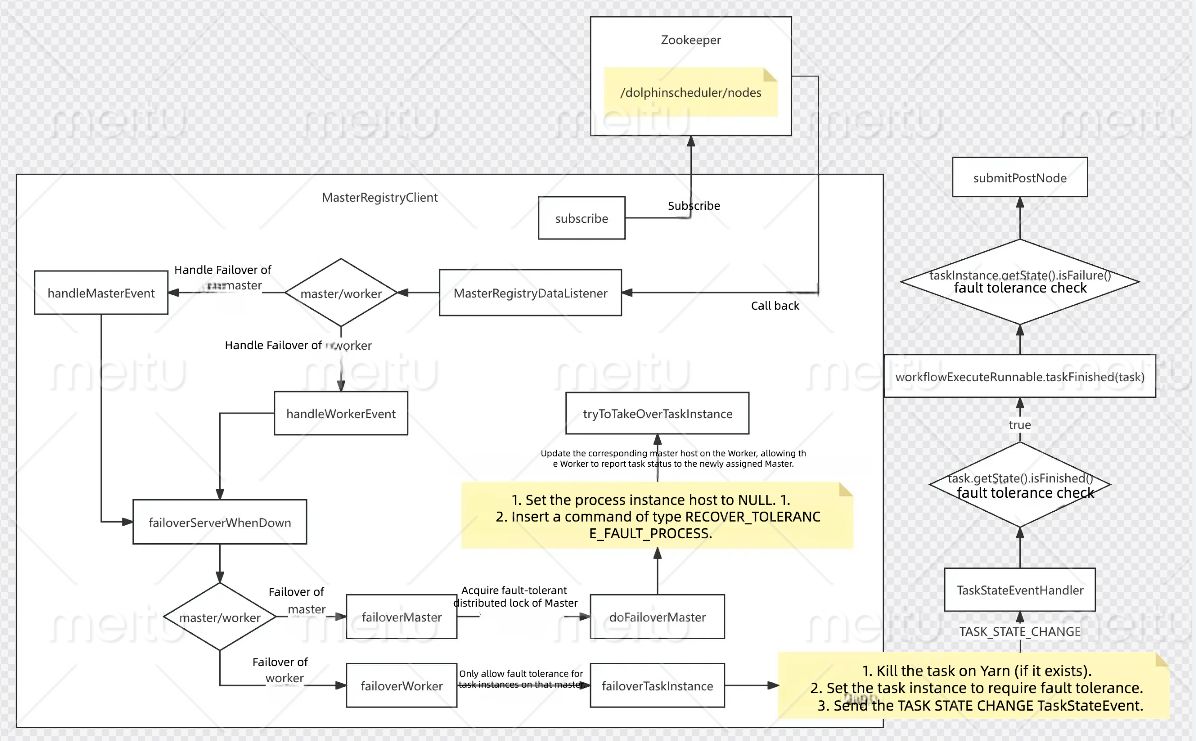 Discover how Apache DolphinScheduler's fault tolerance mechanism ensures high availability and reliability in workflow scheduling.
216. The ABCs of Microservices: A Simple Introduction
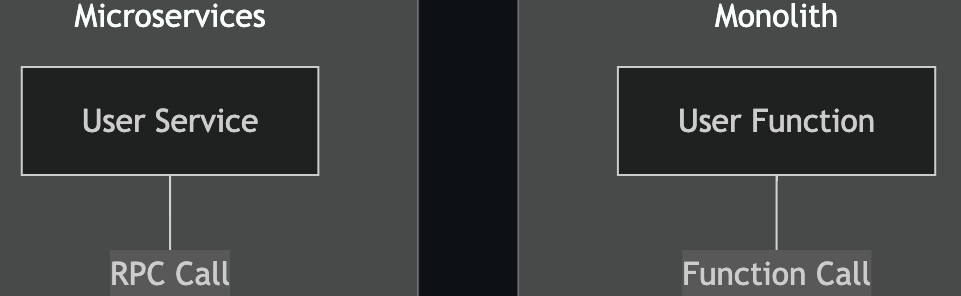 We’re working in distributed teams, projects, and we even distribute compute resources in Regions and Zones (for cloud-based environments).
217. Educational Byte: How to Become an Order Provider in Obyte
 The Obyte network has space for 12 Order Providers, and you could be one of them and receive rewards. Learn how!
218. Failure Modes: Why You Need To Know Them
 What are bimodal failure modes and how to avoid them
219. How to Make Different Blockchains Have a Heart-to-Heart
 Explore how new technologies are improving the connection and data sharing between different blockchain platforms, making them easier to use.
220. What Are Open and Permissionless Blockchains?
 Follow the evolution of blockchain from Bitcoin to modern platforms. Learn the key differences in how data is stored, processed, and secured across systems.
221. From Inverted Indexes to Hybrid Retrieval: Rethinking Search Architecture
 A practical look at how search indexing is evolving to hybrid retrieval systems that support semantic search, vector search, and AI-driven query understanding.
222. Deep Lake, a Lakehouse for Deep Learning: Current Challenges
 Researchers introduce Deep Lake, an open-source lakehouse for deep learning, optimizing complex data storage and streaming for deep learning frameworks.
223. Most Outages Don’t Start in Your Database — They Start in Your Cache
 Discover practical caching patterns for distributed systems. Master cache reliability, fault tolerance, and performance optimization techniques for scalable arc
224. Simplifying Access to Blockchain Data Across Multiple Networks
 This paper explores how a new query language enables easier data access across multiple blockchains, simplifying cross-chain interactions for users.
225. Bringing C++ to Query Execution: Why the Future of Data Engines Is Native
 A deep dive into why query engines are moving to C++ and how Velox delivers faster, more predictable execution for systems like Presto.
226. If AI is Centralized Today, Is It A Law of Nature? No, It's Not
 An analysis of why AI infrastructure became centralized, what technical constraints shaped that outcome, and why those assumptions may no longer hold.
227. How I Scaled a Legacy Node.js App to Handle 40k+ Long-Lived WebSocket Connections
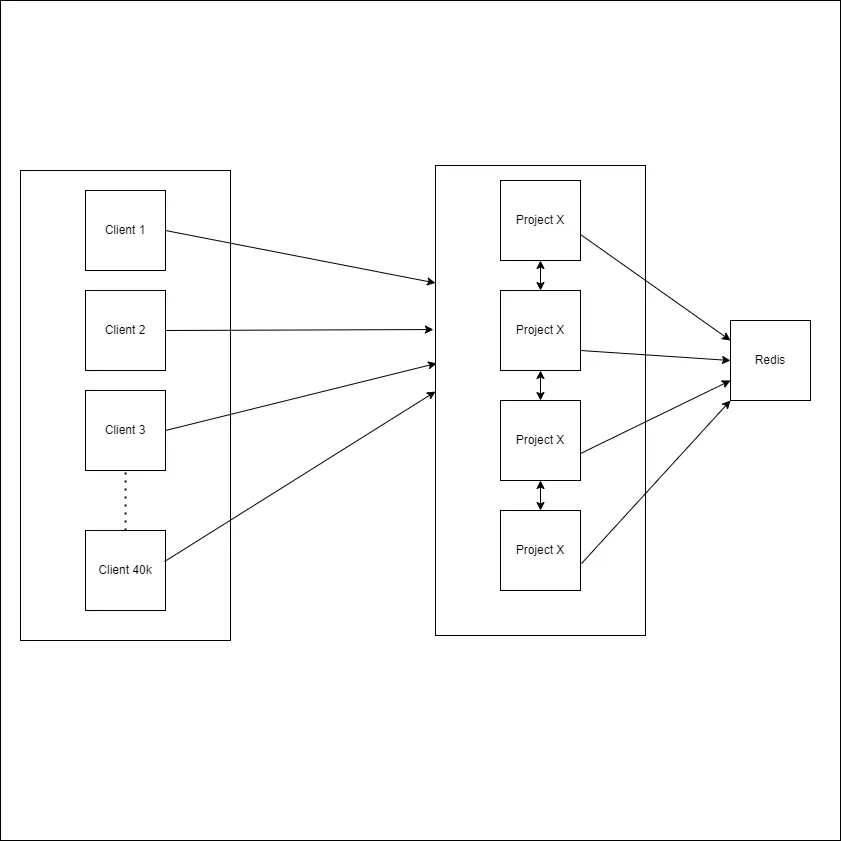 How Redis helped transform a legacy WebSocket system into a scalable, distributed, and fault-tolerant real-time application.
228. Dealing With Replication, High-Performance Queries And Other Data Platforms Challenges
 Many products solve for global issues and load balancing but unless a platform is built from the ground up with the necessary backbones, it becomes a nightmare to manage.
229. The Future of AI Compute is Distributed
 The US-Gulf alliance is reshaping global AI power—mixing chips, sovereign funds, and supercomputers in a high-stakes battle for compute dominance.
230. Did you know you could write scripts with webservices? You do now.
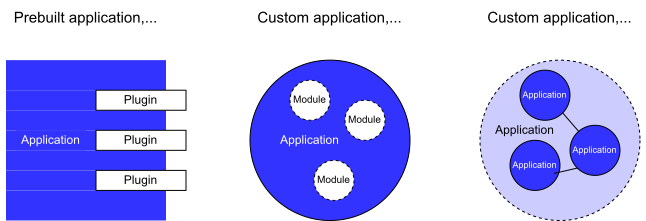 There's a big hole in reusability on the web. An entertaining statistic - not the most accurate but still fascinating - was generated by Simon Wardley from a Twitter poll. He calculated that basic user registration had been written over a million times. The average developer had written user registration about 5 times. I'm sure you've built it a few times yourself.
231. Multi-Agent Reinforcement Learning Needs More Than Better Rewards
 Multi-agent RL excels in demos but struggles in real systems. Learn why structure, communication, and safety matter for deployment.
232. Cut Inter-Agent Latency by 80% With gRPC Streaming
 Learn how gRPC bidirectional streaming and Protobuf eliminate JSON Tax in multi-agent AI systems. Architecture patterns, and design lessons for agentic systems.
233. Deep Lake, a Lakehouse for Deep Learning: Related Work
 Researchers introduce Deep Lake, an open-source lakehouse for deep learning, optimizing complex data storage and streaming for deep learning frameworks.
234. Alluxio Accelerates Deep Learning in Hybrid Cloud using Intel’s Analytics Zoo powered by oneAPI
 This article describes how Alluxio can accelerate the training of deep learning models in a hybrid cloud environment when using Intel’s Analytics Zoo open source platform, powered by oneAPI. Details on the new architecture and workflow, as well as Alluxio’s performance benefits and benchmarks results will be discussed. The original article can be found on Alluxio's Engineering Blog.
235. Building Production-Grade Agentic AI
 Agentic AI fails without strong architecture. Learn how to build reliable, governed, production-grade AI systems beyond prompt engineering.
236. Embrace the Chaos, Randomness and Uncertainty on Your Path to Engineer Better Software
 Chaos engineering is the practice of deliberately injecting an error into a system, in order to observe, in vivo, the consequences.
237. Distributed Governance and Anonymity: A Bad Idea
 One of the big debates in the Genesis DAO started by DAOstack was the question of anonymity. Should people be able to make proposals and ask for budgets without providing a real identity?
238. AvionDB Introduction: A MongoDB-like Distributed Database
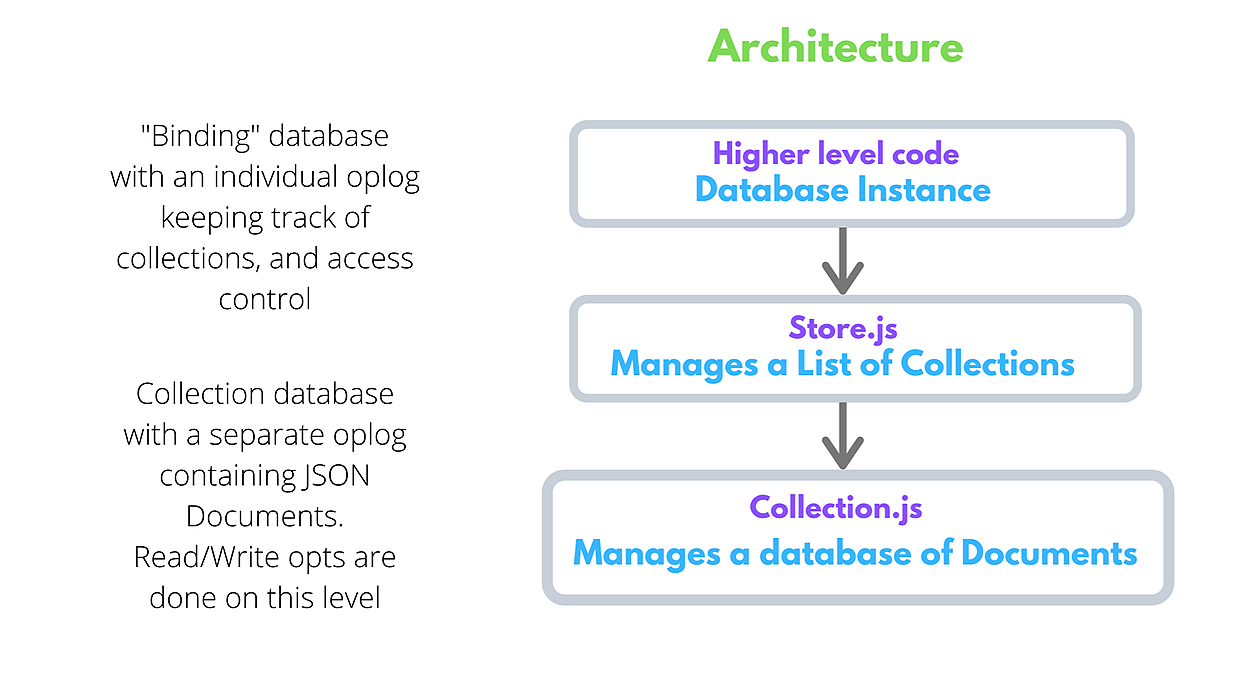 In the past few months we have been getting this question a lot:
239. USSD at Scale: Powering Healthcare Access Across Africa

240. The HackerNoon Newsletter: Meet Temmarie - HackerNoon Blogging Course Facilitator (12/19/2025)
 12/19/2025: Top 5 stories on the HackerNoon homepage!
241. The HackerNoon Newsletter: Backpressure Isn’t a Bug: It’s a Feature for Building Resilient Systems (5/1/2025)
 5/1/2025: Top 5 stories on the HackerNoon homepage!
242. Educational Byte: What Is a Sybil Attack in Crypto Networks?
 One attacker, many fake identities. Discover how Sybil attacks may bend decentralization and how crypto networks push back against the illusion.
243. The Fencing Gap: Why Your Distributed Lock Isn't Safe (and How to Fix It)
 Your distributed lock is silently failing. Learn how GC pauses and clock skew break DynamoDB, Redis, and ZooKeeper locks and how fencing tokens close the gap.
244. Why Bank Risk Systems Never Truly Went “Real-Time”
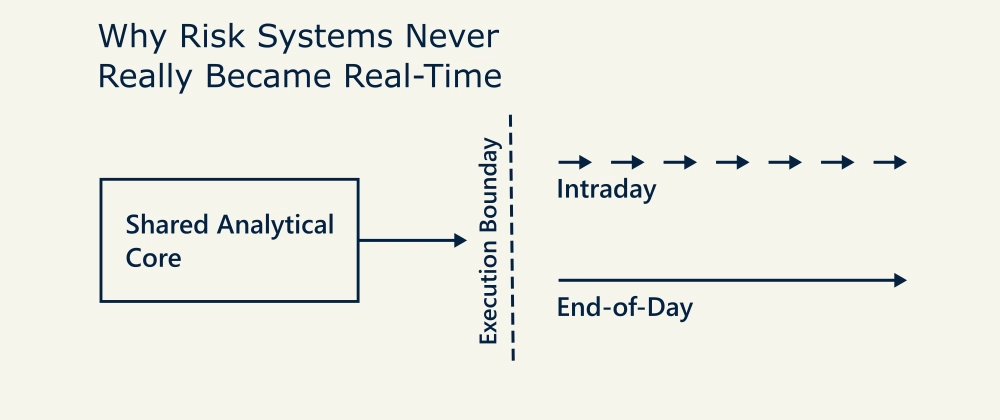 How financial risk systems evolved inside investment banks under real constraints—and why batching, recalculation, and hybrid architectures still persist today
245. Serving Structured Data in Alluxio
 This article introduces Structured Data Management (Developer Preview) available in the latest Alluxio 2.1.0 release, a new effort to provide further benefits to SQL and structured data workloads using Alluxio. The original concept was discussed on Alluxio’s engineering blog. This article is part one of the two articles on the Structured Data Management feature my team worked on.
246. The Critical Role of Data Backup Security in Ransomware Defense
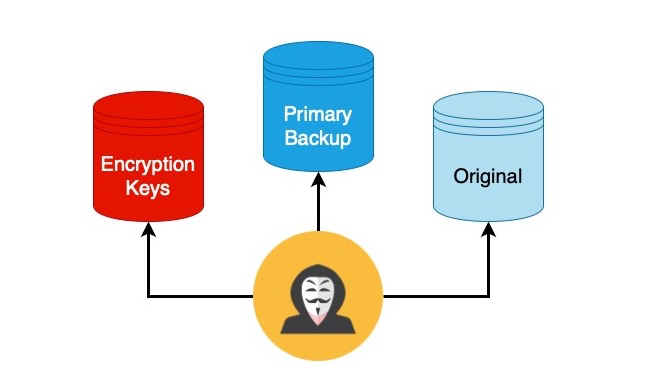 Data backups are crucial for any enterprise and having an end-to-end secure backup strategy can help you recover from a ransomware attack.
247. Can We Simplify Blockchain Data with a Cross-Chain Query System?
 Evaluate the practicality of implementing a cross-chain query system to simplify accessing data from multiple blockchains.
248. Blockchain's Practical Security and Emerging Concerns
 This article explores the multifaceted world of blockchain security, addressing various aspects of concern and providing insights into blockchain concerns.
249. MCP: Explaining the Shape of Small World Models
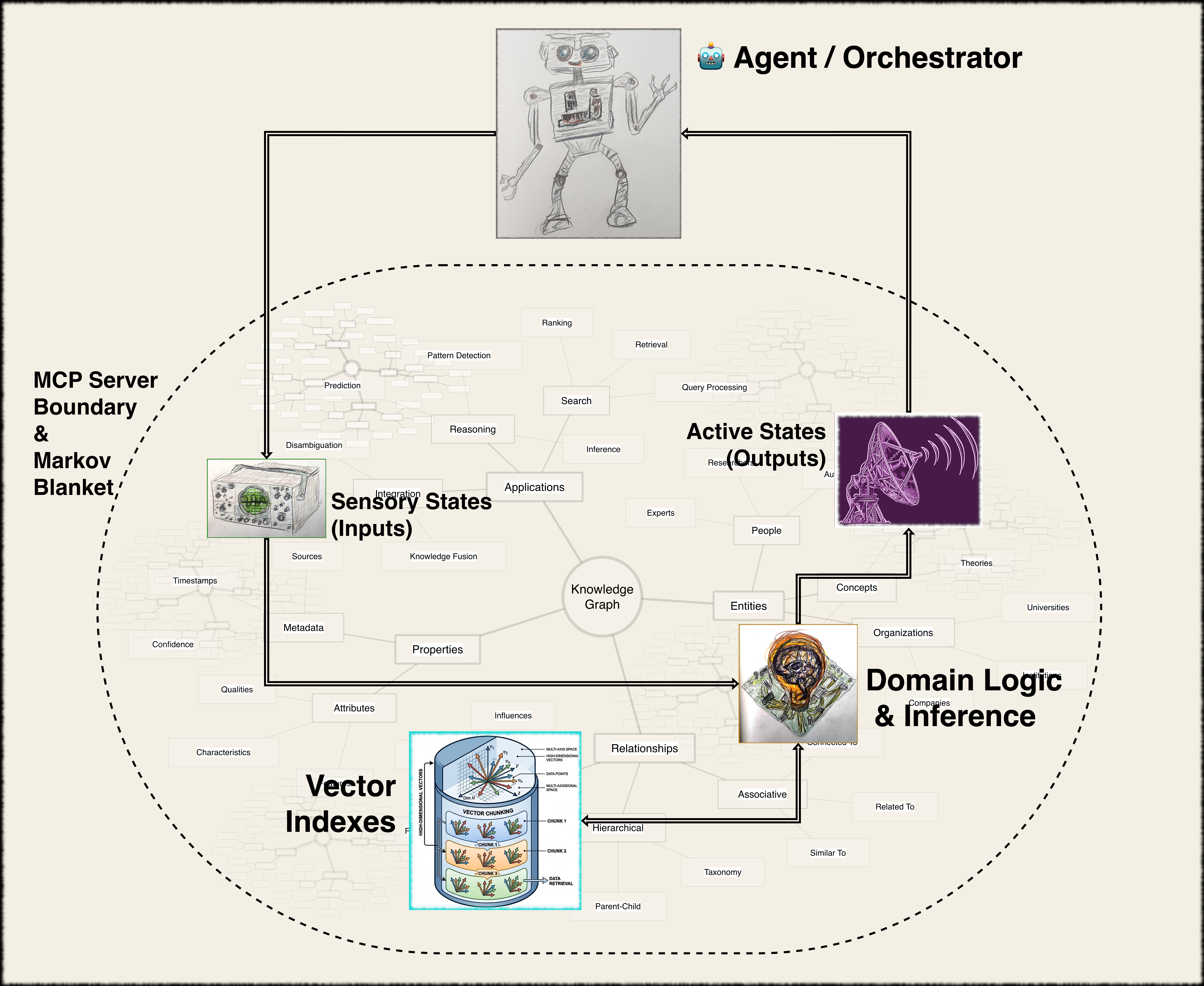 MCP server boundaries have the same shape as Markov blankets in active inference. That's not a metaphor — it's the actor model upgraded with ontological context
250. How Rohit Reddy Kommareddy Revolutionized Lead Generation Through Distributed Systems
 Rohit Reddy Kommareddy transformed a startup’s growth with distributed search tech and vector search, scaling revenue 4x and data processing by 100x.
251. Distributed Governance and Anonymity: A Bad Idea
One of the big debates in the Genesis DAO started by DAOstack was the question of anonymity. Should people be able to make proposals and ask for budgets without providing a real identity?
252. Rethinking Distributed Systems: Can AI Be the Architect?
 Can AI design and optimize distributed systems? Explore how AI can analyze, scale, and automate system architecture for zero downtime.
253. Revolutionizing Inventory Management Through Technical Innovation: The Amazon Success Story
 Sumit Agrawal led Amazon’s inventory system revamp, merging distributed systems and ML to save $40M+ and boost efficiency across global operations.
254. How to Query Data Across Multiple Blockchains
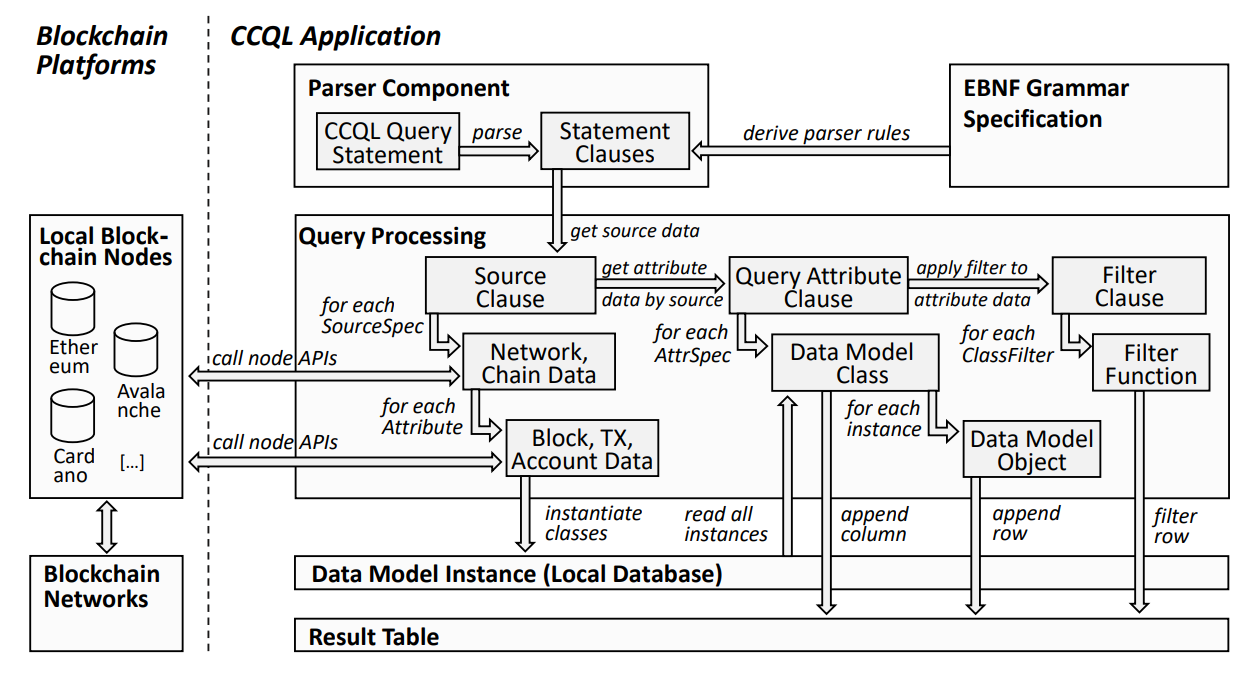 Learn how cross-chain queries allow easy access to data from multiple blockchains, with a simple process for retrieving and filtering blockchain information.
255. Why Distributed Systems Rarely Live at Pure CP or AP
 Learn why CAP Theorem is not a binary choice, how PACELC fills the gap, and how real systems balance consistency, availability, and latency.
256. Serving Structured Data in Alluxio: Example
 In the previous article, I described the concept and design of the Structured Data Service in the Alluxio 2.1.0 release. This article will go through an example to demonstrate how it helps SQL and structured data workloads.
257. Replication 101: How Distributed Databases Stay Alive
 Understand the three main replication models and how they shape failure handling, write paths, and consistency guarantees.
Thank you for checking out the 257 most read blog posts about Distributed Systems on HackerNoon.
Visit the /Learn Repo to find the most read blog posts about any technology.