

Let's learn about Containers via these 226 free blog posts. They are ordered by HackerNoon reader engagement data. Visit the Learn Repo or LearnRepo.com to find the most read blog posts about any technology.
A standard software unit that packages code and all other accompanying components. This is done to ultimately ensure smooth running of the application across computing environments.
1. MariaDB + Phpmyadmin + Docker: Running Local Database
 I will get MariaDB and Phpmyadmin running in a docker container. I will reuse folder setup and all files from previous recipe - 02.
2. How to Set Up Docker Compose For Prometheus + Grafana
 Want to have Prometheus and Grafanna locally so that you could test the metrics sent by your service? check this guide using Docker Compose
3. How To Make Docker Images with Jenkins Pipelines
 Jenkins Pipeline is a powerful tool when you are using Jenkins to automate your deployments. Flexible and customized actions split between stages are a good reason to try this feature.
4. How To Use Prometheus Adapter to Autoscale Custom Metrics Deployments
 Introduction
5. 5 Docker Desktop Alternatives
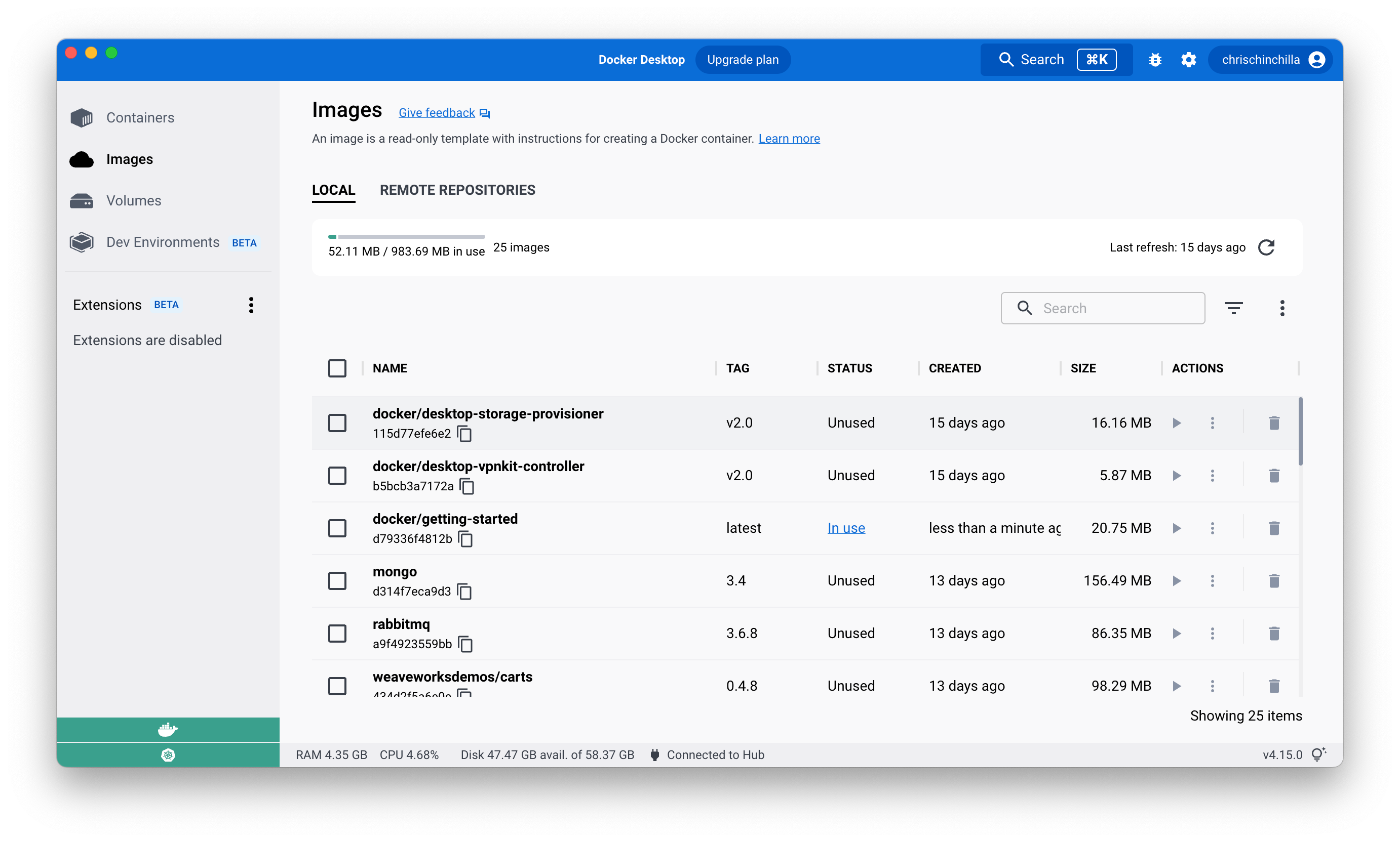 For Windows and macOS users, Docker Desktop has been the main way to use Docker containers for many years. But how about now?
6. Deploying a Kubernetes Cluster on CentOS
 In this article, we will explore the steps needed to deploy Kubernetes on CentOS.
7. Distroless Containers: Hype or True Value?
 The goal
8. Why We Love Docker and Best Practices for DevOps
 Every company is becoming a software company these days, and there is so much happening around making software development occur at record speeds.
9. What Future Holds for DevOps in 2020: A Complete Guide
 Software is eating the world, in all sectors. Marc Andreessen, the founder of Netscape, said it long back about how software is eating the world. He also summarised that every company is a software company these days, and software companies are poised to take over broad swathes of the economy. You’ll see DevOps clearly in 2020, where continuous updates transform the way software is delivered to a nearly-limitless marketplace. DevOps has become a must to thrive in this highly competitive technological world.
10. Debugging: Using PDB in Dockerized Environment
 Docker, along with Docker Compose are the most used tools under the DevOps category, according to The State of Developer Ecosystem 2019 survey by JetBrains. Chances are if you're using Docker/Docker Compose for deployment, you'll most likely be using them for local development as well. If you only use Docker for deployment but a virtual environment for local development, you may want to look into using Docker for development to reduce the parity between dev/prod environments, as suggested in the Twelve-Factor Methodology.
11. Introducing NodePort Service in Kubernetes
 Summary
12. How To Install PostgreSQL With Docker Quickly

13. Kubernetes Secrets and ConfigMaps
 In this article we will discuss about the applications of Kubernetes ConfigMaps and Secrets.
14. How to Deploy AWS Lambda with Docker Containers
 You can now build your serverless workloads in a Docker container with AWS Lambda. We gave it a try and here's our review (with ETL examples).
15. How to Call Multiple Microservices in Parallel
 We can call microservices in parallel, storing results in the form of feature objects in one more list and then combine the result of all features.
16. How to Deploy Apps to a Local K3d Cluster
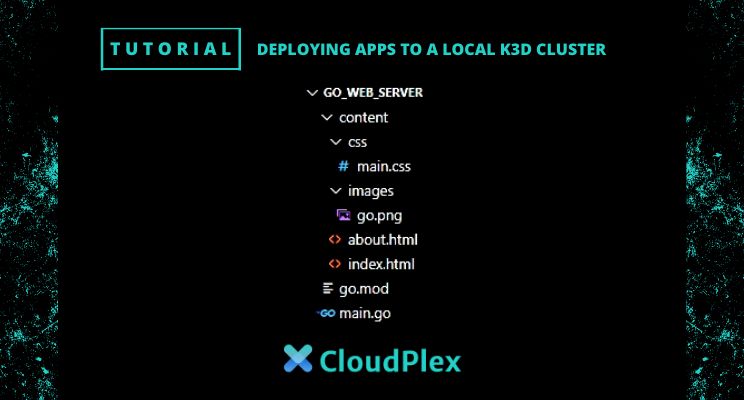 In this post, we will discuss how to deploy and test an application on a local Kubernetes cluster.
17. Kubernetes Cluster Setup with a Local Registry and Ingress in Docker using KIND
 Local k8s development environment setup with local docker registry and ingress setup in KIND.
18. Exploring Traefik: A Reverse Proxy for Docker
 Learn how to proxy sites and API in a few examples, automate getting certificates and even add some middleware (to add headers for example). YAML tutorial.
19. How to Configure Self-hosted Azure DevOps Agents
 In this article, I will show you the configuration process of a Self-hosted agent on macOS and Docker.
20. Kubernetes Monitoring with Prometheus and Thanos
 Introduction
21. Flask API Containerization using Docker
 Nowadays, putting shiny new applications in containers seems to be the way of the future, and for good reason. They offer platform portability, hardware efficiency, and enhanced security. In this tutorial, we are going to take a very simple Flask API, put it in a Docker container, and then test it out using Postman.
22. Deploying a Java Spring Boot app on AKS with Azure Database for PostgreSQL
 In this post, learn how to run a Java Spring Boot application on Azure Kubernetes Service (AKS) and connects to Azure PostgreSQL using Azure AD Pod identity.
23. Creating Encrypted Containers in Linux Using Cryptsetup
 A brief guide on how to create encrypted containers in Linux using Cryptsetup, giving you tools for keeping your most important files and data protected.
24. How to Use binding.pry to Debug a Rails Application in a Docker Container
 Debugging in a docker container isn't that straightforward. At least it is not in the way my team set everything up. I will describe my methods for debugging.
25. 21 Resources and Tutorials to Learn Kubernetes
 In this blog post below, we have compiled a list of 21 resources and tutorials, that are helpful to start your Kubernetes learning journey.
26. Migrating from Pod Security Policies: A Comprehensive Guide
 Transition to PSA: Migrate from Pod Security Policies (PSP) to native Pod Security Admission (PSA) in Kubernetes for enhanced security.
27. Container Orchestration Trends for 2023: Kubernetes, AWS Fargate, Docker and Beyond
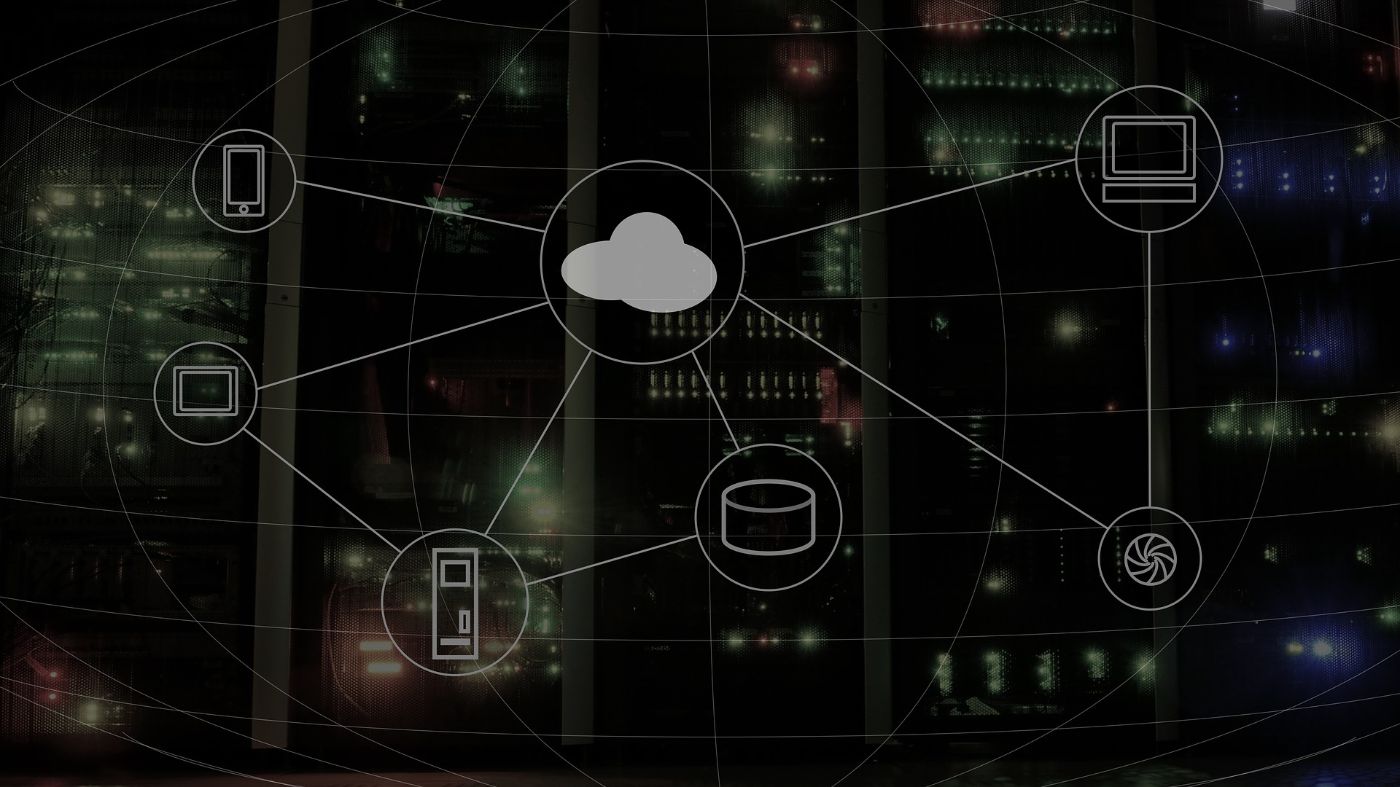 Containers have been around for a while now, but the industry is just starting to see the benefits of containerization.
28. Container Security Tools to Try in 2023
 7 Strategies and associated tools for your container security workflows.
29. Docker is dead. Long live the Unikernel.
 As the cloud-native ecosystem evolves, it is beginning to appear as if a challenger to containerization has emerged. In this blog post, I'm going to dive into what unikernels are, and why I think they will be the most likely candidate to replace container-based infrastructure.
30. HTML Structure and the Importance of Elements as Containers

[31. How Did Kubernetes Win the
Container Orchestration War?](https://hackernoon.com/how-did-kubernetes-win-the-container-orchestration-war-lp1l3x01)
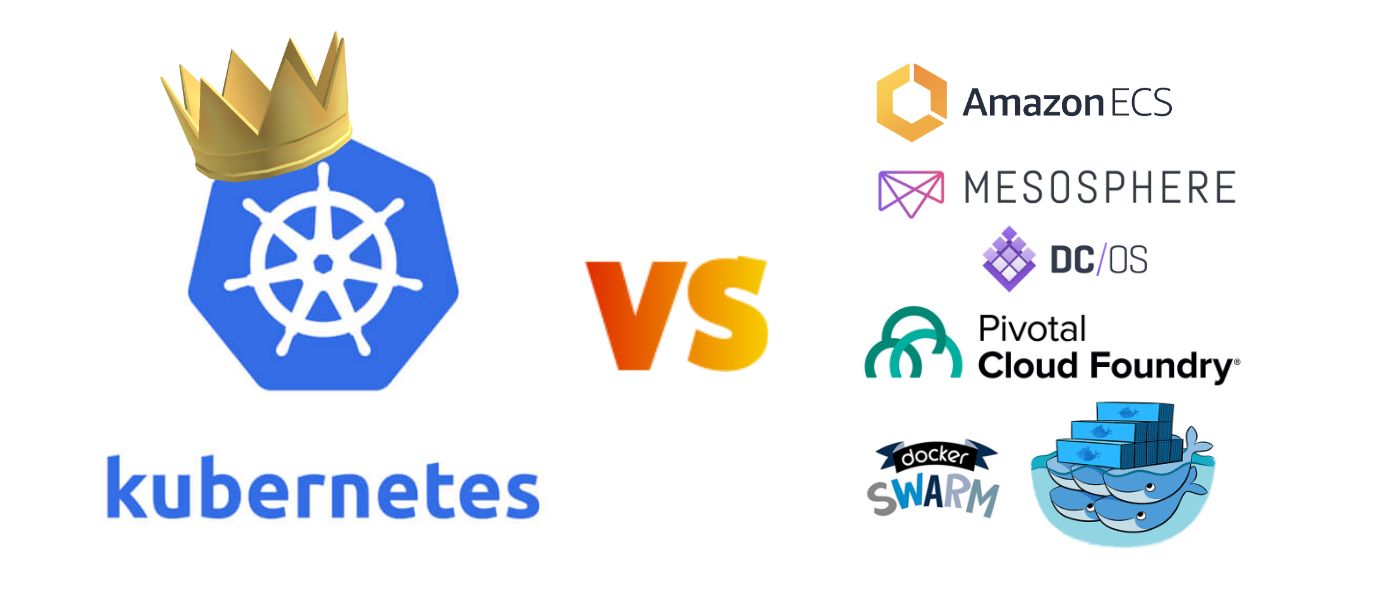 Kubernetes is now almost synonymous with container orchestration. A CNCF survey found that it is used in production by 78% of respondents. But it wasn't always like this. There used to be several big players in the field and there was talk in the industry of 'container orchestration wars.'
32. Deploy a LAMP stack as a Helm Chart
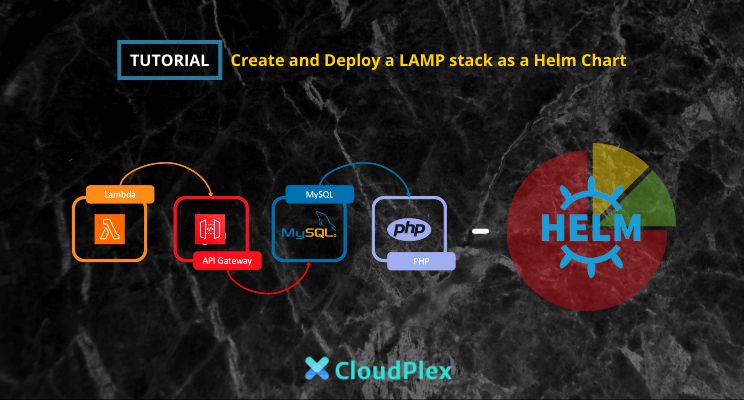 Kubernetes deployments are becoming even more complex but Helm is a good solution to bridge this deployment complexity and package Kubernetes applications
33. What Kubernetes Network Plugin Should You Use? A Side by Side Comparison
 Discover a comparative analysis of Kubernetes network plugins Flannel, Cilium, Calico, and Canal. Learn about their performance, security.
34. Here are Some Docker Hacks That Changed my Life
 Docker is a powerful tool for building and managing Docker-based applications. Here are some things you might be missing out on!
35. How to Harden K8S: Based On the Recent Updated NSA's Kubernetes Hardening Guide
 Recently, NSA updated the Kubernetes Hardening Guide, and thus I would like to share these great resources with you and other best practices on K8S security.
36. Running Linux Applications as Unikernels with K8S
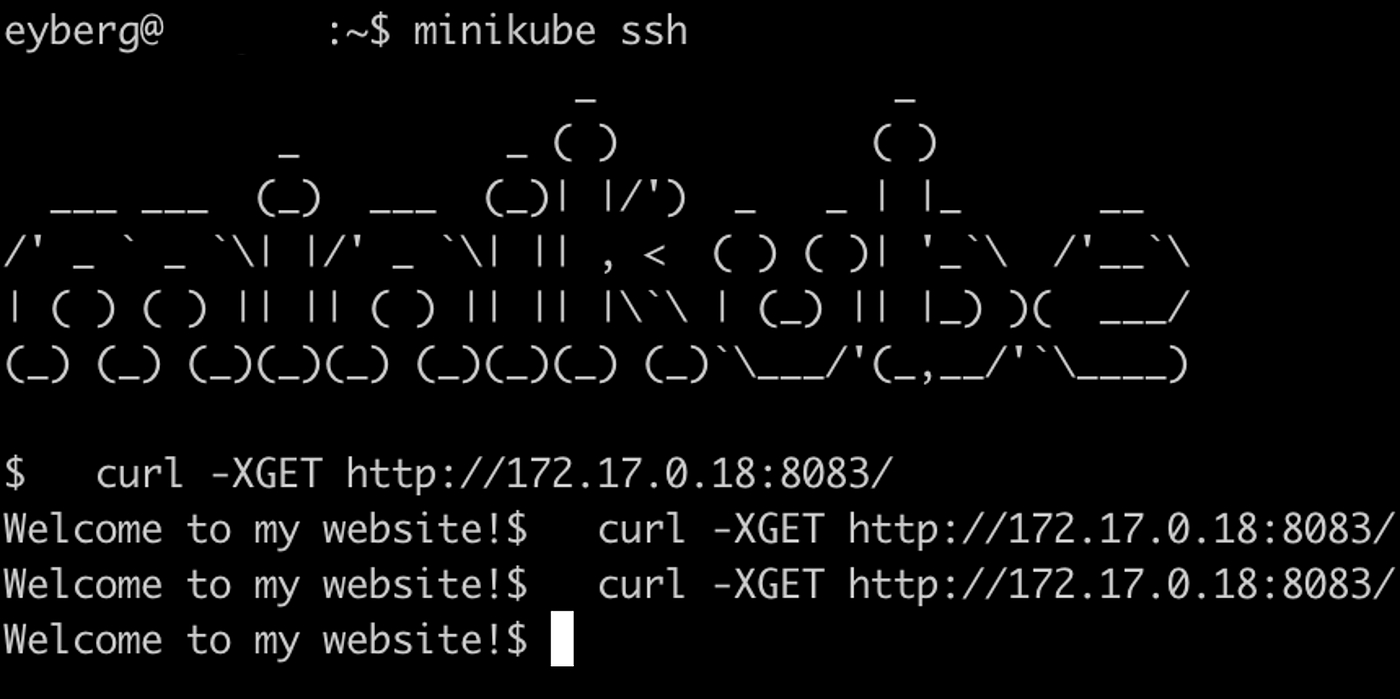 If you've read some of my prior articles you might've thought I'd never write this one huh? :) Well here goes.
37. Automating Smart Contract Development with Docker
 Setting up a dockerized container to launch project setups that'll help deploy and run smart contracts.
38. The Low-Code vs No-Code Platform Dilemma
 As time progressed, programming methods became simpler so that applications can be developed and delivered fast. This led to the popularity of low-code and later no-code approach to application development. Both low-code and no-code take a drag-and-drop visual approach to build business applications more efficiently. The idea is to reduce or replace complicated coding with a configuration approach. This allows citizen developers to build and test applications quickly.
39. How to Generate Kubernetes Manifests With a Single Command
 Use Kompose to automatically generate kubernetes manifests
40. The State of Containers in 2020
 Containerization has come a long way and containers have completely revolutionized the way companies build, test, package and deliver software today. Containers are good for packaging any software. Big or small. Microservices are great candidates to be packaged and delivered with container images. With Microservices architecture, the large monolith is decoupled into several mini services that work independently.
41. Top 7 Kubernetes Security Practices Everyone Should Follow

42. How to Use Cloud-init to Self-Register k3OS Clusters to Rancher
 The lightweight Kubernetes OS that is known as k3OS has quickly been gaining popularity in the cloud-native community as a compact and edge-focused Linux distribution that cuts the fat away from the traditional K8s distro. While k3OS is picking up steam, it is still on the bleeding edge and there is still a bit of a shortage of learning material out there for it.
43. Podman CLI Guide for Docker Users
 Podman is the command-line interface tool that lets you interact with Libpod, a library for running and managing OCI-based containers. It is important to note that Podman doesn't depend on a daemon, and it doesn't require root privileges.
44. How to Set Up Jenkins on Kubernetes
 This guide will walk you through the process of setting up Jenkins on Kubernetes. Jenkins is a widely-used open source CI server that provides hundreds of plugins to support building, deploying and automating your projects.
45. How To Deploy Firecracker MicroVMs using Weave FireKube
 Introduction
46. A Guide to Container Networking: Part II - Network Namespaces and Linux Bridges
 Explore Network Namespaces and Linux Bridges in container networking. Learn about veth pairs and network isolation in this detailed guide
47. How Containers Affect DevOps
 Today, we no longer talk about development and operations in isolation. DevOps actively combines these two, which is an essential factor in the modern software lifecycle. Along the way, Docker containers have also become popular due to the benefits they offer for DevOps. Containers affect DevOps mainly in two ways.
48. 8 Cloud Computing Trends to Watch in 2021
 Cloud computing has grown exponentially in the past decade and is not about to stop. As predicted by Forrester’s research, the global public cloud infrastructure will grow 35% in 2021, many thanks to the pandemic. Due to the lingering effects of covid-19 in 2021, the cloud will be the key focus for organizations looking for increased scalability, business continuity, and cost-efficiency.
49. How To Containerize Java Applications Without Docker Using Jib
 In this article we will learn about how to create docker or OCI complaint images without installing any docker client or using Dockerfile for our SpringBoot application. We will be doing all of this with help of Jib.
50. 3 Major Python Problems and How to Solve Them
 Python is a versatile programming language that is popular and widely used for various applications, such as data science modeling and REST APIs. However, managing and maintaining a complex Python development environment can be challenging, especially when working on large or multi-faceted projects.
51. Mastering Graceful Shutdowns in Go: A Comprehensive Guide for Kubernetes
 For applications deployed in orchestrated environments (e.g., Kubernetes), graceful handling of termination signals is crucial.
52. Implementing Blue/Green Deployments with Azure Web Apps for Containers
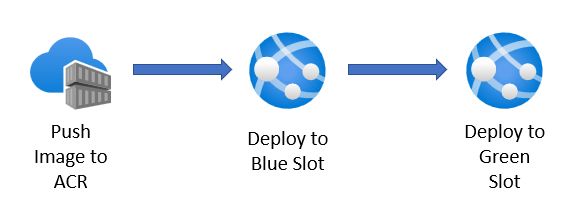 Using Deployment slots, we can perform Blue/Green deployments in Azure App Service to achieve zero-downtime deployments for our containerized workloads.
53. Amazon Elastic Container Service (ECS) Anywhere: A New ECS Function
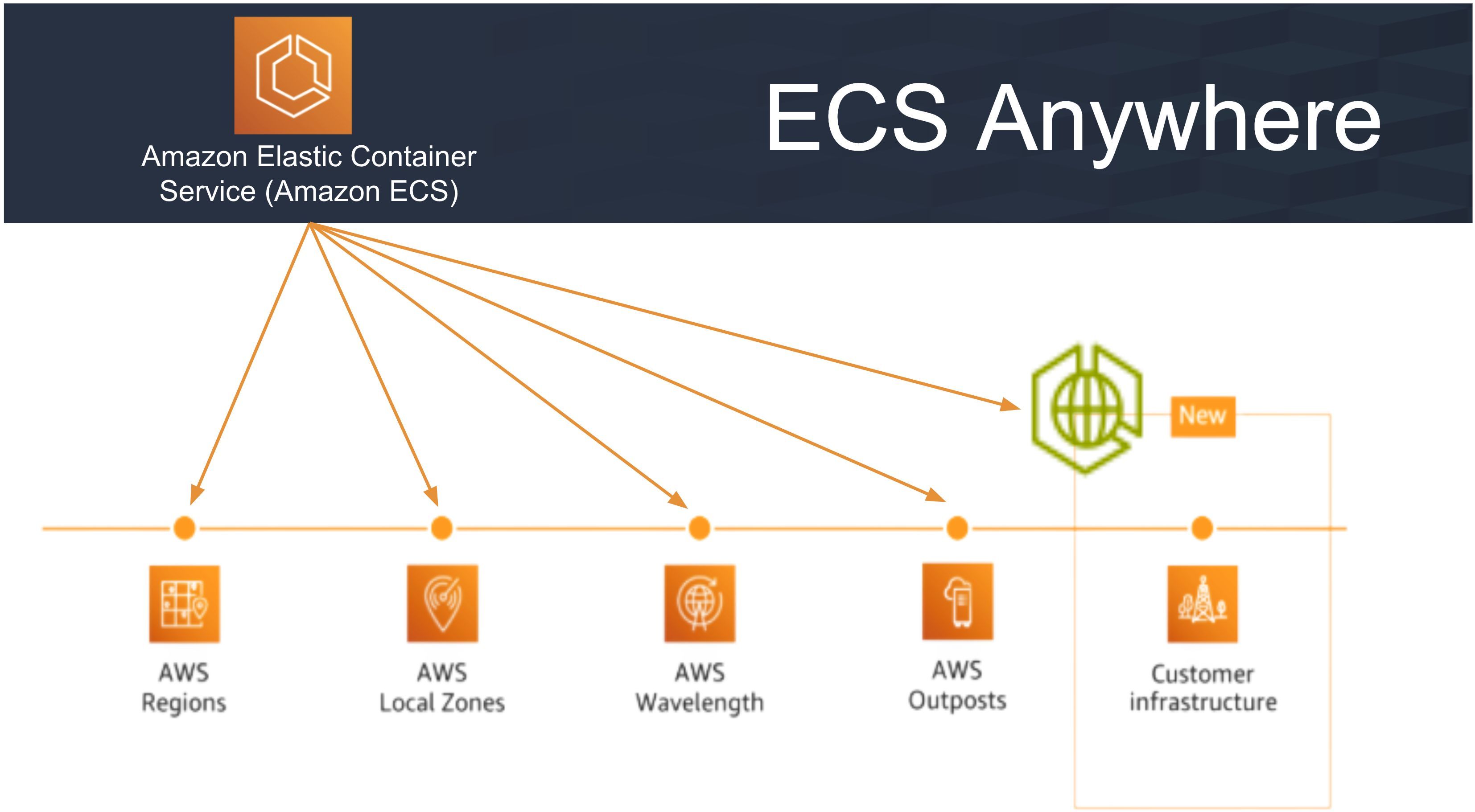 Amazon ECS Anywhere gives customers the ability to run Amazon ECS on any infrastructure using the same cloud-based, fully managed, highly scalable container orchestration service and control plane they use in AWS today.
54. Building AOSP with Docker
 I have been working on AOSP (Android Open Source Project) for a little
over a year now, it was my first experience working on Android as a
platform. Building and customizing your Android OS my seem like a
daunting task at first, but it is not really that hard, but i am not
here to give you a guide on how to build Android from Source but we will get to see how docker can help you in building your ROM.
I have been working on AOSP (Android Open Source Project) for a little
over a year now, it was my first experience working on Android as a
platform. Building and customizing your Android OS my seem like a
daunting task at first, but it is not really that hard, but i am not
here to give you a guide on how to build Android from Source but we will get to see how docker can help you in building your ROM.
55. Should You Learn Kubernetes in 2022
 With the increasing popularity of containerized applications, the container orchestration platform Kubernetes has become a must in the toolset of a developer.
56. How to Create Simple Multi-Stacks Test With Testcontainers

57. The Adoption of Microservices Architecture for Cloud-Native Applications
 In this article, we've explored the world of microservices and native applications as well as how Docker can be used to build, run, and deploy them
58. AWS Bottlerocket vs. Google Container-Optimized OS: Which Should You Use and When
 What's the difference between popular Container-Centric OS choices, Google’s Container-Optimized OS, and AWS’s Bottlerocket? The concepts underlying containers have been around for many years. Container technologies like Docker, Kubernetes, and an entire ecosystem of products, as well as best practices, have emerged in the last few years. This has enabled different kinds of applications to be containerized.
59. GKE vs. EKS: Comparing Google Kubernetes Engine and Amazon Elastic Kubernetes Service
 There are key differences between GKE and EKS. While EKS is a market leader, read more to find out why GKE can give EKS a run for its money.
60. Creating and Deploying a Simple Helm Chart
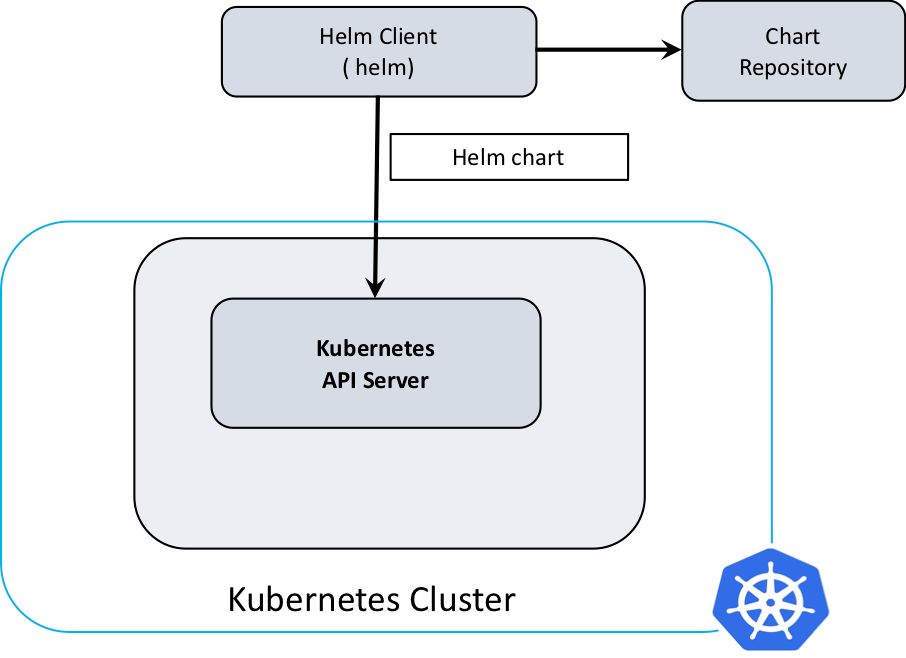 Learn how to create a simple Helm chart to package and deploy individual Kubernetes applications.
61. Azure DevOps: How to Build, Test And Deploy to Azure Kubernetes Service

62. Introduction to Buildah: A CLI Tool For Building Images
 Buildah is a tool for building OCI-compatible images through a lower-level coreutils interface. Similar to Podman, Buildah doesn't depend on a daemon such as Docker or CRI-O, and it doesn't require root privileges. Buildah provides a command-line tool that replicates all the commands found in a Dockerfile. This allows you to issue Buildah commands from a scripting language such as Bash.
63. Containerization of Spark Python Using Kubernetes
 Introduction
64. The Pocket Guide to Understanding Docker Containers
 Docker containers have revolutionized software development and deployment by offering a flexible, efficient, and consistent way to package and run applications.
65. Modularizing Docker Images
 Docker is a containerization technology that allows an application to run in an isolated environment while being bundled with all the dependencies it needs to run. So it provides a standard way to run applications in a server agnostic manner.
66. Give me a Unix Shell and I'll Build Container Images ... for Life
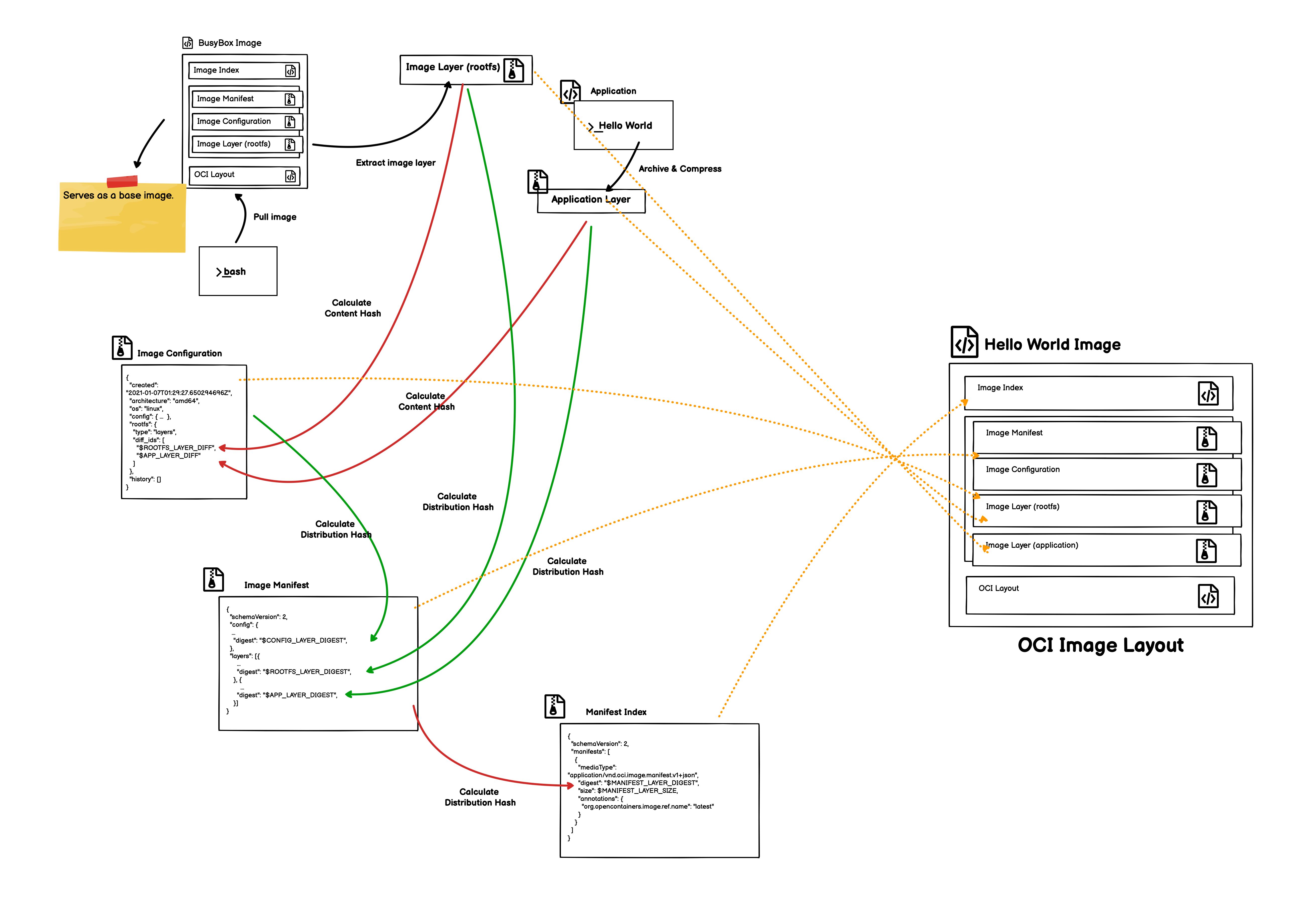 People in the stone age used their bare hands to create container images!.
67. An Introduction to Docker and How It is Important for Sysadmins
 Ever since Docker went live in early 2013 it’s had a love-hate relationship with programmers and sysadmins. While some ‘experienced’ developers that I’ve talked to have a strong dislike for containerization in general (more on that later), there’s a reason why a lot of major companies including eBay, Twitter, Spotify and Lyft have reportedly adopted Docker in their production environments.
68. Kubernetes Tutorial: Using The System For Personal Projects
 Learn how to deploy a simple rest API with ExpressJS and expose it using a service and ingress. Great for Kubernetes personal projects.
69. Migrating from DC/OS to Kubernetes: The Challenges You May Face
 This blog will discuss DC/OS and Kubernetes and what challenges you might face when migrating between these container platforms.
70. Kubernetes API Operator: Apply API Management for Istio Microservices

71. Top Kubernetes Consulting Service Providers: 2021 Edition
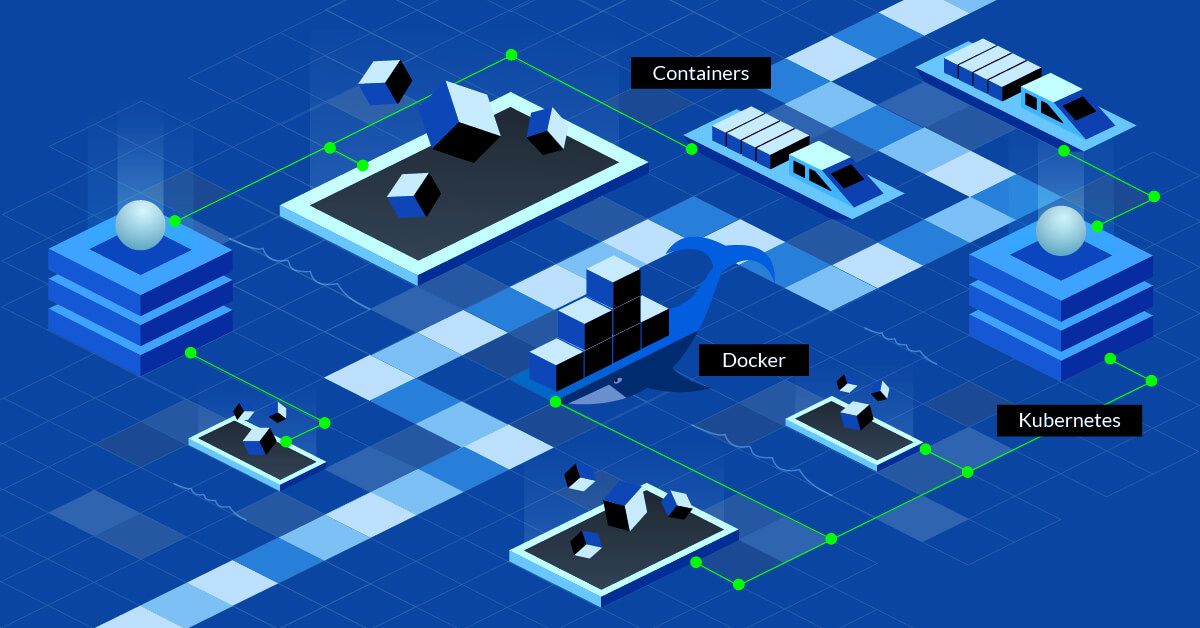 Kubernetes opens up the potential for better application management and deployment automation.
72. How to Optimize Kubernetes and Argo Workflow Spending
 Kubernetes costs can soar if you don't pay attention. Here's an open source way to monitor Kubernetes costs for devs using Argo Workflow.
73. What are the Benefits of Using Docker Containers & When Should They Be Used?
 Docker allows allows enterprises to easily integrate the benefits of containerization into their development lifecycle and operations, optimizing time & money.
74. How To Harden Your Docker Containers Using Seccomp Security Profile
 Secure Computing Mode, also known as Seccomp, is a Linux kernel feature that improves several security features to help run Docker in a more secure environment.
75. Key Questions to Ask your DevOps Teams About Containers and Kubernetes
 DevOps teams are responsible for balancing two important forces
in their organizations’ software development efforts: shorter delivery cycle
times for applications that continue to increase in size and diversity.
DevOps teams are responsible for balancing two important forces
in their organizations’ software development efforts: shorter delivery cycle
times for applications that continue to increase in size and diversity.
76. Kubernetes Distributed Performance Testing using Locust
 Docker and Kubernetes are powerful tools that can help you in aligning your Machine Learning production cycles with the business operations requirements.
77. How To Run Deno.js in Docker
 What is Deno? Deno is a simple, modern and secure runtime for JavaScript and TypeScript that uses V8 and is built in Rust.
78. SQL Server container in Azure Kubernetes Services (AKS)

79. Getting Started with Zalenium: Docker-based Selenuim Grid
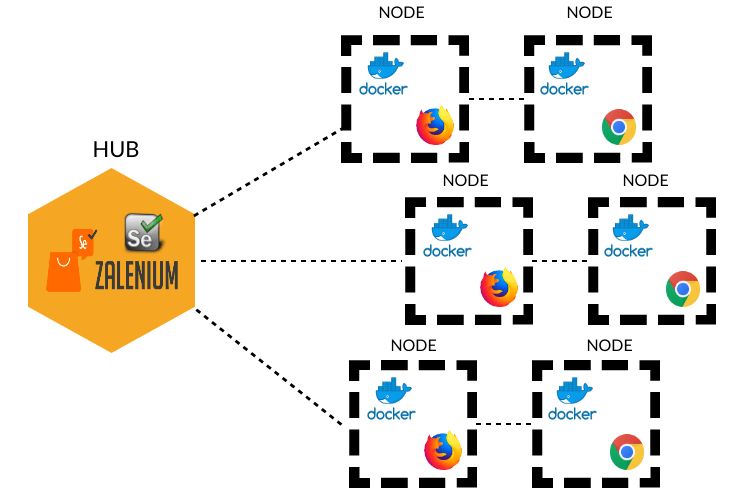 The integration of Docker and Kubernetes makes Zalenium an appealing choice for setting up Selenium-based infrastructure.
80. Creating and Provisioning Azure Container Apps with Bicep
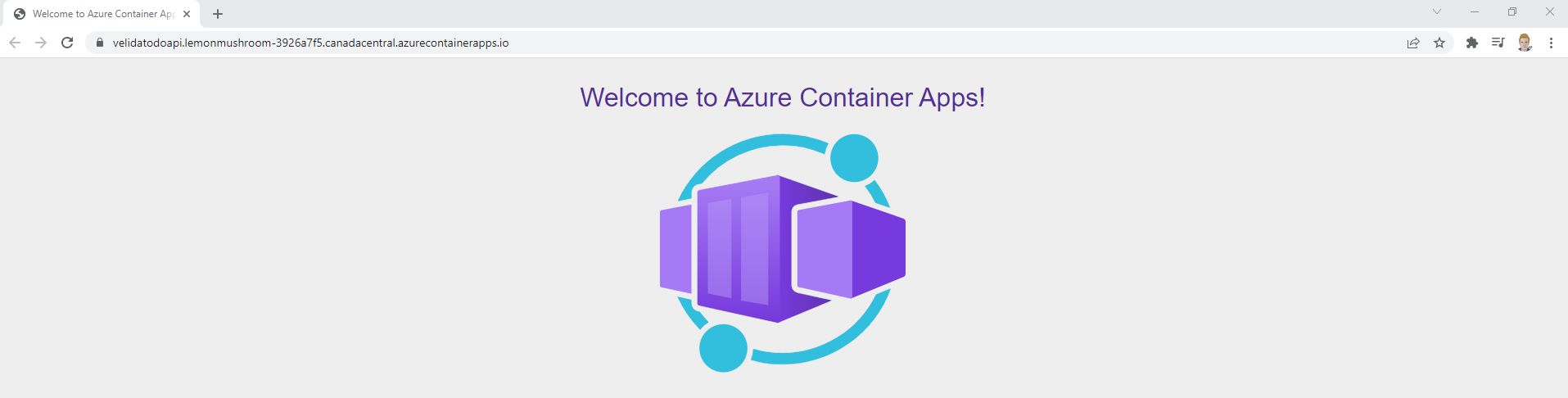 Using Bicep, we can deploy Azure Container Apps quickly and easily!
81. Managing Microservices with Service Mesh: A Control Plane for your Application

82. Sysdig: What It Is and How to Use It
 Sysdig is a universal system visibility tool with support for containers. What makes Sysdig special, is that it hooks itself into the machine's kernel and segregates the information on a per-container basis.
83. Comparing Container Pipelines
 Introduction
84. Understanding Pods in Kubernetes
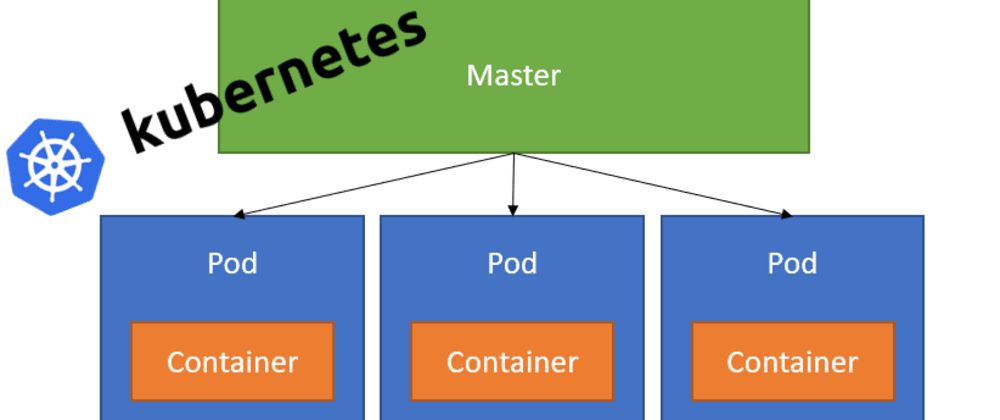 Pods are Kubernetes Objects that are the basic unit for running our containers inside our Kubernetes cluster.
85. Managing Local Kubernetes Cluster with Lightweight Kubernetes and Traefik Proxy
 Motivation
86. Kubernetes Day-2 Operations, Part I
 Kubernetes is the de-facto standard for container clustering and orchestration. Its adoption is soaring in cloud-native applications.
87. Pool Architecture for Saas
 Most of the startups facing scaling problems move to microservices. Inspired by cell-based architecture, it split services per function and scale only specific features. It works especially well for B2C where traffic is uniformly spread across users. However, B2B can face a different type of scaling issue where only one user is scaling. A pool architecture is a simpler yet powerful solution, used both by GAFA and fast-growing startups.
88. On Building A Development Pipeline With Kubernetes
 A few years ago, digital transformation led to enterprises moving away from traditional monolithic architectures to microservices.
89. Things to Keep in Mind to Successfully Deploy Kubernetes in Production
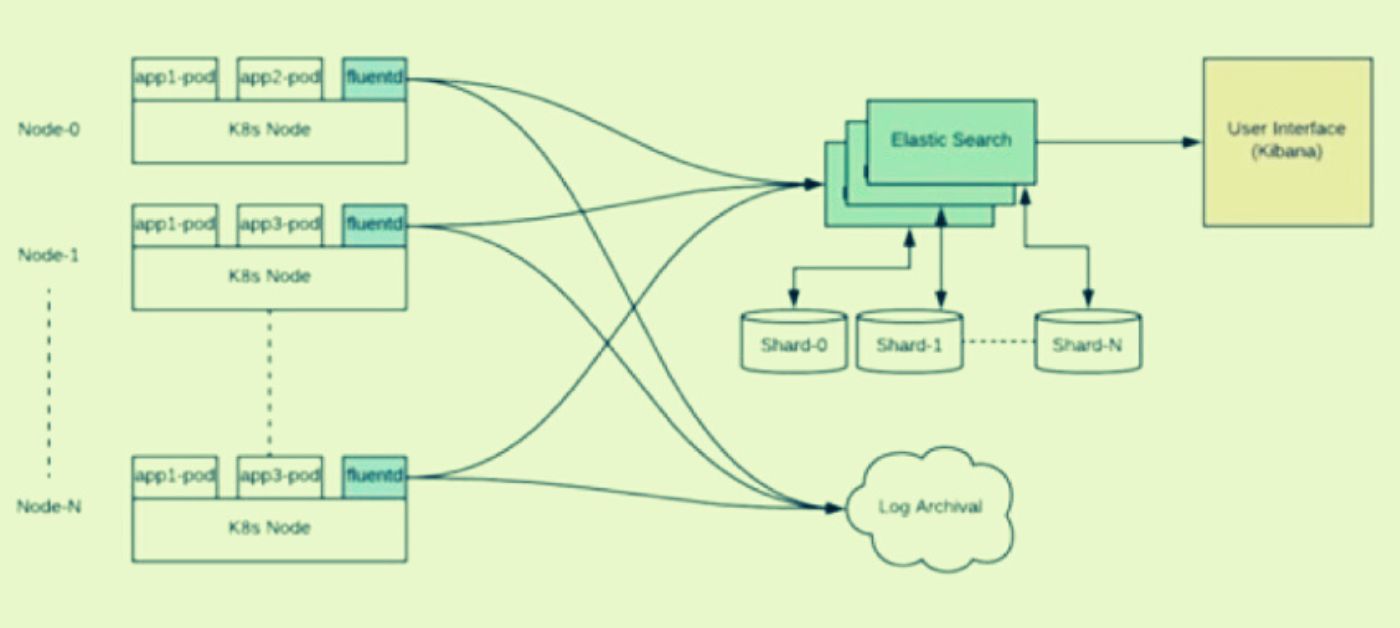 This blog covers additional factors you should take care of to successfully deploy Kubernetes cluster in production alongwith choosing a managed cloud. Read on.
90. 7 Best Docker Alternatives in 2022
 A list of decent Docker alternatives that might fit your needs.
91. How To Use Cloud Native Buildpacks
 It never fails that the CNCF seem to always be cooking up something interesting in their ecosystem. In my free time, I always seem to find myself in a habit of playing in the Sandbox to see what new cutting edge tools I can add to my collection. It is my goal today to introduce you to a project at the Sandbox stage known as "Buildpacks".
92. How I Reduced EKS Windows Node Start Time From 5 Min to ~90s
 Learn how to reduce AWS EKS Windows node startup times to < 90 secs using Karpenter, optimized scripts, and pre-cached images. Boost your cluster's performance!
93. KubeMQ Build & Deploy Test Drive: My First Impressions
 Meta: KubeMQ, makers of the eponymous Kubernetes-native message queue, has a new web-based tool that promises to make setup a breeze. Let's try it out!
94. Are Kubernetes StatefulSets Broken?
 Kubernetes StatefulSets are broken
95. Developers, AWS App Runner Might Not Always Be the Best Choice For Deploying Your Application
 Discover why AWS AppRunner might not be the best fit for complex applications. A real-world journey with key insights on containerized deployment challenges
96. A Quick Guide to Writing YAML for Kubernettes
 YAML is a human-friendly, data serialization standard. It also has various applications in Kubernetes.
97. Ship With the Docker Hub CLI Tool
 The Docker Hub CLI Tool is a helpful containerization tool that can be used with Command Line. It is slightly experimental but still incredibly helpful.
98. How To Deploy Code Faster Using Kubernetes
 First, let us address the underlying question:
99. Enabling Multi-Cloud Kubernetes Communication with Skupper
 Intro
Intro
100. Docker: Beginner's Guide
 If you've been into software or web development for any amount of time, chances are that you at least heard of Docker. Maybe you're like me and have avoided using it because it seems complicated or difficult to set up.
101. How To Create Deployment Objects in Kubernetes and Deploy Using kubectl
 Learn what Deployments are in Kubernetes and how to use them. Deployments are a high-level abstraction that controls how we deploy and maintain a set of Pods.
102. How To Run PostgreSQL as a Build Requirement in TeamCity Build
 We use different Continuous Integration tools in our projects. One of them is TeamCity software. A pipeline for TeamCity can be configured easily and has two steps, such as run tests and build a docker image for further deployment. However, I needed to run Postgres before running tests. I made a research, I read the documentation and this article may be useful to close a gap for team city’s documentation.
103. Using Kubernetes and Containers for Infinite Scaling
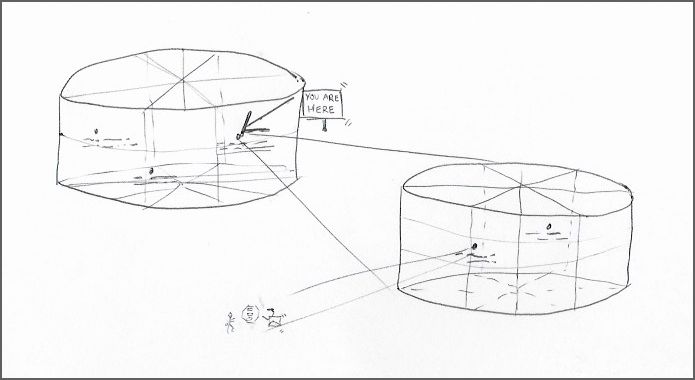 A landscape view of how to rightsize Kubernetes workloads, from single containers in a pod to hyperscaled serverless deployments, examining tools and techniques
104. CNCF Tools Overview: Are You Cloud-Native?
 Cloud computing is becoming more and more of a household name, with even the most conservative fields of business figuring out how to make the best use of it. Cloud computing usually starts with running a private cloud solution on premises before venturing onto the public cloud. Of course, the cloud is not a single uniform being. It may come from different providers, Amazon Web Services, Google Cloud Platform, and Microsoft Azure being the biggest players here. Or it may come with different visibility and hosting, that is, public (resides with the provider), private (self-hosted), or hybrid (which uses a bit of both). And the cloud can use different tools and APIs for management as well.
105. Delays in app delivery to Kubernetes
 Enterprises around the world are waking up to the containers and Kubernetes trend. There are numerous benefits of delivering an application as container packages to Kubernetes but at the same time, the process of app containerization and the subsequent app deployment to Kubernetes can hit many roadblocks. Since the idea of using Kubernetes and containers for app delivery is fairly recent, the transition from traditional delivery systems to these modern delivery systems is a bumpy ride.
106. A Beginner's Guide to AWS Containers - Part 1
 In this 2 part series blog post, you will go through a step-by-guide to understanding the concepts of Containers.
107. Developing, Deploying and Testing Flask Applications on Kubernetes - Part I
 In this step by a step blog post, that illustrates how to integrate Python Flask applications with Docker and run them in a Kubernetes cluster, we will cover the following topics:
108. Future of DevOps: DevSecOps, AIOps and something else?

109. Building Elixir Applications as systemd Services
 Build your projects with Nspawn
110. Understanding Linux Containers Before Changing the World
 Containers provide a way to run your application by packaging it with every dependency it needs. This article will look at Linux containers and their uses.
111. Kubernetes Explained Simply: Data Extraction With JSON Path [Part 8]
 kubectl can pull a lot of data about our deployments and pod. Most of the time, we humans are the recipients of that information, and kubectl obliges by nicely formatting things in pretty tables.
112. How Automatically Scan Docker Images For Vulnerabilities Using Amazon Elastic Container Registry
 When using Docker to run applications security is a major concern, but it can sometimes be easy to forget as we focus first on functionality. This doesn't need to be the case, as AWS Elastic Container Registry (ECR) can now be setup to automatically scan images on push, and provide feedback on any vulnerabilities that need to be addressed.
113. Key Concepts About Docker And Containerization

114. Mastering Distroless: A Guide to Building Secure and Efficient Docker Images
 Learn how to choose the smallest base image size and how to use Distroless to create secure, minimal Docker images for your applications.
115. The Essential Guide to Pod Eviction On Kubernetes
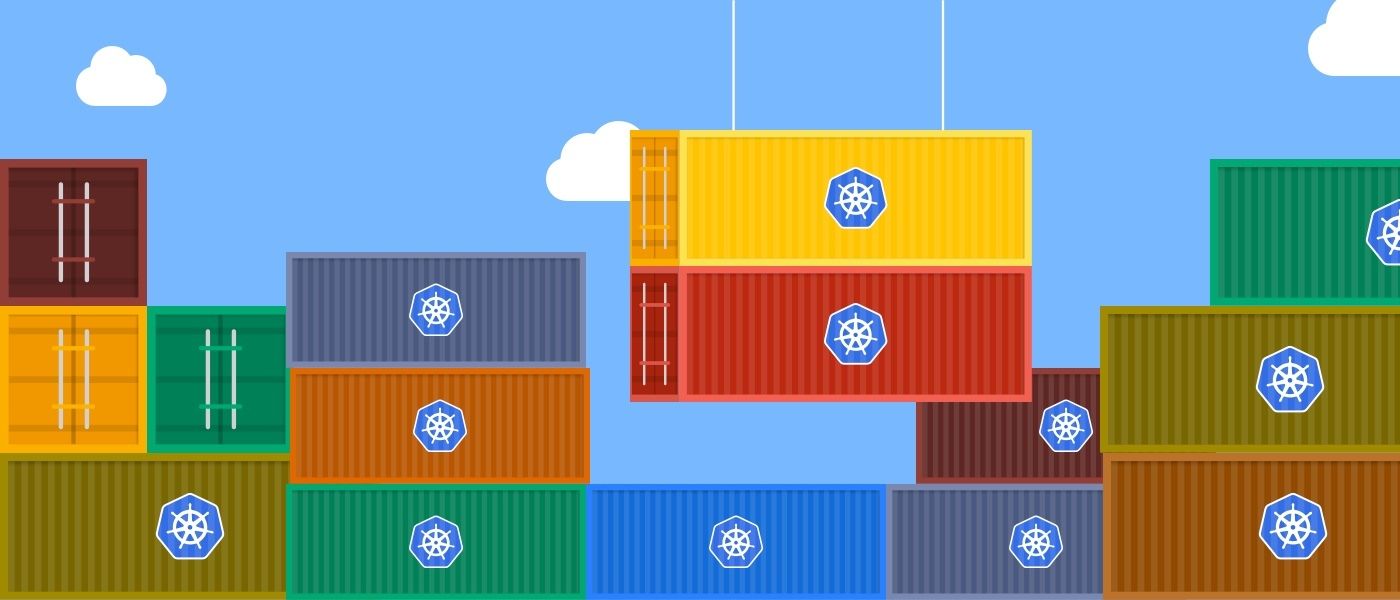 By nature, pods in Kubernetes clusters are ephemeral. They can be created, killed, and moved around by the scheduler. This may occasionally cause disruption in the microservices if pods are not configured properly.
116. Infrastructure as Code: Almost Everything You Need to Know
 Infrastructure as Code is invaluable when it comes to automating infrastructure by defining infrastructure configurations as code.
117. Incomplete Guide for Securing Containerized Environment
 Write Once, Run Everywhere embraces flexibility of spinning applications up and down for users. Let's find out why and how to secure containerized environment.
118. The Container Anatomy: A Kernel Introduction
 Welcome to this tutorial series, where we will evolve from the anatomy of a container inside the Linux Kernel, and will keep building pieces and evolving till the publication of a service into an Orchestration Platform. The general idea is to detail as much as possible (without being massive) how is things working under the hood.
119. How DockSec Solves Docker Security Problems with AI-Driven Automation
 DockSec is an AI-powered Docker security tool that automates vulnerability detection and provides actionable insights for developers and DevSecOps teams.
120. Kubernetes Explained Simply: #1 Kubectl Hack
 To say that Kubernetes uses a bit of YAML is like saying that a few people put some of their code on GitHub – accurate, but severely understated.
121. Efficient Dockerized Database Monitoring with Dockerized PMM
 Learn how to monitor your databases with ease using Docker and Percona Monitoring and Management (PMM). PMM is a free and open-source platform for monitoring an
122. What Are Cloud Native Buildpacks? A Simple Walkthrough
 Build OCI images without a Dockerfile using Cloud Native Buildpacks. Automate best practices, enhance security, and streamline deployment effortlessly.
123. How To Build CI/CD Pipelines Behind Your Firewall Using Codefresh Runner
 Continuous Integration/Delivery (CI/CD) is one of the most obvious candidates for moving to a Kubernetes cluster, as you automatically enjoy all the benefits of Kubernetes scalability. In traditional CI solutions, companies employ a fixed set of build nodes that teams must manually monitor and upgrade.
124. Increasing Developer Productivity with skaffold
 Primary focus of Developer is to write code. Build, Test and Deploy of the application are better left to be managed by tools. skaffold can help in automating some of mundane tasks that comes with using kubernetes.
125. The Top 8 Registries for Containers
 There are many container registry options on the market, serving customers of different types, sizes, and needs. Let's look at our top 8.
126. 3 Free Ways to Learn Kubernetes and Red Hat OpenShift
 I've compiled a list of three resources where you can get started with Kubernetes and Red Hat OpenShift, Red Hat's enterprise Kubernetes platform.
127. Why Tracking Vulnerabilities After Deployment Is Important
 Explore why you should track vulnerabilities after deploying your software,
ways to track vulnerabilities, and how to keep your users and business safe.
Explore why you should track vulnerabilities after deploying your software,
ways to track vulnerabilities, and how to keep your users and business safe.
128. Breaking Down What is New in Kubernetes 1.19
 The new Kubernetes 1.19 comes with 34 enhancements. Out of these, 10 have progressed to stable, 15 are in the beta stage, and 9 are in the alpha.
129. How CI/CD and Microservices Led to Kubernetes: Kube Explained Part 1
 Engineering teams have always had constant pressure to deliver software faster, cheaper, and more reliably. As a result, many of the recent trends in backend infrastructure have been driven by these factors.
130. Kubernetes Explained Simply: #3 What Do I Have Permissions For?
 Stretching as far back as version 1.8 (in September of 2017), Kubernetes has supported a fine-grained access control mechanism called RBAC. Nothing gets done via the Kubernetes API that isn't governed by some sort permission or another, and there are a lot of them.
131. How to Deploy ML Workflows on LKE with Kubeflow
 Introduction
132. A Deep Dive into AWS Firecracker
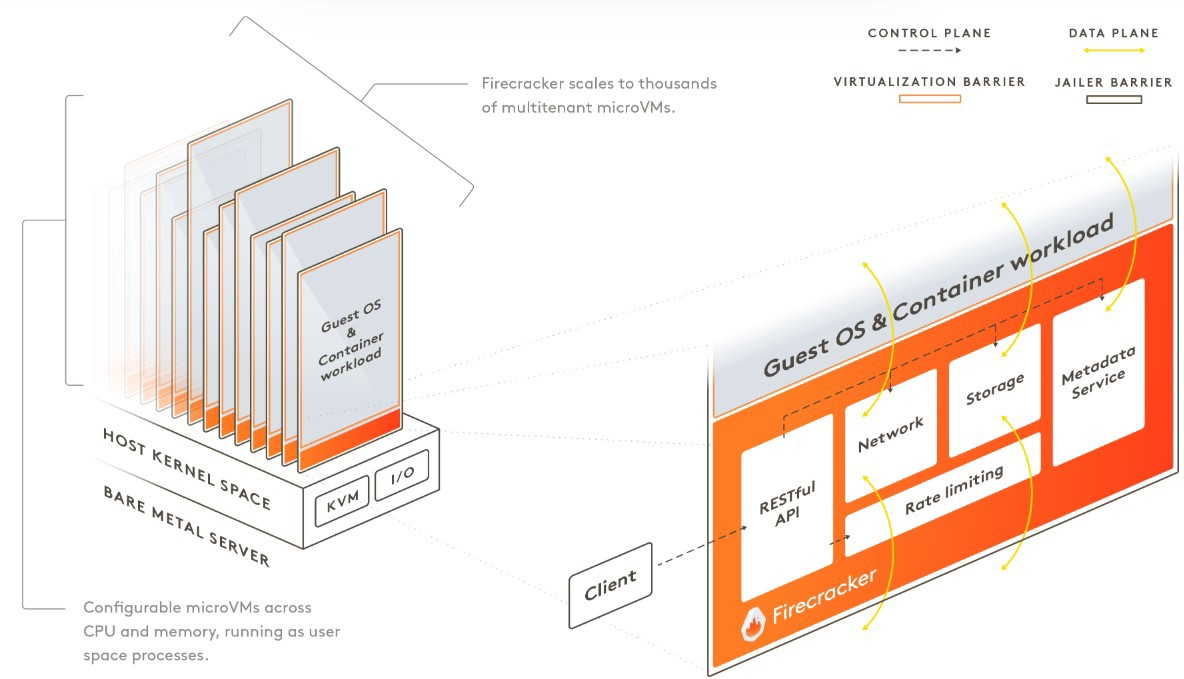 Firecracker is a Virtual Machine Monitor, written in Rust that Amazon Web Services use to power it’s Serverless Compute services — Lambda and Fargate. Firecracker makes use of Linux’s Kernel-based Virtual Machine virtualisation infrastructure to provide its products with MicroVMs.
133. Your Microcosm: Begin With Virtualization
 HyperV, Virtualization, VirtualBox, VM, Virtual Machine, Containers
134. How to Use the Scientific Method to Debug Containerized Applications
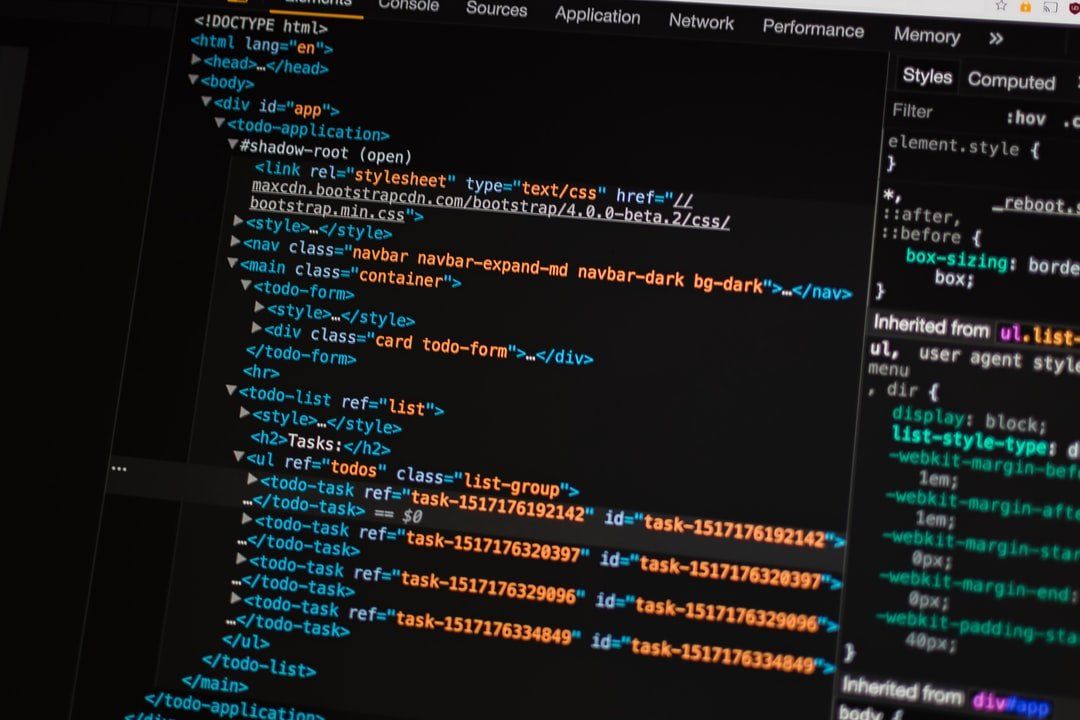 Ah yes—“It works fine on my machine!” Perhaps the most famous saying in our industry. Even with the advent of containers that provide consistent environments across the SDLC, we still hear developers fall back to this claim when a defect is found. But in the end, if the code doesn't work in test or production, it doesn't work—even if it works locally. So as a developer, being able to deep dive into your containerized application to fix the problem—regardless of the environment—is a critical skill we must all learn.
135. A Brief Overview of Docker And Its Impact On The Development Ecosystem
 Docker is an open-source containerizing platform for application services, codes, libraries, configurations, and other dependencies into one package.
136. Docker Essentials: A Beginner's Guide to Containerization Commands
 Unleash the power of Docker! This guide equips you with the fundamental commands to manage and navigate the world of containerized applications.
137. Containerization in 2023: 4 Tips for Successful Container Adoption
 Four tips for laying a solid foundation and making sure you're ready to handle the challenges of operating containerized workloads in production.
138. A Guide to Kubernetes Autoscaling Tools with Linode Kubernetes Engine
 Learn to use key Kubernetes autoscalers with short examples
139. Kubernetes Day-2 Operations – Part III
 Kubernetes has revolutionized the way developers run their workloads by abstracting a part of the actual infrastructure
140. Everything you need to know about Helm – Part I
 Helm is a package manager for Kubernetes. In this tutorial we will explore Helm tasks, components, charts, and installations.
141. 306 Stories To Learn About Docker
 Learn everything you need to know about Docker via these 306 free HackerNoon stories.
142. The Noonification: 4 Common NFT Contract Design Anti-Patterns (8/26/2022)
 8/26/2022: Top 5 stories on the Hackernoon homepage!
143. Docker Image vs. Container: What Are the Differences?
 Learning the difference between a Docker image vs container is a fundamental concept of containerization that you should understand.
144. Web Application Development: Principles of Development Based on Microservices. Part 2.
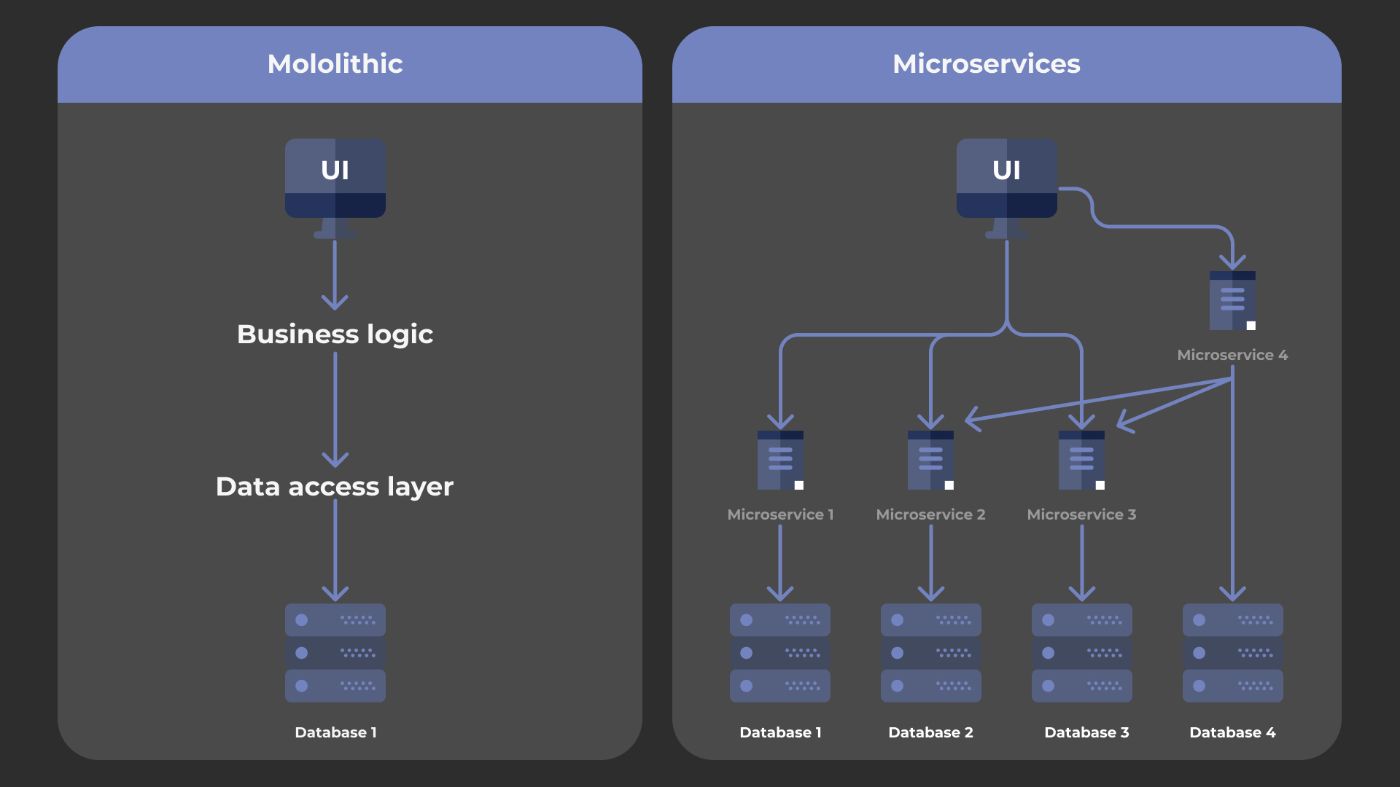 To use a microservice architecture, the developer needs to study special technologies that are applicable for such web app development.
145. Kubernetes Explained Simply: Waiting For Kubernetes [Part 5]
 When you deploy stuff for a living, you find yourself waiting around, a lot. Wait for Terraform to spin up the AWS VPCs. Wait for the Kubernetes cluster node VMs to boot. Wait for the Kubernetes cluster to coalesce. Wait for the CNI pods, DNS pods, and kube-proxy bits to be happy. Wait, wait, wait.
146. How To Find Your Docker Logs
 There’s a short answer, and a long answer. The short answer, that will satisfy your needs in the vast majority of cases, is:
147. Containers vs. Serverless: Which is Better for DevOps?
 Managing your own containers versus letting serverless do it for you - when to choose what? Let's go over the pros and cons.
148. Unleashing Next-Gen Docker Capabilities with Wasm, eBPF, and Serverless Containers
 Explore how WebAssembly, eBPF, and serverless containers are redefining Docker with faster performance, stronger security, and effortless scaling.
149. Running a Docker Container: An Intro for Beginners
 Learning how to run a Docker container is a key skill that all DevOps engineers must understand to be effective in managing containers.
150. 3 Types of Security Policies You Can Use with Your Kubernetes Pods
 On August 20, 2020, a provider of access management tools released an advisory detailing several misconfiguration issues that affected the kubelet. This feature of Kubernetes functions as the primary “node agent” running on each node. In order to support this functionality, the kubelet maintains full control over a pod running in a node.
151. Installing Docker Desktop on Debian and Maximizing Container Management
 A guide to efficiently install and manage Docker on Debian, enabling streamlined application development and deployment.
152. Setting Up and Managing a Kubernetes Cluster with Kubeadm
 In this tutorial, we'll explore everything you need to know about Kubeadm commands and how to use them to create & manage cluster components in Kubernetes.
153. Your Serverless Guide is Ready
 Learn everything you need to know about Serverless, including case studies, essential concepts, guidelines, and best practices.
154. Learn How to Pick the Correct Dictionary in C++ With Ordered Containers
 When it comes to picking an associative container (like a hash map), modern C++ has a lot to offer.
155. A Guide to Deploying Dolphinscheduler With Docker
 Docker deployment aims to start and deploy Apache Dolphinscheduler services quickly in a container.
156. Deploy Your Application with Kafka and Docker in 20 Minutes
 In this tutorial, we'll walk you through how to use Docker, Kafka, and Kubernetes to deploy a simple application.
157. Linux-based Containers under the Hood
 Containers under Linux - building a container from scratch.
158. Docker And JFrog Partnership: Path To Limitless DevOps in the Cloud
 This article talks about the recent partnership between Docker and JFrog and how this partnership impacts developers and enterprises positively
159. Kubernetes Explained Simply: Cleaning Up After Yourself [Part 10]
 If there's one thing that Kubernetes makes easy, it's creating resources – pods, deployments, volumes – before long you'll have tons of them lying around.
160. The Grand Cluster Hotel
 A non-technical explanation of Docker containers, Kubernetes, and clusters.
161. Your Friendly Service Mesh for Abstract Network Architecture - Istio
 There is a new hype in the DevOps world: Istio and service meshes. But why exactly is everyone suddenly migrating to Istio? In this post, we will examine whether it actually makes sense to use Istio and in which use cases it may help you (as well as when it’s simply an overkill).
162. Amazon Elastic Kubernetes Service (EKS) vs. Azure Kubernetes Service (AKS), A Comparison
 Managed Kubernetes is experiencing massive growth in adoption and many organizations are moving their self-managed Kubernetes clusters.
163. A Comprehensive Guide to Docker's Basic Commands
 Learn the basics of Docker with this comprehensive guide to the most important commands.
164. How To Manage Local Kubernetes Testing with KIND Tool
 If you've spent days (or even weeks?) trying to spin up a Kubernetes cluster for learning purposes or to test your application, then your worries are over. Spawned from a Kubernetes Special Interest Group, KIND is a tool that provisions a Kubernetes cluster running IN Docker.
165. Doing First Steps with the Kubernetes Operator
 This article demonstrates how you can use the Operator Lifecycle Manager to deploy a Kubernetes Operator to your cluster. Then, you will use the Operator to spin up an Elastic Cloud on Kubernetes (ECK) cluster.
166. What Does "Building a Cloud-Native Application" Really Mean?
 The inexplicable popularity of the term "cloud-native" is without real meaning.
"Cloud-Native Apps" is an overused (even abused) term in the tech industry.
The inexplicable popularity of the term "cloud-native" is without real meaning.
"Cloud-Native Apps" is an overused (even abused) term in the tech industry.
167. Kubernetes Security 101: Cloud Native Runtime Security with Falco
 As Kubernetes continues to grow in adoption, it is important for us to know how to secure it. In a dynamic infrastructure platform such as Kubernetes
168. Kubernetes Explained Simply: Label it to Enable it [Part 6]
 The building block of almost all Kubernetes deployments is the pod – one or more containers sharing a network stack. Pods are where the magic happens, where we get our logs, and where we spend most of our time troubleshooting outages and malfunctions.
169. How To Setup Docker Using Ansible on Ubuntu 18.04 [Part 2]
 In the last guide, you learned how to set up, install, and configure Ansible on Ubuntu 18.04. Now, you will use the Ansible to install and set Docker on a remote machine. To begin this guide, you need the following:
170. Another Reason to Use Docker

171. A Guide to Container Networking: Simplified
 An introduction to container networking and isolation, exploring key concepts like virtual networks and docker devices in a multi-part blog series
172. Two Key Points of Containerisation You Need to Know by Heart
 What is containerisation and what’s so great about it anyway? You may work with container-based applications every day at work, but there comes a time when an intern or a fresh graduate new joiner (or perhaps a non-IT colleague) in your team ask you these questions and you find yourself stopped in your track thinking: “where should I start?”.
173. Kubernetes Scheduler: Explained in Plain English with Comics
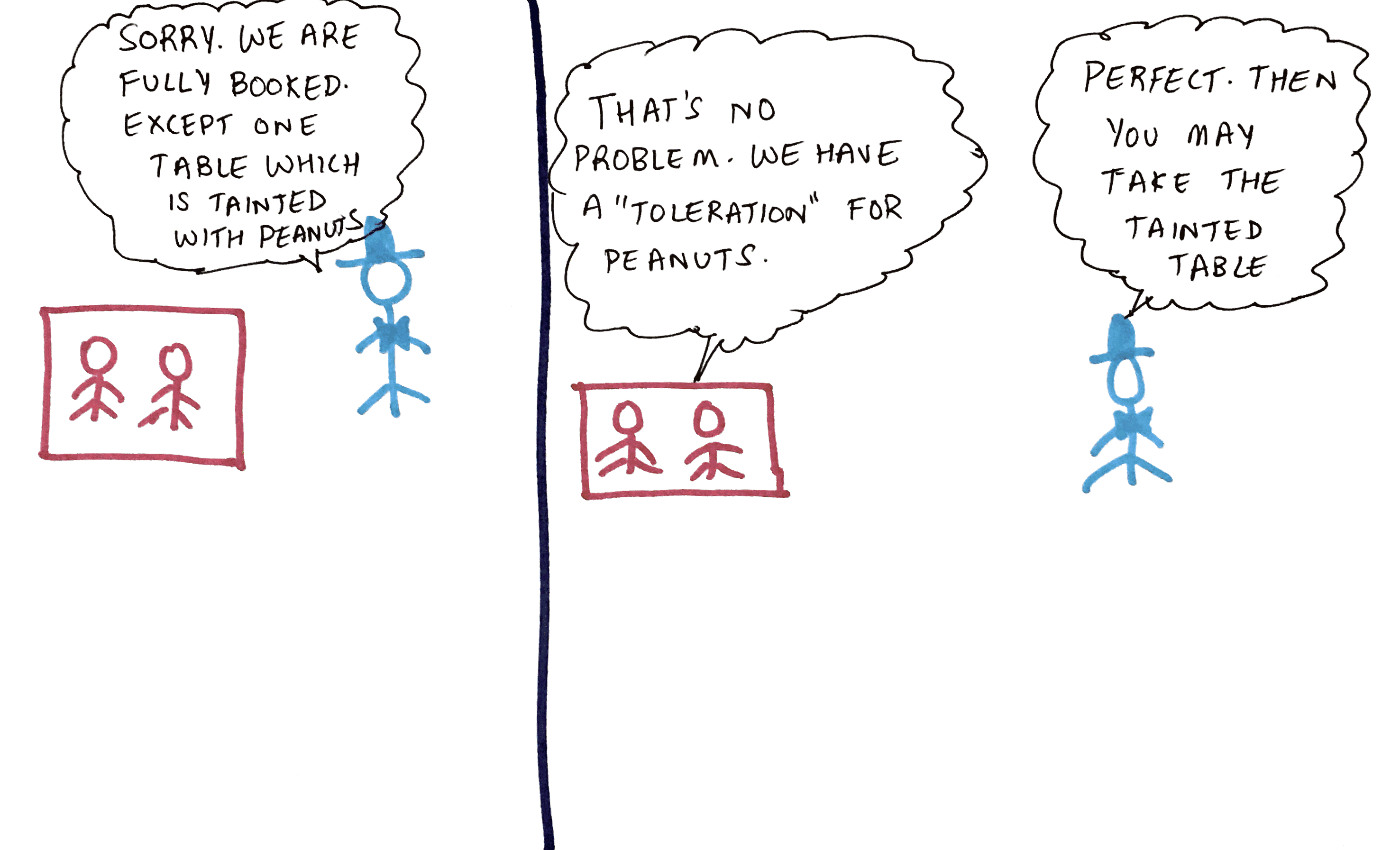 In Kubernetes pod is the smallest deployable unit of workload. So the obvious question :
174. Creating an AWS Elastic Container Registry (ECR) Using an EC2 Instance on Ubuntu
 Docker allows developers to package applications in containers. This article will show you how to create your own container, upload it to the repository.
175. 10 Best Practices for Using Kubernetes Network Policies
 In this article, we will explore 10 best practices for using Kubernetes Network Policies to enhance the security and reliability of your applications.
176. How to Use a Template to Use Docker with PHP
 Today I want to give you an easy-to-use template in order to use Docker with PHP, explained so you can understand how it works in just 10 minutes.
177. Installing Ansible on Ubuntu [Part 1]
 Ansible is a Configuration Management and Application Deployment system that is designed to streamline the process of controlling a large number of servers, basically for administration and operational processes. In other words, it allows you to control several remote machines in an automated fashion from a location.
178. DevOps, CI/CD, and Containerization: Key to Streamline Software Delivery
 Take your organization to new heights with DevOps, CI/CD, and Containerization. Uncover the knowledge about these cutting-edge technologies in an impactful way.
179. Dockershim Deprecation: Is Docker Truly out of Game?
 Dockershim deprecation only means the code maintenance of Dockershim in the code repository of Kubernetes will stop.
180. Kubernetes Explained Simply: Getting At Those Logs [Part 4]
 UNIX/Linux system administrators the world over regularly use log files to get to the bottom of outages and malfunctions. An indispensable tool in that regard is tail(1), particularly its follow mode flag (-f). When we're in a Kubernetes world, we'd love to use something similar.
181. GitOps. GitOps? What is GitOps?
 In this blog we will try to answer all your pressing questions about GitOps and find out how it can help you in the software delivery process.
182. Why I Started Building My Own Containers (and What I Wish Tutorials Told Me)
 Master the art of building your own containers. Learn a streamlined approach to containerization, avoid common mistakes, and gain the freedom to ship your apps.
183. Containers 101: Kube Explained Part 2
 In our previous post, Kube Explained: Part 1, I described how the introduction of the cloud resulted in CI/CD, Microservices, and a massive amount of pressure to standardize backend infrastructure tooling.
184. Kubernetes Tutorial: Merge all the Kubeconfigs! [Part 7]
 Once you start managing more than one Kubernetes cluster, you'll start to demand more from your $KUBECONFIG.
185. RBAC and PSPs Can Only Bring Your Kubernetes Security So Far
 Admins need to defend their organizations against a Kubernetes security incident. RBAC and PSPs will only get them so far; more security measures are needed.
186. Get Better VMs, Containers and Serverless Computing Results By Following These Steps
 DEVELOP AND RUN APPLICATIONS WITHOUT THINKING ABOUT SERVERS
187. What Are The Common Kubernetes Security Vulnerabilities
 Kubernetes has become the de-facto standard for managing containerized applications. However, this usage also led to an increased attack surface for K8s.
188. Stop Wasting Weeks on Dev Setup: Containers to the Rescue
 Tired of complex dev environment setup? Learn proven strategies to reduce configuration time, eliminate errors, and get to coding faster. We demonstrate a strea
189. How to Package and Deploy Lambda Functions as Container Images
 Ever wish you could combine the portability of containers, with the scalability of Lambda functions? Well now you can!
190. Exploring Containerization Beyond Kubernetes
 Here's why cloud-based PaaS and Containers make a solid combination for most developers.
191. How to Simplify Cron Monitoring With a Simple Bash Trick
 If you have worked with software systems long enough you have surely worked with crons. Cron is a time-based task scheduler in UNIX-like operating systems. We use to run some task/script periodically, for example, every day at 9:30 AM.
192. Using Workload Identity to Handle Keys in Google Kubernetes Engine
 Workload identity is a modern way to provision keys for pods running on Google Kubernetes Engine. It allows individual pods to use a service account with a suitable set of permissions, without manually managing Kubernetes secrets. In this article, we will describe Workload identity, compare it to other approaches, and finally show a real world example on how to configure a Kubernetes cluster with Workload identity enabled.
193. Exploring an Open Source Toolkit for Debugging Kubernetes - KoolKits
 A new open source approach for debugging live applications - right from inside your IDE or terminal window, and without stopping the live application.
194. Top 10 Reasons To Love Docker
 When you first look into Docker, what it does, and how it works, it appears to be a neat tool to help with application packaging and deployment. It's not until you start using it, however, that some of the other benefits that developers love so much show themselves. So, to discover why this tool has become so popular, here are Ten Reasons Why Developers Love Docker.
195. Containerization and Its Benefits
 This post explains what containers are, key benefits of containers in software dev and discusses why you might consider adding them to your DevOps processes.
196. Kubernetes Day-2 Operations – Part II
 It is undeniably confusing if you’re unfamiliar with infrastructure technologies and leaning towards DevOps principles will further complicate the situation
197. Security Best Practices for Kubernetes: 2020 Edition
 The New Cloud-Native World of Containers
198. Why SMEs Should Opt for Managed Kubernetes

199. How To Use Brigade Tool For Event-Driven Scripting
 What is Brigade?
200. 4 Essential Steps To Convert a Kubernetes Fullstack App to Heroku
 In the last several years, Google’s Kubernetes project has generated huge buzz. The project has grown and evolved into a titan of the cloud infrastructure world.
201. Ever Wondered Why We Use Containers In DevOps?
 At some point we've all said the words, "But it works on my machine." It usually happens during testing or when you're trying to get a new project set up. Sometimes it happens when you pull down changes from an updated branch.
202. Cloud Native Applications: Creating a Mail Server Environment with Docker
 We’ve all been there. You’ve read a lot about the basics of Docker, Kubernetes, Pods, ReplicaSets, Deployments & more. The different parts that are used to build cloud native applications.
203. Write Your Own Kubernetes Sub-Command [Part 9]
 You write a great script for interacting with Kubernetes. It would be great if you could pretend that your script was officially part of the kubectl repertoire.
204. What Is a Container And How To Use It
 Welcome to this tutorial series, where we will evolve from the anatomy of a container inside the Linux Kernel, and will keep building pieces and evolving till the publication of a service into an Orchestration Platform. The general idea is to detail as much as possible (without being massive) how is things working under the hood.
205. [Announcement] Running Your Containers on AWS Is Coming Up On Twitch in September 2020
 Have you ever had questions about running your containers on AWS? If so, this upcoming, Developers, Let's Code session is for you!
206. How Kubernetes Can Make Your High Load Project Viable in 2020
 Kubernetes is an open-source container orchestration system that is designed to help you build a scalable infrastructure using high load approaches on a weak server. In this article, we’ll show you why Kubernetes is worth using in 2020.
207. Streamlining Apache APISIX for Operations

Optimize Apache APISIX configuration for diverse environments using file-based and environment-based settings within containers.
208. Can Multi-Cloud Kubernetes Platforms Make Infrastructure Prices Comparable?

209. Kubernetes' Impact on Development
 Kubernetes is the reason containerization has garnered acceptance among enterprises. Whether you like it or not, it has made your life as a developer easy.
210. Failure Modes: Why You Need To Know Them
 What are bimodal failure modes and how to avoid them
211. Book Review: Effortless Cloud Native App Development Using Skaffold
 Skaffold is a cloud native open source framework from Google that lets Spring Boot developers build Kubernetes apps easily and deploy effortlessly
212. How Metrics and Traces Power Kubernetes Insights
 Explore the importance of metrics and traces in the dynamic world of cloud-deployed container workloads like Kubernetes.
213. Helm — Everything You Need to Know Part II
 In this tutorial, we are going to learn about Helm versions (v2 vs. v3), and a practical example of how to use it.
214. Comparing Physical Logistics with Virtualized Deployments
 Software containers are a virtualization technology that provide a lightweight isolated environment for applications and their dependencies.
215. Closer Than You Think: Bridging the DevOps-Security Gap
 The advantages of moving security into the DevOps lifecycle early are well-studied. For example, Puppet’s 2019 State of DevOps Report details numerous ways that both security and DevOps improve when security is integrated into DevOps earlier (aka: Shift Left).
216. Reducing Kubernetes Costs
 Kubernetes has become the de-facto choice for most users and one aspect that any Kubernetes administrator must look into is managing Kubernetes costs.
217. Incorporating AWS Fargate In Your Kubernetes Deployment
 In this article, we will explore methods of incorporating AWS Fargate into your Kubernetes deployment for more streamlined management and enhanced efficiency.
218. Why you Should Get Started Building Containers on Kubernetes
 Kubernetes is ideal for container orchestration. Because of its features, it also comes with complexity. In this article, we will discuss when to use Kubernetes
219. Unlocking Freedom from the Cloud: Empower Your Apps with MRSK's Optimal Orchestration
 A lightweight alternative to Kubernetes. Powering the likes of Hey.com and Basecamp
220. Get your First Container Up on Kubernetes Using the Free Version of Platform9 Managed Kubernetes
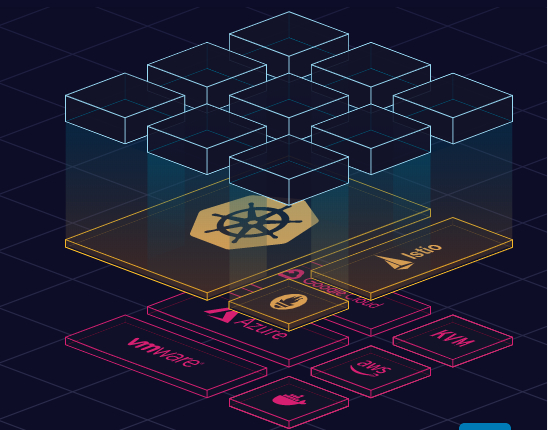 Kubernetes in the leading Container Orchestration platform that allows you to apply fast and streamlined infrastructure workloads using a declarative API.
221. The Best Practice for Container Queries: Place Them in a Parent Element
 There's only one best practice that I would recommend when using container queries — that's to place the container in a parent element.
222. Kubernetes Deprecates Docker to Support the Open Container Initiative
 Kubernetes Deprecating Docker?! Let Me Explain Containers in K8s.
223. Meet kubectl cost: A Tool For Determining Kubernetes Workloads Cost
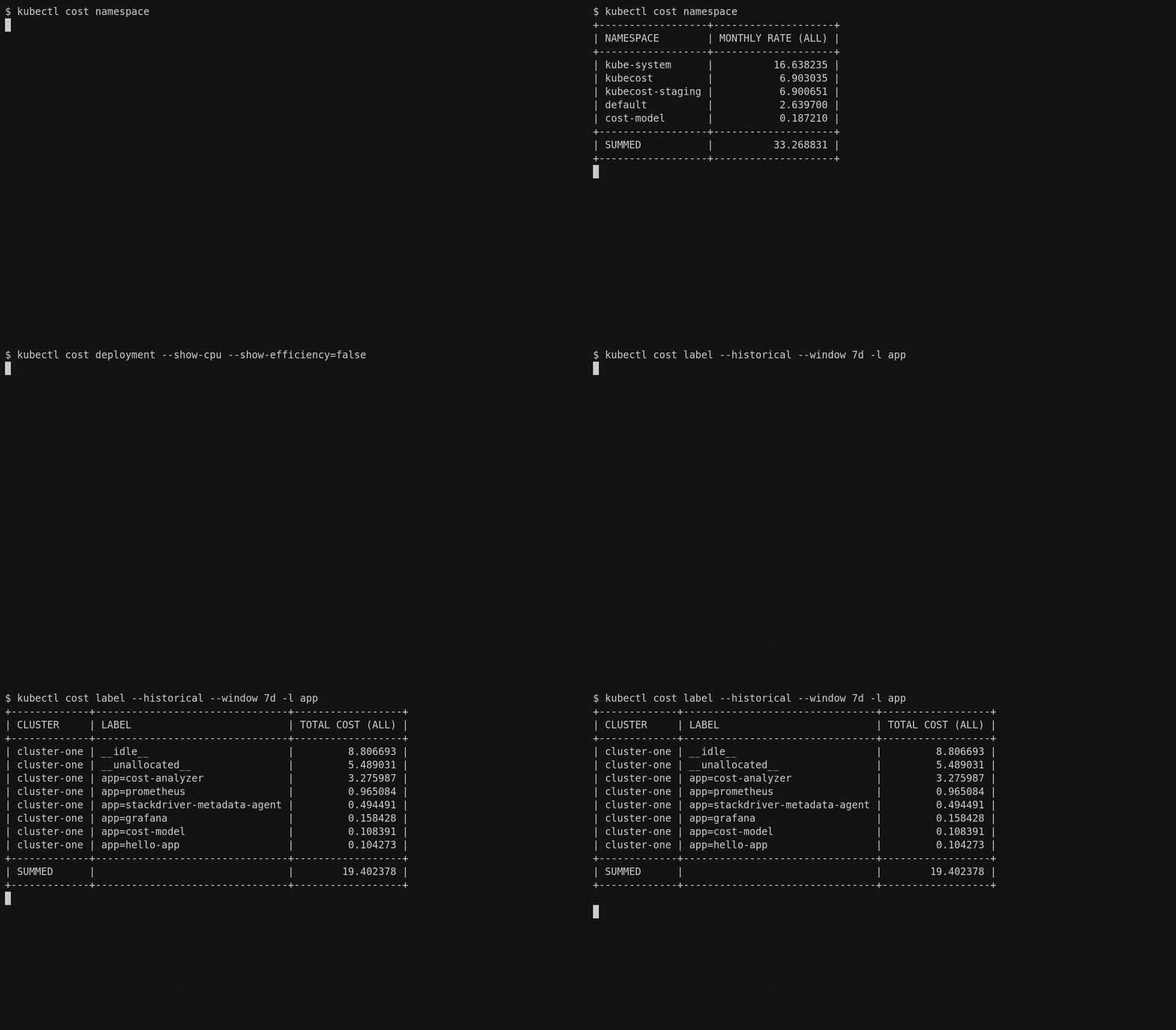 Kubectl cost is an open source kubectl plugin designed for those who interact regulary with Kubernetes and need to control the costs of their infrastructure.
224. 1 Stories To Learn About Weekly Sponsor
 Learn everything you need to know about Weekly Sponsor via these 1 free HackerNoon stories.
225. Kubernetes Explained Simply: Data Extraction With JSON Path [Part 8]
kubectl can pull a lot of data about our deployments and pod. Most of the time, we humans are the recipients of that information, and kubectl obliges by nicely formatting things in pretty tables.
226. How The NSA Says You Should Secure Kubernetes
 Security has become a primary consideration for any technological solution. Here are the NSA's recommendations for securing Kubernetes against hackers.
Thank you for checking out the 226 most read blog posts about Containers on HackerNoon.
Visit the /Learn Repo to find the most read blog posts about any technology.