

Let's learn about Healthtech via these 198 free blog posts. They are ordered by HackerNoon reader engagement data. Visit the Learn Repo or LearnRepo.com to find the most read blog posts about any technology.
Healthtech involves the application of technology to improve healthcare delivery, management, and patient well-being. This sector leverages innovation to enhance efficiency, accessibility, and outcomes in the medical field.
1. Navigating Big Data's Potential and Privacy in Modern Medicine
 How can we harness big data to advance healthcare while protecting sensitive patient information? This article explores and answers that question.
2. Open Source Ventilator Projects: Status, Challenges, How You Can Help
 At this moment, there are thousands of intelligent, diligent, well-meaning engineers trying to help the design of open source ventilators to address a possibly imminent life-threatening shortage caused by the COVID-19 pandemic. This wealth of creative technical energy is currently disorganized, scattered, and unfocused. Rather than being a tremendous force for saving lives that it may become, energy and time is currently being wasted on oversimplifications of the problem and the belief that the projects are closer to deployable than they really are.
3. New Tech Breakthrough in Cancer Research Targets Only Cancer Cells
 A new technological cancer research breakthrough presented at ASCO 2022 promises precision targeting of cancer cells and eliminating of terrible side effects.
4. Successful Integration of Personal Medical Devices with Mobile Telemedicine Application
 Personal medical device integration with telemedicine application
5. AI-Powered Healthcare: Bridging the Personnel Gap
 The healthcare industry has been grappling with a severe shortage of personnel...
6. What Tech Stack do Healthcare Companies Use?
 We are simple software developers, so we are interested in technologies for healthtech. Let’s try to answer popular questions and give tech stack examples.
7. Is This a Breakthrough Cure For COVID-19 Coronavirus?
 Sonic resonance is a manifestation of energy that shatters targeted microscopic organisms, and potentially infected Coronavirus cells - without harming surrounding cells.
8. 10 Best Healthcare Software Development Companies of 2023
 Top healthcare software development companies in USA based on their case studies, client reviews & testimonials. 2023
9. The 7 Scopes of Wellness and 21 Apps to Help You Attain Them
 These times are hard and achieving good health may seem difficult, but it is possible to achieve your wellness goals. Find out more about wellness here.
10. Life After COVID-19: How China is Going Back to Work

11. Is Lasta App Worth It? A Full Breakdown After a Month of Use
 An honest Lasta app review after one month of use. Discover how this all-in-one wellness app combines workouts, meal planning, fasting trackers, and mindfulness
12. Understanding Continuous Glucose Monitoring: A Guide to CGM Devices
 Understanding Continuous Glucose Monitoring: A Guide to CGM Devices, and how developers can build solutions on such data
13. How The Healthcare Industry Can Best Utilise Robotic Process Automation (RPA)
 Healthcare has more than its fair share of monotonous, time-consuming tasks that prevent employees from focusing on more productive activities.
14. How AI Is Using Tongue Color to Predict Diseases With High Accuracy
 The healthcare industry has dove head-first into exploring the implementation of AI. From treatment plans to diagnosis through tongue analysis.
15. 20 Future Technologies That Will Change the World by 2050
 I recently shared an article called “The “Next Big Thing” in Technology : 20 Inventions That Will Change the World”, which got a few dozen thousand hits in the past couple of weeks. This calls for a sequel. The previous 20 technologies were specifically centered on the next 20 years of technology development; but there’s a lot more to unravel when looking beyond the near future, though certainty obviously decreases with time.
16. 7 Ways AI & Robotics Are Disrupting Healthcare Right Now
 When thinking of robotics and AI in healthcare, robotic surgery and exoskeletons are what probably comes to mind first. Yet in reality, there’s a multitude of other ways automation and machine learning are changing medical care practices at their core.
17. An Introduction to Patient Engagement Solutions
 The healthcare sector has been slow in adopting technology. However, times are changing, and an increasing number of patients want to benefit from digitalization. According to a recent survey by Accenture, 60% of respondents prefer to use technology for patient-provider communication. Consequently, digital healthcare solutions are gaining popularity.Particularly, this change is reflected in the growth of the patient engagement market. The global patient engagement solutions market size was valued at $15.1 billion in 2020, and it is estimated to expand at a CAGR of 21.4% by 2028. The US patient engagement technology market, meanwhile, is expected to reach $9.4 billion by 2023.
18. 11+ Interesting AI Applications In The Healthcare and Automotive Industries
 In today’s data-driven era, most companies operate with an aim to become smarter, by taking advantage of market opportunities. With the help of advanced technologies, companies are making improvements in their processes.
19. What Is Bio Cremation Technology?
 In a very simple language, I would like to explain what cremation is and how technology is playing a crucial role in the death industry.
20. AccuFit Founder Logan Koshenka is Making Personalized Workouts Free for Everybody
 Logan Koshenka is a software engineer who graduated from Ohio University in 2018 and founded AccuFit, a custom workout app.
21. The Importance of Sports Analytics

22. My $0 Biohacking Journey to Completing Ultra-Marathons
 This article details my $0 biohacking journey to ultra-marathons, health, fitness, and more
23. Big Tech Made Huge Moves in the Healthcare Industry in the Past Year
 With shifting consumer demands for fast and convenient services, healthcare organizations are embracing digital transformation.
24. How I Launched Victa, a Running App for Gamers, and Got a Top Ranking in the App Store
 Victa is the first AI gaming walking and running app that uses content to motivate users to take up a healthier lifestyle. This is our journey.
25. Tech Trends Driving E-Pharmacy
 In this article, I discuss some of the key tech trends in pharmaceutical e-commerce and the development of online pharmacies.
26. 7 Real-World Applications of AI in Healthcare

27. I Replaced MyFitnessPal and Other Apps With a Single MCP Server: Here's How I Did It
 Track nutrition through conversation with AI. Log meals by photo, review macros, and export summaries — no app needed. Open source MCP server, free to use.
28. What a Post COVID-19 World Looks Like
 As our lives are suddenly and drastically changed by the rapid spread of this virus, and my local stores are ignorantly devoid of toilet paper and vodka from panic buying, I reflected on a few societal changes we might see taking place.
29. The Mixed Blessings of Technology for Mental Health
 Mental health technology is a subject of controversy. This post tends to assess the existing potential of new healthcare tech for mental health treatment,
30. COVID-19: AI Fighting the Pandemic Terror
 Coronavirus: the alarming threat creates mayhem in the lives of many. Despite the terrifying conditions, technologies such as artificial intelligence and big data are mending ways of detecting an outbreak.
31. Technological Solutions for Combating Depression and Anxiety
 Tech innovators continue to develop solutions that address specific gaps in the treatment pipeline.
32. COVID-19: How AI Is Helping In The Fight
 In the past decades, the Coronavirus (COVID-19) is one of the most infectious diseases to have spread on our planet Earth. As we have seen that this virus has already created havoc in the entire world, so it becomes necessary to take the help of technology, and here AI comes into the picture.
33. Blockchain and the Future of Medicine [Infographic]
 A look at how blockchain and healthcare go hand in hand.
34. The Patient Digital Twin Has No Inner Life and That Is a Design Failure
 Patient digital twins can predict disease, but they still ignore inner life. Healthcare AI remains incomplete when it cannot model destabilization.
35. ARPA-H Announces 4 Focus Areas for Funding
 The Advanced Research Projects Agency for Health (ARPA-H) announces its first four focus areas for funding opportunities.
36. Startup Interview with Ato Kasymov, CEO & Co-founder of Zentist

37. Clinical Trials on The Blockchain: 4 Companies Changing the Game
 The global drug development market is worth more than 350 billion dollars a year, according to ClinicalTrials.gov, which includes the costs of running the studies in addition to the resources used.
38. The Open Source Ventilator Game Has Changed: AmboVent and Medtronic COVID-19 Ventilators Open Source
 Today in the world of open-source ventilators, the game changed.
39. AI Technologies that are Reshaping Social Infrastructure
 Together with the rise of the Internet, access to large repositories of data has helped machine learning technology grow exponentially. The incredibly quick pace of growth was unprecedented. As a result, it is obvious that AI will make a significant impact on the world in the years to come. However, with the numerous established and emerging fields of AI around today, such a blanket statement doesn’t provide much concrete meaning.
40. Exploring 10 New COVID-19 Realities You Might Already Be Experiencing
 We are halfway through 2020. Self-evident truth makes it crystal clear that there is too much to swallow and digest to make sense of everything that is happening in our new reality. It is also important to mention that there is no doubt that the world will remember this year just like they remember 2012 when everyone was expecting the end of the world. But what happens after COVID-19? The Economist has its perspective:
41. DNA Technology: How Genetics Research Improves Healthcare
 DNA Technology has multiple applications in medicine that make disease prevention, diagnosis and treatment easier and more personalised for every patient.
42. Here's How Google and Friends Are Contributing—How Can We All Help?
 A month ago it would’ve been hard to imagine how life would change in what seems overnight. Quarantines have been declared in many countries, and already around one billion people are staying at home, isolating themselves and some working remotely. The public activities have stopped, drug stores are in deficit of protection masks, and food shops are being cleaned of even primary products.
43. Enhancing Health Data Interoperability with Large Language Models: A FHIR Study
 Discover how LLMs revolutionize healthcare by directly transforming unstructured clinical notes into Fast Healthcare Interoperability Resources (FHIR).
44. Neuroprosthetics: The Journey So Far
 Explore the evolution of neuroprosthetics, the innovative field at the intersection of neuroscience and technology.
45. Future of Health: Hologram Sciences’ Ian Brady's Leading Role in Gen AI and Precision Nutrition
 Responding to the increasing demand for personalized health solutions, Brady has positioned Hologram Sciences at the forefront of nutritional wellness.
46. From Massage to Surgery: How Robotics and AI Are Changing Medicine And Beauty
 Robots based on AI technology are already helping nurses successfully with many daily tasks.
47. 7 Healthcare Technology Trends to Watch Out for in 2022
 Explore the latest technology trends that will shape the healthcare industry in 2022 and beyond.
48. How Zipline Drones Can Save Lives in Rural Rwanda

49. Tech Concierge: An Essential New Role or All Hype?
 At this point, it's undeniable just how much the COVID-19 pandemic has influenced the use of technology among older generations.
50. Using Robotics & Automation in IHC Labs
 The booming immunohistochemistry (IHC) sector of healthcare requires more technicians than the market has to offer. That's where automation comes in.
51. Nanobots are the Future of Medicine

52. The Top 6 Healthcare Software Development Companies With the Best Ratings
 Discover some of the top healthcare software development companies to work with and understand the crucial factors to consider when choosing the right one.
53. Have You Heard? AI Can Edit Genes Now
 Artificial intelligence and healthcare have long been friends. That friendship has grown to include even gene-editing thanks to AI helping with CRISPR errors.
54. What Role Do Carbohydrates Play in Diabetes Management?
 Not all carbohydrates have the same effect on blood glucose levels.
55. Twofold CEO: We Built a Multi-Million ARR Healthcare AI Company With Three People and Zero VC Money
 How a three person bootstrapped team built a profitable AI platform serving 3,000+ healthcare practices & why AI scribe market misses the bigger opportunities.
56. DARPA Wants To Activate Drugs in Human Brains With Near-Infrared Lights
 Discover DARPA's cutting-edge AWARE program leveraging near-infrared light to activate and deactivate drugs in the brain
57. Understanding the Current Status of Healthcare Data Monetization: A Chat With the CEO of Pentientory
 In this interview, we will unravel how healthcare data is being monetized today, all while navigating the critical regulatory framework outlined by HIPAA.
58. Exploring Three Use Cases of Generative AI in the Healthcare Industry
 Google Bard and ChatGPT can generate content at lightning speed, helping to bond with patients and enhance an established professional’s reputation. Here's how.
59. Digitizing Human Biology: Startup Interview with Naveen Jain, Viome Founder and CEO
 Startup Interview with Naveen Jain, Viome Founder and CEO.
60. It's Time We Started Talking About Schizophrenia
 With June estimates at 7000+ authors, 69 other Hackernoon contributors might also be a victim of schizophrenia, along with me. This article serves to demonstrate why these people are facing tougher-than-average odds to live to a ripe old age, and how society isn’t doing them justice in helping or finding a permanent solution.
61. Leveraging Artificial Intelligence for Efficient Drug Discovery and Development
 AI saves a lot of resources in modern drug discovery. Also, it brings better accuracy greatly influencing patients' lives.
62. Hacking Better Solutions With AI Powered Insurance Verification
 A look at how improving the healthcare insurance data capture system will improve through OCR and AI card scan.
63. Healthcare Technology Trends Accelerated By COVID-19 in 2021
 Thanks to these healthcare technology trends, our medical infrastructures are evolving to fight pandemic-level viruses in the most efficient manner possible.
64. What Role Can Time Series Analysis Play in Diabetes Management?
 By analysing temporal data, healthcare professionals can identify trends, patterns, and potential anomalies, leading to more effective and personalised care.
65. How IoT Solutions Helps in Healthcare Industry
 Ever since technology was introduced into the business world, there has been a massive change in the fortunes of business sectors. So much so, that every established business sectors and upcoming sector, look to technology to either scale them up or maintain equilibrium, or in case of emerging companies, give them that initial push so that they can get
to the autopilot mode.
66. How a Data Privacy Vault Protects PHI for Healthtech Users
 With healthcare apps and wearables that gather customer PHI, healthtech companies need a data privacy vault to ensure HIPAA compliance and build customer trust.
67. HealthTech: Revolutionizing Healthcare through Technology
 Explore how HealthTech is revolutionizing the way we diagnose, treat, and prevent illnesses. From telemedicine to AI, learn how technology is improving patient.
68. AI Is The Future Of The Healthcare Industry
 AI has the potential to revolutionise healthcare, from improving diagnosis and treatment to boosting hospital workflows. So, what does the future look like?
69. How Technology Can Make Stress-Relief More Accessible in the Near Future
 Discover how AI and robotics are making massage therapy more accessible to combat stress and heart disease.
70. Big Tech Doesn’t Want to “Fix” Healthcare—It Wants to Own It
 How companies like Google, Amazon, and Microsoft are shaping the future of healthcare through data ownership and what it means for patient privacy and ethics.
71. As Healthcare App Popularity Rises, Organizations Need to Focus on New Software
 One in five Americans controls their health with the help of fitness trackers or apps. During the first two quarters of 2020, there were over 1.2 billion downloads of health and fitness apps. These facts indicate that people are interested in platforms that will allow them to track vital signs, control nutrition, and remotely communicate with doctors. Before starting a healthcare software project, a medical facility should decide what type of medical platform its target audience needs. Let’s take a look at the most popular apps and options for their use.
72. Dr. ChatGPT vs. Dr. Google: An Assessment of AI Medical Advice
 AI has been slaying it in almost every sector. Healthcare is benefitting a lot from voice based LLMs and ML. But this doesn’t mean we can trust them blindly.
73. Is Artificial Intelligence in Healthcare a Ticking Time Bomb or Timely Solution?
 An essay discussing the application of AI in healthcare, the benefits and challenges that prevent AI adoption by healthcare providers.
74. The Potential of Large Language Models (LLMs) in Diabetes Management
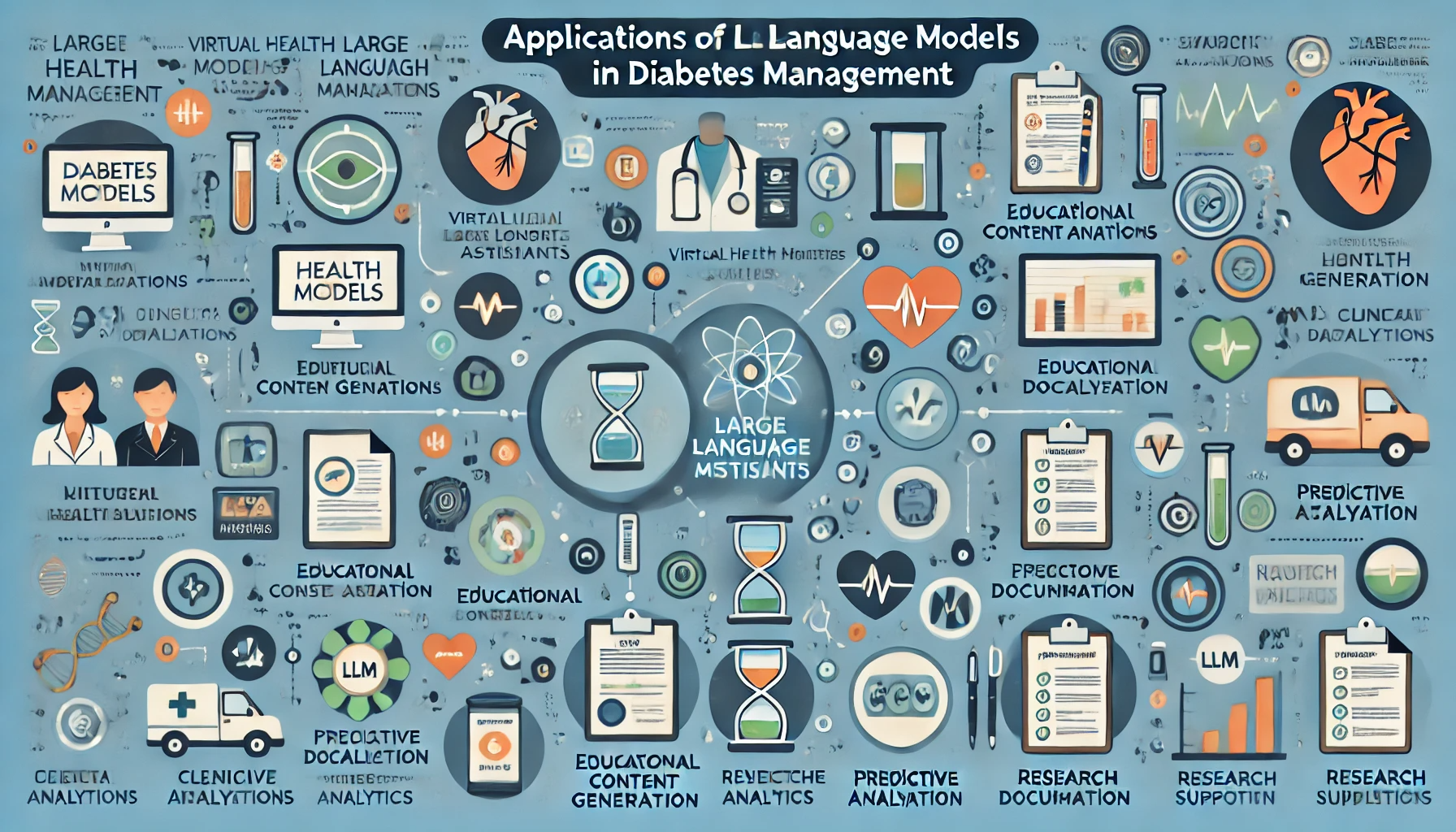 LLMs hold immense potential for improving patient care, enhancing communication, and providing personalised support.
75. ChatGPT Could Have a Profound Impact on the Healthcare of the Future
 Until recently, the idea of AI doctors has been science fiction. With recent developments, however, we have to ask - will ChatGPT be your doctor of the future?
76. A Brighter Future for Cancer Patients: 3 Biotech Companies Developing Immunotherapy
 Having just moved to the Tampa Bay region from Dayton, Ohio as the COVID-19 pandemic continued to worsen, I of course had to immerse myself in the ever-growing tech hub that is the Tampa Bay area of Florida.
77. 3 Pitfalls to Avoid When Developing Health Apps
 There are thousands of health-related apps that aren't helping people reach their intended health goals. At their worst, some of the apps actually doharm.
78. Technology That is Paving the Way for Heart Health
 Chicago-based MedTech expert, Tim Murawski discusses advancements in medical technology in regard to heart health.
79. Big Tech Companies Have Your Health Info Thanks to Telehealth Startups
 But what patients probably don’t know is that WorkIt was sending their delicate, even intimate, answers about drug use and self-harm to Facebook...
80. Wearables Do the Tracking, Agents Do the Deciding - Building the Missing Context Layer With OpenClaw
 Skip the dashboard. I built a $5 context-aware AI agent that turns Apple Watch health data into coaching based on my actual calendar, not population averages.
81. The Technological Process of Enhancing a Healthy Lifestyle
 Every individual does their best to live a healthy life in their little way. Whether it be eating right, or maintaining proper hygiene.
82. The New “Front Door” of Care: What Support Agents Know About Members That Clinics Don’t
 First signs of member confusion don't appear during clinical visits. They surface earlier, in support conversations that reveal where care journeys break.
83. The Balance Protocol: What Happens When Machines Begin To Care About Our Emotions?
 Emotion-aware AI blends neuroscience, ethics, and engineering to build systems that sense emotion, restore balance, and protect human autonomy.
84. Coronavirus and Crypto: Increasing Access to Sound Money
 To say that the Coronavirus is leaving an incredible impact on the world today would be a gross understatement.
85. How to Solve the Kidney Failure Crisis
 A look at the growing problem of kidney failure and how a better system of implementation could change the health outcomes of our most vulnerable populations.
86. AI-Powered Healthcare Could Save Your Life
 AI in healthcare is more than chatbots: It could save your life. Heart disease is a global leading killer, and AI ECGs could test for CVD before it's too late.
87. Big Data's Influence on Decision Making in the Healthcare Industry
 Big data is transforming decision-making in healthcare and this article explores how it can be used to improve patient care, as well as its challenges.
88. 3 Industries Harnessing the Power of Big Data: Healthcare, Law, and Retail
 Big Data's value, popularity, and scale of usage in business today come from a few of the indisputable benefits it has to offer:
89. How AI-Powered Wearables Are Changing Modern Healthcare
 AI-powered wearables are changing healthcare—detecting illness early, monitoring mental health, and shifting diagnosis from clinics to your wrist.
90. 254 Stories To Learn About Healthcare
 Learn everything you need to know about Healthcare via these 254 free HackerNoon stories.
91. Therapy is Broken—Here's How to Fix it
 Therapy is Broken. Here's How to Fix it.
92. WTF are HL7 FHIR standards and How Do They Impact HealthTech?
 Why HL7 FHIR standards are important in healthcare products development
93. 8 Enterprise Software Companies Using Artificial Intelligence to Transform Workspace
 Artificial Intelligence (AI) has taken the forefront of conversations from employers across the globe. AI is helping organizations make incredible strides in efficiently handling mundane and repetitive tasks and freeing up valuable time and thought space that employees can use to exercise more creativity, solve complex problems, and otherwise focus on the bigger picture.
94. Hacking Efficiency in Medical Facilities
 A look at the advent of pneumatic tube systems, and how they keep things running at peak performance in hospital settings.
95. The Rapid Acceleration of Digital Health [infographic]
 The embracement of technology is a two-sided process and doctors need patient support in order to completely change.
96. Digital Transformation in Healthcare: Tapping Into Technology
 The healthcare industry is going through a digital transformation that will be as significant as the advent of antibiotics or the introduction of vaccines.
97. Artificial Pancreas and The Role of Insulin Delivery Systems
 The management of Type 1 diabetes has evolved significantly with advancements in technology, particularly in the development of artificial pancreas systems.
98. Avoid These 8 Mistakes When Using AI in Healthcare
 Avoiding AI pitfalls in healthcare: why LLMs must be validated, customized, and integrated thoughtfully to prevent delays and compliance failures.
99. MealRoaster Earns a 41 Proof of Usefulness Score by Building an AI-Powered Nutrition Assistant on WhatsApp
 MealRoaster is an AI nutrition assistant that runs inside WhatsApp, letting users track calories and macros by simply sending a meal photo.
100. What Professional Gamers Can Teach Us About Tech Health
 When asked to name a paragon of technology-life balance, most people wouldn’t reflexively answer, professional gamer.
101. "At least until the metaverse has fully arrived, we still have only one body" #Noonies2021
 ‘If you are not failing you are not trying hard enough.’
102. [Infographic] How Telehealth and Telemedicine are Hacking the Healthcare System
 Soon after COVID-19 hit the world, hospitals across the country started quickly filling up with new patients and forcing some of the long-term care patients out of hospitals. Most of those long-term care patients now can’t go to hospitals due to how vulnerable they are to getting COVID-19. In order to still receive the attention and care that they need, many have turned to telemedicine. Technologies like video conferencing, data monitoring, and smartphone apps that are used to help keep and eye on and treat patients have all seen usage start to spike. CareClix, a virtual health company which has over 20 million users, saw a 50% rise in usage in March alone and Zipnosis, another virtual health company, reported a 3,600% increase in virtual visits over the course of just 11 days in February. The idea of telehealth is not a new concept - as early as 1924, Radio New Magazine featured an illustration of a physician attending to his patient via video. In 1967, the University of Miami’s medical school worked with the local fire department to help set up a system where emergency patient info could be transferred remotely.
103. We Built an AI Medical Analyst in a Weekend at the Caltech Longevity Hackathon
 Hackathon-built AI pipeline that turns medical PDFs into fast, explainable insights using LLaMA, Supabase, and Next.js.
104. How Emerging Tech Will Revolutionize The Life of Physically Challenged People
 The Age of Exciting Opportunities
105. The Rise of Femtech: Menstruation, Fertility, and Sex — Oh My!
 The Femtech market is booming, presenting enticing opportunities across the board. But challenges remain. Read about the latest Femtech trends!
106. Exec Building the Spotify of Healthcare Says Only Startups That Address Real Issues Will Thrive
 Anton Shchipanov, an ex-Revolut employee, is working on a healthtech startup that is already backed by some of the biggest names in the industry.
107. 3 Fitness Apps That Get Me Going
 3 apps to enhance your fitness routine, from a fitness lover
108. I Let an AI Manage My Diabetes — And It Knew Me Better Than I Knew Myself
 How AI-powered 'digital twins' are moving beyond telehealth, using real-time data to create predictive models for chronic disease management.
109. Cloud Empowerment: How AI and ML Are Reshaping Healthcare's Financial Backbone
 With a synergetic convergence of ML, AI, and cloud computing, healthcare's financial landscape is undergoing a seismic shift.
110. This CEO was Going to be a Consultant but Decided to Solve Mental Health Issues With AI Instead.
 Sumondo was nominated as one of the best startups in Copenhagen, Denmark, in HackerNoon’s Startups of the Year. This is an interview with their Founder CEO.
111. Discussing The Applications of AI Chatbots in Healthcare at the World Economic Forum
 The World Economic Forum is mostly known for its highly anticipated annual meeting in Davos, Switzerland — a scene of global intrigue and a convergence point for the planet’s most influential politicians, investors, activists, CEOs, and economists.
112. These Budding Startups Are Building Tech the Cannabis Industry Needs
 What are the top 5 tech startups that are driving the medical marijuana industry? Read to learn more.
113. Fighting Coronavirus: Singapore Tests a Disinfection Robot That Capable of Cleaning Large Areas
 Scientists in Singapore have invented a disinfecting robot that imitates human gestures to help cleaning staff overwhelmed since the start of the coronavirus crisis. The "XDBOT" is a rectangular box-shaped robot mounted on wheels and armed with an articulated arm which can be operated remotely. He can reach places that are difficult to clean with great dexterity, such as the space under beds or tables.
114. Complete Guide to Healthcare Software HIPAA Compliance
 An innovative approach to HIPAA compliant software development, using AI-based biometric solutions and advanced access control methods.
115. 5 Tech Trends in Healthcare and Medical App Development
 ML, AI, VR, AR, MR, IoMT: read about technological trends of healthcare and medical apps development in the coming year!
116. The Growing Importance of Patient Surveys
 It will help you understand what is essential to your patients which will further help you deliver quality services
117. The Prospects of Running a Business Based on NFTs in Healthcare
 Exploring the Potential of NFTs in Healthcare: Opportunities and Challenges for Entrepreneurs
118. "Joy Comes from the Process of Creating, Not the End Result" — App Builder, Logan Koshenka
 Logan Koshenka from the US has been nominated for a 2020 #Noonie in the Future Heroes category for his beautifully built side project, a Health and Wellness app called Accufit. PSA: Nominations for this award are still open..! Get the Health and Wellness App you can't live without nominated for a Noonie today ➡️ make a Founder's day.
119. Tech-Based Solutions in Pharma's Fight Against Counterfeit Drugs
 The development of blockchain-based projects in healthcare and pharmaceuticals is bound to make unprecedented leaps across the sector.
120. Innovative Caregiver Startup Wins Startup of the Year in Union, New Jersey
 Thrilled to be recognized because I-Ally is a labor of love.
121. Mental Health Basics: Diagnosis, Treatment, Tech Tools
 Last year I found I had ADD.
122. Why so Many Digital Interventions Feel Helpful at First, Then Flatten Out
 The brain does not experience digital products as software, but as an environment.
123. Enhancing Interoperability in LMIC Healthcare Information Systems
 Learn about strategies for enhancing health information system interoperability in low and middle-income countries (LMICs) to improve healthcare delivery.
124. The Real Ambient Scribe Question is Trust, Not Note Quality
 Browser-based AI medical scribe experiment exploring local-first privacy, review, auditability, and structured clinical handoff without a project backend.
125. Light-it: Empowering Healthcare through Purpose-Driven Digital Solutions
 Alan Brande is CEO & founder at Light-it and founder & investor at Puppeteer. Discover his learnings as a strategic leader focused on healthcare innovation!
126. Overview of AI Applications Assisting Us In The Fight Against Covid-19

127. Health Check Response Format for HTTP APIs
 I'm continuing my journey on getting more familiar with HTTP APIs by reading related Request For Comments.
128. How I Built an Accurate Calorie & Nutrition Calculator for Subway
 The challenge was clear: build a comprehensive calculator that could handle the immense variability of Subway's menu—from bread choices and protein selections..
129. The Growing Influence of Mobile Apps in Healthcare, Education, and Remote Work
 Discover how new technologies are revolutionizing healthcare, education, and remote work through innovative apps.
130. Our Story of How Our Endeavor to Support Cannabis Patients Became A Cannatech Company
 My name is Sam Adetunji and I am one of the co-founders of Veriheal, an innovative cannatech company, and cannabis patient support system.
131. What Are Some Ethical Considerations of AI in Diabetes Management?
 The integration of Artificial Intelligence (AI) in diabetes management brings along various ethical challenges that need to be addressed.
132. What Is Wealthtech: Robo-Advice, Kyc Onboarding, and Much More
 Wealthtech is the next evolutionary step in wealth management. The phenomenon brings technology to FinTech, particularly wealth management.
133. AI In Healthcare: A Viably Disruptive Force, Or A Pipe Dream?
 Read this article to learn more about AI potential in the healthcare industry.
134. Pelagoo’s Project: Solutions for Micro - Mobility and Health on Kalamos Island
 In the heart of the Mediterranean, Kalamos Island faces the challenges that often come with remote living—access to efficient micro-mobility and healthcare.
135. 5 Unexpected Industries Ripe for 3D Printing Disruption
 With an ever-expanding list of potential applications, 3D printing has already started transforming some of the largest industries in the world.
136. AI-Driven Diabetes Management: Self-Assessment, Lessons Learned, and How to Use the Project
 This final article in the series provides a self-assessment of our project on AI-driven diabetes management.
137. The Clinical Benefit of Fused AI Models: Improving PE Mortality Prediction Over Traditional Scores
 This discussion validates the use of deep multimodal learning to significantly improve PE mortality prediction over the PESI score.
138. How One Company Is Using Analytics and Tech to Reduce JUUL Usage
 What started as a less harmful alternative to smoking has become one of the biggest health crises in the United States; vaping. Despite the decades of anti-smoking campaigns pushed by public health groups, vaping became increasingly popular. According to a Gallup survey, nearly 8 percent of Americans vaped, and almost one in five 18 to 29-year-olds reported vaping regularly.
139. Top Four Takeaways from HLTH ‘19 Conference
 I had the privilege this week to attend the second annual HLTH Conference in Las Vegas. In between fangirling over two of my Healthcare Heros who were in attendance (shout out to Dr. John Halamka & Dr. Ezekiel Emanuel!), I learned a ton and was challenged to question whether the proliferation of healthcare startups is net positive.
140. The Future of Healthcare: How It Can Be Used to Save a Few Billion Lives
 Explore how data-driven bioengineering can revolutionize healthcare, predict and prevent disease, extend lifespans, and transform diagnostics.
141. How is AI Disrupting the Cannabis-Tech Industry
 AI is disrupting the entire cannabis industry using big data and machine learning, optimizing each step from production to distribution.
142. Food Tech Stories: How Sugarmate Helps People With Diabetes

143. How AI Search Can Change Healthcare
 Though data management presents a challenge to most industries, technological advancements have been able to mitigate some of these challenges. Healthcare is also one of the industries that constantly adopts new ways to solve challenges. Trial and error in the clinical sphere proved that data accuracy, accessibility, storage, and retention must be approached with the utmost care. As part of healthcare ever-evolving data management challenges, technology has helped make information an easier aspect of the medical staff’s responsibilities.
144. What Do You Know About IoMT - Internet of Medical Things: A Slogging Thread
 This Slack discussion by Sadia Mehmood, BitcoinPetar, Rianke Krugel, anthony watson and Utsav Jaiswal occurred in slogging's official #introductions channel, and has been edited for readability.
145. How Well Can Data Exploration and Analysis Help in Diabetes Management?
 Dietary recall questionnaires provide a wealth of information that can be analysed to uncover patterns and correlations.
146. How Digital Health Platforms Should Secure Patient Data Now the CURES Act is Live
 Now that Americans theoretically have instant access to their medical records, digital health platforms must ensure they secure this data.
147. Startup Interview with Marco Egbring, CEO of epha.health
 Learn more about Epha.health, an AI-powered service to improve medication and prevent complications from their CEO Marco Egbring
148. How COVID-19 is Accelerating the Integration of Technology Into Psychotherapy
 The COVID-19 pandemic has drastically changed the way we do things, people
around the globe are adapting to newer ways, and technology is making a ser
149. Hacking the Payment Problem of Disconnected Healthcare Systems [Infographic]
 A look at the disconnected world of healthcare payments, including a convenient infographic to illustrate the issues.
150. Crucial Features for Medical Practice Management Software
 What are the essential features of Medical Practice Management Software? What is MPMS itself? Which systems build MPMS? Find out here!
151. How Remote Patient Monitoring Technology is Changing Healthcare
 Explore how Remote Patient Monitoring technology is changing the healthcare industry, its benefits for doctors and patients, and it applications.
152. A Look at the Nursing Homes of the Future [Infographic]
 An infographic on the future of tech and empathy that will fuel the senior care and nursing home space.
153. 6 Tips To Relieve Eye Strain You Stare At A Screen All Day
 Does your eyes get dry or watery while staring at a screen? Or do you experience headaches when looking at a screen? Do you feel itchiness on your eyes?
154. Sovereign AI: A Hands-On Guide to Private RAG Pipelines in Healthcare
 In my 18 years as a Digital Healthcare Architect, I've seen the conversation shift from "How do we get to the cloud?" to "How do we protect the data on there?
155. Managing Diabetes Using Artificial Intelligence
 This article provides a comprehensive overview of diabetes, including its types, symptoms, and current management strategies.
156. Startup Interview with Muhammad Bilal, BreatheIO - CEO/Founder
 My startup is called BreatheIO which is a Smart Air Purifier, that utilizes the power of Artificial Intelligence to reduce and control the Air Pollution
157. From CycleGAN to DDPM: Advanced Techniques in Medical Ultrasound Image Synthesis
 This article reviews the state-of-the-art in image-to-image translation, focusing on the evolution of GANs and CycleGAN for medical applications.
158. The Future Has a Lot of Technologies to be Excited About
 We can expect to see exciting futuristic consumer technologies such as smart fabrics that, hopefully, will improve our lives.
159. Technology Impact on the CBD Business and Healthcare
 Consumer CBD sales are expected to reach $1.8 billion by 2022, an amazing increase from their 2018 total of $500,000, according to Statista. More than a decade from now, the market for CBD products is expected to be worth an incredible $75 billion, according to other studies.CBD farming, in contrast to conventional farming, necessitates the use of sophisticated machinery and equipment capable of doing numerous functions at once, such as plowing, seeding, and excavating. They also have devices that assist in collecting hemp flowers since CBD growing requires precise measurements in water and air quality as well as soil moisture and temperature. In this article, we will explore the role that technology is playing in promoting CBD and Healthcare businesses around the world.
160. Healthcare Marketing Tips in 2021
 We recommend tools, approaches, and methodologies to build a competitive marketing strategy to make people fall in love with your digital health solution.
161. #FoundersConnect with Tito Ovia, Cofounder of Helium Health (#1 Health-Tech Provider in Africa)
 Peace speaks with Tito Ovia, co-founder of Helium Health, a health-tech provider in Nigeria set to digitize hospital processes within the continent.
162. Medical Data Protection: Empowering a Privacy-driven Future With Web 3
 Let’s imagine a blockchain network, or maybe a depersonalized application (dApp), that ensures maximum patient awareness and participation.
163. Replace your Coffee with Brain Stimulation To Enhance Focus and Increase Productivity
 In this interview with Balder Onarheim, co-founder and CEO of PlatoScience we explore the advances in neurostimulation (Transcranial Electrical Stimulation, TES) and how it can be used to enhance focus and creativity.
Can you give a quick background about you and how you got to this technology?
164. Can Digital Therapeutics Help in Times of Coronavirus Crisis?
 Medicine is taking a turn from physical to digital - by 2025, the digital therapeutics market is projected to hit $7.8 billion. The uses of digital therapeutics range wildly from alleviating symptoms of physiological and neurobehavioral symptoms to therapeutic interventions driven by software and tech to therapies to improve outcomes when combined with regular treatments. They also offer new options to those who have otherwise unmet needs, and can help reduce reliance on medication. Digital therapeutics can also be used in the treatment of diabetes, obesity, cardiovascular, central nervous, respiratory, and gastrointestinal problems.
165. 7 Tips for Evaluating Healthtech Software Development Companies
 In this article, we’ve aggregated our best advice and insights for evaluating healthcare software development companies.
166. How Alpha-Stim Passed FDA Regulations for Brain Stimulation Treatments
 Electromedical Products International, Inc. (EPI) has conducted extensive clinical research to come up with a solution using Brain Stimulation that can help patients ease Pain, Insomnia, Depression and Anxiety. Taking advantage of advances in electronics and computer technology Alpha-Stim brings the size and price down significantly for the CES device while improving efficacy and ease-of-use.
167. White Hat Hackers Defend Hospitals From Rising Cyber Attacks
 The field of radiology is littered with cyber mines. And it only gets worse. Here are some real stories of hospital cyberattacks and expert recommendations.
168. Where Is AI-Driven Diabetes Management Headed Next?
 This article explores the future directions of diabetes management technology.
169. Can Machine Learning Help in Diabetes Management?
 This article explores various machine learning methods used in predicting and managing diabetes.
170. Wearable Devices Let Patients Take the Lead on their Health Journey
 As the digital health wagon moves on, patients are starting to take the lead thanks to health wearables, better communication with doctors and new technology.
171. 207 Stories To Learn About Health
 Learn everything you need to know about Health via these 207 free HackerNoon stories.
172. Earning Rewards for Good Health? The Bold New Model from Immunify.Life
 Immunify.Life aims to address the pressing challenges in healthcare data management.
173. The $1 Billion Bet on AI That Could Redefine Drug Development and Pandemic Readiness
 The next era of drug development is being shaped by AI, climate driven disease migration, aging populations and the hard lessons of COVID-19.
174. 8 Transformational Benefits To Telemedicine Because Of Realtime Communication
 The telemedicine industry is expected to create a more than $5.4 Bn market opportunity by 2025. While the growth has been slow in the past years, the demands for medical advice and the restrictions on movement during the outbreak of COVID-19 have renewed the need for, and interest in, applications that enable healthcare at home.
175. IoT in Healthcare: Benefits And Examples
 Clinics and medical centers have significantly evolved thanks to the implementation of IoT solutions. In this article, we’ll discuss which healthcare problems IoT can solve, how the clinics and hospitals can benefit from using IoT, and why IoT development in healthcare is worth investing in.
176. USSD at Scale: Powering Healthcare Access Across Africa

177. A Brief Intro to 8 Ways AI Could Improve Patient Care
 How much data does a hospital produce each day? How much information are they capable of storing, analyzing, and sharing with physicians and patients?
178. How Telemedicine Serves Nursing Home Needs [Infographic]
 Telehealth has made the quality of care better for nursing home residents. Learn more about how the digital health transformation is changing the game.
179. Nanotech Is Revolutionizing Medical Care [Infographic]
 Nanotechnology is the frontier of modern medicine, but it has already been in use almost two decades. PillCams were first approved by the FDA in 2001, and by 2008 they had already been used in more than 2 million procedures. By 2024 nanotechnology will be a $125 billion global industry. So what’s next in the world of medical nanotechnology?
180. How AI Can Improve Drug Development Amidst the Search for a COVID-19 Cure
 The use of Artificial Intelligence (AI) is surging, and one area in which its use is even more important in 2020 – the year of a global pandemic – is in health technology, or healthtech.
181. Robots Performing Surgeries On Pigs? The Impact Of Robotics In Medicine
 For the first time in medical history, it was recorded that some robots successfully carried out a laparoscopic surgery unaided by humans.
182. AI in Healthcare: Personalized Meds, Data Security, Virtual Nurses, More
 AI technology is advancing very fast. Organizations have to derive advantages of new technologies by adopting and integrating them into their business processes. Healthcare industry seems to be moving in a right direction by adopting artificial intelligence technology. The reason behind adopting AI technology is to provide an accurate and quality healthcare to patients.
183. Reshaping Health Management Through User-Centric Solutions
 Fragmented and impersonal medical interactions are leaving millions struggling to manage their overall well-being.
184. Challenges to Interoperability of Health Information Systems in LMICs
 Discover effective strategies for overcoming challenges and enhancing health information system interoperability in low and middle-income countries (LMICs).
185. Healthcare Supply Chain Issues and How to Solve Them with Technology
 While the healthcare industry seemed to contain the virus in 2022, the major fallout COVID-19 had on the healthcare supply chain is still yet to be tackled.
186. Everything You Need to Know About RPA in Healthcare
 Back in 2013, the World Healthcare Organization (WHO) predicted that the global healthcare worker shortage could reach 12.9 million professionals by 2035, making in-person medical appointments a luxury few patients can afford. And the COVID-19 pandemic has only aggravated things.While telehealth and remote patient monitoring (RPM) solutions slightly lessen the burden on the US health sector, a 6,000% growth in telemedicine usage has put a strain on medical personnel who manually process claims, enter data into electronic health records, and interact with patients through digital channels.Wide-scale adoption of robotic process automation (RPA) solutions in healthcare may cure medical system inefficiencies. Here’s how.
187. How to Take Part in the HealthTech Revolution

188. "I don't want anyone to go through what I went through" - with I-Ally Founder Lucinda Koza
 Interview with I-Ally Founder Lucinda Koza where reveals she wants to save millennial family caregivers from a broken system
189. 6 Ways Emotion AI is Changing the Healthcare Industry
 Pairing Emotion AI with Live Video calling can bring a dramatic improvement in healthcare delivery whether its doctor-patient communication or mental wellbeing.
190. The Noonification: Click Is The New Impression: Marketers Vs. Spam (6/24/2024)
 6/24/2024: Top 5 stories on the HackerNoon homepage!
191. How Genetic Technologies Transform Medicine
 The major recent breakthroughs in diagnostics and treatment.
192. Predictive Analytics and Patient Personalisation
 Let’s explore how technology can help global healthcare providers to recover from such a significant historical event.
193. Protecting the Most Vulnerable Populations During COVID-19

194. Future Directions in Ultrasound Synthesis: Validating S-CycleGAN's Clinical Applicability
 How S-CycleGAN uses semantic discriminators within a CycleGAN framework to generate high-quality, anatomically accurate synthetic ultrasound images from CT data
195. Beyond Style: Enhancing CycleGAN with Semantic Discriminators for Anatomical Fidelity
 This article introduces the S-CycleGAN methodology, an enhancement of the CycleGAN framework for unpaired CT-to-Ultrasound image translation.
196. Technology-Driven Shipping Containers Poised to Solve COVID-19 Hospital Housing Shortage

197. How HealthTech Is Adapting to Climate Change
 See how HealthTech integrates air quality, UV, and weather data into predictive models to prevent hospital visits and improve patient outcomes.
198. How Cloud Computing Can Help Healthcare
 Learn more about cloud computing architecture and its types, as well as how SaaS platforms can benefit the healthcare system by streamlining IT processes.
Thank you for checking out the 198 most read blog posts about Healthtech on HackerNoon.
Visit the /Learn Repo to find the most read blog posts about any technology.