
Let's learn about Mvp via these 121 free blog posts. They are ordered by HackerNoon reader engagement data. Visit the Learn Repo or LearnRepo.com to find the most read blog posts about any technology.
No, we're not talking about the most valuable player. MVP stands for "minimum viable product".
1. How to Buy Awesome 20 Dollar Prescription Glasses from China 😎
 I have bought my first glasses on AliExpress for just 5 dollars. That included prescription lenses and shipping — of course.
2. Step-by-Step Guide on How to Define Your Startup MVP and Save Time and Money
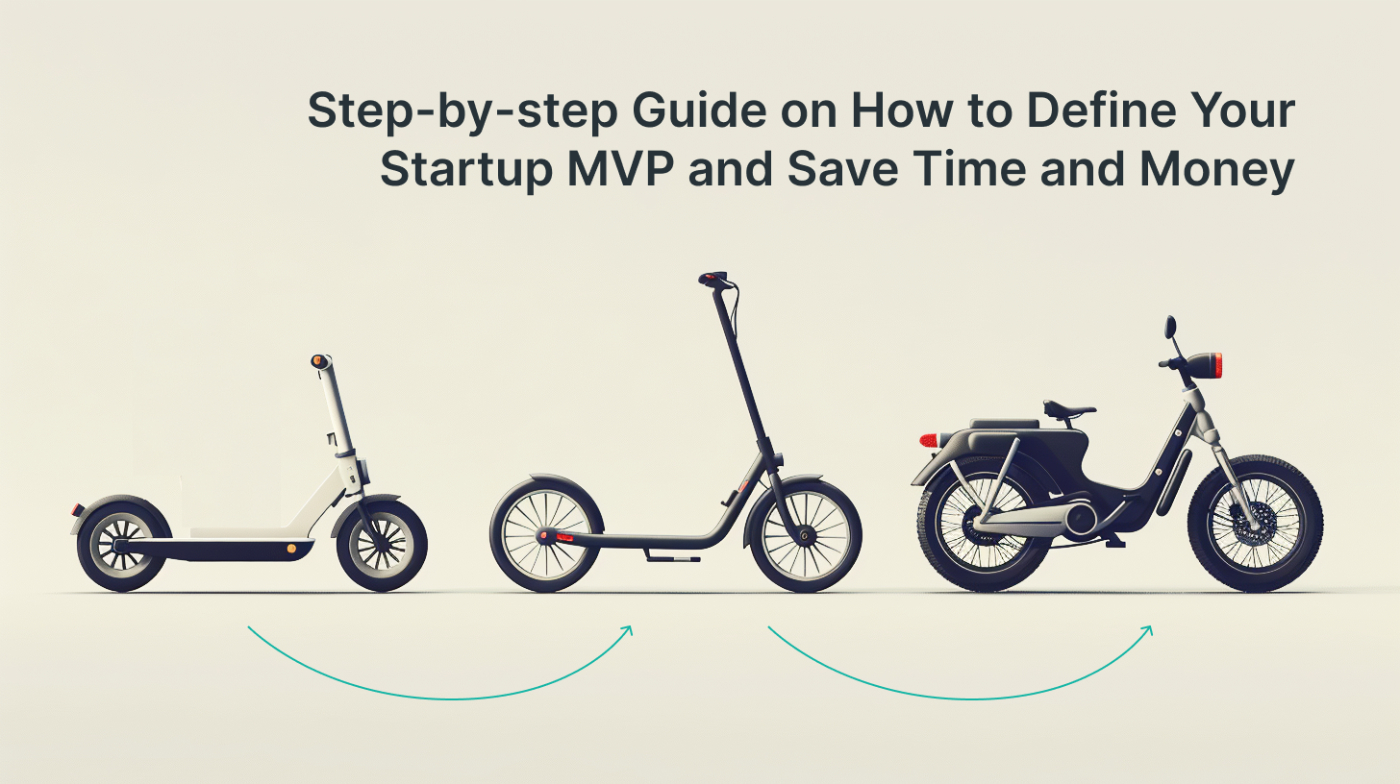 This guide will help you identify the core features of your product, enabling you to avoid wasting time and money.
3. Team Processes at Different Stages of Product Development
 Product development is a time-consuming process that involves improving the functionality, design and usability of a product.
4. Winning the MVP Game: The Tech Startups' Guide to Success
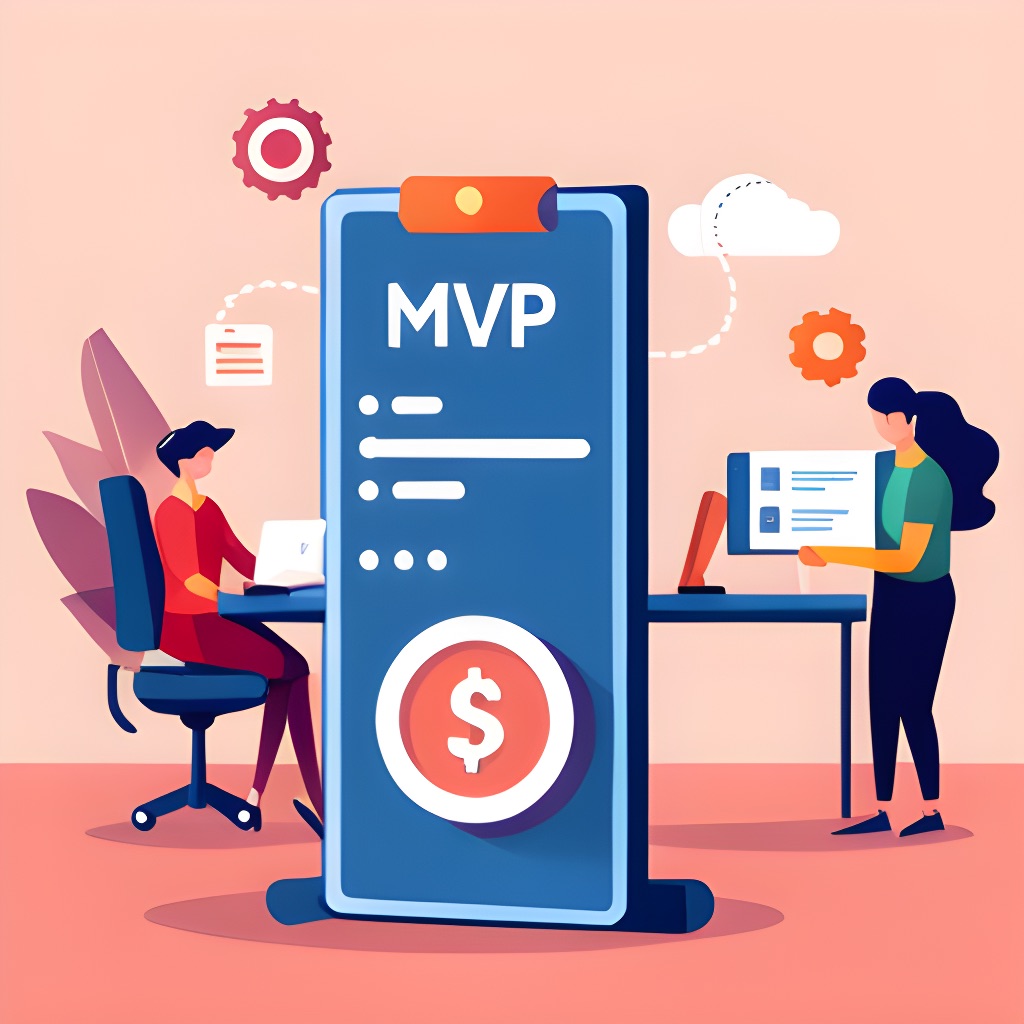 Blending MVP theory & my EdTech co-founder insights. Dive into crucial MVP dos, don'ts & hard-learned lessons.
5. How to Build a MVP REST API Using Low-Code Approach
Build and host and API in 15 minutes? Crazy? No, really!
6. How to Build and Validate a Startup Idea with a Landing Page MVP [In Less Than Two Hours]
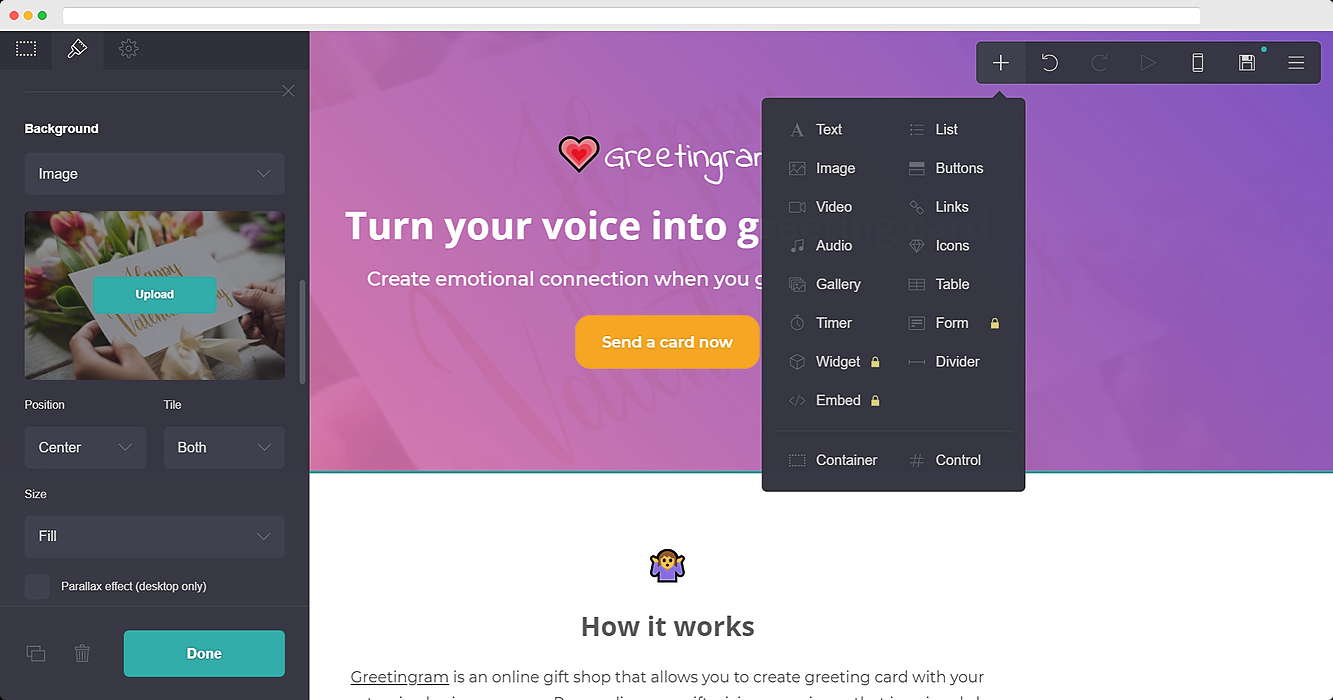 The toolkit to help you build MVP with $0 capital and 0 code
7. Java Vs. PHP: What To Choose In 2021
 The choice of a programming language for your startup directly depends on the needs of your project, your budget and other parameters.
8. The 4 Steps of the Startup Lifecycle: Genesis, Product Market Fit, Growth and Exit
 The adventure of a <a href="https://hackernoon.com/tagged/startup" target="_blank">startup</a> is much more than an idea. Often overestimated, having a great idea is not a goal in itself. The greatest entrepreneurs will tell you that the most important isn’t the idea but the execution.
9. My Experience of Using Notion to Build this All-in-One Job Application Tracker
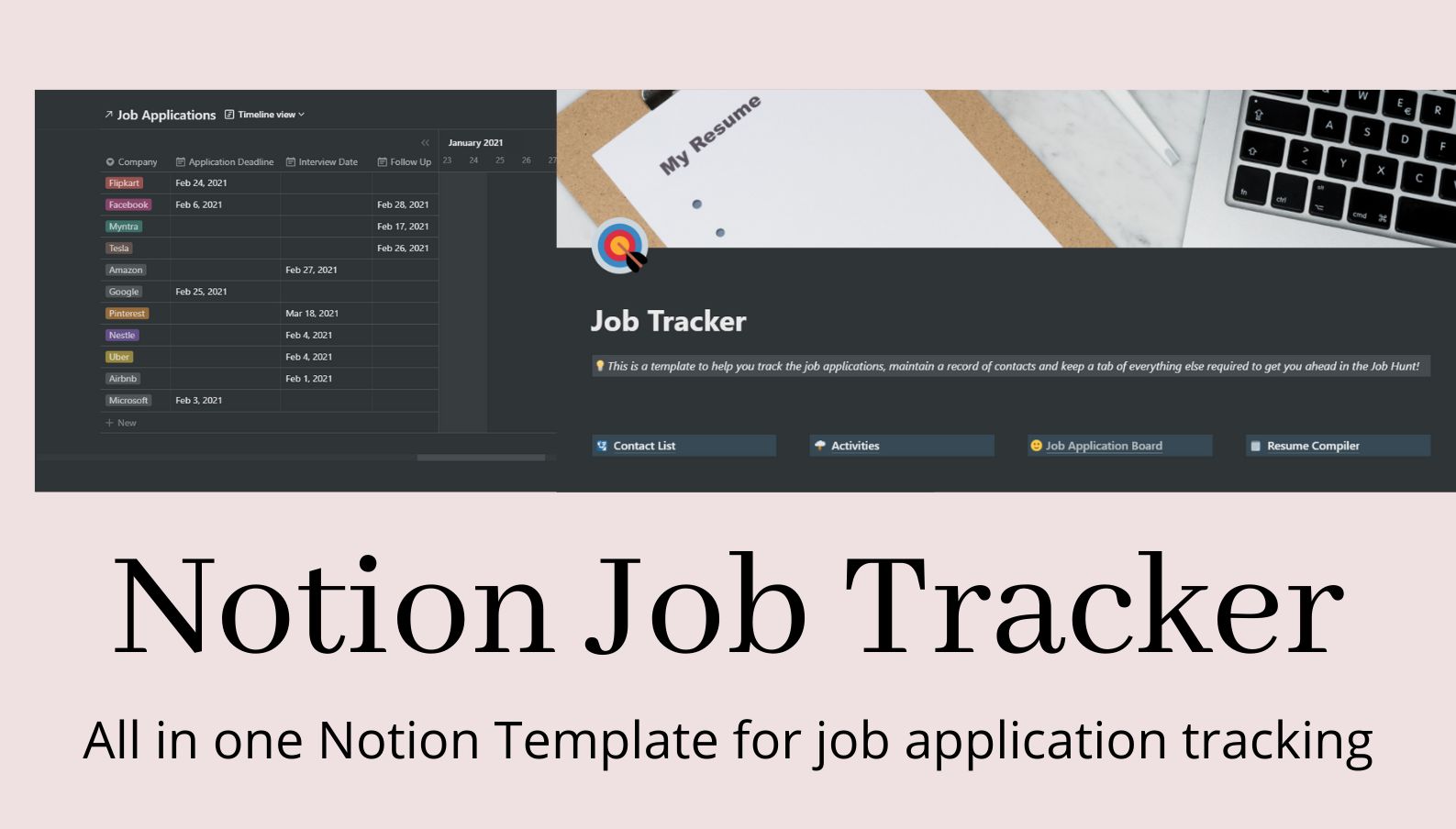 I have attempted to build a Notion template which serves as a job application tracker and different aspects of a job search making the process more conducive.
10. 5 Low/No-Code Tools For Freelance Mobile App Development in 2020
 In the growing world of low-code and no-code, dozens of app building platforms claim to offer the best solution for building native mobile apps.
11. MVC vs. MVP vs. MVVM: Which Pattern to Choose for Android App Development?

In today’s world, the number of mobile device users is continuously growing. This entails the rapid increase in the mobile application development market. Companies around the globe launch hundreds of apps daily. They upgrade their functionality and design with the latest trends. Industry leaders regularly modernize platforms for their creation, filling them with new construction principles.
12. The Future of Product Management is No-Code Development
 Three months ago I decided to immerse myself in the rapidly growing world of no-code development. This is what I’ve learned.
13. Software Architecture Basics: What, How & Why
 Software architecture, design and process of architecting explained using a case study.
14. How to Build a Food Delivery Marketplace MVP in Three Hours
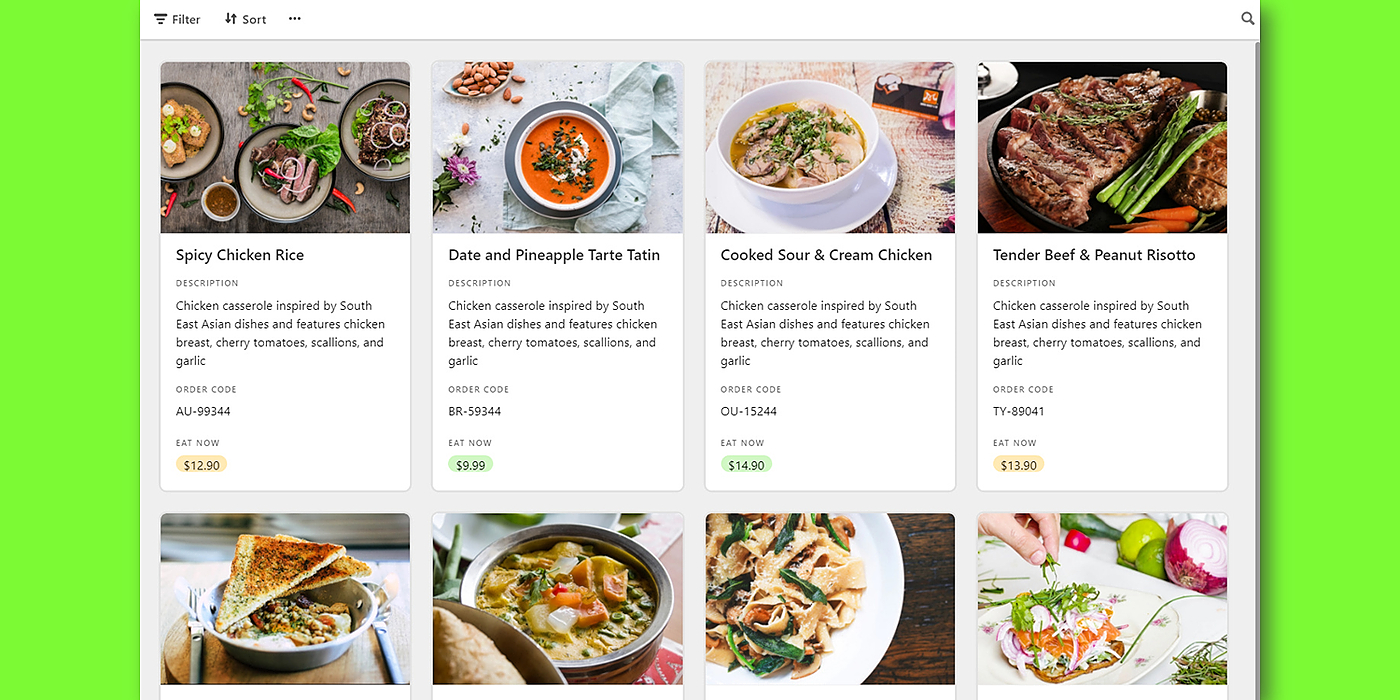 Here’s the toolkit to build a food delivery marketplace startup. I love to do fast prototyping in 24 hours. Here’s my toolkit to build a food delivery marketplace idea under 3 hours.
15. How to Launch Your Own Blockchain: Mainnet Launch [Part VI]
 I II III IV V
16. Why It's a Minimum Viable Process (And Not a Minimum Viable Product)
 Why do so many startups fail? Why do we hear the concept of the MVP so often? What is it, and is it beneficial? You might think you know the answers to all of these questions. But do you really? Here we talk about all this and even more. I’m happy to welcome product creators and curious developers into this learning journey. So, let’s start with defining the MVP (minimum viable product), one of the most overused and misunderstood concepts in the modern web. In this article, you can learn how an MVP can kickstart your startup.
17. How to Build a Cross-Platform App: A Guide that Covers the Main Aspects
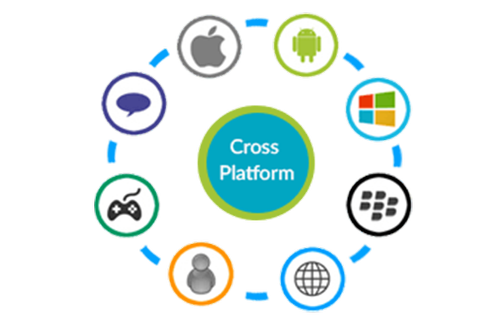 Software applications market has got a thriving and competitive nature – and it’s no wonder. Mobile, desktop, web, embedded applications help businesses make their services more accessible for the users. Surely, every service provider strives for winning a larger audience of users and keeping the quality at a high-level at the same time. What can make it possible? This is cross-platform development.
18. How to Launch Without a Product
 Or, the No-Product Framework
19. Descriptive Analysis: Why Did These 500 Trending Startups Shut Down?
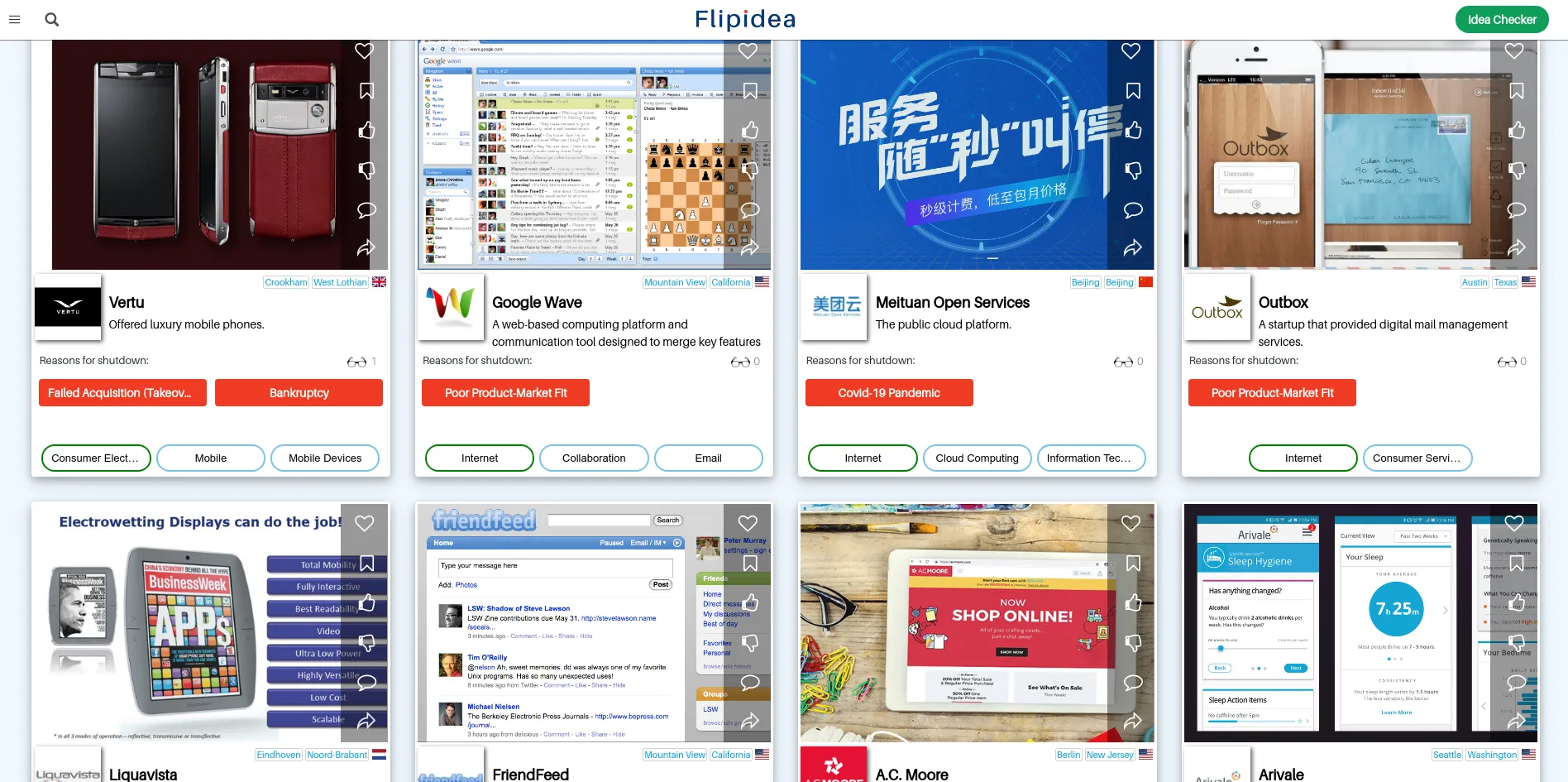 Discovering meaningful patterns in business failures.
20. Building a Bitcoin Wallet from Scratch: Two Months of Solo Development Insights
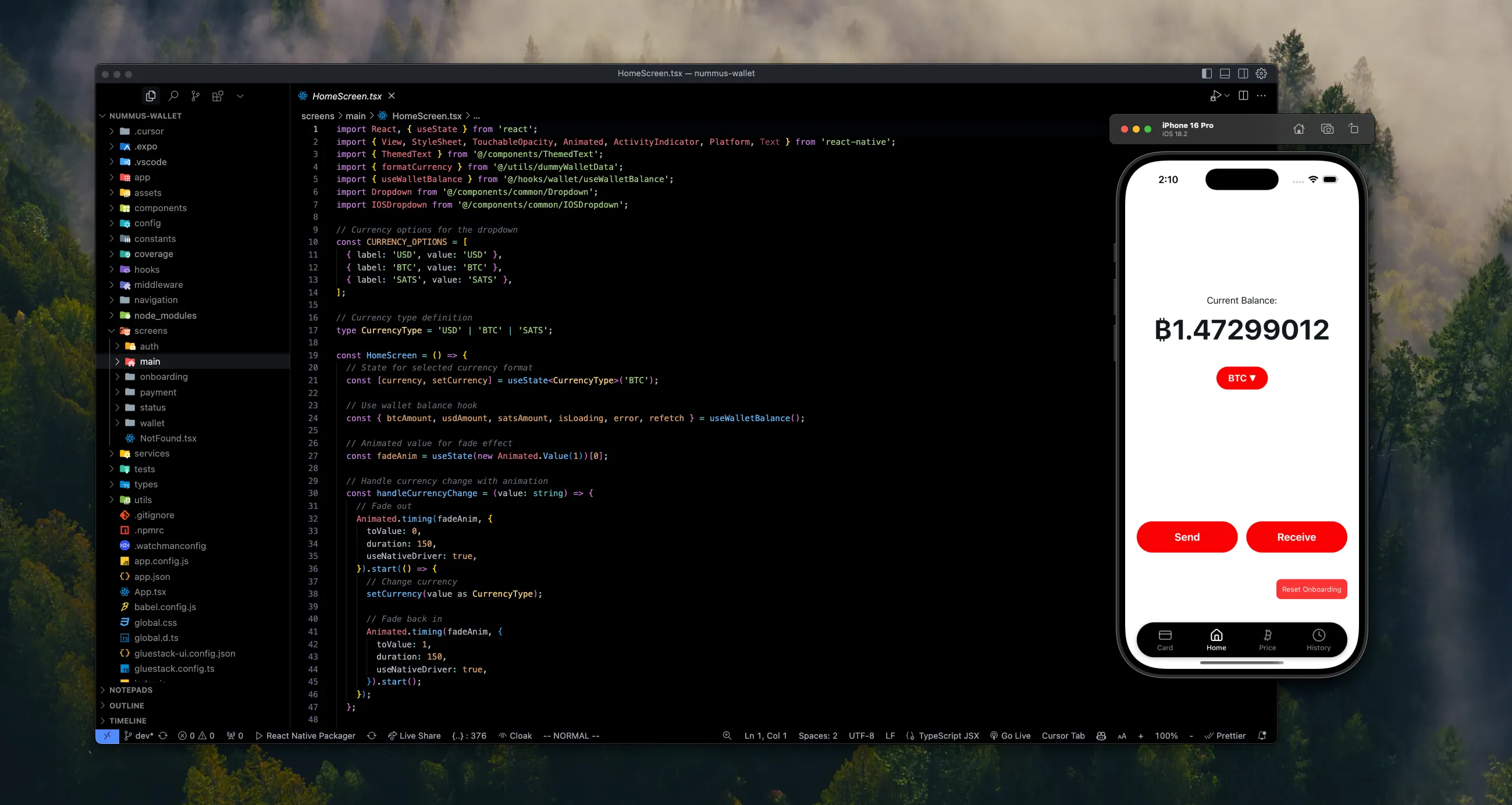 Follow my solo journey building a Bitcoin wallet from scratch. Technical challenges, architecture decisions, and lessons learned over two months of development.
21. 5 Successful Examples of Low Code MVPs
 Why is it growing in popularity? There are several benefits low-code and no-code bring to the development process.
22. How to build an effective MVP in 3 steps

23. Build an Effective MVP in 5 Steps — An Algorithm for Startups
 Imagine you have a business idea and it seems very good and feasible. No rush to order full cycle development with tremendous investments and the same uncertainty. Test your business hypothesis with an MVP.
24. 10 Great Ways to Evaluate your Minimum Viable Product (MVP)
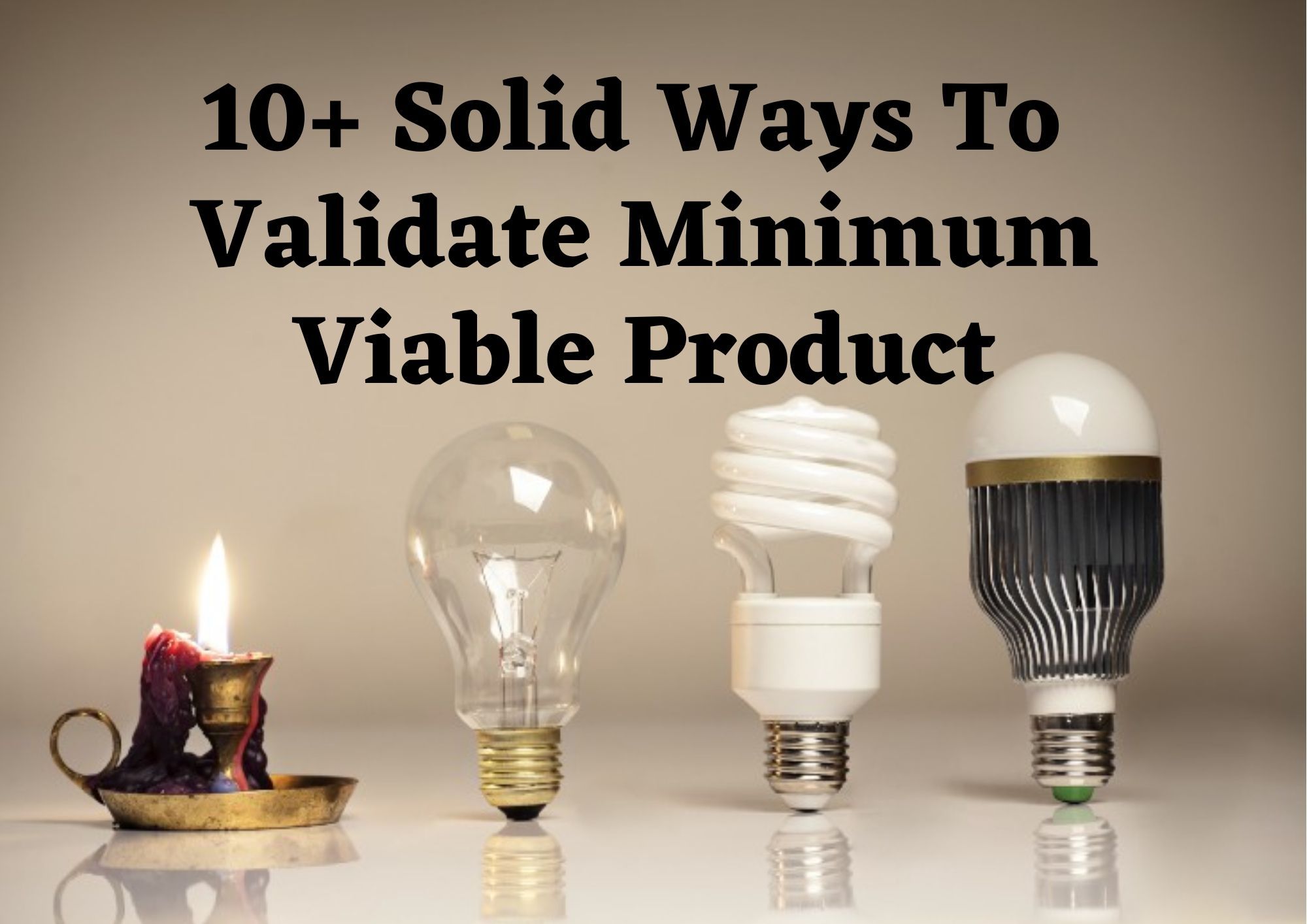 Do you know the main purpose of building Minimum Viable Product or MVP? The answer is to validate the product that you will be launching in the market.
25. Why Startups Should Start Small by Focusing on a Niche Market
 Instead of generating a startup idea from thin air, you can approach it from the market problem perspective.
26. The Five Step Approach for Tackling Complex Problems
 “The definition of genius is taking the complex and making it simple.” - Albert Einstein
27. How I Built and Shipped My Revenue-Ready MVP in 4 Hours By Using Low-Code Approach
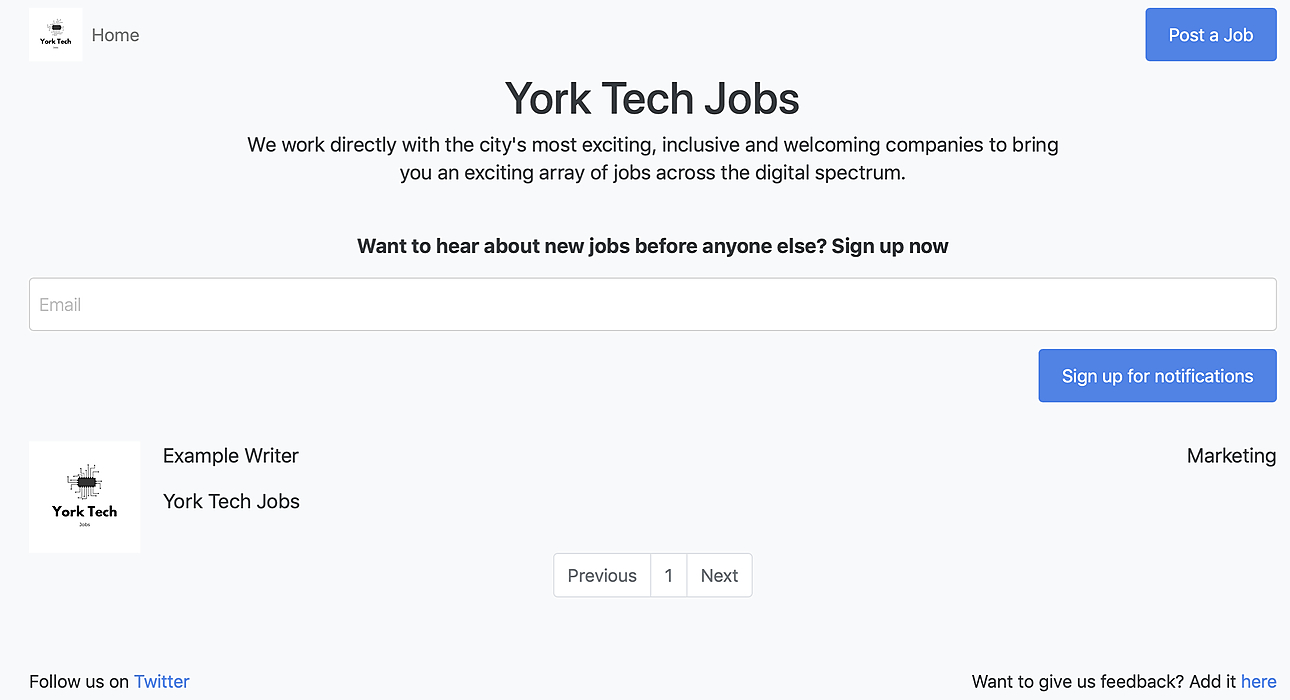 All you need is an idea, the right tools and an audience.
28. How to Use Story Mapping to Define MVP Requirements and Align Teams
 Over the course of my career, I have had the pleasure of building multiple products from scratch, and have collected some strategies that help the process of building a new product and lead to a highly productive and streamlined experience for all stakeholders involved. Story mapping is one of those.
29. Why Monolithic Architecture has a Bad Reputation
 Pros and Cons of Monolithic Architecture in its traditional incarnation or as a Distributed Monolith.
30. How to Precisely Validate and Test Startup Ideas through MVP
 Techtic lists down 6 ways to validate & test business startup ideas through MVP. Also, know the advantages of MVP and how MVP assists businesses.
31. How Developers Win With Low-Code Platforms
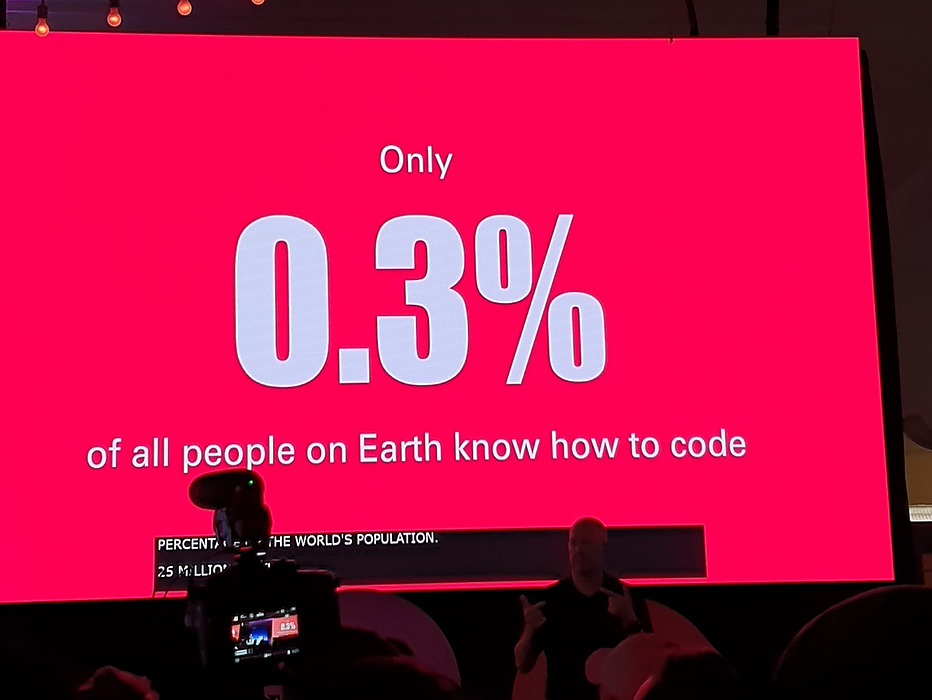 Photo Credit, @reallynattu
32. How I Go From Idea to Revenue in 13 Steps
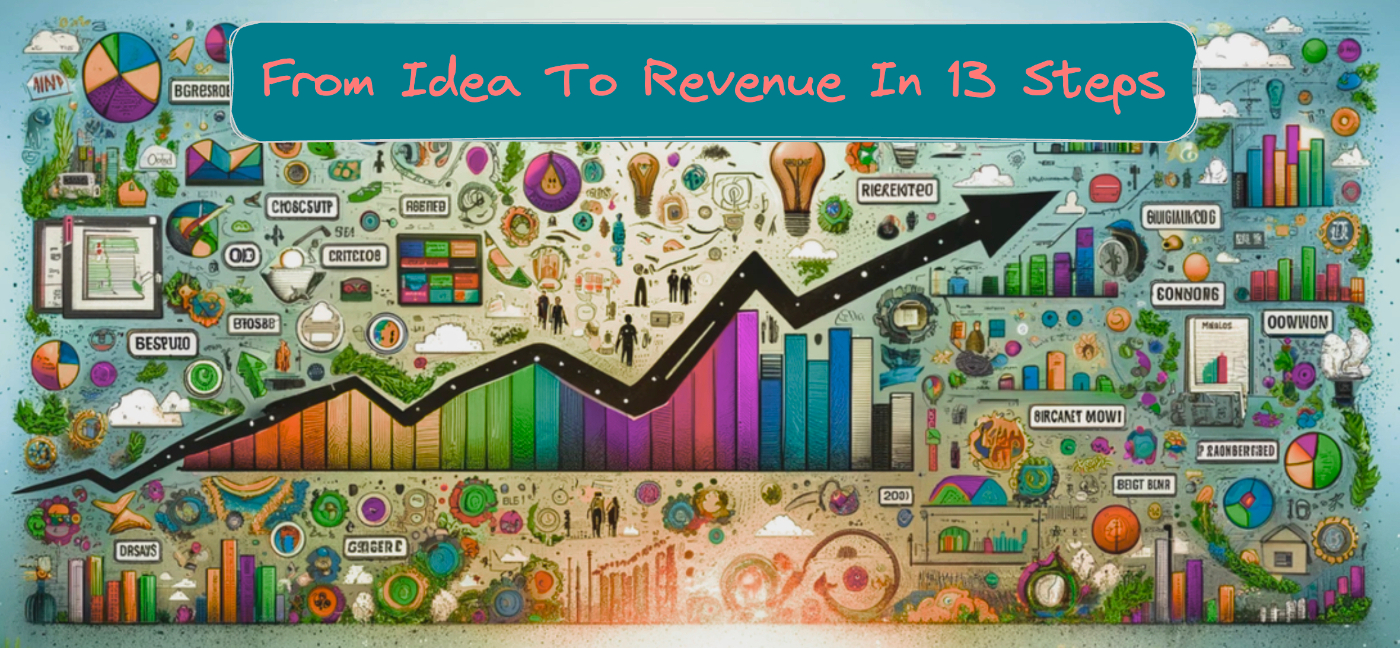 How I take ideas and turn them into revenue in 13 steps.
33. Top 10 App Ideas for Restaurant and Food Business Startups in 2022
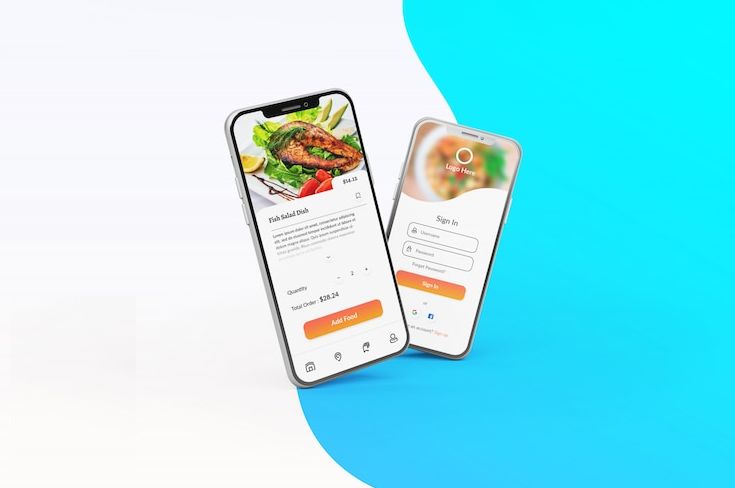 This post will provide you with the best app ideas for restaurant and food business startups to use as a springboard
34. Start with a Prototype, Follow with an MVP and Then Get to the Final Product
 Your Guide to the Main Stages of Tech Startup Development
35. Developer’s Mindset In Growth Projects
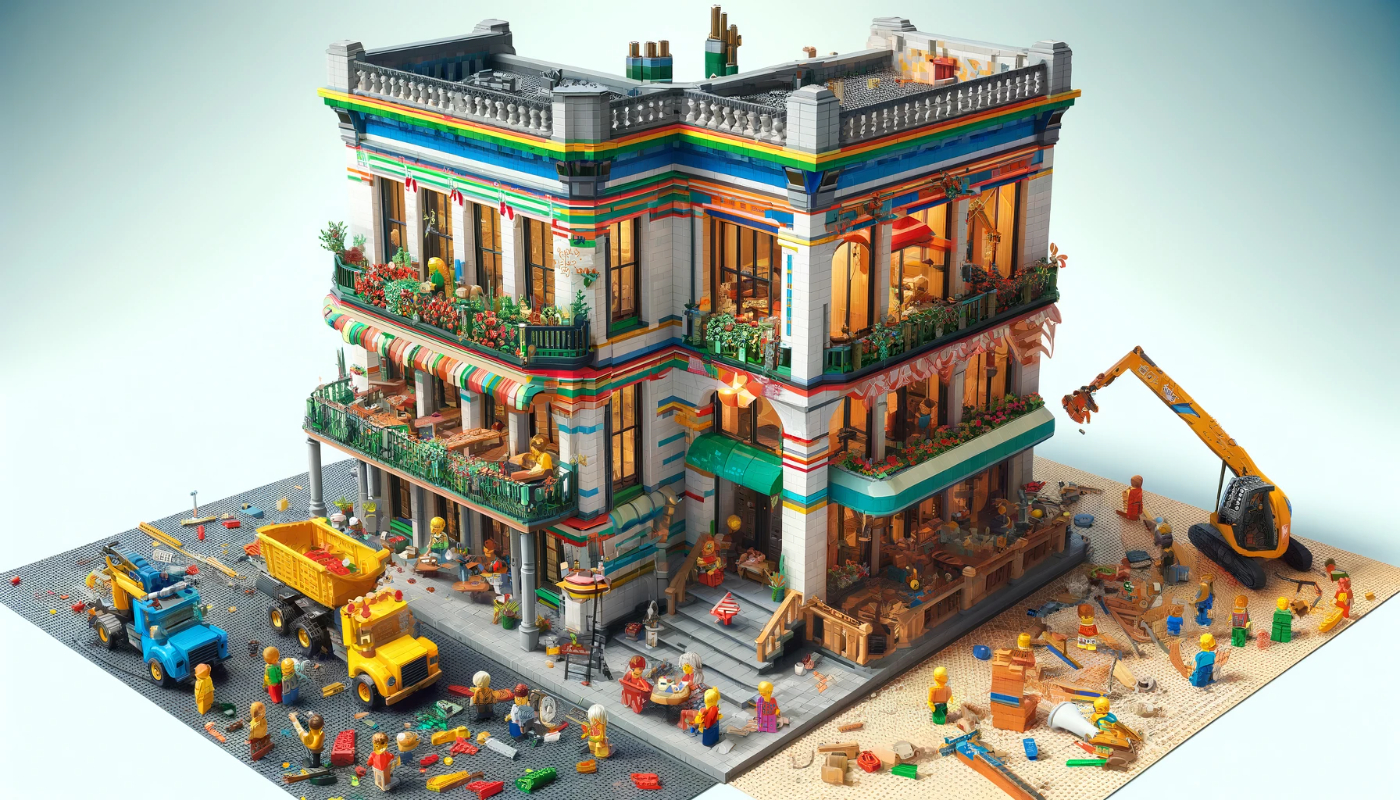 Insights for developers in growth projects, focusing on business value and strategic risk management. See my experience in MVP building.
36. How To Hire A Developer For Your MVP In 2020
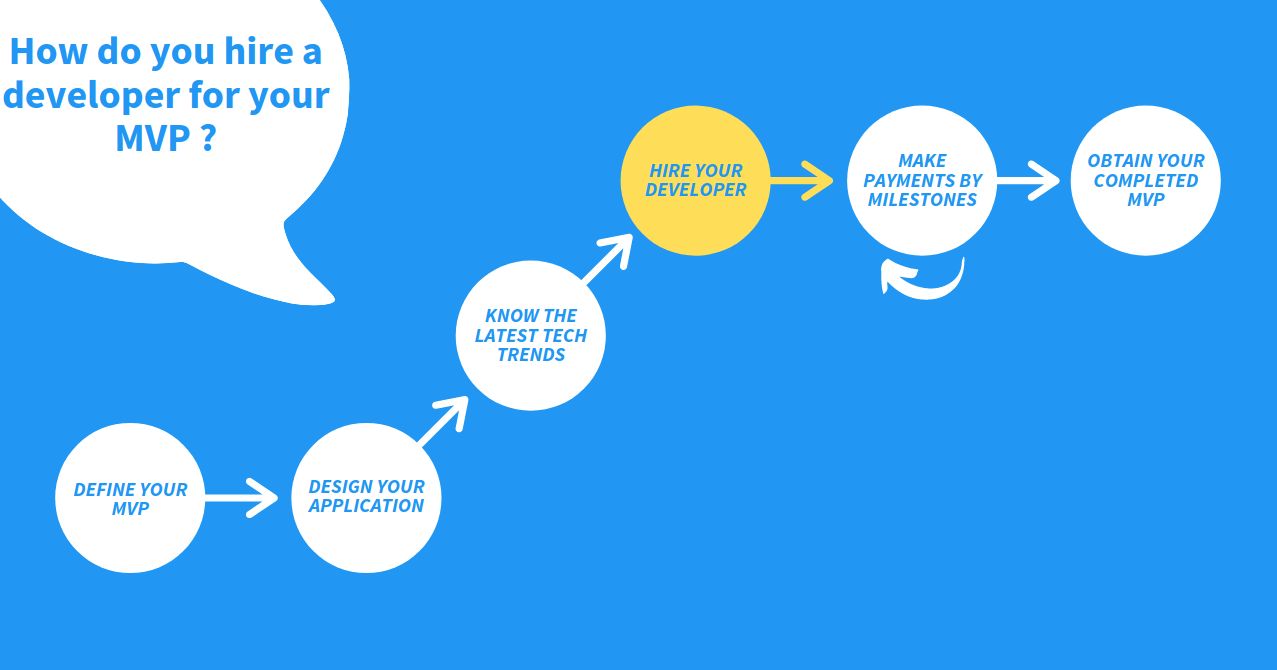 You have an exciting new app idea, so let's make it happen! Hiring a developer can be a difficult task for someone with a non-technical background, especially if they have no plan with which to form their ideas into reality.
37. Low-code vs No-code: Selecting the Best Stack For Your Startup
 Choosing the right tech stack for a startup: no-code VS low-code VS code
38. Making a Side Project
 Yesterday I tweeted that I’d be making one more “big” app before the end of the year. I asked if people preferred if I document the process as I go, or do a recap post at the end of the project.
39. Architecture Patterns for Beginners: MVC, MVP, and MVVM
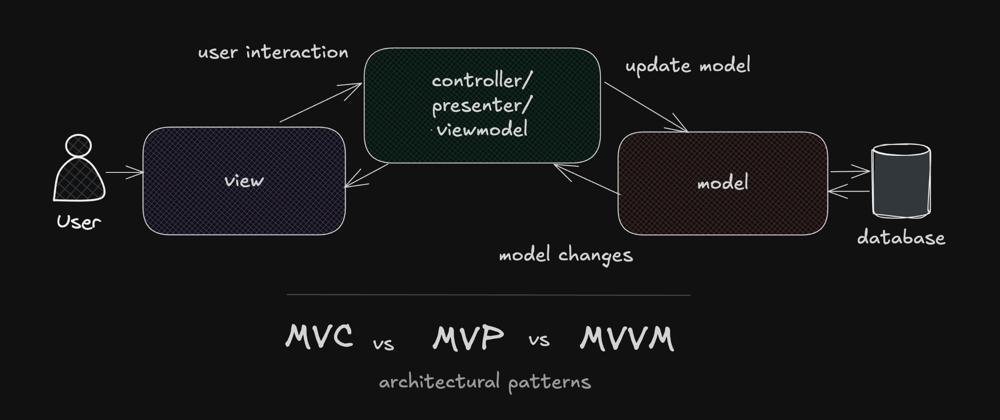 MVP, MVC, and MVVM organize app code by separating data, UI, and logic, with the Model and View as fixed components across all three patterns.
40. Do You Know How to Fail Fast With Your Next Idea?
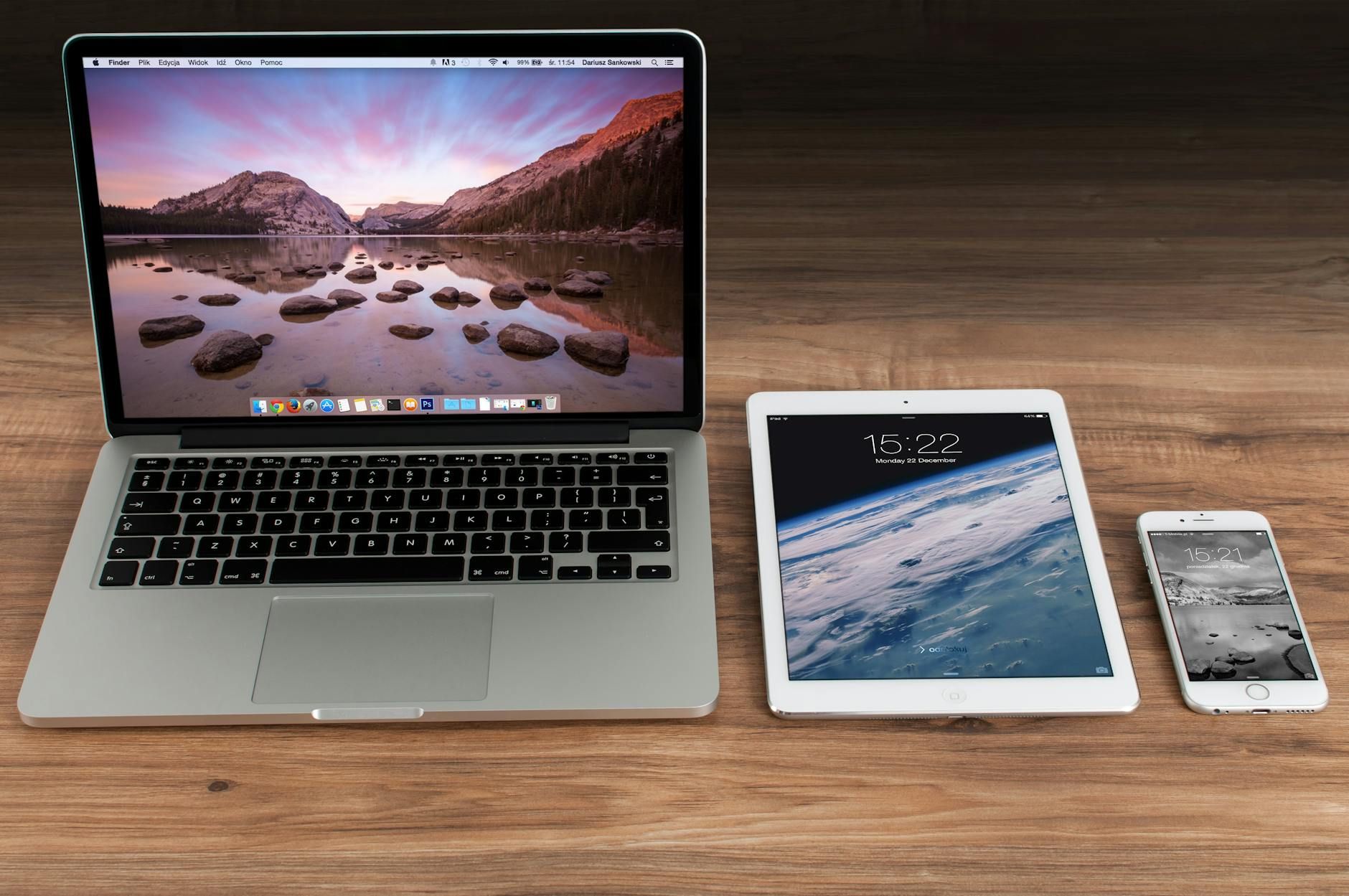 I am sharing all the knowledge I gathered during my research in four months of testing different business ideas. Before starting investing lots of time and building an MVP (minimum viable product) you can test ideas with adtotyping and get some metrics without writing a single line of code. This process shows a powerful way to validate ideas with the help of Facebook.
41. How to Find Minimum Viable Product-Market Fit (PMF)
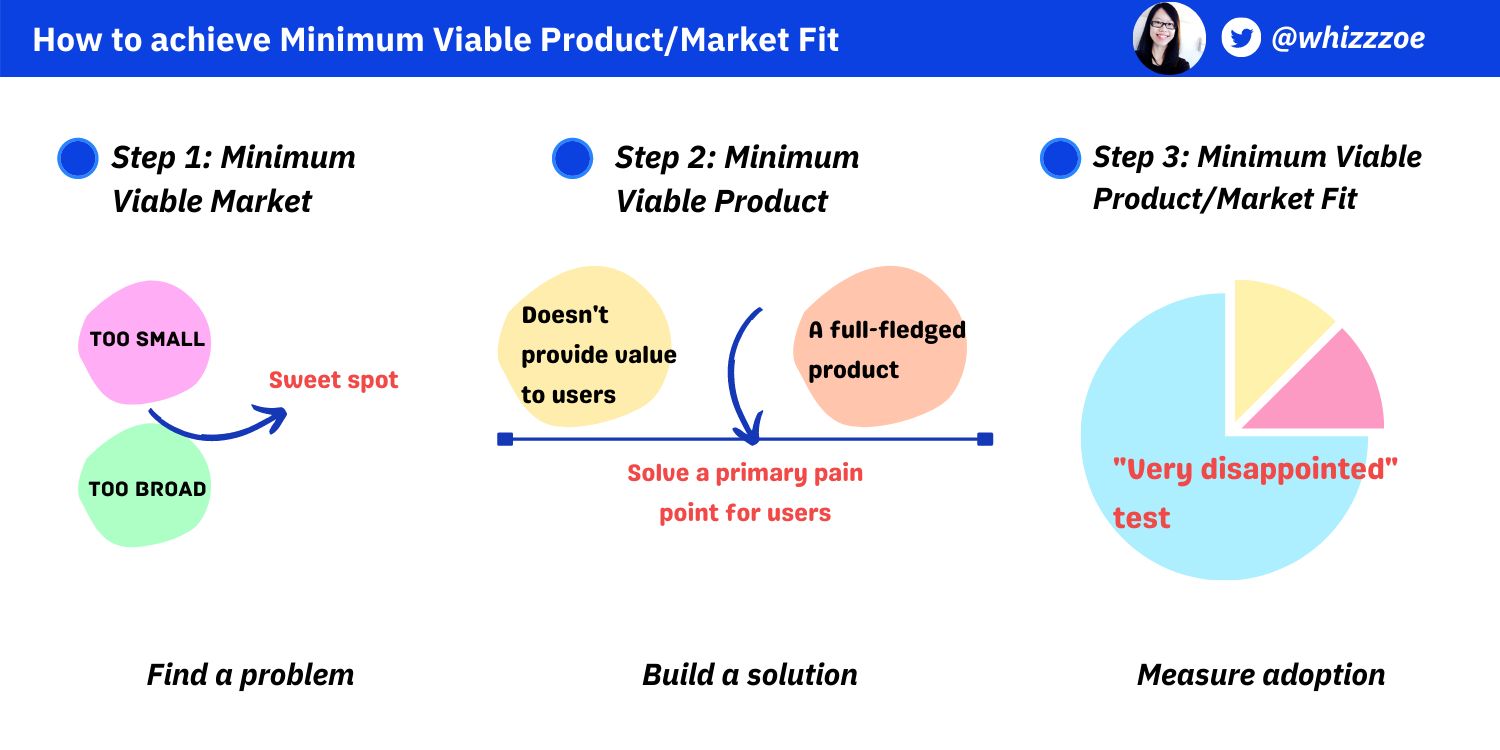 Focus on the problem, not the solution
42. Six Crucial Startup Lessons I Would Share With My Younger Self
 In hindsight, the first business I started had all the ingredients to succeed. I just didn’t realize it at the time.
43. Minimum Viable Tool (MVT)
 There is a lot of talk about the Minimum Viable Product — a prototype with just enough features to satisfy early customers, and provide feedback for future development. But feature creep often starts much earlier, in the design & development, if not the ideation stage of a project.
44. Product-Market Fit Is a Perishable Good — Here’s the Operating Manual
 PMF isn't a milestone — it's a treadmill. A 6-step operating manual for finding product-market fit when AI makes building free but learning still costs time.
45. Guiding Startups to Success: Going From MVPs to Product-Market Fit
 Startup journey from MVPs to Product-Market Fit, demystifying startup challenges and highlighting the dynamic development, testing, and market adaptation.
46. How to Build a Successful MVP in 3 Months 🚀
 The year was 2007. There were two guys who just moved to San Francisco. Both were unemployed, so they faced the trouble of paying rent. Suddenly, they realized that all the hotel rooms in San Francisco were reserved because the local industrial design conference at the time attracted a large number of visitors.
47. 7 Benefits of MVP for Startups
 In this article, we are considering key peculiarities and benefits of a minimum viable product that will help you enter the market more successfully.
48. How I Designed, Built and Launched a product over the Weekend - A Breakdown of Events
 Earlier this year, I launched a side project of mine called Lancerlist which is a platform that allows companies to find freelancers in their city.
49. About the new simple declarative language we invented for developing web apps with no boilerplate
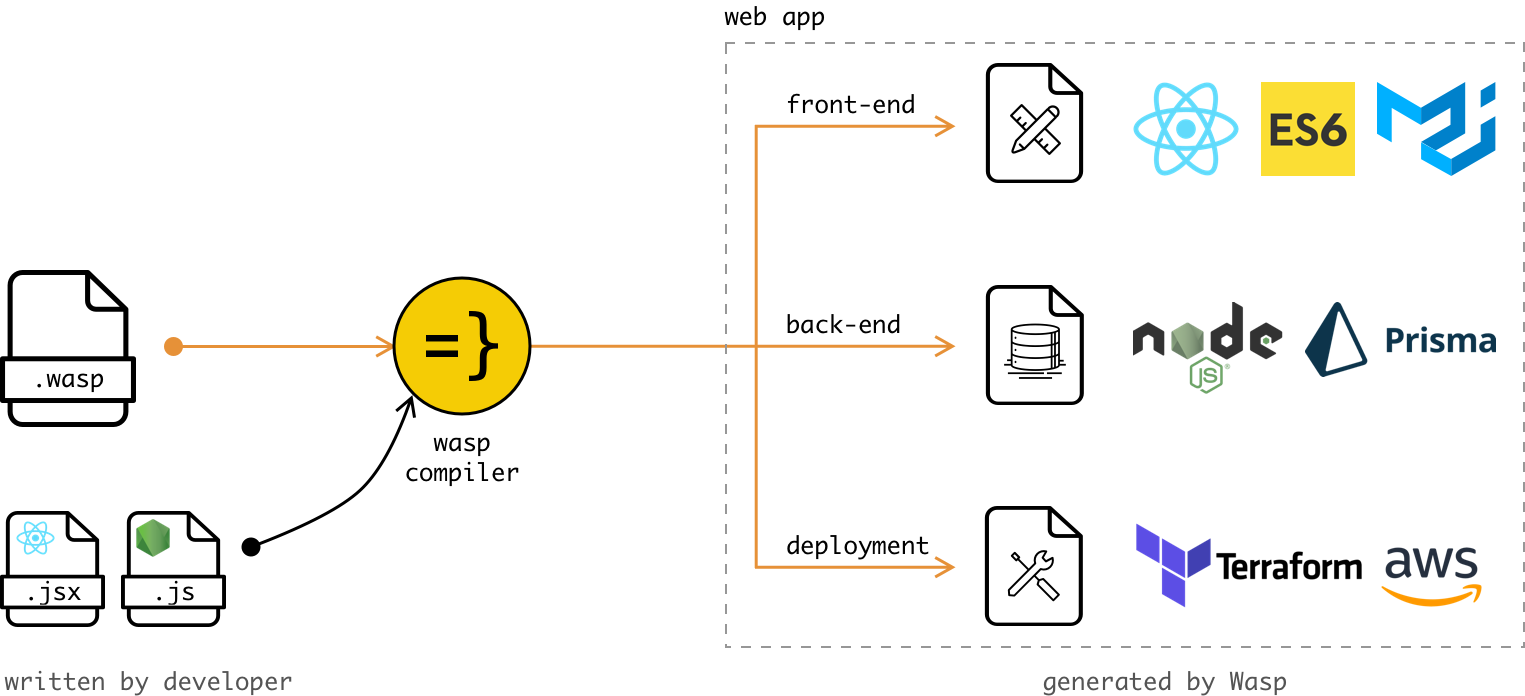 Wasp is a simple language that makes developing full-stack web apps (React, Node) easy and removes boilerplate.
50. How I Copied My Favorite SaaS Landing Page 👀

51. One Small Step for You, One Big Step for Your IT Career
 We all sometimes try taking on more significant tasks than we can deliver on—it stems directly from our human inability to evaluate complex tasks correctly.
52. Building Around A Niche: The Story Behing Carrd's MVP and Success
 Learning how to build a better MVP by studying Carrd's growth to $1m ARR and 1.6m users.
53. Why Beta Testing Matters For Your MVP
 We essentially have two apps testing phases: alpha and beta testing. So, what’s beta testing and why do we have to do it before the app production?
54. Microservices and CQRS: Why Business Should Care
 We have created this blog post for business stakeholders managing the development of a software system or product, those looking to find ways to reduce cost and time to market. This post will be useful for those whose technical background is a bit outdated or isn’t sufficient to make that judgment call. We will look at how to approach architecture planning so that the product is scalable and the money is spent wisely. Also, we will show the example of how CQRS can help in the implementation of client applications and whether microservices is indeed the panacea.
55. 7 Reasons Why Django Framework is a Perfect Framework for Startups
 The programming language and the main framework are often crucial for startups. Here is why we think Django is a wise choice.
56. How the MVP Concept Makes Companies Rethink Their Business Models
 Essentially, MVP is a tool that allows companies to test the ideas before proceeding to stages of full development and launch.
57. Why Start With The First Usable Version of Your Product, Instead of the Best Version
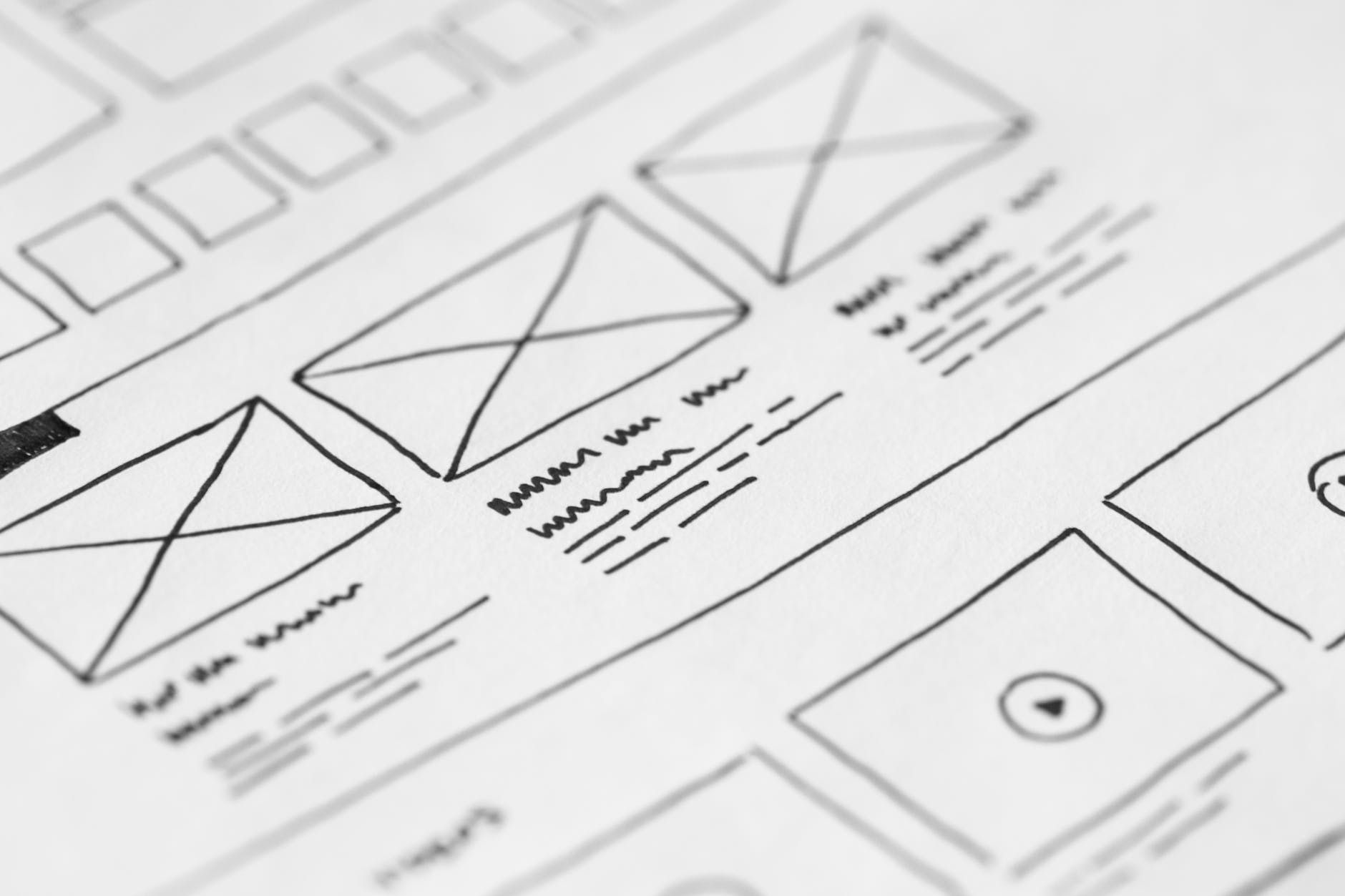 There are many possible approaches to launch a new product, and just as many obstacles along the way. However, there's a way of assessing the chances of success before diving in full commitment, and that's where the Minimum Viable Product (MVP) comes in.
58. Why You Should Always Build a MVP First
 Let’s take a look at a classic example of a situation that I have observed numerous times. An enthusiastic maker has an idea for a great product and starts building right away without checking for competitors, creating a landing page first or getting some feedback from potential users. The maker sits down in front of his computer and starts building his product blindly.
59. How I Used Blitz JS To Take My Pet Project Into Production
 Our colleague Lazar decided to built an Absence Tracker, so we can ditch the Telegram group where we reported our absences.
60. How to go From Idea to MVP
 Simple steps to get an idea off the ground and start building momentum.
61. All the Firebase Functions you Need to Build Your Next Serverless Application
 Build your own CRUD application by leveraging Firebase's Firestore JavaScript SDK.
62. How to Take Your MVP From Idea to Launch
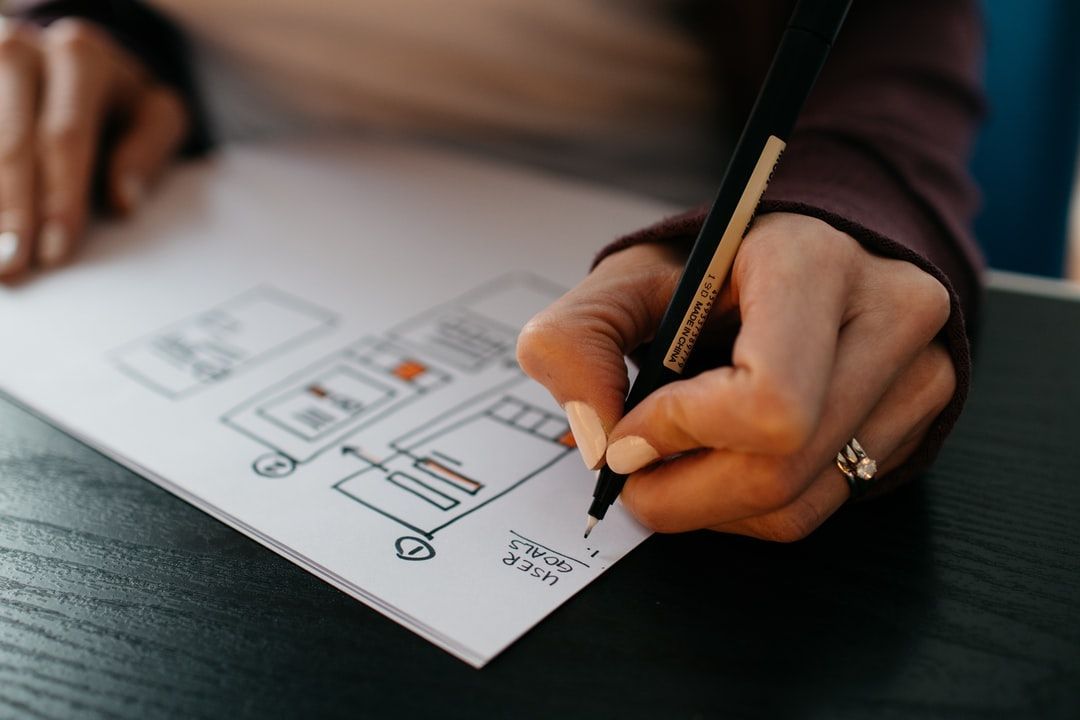 As a business person without the tech skills to build an MVP, it can be tempting to look for a software development partner as soon as possible.
63. The MVP Dilemma: Enhancing Quality while Optimizing Development Time
 These tips help significantly improve MVP quality so that it might become a foundation for the final app and could be maintained for many years.
64. What's The One Thing You Can’t Miss When Building an MVP?
 At Altar.io we’ve built dozens of products over the years, working with entrepreneurs from all over the world.
65. Building A Tezos's Smart Contract Dashboard Using ReactJS, TezBridge and Netlify [A How-To Guide]
 I always find it troublesome for me to deploy and interact with Tezos’s Smart Contract at my job as a Software Engineer in my company. So, I decided to build a tool (web app) to solve my problem.
66. Evaluating Your App Idea and Supercharging your Chances of Success [Part 2]
 This is a continuation of a series on bring an app to life, from nothing to something. Read Part 1 here.
67. The Illusion of Ideas
 Why untested ideas remain illusions. Only through simplicity, speed, and real-world testing can you separate what’s real from what’s not.
68. Maximizing Product Success: The Role of Hypothesis Testing, Prototyping, and MVPs
 Learn how to test hypotheses and create prototypes and MVPs to ensure the success of your product. Find out how methods like RAT and MVP can help product manage
69. Exploring Famous MVP Pivots: Instagram, Twitter, and YouTube Success Stories
 Check out why many popular apps had to pivot to make a success. Read Instagram, Twitter, YouTube and Netflix pivot stories.
70. 10 Tips for Building a Successful MVP with Flutter
 Explore 10 essential tips for building a successful MVP with Flutter: from understanding project requirements to leveraging unique features.
71. How To Validate Your Startup Idea With Less Time and Money

72. What is a Minimum Viable Product? - Essential Features and Guidelines
 A Minimum Viable Product is the initial version of your mobile application that contains the main features needed to satisfy the user’s problems.
73. When is Ruby on Rails the Right Choice?
 Often side projects or even your main project need to be done quickly and delivered to people and learn from what they've got to say and well-informed decisions instead of endlessly building what you think is the perfect solution.
74. Should You Build Your Startup in Public?
 You have had a great idea, spent some time validating your business idea and are now facing the next questions: How should I approach my building? One of the most used buzzwords in the indie hacker space is “building in public“. It comes in different styles and with different methods. Of course, success in building a side-project publicly also varies. I aim to provide a starting point in this article with a look at methods, platforms, and tools. This blog-post links into the series on introduction in the indie hacker space.
75. From Idea to MVP to Hacker News in 44 Hours
 A day by day account of how I went from initial idea to coding and releasing my new app in 11 days, culminating in a Hacker News post.
76. How to Find Product-Market Fit by Starting With an MVP
 MVP is a basic version of a product that consists of minimum features and core functionality, solving an important problem for the end-users.
77. How I Vibe Coded My Way Into Creating a Better Note Taking App
 Many times I’m feeling overwhelmed when checking and or looking for something on my Notes App.
78. Startup Costs: Can the MVP Route Save You a Lot of Money?
 Entrepreneurship is getting popular with every passing day, leading to an increase in rising startups. But how many have tasted success?
79. Mozilla Spring MVP Lab
 TLDR: Apply to be a part of the Mozilla Spring MVP Lab at mozilla.org/builders
80. Starting Project Now? My 2025 Tech Stack for Full Stack Development
 Build a SaaS in 8 weeks using React 19, tRPC & TypeScript. Real-world tech stack guide with deployment strategies for rapid development in 2025.
81. What I Learned Building My Side Project: Codetalks.TV
 🤓 What is Codetalks?
82. 26 Stories To Learn About Prototyping
 Learn everything you need to know about Prototyping via these 26 free HackerNoon stories.
83. A Failed Trip in the MVP World: 'I Thought I Knew Relativity, but Reality is Different'
 Entering your first towards an MVP (minimum viable product) can cause confusion if you focus on outcomes as planned. Plan to learn with the trip instead.
84. The MVP Engineering Playbook: Ship a Useful 0→1 in 6 Weeks
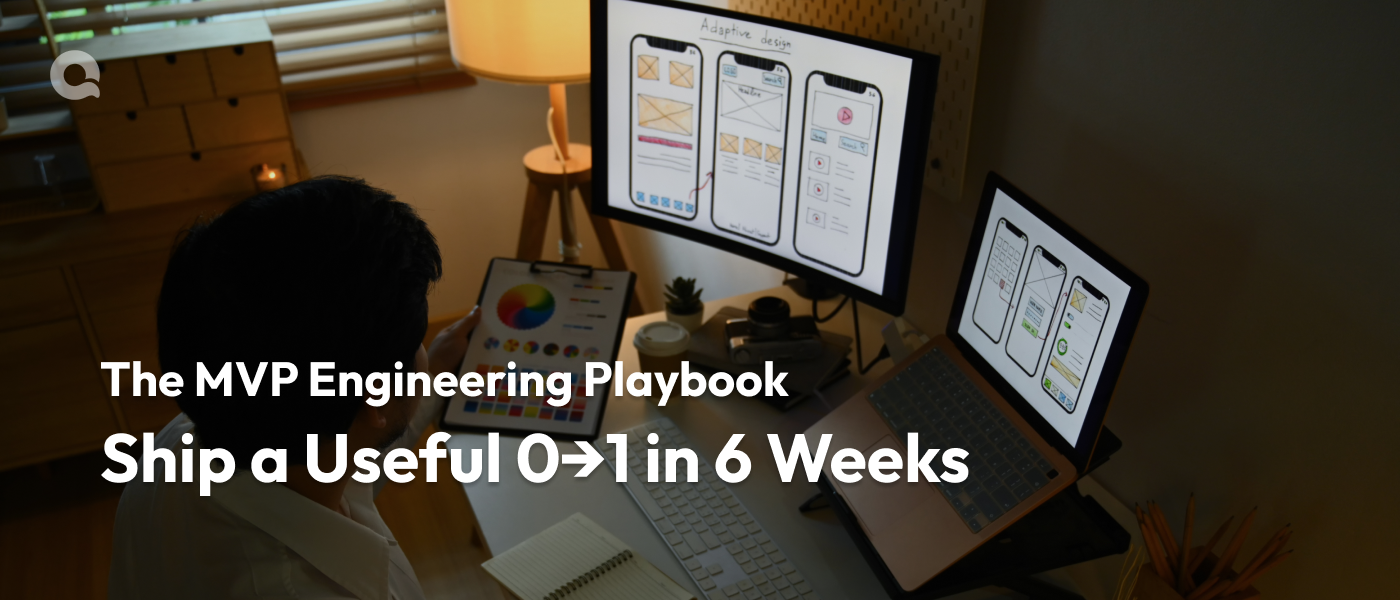 A practical MVP playbook: scope, thin slices, CI/CD, quality gates, and metrics to ship a reliable 0→1 in ~6 weeks—with checklists and examples.
85. Mozilla Summer Startup Studio and MVP Lab
 TLDR: See mozilla.org/builders for more details regarding our summer programs!
86. Why and How We Used Singer to Bootstrap Our MVP
 One of the (many) hard things about doing a startup is figuring out what that MVP should be. You are trading off between presenting something that is “good” enough that it gets people excited to use (or invest in) you and getting something done fast. In this article, we explore how we wrestled with this trade-off. Specifically, we explore our decisions around how to use Singer to bootstrap our MVP. It is something we get tons of questions about, and it was hard for us to figure out ourselves!
87. Navigating Startup Storms: The Crucial Role of a Product Engineer
 Explore the rollercoaster of startups, the role of a 'Product Engineer,' and crucial lessons for early-stage success.
88. The 3 Tools You Need to Need to Get Your MVP From Idea to Launch
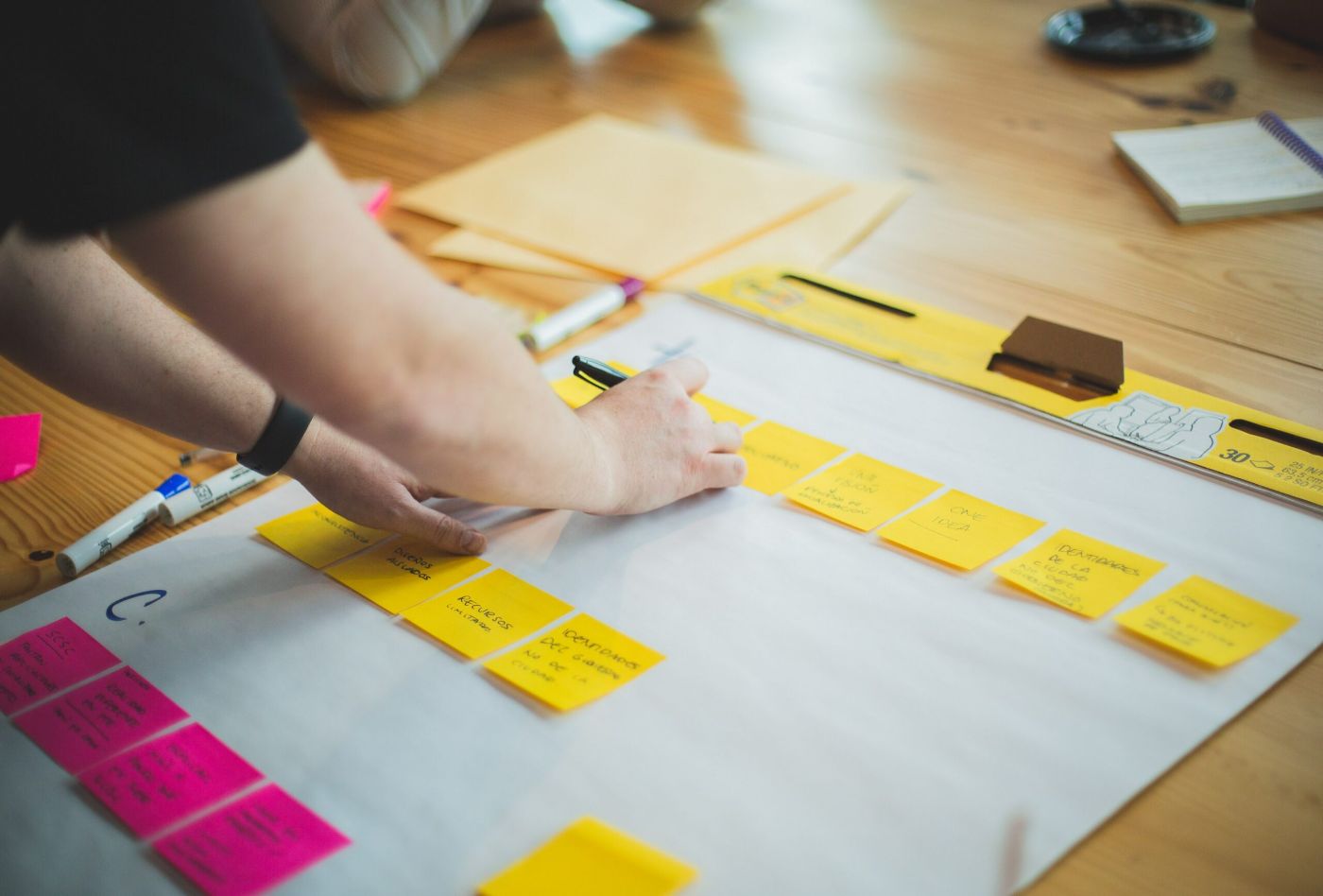 Over the last 20 years, our Project Manager, Pedro, has helped build many startups.
89. Low-Code vs Full-Code: How Startups Can Balance Speed and Control
 Low-code speeds up MVPs, full-code ensures scale. Discover how startups can balance speed, cost, and control with a hybrid approach.
90. The MVP Blueprint: How Lean Innovation and Team Alignment Drive Startup Success
 42% of startups fail because they build something nobody wants.
91. 7 Reasons Why Your MVP may Never Launch
92. Why The Minimum Viable Product (MVP) is a Cornerstone Strategy for Startups
 Understand the philosophy behind MVPs, their role in risk reduction, and the challenges businesses face in their development.
93. A Guide to Minimum Viable Products for Fractional CTOs
94. Venture Capital Insights: What Investors Look for in Startups
 Venture capital, or VC (also known as risk capital), is a type of investment typically aimed at early-stage companies that are small to medium-sized.
95. Build Startup Success By Launching MVPs
 In this article, learn more about MVP, their benefits, and 10 steps to building ideal MVPs
96. 5 Common Mistakes to Avoid When Designing an MVP for Crypto Projects
 Invest your time and money wisely, leveraging crucial aspects of product design for efficiency.
97. 10 NoCode Tools to Help You Build Your MVP 🚀
 A list of 10 free Nocode tools for creating and launching a successful startup ✅🚀
98. 3 Successful Examples of Using an MVP (Minimum Viable Product)
 A concept first introduced on the Lean Startup book, MVP means minimum viable product and it is a way to get the most knowledge about the target of your project
99. Building a Tech Startup Without a Technical Co-Founder
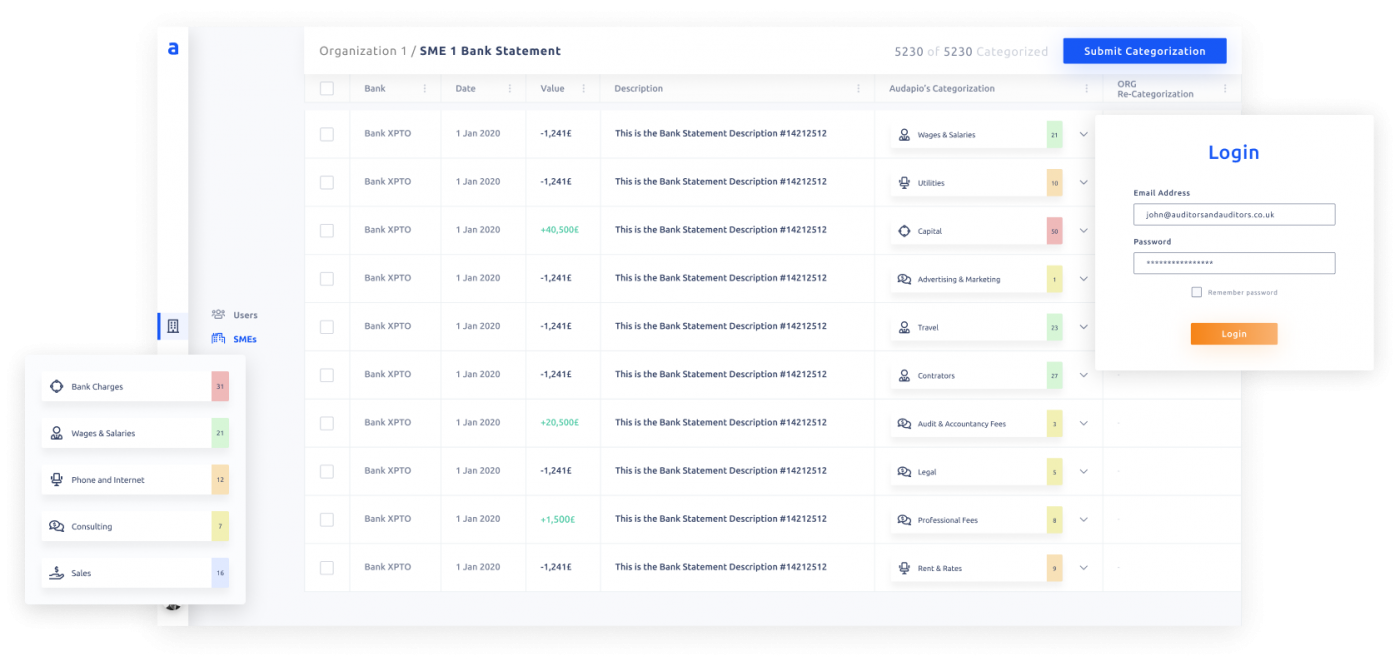 Finding a technical co-founder is one of the biggest challenges faced by startup founders. Here’s how Audapio’s Founder Dudley Gould overcame this common startup hurdle.
100. What is an MVP for Software Development?
 Why is a Minimum Viable Product Important for Software Development Projects? Discover in this article!
101. 5 Tips For Launching a Successful Product
 Many new products get launched in the market every day. But not every product is a hit.
102. Agile Is Misleading Organizations: 6 Ways They Are Doing So
 Agile is a nebulous fad that has embezzled and (mis)appropriated Lean terms and concepts.
103. Benefits of Using React Native for MVP Development
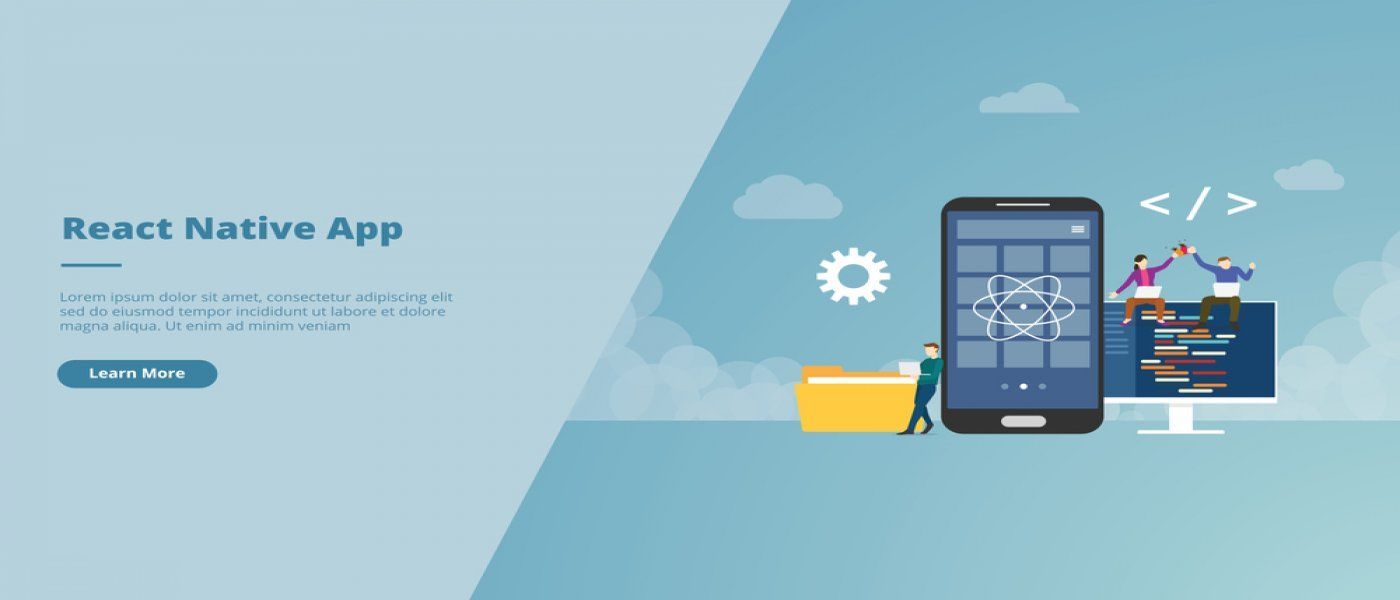 This article explores why startups choose to develop MVP and the numerous benefits awarded to mobile projects because of React Native.
104. Choosing Between Prototyping vs MVPs in Software Development
 In this blog, we shed some light on both MVPs and prototyping to help you understand their requirements and usage in the software development industry.
105. How Minimum Viable Secure Product [MVSP] Works
 The Minimum Viable Secure Product or MVSP is a way of ensuring that your product is secure from a cybersecurity perspective and will help your reputation.
106. How to Choose the Right Type of MVP for Your Startup Idea
 MVPs can come in a thousand shapes and forms. So, in this article, we will focus on the most popular ones.
107. The MVP Lite Approach: A Software Development Approach for 2021 And Beyond
 What helps people overcome obstacles? Crushing obstacles is hard work. It requires a lot of planning, time management, inner fire, and a thorough understanding of your goals.
108. What Is An MVP and Why Is It Necessary? A Deep Dive
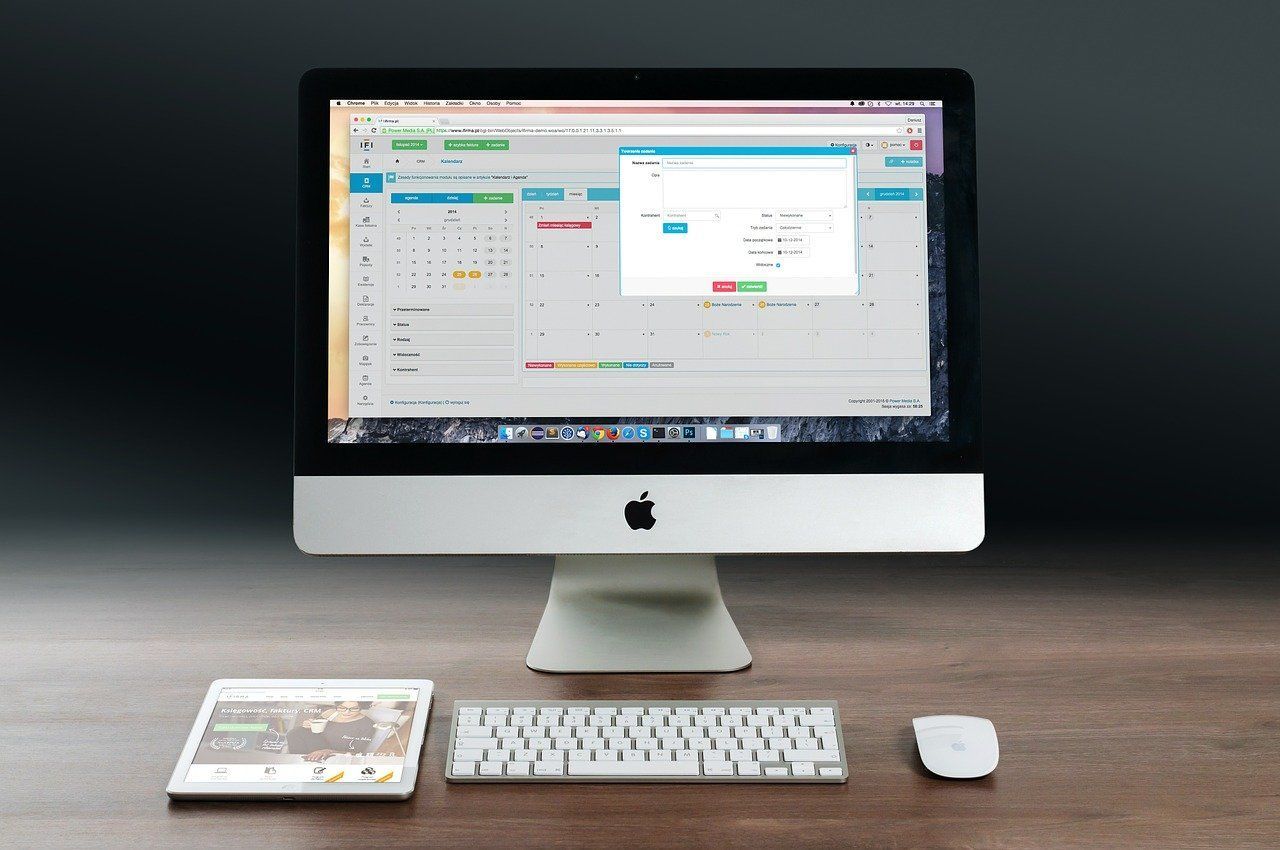 A minimum viable product (MVP) is a product with a limited number of features that solves at least one issue of your targeted customer. Here's why you need one.
109. Tips I Learned from My 10+ MVP Validations.
 Over the past year, I've been focused on making and sharing tools for multimedia content. Luckily, I have some useful tips on MVP ideas validation to share.
110. Minimum Viable Product: a Crucial Stage of Development Process
 In software development, testing ideas, doing trials and continuously learning is the approach that leads to success. That’s why creating a minimum viable product (MVP) can be so beneficial for every business that wants to have their IT product done the right way.
111. Creating a Poor Man's API Using PostgREST
 Creating a full-fledged API requires resources, both time and money.
112. 6 Misconceptions About MVP Development - Don’t Believe in These Myths
 Let’s fight the common MVP (Minimum Viable Product) misunderstandings once and for all. Keep on reading!
113. Why Developers Build Tools They Don’t Plan to Sell
 Many great tools aren't built for profit, they're built to solve personal problems. This article explores why developers create tools for themselves.
114. Utility First CSS Leads to Rapid Prototyping

115. KYC, Neobanks and More: An Interview with Vitaliy Dyachenko, CEO and Founder of UppLabs
116. The Real Complexity Behind 'Just Make a Simple Fintech Service' — and 5 Tactics to Survive It
 In fintech, you're not building a single feature. You're building a chain of dependencies where any link can break everything.
117. Estimating How Long Will It Take to Build Your MVP
 If you’re reading this, chances are that you’re about to take the first step in turning your business vision into a reality by building an MVP.
118. The Noonification: Why Humans Are Drawn to Games (4/22/2024)
 4/22/2024: Top 5 stories on the HackerNoon homepage!
119. Beyond the MVP: What Comes After You Launch
 Your MVP launch is just the beginning. Learn what to do next: gather real user feedback, win early champions, and set your startup up for sustainable growth.
[120. Lean Innovation: How to Tackle
Product Development in a Lean and Efficient Way](https://hackernoon.com/lean-innovation-how-to-tackle-product-development-in-a-lean-and-efficient-way-tx2b3wqu)
 Nowadays, it is especially important to keep the process of product development lean and efficient. Therefore it is helpful to determine the concrete goal of each phase. This makes it easier to keep the entire process goal-oriented, structured and efficient.
121. Can No-code Help Platform Cooperative Developers?
 Is no-code a potential solution to break past the bottleneck inhibiting the development of platform cooperatives?
Thank you for checking out the 121 most read blog posts about Mvp on HackerNoon.
Visit the /Learn Repo to find the most read blog posts about any technology.