

Let's learn about K8s via these 121 free blog posts. They are ordered by HackerNoon reader engagement data. Visit the Learn Repo or LearnRepo.com to find the most read blog posts about any technology.
K8s, or Kubernetes, is an open-source system for automating deployment, scaling, and management of containerized applications. It matters by providing a robust platform for orchestrating microservices, ensuring high availability, and streamlining cloud-native development.
1. How To Run Docker Linux Containers Natively on Windows
 With Docker Desktop running on WSL 2, users can leverage Linux workspaces and avoid having to maintain both Linux and Windows build scripts.
How is it different?
2. How To Use Prometheus Adapter to Autoscale Custom Metrics Deployments
 Introduction
3. How To Create a CD pipeline with Kubernetes, Ansible, and Jenkins
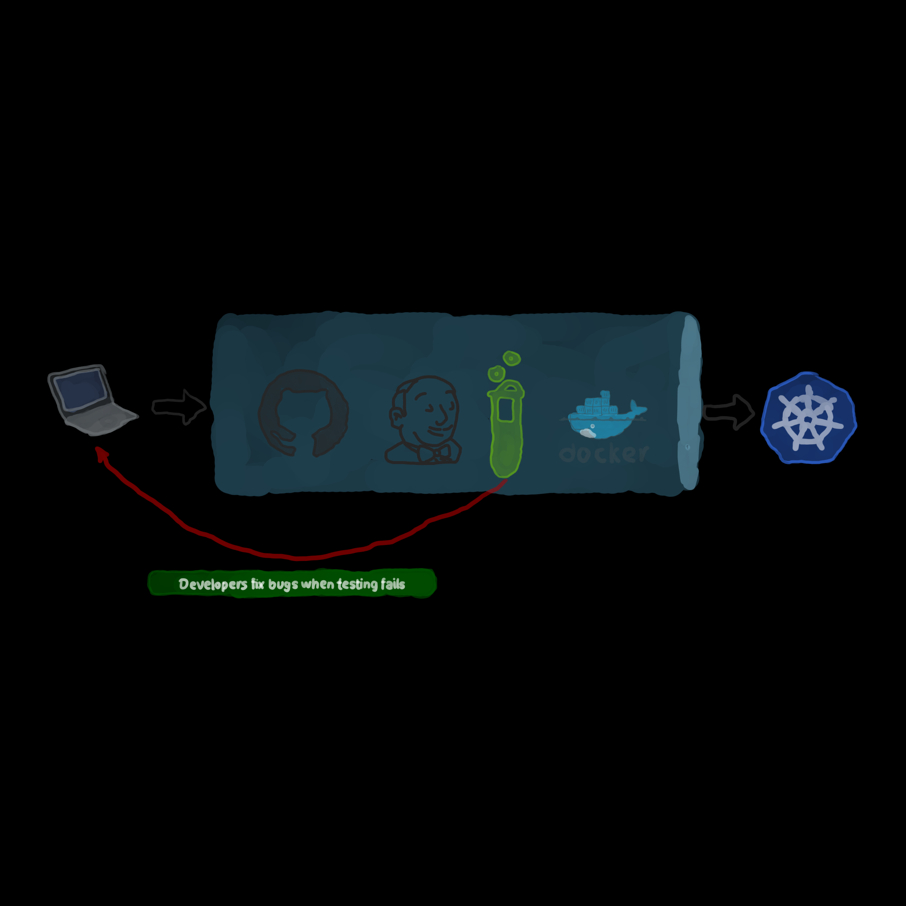 What does CI/CD try to solve?
4. How to Pass the Certified Kubernetes Administrator Exam in 7 Days
 A couple of weeks ago I passed the Certified Kubernetes Administrator (CKA) exam with 7 days of prep. Here’s how I did it.
5. Kubernetes Secrets and ConfigMaps
 In this article we will discuss about the applications of Kubernetes ConfigMaps and Secrets.
6. Platforms on k8s with Golang - Watch any CRD
 Let’s say you want to do more with Kubernetes than run off-the-shelf apps. Perhaps you want to stitch apps together into a bespoke platform. Imagine that when your user clicks a button you want to provision a new database or open up a new public-facing endpoint.
7. Kubernetes Cluster Setup with a Local Registry and Ingress in Docker using KIND
 Local k8s development environment setup with local docker registry and ingress setup in KIND.
8. Kubernetes Monitoring with Prometheus and Thanos
 Introduction
9. Tips and Tricks to Pass Certified Kubernetes Application (CKA) Exam
 Certified Kubernetes Administrator: What you need to know to pass the CKA exam? Useful tips to pass the Certified Kubernetes Administrator exam.
10. Streamlining Keycloak Deployment on Kubernetes with the Keycloak Operator
 Explore how the Keycloak Operator simplifies Keycloak deployment on Kubernetes, enabling efficient management of identity and access management .
11. How to Harden K8S: Based On the Recent Updated NSA's Kubernetes Hardening Guide
 Recently, NSA updated the Kubernetes Hardening Guide, and thus I would like to share these great resources with you and other best practices on K8S security.
12. Running Linux Applications as Unikernels with K8S
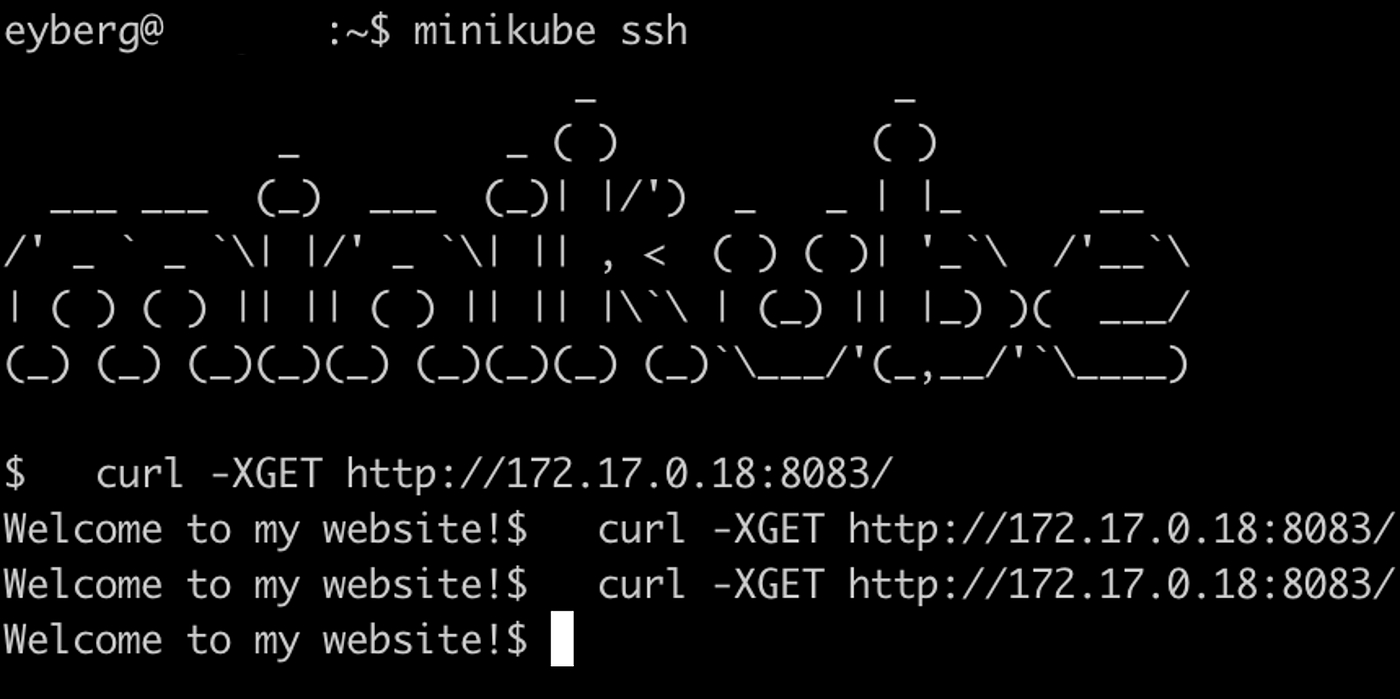 If you've read some of my prior articles you might've thought I'd never write this one huh? :) Well here goes.
13. A Guide on How to Use GPU Nodes in Amazon EKS
 In this article, we'll run GPU nodes in AWS EKS in seven simple steps via nvidia-driver and will check basic methods to debug it after the deployment.
14. How to Setup Different Environments for Dockerized Angular App with Nginx
 Here I’m going to suggest to you a very simple deployment practice that we can follow in regards to deploy an Angular-based front-end app.
15. Checklist for Upgrading an EKS Kubernetes Cluster without Downtime
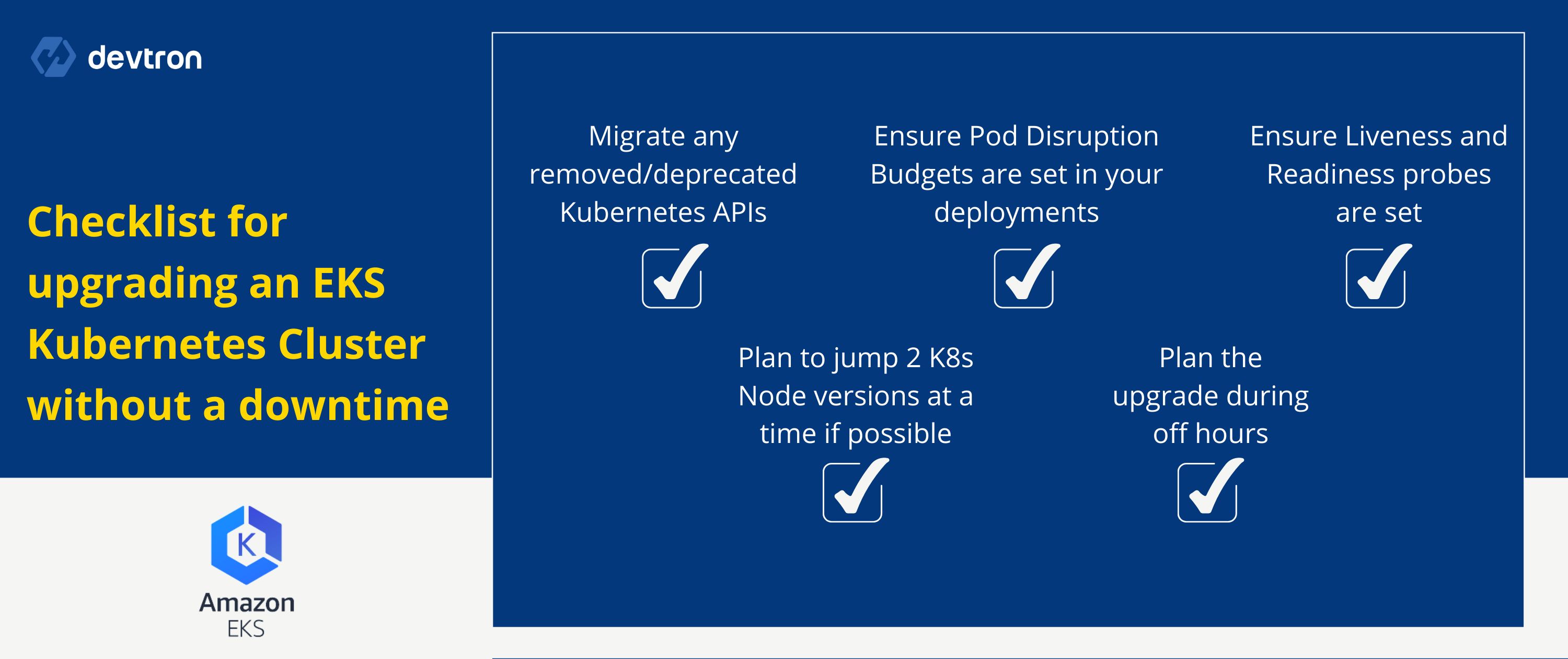 A helpful checklist for upgrading Amazon EKS.
16. How to Set Up Jenkins on Kubernetes
 This guide will walk you through the process of setting up Jenkins on Kubernetes. Jenkins is a widely-used open source CI server that provides hundreds of plugins to support building, deploying and automating your projects.
17. How To Deploy Firecracker MicroVMs using Weave FireKube
 Introduction
18. The #1 Reason Jenkins Fails
 Jenkins down? Pipelines broken? Hackers making off with your data? It often stems from one fatal flaw. While Jenkins has been both loved and hated for being DevOps duct tape, every user knows there are plenty of issues to deal with. Over the past three years, as part of my work at Codefresh I’ve been helping teams migrate from Jenkins and I’ve seen all of these issues over and over again. The biggest issue may surprise you because it creates a cascade effect.
19. Should You Learn Kubernetes in 2022
 With the increasing popularity of containerized applications, the container orchestration platform Kubernetes has become a must in the toolset of a developer.
20. How to Automate Kubernetes Deployments with Postman
 Kubernetes is the most widely used container-based orchestration platform today. Learn how to deploy apps with continuous delivery using Postman.
21. How to Build Your Own Observability Platform on Kubernettes
 End-to-end full observability using Odigos and other back-end observability tools.
22. Testkube: K8s Native Testing Tool
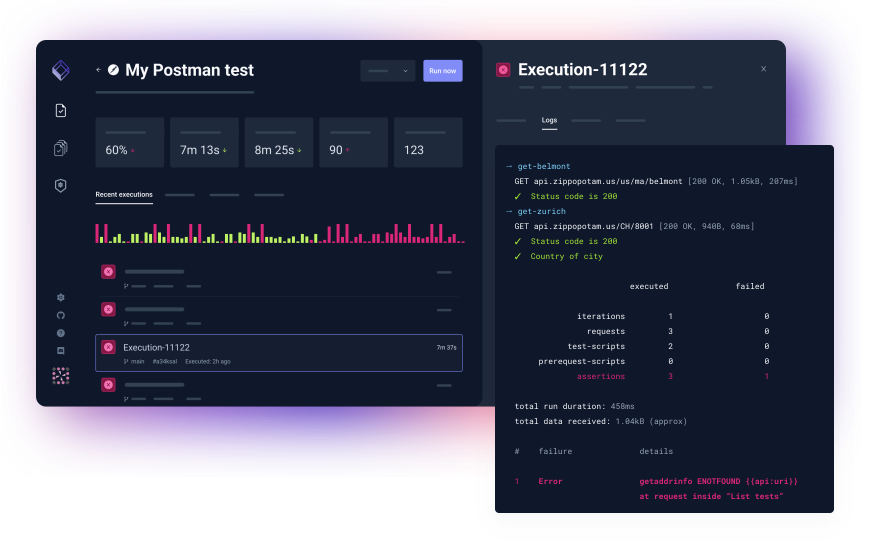 More background information on the Cloud Native Testing Tool, Testkube.
23. Kubernetes vs Docker: Differences Explained
 Learn about Docker and Kubernetes container solutions, and discover the differences between Kubernetes and Docker to choose the one that best suits your needs.
24. Using Spinnaker with Kubernetes for CI/CD
 Kubernetes is now the de-facto standard for container orchestration. With more and more organizations adopting Kubernetes, it is essential that we get our fundamental ops-infra in place before any migration. This post will focus on pushing out new releases of the application to our Kubernetes cluster i.e. Continuous Delivery.
25. Kubernetes Resource Quotas
 Those who work with kubernetes often encounter resource quotas, such as cpu, memory, but few people know that these are not all quotas and what their mechanism is built on.
26. An Intro to Continuous Profiling in Kubernetes via Pyroscope
 Let's look into continuous profiling in K8s clusters & dive deep into how you can monitor CPU usage with Pyroscope to identify performance bottlenecks
27. I Thought I Had Observability - My Short DNS Story
 DNS Kubernetes improvements, How to change ndots option default value of dns in Kubernetes. DNS k8s best practices.
28. The Essential Guide to Kubernetes Virtual Clusters
 Virtual clusters are Kubernetes clusters that run on top of other Kubernetes clusters and don't need any extra resources
29. Top Kubernetes Consulting Service Providers: 2021 Edition
 Kubernetes opens up the potential for better application management and deployment automation.
30. Kubernetes Distributed Performance Testing using Locust
 Docker and Kubernetes are powerful tools that can help you in aligning your Machine Learning production cycles with the business operations requirements.
31. Step-By-Step Tutorial To Deploy A Node.js App To Kubernetes
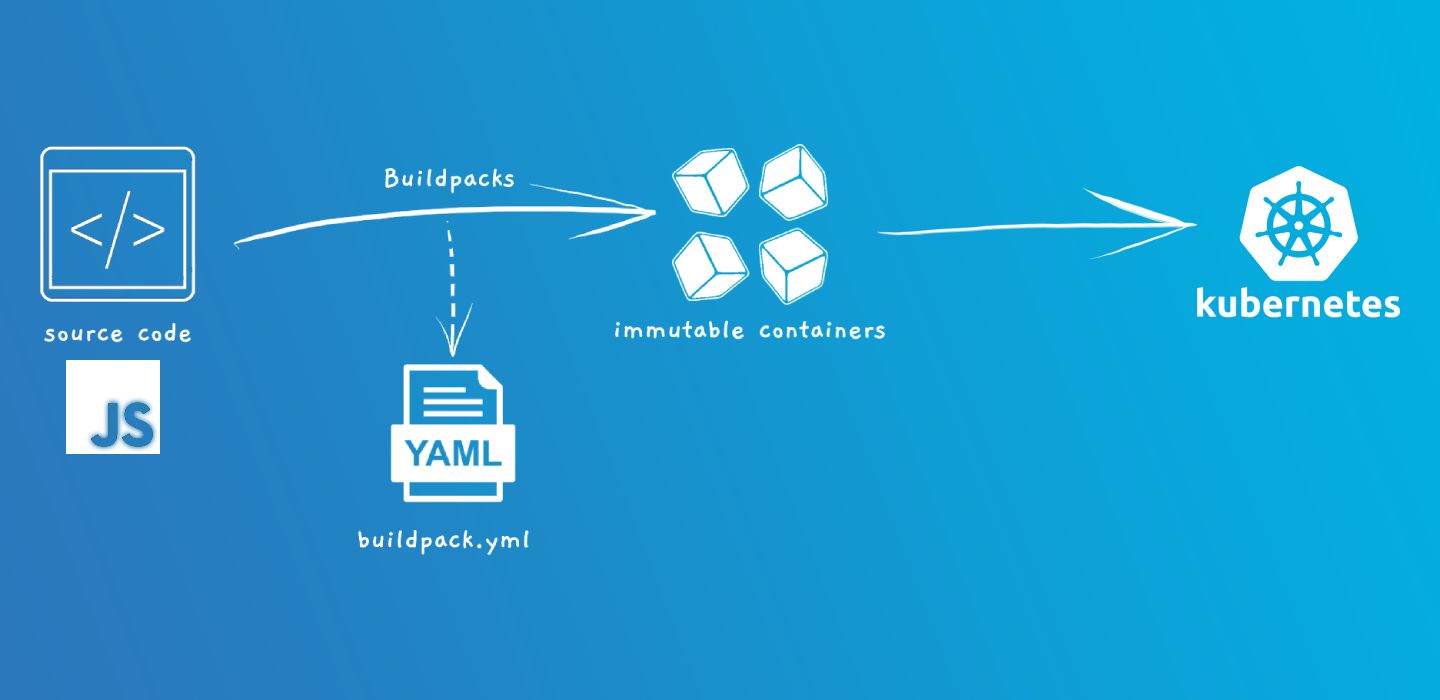 The Cloud Foundry project cf-for-k8s, along with a Cloud Native Buildpacks implementation called Paketo Buildpacks, can provide a path for JavaScript applicatio
32. Why Kubernetes Is The Best Technology For Running A Cloud-Native Database
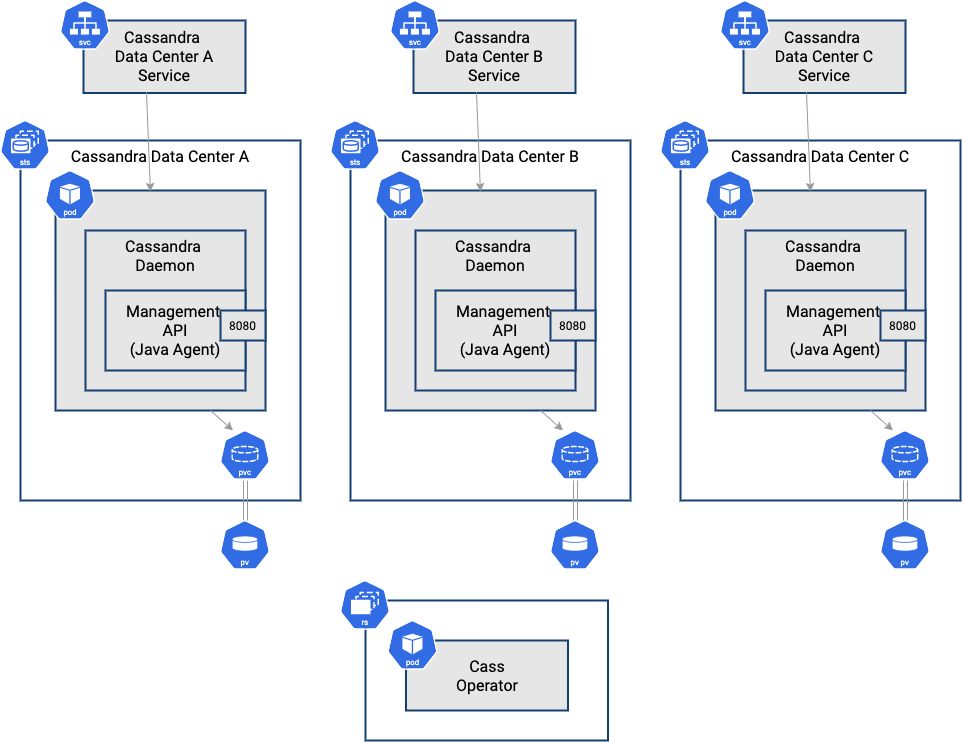 We’ve been talking about migrating workloads to the cloud for a long time, but a look at the application portfolios of many IT organizations demonstrates that there’s still a lot of work to be done. In many cases, challenges with persisting and moving data in clouds continue to be the key limiting factor slowing cloud adoption, despite the fact that databases in the cloud have been available for years.
33. SQL Server container in Azure Kubernetes Services (AKS)

34. Kubernetes Day-2 Operations, Part I
 Kubernetes is the de-facto standard for container clustering and orchestration. Its adoption is soaring in cloud-native applications.
35. Why the AWS, Azure, and GCP CLIs Need to Die
 Why the AWS, Azure, and GCP CLIs need to die
36. Things to Keep in Mind to Successfully Deploy Kubernetes in Production
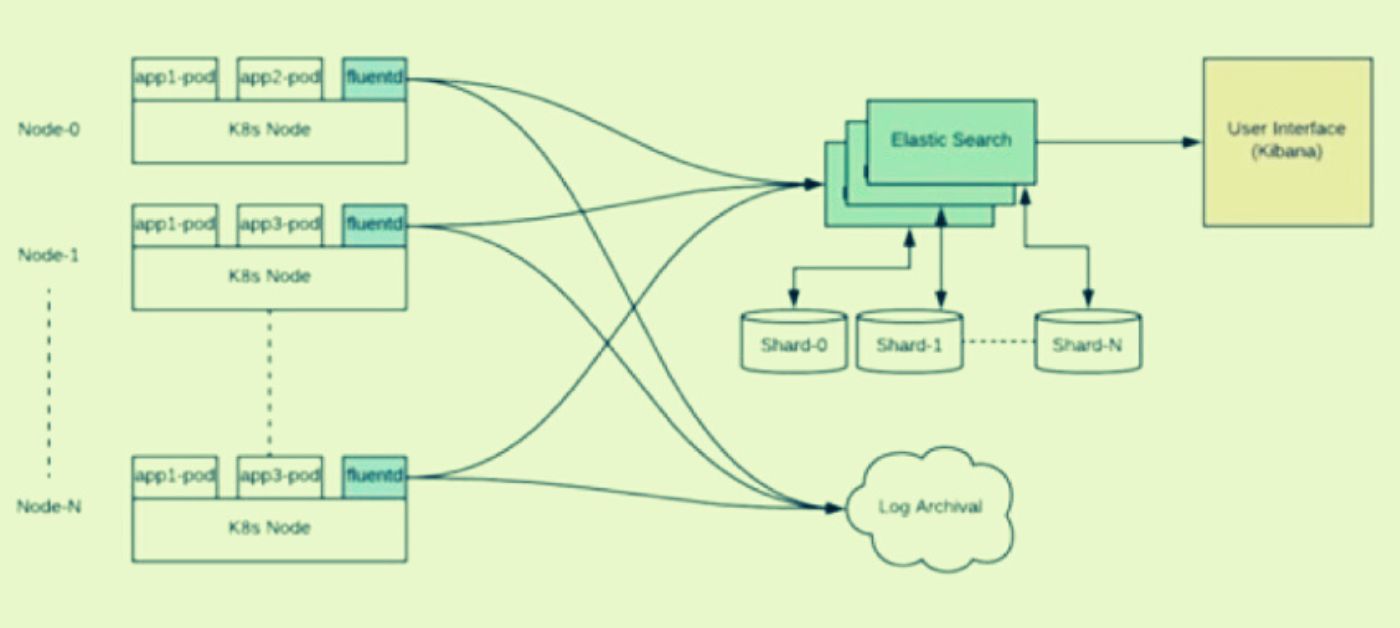 This blog covers additional factors you should take care of to successfully deploy Kubernetes cluster in production alongwith choosing a managed cloud. Read on.
37. Anthos on Bare Metal: How to Manage a Private Cluster From the Cloud
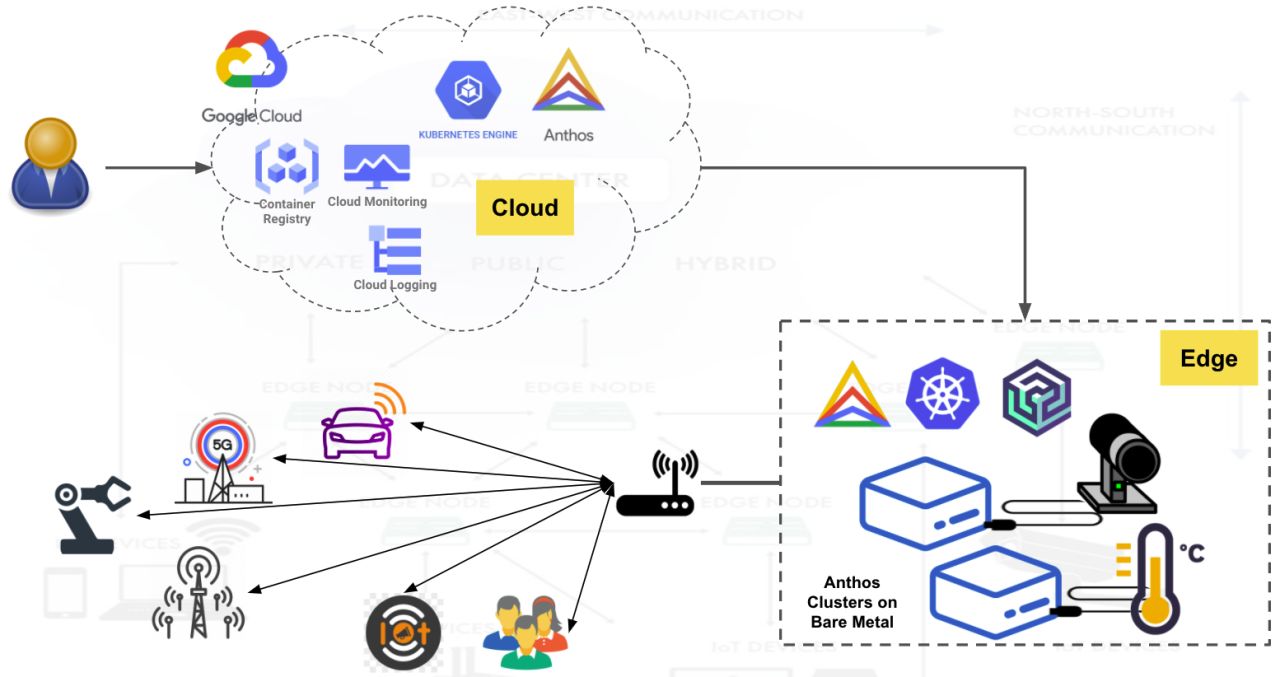 The millions of devices that currently make up the Internet of Things (IoT) reside not in the cloud but on-premises: from retail stores to factory floors.
38. A Quick Guide to Writing YAML for Kubernettes
 YAML is a human-friendly, data serialization standard. It also has various applications in Kubernetes.
39. A Brief Overview of Kubernetes Architecture
 Here, we talk about the various components within a Kubernetes architecture. Read further to know more!
40. Connecting Dots: Go, Docker and k8s [Part 1]
 In this post my plan is to create open tcp port scanning tool, use GO and worker pool to make it very fast. Expose it via REST resource, containerise and deploy
41. Kubernetes Explained Simply: Data Extraction With JSON Path [Part 8]
 kubectl can pull a lot of data about our deployments and pod. Most of the time, we humans are the recipients of that information, and kubectl obliges by nicely formatting things in pretty tables.
42. The Apprentice's Guide to Kubernetes
 Let's dig into Kubernetes, a powerful orchestrator that will ease deployment and automatically manage your applications on a set of machines.
43. How to install Devtron over k3s
 Installing Devtron - An opensource Heroku-like platform over k3s - lightweight kubernetes. Devtron is an end-to-end software delivery workflow for Kubernetes
44. How To NOT pass the Certified Kubernetes Administrator Exam
 The best of bad advices about CKA
45. How to install Devtron Over MiniKube Cluster
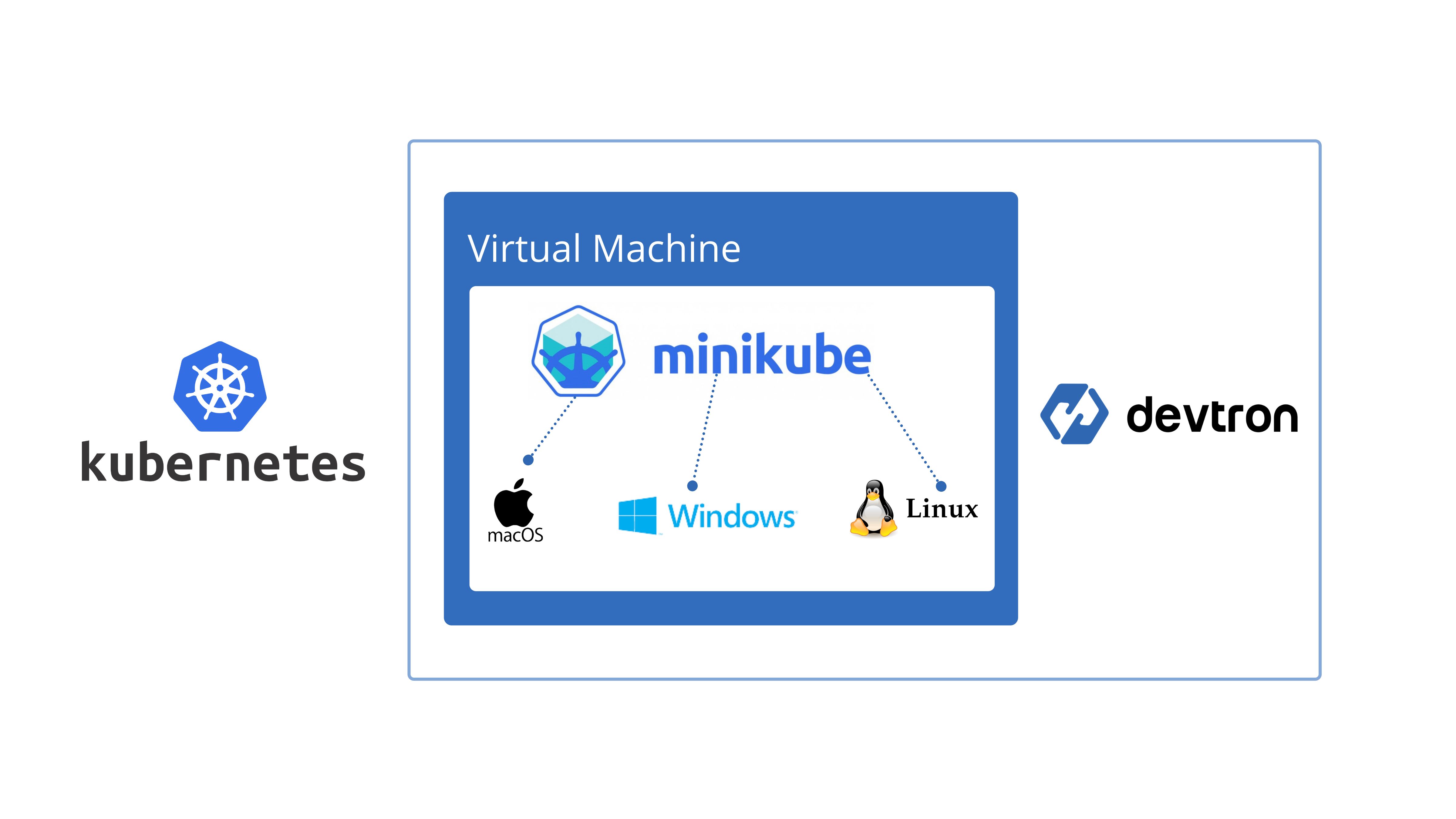 The blog includes steps to install & setup minikube and devtron - an opensource software delivery workflow for kubernetes in minikube cluster.
46. Viewing K8S Cluster Security from the Perspective of Attackers (Part 1)
 Based on previous penetration testing experience, we have sorted out the possible security issues under the K8S cluster architecture.
47. Managing Collectors on K8 – Why We Chose the OpenTelemetry Collector for Odigos
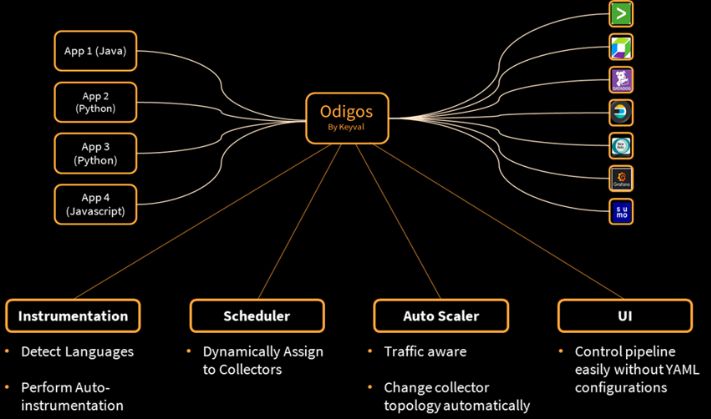 Without proper implementation and continuous configuration of your collectors, observability tools will be limited at best at best and many times ineffectual.
48. An Essential Guide to Kubernetes Observability Challenges with Pixie
 Debugging on K8s is hard
The main reason that makes Kubernetes observability so difficult is the volatile and dynamic nature of workloads and resources.
Debugging on K8s is hard
The main reason that makes Kubernetes observability so difficult is the volatile and dynamic nature of workloads and resources.
49. The Essential Guide to Pod Eviction On Kubernetes
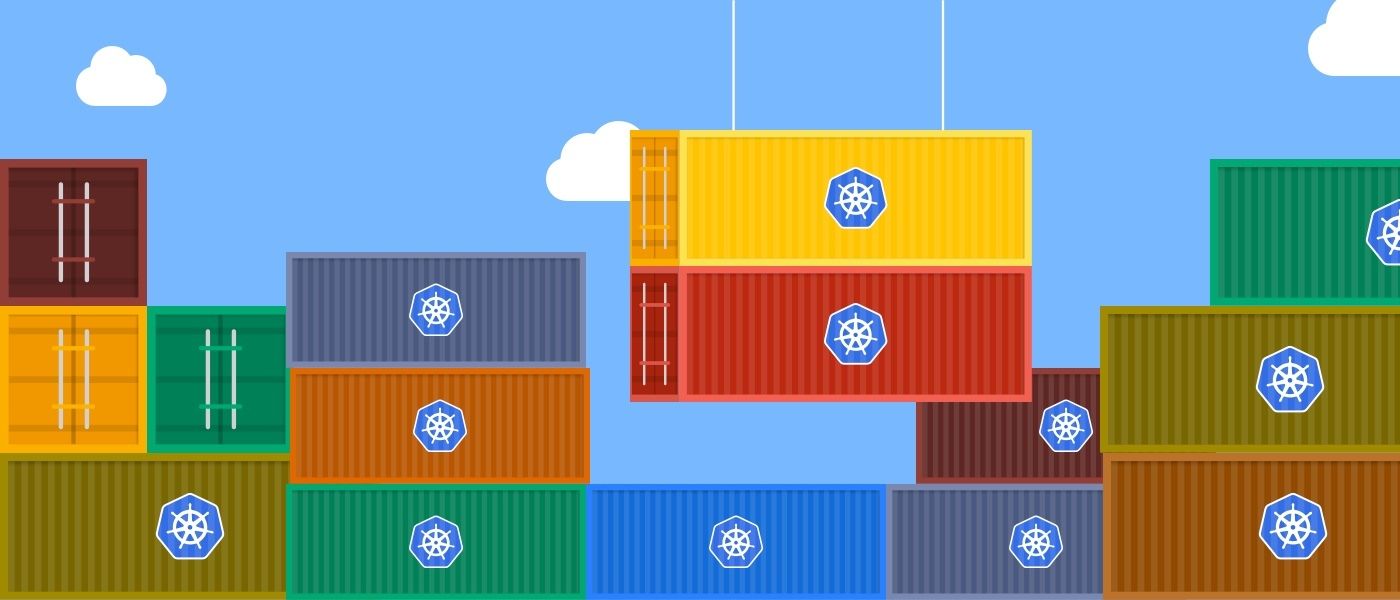 By nature, pods in Kubernetes clusters are ephemeral. They can be created, killed, and moved around by the scheduler. This may occasionally cause disruption in the microservices if pods are not configured properly.
50. How to Configure And Monitor Apache Spark on Kubernetes
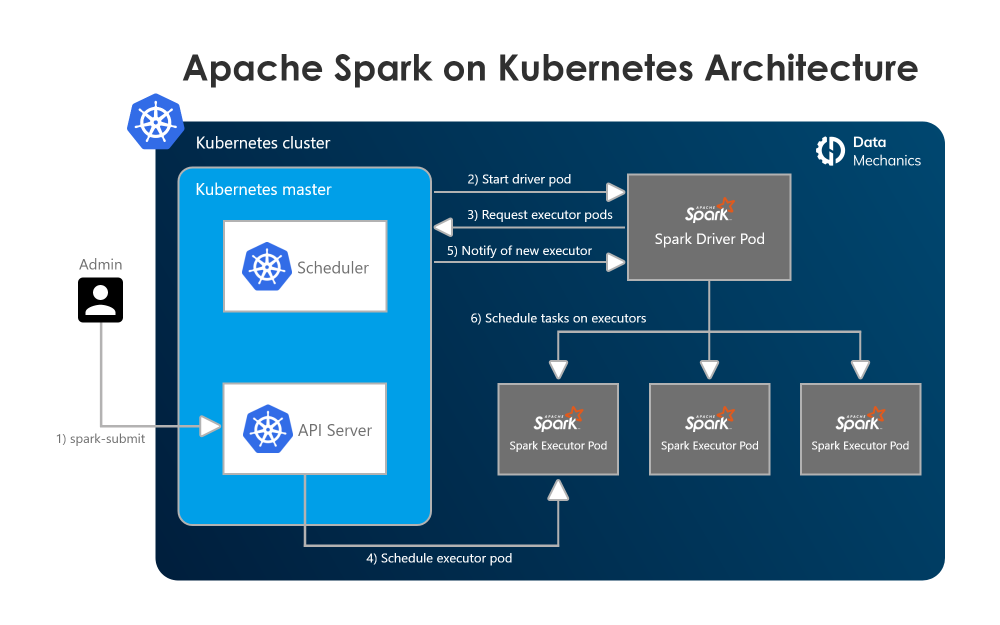 Earlier this year at Spark + AI Summit, we had the pleasure of presenting our session on the best practices and pitfalls of running Apache Spark on Kubernetes (K8s).
51. Goodbye, Cost-depth Trade Off: Cloud-Native Observability, Redefined
 It turns out that, by rethinking the fundamentals of your approach to monitoring, you can have it all
52. Kubernetes Explained Simply: #1 Kubectl Hack
 To say that Kubernetes uses a bit of YAML is like saying that a few people put some of their code on GitHub – accurate, but severely understated.
53. How To Build CI/CD Pipelines Behind Your Firewall Using Codefresh Runner
 Continuous Integration/Delivery (CI/CD) is one of the most obvious candidates for moving to a Kubernetes cluster, as you automatically enjoy all the benefits of Kubernetes scalability. In traditional CI solutions, companies employ a fixed set of build nodes that teams must manually monitor and upgrade.
54. Solid Tips on How to Manage and Monitor Chaos via Litmus Custom Resources
 Litmus is a Cross-Cloud Chaos Orchestration framework for practising chaos engineering in cloud-native environments. Learn how chaos is orchestrated with Litmus
55. KubeMQ Secrets To Build A Great Kubernetes-based Solution In A Hybrid Environment
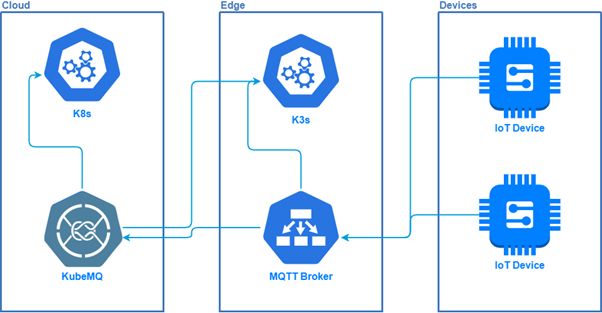 A messaging platform that was purposefully built utilizing Kubernetes is a crucial component to successful deployments in hybrid and edge environments.
56. Murre - the lightweight K8s metrics monitoring tool

57. Increasing Developer Productivity with skaffold
 Primary focus of Developer is to write code. Build, Test and Deploy of the application are better left to be managed by tools. skaffold can help in automating some of mundane tasks that comes with using kubernetes.
58. Kuma Meshes Head-On - Everything You Need to Know
 To quickly start learning Kuma, one of the most important things we need is cluster.
59. IoT Performance Load Testing with Locust and Azure [Continuous Delivery]
 We dig into how to continuously run Locust to ensure your deployments meet the minimum requirements.
60. Kubernetes Explained Simply: #3 What Do I Have Permissions For?
 Stretching as far back as version 1.8 (in September of 2017), Kubernetes has supported a fine-grained access control mechanism called RBAC. Nothing gets done via the Kubernetes API that isn't governed by some sort permission or another, and there are a lot of them.
61. How to Deploy ML Workflows on LKE with Kubeflow
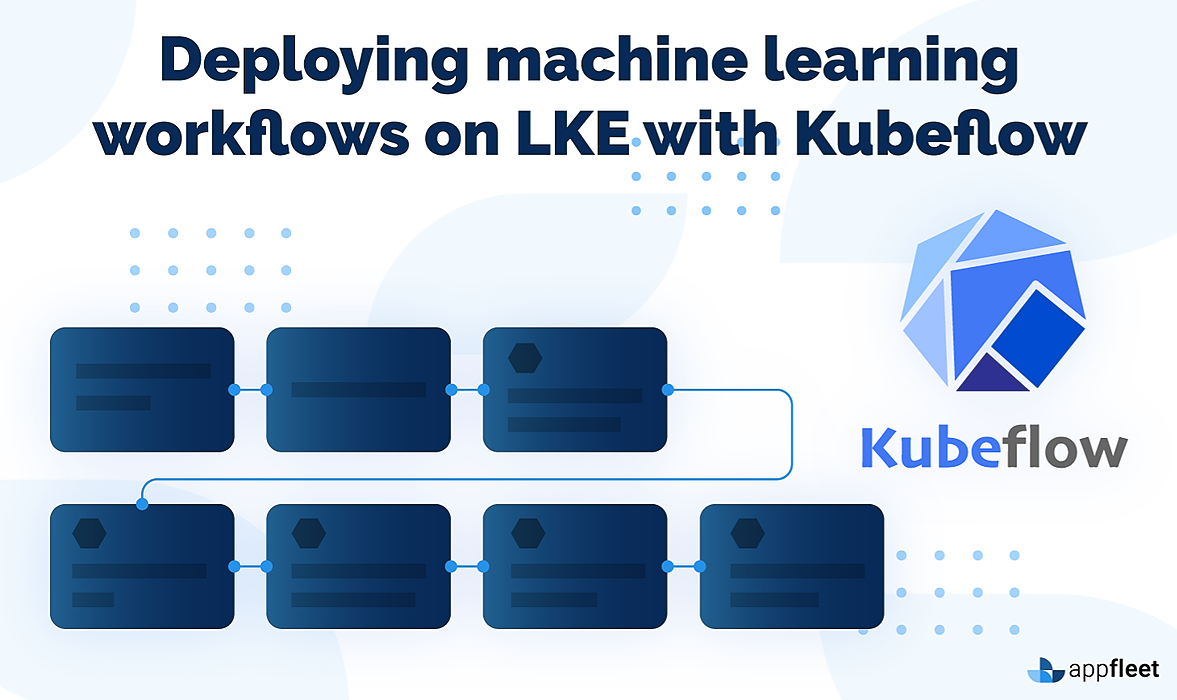 Introduction
62. Setting Up Kubernetes Role Based Access Control
 Kubernetes(K8s) role-based access control is a powerful tool in restricting access to resources within a Kubernetes cluster.
63. GitHub Pages is a Great Way to Host a Server
 Hosting serverless applications outside of cloud on a home server.
64. Potential Use Cases of AI in Kubernetes
 See how AI is helping shape the Kubernetes industry and optimize clusters for the future.
65. How To Make The Kubernetes Operator Rock: Basic Principles
 This blog post demonstrates how you can use the Operator Lifecycle Manager to deploy a Kubernetes Operator to your cluster. Then, you will use the Operator to spin up an Elastic Cloud on Kubernetes (ECK) cluster.
66. A Guide to Kubernetes Autoscaling Tools with Linode Kubernetes Engine
 Learn to use key Kubernetes autoscalers with short examples
67. Open-Source Testing Mechanism for Kubernetes Applications
 Without a doubt, Kubernetes is one of the top players in the container orchestration platforms game.
68. Kubernetes Explained Simply: Waiting For Kubernetes [Part 5]
 When you deploy stuff for a living, you find yourself waiting around, a lot. Wait for Terraform to spin up the AWS VPCs. Wait for the Kubernetes cluster node VMs to boot. Wait for the Kubernetes cluster to coalesce. Wait for the CNI pods, DNS pods, and kube-proxy bits to be happy. Wait, wait, wait.
69. Unleashing the Power of Kubernetes 1.26 Using the New ValidatingAdmissionPolicy Feature
 The Kubernetes crew just dropped the latest version, k8s 1.26 a few days ago, and it’s packed with some seriously cool new features.
70. Understanding and Extending Kubernetes with Custom Resource Definitions API
 Intro
Intro
71. 1:1 CKA (Certified Kubernetes Administrator): An Essential Guide
 The steps to upgrade are:
Check what versions are being used.
Check what is the target version.
Check the plan.
Upgrade kubeadm.
Upgrade kubelet.
The steps to upgrade are:
Check what versions are being used.
Check what is the target version.
Check the plan.
Upgrade kubeadm.
Upgrade kubelet.
72. Setting Up and Managing a Kubernetes Cluster with Kubeadm
 In this tutorial, we'll explore everything you need to know about Kubeadm commands and how to use them to create & manage cluster components in Kubernetes.
73. Your Serverless Guide is Ready
 Learn everything you need to know about Serverless, including case studies, essential concepts, guidelines, and best practices.
74. A Guide to Taints and Tolerations, Node Affinity and Node Selector
 Taint and affinity in Kubernetes are two mechanisms that allow users to specify how pods should be scheduled on nodes in a cluster.
75. Why Tinder, AirBnB, and Pokemon Go All Use Kubernetes
 Why IT executives should consider using Kubernetes in 2021 and what is its real value for business? Find real-world use cases and expert advice on adoption.
76. Kubernetes Explained Simply: Cleaning Up After Yourself [Part 10]
 If there's one thing that Kubernetes makes easy, it's creating resources – pods, deployments, volumes – before long you'll have tons of them lying around.
77. Debugging Kubernetes: Part 1 - Introduction and Core Concepts
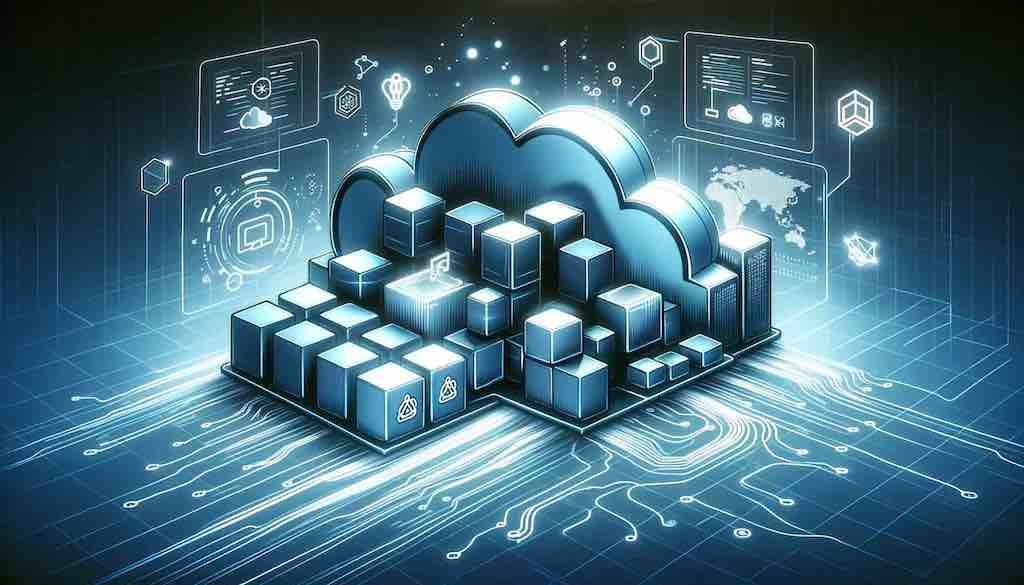 In this first part of our Kubernetes debugging series we take an in-depth view of the underlying technologies from containers to orchestration.
78. Installing Configurator Using Helm Charts: Version Controls for Kubernetes ConfigMaps
 This is how to make use of Helm Charts with Configurator, a versioning & sync service for Kubernetes ConfigMaps that can make it easier to use ConfigMaps.
79. Amazon Elastic Kubernetes Service (EKS) vs. Azure Kubernetes Service (AKS), A Comparison
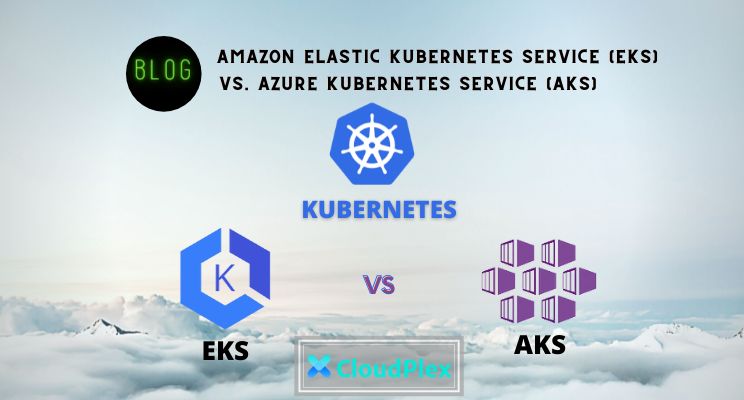 Managed Kubernetes is experiencing massive growth in adoption and many organizations are moving their self-managed Kubernetes clusters.
80. 8 Things Developers Forget in Application Migration To Kubernetes
 Application migration to Kubernetes is a hot topic today. I discuss 8 things developers forget during migration to Kubernetes and how to deal quickly with them.
81. Distributed Tracing: Past, Present and Future
 Distributed Tracing is a divisive topic. Once the doyen of every KubeCon, the technology was expected to revolutionize observability.
82. We're The DevOps Workflow You Were Promised
 host a monolith or microservice-based application; enterprises can layer the platform into their own private cloud cluster on kubernetes
83. Doing First Steps with the Kubernetes Operator
 This article demonstrates how you can use the Operator Lifecycle Manager to deploy a Kubernetes Operator to your cluster. Then, you will use the Operator to spin up an Elastic Cloud on Kubernetes (ECK) cluster.
84. Kubernetes Explained Simply: Label it to Enable it [Part 6]
 The building block of almost all Kubernetes deployments is the pod – one or more containers sharing a network stack. Pods are where the magic happens, where we get our logs, and where we spend most of our time troubleshooting outages and malfunctions.
85. The HackerNoon Podcast: Managing Databases on Kubernetes with Anil Kumar
 Amy Tom talks to Anil Kumar, the Product Manager at Couchbase, about becoming a Product Manager, writing his book, and creating a multi-cloud strategy.
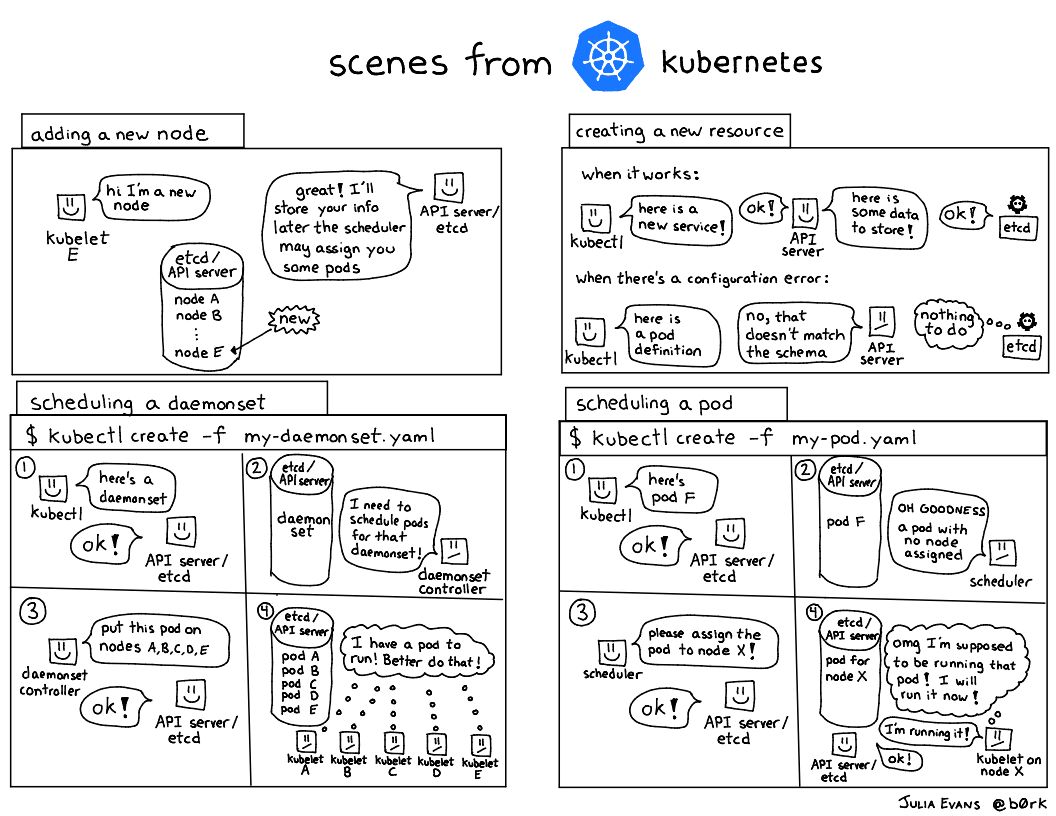
86. Kubernetes Scheduler: Explained in Plain English with Comics
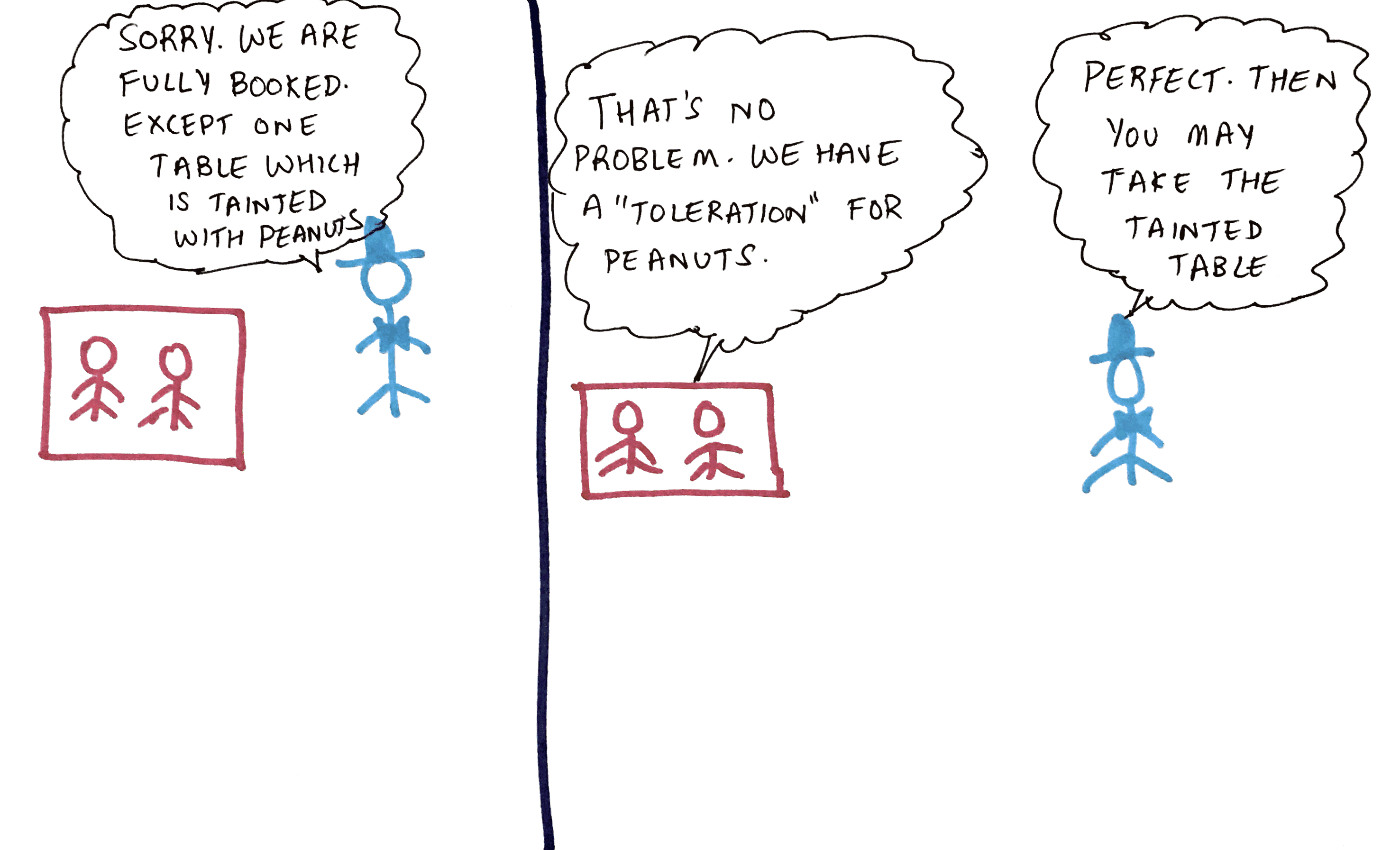 In Kubernetes pod is the smallest deployable unit of workload. So the obvious question :
87. Kubernetes Explained Simply: Getting At Those Logs [Part 4]
 UNIX/Linux system administrators the world over regularly use log files to get to the bottom of outages and malfunctions. An indispensable tool in that regard is tail(1), particularly its follow mode flag (-f). When we're in a Kubernetes world, we'd love to use something similar.
88. Ship Smarter, Not Harder: Affordable Kubernetes CI/CD with GitHub Actions + Helm
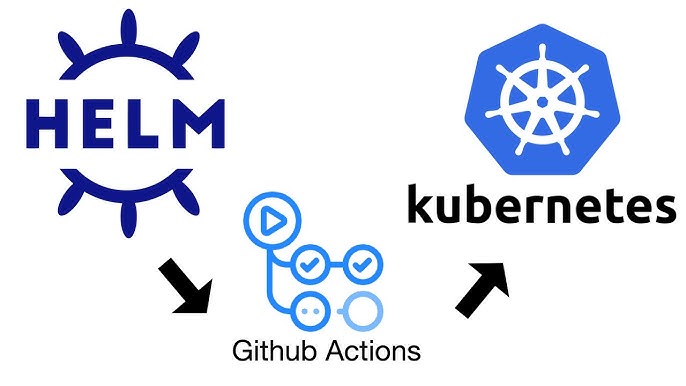 This guide is for freelancers and small teams who need reliable, inexpensive delivery to Kubernetes.
89. How To Run Cloud-Native Performance Benchmarks with Kubestone
 Intro
Intro
90. Common Kubernetes Errors and How to Fix Them
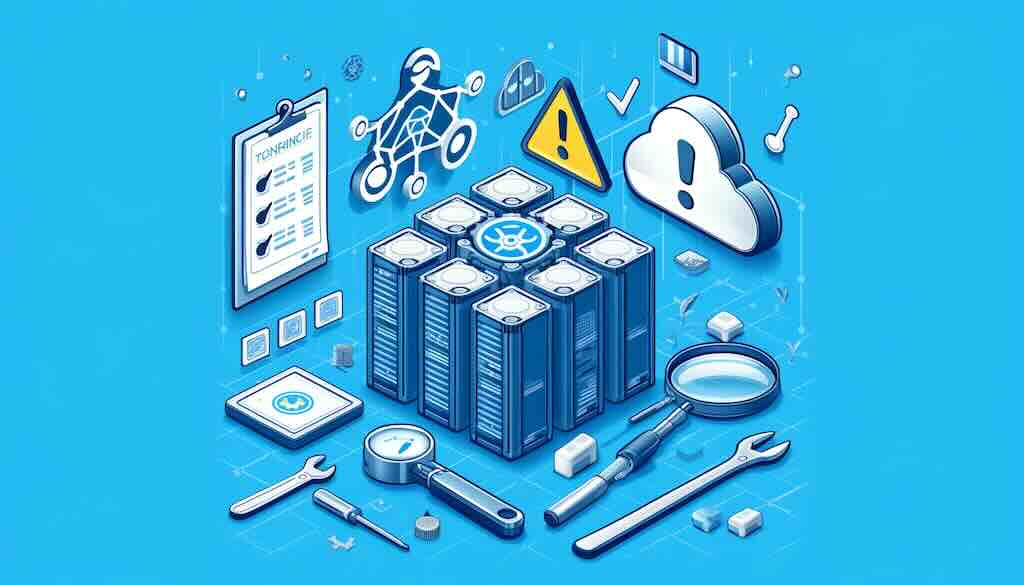 Discover effective solutions to common Kubernetes errors. Learn troubleshooting tips for configuration issues, image pull errors, node problems & more
91. Kubernetes Tutorial: Merge all the Kubeconfigs! [Part 7]
 Once you start managing more than one Kubernetes cluster, you'll start to demand more from your $KUBECONFIG.
92. Inside Kubernetes Scheduling: How Your Pods Fight for a Place to Exist
 Avoid shooting yourself in the foot by understanding widely misunderstood things about Kubernetes scheduling.
93. What Are The Common Kubernetes Security Vulnerabilities
 Kubernetes has become the de-facto standard for managing containerized applications. However, this usage also led to an increased attack surface for K8s.
94. An Overview of Kubernetes Security Projects at KubeCon Europe 2023
 Kubernetes security is more important than ever, and should be top-of-mind for most teams. Let’s walk through the latest in k8s security solutions from KubeCon.
95. Connecting Dots: Go, Docker and k8s [Part 2]
 Nowadays, the successful application often consists of containers and some sort of container management system to ease scaling, reduce downtime, and more.
96. Exploring an Open Source Toolkit for Debugging Kubernetes - KoolKits
 A new open source approach for debugging live applications - right from inside your IDE or terminal window, and without stopping the live application.
97. Security Best Practices for Kubernetes: 2020 Edition
 The New Cloud-Native World of Containers
98. How Namespace and Terraform Can Manage Kubernetes Environments
 In the last several years, Kubernetes has become the “go to” standard for managing and orchestrating containerized workloads. Thanks to it’s vendor agnostic nature, you can easily run Kubernetes almost anywhere, and in fact, all the major cloud vendors offer a managed Kubernetes service (AWS EKS, Google GKE, and Azure AKS).
99. How To Use Brigade Tool For Event-Driven Scripting
 What is Brigade?
100. Write Your Own Kubernetes Sub-Command [Part 9]
 You write a great script for interacting with Kubernetes. It would be great if you could pretend that your script was officially part of the kubectl repertoire.
101. Kubernetes Explained Simply: #2 Kubectl Hack (List Running Images)
 Running Kubernetes in production means taking inventory. A LOT. Are any of our pods running that version of Ubuntu base image affected by the new CVE?
102. What Is a Container And How To Use It
 Welcome to this tutorial series, where we will evolve from the anatomy of a container inside the Linux Kernel, and will keep building pieces and evolving till the publication of a service into an Orchestration Platform. The general idea is to detail as much as possible (without being massive) how is things working under the hood.
103. 6 Tips on How to Choose a Proper VM and Save on Your Cloud Costs
 Did you know that 90% of applications have 5x more resources than they actually need?
104. 5 Years of K8s: DevOps Before and After Kubernetes

105. Kubernetes' Impact on Development
 Kubernetes is the reason containerization has garnered acceptance among enterprises. Whether you like it or not, it has made your life as a developer easy.
106. Overcoming Challenges in Software Development With Containerization and Orchestration
 Embark on a journey to seamless software development! Discover effective strategies for overcoming hurdles with containerization and orchestration.
107. Beginner's Guide To Telepresence: Develop Your K8s Application Locally
 This post explains how Telepresence can be used to improve the developer experience for apps being developed for Kubernetes and includes a demo.
108. How to Use KEDA and Prometheus to Scale your Kubernetes Workloads
 Learn how to scale your kubernetes deployments with keda and prometheus
109. Never Worry About Cloud-Native Tech Security Again
 If you have embraced the concept of cloud-native computing and principles, you are ahead; you are on the right path in today’s advanced and competitive IT environment. But we need to understand one thing that, moving your development environment and processes to a cloud-native environment can be daunting and challenging. Anybody can merely advise you to move from a monolithic application to a microservices architecture, but from where and how are the questions that need critical analysis.
110. My Experience with Integration Testing
 "I have to use the test environment for a integration test project at 2-3 pm, please don't publish during that time!"
111. Reducing Kubernetes Costs
 Kubernetes has become the de-facto choice for most users and one aspect that any Kubernetes administrator must look into is managing Kubernetes costs.
112. How to Deploy Mancala With Minikube - A Beginner's guide
 What is minikube and how is it related to Kubernetes, which we frequently name k8s?
113. Accessing Kubernetes Using Expose API and User Interface Using Sidecar Pattern
 Kubernetes is an open-source container-orchestration system for automating application deployment, scaling, and management.
114. Navigate Your Way to Production Bliss with Caretta
 The easiest way to map our cluster: Caretta - a standalone OSS tool, leveraging eBPF technology to be lightweight and frictionless
115. Eliminate Friction in App Delivery to Kubernetes
 The last two decades have seen a sea change in the way software is written and delivered. Waterfall to iterative to agile, native to hybrid to responsive interfaces, monoliths to microservices, installed to pay-as-you-go SaaS, data centers to private and hybrid clouds, and virtual machines to containers. As the market constantly evolves, enterprises are facing a ton of choices with increasing complexity.
116. Meet kubectl cost: A Tool For Determining Kubernetes Workloads Cost
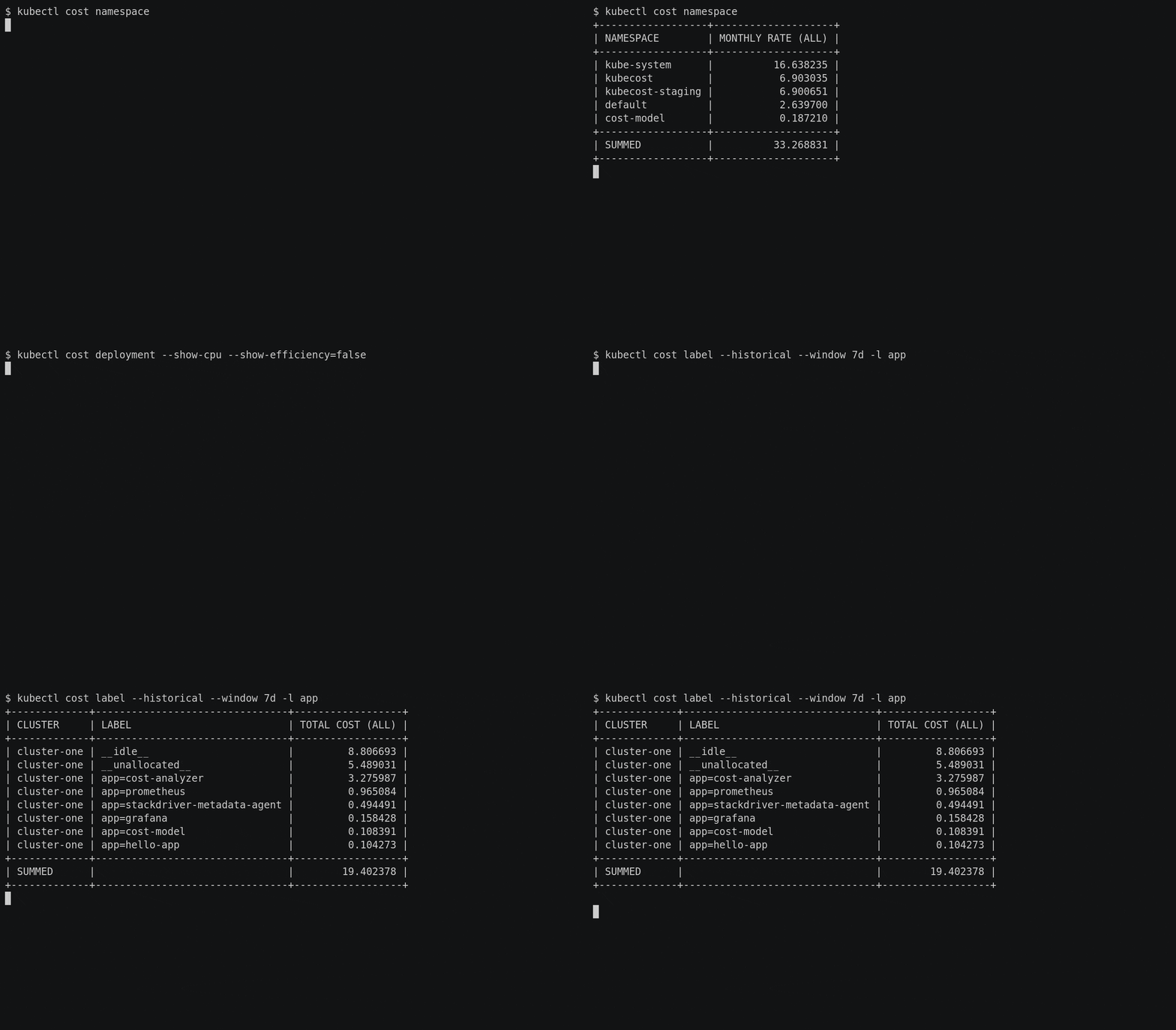 Kubectl cost is an open source kubectl plugin designed for those who interact regulary with Kubernetes and need to control the costs of their infrastructure.
117. Kubernetes Explained Simply: Data Extraction With JSON Path [Part 8]
kubectl can pull a lot of data about our deployments and pod. Most of the time, we humans are the recipients of that information, and kubectl obliges by nicely formatting things in pretty tables.
118. Using Codeship to Deploy a Dotnet app on Oracle Kubernetes

119. How The NSA Says You Should Secure Kubernetes
 Security has become a primary consideration for any technological solution. Here are the NSA's recommendations for securing Kubernetes against hackers.
120. Why Rebuilding Infrastructure Beats Upgrading It
 Build infrastructure that can burn down and bounce back. A guide to Minimal Viable Kubernetes.
121. Overcoming Challenges Running the Disaggregated Analytics Stack in K8s
 Alluxio brings back data locality for the disaggregated analytics stack in K8s.
Thank you for checking out the 121 most read blog posts about K8s on HackerNoon.
Visit the /Learn Repo to find the most read blog posts about any technology.